

Industry Briefing
A single destination for timely, editor-curated robotics news from around the world.
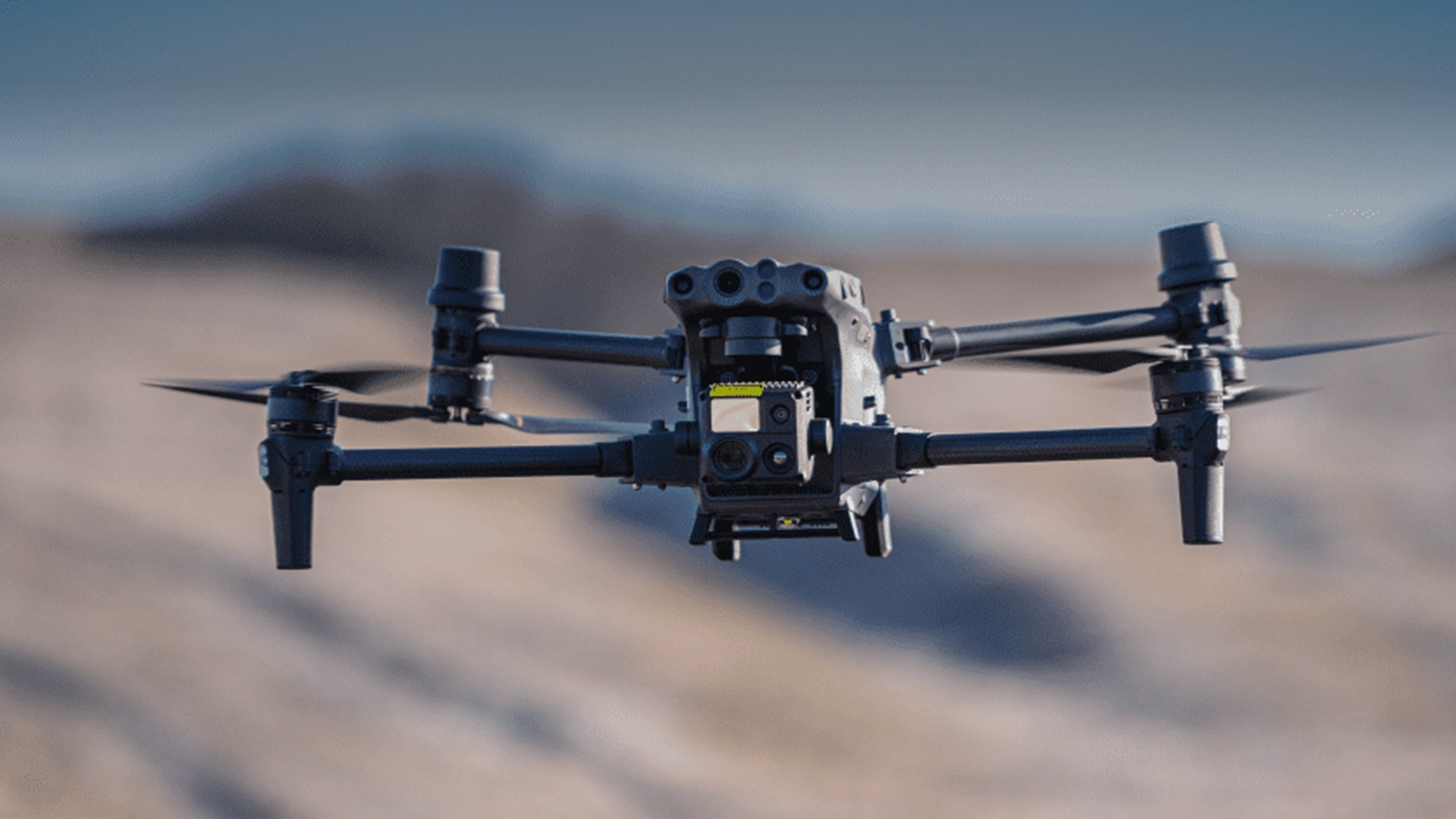
Amprius Technologies Secures $75M Grant to Transform EV Battery Line for Drone Production
The U.S. Department of War has granted Amprius Technologies up to $75 million to convert an electric vehicle battery production line into a facility for drone batteries. This retrofit, located in Fremont, California, aims to produce high-energy-density cells for unmanned aerial systems, with a projected capacity of 12 million cells annually by early 2028. This initiative is significant as it aligns with domestic sourcing requirements under the National Defense Authorization Act, ensuring that the U.S. can meet its defense needs with locally produced batteries. The total conversion project is estimated to cost around $100 million, which includes the federal grant and investments from Amprius and its South Korean manufacturing partner. Looking ahead, the converted facility will enhance Amprius’ manufacturing network and provide defense customers with access to NDAA-compliant batteries at higher volumes. No further timeline was disclosed at the time of publication.
Military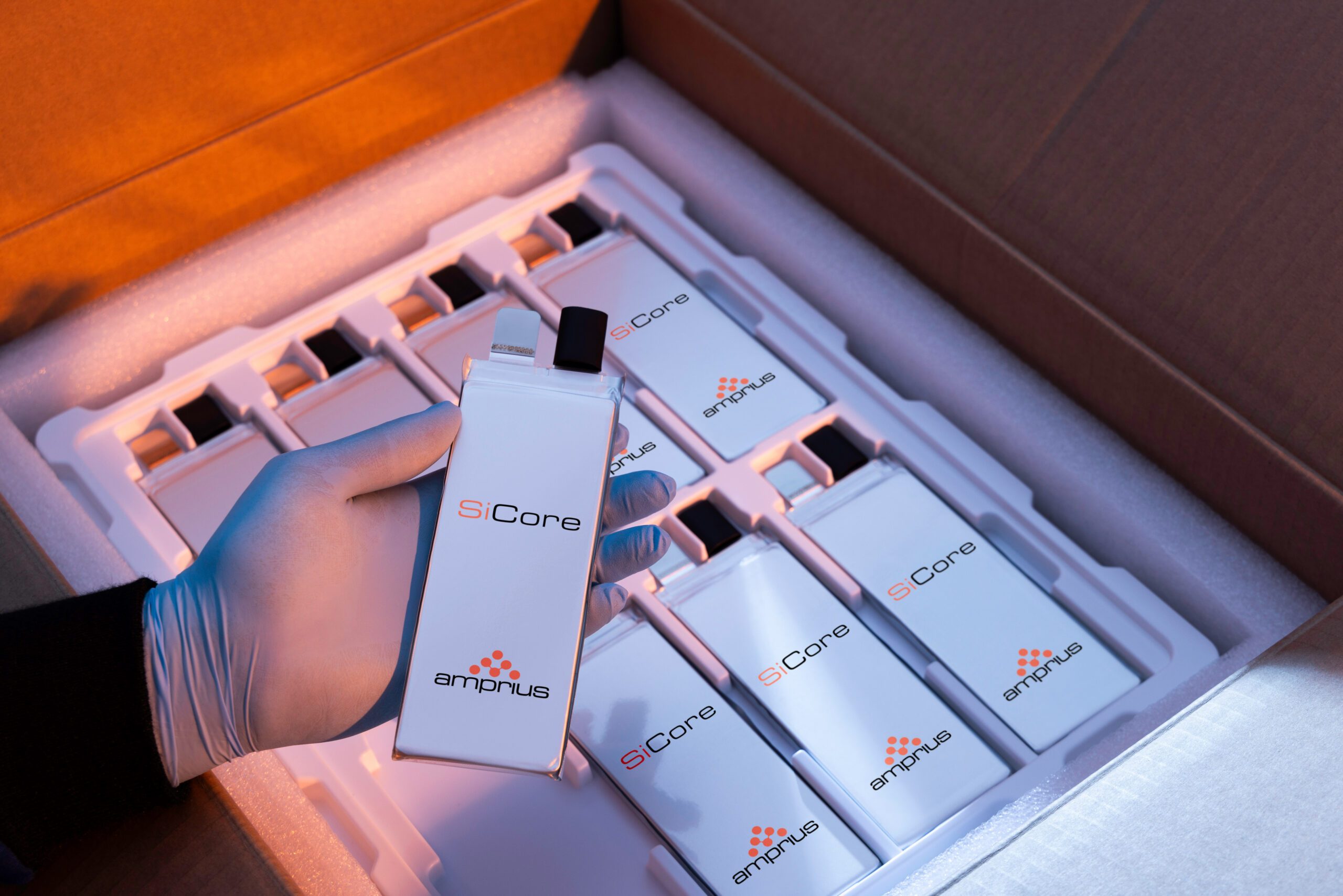
Amprius Secures Up to $75 Million Grant to Boost U.S. Drone Battery Production
Amprius Technologies has been awarded a federal grant of up to $75 million to enhance the production of batteries for unmanned aerial systems in the U.S. This funding will facilitate the conversion of an existing electric vehicle battery production line to manufacture high-energy-density cells for various drone categories. The grant, provided by the U.S. Department of War, aims to bolster domestic manufacturing capabilities crucial for national defense. This initiative is significant as it seeks to establish a high-volume manufacturing capability for advanced drone batteries within the United States. The project, which is expected to cost around $100 million, will involve reconfiguring a production line operated by a major South Korean battery manufacturer. Amprius anticipates that the new facility will produce 12 million cells annually, aligning with domestic sourcing requirements under the National Defense Authorization Act. Looking ahead, Amprius plans to complete this project by early 2028, which will enhance its existing manufacturing network across the U.S., South Korea, and China. The new capacity will be vital for supplying high-energy-density pouch cells to meet the growing demands of small and medium-sized unmanned aircraft, thereby supporting U.S. defense drone manufacturers in meeting domestic sourcing mandates.
battery technology Drone Manufacturing Drone News Drone News Feeds NDAA Compliant News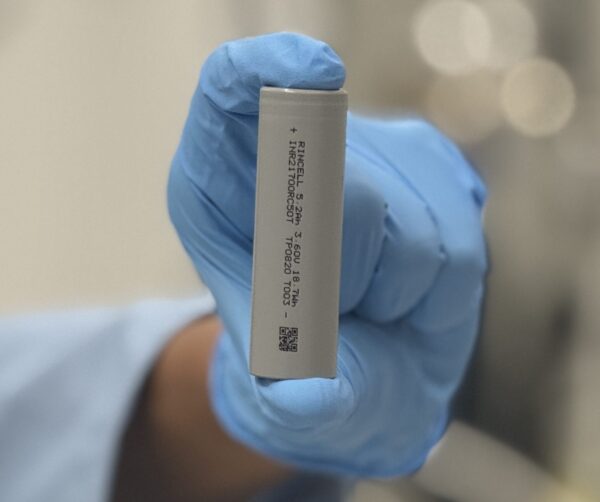
Rincell Launches RC50T Drone Battery Cell at DroneX in London
Rincell, a U.S. battery cell manufacturer based in Fremont, California, introduced its RC50T tabless 21700 lithium-ion cell at DroneX in London on September 29-30, 2026. This cell, compliant with the NDAA, is designed for high-load drone operations and is already being shipped to manufacturers. The RC50T features a continuous discharge rating of 100A and pulse discharge of 150A, with an energy density exceeding 265 Wh/kg. Its innovative tabless design reduces internal resistance to 3 to 4 milliohms, enhancing energy efficiency during drone missions. Rincell emphasizes that the RC50T is available for immediate order, showcasing their commitment to delivering proven products. Looking ahead, Rincell plans to expand its production capabilities, with a U.S. facility expected to be operational by late 2027. As demand for reliable drone battery solutions grows, Rincell aims to address supply chain challenges while providing high-performance options for various applications, including defense and agriculture.
battery technology Drone News Drone News Feeds drone parts NDAA Compliant News
ABZ Innovation Launches Major Civilian Drone Manufacturing Facility in Hungary
ABZ Innovation has inaugurated a new manufacturing facility in Szentendre, Hungary, which is recognized as one of the largest civilian drone production sites in Europe. This facility will enhance the manufacturing capabilities for agricultural and industrial drone technology in the region. The establishment of this facility is significant as it strengthens Europe's position in the drone manufacturing sector, particularly for heavy-duty civilian applications. ABZ Innovation aims to meet the growing demand for advanced drone solutions in agriculture and industry, contributing to technological advancements in these fields. Looking ahead, the impact of this facility on the local economy and the broader European drone market will be noteworthy. No further timeline was disclosed at the time of publication.
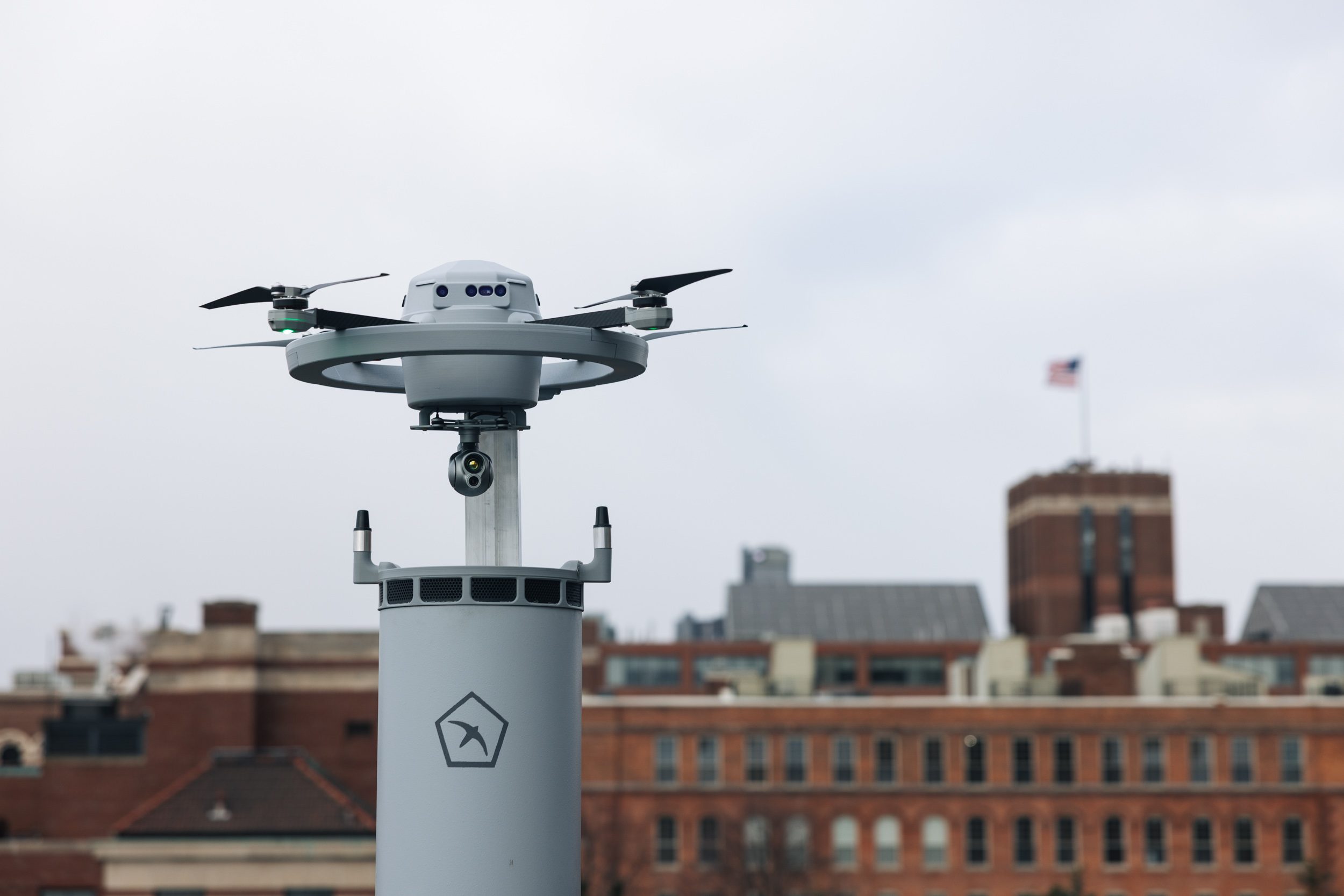
Birdstop Leverages Detroit's Auto Supply Chain to Enhance U.S. Drone Manufacturing
Birdstop, an autonomous security drone manufacturer, has relocated from Silicon Valley to Detroit to capitalize on the city's automotive supply chain. CEO Keith Miao emphasized that Detroit offers significant opportunities for scaling drone production, particularly due to the region's robust electronics manufacturing capabilities tied to the auto industry. The move is significant as it highlights the potential for cross-industry collaboration, where components used in automotive manufacturing can also be applied to drone technology. Miao noted that the overlap in specifications and testing requirements between automotive parts and drone components allows Birdstop to leverage existing resources effectively. Looking ahead, Birdstop has introduced its new flagship product, the Fealty system, which began deployment in May for monitoring truck parking sites in Detroit. This innovative drone system is designed for persistent coverage and features advanced AI capabilities, setting a new standard in the drone industry. No further timeline was disclosed at the time of publication.
DL Exclusive Drone Manufacturing Drone News Drone News Feeds Drones in the News Feature 1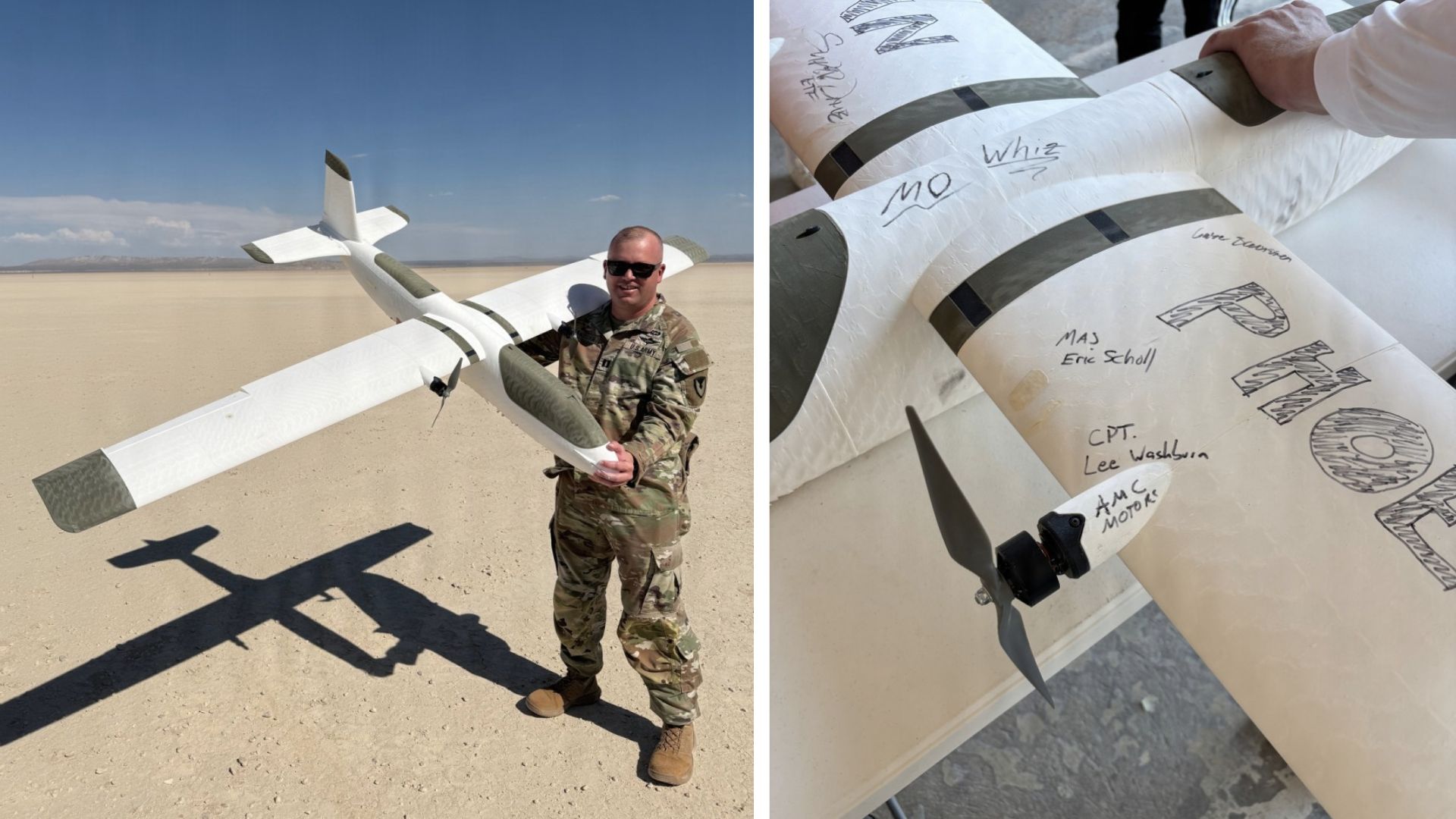
Battery-Powered Drone Sets New Endurance Record with Army-assembled Propulsion System
A battery-powered drone has set a new world endurance record by flying for over eight hours in desert conditions. This achievement was made possible by propulsion components assembled at the Army’s organic industrial base, specifically two brushless direct current motors from Tobyhanna Army Depot. The drone, which flew for 300 miles, surpassed the previous record by 50 minutes during the Game of Drones 26-2 demonstration at Edwards Air Force Base, California. This milestone is significant as it showcases the Army's commitment to innovation in uncrewed systems and highlights the importance of domestic production capabilities. Army Capt. Lee Washburn emphasized the role of the Army in providing material solutions to support drone dominance and refining components for operational use. The rapid on-site manufacturing process involved designing the drone in under 10 minutes and fabricating it within 24 hours using commercial 3D printers. Looking ahead, the Army aims to continue enhancing its organic industrial base to reduce foreign dependencies on critical parts. The success of this event illustrates the potential for collaboration between industry and government to achieve remarkable results in defense technology. No further timeline was disclosed at the time of publication.
Military
Amprius Unveils New 500 Wh/kg Battery Cell for Extended Drone Flight Durations
Amprius Technologies has launched a silicon-anode battery cell aimed at enhancing the endurance of uncrewed aircraft. The new SiCore cell boasts an energy density of 500 watt-hours per kilogram (Wh/kg) at a continuous discharge rate of 1C, with commercial availability anticipated in the fourth quarter of 2026. The company plans to provide both customer-specific and standard pouch formats for small uncrewed aircraft systems. This development is significant as higher energy density in aviation can lead to longer flight times, increased range, or the ability to carry heavier payloads without adding battery weight. Amprius has previously achieved similar energy levels but faced challenges in scaling production. The SiCore platform aims to simplify the manufacturing process, allowing customers to transition from qualification to volume production without the need for specialized equipment. Looking ahead, Amprius will initiate production at its Fremont, California facility and expand through global manufacturing partners. The company has a history of supplying battery cells to AALTO HAPS, which develops solar-electric aircraft. As energy density is crucial for long-duration flights, advancements in this area could significantly enhance operational capabilities for various applications, including fixed-wing drones and High-Altitude Platform Stations (HAPS).
battery technology Drone News Drone News Feeds Dual Use News AALTO HAPS
HP Additive Manufacturing Enables EIVIE to Create NDAA-Compliant Drone with Unique Design
EIVIE, a US drone manufacturer, has successfully developed an NDAA-compliant drone using HP's additive manufacturing technology. This innovative approach allowed EIVIE to overcome the challenges of conventional manufacturing, which often requires extensive tooling and engineering for even minor design changes. The significance of this achievement lies in EIVIE's commitment to maintaining an aerodynamic design while adhering to regulatory requirements. Co-founder and CEO Damjan Zabovnik emphasized that the flexibility of additive manufacturing enables continuous design improvements without the delays associated with traditional manufacturing processes. Looking ahead, EIVIE plans to leverage this adaptability as regulations and technology evolve. Zabovnik noted that the ability to quickly update designs will enhance their competitiveness in the market. No further timeline was disclosed at the time of publication.
DL Exclusive Drone Manufacturing Drone News Drone News Feeds News additive manufacturing
ePropelled Receives $60 Million U.S. Funding to Boost Drone Propulsion Manufacturing in New Hampshire
U.S. drone propulsion manufacturer ePropelled has announced a significant expansion of its manufacturing operations in New Hampshire, backed by $60 million in U.S. government funding. This initiative will increase the company's production space from 20,000 square feet to 80,000 square feet in Laconia, enhancing propulsion system production capacity by over four times. The funding, provided through the Department of War’s Industrial Base Analysis and Sustainment program, aims to strengthen the U.S. industrial base and domestic production of critical technologies. ePropelled's expansion will enable the company to meet rising demand from government programs, allied nations, and commercial drone manufacturers, reflecting a growing focus on the components within drones. The new facility will introduce automated production lines and additional engineering resources, creating jobs in New Hampshire. ePropelled's CEO, Nick Grewal, emphasized the importance of this investment for both the company and the U.S. advanced manufacturing sector, as it aims to deliver reliable propulsion systems while supporting the government's domestic manufacturing objectives. No further timeline was disclosed at the time of publication.
Drone Manufacturing Drone News Drone News Feeds News critical drone components Department of War
U.S. Drone Industry Transitions to Agile Manufacturing Amid Rising Demand
The U.S. drone industry is evolving, driven by government policies and increasing commercial demand, prompting manufacturers to accelerate their production processes. This shift is not only transforming supply chains but also how companies approach product development, emphasizing agility and specialized teams for rapid problem-solving. As manufacturers adapt, the focus has expanded beyond traditional airframe development to include critical areas such as software engineering and systems integration. Godfrey Nolan, President of RIIS, noted that the industry has matured significantly, moving from basic mobile applications to sophisticated command-and-control platforms for sectors like oil and utilities. Looking ahead, the integration of hardware, flight software, and operational workflows will be crucial for success in the U.S. drone market. While enhancing manufacturing capacity remains essential, Nolan highlights that software and systems integration are becoming equally vital challenges for manufacturers aiming to deliver reliable, domestically developed aircraft. No further timeline was disclosed at the time of publication.
defense Drone Manufacturing Drone News Drone News Feeds drone technology News
Terra Drone to Begin Mass Production of Japanese-Made Drone Battery Packs
Terra Drone Corporation announced on July 27, 2026, its plans to mass-produce cylindrical-cell battery packs in Japan. This initiative aims to reduce reliance on Chinese suppliers and cater to NDAA-compliant defense customers. The company will utilize these battery packs for its own industrial and defense drones while also supplying third-party manufacturers domestically and internationally. This development is significant as Japan currently depends heavily on foreign sources for high-output cylindrical-cell batteries, with Chinese suppliers dominating approximately 90% of the global industrial drone market. The Japanese government has identified batteries as critical components exposed to supply chain risks, making Terra Drone's domestic production a strategic move to enhance national security and self-sufficiency in defense capabilities. Looking ahead, Terra Drone plans to expand its production capabilities to include motors and controllers. The company will leverage its existing sales network and overseas offices to market the battery packs to various sectors, including heavy industry and defense primes. No further timeline was disclosed at the time of publication.
battery technology Drone News Drone News Feeds Japan Drone Industry Japan Drone News News
Carnegie Foundry and CMU Collaborate with U.S. Drone Makers to Enhance Drone Manufacturing
Carnegie Foundry, in collaboration with Carnegie Mellon University (CMU) and several prominent U.S. drone manufacturers, has launched a new initiative aimed at bolstering America's drone manufacturing capabilities. This initiative leverages over $50 million in CMU investments focused on robotics, advanced manufacturing, and commercialization infrastructure to establish an Autonomous Systems Manufacturing Platform (ASMP). The significance of this initiative lies in its potential to strengthen the U.S. drone manufacturing sector, which is crucial for various applications including logistics, surveillance, and agriculture. By uniting CMU’s National Robotics Engineering Center (NREC) with leading drone manufacturers, the initiative aims to foster innovation and enhance the competitiveness of American-made drones in the global market. Looking ahead, stakeholders will be monitoring the development of the Autonomous Systems Manufacturing Platform and its impact on the drone industry. No further timeline was disclosed at the time of publication.
Announcements
Re:Build Manufacturing Launches US-Made Lithium-Ion Battery Packs for UAVs
Re:Build Manufacturing has initiated direct commercial sales of its new lithium-ion battery packs designed for unmanned aerial vehicles (UAVs). This product line includes the Core, Power, and Performance series, which cater to various energy configuration needs. The launch is part of a broader manufacturing expansion at the company's Pennsylvania facility, aimed at producing Group 1, Group 2, and Group 3 unmanned aircraft systems (UAS). The introduction of these battery packs is significant as it addresses supply chain vulnerabilities in domestic aerospace hardware. UAV developers, particularly in dual-use, public safety, and military sectors, face stringent procurement regulations regarding component origins. Re:Build's assembly protocol utilizes non-FEOC battery cells to ensure compliance with National Defense Authorization Act (NDAA) procurement frameworks, thus enhancing the reliability of UAV operations. Looking ahead, Re:Build Manufacturing is set to provide dedicated engineering support for custom energy storage solutions, including Battery Management System (BMS) development. The company's advanced manufacturing facility in New Kensington, spanning 175,000 square feet, is designed to facilitate the transition from UAV prototyping to mass production, addressing common scaling challenges in the industry. No further timeline was disclosed at the time of publication.
Military
Amprius Technologies Secures Up to $75 Million Grant for UAS Battery Production
Amprius Technologies has been awarded a grant from the US Department of War, potentially reaching $75 million, aimed at enhancing domestic battery production for unmanned aerial systems (UAS). This funding is significant as it underscores the importance of local manufacturing capabilities for UAS batteries, which are critical for the performance and reliability of drone operations. The grant reflects a growing emphasis on national security and self-sufficiency in defense-related technologies. Looking ahead, industry stakeholders will be keen to monitor how Amprius Technologies utilizes this funding to scale up production and improve battery technology for UAS applications. No further timeline was disclosed at the time of publication.
News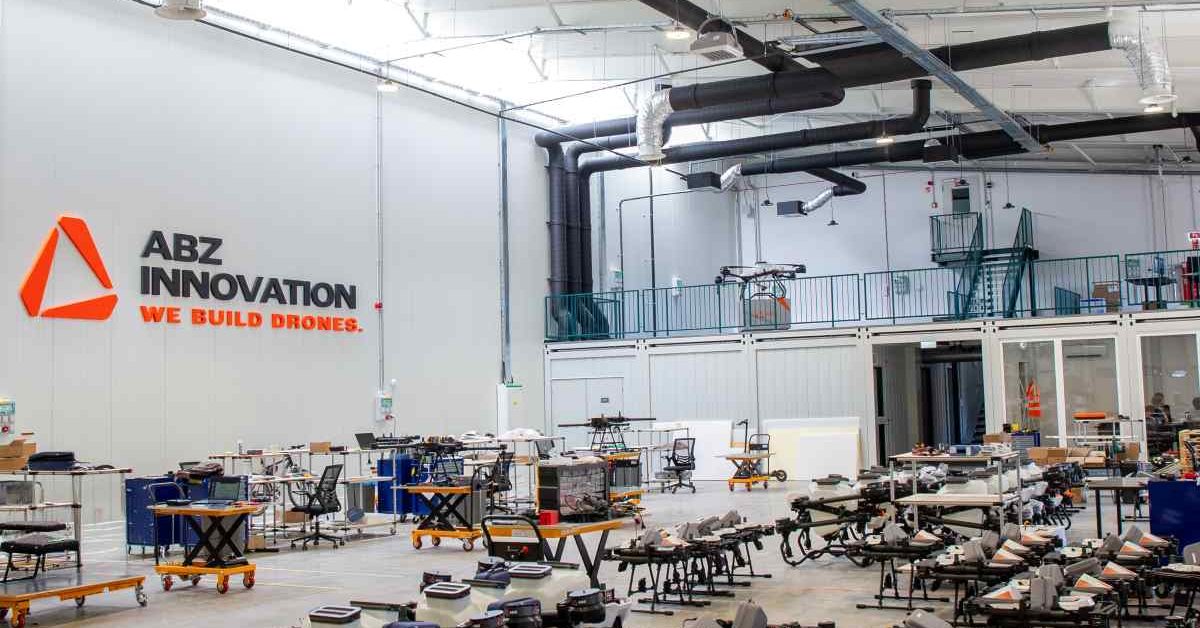
ABZ Innovation Launches Major Drone Manufacturing Facility in Hungary
ABZ Innovation has inaugurated a new drone manufacturing facility in Szentendre, Hungary, which is among the largest dedicated civilian drone production sites in Europe. This expansion is driven by increasing demand for drones in various sectors, including agriculture and industrial cleaning, with the company aiming for a threefold production increase by 2026 and further doubling in 2027. The new facility, approximately four times larger than ABZ Innovation's previous site, will serve as the company's global production hub, emphasizing European manufacturing and after-sales support. The company's drone systems are already deployed in over 40 countries, with a focus on four main product families: L-Series, S-Series, C-Series, and M-Series, catering to precision spraying, seed spreading, industrial cleaning, and cargo operations. As ABZ Innovation continues to grow, the importance of its C-Series for industrial cleaning is notable, becoming the fastest-growing product line. The company is committed to providing a comprehensive support infrastructure for professional drone operators, ensuring data sovereignty and operational efficiency in mission-critical civilian applications. No further timeline was disclosed at the time of publication.
News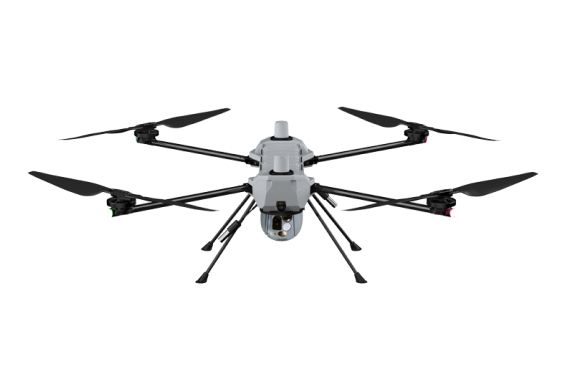
PDW CEO Emphasizes Domestic Drone Production and Component Manufacturing for U.S. Military
James Slider, CEO of PDW Holdings, highlighted the necessity of establishing domestic production for drones and their critical components to support the U.S. military. He emphasized that while America excels in innovation, the real challenge lies in scaling production effectively. PDW has secured a conditional loan of up to $820 million from the Department of War to enhance domestic manufacturing capabilities. The urgency for U.S. drone production is underscored by the ongoing conflict in Ukraine, which has shown the importance of rapid drone deployment and the need for resilient supply chains. Slider pointed out that the U.S. must learn from Ukraine's strategy, as innovation alone does not equate to capability without production. The reliance on foreign supply chains for essential drone components poses significant risks to U.S. defense readiness. Looking ahead, the focus will be on increasing domestic manufacturing to reduce dependence on foreign sources, particularly for critical components like rare-earth magnets. Slider's comments reflect a broader industry concern about maintaining a robust supply chain to ensure the U.S. military can effectively respond to emerging threats. No further timeline was disclosed at the time of publication.
DL Exclusive Drone News Drone News Feeds Dual Use Feature 1 News
Heven AeroTech Launches Hydrogen Drone Manufacturing Facility in Virginia in 90 Days
Heven AeroTech has inaugurated a 56,000-square-foot manufacturing facility in Winchester, Virginia, marking its first production site on the East Coast. This facility is part of a planned national network aimed at producing hydrogen-powered unmanned aircraft systems, enhancing the company's existing operations in the Columbia River Gorge. The establishment of this facility is significant as it aims to support increased production volumes and strengthen the domestic supply chain for hydrogen-powered drones. According to Bentzion Levinson, Founder and CEO of Heven AeroTech, this move is essential for U.S. national security, transitioning hydrogen-powered UAS from limited production to a scalable industrial capability. Looking ahead, Heven AeroTech intends to use the Virginia site as a prototype for future locations across the country, each equipped with hydrogen propulsion manufacturing capabilities. The facility will also focus on developing quality systems and production methods for the company’s Z1 hydrogen-powered drone, which is recognized on the Defense Innovation Unit’s Blue UAS Select list.
Applications Blue UAS Defense Drone Manufacturing Drone News Drone News Feeds
U.S. Tightens Restrictions on Drones and Robots Amid China's Manufacturing Dominance
In July and August, the U.S. government implemented stricter regulations on foreign-made advanced robotic systems and imposed significant tariffs on imported drones and their components, citing national security concerns. These tariffs, effective from September, are part of a broader initiative to limit foreign technology in critical industries, following the FCC’s Covered List expansion to include drones and advanced robotic devices. The implications of these restrictions are significant for the global robotics industry, particularly as Chinese manufacturers have established strong positions in both drones and humanoid robots, often offering competitive pricing that U.S. and European companies find challenging to match. While the U.S. aims to protect its market, the measures may inadvertently lead to a more fragmented global market, with Chinese firms expanding their reach while U.S. manufacturers focus on markets with stringent security requirements. As the competition evolves, it is essential to monitor how these restrictions affect the dynamics between U.S. and Chinese robotics industries. China currently dominates humanoid robot manufacturing, with 22,000 units shipped in the first half of this year, primarily from Chinese companies. The disparity in scale and cost advantages suggests that while the U.S. excels in AI and semiconductor innovation, China leads in manufacturing capabilities and supply chain efficiency.
AI Robotics China drones Federal Communications Commission geopolitics
Firestorm Labs Demonstrates Onboard UAV Manufacturing for U.S. Navy at Sea
Firestorm Labs, based in San Diego, showcased its ability to manufacture UAV parts using 3D printing technology aboard the USS Essex during a two-week voyage to the Rim of the Pacific 2026 military exercise. The company produced over 1,000 drone components, which were assembled into Squall UAVs for target practice exercises. This demonstration is significant as it addresses the U.S. Navy's concerns regarding traditional logistics for drone manufacturing and repair, particularly in contested environments. Firestorm's CEO, Dan Magy, emphasized the importance of their solution in overcoming logistical challenges faced by the Navy, especially in areas like the Strait of Hormuz. Looking ahead, Firestorm Labs aims to enhance its mobile additive-manufacturing equipment for deployment on smaller ships. The company has already sold several xCell units to various military branches and government agencies, indicating a growing interest in this technology across multiple sectors, including oil and gas.
Applications Defense defense Drone Manufacturing Drone News Drone News Feeds
Li-S Energy's Lithium-Sulfur Batteries Enter US Army Testing for Drone Applications
Li-S Energy, an Australian battery developer, has delivered lithium-sulfur battery cells to the US Army for independent testing. This marks the first instance of the company's technology being evaluated by a US government agency, specifically by the US Army Combat Capabilities Development Command C5ISR Center at Aberdeen Proving Ground. The significance of this testing lies in the potential for lithium-sulfur batteries to enhance military operations that increasingly depend on drones and autonomous systems. With nearly double the energy density of conventional lithium-ion batteries, these cells could enable unmanned platforms to achieve longer flight times, greater ranges, and increased payload capacities, which are critical for modern military applications. Looking ahead, the evaluation by the DEVCOM C5ISR Center could pave the way for the integration of Li-S Energy's technology into various military programs, including unmanned aircraft and ground robots. No further timeline was disclosed at the time of publication.
Energy Military
Saildrone Expands European Operations with New Manufacturing and Headquarters in Copenhagen
Saildrone has announced a significant expansion in Europe, establishing multiple manufacturing sites and its EU headquarters in Copenhagen. This expansion includes contracts for building the 52-meter Saildrone Spectre in the Netherlands, the next-generation Saildrone Surveyor in Norway, and Surveyor wings in Poland. This move is crucial as it enhances Saildrone's capacity to support European customers with unmanned surface vehicles (USVs) that address maritime challenges such as illegal fishing and drug trafficking. The establishment of local operations will enable Saildrone to provide direct support and maintenance for its USVs in the region. Looking ahead, Saildrone's new headquarters will facilitate business development and operational activities across Europe. The company aims to strengthen its presence and capabilities in the European market, responding to the growing demand for advanced maritime technology solutions. No further timeline was disclosed at the time of publication.
saildrone major european expansion production operations usv
EU Motors Aims for 350,000 Drone Motors by 2026 with New U.S. Production Plans
EU Motors, a prominent manufacturer of high-performance brushless drone motors, has announced its goal to produce over 350,000 drone motors by 2026. The company is expanding its operations in the U.S. with plans to establish exclusive stator production and deploy advanced robotic assembly lines at its facility in Hallandale Beach, Florida. This expansion is significant as it highlights EU Motors' commitment to enhancing its manufacturing capabilities and increasing its market presence in the drone industry. By investing in proprietary intellectual property and custom robotics, the company aims to improve efficiency and production quality, positioning itself competitively in the growing drone market. Looking ahead, the deployment of next-generation robotic assembly lines is set for Q4 2026. This move will not only bolster production capacity but also showcase EU Motors' innovative approach to manufacturing. No further timeline was disclosed at the time of publication.

France's New Partnerships Aim to Boost Domestic Drone Production Using Automotive Expertise
France is advancing its domestic drone production through partnerships between major automotive companies and drone manufacturers. This initiative aims to utilize France's robust automotive manufacturing base to enhance the production of autonomous systems, reflecting a significant shift in industrial strategy across Europe and North America. The collaboration involves established automakers and suppliers, with Renault and Thales redesigning the Toutatis loitering munition for automotive-style production, targeting 1,000 units per month by 2027. Additionally, Delair and Schaeffler plan to produce about 100 drones daily by November, while Valeo and Forvia are expanding their roles in electric motors and counter-UAS technologies, respectively. This approach emphasizes efficient manufacturing over design. Looking ahead, the partnerships signify a broader trend in the drone industry, where operational deployment and manufacturing capacity are becoming as crucial as technological innovation. No further timeline was disclosed at the time of publication.
Drone Manufacturing Drone News Drone News Feeds Drones in the News Europe Drone Industry News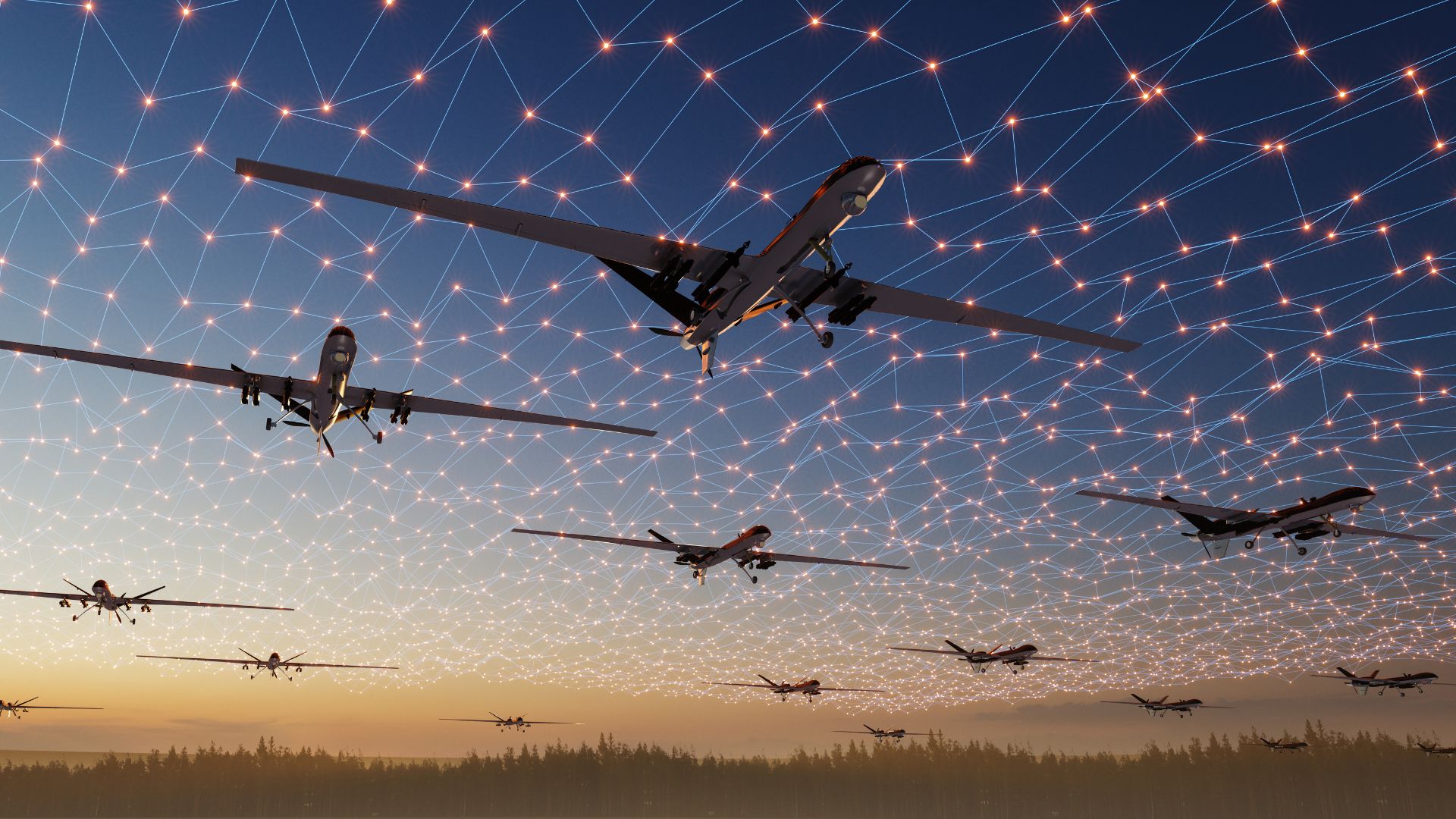
Air Force Funds Research on Wireless Power Beaming for Military Drones to Extend Flight Time
The Air Force has initiated a research project to explore wireless power beaming for drones, led by Reach Power and the University of Nebraska-Lincoln’s NIMBUS Lab. This effort aims to enable unmanned aircraft to operate longer without needing battery swaps, enhancing their role in military communications and ISR missions. This research is significant as it addresses the critical limitation of battery life in small drones, potentially allowing them to function as persistent communication and surveillance nodes. By reducing the need for frequent landings to recharge, the project could simplify logistics and operational demands on military personnel. Looking ahead, the study will assess the feasibility of using wireless power to sustain perched drones during extended missions. A successful outcome could revolutionize military drone operations, improving battlefield communications and expanding the use of unmanned systems in intelligence, surveillance, and reconnaissance roles. No further timeline was disclosed at the time of publication.
Innovation Military
Japanese Startups Enter Defense Drone Market Amid Domestic Manufacturing Push
Japanese startups are increasingly engaging in defense drone production, driven by Prime Minister Sanae Takaichi's initiative to reduce reliance on China and bolster local manufacturing capabilities. This shift highlights the strategic importance of drones in modern warfare, as evidenced by the P1-SUN Long Interceptor Drone developed by Ukrainian company SkyFall. The move into defense drones is significant as it reflects Japan's broader defense strategy and the growing recognition of the need for self-sufficiency in military technology. With companies like Anduril and Terra Drone exploring opportunities in Japan, the landscape for defense technology is evolving, potentially leading to enhanced collaboration and innovation in the sector. Looking ahead, the focus will be on how these startups can establish themselves in a competitive market and the potential partnerships that may arise. No further timeline was disclosed at the time of publication.

U.S. Drone Manufacturing Boosted by $820 Million Conditional Loan to Performance Drone Works
The United States is set to enhance its domestic drone manufacturing capabilities following a conditional loan commitment of up to $820 million to Performance Drone Works (PDW) from the Department of War’s Office of Strategic Capital. This funding aims to reduce reliance on foreign supply chains for critical drone components, addressing a significant vulnerability in the industry. The proposed financing is intended to bolster U.S. production capacity for essential technologies such as propulsion systems, power electronics, and flight-control hardware. By manufacturing these components domestically, PDW aims to support not only military applications but also future public safety and commercial uses, reflecting a broader effort to strengthen the U.S. defense industrial base amid rising demand for unmanned systems. As the proposed financing remains conditional and subject to further requirements, the initiative underscores the strategic importance of drone manufacturing for national security. The U.S. aims to build secure domestic supply chains to maintain technological competitiveness as militaries increasingly depend on autonomous systems across various domains. No further timeline was disclosed at the time of publication.
Innovation Military
Sila Secures $300 Million to Enhance U.S. Battery Anode Production for Drones
Sila has successfully raised $300 million in private funding aimed at expanding its silicon-carbon battery anode technology production in the United States. This investment will bolster manufacturing capacity at its Moses Lake, Washington facility, facilitating a Phase 2 expansion and accelerating the production of its Titan Silicon® anode technology. The significance of this funding lies in its potential to strengthen domestic supply chains for advanced battery materials, particularly in light of the current dominance of China in anode material processing and battery cell manufacturing. With battery materials becoming increasingly crucial for technology security, Sila's efforts could mitigate supply chain risks for industries reliant on advanced batteries, including drones, defense systems, and electric vehicles. Looking ahead, Sila's expansion plans include increasing its Moses Lake facility's capacity from an initial 2 GWh to as much as 250 GWh over the next five years, potentially establishing it as the world's largest anode production site. No further timeline was disclosed at the time of publication.
Applications Drone Manufacturing Drone News Drone News Feeds News AI infrastructure
ePropelled Launches SKYLARK Propulsion System to Enhance UAV Manufacturing Efficiency
ePropelled has unveiled its SKYLARK™ Series, an integrated propulsion system aimed at simplifying UAV manufacturing and enhancing aircraft performance. Introduced at the Farnborough International Airshow 2026, this product combines the motor and controller into a single unit, targeting light and medium duty unmanned aircraft. The design reduces wiring and assembly time, enabling manufacturers to create more compact aircraft or increase payload capacity. The significance of the SKYLARK™ Series lies in its potential to streamline production processes for drone manufacturers. As the industry shifts towards faster production and simpler supply chains, ePropelled's integrated approach addresses the demand for complete subsystems that maintain performance and reliability. This innovation is particularly relevant for defense, industrial, and commercial UAV applications, where manufacturers seek to enhance operational effectiveness without compromising on quality. Looking ahead, ePropelled aims to demonstrate the SKYLARK™ Series throughout the Farnborough International Airshow, focusing on high-power UAV applications and hybrid propulsion systems. No further timeline was disclosed at the time of publication.
brushless motors Drone News Drone News Feeds drone parts Europe Drone Industry News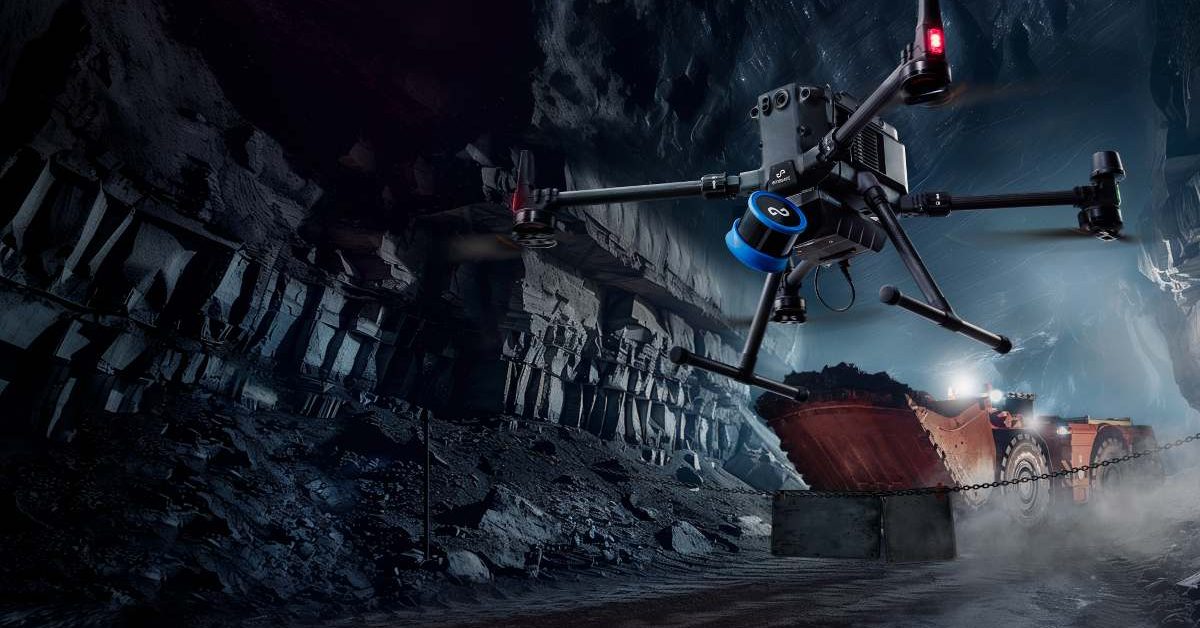
Emesent Secures $17 Million to Enhance AI-Driven Drone Operations and Expand Manufacturing
Emesent, an Australian drone mapping company, has raised $17 million to boost its AI-powered autonomous operations. This funding includes a $7 million venture debt facility from the National Reconstruction Fund Corporation and a $10 million equity round from notable investors such as Main Sequence and QIC Ventures. The investment aims to enhance the capabilities of drones in complex environments with minimal human intervention. The significance of this funding lies in Emesent's strategy to focus on software advancements alongside hardware improvements. The company plans to develop its Cortex AI autonomy software and Aura cloud platform, which will enable drones to operate in GPS-denied areas and process 3D mapping data efficiently. Emesent's existing Hovermap LiDAR payload is already utilized in over 200 mine sites globally, showcasing its established presence in the industrial drone sector. Looking ahead, Emesent intends to expand its manufacturing capabilities in Queensland while pursuing growth in international markets. CEO Charles Miller emphasized the importance of this investment in enhancing AI and autonomy for industries such as mining and defense. No further timeline was disclosed at the time of publication for the anticipated developments from this funding round.
News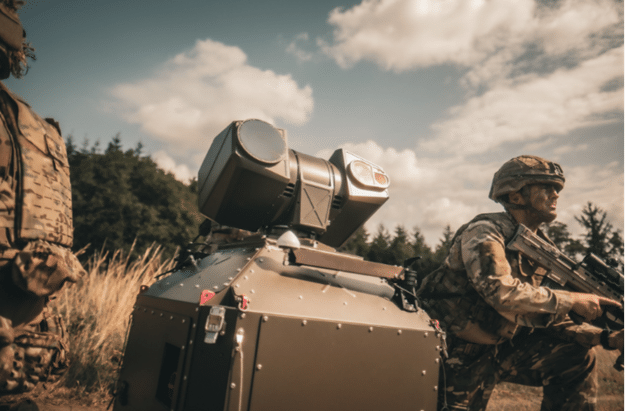
OpenWorks Engineering Establishes US Headquarters and Plans Detroit Manufacturing Facility
OpenWorks Engineering has officially opened its US regional headquarters in Ashburn, Virginia, and is planning to establish a manufacturing facility in Detroit, Michigan, by the end of 2026. This expansion marks a significant step for the UK-based company, which has been serving the US market for over a decade with its advanced optical systems designed for detecting and tracking drones and airborne threats. The establishment of the US headquarters and the upcoming Detroit factory are crucial for OpenWorks as it aims to enhance its presence in a rapidly growing market. The company reported a fourfold increase in product adoption between 2025 and mid-2026, alongside a 2.75-fold increase in production capacity for its Vision Flex modular surveillance system. This growth reflects the rising demand for counter-unmanned aerial systems (C-UAS) and air defense capabilities among US defense and security companies. Looking ahead, OpenWorks Engineering is poised to further strengthen its relationships with US end-users and partners, as highlighted by CEO Chris Down's commitment to protecting NATO airspace. The company has already trained FBI operators on its technology, showcasing its integration into national security efforts. No further timeline was disclosed at the time of publication.
Applications C-UAS Defense Drone News Drone News Feeds Dual Use
Drone Manufacturers Face Battery Redesign Challenges Amid Supply Chain Changes
The drone industry is undergoing significant changes as manufacturers are compelled to rethink their battery supply chains due to new compliance requirements. Howard Alt, CEO of Micantis, emphasizes that the shift away from reliance on Chinese battery cells presents an opportunity for drone OEMs to take control of battery design and performance. As the FCC's domestic-end-product exemption is set to expire on January 1, 2028, drone manufacturers must prepare for a redesign of their battery packs. This transition is crucial for compliance and to avoid dependency on foreign suppliers. Alt suggests that by selecting allied cell suppliers and designing their own battery packs, manufacturers can enhance their products and mitigate risks associated with supply chain vulnerabilities. Looking ahead, the drone industry is rapidly evolving, with many companies promising American-made cells in the near future. However, the history of battery manufacturing reveals significant challenges, including high failure rates and lengthy production timelines. Manufacturers must be cautious and informed when selecting battery suppliers to ensure they do not fall victim to the pitfalls that have plagued the industry.
battery technology Drone Manufacturing Drone News Drone News Feeds drone parts Energy
Continuous Composites Secures Navy Contract for Innovative UAV Component Manufacturing
Continuous Composites has been awarded a Phase II SBIR contract by the U.S. Navy to develop composite aircraft components that integrate electrical power conductors within their structures. This innovative approach aims to reduce the reliance on traditional wiring and connectors in unmanned aerial vehicles (UAVs), transforming structural components into active elements of the aircraft's electrical system. The significance of this project lies in its potential to streamline UAV design and manufacturing. By embedding electrical functions directly into composite materials, Continuous Composites can enhance the efficiency of UAVs while minimizing the complexity associated with conventional wiring systems. The Phase II work will build on successful demonstrations from Phase I, where engineers validated the concept of multifunctional composite parts with minimal impact on structural performance. Looking ahead, the focus will be on developing higher-capacity electrical pathways that can withstand operational loads. Engineers will conduct tests to ensure that electrical conductors are properly isolated within the composite without compromising structural integrity. No further timeline was disclosed at the time of publication.
Military
ACSL CTO Chris Raabe Reflects on Pandemic Lessons for Drone Manufacturing in 2026
In a recent commentary, Chris Raabe, CTO of ACSL, discusses the lasting impact of the pandemic on global manufacturing, particularly in the drone sector. He highlights how the crisis revealed vulnerabilities in supply chains and engineering processes, which continue to influence the industry in 2026. Raabe emphasizes that the challenges faced during the pandemic forced manufacturers, including ACSL, to adapt by enhancing their supply chain strategies and engineering practices. The shift towards remote collaboration and rapid prototyping has led to more efficient decision-making and product development, making companies more resilient. Looking ahead, Raabe notes that while supply chain pressures persist, ACSL is committed to proactive planning and building robust partnerships. The company aims to support customers throughout the entire product lifecycle, ensuring reliability and consistency in manufacturing even after the initial product release. No further timeline was disclosed at the time of publication.
DL Exclusive Drone News Drone News Feeds drone parts Dual Use Feature 1
Shibaura Institute Develops Cost-Effective Catalyst for Lithium-Oxygen Batteries
Researchers at the Shibaura Institute of Technology in Japan have created a new platinum-free catalyst for lithium-oxygen batteries, addressing a significant barrier to their market entry. This innovation could enable electric vehicles to drive cross-country and drones to fly for extended periods, thanks to the batteries' potential energy density, which is up to ten times greater than that of standard lithium-ion cells. The development is crucial as lithium-oxygen batteries face challenges due to slow oxygen reactions during charging and discharging, which leads to energy inefficiency. The new catalyst, designed by Professor Takahiro Ishizaki's team, combines perovskite and spinel oxides to enhance catalytic performance while remaining cost-effective and sustainable. Future advancements in this technology could significantly impact energy storage solutions. The researchers achieved a record-low potential gap of 1.14 V between charging and discharging, indicating less wasted power. As the field progresses, the effectiveness of this composite catalyst in practical applications will be closely monitored, particularly in the context of electric vehicles and drone technology.
Energy
MP Materials Initiates Rare-Earth Magnet Production for Domestic Drone Manufacturing
MP Materials has launched an initiative to produce neodymium-iron-boron (NdFeB) magnets, essential for drone motors, aiming to reduce U.S. dependence on foreign sources. Currently, 75% of U.S. imports of these magnets come from China, highlighting the need for domestic production. The initiative will allow manufacturers to reserve up to 2 million drone magnet capacities annually, as stated by Chairman and CEO James Litinsky. This initiative is crucial as it seeks to aggregate demand and provide certainty for companies developing new technologies in the drone sector. MP Materials plans to create a fully integrated American magnetic solution, from mining to magnetization, in collaboration with the Department of Defense. The project aims to standardize production processes and enhance the domestic supply chain for rare-earth materials. The initiative is expected to commence with the operation of MP's 10X plant in 2028. As MP Materials forms agreements with various drone manufacturers, it also intends to expand its reach to motor manufacturers and defense technology companies, responding to China's dominance in the drone market and its recent export restrictions on related technologies.
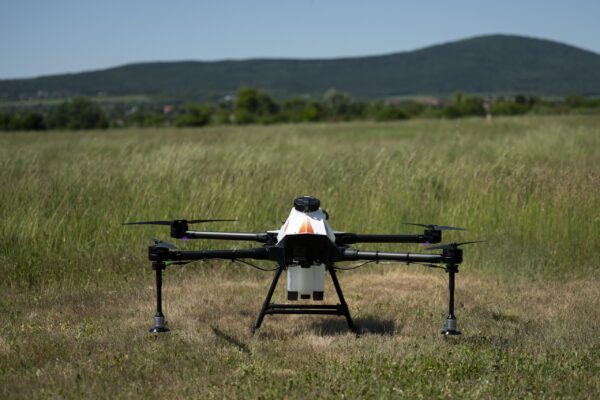
ABZ Innovation Expands Operations with New Drone Manufacturing Facility in Hungary
ABZ Innovation, a Hungarian manufacturer of spraying drones, is set to open a new facility in Szentendre, expanding its production capacity significantly. The 1,060-square-meter factory is expected to produce about 1,000 drones annually by the end of the year, with plans to reach 2,000 drones at full capacity. This expansion is crucial for ABZ as it positions itself as a leader in the UAV market, particularly in agricultural applications. The partnership with Pix4D will enhance the precision of its drones, allowing farmers to optimize crop yields through tailored spraying solutions. The facility's opening is a testament to ABZ's rapid growth trajectory. Looking ahead, ABZ's recent FCC approval for its L50 drone marks a significant step towards entering the U.S. market. As the company continues to innovate and expand its product offerings, it will be important to monitor how these developments impact its market presence and growth in the competitive drone industry.
Drone News Drone News Feeds Europe Drone Industry European Union News Sprayer Drones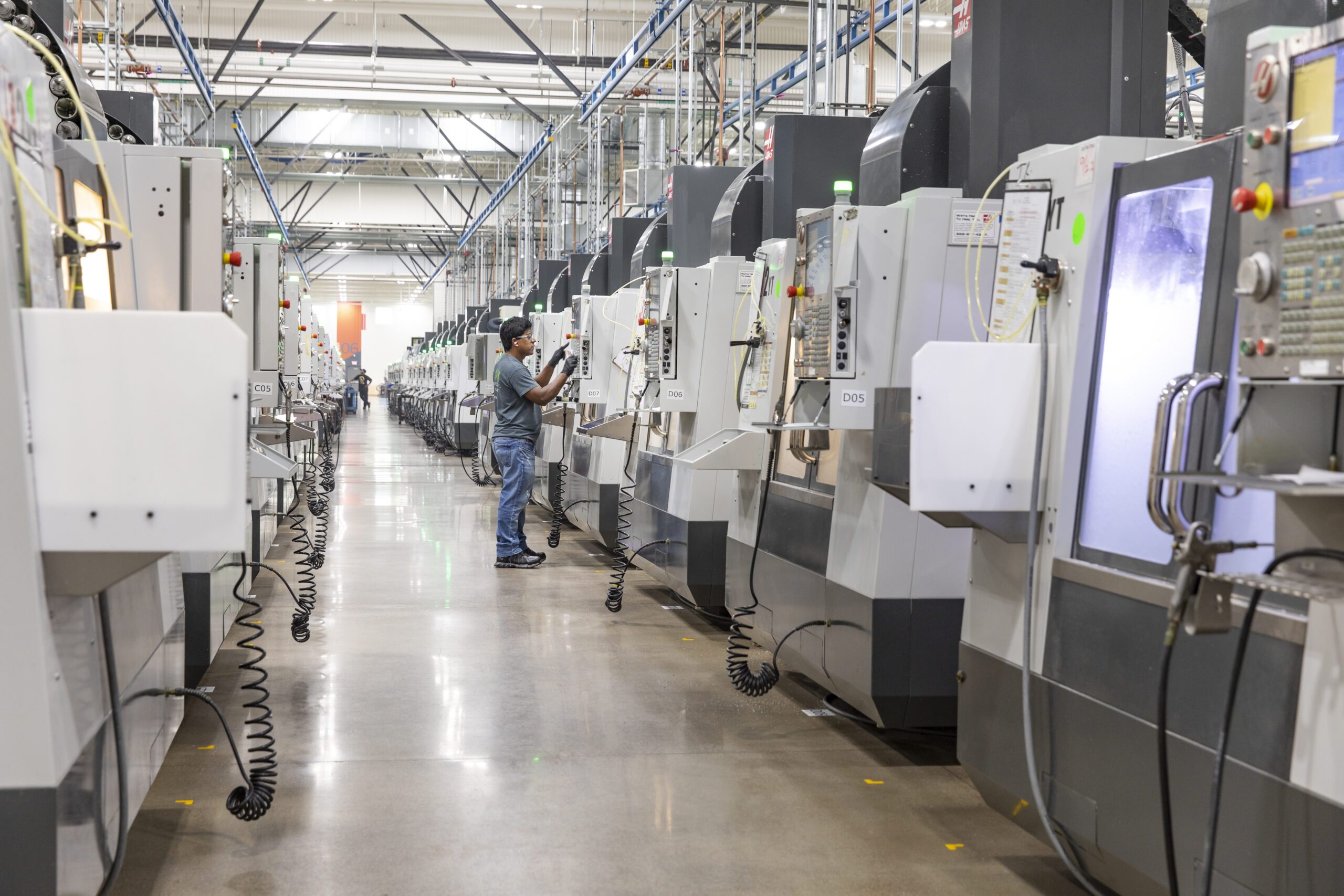
As Drone Demand Grows, Protolabs Scales On-Demand Manufacturing
Protolabs, a digital manufacturing company listed on the NYSE, is enhancing its rapid manufacturing capabilities to support drone manufacturers in accelerating their transition from prototype to production. This initiative comes in response to the increasing demand for commercial and defense drones, which has put pressure on manufacturers to shorten development cycles while ensuring high quality. By expanding its CNC machining and 3D printing services, Protolabs aims to meet the evolving needs of the drone industry, facilitating faster production processes and helping companies keep pace with market growth.
Applications Drone Manufacturing Drone News Drone News Feeds News 3D Printing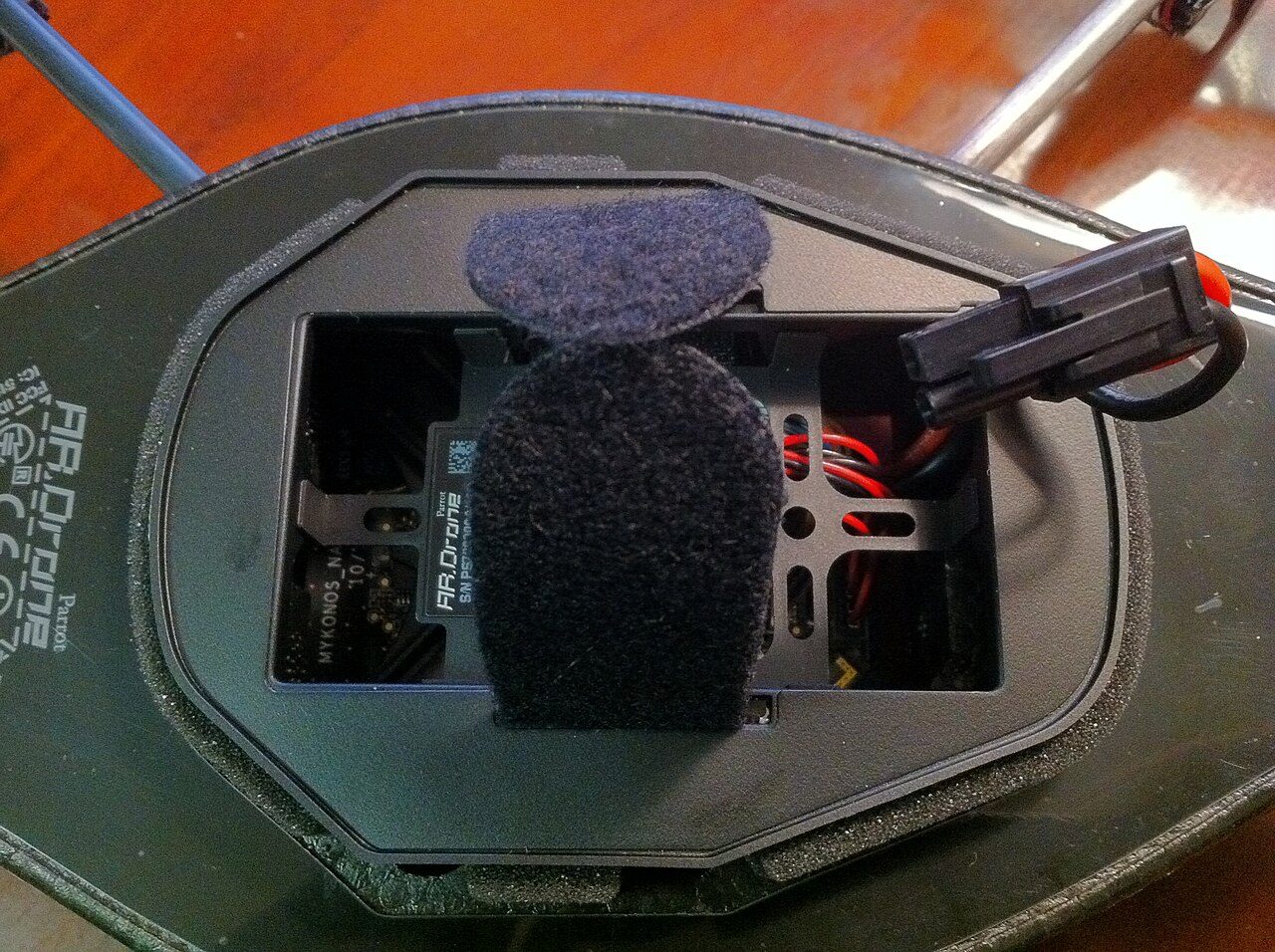
Guest Post: America’s Drone Future Depends on Battery Independence
In this guest post, Micantis co-founder and CEO Howard Alt argues that batteries, not aircraft, may be the defining factor in the future of the U.S. drone industry. As demand for drones grows across commercial, public safety, and defense applications, he contends that battery manufacturing and supply chain resilience have become strategic issues for both […] The post Guest Post: America’s Drone Future Depends on Battery Independence appeared first on DRONELIFE.
battery technology Drone Manufacturing Drone News Drone News Feeds Drones in the News News
China’s Export Restrictions on Red Cat Highlight a Bigger Challenge for U.S. Drone Manufacturing
China's recent decision to impose export controls on Red Cat Holdings and its subsidiary, Teal Drones, has raised concerns within the U.S. drone manufacturing sector. While the immediate effects on production may be minimal, this action highlights the pressing need for American manufacturers to thoroughly analyze and understand their supply chains. The restrictions serve as a reminder of the complexities and vulnerabilities that U.S. companies face in the global market, particularly in light of increasing geopolitical tensions. As a result, industry leaders are urged to reassess their operational strategies to mitigate potential disruptions and ensure resilience against similar challenges in the future.
Applications Defense Drone Manufacturing Drone News Drone News Feeds drone parts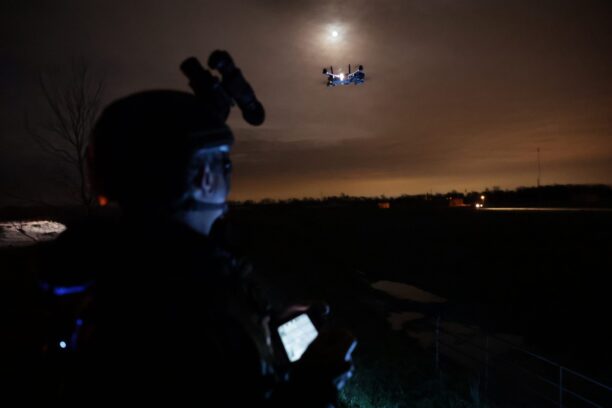
Latest DPA Action Highlights Manufacturing Challenge Behind U.S. Drone Expansion
A new presidential memorandum has been issued to address defense production bottlenecks, highlighting concerns about the United States' capacity to scale emerging technologies. This initiative, part of the Trump Administration's Drone Dominance program launched in June 2025, has primarily focused on aircraft, regulations, and procurement processes. The memorandum aims to streamline manufacturing challenges that could hinder the expansion of the U.S. drone industry. As discussions continue around regulatory reforms and domestic capabilities, this action underscores the urgent need for improvements in defense production to maintain competitiveness in the evolving technological landscape.
Applications Defense Drone News Drone News Feeds News US Government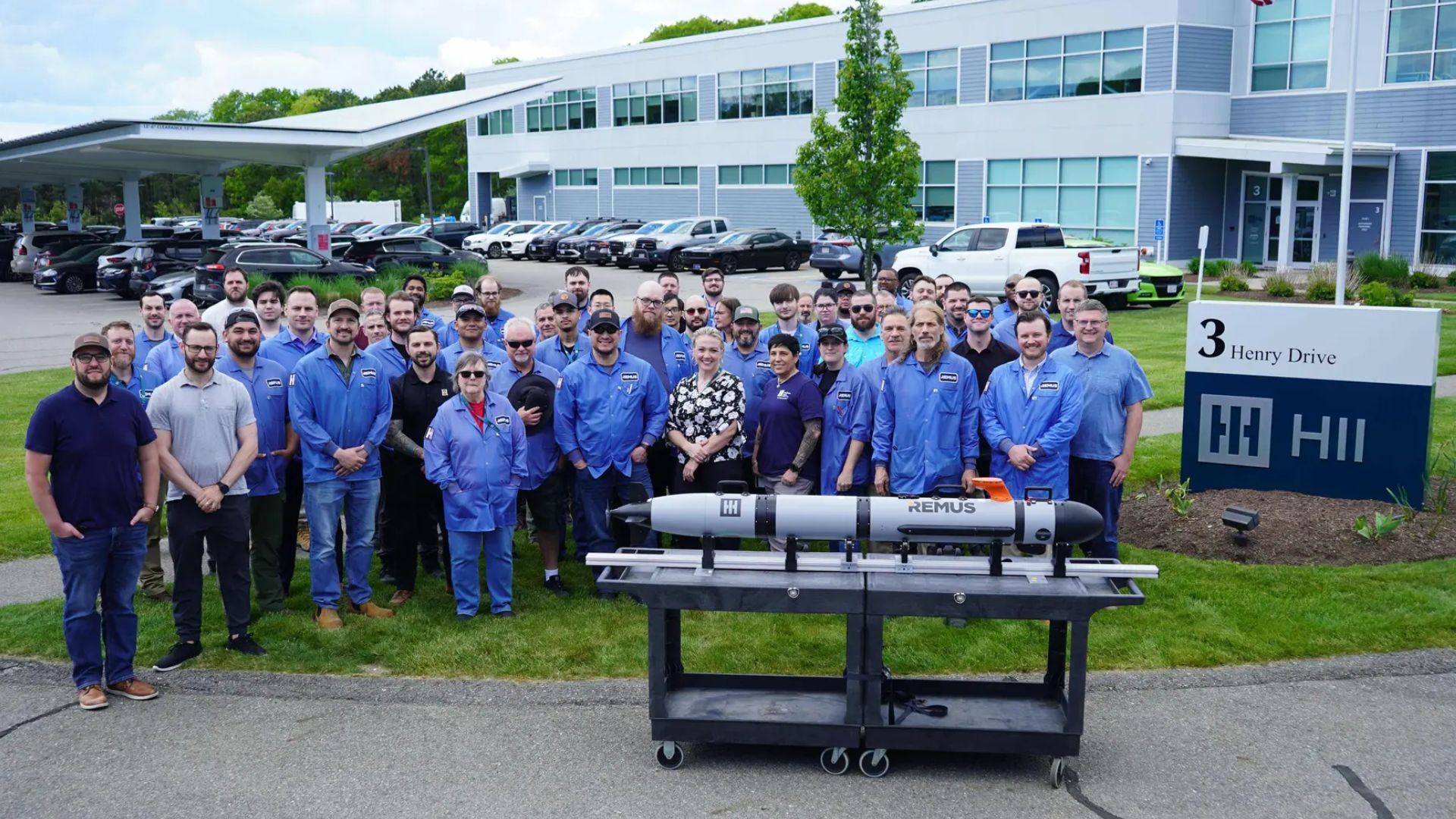
New mini submarine-like drone from HII can dive 328 feet deep with 10 hour battery life
Huntington Ingalls Industries (HII), a prominent U.S. military shipbuilder, has successfully delivered the first REMUS 130 unmanned underwater vehicle. This significant milestone was achieved as part of HII's commitment to advancing maritime technology. The delivery took place in October 2023, showcasing the company's ongoing efforts to enhance the capabilities of the U.S. Navy and other defense partners. The REMUS 130 is designed for various underwater missions, including reconnaissance and surveillance, addressing the growing need for advanced unmanned systems in naval operations. This development reflects HII's strategic focus on innovation and its role in supporting national security objectives through cutting-edge maritime solutions.
Military
Quantum Cyber Signs LOI for Connecticut Manufacturing Facility as Drone Firms Pursue Domestic Production
Quantum Cyber (NASDAQ: QUCY) has taken a significant step towards enhancing domestic drone production by signing a letter of intent to acquire a 43,000-square-foot manufacturing facility in Bridgeport, Connecticut. This announcement, made on June 8, underscores the company's commitment to establishing a vertically integrated supply chain within the U.S. drone manufacturing sector. The acquisition aligns with a broader industry trend favoring domestic production capabilities, reflecting a growing emphasis on local manufacturing in response to supply chain challenges. Through this move, Quantum Cyber aims to bolster its operational capacity and contribute to the evolving landscape of the drone industry.
Defense defense Drone News Drone News Feeds News autonomous drones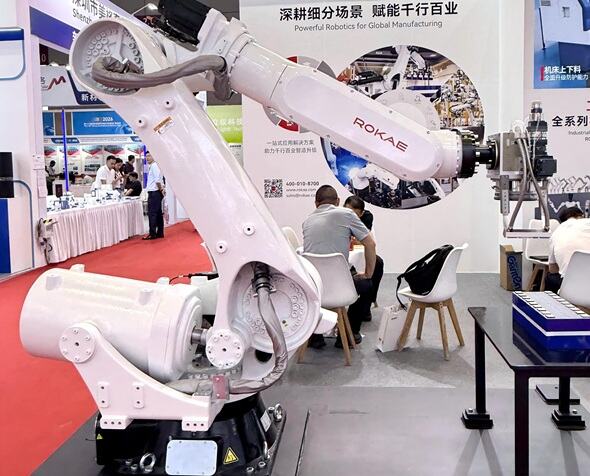
ROKAE Robotics at CIBF 2026: Force-Controlled Welding Solutions for Battery Manufacturing
ROKAE Robotics showcased its advanced automation solutions for lithium battery manufacturing at the 2026 China International Battery Fair (CIBF), held at the Shenzhen World Exhibition & Convention Center. The company highlighted its innovative technologies focused on force-controlled assembly and robot-integrated laser welding, aimed at enhancing efficiency and precision in battery production. This exhibition provided ROKAE Robotics with a platform to demonstrate its commitment to advancing the battery manufacturing industry, responding to the growing demand for high-quality and reliable lithium batteries in various applications.
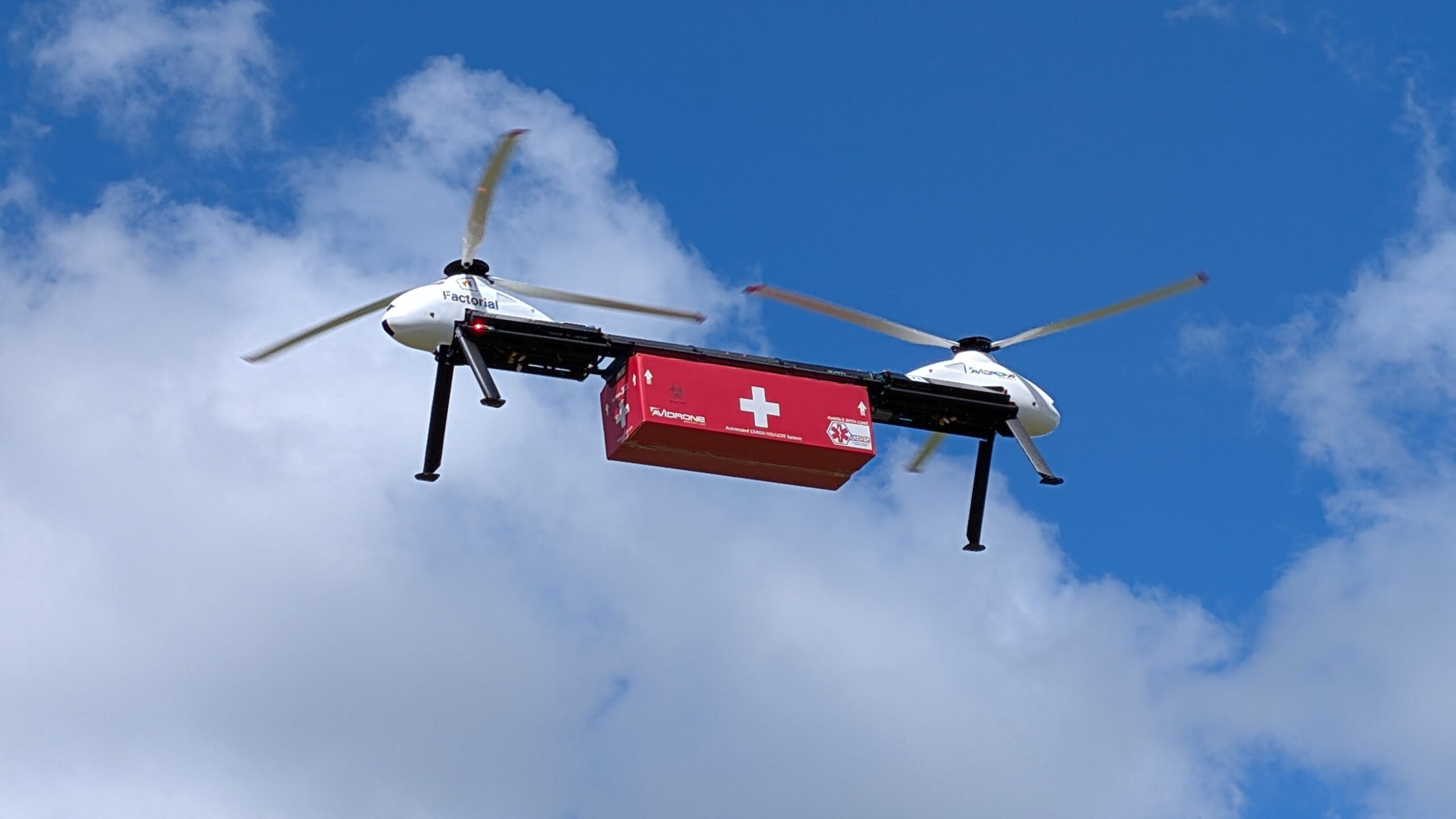
The Drone Industry’s Battery Problem Has a New Challenger
Factorial Energy, a battery technology company, has announced new partnerships aimed at enhancing drone performance through the integration of next-generation solid-state batteries. These collaborations span across the United States, Europe, and the Asia-Pacific region, focusing on improving drone endurance, power, and cold-weather capabilities for both commercial and defense applications. By leveraging advanced battery technology, Factorial seeks to address the ongoing challenges faced by the drone industry, particularly in terms of battery efficiency and reliability. The initiative reflects a growing recognition of the importance of innovative battery solutions in advancing drone technology and expanding its potential uses in various sectors.
Applications battery technology Defense Drone News Drone News Feeds News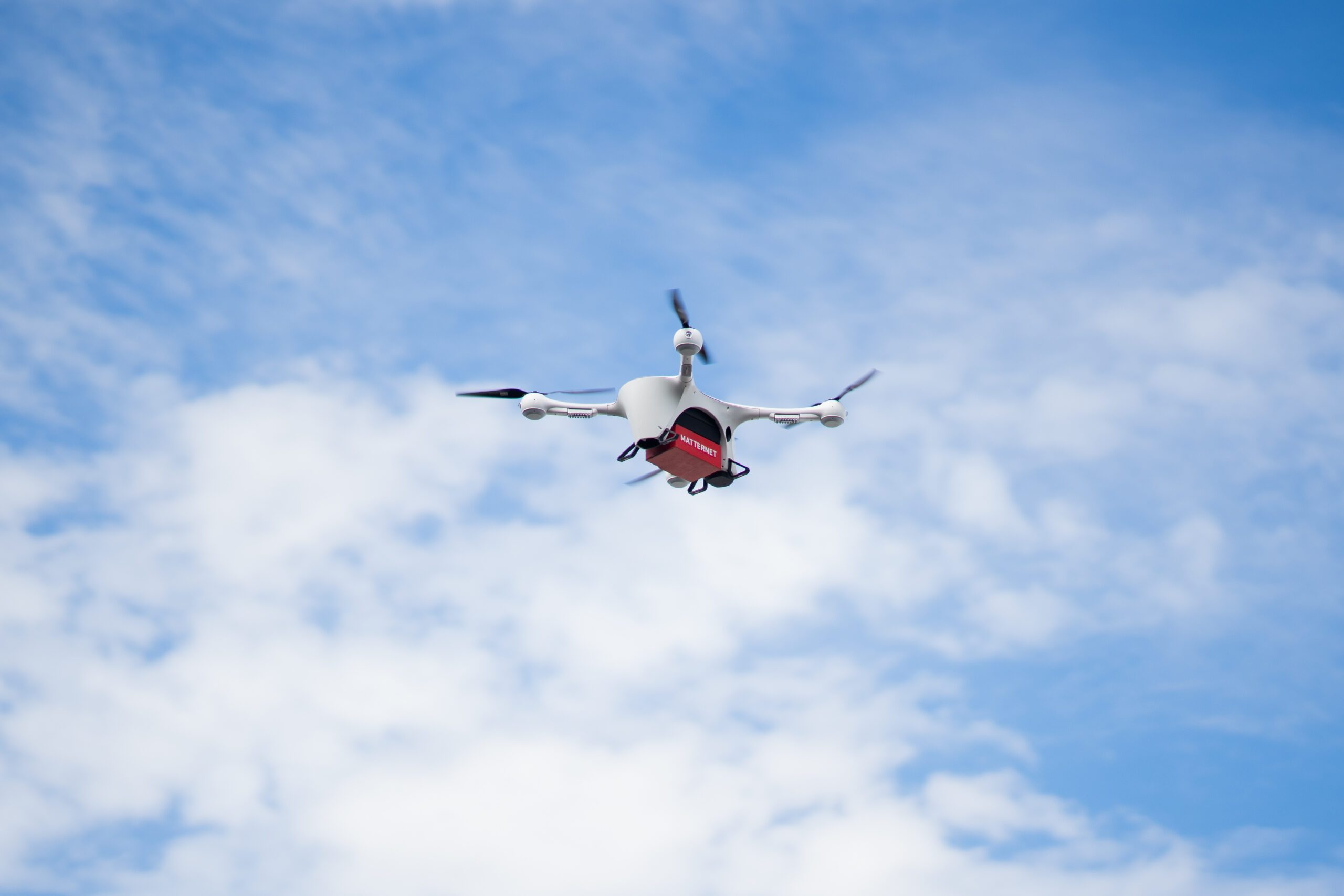
Amprius and Matternet Expand Drone Delivery Battery Partnership
Amprius Technologies, a battery manufacturer, has partnered with drone delivery company Matternet to enhance the performance of commercial drone operations. This collaboration focuses on utilizing Amprius's advanced silicon anode lithium-ion cells, which are designed to improve the range, charging time, and overall delivery efficiency of drones. The partnership aims to address the growing demand for more efficient and reliable drone delivery systems, reflecting the increasing significance of drone technology in logistics and transportation. The announcement was made recently, highlighting the companies' commitment to advancing battery technology for the future of commercial drone services.
Applications Delivery News Amprius autonomous delivery battery energy density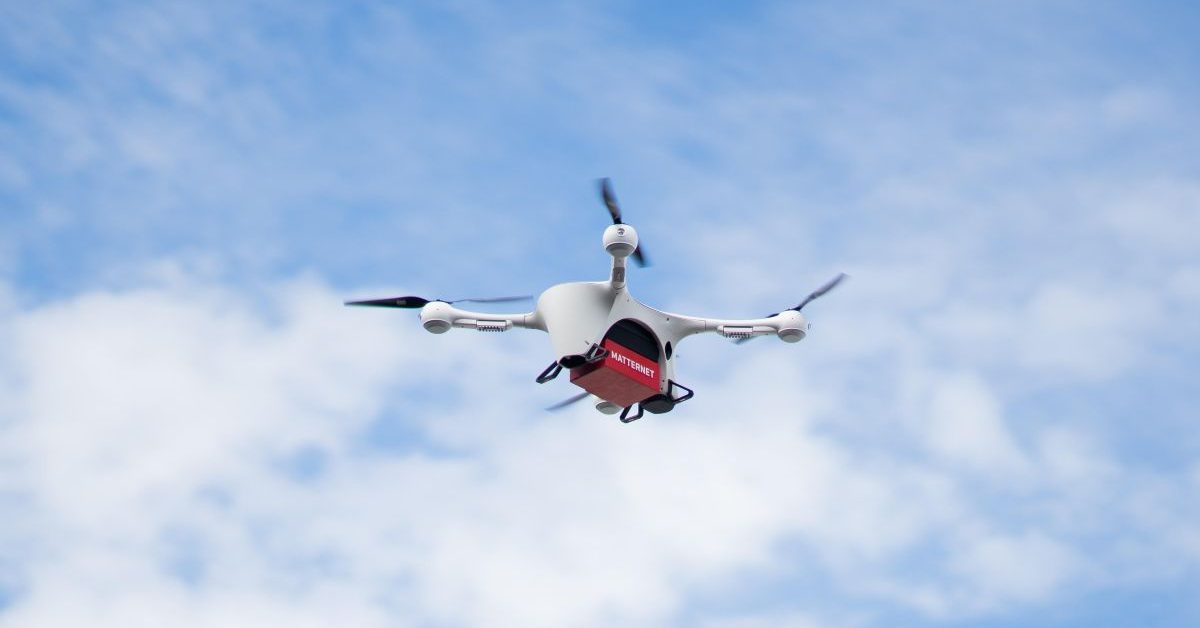
Matternet expands drone delivery range with Amprius battery tech
As drone delivery companies strive to broaden their reach in American cities, the importance of battery technology has come to the forefront. Matternet, a prominent player in the drone delivery sector, has announced a partnership with Amprius Technologies to enhance the capabilities of autonomous aerial delivery systems. The collaboration focuses on developing advanced silicon-anode battery cells, which are expected to significantly improve the range, efficiency, and cost-effectiveness of drone operations. This initiative highlights the critical role that battery advancements play in the future of drone logistics, as companies seek to meet growing consumer demands for faster and more reliable delivery services.
News
Tattu Launches 5.0 Smart Battery Platform as Heavy-Lift Drones Demand Faster Charging and Smarter Fleet Power Management
A new platform has been developed for 100kg-class agricultural and logistics unmanned aerial vehicles (UAVs), showcasing advanced technological features aimed at enhancing operational efficiency. This innovative system integrates high-discharge performance capabilities, enabling rapid energy release during flight. Additionally, it supports 6C fast charging, significantly reducing downtime for UAVs between missions. The platform also incorporates an intelligent Battery Management System (BMS) that optimizes battery performance and longevity, while providing access to lifecycle data for better maintenance and operational planning. This development is expected to revolutionize the agricultural and logistics sectors by improving the reliability and efficiency of UAV operations, ultimately contributing to increased productivity in these industries.
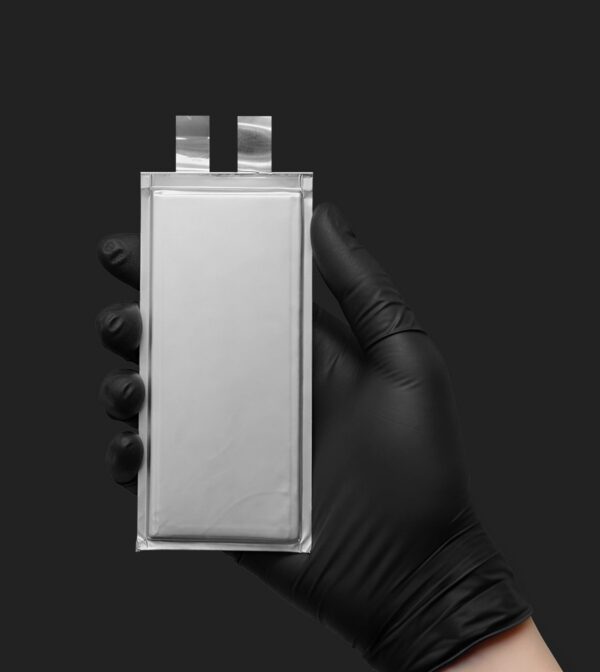
Buffalo’s Natrion Rolls Out NDAA-Compliant Drone Battery Cells
Natrion, a battery materials company based in Buffalo, New York, has introduced a new line of NDAA-compliant pouch cells that offer up to 80% more energy density than conventional lithium-ion batteries. Announced on May 14, 2026, these defense-optimized battery cells are designed for use in uncrewed systems, including drones, surface and underwater vessels, ground vehicles, and humanoid robots. The launch aims to enhance the performance and efficiency of military and defense applications, addressing the growing demand for advanced energy solutions in various unmanned technologies.
battery technology Defense Drone News Drone News Feeds Military NDAA Compliant
Material Demand Shapes Robot and Drone Manufacturing
Recent research has highlighted the supply risks associated with critical materials necessary for the development of autonomous machines. Conducted by a team of experts in materials science, the study emphasizes the urgent need for sustainable solutions to ensure the continued growth of this emerging technology sector. The findings, released in October 2023, reveal that reliance on certain materials poses significant challenges, potentially hindering innovation and production. To address these concerns, the researchers propose a multifaceted approach that includes innovative techniques for material sourcing and enhanced recycling processes. By focusing on sustainability, the study aims to mitigate supply chain vulnerabilities and promote responsible consumption of resources. The implications of this research are particularly relevant for manufacturers and policymakers in the autonomous technology industry, as they seek to balance the demand for advanced materials with environmental considerations. As the industry evolves, the integration of these strategies could play a crucial role in fostering resilience and ensuring the long-term viability of autonomous machines. The research serves as a call to action for stakeholders to prioritize sustainable practices in material management, ultimately paving the way for a more secure and environmentally friendly future in technology development.
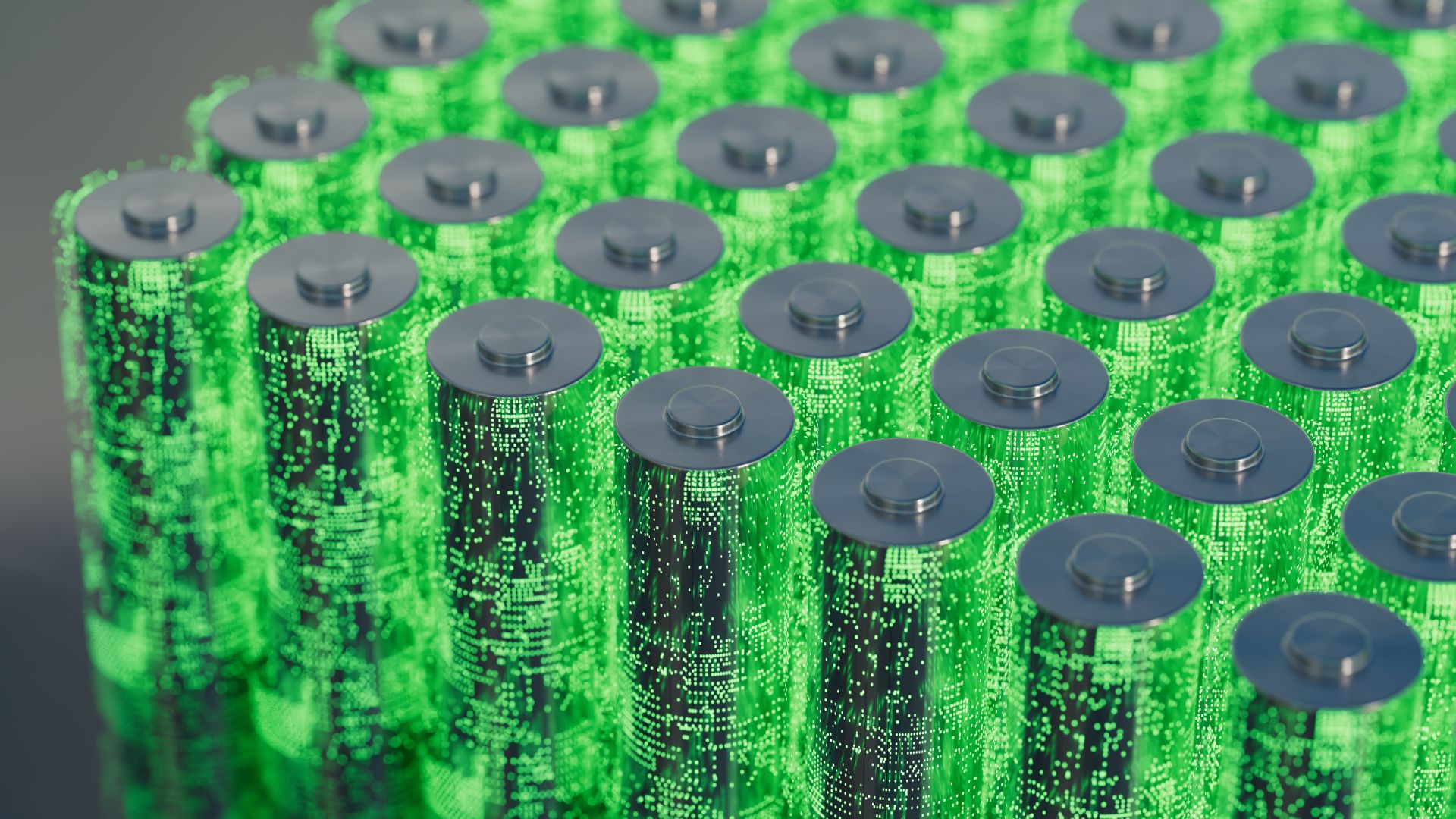
China’s new 800-cycle lithium-sulfur battery could nearly double drone flight time
Chinese researchers have unveiled a groundbreaking lithium-sulfur battery design that has the potential to dramatically enhance drone flight durations. This innovative development, announced in October 2023, aims to address the limitations of current battery technologies, which often restrict the operational time of drones. By utilizing lithium-sulfur chemistry, the researchers believe they can achieve higher energy densities compared to traditional lithium-ion batteries, making it possible for drones to fly longer distances without the need for frequent recharging. The research was conducted at a leading university in China, where scientists focused on optimizing the battery's performance and stability. This advancement not only promises to improve commercial drone applications but could also have significant implications for various industries, including logistics, agriculture, and surveillance, where extended flight times are crucial. The researchers are now looking to further refine the technology and explore its practical applications in real-world scenarios.
Robotics needs a service framework.
RSF defines a common language for robot service capability, lifecycle operations, certification pathways, and service-provider networks.
Join the RobotToday community on LinkedIn
Daily robotics news, in-depth analysis, conference highlights, and discussions with professionals worldwide.







