Industry Briefing
A single destination for timely, editor-curated robotics news from around the world.

Hanwha Aerospace Introduces K9 Howitzer Concept Featuring VTOL Drone Integration
Hanwha Aerospace has introduced a novel operating concept for its K9 self-propelled howitzer, incorporating vertical take-off and landing (VTOL) drones. This integration is designed to enhance artillery operations by improving targeting and battle assessment capabilities, which are crucial for modern warfare. The significance of this development lies in its potential to transform artillery effectiveness on future battlefields. By leveraging VTOL drones, Hanwha aims to provide real-time data and situational awareness, thereby increasing the responsiveness and precision of artillery units in combat scenarios. Looking ahead, the integration of VTOL drones with the K9 howitzer could set a new standard for military operations. Observers will be keen to see how this concept evolves and whether it leads to practical applications in defense strategies. No further timeline was disclosed at the time of publication.
News
Mouser Launches Qorvo eBook on RF Solutions for Drones, SATCOM, and IIoT Markets
Mouser Electronics has released a new eBook focusing on RF solutions tailored for modern applications such as drones, satellite communications, and industrial IoT. This resource highlights the evolving landscape of RF systems, emphasizing the need for higher speed, flexibility, and scalability in response to market demands. The eBook addresses the transition from traditional, highly customized architectures to more agile development strategies. This shift is crucial for meeting the rapid timelines associated with next-generation technologies, ensuring that developers can adapt to the fast-paced nature of the industry. As the demand for advanced RF solutions continues to grow, stakeholders should monitor how these developments influence the design and implementation of RF systems. No further timeline was disclosed at the time of publication.
FAA NextGen Fact Sheet Highlights Future Integration of Drones and Aircraft
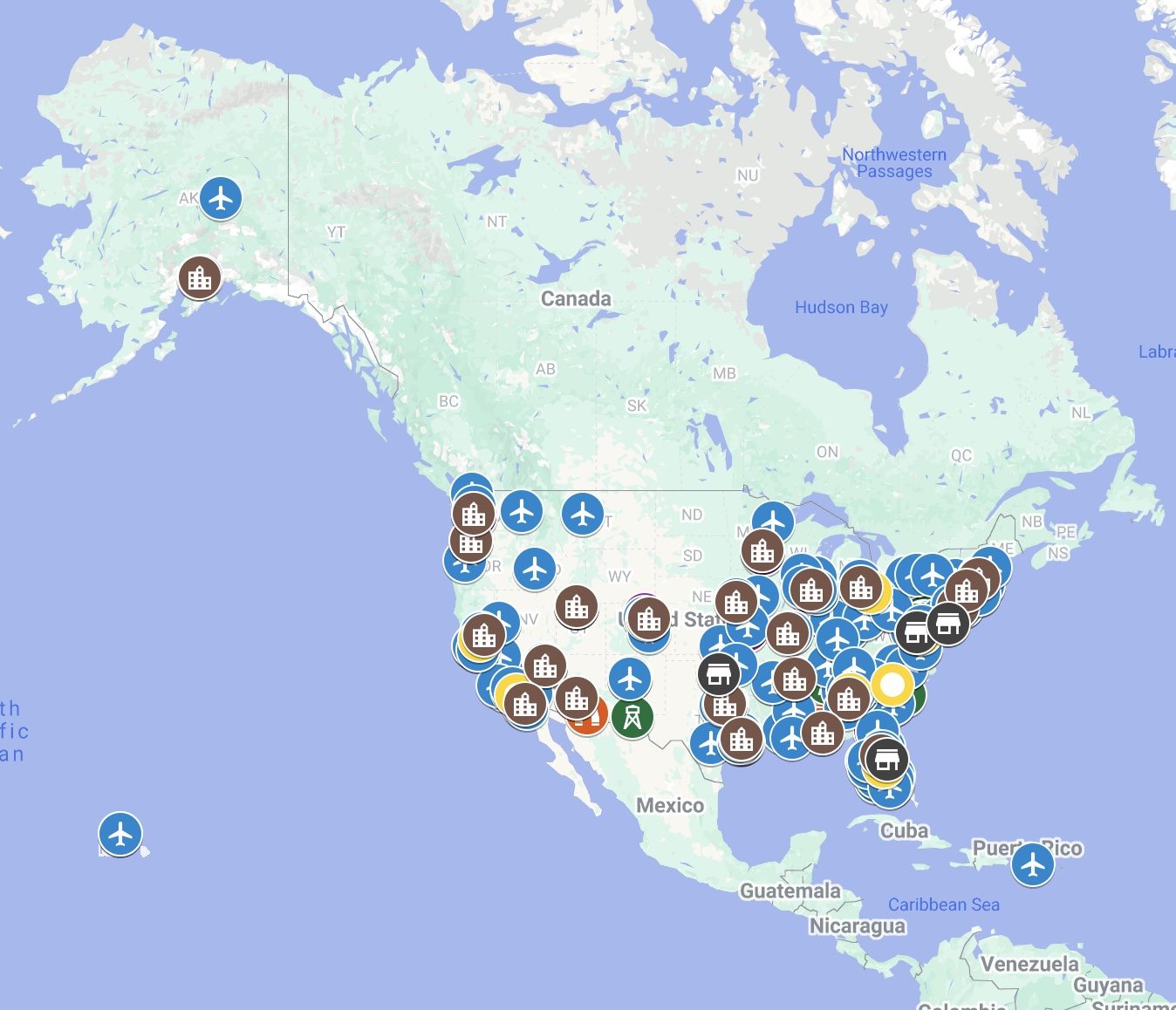
On August 17, the Federal Aviation Administration (FAA) released a NextGen fact sheet detailing updates to the National Airspace System (NAS) and ongoing modernization efforts. The Next Generation Air Transportation System, or NextGen, has significantly advanced U.S. air traffic management technology, transitioning to digital communications, satellite navigation, and integrated data sharing. The FAA reports that NextGen programs are now operational and have generated $10.9 billion in benefits from 2010 to 2023. The modernization efforts include the implementation of over 20 capabilities across the country, enhancing air traffic management through technologies like Automatic Dependent Surveillance-Broadcast (ADS-B) and Performance Based Navigation. These advancements allow for more precise navigation and real-time data sharing, shifting the focus from traditional air traffic control to a more strategic, integrated management approach. The FAA emphasizes the importance of accommodating non-traditional aviation forms, including uncrewed aircraft systems (UAS). Looking ahead, the FAA is developing traffic management concepts to safely integrate UAS and other emerging aircraft into the NAS. Technologies such as DroneZone and the Low Altitude Authorization and Notification Capability (LAANC) are pivotal in supporting this growth. The agency is also exploring concepts for UAS Traffic Management and Urban Air Mobility, indicating a significant shift in airspace management strategies in the coming years.
Drone News Drone News Feeds Drones in the News FAA News ADS-B
GeoComm and SkyfireAI Enhance Drone Response with New DFR Routing Integration
GeoComm and SkyfireAI have unveiled a new integration aimed at enhancing Drone as First Responder (DFR) programs' efficiency in emergency situations. By merging GeoComm’s DFR Routing technology with SkyfireAI’s autonomous drone platform, public safety agencies can access comprehensive location intelligence immediately upon receiving a 9-1-1 call. This integration addresses a significant challenge faced by DFR programs, as timely drone deployment is only part of the equation. Accurate incident location and access information are crucial for effective response. The new system incorporates operational details like buildings and access routes, enabling drone operators and first responders to gain a clearer understanding of the situation before ground units arrive. Looking ahead, the partnership between GeoComm and SkyfireAI aims to streamline the workflow from emergency call to drone deployment and ground response. As DFR programs grow across the U.S., the focus is shifting towards integrating various data sources to enhance situational awareness and improve emergency response outcomes. No further timeline was disclosed at the time of publication.
AI Applications Drone News Drone News Feeds Fire and Police Law Enforcement
China Advances Toward Integrated Air, Land, and Sea Drone Swarm Systems
China is progressing from large formations of identical drones to a more complex network that coordinates uncrewed systems across air, land, and sea. The China Electronics Technology Group Corporation (CETC) highlights the evolution of drone swarms from mere numbers to distributed systems capable of communication and local decision-making. This shift is significant as it enhances operational capabilities in diverse environments, particularly in military applications. CETC identifies five key capabilities for effective swarm functionality: survivability, situational awareness, planning and decision-making, mission execution, and autonomous learning. While China has made strides in these areas, challenges remain, especially in integrating different types of uncrewed systems. Looking ahead, CETC envisions a heterogeneous swarm that allows various platforms to work together seamlessly. This integration could enable aerial drones, ground vehicles, and maritime systems to share information and resources, enhancing overall mission effectiveness. However, achieving this level of coordination presents substantial technical challenges.
Military
Canadian Police Enhance Data Security with Localized Drone Integration for TAK
Canadian police and defense agencies have gained a new capability to operate their situational-awareness tools without relying on foreign cloud services. ThinkOn, a Canadian sovereign cloud provider, and AVSS, a drone technology firm, have successfully integrated the Team Awareness Kit (TAK) with infrastructure hosted entirely in Canada. This integration ensures that sensitive operational data remains under Canadian jurisdiction. The significance of this development lies in its ability to protect sensitive location information, live video, and operational data for police and defense organizations. By utilizing ThinkOn's Canadian cloud platform, agencies can maintain control over their data while still benefiting from the functionalities of TAK. This integration allows for seamless data flow from MAVLink-compatible drones into TAK’s common operating picture, ensuring that field teams can operate without altering their existing workflows. Looking ahead, agencies currently using TAK on foreign hyperscalers can transition to this Canadian infrastructure without disrupting their operations. Additionally, new agencies can adopt TAK with the assurance of data sovereignty from the outset. This partnership between ThinkOn and AVSS underscores the importance of Canadian control over critical data and infrastructure in public safety and defense applications.
News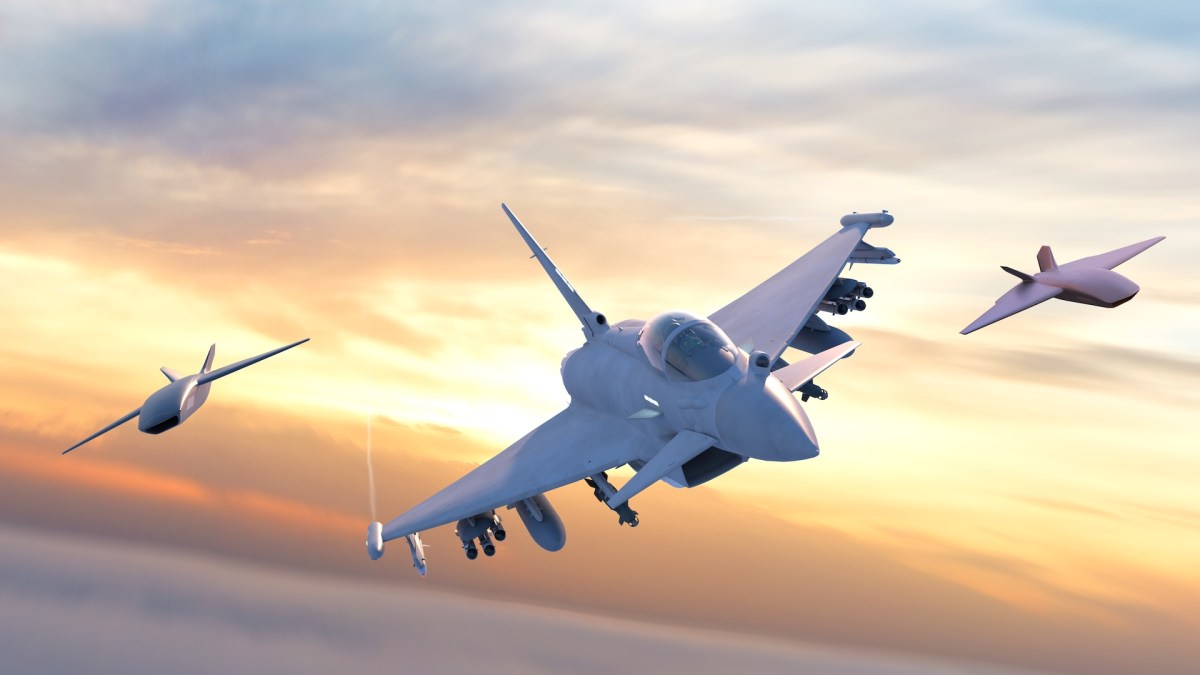
BAE Systems Explores Typhoon Integration with CCA Drones and Meteor Missiles
BAE Systems is investigating the integration of uncrewed collaborative combat aircraft (CCA) with the Eurofighter Typhoon, aiming to enhance combat capabilities. This initiative is part of a broader Long-Term Evolution (LTE) program that seeks to improve the jet's operational effectiveness in modern warfare environments. The integration of CCAs with the Typhoon is significant as it aims to expand the combat mass and operational range of air forces, addressing emerging threats. BAE Systems has accelerated this work over the past year, coinciding with the U.K. Royal Air Force's launch of the Storm Fighter CCA program, which will enable these drones to operate alongside the Typhoon, F-35, and future Tempest jets. Looking ahead, BAE Systems plans to incorporate advanced technologies such as the European Common Radar System (ECRS) Mk 2 and a large-area display cockpit into the Typhoon. These enhancements are expected to improve the aircraft's capabilities in collaborative combat scenarios, as demonstrated in recent simulations off the east coast of Scotland, where Typhoons successfully coordinated with CCAs.
Air Air Forces Collaborative Combat Aircraft Fighters Royal Air Force Typhoon
Israel Defense Forces Establish New Branch for Unmanned Systems and AI Integration
The Israel Defense Forces (IDF) are launching a new branch dedicated to unmanned systems and artificial intelligence, as announced by Chief of Staff Lt. Gen. Eyal Zamir. This initiative aims to adapt to the rapidly evolving battlefield, emphasizing the integration of robotics, drones, and AI technologies. The establishment of the Unmanned Systems and Artificial Intelligence Branch is a significant step for the IDF, reflecting a strategic shift towards modern warfare capabilities. Zamir highlighted that these advancements will enhance operational effectiveness and save lives, marking a transformative moment for military operations. Looking ahead, the IDF plans to fully inaugurate this new branch by early December. The focus will be on harnessing technologies across land, air, and sea domains, with an emphasis on maritime capabilities as part of the IDF’s broader multi-year plan, Hoshen. No further timeline was disclosed at the time of publication.
Air Warfare Global Land Warfare AI & Autonomy Air Force Army
MBDA Unveils Upgraded ASRAAM for Ground and Unmanned Vehicle Integration
MBDA showcased a new weapon at the recent exhibition, featuring a truck-mounted configuration. This upgraded version of the Advanced Short Range Air-to-Air Missile (ASRAAM) is designed for ground-launch capabilities. The significance of this development lies in its versatility, as the upgraded ASRAAM can also be integrated onto unmanned ground vehicles and unmanned surface vessels. This adaptability enhances operational flexibility for military applications. Looking ahead, industry stakeholders should monitor the integration of this weapon system into various platforms, as it may influence future military procurement strategies. No further timeline was disclosed at the time of publication.
Air Warfare Global Land Warfare Air Force Army ASRAAM
Versaterm on the Drone Radio Show! Next Level Integration of Drones into Public Safety
In a recent episode of the Drone Radio Show, Ryan Bracken from Versaterm discussed the company's acquisition of DroneSense and its implications for public safety agencies. This strategic move aims to enhance the integration of drone technology into computer-aided dispatch (CAD) workflows, moving beyond traditional standalone drone programs. The conversation highlighted the common characteristics of successful drone initiatives and offered insights on how agencies can develop sustainable operations while adhering to budget constraints. This integration is seen as a crucial step in advancing the use of drones in public safety, enabling agencies to leverage aerial technology more effectively in their operations.
Applications Drone News Drone News Feeds emergency response News Podcast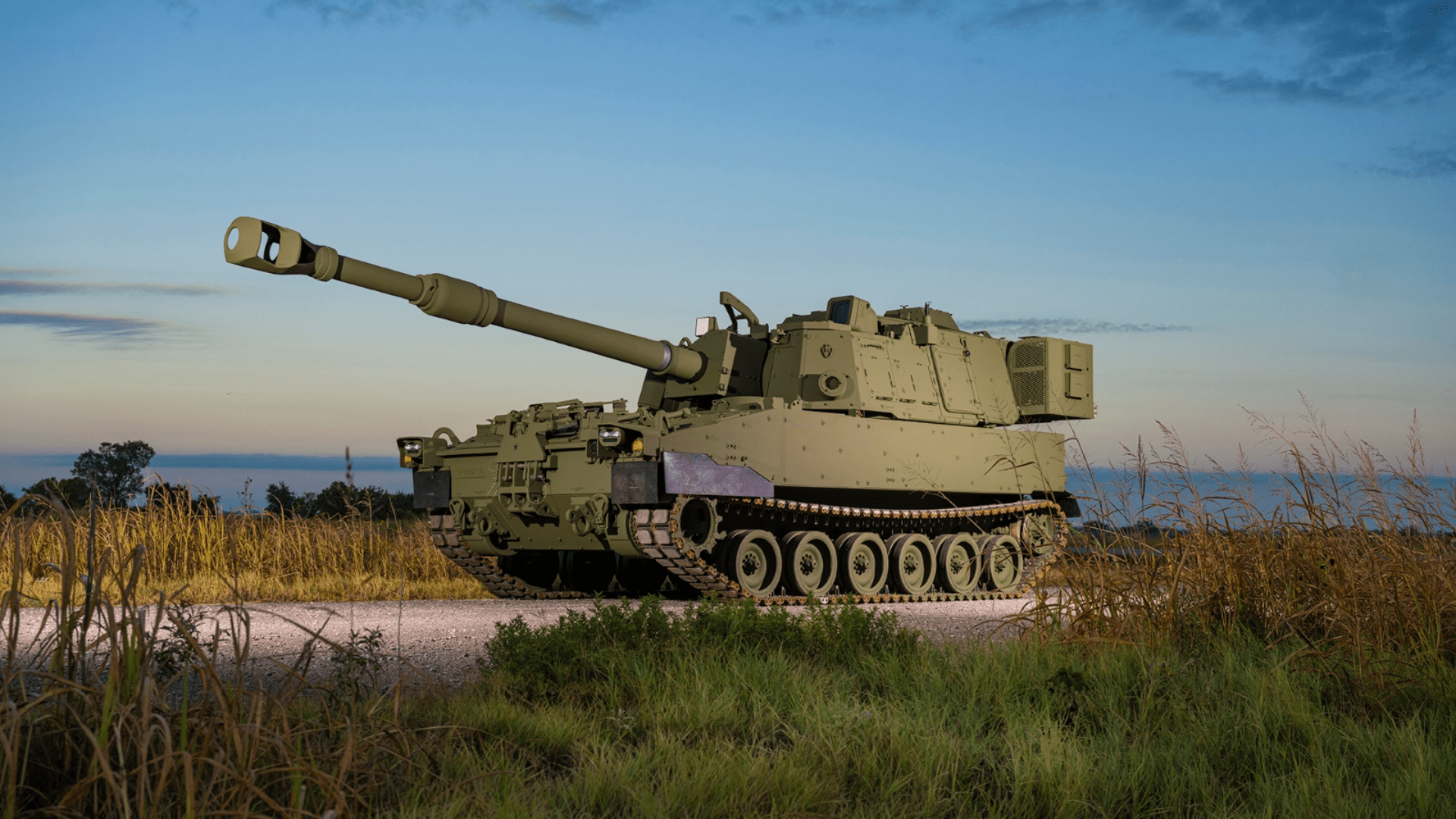
US Army trials LP-CROWS integration on Paladin artillery for drone defense
Engineers at the US Army Yuma Proving Ground are conducting developmental testing of advanced military technologies. This initiative, which began recently, aims to evaluate and enhance the performance of various systems crucial for operational readiness. The testing is part of the Army's ongoing efforts to improve its capabilities and ensure that troops are equipped with the most effective tools for modern warfare. By rigorously assessing these technologies in a controlled environment, the Army seeks to identify potential improvements and address any issues before deployment. The Yuma Proving Ground, known for its vast testing facilities, provides an ideal location for these critical evaluations, allowing engineers to simulate real-world conditions effectively. This testing phase is essential for maintaining the Army's competitive edge and ensuring the safety and effectiveness of its personnel in future missions.
Military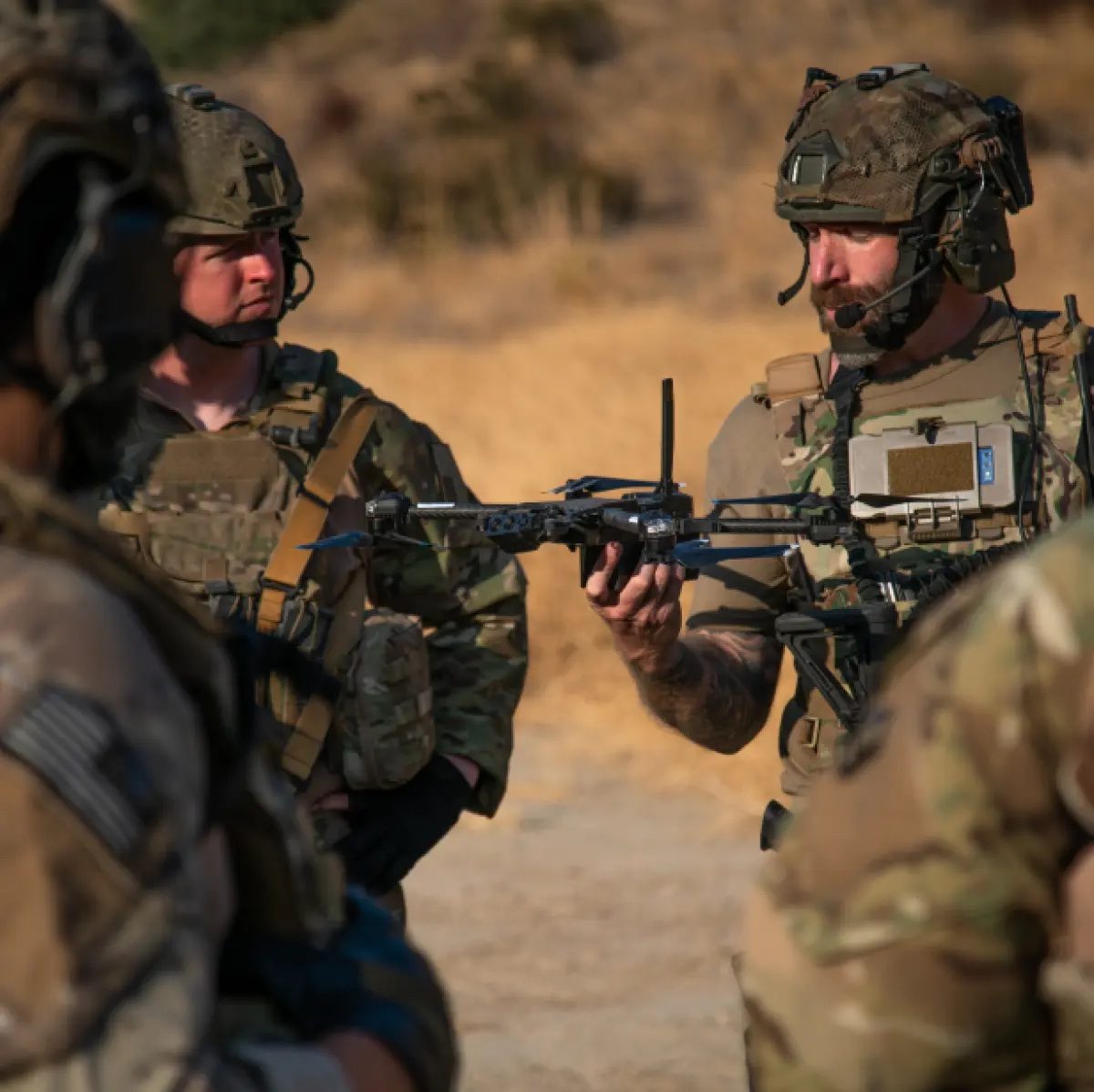
When Commercial Drone Technology Meets Defense: A Closer Look at Civil–Military Integration
A recent report from the Foundation for Defense of Democracies (FDD) underscores the significant convergence of commercial drone technology and military applications, highlighting the evolving landscape of the drone industry. This analysis, titled “China’s War Wolves,” emphasizes how shared innovation pipelines are influencing both commercial markets and defense capabilities. The report draws attention to the implications of civil-military integration, particularly in the context of national security and technological advancement. As the demand for drones continues to rise, understanding the interplay between civilian and military uses becomes increasingly critical. The findings are particularly relevant as nations seek to enhance their defense strategies while leveraging advancements in commercial technology.
Applications Defense defense DL Exclusive Drone News Drone News Feeds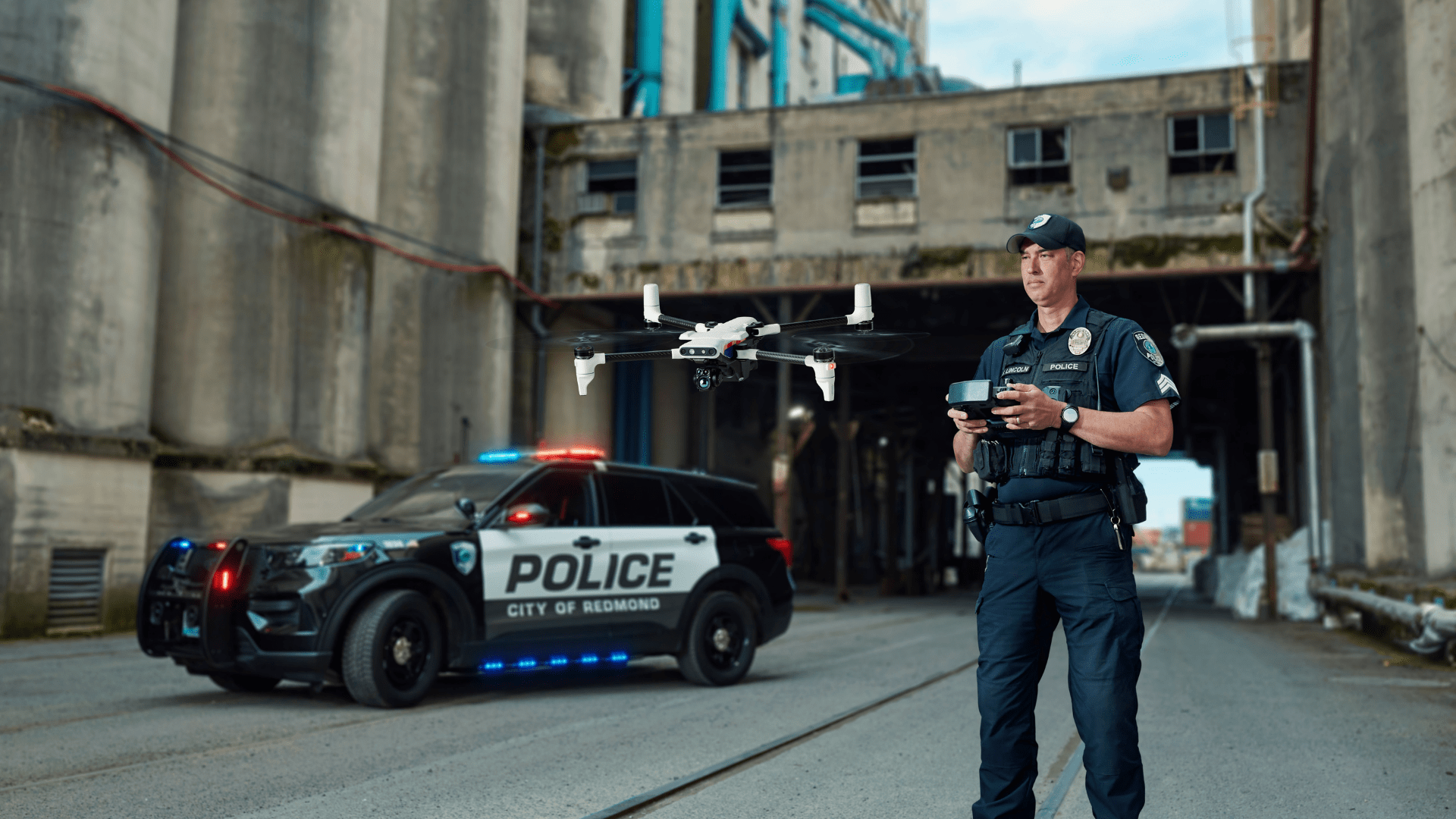
AirData and BRINC Integration Brings Automated Flight Records to Public Safety Drone Programs
AirData has launched a new integration with BRINC to enhance the management of drone flight data for public safety agencies. This collaboration enables automatic capture and organization of flight records from BRINC’s Lemur 2 and Responder drones within the AirData platform. By streamlining this process, the integration aims to reduce the reliance on manual data entry, thereby supporting scalable and auditable drone operations. This development is expected to significantly improve the efficiency of drone programs used in public safety, allowing agencies to focus more on their core missions.
Drone News Drone News Feeds Drones in the News Featured – Safety and Security News AirData
IoT SIM Cards Become Critical Infrastructure for Industrial Automation, Robotics, and Drone Operations
As industries such as manufacturing, logistics, energy, and infrastructure embrace digital transformation, a significant shift is occurring with the integration of cellular-connected devices. These advancements are replacing traditional isolated machines with interconnected systems that facilitate continuous communication. This transition enables real-time coordination and remote management, enhancing operational efficiency and responsiveness. The push for modernization is driven by the need for improved productivity and adaptability in an increasingly competitive market. By leveraging advanced technology, companies are positioning themselves to better meet the demands of their sectors and optimize their processes.
Robotics needs a service framework.
RSF defines a common language for robot service capability, lifecycle operations, certification pathways, and service-provider networks.
Join the RobotToday community on LinkedIn
Daily robotics news, in-depth analysis, conference highlights, and discussions with professionals worldwide.