Industry Briefing
A single destination for timely, editor-curated robotics news from around the world.
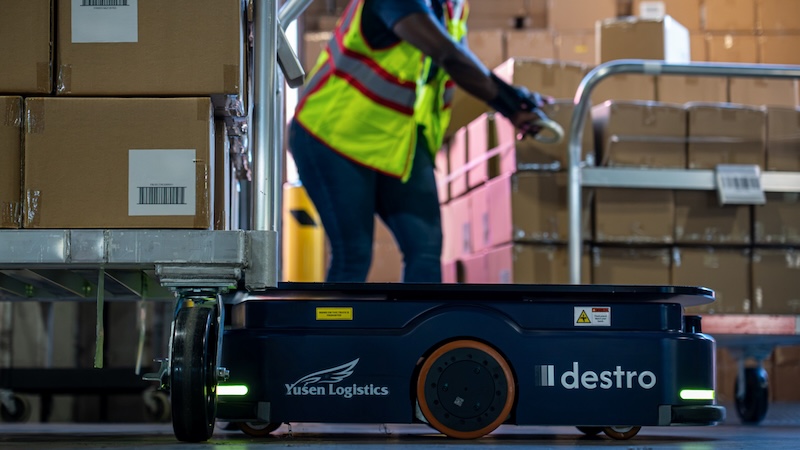
Yusen Logistics Partners with Destro AI for Enhanced Warehouse Coordination
Yusen Logistics Americas has initiated a strategic collaboration with Destro AI to deploy an AI-powered warehouse coordination platform. This initiative is part of Yusen's commitment to investing in intelligent warehouse technologies aimed at improving operational efficiency and delivering enhanced value to customers. The collaboration is particularly significant as it addresses the complexities of transload operations, which require rapid movement of freight through various stages while adapting to fluctuating demands. The Destro AI platform will facilitate real-time coordination among personnel, equipment, and material handling, thereby optimizing workflows and improving throughput. Looking ahead, Yusen Logistics intends to assess further automation capabilities beyond cart movements, including pallet handling and AI-driven workflow verification. This aligns with their broader strategy to boost warehouse productivity while ensuring the flexibility that customers expect from a leading logistics provider. No further timeline was disclosed at the time of publication.
Logistics News Supply chain ai amrs artificial intelligence
Yusen Logistics Collaborates with Destro to Implement AI-Driven Human-Robot Collaboration in Transload Operations
Yusen Logistics (Americas) Inc. has formed a strategic partnership with Destro AI to deploy an AI-powered human-robot collaboration platform aimed at enhancing transload operations. This initiative is part of Yusen's commitment to investing in intelligent warehouse technologies that boost operational efficiency and execution consistency. The collaboration with Destro is significant as it represents a step forward in integrating advanced AI solutions within logistics operations. By leveraging Destro's Physical AI platform, Yusen aims to streamline processes and provide increased value to its customers, reflecting a broader trend in the logistics industry towards automation and technological innovation. Looking ahead, the focus will be on the effectiveness of this deployment and its impact on Yusen's operational metrics. No further timeline was disclosed at the time of publication.

Fire Point CEO Discusses Development of Missiles and Drones Against Russian Forces
Fire Point CEO Iryna Terekh recently shared insights on the company's evolution from a garage startup to a key player in missile and drone production. Amid ongoing threats from Russian missiles, Terekh highlighted the effectiveness of their FP-1 and FP-2 drones, as well as the new Flamingo cruise missiles, which enhance Ukraine's long-range capabilities. The significance of Fire Point's advancements lies in their strategic aim to counter Russian aggression. The FP-9 ballistic missile, designed to strike targets up to 500 miles away, and the FP-7.x interceptor, intended as a cost-effective alternative to Patriot systems, are pivotal in strengthening Ukraine's defense. Terekh's leadership has been crucial in navigating the challenges of weapon development under constant threat. Looking ahead, the status of the FP-9 program and the development of indigenous missile systems will be critical. Terekh's insights into the use of AI in weapon systems and the challenges faced during production highlight the innovative approaches being taken to ensure Ukraine's defense capabilities remain robust. No further timeline was disclosed at the time of publication.
News & Features Around The Globe Europe Land Land-Based Ballistic Missile Defense Russia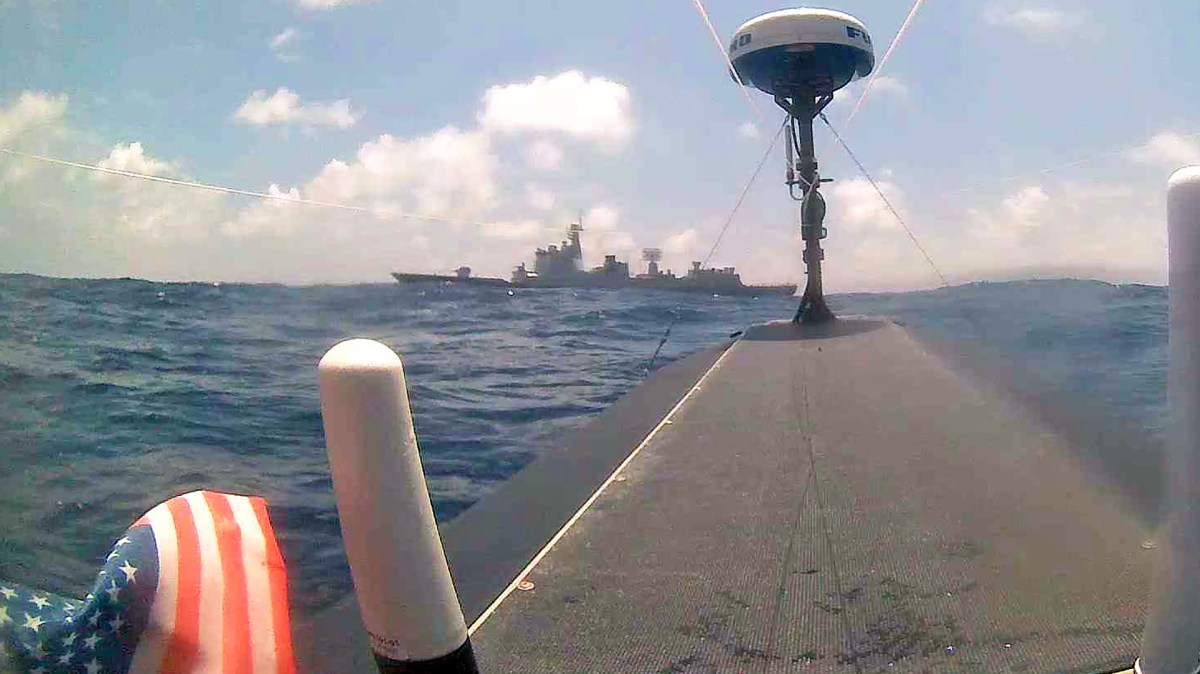
Seasats' Lightfish USV Encounters Chinese Destroyer, Raising Engagement Rule Concerns
A Lightfish uncrewed surface vessel (USV) owned by Seasats had a notable encounter with a Chinese Type 052D guided missile destroyer near the Philippines. The incident, reported by Reuters, occurred approximately 73 miles northeast of Luzon Island, highlighting the increasing presence of USVs in strategic maritime areas. This encounter underscores the potential risks posed by USVs to advanced naval vessels, raising critical questions about the rules of engagement for navies and merchant ships operating in contested regions. The Luzon Strait, a vital waterway, could become a focal point for future conflicts, particularly in the context of tensions surrounding Taiwan. The Lightfish USV, which can operate for extended periods thanks to its solar-powered hybrid system, tracked the Chinese destroyer from a distance of about 10 nautical miles. While the destroyer took evasive action upon noticing the USV, the intent behind the encounter remains unclear. No further timeline was disclosed at the time of publication.
Sea Destroyers Navies People's Liberation Army Navy (China) Unmanned Surface Vessels (USVs)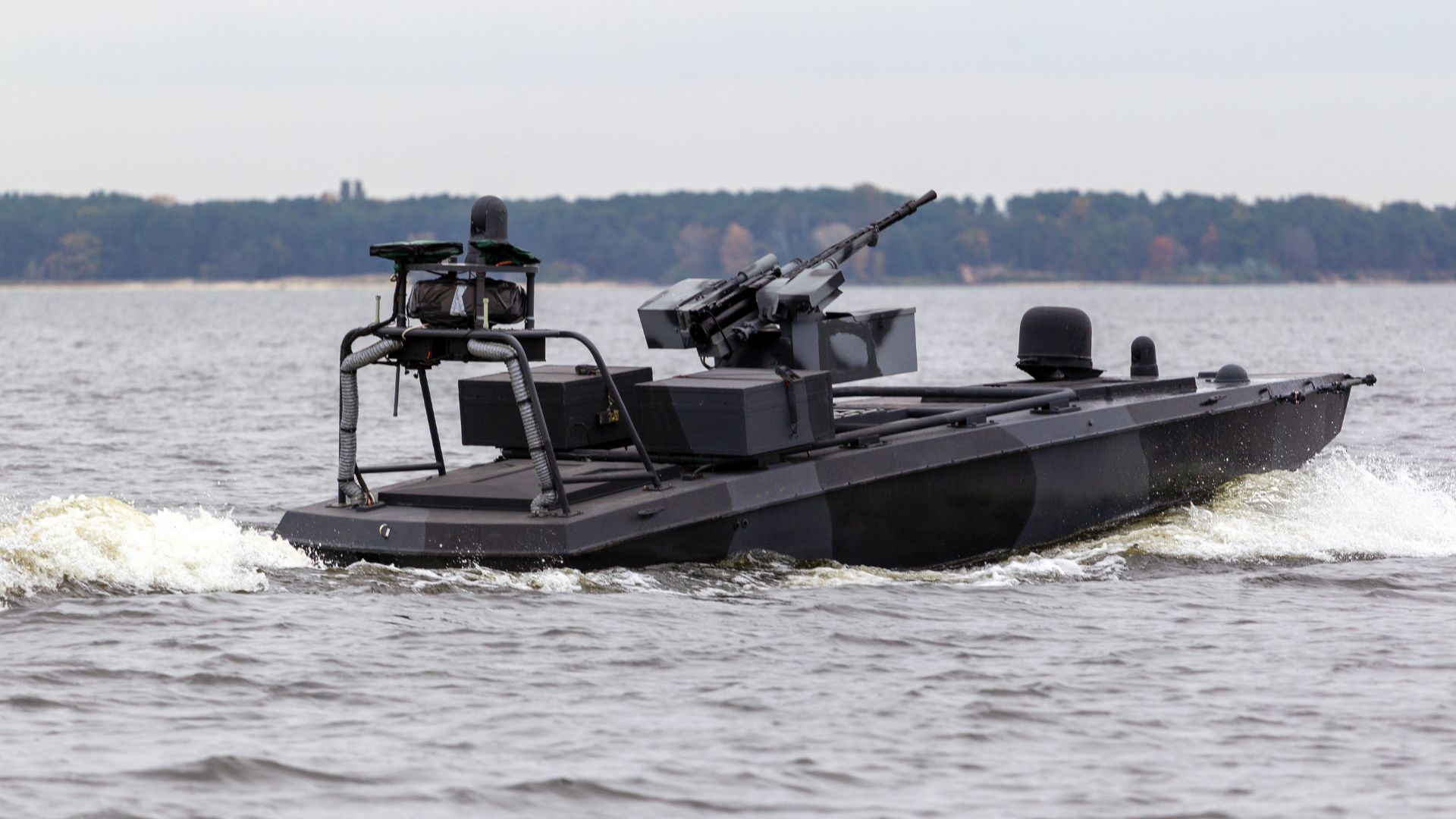
Ukraine's Sargan-3000 USV Engages and Destroys Russian Naval Drone in Historic Battle
On September 12, a Ukrainian unmanned surface vessel (USV) successfully destroyed a Russian naval drone in the Black Sea, marking the first combat between two unmanned boats, according to Ukraine's Navy. The operation involved Ukraine's military intelligence agency, HUR, which identified the Russian vessel prior to the attack by the Sargan-3000 USV, equipped with a 12.7-mm Protector remote weapon station. This incident signifies a pivotal moment in the ongoing Russia-Ukraine War, as both nations increasingly utilize naval drones to target maritime assets. The Ukrainian Navy highlighted the significance of this engagement, stating it represents a new phase in naval warfare. The Russian drone, identified as an improved Orcan type, was designed for explosive attacks and has been actively used against Ukrainian ports and naval targets. Looking ahead, the use of unmanned naval vessels is expected to escalate as both sides adapt to this new combat dynamic. The Sargan-3000, also known as SeaWolf, is a versatile platform capable of various operational roles, including strike missions and electronic warfare. No further timeline was disclosed at the time of publication.
Military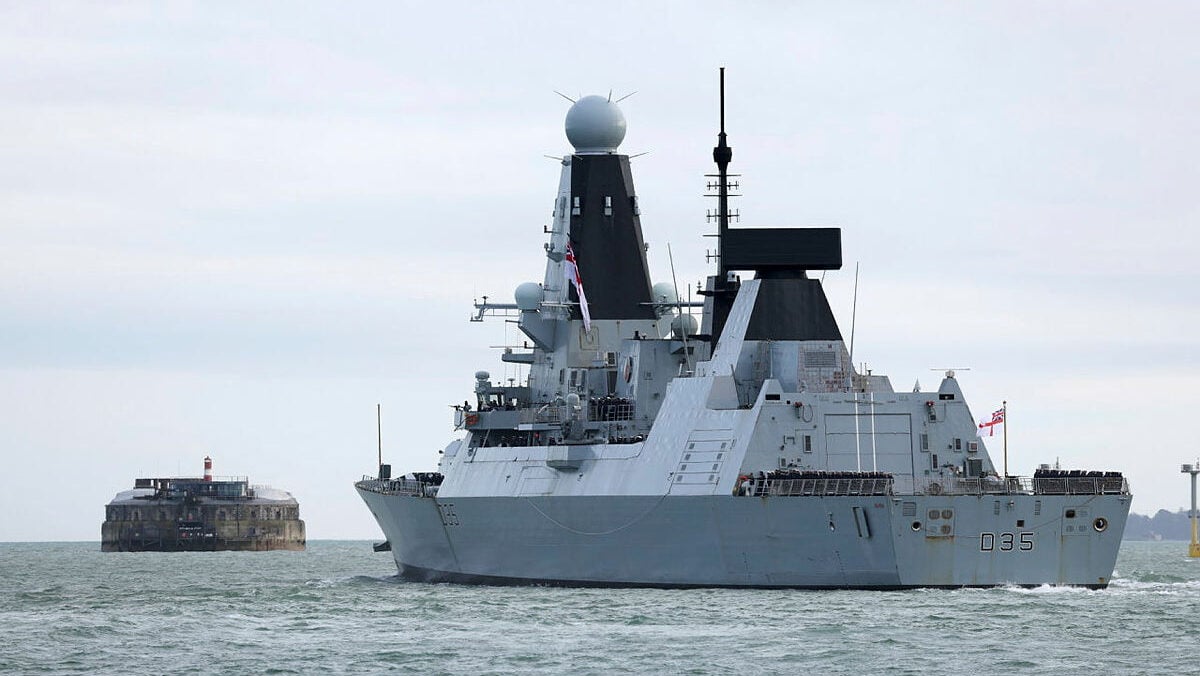
From destroyers to drones, how a Europe-led coalition aims to open the Strait of Hormuz
A new international initiative, spearheaded by the United Kingdom and France, aims to mobilize support from approximately 40 nations in response to ongoing conflicts. This collaborative effort is contingent upon the establishment of a ceasefire, which would serve as the prerequisite for the initiative to commence. The initiative seeks to address the urgent need for peace and stability in the affected regions, reflecting a collective commitment to diplomatic solutions and humanitarian assistance. The timeline for implementation remains uncertain, as it hinges on the successful negotiation of a ceasefire among the conflicting parties.
Air Warfare Global Middle East Naval Warfare Air Force Belgium
US turns to AI-powered target recognition systems to destroy drones faster than human operators
The Department of Defense is advancing its efforts to implement artificial intelligence-driven target recognition systems aimed at enhancing the capabilities of military troops and vehicles. This initiative, announced in October 2023, seeks to improve operational efficiency and decision-making on the battlefield. By leveraging AI technology, the Defense Department aims to streamline the identification and engagement of potential threats, thereby increasing the safety and effectiveness of military operations. The move comes in response to the growing complexity of modern warfare, where rapid and accurate target recognition is crucial for mission success. The integration of these advanced systems is expected to transform how military personnel interact with their environments, ultimately leading to more strategic and informed actions in combat scenarios.
Robotics needs a service framework.
RSF defines a common language for robot service capability, lifecycle operations, certification pathways, and service-provider networks.
Join the RobotToday community on LinkedIn
Daily robotics news, in-depth analysis, conference highlights, and discussions with professionals worldwide.