Industry Briefing
A single destination for timely, editor-curated robotics news from around the world.

Qualcomm Partners with Amazon to Develop Advanced AI Data Center Infrastructure
Qualcomm Technologies Inc. has entered into a collaboration with Amazon to create customized silicon for large-scale AI data centers, focusing on AI inference. This partnership aims to enhance data center infrastructure by improving computing and connectivity capabilities, as highlighted by Qualcomm's President and CEO, Cristiano Amon. The significance of this collaboration lies in addressing the escalating demand for AI workloads, which necessitate advancements in compute, storage, networking, and energy-efficient infrastructure. By combining Amazon's robust AI infrastructure with Qualcomm's expertise in power-efficient processing and silicon design, the partnership is poised to deliver innovative solutions for next-generation AI infrastructure. Looking ahead, Qualcomm and Amazon will work on high-performance optical connectivity solutions capable of supporting bandwidth demands of up to 1.6 terabits per second. The collaboration indicates a long-term commitment to developing customized silicon across multiple generations, which could lead to significant advancements in AI data center capabilities.
AI and Robotics
Kaiwang Data Secures Over RMB100 Million for Embodied AI Data Infrastructure Development
Kaiwang Data, a Chinese provider of data infrastructure for embodied AI, has successfully raised over RMB100 million in a strategic funding round. This funding round was co-led by the Beijing E-Town Industrial Upgrade Fund, Huafang Capital, and Skyline Capital, with participation from several robotics companies including Lumai Robotics and Mifeng Technology. This funding is significant as it will enable Kaiwang Data to enhance its capabilities in managing multimodal data essential for applications in autonomous driving and humanoid robots. The company currently produces approximately 100,000 hours of usable data monthly and has established bulk data-purchasing agreements with major firms, indicating strong demand for its services. Looking ahead, Kaiwang Data plans to utilize the new funding to develop its data-trading platform and advance world-model technology. The expansion will target commercial, industrial, and household applications, positioning the company for growth in the rapidly evolving AI landscape. No further timeline was disclosed at the time of publication.
News Feed
Kinetix AI Introduces KAI Halo to Enhance Data Infrastructure for Robotics
As the robotics industry enters a phase of large-scale development, a critical question arises: how long does it take for newly collected real-world data to translate into actionable capabilities for robots? The data journey, from collection to deployment, is complex and any delays can hinder progress. Kinetix AI is addressing this challenge by connecting every stage of data production rather than simply expanding data volume. The Kai Ego Dataset has amassed over 100,000 hours of first-person multimodal data, covering more than 2,000 atomic skills across various real-world scenarios such as homes, retail, hotels, and factories. This dataset captures the nuances of continuous tasks, allowing robots to learn complex behaviors rather than isolated actions. It integrates diverse information, including visual data, body posture, and motion semantics, providing a unified data foundation for cross-domain transfer. KAI Halo, a standardized data collection tool developed by Kinetix AI, addresses common issues encountered in real data production, such as occlusion and data quality fluctuations. By employing a four-way fisheye global shutter RGB camera and a 200Hz IMU, KAI Halo synchronizes multiple perspectives, enabling a comprehensive reconstruction of human actions and interactions with the environment. No further timeline was disclosed at the time of publication.
Embodied Intelligence Data Infrastructure Robotics AI Data Processing
NVIDIA Collaborates with Australian Partners to Enhance AI Infrastructure Capacity
NVIDIA has announced a collaboration with a network of Australian NVIDIA Cloud Partners (NCPs) and AI infrastructure partners to expand land, power, and shell capacity for hosting NVIDIA DSX™ AI factories. This initiative aims to meet the increasing demand for AI compute in Australia, with a projected buildout of up to 2 gigawatts by 2027. The expansion is significant as it supports local innovators in developing AI models and applications, leveraging NVIDIA's full-stack DSX platform. This platform enhances productivity and durability, making AI factories a new asset class. The collaboration with Australian partners like Firmus and Sharon AI is expected to strengthen the local ecosystem and provide access to high-performance computing resources. Looking ahead, the initiative will enable Australian startups, researchers, and enterprises to harness world-class computing capabilities. No further timeline was disclosed at the time of publication.
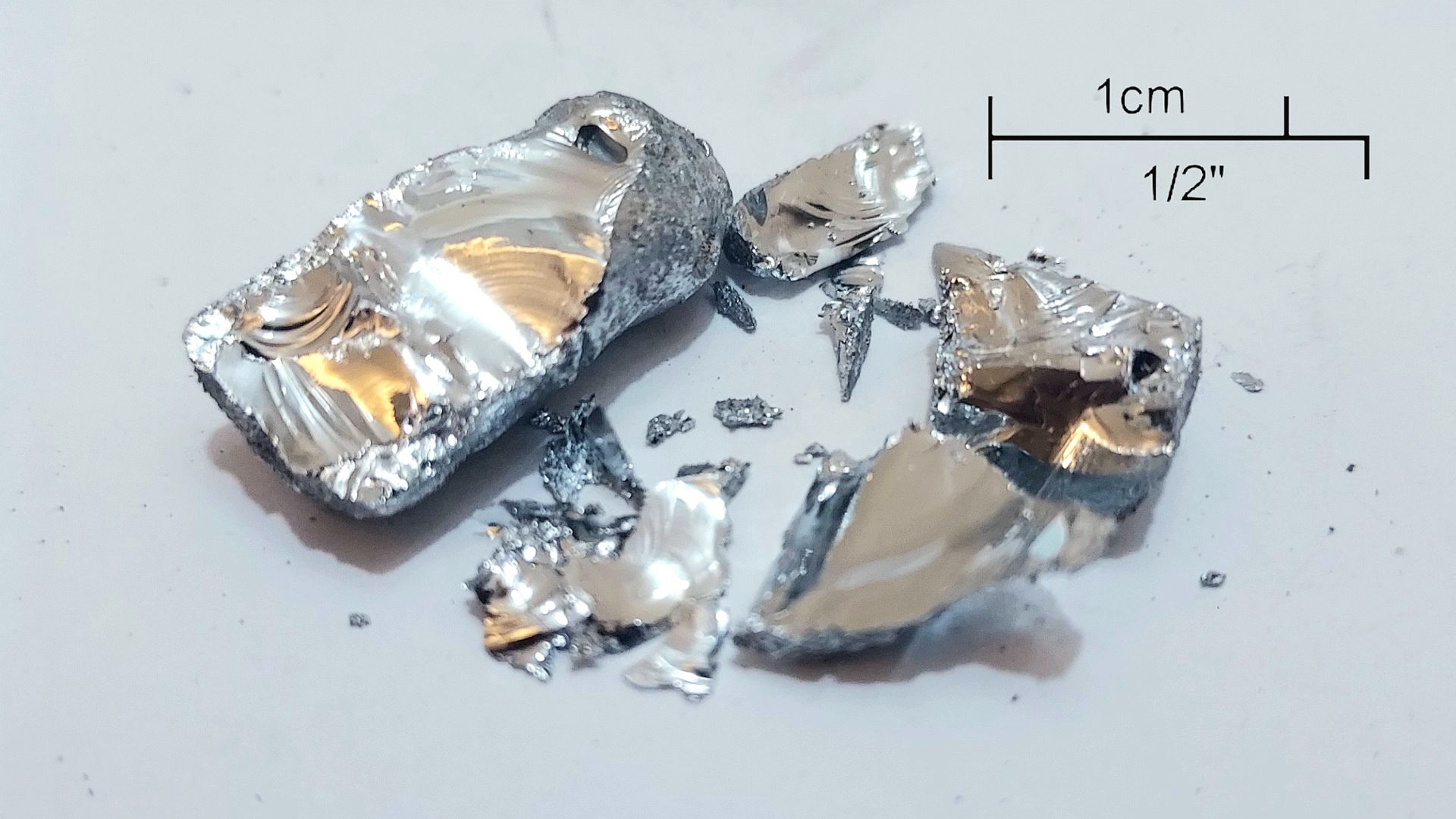
Five Essential Metals Driving the Growth of AI Data Center Infrastructure
Artificial intelligence relies heavily on physical infrastructure, particularly data centers that require substantial electrical systems and cooling equipment. A 2026 study indicates that copper is the most critical metal, accounting for 83% of the modeled mineral mass needed for AI data-center infrastructure. Other important metals include gallium, germanium, rare earth elements, and aluminum, each playing a vital role in the AI hardware ecosystem. The significance of these metals extends beyond mere supply; they are integral to the functionality and efficiency of AI systems. For instance, copper's excellent thermal conductivity aids in cooling, while gallium and germanium are essential for semiconductor applications. The concentration of production for these materials, particularly gallium and germanium, raises concerns about supply chain vulnerabilities, which could impact the growth of AI technologies. Looking ahead, the demand for these metals is expected to rise as AI infrastructure expands. The reliance on rare earth elements, particularly from China, poses additional supply risks. As AI processors evolve and generate more heat, the importance of effective thermal management through materials like aluminum will only increase. No further timeline was disclosed at the time of publication.
AI and Robotics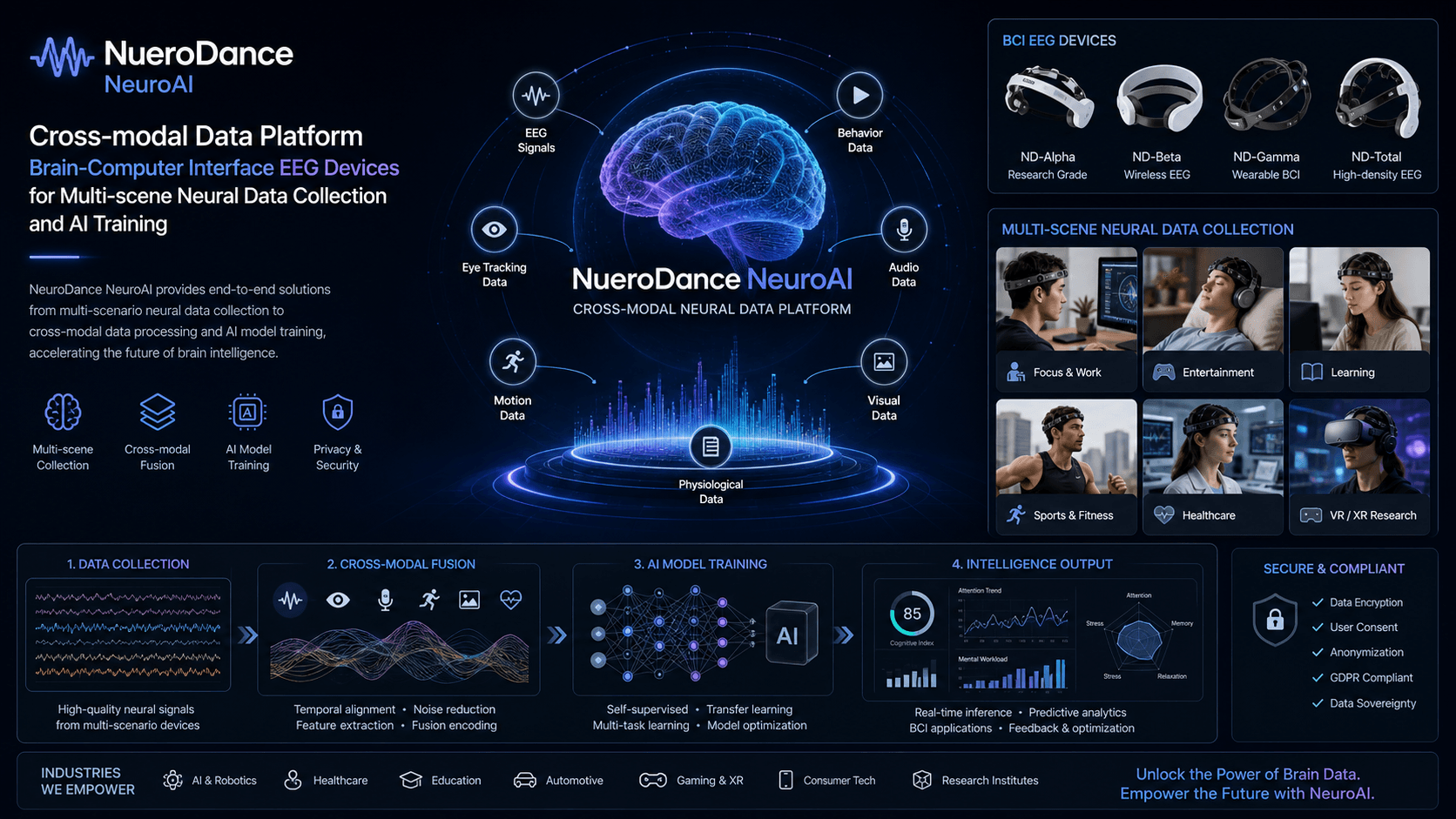
NueroDance Introduces ND1000 and ND8 EEG Devices Alongside NeuroAI Data Platform
NueroDance has launched its ND1000 and ND8 series EEG devices, along with the NeuroAI group cross-modal data platform, during an event in Beijing. This initiative aims to establish a neural data infrastructure that extends the capabilities of AI beyond traditional text and image processing. The introduction of these EEG devices and the NeuroAI platform signifies a strategic move by NueroDance to position itself at the forefront of the evolving AI landscape. By focusing on cross-modal data, the company seeks to unlock new applications and insights from neural data, potentially transforming how AI systems interact with human cognitive processes. As the demand for advanced AI solutions grows, the development of a robust neural data infrastructure will be crucial. Observers should watch for how NueroDance's offerings will influence the AI sector and whether they can successfully integrate brain-computer hardware with multi-scene neural data applications. No further timeline was disclosed at the time of publication.
Technology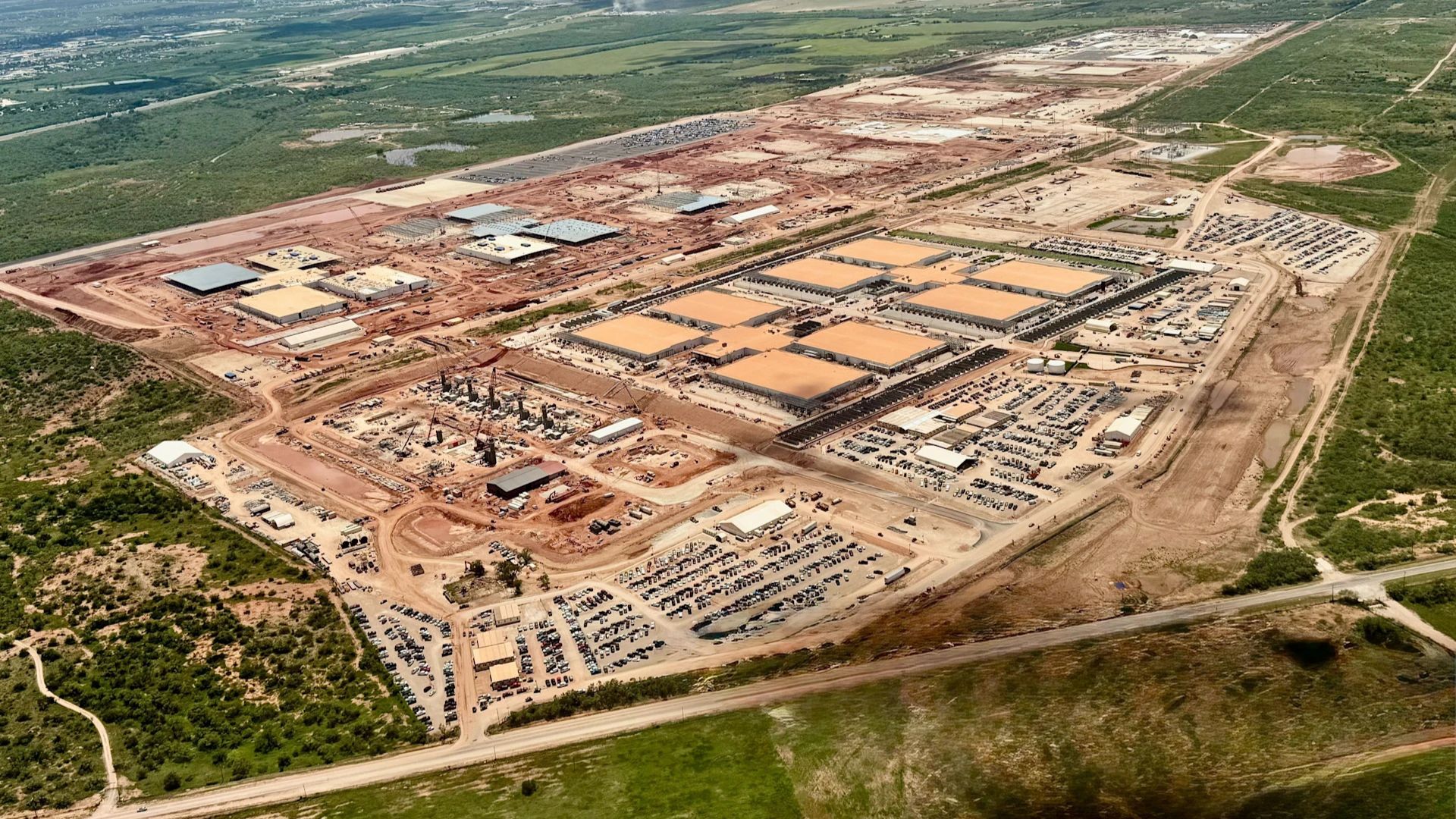
OpenAI Invests Over $30 Billion in 3.2GW Data Center in Georgia
OpenAI is set to invest more than $30 billion in a large data center campus in coastal Georgia, aiming to provide up to 3.2 gigawatts of computing capacity over the next decade. This significant investment positions OpenAI among leading tech companies expanding hyperscale AI infrastructure in the U.S. The project is crucial as it addresses the increasing demand for AI computing resources, with the electricity capacity equivalent to the needs of approximately 2.4 million U.S. homes. OpenAI's CEO, Sam Altman, is expected to discuss next-generation AI models with U.S. lawmakers, highlighting the importance of regulatory frameworks in the evolving AI landscape. Looking ahead, the first several hundred megawatts of power are anticipated to be available by 2028, with construction continuing until 2032. OpenAI's strategic shift in infrastructure planning and its commitment to sustainable practices will be key factors to monitor as the project progresses.
AI and Robotics
Voxelmaps Inc. Transforms into Robotic Data Inc. to Lead Physical AI Infrastructure
Voxelmaps Inc. has officially rebranded as Robotic Data Inc., marking a significant shift in its business focus. The company aims to transition from its previous role as a leader in geospatial data collection to becoming a key provider of data infrastructure for the burgeoning Physical AI sector. This rebranding is crucial as it aligns with the company's strategy to capitalize on the trillion-dollar Physical AI market. By positioning itself as a foundational data provider, Robotic Data Inc. is set to play a pivotal role in the development of advanced AI technologies that rely on robust data frameworks. Looking ahead, industry observers should monitor how Robotic Data Inc. leverages its new identity to innovate within the Physical AI landscape. No further timeline was disclosed at the time of publication.

Tate Achieves 12-Fold Welding Productivity Increase with 58 Hirebotics Cobots
Hirebotics has announced that Tate, a data center infrastructure company, has successfully deployed 58 Cobot Welder systems across its manufacturing facilities in Arkansas, Virginia, and Kentucky. This deployment has resulted in a remarkable 12-fold increase in per-welder throughput for critical structural assemblies while allowing Tate to expand its team of certified welders. The significance of this achievement lies in Tate's ability to meet the intense demand and tight project timelines associated with its 120-year legacy in providing structural ceilings and airflow management products for large data centers. By transitioning to a cloud-connected automation network powered by Hirebotics' Beacon Pro control platform, Tate has scaled production without compromising precision, ensuring zero tolerance for manufacturing errors. Looking ahead, the integration of Hirebotics' technology allows Tate to manage its multi-plant network of Cobot Welders from a single smart device, enhancing operational efficiency. No further timeline was disclosed at the time of publication.
Computing Infrastructure News automation beacon pro cloud robotics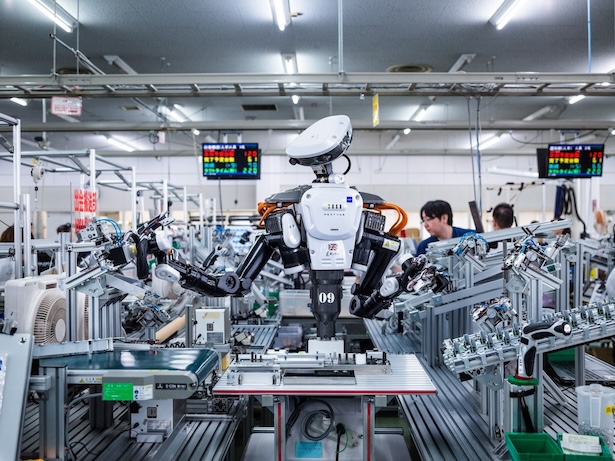
SpaceX's Starship V3 Plans for 1 Million Starmind Satellites by 2030
SpaceX's Starship V3 is set to revolutionize satellite deployment, aiming to launch 1 million Starmind satellites by 2030. The spacecraft can carry over 100 tonnes to low Earth orbit (LEO), significantly more than the Falcon 9's capacity. As of May 2026, Starship has completed 12 flights, with the next mission scheduled for late July 2026, focusing on operational payloads including AI1 prototypes in early 2027. This ambitious plan is crucial for expanding orbital compute capacity, targeting an annual addition of 100 GW through a million tonnes of satellite hardware. SpaceX's strategy hinges on achieving a launch cadence of approximately 12,000 flights, equating to about three launches per day. The company has invested over $15 billion in the Starship program, with expectations to begin payload deliveries in the second half of 2026, starting with Starlink V3 satellites. Looking ahead, the successful deployment of the Starmind constellation will depend on Starship's ability to meet its cost targets of $10–20 million per flight. If achieved, this would make launching satellites more economical than building ground data centers. The next significant milestone will be the launch of AI1 prototypes in early 2027, with full-scale deployments commencing in 2028 from the new Gigasat factory in Texas.

Tesla's Optimus Robots to Support Starmind Satellite Production, Not Maintenance
Tesla's Optimus robots will not be used to repair Starmind satellites in orbit, as confirmed by recent statements from Elon Musk. Instead, these robots are intended to assist in the construction and operation of the Terafab chip manufacturing facility in Texas. The AI1 satellites, designed to disintegrate upon reentry, highlight the company's swap-and-replace strategy rather than traditional maintenance practices. This approach is significant as it reflects a broader trend in satellite management, where mass-produced satellites are replaced rather than repaired. The economics of servicing missions are prohibitive, with the cost of launching a replacement satellite being significantly lower than conducting a repair mission. This model aligns with SpaceX's operational history, where rapid replacement of satellites is more efficient than attempting to maintain them in orbit. Looking ahead, the focus will remain on the production capabilities of the Gigasat factory, which is expected to support the continuous replacement of satellites. No further timeline was disclosed at the time of publication, but the demand for rapid satellite turnover suggests a robust future for Optimus robots in terrestrial manufacturing rather than in-space servicing.

Mibee Technology and Zhangjiang Group Form Strategic Partnership for Embodied Data Infrastructure
Mibee Technology has entered into a strategic cooperation agreement with Zhangjiang Group to advance embodied intelligence data technology. This collaboration, announced recently, seeks to tackle significant industry challenges, including data shortages and the high costs associated with data collection. By combining Zhangjiang's innovative ecosystem with Mibee's expertise in data services, the partnership aims to foster the growth of the robotics industry in Shanghai. The initiative reflects a commitment to enhancing technological capabilities and addressing critical issues within the sector.
Embodied Intelligence Data Infrastructure Robotics AI Technology
AIRoA collects 80,000 hours of robot operation data through industry-academia collaboration for physical AI infrastructure.
The AI Robot Association (AIRoA) released a YouTube video on May 29, 2026, showcasing a groundbreaking initiative titled "A Massive Collaborative Physical AI Data Initiative." The video highlights the ongoing operations of robots across various universities and research institutions, illustrating the accumulation of a global data infrastructure. This initiative aims to enhance the development of artificial intelligence by creating a comprehensive database that supports collaborative research and innovation in robotics. Through this project, AIRoA seeks to foster advancements in AI technology and improve its applications in real-world scenarios.

Lightwheel AI Raises New Round to Build Physical AI Data and Simulation Infrastructure
A Beijing-based startup has successfully secured new funding to enhance its data and evaluation infrastructure focused on physical artificial intelligence, embodied intelligence, and world models. This investment aims to bolster the company's capabilities in developing advanced technologies that integrate AI with real-world applications. The funding round, which took place recently, reflects growing interest in the potential of AI to transform various industries. By improving its infrastructure, the startup seeks to position itself as a leader in the evolving landscape of intelligent systems, ultimately contributing to more sophisticated and effective AI solutions.
AI
Breaking the Data Drought in Physical AI: Can Maniformer Define the Era of Embodied Intelligence as a 'Data Infrastructure Provider'?
On April 16, 2026, Maniformer unveiled a groundbreaking one-stop physical AI data service platform in Shanghai, marking a significant advancement in the field of embodied intelligence. This innovative platform aims to tackle the pressing issue of data scarcity that has hindered the development of intelligent robotics. Central to this initiative is the MEgo series hardware, designed to facilitate efficient data collection processes. By enabling robots to seamlessly transition from simulated environments to real-world applications, Maniformer's launch is poised to enhance the capabilities and deployment of AI-driven technologies across various industries.
Physical AI Data Infrastructure Robotics Data Collection Embodied Intelligence
Woan Robotics Wins 45 Million Yuan Smart Data Infrastructure Project to Accelerate Real-World Data Loop Construction
Woan Robotics has announced a significant contract valued at around 45 million yuan for an AI ecological innovation community project in Shenzhen. This initiative aims to establish a robust data infrastructure that supports embodied intelligence, which will improve data collection and management across various real-life applications. The project is expected to enhance the integration of AI technologies into everyday scenarios, fostering innovation and efficiency in the region.
Embodied Intelligence Data Infrastructure Robotics AI Smart Home Solutions
Data Infrastructure: The Next Battleground for Embodied Intelligence
The embodied intelligence sector is experiencing significant advancements, driven by the need for enhanced robotics and robust data infrastructure. As companies compete to create platforms that allow robots to learn from real-world data, the demand for high-quality training data has become increasingly critical for the industry's development. This race to innovate is reshaping the landscape of robotics, emphasizing the importance of effective data utilization in fostering growth and improving the capabilities of intelligent systems. With these developments occurring in late 2023, the sector is poised for transformative changes that could redefine how robots interact with their environments.
Embodied Intelligence Robotics Data Infrastructure AI Training Machine LearningRobotics needs a service framework.
RSF defines a common language for robot service capability, lifecycle operations, certification pathways, and service-provider networks.
Join the RobotToday community on LinkedIn
Daily robotics news, in-depth analysis, conference highlights, and discussions with professionals worldwide.