

Industry Briefing
A single destination for timely, editor-curated robotics news from around the world.

MIT Study Reveals Brain Circuit's Role in Sensory Decision-Making and Memory Comparison
MIT neuroscientists have identified a brain circuit that connects sensory decision-making regions with those that assess recent sensory changes. This circuit enables the brain to compare past sensory experiences with current information, aiding in decision-making. The findings could have implications for understanding sensory processing in conditions like autism. The research highlights the importance of the pulvinar region of the thalamus in guiding sensory decisions based on immediate past experiences. By studying mice trained to discern movement patterns in a video game, the team demonstrated that the LP-ACC circuit influences how sensory information is processed and decisions are made. This understanding of the brain's decision-making mechanisms could lead to advancements in treating sensory processing disorders. Future research may explore the applications of these findings in understanding autism, where individuals often struggle with sensory predictions. The study opens avenues for further investigation into how the brain integrates sensory perception and learning to inform behavior. No further timeline was disclosed at the time of publication.
Research Brain and cognitive sciences Learning Memory Neuroscience Vision
MIT Study Reveals Flexible Brain Circuits for Task Switching in Mice
MIT neuroscientists have discovered flexible brain circuits in mice that can switch between storing sensory inputs and action plans in working memory. This finding supports the theory of modularity in the brain, suggesting that the same groups of neurons can perform various computations across different tasks. The research highlights the brain's ability to utilize a limited number of neurons to represent a wide range of information, which is crucial for cognitive flexibility in everyday life. The significance of this study lies in its implications for understanding cognitive processes. By demonstrating that the same populations of neurons can hold both sensory stimuli and action plans, the research provides insight into how the brain efficiently manages multiple tasks. This modularity could explain the ease with which humans and animals adapt to different cognitive demands, enhancing our understanding of neural efficiency and flexibility. Looking ahead, researchers aim to further explore how these neural circuits can be repurposed for various functions. The study opens avenues for investigating cognitive flexibility and the brain's capacity to handle diverse information types, which could have broader implications for neuroscience and cognitive research. No further timeline was disclosed at the time of publication.
Research Memory Neuroscience Brain and cognitive sciences Picower Institute School of Science
EPFL, Duke University, and Instituto Superior Técnico Develop Simulated Zebrafish and Robotic Fish to Study Brain Circuits
A collaborative research team from EPFL, Duke University, and Instituto Superior Técnico has created a realistic simulation of larval zebrafish and a robotic fish to investigate how the body influences brain circuits. This study, published in Science Robotics, reveals the essential neural components required for the optomotor response (OMR), enabling autonomous navigation even in low visibility conditions. The significance of this research lies in its ability to provide insights into the neural mechanisms underlying fish behavior without the limitations of live animal experimentation. By utilizing a physics-based simulation called simZFish, researchers can manipulate various aspects of the fish's body and neural connections, allowing for a deeper understanding of the neural computations involved in swimming and navigation. Looking ahead, the findings from this study could pave the way for advancements in neuroscience and brain-inspired robotics. The ability to dissect and analyze the neural circuits in a simulated environment opens new avenues for research, potentially leading to innovative applications in robotics and artificial intelligence. No further timeline was disclosed at the time of publication.
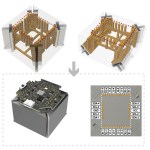
MIT Develops Bifur-Circuits for Shape-Shifting Smart Devices and Furniture
MIT has introduced a groundbreaking system known as 'bifur-circuits,' which enables physical objects to change shape seamlessly. These 3D-printed modular metamaterials maintain continuous electrical conductivity despite bending, twisting, or reconfiguring. Unlike traditional metamaterials that are limited to rigid forms, MIT's innovation allows objects to snap into various stable configurations without losing power or signal, having been tested through over 10,000 compressions with no conductivity loss. This advancement is significant as it opens up new possibilities for interactive applications, including rehabilitation tools, adaptive soft-robotics grippers, and reconfigurable emergency shelters that can adapt to changing environments after disasters. Marwa AlAlawi, the lead author and mechanical engineering graduate student, emphasized that this technology could simplify the manufacturing of complex mechanical assemblies by utilizing repeating units, thereby embedding intrinsic intelligence into hardware. Looking ahead, the potential applications of these sensing metamaterials are vast, with examples like a chair that transforms into a storage table while providing real-time configuration data. No further timeline was disclosed at the time of publication.
AI and Robotics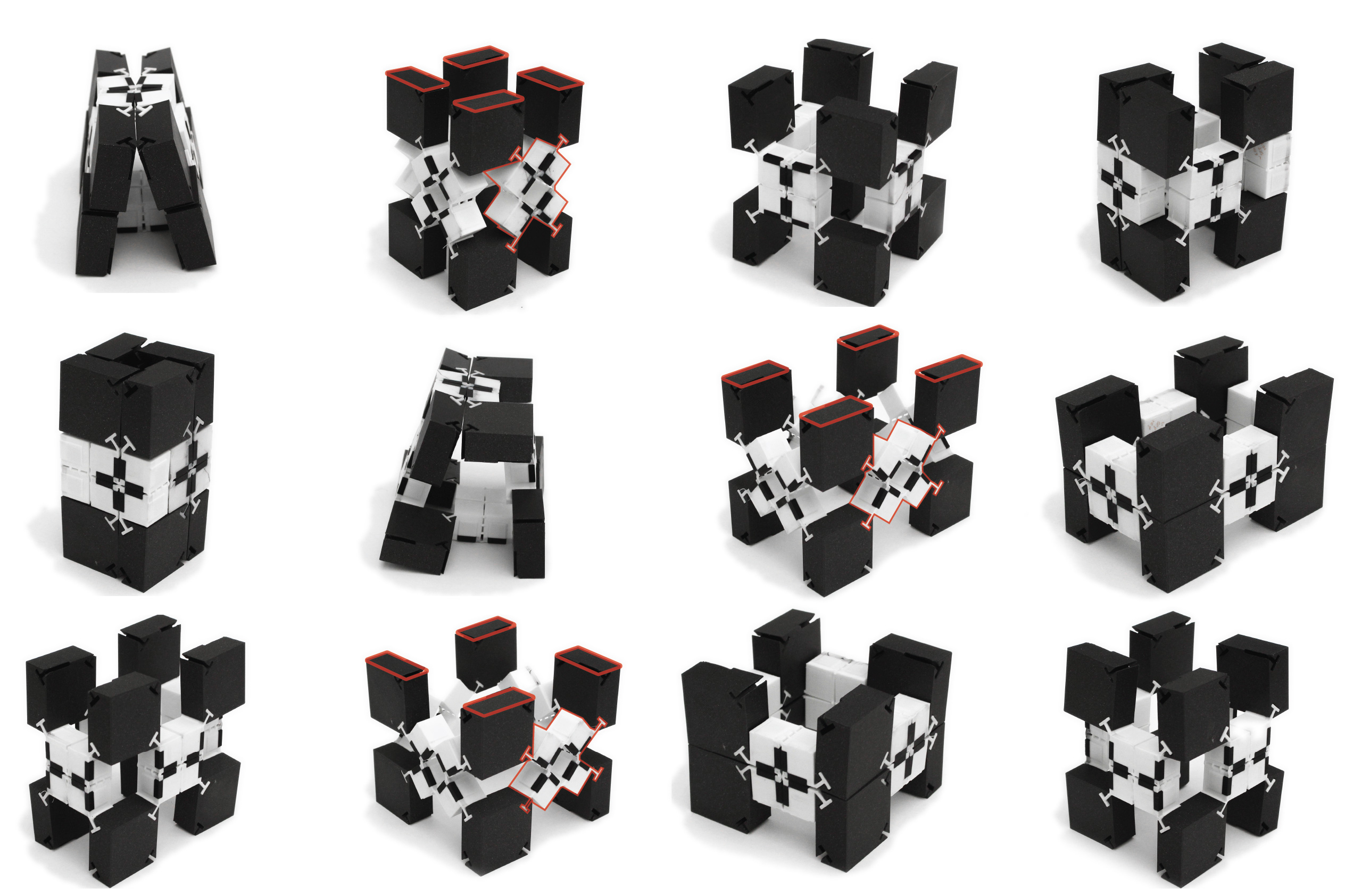
MIT Develops Modular System for Shape-Changing Smart Devices with Bifur-Circuits
MIT engineers have developed a new set of modular components, termed 'bifur-circuits,' that enable the creation of reconfigurable smart devices. These components maintain electrical connections regardless of the shape the device takes, allowing for innovative designs such as assistive furniture and adaptable robotic grippers. The significance of this development lies in its potential to revolutionize the design of interactive devices that can sense their own configurations without external wiring. This modularity could lead to advancements in various applications, including smart furniture that aids in recovery and antennas that adjust their frequencies based on environmental changes. Looking ahead, the research team plans to present their findings at the ACM Symposium on User Interface Software and Technology. The implications of their work suggest a future where mechanical metamaterials can be utilized to embed intrinsic intelligence into hardware, expanding the possibilities for smart device design and functionality.
Research Materials science and engineering Maker movement Human-computer interaction Electronics Computer science and technology
Spider-Inspired Robotic Boat Designed for Tracking and Rescuing Individuals in Water
Rescue teams in coastal areas frequently face the challenge of saving individuals at risk of drowning. These critical operations demand rapid response times, as delays can lead to severe or fatal outcomes for those in distress. The development of a spider-inspired robotic boat aims to enhance the efficiency of these rescue missions. By mimicking the agility and precision of a spider, this innovative technology could significantly improve the ability of emergency teams to locate and assist individuals in peril. Looking ahead, the effectiveness of this robotic boat in real-world rescue scenarios will be crucial to its adoption. The ongoing evaluation of its capabilities will determine its potential impact on coastal rescue operations and overall safety in aquatic environments. No further timeline was disclosed at the time of publication.
Robotics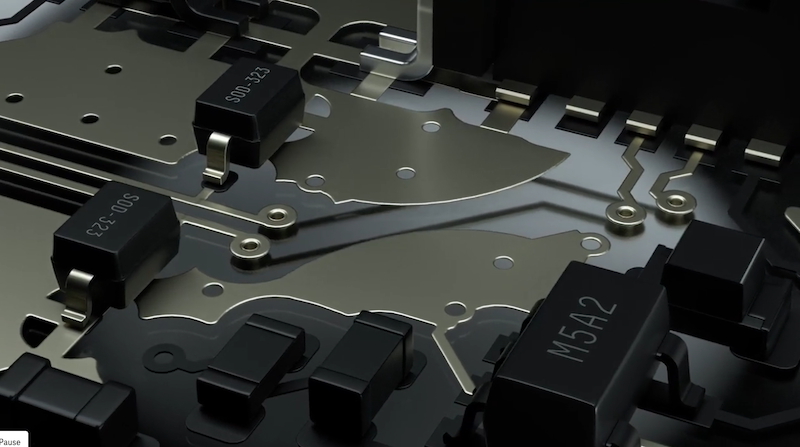
Itera raises $12 million for fluid circuit board that rewires itself in under a minute
Deep tech startup Itera has unveiled its groundbreaking prototype of the world's first fluid circuit board, a technology that enables engineers to rewire and retest physical electronic circuits in under a minute. This significant advancement aims to streamline the design and testing processes in electronics, potentially transforming how engineers approach circuit development. The announcement was made as Itera emerged from stealth mode, highlighting its innovative capabilities. To support its launch and further development, the company secured $12 million in seed funding from notable investors including Upfront Ventures, Costanoa Ventures, and Colle Capital. This funding will facilitate Itera's efforts to bring its revolutionary technology to market, marking a pivotal moment in the evolution of electronic circuit design.
Electronics News automation news deep tech startups electronic design automation electronics design
If Pilots Stop Trusting Safety Broadcasts, What Happens to Universal Conspicuity?
The Aircraft Owners and Pilots Association (AOPA) has voiced its opposition to potential billing for Automatic Dependent Surveillance–Broadcast (ADS-B) data, a stance that could impact both crewed and uncrewed aviation sectors. This week, AOPA backed comments made by FAA Administrator Bryan Bedford, who criticized the idea of monetizing ADS-B data. The association's statement underscores growing concerns regarding the trustworthiness of safety broadcasts among pilots. As the aviation community grapples with these issues, the implications of eroding trust in safety communications could jeopardize the effectiveness of universal conspicuity, a critical safety measure in the airspace.
connectivity DL Exclusive Drone News Drone News Feeds Feature 1 News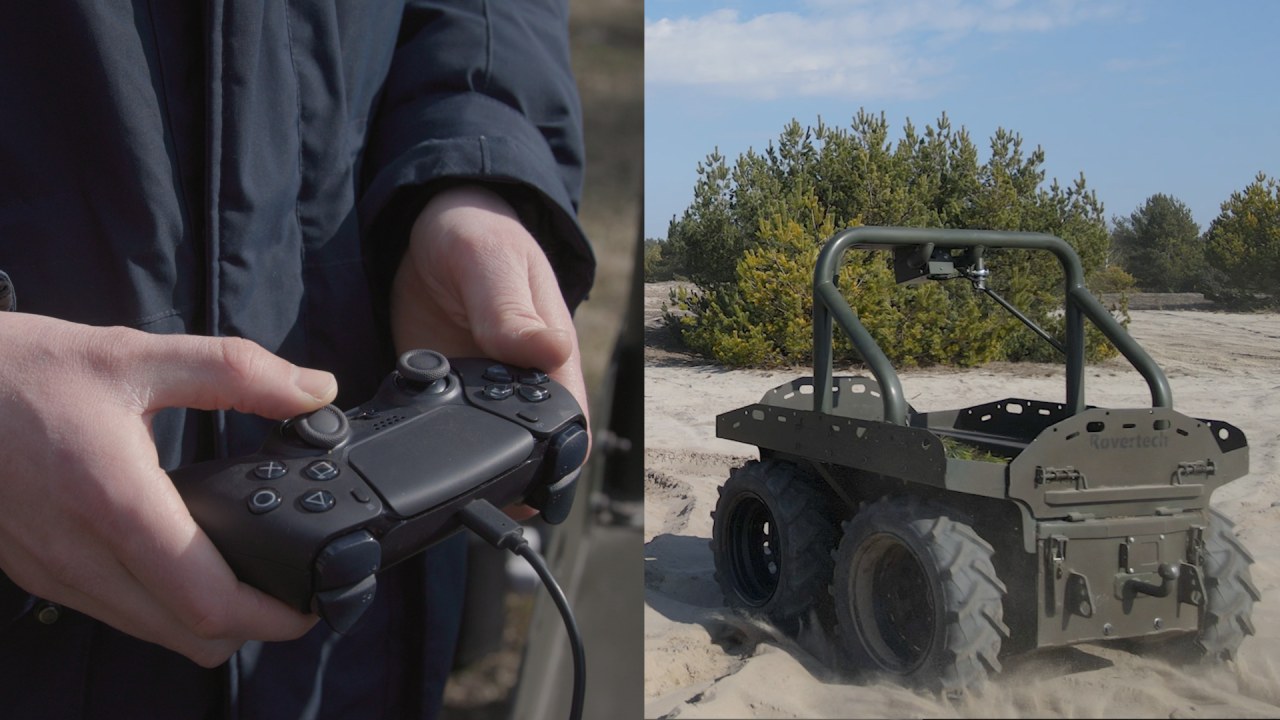
The Ground Drones Rescuing Ukraine’s Wounded From the Front Lines
In Ukraine, a significant transformation is underway as ground drones are increasingly being deployed in combat, marking a pivotal moment in modern warfare. This technological advancement is taking place amidst the ongoing conflict, with Ukrainian forces utilizing these robots to undertake perilous missions that were once the sole domain of human soldiers. The rise of drone warfare is driven by the need for enhanced operational efficiency and reduced risk to personnel in the face of escalating hostilities. As of October 2023, these unmanned vehicles are being employed on various fronts, showcasing their capabilities in reconnaissance, logistics, and direct engagement with enemy forces. The integration of drones into military strategies reflects a broader trend in which nations are adapting to the evolving landscape of warfare, where technology plays a crucial role in shaping outcomes. The Ukrainian military's embrace of drone technology not only highlights its commitment to innovation but also underscores the urgency of maintaining a tactical advantage in a protracted conflict. As these ground drones continue to evolve, they are expected to play an increasingly vital role in the dynamics of the battlefield, fundamentally altering the nature of military engagements in the region.

Robots Successfully Mimic Knee-Jerk Reflex, Human's Fastest Neural Circuit Operates on Bionic Legs
A research team at the University of Stuttgart has achieved a significant milestone by replicating the human knee-jerk reflex in a robotic leg. This innovative study, conducted recently, highlights the potential for machines to emulate human neural responses. By successfully transferring the reflex circuit to physical hardware, the researchers demonstrated that the robotic leg can produce responses that are indistinguishable from those of a human. This advancement opens new avenues for the development of more sophisticated robotic systems capable of mimicking human-like reflexes and responses.
Bionic Legs Neural Engineering Robotics Biomechanics
Grindr — yes, Grindr — won the WHCD party circuit
Verge has launched a new newsletter titled "Regulator," aimed at its subscribers and focusing on the intersection of technology and politics. The newsletter seeks to explore how technology influences political dynamics and vice versa. While it invites readers to subscribe for ongoing insights, it humorously assures potential subscribers that their contributions will not fund extravagant expenses, such as a drone-proof ballroom for the staff. The initiative reflects Verge's commitment to providing in-depth analysis and commentary on current events and trends in the tech and political arenas.
Column Policy Politics Regulator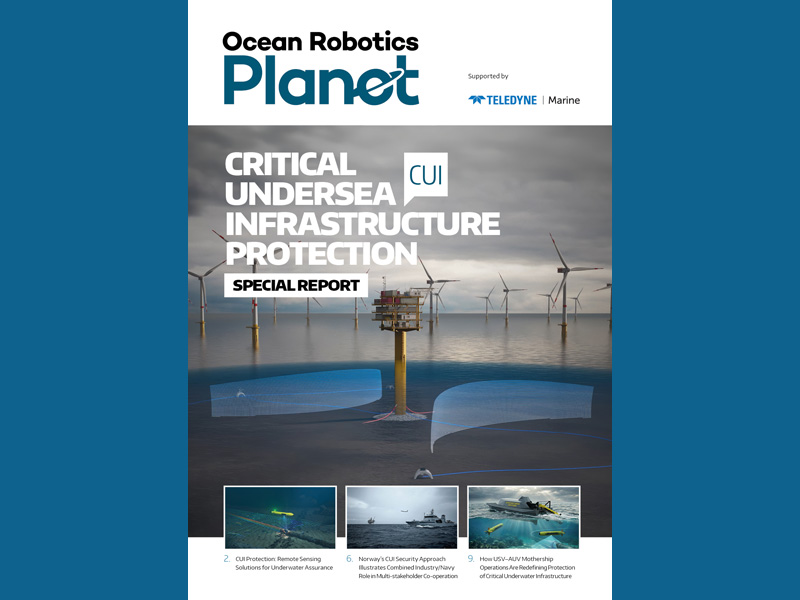
Ocean Robotics Planet - Critical Undersea Infrastructure (CUI) Protection Special Report 03/2026
A recent announcement from the local government revealed plans to enhance public transportation services in the city. This initiative, set to roll out in early 2024, aims to address growing concerns about traffic congestion and accessibility. City officials emphasized the need for improved transit options to support the increasing population and promote sustainable commuting practices. The project will include the introduction of new bus routes, upgraded facilities, and the integration of digital technology for real-time tracking. Community meetings will be held throughout November to gather public input and ensure the new services meet the needs of residents.
ocean robotics planet magazine rov planet magazine cui protection special report 2026/03
Ocean Robotics Planet - Critical Undersea Infrastructure (CUI) Protection Special Report 08/2025
A recent announcement from the local government revealed plans to enhance community infrastructure in response to growing public demand for improved services. This initiative, set to begin in early 2024, will focus on upgrading roads, public transportation, and recreational facilities throughout the city. The decision comes after extensive consultations with residents, who expressed concerns about the current state of infrastructure during town hall meetings held over the past few months. City officials emphasized the importance of addressing these issues to foster a better quality of life for all citizens. The project will be funded through a combination of state grants and local tax revenues, with the aim of completing the upgrades within two years. Community leaders have welcomed the announcement, highlighting the positive impact it will have on local businesses and overall economic development.
ocean robotics planet magazine rov planet magazine cui protection special report 2025/08
Ocean Robotics Planet - Critical Undersea Infrastructure (CUI) Protection Special Report 03/2025
A new report has been released by the World Health Organization (WHO) highlighting the urgent need for global action to combat the rising incidence of mental health disorders. The report, published on October 10, 2023, coincides with World Mental Health Day and emphasizes the alarming statistics showing that one in eight people worldwide are affected by mental health issues. The WHO is calling on governments and health organizations to prioritize mental health in their policies and allocate adequate resources for prevention and treatment. The report outlines the significant impact of mental health disorders on individuals and societies, including increased healthcare costs, lost productivity, and diminished quality of life. To address these challenges, the WHO recommends implementing comprehensive mental health strategies that include community-based services, early intervention programs, and public awareness campaigns. By fostering a supportive environment and reducing stigma, the organization believes that more individuals can access the help they need. This initiative aims to create a global movement towards better mental health support, ultimately improving the well-being of millions. The WHO's findings serve as a wake-up call for nations to take decisive action in addressing this growing public health crisis.
ocean robotics planet magazine rov planet magazine cui protection special report 2025Robotics needs a service framework.
RSF defines a common language for robot service capability, lifecycle operations, certification pathways, and service-provider networks.
Join the RobotToday community on LinkedIn
Daily robotics news, in-depth analysis, conference highlights, and discussions with professionals worldwide.







