

Industry Briefing
A single destination for timely, editor-curated robotics news from around the world.

Corvus Robotics Enhances Cold Chain Operations with Corvus One Drone Technology
Corvus Robotics has developed the Corvus One drone specifically for cold chain environments, addressing challenges like thermal management and visibility in extreme conditions. This innovation allows for automated inventory counting in freezers, significantly improving safety and efficiency for warehouse operators. The introduction of the Corvus One drone is crucial as it mitigates the risks associated with manual inventory tasks in cold environments, where worker safety is a concern. By utilizing advanced vision systems and onboard decision-making, the drone can operate autonomously, adapting to changes in the environment without the need for GPS or additional markers. Looking ahead, the focus will be on the continued deployment of Corvus One in various cold chain settings, with an emphasis on enhancing operational efficiency and accuracy. The system's ability to identify inventory discrepancies has already proven valuable, revealing over $2.1 million in discrepancies at a national foodservice distributor site within six months.
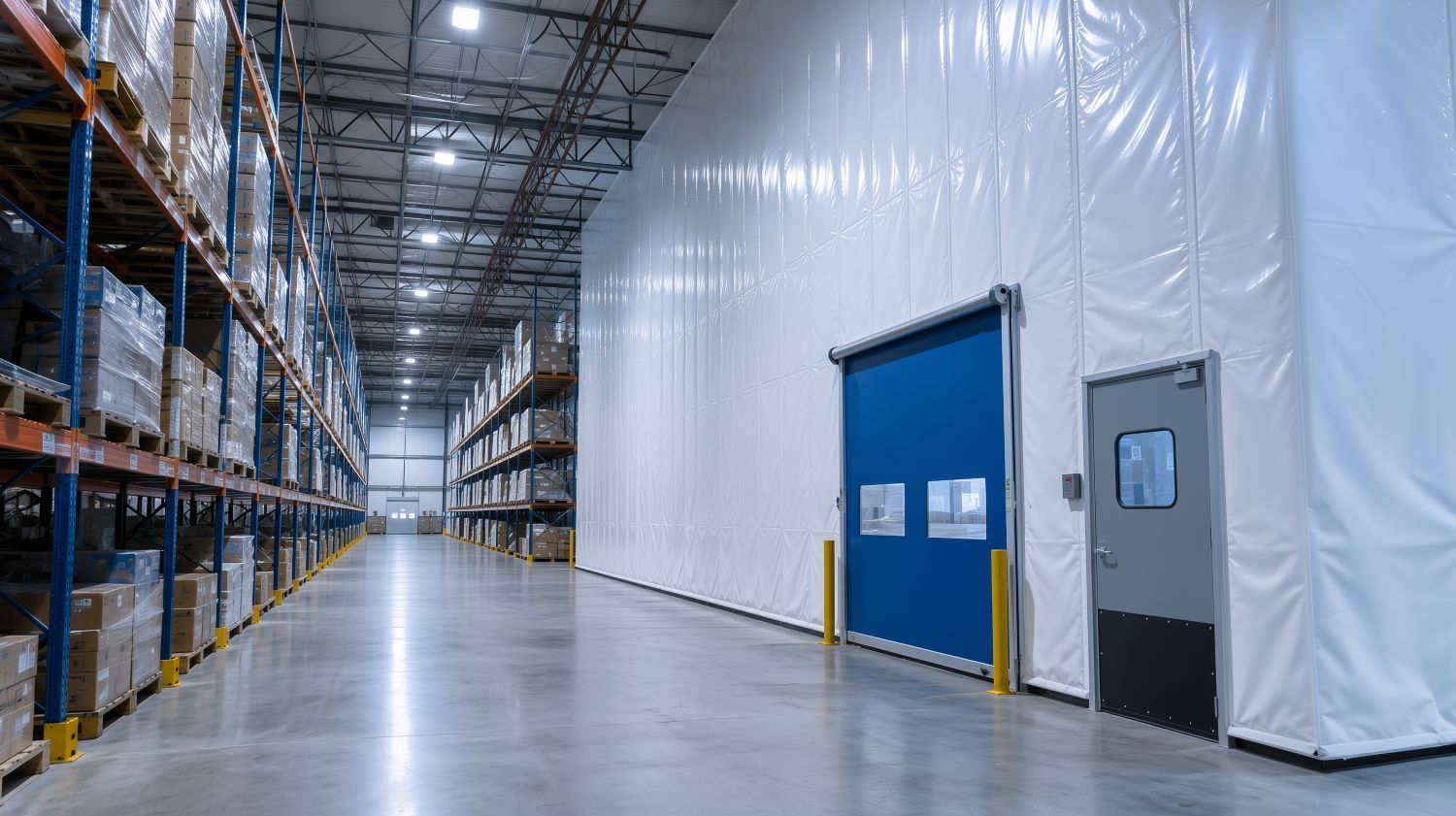
Zone Separation Innovations Could Enhance Cold Chain Efficiency in the UK
The UK, holding the largest cold storage market in Europe, faces significant challenges as cold-chain energy costs surged by 46% in 2023. The Cold Chain Federation highlights that the temperature-controlled sector contributes £14 billion to the economy, making energy management a critical operational factor for logistics operators. A major energy drain in distribution centers arises from the movement of goods between temperature zones, with air infiltration accounting for over half of the refrigeration load in high-traffic facilities. Implementing physical zone separation, such as temperature-separating curtain walls and PVC strip curtains, can significantly reduce energy loss by minimizing uncontrolled air exchange. As the cold chain sector moves towards energy efficiency, particularly in light of the UK's 2050 Net Zero target, the adaptability of curtain systems offers a practical solution. These systems allow for flexible reconfiguration of temperature zones without extensive construction, aligning with the industry's evolving needs while promoting energy savings without major facility overhauls. No further timeline was disclosed at the time of publication.
Cold Chain Logistics Storage & Racking Transport and Distribution Warehouse Property Warehousing cold chain
How Cold Chain Operators Are Turning Energy Flexibility Into a Competitive Advantage
Cold storage facilities, known for their high energy consumption, face increasing challenges as the cost of electricity becomes more dependent on consumption timing rather than just the volume used. This shift in energy pricing creates a difficult situation for operators who have traditionally viewed electricity costs as fixed. As refrigeration systems must run continuously to maintain product integrity, the significant energy load required raises concerns about operational expenses and sustainability. The industry is now compelled to adapt to these changing dynamics, prompting a reevaluation of energy management strategies to mitigate costs and enhance efficiency.
Business Logistics automation news cold chain cold chain logistics cold storageRobotics needs a service framework.
RSF defines a common language for robot service capability, lifecycle operations, certification pathways, and service-provider networks.
Join the RobotToday community on LinkedIn
Daily robotics news, in-depth analysis, conference highlights, and discussions with professionals worldwide.







