

Industry Briefing
A single destination for timely, editor-curated robotics news from around the world.

Honda Advances Development of Multi-Fingered Robotic Hands for Assembly Precision
Honda is advancing the development of multi-fingered robotic hands aimed at tackling the most challenging tasks in factory assembly, such as screwing, connecting, and handling parts designed for human hands. These actions, while routine for humans, present significant control challenges for robots. According to researcher Kenichiro Sugiyama, many existing robotic hands are essentially extensions of traditional robotic arms, lacking the necessary strength, responsiveness, and precision for fine manipulation. Honda's approach involves the collaborative development of mechanical hardware, control systems, and artificial intelligence, emphasizing the importance of embodied AI, which learns through physical interactions with objects. Despite advancements, dexterous manipulation remains a significant challenge, particularly with deformable or slippery objects. Sugiyama describes the remaining issues as the 'last millimeter' problem, which, if solved, could enable robots to replace tasks traditionally performed by humans. Honda's exploration of multi-fingered hands aims to push the boundaries of automation in manufacturing.
Robotic Hands Embodied AI Manufacturing Automation Precision Control
Robotics Revolutionizes Precision in Cataract Surgery with Advanced Technologies
Cataract surgery, long regarded as one of the most mastered surgical procedures, is entering a new phase with the introduction of robotics and high-precision lasers. Innovative platforms like the Polaris robot and solutions developed by Keranova assist surgeons with unmatched precision, enhancing the safety of the procedure. Robotic systems can achieve movements as precise as 5 microns, significantly improving surgical accuracy on delicate ocular structures. The integration of robotics in cataract surgery exemplifies the convergence of artificial intelligence, medical robotics, and high-precision imaging. While these technologies are still being deployed in many facilities, they herald a new generation of safer, more reproducible, and personalized ophthalmic surgery. With cataract surgery being the most performed surgical procedure globally, the demand for improved surgical productivity is critical, especially as the aging population increases the number of required interventions. As robotic platforms and next-generation lasers become more mature and accessible, they have the potential to transform the management of millions of cataract patients worldwide. The World Health Organization reports that cataracts affect over 94 million people, making advancements in surgical technology vital for addressing disparities in access to care, particularly in regions like sub-Saharan Africa.
À la une IA Industrie Robotique Santé automatisation médicale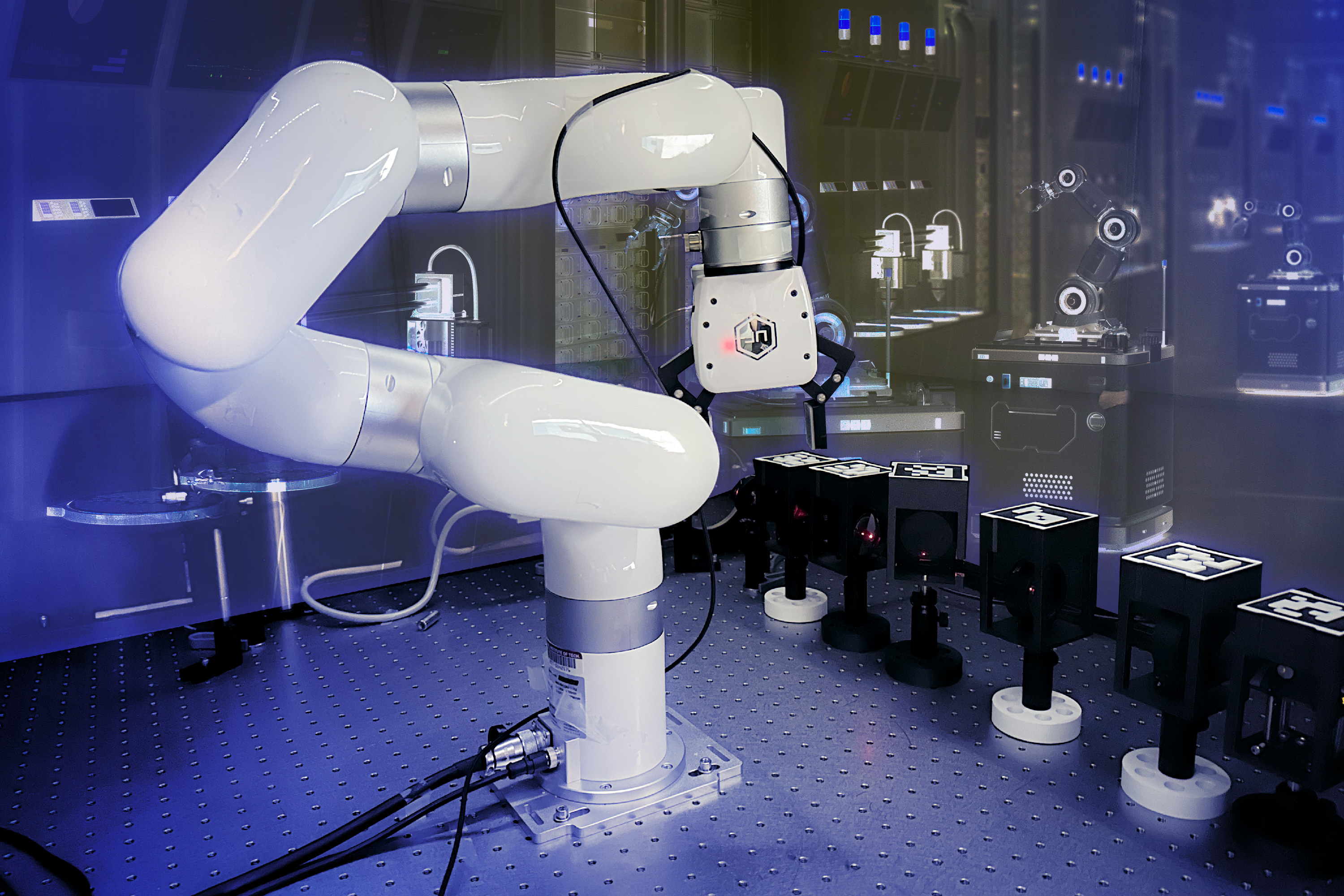
MIT Develops Robotic Lab for Automated Optics Experiments with Micron Precision
MIT scientists have created a reconfigurable robotic optics laboratory capable of autonomously assembling and fine-tuning optical experiments. This innovative system can manipulate components with micron-scale precision, allowing for the construction of complex setups like tabletop laser cavities. The robotic lab aims to streamline the tedious process of optics experimentation, potentially enabling scientists to conduct experiments remotely through a cloud-based application. The significance of this development lies in its potential to revolutionize the field of optics by automating labor-intensive tasks. By freeing scientists from the manual setup of experiments, the robotic lab could accelerate scientific discovery and innovation. As noted by Marin Soljacic, the automation could allow researchers to focus on more creative aspects of their work, enhancing the pace of scientific progress. Looking ahead, the MIT team plans to present their findings at the upcoming Intelligent Robots and Systems (IROS) conference. They are also working on expanding the capabilities of the robotic lab, including improved physical sensing and maneuvering, as well as the development of a virtual access application for remote experimentation. No further timeline was disclosed at the time of publication.
Research Automation Computer vision Light Photonics Physics
AI Ultrasound Robots Revolutionize Congenital Heart Defect Surgery with Intelligent Imaging
Recently, a medical team in China successfully performed a congenital heart defect closure surgery using an AI-assisted ultrasound robot. This operation, conducted by the Sixth Medical Center of the PLA General Hospital, involved a 48-year-old male patient and marks the first global use of an AI ultrasound robot with intelligent imaging capabilities for such minimally invasive treatment. This breakthrough signifies a shift in medical robotics from traditional execution tools to intelligent assistance systems. Previously, interventional surgical robots primarily handled mechanical tasks, while physicians relied on their experience to interpret ultrasound images. The AI ultrasound robot enhances this process by integrating image recognition, real-time analysis, and operational guidance, enabling automatic image acquisition and abnormal structure identification, which is crucial for precise placement of occluders in complex cardiac structures. As the field of medical robotics rapidly evolves, the cardiovascular sector is a key area for AI exploration due to the high precision and risk involved in heart interventions. The successful application of AI ultrasound robots in China reflects a significant trend towards redistributing medical resources, potentially improving access to high-quality healthcare in underserved regions. No further timeline was disclosed at the time of publication.
AI in Healthcare Surgical Robotics Cardiovascular Technology Medical Imaging Precision Medicine
Challenges Faced by Precision Gear Manufacturers Amid Rising Humanoid Robot Production
On August 25, 2026, Zhongda Lide (002896.SZ) reported its semi-annual results, revealing a revenue of 597 million yuan, a 15.61% increase. However, net profit dropped by 40.09% to 27.78 million yuan, with a significant decline in gross margin. Despite the rising production of humanoid robots, the company faces intense price competition in the precision gear sector, particularly affecting its profitability. The importance of this situation lies in the fact that while humanoid robot shipments are increasing, the demand for precision gears is not keeping pace with supply. The price of harmonic reducers has plummeted from over 3,000 yuan during the import monopoly to around 1,000 yuan, leading to significant pressure on profit margins. This price war is exacerbated by the growing production capacity of reducers, which is outstripping the demand from the humanoid robot market. Looking ahead, the year 2026 marks the beginning of mass production for humanoid robots, yet the domestic reducer capacity is already set at a million units. This mismatch in supply and demand dynamics suggests that price competition will continue to be a normalized phenomenon rather than a temporary promotional activity. Companies like Zhongda Lide, which focus on cost-effective solutions, are likely to experience the most significant pressure on profitability in this competitive landscape.
Precision Gears Humanoid Robots Robotics Supply Chain Automation Components
PI's X-365 Gantry System Delivers Configurable Motion for Precision Applications
PI has introduced the X-365 gantry system, which features extensive travel ranges and high precision, making it ideal for semiconductor handling and advanced manufacturing applications. The significance of the X-365 lies in its ability to provide configurable and affordable motion solutions, catering to the needs of high-throughput and high-accuracy tasks in various industrial sectors. Looking ahead, industry professionals should monitor the adoption of the X-365 system in semiconductor and advanced manufacturing processes, as it may set new standards for efficiency and precision in these fields. No further timeline was disclosed at the time of publication.

AI-Powered Surgical Robots Enhance Precision in Lung Nodule Biopsies
Surgeons face significant challenges when locating small lung nodules, particularly those under 8 millimeters that may indicate early-stage lung cancer. Traditional CT-guided methods require multiple scans and lengthy procedures, increasing the risk of complications. Dr. Wang Jiyong, head of thoracic surgery, highlights the limitations of conventional approaches, noting that even clear CT images do not allow for precise identification of tiny lesions. AI-driven surgical robots are transforming this landscape by utilizing 3D imaging to gather lesion data and create a spatial model of the lungs. This technology, likened to a high-precision GPS navigation system, enables pre-surgical planning of optimal puncture angles and real-time tracking of instruments during surgery. This advancement promises reduced trauma and shorter recovery times for early lung cancer patients. As the detection rate of lung nodules rises with increased health screenings, Dr. Wang advises regular monitoring for nodules under 8 millimeters and vigilance for those above 5 millimeters. The evolution of AI robots from diagnostic tools to navigational aids is reshaping the surgical approach to lung nodules, making previously daunting tasks more manageable.
Surgical Robots AI Navigation Lung Cancer Diagnosis Medical Technology
Foundation Robotics Unveils Advanced Robotic Hand That Catches Baseballs with Precision
Foundation Robotics has released a video showcasing its innovative robotic hand that successfully catches a baseball mid-air, demonstrating significant advancements in robotic dexterity and control. This development is crucial as it illustrates how enhanced mechanical design and motion planning are enabling robotic hands to perform intricate tasks with human-like precision, a key requirement for industrial applications. Looking ahead, the focus will be on how this tendon-driven architecture and advanced control systems can further improve the capabilities of humanoid robots in handling diverse tools and objects, enhancing their utility in complex environments. No further timeline was disclosed at the time of publication.
AI and Robotics
KNR Develops Industrial Robot Hand with 300 kg Grip and Precision Control
KNR Systems has unveiled an industrial-grade robot hand capable of gripping up to 300 kg while delicately handling fragile objects like eggs. This innovative hand will be integrated into the upcoming 'Super Humanoid' robot, designed for high-intensity environments such as nuclear decommissioning and disaster sites. The significance of this development lies in its ability to combine powerful grip strength—six times that of the average adult male—with precise control. The robot hand's design allows it to adapt to various object shapes, enhancing its functionality in challenging industrial conditions. Looking ahead, KNR's collaboration with Seojin System aims to facilitate mass production of the Super Humanoid robot, which is expected to operate in environments that are difficult for humans to access. No further timeline was disclosed at the time of publication.
Industrial Robotics Robot Grippers Humanoid Robots Automation Technology
Frankenburg Technologies Partners with Babcock and ACUA to Develop Maritime Counter-Drone Systems
Frankenburg Technologies has signed a Memorandum of Understanding with Babcock International and ACUA Ocean Technologies to develop integrated maritime counter-drone air defense systems. This collaboration aims to address the increasing threat of uncrewed aerial systems in naval environments by combining Frankenburg's low-cost interceptor missile technology, Babcock's defense engineering expertise, and ACUA's autonomous surface vessel platforms. The partnership is significant as it reflects growing concerns among defense organizations regarding the proliferation of low-cost attack drones, which have proven effective in recent conflicts. Traditional air defense systems are often costly, creating a demand for more affordable interception technologies. The integrated solutions being developed will focus on detecting, tracking, and defeating hostile drones in maritime settings, enhancing the protection of naval vessels and critical infrastructure. Looking ahead, the collaboration aims to deliver scalable and cost-effective counter-UAS solutions that can be rapidly deployed and easily integrated into existing defense networks. No further timeline was disclosed at the time of publication.
Military
Tianfukang Raises Millions in Angel Funding for Neural Control Technology Development
Beijing Tianfukang Medical Technology Co., Ltd. has secured several million yuan in angel funding, led by Sequoia China, to advance its precision neural control technology. The company focuses on brain-computer interface and neural bundle closed-loop control technology, aiming to develop a series of First in Class products based on clinical needs. This funding will support Tianfukang's development of next-generation neural control technologies, specifically targeting precise closed-loop control of neural bundles. By utilizing highly selective neural electrodes, the technology aims to enhance stimulation selectivity and individual adaptability, moving away from traditional open-loop stimulation methods. Tianfukang is also establishing a joint laboratory with Beijing Tiantan Hospital to address unmet clinical needs in neurological disorders. The collaboration will focus on product definition, key technology validation, and clinical research design. No further timeline was disclosed at the time of publication.
Brain-Machine Interfaces Neural Control Technology Medical Devices Stroke Rehabilitation
Cellios Leverages MERLIC for Rapid Development of Machine Vision Applications
Cellios is utilizing MERLIC, a machine vision application development tool, to enhance its wire harness manufacturing processes. The intuitive user guidance of MERLIC allows users to quickly develop applications without needing extensive programming or image processing knowledge. This capability is particularly important for innovative companies like Cellios, where time to market is a critical factor. The integration of MERLIC into Cellios' operations signifies a step forward in automating and streamlining manufacturing processes. By reducing the complexity of machine vision application development, Cellios can focus on improving efficiency and productivity in its wire harness production. This advancement showcases the growing importance of user-friendly technologies in the manufacturing sector. Looking ahead, it will be interesting to see how Cellios continues to leverage MERLIC to enhance its manufacturing capabilities. The emphasis on rapid application development could lead to further innovations in wire harness manufacturing. No further timeline was disclosed at the time of publication.
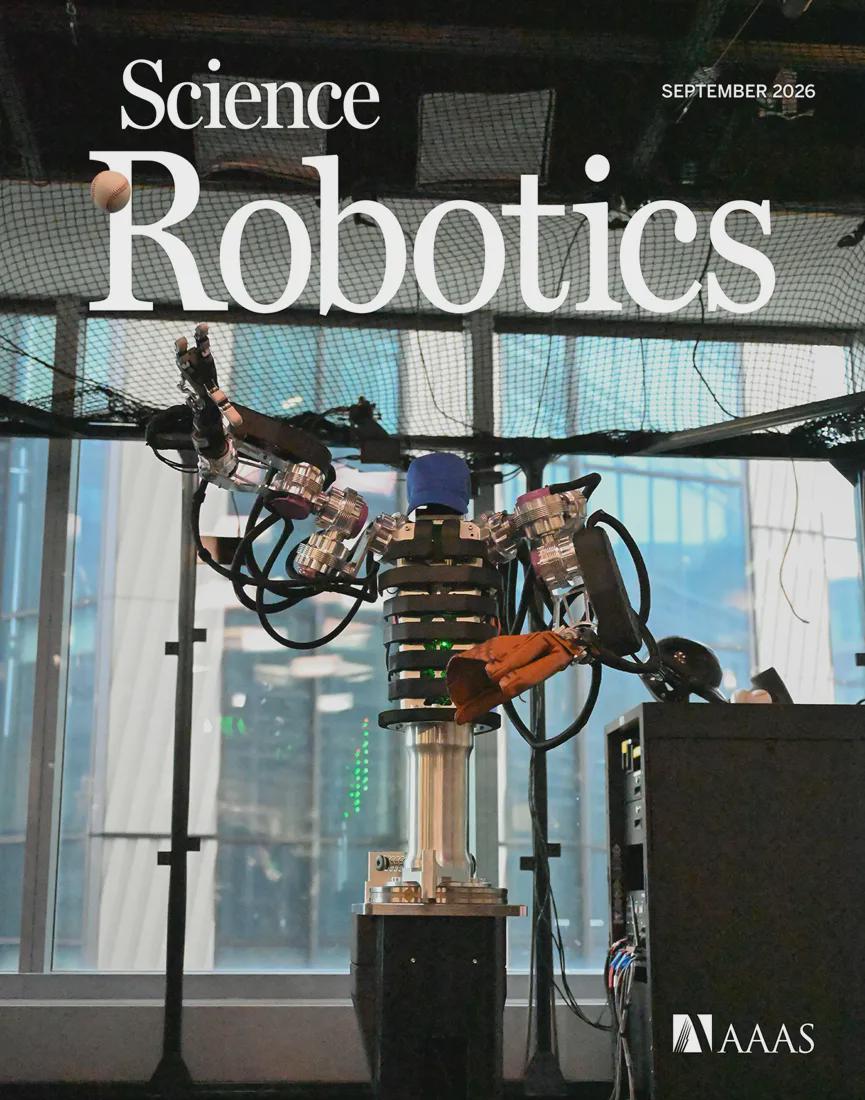
AthenaZero: A Robotic Arm Demonstrating Advanced Baseball Skills and Precision
AthenaZero, developed by the RAI Institute, has showcased its capabilities by successfully catching a baseball from 7.3 meters away, with the ball's flight time being less than 0.4 seconds. Additionally, it demonstrated its batting skills by adjusting its swing based on the pitch location, achieving a hit rate of 27 out of 33 attempts in testing. This innovation is significant as it addresses the challenge of balancing explosive power and precision in robotic arms. By reducing the arm's inertia, AthenaZero can accelerate and decelerate more effectively, allowing for a controlled response upon contact with the ball. This capability is crucial for tasks that require delicate handling, such as catching lightweight objects without deflecting them. Looking ahead, the focus will be on further refining the mechanical structure to minimize inertia, enhancing the arm's performance in dynamic environments. No further timeline was disclosed at the time of publication.
Robotic Arms AI Dynamic Manipulation Baseball Robotics
Mitsubishi Electric Utilizes Industrial Robots for Precision Camera Movements in Film Production
Mitsubishi Electric is collaborating with the Italian production company Moviechrome to implement its robotic solutions for high-precision camera movements in film, advertising, and special effects productions. This partnership highlights the growing integration of robotics in the film industry, enhancing the quality and efficiency of production processes. The use of Mitsubishi Electric's robots allows for greater precision and consistency in camera movements, which is crucial for achieving the desired visual effects in film and advertising. This development signifies a shift towards more automated solutions in creative industries, where technology can complement artistic vision. As the film industry continues to evolve, the adoption of robotic technology is expected to increase. Stakeholders should monitor how this collaboration influences production techniques and whether other companies will follow suit in integrating robotics into their workflows. No further timeline was disclosed at the time of publication.
Allgemein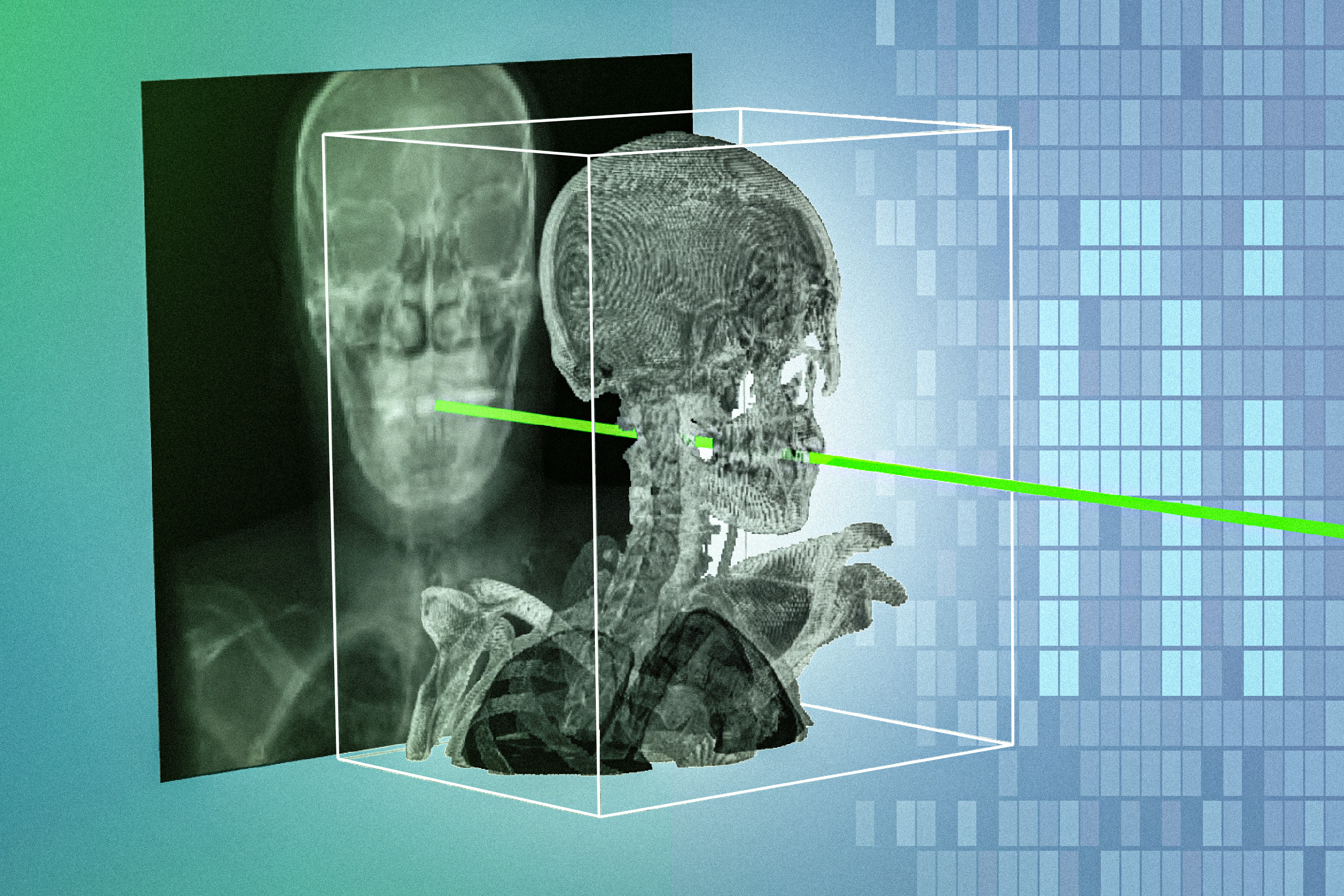
MIT Researchers Develop AI Technique to Enhance Safety and Precision in Minimally Invasive Surgeries
Researchers at MIT have developed a new AI technique that rapidly matches X-rays taken during surgery with a patient's preoperative 3D medical scans. This innovative method aims to improve the precision of minimally invasive surgical tools, potentially leading to faster and safer procedures. The significance of this advancement lies in its ability to streamline the process of aligning real-time X-rays with preoperative images, which is crucial for guiding surgical instruments accurately. Current methods are often cumbersome and can increase the risk of complications during surgery, making this new AI model, named xvr, a promising solution. Looking ahead, the xvr model, which adapts to individual patients in about five minutes and achieves sub-millimeter precision, could revolutionize access to life-saving procedures, particularly for those living far from specialized medical centers. No further timeline was disclosed at the time of publication.
Research Computer science and technology Artificial intelligence Machine learning Computer vision Medical devices
Hexapod Design for Precision Optical Alignment in Cryogenic Quantum Technologies
The development of a hexapod concept aims to enhance optical alignment for quantum and photonics technologies operating under low-temperature conditions. This innovation addresses the growing demand for precision in optical setups, which is crucial for the advancement of quantum applications. The significance of this hexapod design lies in its potential to improve the performance and reliability of quantum systems. As quantum technologies evolve, maintaining accurate optical alignment in cryogenic environments becomes essential for achieving desired outcomes in experiments and applications. Looking ahead, the focus will be on the implementation and testing of this hexapod concept in real-world quantum settings. No further timeline was disclosed at the time of publication.

ByteDance Seedream 5.0 Pro: The Strongest Image Model Returns With Precision Editing and Multilingual Generation
ByteDance's Seed team has unveiled the latest version of its software, Seedream 5.0 Pro, which features advanced capabilities in complex information visualization and precise editing. This new release, which was announced recently, showcases real photography quality and supports native multilingual generation across 17 different test scenarios. The enhancements aim to improve user experience and expand the software's applicability in various fields, reflecting ByteDance's commitment to innovation in digital content creation. The launch is part of the company's ongoing efforts to leverage cutting-edge technology to meet the evolving needs of its users.
AI
China's First Integrated Chip Solution for Dexterous Hands: 0.1mm Precision and Ultra-Low Latency
A Chinese semiconductor company has unveiled a groundbreaking integrated chip solution designed for dexterous robotic hands, effectively tackling significant challenges such as high latency and low precision. This innovative technology merges AI ASIC capabilities with advanced materials, resulting in improved performance and cost efficiency. The new chip is poised to enhance the functionality of robotic systems across a range of applications, including industrial collaboration and home assistance. By enabling high-precision tasks, this development marks a significant advancement in the field of robotics, promising to transform how robots interact with their environments.
Robotics AI Dexterous Hands Chip Technology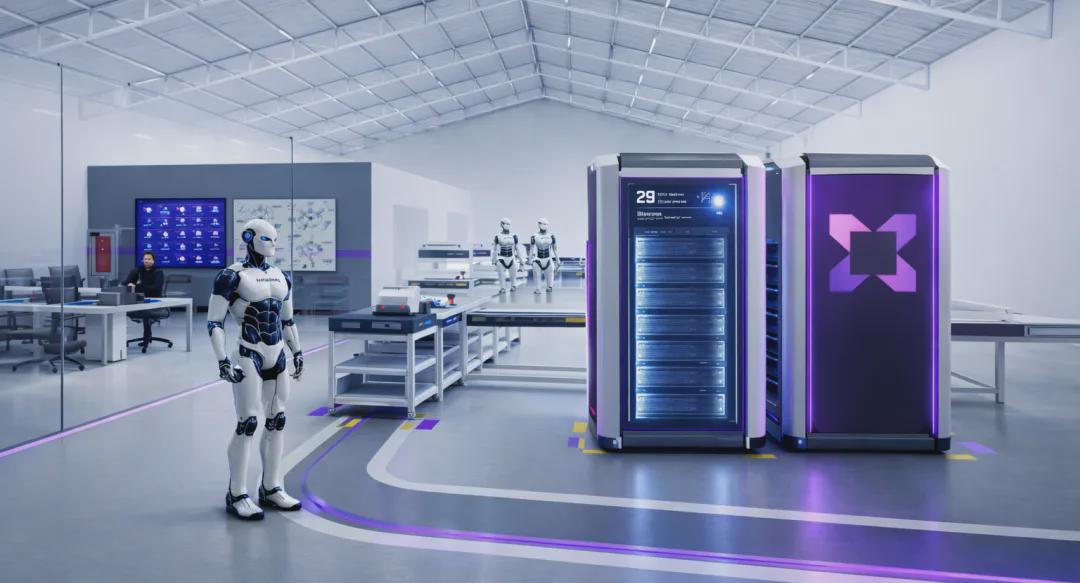
Qingyan Precision Secures Funding to Drive Physical AI Infrastructure Development
Qingyan Precision, a spin-off from Tsinghua University, has successfully secured hundreds of millions in its latest funding round to bolster its advancements in physical artificial intelligence. The company is dedicated to revolutionizing automotive testing by developing a comprehensive engineering system that gathers and analyzes real-world data. With more than 2,000 data collection nodes already in operation, Qingyan Precision is positioning itself as a significant contributor to the industrial AI sector. This funding will enable the firm to enhance data-driven decision-making processes within the manufacturing industry, further establishing its role in the evolving landscape of technology and engineering.
Physical AI Industrial Automation Data Infrastructure Engineering Systems
French firm to advance long-range precision strike capabilities with new deal
French defense technology leader Thales has partnered with South Korea’s Hanwha Aerospace by signing a Memorandum of Understanding aimed at enhancing collaboration in defense and aerospace sectors. The agreement was formalized during a ceremony held in Seoul on October 10, 2023. This strategic partnership seeks to leverage Thales's advanced technology and Hanwha's manufacturing capabilities to develop innovative solutions for military and civilian applications. The collaboration is motivated by the increasing demand for advanced defense systems and the need for enhanced technological capabilities in the aerospace industry. Through this partnership, both companies aim to strengthen their positions in the global market and contribute to the development of cutting-edge defense technologies.
Military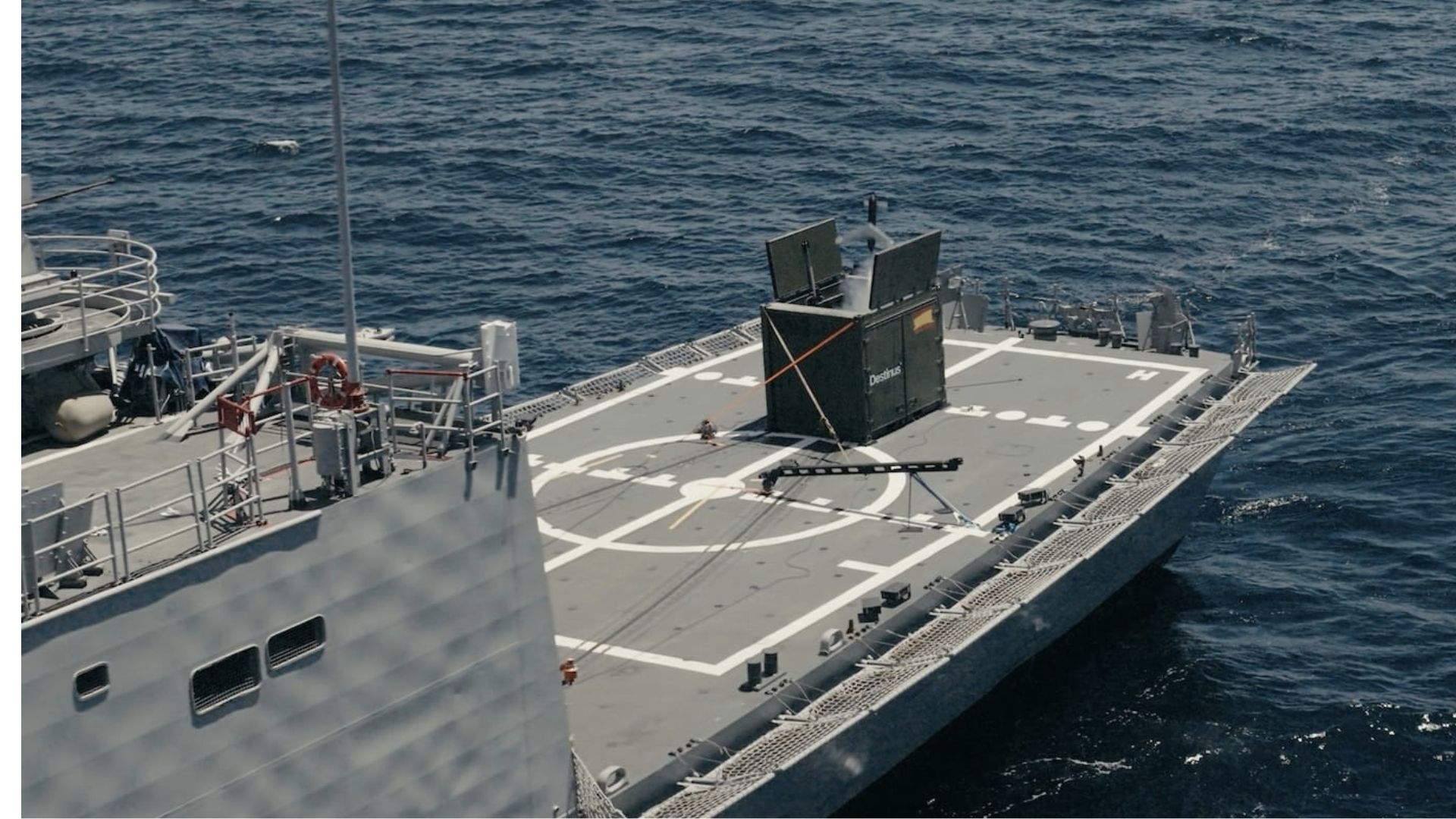
Missile-like interceptor drone destroys target with precision during Spanish Navy’s at-sea test
The Spanish Navy recently conducted a successful at-sea test of the Hornet Block 1, showcasing its advanced capabilities in naval operations. This event took place in October 2023, as part of the Navy's ongoing efforts to enhance its maritime defense systems. The test aimed to evaluate the performance and reliability of the Hornet Block 1, which is integral to Spain's strategic military initiatives. By conducting these trials, the Spanish Navy seeks to ensure that its fleet remains at the forefront of modern naval warfare, effectively responding to evolving security challenges. The successful outcome of this test underscores the Navy's commitment to maintaining operational readiness and technological advancement in its maritime capabilities.
Military
Precision Error Compensation Algorithm for Automated Drill Pipe Gripping in Underground Coal Mine Drilling Robots
A recent study published in the Journal of Field Robotics highlights advancements in robotic technology, focusing on the development of autonomous systems for agricultural applications. Conducted by a team of researchers from leading universities, the study was released in June 2026 and emphasizes the growing need for efficient farming solutions amid increasing global food demand. The research showcases innovative robotic designs capable of performing tasks such as planting, harvesting, and monitoring crop health with minimal human intervention. By integrating artificial intelligence and machine learning algorithms, these robots can adapt to varying environmental conditions and optimize their performance over time. The motivation behind this initiative stems from the challenges faced by the agricultural sector, including labor shortages and the need for sustainable practices. The researchers aim to address these issues by providing farmers with tools that enhance productivity while reducing the environmental impact of farming activities. Through extensive field trials, the team demonstrated the effectiveness of these autonomous systems in real-world agricultural settings, illustrating their potential to revolutionize farming practices. The findings suggest that widespread adoption of such technologies could significantly improve crop yields and resource management, ultimately contributing to food security in the face of a growing global population.
RESEARCH ARTICLE
UK military deploys low-cost laser-guided rockets to destroy drones with precision defense
The Royal Air Force (RAF) has initiated the deployment of a cost-effective laser-guided counter-drone weapon system on its Eurofighter Typhoon aircraft. This move comes as part of the RAF's ongoing efforts to enhance its capabilities in addressing the growing threat posed by unmanned aerial vehicles (UAVs). The deployment began in October 2023, as the military seeks to bolster its defense strategies amid increasing concerns over drone-related security risks. By integrating this advanced technology into its fleet, the RAF aims to improve its operational effectiveness in neutralizing potential drone threats, ensuring the safety of airspace and ground operations. The laser-guided system is designed to provide precision targeting, allowing for effective engagement of hostile drones while minimizing collateral damage.
Gravity Defiance: Hong Kong Polytechnic Develops 370g Bipedal Jumping Robot Capable of 6.9m Jumps with 3.8mm Precision
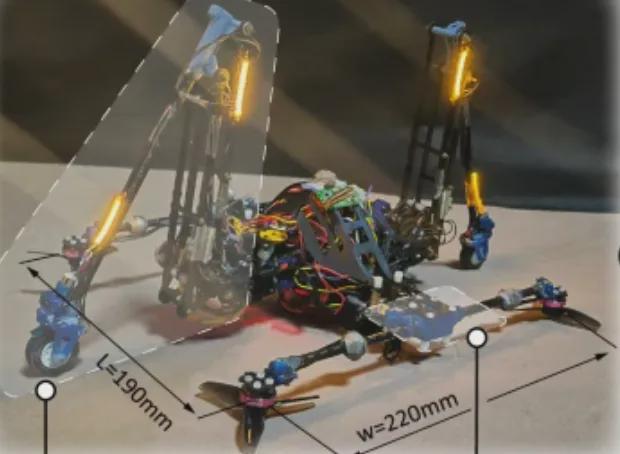
Researchers at Hong Kong Polytechnic University have unveiled GravOff, an innovative bipedal robot designed to simulate a low-gravity environment through the use of rotors. This groundbreaking technology allows the robot to achieve impressive jumps of up to 6.9 meters, showcasing remarkable precision and redefining traditional jumping mechanics. The development, announced recently, aims to enhance trajectory control during the robot's flight, potentially paving the way for advancements in robotics and applications in various fields.
Bipedal Robots Robotics Innovation Jumping Technology Trajectory Control Low-Gravity Systems
DESTACO Robohand Grippers Enhance Automation with Precision and Customization
DESTACO has introduced Robohand Grippers designed to improve automation processes with high performance and precision. These grippers can handle fragile items, irregular shapes, and heavy-duty components, featuring a modular design for easy customization to fit various applications. The significance of these grippers lies in their ability to adapt to diverse automation needs, making them suitable for tasks such as gripping delicate objects and aligning components. Their introduction at Photonics West 2025 highlights the growing demand for advanced automation solutions in industrial settings. Looking ahead, the focus will be on the integration of these grippers into various applications, including camera lens alignment and micro assembly. No further timeline was disclosed at the time of publication.
Turkey Developing Its Own Bladed ‘Ginsu’ Precision Guided Munition
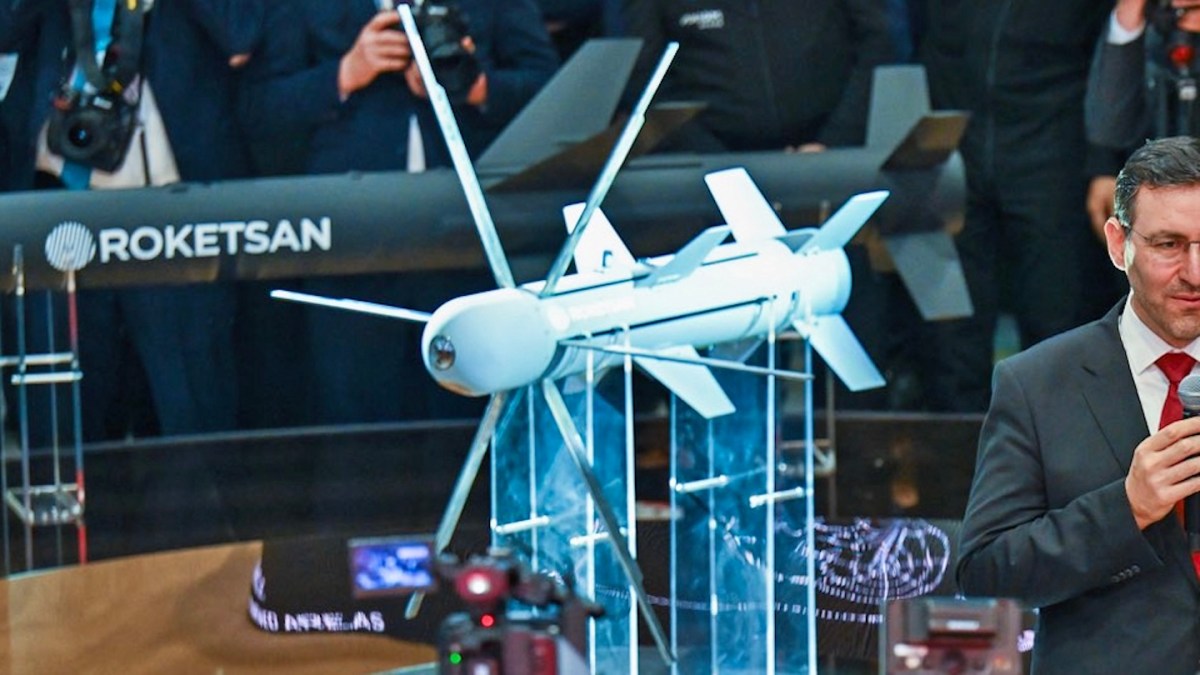
Turkey is advancing its defense capabilities by developing a new variant of its MAM-L lightweight munition, which features pop-out, sword-like blades similar to those found on the AGM-114R9X Hellfire missile. This innovative precision-guided munition aims to enhance Turkey's military effectiveness and operational flexibility. The initiative reflects the country's ongoing efforts to bolster its indigenous defense production and reduce reliance on foreign military technology. As the development progresses, it underscores Turkey's commitment to modernizing its armed forces and maintaining a competitive edge in the region.
Air AGM-114 Hellfire Air Force Munitions Air-To-Ground Around The Globe Drones
How Modern Drive Technologies Are Solving Industry’s Toughest Precision Challenges
Industry experts from Beckhoff and Siemens have highlighted the significant role of advanced technologies such as smart diagnostics, digital twins, and predictive maintenance in enhancing the accuracy of industrial machinery while minimizing downtime. This discussion took place during a recent industry conference, where the experts shared insights on how these innovations are transforming manufacturing processes. The integration of smart diagnostics allows for real-time monitoring of machinery, enabling operators to identify potential issues before they escalate. Digital twins, which create virtual replicas of physical assets, facilitate better understanding and optimization of machinery performance. Meanwhile, predictive maintenance strategies leverage data analytics to forecast equipment failures, ensuring timely interventions and reducing unexpected breakdowns. These advancements are crucial as industries strive to improve efficiency and reduce operational costs in an increasingly competitive market. By adopting these technologies, companies can not only enhance productivity but also extend the lifespan of their equipment, ultimately leading to significant cost savings. The collaboration between Beckhoff and Siemens exemplifies the industry's commitment to innovation and the continuous improvement of manufacturing practices.
Factory / Motion
Sonardyne Fetch Precision for New Deep-sea Neutrino Telescope
A groundbreaking deep-sea neutrino detector is currently under construction, aimed at revolutionizing our understanding of the universe. This ambitious project, which is set to enhance scientific research significantly, will utilize advanced positioning technology provided by the underwater technology firm Sonardyne. The collaboration between scientists and Sonardyne is expected to ensure the detector's precise placement in the challenging underwater environment. As the project progresses, it promises to contribute valuable insights into fundamental questions about cosmic phenomena, potentially reshaping our knowledge of particle physics and astrophysics. The initiative highlights the growing intersection of technology and scientific exploration, as researchers strive to unlock the mysteries of the universe.
sonardyne fetch deep-sea neutrino telescope
AGIBOT and Longcheer Technology Achieve World's First Embodied AI Deployment in Consumer Electronics Precision Manufacturing Mass-Production Line
A groundbreaking project has been launched, representing the world's first large-scale industrial implementation of embodied AI systems in the core production workflows of consumer electronics manufacturing. This innovative initiative aims to enhance efficiency and productivity within the industry, leveraging advanced artificial intelligence to streamline operations and improve product quality. The project is set to transform traditional manufacturing processes by integrating intelligent systems that can learn and adapt in real-time. This significant development is expected to take place in various manufacturing facilities across the globe, with initial implementations scheduled for early 2024. By adopting these cutting-edge technologies, the consumer electronics sector seeks to address increasing demands for faster production times and higher quality standards, positioning itself at the forefront of technological advancement in manufacturing.

AGIBOT and Longcheer Technology Achieve World’s First Embodied AI Deployment in Consumer Electronics Precision Manufacturing Mass
AGIBOT and Longcheer Technology have successfully deployed the world’s first embodied AI system in a consumer electronics precision manufacturing setting, integrating AGIBOT G2 robots into Longcheer’s production lines. This milestone, achieved recently, signifies a transformative advancement from experimental AI to practical and scalable solutions in the manufacturing sector. The integration aims to enhance flexibility and efficiency within production workflows, showcasing the potential of AI technology to revolutionize traditional manufacturing processes.
Embodied AI Consumer Electronics Manufacturing Robotics Automation
Development and Preliminary Evaluation of a Machine Vision‐Guided Smart Sprayer Prototype Toward Precision Vegetable Weeding
In May 2026, researchers published a significant study in the Journal of Field Robotics, focusing on advancements in robotic technology. The study, appearing in Volume 43, Issue 3, pages 1973-1987, highlights innovative methodologies for enhancing the autonomy and efficiency of field robots. Conducted by a team of experts in robotics and artificial intelligence, the research aims to address the growing demand for automated solutions in various industries, including agriculture, construction, and disaster response. The motivation behind this research stems from the need to improve operational capabilities in challenging environments, where human intervention may be limited or hazardous. By employing advanced algorithms and machine learning techniques, the researchers demonstrated how robots can better navigate complex terrains and perform tasks with minimal human oversight. The findings are expected to have a profound impact on the future of robotics, paving the way for more reliable and versatile machines capable of operating in diverse settings. This study not only contributes to the academic field but also offers practical applications that could revolutionize industries reliant on automation. As the demand for efficient robotic systems continues to rise, this research represents a crucial step towards achieving greater autonomy in robotic operations.
RESEARCH ARTICLE
Assembler Robots in Medical Device Manufacturing: Precision and Sterilization
In the rapidly evolving field of medical device manufacturing, JAKA is at the forefront of integrating assembler robots into production lines to enhance precision and maintain strict sterilization standards. These advanced 6-axis robot arms are designed to navigate the complexities of assembling miniature components and delicate materials, ensuring stable motion control and predictable positioning throughout long operating cycles. By minimizing human contact in sensitive environments, JAKA's automation solutions help reduce contamination risks and support adherence to sterilization protocols. The implementation of these robots allows manufacturers to adapt to cleanroom layouts while remaining flexible enough to accommodate product changes. JAKA's lightweight robotic structures can be quickly deployed and adjusted, making them ideal for small-batch and multi-variety manufacturing, which is prevalent in the medical sector. This adaptability not only prevents workpiece loss but also enhances productivity without compromising quality. As the demand for precision and efficiency in medical device assembly continues to grow, JAKA's focus on practical automation solutions positions them as a key player in the industry. Their commitment to developing reliable motion control and adaptive assembly logic ensures that manufacturers can achieve consistent performance while navigating the challenges of regulated production environments. By leveraging the capabilities of assembler robots, JAKA is paving the way for more controlled and efficient medical device manufacturing processes.
New Record in Robotic Micro-Manipulation: 42G Ejection and Precision Control Across 14 Orders of Magnitude
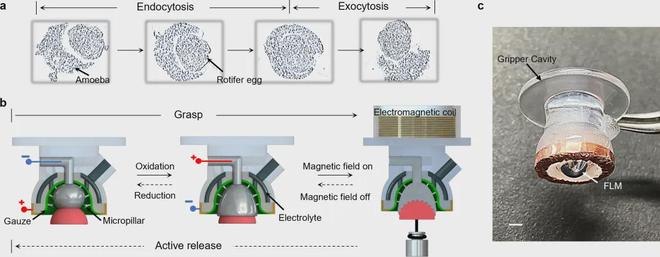
A team of researchers has unveiled a revolutionary liquid metal universal gripper (LiMU) that boasts exceptional manipulation capabilities, achieving a record ejection speed of 42G. This cutting-edge technology can handle a wide range of objects, from picograms to hundreds of grams, making it suitable for delicate tasks across various environments. The development of LiMU represents a significant advancement in robotic manipulation, potentially transforming industries that require precision handling of fragile materials.
Robotic Grippers Micro-Manipulation Liquid Metal Technology Adaptive Robotics
Robotecki Redefines Robotics Precision Cutting and Drilling Applications with RoboDK
The team at Robotecki has successfully implemented a new application that significantly reduces labor dependency for essential production tasks. This innovation, introduced in October 2023, has led to enhanced production quality and increased throughput. By streamlining operations, Robotecki aims to improve efficiency and meet growing market demands, positioning itself as a leader in automation within the industry. The application is expected to transform traditional manufacturing processes, allowing for a more agile and responsive production environment.
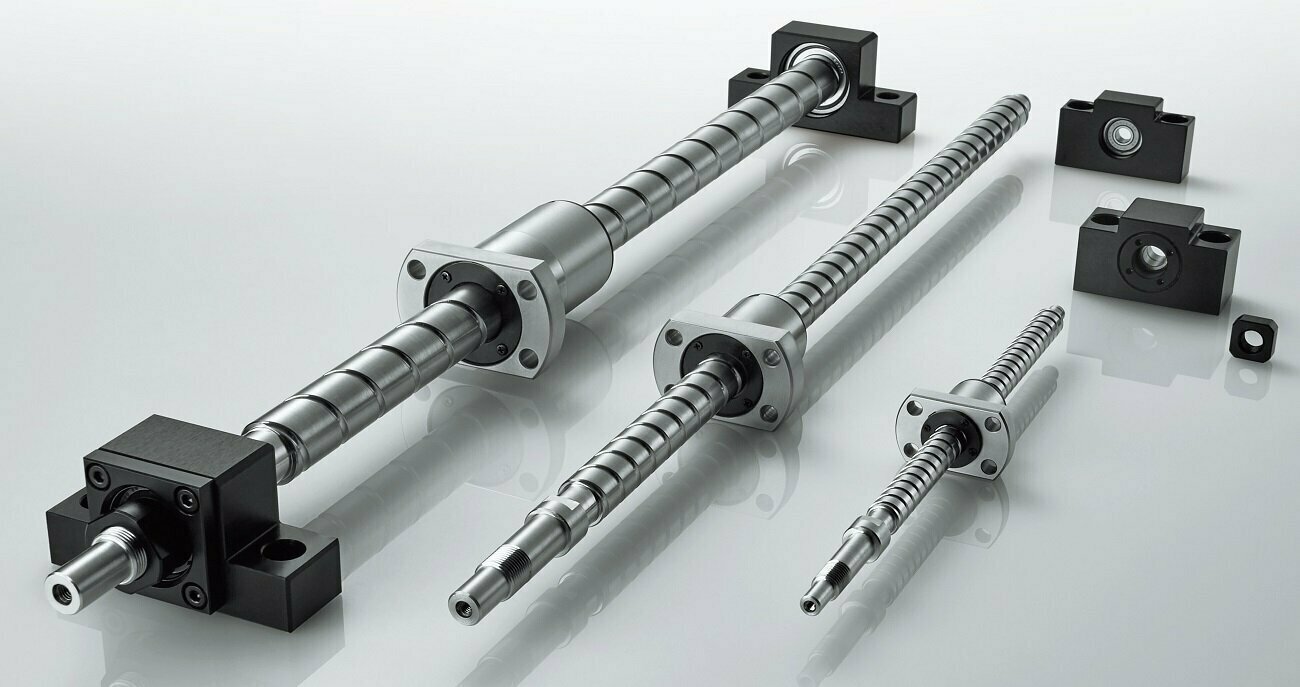
Precision Ball Screw with Finished Shaft Ends Model SDA-VZ Lineup
THK, a leading manufacturer of mechanical components, has announced its ongoing commitment to innovation and global distribution. The company specializes in products such as Linear Motion systems, LM Guides, Ball Splines, Ball Screws, and electric actuators, catering to a diverse clientele worldwide. In addition to these offerings, THK also develops and distributes a range of mechatronics products, automobile parts, and seismic isolation systems. This strategic focus on advanced manufacturing and product diversity positions THK as a key player in the mechanical engineering sector, responding to the evolving needs of industries around the globe.
THK Linear Motion LM Guides Linear bearing Linear Guide Ball SplinesRobotics needs a service framework.
RSF defines a common language for robot service capability, lifecycle operations, certification pathways, and service-provider networks.
Join the RobotToday community on LinkedIn
Daily robotics news, in-depth analysis, conference highlights, and discussions with professionals worldwide.







