Industry Briefing
A single destination for timely, editor-curated robotics news from around the world.
Launch of Robo-ValueRL: The First Open-Source VLA Reinforcement Learning Framework for Robotics
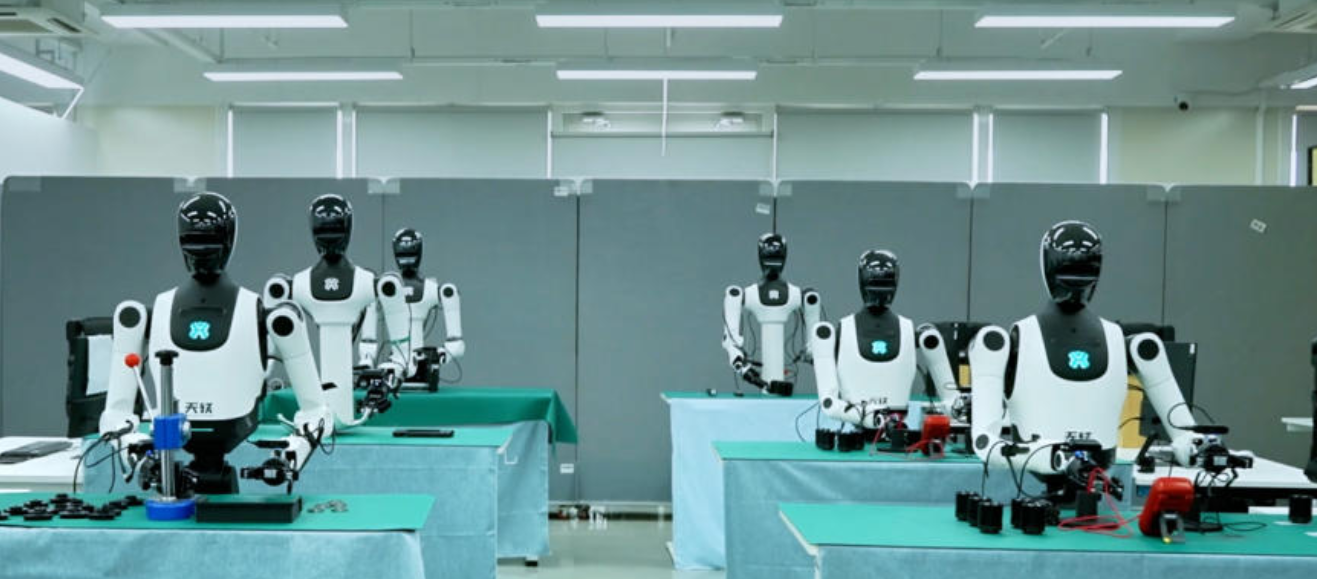
The Beijing Humanoid Robot Innovation Center and Renmin University of China's Gaoling Artificial Intelligence Institute have launched the Robo-ValueRL open-source framework. This initiative aims to enhance humanoid robots' decision-making capabilities in precision tasks, such as semiconductor assembly, by addressing challenges in data quality, control precision, and adaptability in dynamic environments. Robo-ValueRL introduces a value estimation mechanism based on historical observations, enabling robots to autonomously assess their actions. This closed-loop learning process—observation, value estimation, correction, and iteration—allows for improved accuracy and reduced instability in operations. The framework is fully open-source, providing access to core algorithms, evaluation tools, and standardized protocols for universities, research institutions, and manufacturers. The open-source nature of Robo-ValueRL significantly lowers the barriers for small and medium-sized manufacturers to implement reinforcement learning in specialized fields like semiconductor production and medical device manufacturing. This development marks a shift in humanoid robotics from laboratory experiments to practical industrial applications, paving the way for robots to evolve their decision-making capabilities independently.
Humanoid Robots Reinforcement Learning Precision Manufacturing Open Source Technology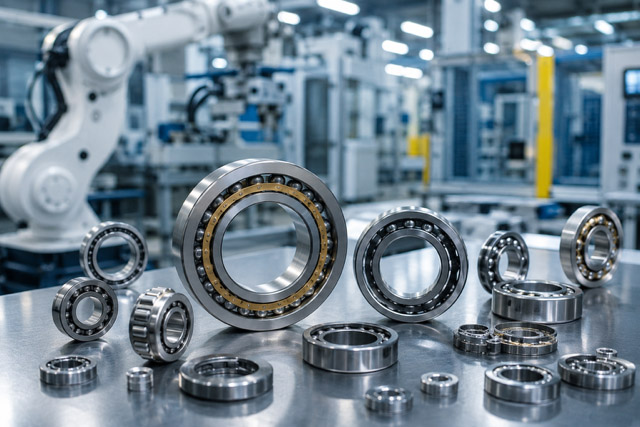
Will Component Suppliers Be the True Winners in Robotics Industry?
As attention focuses on companies like Tesla and Agility Robotics, a crucial battle is unfolding in the robotics sector: the competition for components. This less visible yet significant struggle highlights that the ultimate beneficiaries may not only be the manufacturers of final products but also the suppliers of essential technologies that power robots across various designs and applications. Morgan Stanley emphasizes this perspective, suggesting that the companies providing critical components for robots will play a pivotal role in the industry's future. Historical economic trends indicate that technological revolutions often favor infrastructure suppliers, as seen during the gold rush and the rise of AI, where companies like NVIDIA and TSMC emerged as key players. Among the vital components, precision bearings are particularly important, as they are necessary for every joint, motor, and rotating mechanism in robots. Advanced humanoid robots can incorporate over 70 bearings, which are essential for ensuring precision, durability, and reduced friction in their movements. No further timeline was disclosed at the time of publication.
À la une IA Industrie Robotique actionneurs robotiques caméras industrielles
Onimusha: Way of the Sword Launches on GeForce NOW with Demo Available Now
Onimusha: Way of the Sword is set to launch on GeForce NOW on Thursday, September 3, with a playable demo available this week. Players can experience the action of this dark fantasy adventure set in Edo Japan, where they control a samurai using the Oni Gauntlet to battle demonic foes. The significance of this launch is amplified by GeForce NOW's transition from beta to public availability in India, allowing gamers to sign up without a waitlist. This move enhances access to high-performance cloud gaming, enabling players to enjoy Onimusha without the need for downloads or expensive hardware. Looking ahead, gamers can anticipate the full launch of Onimusha: Way of the Sword, while also exploring the new membership options available in India, including monthly and day pass choices. No further timeline was disclosed at the time of publication.
1X Launches Neo Robotic Hand Featuring 25 Degrees of Freedom and Force Transparency
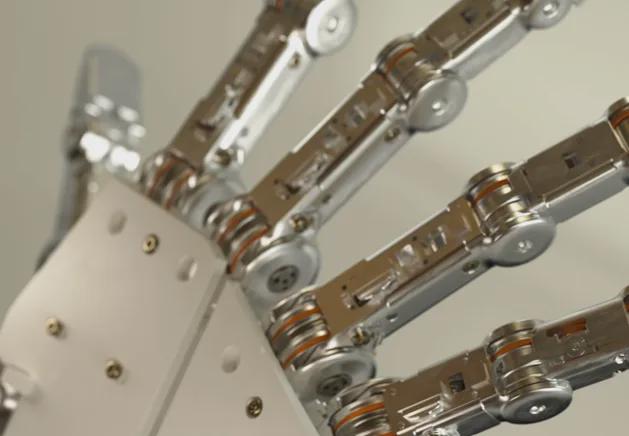
On July 9, 2026, 1X, a unicorn supported by OpenAI, unveiled the Neo robotic hand designed for humanoid robots. This advanced hand boasts 25 degrees of freedom, enabling it to perform a wide range of human-like tasks, such as delicately picking grapes without crushing them and lifting weights up to 20 pounds. The innovative design incorporates a tendon-driven system that enhances dexterity and responsiveness. The significance of the Neo robotic hand lies in its unique 'Force Transparency' technology, which allows for bidirectional communication between the hand and its environment. Unlike traditional robotic hands that operate with high gear ratios, the Neo hand utilizes a low gear ratio of approximately 5:1 to 15:1, enabling it to provide real-time feedback on applied forces. This design not only enhances the hand's functionality but also improves the training of AI models by providing rich physical interaction data. Looking ahead, while the Neo hand addresses fundamental perception challenges, real-world complexities remain a concern. The hand must operate effectively in various domestic environments, where it may encounter grease, sauces, or dust. Ensuring safety during interactions with children and maintaining functionality in challenging conditions will be critical for the widespread adoption of this technology. No further timeline was disclosed at the time of publication.
Robotic Hands Humanoid Robots AI Tactile Sensors Robotics Technology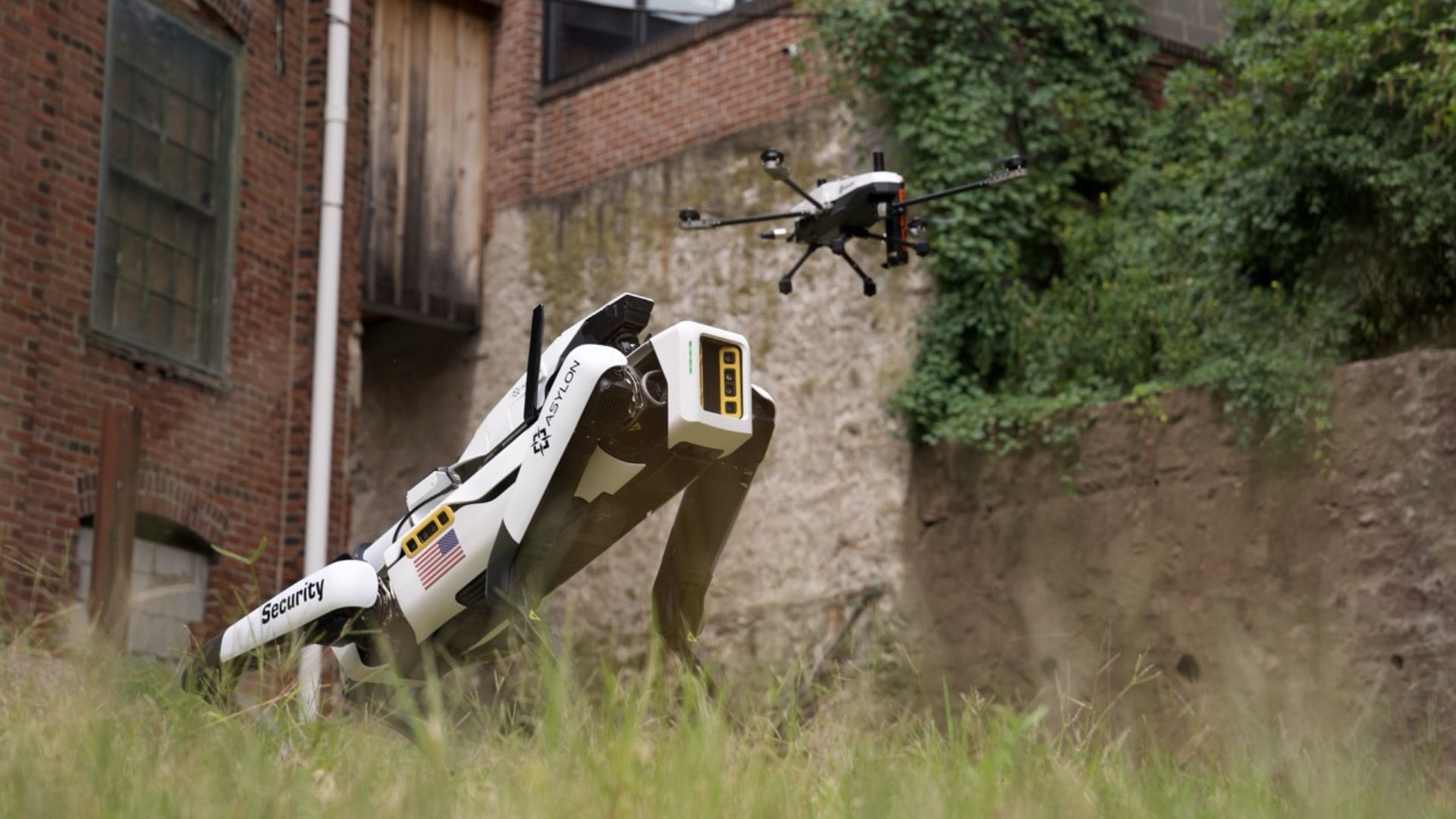
Asylon's MARIA System Enhances Aircraft Inspections for U.S. Air Force
Asylon has secured a Phase Three contract with the U.S. Air Force's Warner Robins Air Logistics Complex to deploy its Multi-modal Autonomous Robotics for Inspection of Aircraft (MARIA) system. This initiative aims to streamline aircraft inspections by integrating air and ground robotic platforms, significantly reducing the time for general visual inspections while enhancing consistency in maintenance tasks. The MARIA system combines Asylon's Guardian unmanned aircraft with the DroneDog Q-UGV, utilizing the Range autonomy software and DroneIQ command-and-control system for efficient inspection management. The significance of this deployment lies in its potential to transform aircraft maintenance operations. By automating inspections, the MARIA system not only improves inspection quality but also mitigates the risks associated with labor-intensive tasks. The integration of imagery, LiDAR data, and telemetry into a single platform allows maintenance personnel to make informed decisions quickly, thereby enhancing aircraft readiness without increasing manpower demands. This project marks a pivotal shift in how the Air Force approaches maintenance, leveraging autonomous technologies to optimize operational efficiency. Looking ahead, the success of the MARIA deployment at Warner Robins could lead to broader adoption of these technologies across military maintenance organizations. No further timeline was disclosed at the time of publication, but the ongoing collaboration between Asylon and the Air Force may pave the way for future advancements in defense sustainment operations, particularly in the realm of autonomous inspections and maintenance support.
Military
Drone as First Responder Programs Transform Police Situational Awareness and Response
Drone as First Responder (DFR) programs are revolutionizing how law enforcement agencies collect information and respond to emergencies. Former police chief Mike Moulton emphasizes that DFR represents a significant advancement in police situational awareness, akin to the introduction of the police radio. DFR allows for real-time aerial insights, enabling officers to arrive at scenes with a clearer understanding of the situation. The importance of DFR lies in its ability to enhance situational awareness and improve response outcomes. Unlike traditional methods that rely on limited information from callers, DFR provides live video feeds, allowing officers to assess situations more accurately before arriving on the scene. This capability has led to a reduction in unnecessary officer deployments, as evidenced by the Chula Vista model, which has resolved a quarter of its drone missions without dispatching officers. Looking ahead, the continued adoption of DFR programs will likely reshape police operations, particularly for agencies that previously lacked access to aerial support. However, challenges remain, such as operational limitations in terms of launch radius and weather conditions. No further timeline was disclosed at the time of publication.
Applications Drone News Drone News Feeds emergency response Featured – Safety and Security News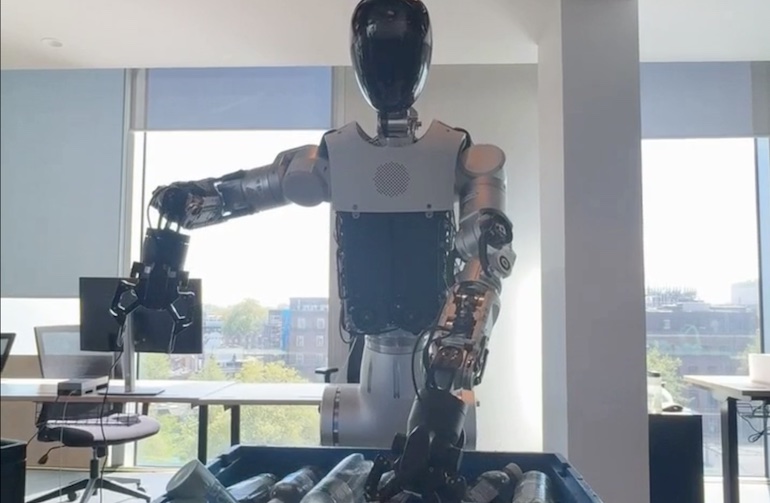
Humanoid says KinetIQ Ascend reinforcement learning approaches human-level dexterity
Humanoid has announced that its KinetIQ Ascend technology achieves an impressive 99.9% manipulation reliability, capable of performing industrial tasks at human speed and even surpassing it. This breakthrough is attributed to advanced reinforcement learning techniques that enable robots to exhibit human-level dexterity. The development marks a significant advancement in robotics, potentially transforming efficiency in various industrial applications.
Artificial Intelligence Artificial Intelligence / Cognition Humanoids News dexterous manipulation humanoid
ALSEAMAR Joins NATO Task Force X Baltic to Demonstrate SEAEXPLORER Glider Capabilities in the Baltic Sea
ALSEAMAR has announced its participation in Task Force X Baltic (TFXB), which is currently operating in the Baltic Sea. This initiative, coordinated by NATO's Allied Command Transformation (ACT), seeks to integrate various innovative uncrewed systems and evaluate their effectiveness in realistic operational scenarios. The deployment underscores NATO's commitment to enhancing maritime security and advancing technological capabilities within its member nations.
alseamar nato task force x seaexplorer glider baltic sea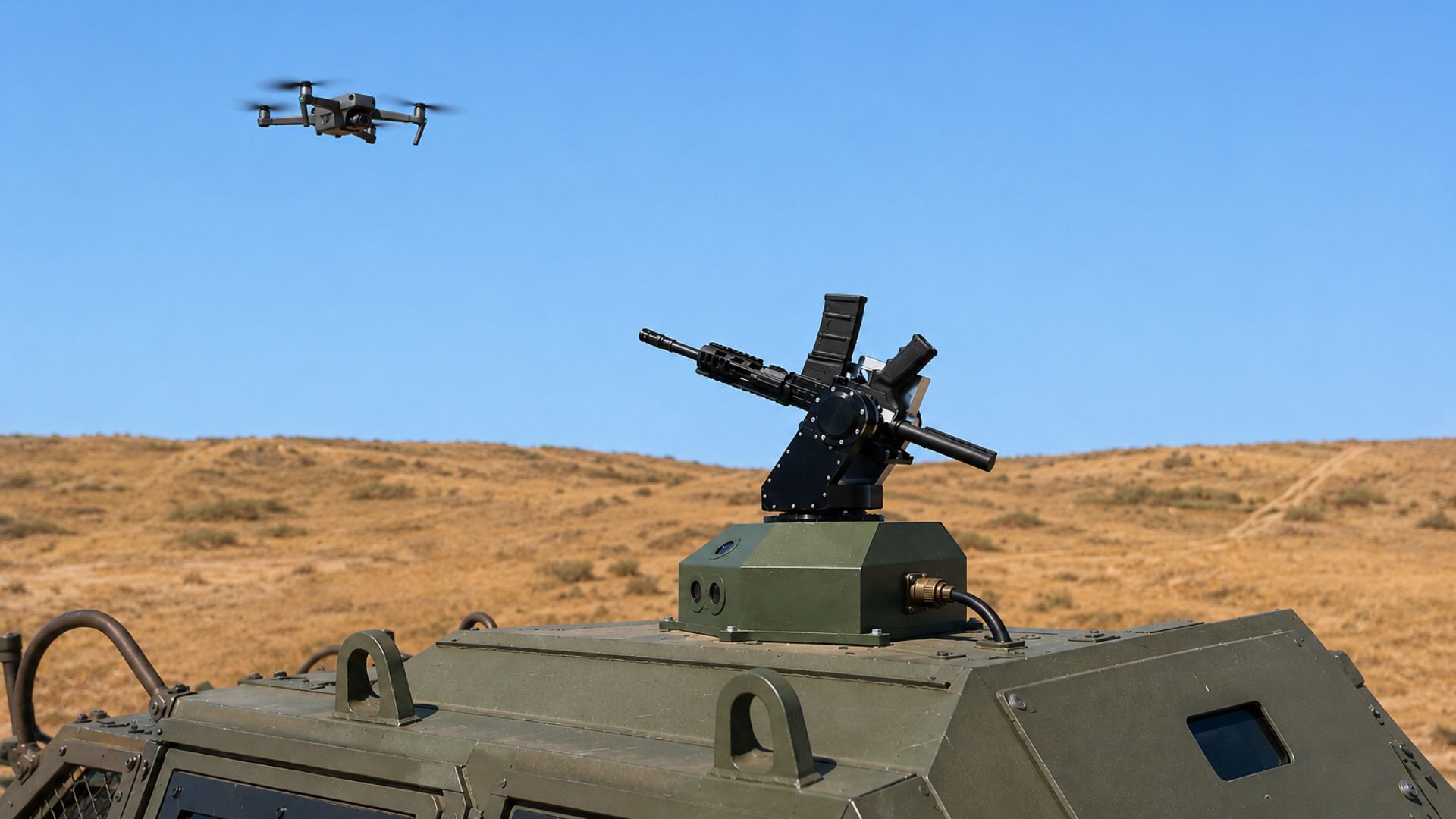
Axon Vision Launches ForceField Counter-Drone System to Combat FPV Drone Threats
Israeli defense technology firm Axon Vision has unveiled ForceField, a counter-drone system designed to neutralize first-person view (FPV) drones, including those controlled via fiber optics. The system's development followed successful live-fire evaluations, demonstrating its capability to detect and engage FPV drone threats in real time, thereby enhancing protection for military forces against evolving battlefield risks. The significance of ForceField lies in its ability to address the growing challenge posed by FPV drones, which are increasingly utilized for precision strikes at low costs. Traditional electronic warfare measures often fail against fiber-optic-controlled drones, making ForceField's passive sensor technology crucial. By employing Edge AI software, the system allows operators to assess threats without relying on external networks, streamlining the engagement process and reducing the need for extensive modifications to existing military platforms. Looking ahead, Axon Vision is actively engaging with military customers and partners to evaluate ForceField's capabilities. The system's modular design offers flexibility for integration with current weapon systems, potentially simplifying deployment across various military fleets. No further timeline was disclosed at the time of publication.
Military
Japanese Enterprises and Startups Develop Industry-Specific AI Using NVIDIA Nemotron Models
NVIDIA has announced that prominent Japanese enterprises, startups, and research institutions are leveraging NVIDIA Nemotron™ open models to create industry-specific AI applications. This initiative aims to accelerate the development of AI solutions tailored to Japan's unique language, industries, and workforce needs. The significance of this development lies in its potential to address Japan's aging population and workforce transition, which has heightened the demand for localized AI solutions. Jensen Huang, founder and CEO of NVIDIA, emphasized the importance of open models in enabling nations and organizations to control their AI infrastructure, thereby fostering innovation and productivity. Looking ahead, various Japanese developers are customizing NVIDIA Nemotron models for specialized applications, such as financial-document translation and telecom network operations. No further timeline was disclosed at the time of publication.

SoftServe Introduces Virtual Gyms for Enhanced Robotics Training and Deployment
SoftServe has highlighted the importance of 'virtual gyms' for robotics teams, emphasizing their role in preparing robots for dynamic environments. These high-fidelity simulation environments allow robots to train, fail, and recover safely before real-world deployment, addressing the challenges posed by unpredictable operational conditions. The global robotics market is projected to grow at a 19.6% CAGR from 2026 to 2036, underscoring the need for effective training solutions like virtual gyms to enhance robotic autonomy and performance. The shift from programmed automation to physical AI necessitates that robots adapt to constantly changing environments, which traditional training methods struggle to accommodate. Virtual gyms integrate technologies such as digital twins, reinforcement learning, and sensor modeling to provide a comprehensive training platform. This approach mitigates the risks and costs associated with real-world trials, enabling teams to generate valuable training data in a controlled setting, thus improving deployment success rates. Looking ahead, the adoption of virtual gyms is expected to become a standard practice in robotics development, as they offer a solution to the simulation-to-reality gap. No further timeline was disclosed at the time of publication, but the increasing complexity of robotic tasks suggests that the demand for such training environments will continue to rise as the industry evolves.
Artificial Intelligence Artificial Intelligence / Cognition Autonomous Mobile Robots (AMRs) Development Tools / SDKs / Libraries Industrial Robots Logistics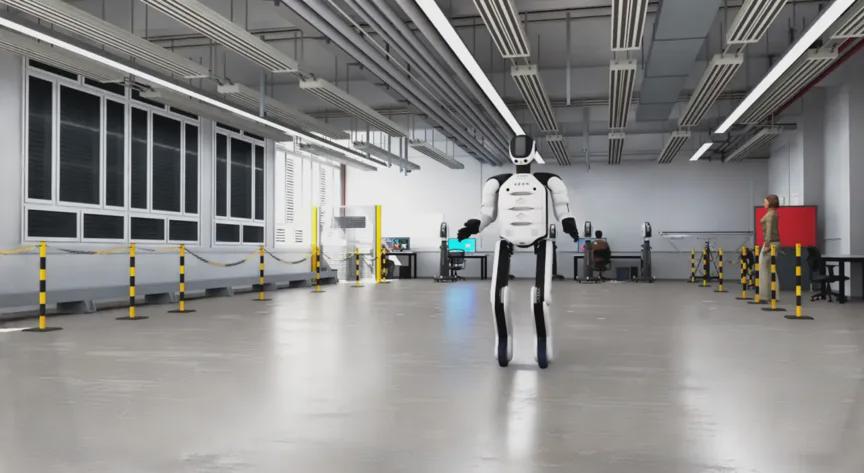
NVIDIA and DeepMind Lead Robotics Simulation Debate with New Industrial Applications
The field of embodied intelligence is witnessing a fierce debate over the best approach to training robots for industrial applications. One faction advocates for simulation-based training, leveraging structured environments to generate synthetic data, while the opposing view emphasizes the necessity of real-world data to handle complex physical interactions and unpredictable scenarios. Key players include NVIDIA, DeepMind, and Intrinsic, each with unique strategies and technologies. NVIDIA's Omniverse platform and Isaac Sim engine exemplify the simulation approach, enabling comprehensive digital twins of factories for training and optimization. Their collaboration with BMW on a digital twin project in Hungary showcases the potential of synthetic data in logistics and robotic movements. However, challenges remain in achieving the necessary fidelity for force control and physical interactions, prompting NVIDIA to seek partnerships with companies like Hexagon Robotics. Conversely, DeepMind's use of the MuJoCo physics engine has demonstrated that pure simulation can achieve industrial-grade precision in specific tasks, such as sorting with known rigid models. Yet, this method's effectiveness is limited to scenarios with minimal contact and force control. Intrinsic aims to transform simulation into a comprehensive development tool for industrial robots, focusing on lowering barriers for small manufacturers. The ongoing challenge of the SIM2REAL gap remains a critical factor in the success of these approaches.
Robotics Industrial Automation Simulation Technology AI
Smart Hand valued at $1 billion after 5 months, achieves profit in first quarter; DeepSeek plans to double all departments.
On June 26, 2026, Wuliangye announced the removal of Zeng Zongqin from his position as chairman due to his inability to fulfill his duties. The decision was made during the company's annual shareholder meeting, where a proposal to appoint Deng Min as the new chairman was approved. Zeng's departure, effective immediately, will not affect the company's operations, as he held no shares and had no outstanding commitments. In Yantai, JD Pharmacy has established a new company, JD Pharmacy (Yantai) Co., Ltd., with a registered capital of 100,000 RMB. The company, fully owned by JD Pharmacy (Qingdao) Chain Co., Ltd., will engage in retailing pharmaceuticals and providing medical device services. SpaceX, led by Elon Musk, plans to launch a new Starlink mobile service in the U.S. and develop its own ground mobile network, aiming to compete with major carriers like Verizon, AT&T, and T-Mobile. He Xiaopeng announced on June 25 that XPeng Motors is set to expand globally, with the second-generation VLA model expected to enter international markets by 2027, coinciding with new EU regulations on autonomous driving. Meanwhile, Lingqiao Shou, a company spun off from Zhiyuan Robotics, has achieved a valuation of $1 billion within just five months of its establishment, following significant funding rounds. Beijing Tongrentang Medical and Health Investment Co. plans to raise up to HKD 671.6 million through an IPO in Hong Kong, with shares priced between HKD 5.48 and HKD 6.21, expected to begin trading on July 7. Lastly, DeepSeek announced plans to double its workforce across all departments, while Apple reported a surge in memory demand due to the rapid expansion of AI data centers, presenting challenges for the electronics industry.

Air Force could spend $1.5B, get ‘Doomsday Plane’ data in T-7 engine ‘horse trade’
A source has expressed skepticism regarding a potential deal involving the Air Force, suggesting that while there may be positive aspects, taxpayers might not benefit significantly. The source emphasized the importance of the Air Force accurately defining its requirements to ensure the deal's success. This commentary comes amid ongoing discussions about military procurement strategies, highlighting the need for careful consideration of taxpayer interests in defense spending. The outcome of this deal remains contingent on the Air Force's ability to align its needs with the expectations of stakeholders.
Air Warfare AETC Air Force Boeing Business & Industry Hidden Challenges of the T-7
The Era of Eka: New Startup Unveils Vision-Force-Action Model to Crack Dexterity
A team of former researchers from MIT and DeepMind has established Eka Robotics, unveiling a groundbreaking "Vision-Force-Action" (VFA) foundation model. This innovative technology harnesses the power of simulation and tactile sensing to enable robots to perform tasks with superhuman speed and remarkable physical intelligence. The launch marks a significant advancement in robotics, aiming to enhance the capabilities of machines in various applications. By integrating advanced sensory data with real-time decision-making, Eka Robotics seeks to revolutionize how robots interact with their environments. The initiative reflects a growing trend in the tech industry to develop more sophisticated and responsive robotic systems, addressing the increasing demand for automation across multiple sectors.
US Eka Robotics
Survive the Quarantine Zone and More With Devolver Digital Games on GeForce NOW
At the Consumer Electronics Show (CES) 2023, NVIDIA generated excitement among attendees with a series of significant gaming announcements. The company unveiled a native GeForce NOW app designed for Linux and Amazon Fire TV sticks, responding to community requests for enhanced accessibility. Additionally, NVIDIA introduced flight-control support, further expanding its gaming capabilities. The event showcased a robust lineup of AAA titles, highlighting NVIDIA's commitment to delivering cutting-edge gaming experiences. This launch marks a strategic move by NVIDIA to strengthen its presence in the gaming market and cater to the evolving needs of gamers.

Sanctuary AI Touts Reinforcement Learning Success for Dexterous Robot Hand Manipulation
Sanctuary AI has showcased its advanced robotic hand, featuring hydraulically actuated five fingers, successfully executing in-hand object reorientation. This demonstration took place recently, highlighting the company's innovative approach to robotics. The robotic hand utilized a reinforcement learning policy that was initially trained in a simulated environment, achieving a notable sim-to-real transfer even when subjected to an unexpected load of 500 grams. Sanctuary AI credits this accomplishment to its proprietary reinforcement learning techniques and the sophisticated design of its high-degree-of-freedom hand hardware, marking a significant milestone in the development of robotic manipulation capabilities.
phoenix sanctuary-ai
NATO TASK FORCE X: Deterring Today and Protecting Tomorrow
NATO is launching TASK FORCE X, a specialized initiative aimed at enhancing maritime security in response to increasing threats from Russian aggression, particularly concerning critical undersea infrastructure. The initiative comes in light of recent damage to undersea cables in the Baltic Sea, which connect NATO Allies and highlight vulnerabilities in the region. Allied Command Transformation, in collaboration with Allied Command Operations and NATO Headquarters, is developing a fleet of autonomous systems designed for persistent surveillance and threat detection to improve situational awareness in maritime operations. These advanced capabilities will incorporate emerging technologies such as artificial intelligence. The system is set to undergo testing in mid-February 2025 as part of the Baltic Sentry exercise, which aims to bolster the Allies' readiness to respond to destabilizing actions.
nato task force x
Addressing the Human Bottleneck in Healthcare Automation: Aligning Physicians with Patient Demand
Hospitals are increasingly adopting automation to enhance care delivery by integrating software for administrative tasks, utilizing robots for logistics, and deploying AI for documentation and scheduling. These advancements aim to reduce waiting times and streamline workflows, allowing clinical teams to focus more on patient care. However, despite these technological improvements, healthcare automation faces a significant limitation: the availability of physicians. Even with optimized back-office operations and improved information flow, the system can falter if the right doctors are not present in necessary specialties and locations, leading to delays in patient care. As automation becomes a standard part of hospital operations, the challenge of matching physician availability with patient demand intensifies. The reliance on robotic process automation (RPA) to alleviate administrative burdens highlights the need for a balanced approach that addresses both technological and human resource constraints in healthcare delivery. No further timeline was disclosed at the time of publication.
Automation Health artificial intelligence automation digital health healthcare automation
Commercial UAV Expo Launches DRONERESPONDERS Course with FIFA Airspace Security Insights
The Commercial UAV Expo has introduced a two-day DRONERESPONDERS Program Management Course, coinciding with the 2026 DRONERESPONDERS Public Safety Summit. Scheduled for September 1-3, 2026, at Caesars Forum in Las Vegas, the course aims to provide insights from the FIFA World Cup airspace security operations, where over 600 drones were seized across 11 U.S. host cities since the tournament began on June 11. This initiative is significant as it highlights the challenges and lessons learned from managing airspace security during high-profile events like the World Cup. Federal agencies reported detecting more than 1,000 drones near venues, emphasizing the need for effective public safety airspace management. The insights gained will also inform preparations for the upcoming 2028 Summer Olympics in Los Angeles, supported by a $250 million FEMA grant for counter-UAS measures. Looking ahead, the program will feature panels on various topics relevant to public safety agencies, including UAS operations and interagency collaboration. No further timeline was disclosed at the time of publication regarding additional sessions or future developments in the program's curriculum.
Drone News Drone News Feeds Expos and Drone Shows News 2028 LA Olympics AAM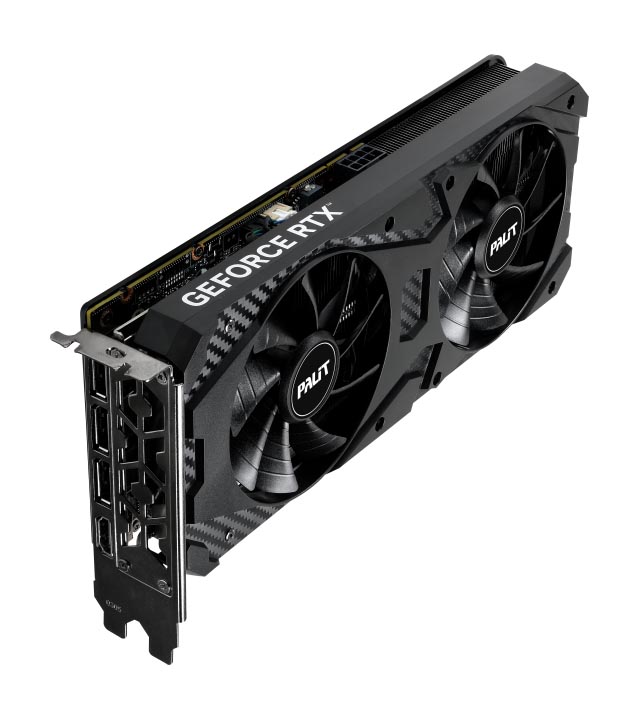
Palit Launches GeForce RTX 3060 Infinity 2 OC Graphics Card Featuring 12GB GDDR6 Memory
Palit Microsystems has announced the release of the GeForce RTX 3060 Infinity 2 OC graphics card, designed for 1080p gaming. This model is equipped with the GeForce RTX 3060 GPU and includes 12GB of GDDR6 memory. It features a dual-fan cooling system and a silent mode that stops the fans during low workloads. The GeForce RTX 3060 Infinity 2 OC operates at a core frequency of 1792MHz (boost) and has a memory speed of 15Gbps. It requires a single 8-pin auxiliary power connector and offers multiple video outputs, including HDMI 2.1 and three DisplayPort connections. This launch is significant as it caters to gamers looking for efficient performance at 1080p resolution. Looking ahead, the graphics card market continues to evolve with new releases and competitive pricing. No further timeline was disclosed at the time of publication, but the introduction of the GeForce RTX 3060 Infinity 2 OC is expected to impact consumer choices in the gaming hardware sector.

Indonesia Enhances Fishery Enforcement with Advanced Digital Surveillance Systems
In the eastern Indian Ocean, Indonesia is leveraging advanced digital surveillance to enhance fishery enforcement. Utilizing satellite monitoring and Vessel Monitoring Systems (VMS), the country can detect potential violations in real-time, marking a significant shift in maritime governance. This transition allows for proactive enforcement rather than reactive measures, addressing the challenges of monitoring vast maritime areas. The integration of digital tools is crucial for Indonesia, which manages over six million square kilometers of maritime space. With 9,394 fishing vessels actively transmitting data through the VMS by early 2026, the country is able to identify unauthorized fishing activities and prioritize inspections based on data-driven assessments. This capability is transforming how fisheries are monitored and regulated. Looking ahead, the implications of this digital transformation are profound. In the first quarter of 2026 alone, Indonesia's monitoring system tracked over 14,000 vessels and identified nearly 500 suspected violations. As digital surveillance continues to evolve, it will be essential to watch how these technologies reshape enforcement strategies and compliance in the fishing industry.
Fishing Environmental-monitoring Indonesia Poaching Surveillance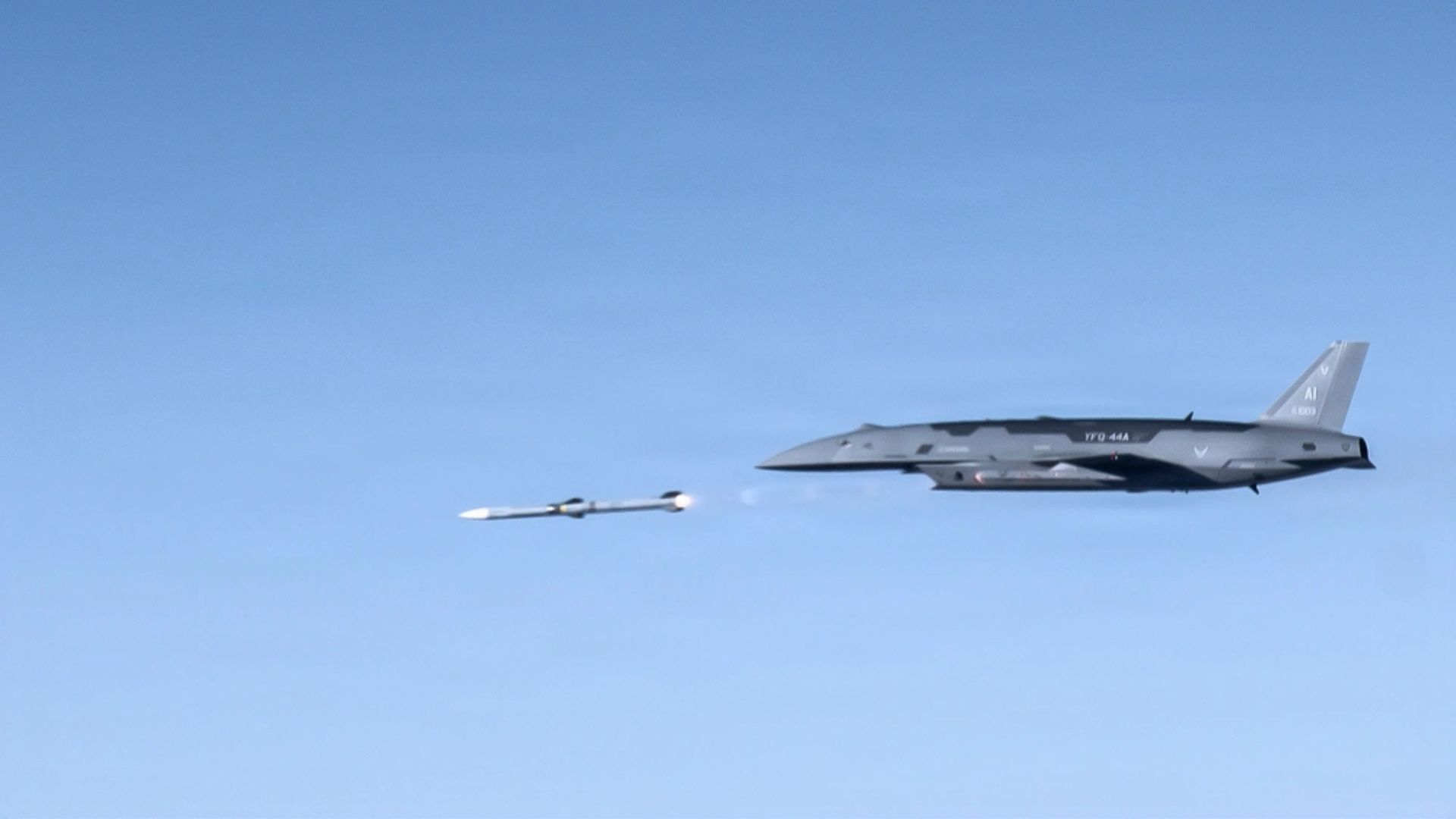
U.S. Air Force Conducts First Missile Launch from Anduril's YFQ-44A Drone
The U.S. Air Force successfully executed its inaugural missile launch from a Collaborative Combat Aircraft (CCA) on June 15, 2026. The Anduril-developed YFQ-44A drone fired an AIM-120 medium-range air-to-air missile at a digital target in California’s Mojave Desert, marking a significant advancement in the development of semi-autonomous drones capable of operating alongside piloted fighter jets. This milestone is crucial as it demonstrates the Air Force's commitment to enhancing its combat capabilities through the use of Collaborative Combat Aircraft. The YFQ-44A autonomously managed most mission steps, with a human operator providing the final launch approval, adhering to U.S. policy on lethal weapon control. This test signifies a shift from previous trials, where operators controlled the drone's flight, showcasing the aircraft's ability to execute complex tasks independently. Looking ahead, the Air Force aims to further develop and test these semi-autonomous aircraft, ultimately enhancing U.S. airpower. The CCA program seeks to deliver combat-ready drones that can operate effectively in challenging environments, with the potential for real mission deployment on the horizon. No further timeline was disclosed at the time of publication.
Military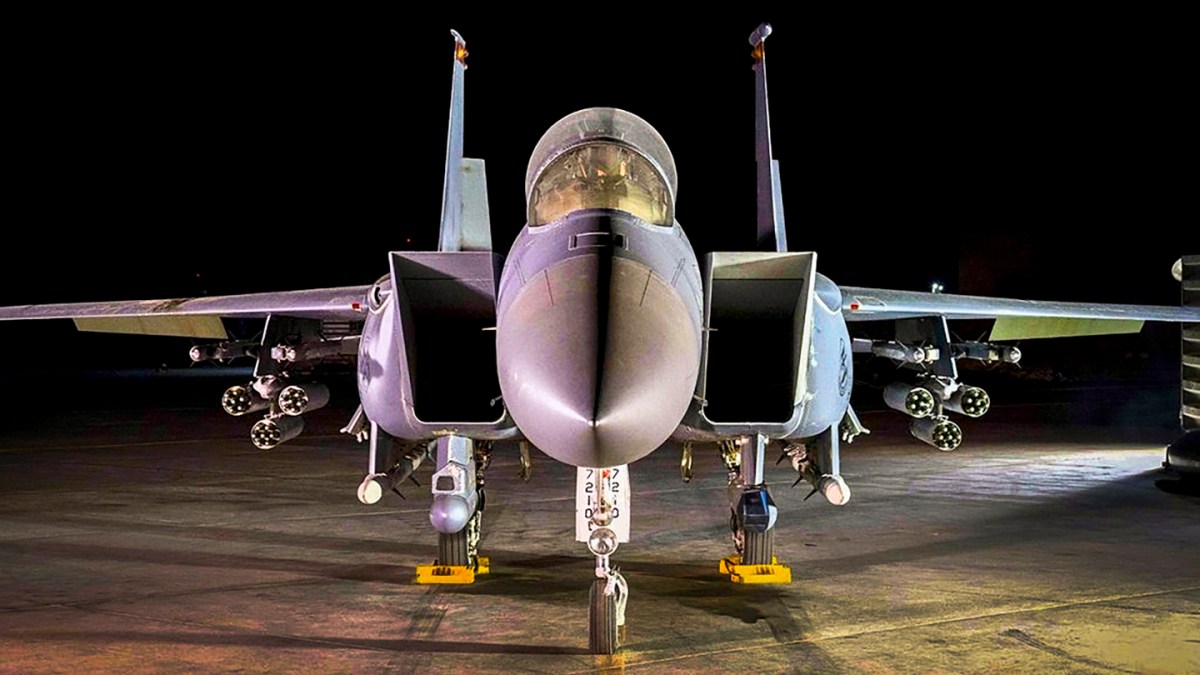
Saudi Arabia Approved to Acquire 20,000 Laser-Guided APKWS II Rockets
The U.S. State Department has authorized a potential $2 billion sale of up to 20,000 Advanced Precision Kill Weapon System (APKWS II) laser guidance kits to Saudi Arabia. This approval comes amid rising tensions in the Middle East, particularly with Iran and Houthi rebels, highlighting the need for enhanced military capabilities. The deal includes 10,000 air-to-air and 10,000 air-to-ground guidance sections, along with various rocket components. The APKWS II system is recognized for its cost-effectiveness in targeting drones and missiles, making it a valuable asset for Saudi Arabia's defense strategy. The Royal Saudi Air Force is expected to deploy these munitions on its Eurofighter Typhoon and F-15SA fighter jets. As regional conflicts escalate, the sale aims to bolster Saudi Arabia's defense capabilities and improve interoperability with U.S. and NATO forces. The State Department emphasized that this proposed sale aligns with U.S. foreign policy objectives and will enhance Saudi Arabia's ability to deter threats. No further timeline was disclosed at the time of publication.
Air Air Force Munitions Air Forces Air-To-Air Air-To-Ground Royal Saudi Air Force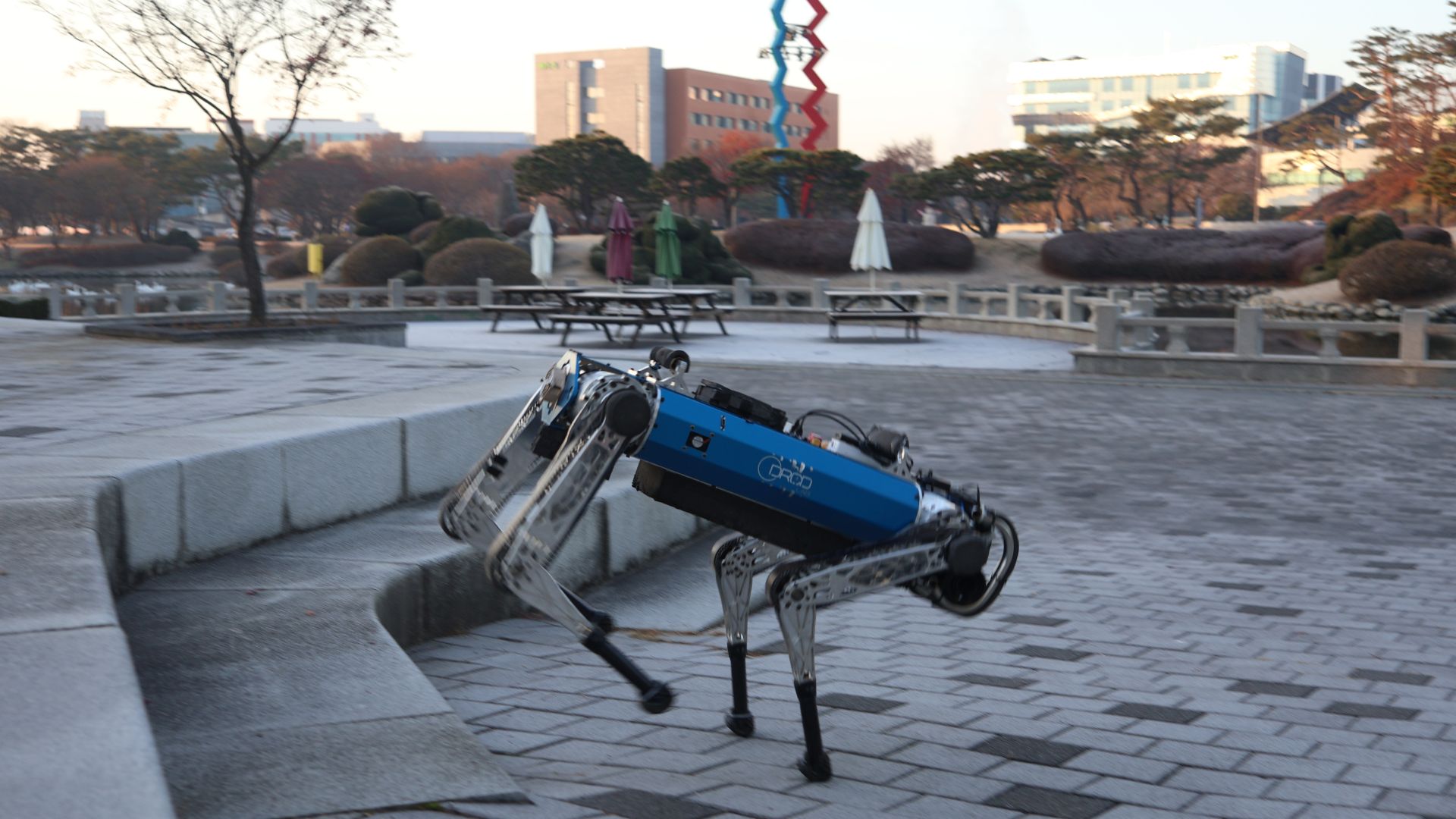
Korean Researchers Develop AI Framework for Robot Dog's Adaptive Movement in Complex Terrain
Researchers from Korea have created an AI framework that allows a quadruped robot to autonomously adapt its motor skills while navigating challenging environments. This system enables real-time gait adjustments for traversing forests, climbing stairs, and overcoming obstacles using only onboard sensors and computing capabilities. The significance of this development lies in its potential applications for autonomous search-and-rescue and exploration missions. The Action Pretrained Transformer-based Reinforcement Learning (APT-RL) framework enhances agility by combining pretrained locomotion skills with adaptive decision-making, demonstrating the robot's ability to handle diverse obstacles effectively. Future observations will focus on the framework's deployment in real-world scenarios, as it has already shown impressive performance on KAIST’s quadruped robot, HOUND. The robot's ability to switch between different gaits based on terrain and speed, achieving speeds of up to 6 meters per second, highlights the effectiveness of the APT-RL approach in complex environments. No further timeline was disclosed at the time of publication.
AI and Robotics
Bosch Initiates 200 mm Silicon Carbide Chip Production at California Semiconductor Plant
Bosch has commenced sample production of silicon carbide (SiC) semiconductor chips at its facility in Roseville, California. This marks a significant advancement in the effort to revitalize power chip manufacturing within the United States. The company has also secured up to $225 million in funding from the U.S. Department of Commerce’s CHIPS Program Office to support its investment of up to $2 billion at the site. The Roseville plant is set to begin commercial production in 2026, making it Bosch's first semiconductor manufacturing site in the U.S. The facility will produce third-generation SiC chips on 200-millimeter wafers, aligning with the U.S. government's initiative to bolster domestic semiconductor manufacturing. Silicon carbide chips are increasingly vital for applications in electric vehicles, industrial equipment, and energy systems. Looking ahead, Bosch plans to invest up to $7.5 billion across its U.S. operations by 2031, enhancing manufacturing capacity and expanding its North American business. The Roseville site currently employs over 300 individuals and is committed to workforce development through local education partnerships, with plans to contribute more than $100,000 annually to community STEM programs starting in 2026.
Innovation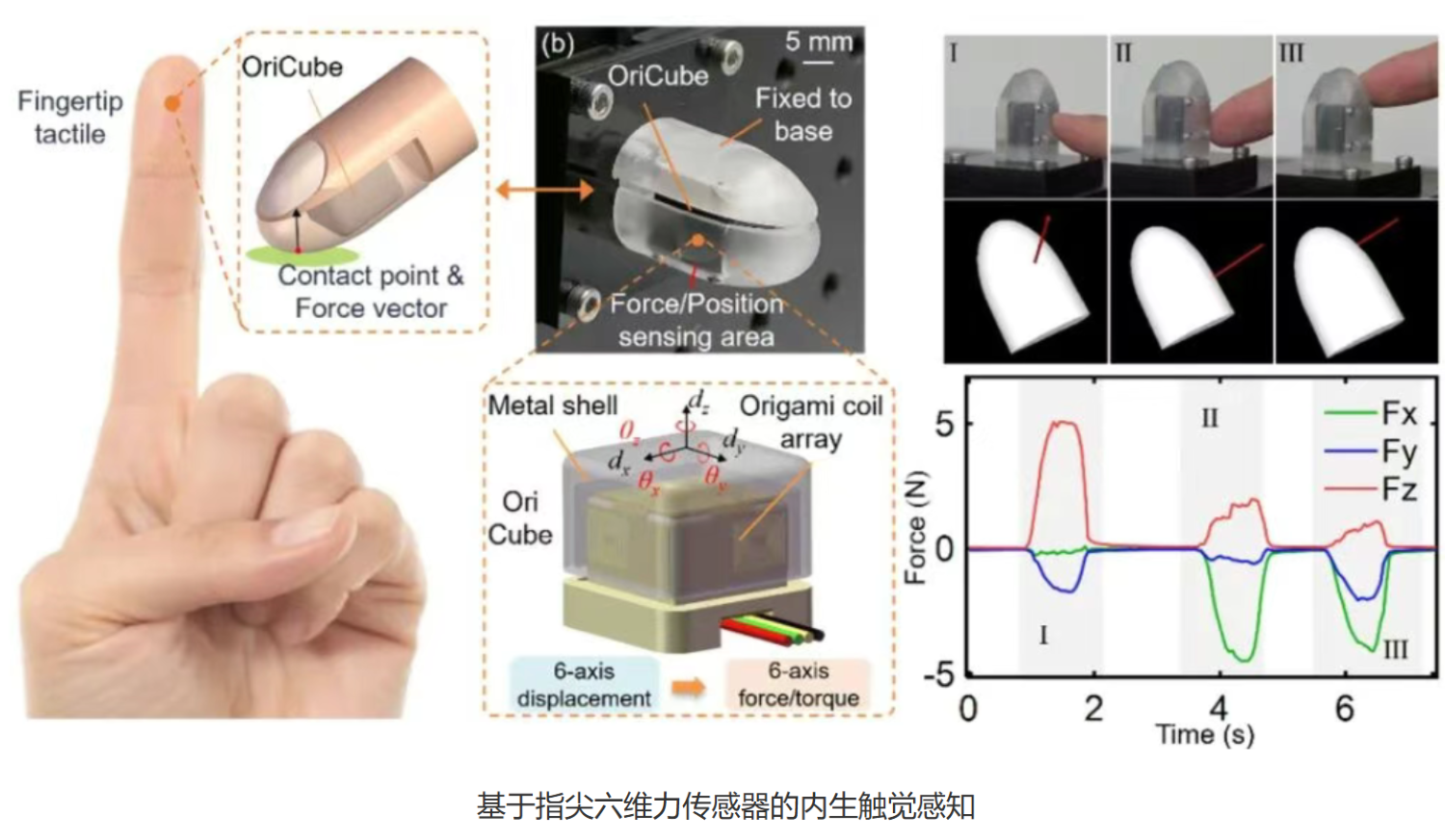
Chinese University Develops OriCube Sensor to Enhance Robot Tactile Sensitivity
Researchers from the University of Science and Technology of China have developed the OriCube, a compact six-dimensional force/moment sensor that mimics human fingertip sensitivity. Measuring just 14×14×12 mm and weighing 4 grams, it achieves a remarkable resolution of 3 millinewtons within a 23-newton range, allowing it to detect even the lightest touch, such as a feather. This innovation is significant as it addresses the limitations of current robotic tactile solutions, which often rely on electronic skin or array sensors that face challenges like complex wiring and data processing. By embedding the OriCube directly into the fingertips of robotic hands, the sensor captures minute force changes and calculates precise contact points and force vectors, offering a new approach to tactile perception in robotics. The OriCube has demonstrated low power consumption of 45 milliwatts, minimal crosstalk, and high measurement accuracy. Its ability to sense both delicate touches and withstand impacts positions it as a robust solution for enhancing robotic dexterity in uncertain environments. No further timeline was disclosed at the time of publication.
Robotics Tactile Sensors Force Sensing Artificial Intelligence
New Soft Mechanical Force Sensor Enables Instant Touch Detection in Robotics
Researchers from the National University of Singapore have developed a soft mechanical force sensor, named ME-SOFS, which allows robots to detect touch and respond instantly without electronics. This innovation transforms applied force into fluid flow, activating soft robotic actuators and creating a fully mechanical sensing-to-action process. The ME-SOFS sensor, made entirely from flexible materials, eliminates the need for traditional electronic sensors, reducing complexity and potential failure points. Its design is particularly beneficial for soft robots operating in extreme environments, such as underwater or inside the human body, where electronic systems may fail. Future applications of the ME-SOFS sensor include integration into soft robotic systems, such as a glove that measures grasping forces and a haptic pad for touch feedback. This technology could significantly enhance prosthetics and human-machine interfaces. No further timeline was disclosed at the time of publication.
AI and Robotics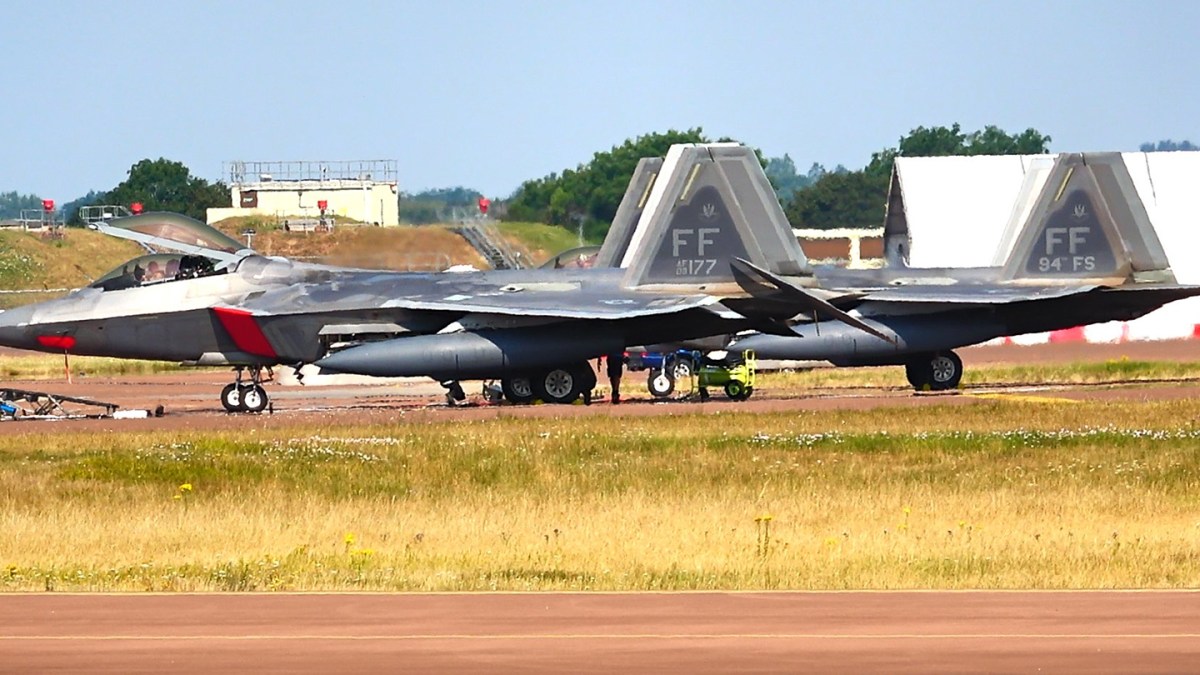
U.S. Air Force F-22 Raptors Return to UK After Combat Missions in Israel
Ten F-22 Raptors from the U.S. Air Force arrived at RAF Fairford in the UK on Friday after a deployment at Ovda Air Base in Israel. The jets, part of the 1st Fighter Wing from Langley Air Force Base, participated in operations against Iranian targets, including air defenses and nuclear facilities, from late February to early March 2023. During this period, they executed over 200 combat sorties while remaining undetected by Iranian radar systems. The significance of this deployment lies in the F-22 Raptors' advanced capabilities, which allowed them to penetrate defended airspace and deliver precision strikes on strategic Iranian infrastructure. U.S. Central Command reported that the Raptors utilized GBU-39/B Small Diameter Bombs and GBU-32 Joint Direct Attack Munitions, coordinating with B-2 Spirit bombers and EA-18G Growler jets to effectively overwhelm Iran's air defenses. This operation reflects the ongoing tensions in the Middle East and the U.S. military's strategic response. Looking ahead, the U.S. military's movements in the region indicate a continued focus on countering Iranian threats. The recent increase in hostilities between the U.S. and Iran, including attacks on multiple fronts, suggests that further military actions may be anticipated. No further timeline was disclosed at the time of publication regarding future deployments or operations involving the F-22 Raptors.
Air Air Forces Around The Globe Europe F-22 Fighters
GeForce NOW Launches New Toronto Server Powered by GeForce RTX 5080
GeForce NOW has announced the launch of a new server powered by the GeForce RTX 5080 in Toronto, enhancing its cloud gaming capabilities. This upgrade aims to provide users with improved performance and a wider selection of games, reflecting the growing demand for high-quality cloud gaming solutions. The new server is part of GeForce NOW's ongoing expansion strategy to enhance user experience and accessibility in various regions. The introduction of the RTX 5080 server is significant as it represents a step forward in cloud gaming technology, offering dedicated high performance that can accommodate more demanding gaming titles. This move aligns with the increasing trend of gamers seeking seamless and high-quality experiences without the need for expensive hardware. By enhancing its infrastructure, GeForce NOW is positioning itself to compete more effectively in the rapidly evolving cloud gaming market. Looking ahead, GeForce NOW may continue to expand its server network to other regions, although no further timeline was disclosed at the time of publication. The company is likely to monitor user feedback and performance metrics to inform future upgrades and expansions, ensuring they meet the needs of their growing user base.

UK Sacrifices Its Future Destroyer As Part Of Massive Bet On Drones Across Its Forces
The UK government is implementing a significant transformation in its military strategy, prioritizing the integration of uncrewed platforms across land, sea, and air operations. This ambitious overhaul comes at the cost of sacrificing its future destroyer, signaling a strategic shift towards drone technology as a cornerstone of the nation's defense capabilities. The decision reflects a growing recognition of the importance of unmanned systems in modern warfare, aiming to enhance operational efficiency and adaptability. As the UK moves forward with this initiative, it seeks to position its forces at the forefront of technological advancements in military operations.
News & Features Air Air Forces Around The Globe Europe Navies
"Father of Reinforcement Learning Sutton Partners with Tianshan Technology for First Deep Sharing in China! Limited Rare Spots Open for a Short Time, Don't Miss Out!"
In a significant development for the field of artificial intelligence, Richard Sutton, a pioneer in reinforcement learning, has teamed up with Tianshan Technology to host a groundbreaking event in China. This collaboration marks the first deep sharing initiative in the country, aimed at advancing knowledge and application of reinforcement learning techniques. The event is set to take place soon, with limited spots available for participants eager to gain insights from one of the leading experts in the field. Attendees will have the unique opportunity to engage directly with Sutton and learn about the latest advancements and practical applications of reinforcement learning. This initiative reflects a growing interest in AI technologies in China and underscores the importance of collaboration between leading researchers and local tech companies to foster innovation and expertise. Interested individuals are encouraged to secure their spots promptly, as availability is limited.
Robotics Automation AI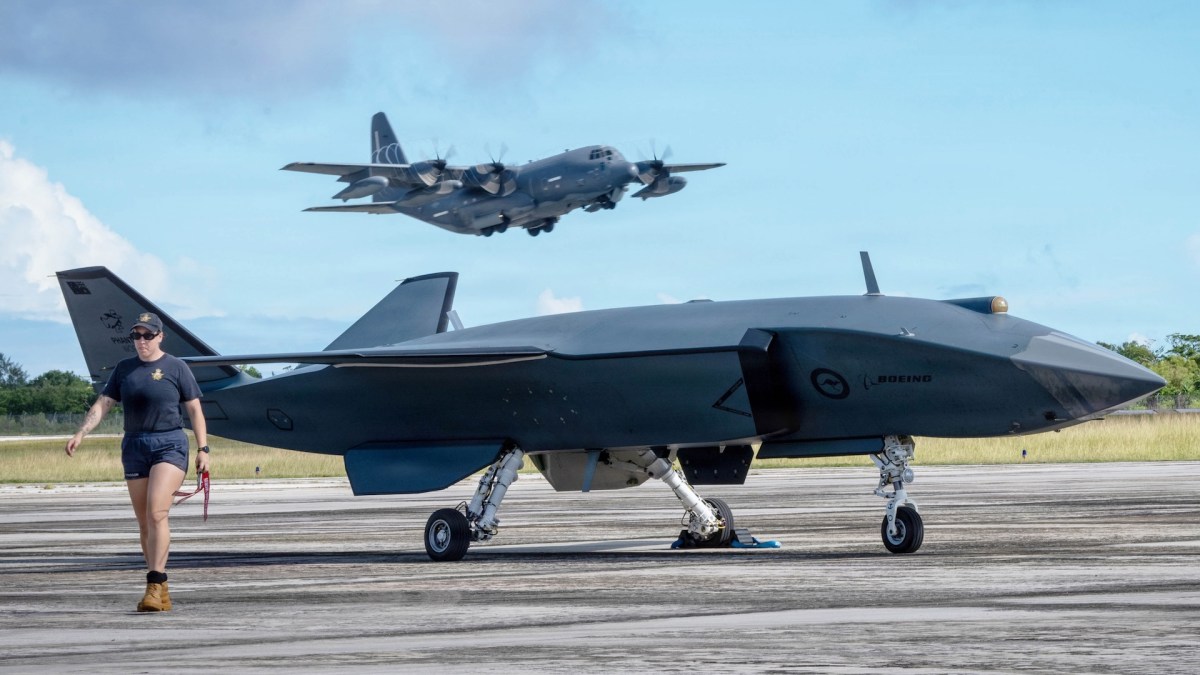
MQ-28 Ghost Bat Drone Debuts In Large-Force Combat Exercise In The Pacific
The MQ-28 Ghost Bat drone made its debut during the Valiant Shield exercise, showcasing its capabilities alongside other crewless combat aerial systems (CCAs) in a large-force combat scenario in the Pacific. This event, which highlights the integration of advanced drone technology into military operations, aims to explore how these systems can enhance coalition operations in future conflicts. The exercise underscores the growing importance of unmanned systems in modern warfare and their potential to transform strategic partnerships among allied forces.
Air Around The Globe Indo-Pacific Loyal Wingman MQ-28 News & Features
Sync and Stream: GeForce NOW Connects to Members’ Game Libraries Across Devices
GeForce NOW, a cloud gaming service, allows users to play their favorite titles from various popular game libraries while keeping their progress synchronized across multiple devices. This innovative platform enables gamers to seamlessly transition between devices, enhancing their gaming experience by providing flexibility and convenience. With access to a wide range of games, GeForce NOW caters to the growing demand for cloud-based gaming solutions, making it easier for players to engage with their favorite titles anytime and anywhere. As the gaming industry continues to evolve, services like GeForce NOW are becoming increasingly relevant, offering solutions that meet the needs of modern gamers.

Robot forces could guard NATO’s 2,150-mile east front in new border defense concept
Milrem Robotics has unveiled an innovative strategy aimed at enhancing NATO's defense capabilities in Eastern Europe. This announcement was made during a recent defense technology conference held in Tallinn, Estonia, where the company showcased its latest advancements in autonomous systems. The initiative seeks to address the growing security concerns in the region, particularly in light of increasing geopolitical tensions. By integrating advanced robotics and artificial intelligence into military operations, Milrem Robotics aims to improve situational awareness and operational efficiency for NATO forces. The plan emphasizes collaboration with member states to develop and deploy these technologies effectively, ensuring a robust defense posture against potential threats.
Military
Eurosatory 2026: Land Cruise Missile upgrade aims to reduce Europe's reliance on TLAM.
MBDA has introduced the Land Cruise Missile Mk II along with a new launcher unit, marking a significant advancement in military technology. This unveiling took place recently, with plans for the missile system to be operational by the end of the decade. The development aims to enhance the capabilities of armed forces, providing them with a more sophisticated and effective strike option. The missile and its launcher are designed to meet the evolving demands of modern warfare, reflecting MBDA's commitment to innovation in defense solutions.
News
Defense Department increases microelectronics workforce program contract to $100M
A consortium led by Purdue University, known as SCALE, is working to cultivate a skilled technical workforce to support Department of Defense (DOD) technologies. This initiative involves collaboration with 35 educational institutions, including notable partners like Arizona State University. The program is designed to address the growing demand for specialized skills in the defense sector, ensuring that students are equipped with the necessary training and expertise. By fostering partnerships between academia and the DOD, SCALE aims to enhance the pipeline of talent ready to meet the technological challenges faced by the military. The initiative reflects a strategic effort to bridge the gap between education and industry needs, ultimately strengthening national security through a well-prepared workforce.

Linked and Loaded: Gaijin Single Sign-On Now Available on GeForce NOW
GeForce NOW members are set to experience enhanced gaming accessibility this week, as the cloud gaming service introduces faster login processes aimed at reducing wait times and allowing players to dive straight into their favorite titles. This improvement aligns with the platform's commitment to providing instant access to games across various devices, ensuring that users can maximize their gaming time. The update reflects the ongoing evolution of cloud gaming technology, which prioritizes user convenience and engagement in an increasingly competitive market.
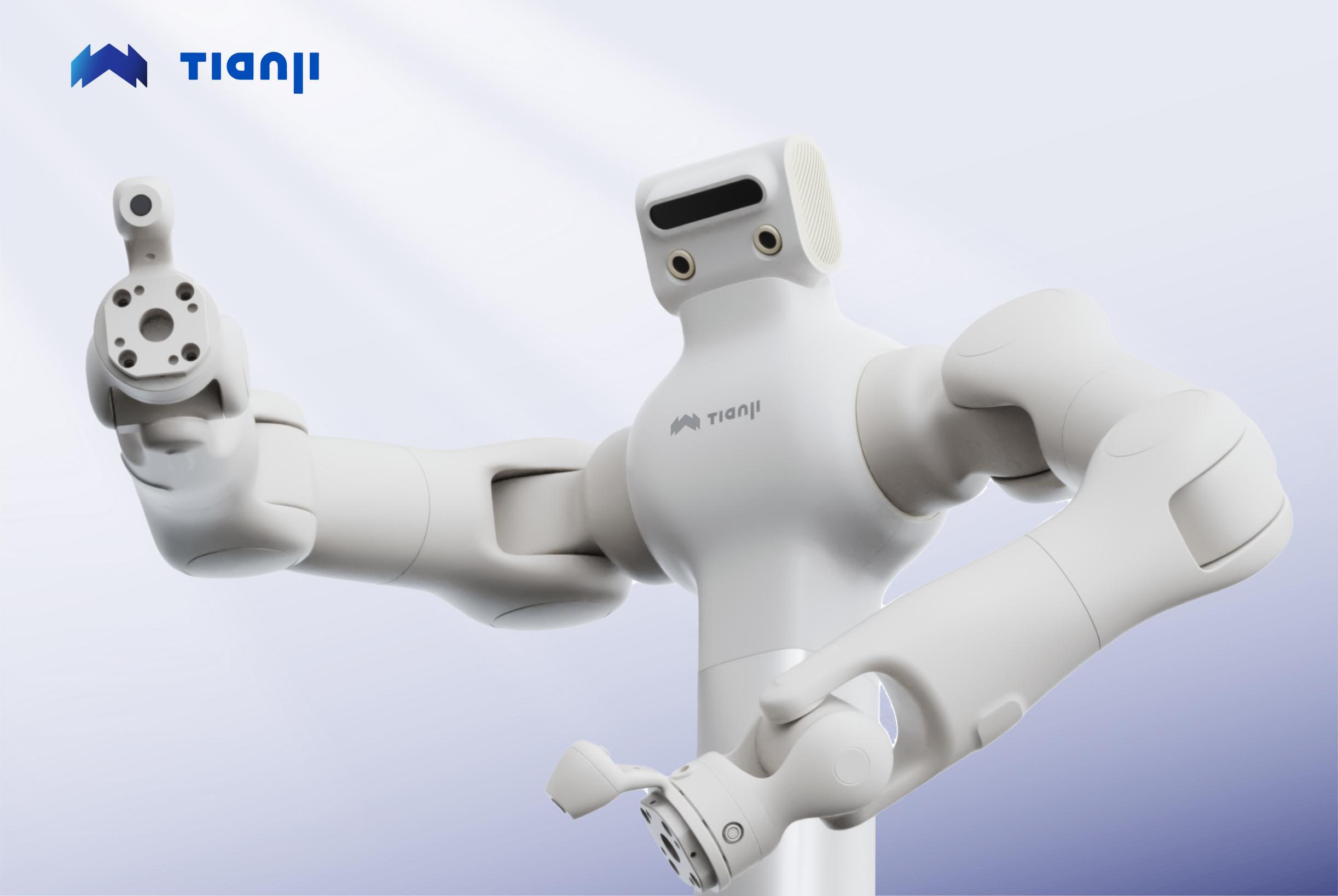
Tianji Intelligent: Defining Industry Standards for Force Control Humanoid Dual Arms and a New Generation of Embodied Intelligent Platforms
Tianji Intelligent is set to revolutionize the humanoid robotics industry with the introduction of the world's first force control humanoid arms in 2024, followed by dual arms in 2025. This groundbreaking development is driven by the company's commitment to enhancing precision and performance in robotics. Utilizing innovative MEMS force sensors and advanced dual-arm coordination technology, Tianji Intelligent aims to establish new standards in the field. The launch is anticipated to significantly impact various applications, showcasing the potential of humanoid robots in industries requiring intricate manipulation and interaction.
Force Control Robotics Humanoid Robots Industrial Automation AI Technology
GeForce NOW Raises the Game at the Game Developers Conference
GeForce NOW is showcasing its latest advancements at the Game Developers Conference (GDC) this week in San Francisco. As developers gather to shape the future of gaming, GeForce NOW aims to enhance the gaming experience for players by introducing updates that promise smoother performance and improved accessibility. The initiative reflects the platform's commitment to bridging the gap between game development and player engagement, ensuring that gamers can enjoy cutting-edge technology as it evolves.
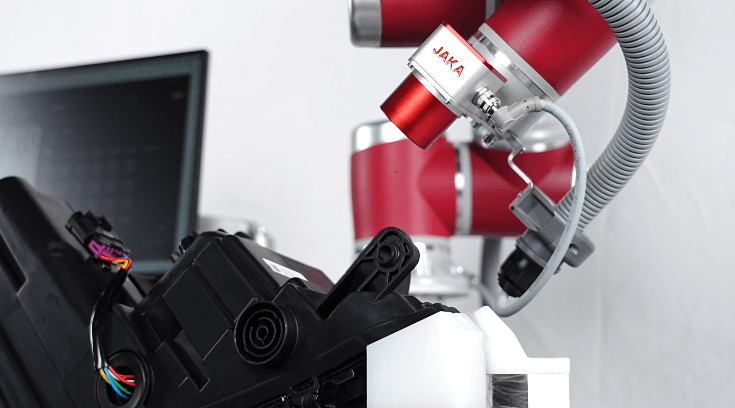
The Science Behind Cobot Force Sensing and Collision Detection
JAKA, a leader in collaborative robotics, is advancing the integration of force sensing and collision detection technologies to enhance safety and efficiency on production floors. As the demand for collaborative robots grows, understanding these systems becomes crucial for their effective deployment. Force sensing enables robots to perceive real-time physical interactions by continuously monitoring joint-level data such as torque and motion. This capability allows robots to differentiate between normal operational loads and unexpected contact, facilitating smoother transitions and reducing stress on both machinery and operators during tasks like assembly and inspection. Complementing this, collision detection translates abnormal force patterns into immediate responses, allowing robots to adjust their speed or halt operations when necessary. This continuous feedback loop fosters safe interactions between robots and human workers without the need for physical barriers, accommodating dynamic work environments. JAKA's compact cobot design, exemplified by the JAKA Zu3, integrates these technologies into a lightweight system suitable for precision tasks in confined spaces. With a payload capacity of 3 kg and a reach of 626 mm, the Zu3 is engineered for seamless human-robot collaboration, ensuring that existing workflows remain undisturbed. By embedding advanced sensing and control mechanisms into their robotics framework, JAKA aims to promote reliable collaboration in real-world production settings, where safety, precision, and adaptability are paramount.

The Nightmare Returns in the Cloud: GeForce NOW Unleashes Capcom’s ‘Resident Evil Requiem’
GeForce NOW is celebrating its anniversary with the launch of Capcom’s Resident Evil: Requiem, now available on its cloud gaming platform. This new addition enhances the gaming experience for Ultimate members, showcasing improved graphics and performance. To commemorate the occasion, GeForce NOW is offering a special launch bundle that includes exclusive content for players. The event highlights the platform's commitment to delivering high-quality gaming experiences and expanding its library with popular titles. The anniversary celebration not only marks a milestone for GeForce NOW but also emphasizes the growing trend of cloud gaming in the industry.

National Robotics Week 2026 Underscores Robotics as a Critical U.S. Industry and Workforce Engine
National Robotics Week 2026 is set to showcase the increasing significance of robotics in driving innovation and shaping the workforce in the United States. Scheduled for April 3-11, the event will take place across various locations nationwide, including educational institutions, research facilities, and community centers. This annual celebration aims to raise awareness about the advancements in robotics technology and its applications in diverse sectors such as manufacturing, healthcare, and education. The initiative seeks to engage the public, particularly students and young professionals, in understanding the potential of robotics to transform industries and create new job opportunities. Through workshops, demonstrations, and interactive exhibits, participants will have the chance to explore the latest robotic technologies and their implications for the future workforce. Organizers emphasize the importance of fostering interest in STEM (Science, Technology, Engineering, and Mathematics) fields, as well as encouraging collaboration between academia, industry, and government to drive further innovation. By highlighting the role of robotics in enhancing productivity and efficiency, National Robotics Week aims to inspire the next generation of engineers and innovators to pursue careers in this rapidly evolving field.

NVIDIA Brings GeForce RTX Gaming to More Devices With New GeForce NOW Apps for Linux PC and Amazon Fire TV
At the CES trade show taking place this week in Las Vegas, NVIDIA unveiled significant enhancements to its GeForce NOW cloud gaming service. The company announced the introduction of additional devices and games, expanding the platform's versatility and accessibility for gamers. This upgrade is powered by the advanced GeForce RTX 5080-class performance, leveraging the capabilities of the NVIDIA Blackwell RTX architecture. The initiative aims to provide an enriched gaming experience, catering to the growing demand for cloud-based gaming solutions.
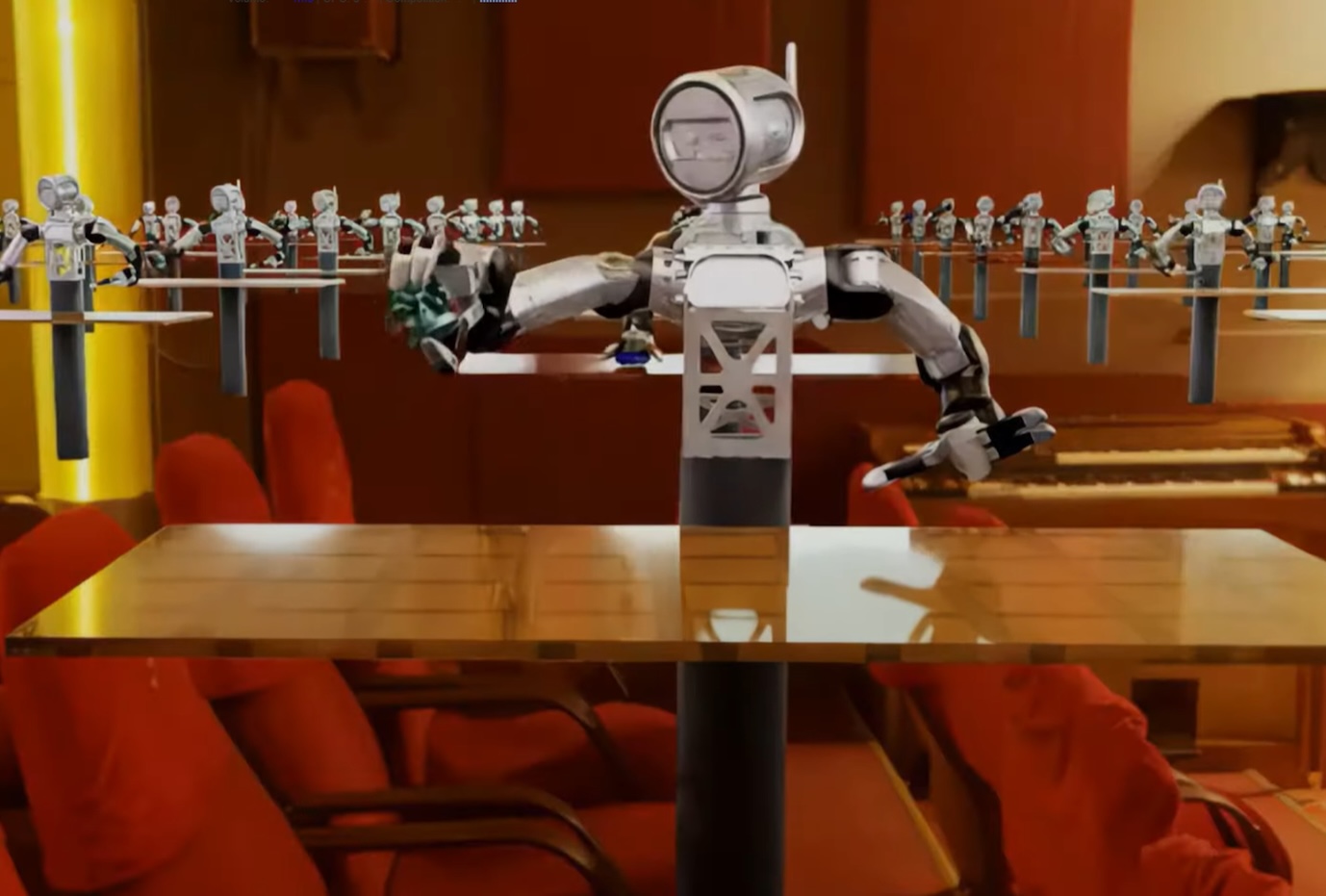
Tencent’s Delta Force: Hawk Ops hits PS5 and Xbox this August
TiMi Studio, a subsidiary of Tencent, has revealed that its free-to-play first-person shooter game, Delta Force: Hawk Ops, is set to launch on Xbox and PlayStation 5 in August. Originally released on PC and mobile platforms in September 2024, the game has quickly gained popularity, amassing over 12 million daily active users as of April 2025. The cross-platform nature of Delta Force aims to enhance accessibility and engagement among players, contributing to its rapid growth in the competitive gaming market.
News Feed
Cutting-edge Underwater Tech for AUKUS Forces to be Developed through Landmark Partnership
AUKUS Defence Ministers have unveiled advancements in pioneering technologies utilizing uncrewed underwater vessels during a recent meeting in Singapore. This announcement marks a significant step forward in the trilateral security partnership involving Australia, the United Kingdom, and the United States. The discussions, held to enhance collaboration and address regional security challenges, underscore the commitment of the three nations to strengthen their defense capabilities. By integrating cutting-edge technologies, the AUKUS alliance aims to bolster maritime security and deter potential threats in the Indo-Pacific region.
underwater tech aukus partnership aukus pillar 2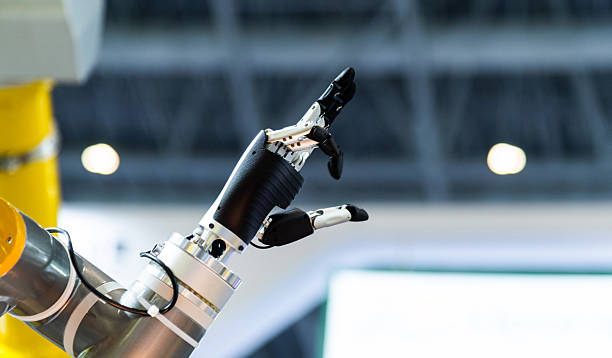
Deep Reinforcement Learning Based Autonomous Decision‐Making for Cooperative Uncrewed Aerial Vehicles: A Search and Rescue Real World Application
A recent study published in the Journal of Field Robotics highlights advancements in autonomous robotic systems designed for agricultural applications. Researchers from various institutions collaborated to develop innovative algorithms that enhance the efficiency and precision of robotic farming equipment. The findings, released in early October 2023, emphasize the growing importance of automation in agriculture, particularly in response to labor shortages and the need for sustainable farming practices. The research was conducted in multiple agricultural settings, showcasing how these robotic systems can adapt to different crop types and environmental conditions. By integrating machine learning and sensor technology, the robots are capable of performing tasks such as planting, weeding, and harvesting with minimal human intervention. This development aims to address the challenges faced by farmers, including the rising costs of labor and the increasing demand for food production. The study underscores the potential for these autonomous systems to revolutionize the agricultural sector, making it more efficient and environmentally friendly. As the agricultural industry continues to evolve, the implementation of such technologies could lead to significant improvements in productivity and sustainability.
RESEARCH ARTICLE
Robust Ship‐to‐Ship Object Pick‐Up With a 6‐DoF Robotic Arm Based on Force/Torque Measurement and Gripper Design
In a recent study published in the Journal of Field Robotics, researchers explored advancements in robotic navigation systems, focusing on enhancing autonomous vehicles' capabilities. This research, conducted by a team of engineers and computer scientists, was published in May 2026 and highlights significant improvements in the algorithms used for real-time decision-making in complex environments. The study was carried out at a leading robotics research facility, where the team aimed to address the challenges faced by autonomous vehicles in dynamic settings, such as urban areas with unpredictable obstacles. The motivation behind this research stems from the increasing demand for reliable and efficient autonomous transportation solutions, which are crucial for the future of smart cities and sustainable mobility. To achieve their objectives, the researchers employed a combination of machine learning techniques and advanced sensor technologies, allowing the vehicles to better interpret their surroundings and make informed navigation choices. The findings suggest that these enhanced systems could significantly reduce the likelihood of accidents and improve overall traffic flow. As the world moves towards greater automation in transportation, this study represents a critical step in ensuring that autonomous vehicles can safely and effectively navigate the complexities of modern urban landscapes. The implications of this research could pave the way for widespread adoption of autonomous vehicles, ultimately transforming how people and goods are transported in the future.
RESEARCH ARTICLE
Redefining Optimal Coverage Path Planning for FLS‐Equipped AUVs With Deep Reinforcement Learning
The Journal of Field Robotics has recently published an EarlyView article highlighting advancements in robotic technology. Researchers from various institutions have collaborated to explore innovative applications of robotics in field environments. This study, released in October 2023, focuses on enhancing the efficiency and effectiveness of robotic systems in agricultural and environmental monitoring tasks. The motivation behind this research stems from the increasing demand for precision agriculture and sustainable practices, which necessitate the integration of advanced robotics. By employing cutting-edge algorithms and sensor technologies, the team aims to improve data collection and analysis in challenging outdoor conditions. The findings suggest that these advancements could significantly reduce labor costs and increase productivity for farmers, while also providing critical insights for environmental conservation efforts. This collaborative effort underscores the potential of robotics to transform traditional practices and address pressing global challenges.
RESEARCH ARTICLE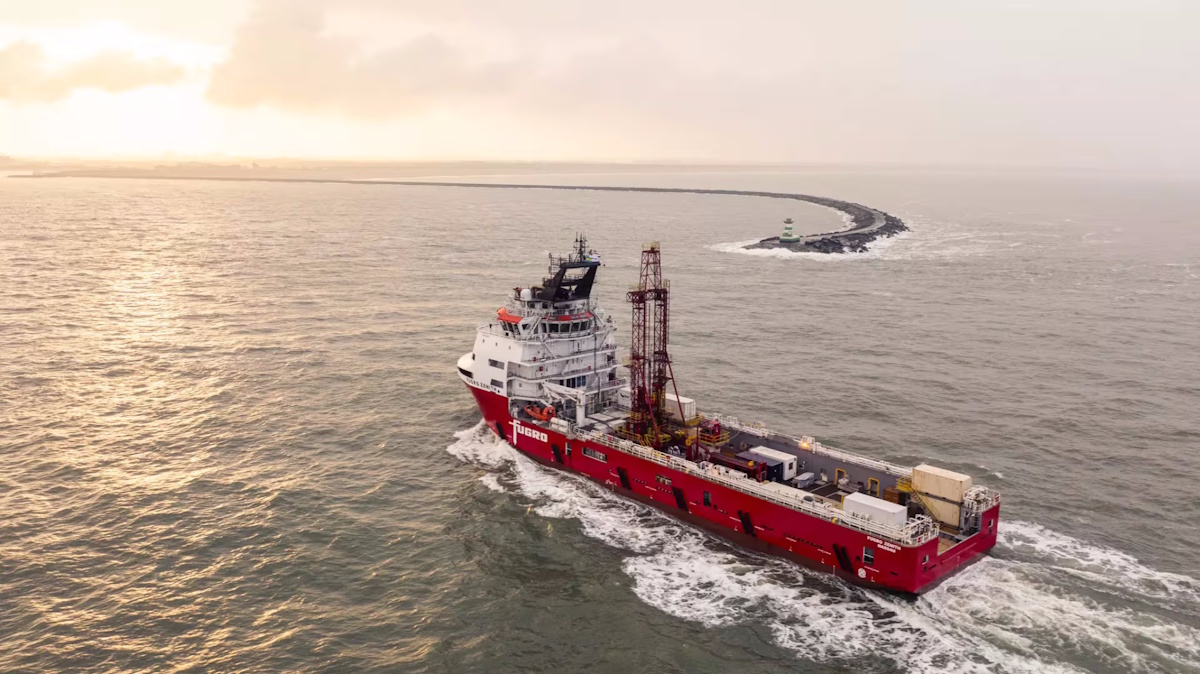
Fugro Reinforces its Role as Major Contributor to UN Ocean Decade Initiative for Seabed Mapping
Fugro has reaffirmed its commitment to the Nippon Foundation-GEBCO Seabed 2030 project, a key initiative under the United Nations Ocean Decade, during the Oceanology International event held in London. As the Ocean Decade approaches its midpoint, the company is enhancing its contribution by expanding the fleet of vessels involved in the Seabed 2030 project. Notably, Fugro's largest vessels, which are primarily engaged in geotechnical surveys, will now also participate in the collection of vital ocean-floor data, complementing the efforts of the existing geophysical fleet. This expansion aims to accelerate the mapping of the world's seabeds, supporting global efforts to better understand and protect oceanic environments.
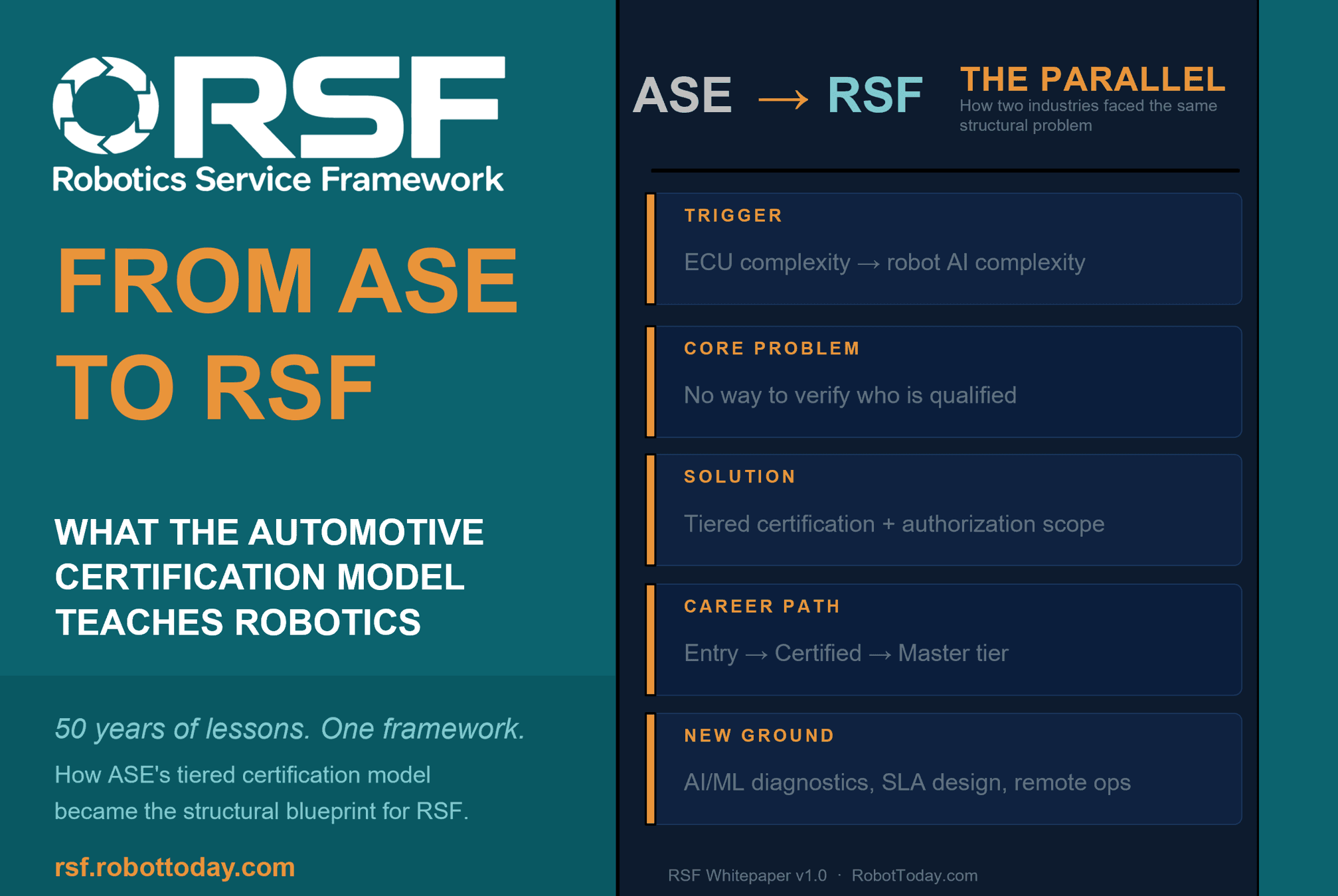
fugro un ocean decade initiative for seabed mappingRobotics needs a service framework.
RSF defines a common language for robot service capability, lifecycle operations, certification pathways, and service-provider networks.