Industry Briefing
A single destination for timely, editor-curated robotics news from around the world.
Boston Dynamics and Google DeepMind Teach Spot to Reason
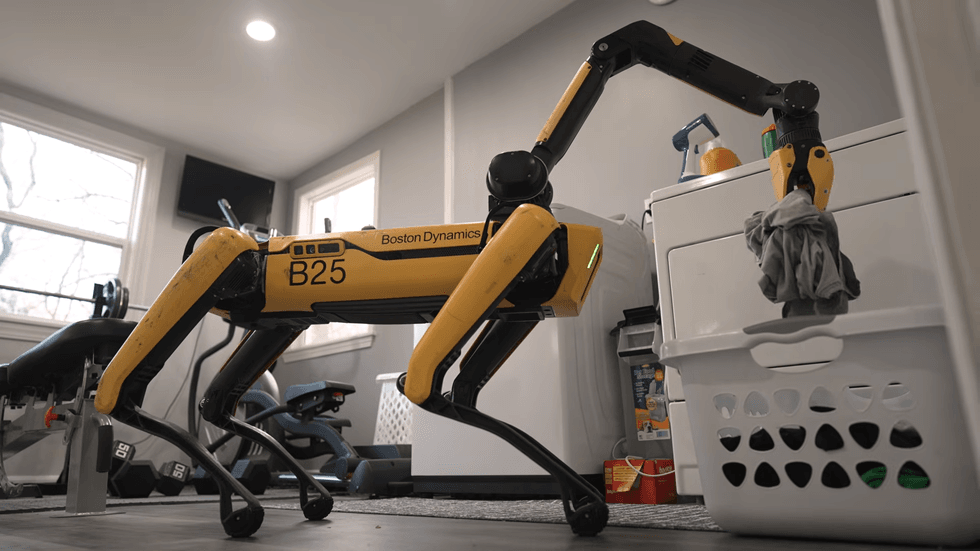
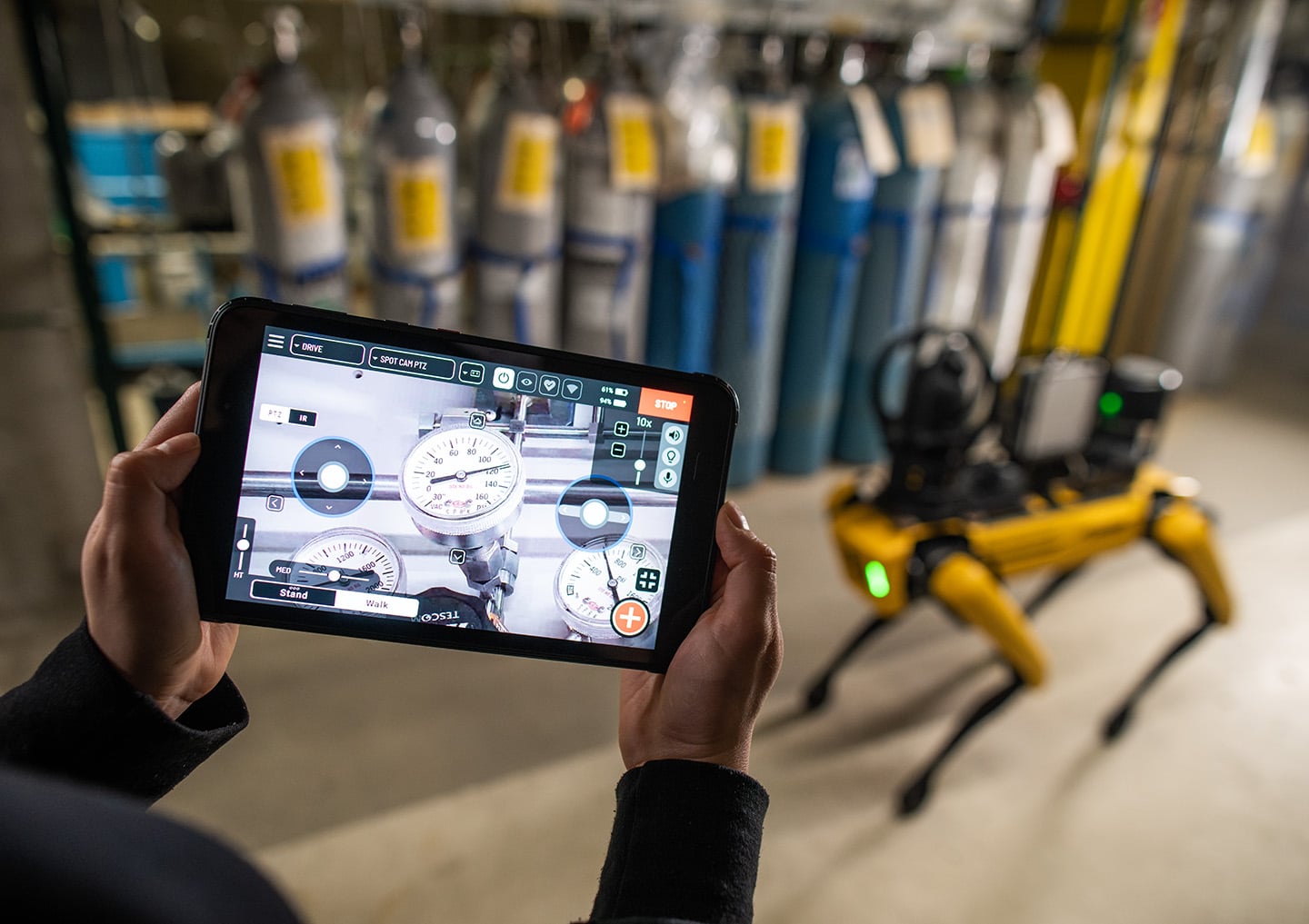
Boston Dynamics has announced that its quadruped robot, Spot, is now equipped with Google DeepMind’s Gemini Robotics-ER 1.6, a high-level embodied reasoning model designed to enhance the robot's usability and intelligence for complex tasks. This development, revealed today, marks a significant advancement in the commercial deployment of legged robots, particularly in industrial inspections, where Spot will autonomously identify hazardous debris, read gauges, and utilize vision-language-action models for better environmental understanding. The collaboration aims to improve how robots interpret and interact with their surroundings, addressing the challenges of ensuring that robotic actions align with human reasoning. Marco da Silva, vice president of Spot at Boston Dynamics, emphasized that the new capabilities will allow Spot to autonomously navigate real-world challenges more effectively. Despite the progress, experts acknowledge ongoing challenges in achieving seamless human-robot interaction. Carolina Parada from Google DeepMind noted that while the Gemini model enhances visual recognition, it currently lacks integration with other sensory data, such as touch, which is crucial for reliable object manipulation. As part of the deployment, customers using Spot for inspections will need to share operational data with Boston Dynamics to further refine the technology. The introduction of Gemini Robotics-ER 1.6 is seen as a step toward creating safer and more reliable robots capable of performing everyday tasks, with the potential to apply these advancements to other robotic platforms in the future.
Boston-dynamics Spot-robot Google-deepmind Inspection-robots Quadruped-robots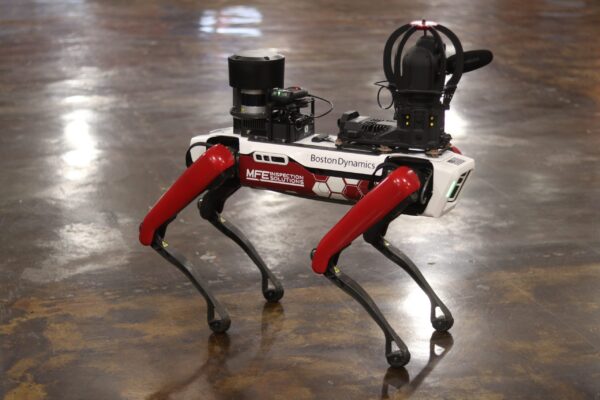
MFE Launches Robotic Gas Detection for Boston Dynamics’ Spot
MFE Inspection Solutions has unveiled a new robotic gas detection solution that integrates Blackline Safety’s cloud-connected portable gas detector with Boston Dynamics’ Spot quadruped robot. This innovative integration allows for enhanced atmospheric awareness by streaming connected gas data from the Spot to Blackline Live, effectively combining MFE’s existing drone-based gas detection capabilities with advanced robotic technology. The launch, announced by the Houston-based company, aims to improve safety and efficiency in gas detection processes across various industries.
Drone News Drone News Feeds infrastructure Inspection News robots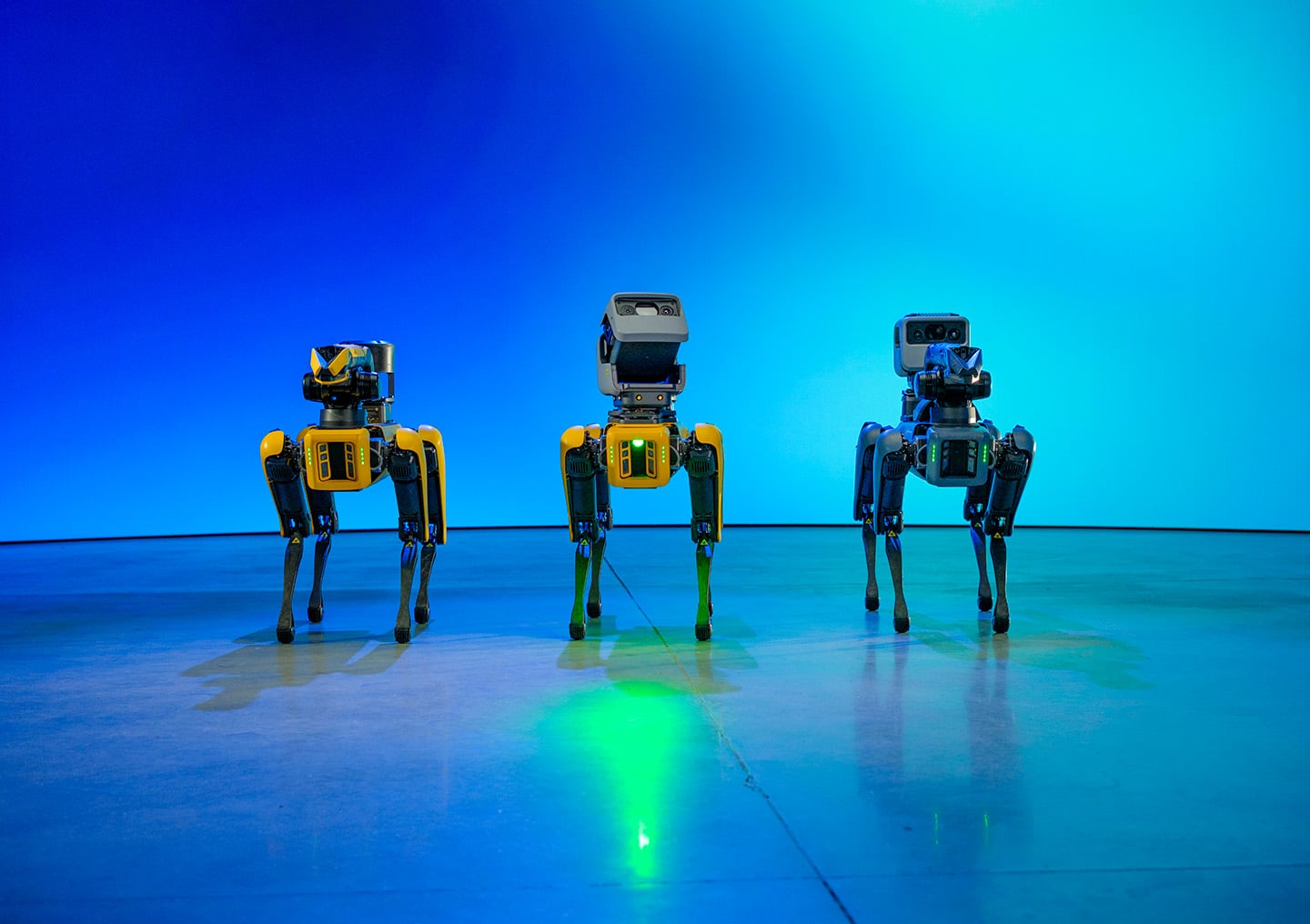
A Retrospective on Uses of Boston Dynamics' Spot Robot | Boston Dynamics
A recent review by a team of experts has highlighted the evolving capabilities of Boston Dynamics' Spot robot, showcasing its applications in enhancing safety and operational efficiency. Over the years, Spot has been deployed in various scenarios, demonstrating its versatility in tasks ranging from surveillance to hazardous environment monitoring. The review, which draws on data available until October 2023, emphasizes the robot's role in mitigating risks for human workers and streamlining processes across different industries. As organizations increasingly adopt advanced robotics, Spot stands out as a significant tool in promoting workplace safety and productivity.
Boston Dynamics and Google Bring Gemini AI to Spot Robot for Smarter Facility Inspections
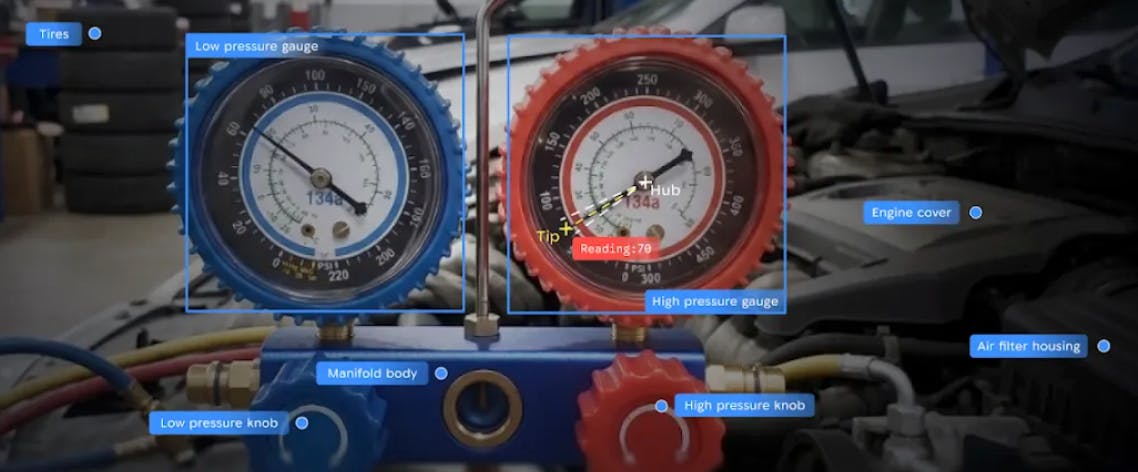
Boston Dynamics has announced the integration of Google's Gemini Robotics AI into its robotic platform, Spot. This advancement allows Spot to perform automated industrial gauge readings and conduct visual inspections of facilities. The collaboration aims to enhance operational efficiency and accuracy in industrial settings, addressing the growing demand for automation in various sectors. The integration is expected to streamline processes and reduce the need for human intervention in routine inspections, thereby improving safety and productivity. This development comes as part of Boston Dynamics' ongoing efforts to leverage cutting-edge technology to transform the capabilities of its robots, with the integration officially rolling out in late 2023.
Factory / Plant Maintenance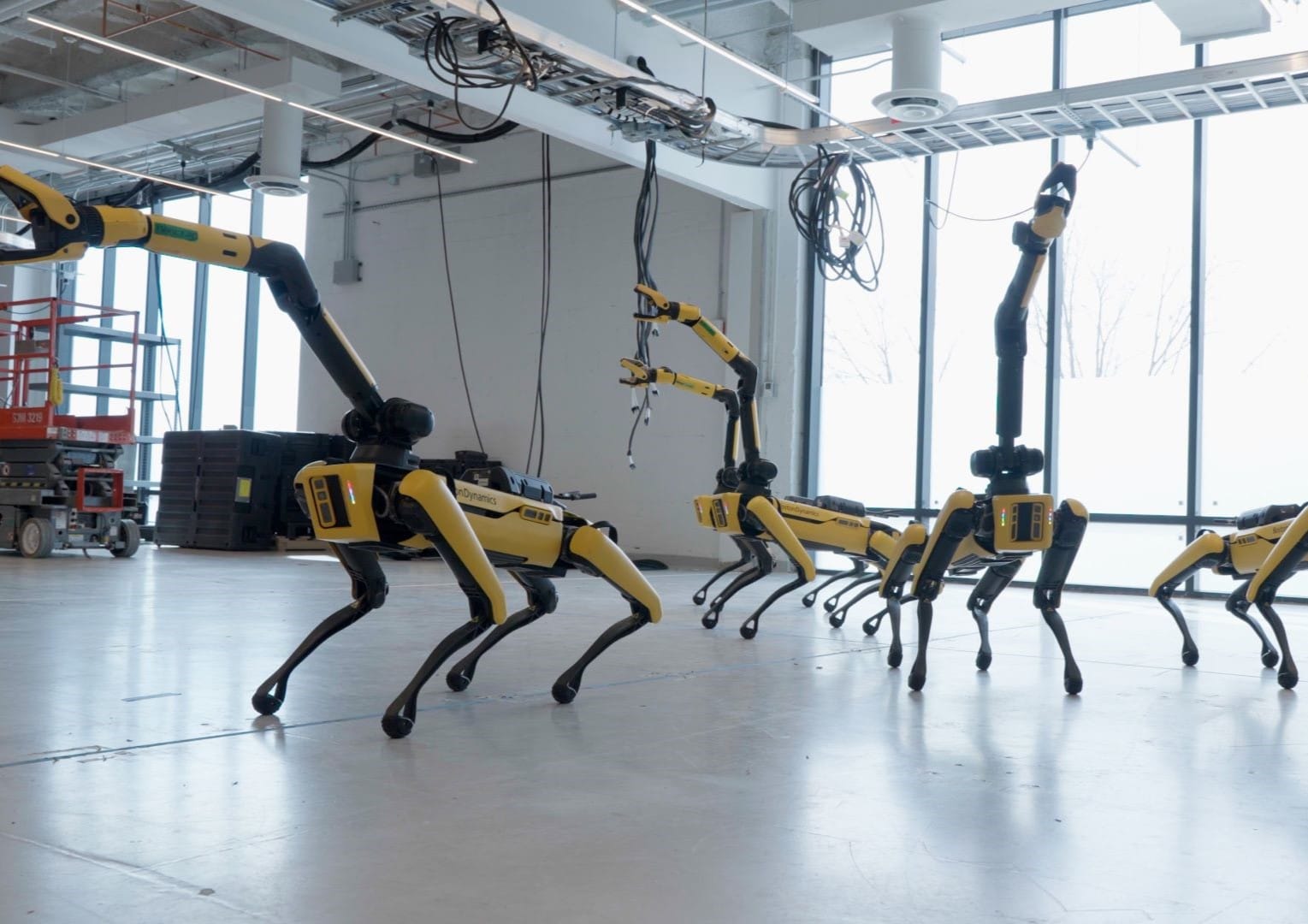
Spot Takes the Stage | Boston Dynamics
Engineers are utilizing advanced programming techniques to animate intricate dance performances featuring the agile and mobile robot, Spot. This innovative project showcases Spot on prominent stages around the world, highlighting the intersection of technology and the performing arts. The initiative aims to explore new creative possibilities in choreography and robotics, captivating audiences with a blend of human artistry and robotic precision. By employing sophisticated algorithms and motion capture data, the engineers are able to bring Spot to life, allowing it to execute complex movements that complement the dancers. This collaboration not only enhances the visual experience of performances but also pushes the boundaries of what is possible in live entertainment. The project is set to continue evolving, with plans for further performances and technological advancements in the coming months.
Video: Boston Dynamics’ Spot robot dog gets AI power for nonstop patrols, asset tracking
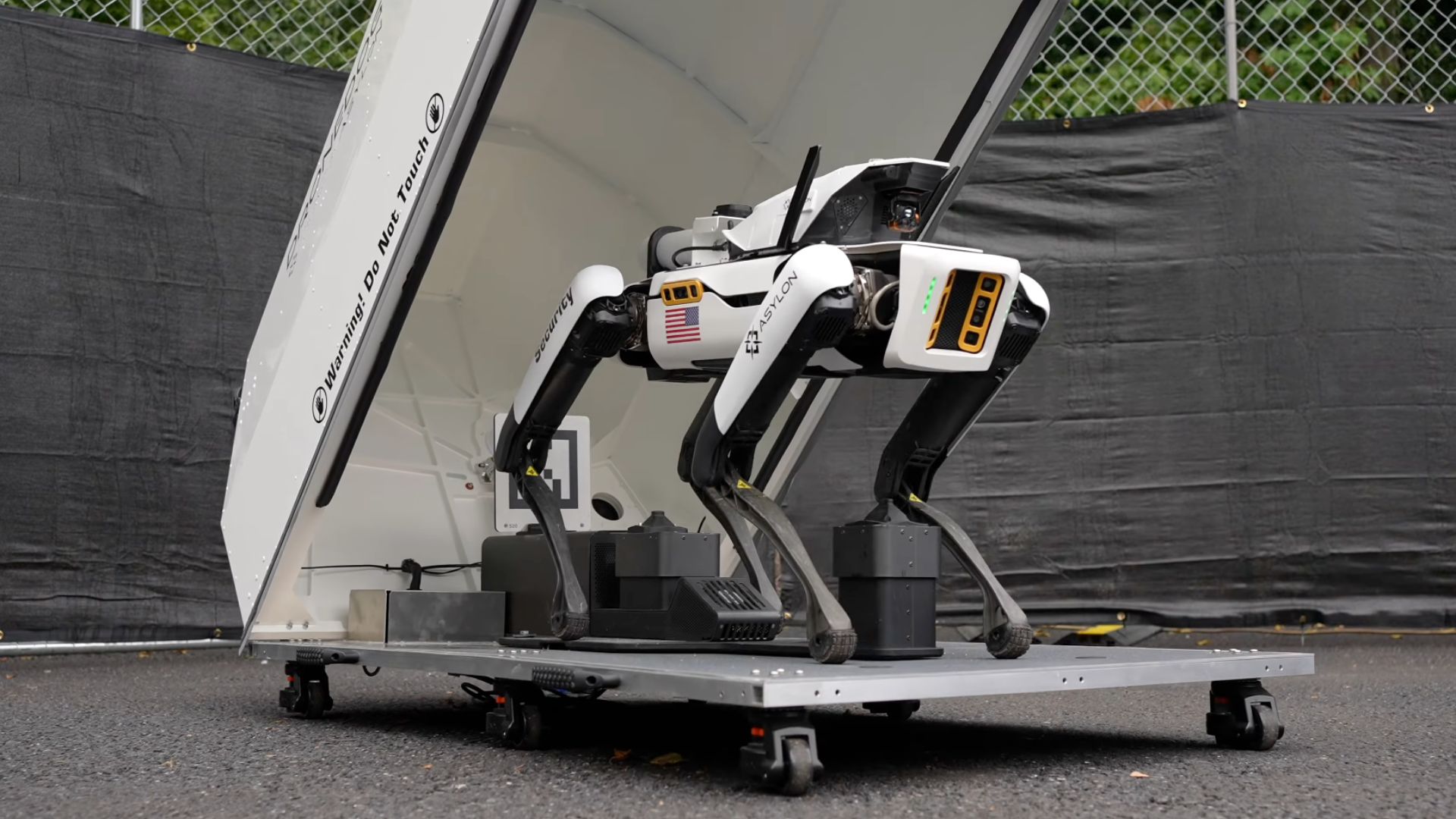
Robotic security systems are advancing towards practical use in industrial settings, with the introduction of DroneDog, a cutting-edge surveillance drone. Developed by a leading technology firm, this innovative system is designed to enhance security measures by patrolling large areas and detecting potential threats in real-time. The deployment of DroneDog is expected to begin in early 2024, targeting various industrial sites that require robust security solutions. This initiative comes in response to increasing concerns over safety and security in sectors such as manufacturing and logistics, where traditional security measures may fall short. By integrating advanced sensors and artificial intelligence, DroneDog can autonomously navigate complex environments, providing a cost-effective and efficient alternative to human security personnel. The drone's ability to operate around the clock without fatigue significantly enhances the monitoring capabilities of industrial facilities. As industries seek to bolster their security infrastructure, the introduction of robotic systems like DroneDog represents a significant shift towards automation in safety protocols, promising to address vulnerabilities and improve overall site security.
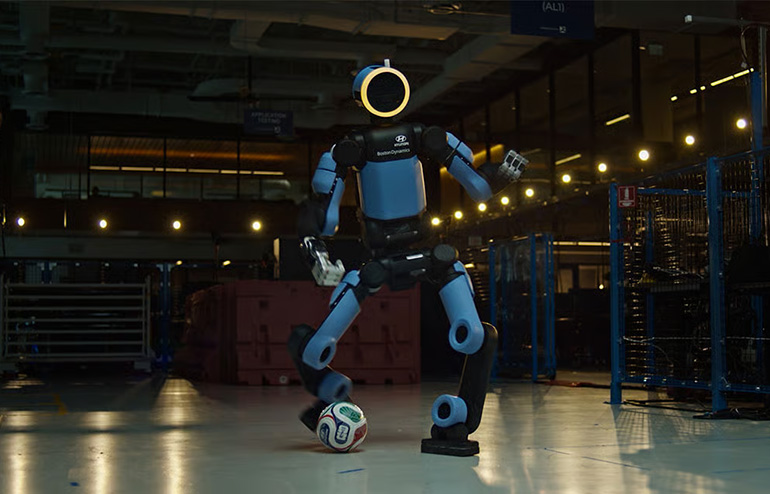
Boston Dynamics brings its legged robots to the FIFA World Cup
Around the 2026 FIFA World Cup, Hyundai and Boston Dynamics have taught footwork to the Atlas humanoid, while the Spot robot is on patrol. The post Boston Dynamics brings its legged robots to the FIFA World Cup appeared first on The Robot Report.
Artificial Intelligence Autonomous Mobile Robots (AMRs) Controllers Defense / Security Humanoids Mobility / Navigation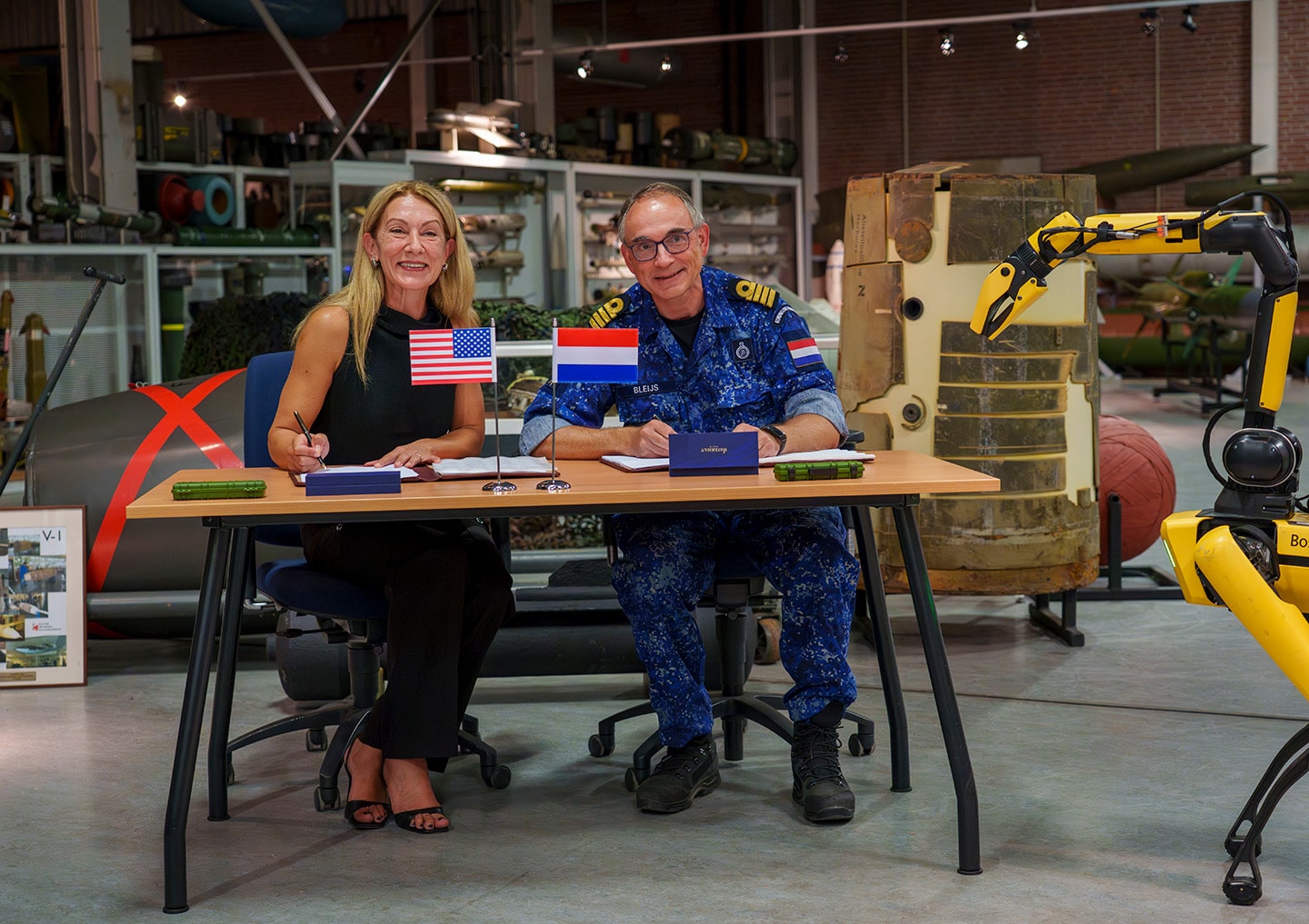
Boston Dynamics Awarded Contract withthe Dutch Ministry of Defence | Boston Dynamics
Boston Dynamics has secured a multi-year contract with the Ministry of Defence to provide its robotic dog, Spot, for use by Explosive Ordnance Disposal Teams. This partnership aims to enhance the capabilities of these teams in safely handling and neutralizing explosive threats. The contract reflects the growing reliance on advanced robotics in military operations, particularly in high-risk environments. The deployment of Spot is expected to begin shortly, with training and integration into existing protocols to follow. This initiative underscores the commitment of the Ministry of Defence to leverage innovative technology for improved safety and efficiency in explosive ordnance management.
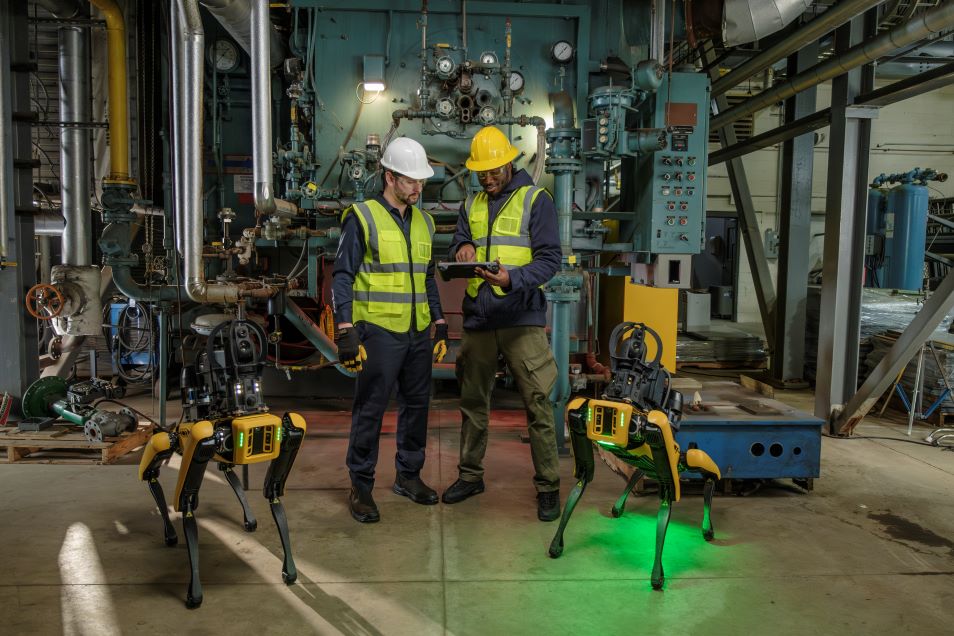
See Your Facility Like Never Before | Boston Dynamics
Boston Dynamics has unveiled the latest updates in the 5.0 release of its robotic platforms, Spot and Orbit. This announcement, made in October 2023, highlights significant advancements in the capabilities of these robots, aimed at enhancing their functionality across various industries. The new features are designed to improve efficiency and adaptability, enabling Spot and Orbit to perform a wider range of tasks in environments such as construction sites, warehouses, and research facilities. By integrating cutting-edge technology, Boston Dynamics aims to address the growing demand for automation and robotics solutions in diverse sectors. The enhancements are expected to streamline operations and provide users with more versatile tools for their specific needs.
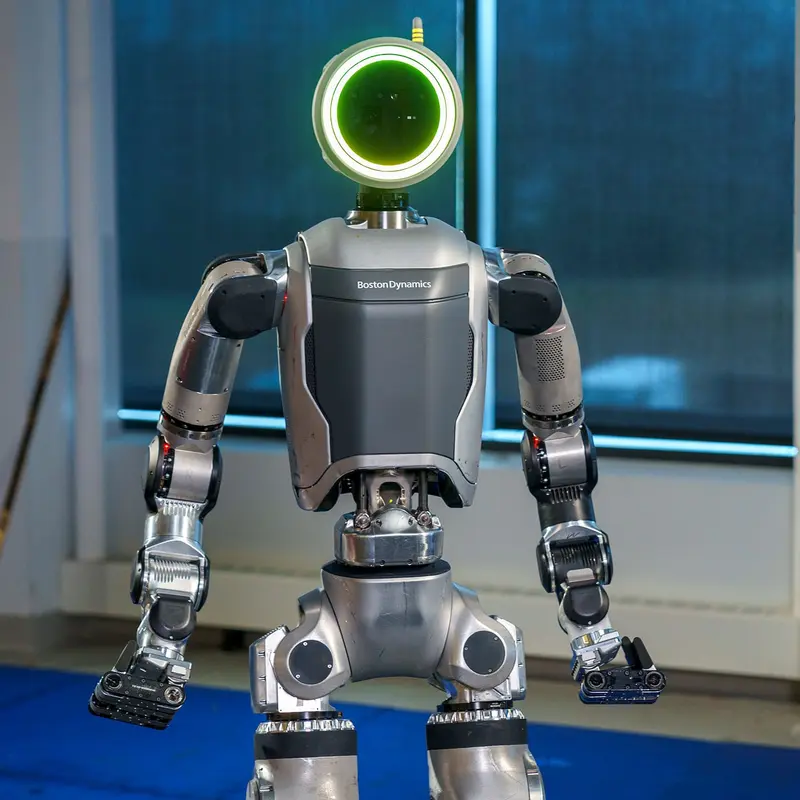
Hyundai Deepens Ties with Boston Dynamics, Plans Large-Scale Robot Deployments Including Atlas Humanoid
Hyundai Motor Group is set to enhance its robotics initiatives by acquiring tens of thousands of robots from its subsidiary, Boston Dynamics. This substantial investment includes the Atlas humanoid, Spot quadruped, and Stretch logistics robot. The acquisition aims to integrate these advanced robotic systems into Hyundai's operations, utilizing the company's manufacturing capabilities to boost Boston Dynamics' production scale. This strategic move positions the Atlas humanoid robot in direct competition with similar offerings from companies such as Agility Robotics, Figure AI, and Apptronik, all vying to implement humanoid robots in industrial environments.
hyundai Boston Dynamics
Boston Dynamics tests robots from Unitree Robotics: report
Marc Raibert, the founder of Boston Dynamics, announced in an interview with Yicai Global on Monday that his robotics research institute has acquired robots from the Chinese startup Unitree Robotics for performance evaluation. Boston Dynamics is renowned for its advanced robotic creations, including the humanoid robot Atlas and the quadruped robot Spot. Raibert's initiative aims to assess the capabilities of Unitree's robots, highlighting a growing interest in international collaboration and innovation within the robotics sector. The acquisition reflects Boston Dynamics' commitment to exploring diverse robotic technologies and enhancing its own product offerings.
News Feed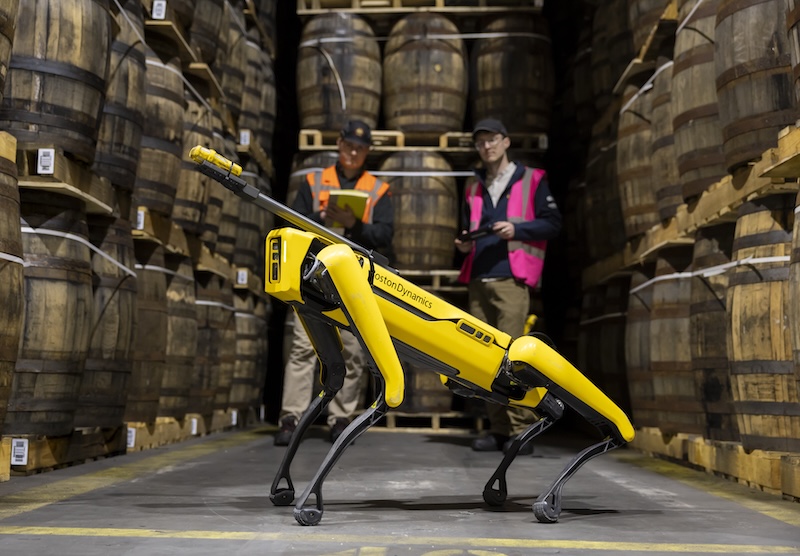
Opinion: Why robot dogs are leading the pack in factory floor efficiency
By Andrew Hamilton, head of the Digital Process Manufacturing Centre (DPMC) at the National Manufacturing Institute Scotland (NMIS) Manufacturing facilities today are sprawling, interconnected environments where equipment operates continuously and processes stretch across large physical footprints. From factory floors and plant rooms to service corridors and external assets, engineering teams need clear visibility across areas […]
Features Industry Autonomous robots boston dynamics spot digital manufacturing factory inspections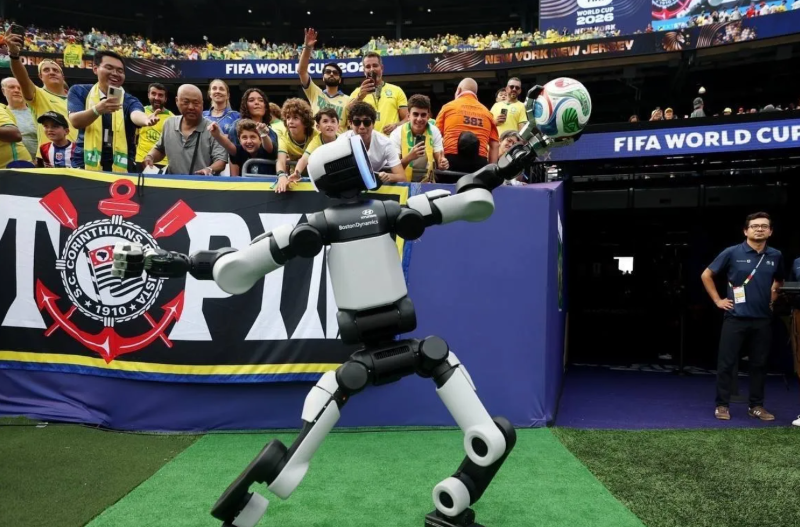
Boston Dynamics' Atlas Makes Historic Debut at the World Cup
This past weekend, Boston Dynamics' humanoid robot Atlas made headlines by delivering the match ball at the World Cup, impressively mimicking the celebrations of iconic players. The event took place during the highly anticipated tournament, demonstrating Atlas's remarkable ability to learn complex human movements within just 24 hours through advanced training techniques. This achievement not only signifies a breakthrough in robotics but also underscores the potential for such technology to be applied in various industrial settings.
Humanoid Robots Robotics Technology AI Training Industrial Automation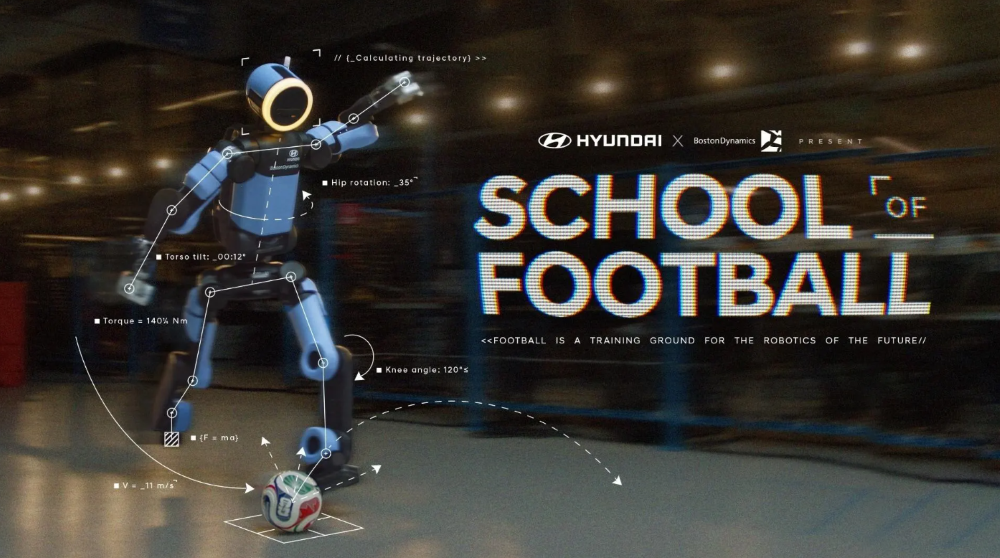
Boston Dynamics' Atlas Welcomes a "Weight Reduction" Revolution: Components Reduced by Nearly an Order of Magnitude, Costs Expected to Drop Significantly
Boston Dynamics has announced a significant advancement in its Atlas robot, achieving a dramatic reduction in component weight by nearly an order of magnitude. This breakthrough, revealed in October 2023, is expected to lead to substantial cost savings for the company. The weight reduction is part of Boston Dynamics' ongoing efforts to enhance the robot's performance and efficiency, making it more accessible for various applications. By utilizing innovative materials and design techniques, the company aims to improve the robot's agility and functionality while lowering production expenses. This development marks a pivotal moment in robotics, as lighter robots can operate more effectively in diverse environments, potentially transforming industries that rely on automation and advanced robotics.
Robotics Automation AI
Boston Dynamics taps Korean suppliers for Atlas rollout
Boston Dynamics, a robotics subsidiary of Hyundai Motor Group, is preparing for the commercial launch of its Atlas humanoid robot by exploring the robotics parts value chain in South Korea. Over the past month, a team of approximately 10 engineers from the company has been visiting more than 10 auto parts factories linked to Hyundai, including notable firms like Hyundai Mobis, Hwashin Precision Co., and SOS Lab. This initiative aims to evaluate potential collaborations and resources necessary for the successful rollout of the Atlas robot, highlighting Boston Dynamics' strategic focus on integrating advanced robotics with the automotive industry.
All News
Hyundai eyes full ownership of Boston Dynamics
Hyundai Motor Group is exploring a potential deal to exchange its artificial intelligence research division in the United States for SoftBank's remaining 9.65 percent stake in Boston Dynamics. This move, reported on Thursday, aims to grant Hyundai full ownership of the robotics company ahead of its anticipated initial public offering. If the transaction is finalized, Boston Dynamics would become a wholly owned subsidiary of Hyundai, enhancing the automaker's capabilities in robotics and AI technology. The strategic shift reflects Hyundai's commitment to expanding its portfolio in advanced technologies as it prepares for future market opportunities.
All News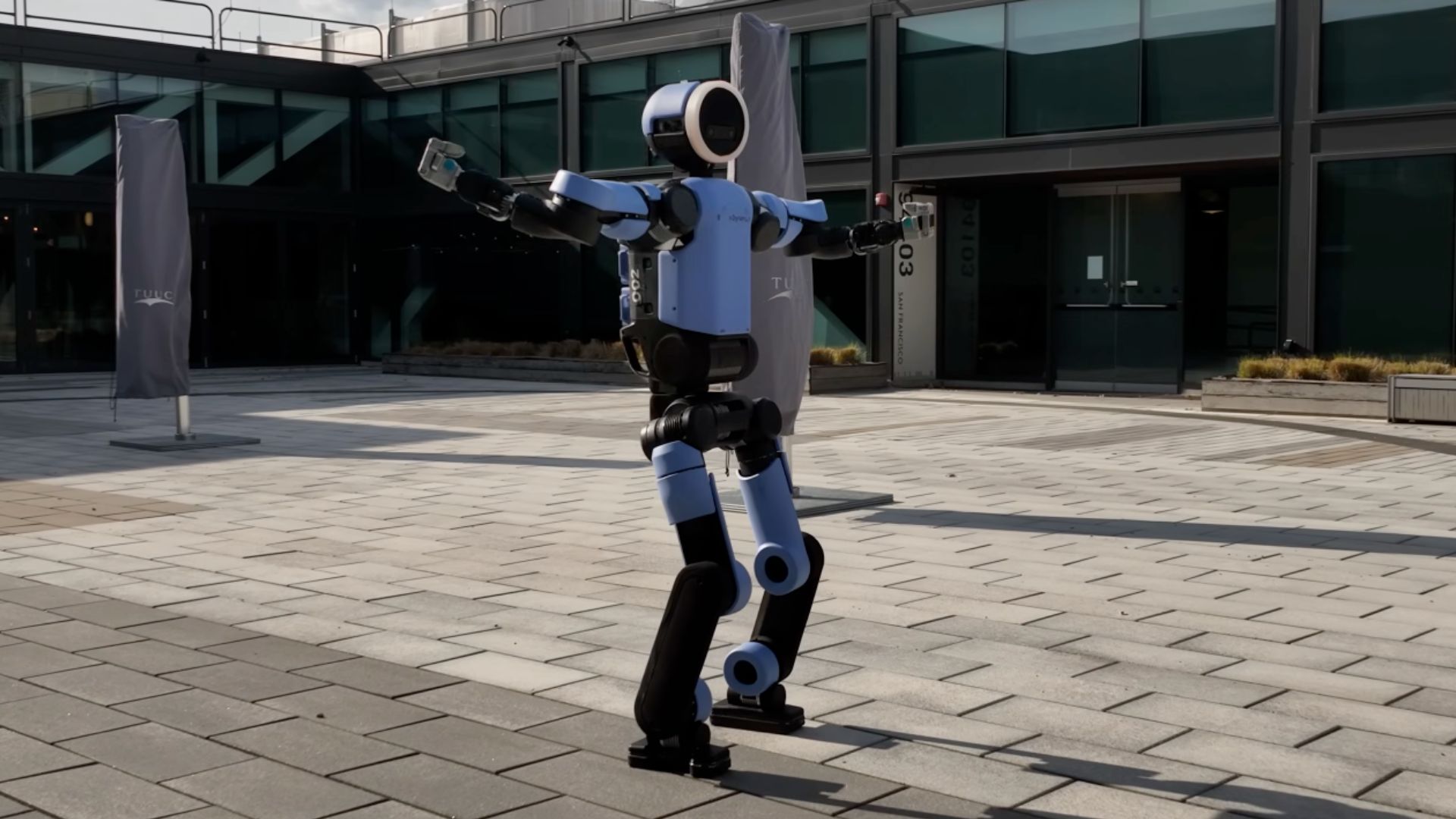
Boston Dynamics Atlas shows signs of general intelligence for factory work, reports say
Recent reports indicate that Boston Dynamics' humanoid robot, Atlas, is nearing the level of autonomy required for practical use in industrial settings. This advancement comes as the company continues to refine Atlas's capabilities, enhancing its ability to navigate complex environments and perform tasks with minimal human intervention. The development is seen as a significant step forward in robotics, potentially transforming various industries by increasing efficiency and safety. Boston Dynamics aims to address the growing demand for automation in sectors such as manufacturing and logistics, where robots can assist in repetitive or hazardous tasks. As the technology progresses, the company is exploring partnerships and pilot programs to facilitate the integration of Atlas into real-world applications.
AI and Robotics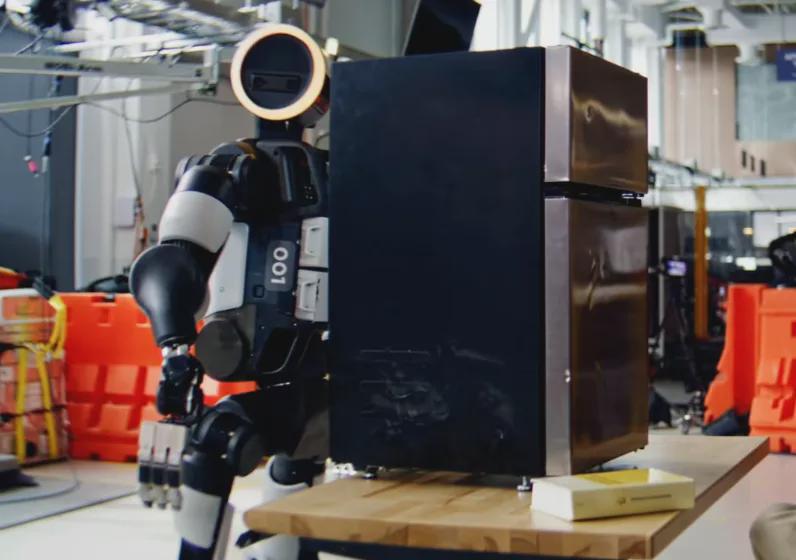
Robots Can Do More Than Just Fold Clothes: Boston Dynamics' Atlas Moves Heavy Objects
Boston Dynamics has unveiled a remarkable demonstration of its Atlas robot, which successfully lifted a 45 kg mini fridge while exhibiting exceptional stability and agility. This event highlights the advanced physical intelligence of the Atlas, showcasing its ability to adapt and respond to varying weights and balance in real-time. The demonstration marks a significant advancement in robotics, pushing beyond the traditional limitations that have constrained robotic capabilities in the past.
Humanoid Robots Robotics Technology Physical Intelligence Automation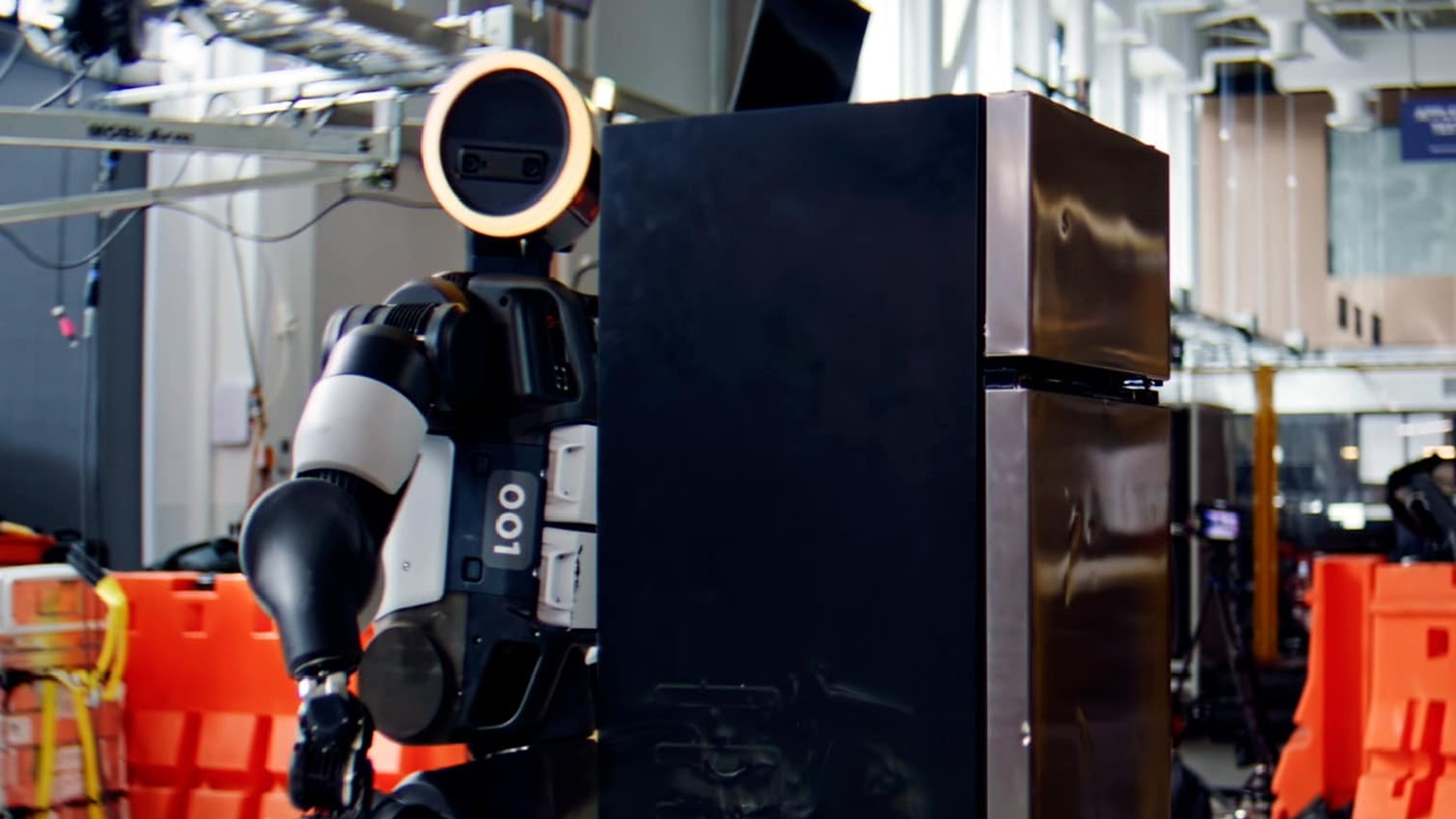
Boston Dynamics reveals how Atlas robot lifts 100-pound industrial loads at scale
Boston Dynamics has unveiled the training process behind its Atlas humanoid robot, showcasing its ability to lift and carry heavy objects. This development was announced in a recent demonstration, highlighting the robot's advanced capabilities in handling various tasks. The event took place in October 2023, where engineers detailed the methods used to enhance Atlas's physical skills. The motivation behind this innovation stems from the growing demand for robots that can assist in labor-intensive environments, such as warehouses and construction sites. By equipping Atlas with the ability to perform complex lifting and carrying tasks, Boston Dynamics aims to address labor shortages and improve efficiency in these sectors. The training involved a combination of machine learning techniques and physical simulations, allowing the robot to understand and adapt to different weights and shapes of objects. This iterative process enabled Atlas to refine its movements and improve its stability while handling heavy loads. As a result, the robot is now capable of executing tasks that require both strength and precision, marking a significant advancement in robotics technology.
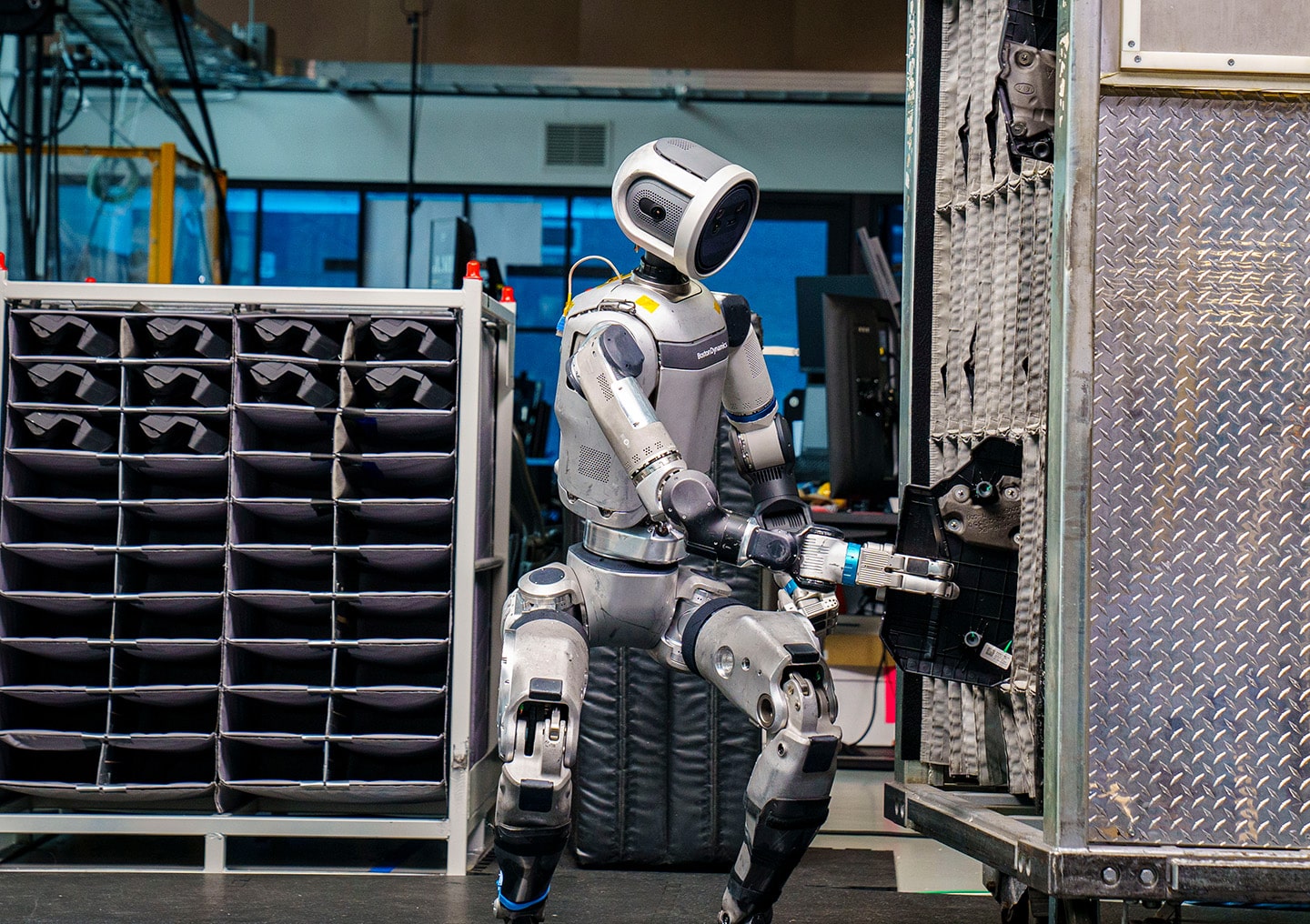
Getting Real with Humanoids | Boston Dynamics
Boston Dynamics has made significant strides in the development of its Atlas® robot, which was unveiled nearly a year ago. This advanced humanoid robot is designed to be faster, stronger, and more compact, with the potential to revolutionize various industries. The company aims to create a highly dynamic robot capable of performing a wide range of tasks, which could fundamentally alter the nature of work. Progress is being made incrementally, as Boston Dynamics continues to refine the robot's capabilities and functionalities. The ongoing research and development efforts highlight the company's commitment to pushing the boundaries of robotics technology.
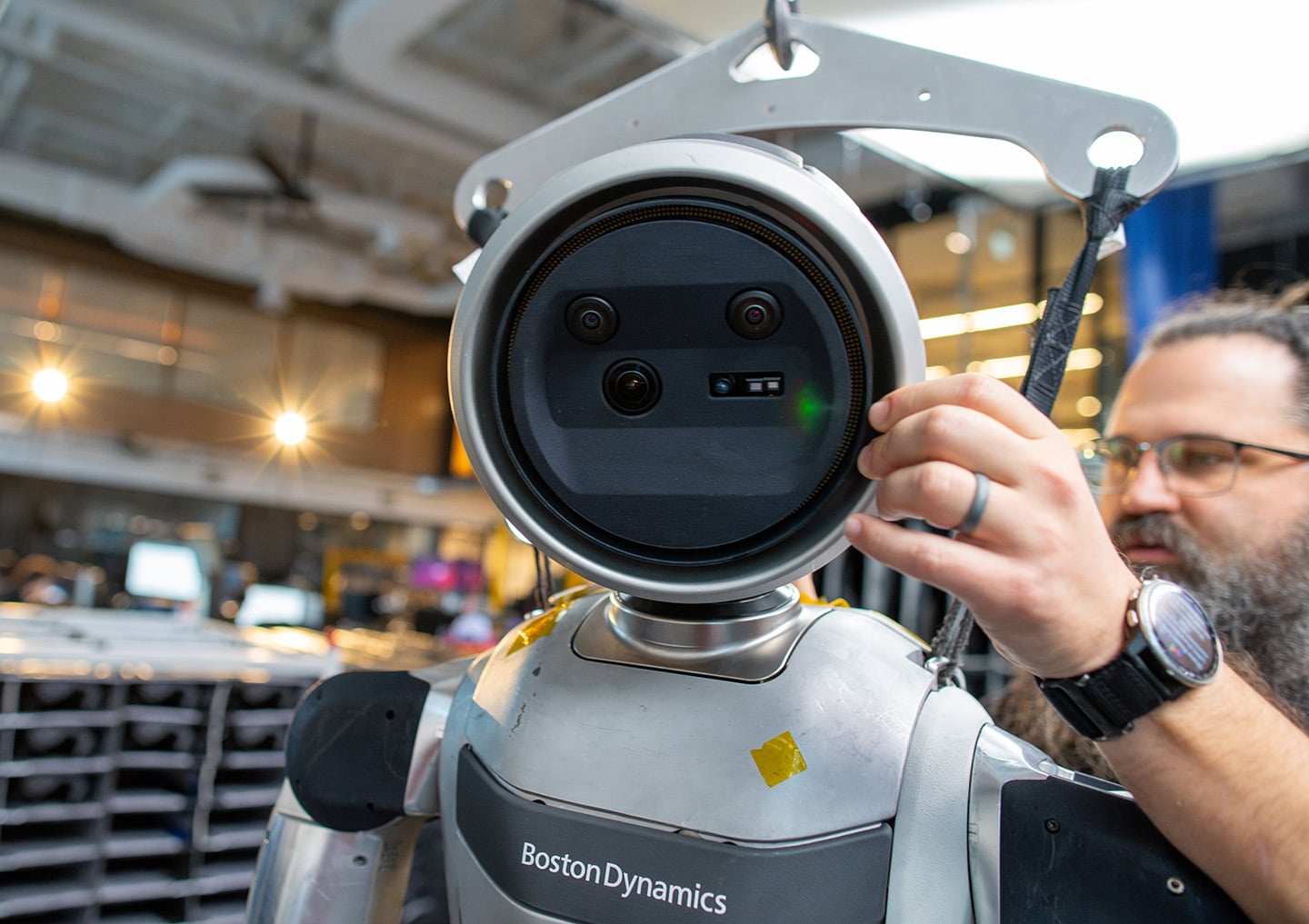
Making Atlas See the World | Boston Dynamics
The Atlas perception team at Boston Dynamics recently provided valuable insights into the development of agile and adaptable humanoid robots. This initiative, which aims to enhance the capabilities of robots in various environments, showcases the company's commitment to advancing robotics technology. By focusing on improving perception and mobility, the team is working to create robots that can navigate complex terrains and perform tasks that require human-like agility. The insights were shared during a presentation held in October 2023, highlighting the team's innovative approaches and the challenges they face in the evolving field of robotics. This effort is part of Boston Dynamics' broader mission to push the boundaries of what robots can achieve, ultimately aiming to integrate them more seamlessly into everyday life and various industries.
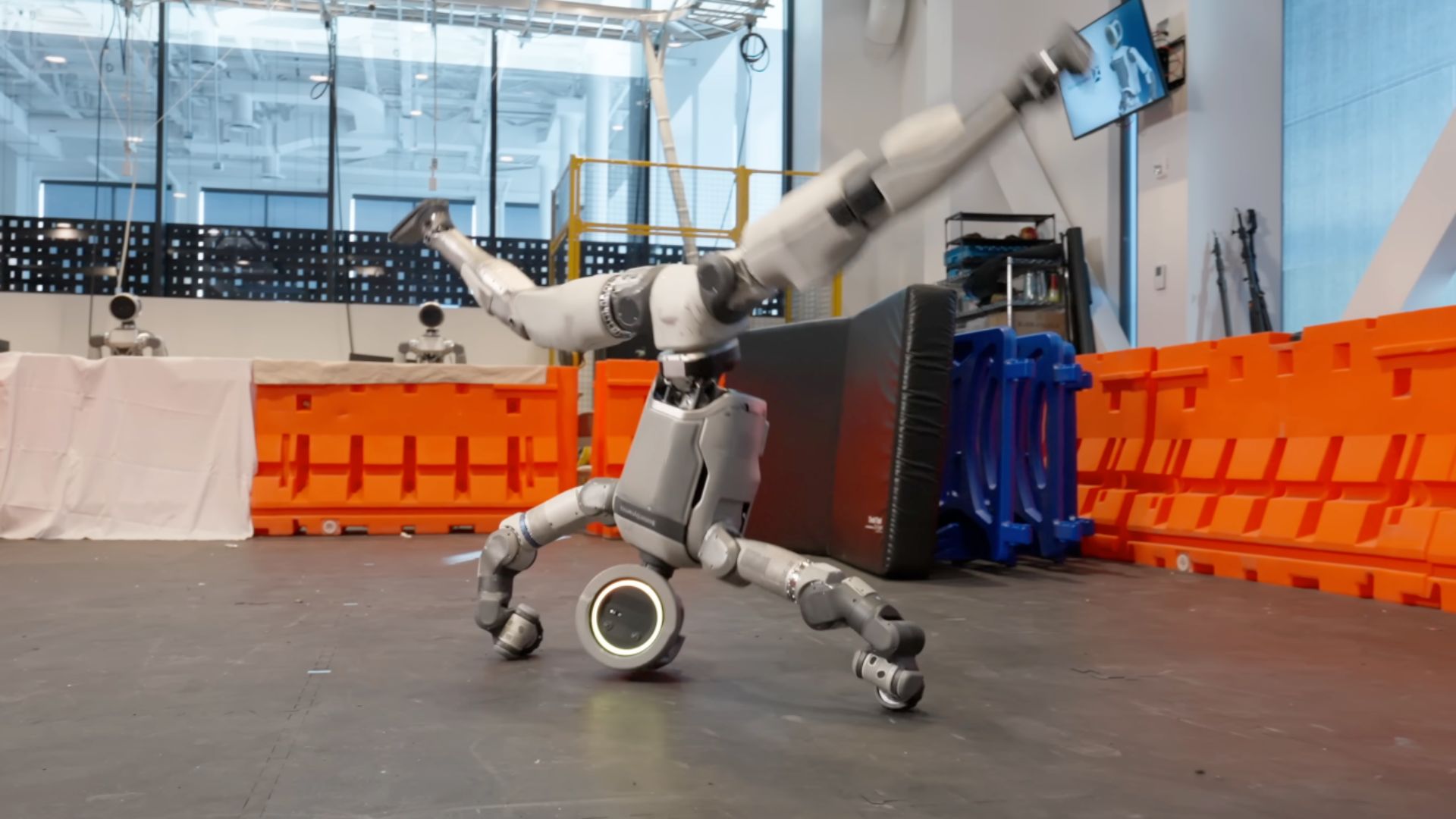
Watch Boston Dynamics’ Atlas humanoid robot amazes with flawless handstand
Boston Dynamics has unveiled new test footage of its Atlas humanoid robot, demonstrating significant advancements in its capabilities. The footage, released recently, highlights the robot's agility and precision as it navigates complex environments, showcasing its ability to perform tasks such as running, jumping, and even parkour maneuvers. This development comes as part of the company's ongoing efforts to enhance robotic technology for potential applications in various fields, including logistics, disaster response, and personal assistance. The engineers at Boston Dynamics aim to push the boundaries of robotics, making machines that can adapt to dynamic settings and assist humans in challenging situations. The release of this footage not only illustrates the progress made since the robot's initial introduction but also sparks discussions about the future of humanoid robots in everyday life.

Boston Dynamics' Atlas Behavior Model Open-Sourced by Independent Developer
In a noteworthy advancement for the field of robotics, Bryson K. Jones has unveiled an open-source version of the Large Behavior Model (LBM) developed by the Toyota Research Institute. This model, which serves as the driving force behind Boston Dynamics' Atlas robot, offers a streamlined solution that delivers high performance without requiring extensive computational power. By making this technology accessible to developers, Jones aims to democratize robotics innovation, allowing a broader range of creators to experiment and build upon this foundational model. The release marks a significant step forward in making advanced robotic capabilities more attainable for various applications.
Robotics Behavior Models Open Source AI Machine Learning
The Talent Wars: Tesla’s Former Optimus Head Milan Kovac Joins Boston Dynamics
Milan Kovac, the engineer instrumental in the development of Tesla's Optimus robot, has joined Boston Dynamics, marking a significant shift in the robotics industry. This transition comes as Hyundai’s robotics division aims to evolve from experimental research to large-scale industrial applications. The move underscores a strategic pivot for the company, indicating its commitment to advancing robotics technology and enhancing its competitive edge in the market.
hyundai Tesla Atlas Boston Dynamics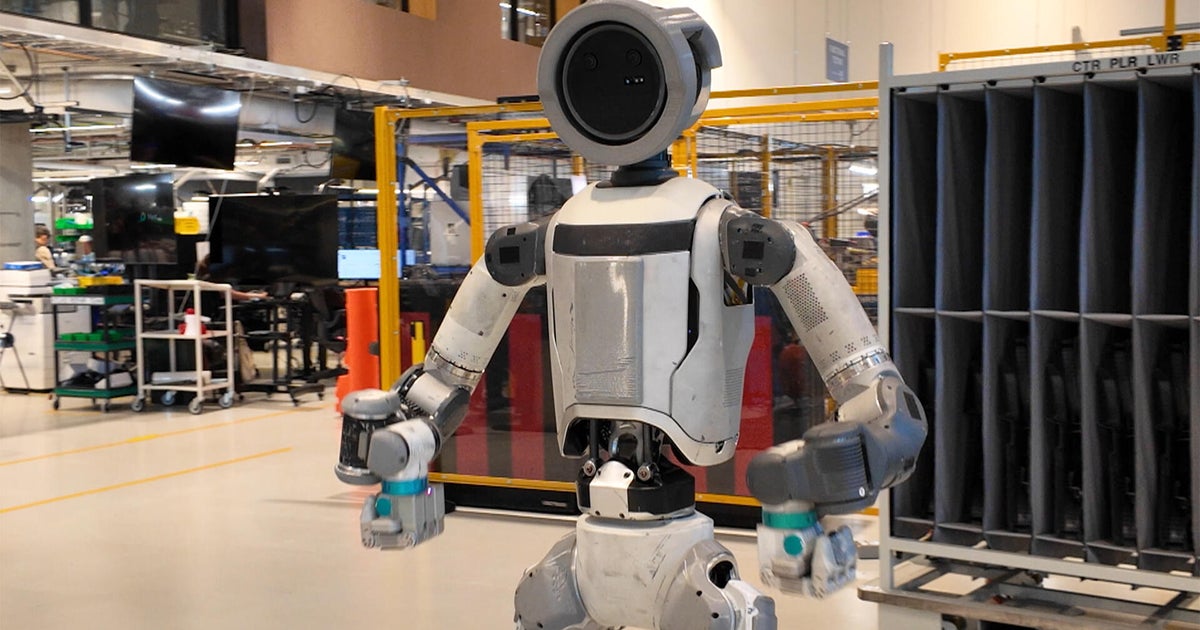
How Boston Dynamics upgraded the Atlas robot
Boston Dynamics has unveiled an upgraded version of its humanoid robot, Atlas, showcasing significant enhancements since its previous iteration featured in a 2021 segment on 60 Minutes. The latest model boasts fully rotating joints and advanced hands capable of gripping a diverse range of objects, reflecting the company's commitment to advancing robotics technology. This development was announced in October 2023, highlighting the ongoing evolution of Atlas as a versatile and adaptive machine. The upgrades aim to improve the robot's functionality in various applications, from industrial tasks to research and development, demonstrating the potential of robotics in enhancing human capabilities and efficiency.
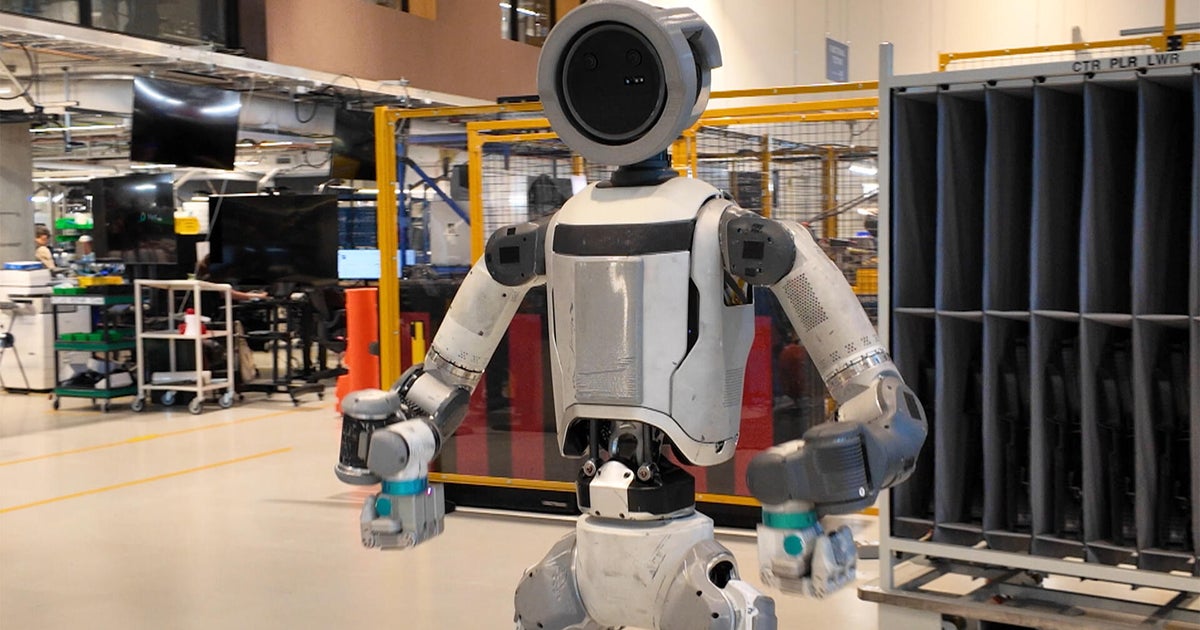
How Boston Dynamics upgraded the Atlas robot
Boston Dynamics has unveiled an upgraded version of its humanoid robot, Atlas, showcasing significant advancements since its previous iteration featured in a 2021 segment on 60 Minutes. The latest model boasts enhanced joint mobility, allowing for full rotation, and improved dexterity with hands capable of gripping a diverse range of objects. This development highlights the company's ongoing commitment to pushing the boundaries of robotics technology. The upgrades are part of Boston Dynamics' efforts to create more versatile and functional robots that can assist in various tasks, reflecting the growing demand for automation in multiple industries. The announcement comes as the field of robotics continues to evolve rapidly, with innovations aimed at increasing efficiency and adaptability in real-world applications.
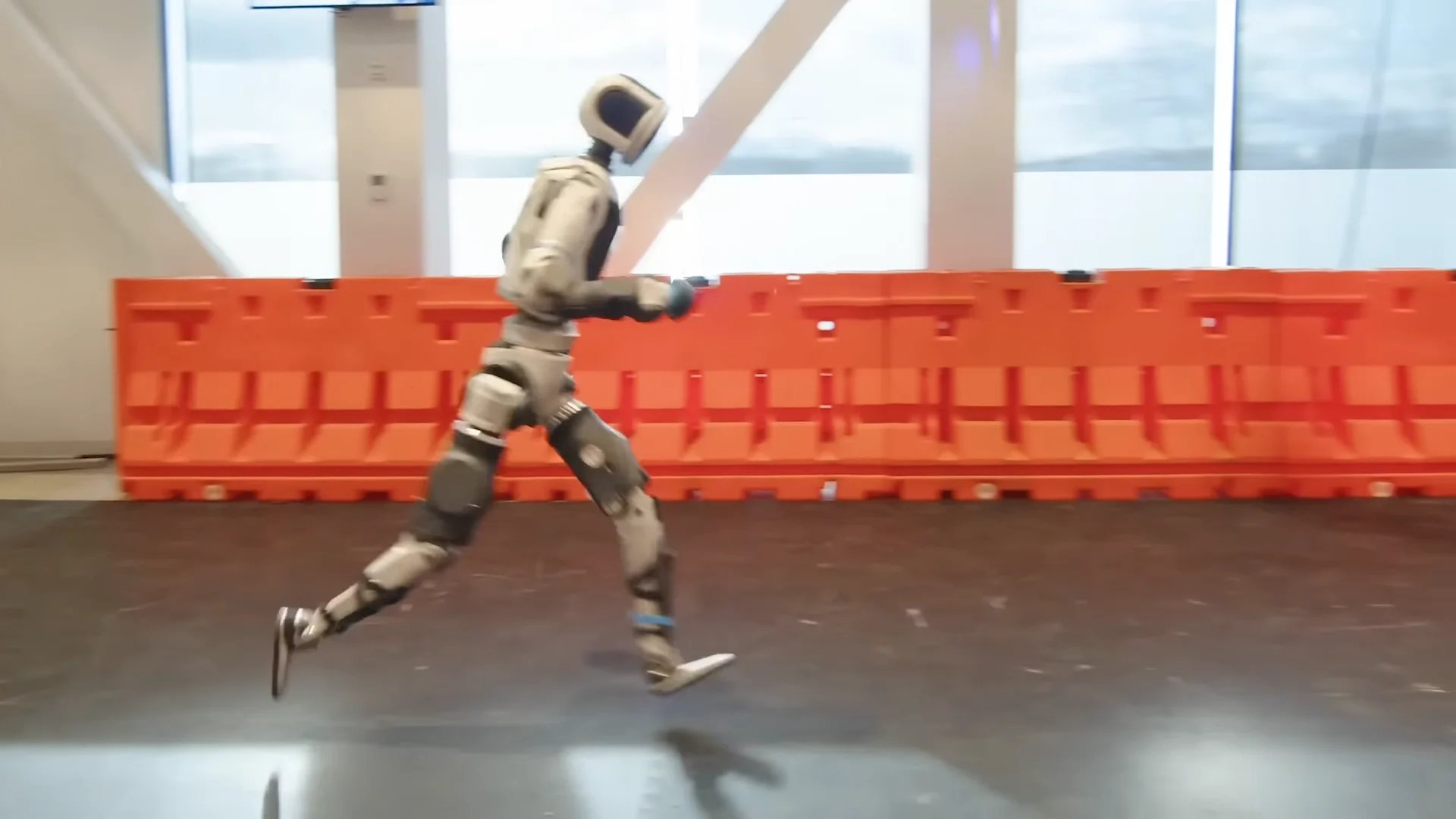
Boston Dynamics Teases "Automotive Volumes" of Atlas in January Update
Boston Dynamics executives have indicated a significant transition towards mass production and enterprise deployment of their Atlas humanoid robot, expected to commence early next year. This announcement comes as the company navigates a competitive landscape, with various industry players achieving notable advancements in robotics. The move aims to capitalize on growing demand for humanoid robots in various sectors, reflecting a strategic shift in Boston Dynamics' approach to meet market needs. By focusing on scaling production, the company seeks to enhance its position in the robotics industry, potentially revolutionizing how businesses integrate humanoid technology into their operations.
hyundai US South Korea Business Boston Dynamics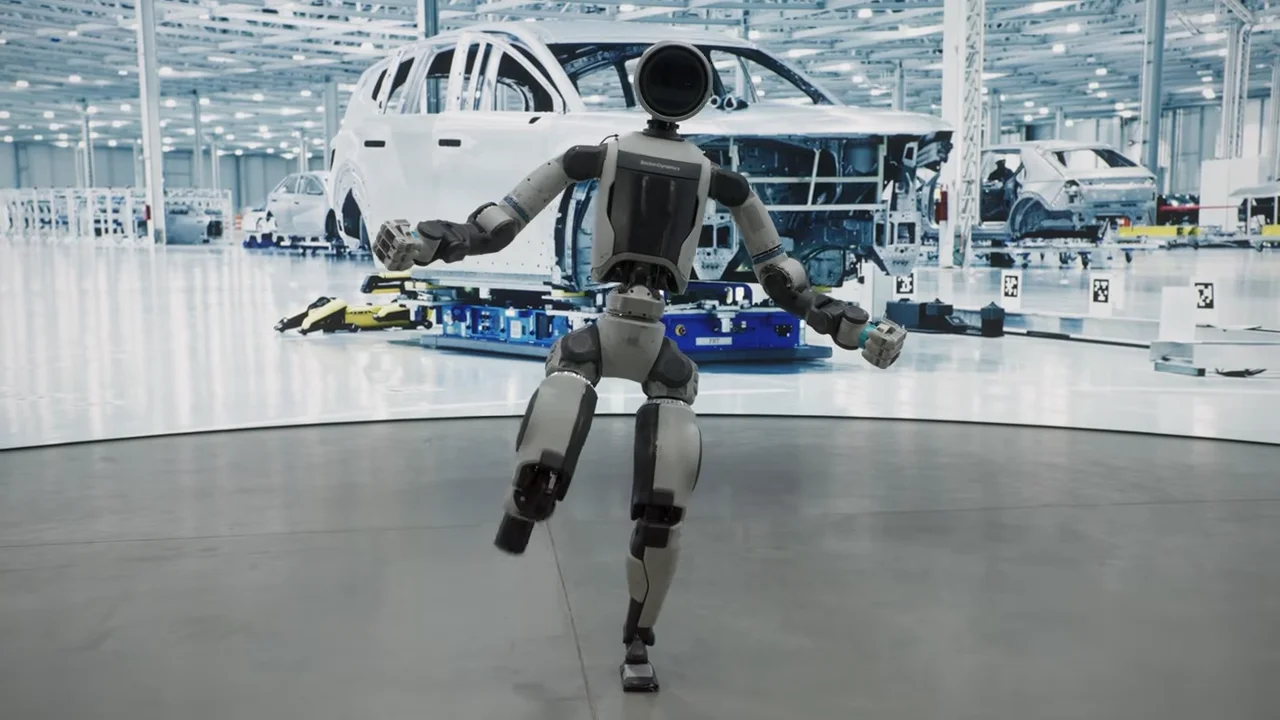
DeepMind Hires Former Boston Dynamics CTO to Build the ‘Android of Robotics’
Google DeepMind has announced the appointment of Aaron Saunders as Vice President of Hardware Engineering, a significant move aimed at advancing its Gemini project into a comprehensive operating system for physical artificial intelligence. Saunders, who brings over 23 years of experience from Boston Dynamics, is expected to leverage his expertise to enhance the integration of hardware and AI technologies. This strategic decision underscores DeepMind's commitment to expanding its capabilities in the rapidly evolving field of AI, particularly in creating systems that can interact seamlessly with the physical world. The announcement comes as the company seeks to solidify its position at the forefront of AI innovation.
Google Gemini Boston Dynamics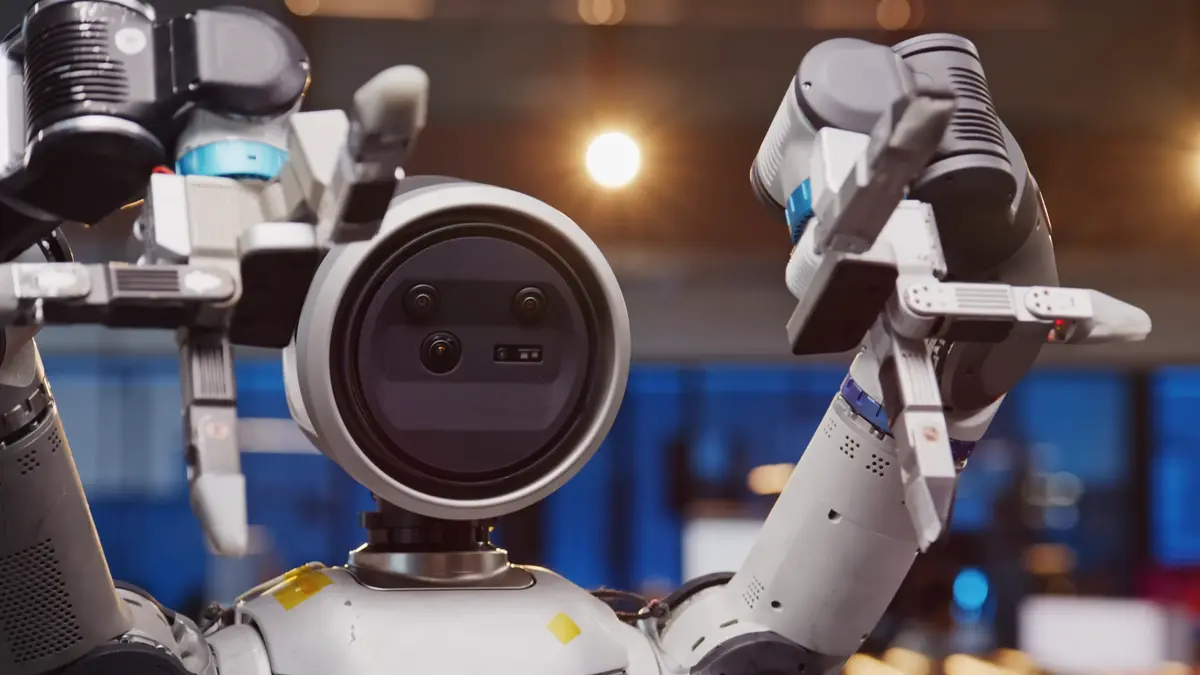
Boston Dynamics Details its 'Good Enough' Approach to Humanoid Hands
Boston Dynamics engineers have released a new video detailing the design philosophy behind the electric Atlas robot's innovative three-fingered grippers. The engineers highlight their approach, which focuses on achieving a practical balance between dexterity, reliability, and simplified complexity to enhance the robot's ability to manipulate objects in real-world scenarios. This development reflects the company's ongoing commitment to advancing robotic technology for practical applications. The video aims to provide insights into the engineering challenges and solutions that shape the Atlas's functionality, showcasing how these grippers are designed to perform effectively in diverse environments.
hand Atlas hands grippers Boston Dynamics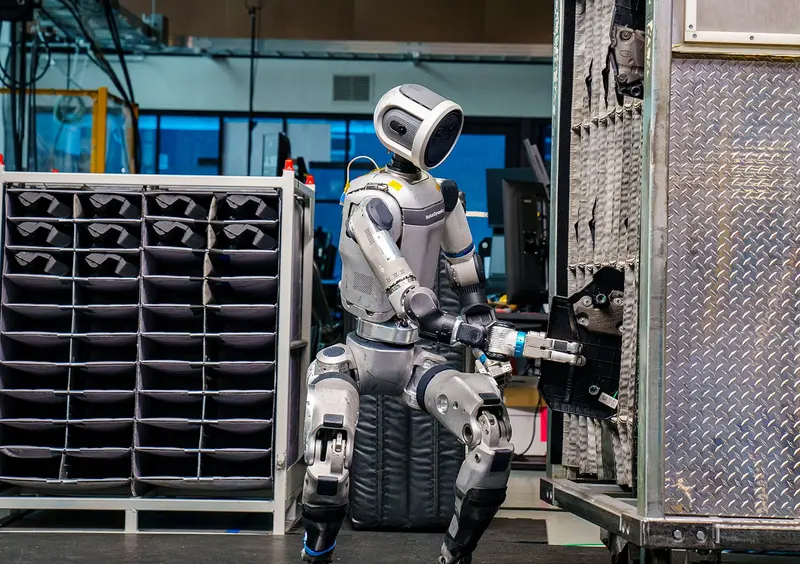
Boston Dynamics' Atlas Tackles Complex Warehouse Tasks with Advanced Perception and Adaptability
Boston Dynamics has unveiled a new video featuring its all-electric Atlas humanoid robot executing a complex sequencing task in a warehouse environment. This demonstration, released recently, showcases significant advancements in the robot's dynamic perception and manipulation capabilities, as well as its ability to adapt to unpredictable changes and recover from errors. The company's ongoing efforts aim to enhance what they refer to as "physical intelligence," reflecting their commitment to pushing the boundaries of robotics technology.
Boston Dynamics
Boston Dynamics Taps LG Innotek to Develop Advanced Vision System for Atlas Humanoid
Boston Dynamics has announced a partnership with LG Innotek to create an advanced vision sensing system for its Atlas humanoid robot. This collaboration, which combines LG's expertise in camera and optical components with Boston Dynamics' robotics software, aims to improve the robot's perception capabilities, especially in complex environments. The initiative reflects a growing trend in robotics to integrate sophisticated sensory technology to enhance functionality and adaptability.
Atlas Boston Dynamics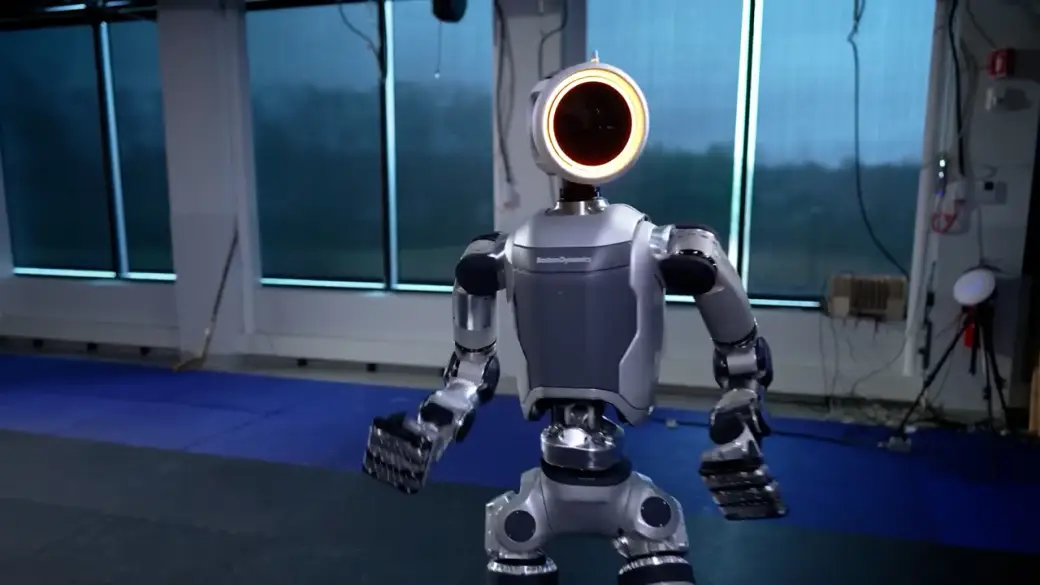
Boston Dynamics shows off a fascinating leap in humanoid mobility
Boston Dynamics continues to lead the robotics industry with its advanced Atlas robot, showcasing its capabilities in a series of recent videos. The footage highlights Atlas engaging in impressive physical feats, including running, executing cartwheels, and even breakdancing. These demonstrations not only emphasize the robot's agility and balance but also reflect the company's commitment to pushing the boundaries of robotic technology. The videos, released in October 2023, serve to inspire interest and excitement in the potential applications of robotics in various fields, from entertainment to practical uses in everyday life.
Unitree Robotics Atlas Boston Dynamics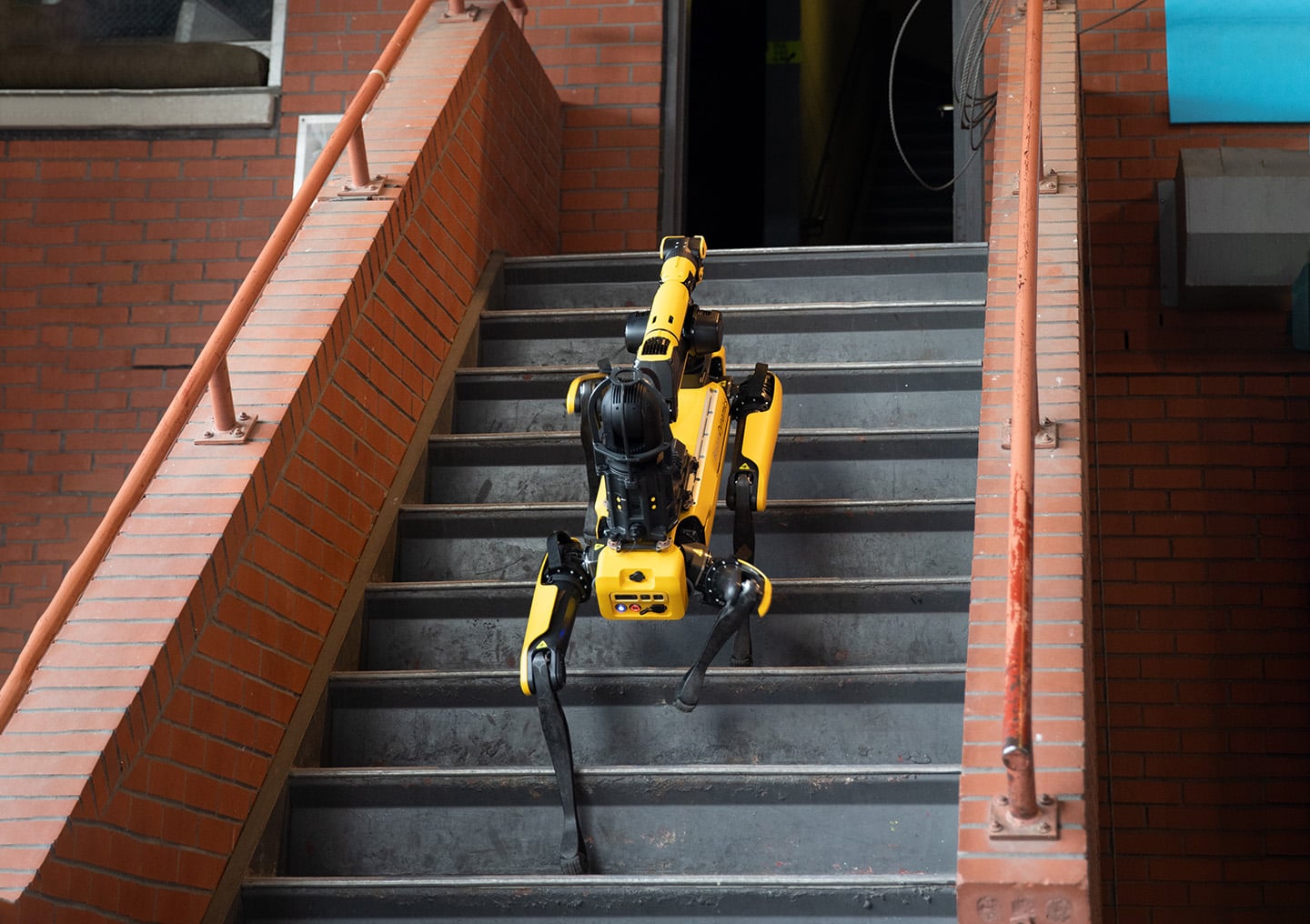
Giving First Responders an Advantage with Autowalk | Boston Dynamics
Public safety agencies are increasingly utilizing Spot, an advanced robotic technology, to enhance their emergency response strategies. By mapping out facilities prior to potential crises, these agencies aim to provide responding teams with critical information and a strategic advantage during emergencies. This proactive approach allows for better preparedness and more efficient management of incidents, ultimately improving safety outcomes. The implementation of Spot's mapping capabilities is expected to streamline operations and facilitate quicker decision-making when emergencies arise.
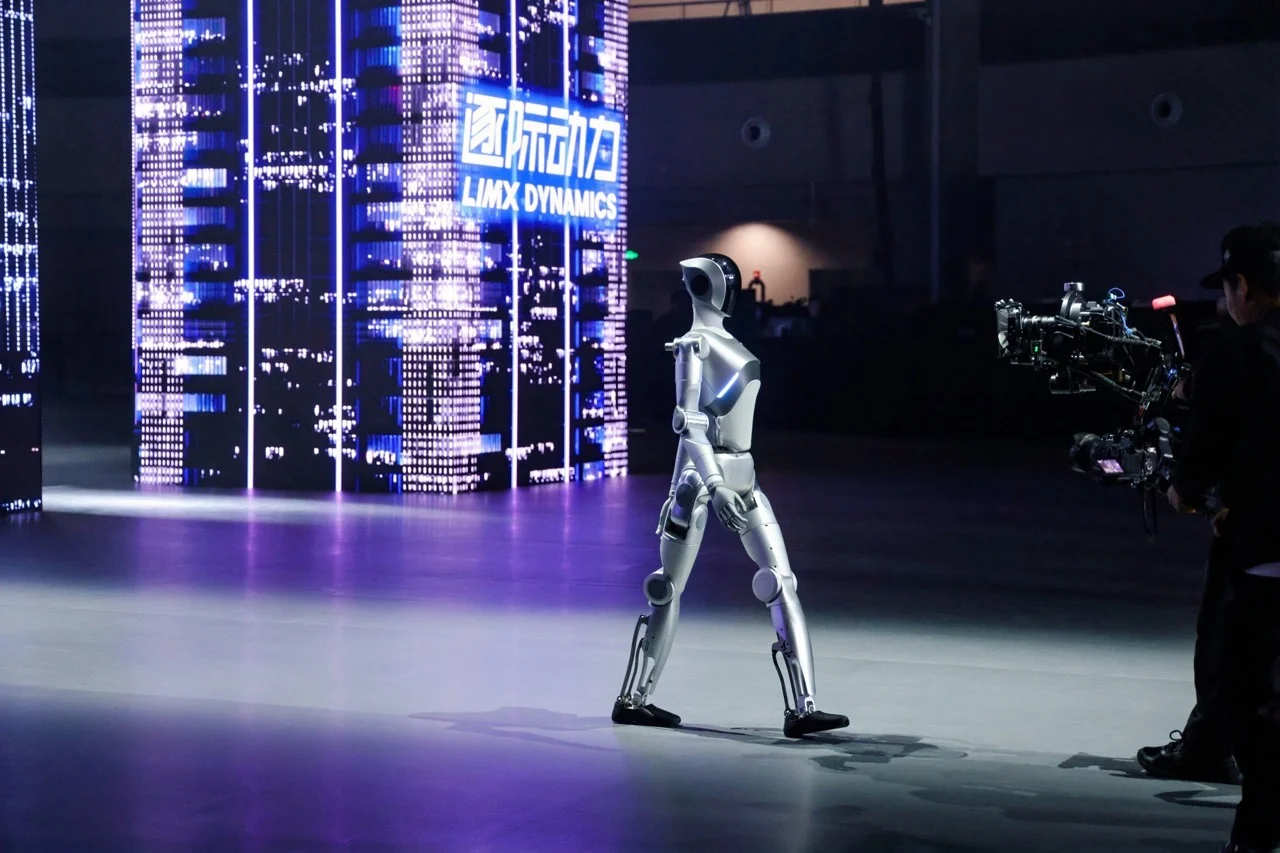
LimX Dynamics Unveils "Luna": A High-Performance Humanoid Built for the Spotlight
LimX Dynamics has introduced its latest innovation, Luna, a humanoid robot that marks a departure from the industrial designs of previous models. Unveiled recently, Luna features a sleek, matte-black exterior and is engineered to perform complex gymnastics routines with remarkable lifelike movement. This development highlights the company's commitment to advancing robotics technology, aiming to enhance both functionality and aesthetic appeal in humanoid designs. The launch reflects a growing trend in the robotics industry to create machines that not only serve practical purposes but also engage users through their design and capabilities.
LimX Dynamics China Luna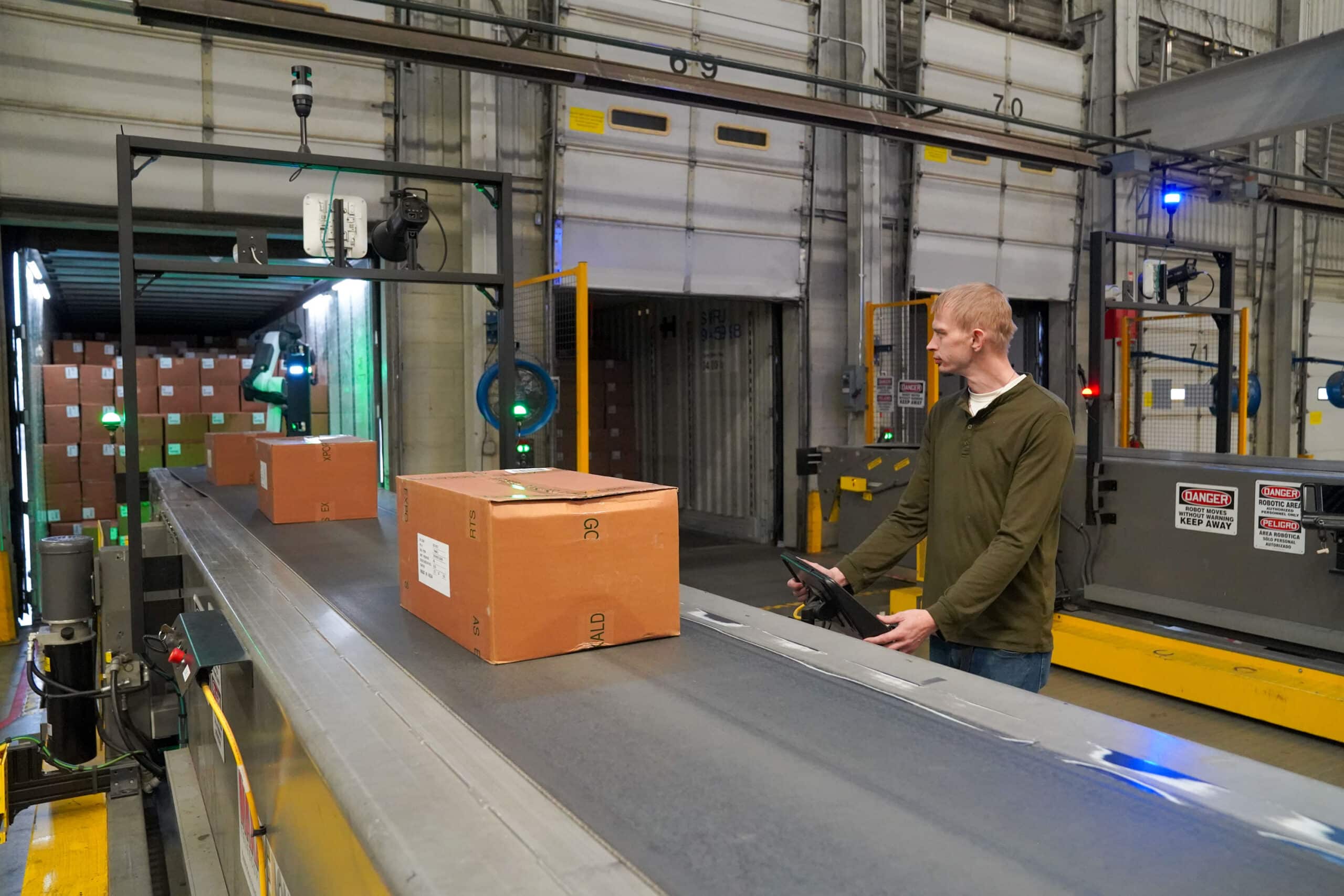
Life Outside the Box for the Warehouse Worker | Boston Dynamics
In a significant advancement for workplace safety and efficiency, automated unloading systems are being implemented to alleviate the physically demanding task of unloading cargo containers. This innovation is particularly beneficial during the sweltering summer months, as it reduces the need for workers to endure extreme heat inside containers. By minimizing exposure to hazardous conditions, the technology not only enhances safety but also improves the overall quality of life for employees engaged in this labor-intensive work. The transition to automated systems is part of a broader effort to modernize logistics operations and protect workers from the risks associated with manual unloading.
The Data Driving Asset Reliability | Boston Dynamics
Recent advancements in automation and real-time data collection are significantly transforming asset reliability across various industries. This shift, which has gained momentum in recent months, is particularly evident in sectors where operational efficiency is crucial. By leveraging these technologies, companies are effectively reducing instances of unplanned downtime, which can lead to costly interruptions in production. The integration of automated systems allows for continuous monitoring of equipment and processes, enabling organizations to identify potential issues before they escalate into major problems. This proactive approach not only enhances the reliability of assets but also streamlines operations, ultimately leading to improved productivity and cost savings. As industries increasingly adopt these innovative solutions, the focus on data-driven decision-making is becoming paramount. By harnessing real-time insights, businesses can make informed choices that optimize performance and minimize risks associated with equipment failure. This trend underscores the importance of embracing technological advancements to stay competitive in a rapidly evolving marketplace. Overall, the ongoing transformation driven by automation and data analytics is reshaping how companies manage their assets, ensuring a more resilient and efficient operational framework.
A New Approach to Predictive Maintenance Challenges | Boston Dynamics
A recent report highlights the critical role of AI-based predictive maintenance in enhancing operational efficiency across various industries. This innovative approach relies on timely and accurate data to monitor the condition of assets automatically. By implementing automated asset condition monitoring systems, organizations can anticipate equipment failures before they occur, thus minimizing downtime and reducing maintenance costs. The increasing adoption of these technologies is driven by the need for businesses to optimize their operations and extend the lifespan of their assets. As industries continue to evolve, the integration of AI in maintenance strategies is becoming essential for staying competitive.
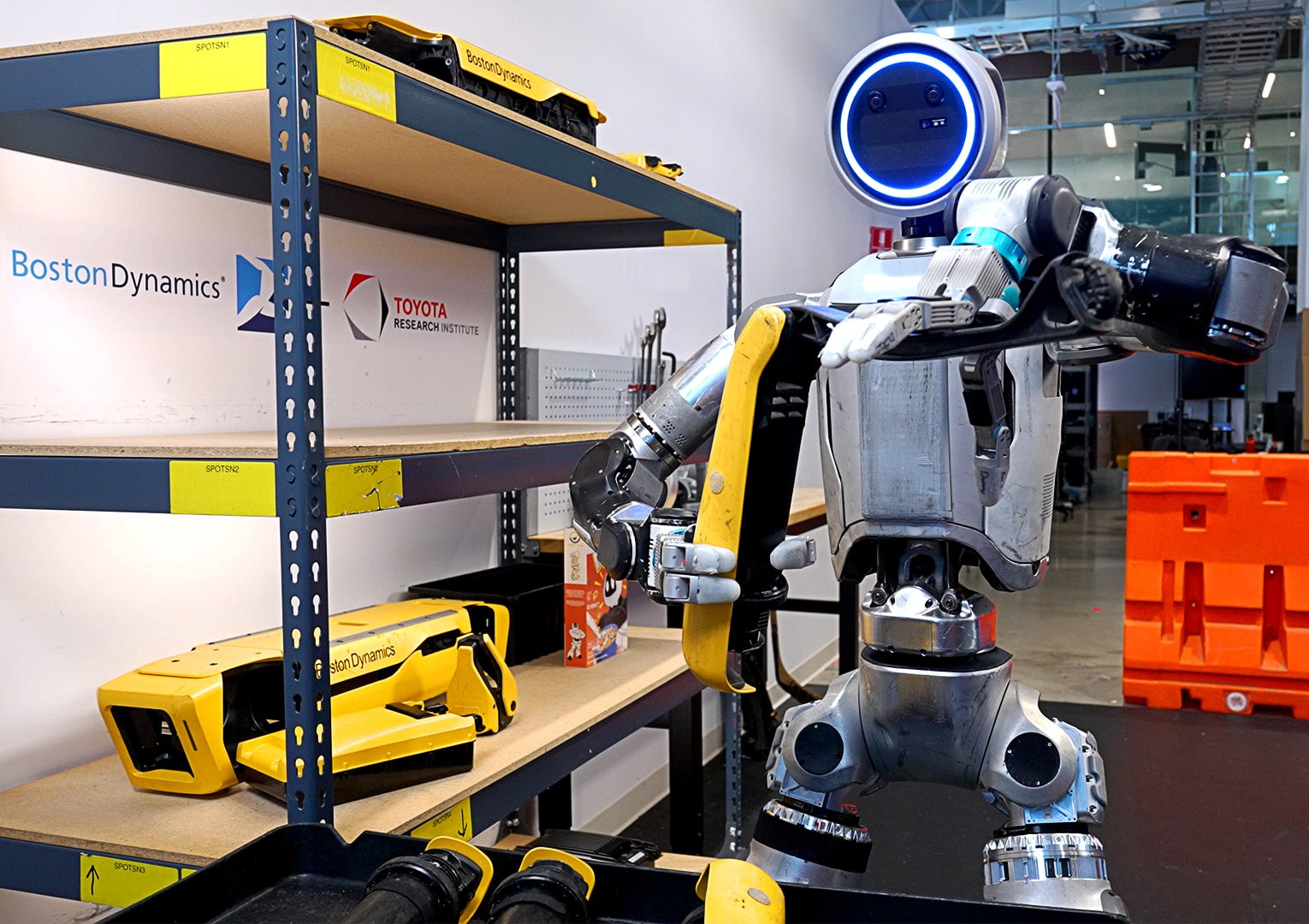
Large Behavior Models and Atlas Find New Footing | Boston Dynamics
Researchers emphasize that the development of effective humanoid robots hinges on a comprehensive set of skills. These robots must be capable of manipulating a wide variety of objects, ranging from hard to soft and heavy to delicate. They should also possess the ability to coordinate their movements to adapt to their surroundings, navigate obstacles, and maintain balance in unpredictable situations. This multifaceted approach is essential for creating AI generalists that can perform a diverse array of tasks, ultimately advancing the field of robotics. The ongoing research aims to address these challenges and enhance the functionality of humanoid robots, paving the way for their practical applications in everyday life.
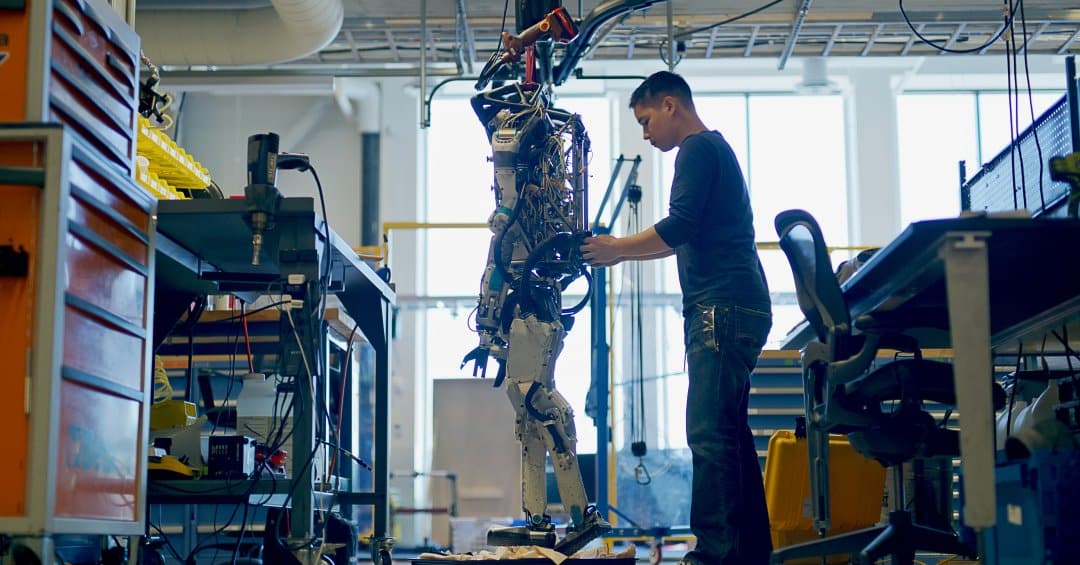
Ask a Roboticist: Q&A with Josh | Boston Dynamics
A mechanical engineer from the Atlas team recently addressed inquiries regarding the construction and testing of advanced robotics. This engagement took place as part of an initiative to enhance public understanding of robotic technology, showcasing the team's innovative approaches and methodologies. The discussion highlighted the rigorous processes involved in designing robots capable of complex movements and tasks, emphasizing the importance of both theoretical knowledge and practical application in engineering. The engineer provided insights into the challenges faced during development and the testing phases, illustrating how iterative design and real-world trials contribute to the refinement of robotic capabilities. This informative session aimed to foster interest in robotics and inspire future generations of engineers, reflecting the growing significance of automation in various industries.
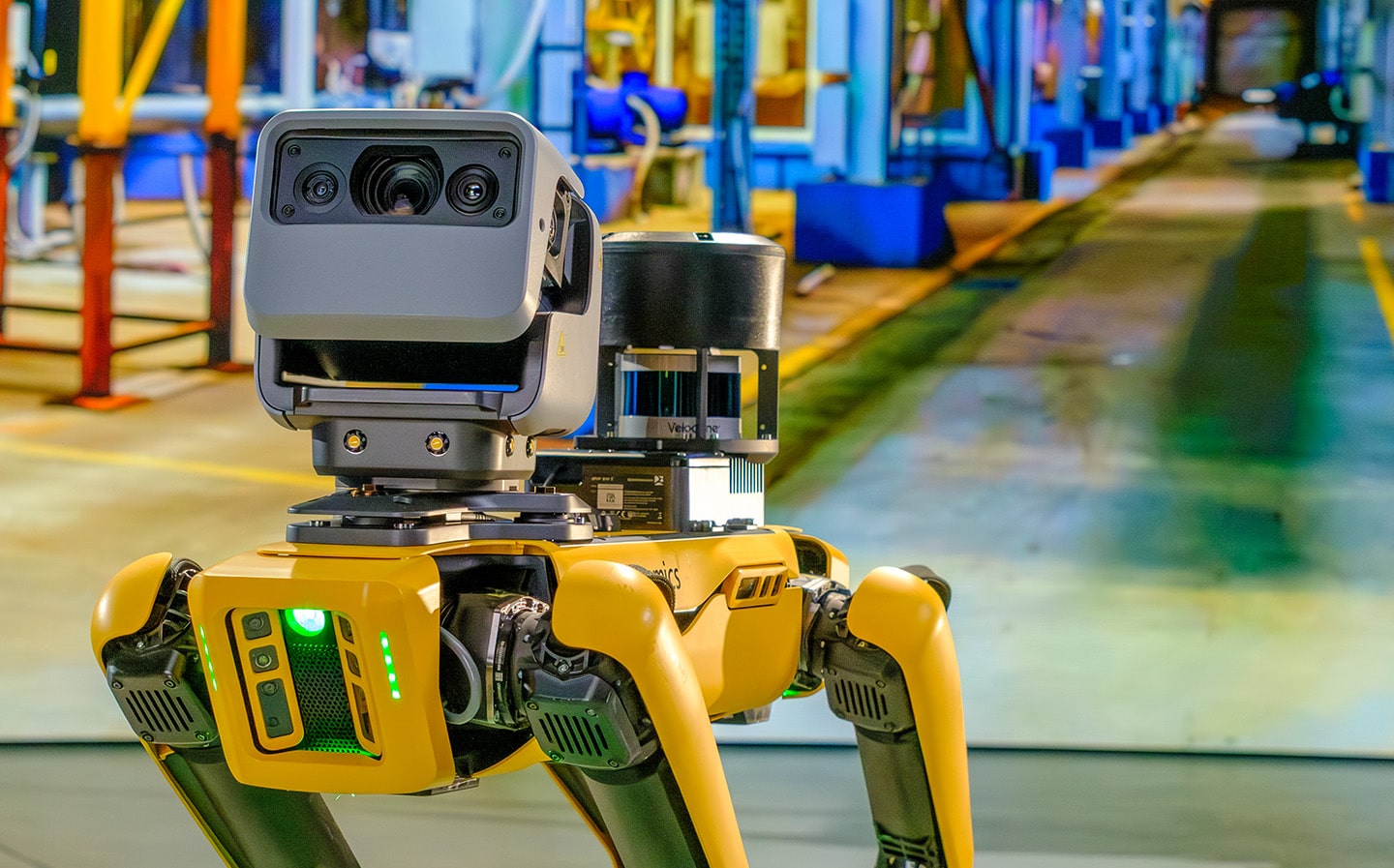
Robot Vision Systems: 3 Ways Robots See the World | Boston Dynamics
Modern robot vision systems are increasingly utilizing advanced technologies such as visual cameras, 3D lidar scans, and various sensors to enhance their ability to interpret, navigate, and interact with their surroundings. These developments are part of a broader trend in robotics aimed at improving automation and efficiency across multiple industries. As of October 2023, the integration of these sophisticated systems is revolutionizing how robots perceive and respond to their environment, enabling them to perform complex tasks with greater accuracy and reliability. This advancement is driven by the need for more intelligent and adaptable robotic solutions in sectors ranging from manufacturing to healthcare, where precise navigation and interaction with dynamic environments are crucial. The ongoing research and implementation of these technologies signify a significant leap forward in the field of robotics, paving the way for more autonomous and capable machines.

Tesla Optimus vs Boston Dynamics & All Rivals (2026)
A comprehensive comparison of advanced robotics has been released, focusing on the capabilities and specifications of four prominent models: Optimus, Atlas, Unitree G1, and Digit. This analysis provides a detailed scorecard and decision guide, highlighting the strengths and weaknesses of each robot. The report, which draws on data available until October 2023, aims to inform stakeholders about the competitive landscape in robotics, particularly in light of the growing influence of Chinese technology in the field. By examining factors such as price, deployment strategies, and overall performance, the document serves as a crucial resource for businesses and researchers navigating the rapidly evolving robotics sector.
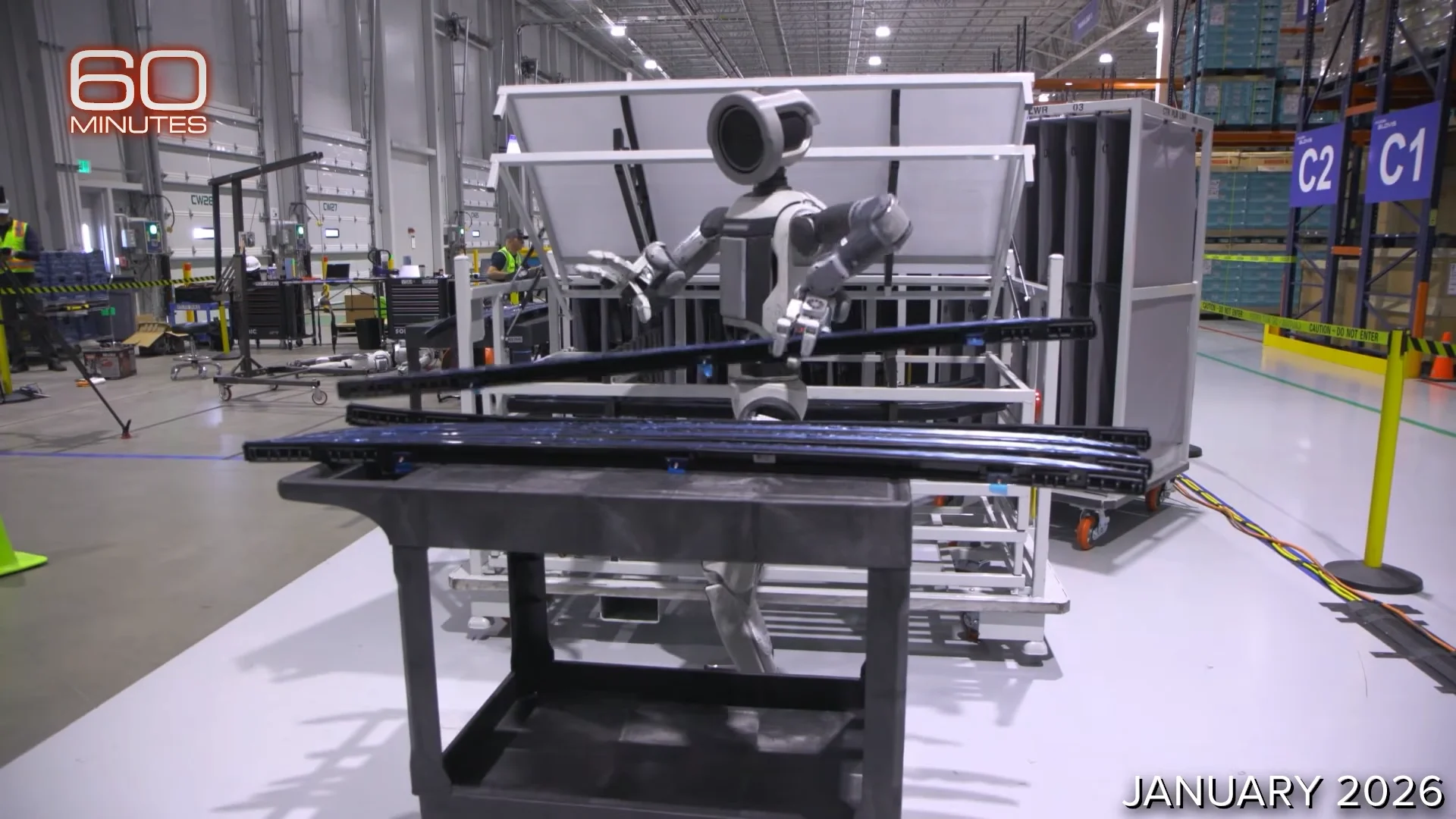
From Viral Clips to the Factory Floor: 60 Minutes Goes Inside Boston Dynamics’ Industrial Shift
A recent segment on 60 Minutes provided an in-depth examination of the all-electric Atlas robot as it undertakes practical tasks at Hyundai's manufacturing facility in Georgia. This showcase marks a significant development in the humanoid robotics industry, illustrating the robot's capabilities in a real-world setting. The segment emphasizes the growing integration of advanced robotics in industrial environments, reflecting a broader trend towards automation in manufacturing. By demonstrating the Atlas robot's functionality and potential impact on production efficiency, the report highlights the ongoing evolution of technology in the workforce.
hyundai US South Korea Atlas Boston Dynamics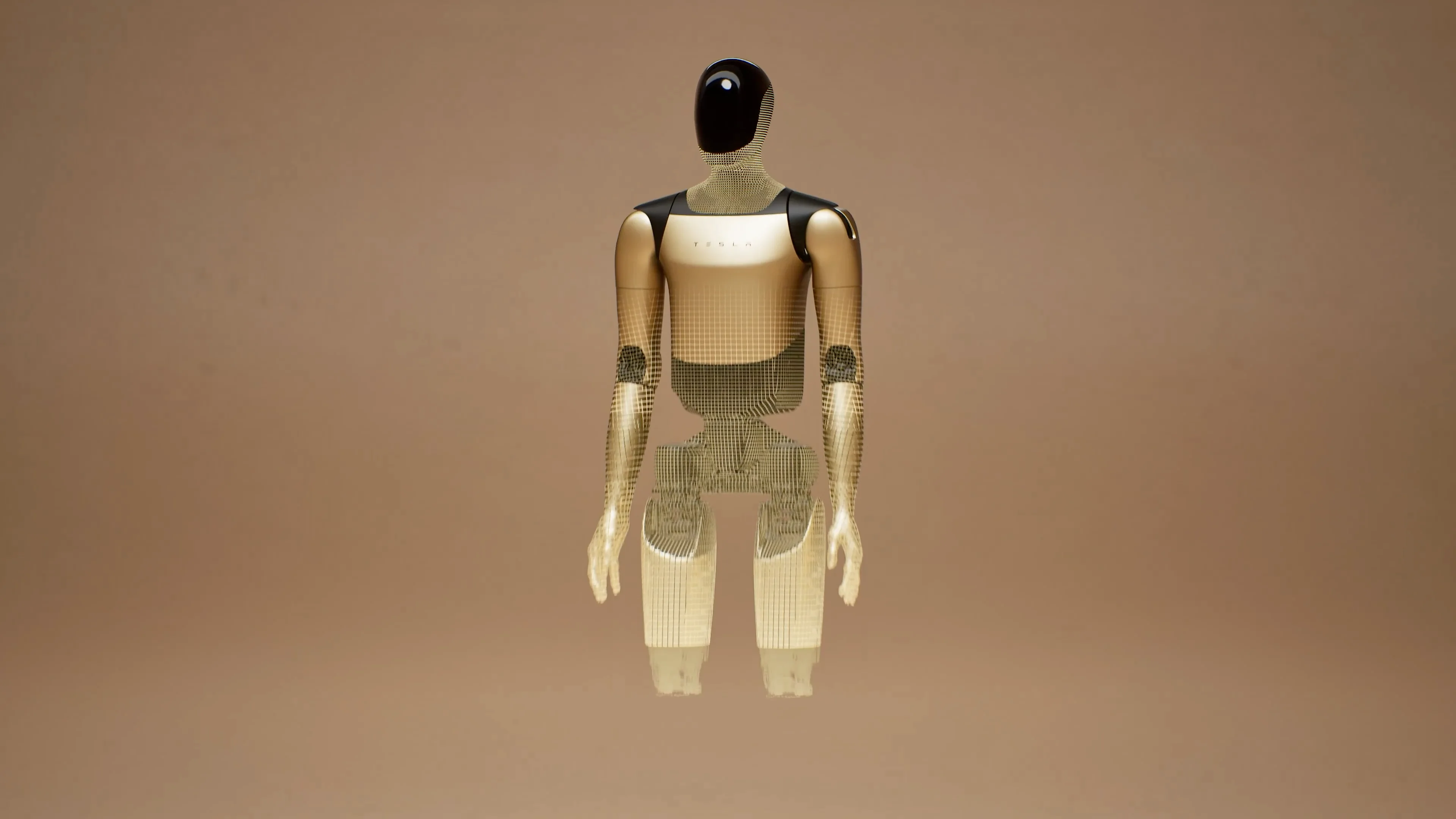
‘China is Next Level’: Elon Musk’s Bold Dismissal of Boston Dynamics, Figure, and the U.S. Robotics Scene
During Tesla's fourth-quarter earnings call for 2025, CEO Elon Musk revealed a significant shift in the company's strategy, announcing the discontinuation of the Model S and Model X programs. This decision comes as part of a broader initiative to redirect resources towards an ambitious $20 billion capital expenditure plan aimed at advancing humanoid production and achieving what Musk described as "amazing abundance." The announcement marks a pivotal moment for Tesla as it seeks to innovate beyond its traditional electric vehicle offerings and invest heavily in new technologies.
Optimus Tesla US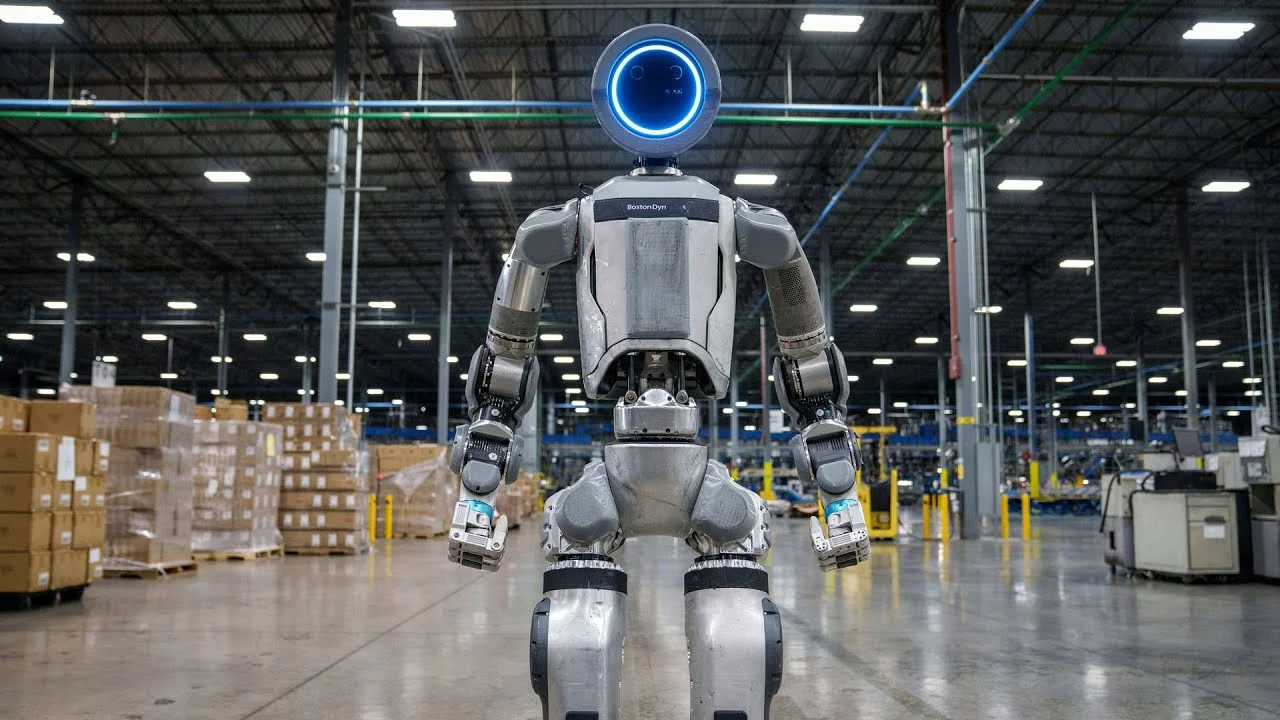
Boston Dynamics Deep Dives into the ''Robot Brain'': Why Generalist Droids Are the Only Fix for Manufacturing
Atlas leadership has recently addressed the shortcomings of "hard automation" in the automotive industry during a comprehensive technical discussion. They highlighted the limitations of traditional automation methods, which have struggled to keep pace with the evolving demands of the sector. In response to these challenges, Atlas has unveiled a three-pillared data strategy aimed at enhancing the capabilities of their robots through advanced artificial intelligence. This new approach is designed to improve efficiency and adaptability in manufacturing processes, addressing the industry's need for more flexible and intelligent automation solutions. The discussion took place in October 2023, underscoring Atlas's commitment to innovation in a rapidly changing market landscape.
US South Korea embodied-ai Boston Dynamics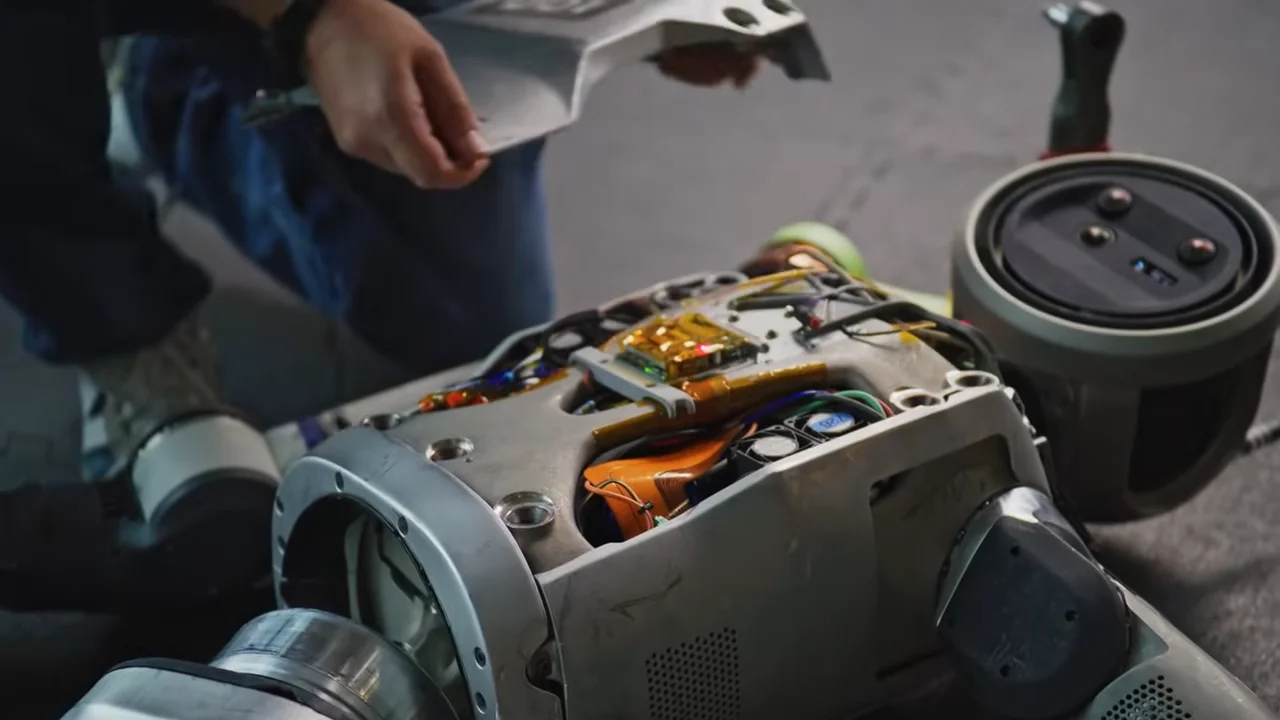
Boston Dynamics Executives Offer a Reality Check: The Humanoid Industry Is Still in ‘Phase One’
In a recent discussion, leaders from the Atlas team shared insights on the challenges of hardware reliability in robotics and the ongoing debate regarding the use of legs versus wheels for mobility. They emphasized that automotive manufacturing serves as a critical benchmark for testing artificial intelligence capabilities, describing it as the ultimate "manipulation complete" test. The conversation highlighted the "bitter lessons" learned through their experiences, underscoring the complexities involved in developing reliable robotic systems. This dialogue reflects the team's commitment to advancing technology while addressing the practical implications of their design choices.
Atlas Boston Dynamics
Boston Dynamics’ Atlas Lead on the Humanoid Form as a ‘Software Problem’
In a recent interview, Mario Bollini, the Lead of Product Management at Atlas, outlined the company's strategic transition towards electric actuators and the integration of reinforcement learning technologies. This shift is aimed at enhancing the performance and adaptability of their robotic systems. Bollini emphasized that adopting a humanoid form factor allows the company to address physical challenges through innovative software solutions, ultimately improving the functionality and versatility of their robots. This approach reflects Atlas's commitment to leveraging advanced technologies to meet the evolving demands of the robotics industry.
Atlas Boston Dynamics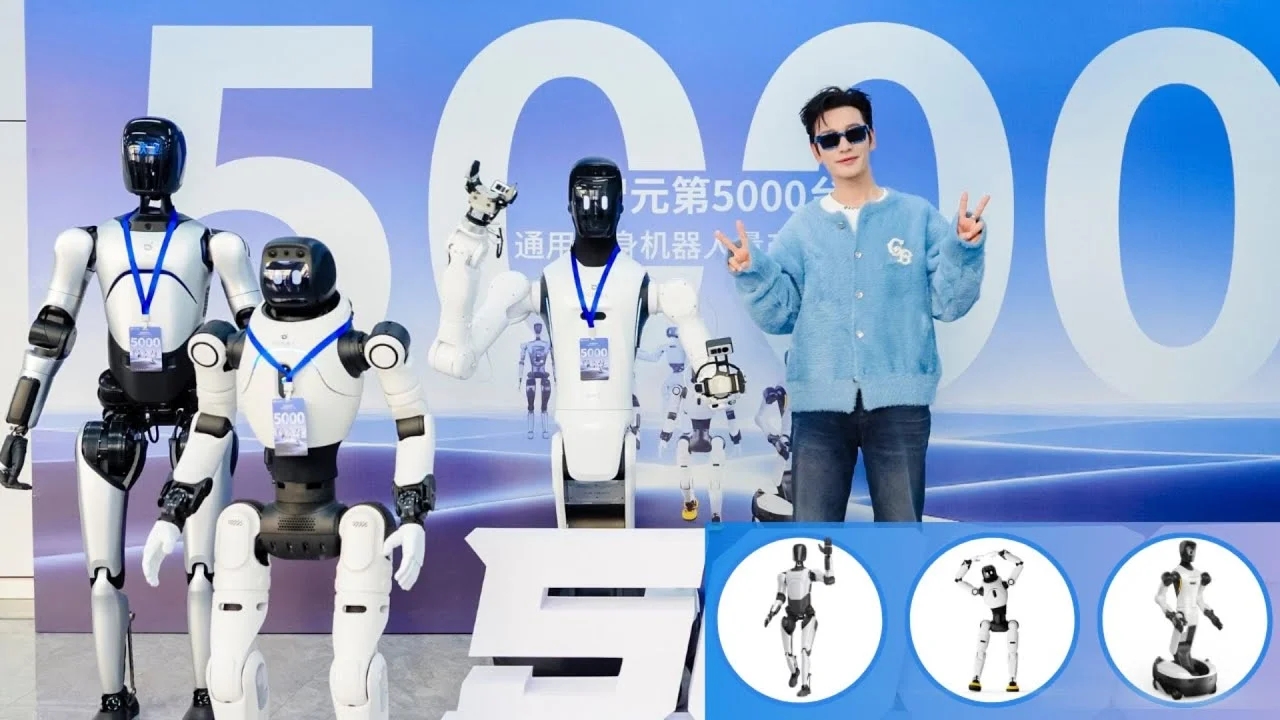
The Shipment Wars: AgiBot Claims Top Spot in Five Industry Sectors as Global Market Surges
A recent report from IDC has named AgiBot the leading global shipment provider for humanoid robots in 2025. However, this designation is under scrutiny as competitors challenge the criteria used to define what constitutes a "humanoid" robot. The debate among industry players highlights differing interpretations and standards, which could impact market dynamics as the sector evolves. As the technology progresses, the discussion surrounding the classification of humanoid robots is expected to intensify, influencing both consumer perceptions and investment strategies.
Unitree Robotics Business China AGIBOT
MMF70 to Spotlight Next-Gen Marine & Space Tech
The Marine Measurement Forum (MMF) is set to return in January 2026, marking its 70th edition with a unique focus on the intersection of marine and space technologies. Hosted by Ocean Business, the MMF70 program has been launched, featuring a diverse array of innovations that leverage both marine and space capabilities. This event aims to highlight advancements in measurement and environmental monitoring, showcasing how these technologies can collaboratively address pressing global challenges. The forum promises to be a pivotal gathering for industry leaders and innovators, emphasizing the importance of integrating marine and space data to enhance our understanding of environmental dynamics.
mmf70 events
Interview with Workr Robotics CEO Ken Macken: ‘Paying for automation by the hour’
Industrial robotics is undergoing a significant transformation, driven by advancements in artificial intelligence, large language models, and embodied AI. This evolution has generated renewed interest in the development of robots capable of understanding, reasoning, and interacting with their physical environments. Notable partnerships, including collaborations between Google DeepMind and Boston Dynamics, have intensified discussions surrounding the potential for more sophisticated general-purpose robots. As these technologies continue to evolve, the industry anticipates a future where robots can perform a wider array of tasks, enhancing their utility across various sectors. The ongoing innovations suggest a promising trajectory for the integration of robotics into everyday life, potentially reshaping industries and improving operational efficiencies.
Features Industrial robots Robotics Software automation news automation roi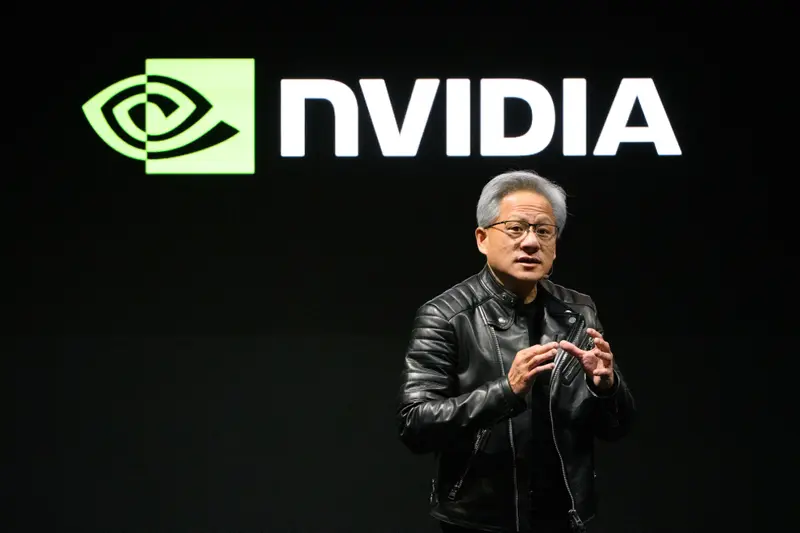
Humanoid Robot Showcase at GTC: A Recap of AOL's Report
At the recent Nvidia GTC event, advancements in humanoid robotics were showcased by several leading companies, including 1X, Agility Robotics, Boston Dynamics, and Disney Research. The event, which took place in October 2023, highlighted the latest innovations in robotic technology aimed at enhancing human-robot interaction and functionality. 1X presented its latest humanoid robot, designed to navigate complex environments with improved agility and responsiveness. Agility Robotics demonstrated its advancements in bipedal locomotion, emphasizing the robot's ability to perform tasks in real-world settings. Boston Dynamics showcased its renowned Spot robot, emphasizing new capabilities that allow for more versatile applications in various industries. Meanwhile, Disney Research unveiled its efforts to integrate robotics into entertainment, focusing on creating more lifelike and interactive characters. These developments reflect a growing trend in the robotics industry, driven by the need for more sophisticated machines that can assist in daily tasks and enhance human experiences. The event served as a platform for these companies to share their visions for the future of humanoid robots, illustrating how technology is evolving to meet the demands of modern society.
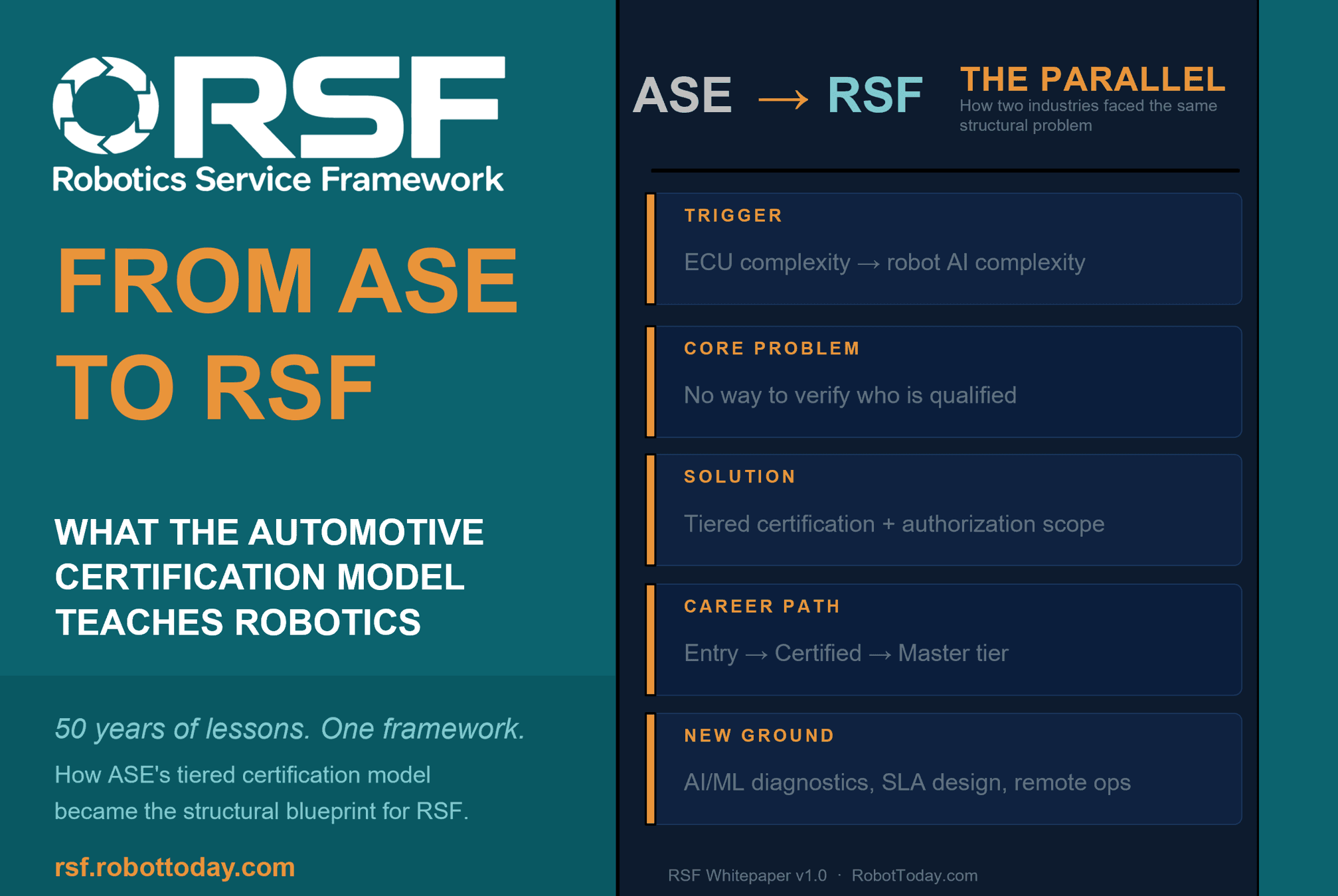
1X-technologiesRobotics needs a service framework.
RSF defines a common language for robot service capability, lifecycle operations, certification pathways, and service-provider networks.