Industry Briefing
A single destination for timely, editor-curated robotics news from around the world.

DARPA Initiates $3.5 Million Competition for Autonomous Trauma Surgery Robots
The Defense Advanced Research Projects Agency (DARPA) is launching a $3.5 million competition aimed at developing robotic systems capable of assisting surgeons and eventually performing trauma surgeries autonomously during combat and mass-casualty scenarios. The competition will commence on September 22, 2026, with an Industry Day and will conclude with a finals event in March 2027. This initiative is crucial due to the shortage of available surgeons during large-scale traumatic injury events, where survivable injuries can become fatal if medical personnel are overwhelmed. DARPA's program manager, Dr. Jeremy C. Pamplin, emphasized that the goal is not to replace surgeons but to create highly skilled robotic partners that enhance surgical capabilities through advanced artificial intelligence and human-machine collaboration. Competitors will undergo rigorous testing in medical knowledge, physical capability, and rapid learning, with top teams advancing to two operational tracks, each offering a $1.5 million prize pool. The competition also aims to explore potential civilian applications in disaster response and rural healthcare, highlighting the broader impact of the technologies developed through this initiative.
AI AI Funding & Investment Robotics autonomous trauma surgery robots competition DARPA Funding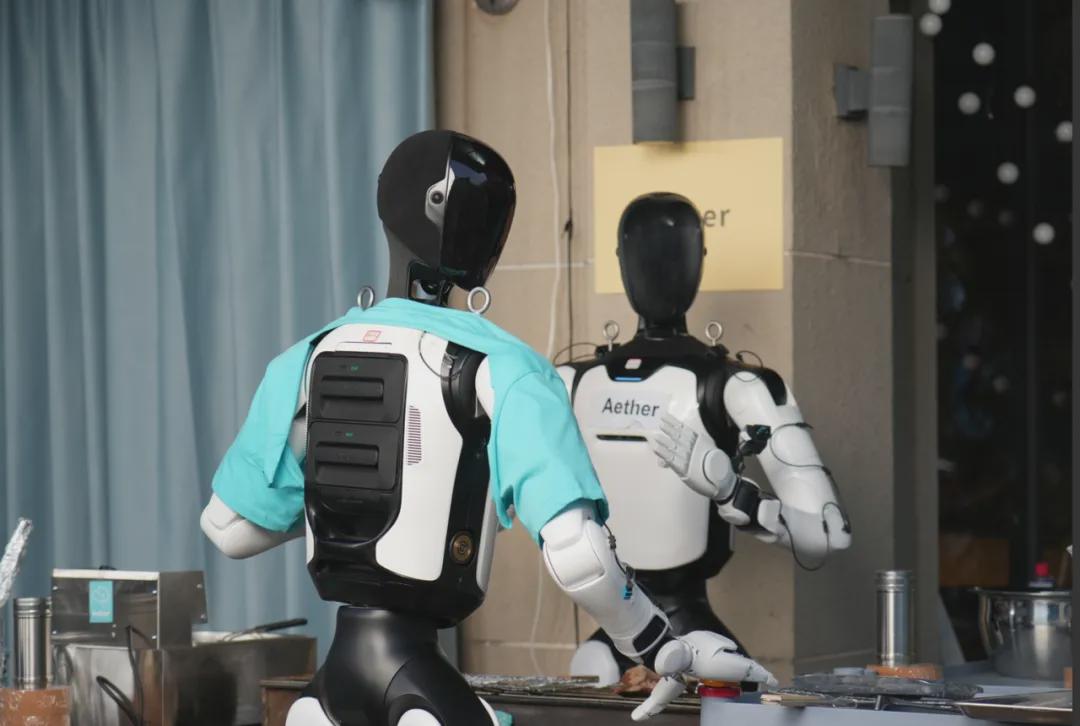
Live Outdoor Demonstration of Autonomous Robots Completing Barbecue Tasks
The embodied intelligence industry is experiencing a 'false prosperity' with frequent demonstrations of robots performing tasks like folding clothes and serving coffee. However, these demos often mask failures and rely on pre-programmed actions or remote control, raising questions about their authenticity. In contrast, LeXiang Technology recently showcased its Ether large model in a live outdoor event, allowing real-time interaction and interruptions from the audience. On September 16, two robots equipped with the Ether model autonomously completed a barbecue task without human intervention. They managed the entire process from taking orders to cooking and serving, while also adapting to unexpected changes from guests. Despite some errors, the live format highlighted the challenges of real-world applications, emphasizing the importance of transparency in robotic capabilities. This demonstration serves as a critical test of the robots' ability to learn and adapt in real-time, rather than just showcasing perfect outcomes. As the industry continues to evolve, the focus on genuine performance under varied conditions will be essential for advancing autonomous technologies.
Autonomous Robots AI Live Demonstrations Robotics Real-World Applications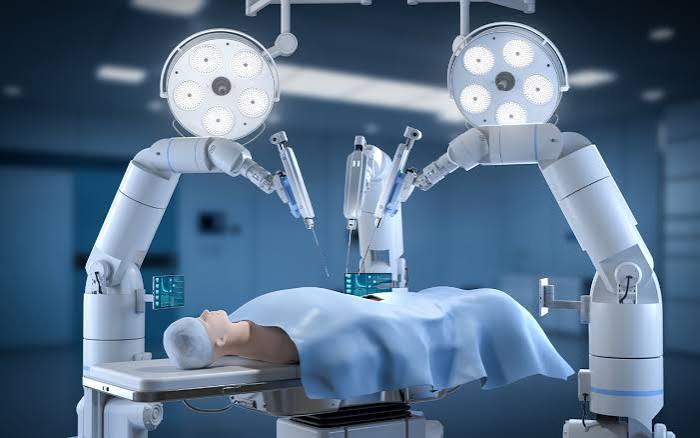
Samsung Medical Center Performs First Surgery with Humanoid Robots Assisting Surgeons
On September 16, Samsung Medical Center in Seoul conducted a simulated surgery with two humanoid robots assisting a surgical team. The robots, dressed in surgical attire, successfully collaborated with the lead surgeon, Professor Woo Nam-ki, by retrieving and delivering surgical instruments upon request. This marks a significant advancement in robotic assistance in surgery, showcasing the potential for robots to work alongside human medical professionals. The importance of this development lies in its potential to address staffing challenges in hospitals, particularly in smaller facilities where skilled surgical assistants may be scarce. Professor Jung Yong-ki emphasized that if a robot can effectively replace a human assistant, it could lead to cost-effective solutions for maintaining surgical operations around the clock. The robots demonstrated a 100% success rate in grasping surgical instruments and a 98.7% success rate in instrument delivery, highlighting their reliability in the operating room. Looking ahead, the project is set to progress with plans for commercialization led by Rainbow Robotics and AIDIN ROBOTICS. The first clinical trials are expected to begin in 2029, starting with low-risk endoscopic tasks before expanding to more complex procedures. The ongoing development of AI capabilities, including tactile feedback and predictive analytics, will further enhance the robots' performance in surgical environments.
Humanoid Robots Surgical Robotics AI in Healthcare Medical Technology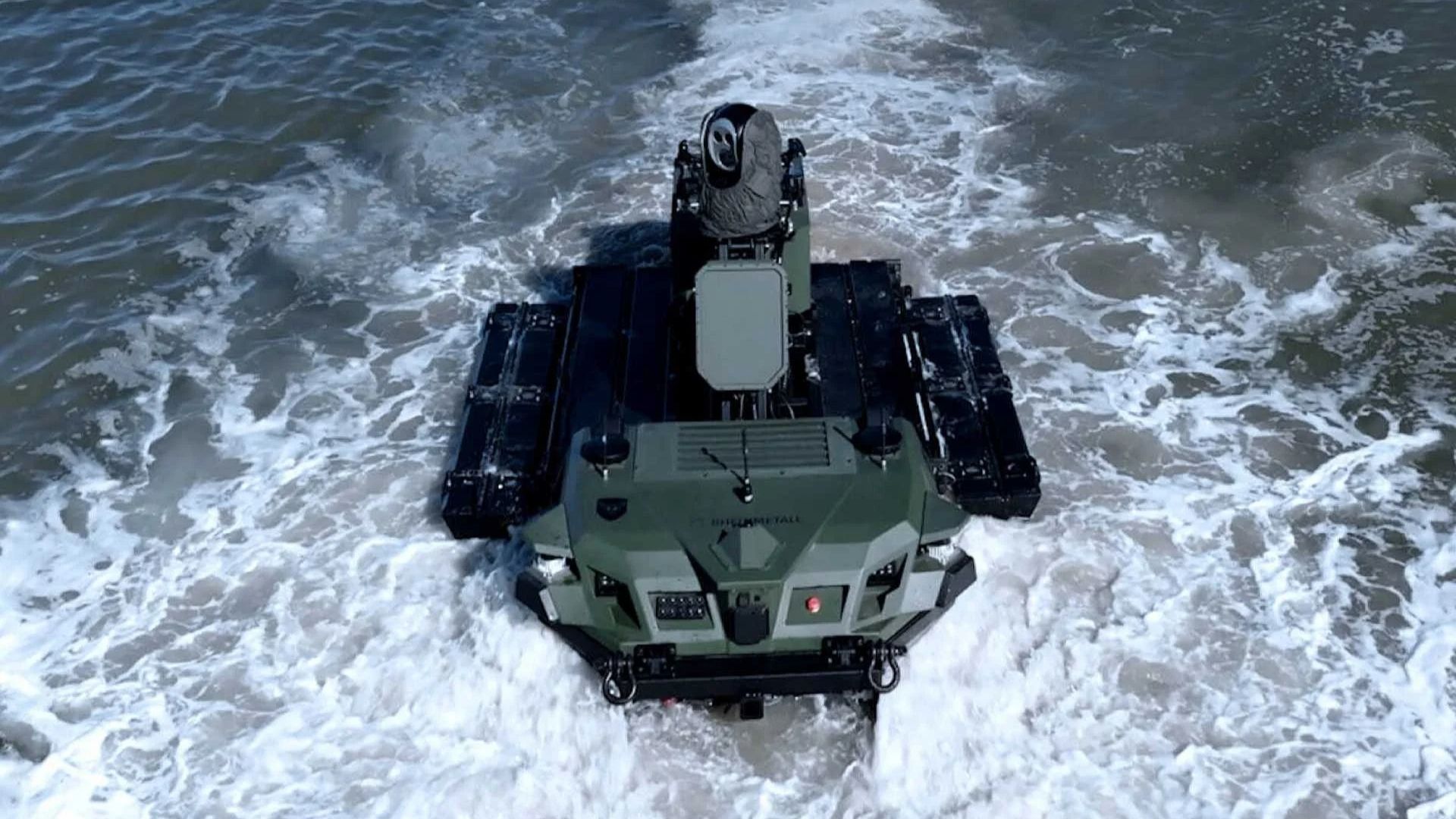
US Marine Corps Secures 12 Rheinmetall Amphibious Robots for Autonomous Logistics
American Rheinmetall has been awarded a $7.28 million contract to supply 12 Mission Master SP Autonomous Unmanned Ground Vehicles (A-UGVs) to the US Marine Corps. This procurement includes five amphibious kits and supporting equipment aimed at enhancing autonomous logistics and expeditionary mobility technologies. The significance of this contract lies in its potential to advance the operational capabilities of the US Marine Corps. The Mission Master SP vehicles are designed to support the Marine Corps Warfighting Laboratory's evaluations and capability development efforts, reflecting over four years of collaboration between Rheinmetall and the Marines. Looking ahead, the deployment of these advanced A-UGVs will be closely monitored as they are integrated into military operations. The amphibious capability is particularly noteworthy, as it addresses the evolving demands of littoral and expeditionary operations, marking a key milestone in Rheinmetall's partnership with the US Marine Corps.
Military
AI Ultrasound Robots Revolutionize Congenital Heart Defect Surgery with Intelligent Imaging
Recently, a medical team in China successfully performed a congenital heart defect closure surgery using an AI-assisted ultrasound robot. This operation, conducted by the Sixth Medical Center of the PLA General Hospital, involved a 48-year-old male patient and marks the first global use of an AI ultrasound robot with intelligent imaging capabilities for such minimally invasive treatment. This breakthrough signifies a shift in medical robotics from traditional execution tools to intelligent assistance systems. Previously, interventional surgical robots primarily handled mechanical tasks, while physicians relied on their experience to interpret ultrasound images. The AI ultrasound robot enhances this process by integrating image recognition, real-time analysis, and operational guidance, enabling automatic image acquisition and abnormal structure identification, which is crucial for precise placement of occluders in complex cardiac structures. As the field of medical robotics rapidly evolves, the cardiovascular sector is a key area for AI exploration due to the high precision and risk involved in heart interventions. The successful application of AI ultrasound robots in China reflects a significant trend towards redistributing medical resources, potentially improving access to high-quality healthcare in underserved regions. No further timeline was disclosed at the time of publication.
AI in Healthcare Surgical Robotics Cardiovascular Technology Medical Imaging Precision Medicine
Fendt e107 Vario Electric Tractor Demonstrates Battery Power for Autonomous Field Robots
A recent test compared the Fendt e107 Vario electric tractor with the diesel-powered Fendt 207 Vario in both summer conditions in the Netherlands and winter conditions in Norway. The results indicate that while the electric tractor is advanced, its battery capacity remains a key limitation for heavy-duty tasks. This development is significant for the future of autonomous field robots, as electric drive systems could offer inherent advantages in efficiency and sustainability. The Fendt e107 Vario's performance suggests that battery-electric technology is becoming increasingly viable for agricultural applications. Looking ahead, the evolution of battery technology and electric drivetrains will be crucial for enhancing the capabilities of autonomous field robots. No further timeline was disclosed at the time of publication.
Tech in focus electric fendt
HKU and KAI's SMASH 2.0 Robots Successfully Complete Autonomous Table Tennis Match
A collaboration between the University of Hong Kong and KAI research has achieved a milestone by conducting the first fully autonomous humanoid table tennis match. Two robots engaged in an entire 11-point game without any human intervention or remote control, showcasing advanced capabilities in robotics. This achievement is significant as it demonstrates the potential for autonomous systems in sports and entertainment, highlighting advancements in robotics technology. The SMASH 2.0 system, which facilitated this match, represents a leap forward in the development of robots capable of complex interactions and real-time decision-making. The SMASH 2.0 system is set to make its public debut at the second World Robot Games, scheduled to take place at the Ice Ribbon in Beijing from August 22-26. Observers will be keen to see how this technology evolves and its implications for future robotics applications in various fields.

Brain Corp Achieves 68 Percent Growth, Surpassing 50,000 Autonomous Robots Deployed Globally
Brain Corp has reported significant growth in its global fleet of autonomous robots, achieving a 68 percent increase in deployments year-over-year in the first half of 2026. This milestone highlights the expanding role of BrainOS-powered robots across various sectors, including retail and logistics, as they logged over 5.3 million autonomous operating hours. The company's performance indicates a pivotal moment for enterprise robotics, as organizations seek proven platforms for faster and more profitable deployment of robotic solutions. Brain Corp's partnerships with ShelfOptix and Tennant Company further reflect the rising demand for scalable autonomy platforms in the market. Looking ahead, enterprises are increasingly focused on the capabilities of autonomy platforms, evaluating their performance and data security across multiple sites. Brain Corp's recent SOC 2 Type II compliance underscores its commitment to meeting these expectations, ensuring robust security controls and data management practices for its clients.
Computing News Software airport automation amrs artificial intelligence
Global Demand for Autonomous Mobile Robots Expected to Surge by 2030
The demand for autonomous mobile robots (AMRs) is increasing globally, driven by rising labor costs and the need for operational flexibility. Interact Analysis predicts that the market for AMRs will grow from nearly $5 billion in 2024 to $14 billion by 2030, indicating a strong recovery post-COVID-19 pandemic. ABI Research forecasts that the mobile robot market could expand from $33 billion in 2026 to $68.9 billion by 2030, with AMRs comprising half of that total. Suppliers highlight the ease of integrating automated and semi-automated forklifts into existing workflows, while automated storage and retrieval systems (ASRS) offer scalability for those investing in infrastructure. Recent advancements in AMRs are attributed to improvements in computer vision, sensor fusion, and machine learning, enhancing navigation and operational efficiency. Despite interoperability challenges, orchestration software vendors are addressing these issues, enabling easier scaling and integration of fleets. No further timeline was disclosed at the time of publication.
AGVs Automated Warehouse Autonomous Mobile Robots (AMRs) Digital Issues Logistics Manufacturing
Autonomous Robots Revolutionizing Polar Science in the Arctic and Antarctic Regions
The British Antarctic Survey reports that autonomous vehicles are significantly transforming polar science. These robots operate beneath Antarctic sea ice, on Greenland glaciers, and in remote areas, gathering crucial data without human operators. Their deployment allows scientists to explore dangerous and inaccessible environments, enhancing research on glaciers, oceans, wildlife, and climate processes. The importance of these autonomous robots lies in their ability to monitor and collect data over extended periods, which was previously unimaginable. Dr. Alex Brearley from the British Antarctic Survey highlights the convenience of controlling these gliders remotely from Cambridge while they operate thousands of miles away in Antarctica. This technology enables researchers to gain insights into complex phenomena like internal tsunamis caused by glacier ice calving. Looking ahead, the continued integration of autonomous vehicles in polar research will likely expand the scope and depth of scientific exploration in these extreme environments. No further timeline was disclosed at the time of publication.
Features Science aerial drones antarctica arctic Autonomous robots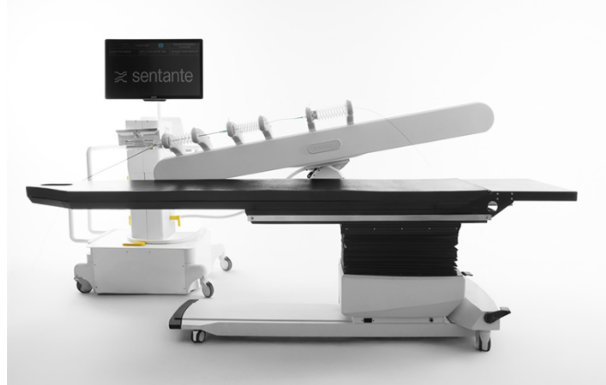
Sentante Introduces 'Physical AI' to Enhance Vascular Interventional Surgery Robots
On July 23, Lithuanian medical robotics company Sentante announced the integration of next-generation AI capabilities into its CE-certified vascular surgical robot platform. This innovative system goes beyond simple remote operation, transforming each surgery into data that fuels AI training. Unlike traditional surgical robots, Sentante employs a 1:1 force feedback haptic interface that captures every subtle movement of the surgeon and replicates it in real-time, providing critical tactile information back to the surgeon's fingertips. The significance of this advancement lies in its ability to enhance safety during vascular interventions, where visual information is limited due to the risks associated with radiation and contrast agents. Sentante's system captures physical signals such as resistance and torque that visual systems cannot detect, allowing surgeons to differentiate between safe contact and potential perforation. The integration of force and torque sensing into the catheter drive system from day one has positioned Sentante at the forefront of this technological evolution. Looking ahead, Sentante's ambition extends beyond creating effective robots. The company aims to redefine the competition in the vascular intervention field, which currently lacks commercially dominant robotic solutions. By collaborating with NVIDIA and utilizing its Isaac for Healthcare platform, Sentante is focused on continuous data optimization and machine assistance, marking a significant milestone in the application of 'Physical AI' in medicine. No further timeline was disclosed at the time of publication.
Medical Robotics Vascular Surgery AI in Healthcare Tactile Feedback Technology
Study Shows Autonomous Service Robots Influence Social Behavior at Public Events
A recent study by ethologists at ELTE revealed that visitors at public events were more likely to notice an autonomous service robot than a human server. The experiment found that candy offered by the robot was taken more quickly, indicating a higher level of curiosity and engagement with the robotic server. This research highlights the potential impact of autonomous service robots on social interactions in public settings. The findings suggest that the presence of robots can alter human behavior, making them more receptive to engaging with technology in social contexts. Looking ahead, it will be important to monitor how the integration of autonomous service robots in various environments continues to shape social behaviors. No further timeline was disclosed at the time of publication.
Consumer & Gadgets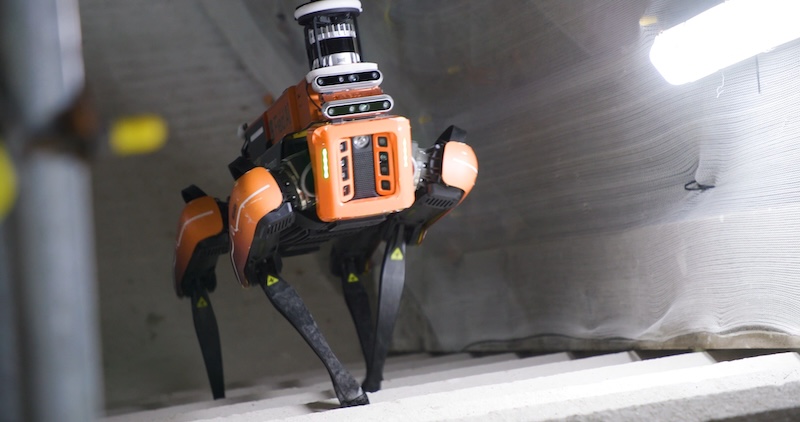
McLaren Construction Partners with FieldAI to Deploy Autonomous Robots Across UK Sites
McLaren Construction has formed a partnership with FieldAI to implement autonomous quadruped robots at its construction sites in the UK. These robots will initially be used for capturing 360° site imagery, generating point cloud data, and assisting with progress verification, safety compliance, and quality assurance. The capabilities of these robots will expand over time, enhancing their utility on-site. This partnership is significant as it marks FieldAI's entry into the UK market and builds upon its existing deployments across Europe, Asia, and North America. The use of AI-enabled deviation analysis will facilitate quicker identification of quality issues, ensuring better installation practices and reducing rework. McLaren aims to enhance project monitoring and compliance through this innovative technology. Looking ahead, McLaren Construction anticipates that the collaboration will yield valuable insights for broader robotic applications within the company. The deployment of FieldAI's Field Foundation Models will enable robots to adapt to complex environments without relying on pre-existing maps, thus enhancing operational efficiency. No further timeline was disclosed at the time of publication.
Construction News artificial intelligence Autonomous robots autonomous systems construction automation
ANSCER Robotics Receives FCC Conditional Approval for AR250, AR650, and AR1250 Robots
ANSCER Robotics Inc. has announced that its AR250, AR650, and AR1250 autonomous mobile robots have received Conditional Approval from the U.S. Federal Communications Commission (FCC) as of September 18, 2026. This approval is part of the FCC's Robotic Devices Conditional Approvals under the Covered List program. This significant milestone allows ANSCER Robotics to continue the import and deployment of its robotic platforms in the U.S. market. The FCC's approval is crucial for manufacturers in the robotics sector, as it ensures compliance with regulatory standards and facilitates market entry. Looking ahead, the approval positions ANSCER Robotics favorably within the competitive landscape of autonomous mobile robots. Stakeholders should monitor the company's next steps in deployment and market expansion following this regulatory achievement. No further timeline was disclosed at the time of publication.
Gix Internet Makes $500K Investment in Ottonomy for Autonomous Delivery Robots
Gix Internet has announced a strategic investment of $500,000 in Ottonomy, a U.S. company specializing in autonomous delivery robots. This investment, made through a SAFE agreement, is expected to close during the week of September 16, 2026. Gix aims to integrate Ottonomy's Level 4 autonomous navigation technology with its Deliverz.ai software, enhancing the management of robots and autonomous systems. This investment is significant as it follows a nonbinding agreement from August that could lead to Gix acquiring a majority stake in Ottonomy. The collaboration is poised to leverage Ottonomy's experience in deploying its Ottobot delivery robots across various sectors, including healthcare and last-mile delivery, thereby expanding Gix's capabilities in the autonomous robotics market. Looking ahead, Gix's potential majority ownership of Ottonomy could reshape the landscape of autonomous delivery solutions. However, the proposed majority investment remains contingent on due diligence and regulatory approvals. No further timeline was disclosed at the time of publication.
AI AI Funding & Investment Robotics autonomous delivery investment Israel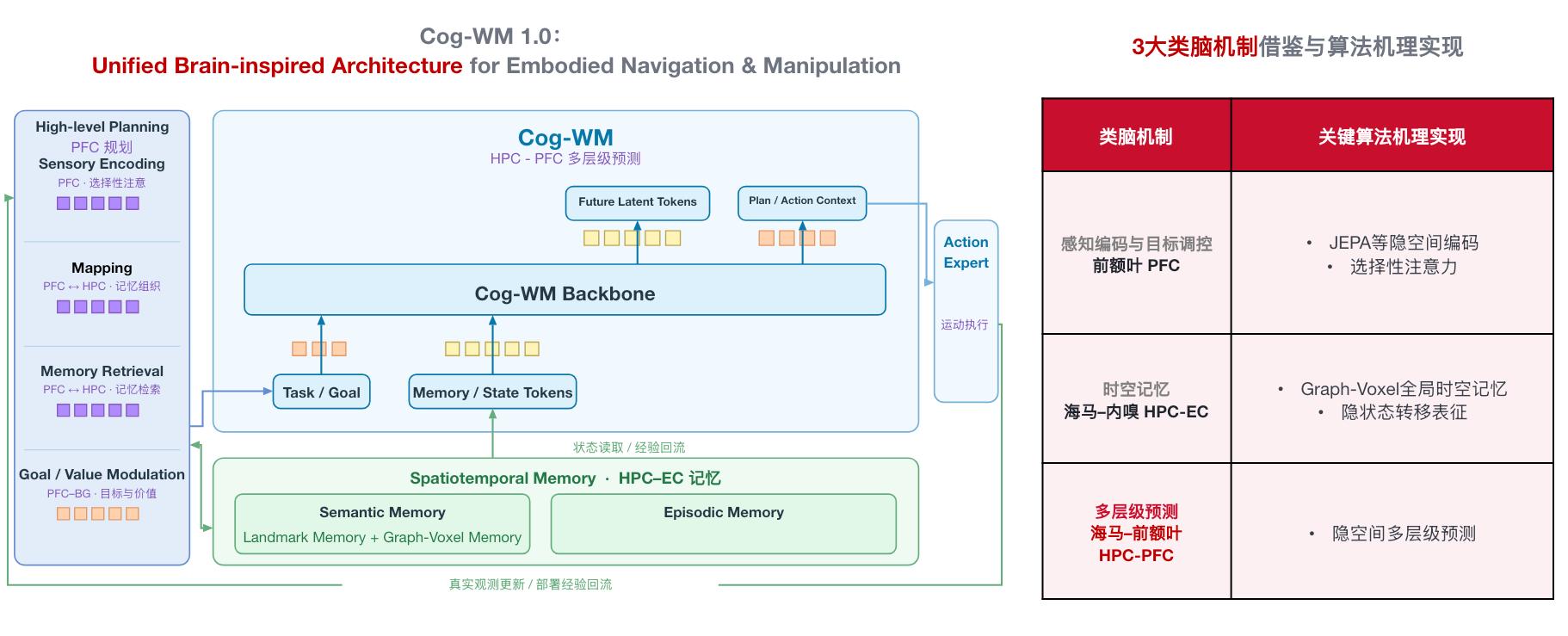
Cog-WM 1.0 Launches as the First Brain-Inspired Cognitive World Model for Robots
On September 14, Shanghai Juna Technology Co., Ltd. officially launched Cog-WM 1.0, the world's first brain-inspired cognitive world model, at the 2026 Pujiang Innovation Forum. This model, based on systematic brain-like neural mechanisms, has demonstrated capabilities in autonomous navigation and manipulation without relying on pre-built maps. Cog-WM 1.0's significance lies in its ability to enhance robotic autonomy in unfamiliar environments, achieving over a 10% improvement in navigation success rates compared to existing state-of-the-art models. It allows robots to perform tasks such as spatial memory retrieval and object searching, marking a significant advancement in embodied intelligence. Looking ahead, the focus will be on how Cog-WM 1.0 addresses key challenges in robotic cognition, such as reducing reliance on extensive data and improving long-term task completion. No further timeline was disclosed at the time of publication.
Cognitive Robotics Autonomous Navigation AI Technology Robotics Innovation
Five Innovative Robots Transforming Modern Medicine and Patient Care
The integration of robots in healthcare has evolved from a futuristic concept to a reality, with machines now playing vital roles in operating rooms and rehabilitation centers worldwide. These robots enhance surgical precision, disinfect hospital environments, and assist in patient recovery, showcasing their diverse applications in modern medicine. The da Vinci Surgical System, developed by Intuitive Surgical, stands out as the most widely adopted surgical robot globally, approved by the FDA since 2000. It enables surgeons to perform complex procedures with enhanced dexterity and reduced tremors, impacting various specialties such as urology and gynecology. Meanwhile, the Xenex LightStrike robot addresses the critical issue of hospital-acquired infections by using ultraviolet light to disinfect rooms quickly and effectively, contributing to patient safety and infection control. As the healthcare landscape continues to embrace robotic technology, stakeholders should monitor advancements in robotic applications and their implications for patient care. The ongoing development of robots like the da Vinci and LightStrike highlights the potential for improved outcomes in surgery and infection management. No further timeline was disclosed at the time of publication.
Lists
Galbot's Humanoid Robots Achieve Over 100 Rallies in Autonomous Tennis Match
Galbot's humanoid robots have successfully completed more than 100 consecutive rallies in what is being hailed as the world's first live autonomous humanoid robot tennis match. This event took place during the opening ceremony of the Second World Humanoid Robot Games (WHRG) in Beijing, showcasing the robots' capabilities in real-time decision-making and independent movement on the court. The significance of this achievement lies in the demonstration of advanced robotics in dynamic environments, moving beyond traditional laboratory settings. The Galbot robots autonomously tracked fast-moving tennis balls and executed various tennis strokes, adapting their movements as the rallies progressed. This performance reflects the evolving challenges faced by humanoid robots, particularly in competitive scenarios against human athletes. Looking ahead, the WHRG will continue to test humanoid robots in diverse and complex environments, pushing the boundaries of their capabilities. The technology behind this event, known as LATENT, enables robots to learn tennis skills from imperfect human motion data, indicating a shift towards more sophisticated training methods. No further timeline was disclosed at the time of publication.
AI and Robotics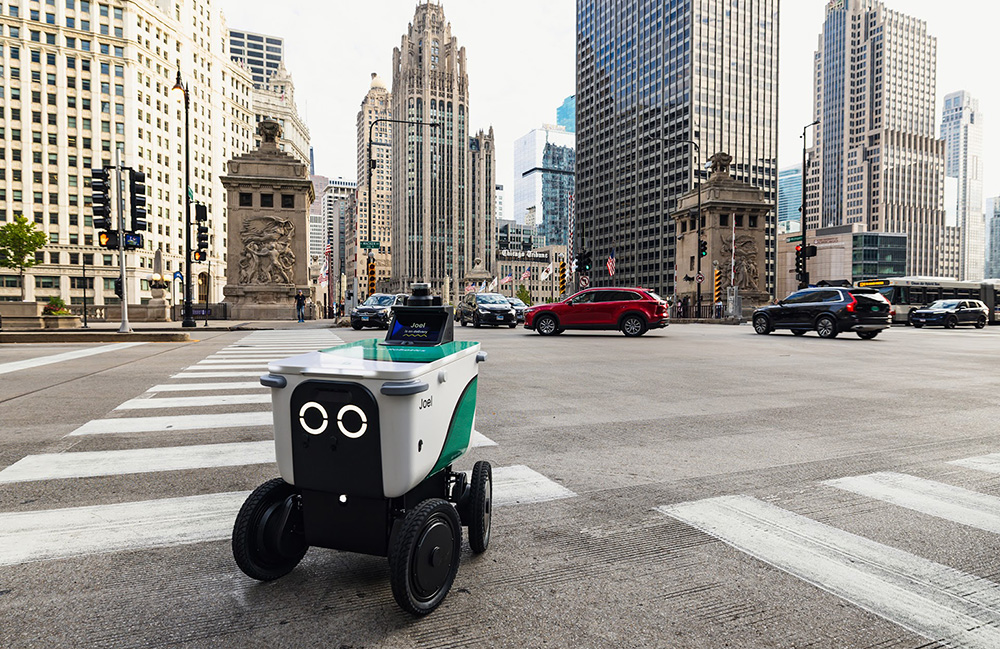
Serve Robotics Partners with Grubhub for Autonomous Delivery in Major Cities
Serve Robotics Inc. has announced a partnership with Grubhub to provide autonomous delivery services in Chicago, Los Angeles, and Alexandria, Virginia. This collaboration will enable Serve to offer robotic deliveries from over 100 Grubhub merchants in Chicago and nearly 200 in Los Angeles, with plans for more restaurants to join the program. This partnership is significant as it marks Serve's expansion into new markets, including Washington, D.C., and San Jose, California, where they have partnered with DoorDash. The introduction of microdepots in Miami will further enhance their operational efficiency, allowing for quicker deployment in high-demand neighborhoods with minimal infrastructure. Looking ahead, Serve Robotics is also launching Beacon, a countertop product designed to streamline the connection between restaurants and delivery robots. Additionally, they have introduced a new advertising product called “Characters,” which allows brands to create interactive experiences with their robots. No further timeline was disclosed at the time of publication.
Autonomous Mobile Robots (AMRs) Food / Beverage Markets / Industries News Robots / Platforms autonomous delivery
Brain Corp Achieves 68% Growth in Global Deployments with 5.3 Million Autonomous Hours in H1 2026
Brain Corp has reported a remarkable 68% growth in global deployments of its BrainOS®-powered robots during the first half of 2026. The company has surpassed 50,000 robots in operation worldwide, reflecting the increasing integration of autonomous robots in various enterprise environments. This significant growth highlights the expanding role of autonomous robots in sectors such as retail, logistics, airports, commercial cleaning, and inventory management. The data indicates that these robots have logged over 5.3 million autonomous hours, showcasing their effectiveness and reliability in real-world applications. Looking ahead, the continued scaling of AI-driven robotics in enterprise operations will be crucial to enhancing efficiency and productivity. No further timeline was disclosed at the time of publication.
Agxeed W4 Autonomous Robot Enters Dairy Farming Trials in the Netherlands
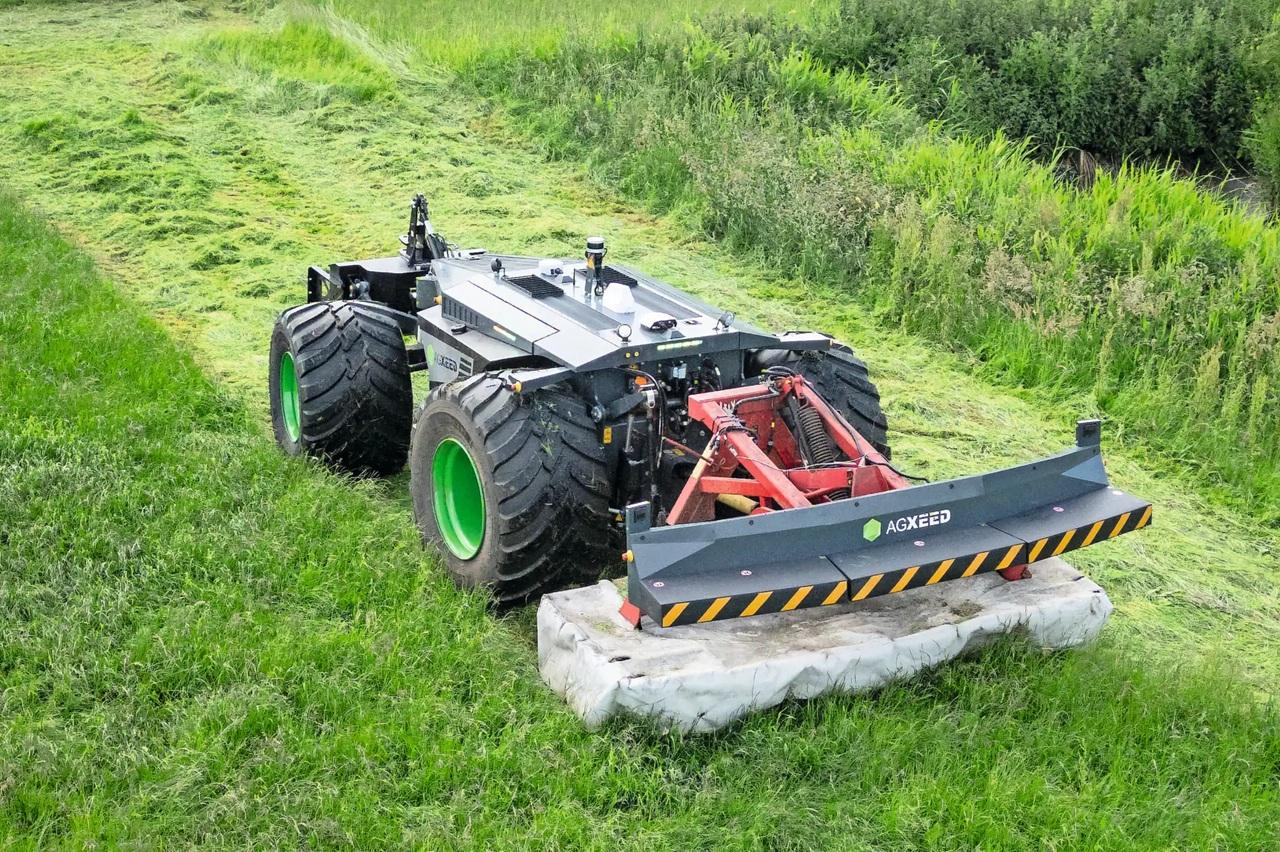
Dutch dairy farmer Joram Hofman is currently testing the Agxeed W4 autonomous robot for mowing, tedding, and raking grass on his farm. This initiative, in collaboration with NPPL+R and Agxeed, highlights the potential of autonomous field robots in dairy farming, traditionally dominated by arable farming technologies. The integration of the Agxeed W4 into Hofman's highly automated dairy operation, which includes Lely milking robots and feeding systems, demonstrates a shift towards more efficient farming practices. Hofman utilizes data from these robots to optimize cow rations, leading to improved feed efficiency, although he notes that milk yield has not significantly increased. Looking ahead, the ongoing trials of the Agxeed W4 could pave the way for broader adoption of autonomous technologies in dairy farming. As farmers like Hofman seek to enhance productivity while managing labor challenges, the role of such robots in forage production will be crucial. No further timeline was disclosed at the time of publication.
Crop solutions autonomous farm equipment autonomous tractors farm robots field robots gps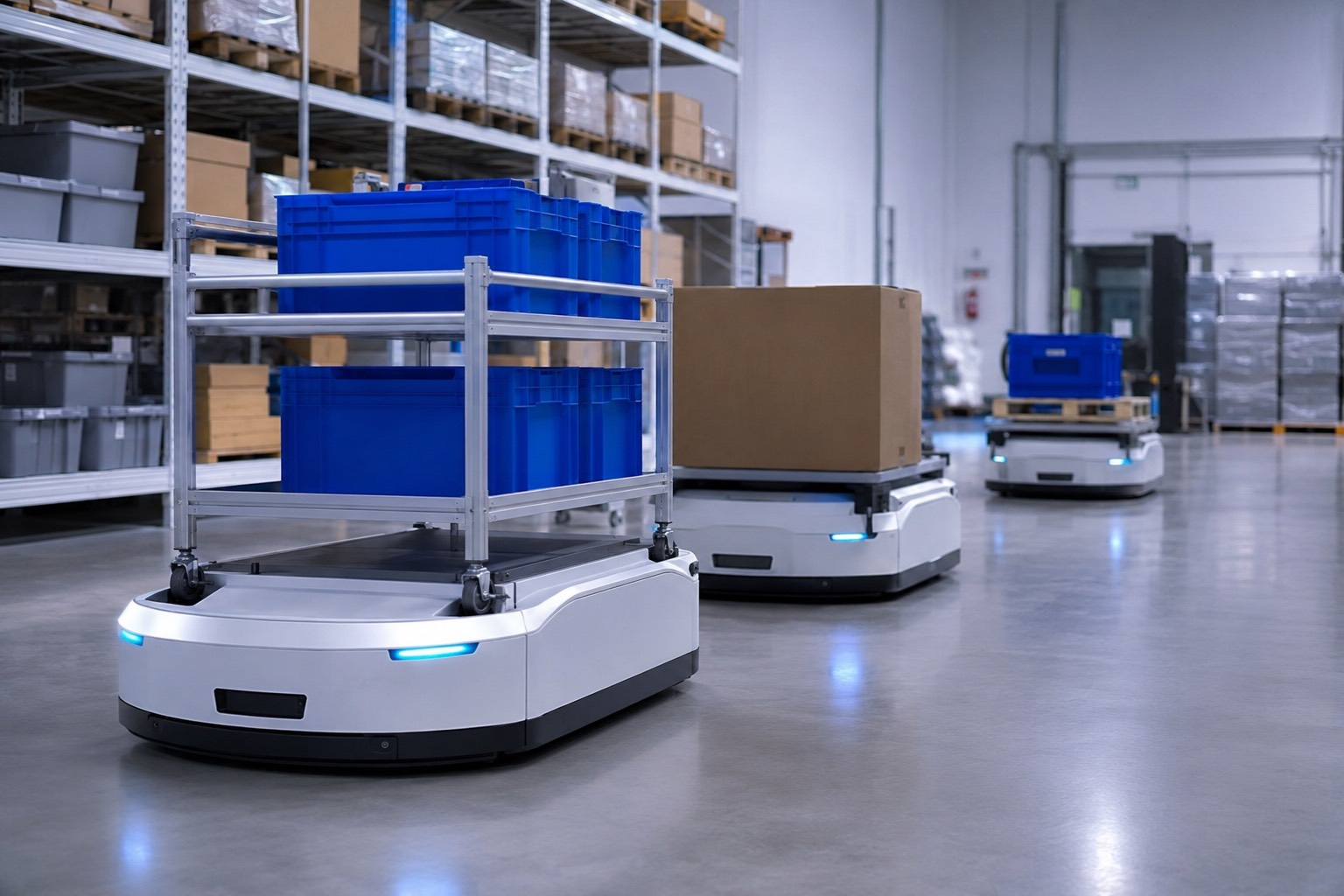
The Rise of Autonomous Mobile Robots in Industrial Automation
Autonomous Mobile Robots (AMRs) are rapidly transforming industrial automation, moving beyond traditional fixed conveyors and AGVs. Their flexibility meets the evolving demands of logistics driven by e-commerce growth, product customization, and labor shortages. AMRs utilize advanced technologies like sensors, cameras, LiDAR, and AI to navigate dynamically without fixed infrastructure. This adaptability is crucial as industries face fluctuating volumes and changing processes, making AMRs a vital component of modern supply chains. According to the International Federation of Robotics, AMRs are among the fastest-growing segments in professional robotics. As deployments increase in logistics centers, fleet management software is becoming as critical as the robots themselves, indicating a shift towards integrated automated solutions.
À la une IA Industrie Robotique AMR automatisation des entrepôts
Roboteon Enhances Fleet Management and Orchestration for Manufacturing Robots and AGVs
Roboteon has announced an expansion of its capabilities, providing a powerful software platform designed to orchestrate automated material flows in manufacturing environments. This platform aims to improve visibility, control, productivity, and throughput for manufacturers by acting as a digital nervous system. The significance of this development lies in Roboteon's position as a leading innovator in intelligent warehouse and manufacturing robotics software. By enabling the integration and synchronization of mobile robots and autonomous guided vehicles (AGVs), manufacturers can optimize their operations and enhance overall efficiency on the shop floor. Looking ahead, industry stakeholders should monitor how Roboteon's advancements in fleet management and orchestration will influence manufacturing processes and the adoption of automated solutions. No further timeline was disclosed at the time of publication.
Monumental Secures $32 Million to Enhance Autonomous Construction Robot Deployment
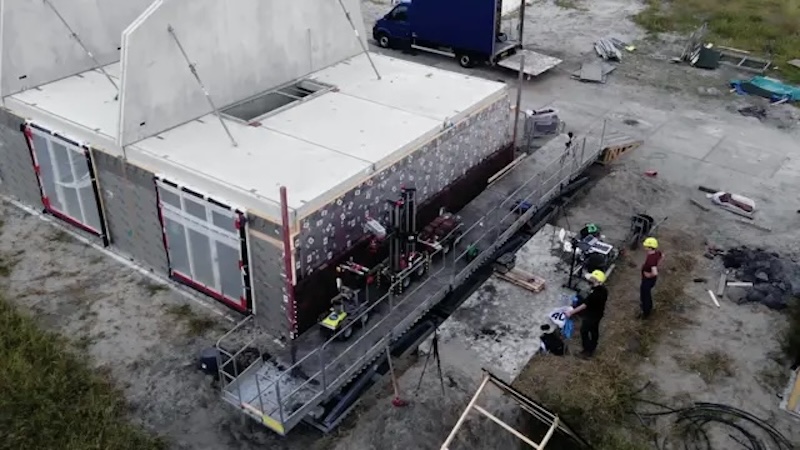
Monumental, a tech company based in Amsterdam, has successfully raised $32 million in a Series B funding round led by Khosla Ventures, with participation from existing investors Plural and Hummingbird. This funding will enable Monumental to expand its team of engineers, increase the deployment of its autonomous construction robots across Europe and the UK, and facilitate its entry into the US market. The significance of this funding lies in addressing the labor shortage in the UK construction sector, where the Home Builders Federation estimates a need for 20,000 additional bricklayers to meet the government’s target of 1.5 million new homes. Monumental's fleet of over 150 robots is already operational as autonomous subcontractors, demonstrating the potential to alleviate this gap in labor and enhance construction efficiency. Looking ahead, Monumental aims to broaden the range of construction tasks its robots can perform while deepening its presence in the UK and expanding into the US. No further timeline was disclosed at the time of publication.
Construction News Technology AI in construction Atrium AI platform automation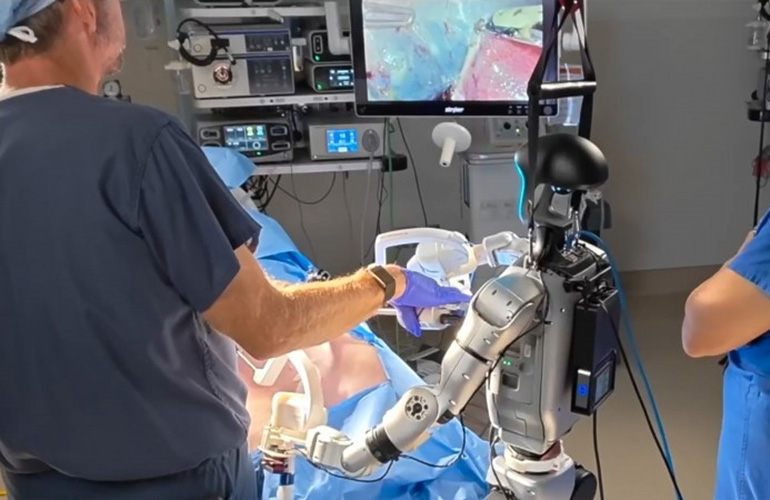
UC San Diego Trials Teleoperated Humanoid Robots for Surgical Procedures
In a groundbreaking preclinical trial at UC San Diego, teleoperated humanoid robots successfully conducted surgeries, marking a significant advancement in surgical technology. This trial represents the first instance of humanoid robots being utilized in a surgical context, showcasing their potential to enhance precision and efficiency in medical procedures. The significance of this development lies in the versatility of humanoid robots, which may offer improved capabilities over traditional robotic systems like the da Vinci Surgical System. By integrating advanced teleoperation techniques, these robots could potentially reduce the need for human intervention, thereby minimizing risks and improving patient outcomes in complex surgeries. Looking ahead, the next steps involve further trials to assess the long-term effectiveness and safety of these humanoid robots in surgical environments. No further timeline was disclosed at the time of publication, but the results of this trial could pave the way for broader applications in healthcare robotics.
Healthcare Robotics Human Robot Interaction / Haptics Humanoids News Surgical / Interventional Systems Surgical Systems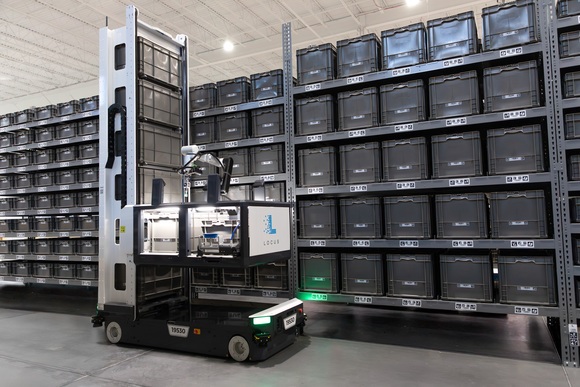
Autonomous process chains in the robots-to-goods model
Locus Robotics has introduced the Locus Array, an advanced automation system designed to enhance the efficiency of increasingly autonomous warehouse operations. This innovative technology aims to streamline the Robots-to-Goods model, facilitating a more effective integration of robotic systems within supply chain processes. The announcement underscores the growing trend towards automation in logistics, driven by the need for improved productivity and accuracy in inventory management. By implementing the Locus Array, companies can expect to optimize their warehouse workflows, reduce operational costs, and respond more swiftly to market demands. This development marks a significant step forward in the evolution of automated logistics solutions.
Allgemein Automation Fördertechnik & Handling Lagerlogistik & Materialfluss Mobile Robotik
UK RAS STEPS Hosts Micromaze Robot Hackathon at University of York
From August 25 to 27, 2026, UK RAS STEPS organized a Micromaze Robot Hackathon at the University of York’s Institute for Safe Autonomy. Participants worked in teams to design, build, and program autonomous robots that could navigate complex mazes using a custom Raspberry Pi Pico W platform. The event featured various sensors and tools, culminating in a final challenge that evaluated maze performance and innovative features. This Hackathon is significant as it not only fosters technical skills in robotics but also serves as a potential model for future professional development and outreach programs aimed at introducing robotics to children and students. The collaborative environment encouraged participants to engage deeply with robotics concepts and practical applications. Looking ahead, the success of this event may lead to more initiatives focused on robotics education and community engagement. No further timeline was disclosed at the time of publication.
XPeng Launches Automated Production Line for Humanoid Robots with First IRON Model
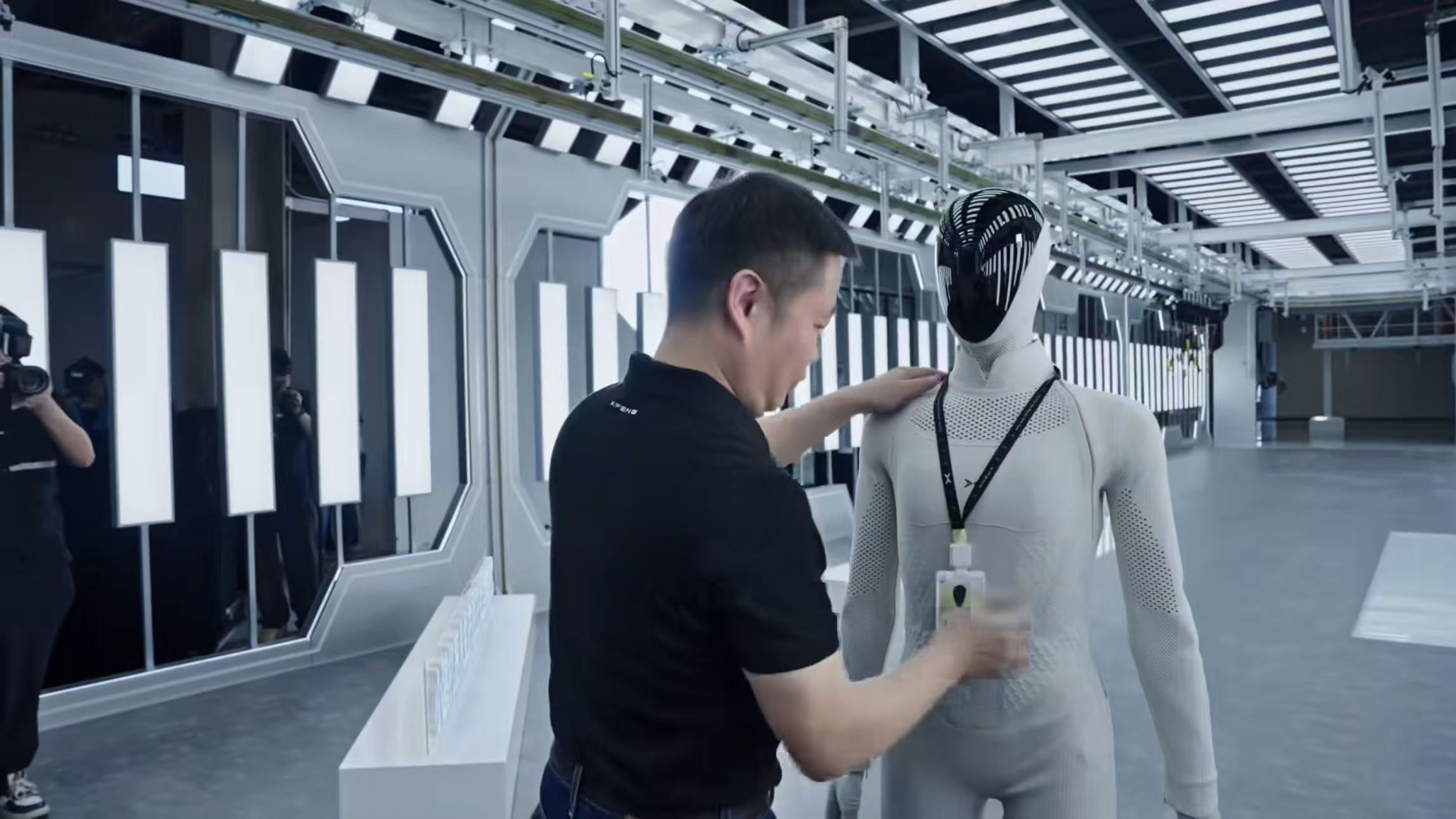
XPeng has officially commenced operations of its automated production line for humanoid robots, with the first IRON robot successfully completing its final assembly and autonomously walking off the line. This milestone signifies XPeng's transition from research and development to mass production of humanoid robots, which are still in the early stages of commercialization. The significance of this development lies in XPeng's claim that IRON is the world's first high-level general-purpose humanoid robot produced on an automated line. The production line, designed by XPeng's team, integrates automotive manufacturing and quality-control systems tailored for humanoid robot assembly, with over 80% of its core processes automated. Looking ahead, XPeng plans to scale production of IRON by the end of 2026, with commercial deliveries expected in 2027. The company aims to position IRON for tasks that are dangerous or repetitive, while also expanding its applications. XPeng's recent funding round raised over $900 million to support its robotics business, indicating strong investor interest in the future of humanoid robots.
Heavy Hitters AI Highlight News Robotics
TRIC Robotics Expands Operations to 1,500 Acres of Strawberries with 15 Autonomous Robots
TRIC Robotics, an agricultural robotics startup, has scaled its operations from half-acre trials in 2021 to managing over 1,500 acres of commercial strawberries in California this year. The company utilizes a fleet of 15 autonomous robots equipped with UV-C light and bug vacuums, operating nightly to combat pests and diseases without the use of chemical pesticides. This significant expansion is crucial as it demonstrates the potential of robotics in agriculture, particularly in addressing the challenges of pest control and disease management. TRIC Robotics employs a robots-as-a-service model, which eliminates upfront costs for farmers, thereby lowering barriers to adoption and providing a consistent revenue stream for the company. Looking ahead, TRIC Robotics aims to further develop its robotics platform beyond strawberries, leveraging its current success to attract more farmers. The company’s innovative approach, which includes operating at night to minimize disruption, is expected to enhance the acceptance of autonomous technologies in agriculture. No further timeline was disclosed at the time of publication.
Agtech Deeptech Precision agriculture Startups & funding US & Canada Video
FDA Approves Vitestro's Aletta Robot for Autonomous Blood Sampling
Vitestro, a medical technology company based in Utrecht, Netherlands, has received FDA approval for its Aletta device, which autonomously performs venipuncture for outpatient adults. This marks Aletta as the first robot capable of conducting blood sampling without direct human intervention, having previously secured CE certification in Europe. The significance of this approval lies in the establishment of a regulatory framework for autonomous blood sampling robots, indicating a shift towards integrating robotic solutions in clinical settings for high-frequency medical procedures. Blood sampling is one of the most commonly performed invasive medical operations worldwide, with billions conducted annually, highlighting the need for efficient and reliable solutions. Looking ahead, the Aletta robot employs multimodal imaging technology to visualize veins and utilizes AI algorithms to determine optimal puncture paths. As healthcare faces a shortage of trained personnel, the introduction of such robotic systems could alleviate the burden on nurses and improve patient care. No further timeline was disclosed at the time of publication.
Medical Robotics Blood Sampling Healthcare Technology Automation
Mark Cuban-Backed Startup Specializing in Autonomous Robots Plans $500 Million SPAC Deal
A startup supported by Mark Cuban, which develops hardware and software for safer control of autonomous robots, is set to go public. The company is pursuing a merger with a special purpose acquisition company (SPAC) that values it at $500 million. This move is significant as it highlights the growing interest and investment in technologies that enhance the safety and efficiency of autonomous systems. The backing from a prominent investor like Mark Cuban underscores the potential of the startup's offerings in the robotics sector. Investors and industry watchers should keep an eye on the progress of this SPAC deal and its implications for the autonomous robotics market. No further timeline was disclosed at the time of publication.

Chinese Robotics Industry Advances with Autonomous Flying Machines
The phrase 'Chinese people can fly' has become a cultural phenomenon this summer, symbolizing a broader trend in China's robotics sector. While the internet buzzes with this slogan, Chinese robots are indeed taking to the skies, transitioning from traditional drones to advanced flying robots capable of autonomous operations. This shift is significant as it reflects China's industrial strength and technological advancements. According to Gao Fei, founder of Micro Differential Intelligence, traditional drones rely on human control, whereas flying robots utilize autonomous navigation and intelligent systems to operate independently in challenging environments. This evolution from tools to intelligent entities is crucial for enhancing operational efficiency in various sectors. Looking ahead, the demand for intelligent flying devices is surging across industries such as agriculture, inspection, rescue, and logistics. The global market for aerial robots is projected to grow significantly, with China's market expected to reach $2.72 billion by 2032. As policies support the development of low-altitude economies and embodied intelligence, the intersection of these two fields is set to accelerate the deployment of flying robots in urban environments.
Flying Robots Embodied Intelligence Aerial Technology Smart Automation
Lotte E&C Deploys Autonomous Cleaning Robots at Incheon Construction Site
Lotte E&C has implemented autonomous floor-cleaning robots at a construction site to enhance operational efficiency and minimize repetitive tasks. Traditionally, cleaning at construction sites involved manual debris collection and dust vacuuming, which exposed workers to high dust levels and required prolonged use of protective masks. The deployment of these robots aims to automate this process, improving safety and productivity. The significance of this initiative lies in its potential to transform construction site operations. By utilizing autonomous robots, Lotte E&C not only addresses the challenges of manual cleaning but also allows workers to concentrate on construction tasks, thereby boosting overall efficiency. The robots, developed in collaboration with TXR Robotics, are designed specifically for construction environments and are currently operational at Block 4 of the Incheon Hyoseong Urban Development Project. Looking ahead, Lotte E&C plans to expand the use of these autonomous cleaners to additional sites. The robots navigate using digital maps, avoiding obstacles and returning to charging stations autonomously. Their ability to operate in low-light conditions further enhances their utility, making them a valuable asset for future construction projects. No further timeline was disclosed at the time of publication.
All News
Breakthrough in Surgical Robotics: First 5G-Enabled Remote Minimally Invasive Surgery
In June 2026, a significant medical technology milestone was achieved as a Chinese medical team, in collaboration with research institutions, successfully performed the world's first ultra-remote minimally invasive surgery using '5G + Embodied AI'. This operation demonstrated ultra-low latency control over thousands of kilometers, providing real-time feedback on tissue tension and vascular resistance to the remote surgeon. This advancement signifies a shift in surgical robotics from traditional remote manipulation tools to systems that incorporate physical AI autonomy and enhanced human-machine integration. The lead surgeon emphasized that the tactile feedback from the control console was crucial for performing the surgery, highlighting the importance of sensory perception in robotic-assisted procedures. Future developments will focus on overcoming the engineering challenges associated with achieving micro-level tactile feedback and stability in robotic systems. No further timeline was disclosed at the time of publication.
Surgical Robotics Embodied AI Minimally Invasive Surgery Tactile Feedback Medical Technology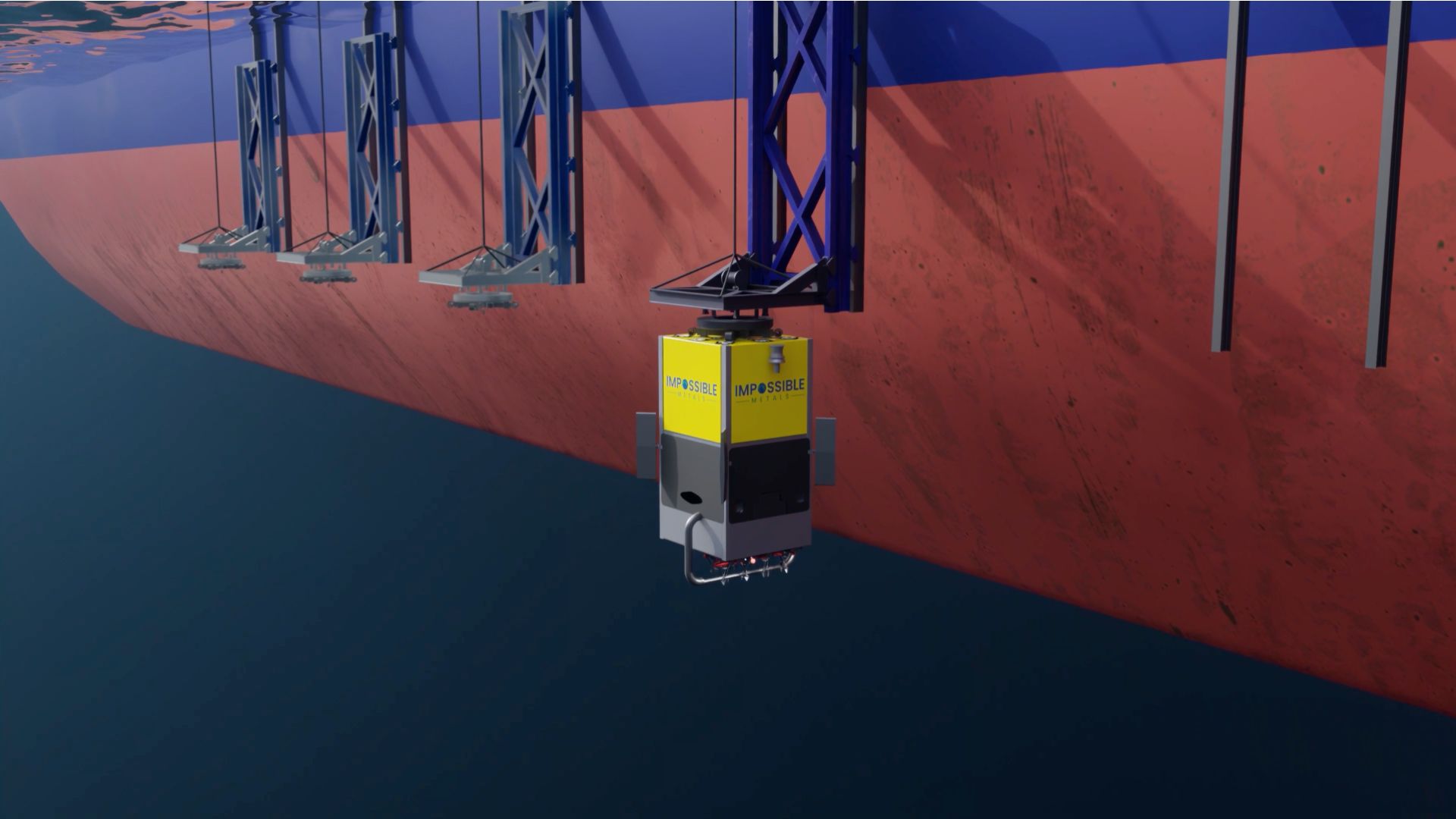
Impossible Metals to Launch Advanced Marine Robotics Hub for Deep-Sea Mineral Harvesting
Impossible Metals, a US mining technology company, has announced plans to establish an Advanced Marine Robotics Hub in Pittsburgh, Pennsylvania. This facility will focus on developing autonomous marine systems for the deep-sea collection of critical minerals, creating over a dozen high-paying engineering and science jobs. The hub aims to enhance US capabilities in marine robotics and critical mineral technologies through collaboration with local universities and researchers. The significance of this initiative lies in its potential to redefine deep-sea mining practices. According to Mike Regan, Chief Growth Officer at Impossible Metals, the hub will enable swarms of autonomous robots to harvest critical minerals like nickel, cobalt, copper, and manganese with minimal environmental impact. This approach not only promises to produce the lowest-cost critical metals on Earth but also aims to strengthen the US supply chain and reduce reliance on foreign sources of essential materials. Looking ahead, the Advanced Marine Robotics Hub will serve as the primary research center for advancing the Eureka autonomous underwater platform and Smart Launch and Recovery Systems. The company plans to continue developing dual-use technologies that cater to both commercial and naval applications. No further timeline was disclosed at the time of publication.
AI and Robotics
Humanoid Robot H1 Completes First Live Gallbladder Surgery Under Surgeon Control
In July 2026, a humanoid robot successfully performed the world's first live gallbladder surgery on a pig under the control of a surgeon. This groundbreaking procedure, documented by Nature and featured on the front page of the New York Post, has sparked significant discussions in the tech community about the implications of humanoid robots in surgical settings, particularly regarding remote control and AI capabilities. The significance of this achievement lies in its potential to disrupt the surgical robotics market, which has been dominated by the Da Vinci surgical system for nearly two decades. The Da Vinci system, known for its high costs exceeding $2 million, relies on specialized robotic arms and instruments. In contrast, the humanoid robot's design allows it to utilize standard surgical tools, which could lead to reduced costs and increased accessibility for hospitals. Looking ahead, the successful completion of this surgery marks a pivotal moment for humanoid robots in healthcare. While regulatory hurdles and clinical validation processes remain, the experiment demonstrates that humanoid robots can perform complex surgical tasks. The next challenge will be determining when the costs associated with these robots can be lowered enough for broader adoption by hospitals beyond top-tier institutions. No further timeline was disclosed at the time of publication.
Humanoid Robots Surgical Robotics AI in Healthcare Remote Surgery
SoftBank to Enhance Store Management with AI and Autonomous Robots in Seven & i Investment Talks
SoftBank is reportedly in discussions to invest in Seven & i Holdings, focusing on enhancing store management through its proprietary AI technology. The investment aims to integrate autonomous robots into the retail operations, potentially transforming customer service and inventory management. Specific figures regarding the investment or timeline for implementation were not disclosed at the time of publication. This initiative is significant as it aligns with the growing trend of utilizing AI and robotics in retail to streamline operations and improve efficiency. By leveraging its in-house AI capabilities, SoftBank seeks to address challenges in store management, which can lead to better resource allocation and enhanced customer experiences. The integration of autonomous robots could also reduce labor costs and improve operational accuracy. Looking ahead, industry observers will be keen to see how this potential investment unfolds and its impact on Seven & i's operations. The timeline for the rollout of AI and robotic solutions remains unclear, with no further details disclosed at this time. Stakeholders will monitor developments closely as the retail sector continues to evolve with technology adoption.
News ai Japan paypay Retail Seven & i Holdings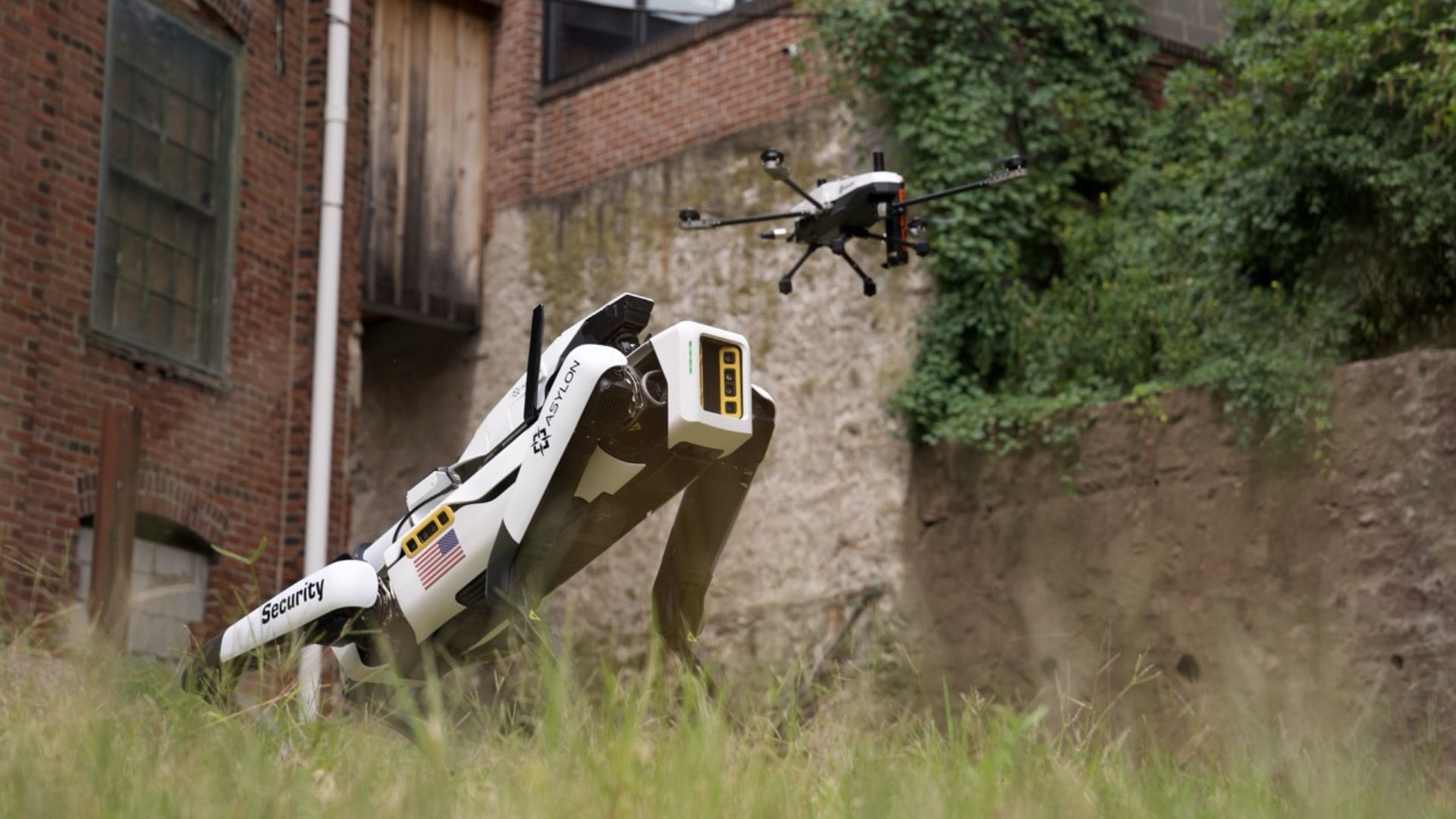
Asylon's MARIA System Enhances Aircraft Inspections for U.S. Air Force
Asylon has secured a Phase Three contract with the U.S. Air Force's Warner Robins Air Logistics Complex to deploy its Multi-modal Autonomous Robotics for Inspection of Aircraft (MARIA) system. This initiative aims to streamline aircraft inspections by integrating air and ground robotic platforms, significantly reducing the time for general visual inspections while enhancing consistency in maintenance tasks. The MARIA system combines Asylon's Guardian unmanned aircraft with the DroneDog Q-UGV, utilizing the Range autonomy software and DroneIQ command-and-control system for efficient inspection management. The significance of this deployment lies in its potential to transform aircraft maintenance operations. By automating inspections, the MARIA system not only improves inspection quality but also mitigates the risks associated with labor-intensive tasks. The integration of imagery, LiDAR data, and telemetry into a single platform allows maintenance personnel to make informed decisions quickly, thereby enhancing aircraft readiness without increasing manpower demands. This project marks a pivotal shift in how the Air Force approaches maintenance, leveraging autonomous technologies to optimize operational efficiency. Looking ahead, the success of the MARIA deployment at Warner Robins could lead to broader adoption of these technologies across military maintenance organizations. No further timeline was disclosed at the time of publication, but the ongoing collaboration between Asylon and the Air Force may pave the way for future advancements in defense sustainment operations, particularly in the realm of autonomous inspections and maintenance support.
Military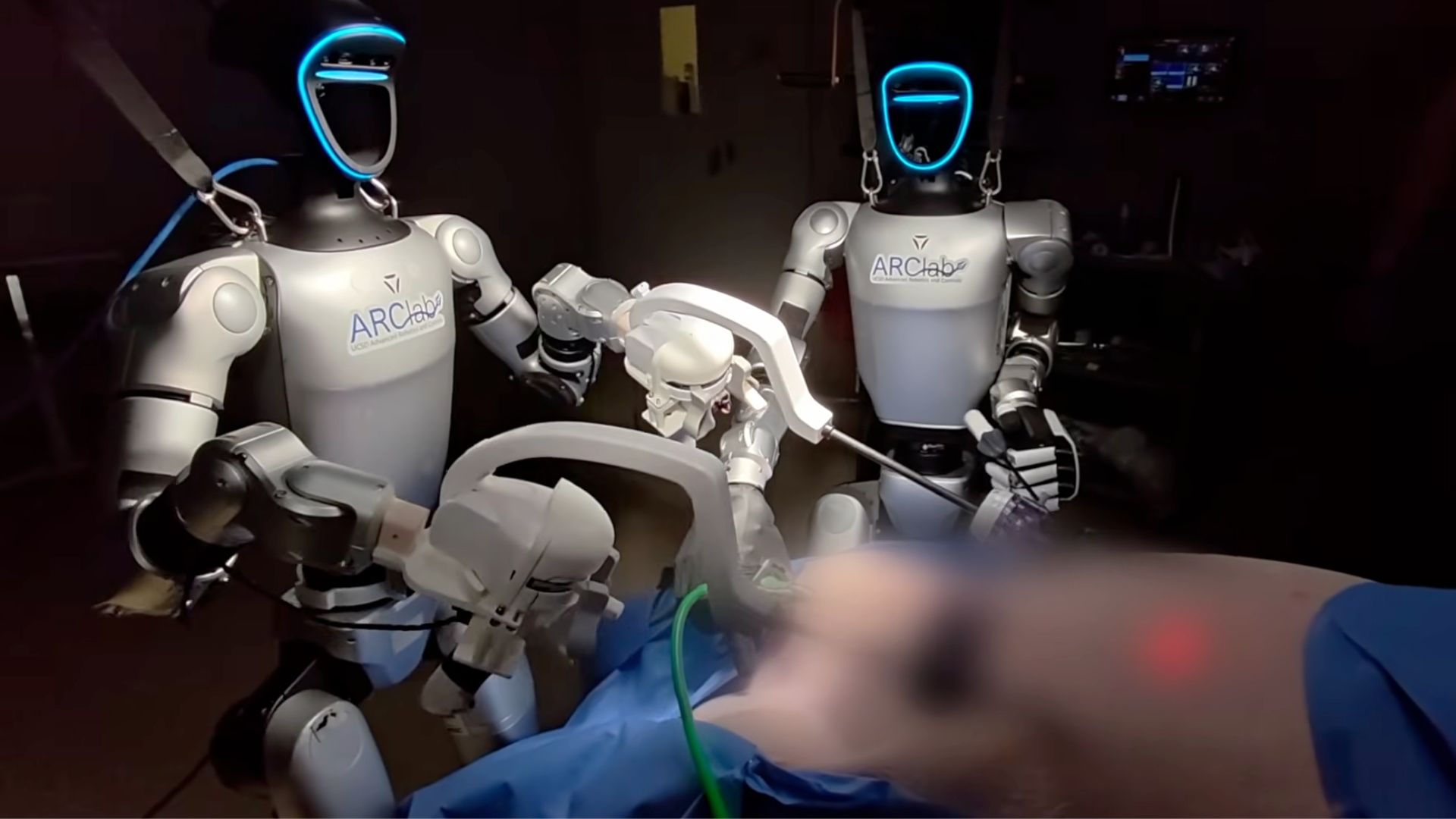
World’s first surgery using teleoperated humanoid robots conducted by US team
A team of researchers has made a groundbreaking advancement by successfully employing teleoperated humanoid robots to carry out two complex tasks. This achievement marks a significant milestone in robotics, showcasing the potential for remote-controlled machines to perform intricate functions that were previously thought to be the domain of human operators. The experiments took place in a controlled environment, allowing the researchers to meticulously assess the robots' capabilities and refine their performance. The motivation behind this innovative project stems from the desire to enhance efficiency and safety in various industries, particularly in situations where human presence may be risky or impractical. By leveraging advanced teleoperation technology, the researchers demonstrated that humanoid robots could effectively mimic human movements and decision-making processes, paving the way for future applications in fields such as disaster response, healthcare, and manufacturing. The successful execution of these tasks not only highlights the progress in robotic technology but also opens new avenues for research and development, potentially transforming how we approach complex operations in challenging environments. As the team continues to refine their methods, the implications of this work could lead to widespread adoption of teleoperated robots in various sectors, ultimately improving productivity and safety for human workers.
AI and Robotics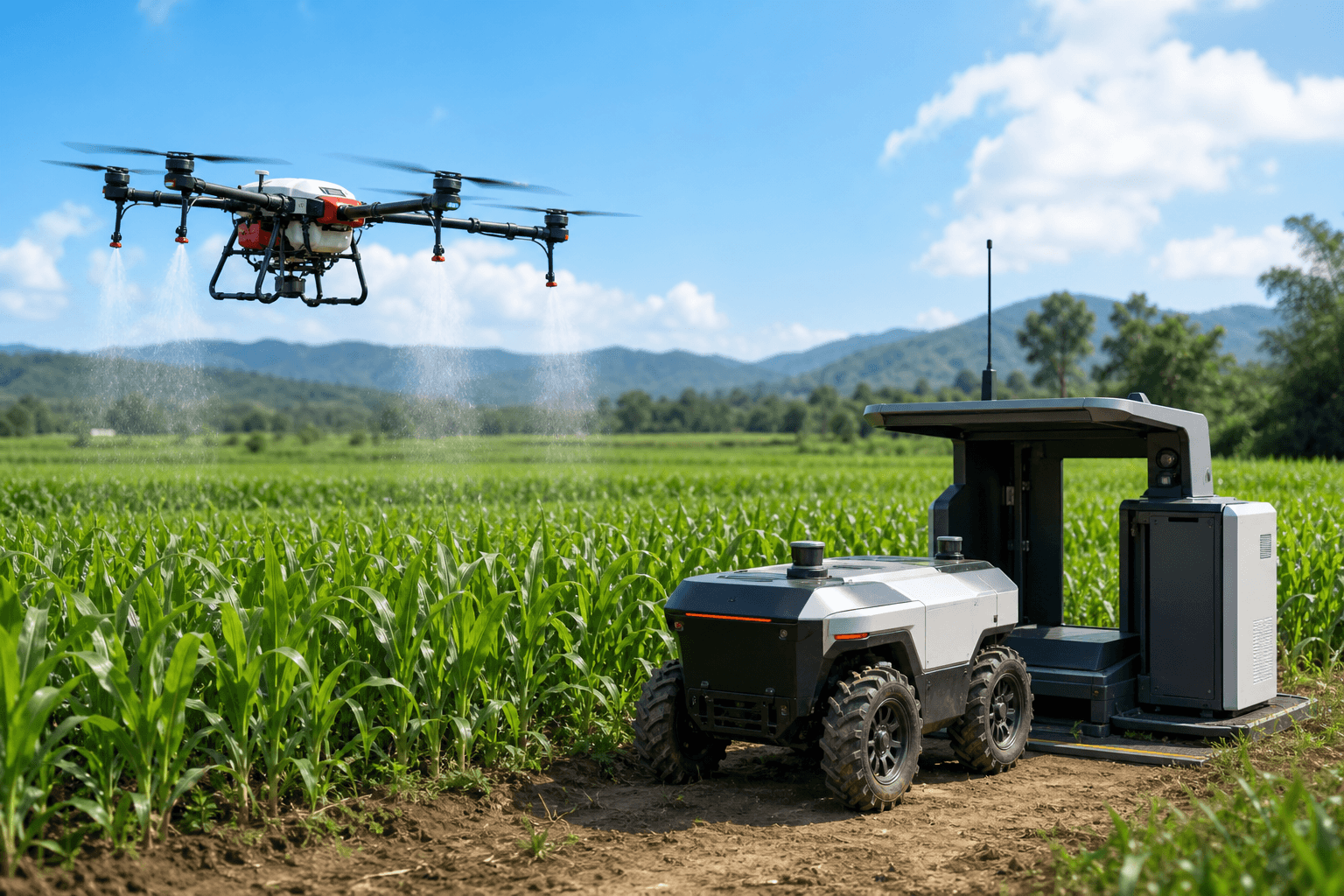
XAG Unveils Aerial and Ground Agricultural Robots for Fully Autonomous Crop Protection
XAG has unveiled its latest advancements in agricultural technology with the introduction of the new X Series agricultural robots and the RM80 mowing robot. These innovations aim to enhance farm automation by addressing the final stages of agricultural processes, which include autonomous spraying, self-charging capabilities, and the mixing of chemicals. This launch, which took place in October 2023, is part of XAG's ongoing commitment to revolutionize farming practices and improve efficiency in the agricultural sector. By integrating advanced robotics into farming operations, XAG seeks to provide farmers with tools that streamline their work and reduce labor costs, ultimately contributing to more sustainable agricultural practices.
Robotics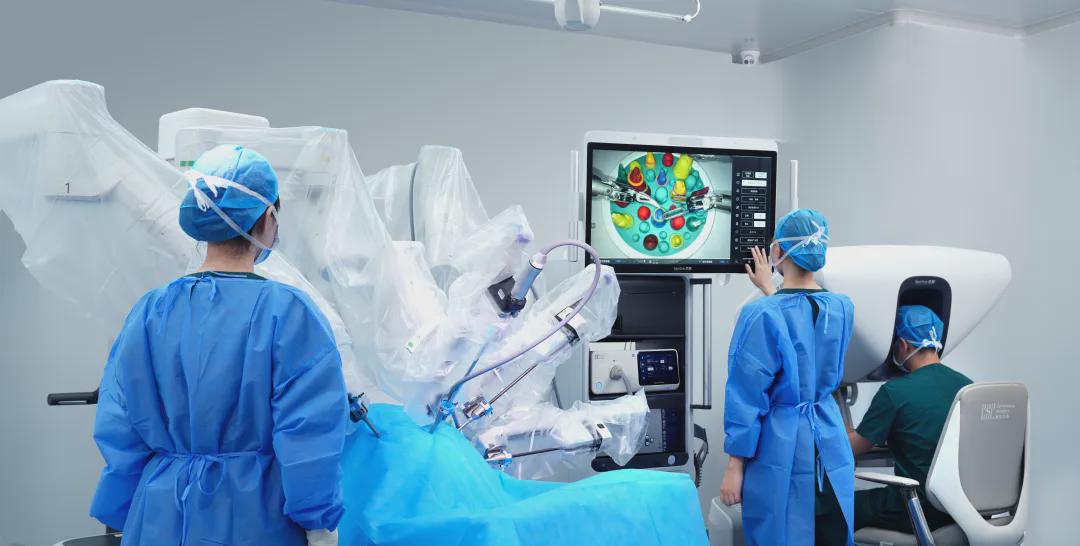
How Conostech is Pioneering Digital Surgery with Surgical Robots
At the Hamlyn Medical Robotics Conference, a significant international challenge demonstrated the integration of AI algorithms in surgical robots, marking a transformative moment in the medical field. The event showcased how surgical robots are evolving into advanced platforms capable of incorporating AI technologies. Among the participants, Conostech's Sentire system emerged as a notable contender, distinguished by its open architecture and strong performance. This positions Conostech as a leading force in the rapidly developing domain of digital surgery, reflecting the industry's shift towards more intelligent and adaptable surgical solutions.
Surgical Robots AI Integration Digital Surgery Medical Robotics
Open-source swarm robotics: Custom ESP32 MiniBots turn chess pieces into autonomous robots
A hardware developer known as 3DprintedLife has introduced an innovative open-source swarm robotics project aimed at advancing collaborative robotics technology. The announcement was made recently, showcasing the potential for multiple robotic units to work together efficiently in various applications. This initiative is designed to encourage community involvement and innovation in robotics, allowing developers and enthusiasts to contribute to and enhance the project. By providing accessible resources and documentation, 3DprintedLife hopes to foster a collaborative environment that could lead to significant advancements in the field. The project is expected to attract interest from both amateur and professional roboticists, as it emphasizes the importance of shared knowledge and collective problem-solving in technology development.
AI and Robotics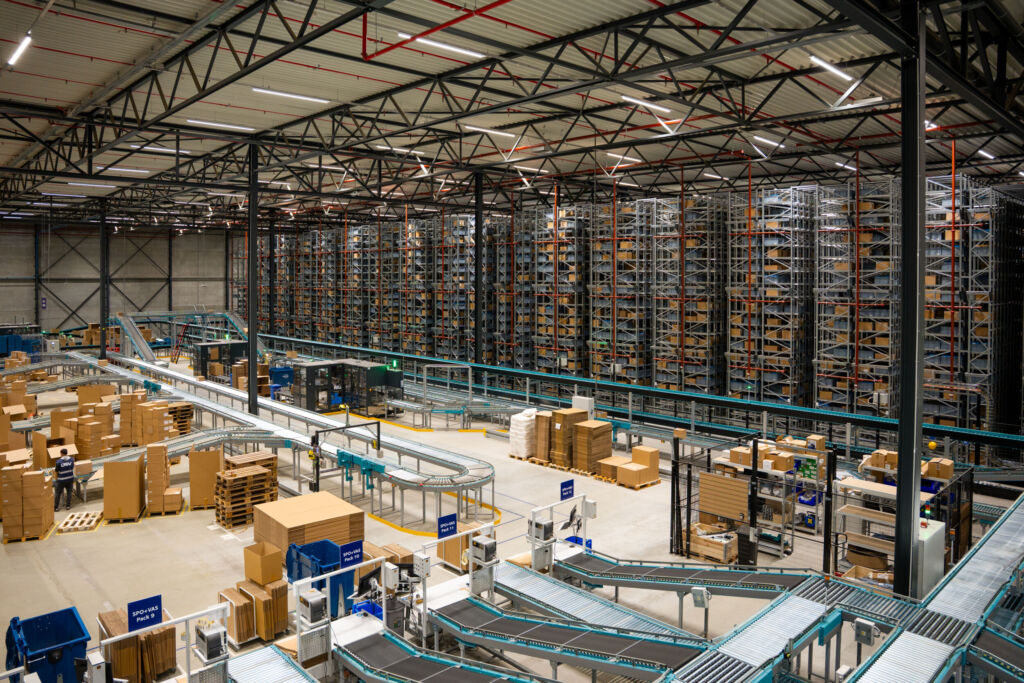
100 autonomous robots in fulfillment operations
Exotec has equipped DSV's logistics center in Venlo, Netherlands, with its innovative Skypod system, enhancing the facility's fulfillment capabilities. This advanced automation solution features 100 autonomous robots designed to streamline operations and improve efficiency in the supply chain. The implementation of the Skypod system is part of DSV's strategy to optimize logistics processes and meet growing demand in the e-commerce sector. By integrating these robots, the company aims to accelerate order processing and reduce operational costs, positioning itself competitively in the rapidly evolving logistics landscape.
Allgemein Fördertechnik & Handling Lagerlogistik & Materialfluss Lösungen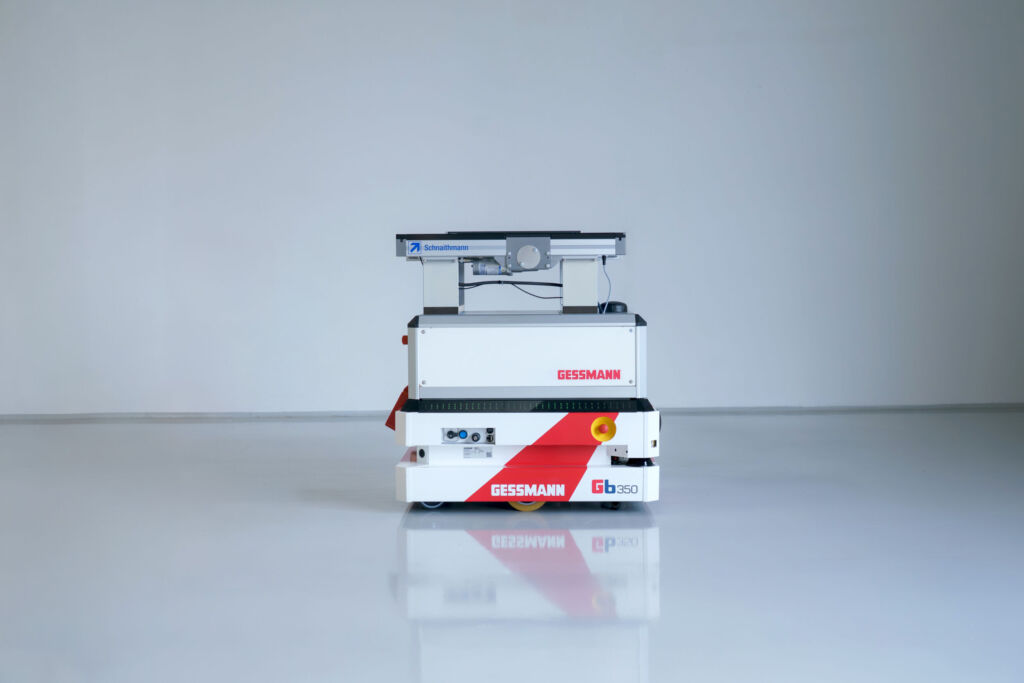
Autonomous mobile robots enhance assembly automation.
Schnaithmann has introduced autonomous mobile robots into its assembly and transfer lines, enhancing automation capabilities. This integration aims to streamline operations and improve efficiency in manufacturing processes. The deployment of these robots represents a significant advancement in the company's approach to modern assembly automation, reflecting a growing trend in the industry towards increased reliance on autonomous technologies.
Allgemein Automation Fördertechnik & Handling Lagerlogistik & Materialfluss Mobile Robotik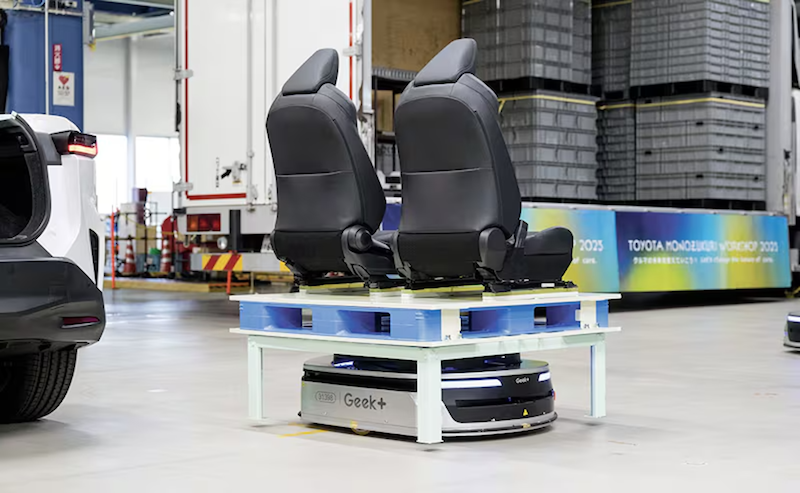
Geekplus intalls more than 400 autonomous mobile robots at multiple Toyota plants
Geekplus has initiated the deployment of moving-type Autonomous Mobile Robots (AMRs) at multiple Toyota Motor Corporation plants across Japan. This strategic move comes in response to labor shortages stemming from the country's declining population and evolving labor market dynamics. Currently, 436 Geekplus AMRs are actively operating within Toyota's manufacturing facilities, with each system managing around 200 units. The integration of these robots aims to enhance operational efficiency and address workforce challenges, reflecting a growing trend in automating production processes within the automotive industry.
News Warehouse robots amrs automation news autonomous mobile robots factory automation
OMRON Robotics to Demonstrate Next-Generation Autonomous Mobile Robots at Automate 2026
A leading technology company has unveiled its latest advancements in automated material handling with the introduction of the LD-150 and LD-300 autonomous mobile robots (AMRs). This launch took place in October 2023, showcasing the company's commitment to enhancing efficiency in logistics and warehouse operations. The new AMRs are designed to streamline material flow, addressing the growing demand for smarter and more flexible solutions in supply chain management. By integrating advanced navigation and sensing technologies, the LD-150 and LD-300 aim to optimize workflows, reduce operational costs, and improve safety in various industrial environments. This innovation reflects the company's strategy to leverage automation in response to evolving market needs and the increasing complexity of logistics operations.
Drive solutions for shuttles, automated guided vehicles, and autonomous mobile robots.
At the SPS Italia exhibition, Bonfiglioli showcased its innovative mechatronic ecosystem, highlighting advanced drive solutions tailored for shuttles, automated guided vehicles (AGVs), and autonomous mobile robots (AMRs). This presentation underscores Bonfiglioli's commitment to enhancing automation and efficiency in various industrial applications. The event, held in Italy, serves as a platform for industry leaders to explore cutting-edge technologies and solutions that address the evolving needs of the market. Through its participation, Bonfiglioli aims to demonstrate its leadership in the field and foster collaborations that drive technological advancements in automation.
Allgemein Antriebs- und Lineartechnik Robotik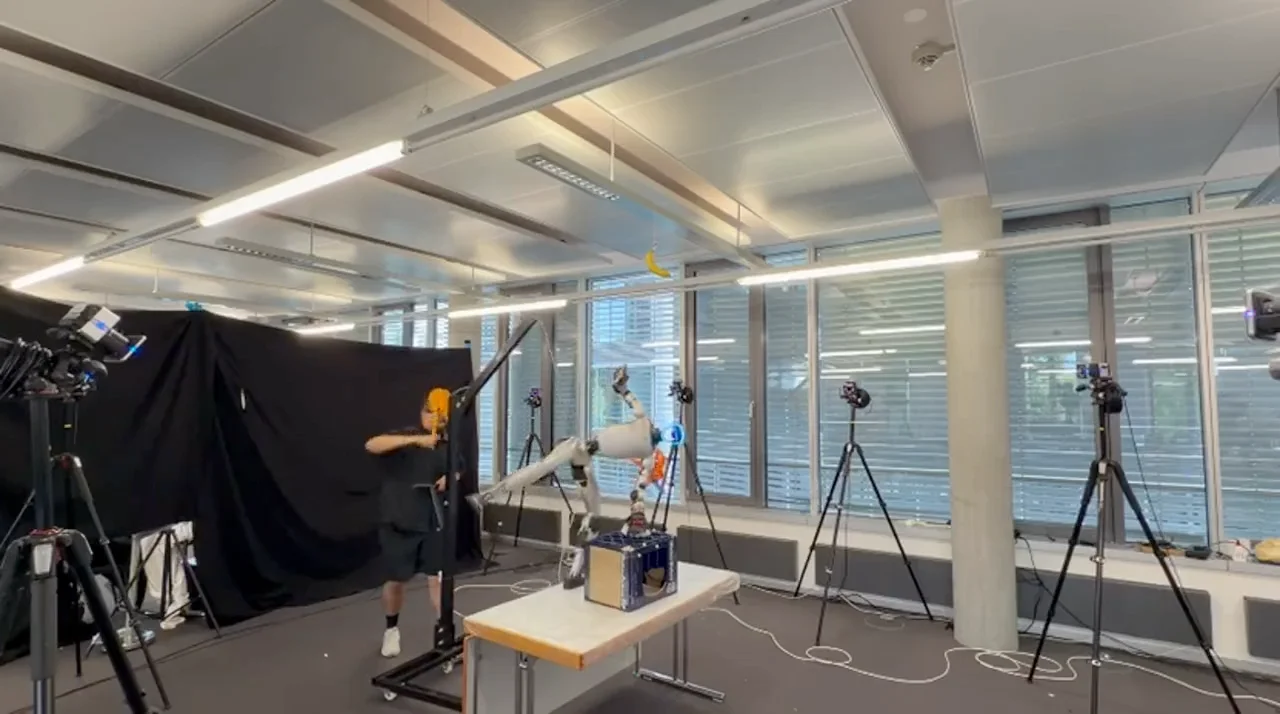
MotionDisco Framework Enables Humanoid Robots to Learn Skills Autonomously Without Imitation
A collaborative team from the Technical University of Munich, New York University, and Carnegie Mellon University has introduced MotionDisco, a groundbreaking framework that allows humanoid robots to autonomously discover loco-manipulation skills. Unlike traditional methods that rely on human demonstrations, MotionDisco operates without any human data or teleoperation, addressing the scalability issues inherent in imitation learning. This innovative approach is significant as it overcomes the limitations of existing humanoid robotics paradigms, which often restrict robots to human-like movements. By utilizing a Large Language Model (LLM) in conjunction with a rigid kinodynamic trajectory optimizer, MotionDisco enables robots to explore diverse solutions for complex tasks, enhancing their ability to leverage unique physical capabilities. The researchers evaluated MotionDisco on eight challenging tasks, demonstrating its effectiveness in generating valid, low-cost solutions rapidly. As the framework evolves through an automated discovery loop, it reveals the potential for robots to develop their own strategies for movement and manipulation, marking a significant advancement in the field of humanoid robotics. No further timeline was disclosed at the time of publication.
G1 US
AI agents enhance autonomous inspections, revamping manual approval processes for drones and ground robots by DataRobot, Chevron, and NVIDIA.
DataRobot has announced a collaboration with Chevron U.S.A. Inc., a subsidiary of Chevron Corporation, to implement agent-based AI in edge environments. This partnership aims to enhance autonomous patrol and inspection operations at Chevron facilities. By leveraging advanced AI technology, the initiative seeks to improve operational efficiency and safety in the company's infrastructure.
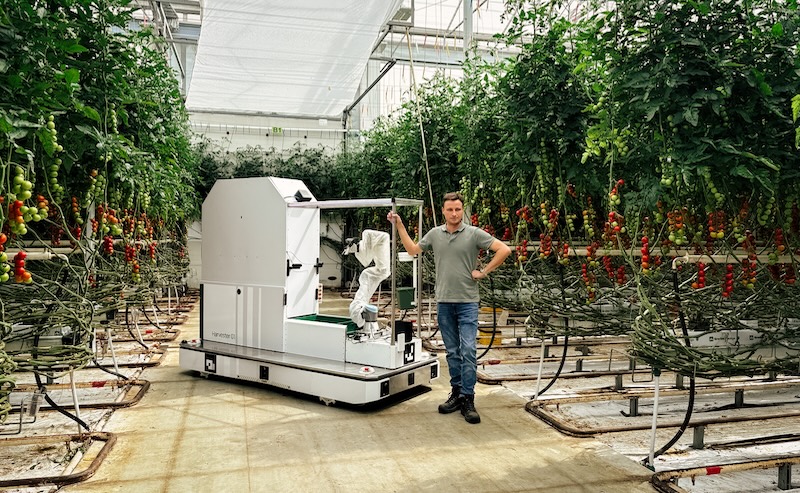
Eternal.ag scales fully-autonomous harvesting robots with first customer Van Noord Growers
Eternal.ag, a German agritech startup, has launched its fully-autonomous greenhouse harvesting robot, known as Harvester, at Van Noord Growers in Zeeland, Netherlands. This deployment is part of a long-term agreement aimed at enhancing the efficiency of Van Noord Growers, which cultivates tomatoes and cucumbers across an 8.5-hectare facility. The Harvester robot is specifically designed for truss harvesting, offering a solution to labor shortages and increasing productivity in greenhouse operations. The collaboration reflects a growing trend in the agricultural sector to integrate advanced technology to streamline processes and improve crop yields.
Agriculture News agribusiness technology agricultural AI agricultural automation agricultural innovationRobotics needs a service framework.
RSF defines a common language for robot service capability, lifecycle operations, certification pathways, and service-provider networks.
Join the RobotToday community on LinkedIn
Daily robotics news, in-depth analysis, conference highlights, and discussions with professionals worldwide.