

Industry Briefing
A single destination for timely, editor-curated robotics news from around the world.

Kraken Technology Secures $175 Million in Series B Funding for Autonomous Maritime Platforms
Kraken Technology Group Ltd. has successfully raised $175 million in Series B funding, achieving a valuation of $1 billion. The investment, led by Digital Transformation Capital Partners GmbH, will enhance Kraken's global rollout of autonomous maritime platforms designed for defense applications, including support for NATO and its partners. This funding is significant as it comes after Kraken secured multiple contracts with the U.K. Ministry of Defence and NATO European partners, indicating strong demand for its modular uncrewed surface vessels (USVs) and uncrewed subsurface vessels (USSVs). These platforms are capable of various operations, including data collection and anti-submarine warfare, addressing the urgent needs of modern maritime defense. Looking ahead, Kraken Technology plans to announce new manufacturing partnerships in the Middle East and Indo-Pacific regions, further expanding its production capabilities. The company aims to leverage this funding to enhance its USVs and payload capabilities, responding to the increasing demand for mission-ready maritime solutions.
Defense / Security Investments Maritime Mobility / Navigation News Unmanned Maritime Systems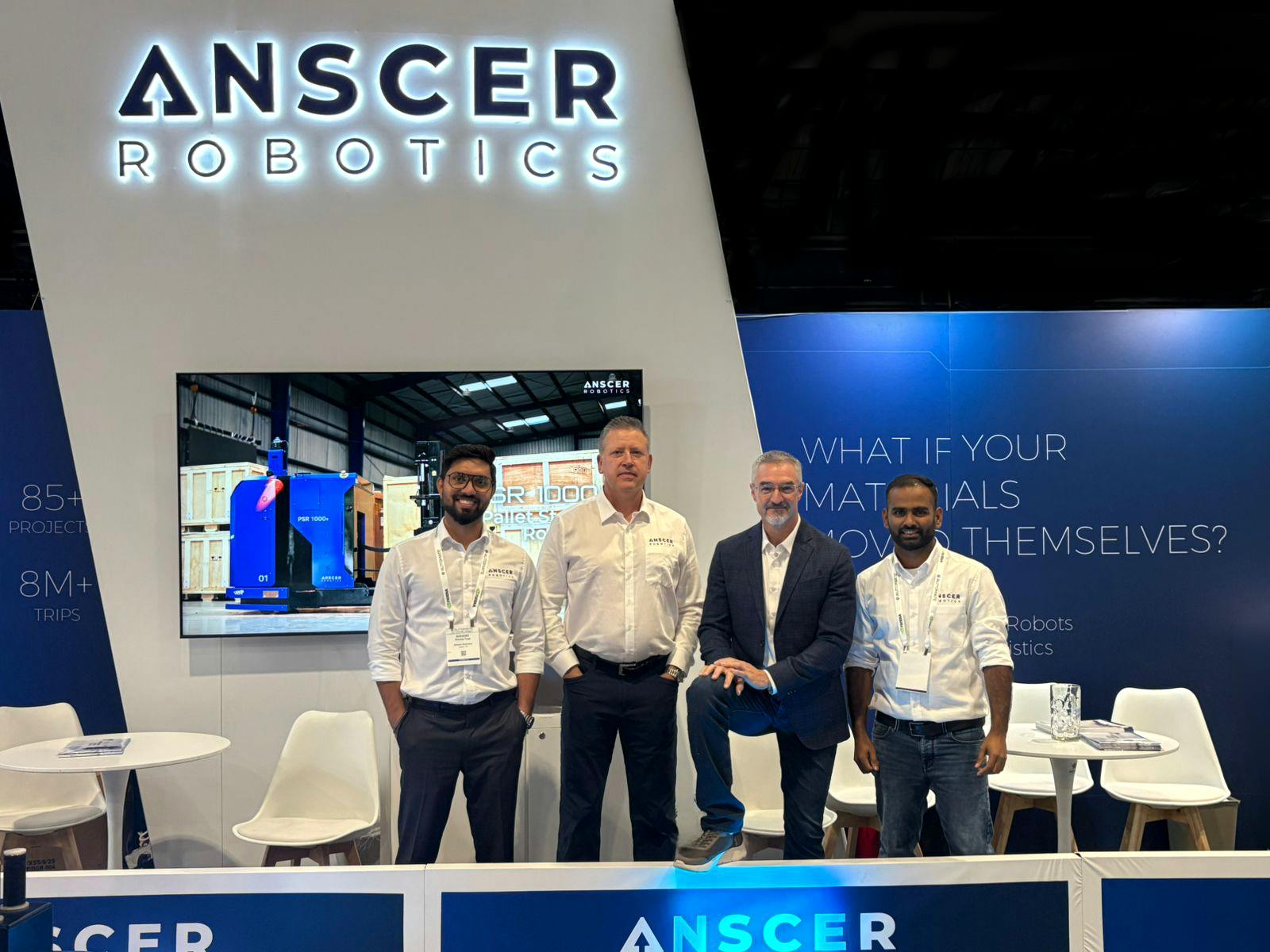
ANSCER Robotics Achieves Conditional U.S. Approval for Autonomous Mobile Robot Platforms
ANSCER Robotics has announced that it has received conditional approval for its autonomous mobile robot platforms in the U.S. This approval is significant as it allows U.S. customers, manufacturers, and warehouses to evaluate these platforms for industrial material-handling projects without facing restrictions from the Federal Communications Commission (FCC). The conditional approval addresses a national-security eligibility requirement for FCC equipment authorization, which is crucial for the deployment of advanced robotic devices. ANSCER's modular AR platform is designed to support various applications, including lifting, tunneling, and tugging, across manufacturing and warehousing operations. Looking ahead, ANSCER Robotics aims to assist customers in identifying suitable material-movement applications and navigating the regulatory landscape. No further timeline was disclosed at the time of publication.
Factory / Robotics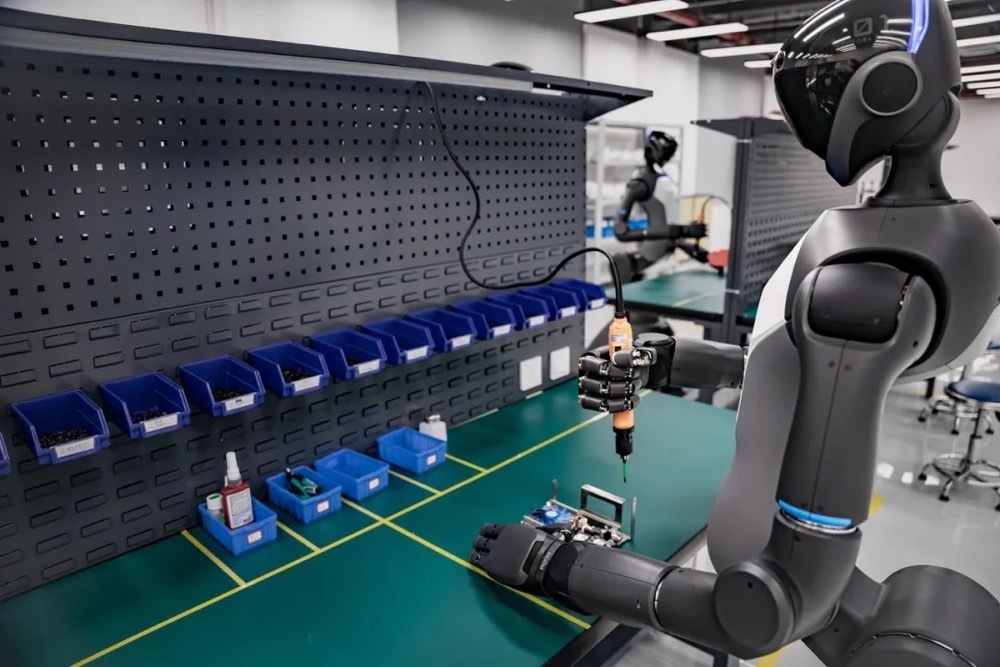
Path Tracking for Forestry Autonomous Mobile Platforms Based on Improved Snake Optimizer‐Pure Pursuit Algorithm
A recent study published in the Journal of Field Robotics explores advancements in autonomous robotics, highlighting their potential applications in various industries. Conducted by a team of researchers from leading universities, the study was released in early October 2023. The researchers aimed to address the growing demand for efficient and reliable robotic systems in sectors such as agriculture, manufacturing, and logistics. The study details how recent technological innovations, including improved sensor technologies and machine learning algorithms, have enhanced the capabilities of autonomous robots. These advancements enable robots to perform complex tasks with greater precision and adaptability, ultimately increasing productivity and reducing operational costs for businesses. The research team conducted extensive field tests to evaluate the performance of these autonomous systems in real-world scenarios. By analyzing data collected during these tests, the researchers were able to demonstrate the effectiveness of the robots in navigating challenging environments and executing tasks autonomously. The findings underscore the importance of continued investment in robotics research and development, as the integration of autonomous systems is expected to revolutionize traditional workflows and contribute to economic growth. As industries increasingly adopt these technologies, the study serves as a crucial resource for understanding the future landscape of robotics and its implications for various sectors.
RESEARCH ARTICLE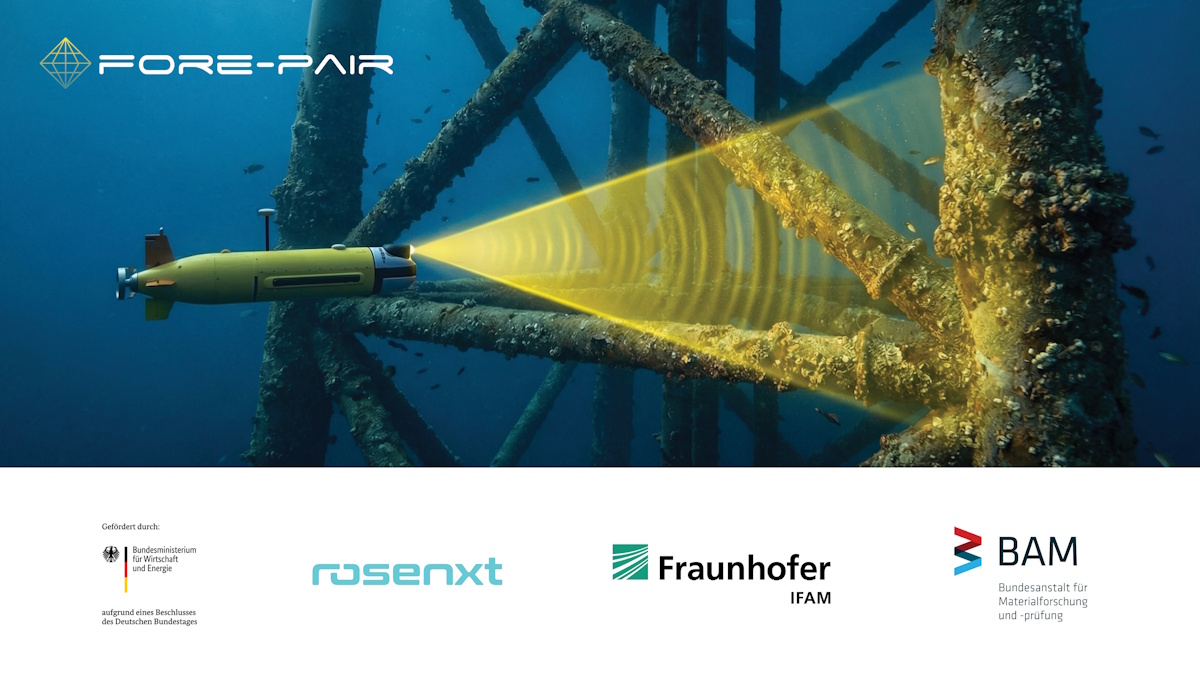
Federal Funding for Autonomous Underwater Robotics Project to Inspect Floating Offshore Energy Platforms
The FORE-PAIR consortium has officially launched a project aimed at developing autonomous robotic technologies for the inspection, maintenance, and cleaning of floating offshore energy platforms, including floating wind and solar systems. This initiative is backed by approximately 10 million euros in federal funding. The project is set to enhance the efficiency and sustainability of offshore energy production, addressing the growing demand for renewable energy sources. By leveraging advanced robotics, the consortium aims to streamline operations and reduce the environmental impact associated with traditional maintenance methods. The project is expected to contribute significantly to the future of offshore energy infrastructure, promoting innovation in the sector.
funding autonomous underwater robotics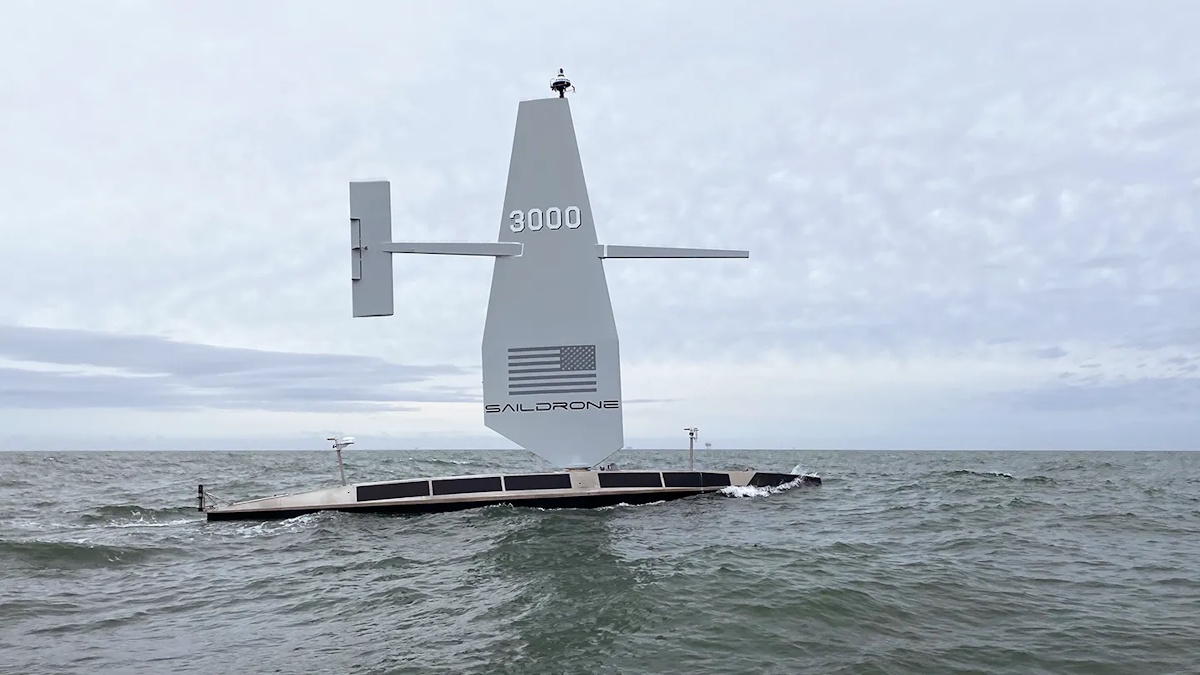
Revolutionizing Deep-water Cable Route Surveys with Autonomous Platforms
Saildrone, in collaboration with Meta, has achieved a significant milestone by completing the first autonomous deep-water cable route survey in the North Atlantic. This groundbreaking project, which took place recently, sets a new standard for offshore mapping techniques. The initiative aims to enhance the efficiency and accuracy of underwater surveys, crucial for the development of future telecommunications infrastructure. By utilizing advanced autonomous technology, Saildrone's innovative approach allows for comprehensive data collection in challenging marine environments, paving the way for safer and more reliable underwater cable installations.
deep-water cable route surveys autonomous platformsRobotics needs a service framework.
RSF defines a common language for robot service capability, lifecycle operations, certification pathways, and service-provider networks.
Join the RobotToday community on LinkedIn
Daily robotics news, in-depth analysis, conference highlights, and discussions with professionals worldwide.







