

Industry Briefing
A single destination for timely, editor-curated robotics news from around the world.
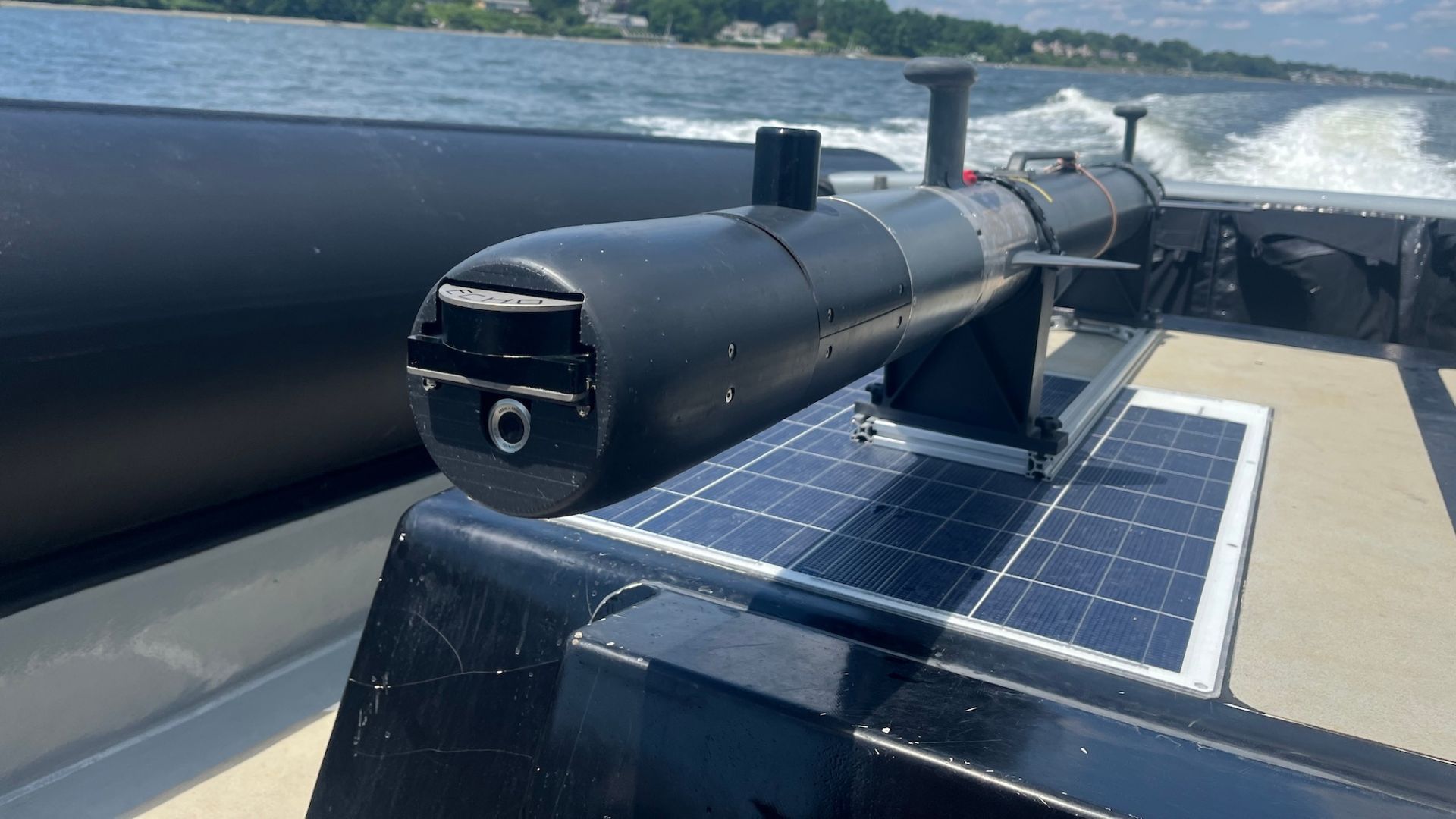
Vatn Systems Launches SIGURD Autonomous System for Naval Mine Detection and Neutralization
U.S. defense startup Vatn Systems has unveiled SIGURD, a compact autonomous system designed to detect and neutralize naval mines. This innovative platform allows military operators to locate underwater mines without the need for large mine warfare vessels, addressing a critical challenge in naval operations. SIGURD is currently being tested by government customers, with deployment expected later this year. The introduction of SIGURD is significant as naval mines remain a cost-effective threat in maritime conflict, capable of disrupting shipping and delaying naval operations. Traditional mine countermeasure missions are resource-intensive, often requiring specialized ships and trained personnel. Vatn's autonomous underwater vehicle aims to streamline this process, enabling quicker responses to mine threats in contested waters. Looking ahead, Vatn Systems is preparing to support U.S. military and allied nations in expanding their autonomous mine warfare capabilities. The demand for such systems is rising, particularly in light of increasing tensions in strategic maritime regions. The successful testing of SIGURD against inert naval mines suggests a promising future for autonomous solutions in mine countermeasures.
Military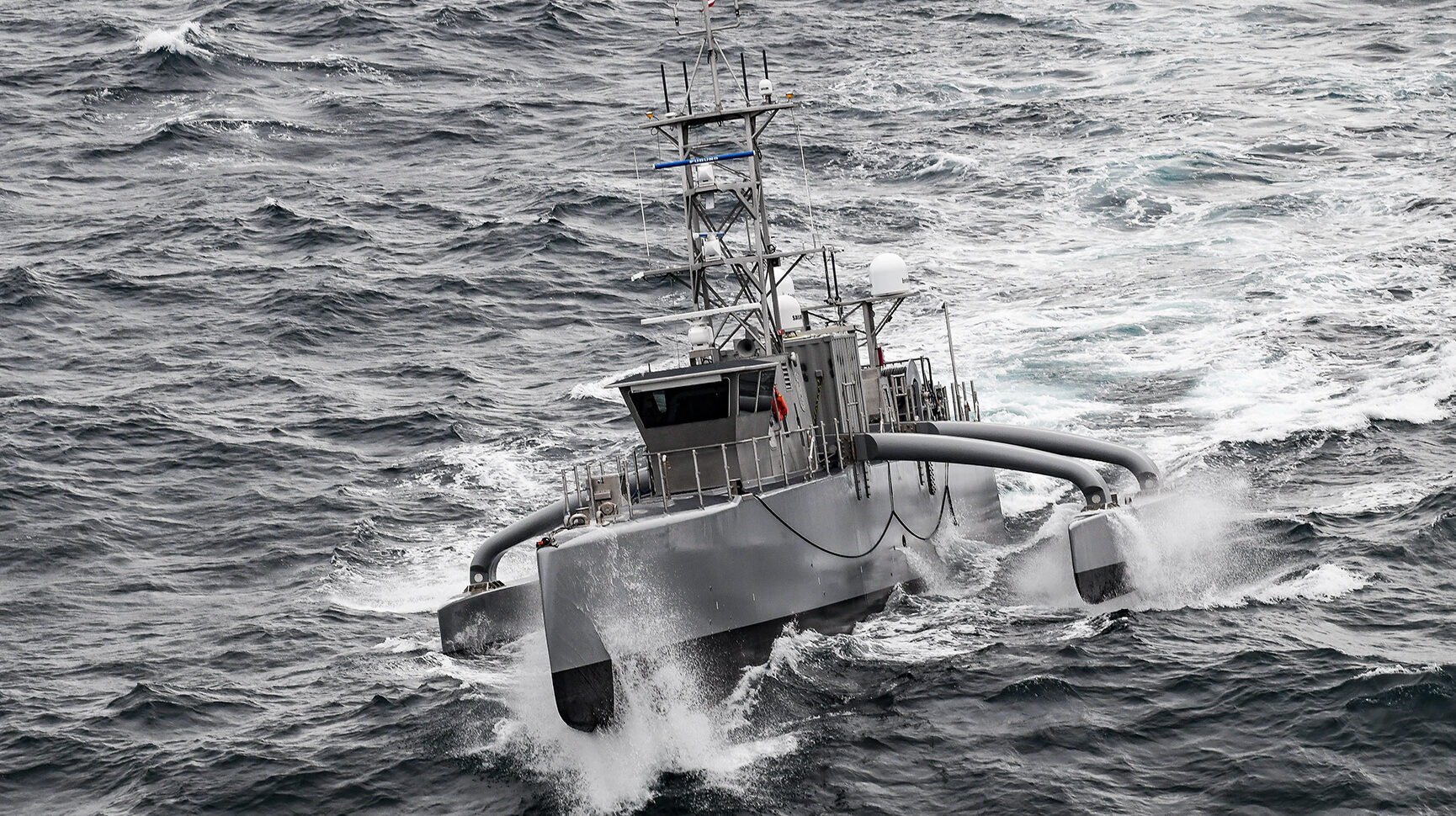
Navy Establishes Robotics and Autonomous Systems Warfighting Development Center in Virginia
The Navy has launched the Robotics and Autonomous Systems Warfighting Development Center (RASWDC) to develop tactics and procedures for unmanned systems. Headquartered at Joint Expeditionary Base Little Creek-Fort Story in Virginia, RASWDC aims to unify efforts across the Navy to enhance operational coherence in unmanned capabilities. This initiative is significant as it aligns with the Navy's broader strategy to integrate robotic and autonomous systems into its operations, as emphasized by Chief of Naval Operations Adm. Daryl Caudle. The RASWDC will work closely with the Direct Reporting Portfolio Manager for Robotic and Autonomous Systems to facilitate the acquisition and deployment of these technologies. Looking ahead, the RASWDC is expected to play a crucial role in ensuring that sailors are equipped with the necessary training and doctrine to effectively utilize unmanned systems. No further timeline was disclosed at the time of publication.
Naval Warfare Adm. Daryl Caudle Drones Navy robotics Unmanned
Enhancing the Navy's Kill Chain with Remote Mine Hunting Using AI and Sonar
The Navy is advancing its find, fix, and finish kill chain through the implementation of remote mine hunting technologies. This innovative approach leverages autonomy, artificial intelligence, and advanced sonar systems to effectively locate and neutralize underwater mines, significantly improving operational efficiency. The integration of these technologies is crucial for enhancing maritime safety and operational readiness. By utilizing remote mine hunting, the Navy can clear waterways more quickly and with reduced risk to personnel, addressing the growing need for effective mine countermeasures in complex environments. Looking ahead, the continued development and deployment of remote mine hunting capabilities will be essential for maintaining naval superiority. No further timeline was disclosed at the time of publication.
Naval Warfare Sponsored Post Navy networks Presented by Thales SAS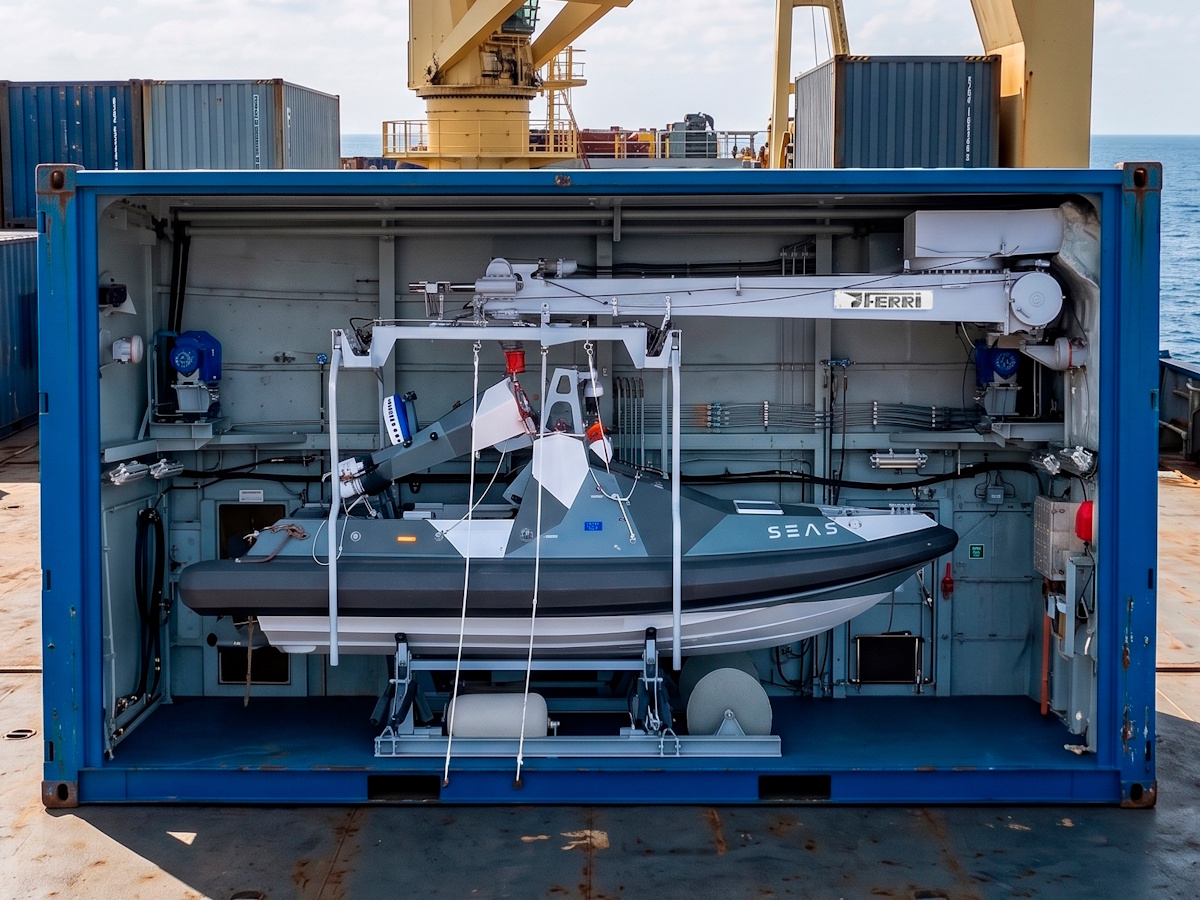
Cellula Robotics and FERRI Establish Nautical Reach Systems for Autonomous Marine Handling
Cellula Robotics Ltd. and Industrias FERRI S.A. have launched Nautical Reach Systems Ltd., a joint venture based in East Coast Canada. This new entity will focus on designing and manufacturing marine motion, lift, and handling systems tailored for autonomous maritime operations, including smart launch and recovery solutions for uncrewed vehicles. The collaboration aims to enhance the safety and reliability of autonomous platforms operating in challenging maritime environments, such as remote and Arctic conditions. Neil Manning, CEO of Cellula Robotics, emphasized the importance of integrating vehicle design with handling equipment to optimize performance at sea, highlighting the joint venture's potential to revolutionize marine operations. Looking ahead, Nautical Reach Systems plans to leverage the combined expertise of both companies to create innovative solutions for naval and coast guard operators. FERRI's significant investment in the venture will foster job creation and intellectual property development in Canada, while Cellula contributes its autonomous handling technology. No further timeline was disclosed at the time of publication.
cellula robotics ferri nautical reach systems autonomous marine handling
New AI System Reduces Mineral Exploration Duration from Six Months to One Week
A new AI system has significantly reduced the time required for mineral exploration, cutting it down from six months to just one week. This advancement is expected to streamline the exploration process, making it more efficient and cost-effective for mining companies. The reduction in exploration time is crucial as it allows companies to quickly assess mineral deposits and make informed decisions about resource extraction. This efficiency can lead to faster project initiation and potentially higher profitability in the mining sector. Looking ahead, it will be important to monitor how this AI system is adopted across the industry and its impact on exploration practices. No further timeline was disclosed at the time of publication.
AI and Robotics
Overland AI Secures $20 Million Contract with US Army for Autonomous Breaching Systems Development
Overland AI has been awarded a $20 million contract by the U.S. Army to develop autonomous ground systems aimed at breaching battlefield obstacles. This initiative, part of the Engineer Autonomous Breaching Capability (EABC), will integrate Overland AI's OverDrive autonomy software with various ground vehicles and mission payloads, enabling a single operator to manage multiple robotic platforms during breaching missions. The significance of this contract lies in its potential to enhance operational safety by reducing the number of combat engineers exposed to hazardous environments during breaching operations. Overland AI's approach, which builds on over 25 government demonstrations with agencies like DARPA and the U.S. Army, aims to modernize battlefield operations through the use of autonomous systems. Looking ahead, the development of the breaching technology will involve collaboration with partners and subcontractors, as well as continued testing with combat engineer units. No further timeline was disclosed at the time of publication.
AI AI Funding & Investment Robotics Autonomous Ground Systems autonomous ground vehicles contract
Navy Establishes New Direct Reporting Portfolio Manager for Robotic and Autonomous Systems
The Navy has announced the creation of a new Direct Reporting Portfolio Manager for Robotic and Autonomous Systems (DRPM RAS) as part of a leadership restructuring. Chris Miller, currently leading the portfolio acquisition executive Maritime office, will take on the role of acting DRPM RAS, reporting to William Toti, who is performing the duties of undersecretary of the Navy. This initiative aims to enhance the development and acquisition of RAS capabilities within the Navy and Marine Corps. This move is significant as it reflects the Navy's recognition of the need for a more efficient approach to robotic and autonomous systems. According to Toti, the current processes are outdated and do not meet the urgent needs of Sailors and Marines. The establishment of DRPM RAS is intended to bring about faster decision-making and clearer accountability in line with Secretary of the Navy Hung Cao's directives. Looking ahead, the Navy is considering relocating DRPM RAS staff closer to Fleet warfighters to improve collaboration and ensure that operational feedback is integrated into capability development. No further timeline was disclosed at the time of publication.
Naval Warfare Drones Medium Unmanned Surface Vessel Navy portfolio acquisition executives Unmanned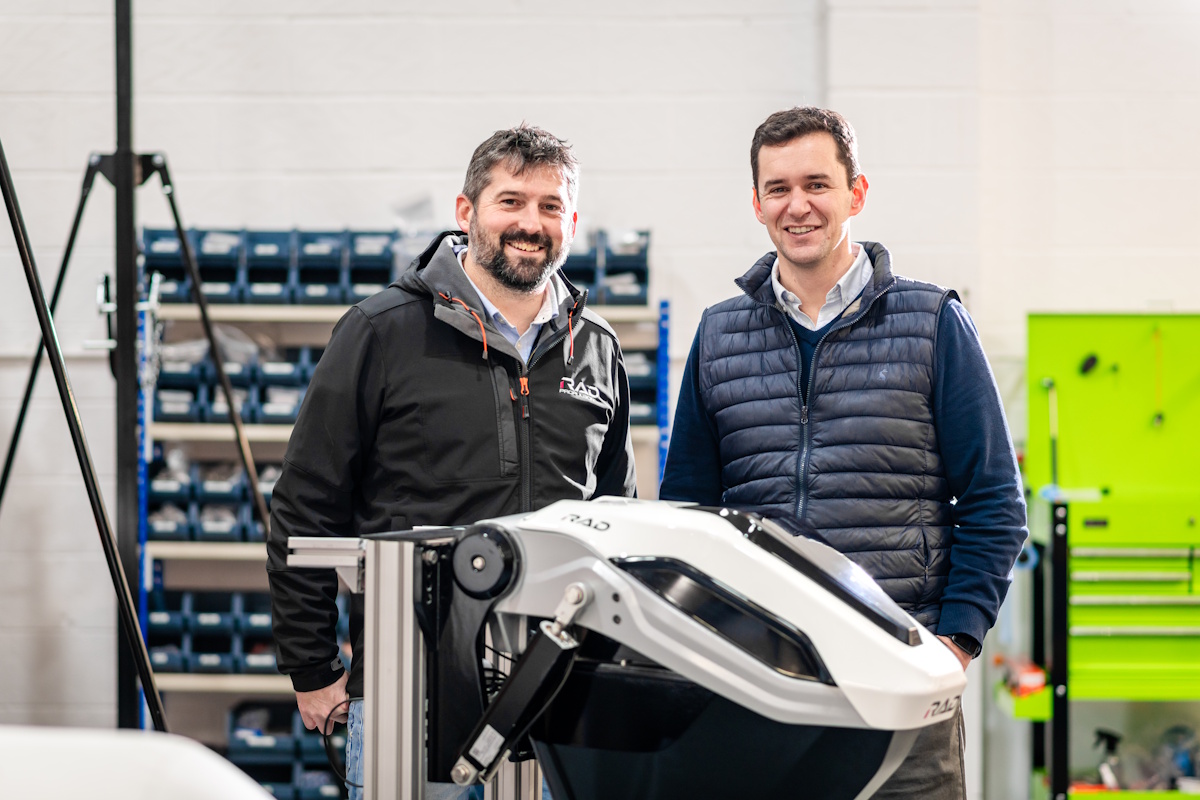
RAD Secures £4.4 Million Funding to Enhance Autonomous Marine Technology and Electric Propulsion Systems
RAD, a marine technology firm, has successfully raised £4.4 million in funding to accelerate the commercialization of its autonomous vessel technologies and expand its electric propulsion systems. This funding round, led by Mercia Ventures, comes after a year of significant product development and customer engagement, including the launch of the Axon open systems architecture for uncrewed vessels at the Combined Naval Event in May 2026. The funding is crucial as RAD aims to capitalize on the growing demand for flexible and scalable marine solutions in both defense and commercial sectors. The Axon architecture allows for rapid development and integration of uncrewed vessel capabilities, which is expected to enhance operational efficiency and reduce vendor lock-in for operators. With this investment, RAD is positioned to lead the electrification shift in marine technology, similar to trends seen in road transport. Looking ahead, RAD plans to utilize the funds for international expansion, including establishing a presence in the U.S. market, and further developing its electric propulsion systems and energy management technologies. The company is also focused on enhancing its engineering capabilities to meet the increasing demand from its diverse customer base. No further timeline was disclosed at the time of publication.
rad raise investment commercialisation autonomous marine technology propulsion systems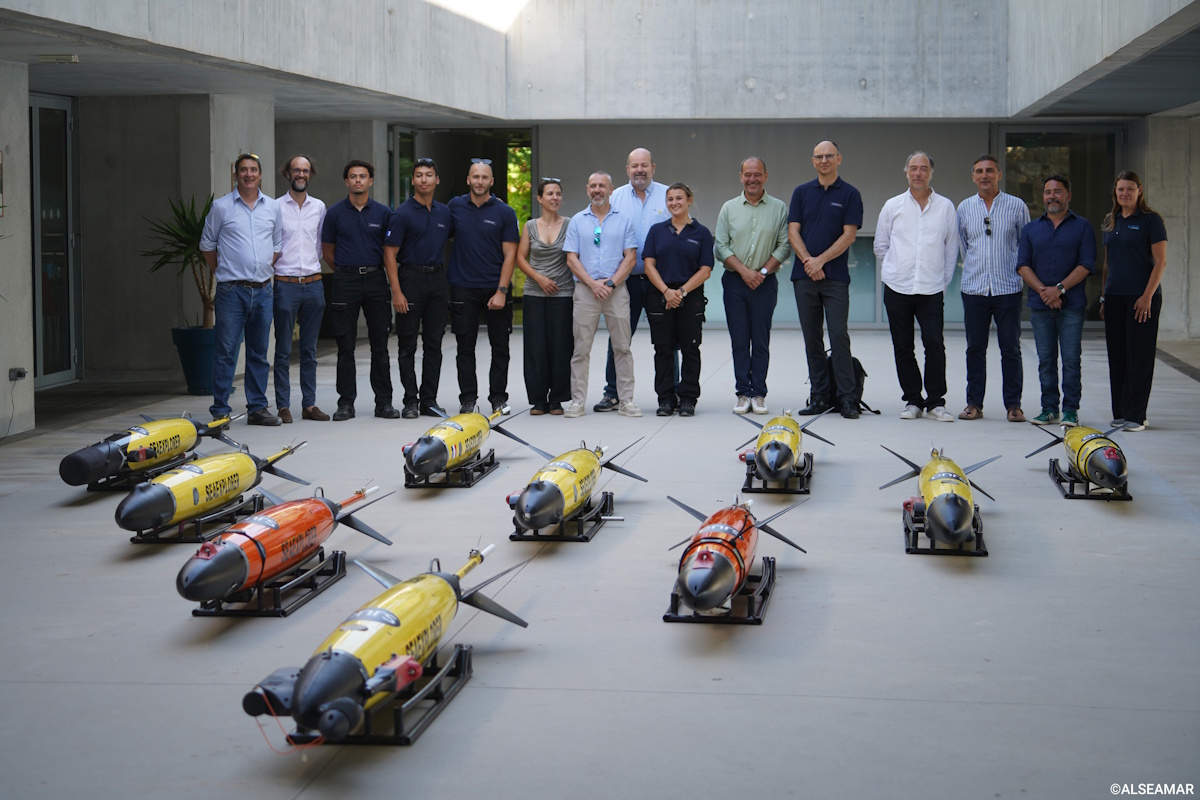
CNRS Deploys Ten SEAEXPLORER Autonomous Gliders for Mediterranean Ecosystem Research
In mid-June 2026, the CNRS deployed ten SEAEXPLORER autonomous underwater gliders in the Ligurian Sea as part of Mission 6 under France's 2030 funding plan. This initiative aims to create a comprehensive environmental data atlas for the northwestern Mediterranean, focusing on the impacts of human activities on marine ecosystems. The gliders will operate for one month, diving to depths of 1,000 meters and equipped with sensors to monitor underwater noise and ocean currents. The deployment is significant as it represents a strategic effort by the French government to enhance industrial competitiveness and develop next-generation technologies for deep-sea exploration. By utilizing coordinated fleets of autonomous gliders and advanced sensing technologies, researchers aim to better understand the dynamics of marine ecosystems and the effects of climate change, maritime traffic, and ocean acidification. This innovative approach will facilitate the study of plankton distribution and biodiversity through methods such as environmental DNA monitoring. Looking ahead, the next phases of Mission 6 will involve additional deployments in the Gulf of Lion in 2028 to test new sensors, followed by operations in French Polynesia between 2028 and 2029. These efforts will further expand the capabilities of autonomous underwater vehicles in marine research, with no further timeline disclosed at the time of publication.
autonomous gliders cnrs exploration mediterranean marine ecosystems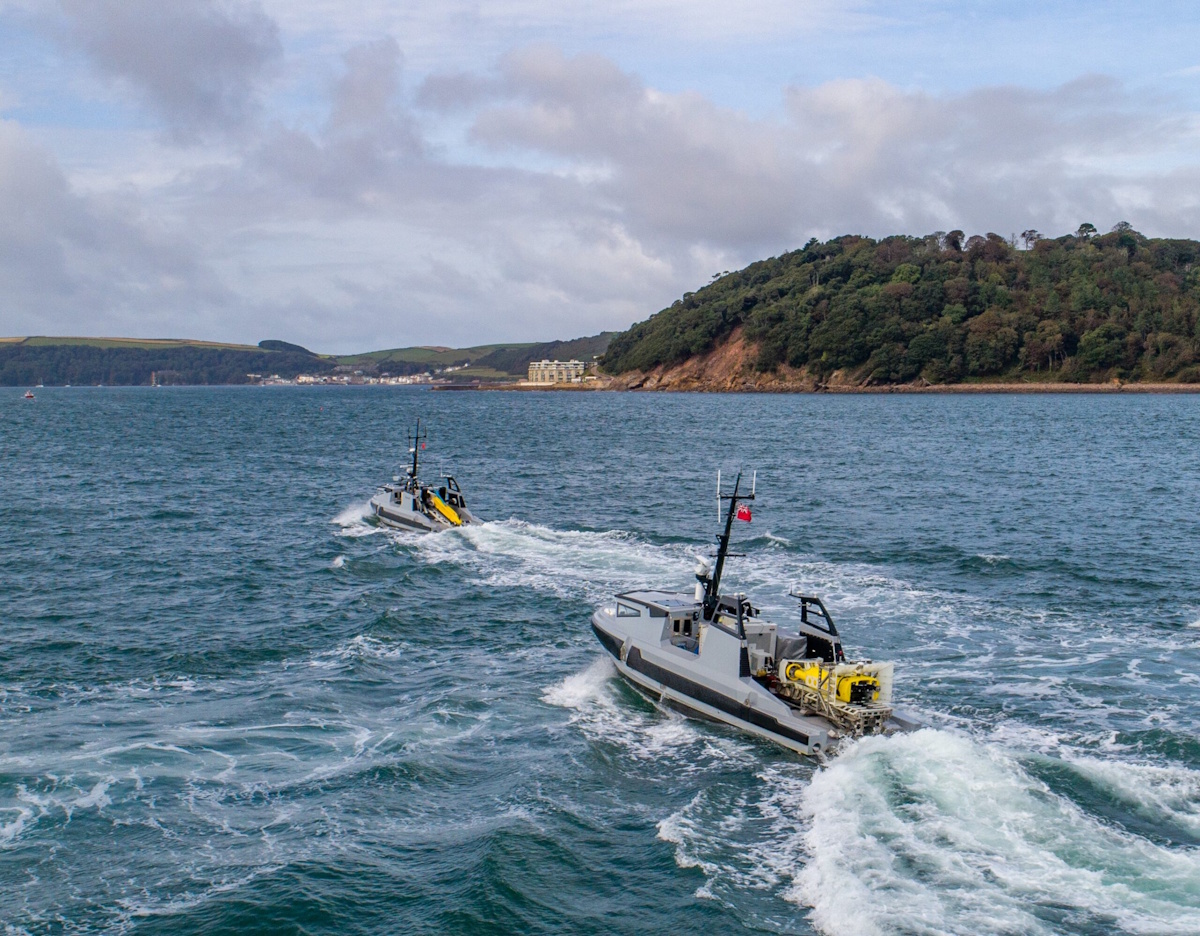
First Autonomous Mine Hunting System Delivered to UK Royal Navy
The Royal Navy has received its first advanced Maritime Mine Counter Measure (MMCM) system, marking a significant enhancement in British defense capabilities. This delivery is part of a broader initiative aimed at improving the safety of sailors and strengthening the UK's maritime security. The introduction of this cutting-edge technology comes as part of ongoing efforts to modernize naval operations and address emerging threats in maritime environments. The system is expected to play a crucial role in countering underwater mines, thereby ensuring safer navigation for naval vessels.
usv autonomous mine hunting system delivery uk royal navy
SkyfireAI and DBOX Collaborate to Enhance Autonomous Drone Operations in the U.S.
SkyfireAI and Lithuania-based DBOX have entered a collaboration to advance integrated autonomous drone operations in the United States. The Memorandum of Understanding (MOU) was signed at the Lithuania–U.S. Business Forum in Miami, attended by Lithuanian President Gitanas Nausėda. The partnership aims to combine expertise in autonomous drone infrastructure, mission-control software, and operational capabilities. This collaboration is significant as it reflects a growing need for comprehensive solutions in autonomous drone operations, which require more than just aircraft and docking stations. The integration of various technologies, including safety systems and airspace management, is crucial for successful deployment. SkyfireAI's experience in Drone as First Responder (DFR) and Beyond Visual Line of Sight (BVLOS) operations complements DBOX's autonomous docking infrastructure. Looking ahead, the companies plan to demonstrate their integrated solution by the fourth quarter of 2026. Initial efforts will focus on integration, testing, safety systems, and regulatory approvals, with operator training and commercialization also being key components of the project. No further timeline was disclosed at the time of publication.
Drone News Drone News Feeds News autonomous drone operations autonomous drones BVLOS
NASA's 'Slingshot' Project Aims to Map Minerals on Celestial Bodies for Future Exploration
NASA has initiated a project named 'Interworld Slingshot Resource Surveys' to explore mineral mapping on celestial bodies, including the moon. This initiative aims to replicate the success of the Landsat satellites, which have been monitoring Earth for over 50 years, by providing crucial mineral intelligence for future lunar missions. The significance of this project lies in its potential to enhance the United States' lunar ambitions, particularly in securing access to valuable resources like helium-3. By scouting for minerals before establishing a lunar base, NASA hopes to mitigate risks associated with space mining and exploration, as highlighted by principal investigator Pablo Sobron. As the project progresses, it will focus on testing Raman spectroscopy from significant distances, which poses challenges due to the faint nature of Raman scattering. The initial Phase 1 funding of up to $175,000 will support studies on photon detection and spacecraft technology, with hopes of advancing to Phase 2 funding for further development. No further timeline was disclosed at the time of publication.
Technology
U.S. Army Awards Stratom Inc. Contract for TALUS Autonomous Distribution System
The U.S. Army has awarded a Project Sustainment contract to Stratom Inc. for the development of the Tactical Autonomous Logistics Utility System (TALUS). This modular autonomous distribution system aims to resupply dispersed forces in contested environments, enhancing operational efficiency and safety for troops. TALUS is designed to address the Army's need for autonomous logistics capabilities, particularly in degraded conditions. By minimizing soldier exposure to threats and ensuring a steady supply flow, TALUS is expected to strengthen sustainment resilience and extend operational reach in challenging environments. The 18-month prototype effort will integrate various technologies and undergo operational evaluations, including a planned Combat Training Center rotation. Stratom's collaboration with nontraditional defense contractors aims to deliver a comprehensive logistics solution that adapts to evolving Army requirements.
Autonomous Mobile Robots (AMRs) Defense / Security Logistics Mobility / Navigation News Self-Driving Vehicles
Moove Secures $250 Million to Develop Infrastructure for Autonomous Vehicle Ecosystems
Moove has successfully raised $250 million in Series C funding, elevating its valuation to $2.1 billion. This capital will facilitate the expansion of its autonomous vehicle business, focusing on autonomous fleet ownership and the development of robotics-first depot infrastructure known as 'Nests.' These Nests will serve as operational hubs for charging, servicing, and maintaining autonomous fleets. The significance of this funding lies in Moove's vision of autonomous mobility as a critical component of future urban ecosystems. Co-founder Ladi Delano emphasized that the success of autonomous technology hinges on the establishment of robust infrastructure, including fleet management and operational systems. Moove aims to grow its workforce by over 220% by year-end, reflecting its commitment to scaling operations globally. Looking ahead, Moove's strategic partnerships and infrastructure development will be pivotal in shaping the future of autonomous transportation. The company is already operational in cities like Phoenix and Miami, with plans for expansion into London. No further timeline was disclosed at the time of publication.
Automotive Financial Investments Markets / Industries News Robots / Platforms
Neya Systems and GS Engineering Collaborate to Enhance Robotic Construction Equipment for Defense
Neya Systems and GS Engineering have announced a strategic collaboration aimed at advancing robotic and autonomous construction equipment for defense applications. This partnership combines Neya's N-Drive™ autonomy technology with GS Engineering's Remote Expeditionary Autonomous Pioneer (REAPr) unmanned ground vehicle, focusing on creating an integrated solution that enhances operational efficiency in military engineering tasks. The collaboration is significant as it seeks to improve the safety and effectiveness of warfighters by automating the most hazardous and labor-intensive engineering tasks. By leveraging proven autonomy technology and advanced UGV capabilities, the initiative aims to streamline construction processes in defense operations, ultimately contributing to enhanced mission readiness and operational success. Looking ahead, the integration of these technologies is expected to lead to the development of field-ready autonomous solutions that can significantly reduce the risks faced by military personnel. No further timeline was disclosed at the time of publication.

Uber Partners with Over 30 Companies to Build Autonomous Vehicle Ecosystem
Uber has formed partnerships and made investments in more than 30 autonomous vehicle companies over the past two years, taking a global approach to its strategy. This marks a significant shift from its earlier attempts to develop its own autonomous vehicle technology, which faced setbacks due to legal issues and a tragic accident. The importance of these partnerships lies in Uber's renewed focus on autonomous vehicles after previously stepping back from its ambitious plans. The company has retained equity stakes in several firms, including Aurora, with which it has a multi-year collaboration aimed at enhancing logistics and launching a robotaxi program in Munich. Looking ahead, Uber's collaboration with Aurora is set to expand, with plans for self-driving trucks and robotaxis utilizing advanced AI systems. The details of the vehicle models remain undisclosed, but the integration of these technologies into Uber's platform will be crucial for its future in the autonomous vehicle market. No further timeline was disclosed at the time of publication.
TC Transportation Uber Exclusive autonomous vehicles wayve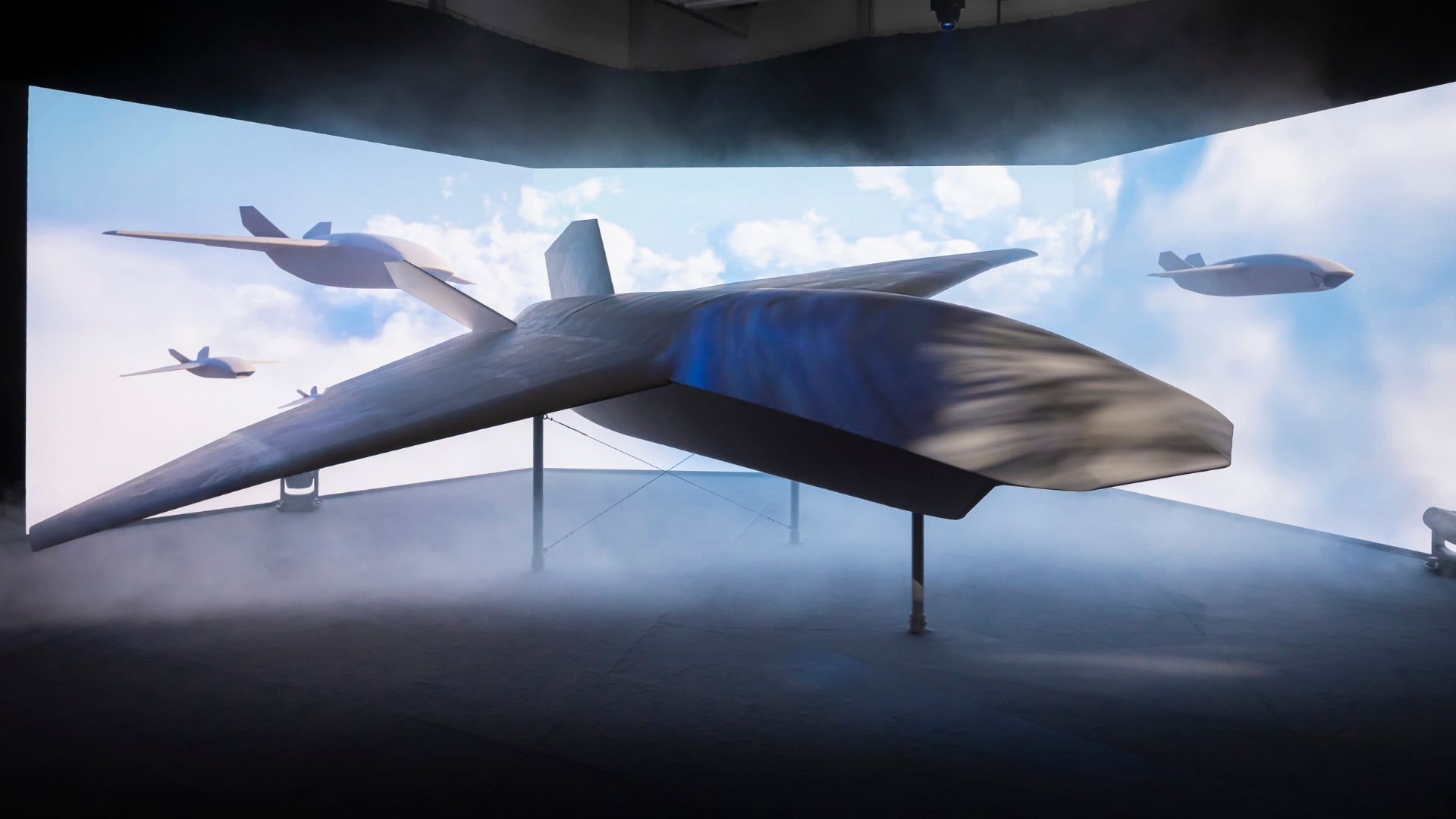
BAE Systems Unveils UK's First Autonomous Combat Drone, Brontanax, at Farnborough Airshow
BAE Systems has launched the UK's first autonomous Collaborative Combat Aircraft (CCA), named Brontanax, at the Farnborough International Airshow. This aircraft is designed to operate alongside crewed fighter jets like the Eurofighter Typhoon, enhancing combat capabilities through missions such as electronic warfare and precision strikes. The introduction of Brontanax is significant as it represents a major advancement in the UK's defense strategy, supported by a £300 million investment from the government through the Storm Fighter program. This initiative aims to establish a sovereign CCA capability for the Royal Air Force, positioning the UK as a leader in next-generation combat aviation in Europe. Looking ahead, ground testing of Brontanax will commence at BAE Systems' Warton facility, with flight trials expected to begin in UK airspace next year. If development proceeds as planned, the aircraft could be operational with the Royal Air Force by the end of the decade, marking a pivotal moment in military aviation technology.
Military
LimX Dynamics' Oli Humanoid Completes Household Tasks with Advanced COSA 0.5 Brain System
LimX Dynamics has announced that its Oli humanoid robot has successfully autonomously completed a range of household chores. This achievement utilizes the COSA 0.5 brain system, which features a three-tier S2-S1-S0 architecture, marking a significant advancement in humanoid robotics. This development is noteworthy as it positions LimX Dynamics' Oli as the second humanoid robot globally to achieve Figure-level capability in performing end-to-end household tasks. The ability to autonomously manage household chores represents a leap forward in the application of robotics in everyday life, potentially transforming how domestic tasks are approached. Looking ahead, the implications of this technology could lead to broader adoption of humanoid robots in various settings, including homes and service industries. No further timeline was disclosed at the time of publication.
Technology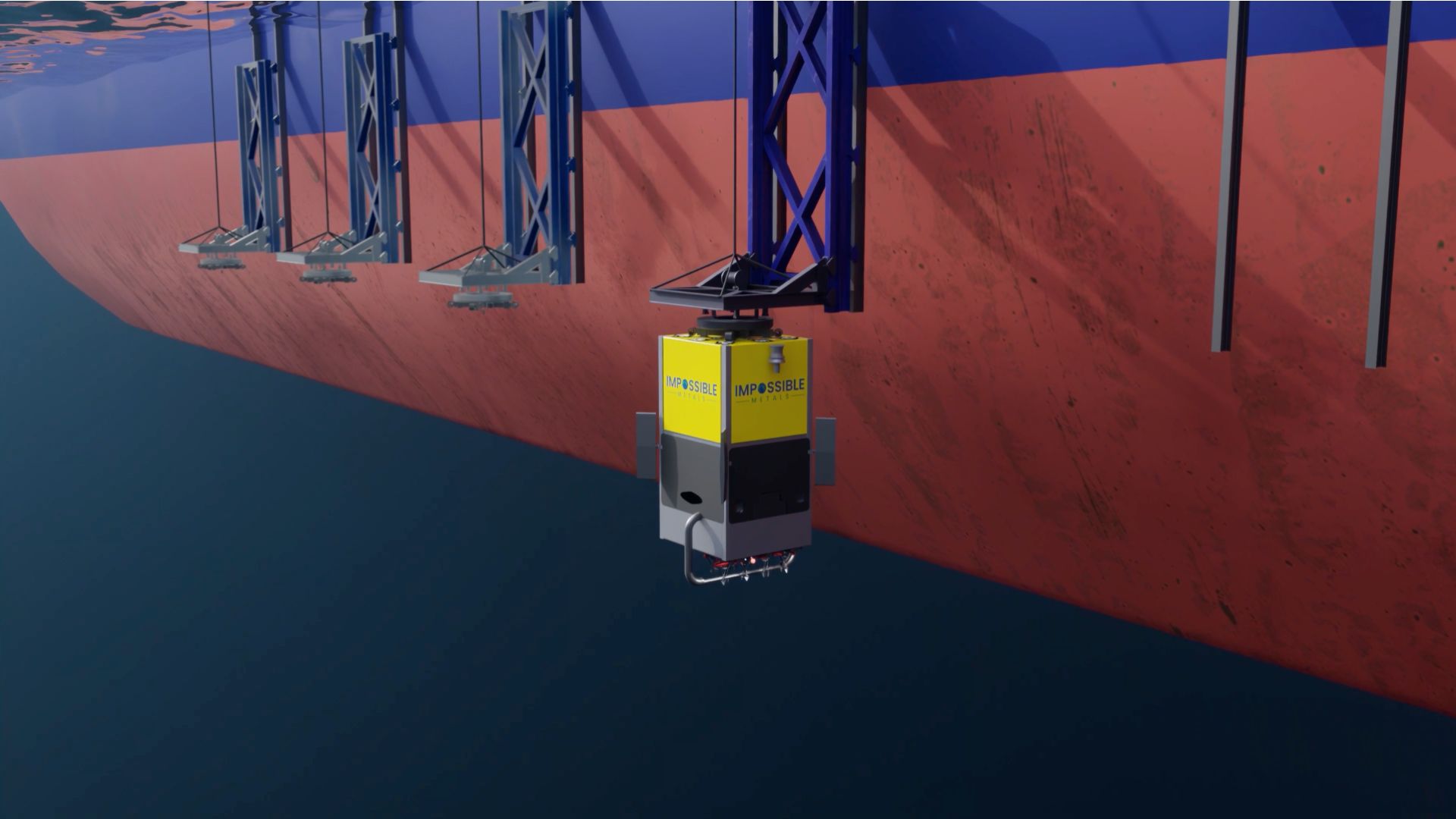
Impossible Metals to Launch Advanced Marine Robotics Hub for Deep-Sea Mineral Harvesting
Impossible Metals, a US mining technology company, has announced plans to establish an Advanced Marine Robotics Hub in Pittsburgh, Pennsylvania. This facility will focus on developing autonomous marine systems for the deep-sea collection of critical minerals, creating over a dozen high-paying engineering and science jobs. The hub aims to enhance US capabilities in marine robotics and critical mineral technologies through collaboration with local universities and researchers. The significance of this initiative lies in its potential to redefine deep-sea mining practices. According to Mike Regan, Chief Growth Officer at Impossible Metals, the hub will enable swarms of autonomous robots to harvest critical minerals like nickel, cobalt, copper, and manganese with minimal environmental impact. This approach not only promises to produce the lowest-cost critical metals on Earth but also aims to strengthen the US supply chain and reduce reliance on foreign sources of essential materials. Looking ahead, the Advanced Marine Robotics Hub will serve as the primary research center for advancing the Eureka autonomous underwater platform and Smart Launch and Recovery Systems. The company plans to continue developing dual-use technologies that cater to both commercial and naval applications. No further timeline was disclosed at the time of publication.
AI and Robotics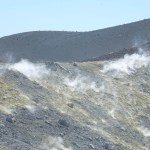
New Autonomous Drone System Maps Volcanic Gases to Predict Eruptions
Researchers at the Technical University of Munich (TUM) have developed an autonomous measurement system that utilizes drones and lasers to map volcanic gas concentrations with a low measurement error of approximately 5%. This innovative system aims to enhance volcanic eruption forecasting by tracking the ratio of carbon dioxide to sulfur dioxide, providing insights into subterranean volcanic processes. The significance of this technology lies in its potential to prevent natural disasters by offering accurate measurements of volcanic gases. Traditional methods have faced challenges due to background emissions and equipment damage from corrosive plumes. TUM's solution involves a ground station that shoots a laser through gas clouds, allowing for precise data collection while keeping equipment safe from harsh conditions. Looking ahead, TUM plans to further automate the measurement and mapping processes, incorporating artificial intelligence to interpret the data. This advancement could lead to safer volcanic forecasting, particularly on the Aeolian island of Vulcano, which remains in an active degassing phase despite not having experienced a major eruption since the late 19th century.
Science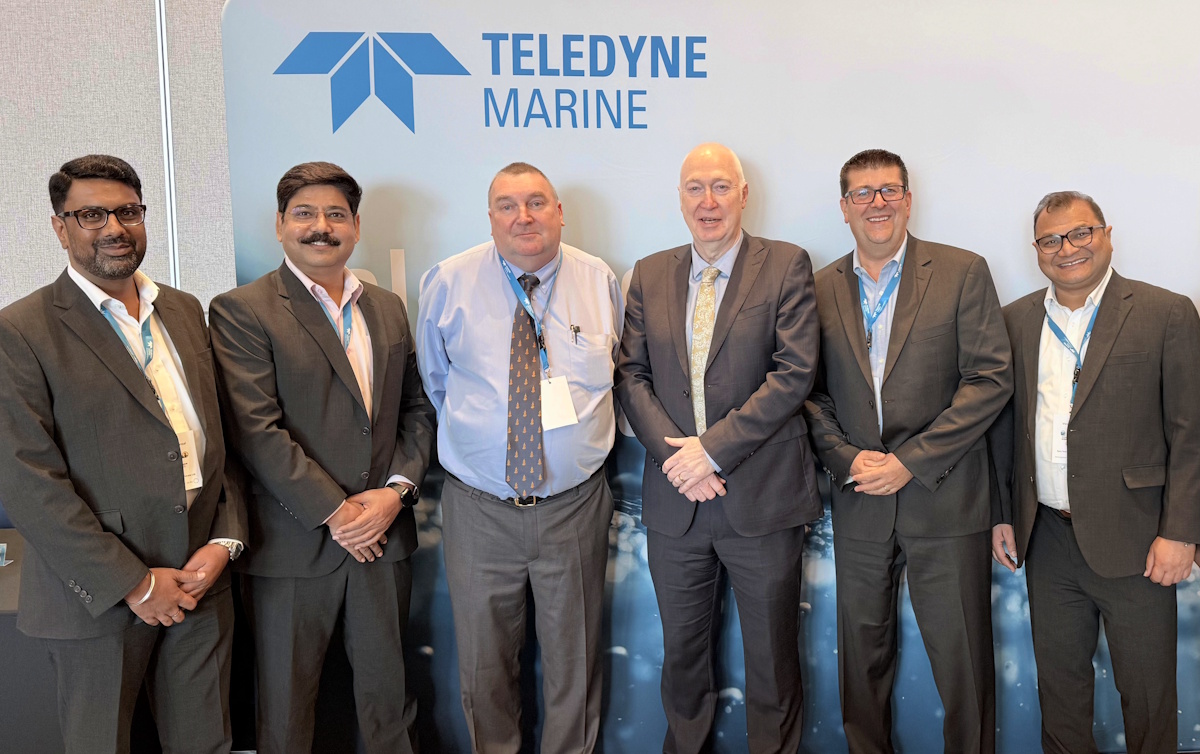
Spry Technocon and Partners Form Alliance for Unmanned Mine Countermeasure Solutions for Indian Navy
Spry Technocon Private Limited has formed a strategic partnership with Teledyne Marine, Klein Marine Systems, and VideoRay to develop advanced Unmanned Mine Countermeasure (MCM) Systems for the Indian Navy. This collaboration aims to leverage cutting-edge underwater sensing and imaging technologies alongside indigenous engineering capabilities to create a comprehensive MCM Suite. The partnership is significant as it aligns with India's Aatmanirbhar Bharat and Make in India initiatives, promoting self-reliance in defense technologies. By integrating advanced Autonomous Underwater Vehicles, high-resolution sonar systems, and remotely operated vehicles, the alliance seeks to enhance the Indian Navy's capabilities in mine warfare. Looking ahead, the focus will be on establishing a sustainable ecosystem for next-generation mine warfare technologies in India. No further timeline was disclosed at the time of publication.
ParaZero Technologies Launches DefendAir for Autonomous Drone Interception in Military Applications
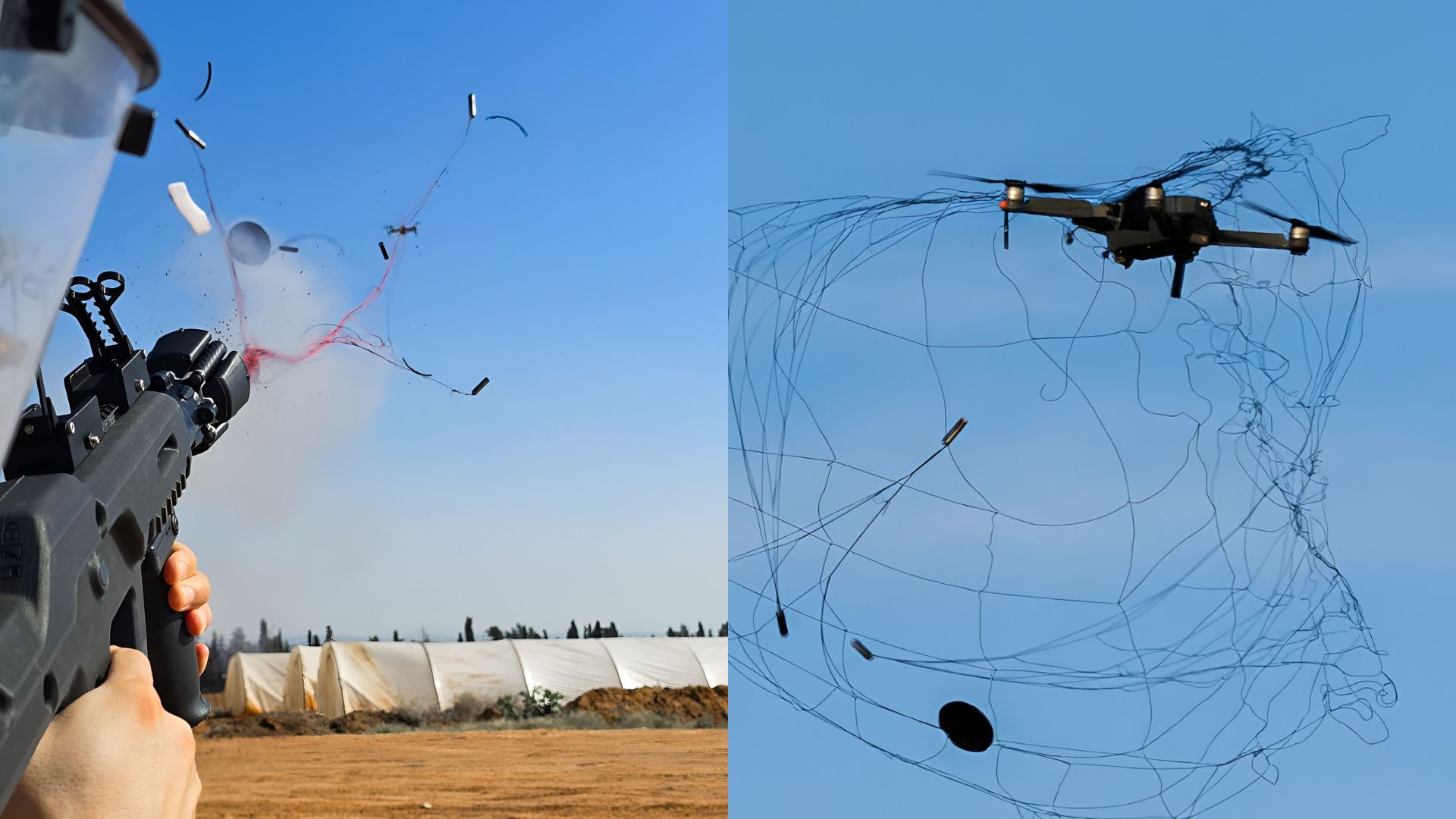
ParaZero Technologies has introduced its DefendAir platform, designed to intercept first-person view (FPV) drones autonomously before they can strike military vehicles. This system utilizes a non-explosive net-based interception method, creating a 360-degree defensive envelope around assets. The platform aims to enhance protection for both moving and stationary high-value military targets without the weight penalties of traditional armor. The rise of low-cost FPV drones has prompted militaries to seek effective countermeasures, as these drones have proven capable of damaging expensive military equipment. ParaZero's DefendAir addresses the limitations of conventional protective measures, such as steel cages, by offering a more agile and responsive solution. The system's ability to detect and neutralize threats rapidly is crucial for modern battlefield scenarios, where speed and precision are paramount. ParaZero is currently collaborating with Tier-1 defense companies to refine the DefendAir technology for operational requirements. While the company has not disclosed specific partners or a timeline for deployment, the focus on active counter-drone systems reflects a broader trend in military strategy, emphasizing the need for innovative solutions to counter evolving aerial threats. No further timeline was disclosed at the time of publication.
Military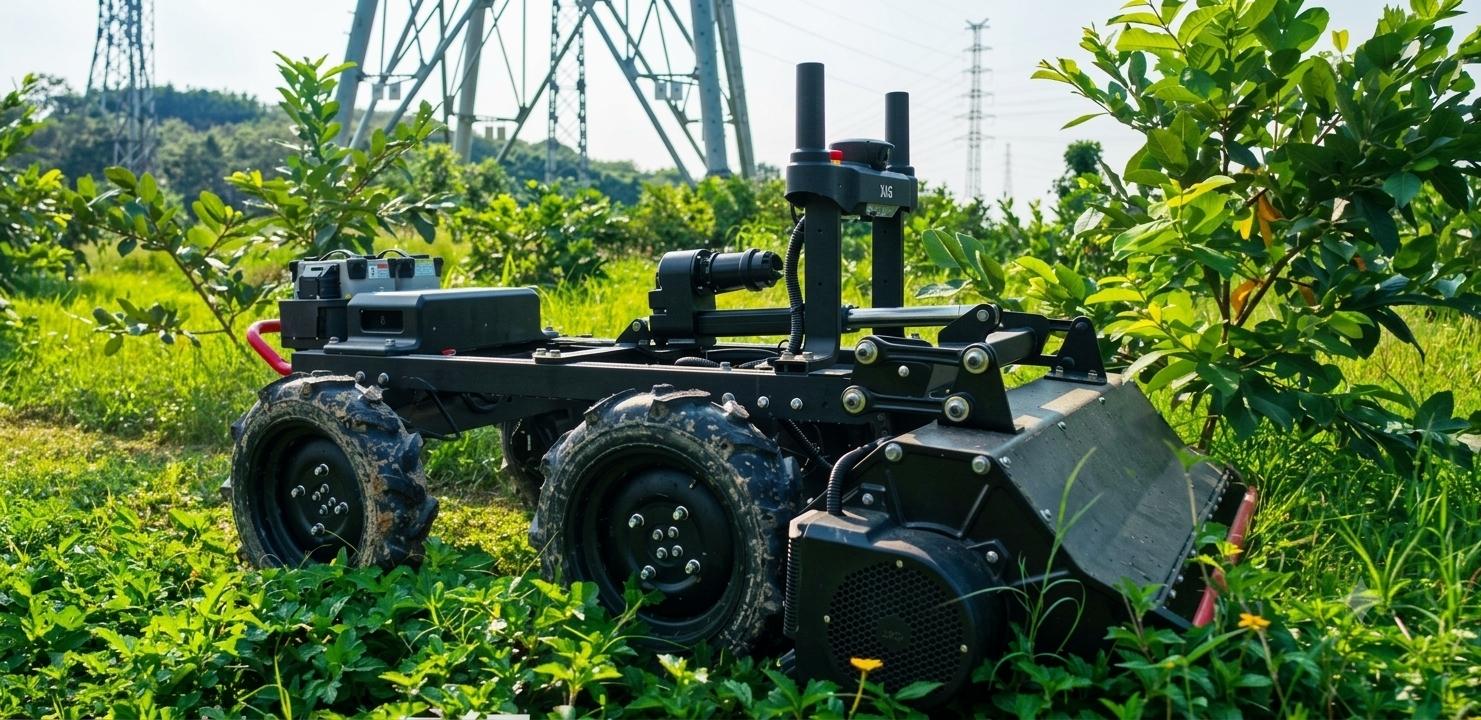
XAG Introduces RM80 Electric Mower and X Series Drone System for Autonomous Farming
XAG has launched the RM80, a 143 kg all-electric unmanned mower, at the Agricultural Robot Conference in Guangzhou, China. Designed for orchard management and land reclamation, the RM80 operates for up to 40 minutes per charge and can autonomously cover 0.33 to 0.53 hectares per hour. It features advanced navigation through the SuperX 5 Ultra control system and can also perform stubble removal for effective weed control. The introduction of the RM80 coincides with the unveiling of XAG's new X Series drone system, aimed at creating a fully autonomous farming workflow. This system includes the X Series drone, XA1 docking station, and LM1 chemical mixing unit, enhancing automation in tasks like charging and chemical refilling. The drone boasts improved computing power and perception capabilities, allowing it to survey up to 300 hectares in a single mission, while the docking station ensures precise automatic charging and refilling. XAG has not disclosed pricing details for the RM80 or the X Series system, with market packages expected to vary based on local dealer offerings. The company's strategy emphasizes integrating various robotic functions into a coordinated workflow, positioning its equipment as essential components of modern smart farming rather than standalone tools. No further timeline was disclosed at the time of publication.
Smart farming agricultural robots autonomous technology drone technology electric tractors robotic harvesting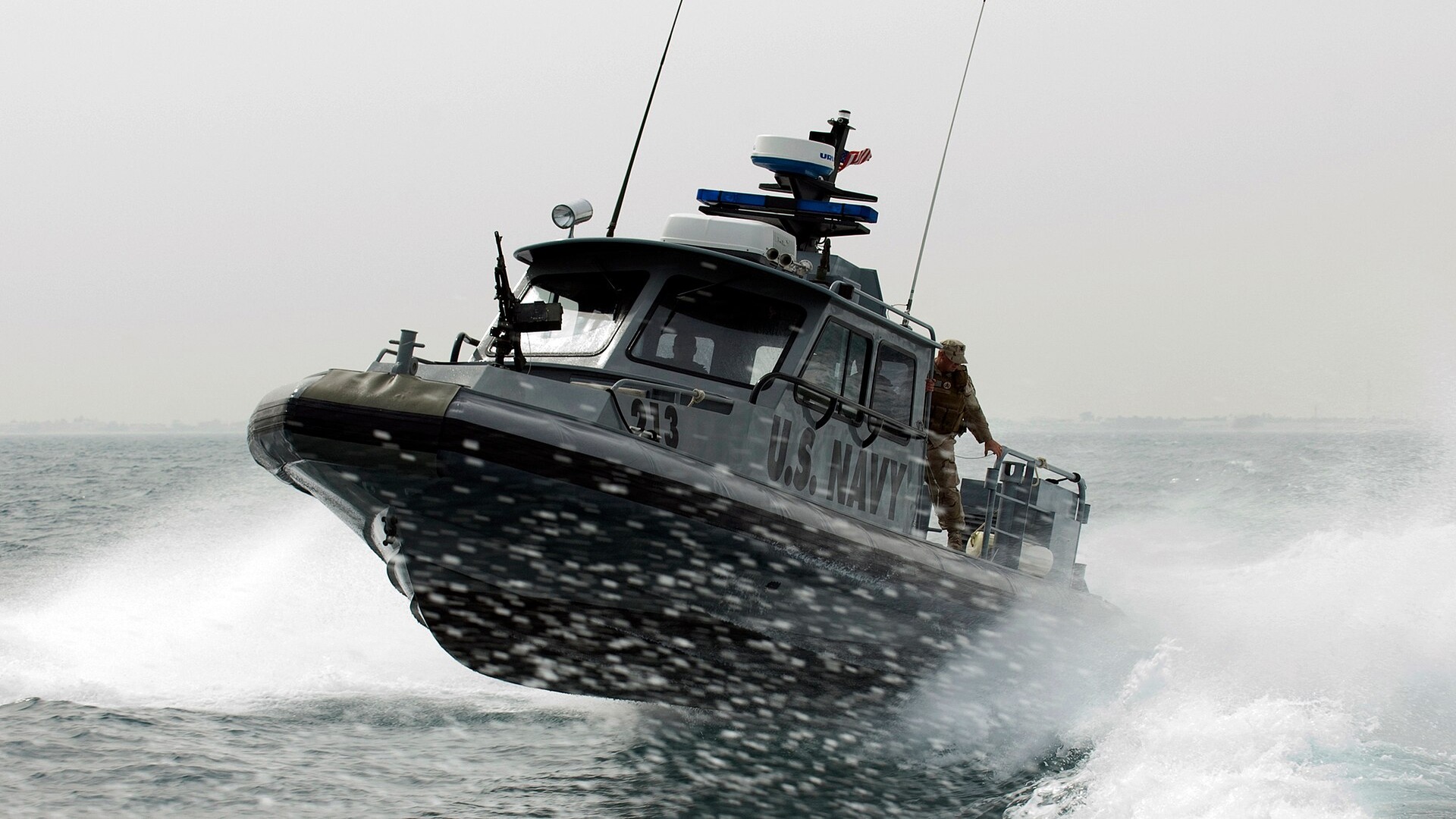
U.S. Navy Establishes RASWDC to Enhance Robotic Warfare Capabilities
The U.S. Navy has launched the Robotic and Autonomous Systems Warfighting Development Center (RASWDC) on September 24, aimed at integrating robotic and autonomous systems into naval operations. Led by Rear Admiral Melvin Smith, the center is headquartered at Joint Expeditionary Base Little Creek-Fort Story in Virginia and will serve as the Navy's primary hub for operational integration of these technologies. This initiative is crucial for maintaining the Navy's maritime advantage, as emphasized by Chief of Naval Operations Adm. Daryl Caudle. The RASWDC will provide sailors with advanced training and specialized doctrine necessary for high-end combat scenarios, reflecting the Navy's commitment to modernizing its operational capabilities through technology. Looking ahead, the RASWDC will focus on developing warfighting concepts, training personnel, and testing new technologies under realistic conditions. The Navy's approach includes evaluating unmanned aerial systems, uncrewed surface vessels, and unmanned underwater vehicles, with a clear intent to advance systems that prove effective while reassessing those that do not meet operational standards. No further timeline was disclosed at the time of publication.
Military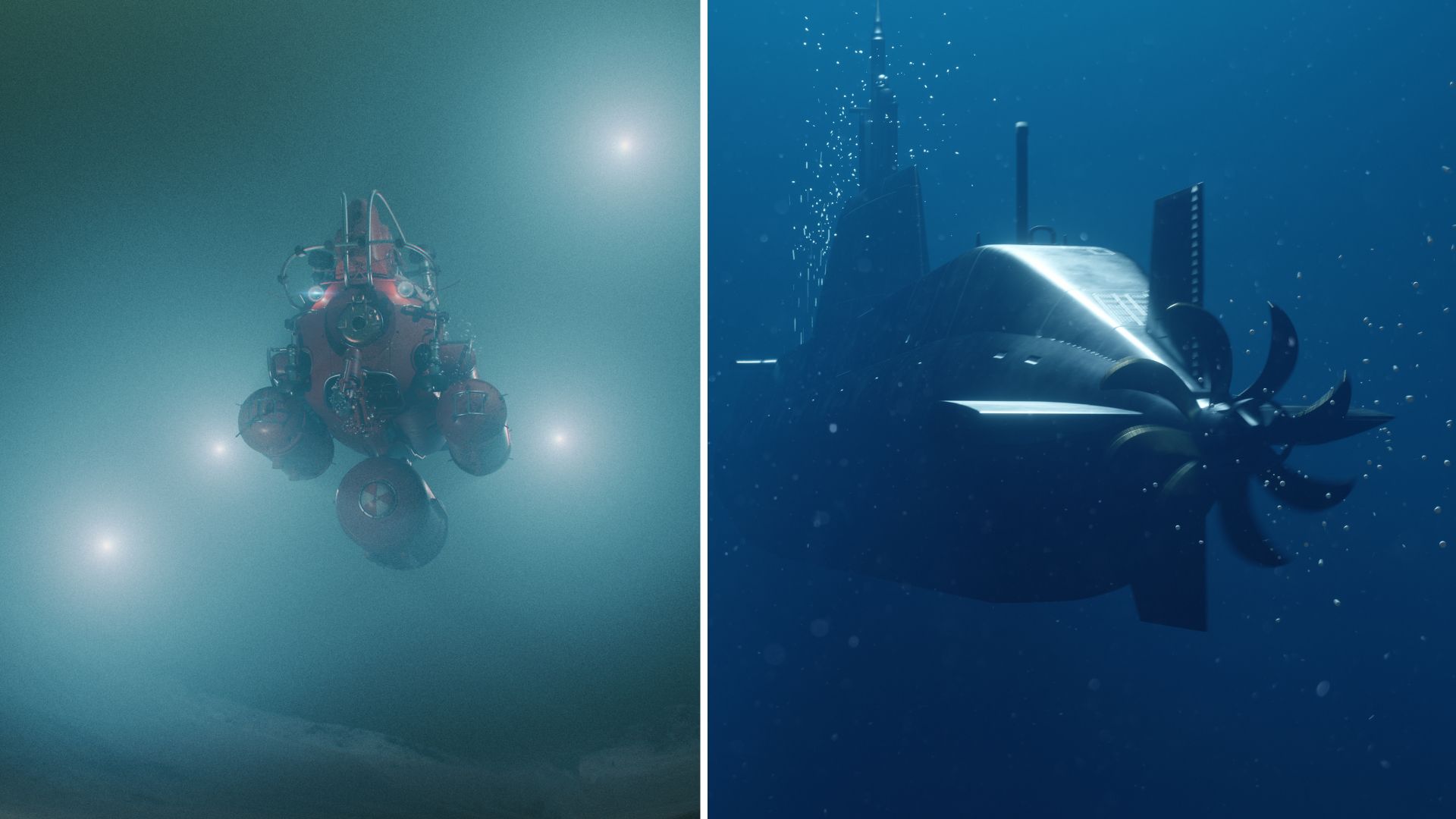
China Explores Autonomous Defense Systems for Contested Islands in South China Sea
A recent report indicates that China is investigating a maritime defense model utilizing autonomous drones to protect contested islands in the South China Sea. Researchers from the China Coast Guard Academy and Dalian Maritime University propose a network of aerial, surface, and underwater drones, which would create a multi-layered defense system, enhancing surveillance and response capabilities. This shift from traditional defense methods to a system reliant on uncrewed platforms reflects the evolving nature of naval warfare. The economic advantages of deploying inexpensive drones to monitor maritime environments are significant, as they can challenge larger military assets. The interconnected architecture aims to maintain operational capability even if some drones are compromised, emphasizing redundancy in defense strategies. As the South China Sea remains a focal point of territorial disputes among several nations, China's initiative to integrate autonomous systems into its defense strategy could further complicate regional security dynamics. However, it is crucial to note that this concept is still a research proposal and does not confirm the operational deployment of such systems at this time.
Military
Ultra Maritime Showcases New Underwater Surveillance System at U.S. Navy's 2026 Exercise
Ultra Maritime demonstrated a new underwater surveillance system during the U.S. Navy’s 2026 Lanternfish exercise. The system integrates the Sea Spear passive sonar with the SSQ-125B active sonobuoy to enhance detection capabilities for unmanned underwater vehicles (UUVs). This combination allows for continuous monitoring and precise localization of underwater threats. The significance of this demonstration lies in its potential to improve naval operations against UUVs and submarines. By utilizing both passive and active sonar technologies, Ultra Maritime aims to provide naval forces with a comprehensive understanding of underwater activity across extensive maritime areas. The Sea Spear's passive capabilities enable persistent surveillance, while the SSQ-125B enhances target localization. Looking ahead, Ultra Maritime's system is part of the broader “Ocean of Things” initiative, which envisions a network of underwater sensors deployed from various platforms. This approach could revolutionize maritime security by enabling long-term monitoring of critical areas such as ports and busy sea routes. No further timeline was disclosed at the time of publication.
Military
Palladyne AI Secures Additional $2.9 Million from U.S. Air Force for STRATFI Contract
Palladyne AI has announced that the U.S. Air Force has exercised an option on its STRATFI contract, adding $2.9 million in funding. This brings the total contract value to over $10.6 million, indicating the Air Force's satisfaction with Palladyne IQ™ embodied AI architecture for autonomous robotic systems. The additional funding underscores the U.S. Air Force's confidence in Palladyne AI's capabilities in delivering advanced autonomous solutions. Palladyne AI specializes in embodied AI-powered collaborative autonomy, advanced avionics, and UAVs, making it a key player in defense and industrial technology sectors. Looking ahead, the continued investment in Palladyne AI's technologies suggests a growing demand for autonomous robotic systems within military applications. No further timeline was disclosed at the time of publication.

Tesseract Ventures Selected for Pentagon's Autonomous Drone Delivery System Prototype Program
Tesseract Ventures, a Kansas City-based robotics and drone company, has been chosen by the Defense Innovation Unit (DIU) to participate in a prototype program aimed at enhancing the U.S. military's use of autonomous drones. This initiative, known as the Containerized Autonomous Drone Delivery System (CADDS), focuses on deploying unmanned aerial systems in challenging environments with limited infrastructure. The CADDS project represents a significant advancement for Tesseract Ventures, as it seeks to transition from single-operator drone control to a system where one individual can manage multiple drones simultaneously. This approach aims to improve operational efficiency and reduce the personnel required for drone missions, aligning with the Pentagon's goal of utilizing unmanned systems more extensively in military operations. Looking ahead, Tesseract Ventures will demonstrate its NOMAD modular autonomous platform as part of the prototype project. This platform is designed to facilitate the deployment, launch, recovery, and management of multiple drones from transportable containers. No further timeline was disclosed at the time of publication.
Military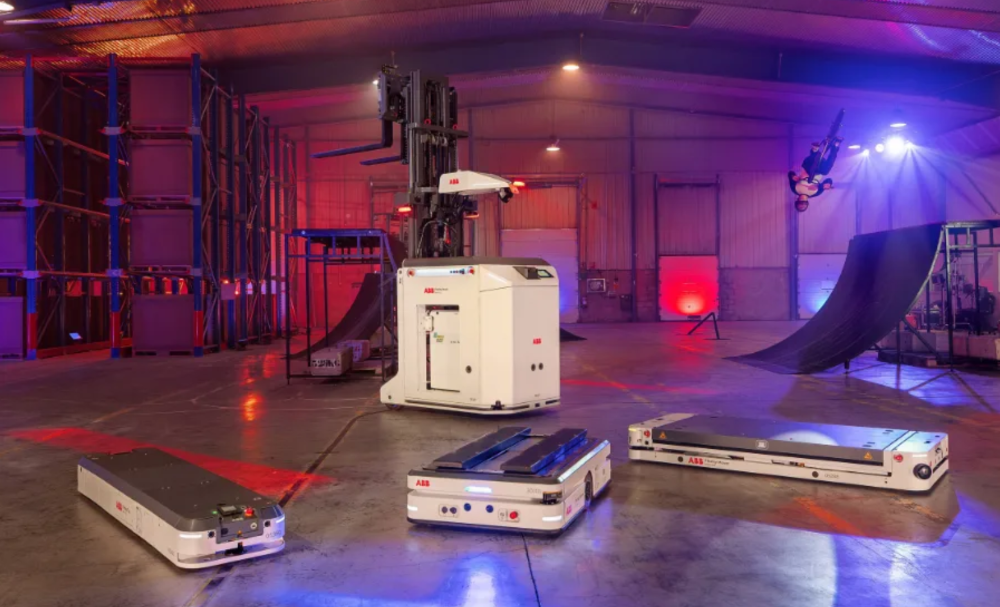
ABB Introduces Flexley Stack F712 AI-Powered Forklift with Visual SLAM Technology
On July 8, ABB Robotics launched the Flexley Stack F712, an AI-driven autonomous forklift utilizing visual SLAM technology. This product completes ABB's lineup of autonomous mobile robots (AMRs), which now includes forklifts, tuggers, and transport vehicles. The F712 can handle various load types, with a maximum capacity of 2000 kg and a lifting height of 8.5 meters, achieving a top speed of 1.7 meters per second under full load. The significance of the F712 lies in its advanced navigation capabilities, which eliminate the need for traditional infrastructure like reflective markers or magnetic strips. With a positioning accuracy of ±10 mm, the F712 can autonomously navigate complex warehouse environments. It integrates seamlessly with the AMR Studio software, allowing for rapid deployment and fleet coordination, reducing debugging time by 20% compared to traditional systems. Looking ahead, the F712 is designed to support various internal logistics tasks, including warehousing and production line operations, and is compliant with the latest ISO and ANSI safety standards. No further timeline was disclosed at the time of publication, but the F712 represents a significant step towards more autonomous and capable robotic solutions in smart manufacturing environments.
Autonomous Forklifts AI Robotics Warehouse Automation Visual SLAM Logistics Technology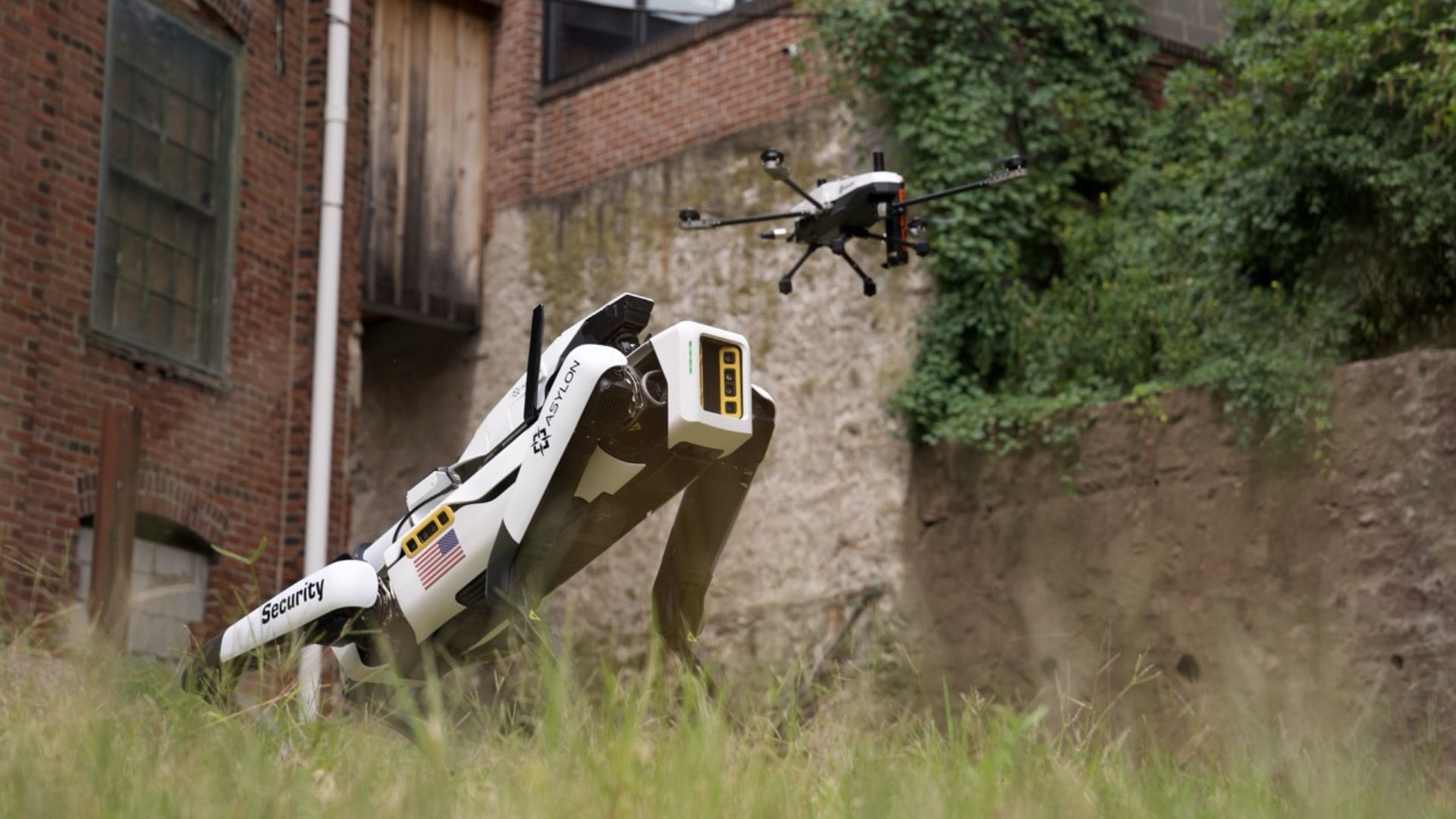
Asylon's MARIA System Enhances Aircraft Inspections for U.S. Air Force
Asylon has secured a Phase Three contract with the U.S. Air Force's Warner Robins Air Logistics Complex to deploy its Multi-modal Autonomous Robotics for Inspection of Aircraft (MARIA) system. This initiative aims to streamline aircraft inspections by integrating air and ground robotic platforms, significantly reducing the time for general visual inspections while enhancing consistency in maintenance tasks. The MARIA system combines Asylon's Guardian unmanned aircraft with the DroneDog Q-UGV, utilizing the Range autonomy software and DroneIQ command-and-control system for efficient inspection management. The significance of this deployment lies in its potential to transform aircraft maintenance operations. By automating inspections, the MARIA system not only improves inspection quality but also mitigates the risks associated with labor-intensive tasks. The integration of imagery, LiDAR data, and telemetry into a single platform allows maintenance personnel to make informed decisions quickly, thereby enhancing aircraft readiness without increasing manpower demands. This project marks a pivotal shift in how the Air Force approaches maintenance, leveraging autonomous technologies to optimize operational efficiency. Looking ahead, the success of the MARIA deployment at Warner Robins could lead to broader adoption of these technologies across military maintenance organizations. No further timeline was disclosed at the time of publication, but the ongoing collaboration between Asylon and the Air Force may pave the way for future advancements in defense sustainment operations, particularly in the realm of autonomous inspections and maintenance support.
Military
SpaceX Proposes 1 Million AI Satellites to Address Ground Data Center Constraints
On January 30, 2026, SpaceX filed with the FCC to launch up to 1 million AI compute satellites, positioning orbital data centers as a solution to the increasing demand for AI computing power. Ground data centers are facing significant challenges, with energy consumption projected to reach approximately 1,050 TWh in 2026, making them the fifth-largest electricity consumer globally. The demand for new data center capacity is outpacing the growth of power generation infrastructure, leading to a critical bottleneck in the grid system. The significance of this initiative lies in the structural constraints faced by ground data centers, including power delivery limitations, high water consumption, and local opposition to new projects. The Uptime Institute's 2026 outlook identifies power as the primary constraint on data center growth, with capacity clearing prices in the PJM grid skyrocketing to $329.17/MW, driven by data center expansion. Additionally, cooling requirements are becoming increasingly unsustainable, with facilities consuming vast amounts of water, further complicating their operational viability. Looking ahead, SpaceX's orbital AI compute initiative aims to circumvent these challenges by leveraging the advantages of space, such as continuous solar power and minimal local opposition. The first AI prototypes are expected to launch in early 2027, with operational deployments planned for 2028. No further timeline was disclosed at the time of publication.
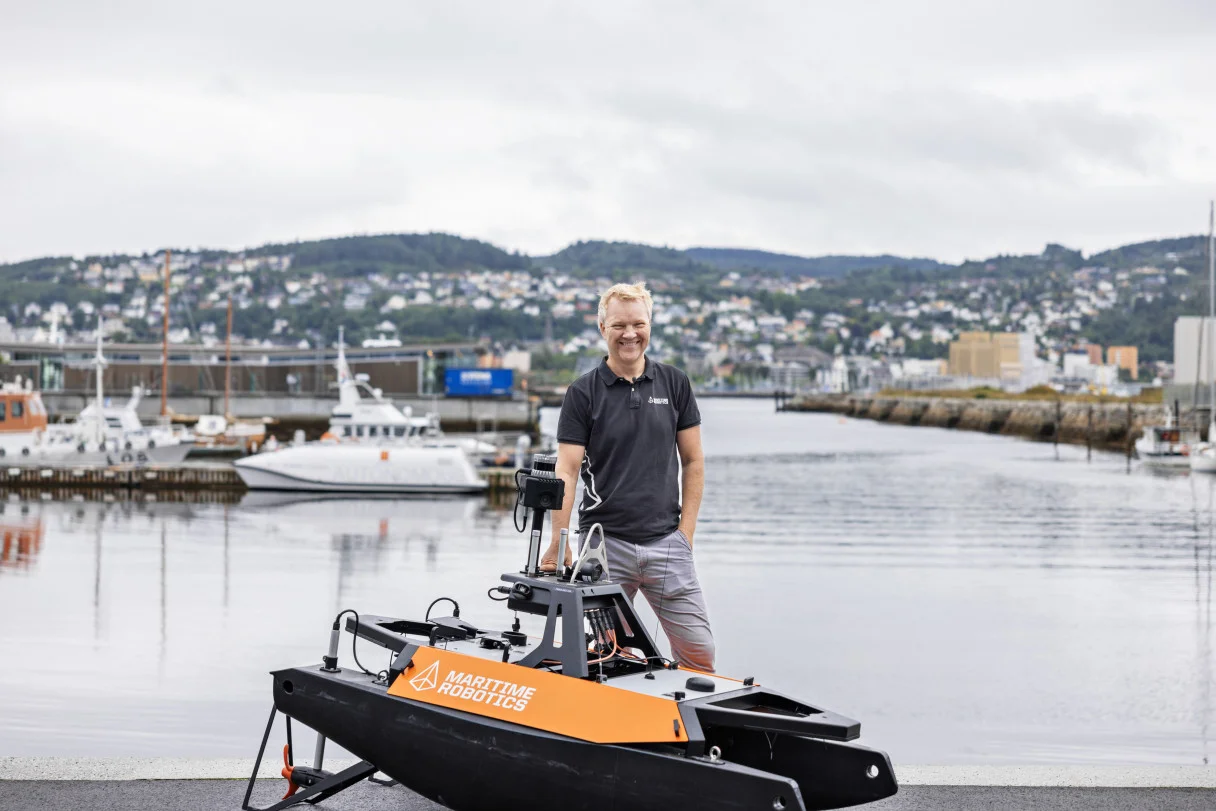
Maritime Robotics Raises €28M in Funding to Expand its Autonomous Sea Drone Systems
Norwegian company Maritime Robotics has secured €28 million in growth funding to enhance its autonomous maritime systems. The funding round, which was led by Mustard Seed + Partners, also saw contributions from existing investors including EnvisionTech, Nysnø Climate Investment, and Umoe, along with participation from the company's founders, employees, and early backers. This financial boost aims to support the company's expansion efforts in the rapidly evolving maritime technology sector.
AI AI Funding & Investment Robotics autonomous maritime systems funding maritime robotics
New sub-450-gram mini drone system sustains autonomous surveillance despite GPS jamming
As military forces seek innovative solutions to enhance soldier safety and situational awareness, recent advancements in technology are being explored. These developments aim to provide troops with better protection while ensuring they remain alert to their surroundings. The initiative comes in response to the increasing challenges faced by soldiers operating in high-stress environments, where the balance between safety and awareness is crucial. By integrating cutting-edge wearable devices and advanced communication systems, armies are working to create a more effective and responsive combat experience. This effort is particularly relevant in light of ongoing conflicts and the evolving nature of warfare, which demands that soldiers be both protected and informed. The implementation of these technologies is expected to improve operational efficiency and reduce risks on the battlefield, ultimately enhancing the overall effectiveness of military missions.
Military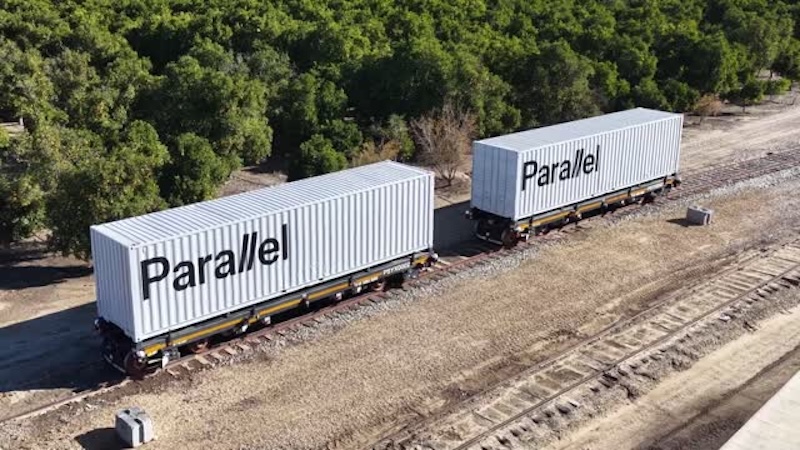
Interview: Parallel Systems CEO Matt Soule on building ‘the world’s first autonomous freight rail system’
In recent years, autonomous trucks have captured significant attention and investment in the freight transportation sector. However, freight rail is also experiencing a transformative shift, as highlighted by Matt Soule, founder and CEO of Parallel Systems. He asserts that autonomous rail technology could revolutionize the industry, offering a promising alternative to traditional freight methods. This development comes at a time when the logistics sector is increasingly seeking innovative solutions to enhance efficiency and reduce costs. As the demand for sustainable and automated transport solutions grows, the freight rail industry is positioning itself to leverage advancements in technology, potentially reshaping the future of cargo movement across the country.
Engineering Features Logistics Transportation ai logistics automation news
UK trials compact G-size sonobuoy built for autonomous drones hunting submarines
Ultra Maritime has successfully conducted the inaugural in-water deployment trial of its advanced Multistatic Active Receive system. This significant milestone took place recently, marking a key step in the development of the technology designed to enhance maritime surveillance and detection capabilities. The trial was held in a controlled marine environment, allowing the team to assess the system's performance and reliability in real-world conditions. The motivation behind this initiative is to improve the effectiveness of maritime operations, particularly in detecting underwater threats and monitoring marine activities. By utilizing innovative technology and methodologies, Ultra Maritime aims to set a new standard in maritime security solutions. The successful trial demonstrates the potential of the Multistatic Active Receive system to revolutionize the industry and address growing concerns over maritime safety and security.
Military
ACS Raises $200M in Series B Funding to Expand ‘Bullfrog’ Autonomous Counter-Drone System
Allen Control Systems has successfully secured $200 million in a Series B funding round aimed at enhancing the production of its autonomous counter-drone weapons systems, which are intended for the U.S. military and its allied nations. The funding round was spearheaded by Smash Capital, with contributions from existing investors such as Craft Ventures, Rally Ventures, and Inspired Capital. This financial boost will enable the company to scale its operations and meet the growing demand for advanced defense technologies in response to increasing drone threats.
AI AI Funding & Investment Robotics ACS Allen Control Systems autonomous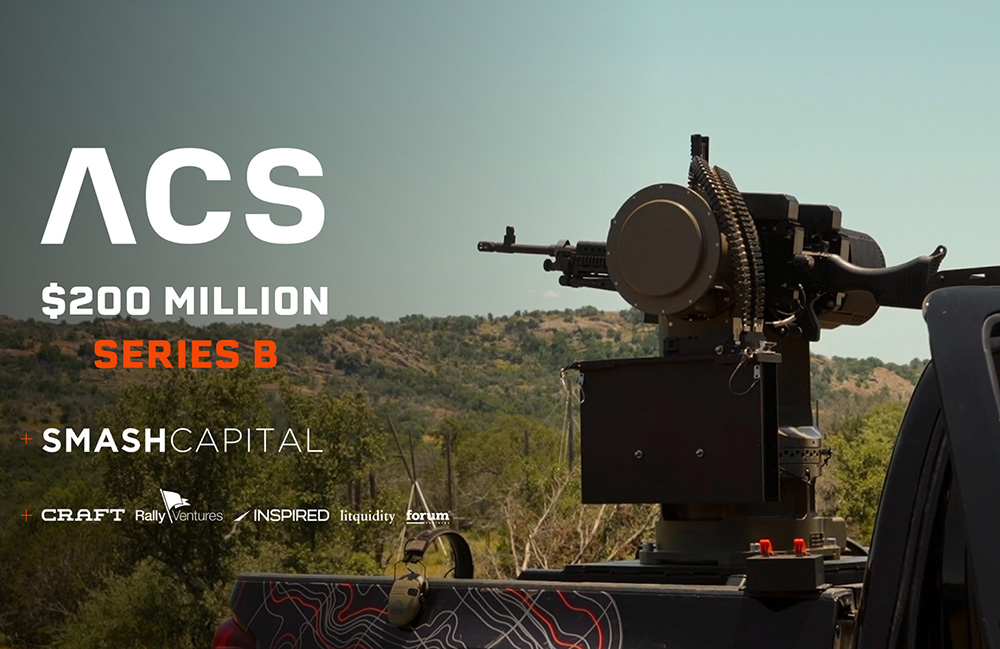
ACS raises $200M to scale autonomous counter-drone system
Allen Control Systems has secured $200 million in funding to enhance the manufacturing capabilities and expedite the deployment of its autonomous weapon station, known as Bullfrog. This significant investment aims to bolster the company's efforts in developing advanced counter-drone technology, responding to the increasing demand for effective security solutions in various sectors. The funding will facilitate the scaling of production processes, allowing for a quicker rollout of the Bullfrog system, which is designed to autonomously detect and neutralize drone threats. This initiative underscores the growing importance of autonomous systems in modern defense strategies.
Artificial Intelligence Defense / Security Financial Investments Markets / Industries News
NautiGEN Launches Hydrogen Power Solutions for Maritime Operations, Autonomous Systems and Subsea Applications
On World Oceans Day, NautiGEN, Inc. officially launched as a new player in the maritime hydrogen power sector. The company, a collaboration between Cellula Robotics and Infinity Fuel Cell and Hydrogen, Inc., aims to revolutionize maritime operations, autonomous systems, and subsea applications by providing high-density fuel cell power solutions. This initiative is driven by the need for sustainable energy alternatives in the maritime industry, addressing both environmental concerns and the demand for efficient power sources. NautiGEN's innovative approach is expected to enhance the performance and sustainability of various maritime technologies, marking a significant step forward in the transition to cleaner energy solutions at sea.
cellula robotics nautigen hydrogen power maritime operations autonomous systems subsea applications
Ondas Unveils New Autonomous Counter-Drone and Robotic Combat Systems
Ondas Holdings has introduced two innovative autonomous defense systems, MODUS and IRON WAVE, aimed at assisting military forces in countering the escalating threats posed by drones and enhancing the deployment of robotic systems. This announcement highlights the company's commitment to addressing critical challenges faced by modern military operations. The unveiling of these systems comes at a time when the proliferation of drone technology and robotic warfare is reshaping the battlefield landscape. By providing advanced solutions, Ondas Holdings seeks to empower frontline troops with enhanced capabilities to effectively neutralize aerial threats and integrate robotic support into their operations.
Anti-drone technology Applications C-UAS defense Defense Drone News
Yamaha expands autonomous farming platform with new weed-control system for orchards and vineyards
Yamaha Agriculture is enhancing its Prospr autonomous farming platform by introducing a new herbicide attachment aimed at automating weed control in orchards and vineyards. This innovative system, developed in collaboration with Croplands Equipment, expands the platform's capabilities to include precision herbicide application. The addition is designed to assist specialty crop growers in minimizing labor demands while improving the consistency of spraying operations. This advancement reflects a growing trend in agricultural technology, focusing on efficiency and sustainability in crop management.
Agriculture News agricultural automation agricultural robots agricultural technology ai agriculture
Elbit Systems acquires Bluewhite: a new chapter for autonomous farming
Israeli defense and technology firm Elbit Systems has finalized its acquisition of Blue White Robotics, commonly referred to as Bluewhite, through its subsidiary FUSE. This strategic move, completed recently, positions Elbit to enhance its capabilities in the rapidly growing field of autonomous vehicle technology, particularly for agricultural applications. Founded in 2017 and based in Tel Aviv, Bluewhite has garnered recognition as a leading innovator in this sector, making the acquisition a significant step for Elbit in expanding its technological portfolio and market reach.
Autonomous/semi-autosteering systems autonomous technology autonomous tractors digitalization iot precision agriculture
Royal Navy deploys Defender mine-hunting robot for Strait of Hormuz operations
The Royal Navy is set to deploy the Video Ray Defender, an advanced autonomous underwater robot, as part of its ongoing efforts to enhance maritime security. This deployment is scheduled for later this month, with operations taking place in various strategic locations to bolster surveillance and reconnaissance capabilities. The initiative aims to address increasing concerns over underwater threats and improve response times in maritime operations. By utilizing cutting-edge technology, the Royal Navy intends to streamline underwater missions, allowing for more efficient data collection and analysis. The introduction of the Video Ray Defender marks a significant step in the Royal Navy's modernization efforts, reflecting a commitment to incorporating innovative solutions in national defense strategies.
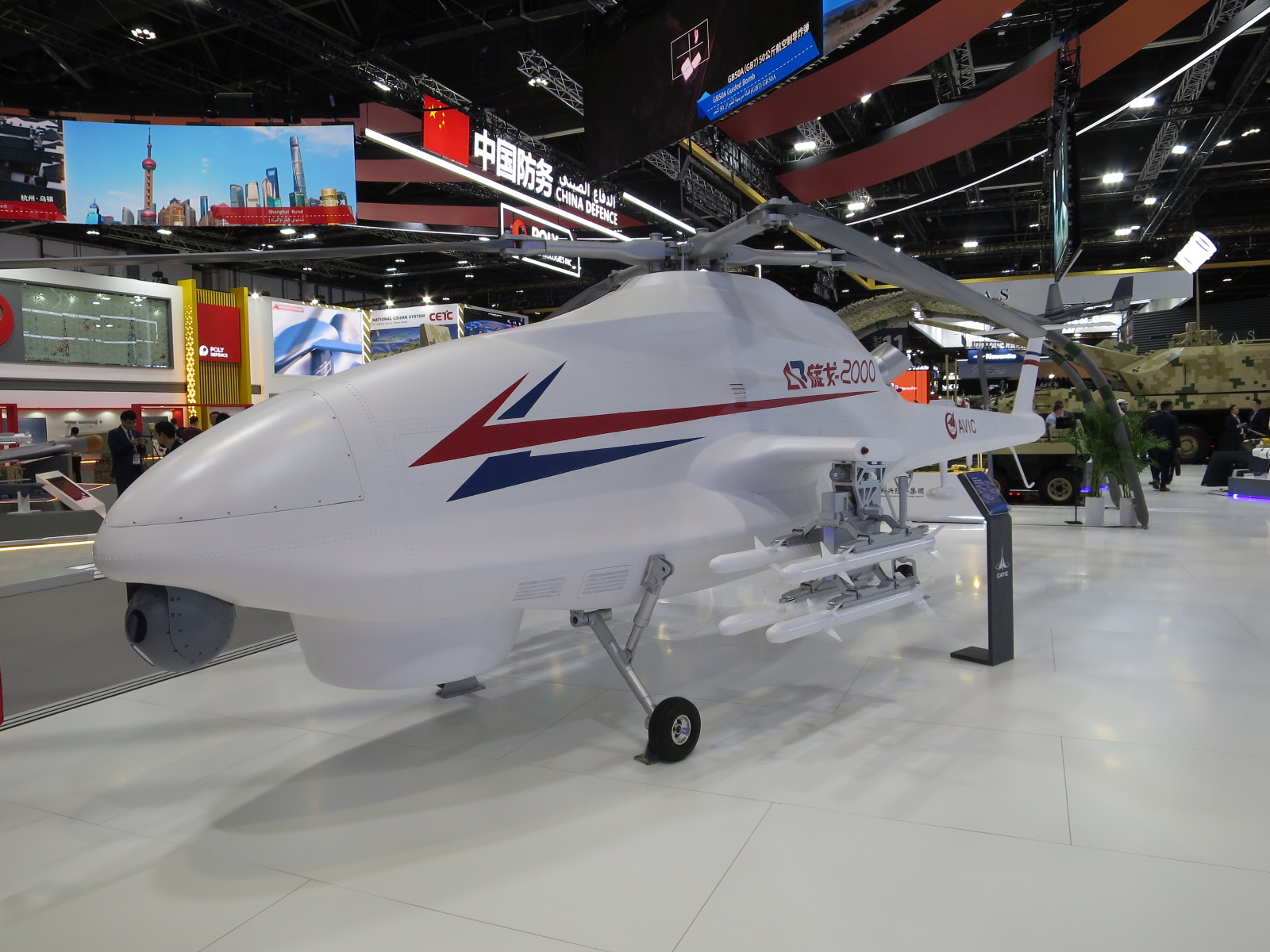
China’s autonomous drone swarm system claims to hunt targets despite network jamming, chaos
A Chinese research team has announced the development of a groundbreaking artificial intelligence algorithm that promises to enhance data processing efficiency significantly. This innovative technology, unveiled in a study published on October 15, 2023, aims to address the growing demand for faster and more accurate data analysis in various sectors, including healthcare, finance, and logistics. The researchers, based at a leading university in Beijing, designed the algorithm to improve machine learning capabilities by optimizing data handling and reducing processing time. The motivation behind this advancement stems from the increasing complexity of data sets that organizations face today, necessitating more sophisticated tools to extract meaningful insights. The team conducted extensive testing to validate the algorithm's performance against existing models, demonstrating superior accuracy and speed. This development is expected to have far-reaching implications, potentially transforming how industries leverage AI for decision-making and operational efficiency. As organizations continue to seek innovative solutions to manage vast amounts of data, this new algorithm could play a pivotal role in shaping the future of artificial intelligence applications.

Massimo Group Launches AI Intelligent Patrol Platform Initiative Integrating Autonomous Patrol Vehicles, Spherical Security Robots and Drone Systems
Massimo Group has officially launched the prototype development of autonomous patrol electric vehicles, aiming to penetrate the $50.4 billion U.S. security services industry. This initiative, which began in October 2023, focuses on integrating artificial intelligence into patrol and intelligent security mobility systems. By leveraging advanced technology, the company seeks to enhance security operations and improve efficiency in monitoring and response capabilities. The move is part of Massimo Group's broader strategy to innovate within the security sector, addressing growing demands for smarter and more effective security solutions.
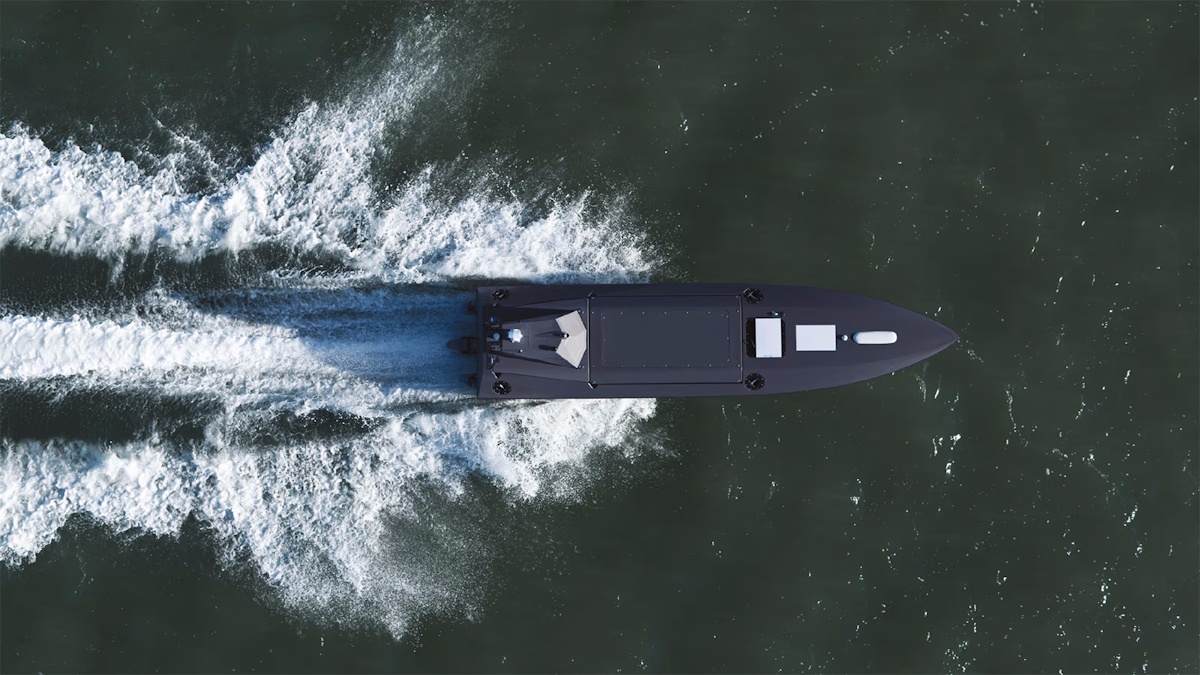
Davie and Kraken set to Join Forces on the Production of Autonomous Vessels and Systems in Canada
Québec-based Davie and the UK’s Kraken Technology Group have entered into a strategic collaboration aimed at enhancing the production, integration, and development of Kraken's advanced autonomous solutions in Canada. This partnership, announced today, seeks to leverage Davie’s expertise in shipbuilding and marine technology to bolster the capabilities of Kraken’s innovative offerings. By establishing a Canadian base for these operations, the collaboration aims to strengthen local industry and support the growing demand for autonomous technologies in maritime applications. The initiative reflects a commitment to advancing technological development in the region while fostering international cooperation in the field of autonomous systems.
davie kraken technology group production autonomous vessels
Arrow Electronics Addresses Rising Autonomous Mobile Robot Demand in Southeast Asia with System-Level Solutions
In a significant collaboration aimed at advancing antimicrobial resistance (AMR) solutions, technology partners showcased innovative systems in Singapore and Bangkok. The event, held in October 2023, brought together key stakeholders from the healthcare and technology sectors to address the pressing global challenge of AMR. By demonstrating cutting-edge technologies and collaborative approaches, the partners aimed to highlight effective strategies for combating resistant infections, which pose a growing threat to public health worldwide. The initiative underscores the urgent need for innovative solutions in the fight against AMR, fostering partnerships that leverage expertise and resources to enhance healthcare outcomes across the region.

Klein Marine Systems Introduces MANTIS UUV with SmartArray Technology™ for Autonomous Underwater Missions
Klein Marine Systems, recognized as a global leader in advanced side scan sonar and underwater imaging technology, has unveiled its latest innovation, the MANTIS UUV. This integrated multi-channel side scan sonar system is specifically designed to enhance unmanned underwater vehicles by providing high-quality imaging and onboard processing capabilities. The announcement was made today, highlighting the company’s commitment to improving underwater exploration and data collection. The MANTIS UUV aims to streamline integration processes, making it a valuable tool for various applications in marine research and industry.
klein marine systems mantis uuv smartarray technology™ uuv auv
The Evolution of Autonomous Systems for Planetary Cave Exploration: A Review
A recent study published in the Journal of Field Robotics highlights advancements in autonomous robotic systems designed for agricultural applications. Researchers from various institutions collaborated to develop innovative technologies aimed at improving efficiency in farming practices. The study, released in early October 2023, emphasizes the growing need for sustainable agricultural solutions in response to increasing global food demands and environmental challenges. The team conducted extensive field tests to evaluate the performance of these robotic systems in real-world farming environments. By integrating advanced sensors and artificial intelligence, the robots are capable of performing tasks such as planting, harvesting, and monitoring crop health with minimal human intervention. This approach not only aims to enhance productivity but also seeks to reduce the environmental impact of traditional farming methods. The motivation behind this research stems from the urgent need to address food security while minimizing resource usage. As climate change and population growth continue to strain agricultural resources, the development of autonomous robots presents a promising solution to meet future demands. Overall, the findings underscore the potential of robotics in transforming the agricultural sector, paving the way for more sustainable and efficient farming practices in the years to come.
SURVEY ARTICLE
Researchers Say Autonomous Robots Can Make Safer Decisions With ‘Rulebooks’ System
Researchers at Iowa State University, in collaboration with ETH Zürich, have introduced a novel framework designed to enhance the decision-making capabilities of autonomous robots in situations where rules may conflict. The findings, published in the IEEE Transactions on Robotics, outline a system referred to as "rulebooks," which prioritizes rules rather than merging them. This innovative approach aims to improve the safety and transparency of robotic operations in real-world environments, addressing a critical challenge in the field of robotics. The study underscores the importance of establishing clear guidelines for robots to navigate complex scenarios effectively, ultimately contributing to the advancement of autonomous technology.
AI AI Research & Advances Robotics autonomous systems autonomous vehicles ETH Zürich
Aptiv and Comau to Co-Develop Next-Generation Solutions for Robotics, Autonomous Systems, and Industrial Logistics
In a significant move towards enhancing industrial automation, leading technology firms have announced a collaborative initiative aimed at delivering safer, smarter, and more cost-effective solutions for the sector. This partnership, which includes major players in automation technology, was unveiled during a recent industry conference held in San Francisco on October 15, 2023. The collaboration seeks to address the growing demand for advanced automation systems that not only improve operational efficiency but also prioritize safety and sustainability. By pooling resources and expertise, the companies aim to develop innovative technologies that leverage artificial intelligence and machine learning, ultimately transforming the landscape of industrial operations. Industry experts emphasize that this initiative is crucial in responding to the challenges posed by increasing production demands and the need for more resilient supply chains. The collaborative effort will focus on integrating cutting-edge technologies into existing systems, thereby enhancing productivity while reducing costs. Through a series of joint research projects and pilot programs, the partners plan to test and implement new automation solutions across various sectors, including manufacturing, logistics, and energy. This strategic alliance represents a proactive approach to fostering innovation and ensuring that industrial automation keeps pace with the evolving needs of the market.
Robotics needs a service framework.
RSF defines a common language for robot service capability, lifecycle operations, certification pathways, and service-provider networks.
Join the RobotToday community on LinkedIn
Daily robotics news, in-depth analysis, conference highlights, and discussions with professionals worldwide.







