Industry Briefing
A single destination for timely, editor-curated robotics news from around the world.

L3Harris and ARX UK Evaluate Passive Counter-Drone Technology on Autonomous UGVs
L3Harris and ARX UK have tested the CORVUS-RAVEN sensors mounted on unmanned ground vehicles (UGVs) to enhance battlefield awareness. These sensors are designed to track approaching threats, allowing operators to maintain a safe distance from potential dangers. The implementation of the CORVUS-RAVEN technology is significant as it improves situational awareness for military operators, enabling them to respond effectively to drone threats without direct engagement. This advancement in counter-drone capabilities is crucial in modern warfare, where unmanned aerial vehicles pose increasing risks. Looking ahead, the focus will be on the further development and deployment of these passive counter-drone systems. No further timeline was disclosed at the time of publication.
News
Elroy Air Completes First Autonomous Cargo Drone Flights with 500-lb Payload in Louisiana
Elroy Air, a US drone startup, has successfully conducted its first autonomous, uncrewed flights of the Chaparral hybrid-electric aircraft under the eVTOL Integration Pilot Program in Louisiana. These flights focused on transporting various cargo types, including medical supplies and industrial equipment, showcasing the aircraft's capabilities. This development is significant as it marks a step towards integrating Advanced Air Mobility aircraft into US airspace, enhancing logistics infrastructure and delivery options nationwide. The Federal Aviation Administration (FAA) emphasized the importance of these test flights in shaping aviation policy and supporting commercialization efforts. Looking ahead, Elroy Air's successful tests will inform its strategy for deploying autonomous heavy-cargo aircraft at scale. The Chaparral's unique features, such as interchangeable cargo pods and VTOL capabilities, position it for diverse applications, including disaster relief and maritime missions. No further timeline was disclosed at the time of publication.
Transportation
SiMa.ai and ARK Electronics Collaborate to Enhance Autonomous Drone Development
SiMa.ai and ARK Electronics have formed a strategic partnership aimed at accelerating the deployment of next-generation autonomous drones. They are introducing the ARK-SiMa.ai Modalix MLSoC Bundles, which are production-ready solutions designed to facilitate the development of intelligent drones for various markets, including commercial and defense. This collaboration is significant as it combines SiMa.ai's expertise in Physical AI with ARK Electronics' capabilities in high-quality drone electronics. The resulting solutions are expected to be affordable and high-performance, addressing the growing demand for advanced drone technology in sectors such as UAS, industrial applications, and agriculture. Looking ahead, the partnership aims to simplify the development process for intelligent drones, potentially leading to faster deployment in the market. No further timeline was disclosed at the time of publication.

Infinit Drones Launches Dock M400 for DJI Matrice 400 Autonomous Operations
Infinit Drones has unveiled the Dock M400, an autonomous docking platform designed for the DJI Matrice 400 drone. This innovation allows for remote launching, recovery, and battery management without the need for on-site personnel, addressing a significant gap in the enterprise drone market. The Dock M400 is particularly important as it enhances the capabilities of the DJI Matrice 400, which is known for its heavy-lift capacity and advanced sensor support. With features like automatic battery replacement and dock-to-dock relay missions, the Dock M400 enables organizations to maintain drones in a mission-ready state, thereby improving operational efficiency in sectors such as utilities and emergency services. Looking ahead, the demand for autonomous drone solutions is expected to rise, especially with the growing interest in Drone as First Responder (DFR) programs and favorable regulatory changes in Canada. Infinit Drones aims to capitalize on these trends by offering a solution that combines the Matrice 400's capabilities with autonomous deployment, potentially transforming aerial operations across various industries.
News
Agri Spray Drones Transitions to Agricultural Drone Manufacturer and Technology Innovator
Agri Spray Drones (ASD) has announced its shift from being a distributor of spray drones to becoming a manufacturer and technology company focused on agricultural drones. This evolution is driven by years of operator experience, which will inform product development, quality control, software, and autonomous systems. This transition is significant as it positions ASD to enhance the quality and innovation of agricultural drone technology in the U.S. market. By taking control of the manufacturing process, ASD aims to improve product reliability and performance, which are critical factors for farmers and agricultural businesses. Looking ahead, ASD's roadmap for U.S. manufacturing and advancements in spray drone technology will be crucial to watch. The company's commitment to integrating operator insights into its product offerings may lead to more effective solutions for agricultural applications. No further timeline was disclosed at the time of publication.
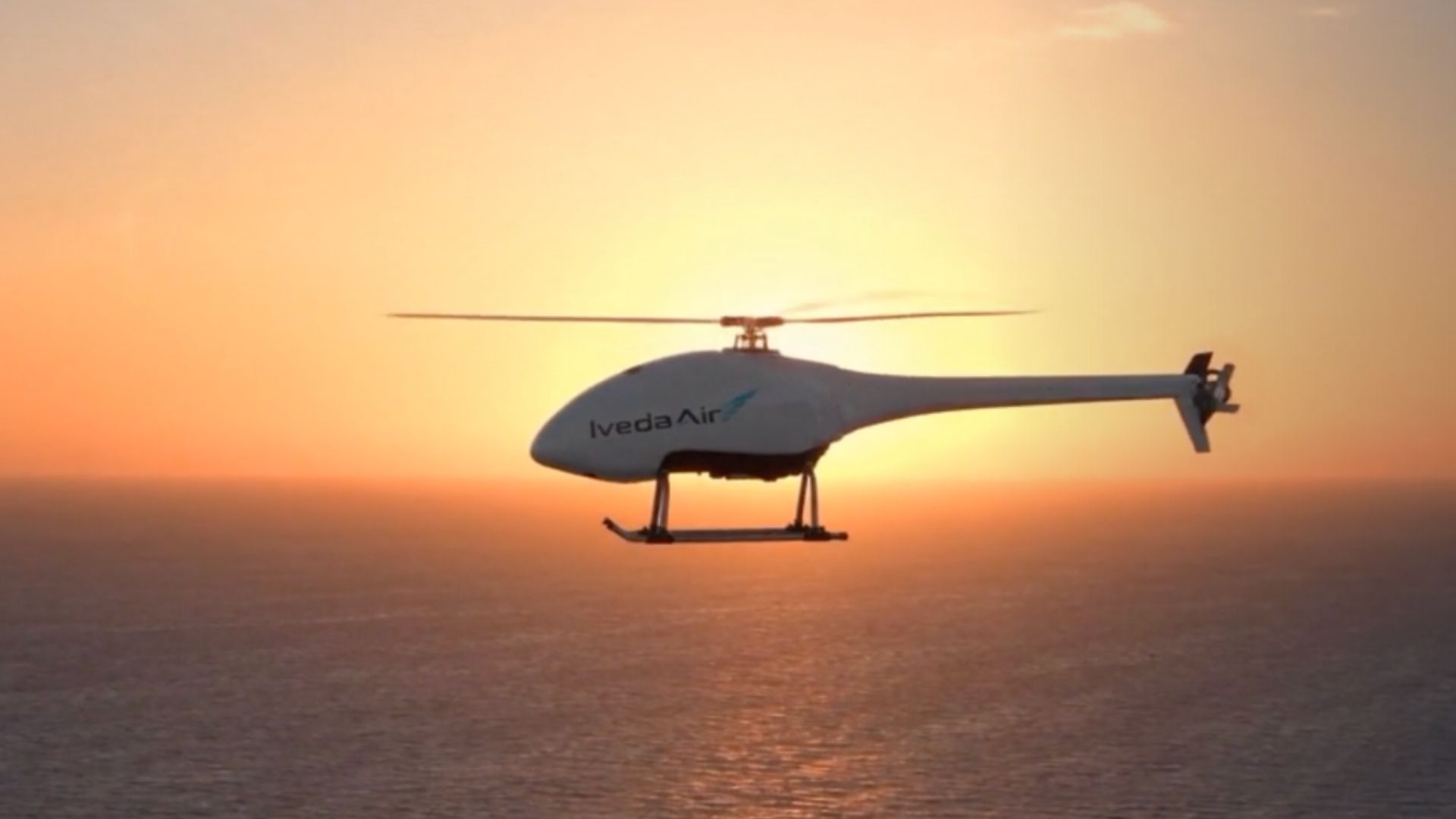
Iveda Launches Gas-Powered GX10-F100 Autonomous Helicopter Drone with 150-Minute Flight Time
Arizona-based Iveda has unveiled the IvedaAir line, featuring the GX10-F100, a gas-powered autonomous helicopter drone. This unmanned aircraft boasts an impressive flight endurance of over 150 minutes, significantly surpassing traditional battery-powered quadcopters. With a cargo capacity of 19 pounds and a maximum speed of 68 mph, the GX10-F100 is designed for military and emergency operations. The introduction of the GX10-F100 is significant as it addresses the limitations faced by conventional drones in challenging environments such as coastlines and isolated terrains. Its extended endurance and cargo capabilities make it suitable for logistics, reconnaissance, and aerial communications in difficult or dangerous areas. Iveda aims to enhance operational efficiency for military users and expand the drone's applications to maritime security, public safety, and emergency response. Looking ahead, Iveda's focus on developing the GX10-F100 for demanding operational environments indicates a shift in drone capabilities. The integration of IvedaAI autonomy software enhances navigation and intelligence missions, allowing for waypoint navigation and real-time video transmission. No further timeline was disclosed at the time of publication.
Military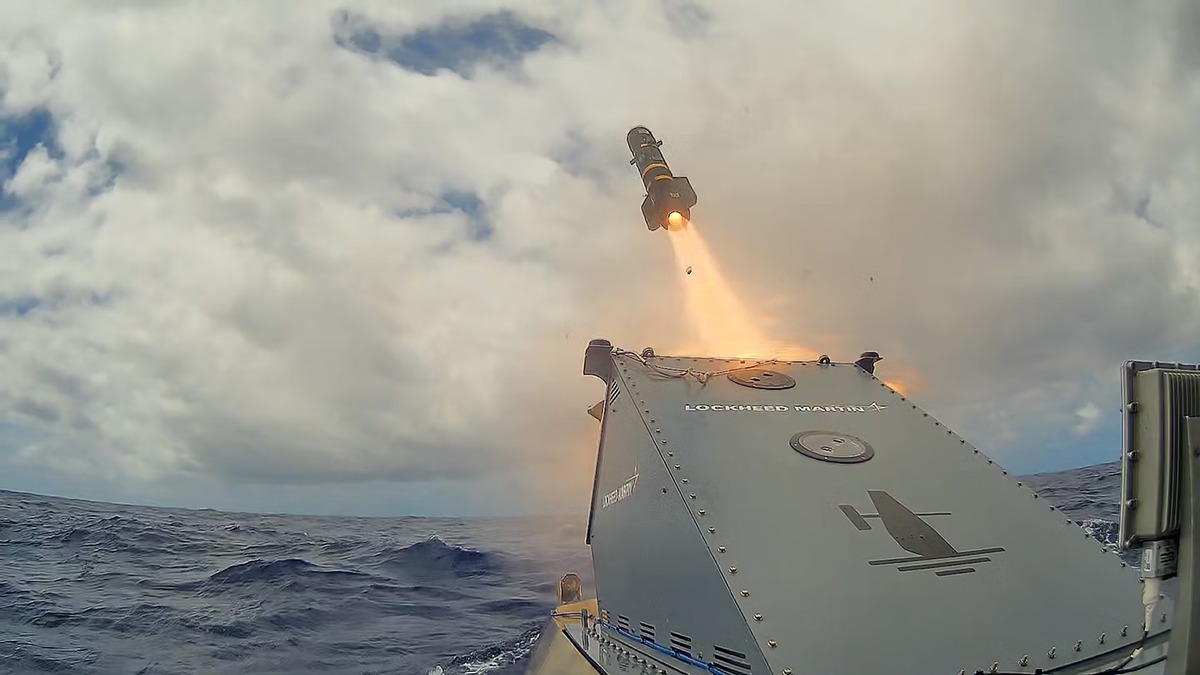
Saildrone and Lockheed Martin Enhance Autonomous Naval Warfare with RIMPAC Missile Launch
Saildrone successfully executed two Joint Air-to-Ground Missile launches from its Surveyor unmanned surface vehicle (USV) during the US Navy's Rim of the Pacific (RIMPAC) exercise. This marks a significant milestone as it is the first-ever missile launch from a Saildrone USV, showcasing the integration of Saildrone's technology with Lockheed Martin's missile capabilities. The demonstration is crucial as it highlights the potential of autonomous systems in modern naval warfare, allowing for extended operational capabilities in contested environments. The collaboration between Saildrone and Lockheed Martin, initiated in October 2025, aims to enhance the operational readiness of unmanned platforms, providing commanders with the necessary tools to project power effectively. Looking ahead, Saildrone plans to further develop its platform capabilities to meet evolving military requirements. The successful integration of electronic warfare sensors during the RIMPAC exercise also indicates the potential for future enhancements in autonomous naval operations. No further timeline was disclosed at the time of publication.
saildrone lockheed martin autonomous naval warfare rimpac demonstration usv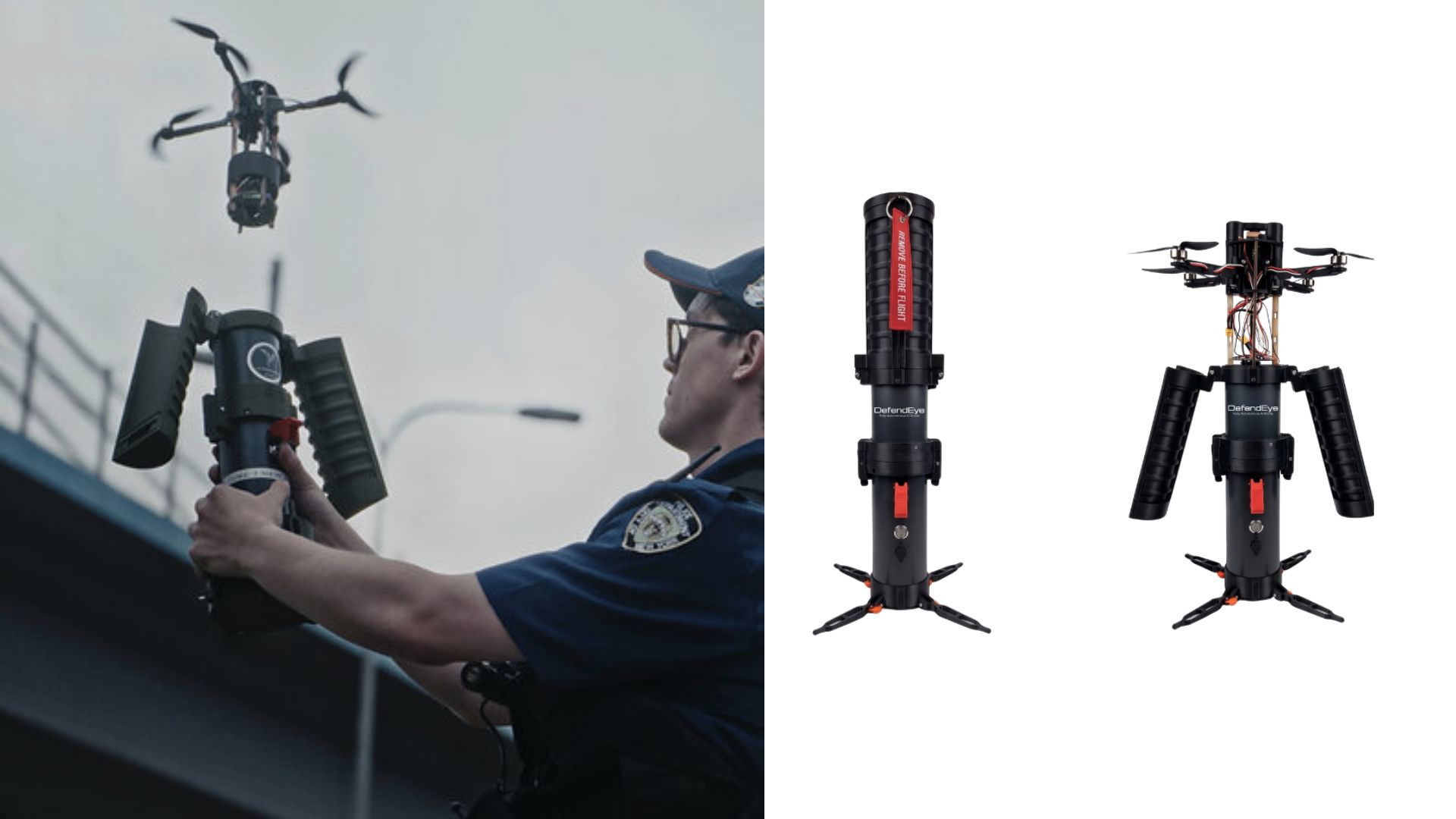
DefendEye to Scale Production of First Autonomous AI Drone for First Responders
DefendEye has announced plans to scale up production of the Overwatch Drone, the world's first autonomous AI drone designed for first responders, following a significant investment round led by NovaCapital. This funding will enable the company to enhance its operations and manufacturing capabilities at its facilities in Hallandale Beach, Florida, and Krakow, Poland. The Overwatch Drone is engineered to provide emergency personnel with immediate situational awareness, deploying in seconds without the need for trained pilots. This innovative system utilizes onboard AI to detect and identify individuals from the air, making it a vital tool for police, firefighters, and search-and-rescue teams in high-stakes environments. Looking ahead, DefendEye aims to redefine crisis management through its autonomous aerial capabilities, ensuring that first responders have rapid access to live video feeds and critical information. No further timeline was disclosed at the time of publication.
AI and Robotics
FlybyOps Launches Platform to Streamline Management of Autonomous Drone Fleets
FlybyOps, a Finland-based company, has introduced an enterprise drone operations platform aimed at addressing the complexities of scaling autonomous drone fleets. As commercial drone operations expand, managing pilots, equipment, approvals, and compliance becomes increasingly challenging, especially with the rise of Beyond Visual Line of Sight (BVLOS) operations. The platform serves as a central hub for organizations developing large-scale BVLOS and autonomous drone programs, connecting flights with necessary personnel, aircraft, and compliance requirements. With regulators worldwide facilitating more routine BVLOS flights, industries such as logistics and infrastructure inspection are preparing for fleets capable of performing hundreds or thousands of autonomous missions, necessitating robust management tools. FlybyOps emphasizes compliance and operational oversight, allowing organizations to manage flight approvals, personnel qualifications, and operational risks from a single system. The software has already been adopted globally, providing operators with enhanced visibility into complex flight programs. No further timeline was disclosed at the time of publication.
News
FlybyOps Introduces New Platform for Scaling BVLOS and Autonomous Drone Operations
FlybyOps has unveiled an enterprise drone operations platform tailored for large-scale Beyond Visual Line of Sight (BVLOS) and autonomous drone initiatives. This Finland-based company aims to tackle the complexities faced by commercial drone operators as they expand their fleets, requiring effective management of flights, locations, aircraft, and personnel while ensuring regulatory compliance. The significance of this platform lies in its ability to centralize management of flight operations, personnel qualifications, and compliance requirements, thereby enhancing operational control. With features such as role-based access, configurable workflows, and structured compliance processes, FlybyOps is designed to support organizations transitioning to more frequent and autonomous BVLOS flights, creating an auditable record of operations. As the drone industry gears up for larger fleets and increased autonomy, FlybyOps is positioned to facilitate this evolution. The platform is already being utilized globally for BVLOS operations, with potential applications in logistics and infrastructure. No further timeline was disclosed at the time of publication.
Applications Drone News Drone News Feeds News autonomous drones BVLOS
AeroVironment Enhances Mayhem 10 Drone with Autonomous Swarm Capabilities for Military Use
AeroVironment is enhancing its Mayhem 10 launched effects system by integrating autonomous swarm capabilities through a partnership with Applied Intuition. This new software allows multiple Mayhem 10 drones to coordinate missions under a single operator's supervision, addressing future U.S. Army requirements for autonomous systems that extend battlefield reach and reduce soldier workload. The integration of Applied Intuition’s Acuity ISR/Strike software enables collaborative behaviors among Mayhem 10 aircraft, allowing them to share targeting information and adapt to threats in real-time. A recent demonstration showcased the drones' ability to synchronize actions during various test scenarios, highlighting the importance of autonomous systems in modern military operations. Looking ahead, the flexibility of the Mayhem 10 platform, which can carry payloads of up to 10 pounds and operate in GPS-denied environments, positions it as a versatile tool for intelligence, surveillance, and precision strikes. No further timeline was disclosed at the time of publication.
Military
Royal Navy Tests Robotic Boat for Autonomous Drone Launching in Maritime Surveillance
The Royal Navy is conducting trials of a robotic boat designed to autonomously launch and recover drones at sea, enhancing uncrewed maritime surveillance capabilities. This initiative, in collaboration with ACUA Ocean and Teledyne FLIR Defense, aims to improve persistent aerial reconnaissance while minimizing risks to personnel. The system integrates an uncrewed surface vessel (USV) with a tethered uncrewed aerial system (T-UAS), allowing for extended surveillance operations. This development is significant as it represents a new approach to maritime surveillance, combining aerial and surface capabilities into a single autonomous system. The SkyCarrier and SkyRanger R70 drones, utilized during the trials, are equipped with advanced AI and imaging technologies, enabling them to perform demanding surveillance missions. The ability to maintain a stable tether connection allows for longer operational durations and continuous power supply, which is crucial for effective surveillance in challenging sea conditions. Looking ahead, the Royal Navy's exploration of this technology could lead to enhanced capabilities in anti-submarine warfare, mine countermeasures, and the protection of critical maritime infrastructure. No further timeline was disclosed at the time of publication.
AI and Robotics
Kraken Technology Secures $175 Million in Series B Funding for Autonomous Maritime Platforms
Kraken Technology Group Ltd. has successfully raised $175 million in Series B funding, achieving a valuation of $1 billion. The investment, led by Digital Transformation Capital Partners GmbH, will enhance Kraken's global rollout of autonomous maritime platforms designed for defense applications, including support for NATO and its partners. This funding is significant as it comes after Kraken secured multiple contracts with the U.K. Ministry of Defence and NATO European partners, indicating strong demand for its modular uncrewed surface vessels (USVs) and uncrewed subsurface vessels (USSVs). These platforms are capable of various operations, including data collection and anti-submarine warfare, addressing the urgent needs of modern maritime defense. Looking ahead, Kraken Technology plans to announce new manufacturing partnerships in the Middle East and Indo-Pacific regions, further expanding its production capabilities. The company aims to leverage this funding to enhance its USVs and payload capabilities, responding to the increasing demand for mission-ready maritime solutions.
Defense / Security Investments Maritime Mobility / Navigation News Unmanned Maritime Systems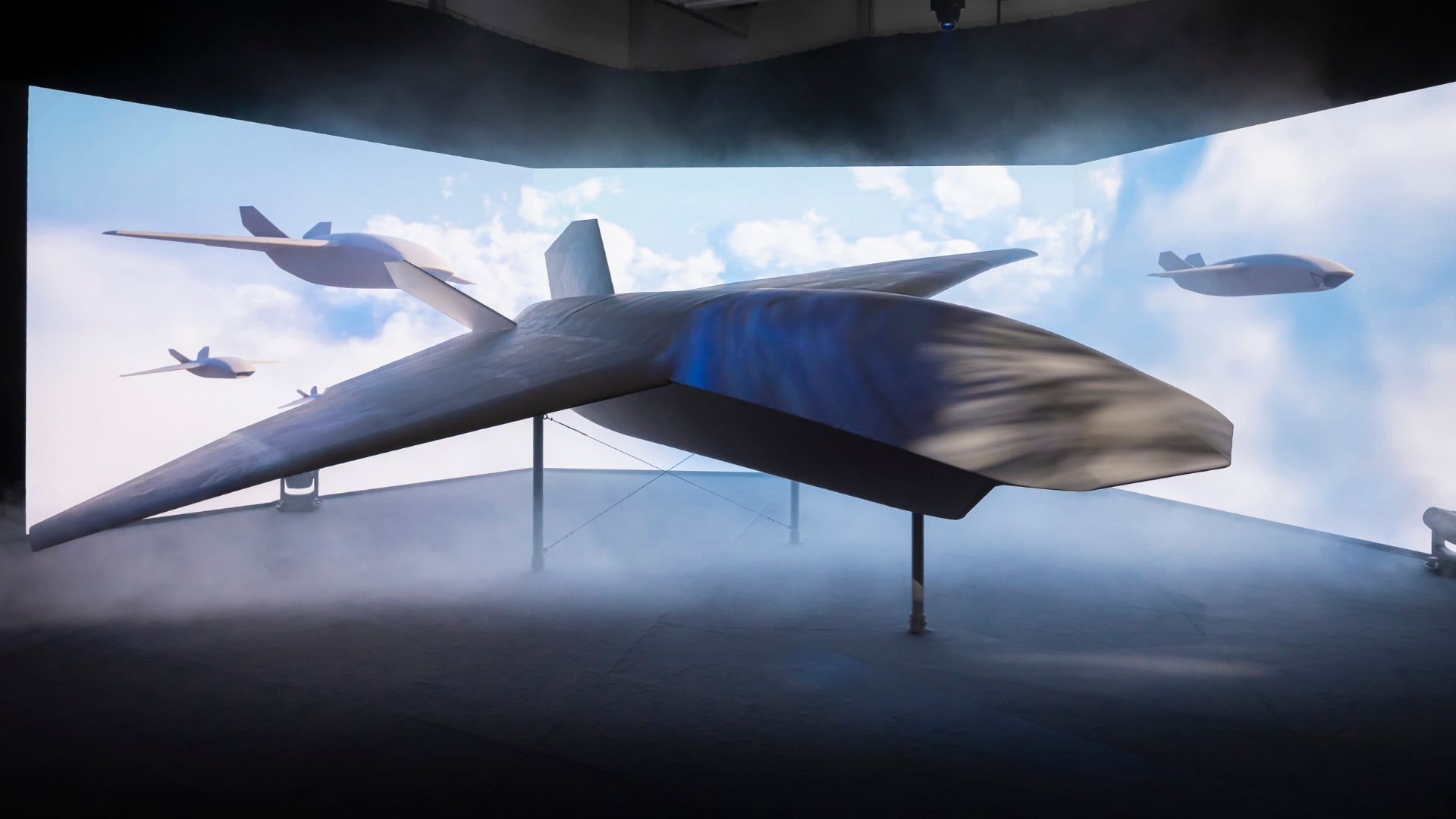
BAE Systems Unveils UK's First Autonomous Combat Drone, Brontanax, at Farnborough Airshow
BAE Systems has launched the UK's first autonomous Collaborative Combat Aircraft (CCA), named Brontanax, at the Farnborough International Airshow. This aircraft is designed to operate alongside crewed fighter jets like the Eurofighter Typhoon, enhancing combat capabilities through missions such as electronic warfare and precision strikes. The introduction of Brontanax is significant as it represents a major advancement in the UK's defense strategy, supported by a £300 million investment from the government through the Storm Fighter program. This initiative aims to establish a sovereign CCA capability for the Royal Air Force, positioning the UK as a leader in next-generation combat aviation in Europe. Looking ahead, ground testing of Brontanax will commence at BAE Systems' Warton facility, with flight trials expected to begin in UK airspace next year. If development proceeds as planned, the aircraft could be operational with the Royal Air Force by the end of the decade, marking a pivotal moment in military aviation technology.
Military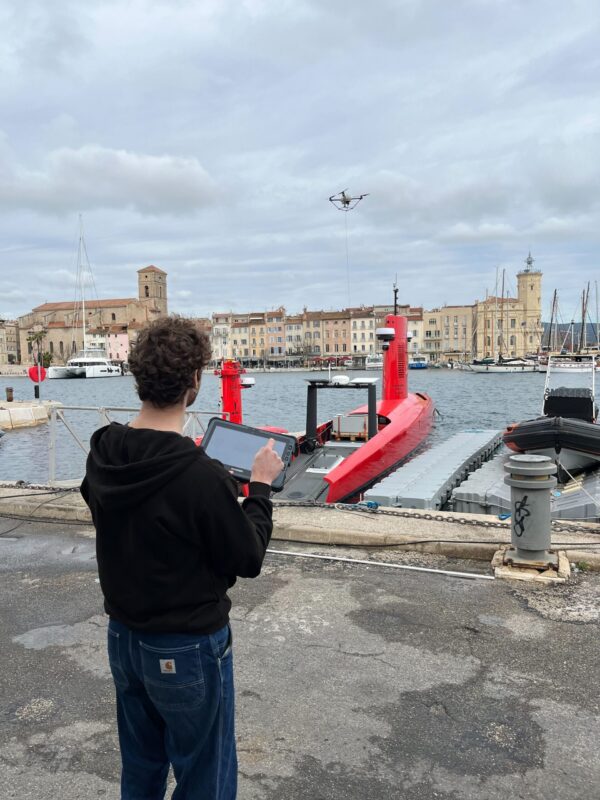
Elistair and Exail Collaborate on Tethered Drone Maritime Surveillance for Autonomous Vessels
Elistair has partnered with Exail to integrate its Khronos DroneBox with Exail's DriX unmanned surface vessel, enabling tethered drone maritime surveillance. This collaboration allows operators to maintain a persistent aerial view from shore, enhancing capabilities for naval, coast guard, and port security operations. The integration of the Khronos DroneBox with the DriX vessel marks a significant advancement in maritime surveillance technology. The tethered drone can operate for up to 24 hours at a height of 60 meters, providing real-time, encrypted video feeds even in challenging environments. This capability extends surveillance beyond traditional surface radar limits, making it ideal for various applications including coastal surveillance and search and rescue missions. Looking ahead, the partnership between Elistair and Exail is expected to evolve as they explore further applications of the Khronos system in maritime contexts. No further timeline was disclosed at the time of publication.
Drone News Drone News Feeds News safety and security seadrones Security
HYFIX CEO Discusses U.S. Drone Technology Development on Drone Radio Show
In a recent episode of the Drone Radio Show, Mike Horton, CEO of HYFIX, discussed the challenges facing U.S. drone technology. He highlighted the U.S. government's restrictions on foreign drone technology, emphasizing the need for domestic alternatives that are not yet fully developed. Horton pointed out that fragmented drone systems pose significant security and supply chain risks, making the case for integrated, U.S.-made systems as essential for the future of autonomy. This perspective underscores the importance of developing robust domestic capabilities in the drone sector. Looking ahead, the conversation raises critical questions about the pace of innovation in U.S. drone technology and the regulatory landscape. No further timeline was disclosed at the time of publication.
Drone Manufacturing Drone News Drone News Feeds drone technology News Podcast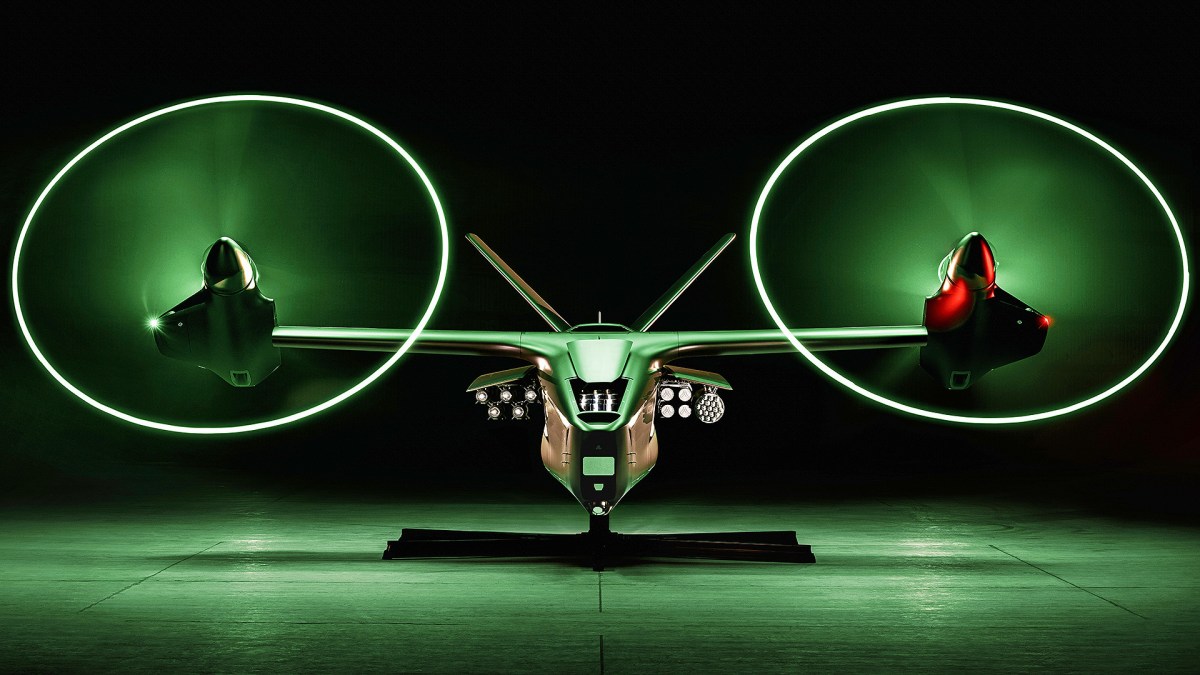
Anduril Unveils Thunder, an Autonomous Tiltrotor Attack Drone Concept
Anduril has introduced Thunder, a hybrid-electric tiltrotor combat drone developed in collaboration with Archer Aviation. Designed as a highly autonomous pilotless wingman, Thunder aims to operate alongside crewed helicopters like the AH-64 Apache, enhancing target acquisition and defense capabilities against air-to-air drone threats. This development is significant as it addresses critical operational gaps in modern warfare, allowing human pilots to engage from a safer distance while Thunder performs close-in defense. The drone's capabilities are expected to improve mission effectiveness in future conflicts, with a first flight planned for next year and potential full-scale production by the end of the decade. Looking ahead, the commercial version of Thunder is also in development, with Archer Aviation set to provide further details soon. As the drone is designed to operate at low altitudes, it is positioned to complement existing military aircraft, enhancing the U.S. Army's aerial capabilities in complex operational environments.
News & Features Air Drones Loyal Wingman Unmanned
L3Harris and Shield AI Achieve Milestone with First Autonomous DiSCO EW Drone Flight
L3Harris Technologies and Shield AI have successfully completed the inaugural live flight trial of their Distributed Spectrum Collaboration and Operations (DiSCO) system. This achievement marks a significant step in the development of autonomous electronic warfare capabilities. The successful flight trial is crucial as it demonstrates the potential of the DiSCO system to enhance operational effectiveness in electronic warfare. By leveraging advanced technologies, this collaboration aims to improve situational awareness and decision-making in complex environments. Looking ahead, industry stakeholders will be keen to observe further developments and potential applications of the DiSCO system in military operations. No further timeline was disclosed at the time of publication.
News
SYNDÉO Introduces SmartVault Drone Base for Underground Autonomous Flight Solutions
SYNDÉO, a Verona, Wisconsin-based infrastructure company, is advocating for underground drone bases, specifically its SmartVault Drone Base, designed for critical missions like infrastructure inspection and border security. This innovative subsurface station features a load-bearing hatch for drone charging, secure storage, and advanced AI capabilities, distinguishing it from conventional above-ground systems. The significance of SYNDÉO's approach lies in its focus on mission-critical applications, providing a secure and efficient environment for drones. Founder Gary Henshue emphasizes that while other drone docks exist, the SmartVault integrates essential features such as thermal management and backup power, catering to the unique demands of autonomous flight operations. Looking ahead, SYNDÉO aims to expand its market presence after a decade in the infrastructure sector. The company previously engaged in smart city initiatives, including a notable project in Austin, Texas. As interest in smart city solutions fluctuates, the future adoption of SmartVault technology will be pivotal for enhancing urban infrastructure and drone operations. No further timeline was disclosed at the time of publication.
Drone News Dual Use News Smart Cities autonomous drones autonomous flight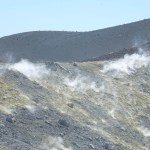
New Autonomous Drone System Maps Volcanic Gases to Predict Eruptions
Researchers at the Technical University of Munich (TUM) have developed an autonomous measurement system that utilizes drones and lasers to map volcanic gas concentrations with a low measurement error of approximately 5%. This innovative system aims to enhance volcanic eruption forecasting by tracking the ratio of carbon dioxide to sulfur dioxide, providing insights into subterranean volcanic processes. The significance of this technology lies in its potential to prevent natural disasters by offering accurate measurements of volcanic gases. Traditional methods have faced challenges due to background emissions and equipment damage from corrosive plumes. TUM's solution involves a ground station that shoots a laser through gas clouds, allowing for precise data collection while keeping equipment safe from harsh conditions. Looking ahead, TUM plans to further automate the measurement and mapping processes, incorporating artificial intelligence to interpret the data. This advancement could lead to safer volcanic forecasting, particularly on the Aeolian island of Vulcano, which remains in an active degassing phase despite not having experienced a major eruption since the late 19th century.
Science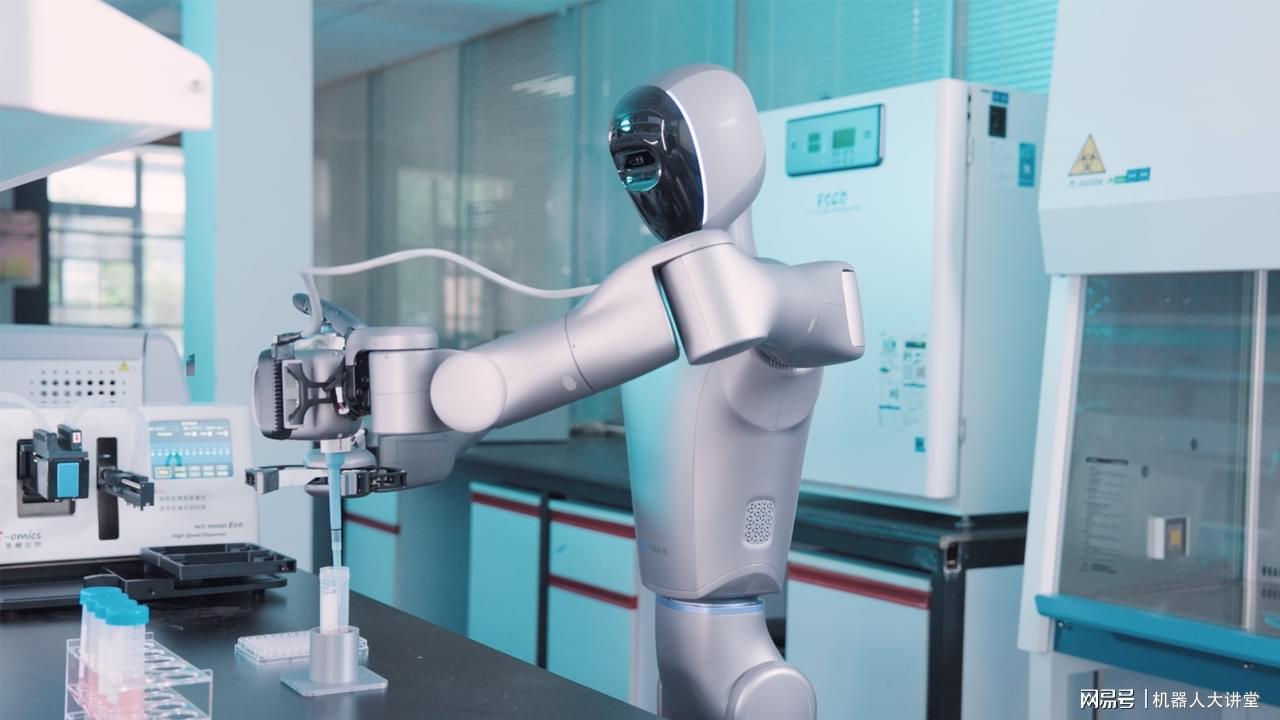
Yuanluo Technology Unveils First Autonomous Laboratory Utilizing Object-Centric Physics Model
Yuanluo Technology has successfully launched the world's first autonomous laboratory on a national research platform, marking a significant advancement in embodied intelligence. The laboratory's robotic system can autonomously perform over 40 operations, including nucleic acid extraction and cytotoxicity testing, with a precision of less than one millimeter. This achievement demonstrates the robot's capability to execute complex, multi-step tasks continuously for over three hours, addressing challenges in throughput and consistency in biochemical research. This development is crucial as it signifies a shift from demonstration to practical application of embodied intelligence in the biochemical and material science sectors. The Object-centric Physics Native Model (OPN), developed by Yuanluo, enables the robot to understand and adapt to the dynamic conditions of a real laboratory environment. By integrating visual, tactile, and force feedback, the robot can make real-time adjustments, ensuring stable execution of intricate experimental workflows across multiple devices. Looking ahead, the successful implementation of this autonomous laboratory sets the stage for further advancements in research and development processes across various industries, including public health and advanced manufacturing. The next milestones will involve expanding the capabilities of the OPN model and integrating it into more complex industrial systems. No further timeline was disclosed at the time of publication.
Autonomous Laboratories Embodied Intelligence Biochemical Research Robotics AI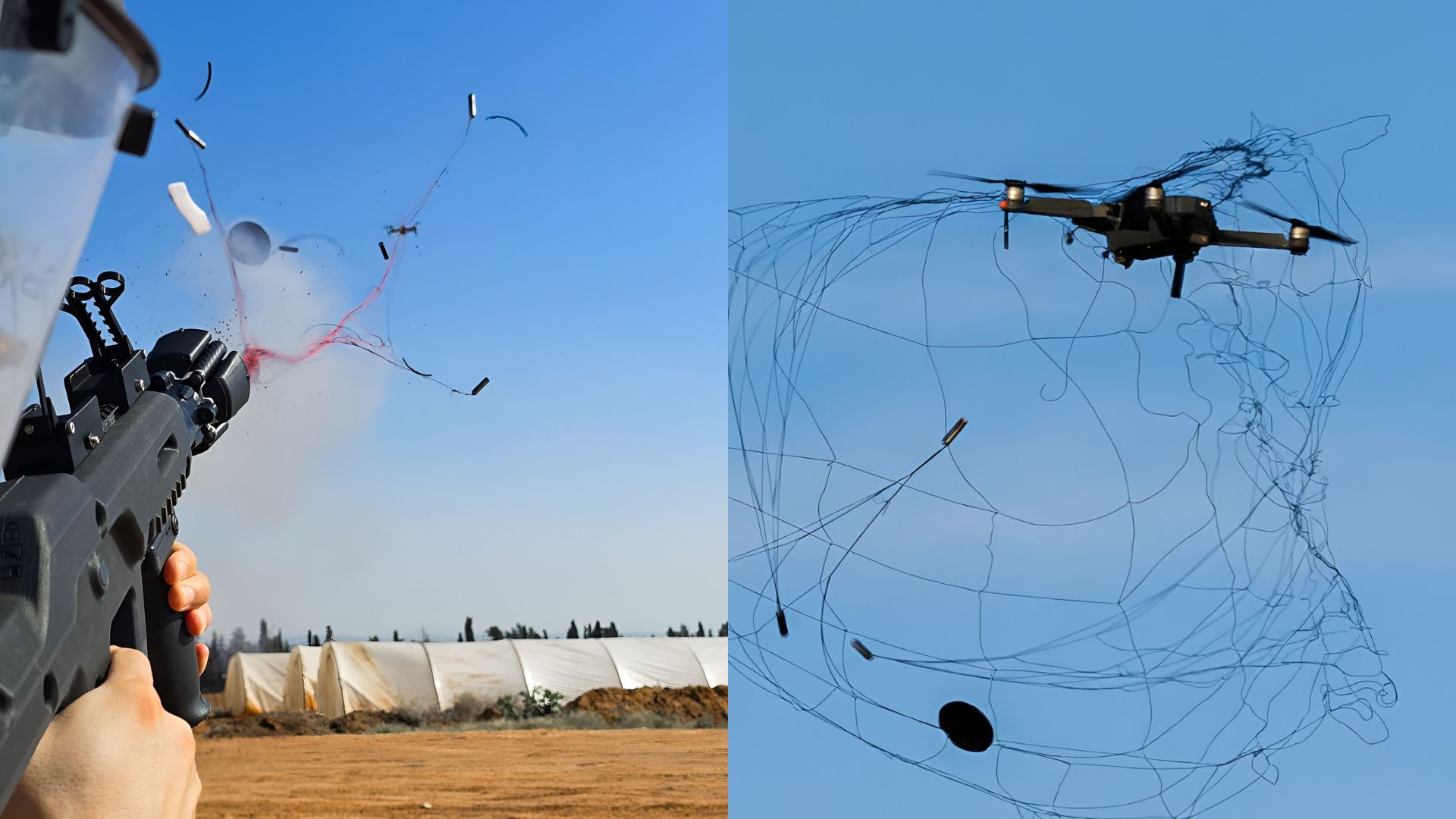
ParaZero Technologies Launches DefendAir for Autonomous Drone Interception in Military Applications
ParaZero Technologies has introduced its DefendAir platform, designed to intercept first-person view (FPV) drones autonomously before they can strike military vehicles. This system utilizes a non-explosive net-based interception method, creating a 360-degree defensive envelope around assets. The platform aims to enhance protection for both moving and stationary high-value military targets without the weight penalties of traditional armor. The rise of low-cost FPV drones has prompted militaries to seek effective countermeasures, as these drones have proven capable of damaging expensive military equipment. ParaZero's DefendAir addresses the limitations of conventional protective measures, such as steel cages, by offering a more agile and responsive solution. The system's ability to detect and neutralize threats rapidly is crucial for modern battlefield scenarios, where speed and precision are paramount. ParaZero is currently collaborating with Tier-1 defense companies to refine the DefendAir technology for operational requirements. While the company has not disclosed specific partners or a timeline for deployment, the focus on active counter-drone systems reflects a broader trend in military strategy, emphasizing the need for innovative solutions to counter evolving aerial threats. No further timeline was disclosed at the time of publication.
Military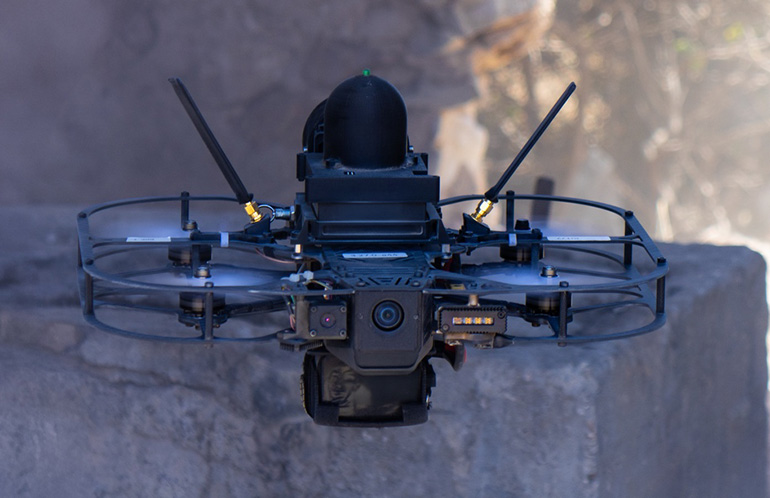
XTEND Receives U.S. Patent for Drone Autonomy Technology Enhancing Mission Efficiency
XTEND Reality Inc. has secured a U.S. patent for its autonomous navigation technology, specifically U.S. Patent No. 12,222,735, which allows drones to navigate toward operator-designated destinations without reliance on the surrounding environment. This patent, also granted in Israel, supports the company's mission to enhance drone autonomy in complex operational settings, reducing operator workload and improving mission execution reliability. The significance of this patent lies in its ability to enable drones to adapt their navigation in real-time while maintaining focus on mission objectives. As autonomous operations grow in defense, security, and public safety sectors, this technology positions XTEND favorably in a competitive landscape, reinforcing its software foundation, XOS, for next-generation autonomous systems. Looking ahead, XTEND is set to participate in the Gauntlet II phase of the U.S. Department of War's Drone Dominance Program, which will test autonomous systems in August at Fort Carson, Colorado. No further timeline was disclosed at the time of publication regarding additional developments related to this patent or upcoming projects.
Controllers Defense / Security Investments Mergers & Acquisitions News Unmanned Aerial Systems / Drones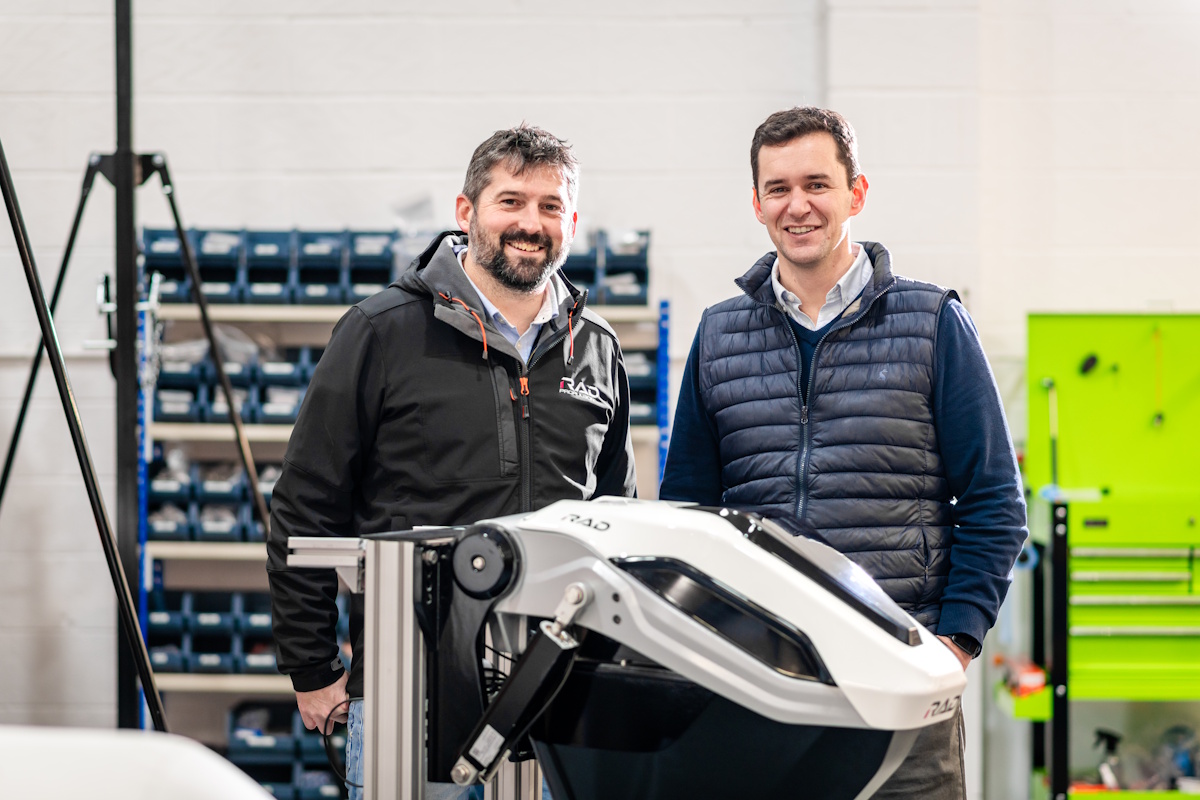
RAD Secures £4.4 Million Funding to Enhance Autonomous Marine Technology and Electric Propulsion Systems
RAD, a marine technology firm, has successfully raised £4.4 million in funding to accelerate the commercialization of its autonomous vessel technologies and expand its electric propulsion systems. This funding round, led by Mercia Ventures, comes after a year of significant product development and customer engagement, including the launch of the Axon open systems architecture for uncrewed vessels at the Combined Naval Event in May 2026. The funding is crucial as RAD aims to capitalize on the growing demand for flexible and scalable marine solutions in both defense and commercial sectors. The Axon architecture allows for rapid development and integration of uncrewed vessel capabilities, which is expected to enhance operational efficiency and reduce vendor lock-in for operators. With this investment, RAD is positioned to lead the electrification shift in marine technology, similar to trends seen in road transport. Looking ahead, RAD plans to utilize the funds for international expansion, including establishing a presence in the U.S. market, and further developing its electric propulsion systems and energy management technologies. The company is also focused on enhancing its engineering capabilities to meet the increasing demand from its diverse customer base. No further timeline was disclosed at the time of publication.
rad raise investment commercialisation autonomous marine technology propulsion systems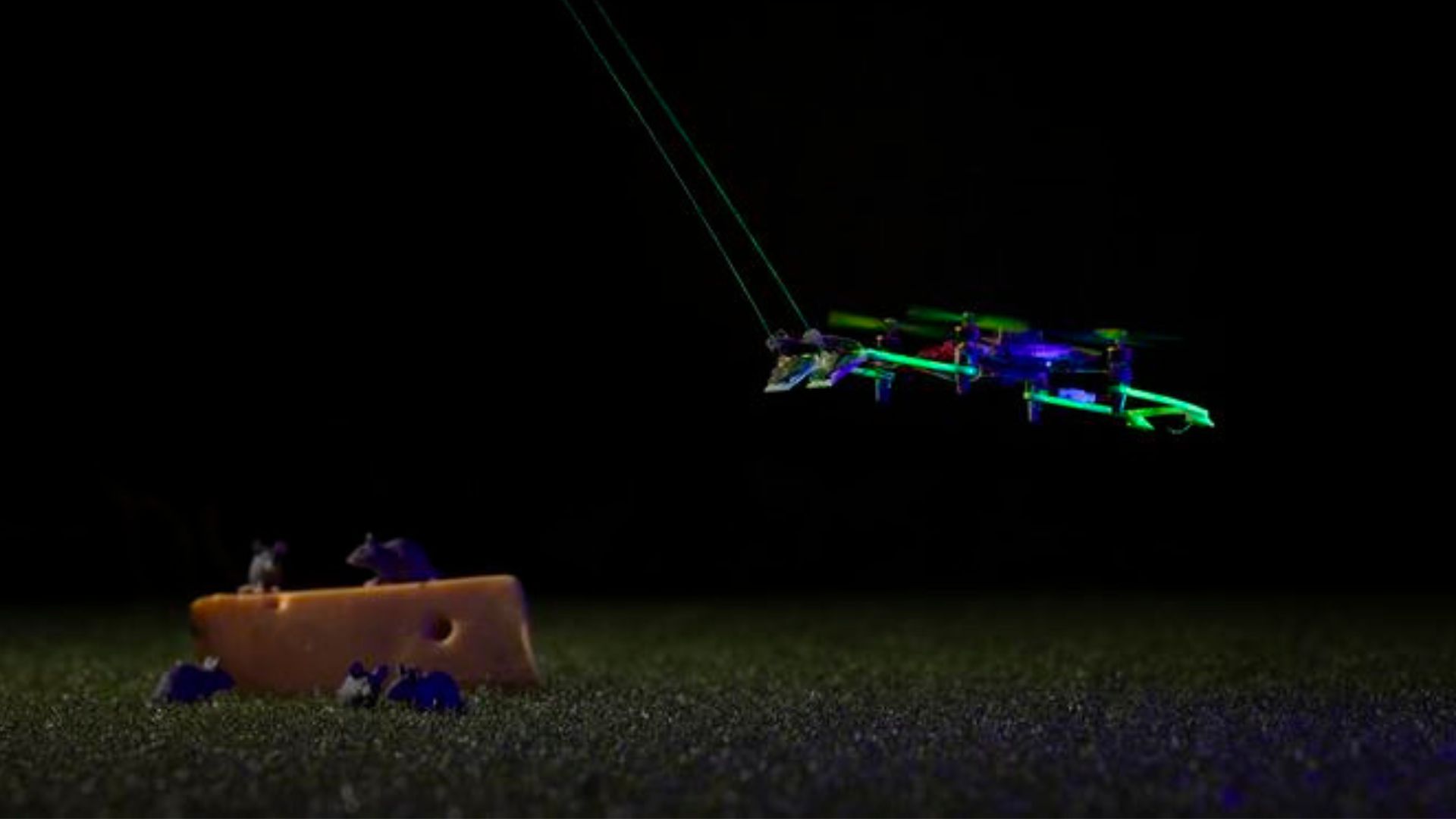
New Whisker-Based Technology Enables Tiny Drones to Navigate Without Vision
Researchers at Delft University of Technology have developed a whisker-based tactile framework that allows tiny drones to navigate complex environments without relying on visual input. Inspired by the natural whiskers of rodents, this technology equips drones with artificial whiskers that provide real-time feedback as they interact with their surroundings. This innovation addresses a significant challenge in aerial robotics, particularly for micro-drones weighing under 100 grams, which cannot support heavy LiDAR systems. The whisker system enables these drones to operate effectively in low-visibility conditions, such as dust or darkness, where traditional cameras fail. Moving forward, the focus will be on refining this tactile navigation system and exploring its applications in various environments. No further timeline was disclosed at the time of publication.
AI and Robotics
Raleigh, North Carolina Implements Drones and AI to Develop City Digital Twin
The city of Raleigh, North Carolina, is utilizing drones and AI technology to create a digital twin aimed at addressing urban challenges and planning for future growth. Collaborating with tech partners like Esri, NVIDIA, and Microsoft, Raleigh seeks to enhance traffic management and urban development through this innovative approach. This initiative is significant as it allows city officials to visualize and communicate urban development effectively, addressing citizens' top concerns regarding development and traffic. The digital twin has already been applied in projects like the Gipson Play Plaza, showcasing its potential in event planning and preserving local trees, vital to Raleigh's identity as the 'City of Oaks.' Looking ahead, Raleigh plans to integrate additional data-collection devices into its digital twin, enhancing its accuracy and utility. No further timeline was disclosed at the time of publication.
Digital Twins Drone News Drone News Feeds News Blue UAS city government city digital twin drones
GDLS-UK and ARX Robotics Collaborate on Autonomous Wingman Technology for British Army
General Dynamics Land Systems-UK (GDLS-UK) has partnered with ARX Robotics to enhance the integration of autonomous systems into crewed vehicles for the British Army. This collaboration aims to develop advanced 'wingman' technology that can support military operations. The significance of this partnership lies in its potential to improve operational efficiency and safety for soldiers in the field. By integrating autonomous systems, the British Army can leverage advanced technologies to enhance situational awareness and reduce risks during missions. Looking ahead, it will be important to monitor the progress of this collaboration and any subsequent developments in autonomous military technologies. No further timeline was disclosed at the time of publication.
News
Robotic Dog Demonstrates Autonomous Grocery Shopping Amid Payment Technology Challenges
A robotic dog named 'Tutu' showcased its ability to autonomously find stalls, confirm products, place orders, and make payments at the September Bund Conference. This demonstration marked it as the world's first embodied intelligent product with complete payment capabilities. The significance of this development lies in the challenges of responsibility attribution in autonomous transactions. While traditional payment methods involve clear user intent, the robotic dog must independently assess product quality and pricing, raising questions about accountability in case of errors. Looking ahead, the focus should not solely be on when robotic dogs can replace human shoppers, but rather on how disputes arising from transactions conducted by intelligent agents will be resolved legally. The absence of clear regulatory frameworks for these scenarios poses a significant challenge for the future of embodied intelligent payments.
Robotic Automation AI Payment Systems Financial Technology Risk Management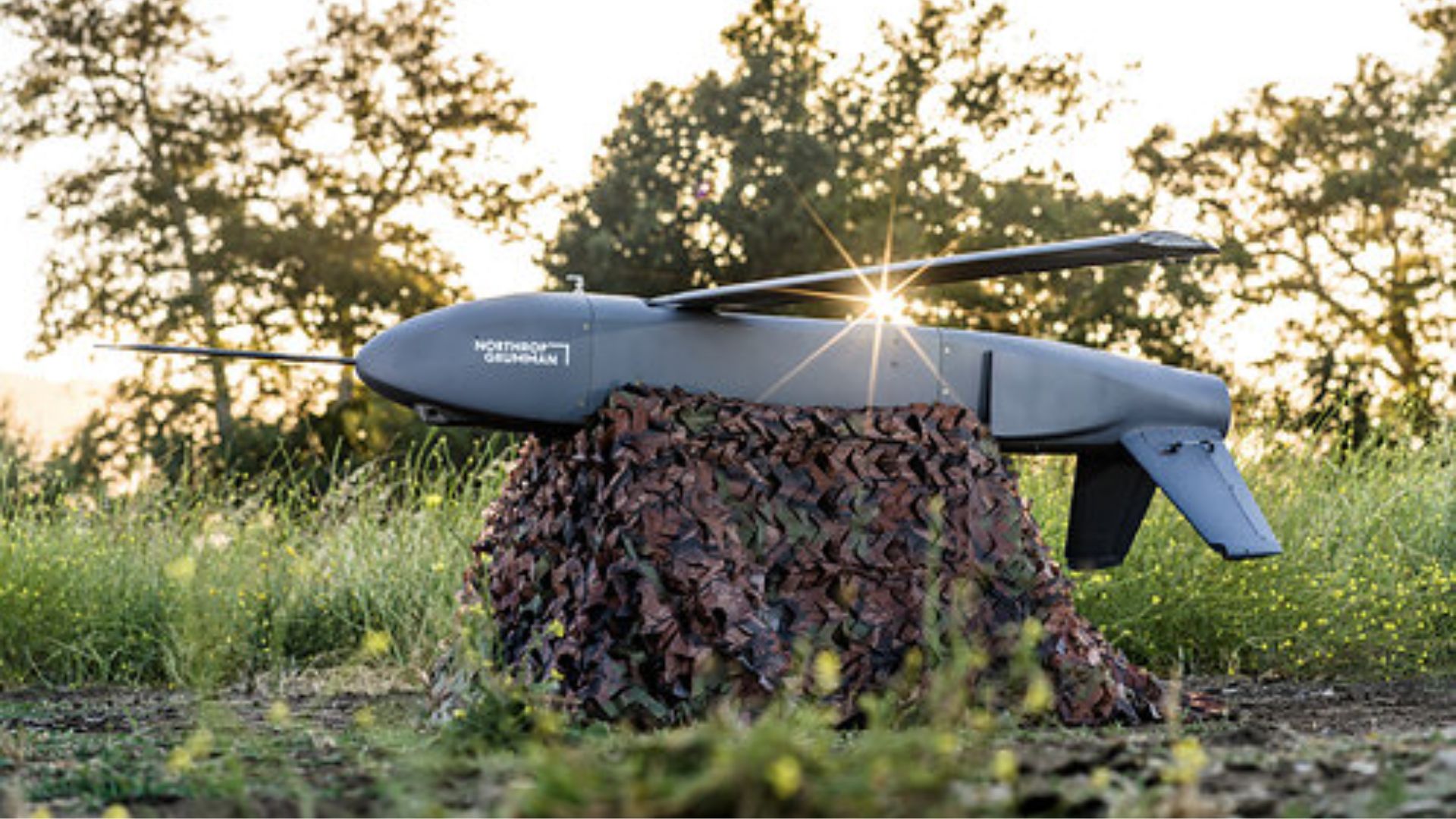
Northrop Grumman's Lumberjack Drone Successfully Tests Quantum Navigation Technology
Sandbox AQ has successfully tested its quantum sensor-based Magnetic Navigation (MagNav) on Northrop Grumman’s Lumberjack drone, marking a significant milestone in unmanned aircraft systems. This test is the first of its kind for an attritable drone, showcasing the potential of quantum navigation in GPS-denied environments, which is increasingly relevant given current military operations. The successful integration of MagNav with Lumberjack's visual navigation system is crucial as the U.S. military seeks alternatives to GPS for navigation and targeting. The ongoing conflicts in Ukraine and West Asia highlight the need for resilient navigation systems that can operate effectively even when GPS signals are jammed or spoofed. This advancement could enhance operational capabilities in contested domains. Looking ahead, the deployment of Sandbox AQ’s AQNav technology in various aircraft platforms could revolutionize military navigation. The ease of integration into existing systems, as demonstrated by the rapid installation on Lumberjack, suggests a promising future for quantum navigation solutions in defense applications. No further timeline was disclosed at the time of publication.
Military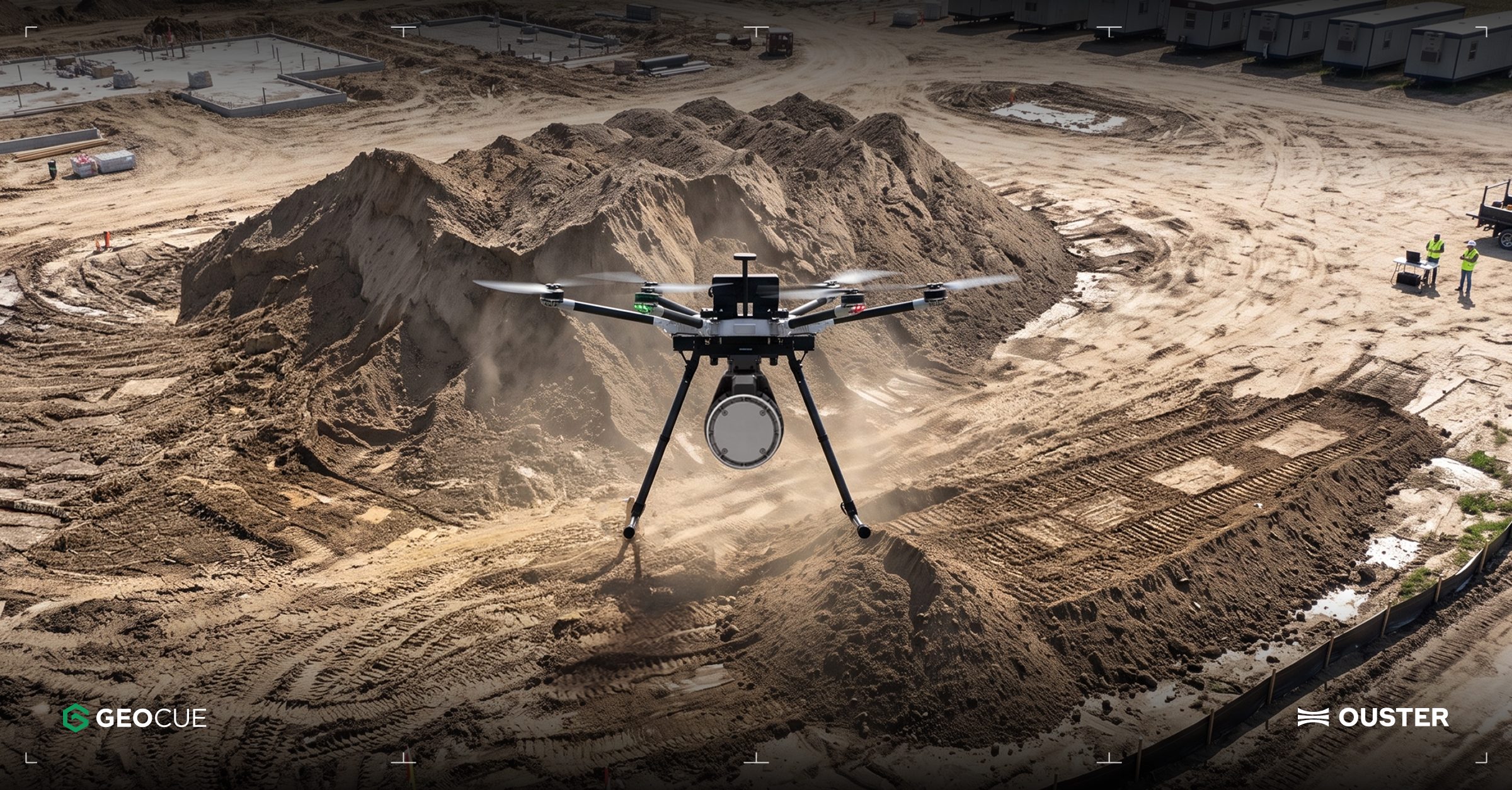
Ouster Partners with Flyability and GeoCue to Enhance Drone Mapping with Lidar Technology
Ouster has announced two significant partnerships aimed at expanding the use of lidar technology in commercial drone operations. The collaboration with Flyability focuses on integrating Ouster's lidar into the Elios 3 drone, which is designed for inspections in confined spaces like mine shafts and wastewater tunnels. Meanwhile, the partnership with GeoCue will see Ouster's Rev8 OS1 Max lidar integrated into TrueView drone mapping systems for utility surveying. These partnerships highlight the growing importance of lidar in enhancing drone capabilities, particularly in challenging environments where traditional GPS and cameras may fail. The Elios 3 drone, equipped with Ouster's compact OS0 lidar, enables real-time localization and collision avoidance, making it suitable for hazardous inspections. Ouster's CEO, Angus Pacala, emphasized the operational value of digital lidar in environments that conventional systems cannot easily access. Looking ahead, Flyability is evaluating Ouster's Rev8 lidar technology for future applications, which promises improved range, resolution, and color data. The companies plan to showcase their advancements at INTERGEO 2026 in Munich, Germany, from September 15-17, demonstrating how lidar is transforming the documentation of complex industrial environments.
Applications Drone News Drone News Feeds Inspection LiDAR News
Unitree Technology Unveils G1 Autonomous Robot's Real-Time Combat Capabilities
On September 7, Unitree released a 38-second video showcasing its G1 humanoid robot engaging in real-time combat against a human opponent. This marks a significant milestone as it is the first instance of a fully autonomous humanoid robot fighting without human remote control, demonstrating advanced decision-making capabilities. The importance of this development lies in the robot's ability to autonomously predict, evade, and counterattack in real-time, a feat that has previously required human intervention. The G1 robot adjusts its stance and actions based on the opponent's movements, showcasing a complete feedback loop from perception to execution, which is crucial for effective combat. Looking ahead, the G1 is set to compete in the CMG World Robot Competition in May 2025, where it will further demonstrate its capabilities. The video highlights the challenges of real-time decision-making in combat scenarios, emphasizing the need for rapid response and adaptation in unpredictable environments. No further timeline was disclosed at the time of publication.
Humanoid Robots Autonomous Systems Robotics Research Artificial Intelligence
NestGen 2026: Shell and LA Metro Showcase Scaling of Drone AI Technology
NestGen ’26, the largest online summit for drone autonomy, will take place on September 29, featuring over 50 speakers from more than 70 countries. The event will highlight the deployment of autonomous drone systems across various industries, including oil and gas, public safety, and transportation. This year's focus is on practical applications rather than future concepts, with Shell presenting its autonomous drone program for offshore facility inspections. LA Metro will discuss using drones for rail corridor monitoring, while SQM will share insights on increasing iodine production in Chile through drone technology. As industries face challenges like securing BVLOS approvals and ROI, experts like FlytBase's Nitin Gupta emphasize the importance of real-world operational knowledge. No further timeline was disclosed at the time of publication.
News
Iwa Robotics Launches Autonomous Drone Fleet for Wildfire Management Solutions
Iwa Robotics has unveiled three autonomous drone platforms aimed at assisting fire departments in detecting, assessing, and suppressing wildfires in both urban and wildland-interface areas. The drones, named Hawk, Canary, and Pelican, are part of Iwa's Discovery and Resolution Fleet, designed to operate collaboratively for enhanced firefighting capabilities. The introduction of these drones is significant as it enhances crew safety and operational efficiency in wildfire management. The Hawk drone specializes in long-endurance reconnaissance, while the Canary drone focuses on sensing and fire diagnostics. The Pelican drone is equipped for aerial suppression, addressing hot spots and establishing fire lines, thereby providing critical support to firefighting teams. Iwa Robotics plans to offer these drones through a fleet-as-a-service model, which includes aircraft, autonomy training, data services, maintenance, and insurance. This approach allows fire agencies to integrate advanced aerial detection and suppression capabilities without the need for upfront equipment purchases. No further timeline was disclosed at the time of publication.
AI AI Funding & Investment AI Use Cases Robotics autonomous drones Iwa Robotics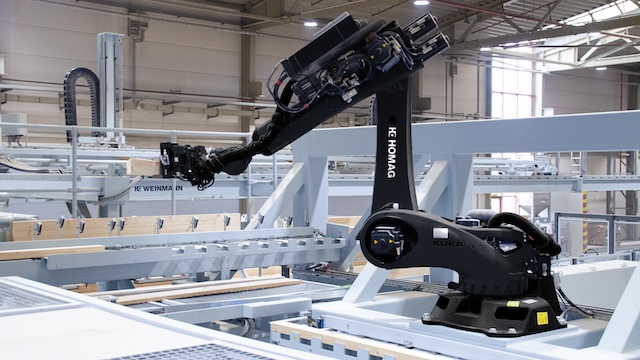
Ouster Expands into Drone Mapping and Autonomous Vehicles with Physical AI Technology
Ouster is advancing its technology that enables machines to perceive and navigate their environments, contributing to the growth of physical AI. The company is entering the drone mapping sector through a collaboration with GeoCue, while John Deere is integrating Ouster sensors into its GUSS autonomous vehicles. This expansion is significant as it highlights the increasing demand for physical AI solutions across various industries. Ouster's CEO, Angus Pacala, emphasized the company's commitment to exploring new markets and addressing the evolving needs for advanced sensing technologies in automation. Looking ahead, industry stakeholders should monitor Ouster's developments in drone mapping and its partnership with John Deere. No further timeline was disclosed at the time of publication.

AIR Partners with Elmo Motion Control for Advanced Cargo Drone Technology
AIR VEV Inc. has formed a strategic partnership with Elmo Motion Control Ltd. to integrate high-performance motion control systems into its Heavy Lift UAS. Elmo's Gold HV drive will enhance the AIR 120D cargo drone's electric propulsion motors, ensuring precise control and efficiency. This collaboration aims to optimize the aircraft's performance while minimizing weight and complexity. The significance of this partnership lies in the combination of Elmo's advanced servo drives and AIR's innovative electric aviation design. AIR CEO Rani Plaut emphasized that the selection of Elmo was based on the need for high power density and efficiency in electric aircraft. The integration of Elmo's technology is expected to improve the cargo aircraft's payload capacity and operational efficiency. Looking ahead, the integration of Elmo's Gold HV motor drives is already in progress as part of the AIR 120D development program. AIR is focused on validating the technology against its performance and safety requirements before moving forward with operational deployment. No further timeline was disclosed at the time of publication.
Actuators / Motors / Servos Defense / Security Drones Markets / Industries Motion Control News
New Underwater Drone Technology Promises Enhanced Stealth and Tracking Challenges
Recent advancements in military technology have led to the development of a missile-armed underwater drone that is expected to be quieter and harder to track than traditional submarines. This innovation aims to enhance naval capabilities and improve operational effectiveness in various combat scenarios. The significance of this underwater drone lies in its potential to revolutionize naval warfare by providing a stealthier alternative to submarines. With the ability to operate undetected, this drone could change the dynamics of maritime defense and offense, making it a critical asset for military forces. Looking ahead, the integration of such advanced technologies into military operations will be crucial. Continuous improvements in stealth technology and autonomous systems will likely shape future naval engagements. No further timeline was disclosed at the time of publication.
Military
GUSS to Enhance Autonomous Orchard Sprayers with Ouster Rev8 OS0 Lidar Technology
GUSS Automation, a subsidiary of John Deere, is set to integrate Ouster's Rev8 OS0 lidar into its autonomous orchard machines. This advanced 3D sensor enhances navigation and obstacle detection in environments where GPS may be insufficient, particularly in orchards and vineyards. The Rev8 OS0 lidar features a 90-degree vertical field of view and generates up to 10.4 million 3D measurement points per second, with a maximum range of 250 meters. This technology allows for detailed mapping of tree trunks, crop rows, and terrain, improving the machines' operational capabilities in dense vegetation. While the initial application focuses on autonomous spraying, GUSS and Ouster anticipate that this lidar technology could be adapted for other tasks in orchards and vineyards. No timeline for the commercial release of these upgraded machines has been disclosed at this time.
Autonomous/semi-auto steering systems Tech in focus autonomy field robot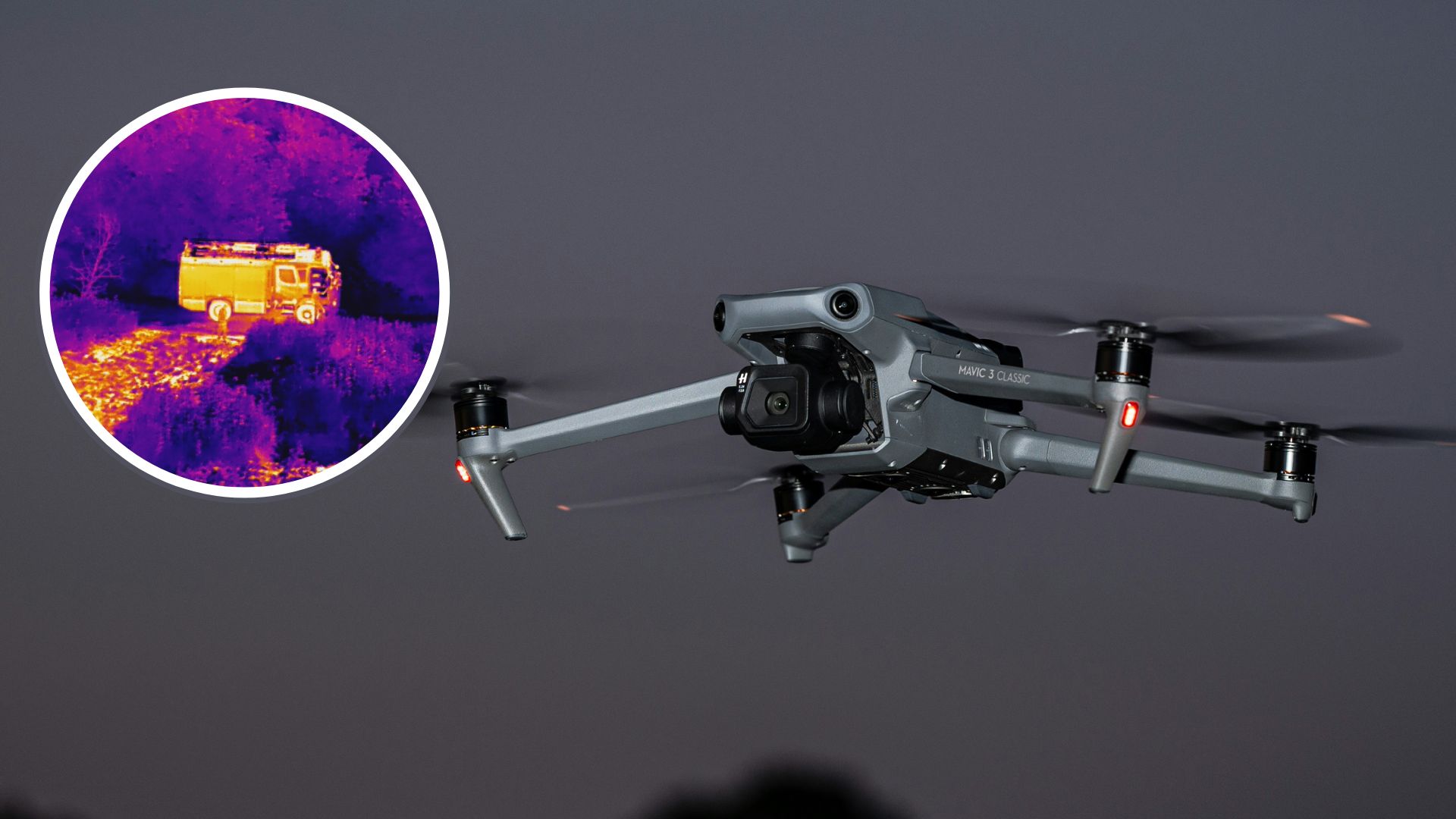
Teledyne FLIR OEM to Enhance U.S. Army's Thermal Imaging Technology for Drones
Teledyne FLIR OEM has partnered with the U.S. Army to advance thermal imaging technology under the DUTCH initiative. This program aims to develop smaller, more affordable uncooled infrared sensors for military applications, enhancing the performance of drones and other autonomous systems. The initiative is significant as it seeks to improve sensor capabilities without increasing size or power requirements, addressing the Army's need for more efficient military equipment. By focusing on size, weight, power, and cost (SWaP-C), the project aims to reduce payload burdens on uncrewed aircraft while extending operational time. Teledyne FLIR OEM plans to leverage its expertise in thermal imaging and system integration to support the Army's modernization efforts. The company is investing in small-pixel thermal sensor designs, which will allow for compact imaging systems that maintain thermal detail. No further timeline was disclosed at the time of publication.
Military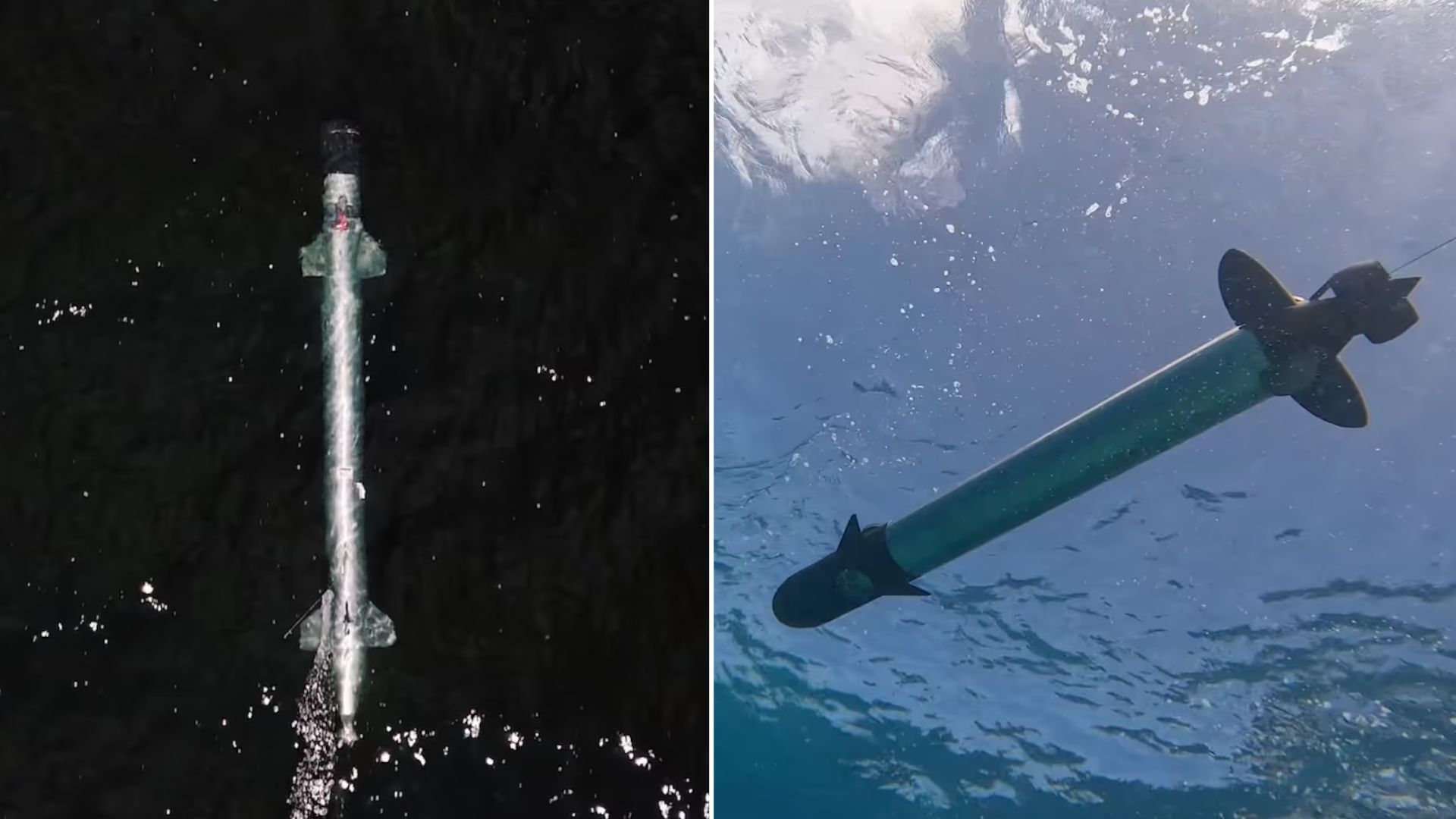
Taiwan Collaborates with U.S. Startup Vatn Systems on 200 nm Submarine Drone Technology
Taiwan has entered into a partnership with U.S. defense startup Vatn Systems to develop autonomous underwater vehicles (AUVs) aimed at enhancing maritime surveillance and defense capabilities. The agreement, signed with the National Chung-Shan Institute of Science and Technology (NCSIST), focuses on AI-enabled command-and-control systems and establishing a local supply chain for AUV technology. This collaboration is significant as it combines Vatn's expertise in undersea autonomy with Taiwan's industrial capabilities, allowing for the development of affordable AUVs like the Skelmir S12. These vehicles can perform various missions, from seabed mapping to mine countermeasures, without the risks associated with manned vessels, thus expanding Taiwan's underwater capabilities. Looking ahead, the partnership not only aims to enhance Taiwan's defense but also supports dual-use applications in critical infrastructure inspection and offshore industries. The initiative is part of a broader strategy by NCSIST to develop indigenous underwater technology while collaborating with foreign firms, including ongoing efforts with Anduril Industries and the Huilong program for local AUV development.
Military
HoverAir Versa Combines Handheld Gimbal and Drone Technology for Versatile Filming
HoverAir has officially launched the Versa, a hybrid device that merges a professional handheld camera with autonomous flying capabilities. This innovative product allows users to capture stabilized footage and aerial shots without the need for multiple devices, appealing to a wide range of creators. The Versa is designed to simplify the filming process by enabling users to switch between handheld and aerial modes seamlessly. With features like AI subject tracking and a high-quality image sensor, it aims to deliver professional-grade video quality, making it suitable for various filming scenarios. Looking ahead, HoverAir has confirmed that the Versa has received the necessary FCC certification, positioning it for availability in the US market. This is significant given the regulatory challenges faced by previous products, indicating a more favorable launch environment for the Versa.
News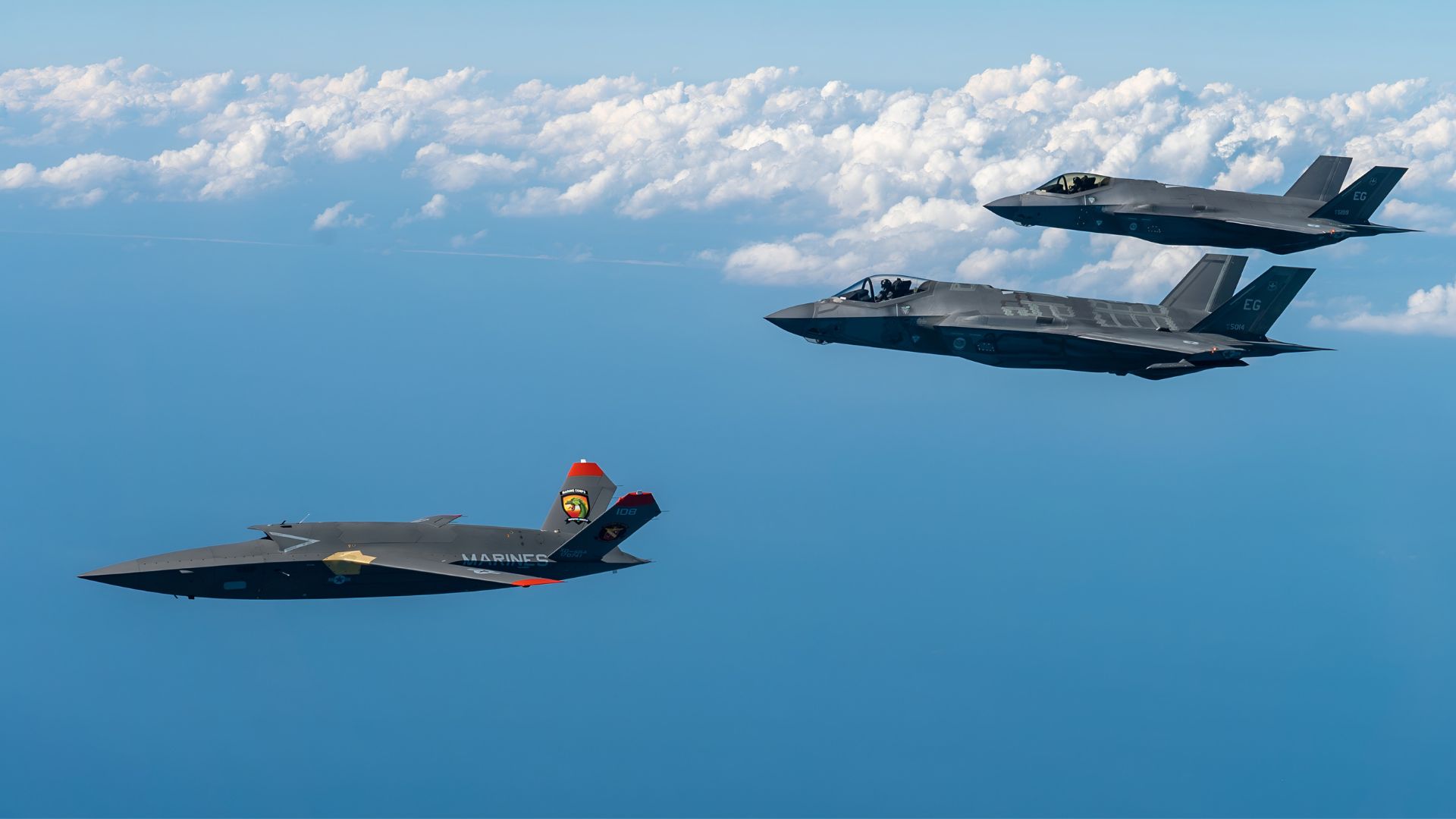
Kratos Defense's Valkyrie Drone Completes Successful Flight with F-35 Fighters
The US military is advancing towards integrating uncrewed aircraft with advanced fighter jets, specifically the F-35 and F/A-18. Kratos Defense & Security Solutions has showcased its XQ-58A Valkyrie drone's capabilities during a recent flight test in Southern California, where it successfully operated alongside Marine Corps fighters. This demonstration is significant as it highlights the potential for autonomous aircraft to enhance mission capabilities in contested airspaces. The Valkyrie's successful launch from a zero-length system and its ability to transition control between different systems underscore the importance of interoperability in military operations. Looking ahead, Kratos plans to scale production of the Valkyrie, aiming for over 150 unmanned aircraft systems by 2026. The ongoing collaboration with Northrop Grumman for the MUX TACAIR program will further adapt the Valkyrie for advanced missions, emphasizing the need for open-architecture systems in modern military aviation.
Military
Autonomous Drones Use Virtual Rewards to Outmaneuver Pursuers in Tag Game
Autonomous drones are being trained using virtual rewards to enhance their evasion skills in a high-speed game of tag. This innovative approach focuses on machine learning and decision-making, allowing drones to effectively outmaneuver pursuers and reach their base. The significance of this development lies in its potential applications in various fields, including surveillance, search and rescue, and military operations. By mastering cooperative strategies and rapid responses, these drones could revolutionize how autonomous systems interact in dynamic environments. Looking ahead, it will be important to monitor advancements in drone technology and machine learning algorithms that facilitate these capabilities. No further timeline was disclosed at the time of publication.
Robotics
Bedrock Robotics Introduces Autonomous Driving Technology for Construction Equipment
Bedrock Robotics is implementing autonomous driving technology in construction by retrofitting excavators and heavy machinery with advanced sensors and software. The company’s CEO, Boris Sofman, highlighted the significance of these innovations during a discussion on Bloomberg Tech, emphasizing the potential to mitigate the skilled labor shortage in the industry. This development is crucial as the construction sector faces increasing demand for data centers and infrastructure projects, which creates a pressing need for efficient and effective solutions. By integrating AI-driven autonomous equipment, Bedrock Robotics aims to enhance productivity and speed up construction processes across the United States. Looking ahead, the company has initiated its first paid commercial deployments, marking a significant milestone in its journey. No further timeline was disclosed at the time of publication.

Flock Safety's Camera Controversy Highlights Need for Drone Industry Regulations
Flock Safety's automated license plate readers (ALPRs) have been instrumental in aiding law enforcement with locating stolen vehicles and missing persons. However, recent controversies surrounding the misuse of this technology underscore the necessity for robust policies governing its access and utilization, particularly in the Drone as First Responder (DFR) market. The implications of these controversies extend beyond Flock, as various agencies globally are increasingly adopting drones for enhanced situational awareness and operational outcomes. While Flock's ALPRs have reportedly assisted in resolving cases involving 1,000 missing individuals and 20,000 stolen vehicles in July alone, the scale of such surveillance raises significant privacy concerns. As the drone industry continues to evolve, it is crucial to monitor how regulatory frameworks develop in response to these challenges. The recent suspension of Flock's technology by the New Bedford police department due to misuse allegations highlights the pressing need for oversight and accountability in the deployment of surveillance technologies in public safety operations. No further timeline was disclosed at the time of publication.
Applications DFR Drone News Drone News Feeds Drones in the News Featured – Safety and Security
The Emergence of Autonomous Drone Swarms as Advanced Killing Machines
Autonomous drone swarms have officially been introduced, showcasing technology that transforms various uncrewed platforms into effective swarming killing machines. This development marks a significant advancement in drone capabilities, with companies now able to deploy everything from commercial quadcopters to larger drones resembling small rhinos. The introduction of these drone swarms is crucial as they represent a new frontier in military and surveillance applications. Their ability to operate collectively enhances their effectiveness in various scenarios, potentially changing the landscape of aerial combat and reconnaissance. The ongoing evolution of drone technology is likely to raise important discussions regarding ethics and regulations in warfare. Looking ahead, the continued development and deployment of autonomous drone swarms will be pivotal to watch. As more companies enter this space and refine their technologies, the implications for military strategy and defense procurement will become increasingly significant. No further timeline was disclosed at the time of publication.

New 5G-Based System Enables Real-Time Drone Tracking Using Existing Infrastructure
The United States is testing an innovative method to detect drones by utilizing its existing 5G networks. Lockheed Martin, along with its partners, showcased this technology near Miami in July, demonstrating how commercial wireless infrastructure can effectively support drone detection in busy environments. The system, named NetSense Airspace Awareness-as-a-Service, analyzes radio-frequency disturbances to identify and track unmanned aircraft. This development is significant as it provides airports, hospitals, power plants, and government facilities with an additional layer of airspace protection. The technology not only helps monitor drone activity around sensitive locations but also leverages existing cellular networks, making large-scale deployment more feasible for infrastructure operators. The collaboration of Verizon, ODC, NVIDIA, and Keysight Technologies highlights the potential of integrating various commercial technologies to enhance drone detection capabilities. Looking ahead, the open architecture of the NetSense system allows for future expansions as new technologies emerge. During the Miami demonstration, the system successfully detected a drone and maintained tracking custody, underscoring its effectiveness as the prevalence of drones in populated areas continues to rise. No further timeline was disclosed at the time of publication.
Innovation
Neros Secures $250 Million Funding to Advance Drone Production and Technology
Drone startup Neros has successfully raised $250 million in a funding round co-led by Sequoia, increasing its valuation to $2.5 billion. This investment will support Neros as it expands its offerings beyond strike drones to include autonomous systems and drone interceptors. The significance of this funding lies in Neros's ambition to establish a robust US supply chain for drone production, reducing reliance on China. CEO Soren Monroe-Anderson and Sequoia partner Shaun Maguire highlighted their goal of ramping up production capabilities, aiming to manufacture one million drones annually. Looking ahead, stakeholders should monitor Neros's progress in scaling production and the development of its autonomous systems. No further timeline was disclosed at the time of publication.

Shield AI and GE Aerospace Adapt 1990s Thrust-Vectoring Tech for X-BAT Drone's Vertical Flight
Shield AI and GE Aerospace have successfully integrated a 1990s thrust-vectoring technology, the Axisymmetric Vectoring Exhaust Nozzle (AVEN), with the GE F110-GE-129E engine for the X-BAT unmanned combat aircraft. This innovative approach allows the X-BAT to take off and land vertically without the need for a runway. The adaptation of AVEN, originally developed for improving fighter maneuverability, represents a significant advancement in controlling aircraft during vertical flight. Unlike traditional aircraft that rely on aerodynamic surfaces, the X-BAT's propulsion system becomes crucial for maintaining control during vertical operations, utilizing thrust vectoring to redirect engine exhaust. As Shield AI continues to develop the AI-piloted X-BAT, the integration of AVEN could enable operations from diverse locations, enhancing the aircraft's versatility. The teams have conducted extensive testing, including integration and engine light-off testing at GE Aerospace’s facility in Ohio. No further timeline was disclosed at the time of publication.
Military
Fuel Cell Technology Enhances Group 2 Drones for Modern Battlefield Roles
Drones are increasingly utilized in various capacities on the battlefield, yet power constraints typically necessitate larger drones for extended loitering and long-distance missions. Recent advancements in fuel cell technology are enabling smaller Group 2 drones to perform these tasks effectively while preserving their agility and minimizing radar visibility. This development is significant as it expands the operational capabilities of smaller drones, allowing them to undertake missions that were previously reserved for larger models. The integration of fuel cells not only enhances endurance but also contributes to stealth, making Group 2 drones more versatile in combat scenarios. Looking ahead, the continued evolution of fuel cell technology may further transform the landscape of drone operations. As military applications for these smaller drones grow, stakeholders should monitor advancements in fuel cell efficiency and their impact on drone deployment strategies. No further timeline was disclosed at the time of publication.
Air Warfare Sponsored Post Air Force Drones Edge Autonomy Gamechanger
Ericsson and AT&T Demonstrate Drone Detection Using 5G Cellular Data Technology
Ericsson and AT&T recently showcased their drone-tracking solution at AT&T Stadium in Arlington, Texas, utilizing 5G signals from existing cellular towers. This demonstration highlighted the Integrated Sensing and Communication (ISAC) technology, which can detect drones in low-altitude airspace, addressing gaps in traditional radar systems. The system employs artificial intelligence to identify potential threats and track drones effectively. The significance of this technology lies in its ability to enhance airspace awareness for law enforcement and infrastructure owners, especially following major events like the FIFA World Cup. By leveraging existing cellular infrastructure, the ISAC system offers a cost-effective solution for drone detection and tracking, which is crucial for public safety and defense applications. Looking ahead, Ericsson and AT&T envision various real-world applications for their technology, particularly in securing high-value properties and facilitating commercial drone deliveries. The integration of ISAC with 5G networks could promote the growth of the low-altitude economy, making it a vital tool for both public safety and commercial use. No further timeline was disclosed at the time of publication.
Cellular Networks Drone News Drone News Feeds drone security News safety and securityRobotics needs a service framework.
RSF defines a common language for robot service capability, lifecycle operations, certification pathways, and service-provider networks.
Join the RobotToday community on LinkedIn
Daily robotics news, in-depth analysis, conference highlights, and discussions with professionals worldwide.