Industry Briefing
A single destination for timely, editor-curated robotics news from around the world.

Flytrex and Nash Collaborate on Autonomous-First Multi-Modal Delivery Platform
Flytrex, an autonomous drone food delivery service, has partnered with Nash, an autonomic logistics platform, to create an autonomous-first, multi-modal delivery platform. This integration is now operational across all of Flytrex's Dallas-Fort Worth locations, combining Flytrex's autonomous fleet with Nash's orchestration layer to ensure that customer orders are fulfilled in the fastest and most reliable manner. This partnership is significant as it represents an evolving approach to scaling autonomous delivery. While drones enhance speed, cost, and reliability for most last-mile deliveries, not every order can be fulfilled by drones alone. Factors such as weather and order specifics influence the optimal delivery method. Flytrex and Nash's collaboration allows for a seamless decision-making process that determines the best delivery mode for each order, ensuring efficiency and customer satisfaction. Looking ahead, the integration of Flytrex's autonomous fleet with Nash's decision-making capabilities could set a new standard in the delivery industry. As the demand for efficient delivery solutions grows, the ability to intelligently route orders based on real-time conditions will be crucial. No further timeline was disclosed at the time of publication.
Drones Logistics News autonomous delivery autonomous logistics delivery orchestration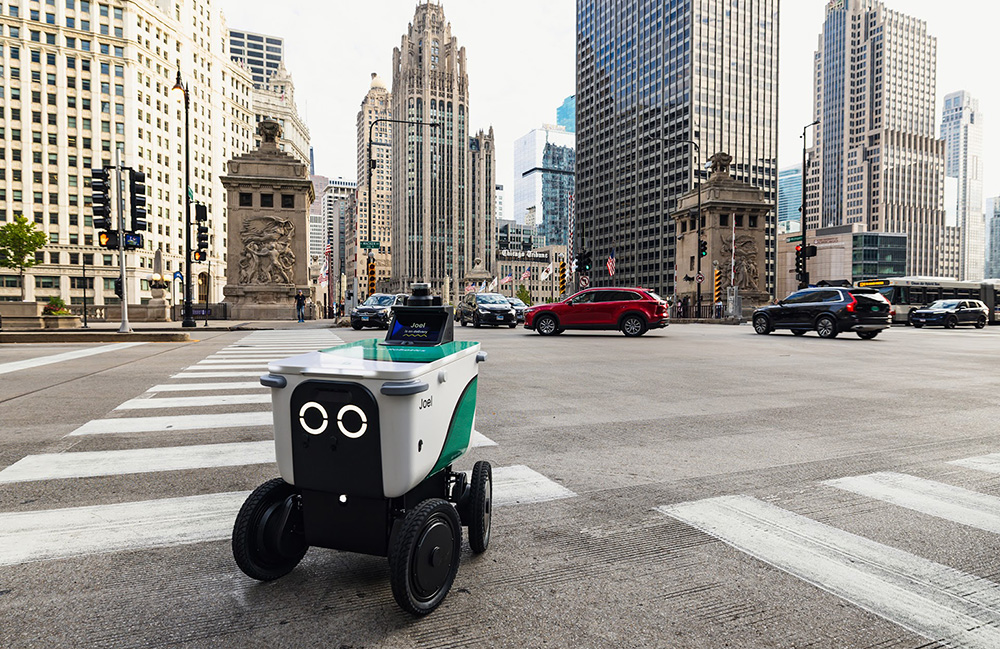
Serve Robotics Partners with Grubhub for Autonomous Delivery in Major Cities
Serve Robotics Inc. has announced a partnership with Grubhub to provide autonomous delivery services in Chicago, Los Angeles, and Alexandria, Virginia. This collaboration will enable Serve to offer robotic deliveries from over 100 Grubhub merchants in Chicago and nearly 200 in Los Angeles, with plans for more restaurants to join the program. This partnership is significant as it marks Serve's expansion into new markets, including Washington, D.C., and San Jose, California, where they have partnered with DoorDash. The introduction of microdepots in Miami will further enhance their operational efficiency, allowing for quicker deployment in high-demand neighborhoods with minimal infrastructure. Looking ahead, Serve Robotics is also launching Beacon, a countertop product designed to streamline the connection between restaurants and delivery robots. Additionally, they have introduced a new advertising product called “Characters,” which allows brands to create interactive experiences with their robots. No further timeline was disclosed at the time of publication.
Autonomous Mobile Robots (AMRs) Food / Beverage Markets / Industries News Robots / Platforms autonomous delivery
FlybyOps Introduces New Platform for Scaling BVLOS and Autonomous Drone Operations
FlybyOps has unveiled an enterprise drone operations platform tailored for large-scale Beyond Visual Line of Sight (BVLOS) and autonomous drone initiatives. This Finland-based company aims to tackle the complexities faced by commercial drone operators as they expand their fleets, requiring effective management of flights, locations, aircraft, and personnel while ensuring regulatory compliance. The significance of this platform lies in its ability to centralize management of flight operations, personnel qualifications, and compliance requirements, thereby enhancing operational control. With features such as role-based access, configurable workflows, and structured compliance processes, FlybyOps is designed to support organizations transitioning to more frequent and autonomous BVLOS flights, creating an auditable record of operations. As the drone industry gears up for larger fleets and increased autonomy, FlybyOps is positioned to facilitate this evolution. The platform is already being utilized globally for BVLOS operations, with potential applications in logistics and infrastructure. No further timeline was disclosed at the time of publication.
Applications Drone News Drone News Feeds News autonomous drones BVLOS
Coco Robotics Expands Autonomous Delivery Operations in Washington, D.C.
Coco Robotics has announced the expansion of its autonomous delivery services in Washington, D.C., with customer deliveries set to commence this summer. This move marks a significant step in scaling its fleet across major U.S. cities, enhancing service for local restaurants and retailers. The expansion into Washington, D.C. is crucial as it allows Coco Robotics to tap into a vibrant urban market, providing efficient and reliable delivery solutions. This initiative aims to assist neighborhood businesses in reaching more customers while simultaneously addressing issues like traffic congestion and emissions. Looking ahead, the launch of deliveries in Washington, D.C. will be closely monitored as it could set a precedent for further expansions in other urban areas. No further timeline was disclosed at the time of publication.
BitLyft Cybersecurity Unveils Agentic Managed Detection and Response Platform with AIR Engine
BitLyft Cybersecurity has officially launched the BitLyft Agentic Managed Detection and Response (AMDR) platform, which is powered by the company's autonomous security operations platform, BitLyft AIR®. This new offering enhances traditional security measures by not only providing quicker alert summaries but also by actively investigating, resolving, and documenting routine cases. The introduction of AMDR is significant as it allows experienced analysts to maintain control over critical decisions that require human judgment and contextual understanding. This approach aims to streamline security operations while ensuring that complex issues are handled by skilled professionals, thereby improving overall cybersecurity effectiveness. Looking ahead, the focus will be on how AMDR integrates with existing security frameworks and the impact it has on operational efficiency. No further timeline was disclosed at the time of publication.
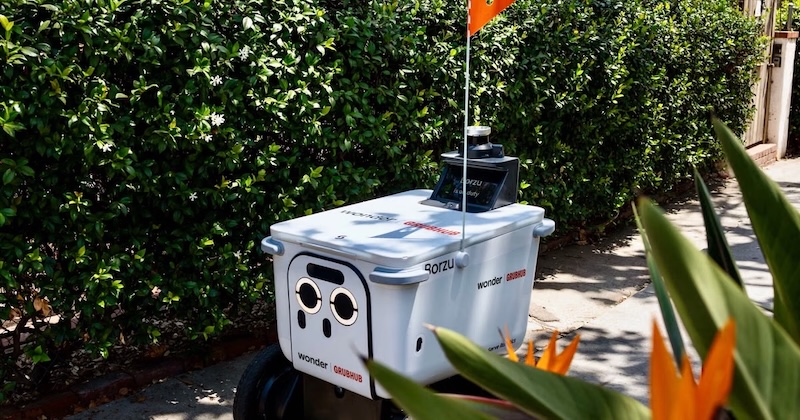
Serve Robotics Partners with Grubhub to Expand Autonomous Delivery Network
Serve Robotics is enhancing its autonomous delivery network by partnering with Grubhub, adding a third major platform to its service alongside Uber Eats and DoorDash. This collaboration will initially launch in Chicago, Los Angeles, and Alexandria, Virginia, with over 100 Grubhub merchants in Chicago and nearly 200 in Los Angeles participating. The significance of this partnership lies in its potential to increase the number of restaurants and orders available to Serve's autonomous sidewalk delivery fleet. According to Ali Kashani, co-founder and CEO of Serve Robotics, this expansion demonstrates the company's growth trajectory and the increasing intelligence of its fleet with each new delivery. Looking ahead, Serve Robotics is also expanding its geographical reach with new launches in Washington, DC, and San Jose, California, in collaboration with DoorDash. These expansions mark Serve's seventh and eighth major US markets, indicating a robust growth strategy in the autonomous delivery sector. No further timeline was disclosed at the time of publication.
Logistics News autonomous delivery delivery robots diligent robotics doordash
FlybyOps Launches Platform to Streamline Management of Autonomous Drone Fleets
FlybyOps, a Finland-based company, has introduced an enterprise drone operations platform aimed at addressing the complexities of scaling autonomous drone fleets. As commercial drone operations expand, managing pilots, equipment, approvals, and compliance becomes increasingly challenging, especially with the rise of Beyond Visual Line of Sight (BVLOS) operations. The platform serves as a central hub for organizations developing large-scale BVLOS and autonomous drone programs, connecting flights with necessary personnel, aircraft, and compliance requirements. With regulators worldwide facilitating more routine BVLOS flights, industries such as logistics and infrastructure inspection are preparing for fleets capable of performing hundreds or thousands of autonomous missions, necessitating robust management tools. FlybyOps emphasizes compliance and operational oversight, allowing organizations to manage flight approvals, personnel qualifications, and operational risks from a single system. The software has already been adopted globally, providing operators with enhanced visibility into complex flight programs. No further timeline was disclosed at the time of publication.
News
Avnet and Weston Robot Collaborate to Launch AI-Powered Autonomous Inspection Platform
Avnet and Weston Robot have partnered to develop an AI-powered autonomous inspection platform designed for complex industrial environments. This platform utilizes quadruped robots equipped with advanced computing architecture to perform real-time inspections, enhancing operational efficiency and safety. The significance of this collaboration lies in its potential to revolutionize inspection processes in industrial settings. By integrating edge AI with robotics, the platform allows for low-latency AI inference and real-time data processing, which can lead to earlier detection of operational issues and reduced inspection costs. Looking ahead, the partnership aims to expand the capabilities of the inspection platform by integrating it with Weston’s fleet management software. This will enable the robot to autonomously patrol and inspect designated areas, further enhancing operational resilience and safety in industrial operations. No further timeline was disclosed at the time of publication.
Artificial Intelligence Artificial Intelligence / Cognition Autonomous Mobile Robots (AMRs) Design / Development News Robots / Platforms
NoTip Initiates Public Beta for Robotic Food Delivery Service in Mason, Ohio
NoTip has commenced public beta testing of its robotic food delivery platform in Mason, Ohio, allowing residents to access an innovative autonomous delivery service. This service integrates electric vehicles with delivery robots, utilizing a patent-pending dual-stage delivery system to enhance food delivery in suburban areas where traditional sidewalk robots face challenges. The significance of this initiative lies in NoTip's aim to make food delivery more affordable and reliable, independent of restaurants and gig workers. Customers can download the NoTip app to place orders, track deliveries in real-time, and enjoy a flat $6 delivery fee without tipping or price mark-ups. John Vo emphasized the importance of this beta testing phase in refining the delivery experience through customer feedback. Looking ahead, NoTip plans to leverage insights gained during the beta program to inform future enhancements and expansion strategies for its robotic delivery platform. The response from customers during this trial will be crucial in shaping the service's commercial viability and operational scope.
Logistics News autonomous delivery platform autonomous food delivery delivery robotics delivery robots
Kraken Technology Secures $175 Million in Series B Funding for Autonomous Maritime Platforms
Kraken Technology Group Ltd. has successfully raised $175 million in Series B funding, achieving a valuation of $1 billion. The investment, led by Digital Transformation Capital Partners GmbH, will enhance Kraken's global rollout of autonomous maritime platforms designed for defense applications, including support for NATO and its partners. This funding is significant as it comes after Kraken secured multiple contracts with the U.K. Ministry of Defence and NATO European partners, indicating strong demand for its modular uncrewed surface vessels (USVs) and uncrewed subsurface vessels (USSVs). These platforms are capable of various operations, including data collection and anti-submarine warfare, addressing the urgent needs of modern maritime defense. Looking ahead, Kraken Technology plans to announce new manufacturing partnerships in the Middle East and Indo-Pacific regions, further expanding its production capabilities. The company aims to leverage this funding to enhance its USVs and payload capabilities, responding to the increasing demand for mission-ready maritime solutions.
Defense / Security Investments Maritime Mobility / Navigation News Unmanned Maritime Systems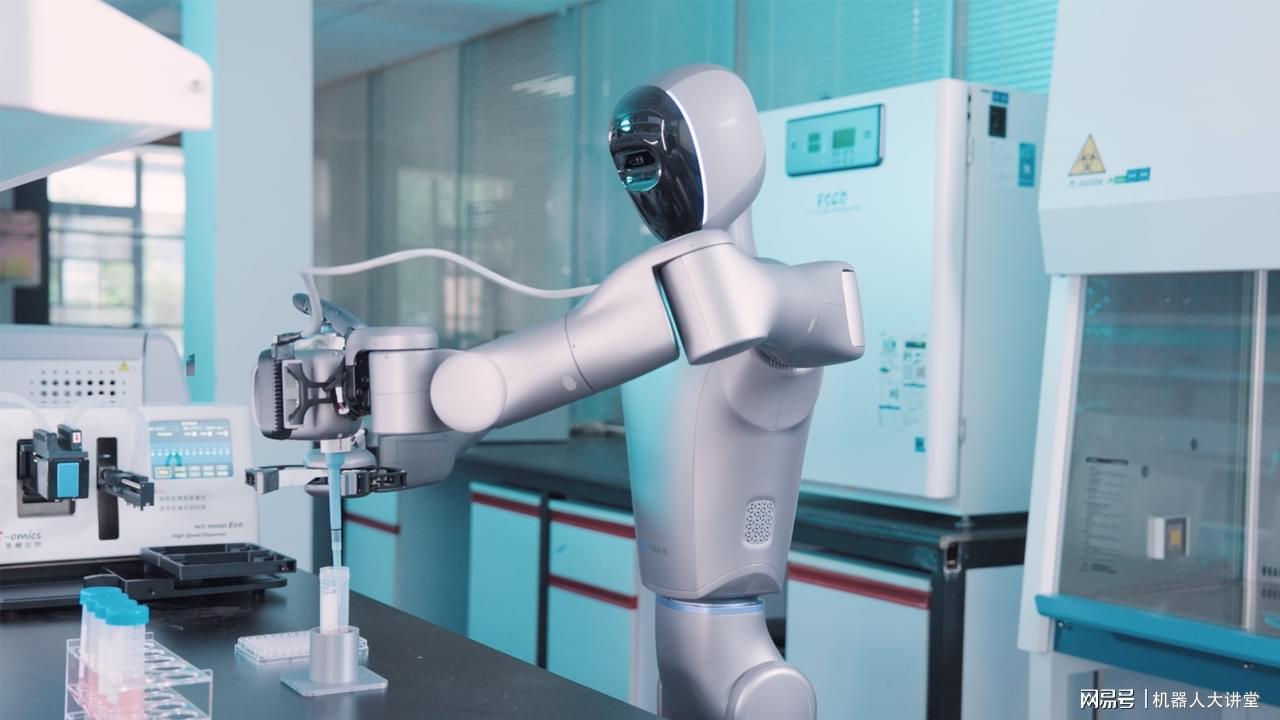
Yuanluo Technology Unveils First Autonomous Laboratory Utilizing Object-Centric Physics Model
Yuanluo Technology has successfully launched the world's first autonomous laboratory on a national research platform, marking a significant advancement in embodied intelligence. The laboratory's robotic system can autonomously perform over 40 operations, including nucleic acid extraction and cytotoxicity testing, with a precision of less than one millimeter. This achievement demonstrates the robot's capability to execute complex, multi-step tasks continuously for over three hours, addressing challenges in throughput and consistency in biochemical research. This development is crucial as it signifies a shift from demonstration to practical application of embodied intelligence in the biochemical and material science sectors. The Object-centric Physics Native Model (OPN), developed by Yuanluo, enables the robot to understand and adapt to the dynamic conditions of a real laboratory environment. By integrating visual, tactile, and force feedback, the robot can make real-time adjustments, ensuring stable execution of intricate experimental workflows across multiple devices. Looking ahead, the successful implementation of this autonomous laboratory sets the stage for further advancements in research and development processes across various industries, including public health and advanced manufacturing. The next milestones will involve expanding the capabilities of the OPN model and integrating it into more complex industrial systems. No further timeline was disclosed at the time of publication.
Autonomous Laboratories Embodied Intelligence Biochemical Research Robotics AI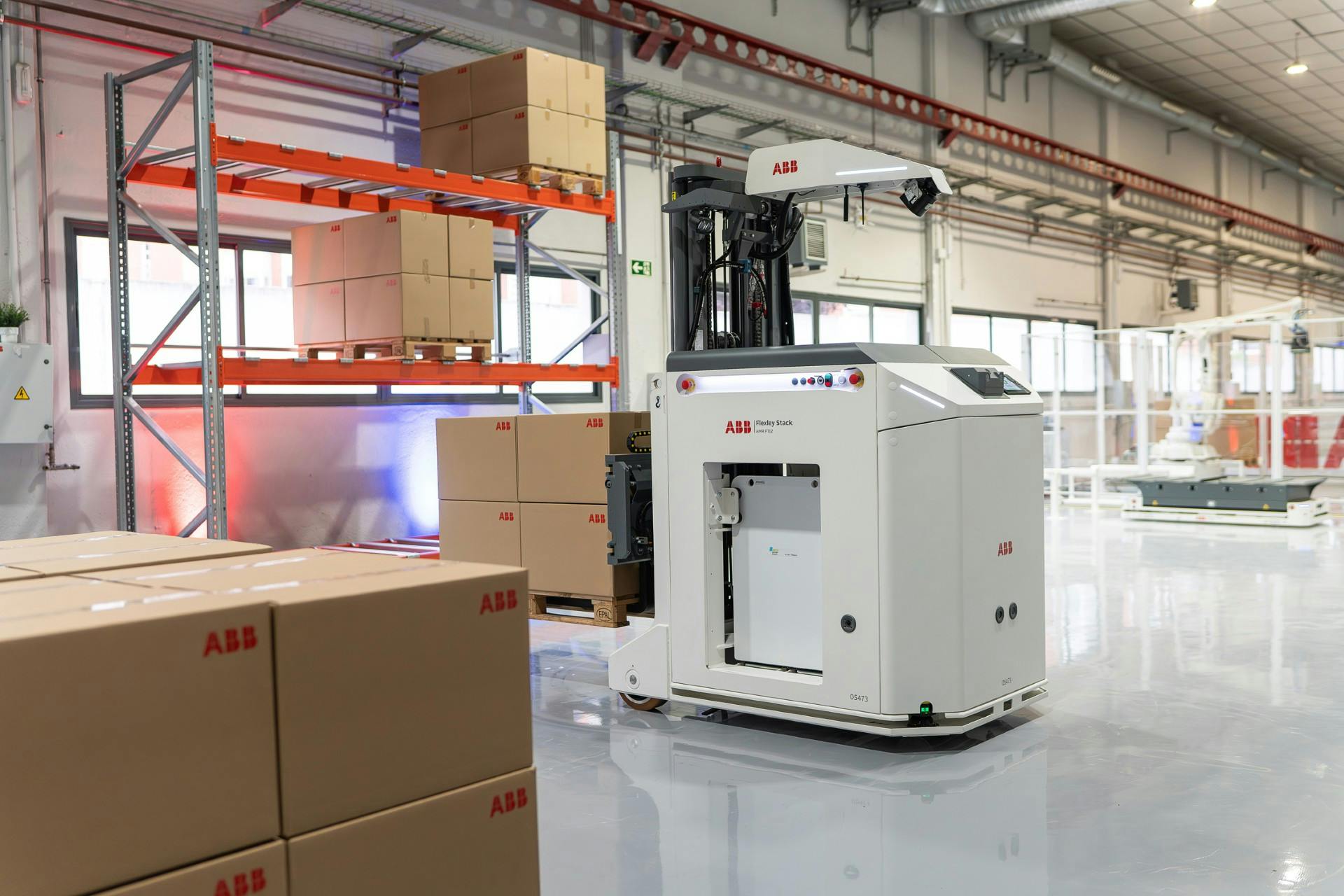
ABB Robotics Introduces Flexley Stack F712 Platform for AI-Driven Autonomous Forklifts
ABB Robotics has launched the Flexley Stack F712 platform, enhancing its AMR portfolio with AI-powered visual technology for autonomous forklifts. This innovation facilitates pallet transport and high-density storage, creating a cohesive ecosystem among ABB’s Visual SLAM AMR types, aimed at improving efficiency in material handling and warehouse operations across various industries, including automotive manufacturing. The introduction of the F712 is significant as it addresses the growing demand for faster and more flexible goods movement in intralogistics, particularly under constraints of limited labor availability. Marc Segura, president of ABB Robotics, emphasized the need for businesses to adapt to increased processing demands while leveraging advanced vision, mobility, and intelligence in their operations. Looking ahead, the Flexley Stack F712 can manage diverse load types and sizes, allowing customers to implement mixed fleets of Visual SLAM-powered vehicles on a unified navigation and fleet management platform. No further timeline was disclosed at the time of publication.
Factory / Analytics
Robot.com Introduces R-dog: A Versatile Four-Legged Delivery and Engagement Robot
Robot.com has unveiled R-dog, a four-legged robotic platform intended for delivery, advertising, and engagement tasks. This innovative robot is designed to operate on REMI, Robot.com's fleet management and physical API layer, showcasing the company's commitment to advancing robotic solutions. The significance of R-dog lies in its potential to enhance operational efficiency in various sectors by integrating advanced autonomy features. The collaboration with FieldAI is crucial, as their general-purpose Field Foundation Models will provide the necessary autonomy capabilities, positioning R-dog as a versatile tool for businesses. Looking ahead, the evolution of R-dog into a production version will be closely monitored. The partnership with FieldAI is expected to yield significant advancements in robotic autonomy, making R-dog a noteworthy development in the robotics landscape. No further timeline was disclosed at the time of publication.
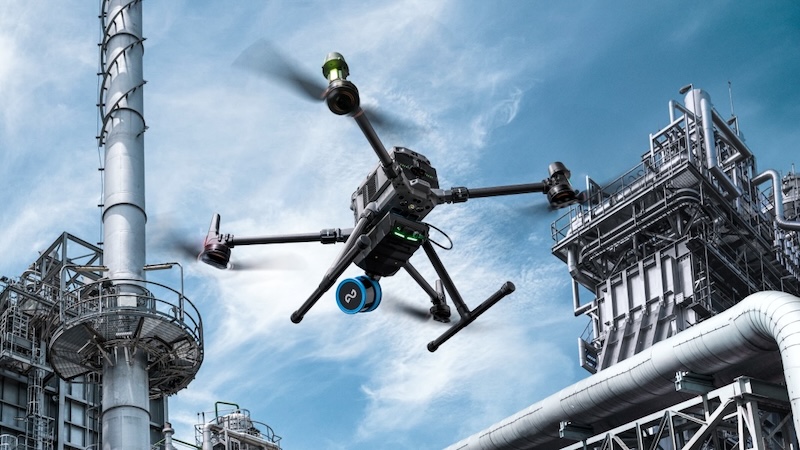
Emesent Raises $17 Million to Enhance Cortex AI and Aura Cloud Software Development
Emesent, an autonomous mapping and robotics company, has secured $17 million in funding to advance its Cortex AI autonomy platform and expand its Aura cloud software. This funding includes a $7 million venture debt facility from the National Reconstruction Fund Corporation and a $10 million equity round supported by various investors. The investment is significant as it will enable Emesent to scale its manufacturing operations in Wacol, Queensland, Australia, and enhance its capabilities in sectors such as mining, defense, and architecture, engineering, and construction. CEO Charles Miller emphasized the importance of this funding in meeting the demands of clients operating in challenging environments. Looking ahead, Emesent plans to leverage this capital to deepen its presence in critical sectors and further develop its AI and autonomy technologies. No further timeline was disclosed at the time of publication.
Financials & Investments News AEC artificial intelligence aura Australian robotics
Tesseract Ventures Selected for Pentagon's Autonomous Drone Delivery System Prototype Program
Tesseract Ventures, a Kansas City-based robotics and drone company, has been chosen by the Defense Innovation Unit (DIU) to participate in a prototype program aimed at enhancing the U.S. military's use of autonomous drones. This initiative, known as the Containerized Autonomous Drone Delivery System (CADDS), focuses on deploying unmanned aerial systems in challenging environments with limited infrastructure. The CADDS project represents a significant advancement for Tesseract Ventures, as it seeks to transition from single-operator drone control to a system where one individual can manage multiple drones simultaneously. This approach aims to improve operational efficiency and reduce the personnel required for drone missions, aligning with the Pentagon's goal of utilizing unmanned systems more extensively in military operations. Looking ahead, Tesseract Ventures will demonstrate its NOMAD modular autonomous platform as part of the prototype project. This platform is designed to facilitate the deployment, launch, recovery, and management of multiple drones from transportable containers. No further timeline was disclosed at the time of publication.
Military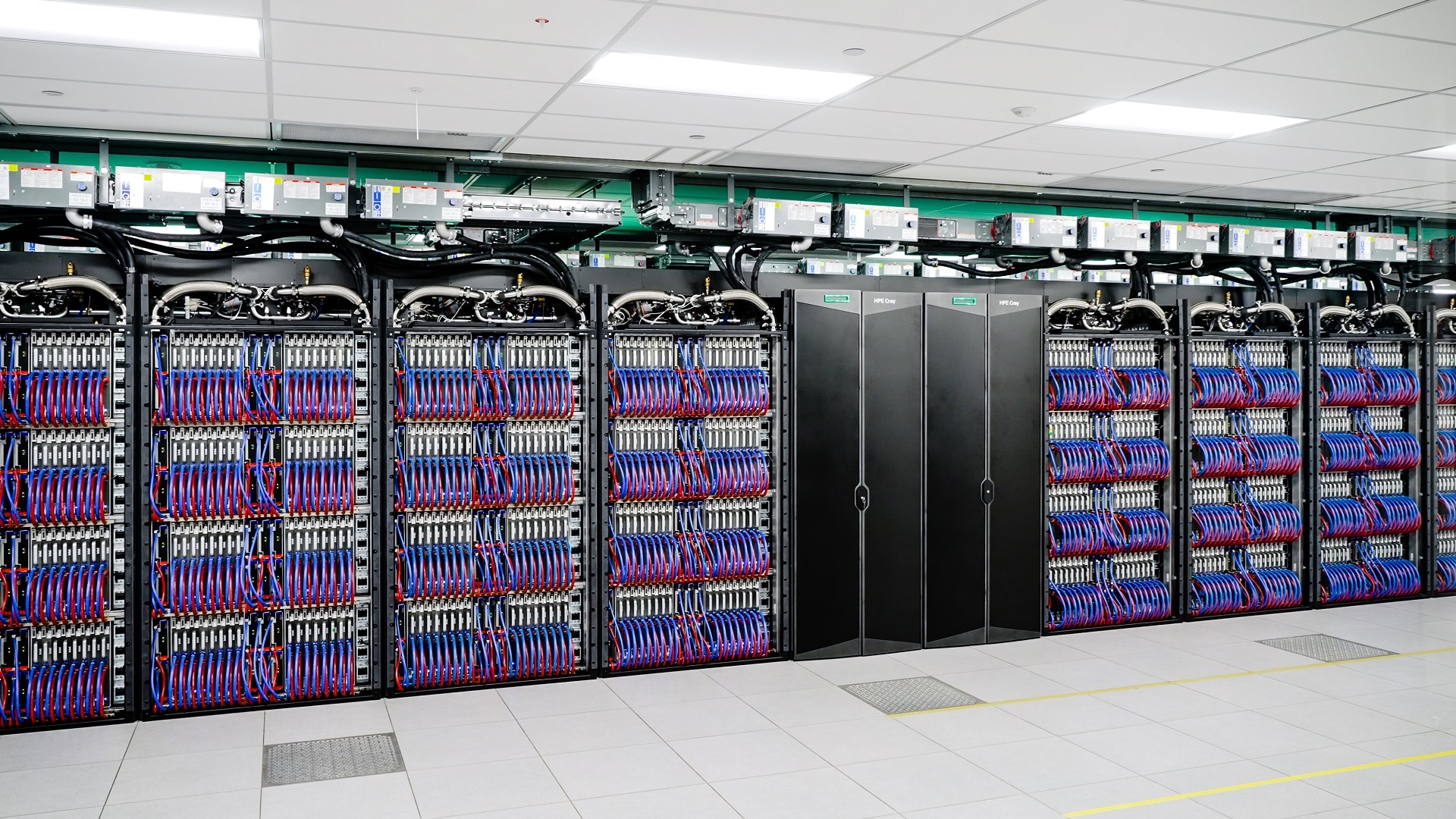
Argonne National Laboratory launches ChemGraph framework for automated chemistry simulations
Researchers at Argonne National Laboratory have introduced ChemGraph, an open-source framework that automates complex computational chemistry simulations using AI agents. Built on the Aurora exascale supercomputer, ChemGraph simplifies the simulation process by allowing users to describe scientific problems in plain language, which the system then translates into computational tasks. This innovation aims to enhance research in materials science, battery design, and combustion systems by streamlining workflows and reducing the need for specialized expertise. The significance of ChemGraph lies in its ability to combine large language models with agent-based automation, enabling researchers to conduct simulations without manually navigating every technical step. By distributing tasks among AI agents, the framework enhances efficiency and reduces costs associated with computational resources. This approach not only improves the accuracy of simulations but also allows for the integration of various scientific software and libraries, ensuring that results are physics-based rather than solely reliant on language model outputs. Looking ahead, ChemGraph's open-source nature has already led to adaptations for other applications, such as X-ray absorption spectroscopy and high-throughput materials screening. The research team envisions further educational applications, providing a platform for professors to teach advanced computational techniques while simplifying the exploration of research questions for students. No further timeline was disclosed at the time of publication.
AI and Robotics
AIxCrypto launches RoboShare robot rental platform and autonomous asset network
AIxCrypto has unveiled a robot rental marketplace and a new infrastructure platform for autonomous assets as it seeks to extend the commercial life of robots beyond their initial sale. The Nasdaq-listed company introduced RoboShare and AIXC01 during the recent Automate Show in Chicago, outlining a strategy it says will allow robots, AI agents and other […]
Automation Financials & Investments ai agents AIXC01 AIxCrypto Automate 2026
Why the Autonomous Delivery Robot "Kachakapro" is Selling Well: Design Philosophy and Development Strategy Behind Its Market Leadership
In a recent online seminar hosted by Robosta, Takashi Isobe, CEO of Preferred Robotics, discussed the company's success in capturing the top market share in Japan with their product "Kachakapro." The seminar focused on the development of practical robots that serve real societal needs, highlighting the design philosophy behind creating usable products and the realities of mass production and distribution. Isobe's insights aim to shed light on how robotics can effectively integrate into everyday life, emphasizing the importance of functionality and accessibility in robotic design.
Another Major Restaurant Platform Turns to Drone Delivery
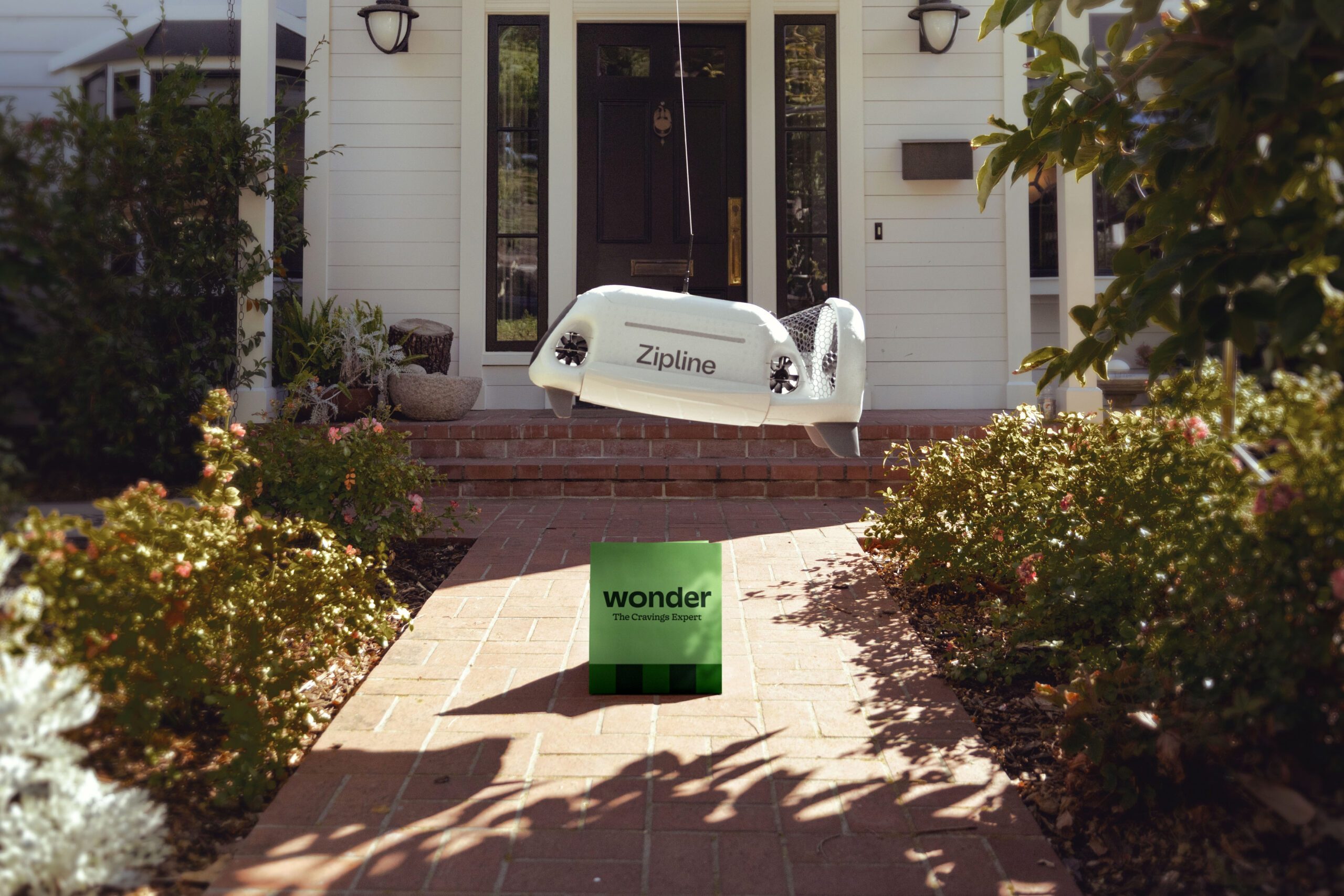
Wonder, a food technology platform, plans to introduce aerial meal delivery services in Dallas starting in 2027, signaling a significant advancement in the commercial use of drone delivery for food services. The company has partnered with Zipline to facilitate this initiative across various locations in Texas. This collaboration represents a strategic move to transition drone delivery from experimental phases to mainstream food service, allowing customers in select areas to receive their meals via drones. The decision to expand into aerial delivery is driven by the growing demand for innovative and efficient food delivery solutions.
Applications Delivery Drone News Drone News Feeds News autonomous delivery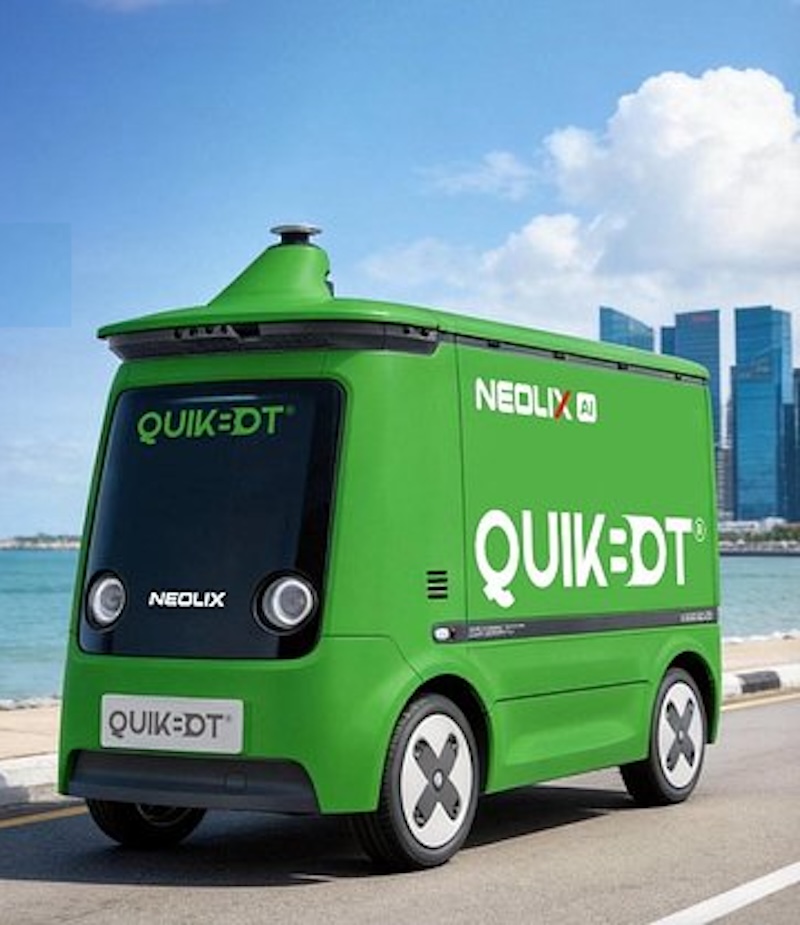
Neolix partners with QuikBot to develop autonomous delivery network
Neolix, a developer specializing in Level 4 autonomous logistics vehicles, has formed a strategic partnership with Singapore's QuikBot Technologies to create a comprehensive autonomous delivery solution. This collaboration aims to facilitate deliveries across public roads, building interiors, and directly to doorsteps. The partnership will support Neolix's pilot deployment in Singapore and assist in meeting compliance requirements, while also enhancing the autonomous delivery capabilities of both companies throughout the Asia-Pacific region.
Autonomous Vehicles Logistics News ai robotics automation news autonomous delivery
Serve Robotics expands beyond food delivery with autonomous laundry service
Serve Robotics has entered into a partnership with NoScrubs, an emerging on-demand laundry service, to expand its delivery offerings beyond prepared food. This collaboration, which marks Serve's inaugural venture into urban delivery for laundry, will kick off this week in select neighborhoods across Los Angeles. Utilizing Serve's fleet of autonomous sidewalk robots, the pilot program aims to deliver laundry orders directly to customers' doorsteps, enhancing convenience and efficiency in urban logistics.
Logistics News ai robotics automation news autonomous commerce autonomous delivery
Yamaha expands autonomous farming platform with new weed-control system for orchards and vineyards
Yamaha Agriculture is enhancing its Prospr autonomous farming platform by introducing a new herbicide attachment aimed at automating weed control in orchards and vineyards. This innovative system, developed in collaboration with Croplands Equipment, expands the platform's capabilities to include precision herbicide application. The addition is designed to assist specialty crop growers in minimizing labor demands while improving the consistency of spraying operations. This advancement reflects a growing trend in agricultural technology, focusing on efficiency and sustainability in crop management.
Agriculture News agricultural automation agricultural robots agricultural technology ai agriculture
BayCare Expands Autonomous Hospital Delivery with New Relay Robots at Winter Haven Hospitals
In response to the ongoing healthcare labor shortage, a new initiative has been launched to expand the use of robotic technology in hospitals. This expanded fleet of robots is designed to automate non-clinical logistics, allowing healthcare professionals to focus more on direct patient care. By streamlining tasks such as inventory management and supply delivery, the robots aim to enhance efficiency within medical facilities. This initiative is particularly timely as healthcare systems face increasing pressure to optimize resources and improve patient outcomes. The deployment of these robots is expected to significantly reduce the burden on nursing staff, ultimately prioritizing nurse-to-patient interaction and enhancing the overall quality of care.

Free Online Seminar: Why the Autonomous Delivery Robot "Kachakapro" is Successful - Design Philosophy and Development Strategy Behind Its Market
In a recent online seminar hosted by Robosta, Takashi Isobe, CEO of Preferred Robotics, shared insights into the development of practical robots that are making a significant impact in society. The seminar highlighted the company's success in capturing the top market share in Japan with its flagship product, the "Kachaka Pro." Isobe discussed the design philosophy behind creating products that are not only functional but also widely adopted, emphasizing the importance of mass production and distribution in the robotics industry. The event provided a platform for exploring the realities of bringing useful robotic solutions to the market, reflecting the growing role of technology in everyday life.

Massimo Group Launches AI Intelligent Patrol Platform Initiative Integrating Autonomous Patrol Vehicles, Spherical Security Robots and Drone Systems
Massimo Group has officially launched the prototype development of autonomous patrol electric vehicles, aiming to penetrate the $50.4 billion U.S. security services industry. This initiative, which began in October 2023, focuses on integrating artificial intelligence into patrol and intelligent security mobility systems. By leveraging advanced technology, the company seeks to enhance security operations and improve efficiency in monitoring and response capabilities. The move is part of Massimo Group's broader strategy to innovate within the security sector, addressing growing demands for smarter and more effective security solutions.

SkyfireAI Raises $11M in Seed Funding to Develop Autonomous Drone Fleet Platform for First Responders and Defense
SkyfireAI, a U.S. startup specializing in drone autonomy, has successfully secured $11 million in seed funding to advance its innovative software solutions. The funding round, primarily led by Mucker Capital, also saw contributions from notable investors including AI Fund, SaaS Ventures, and Halogen. This financial boost aims to enhance the company's capabilities in developing technology that enables organizations to efficiently manage fleets of drones without the need for a proportional increase in pilots or operational staff. The investment comes at a time when the demand for drone coordination and automation is rapidly growing, reflecting a broader trend towards increased efficiency in various sectors.
AI AI Funding & Investment Robotics autonomous drones Mucker Capital Seed Funding
Coco Robotics Unveils Largest Multi-Brand Campaign on Autonomous Miami Delivery Fleet Across F1 Window
Coco, a company specializing in autonomous deliveries, has deployed over 100 robots in Miami, showcasing brand wraps that transform everyday deliveries into a prominent advertising platform. This initiative coincides with one of the year's major cultural events, leveraging the high visibility of the robots to enhance brand exposure. By integrating advertising into their delivery service, Coco aims to capitalize on the increased foot traffic and attention generated by the event. The robots navigate the city, providing a unique blend of convenience and marketing, thereby creating a new out-of-home advertising channel that engages consumers in a dynamic way.
Pony.ai Announces New Autonomous Driving Compute Platform
Pony.ai Inc., a leading player in autonomous driving technology, has unveiled its latest generation autonomous driving domain controller, a cutting-edge computing system tailored for its Level 4 (L4) autonomous driving platform. This announcement was made public in a press release, highlighting the collaboration with NVIDIA, a key partner in the development process. The new controller not only enhances Pony.ai's own autonomous mobility solutions but is also designed to serve a wider range of customer applications in the autonomous driving sector. The launch signifies Pony.ai's commitment to advancing technology in the rapidly evolving field of autonomous vehicles, aiming to improve safety and efficiency in transportation.
AI AI Use Cases Robotics autonomous driving system China NVIDIA
Coco Robotics Deploys Autonomous Delivery Robots with Uber Eats in San Jose
Coco Robotics, recognized as the largest urban robot delivery platform globally and recently honored as one of Fast Company’s World’s Most Innovative Companies in logistics, has launched its autonomous delivery service in San Jose, California. This expansion allows residents, workers, and businesses in the city’s urban core to benefit from the convenience of robotic deliveries. The service is now operational, enhancing accessibility and efficiency in local logistics.
AI AI Use Cases Robotics autonomous delivery robot California Coco Robotics
GMEX Robotics Advances Autonomous Hospital Logistics Platform to Enhance Safety, Efficiency and Operational Workflow
GMEX Robotics Corporation has announced a significant upgrade to its Hospital Logistics Robot, aimed at enhancing safety and efficiency in healthcare settings. This development, revealed on April 21, 2026, addresses ergonomic challenges faced by medical staff and patients, who often struggle with existing robots that require bending to retrieve items. The new design improves durability and usability, allowing for optimized delivery height and safer interactions in high-traffic hospital environments. The autonomous, battery-powered robot is equipped with advanced technologies, including artificial intelligence, multi-dimensional sensing, and real-time obstacle detection, facilitating seamless transport and handling of medical materials. To ensure security and accountability, the platform incorporates multi-layered verification protocols such as facial recognition and barcode scanning, restricting access to authorized personnel only. CEO Sam Lu emphasized the pressing need for intelligent automation solutions in healthcare, stating that the advancements in hospital logistics robotics are designed to alleviate operational strain and enhance clinical staff's focus on patient care. This upgrade is part of GMEX Robotics' broader strategy to expand its presence in the healthcare sector, supported by ongoing research and development efforts aimed at improving performance and usability across its technology stack.

GoZTASP: A Zero-Trust Platform for Governing Autonomous Systems at Mission Scale
ZTASP, a cutting-edge assurance and governance platform for autonomous systems, has made significant advancements in ensuring the safety and integrity of operations in real-world environments. This platform integrates various technologies, including drones, robots, sensors, and human operators, into a cohesive zero-trust architecture. Utilizing Secure Runtime Assurance (SRTA) and Secure Spatio-Temporal Reasoning (SSTR), ZTASP continuously monitors system integrity and enforces safety protocols, allowing for resilient operations even in challenging conditions. Recently, ZTASP has achieved operational validation at Technology Readiness Level (TRL) 7, demonstrating its effectiveness in mission-critical scenarios. Key components, such as the Saluki secure flight controllers, have reached TRL 8 and are now actively deployed in customer systems. Originally designed for high-stakes missions, the platform's assurance capabilities are increasingly applicable across various sectors, including healthcare, transportation, and critical infrastructure. This evolution reflects a growing recognition of the need for robust safety measures in diverse operational domains.
Autonomous-systems Drones Sensors Transportation Type-whitepaper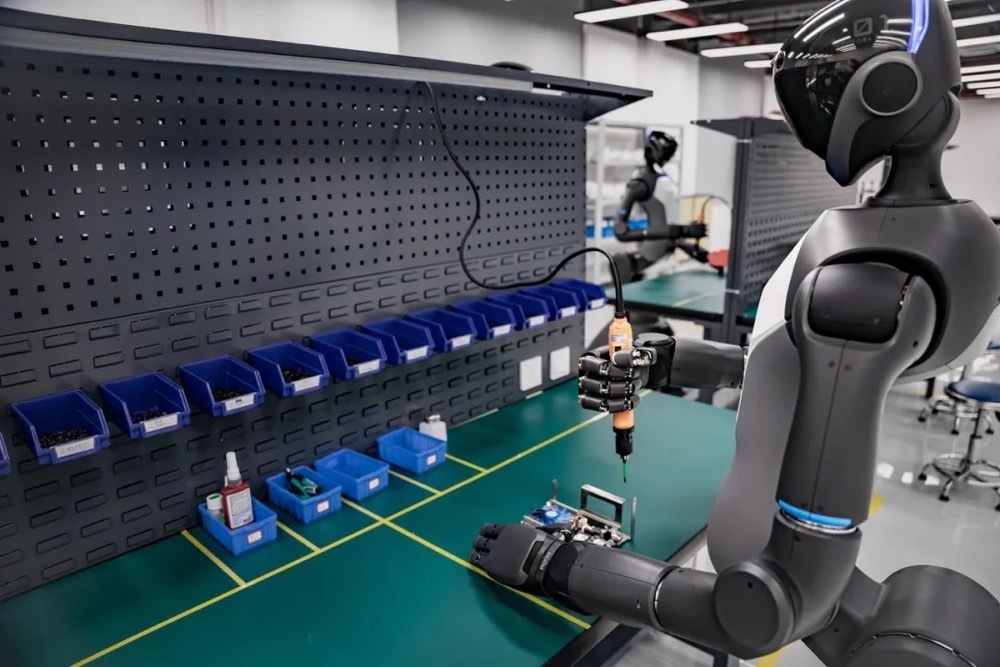
Path Tracking for Forestry Autonomous Mobile Platforms Based on Improved Snake Optimizer‐Pure Pursuit Algorithm
A recent study published in the Journal of Field Robotics explores advancements in autonomous robotics, highlighting their potential applications in various industries. Conducted by a team of researchers from leading universities, the study was released in early October 2023. The researchers aimed to address the growing demand for efficient and reliable robotic systems in sectors such as agriculture, manufacturing, and logistics. The study details how recent technological innovations, including improved sensor technologies and machine learning algorithms, have enhanced the capabilities of autonomous robots. These advancements enable robots to perform complex tasks with greater precision and adaptability, ultimately increasing productivity and reducing operational costs for businesses. The research team conducted extensive field tests to evaluate the performance of these autonomous systems in real-world scenarios. By analyzing data collected during these tests, the researchers were able to demonstrate the effectiveness of the robots in navigating challenging environments and executing tasks autonomously. The findings underscore the importance of continued investment in robotics research and development, as the integration of autonomous systems is expected to revolutionize traditional workflows and contribute to economic growth. As industries increasingly adopt these technologies, the study serves as a crucial resource for understanding the future landscape of robotics and its implications for various sectors.
RESEARCH ARTICLE
NVIDIA Rubin Platform, Open Models, Autonomous Driving: NVIDIA Presents Blueprint for the Future at CES
Jensen Huang, the founder and CEO of NVIDIA, delivered a keynote address today at the Fontainebleau Las Vegas, marking the opening of CES 2026. During his speech, Huang emphasized the transformative impact of artificial intelligence, stating that it is increasingly being integrated into various domains and devices. He highlighted how advancements in computing have fundamentally reshaped technology, driven by accelerated developments in AI. Huang's remarks set the tone for the event, showcasing the pivotal role of AI in shaping the future of technology and innovation.
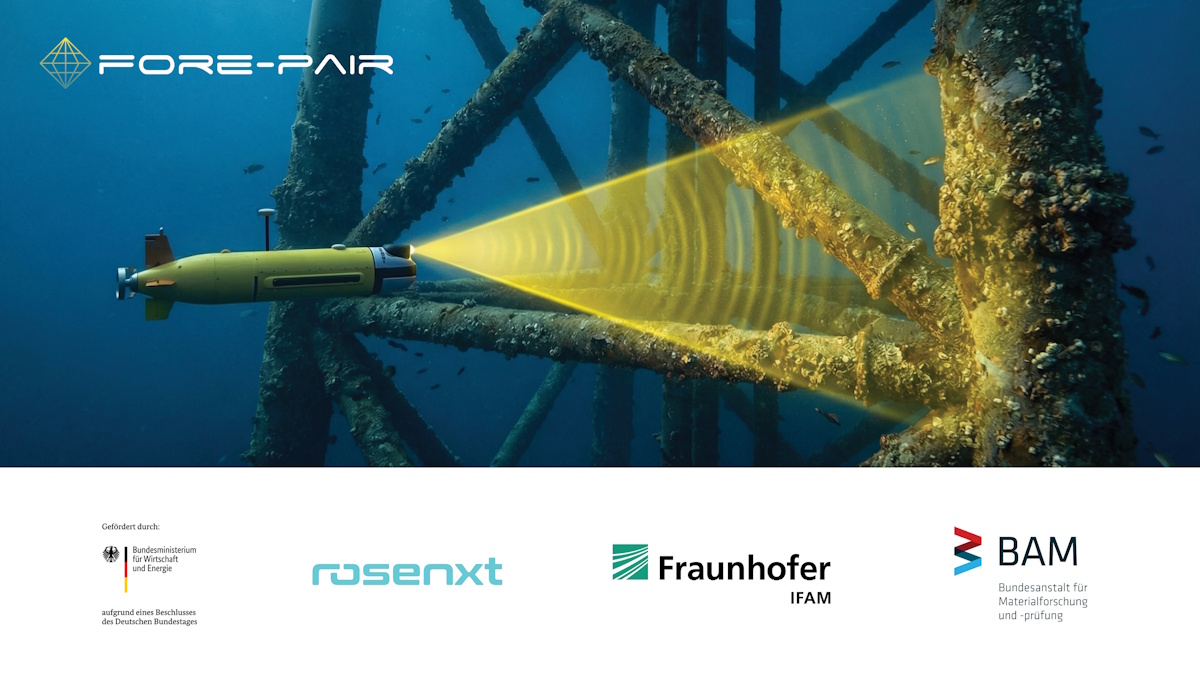
Federal Funding for Autonomous Underwater Robotics Project to Inspect Floating Offshore Energy Platforms
The FORE-PAIR consortium has officially launched a project aimed at developing autonomous robotic technologies for the inspection, maintenance, and cleaning of floating offshore energy platforms, including floating wind and solar systems. This initiative is backed by approximately 10 million euros in federal funding. The project is set to enhance the efficiency and sustainability of offshore energy production, addressing the growing demand for renewable energy sources. By leveraging advanced robotics, the consortium aims to streamline operations and reduce the environmental impact associated with traditional maintenance methods. The project is expected to contribute significantly to the future of offshore energy infrastructure, promoting innovation in the sector.
funding autonomous underwater robotics
Toyota, GM-backed startup Momenta planning entry into last-mile autonomous delivery
Chinese self-driving technology company Momenta is assembling a team to create Level 4 autonomous delivery robots, aiming to enhance its valuation ahead of a potential public listing. This initiative comes as the company seeks to capitalize on its existing partnerships with major automakers such as Toyota, General Motors, and Mercedes-Benz. While specific details about the project remain undisclosed, sources from the Chinese media outlet Xinliu Car indicate that this move is part of Momenta's broader strategy to solidify its position in the competitive autonomous vehicle market.
News Feed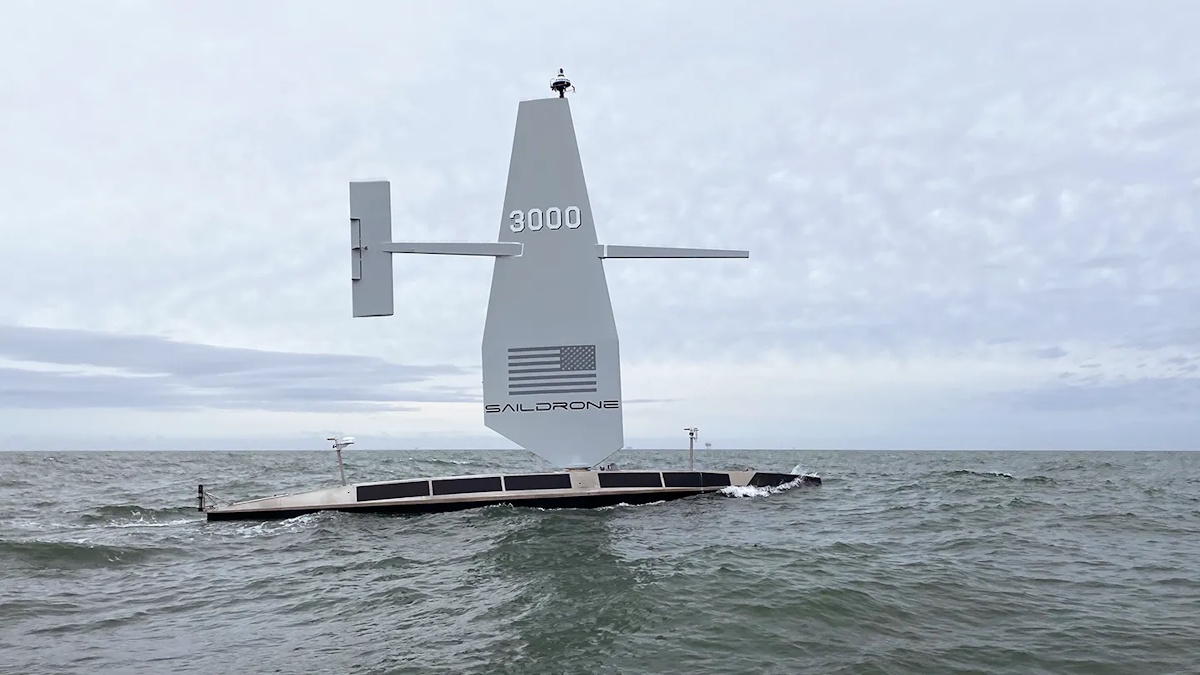
Revolutionizing Deep-water Cable Route Surveys with Autonomous Platforms
Saildrone, in collaboration with Meta, has achieved a significant milestone by completing the first autonomous deep-water cable route survey in the North Atlantic. This groundbreaking project, which took place recently, sets a new standard for offshore mapping techniques. The initiative aims to enhance the efficiency and accuracy of underwater surveys, crucial for the development of future telecommunications infrastructure. By utilizing advanced autonomous technology, Saildrone's innovative approach allows for comprehensive data collection in challenging marine environments, paving the way for safer and more reliable underwater cable installations.
deep-water cable route surveys autonomous platformsRobotics needs a service framework.
RSF defines a common language for robot service capability, lifecycle operations, certification pathways, and service-provider networks.
Join the RobotToday community on LinkedIn
Daily robotics news, in-depth analysis, conference highlights, and discussions with professionals worldwide.