Industry Briefing
A single destination for timely, editor-curated robotics news from around the world.
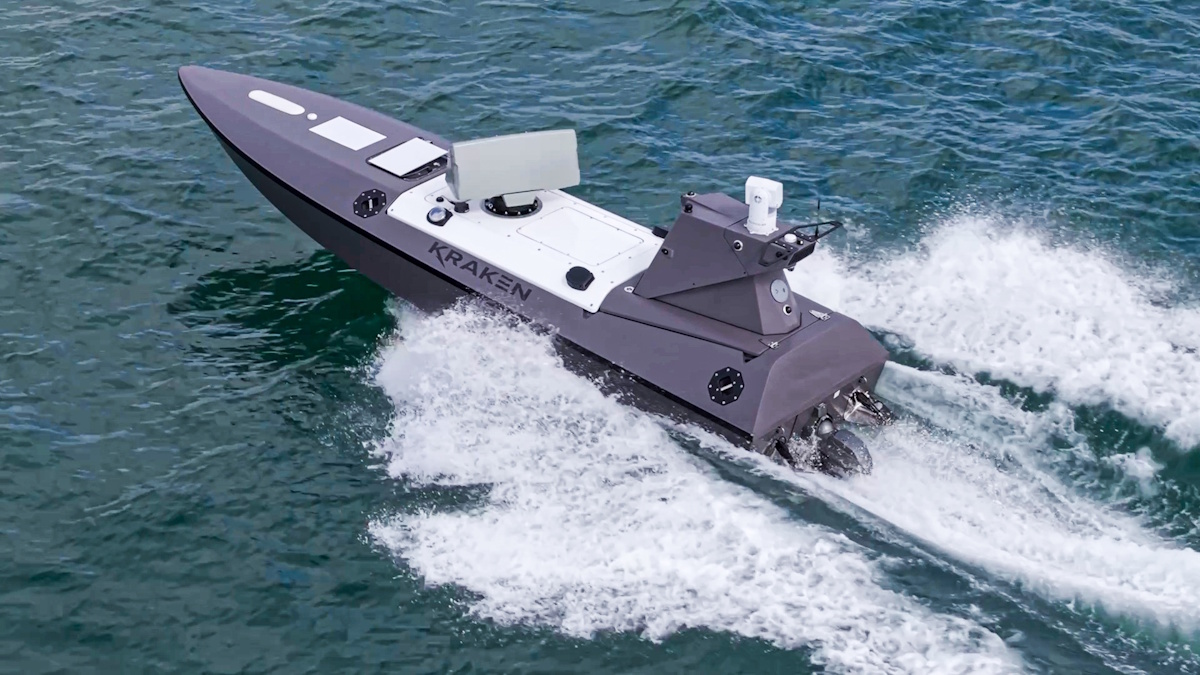
Saab UK and Kraken Develop Experimental Autonomous 'Drone Seeker' Vessel
Saab UK and Kraken have announced the development of an experimental autonomous 'drone seeker' vessel aimed at enhancing maritime security against aerial threats. This prototype integrates Saab's Giraffe 1X radar with Kraken's K3 Scout platform, creating a counter-UAS system that can operate independently or alongside traditional vessels. The collaboration is significant as it aligns with the UK Government's Defence Investment Plan, promoting a hybrid navy concept where autonomous vessels work in tandem with conventional assets. The Giraffe 1X radar is designed to detect and track airborne threats, providing early warnings of drone incursions, which is crucial for protecting shipping and critical infrastructure. Currently in the experimental phase, the prototype has undergone sea trials to assess its radar performance. The rapid development, completed in under seven months, showcases the capabilities of both companies to address evolving maritime security needs. No further timeline was disclosed at the time of publication.
saab uk kraken collaboration autonomous ‘drone seeker’ vessel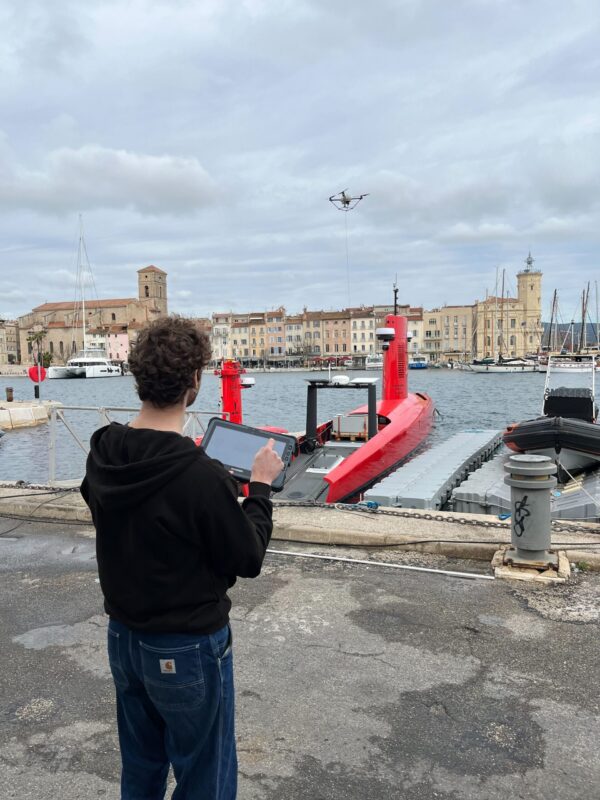
Elistair and Exail Collaborate on Tethered Drone Maritime Surveillance for Autonomous Vessels
Elistair has partnered with Exail to integrate its Khronos DroneBox with Exail's DriX unmanned surface vessel, enabling tethered drone maritime surveillance. This collaboration allows operators to maintain a persistent aerial view from shore, enhancing capabilities for naval, coast guard, and port security operations. The integration of the Khronos DroneBox with the DriX vessel marks a significant advancement in maritime surveillance technology. The tethered drone can operate for up to 24 hours at a height of 60 meters, providing real-time, encrypted video feeds even in challenging environments. This capability extends surveillance beyond traditional surface radar limits, making it ideal for various applications including coastal surveillance and search and rescue missions. Looking ahead, the partnership between Elistair and Exail is expected to evolve as they explore further applications of the Khronos system in maritime contexts. No further timeline was disclosed at the time of publication.
Drone News Drone News Feeds News safety and security seadrones Security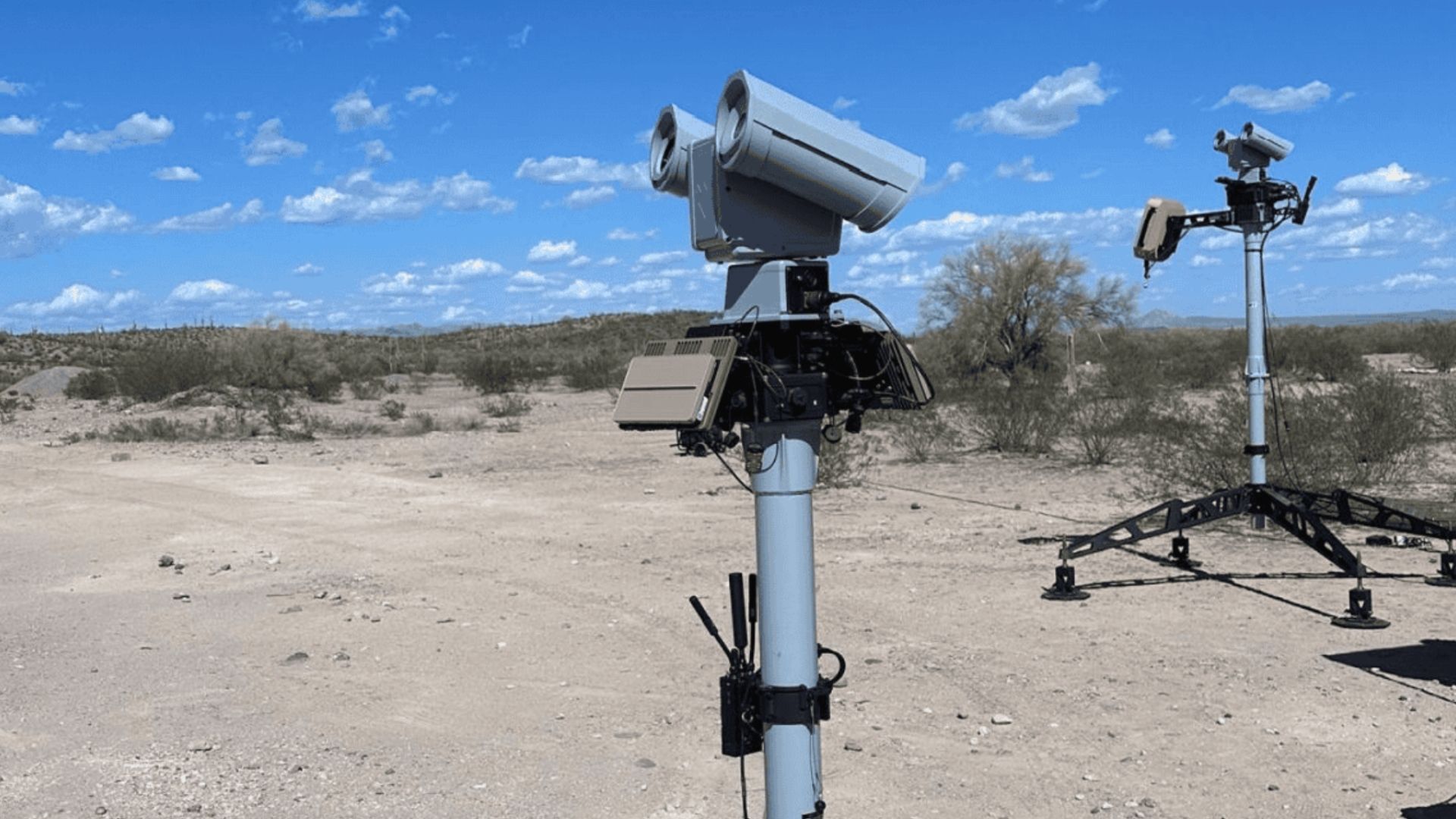
Digital Force Technologies Wins $500 Million Contract for Autonomous Drone Defense Systems
Digital Force Technologies (DFT) has been awarded a $500 million contract by Joint Interagency Task Force 401 to supply advanced counter-drone systems. This contract, announced on September 29, supports the Domestic Shield program, which aims to enhance drone defenses for military installations and critical assets. The significance of this contract lies in DFT's provision of its counter-unmanned aerial systems capabilities, which are designed to autonomously assess and classify threats using its SeraphimOS software architecture. This technology integrates multiple sensor data to deliver real-time actionable information, crucial for force protection and base defense. Looking ahead, DFT's flexible and open architecture allows for the integration of new capabilities as drone threats evolve. This adaptability is essential for maintaining effective defenses against rapidly changing UAS threats. No further timeline was disclosed at the time of publication.
Military
Ouster and Seneca Collaborate to Enhance Autonomous Drone Technology for Wildfire Response
Ouster, Inc. has partnered with Seneca to integrate its REV8 OS1 Max native color digital lidar into Seneca's autonomous drone platform. This collaboration aims to improve 3D perception capabilities in drones, enabling safer and faster operations in complex wildfire environments. The integration of Ouster's advanced lidar technology is significant as it enhances the operational efficiency of drones used in wildfire response. This partnership highlights the growing importance of advanced sensing technologies in improving emergency response efforts and mitigating the impacts of wildfires. Looking ahead, the collaboration between Ouster and Seneca may lead to further advancements in drone technology for various applications beyond wildfire response. No further timeline was disclosed at the time of publication.
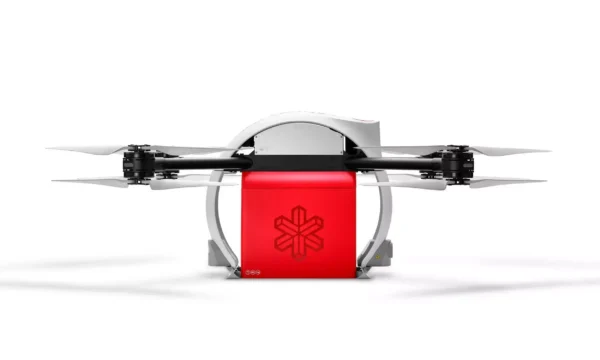
Matternet Launches M3 Autonomous Drone Delivery Platform for Urban Micro-Hubs
On September 28, 2026, Matternet introduced its M3 autonomous drone delivery platform, designed to facilitate package delivery from rooftops without on-site staff. The system includes an aircraft capable of carrying up to 11 pounds within a 10-mile radius, a dock for charging, and a drop-box portal for package deposit. This innovation is significant as it aims to create a reliable and low-cost delivery utility, enabling restaurants, retailers, and hospitals to connect seamlessly to an autonomous delivery network. Matternet's founder, Andreas Raptopoulos, emphasized the goal of establishing a dependable infrastructure for drone delivery, building on the success of the previous M2 system. Looking ahead, Matternet plans to commence commercial services for the M3 platform in the second half of 2027, with initial partnerships including Dave’s Hot Chicken in the U.S. and Apian in the U.K. The company is also set to expand its manufacturing capacity in the U.S. and leverage its partnership with SoftBank Robotics America to enhance deployment efforts.
Delivery Drone News Drone News Feeds News aerospace news 2026 Andreas Raptopoulos
SkyfireAI and DBOX Collaborate to Enhance Autonomous Drone Operations in the U.S.
SkyfireAI and Lithuania-based DBOX have entered a collaboration to advance integrated autonomous drone operations in the United States. The Memorandum of Understanding (MOU) was signed at the Lithuania–U.S. Business Forum in Miami, attended by Lithuanian President Gitanas Nausėda. The partnership aims to combine expertise in autonomous drone infrastructure, mission-control software, and operational capabilities. This collaboration is significant as it reflects a growing need for comprehensive solutions in autonomous drone operations, which require more than just aircraft and docking stations. The integration of various technologies, including safety systems and airspace management, is crucial for successful deployment. SkyfireAI's experience in Drone as First Responder (DFR) and Beyond Visual Line of Sight (BVLOS) operations complements DBOX's autonomous docking infrastructure. Looking ahead, the companies plan to demonstrate their integrated solution by the fourth quarter of 2026. Initial efforts will focus on integration, testing, safety systems, and regulatory approvals, with operator training and commercialization also being key components of the project. No further timeline was disclosed at the time of publication.
Drone News Drone News Feeds News autonomous drone operations autonomous drones BVLOS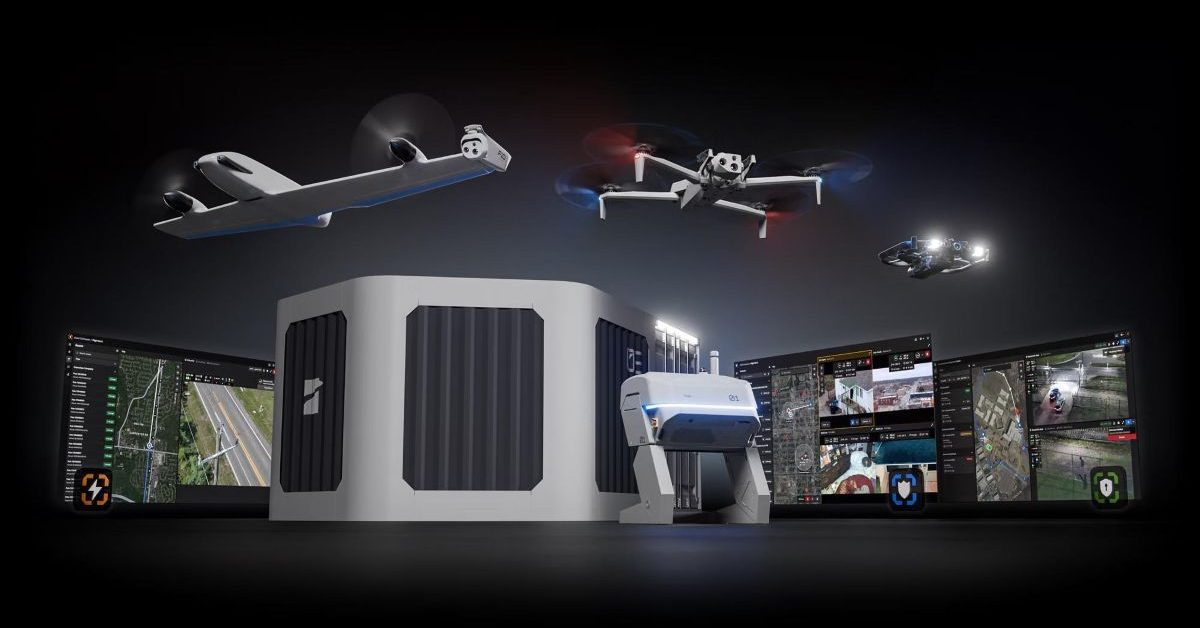
Skydio Introduces F10 Lightrunner, MegaDock, and New Software for Autonomous Drone Operations
Skydio has unveiled its first fixed-wing drone, the F10 Lightrunner, at the Ascend conference in Nevada. This aircraft is designed for long-distance missions, capable of reaching speeds of 100 mph and operating within a 30-mile radius for up to two hours. Alongside the F10, Skydio introduced the MegaDock and two software platforms, Asset Command and Security Command, enhancing its existing drone fleet. The introduction of the F10 Lightrunner signifies a shift in Skydio's approach to drone technology, emphasizing the integration of drones into larger autonomous systems rather than standalone devices. The F10 is particularly suited for applications such as emergency response and infrastructure inspection, where speed and endurance are critical, potentially transforming how agencies and companies utilize drone technology. Looking ahead, Skydio's focus on fixed-wing drones and their operational capabilities could reshape the landscape of drone applications in various sectors. The innovative robotic takeoff and landing system further enhances the F10's usability, eliminating the need for traditional runways or manual handling. No further timeline was disclosed at the time of publication.
News
WaiV Robotics Achieves First Autonomous Nighttime Landing on Moving Vessel
WaiV Robotics has successfully conducted a series of open-sea demonstrations showcasing its autonomous drone launch and recovery system. Notably, the company achieved the first-ever autonomous maritime takeoff and landing at night, marking a significant milestone in maritime technology. This achievement is crucial as it demonstrates the capabilities of WaiV's patented catch-lock-release mechanism and AI-powered predictive algorithms. These technologies enable drones to land on moving vessels, enhancing operational efficiency and safety in maritime operations. Looking ahead, the advancements made by WaiV Robotics could pave the way for further innovations in autonomous maritime systems. No further timeline was disclosed at the time of publication.
Drones News autonomous drones autonomous landing autonomous systems drone landing
Elroy Air Completes First Autonomous Cargo Drone Flights with 500-lb Payload in Louisiana
Elroy Air, a US drone startup, has successfully conducted its first autonomous, uncrewed flights of the Chaparral hybrid-electric aircraft under the eVTOL Integration Pilot Program in Louisiana. These flights focused on transporting various cargo types, including medical supplies and industrial equipment, showcasing the aircraft's capabilities. This development is significant as it marks a step towards integrating Advanced Air Mobility aircraft into US airspace, enhancing logistics infrastructure and delivery options nationwide. The Federal Aviation Administration (FAA) emphasized the importance of these test flights in shaping aviation policy and supporting commercialization efforts. Looking ahead, Elroy Air's successful tests will inform its strategy for deploying autonomous heavy-cargo aircraft at scale. The Chaparral's unique features, such as interchangeable cargo pods and VTOL capabilities, position it for diverse applications, including disaster relief and maritime missions. No further timeline was disclosed at the time of publication.
Transportation
SiMa.ai and ARK Electronics Collaborate to Enhance Autonomous Drone Development
SiMa.ai and ARK Electronics have formed a strategic partnership aimed at accelerating the deployment of next-generation autonomous drones. They are introducing the ARK-SiMa.ai Modalix MLSoC Bundles, which are production-ready solutions designed to facilitate the development of intelligent drones for various markets, including commercial and defense. This collaboration is significant as it combines SiMa.ai's expertise in Physical AI with ARK Electronics' capabilities in high-quality drone electronics. The resulting solutions are expected to be affordable and high-performance, addressing the growing demand for advanced drone technology in sectors such as UAS, industrial applications, and agriculture. Looking ahead, the partnership aims to simplify the development process for intelligent drones, potentially leading to faster deployment in the market. No further timeline was disclosed at the time of publication.

Infinit Drones Launches Dock M400 for DJI Matrice 400 Autonomous Operations
Infinit Drones has unveiled the Dock M400, an autonomous docking platform designed for the DJI Matrice 400 drone. This innovation allows for remote launching, recovery, and battery management without the need for on-site personnel, addressing a significant gap in the enterprise drone market. The Dock M400 is particularly important as it enhances the capabilities of the DJI Matrice 400, which is known for its heavy-lift capacity and advanced sensor support. With features like automatic battery replacement and dock-to-dock relay missions, the Dock M400 enables organizations to maintain drones in a mission-ready state, thereby improving operational efficiency in sectors such as utilities and emergency services. Looking ahead, the demand for autonomous drone solutions is expected to rise, especially with the growing interest in Drone as First Responder (DFR) programs and favorable regulatory changes in Canada. Infinit Drones aims to capitalize on these trends by offering a solution that combines the Matrice 400's capabilities with autonomous deployment, potentially transforming aerial operations across various industries.
News
L3Harris and ARX UK Evaluate Passive Counter-Drone Technology on Autonomous UGVs
L3Harris and ARX UK have tested the CORVUS-RAVEN sensors mounted on unmanned ground vehicles (UGVs) to enhance battlefield awareness. These sensors are designed to track approaching threats, allowing operators to maintain a safe distance from potential dangers. The implementation of the CORVUS-RAVEN technology is significant as it improves situational awareness for military operators, enabling them to respond effectively to drone threats without direct engagement. This advancement in counter-drone capabilities is crucial in modern warfare, where unmanned aerial vehicles pose increasing risks. Looking ahead, the focus will be on the further development and deployment of these passive counter-drone systems. No further timeline was disclosed at the time of publication.
News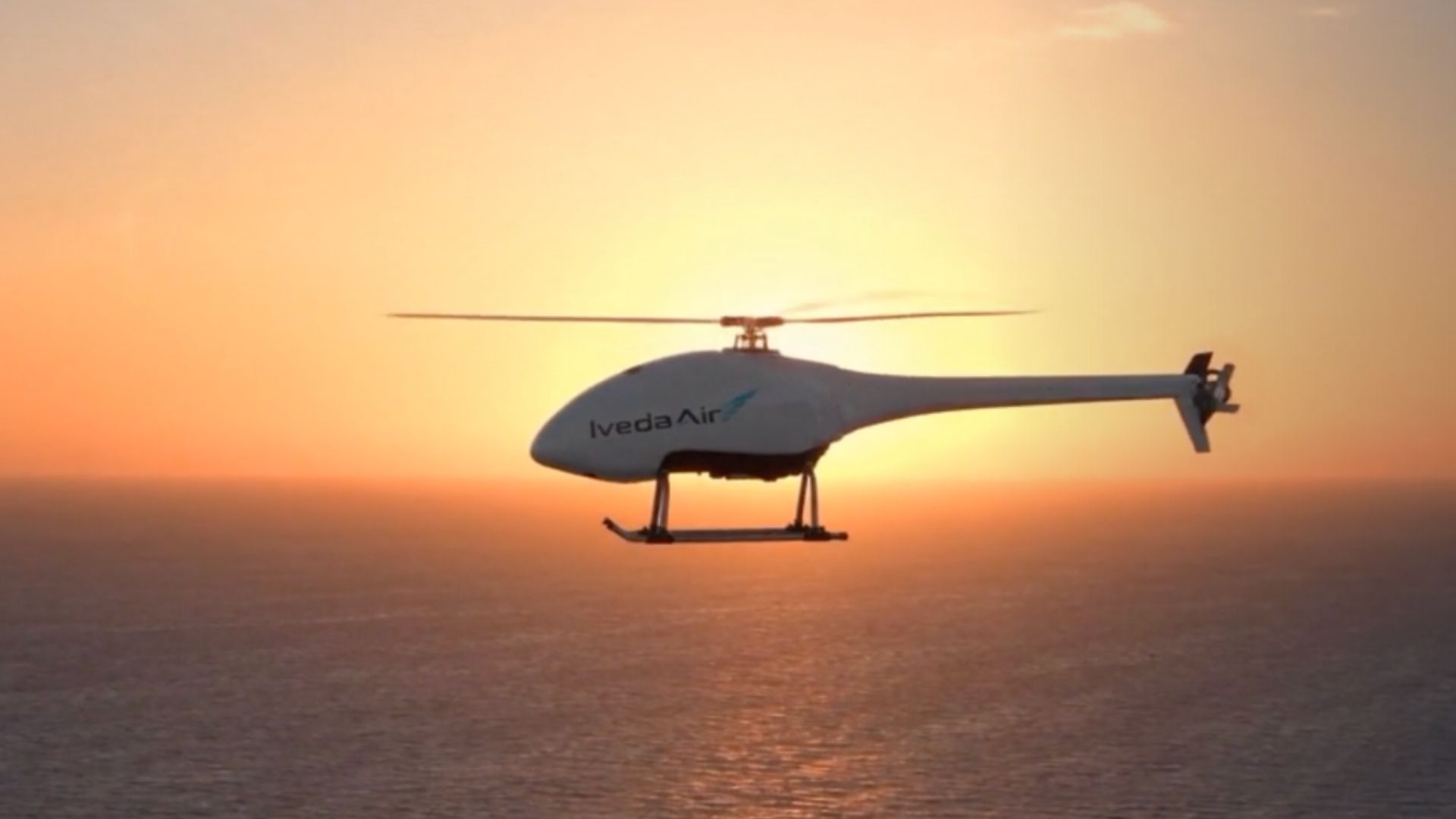
Iveda Launches Gas-Powered GX10-F100 Autonomous Helicopter Drone with 150-Minute Flight Time
Arizona-based Iveda has unveiled the IvedaAir line, featuring the GX10-F100, a gas-powered autonomous helicopter drone. This unmanned aircraft boasts an impressive flight endurance of over 150 minutes, significantly surpassing traditional battery-powered quadcopters. With a cargo capacity of 19 pounds and a maximum speed of 68 mph, the GX10-F100 is designed for military and emergency operations. The introduction of the GX10-F100 is significant as it addresses the limitations faced by conventional drones in challenging environments such as coastlines and isolated terrains. Its extended endurance and cargo capabilities make it suitable for logistics, reconnaissance, and aerial communications in difficult or dangerous areas. Iveda aims to enhance operational efficiency for military users and expand the drone's applications to maritime security, public safety, and emergency response. Looking ahead, Iveda's focus on developing the GX10-F100 for demanding operational environments indicates a shift in drone capabilities. The integration of IvedaAI autonomy software enhances navigation and intelligence missions, allowing for waypoint navigation and real-time video transmission. No further timeline was disclosed at the time of publication.
Military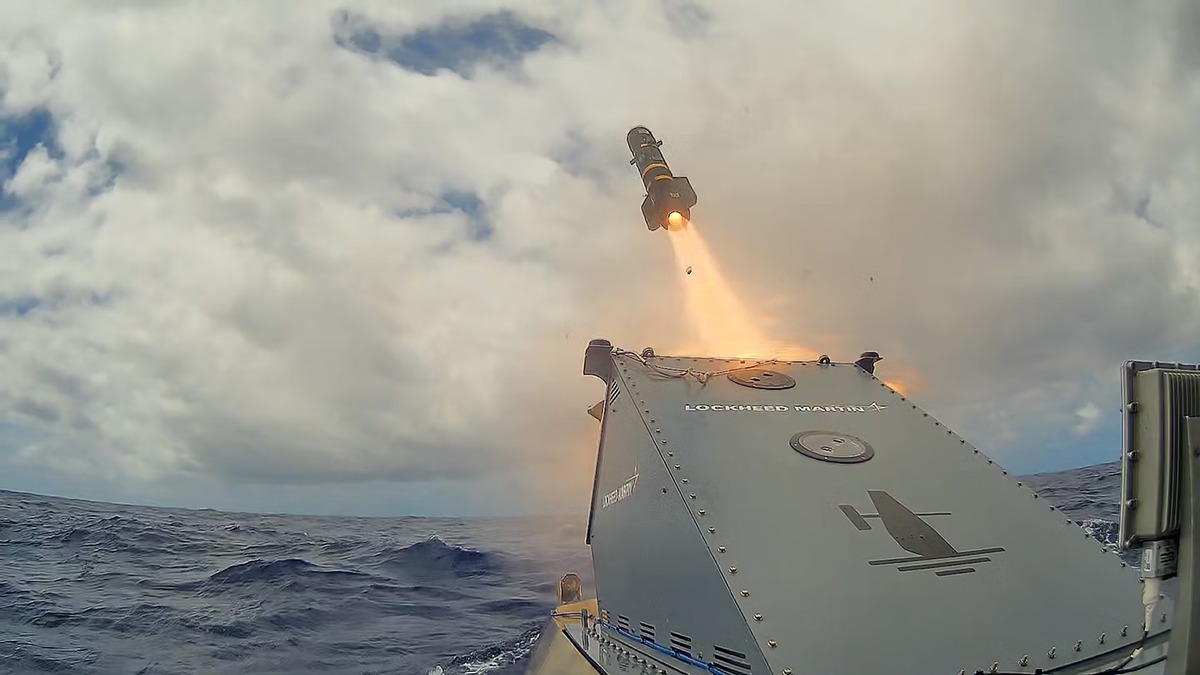
Saildrone and Lockheed Martin Enhance Autonomous Naval Warfare with RIMPAC Missile Launch
Saildrone successfully executed two Joint Air-to-Ground Missile launches from its Surveyor unmanned surface vehicle (USV) during the US Navy's Rim of the Pacific (RIMPAC) exercise. This marks a significant milestone as it is the first-ever missile launch from a Saildrone USV, showcasing the integration of Saildrone's technology with Lockheed Martin's missile capabilities. The demonstration is crucial as it highlights the potential of autonomous systems in modern naval warfare, allowing for extended operational capabilities in contested environments. The collaboration between Saildrone and Lockheed Martin, initiated in October 2025, aims to enhance the operational readiness of unmanned platforms, providing commanders with the necessary tools to project power effectively. Looking ahead, Saildrone plans to further develop its platform capabilities to meet evolving military requirements. The successful integration of electronic warfare sensors during the RIMPAC exercise also indicates the potential for future enhancements in autonomous naval operations. No further timeline was disclosed at the time of publication.
saildrone lockheed martin autonomous naval warfare rimpac demonstration usv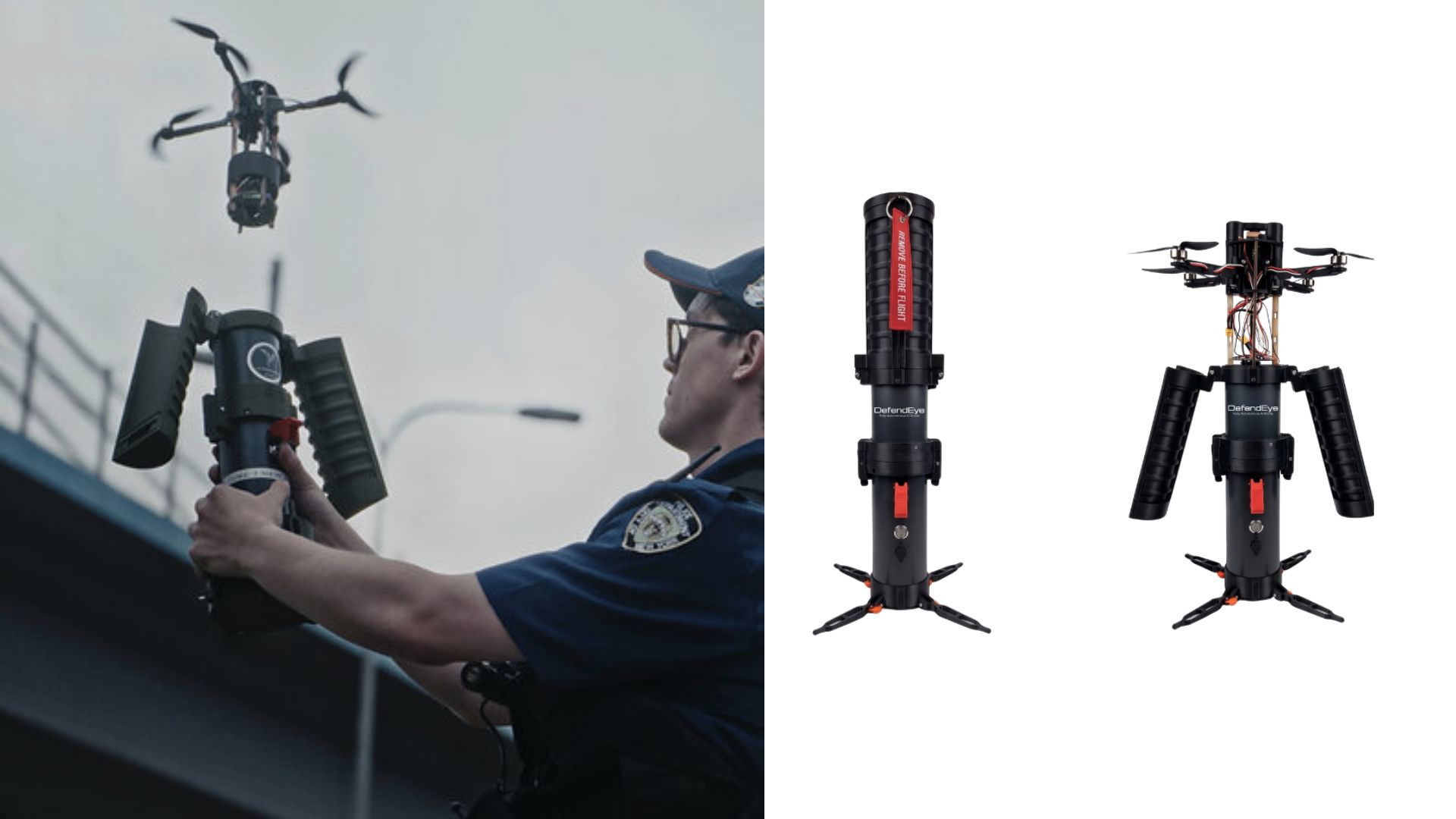
DefendEye to Scale Production of First Autonomous AI Drone for First Responders
DefendEye has announced plans to scale up production of the Overwatch Drone, the world's first autonomous AI drone designed for first responders, following a significant investment round led by NovaCapital. This funding will enable the company to enhance its operations and manufacturing capabilities at its facilities in Hallandale Beach, Florida, and Krakow, Poland. The Overwatch Drone is engineered to provide emergency personnel with immediate situational awareness, deploying in seconds without the need for trained pilots. This innovative system utilizes onboard AI to detect and identify individuals from the air, making it a vital tool for police, firefighters, and search-and-rescue teams in high-stakes environments. Looking ahead, DefendEye aims to redefine crisis management through its autonomous aerial capabilities, ensuring that first responders have rapid access to live video feeds and critical information. No further timeline was disclosed at the time of publication.
AI and Robotics
FlybyOps Launches Platform to Streamline Management of Autonomous Drone Fleets
FlybyOps, a Finland-based company, has introduced an enterprise drone operations platform aimed at addressing the complexities of scaling autonomous drone fleets. As commercial drone operations expand, managing pilots, equipment, approvals, and compliance becomes increasingly challenging, especially with the rise of Beyond Visual Line of Sight (BVLOS) operations. The platform serves as a central hub for organizations developing large-scale BVLOS and autonomous drone programs, connecting flights with necessary personnel, aircraft, and compliance requirements. With regulators worldwide facilitating more routine BVLOS flights, industries such as logistics and infrastructure inspection are preparing for fleets capable of performing hundreds or thousands of autonomous missions, necessitating robust management tools. FlybyOps emphasizes compliance and operational oversight, allowing organizations to manage flight approvals, personnel qualifications, and operational risks from a single system. The software has already been adopted globally, providing operators with enhanced visibility into complex flight programs. No further timeline was disclosed at the time of publication.
News
FlybyOps Introduces New Platform for Scaling BVLOS and Autonomous Drone Operations
FlybyOps has unveiled an enterprise drone operations platform tailored for large-scale Beyond Visual Line of Sight (BVLOS) and autonomous drone initiatives. This Finland-based company aims to tackle the complexities faced by commercial drone operators as they expand their fleets, requiring effective management of flights, locations, aircraft, and personnel while ensuring regulatory compliance. The significance of this platform lies in its ability to centralize management of flight operations, personnel qualifications, and compliance requirements, thereby enhancing operational control. With features such as role-based access, configurable workflows, and structured compliance processes, FlybyOps is designed to support organizations transitioning to more frequent and autonomous BVLOS flights, creating an auditable record of operations. As the drone industry gears up for larger fleets and increased autonomy, FlybyOps is positioned to facilitate this evolution. The platform is already being utilized globally for BVLOS operations, with potential applications in logistics and infrastructure. No further timeline was disclosed at the time of publication.
Applications Drone News Drone News Feeds News autonomous drones BVLOS
AeroVironment Enhances Mayhem 10 Drone with Autonomous Swarm Capabilities for Military Use
AeroVironment is enhancing its Mayhem 10 launched effects system by integrating autonomous swarm capabilities through a partnership with Applied Intuition. This new software allows multiple Mayhem 10 drones to coordinate missions under a single operator's supervision, addressing future U.S. Army requirements for autonomous systems that extend battlefield reach and reduce soldier workload. The integration of Applied Intuition’s Acuity ISR/Strike software enables collaborative behaviors among Mayhem 10 aircraft, allowing them to share targeting information and adapt to threats in real-time. A recent demonstration showcased the drones' ability to synchronize actions during various test scenarios, highlighting the importance of autonomous systems in modern military operations. Looking ahead, the flexibility of the Mayhem 10 platform, which can carry payloads of up to 10 pounds and operate in GPS-denied environments, positions it as a versatile tool for intelligence, surveillance, and precision strikes. No further timeline was disclosed at the time of publication.
Military
Royal Navy Tests Robotic Boat for Autonomous Drone Launching in Maritime Surveillance
The Royal Navy is conducting trials of a robotic boat designed to autonomously launch and recover drones at sea, enhancing uncrewed maritime surveillance capabilities. This initiative, in collaboration with ACUA Ocean and Teledyne FLIR Defense, aims to improve persistent aerial reconnaissance while minimizing risks to personnel. The system integrates an uncrewed surface vessel (USV) with a tethered uncrewed aerial system (T-UAS), allowing for extended surveillance operations. This development is significant as it represents a new approach to maritime surveillance, combining aerial and surface capabilities into a single autonomous system. The SkyCarrier and SkyRanger R70 drones, utilized during the trials, are equipped with advanced AI and imaging technologies, enabling them to perform demanding surveillance missions. The ability to maintain a stable tether connection allows for longer operational durations and continuous power supply, which is crucial for effective surveillance in challenging sea conditions. Looking ahead, the Royal Navy's exploration of this technology could lead to enhanced capabilities in anti-submarine warfare, mine countermeasures, and the protection of critical maritime infrastructure. No further timeline was disclosed at the time of publication.
AI and Robotics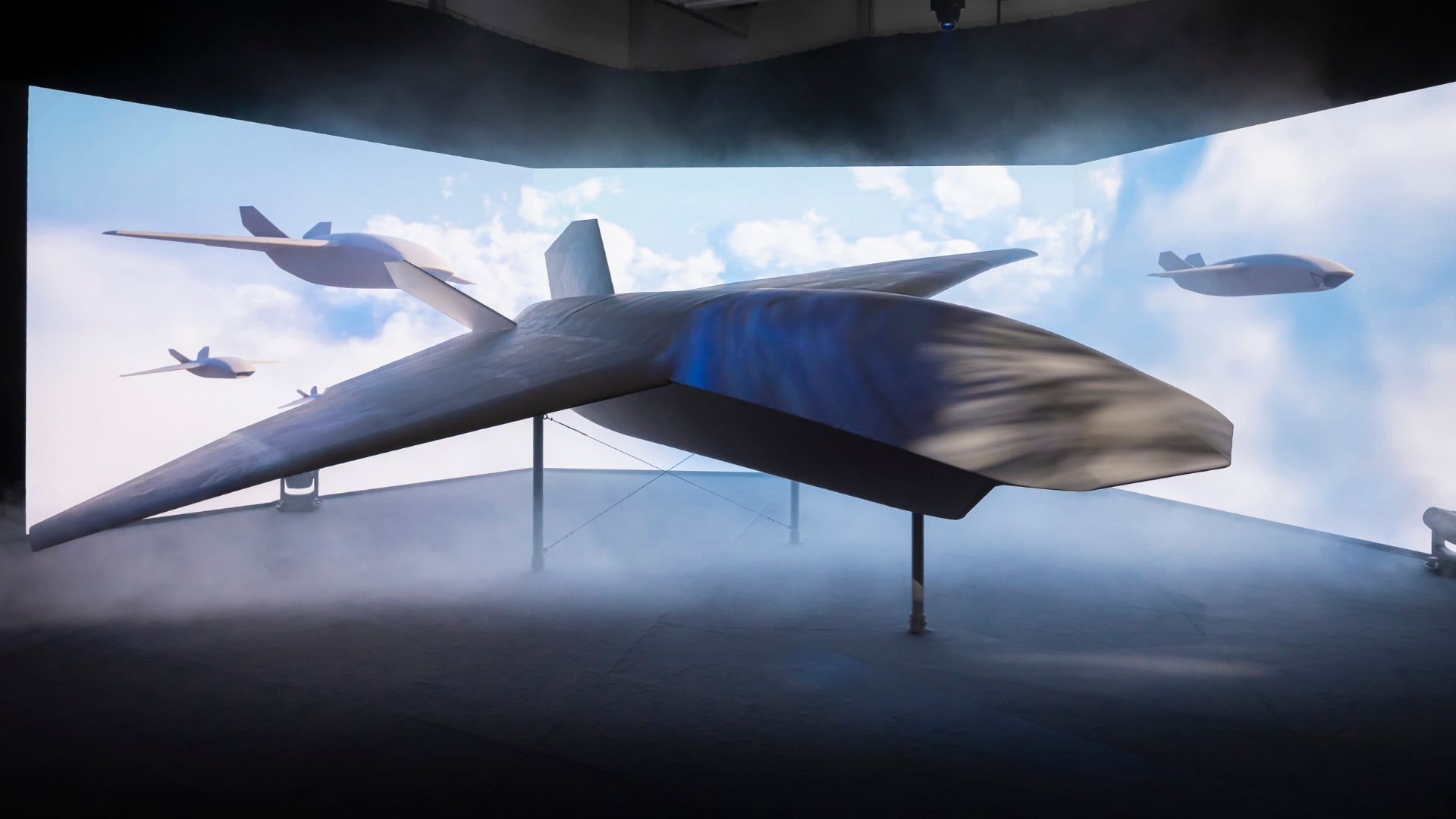
BAE Systems Unveils UK's First Autonomous Combat Drone, Brontanax, at Farnborough Airshow
BAE Systems has launched the UK's first autonomous Collaborative Combat Aircraft (CCA), named Brontanax, at the Farnborough International Airshow. This aircraft is designed to operate alongside crewed fighter jets like the Eurofighter Typhoon, enhancing combat capabilities through missions such as electronic warfare and precision strikes. The introduction of Brontanax is significant as it represents a major advancement in the UK's defense strategy, supported by a £300 million investment from the government through the Storm Fighter program. This initiative aims to establish a sovereign CCA capability for the Royal Air Force, positioning the UK as a leader in next-generation combat aviation in Europe. Looking ahead, ground testing of Brontanax will commence at BAE Systems' Warton facility, with flight trials expected to begin in UK airspace next year. If development proceeds as planned, the aircraft could be operational with the Royal Air Force by the end of the decade, marking a pivotal moment in military aviation technology.
Military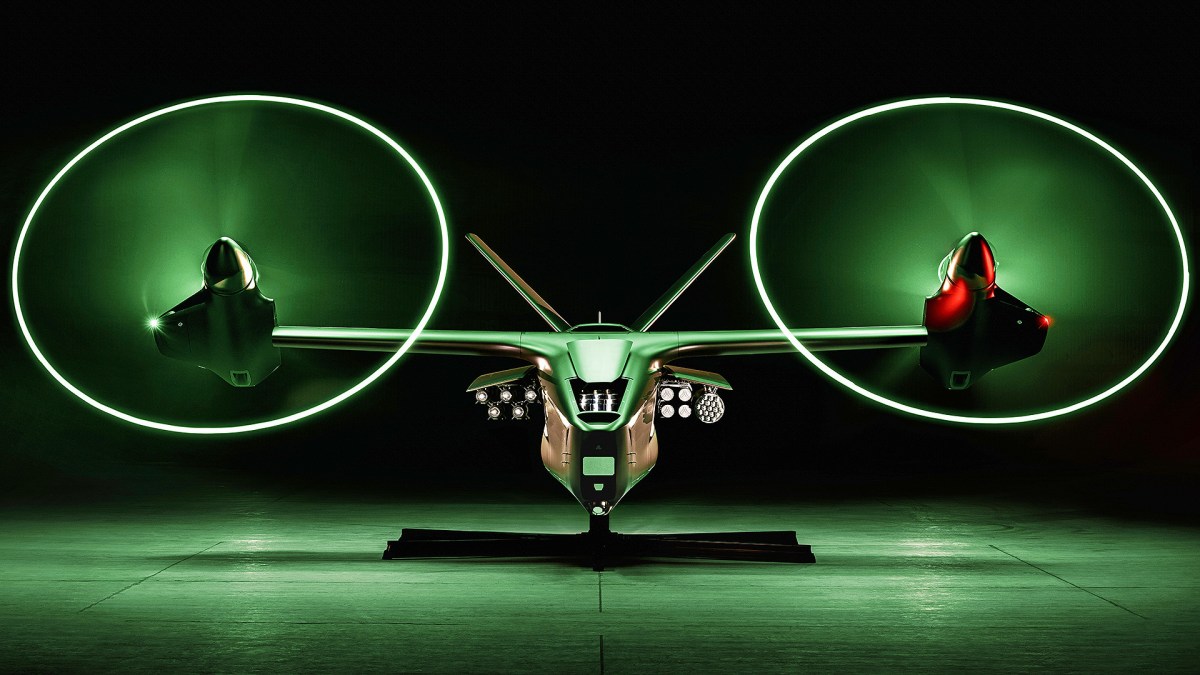
Anduril Unveils Thunder, an Autonomous Tiltrotor Attack Drone Concept
Anduril has introduced Thunder, a hybrid-electric tiltrotor combat drone developed in collaboration with Archer Aviation. Designed as a highly autonomous pilotless wingman, Thunder aims to operate alongside crewed helicopters like the AH-64 Apache, enhancing target acquisition and defense capabilities against air-to-air drone threats. This development is significant as it addresses critical operational gaps in modern warfare, allowing human pilots to engage from a safer distance while Thunder performs close-in defense. The drone's capabilities are expected to improve mission effectiveness in future conflicts, with a first flight planned for next year and potential full-scale production by the end of the decade. Looking ahead, the commercial version of Thunder is also in development, with Archer Aviation set to provide further details soon. As the drone is designed to operate at low altitudes, it is positioned to complement existing military aircraft, enhancing the U.S. Army's aerial capabilities in complex operational environments.
News & Features Air Drones Loyal Wingman Unmanned
L3Harris and Shield AI Achieve Milestone with First Autonomous DiSCO EW Drone Flight
L3Harris Technologies and Shield AI have successfully completed the inaugural live flight trial of their Distributed Spectrum Collaboration and Operations (DiSCO) system. This achievement marks a significant step in the development of autonomous electronic warfare capabilities. The successful flight trial is crucial as it demonstrates the potential of the DiSCO system to enhance operational effectiveness in electronic warfare. By leveraging advanced technologies, this collaboration aims to improve situational awareness and decision-making in complex environments. Looking ahead, industry stakeholders will be keen to observe further developments and potential applications of the DiSCO system in military operations. No further timeline was disclosed at the time of publication.
News
Ranger Autonomous Vessel Successfully Completes Sea Trials from Submarine Torpedo Tube
An innovative autonomous surface vessel, the Ranger, has successfully completed its Sea Acceptance Test (SAT) in Germany, demonstrating its ability to be launched from a submarine's torpedo tube. Developed by Gabler and Flanq, the Ranger is designed for intelligence, surveillance, and reconnaissance missions with minimal human intervention. The successful completion of the SAT marks a significant milestone for the program, confirming the vessel's seaworthiness and the integration of its core technologies. The Ranger, measuring approximately 15 feet long, features a folding keel and collapsible sensor mast, allowing it to fit within a standard 21-inch torpedo tube. Looking ahead, Gabler will manage the commercialization and integration of the Ranger with submarines, while Flanq will provide advanced maritime technologies and mission software. The companies are also developing a one-way attack variant called Strike, expanding the platform's capabilities for future naval operations.
Military
SYNDÉO Introduces SmartVault Drone Base for Underground Autonomous Flight Solutions
SYNDÉO, a Verona, Wisconsin-based infrastructure company, is advocating for underground drone bases, specifically its SmartVault Drone Base, designed for critical missions like infrastructure inspection and border security. This innovative subsurface station features a load-bearing hatch for drone charging, secure storage, and advanced AI capabilities, distinguishing it from conventional above-ground systems. The significance of SYNDÉO's approach lies in its focus on mission-critical applications, providing a secure and efficient environment for drones. Founder Gary Henshue emphasizes that while other drone docks exist, the SmartVault integrates essential features such as thermal management and backup power, catering to the unique demands of autonomous flight operations. Looking ahead, SYNDÉO aims to expand its market presence after a decade in the infrastructure sector. The company previously engaged in smart city initiatives, including a notable project in Austin, Texas. As interest in smart city solutions fluctuates, the future adoption of SmartVault technology will be pivotal for enhancing urban infrastructure and drone operations. No further timeline was disclosed at the time of publication.
Drone News Dual Use News Smart Cities autonomous drones autonomous flight
New Autonomous Drone System Maps Volcanic Gases to Predict Eruptions
Researchers at the Technical University of Munich (TUM) have developed an autonomous measurement system that utilizes drones and lasers to map volcanic gas concentrations with a low measurement error of approximately 5%. This innovative system aims to enhance volcanic eruption forecasting by tracking the ratio of carbon dioxide to sulfur dioxide, providing insights into subterranean volcanic processes. The significance of this technology lies in its potential to prevent natural disasters by offering accurate measurements of volcanic gases. Traditional methods have faced challenges due to background emissions and equipment damage from corrosive plumes. TUM's solution involves a ground station that shoots a laser through gas clouds, allowing for precise data collection while keeping equipment safe from harsh conditions. Looking ahead, TUM plans to further automate the measurement and mapping processes, incorporating artificial intelligence to interpret the data. This advancement could lead to safer volcanic forecasting, particularly on the Aeolian island of Vulcano, which remains in an active degassing phase despite not having experienced a major eruption since the late 19th century.
Science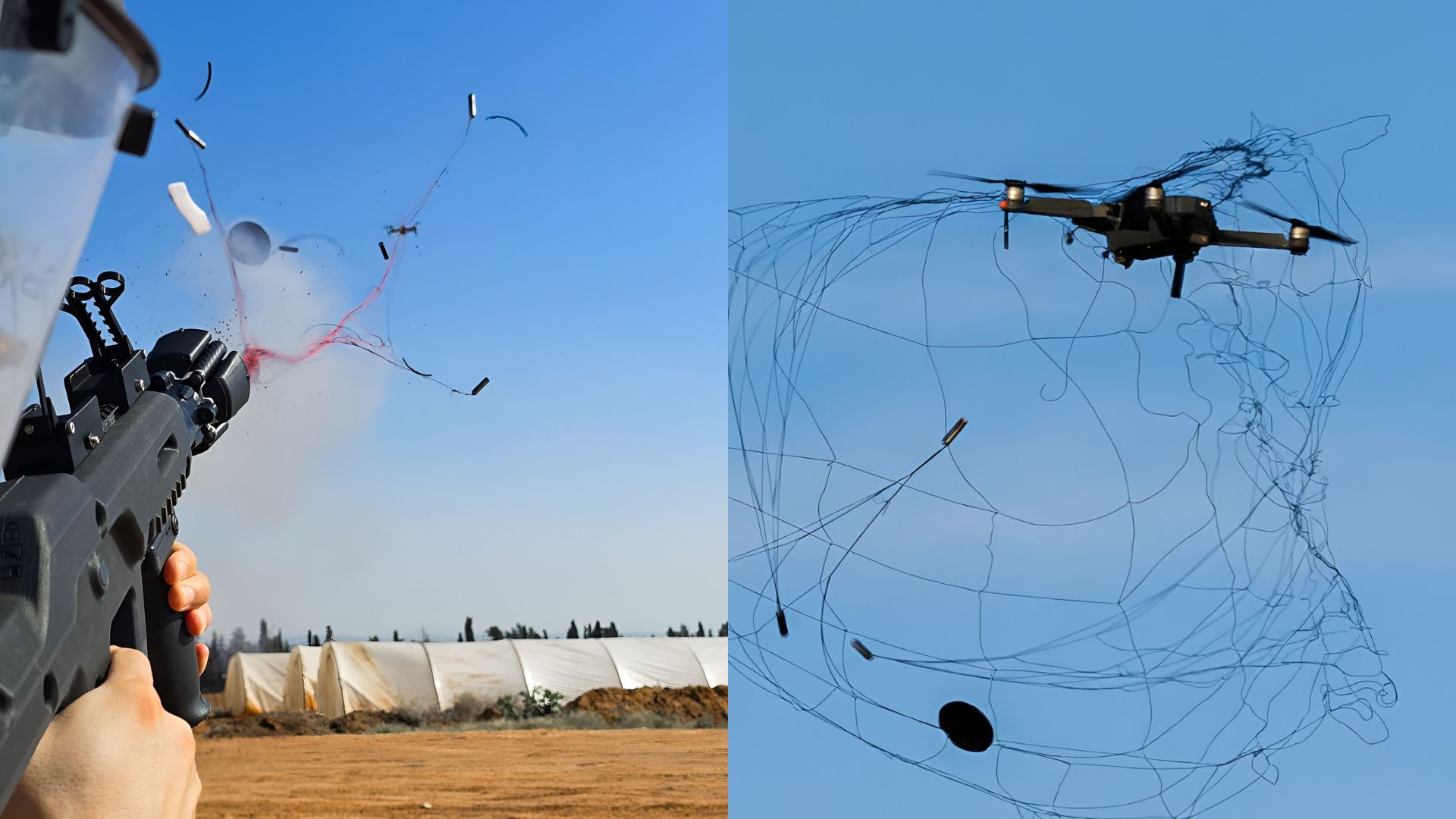
ParaZero Technologies Launches DefendAir for Autonomous Drone Interception in Military Applications
ParaZero Technologies has introduced its DefendAir platform, designed to intercept first-person view (FPV) drones autonomously before they can strike military vehicles. This system utilizes a non-explosive net-based interception method, creating a 360-degree defensive envelope around assets. The platform aims to enhance protection for both moving and stationary high-value military targets without the weight penalties of traditional armor. The rise of low-cost FPV drones has prompted militaries to seek effective countermeasures, as these drones have proven capable of damaging expensive military equipment. ParaZero's DefendAir addresses the limitations of conventional protective measures, such as steel cages, by offering a more agile and responsive solution. The system's ability to detect and neutralize threats rapidly is crucial for modern battlefield scenarios, where speed and precision are paramount. ParaZero is currently collaborating with Tier-1 defense companies to refine the DefendAir technology for operational requirements. While the company has not disclosed specific partners or a timeline for deployment, the focus on active counter-drone systems reflects a broader trend in military strategy, emphasizing the need for innovative solutions to counter evolving aerial threats. No further timeline was disclosed at the time of publication.
Military
XAG Advances Autonomous Farming with New Agricultural Robot System
XAG is enhancing agricultural automation by developing a new X Series robot system that integrates drones and automated liquid-handling equipment. This system aims to streamline the processes of charging, refilling, and cleaning drones, reducing the need for human intervention. The recent demonstration at XAG’s SuperX Farm in Guangzhou showcased the efficiency of this system, with drones being recharged and refilled in approximately three minutes. The significance of XAG's advancements lies in its potential to transform farming practices, particularly in regions with fragmented farmland and an aging rural workforce. By automating labor-intensive tasks such as pesticide spraying, XAG is addressing the challenges faced by farmers in China and other markets. The company’s approach aligns with global trends in agricultural technology, where efficiency and productivity are paramount. Looking ahead, XAG's focus on automating the turnaround processes for drones could lead to further innovations in agricultural robotics. As the company continues to expand its international presence, it will be important to monitor how its technology adapts to different farming environments and regulatory landscapes. No further timeline was disclosed at the time of publication.
Heavy Hitters
Defense Secretary Hegseth Proposes New Autonomous Warfare Command for Drones
In a recent address, Defense Secretary Pete Hegseth outlined a vision for establishing a new Autonomous Warfare Command. This initiative aims to expedite the integration of drones and robotic systems into the hands of servicemembers, enhancing operational capabilities. The significance of this proposal lies in its potential to transform military operations by leveraging advanced technologies. By streamlining the deployment of autonomous systems, the Pentagon seeks to improve efficiency and effectiveness on the battlefield, which is increasingly reliant on such innovations. Looking ahead, the Pentagon is transitioning its autonomy portfolio office into Project Agincourt as a preliminary measure toward the new command. This initiative is expected to require congressional approval, and stakeholders will be watching closely for developments regarding its implementation.
Air Warfare Land Warfare Pentagon Air Force Army Autonomous Warfare Command
Advantech Introduces ASR-D501 AI Companion Computer for Autonomous UAV Development
Advantech has unveiled the ASR-D501, a compact AI companion computer aimed at enhancing the development of autonomous unmanned aerial vehicles (UAVs). This innovative platform integrates edge AI capabilities, multi-sensor perception, and flight-controller connectivity, making it a significant advancement in UAV technology. The introduction of the ASR-D501 is crucial as it combines essential features for next-generation UAV development, including integrated robotics software. This positions Advantech as a key player in the AIoT and Edge Computing sectors, catering to the growing demand for advanced autonomous systems in various applications. Looking ahead, the industry will be watching how the ASR-D501 influences UAV development and deployment. No further timeline was disclosed at the time of publication.
China Achieves World Record with 116 Autonomous Underwater Drones Operating Without Human Control
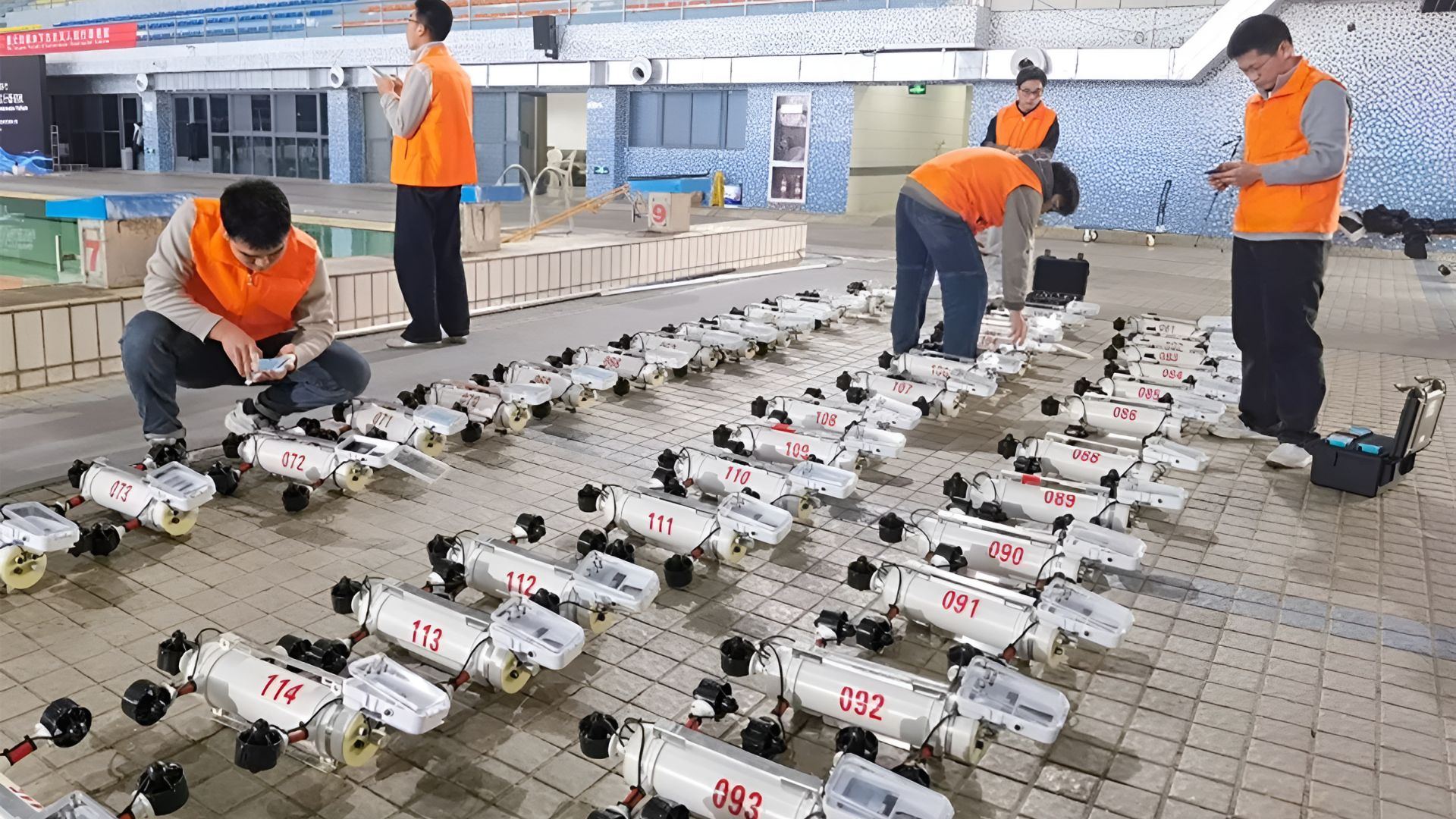
China has established a new world record by successfully deploying 116 autonomous underwater drones, known as TH-618s, in a swimming pool without any human intervention. This remarkable feat was certified by Guinness World Records following a demonstration on August 29, where the drones navigated a preset route across 1,640 feet of water for 34 minutes, showcasing their ability to operate as a coordinated swarm. This achievement is significant as it highlights advancements in autonomous underwater vehicle technology, particularly in maintaining coordinated movement and path correction in challenging underwater environments. The operation, conducted by Northwestern Polytechnical University and Xian Tianhe Maritime Technologies, underscores the complexities of underwater communication and the engineering challenges involved in coordinating multiple vehicles. Looking ahead, the progress demonstrated by this swarm of drones could pave the way for larger autonomous underwater systems. However, challenges remain in maintaining formation awareness and reliable communication in underwater conditions. No further timeline was disclosed at the time of publication.
Innovation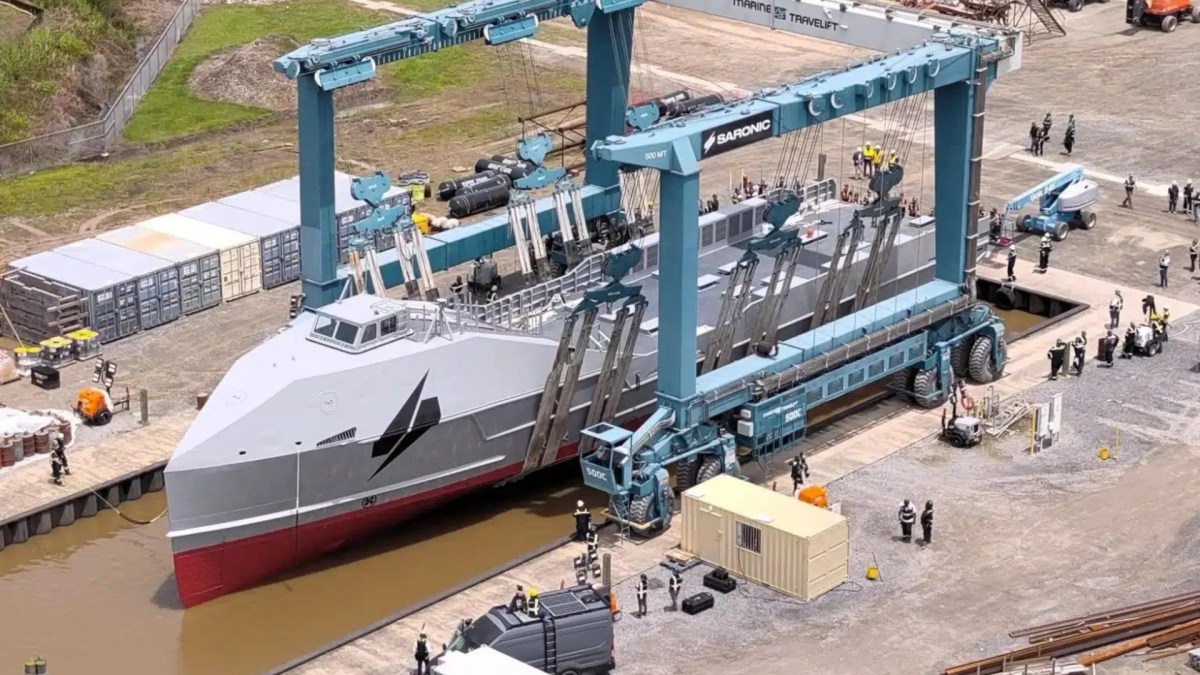
Navy Announces Order for 30 Medium Unmanned Surface Vessels from Three Companies
The Navy has revealed plans to procure 30 new drone ships, allocating 10 units each to Galliano Marine Services, Huntington Ingalls Industries, and Saronic Technologies under its Medium Unmanned Surface Vessel (MUSV) program. This initiative marks a significant advancement in the Navy's efforts to deploy larger unmanned surface vessels after facing numerous challenges in the past. These contracts, awarded through Other Transaction Authority agreements, aim to accelerate the development of these vessels, with an average cost of $40 million each, totaling $1.2 billion for the entire order. Chris Miller, the Navy’s Acting Direct Reporting Portfolio Manager for Robotic and Autonomous Systems, emphasized the importance of these agreements in transforming strategic visions into operational capabilities. Production is set to commence immediately at shipyards in Louisiana, with deliveries expected to start in the fourth quarter of Fiscal Year 2027. As the Navy continues to refine its definition of medium USVs, the operational capabilities and requirements for these vessels will be critical to their success in various maritime missions.
Sea Navies News & Features U.S. Navy Unmanned Surface Vessels (USVs)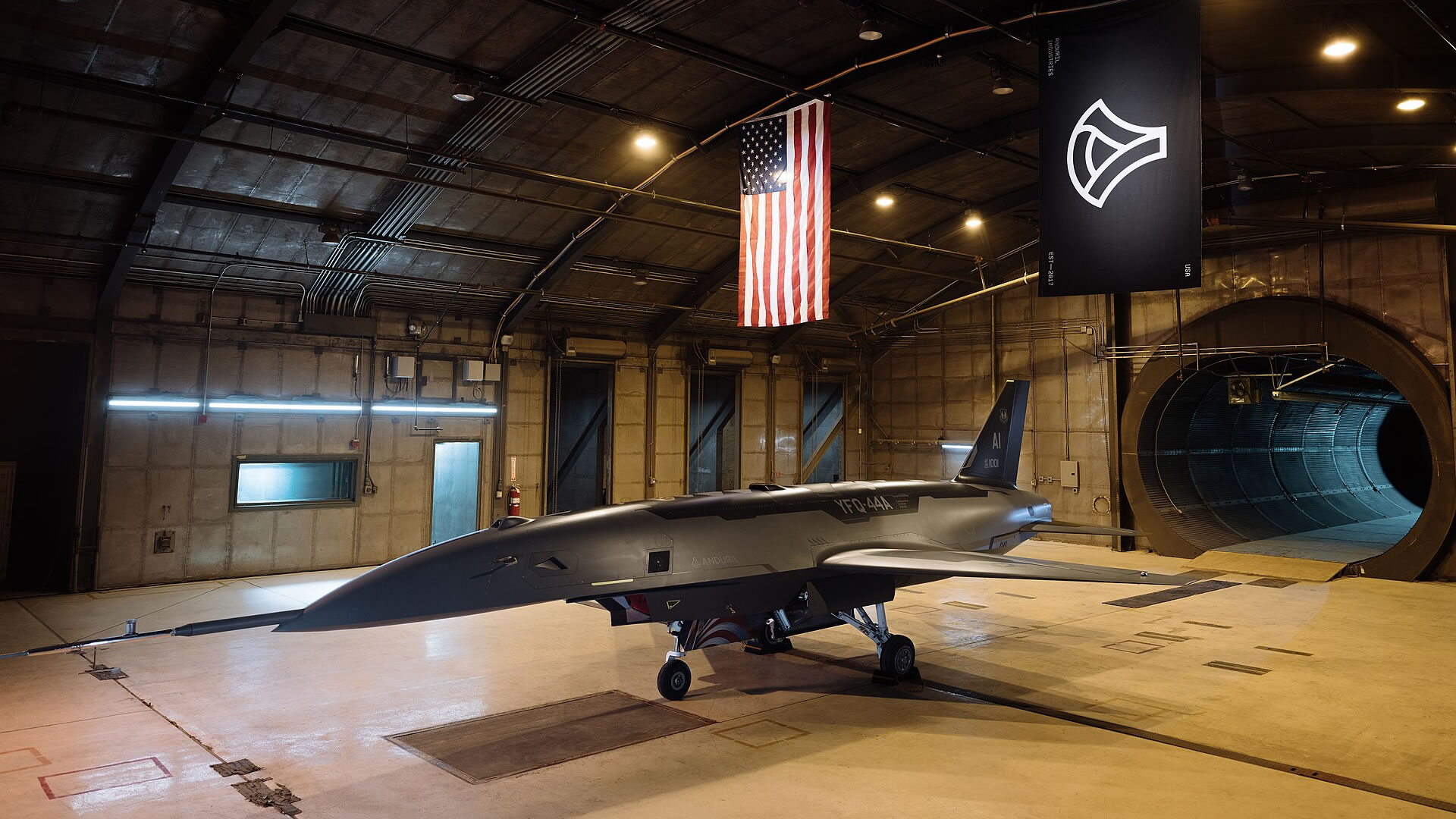
US Air Force Receives First Collaborative Combat Aircraft for Autonomous Warfare Trials
The United States Air Force (USAF) has received its first two Collaborative Combat Aircraft (CCA) designs, the YFQ-44A 'Fury' and YFQ-42A 'Vengeance', at Creech Air Force Base, Nevada. These aircraft will be tested for their operational capabilities alongside crewed fighters in contested airspace. The introduction of CCAs is significant as they are designed to be semi-autonomous and provide a cost-effective solution for missions in high-risk environments. They can carry payloads for offensive and defensive actions, allowing crewed aircraft like the F-35 to operate more safely while coordinating with the CCAs. Moving forward, the USAF will focus on operational experimentation with the CCAs, determining logistics such as the number of personnel required for operation and the optimal handling of multiple CCAs by a single pilot. No further timeline was disclosed at the time of publication.
AI and Robotics Military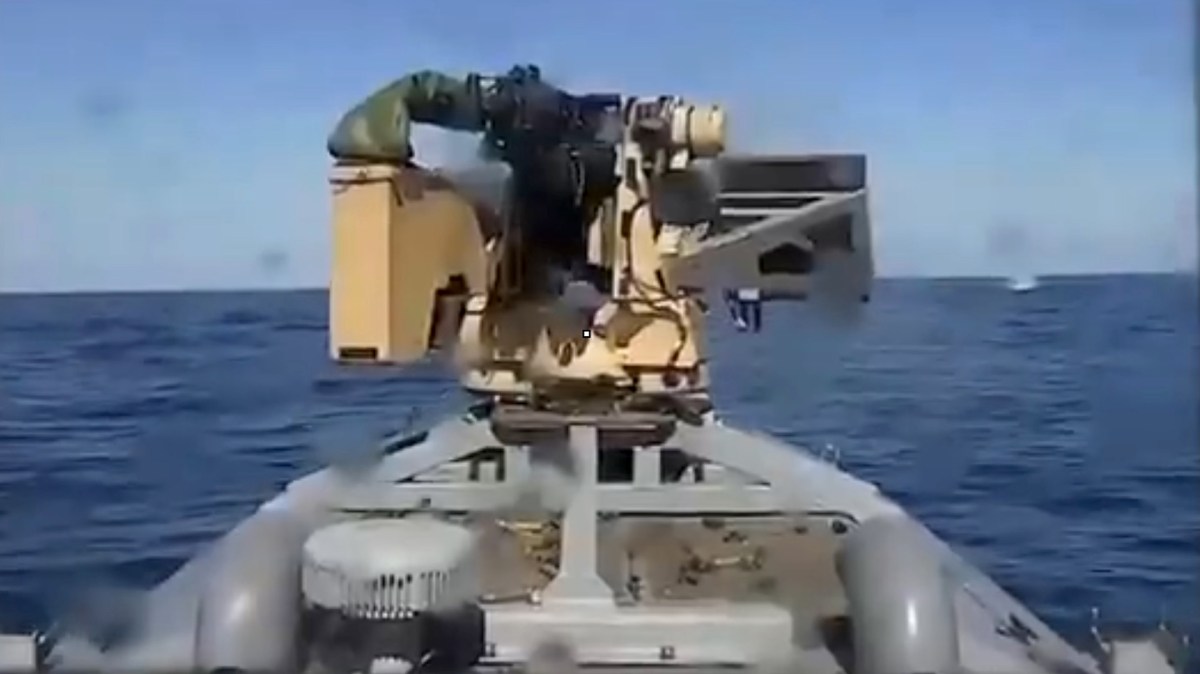
Ukraine Claims Historic First Kill of Russian Drone Boat by Its Own Uncrewed Vessel
The Ukrainian Navy has reported that its uncrewed surface vessel (USV) successfully sank a Russian USV, marking a historic first in naval warfare between unmanned boats. This engagement highlights the increasing effectiveness of Ukraine's combat drone boats against Russia's Black Sea Fleet, prompting a significant evacuation of Russian naval assets from Crimea. This incident underscores the growing proliferation of weaponized USVs globally, as nations explore advanced maritime combat capabilities. The Ukrainian Navy's Sargan 3000, equipped with a Protector 12.7 mm remotely operated weapon station, played a crucial role in this engagement, demonstrating the potential of unmanned vessels in modern warfare. As the use of drone boats expands, industry observers will be keen to monitor further developments in unmanned naval combat. No further timeline was disclosed at the time of publication.
Sea Around The Globe Europe Navies News & Features Russia
Iwa Robotics Launches Autonomous Drone Fleet for Wildfire Management Solutions
Iwa Robotics has unveiled three autonomous drone platforms aimed at assisting fire departments in detecting, assessing, and suppressing wildfires in both urban and wildland-interface areas. The drones, named Hawk, Canary, and Pelican, are part of Iwa's Discovery and Resolution Fleet, designed to operate collaboratively for enhanced firefighting capabilities. The introduction of these drones is significant as it enhances crew safety and operational efficiency in wildfire management. The Hawk drone specializes in long-endurance reconnaissance, while the Canary drone focuses on sensing and fire diagnostics. The Pelican drone is equipped for aerial suppression, addressing hot spots and establishing fire lines, thereby providing critical support to firefighting teams. Iwa Robotics plans to offer these drones through a fleet-as-a-service model, which includes aircraft, autonomy training, data services, maintenance, and insurance. This approach allows fire agencies to integrate advanced aerial detection and suppression capabilities without the need for upfront equipment purchases. No further timeline was disclosed at the time of publication.
AI AI Funding & Investment AI Use Cases Robotics autonomous drones Iwa Robotics
Mehler Protection to Launch SCILT NAVAL Counter-Drone System for Naval Vessels
German company Mehler Protection is preparing to introduce its new ship-mounted counter-drone system, SCILT NAVAL, at SMM 2026. This system is specifically designed to protect naval vessels from threats posed by FPV drones, loitering munitions, and other unmanned aircraft that can bypass conventional air defenses. SCILT NAVAL aims to serve as a last line of defense, particularly in high-risk areas such as ports and confined waters where response time is critical. The increasing prevalence of low-cost drones presents significant challenges for naval forces, as even well-equipped ships can be vulnerable to simultaneous drone attacks. Traditional long-range air defense systems may struggle to engage targets that approach closely or operate in restricted environments. SCILT NAVAL addresses this gap by providing a comprehensive onboard solution that can engage both individual and multiple drone threats effectively. Looking ahead, SCILT NAVAL's capabilities include a three-stage response process: detection, warning, and engagement. The system utilizes commercially available shotgun calibers for close-range strikes and offers various ammunition types for different operational needs. While human operators will initially make engagement decisions, Mehler Protection indicates that future automation may be possible as regulations evolve. No further timeline was disclosed at the time of publication.
Military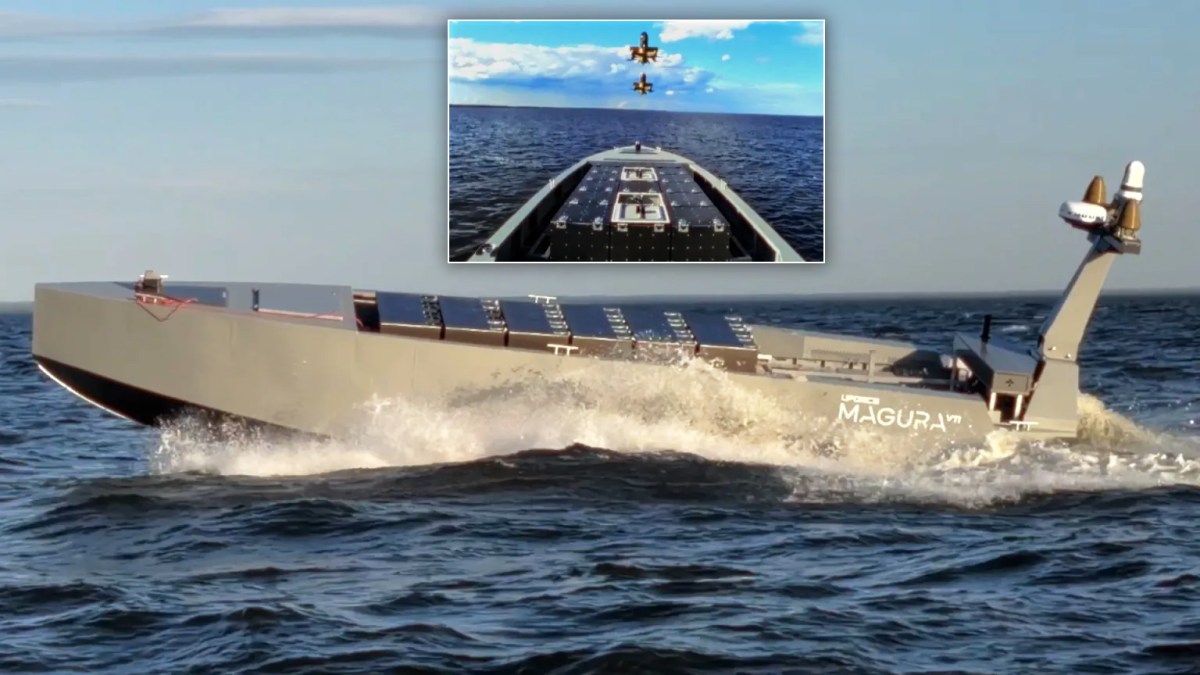
Ukraine Unveils MV11: A Large Uncrewed Surface Vessel with Anti-Drone Capabilities
Ukraine has introduced the MV11, the largest member of its Magura family of uncrewed surface vessels (USV), designed for open-ocean operations. This vessel can carry payloads up to 4,850 pounds and has been showcased with 18 Sting interceptors, enhancing its role as a counter-drone platform. The MV11's capabilities are significant for Ukraine's military strategy, allowing for multi-domain operations and the launch of unmanned systems from a distance. Its debut at Ukraine's Independence Day parade highlights the increasing importance of uncrewed systems in the Ukrainian armed forces. Looking ahead, the MV11's operational effectiveness and integration with existing systems will be crucial. The specifics of its target detection and tracking capabilities remain unclear, but its design suggests potential for advanced operational roles in future missions. No further timeline was disclosed at the time of publication.
Sea Around The Globe Europe News & Features Ukraine Unmanned Surface Vessels (USVs)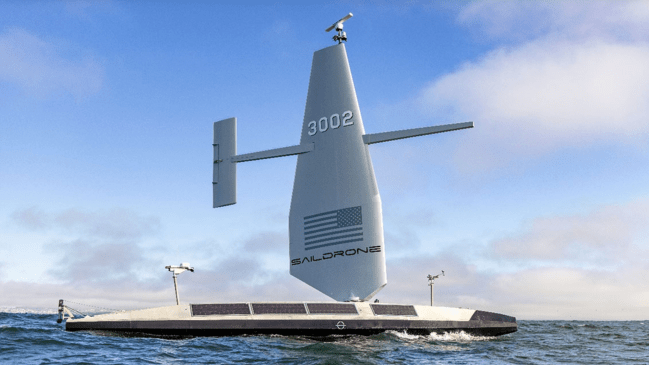
Lockheed Martin and Saildrone Test Missile System on Unmanned Vessel During RIMPAC 2026
Lockheed Martin and Saildrone successfully demonstrated missile launches from an unmanned surface vessel during the RIMPAC 2026 exercise near Hawaii. This integration of Lockheed Martin’s Joint-Air-to-Ground Missile (JAGM) Dual Launcher and Adjunct Remote Engagement System (ARES) on a Surveyor-class Saildrone marks a significant advancement in adapting commercial autonomous platforms for military applications. The demonstration highlights the potential for unmanned vessels to operate alongside traditional naval forces, as evidenced by the vessel's engagement with a surrogate high-speed surface craft while coordinating with the USS Theodore Roosevelt Carrier Strike Group. The rapid development of this system, from concept to live demonstration in just six months, underscores the efficiency of integrating existing defense technologies with commercial platforms. Looking ahead, both companies plan to expand testing capabilities on Saildrone platforms, including the larger Spectre-class vessel. This initiative aims to enhance the operational use of unmanned systems in naval missions, with a focus on integrating advanced weaponry and reducing technical risks associated with deploying new military technologies.
Military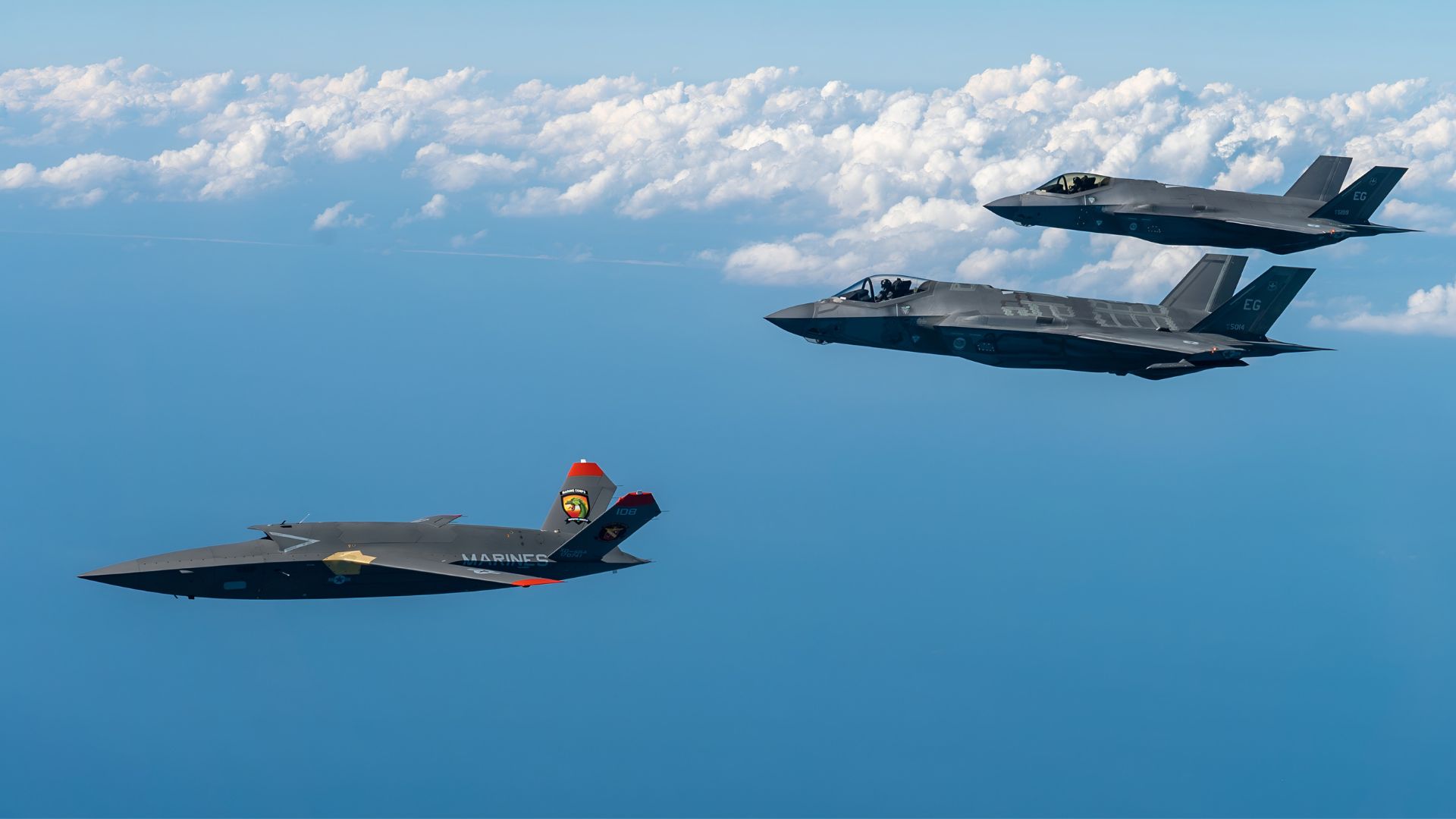
Kratos Defense's Valkyrie Drone Completes Successful Flight with F-35 Fighters
The US military is advancing towards integrating uncrewed aircraft with advanced fighter jets, specifically the F-35 and F/A-18. Kratos Defense & Security Solutions has showcased its XQ-58A Valkyrie drone's capabilities during a recent flight test in Southern California, where it successfully operated alongside Marine Corps fighters. This demonstration is significant as it highlights the potential for autonomous aircraft to enhance mission capabilities in contested airspaces. The Valkyrie's successful launch from a zero-length system and its ability to transition control between different systems underscore the importance of interoperability in military operations. Looking ahead, Kratos plans to scale production of the Valkyrie, aiming for over 150 unmanned aircraft systems by 2026. The ongoing collaboration with Northrop Grumman for the MUX TACAIR program will further adapt the Valkyrie for advanced missions, emphasizing the need for open-architecture systems in modern military aviation.
Military
Autonomous Drones Use Virtual Rewards to Outmaneuver Pursuers in Tag Game
Autonomous drones are being trained using virtual rewards to enhance their evasion skills in a high-speed game of tag. This innovative approach focuses on machine learning and decision-making, allowing drones to effectively outmaneuver pursuers and reach their base. The significance of this development lies in its potential applications in various fields, including surveillance, search and rescue, and military operations. By mastering cooperative strategies and rapid responses, these drones could revolutionize how autonomous systems interact in dynamic environments. Looking ahead, it will be important to monitor advancements in drone technology and machine learning algorithms that facilitate these capabilities. No further timeline was disclosed at the time of publication.
Robotics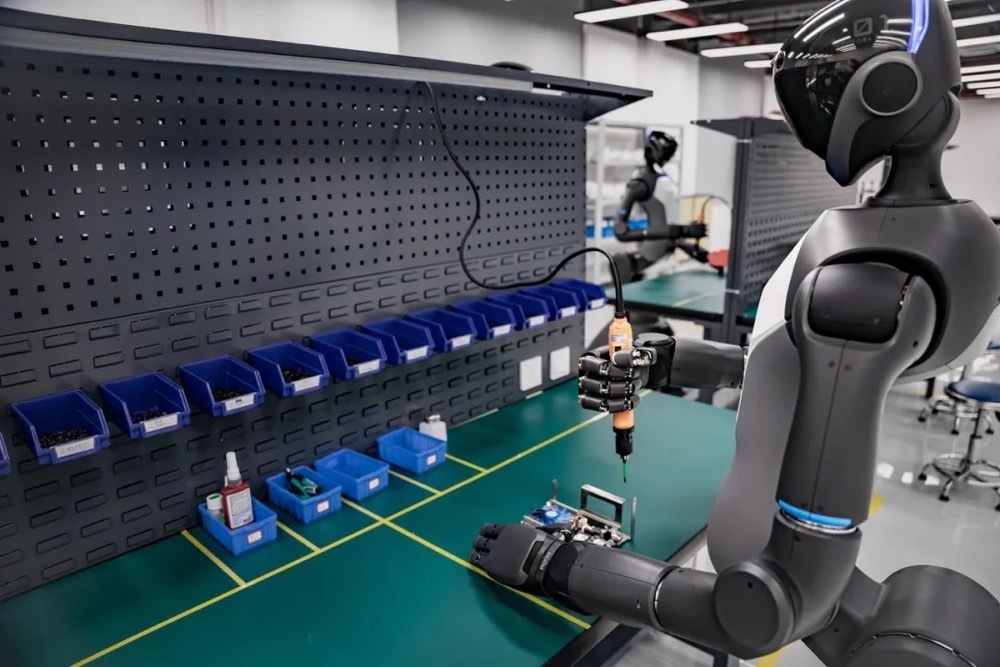
The Emergence of Autonomous Drone Swarms as Advanced Killing Machines
Autonomous drone swarms have officially been introduced, showcasing technology that transforms various uncrewed platforms into effective swarming killing machines. This development marks a significant advancement in drone capabilities, with companies now able to deploy everything from commercial quadcopters to larger drones resembling small rhinos. The introduction of these drone swarms is crucial as they represent a new frontier in military and surveillance applications. Their ability to operate collectively enhances their effectiveness in various scenarios, potentially changing the landscape of aerial combat and reconnaissance. The ongoing evolution of drone technology is likely to raise important discussions regarding ethics and regulations in warfare. Looking ahead, the continued development and deployment of autonomous drone swarms will be pivotal to watch. As more companies enter this space and refine their technologies, the implications for military strategy and defense procurement will become increasingly significant. No further timeline was disclosed at the time of publication.
U.S. Navy Selects Blue Water Autonomy for Autonomous Ocean Surveying Contract
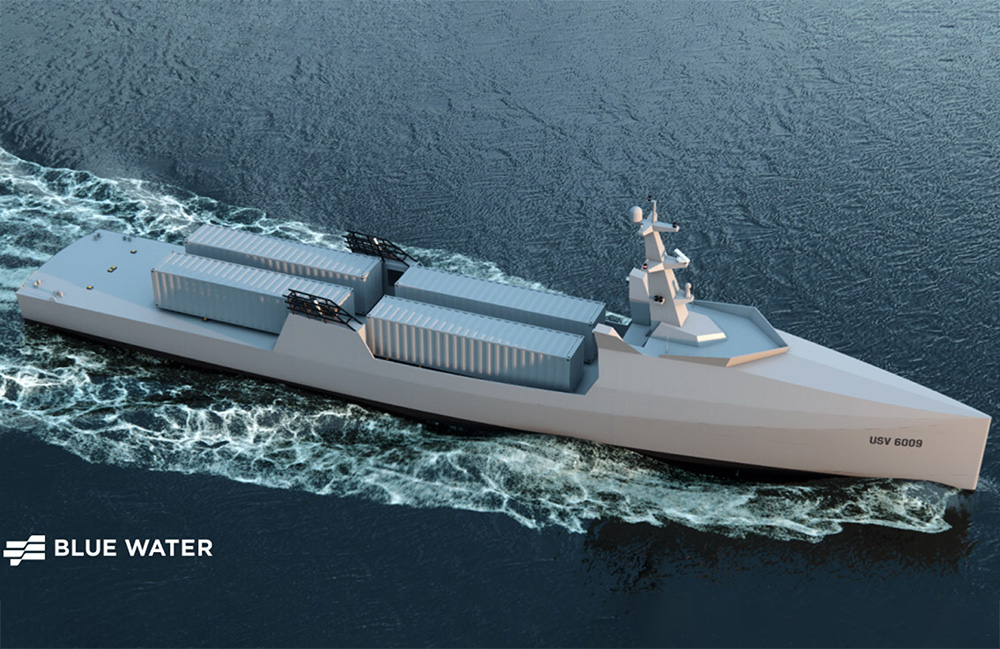
Blue Water Autonomy has been awarded a multiple-award contract by the Naval Oceanographic Office (NAVOCEANO) to conduct high-resolution ocean floor mapping using its autonomous vessels. This contract, which has a ceiling of $40 million, allows Blue Water Autonomy to leverage its technology for deep ocean surveys across the Indian and Pacific oceans. The significance of this contract lies in the Navy's increasing reliance on uncrewed systems to perform demanding ocean surveys, which traditionally require costly crewed ships. By utilizing autonomous vessels, the Navy aims to reduce operational costs and risks to personnel while enhancing its surveying capabilities over vast ocean areas. Looking ahead, Blue Water Autonomy plans to complete its first Liberty Class vessel for the U.S. Navy this year. This 190-foot autonomous ship is designed for long-duration missions and can operate over 10,000 nautical miles, showcasing the company's commitment to advancing autonomous maritime technology.
Artificial Intelligence Artificial Intelligence / Cognition Design / Development Maritime Markets / Industries News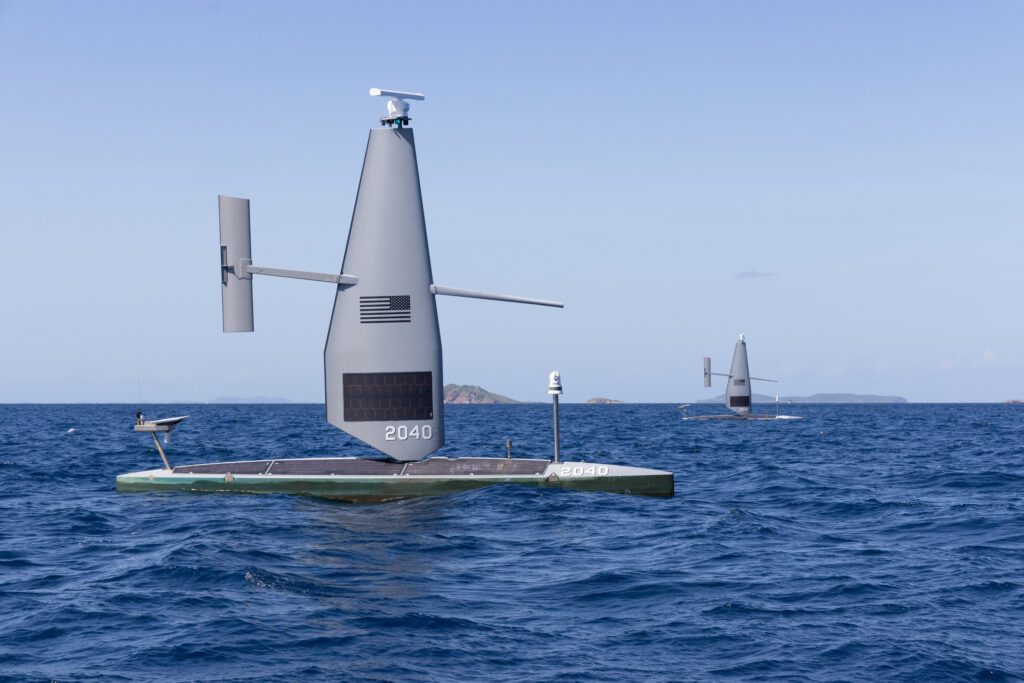
U.S. Navy Utilizes Saildrone Voyager USVs to Seize $81 Million in Cocaine
A Saildrone Voyager unmanned surface vehicle (USV) assisted the U.S. Navy in tracking and intercepting a suspected drug-smuggling vessel in the Caribbean, resulting in the seizure of approximately $81 million worth of cocaine on October 16, 2025. This operation highlights the transition of autonomous maritime systems from experimental platforms to essential tools for real-world security missions. The successful interception underscores the operational capabilities of Saildrone Voyager USVs, which can remain at sea for extended periods, enabling continuous monitoring of vast maritime areas. This capability reduces reliance on crewed vessels and supports the U.S. Navy's counter-narcotics mission in the Caribbean and Eastern Pacific, coordinated by Joint Interagency Task Force South (JIATF-S). Looking ahead, the Navy has awarded Saildrone a $16.3 million task order to continue operating Voyager USVs through 2027. This mission not only demonstrates the effectiveness of unmanned systems in maritime surveillance but also indicates a broader trend of integrating autonomous platforms into naval operations, enhancing mission effectiveness and operational reach.
Applications Defense Drone News Drone News Feeds News safety and security
Drone Strike Causes Fire on U.S. Vessel and Greek LNG Tanker at Egyptian Port
A drone attack reportedly targeted a U.S. floating storage and regasification vessel at an Egyptian port, igniting a fire that spread to a Greek-owned LNG tanker. This incident highlights the vulnerabilities of maritime assets in conflict zones, raising concerns over security measures in critical shipping routes. The attack underscores the ongoing risks faced by vessels operating in volatile regions, particularly those involved in energy transportation. The involvement of both U.S. and Greek assets in this incident may prompt a reevaluation of maritime security protocols and international cooperation to safeguard shipping lanes. As the situation develops, stakeholders in the energy sector should monitor the implications for shipping operations and potential disruptions in LNG supply chains. No further timeline was disclosed at the time of publication.

Tornyol Develops Autonomous Drone to Combat Mosquitoes as Alternative to Insecticides
Tornyol, a startup based in Paris and backed by Y Combinator, has developed a miniature drone designed to hunt and eliminate mosquitoes. This 40-gram autonomous quadcopter patrols the skies and uses its propellers to shred mosquitoes upon detection, offering a safer alternative to traditional chemical insecticides. The significance of this innovation lies in its potential to address the global health crisis posed by mosquitoes, which are responsible for over 700,000 deaths annually due to diseases like malaria and dengue. Traditional pest control methods often carry environmental risks and health hazards, making Tornyol's drone a promising solution for both residential and malaria-affected areas. Looking ahead, the Tornyol mosquito-hunting drone, featuring advanced sonar technology and intelligent processing, is still in development. It is expected to retail for $1,100 or be available through a $50 monthly subscription, with early reservations starting at $100. No further timeline was disclosed at the time of publication.
Innovation
Kraken Technology Secures $175 Million in Series B Funding for Autonomous Maritime Platforms
Kraken Technology Group Ltd. has successfully raised $175 million in Series B funding, achieving a valuation of $1 billion. The investment, led by Digital Transformation Capital Partners GmbH, will enhance Kraken's global rollout of autonomous maritime platforms designed for defense applications, including support for NATO and its partners. This funding is significant as it comes after Kraken secured multiple contracts with the U.K. Ministry of Defence and NATO European partners, indicating strong demand for its modular uncrewed surface vessels (USVs) and uncrewed subsurface vessels (USSVs). These platforms are capable of various operations, including data collection and anti-submarine warfare, addressing the urgent needs of modern maritime defense. Looking ahead, Kraken Technology plans to announce new manufacturing partnerships in the Middle East and Indo-Pacific regions, further expanding its production capabilities. The company aims to leverage this funding to enhance its USVs and payload capabilities, responding to the increasing demand for mission-ready maritime solutions.
Defense / Security Investments Maritime Mobility / Navigation News Unmanned Maritime Systems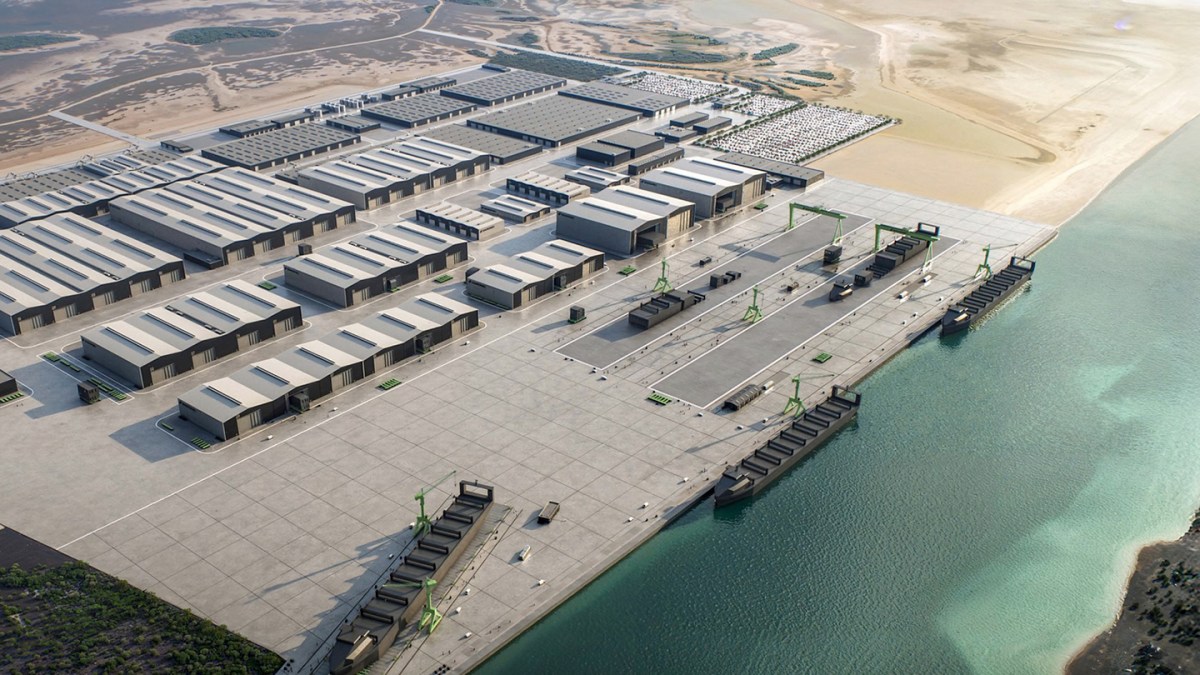
Saronic Unveils $3B Shipyard Project in Texas for 850-Foot Vessels
Saronic has announced plans to construct a new shipyard in Brownsville, Texas, with an investment exceeding $3 billion. This facility, named Port Alpha, will be capable of building crewed and uncrewed vessels up to 850 feet long, significantly expanding the company's current capabilities, which include the 180-foot drone boat, Marauder. The establishment of Port Alpha is crucial as the U.S. seeks to enhance its shipbuilding capacity amid challenges in keeping pace with China's naval expansion. The new shipyard aims to support the Navy and Coast Guard by addressing existing gaps in ship production and providing a platform for various ship classes, including commercial and military vessels. Looking ahead, Saronic's Port Alpha could potentially expand to accommodate vessels over 1,200 feet in length. The company emphasizes its commitment to creating a state-of-the-art shipyard that aligns with technological advancements and meets the urgent demands of sea services. No further timeline was disclosed at the time of publication.
Sea Navies U.S. Navy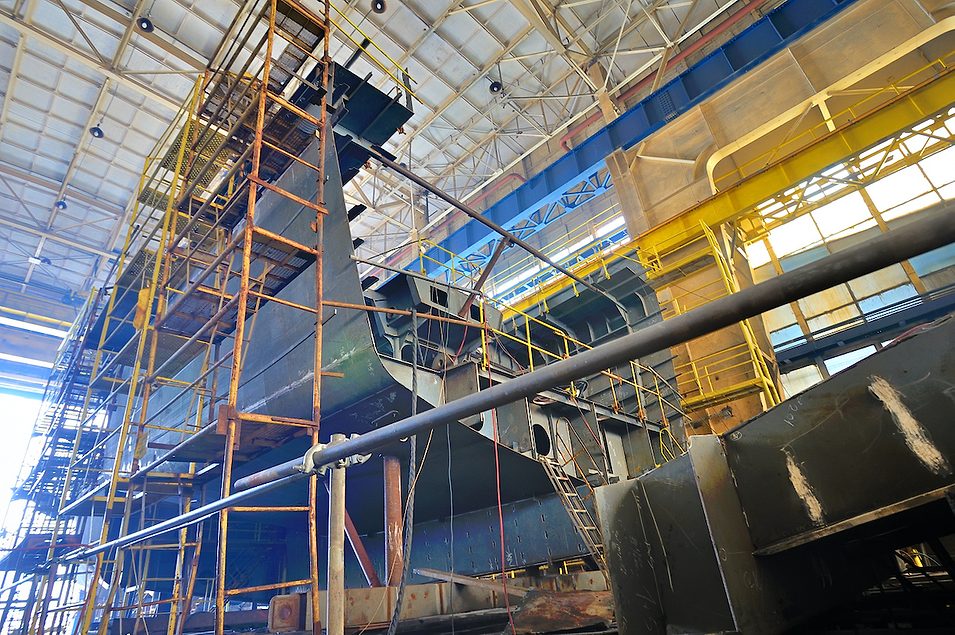
Drone Boat Startup to Establish Port Alpha Shipyard in Texas for Large Vessel Production
A new shipyard named Port Alpha is set to be established by a drone boat startup in Texas. This facility will have the capacity to manufacture ships measuring up to 1,200 feet in length. The development of Port Alpha is significant as it represents a major investment in maritime manufacturing capabilities, particularly for drone technology applications. The ability to construct large vessels will enhance the startup's operational capabilities and market reach. Looking ahead, industry stakeholders will be keen to observe the progress of Port Alpha and its impact on the local economy and the broader maritime sector. No further timeline was disclosed at the time of publication.
U.S. Air Force Conducts First Missile Launch from Anduril's YFQ-44A Drone
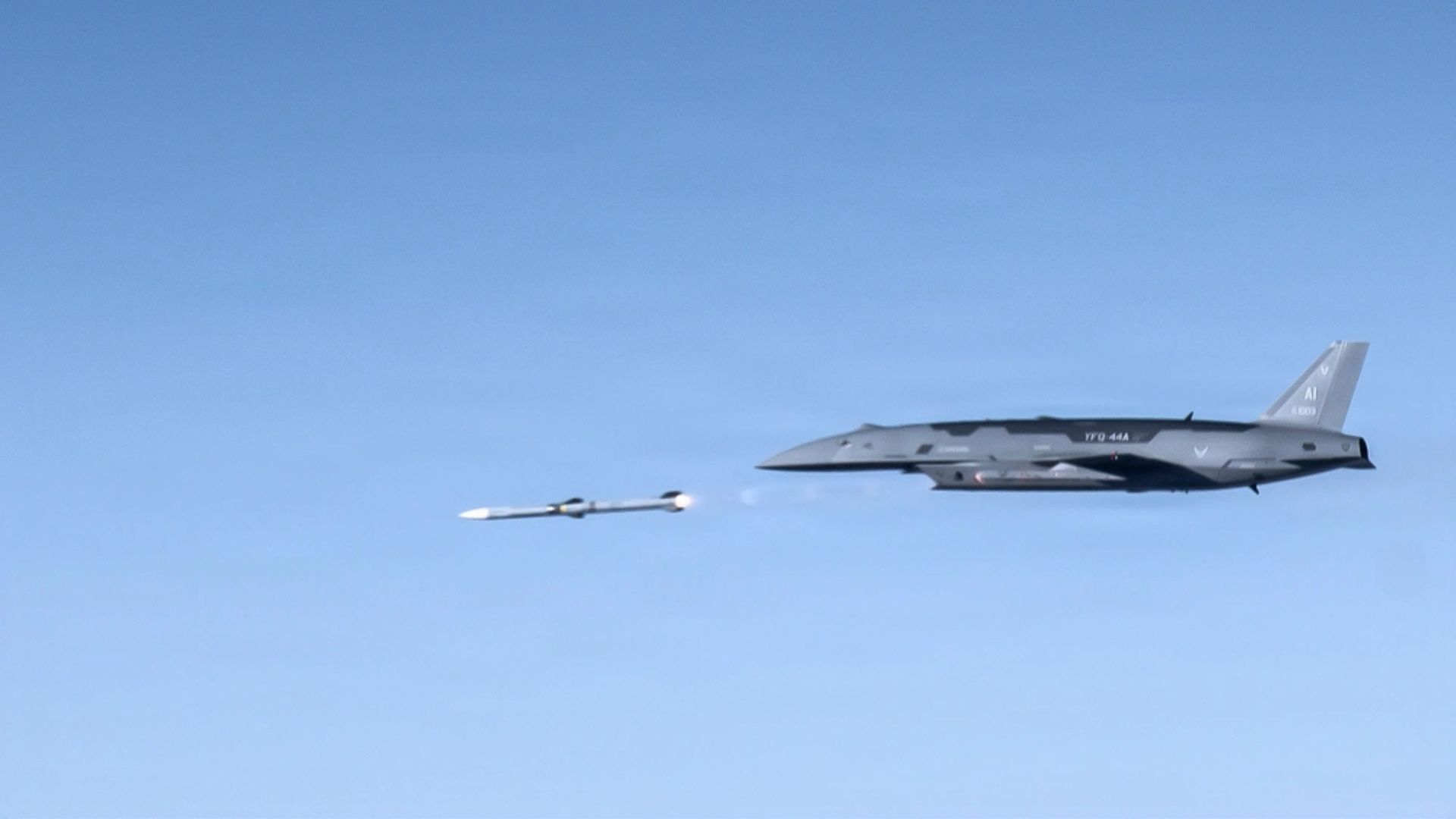
The U.S. Air Force successfully executed its inaugural missile launch from a Collaborative Combat Aircraft (CCA) on June 15, 2026. The Anduril-developed YFQ-44A drone fired an AIM-120 medium-range air-to-air missile at a digital target in California’s Mojave Desert, marking a significant advancement in the development of semi-autonomous drones capable of operating alongside piloted fighter jets. This milestone is crucial as it demonstrates the Air Force's commitment to enhancing its combat capabilities through the use of Collaborative Combat Aircraft. The YFQ-44A autonomously managed most mission steps, with a human operator providing the final launch approval, adhering to U.S. policy on lethal weapon control. This test signifies a shift from previous trials, where operators controlled the drone's flight, showcasing the aircraft's ability to execute complex tasks independently. Looking ahead, the Air Force aims to further develop and test these semi-autonomous aircraft, ultimately enhancing U.S. airpower. The CCA program seeks to deliver combat-ready drones that can operate effectively in challenging environments, with the potential for real mission deployment on the horizon. No further timeline was disclosed at the time of publication.
Military
Tesseract Ventures Selected for Pentagon's Autonomous Drone Delivery System Prototype Program
Tesseract Ventures, a Kansas City-based robotics and drone company, has been chosen by the Defense Innovation Unit (DIU) to participate in a prototype program aimed at enhancing the U.S. military's use of autonomous drones. This initiative, known as the Containerized Autonomous Drone Delivery System (CADDS), focuses on deploying unmanned aerial systems in challenging environments with limited infrastructure. The CADDS project represents a significant advancement for Tesseract Ventures, as it seeks to transition from single-operator drone control to a system where one individual can manage multiple drones simultaneously. This approach aims to improve operational efficiency and reduce the personnel required for drone missions, aligning with the Pentagon's goal of utilizing unmanned systems more extensively in military operations. Looking ahead, Tesseract Ventures will demonstrate its NOMAD modular autonomous platform as part of the prototype project. This platform is designed to facilitate the deployment, launch, recovery, and management of multiple drones from transportable containers. No further timeline was disclosed at the time of publication.
Military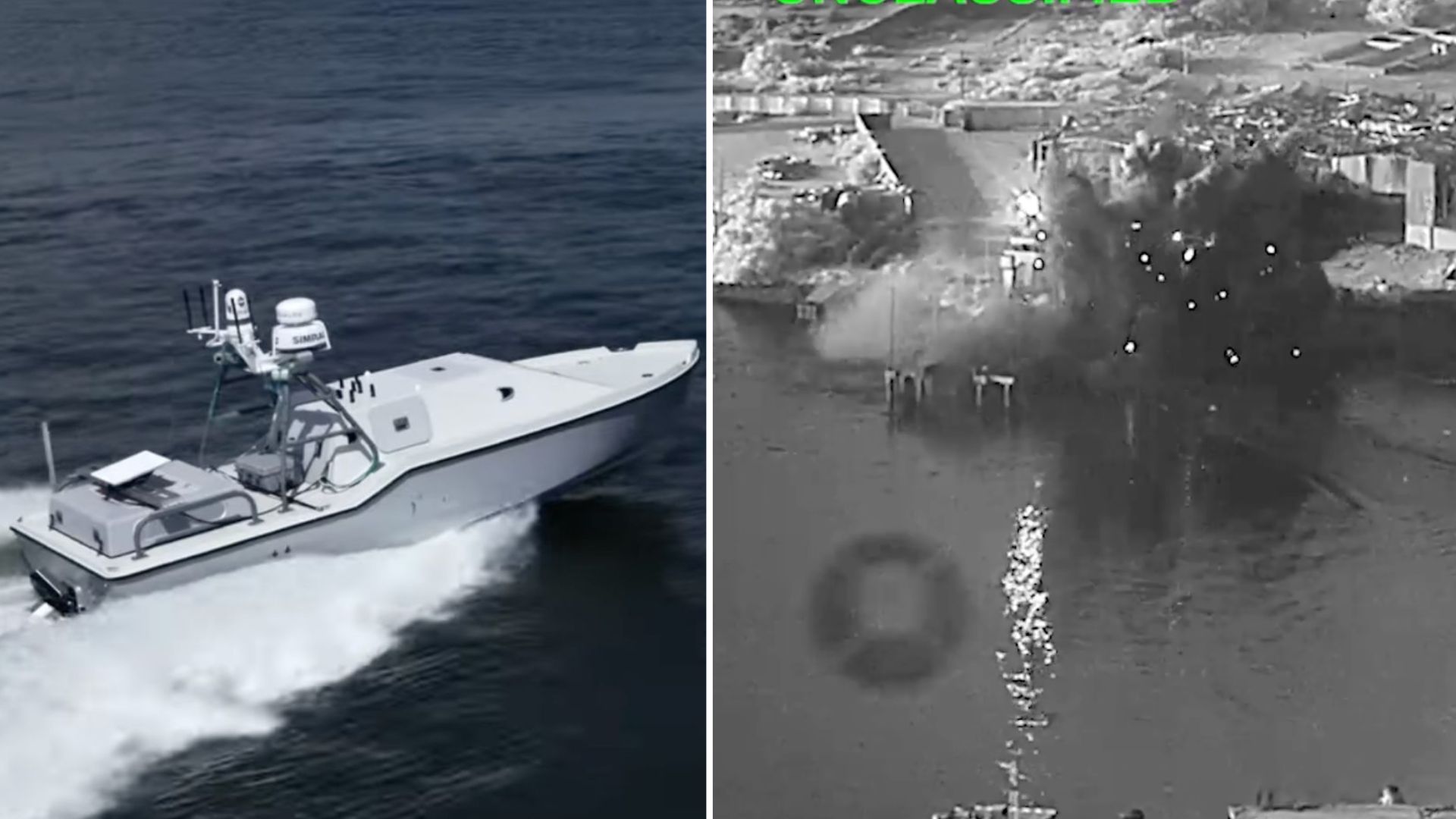
U.S. Military Executes First Offensive Strike with Autonomous Drone Boats on Iran's Naval Base
On July 12, 2026, the U.S. Central Command announced a significant advancement in naval warfare with a coordinated attack by three autonomous surface vessels on Iran's Bandar Abbas Naval Base. This operation, executed by the U.S. Navy's 5th Fleet through Task Force 59, marks the first offensive mission by a major navy using unmanned attack boats. The strike is pivotal as it demonstrates a shift toward utilizing autonomous platforms for combat missions, allowing militaries to conduct operations without risking crewed vessels. The Saronic Corsair vessels targeted a raised dock at the naval base, showcasing advanced capabilities in stealth and artificial intelligence for precise operations. Looking ahead, the success of this operation indicates a potential evolution in naval tactics, with autonomous vessels taking on more offensive roles. As militaries invest in unmanned systems, coordinated strikes like the one at Bandar Abbas may become increasingly prevalent in future naval engagements. No further timeline was disclosed at the time of publication.
MilitaryRobotics needs a service framework.
RSF defines a common language for robot service capability, lifecycle operations, certification pathways, and service-provider networks.
Join the RobotToday community on LinkedIn
Daily robotics news, in-depth analysis, conference highlights, and discussions with professionals worldwide.