Industry Briefing
A single destination for timely, editor-curated robotics news from around the world.
Teradar enters paid evaluation program with German automaker for terahertz vehicle sensing technology
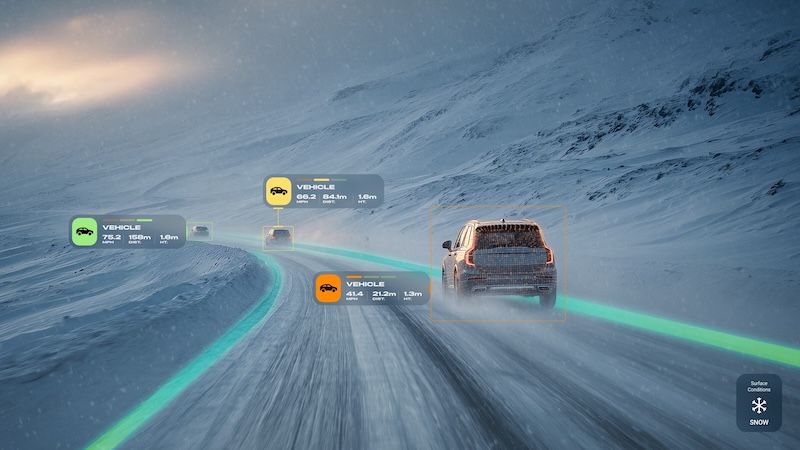
Teradar, a company specializing in terahertz (THz) vision technology, has initiated a paid technical evaluation program with a leading German automotive manufacturer. This collaboration aims to assess Teradar's innovative sensing technology for potential integration into advanced driver assistance systems (ADAS) and autonomous driving platforms. The evaluation will specifically target challenging scenarios where traditional sensing technologies, including cameras, radar, and lidar, may face limitations. By exploring the capabilities of THz technology, both Teradar and the automotive manufacturer seek to enhance the safety and efficiency of future automotive systems.
Components Design Engineering adas advanced driver assistance systems automation news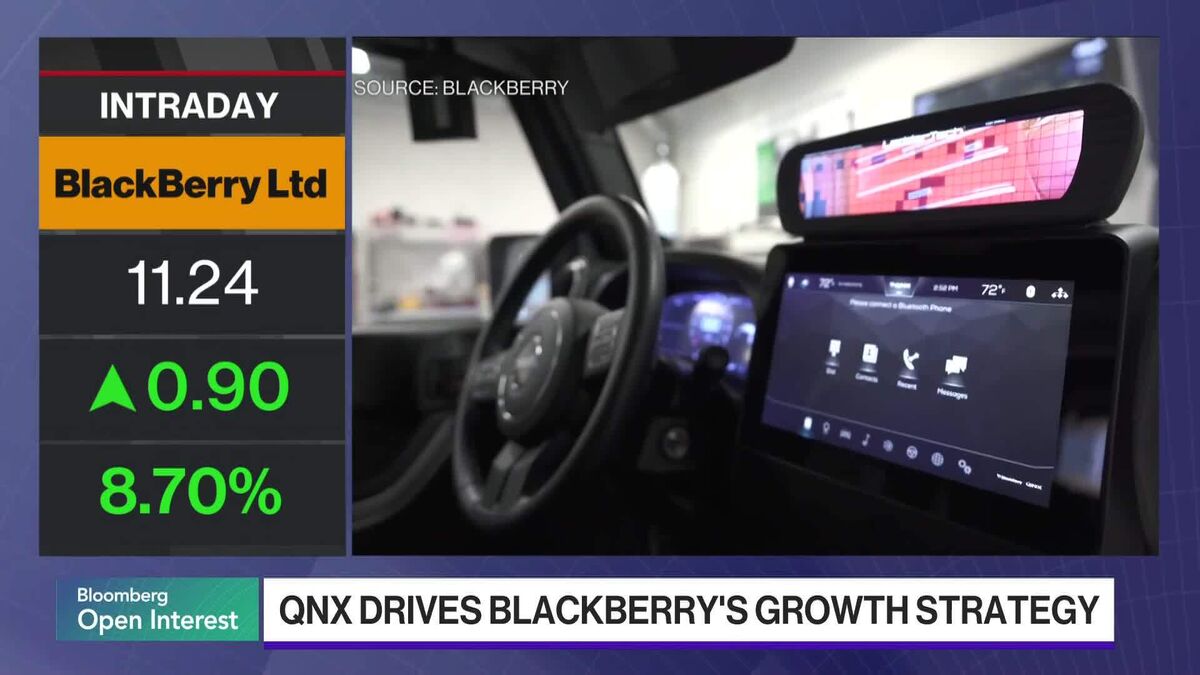
BlackBerry CEO Giamatteo Sees QNX Powering Growth
BlackBerry CEO John Giamatteo recently outlined the company's strategic shift towards becoming a leader in software and infrastructure, focusing primarily on its QNX operating system. During an interview with Bloomberg's Dani Burger and Alpine Saxon Woods Chief Market Strategist Sarah Hunt on "Bloomberg Open Interest," Giamatteo revealed that QNX now powers more than 275 million vehicles worldwide. He emphasized the system's expanding applications beyond automotive, noting its increasing use in robotics, medical devices, and industrial automation. This evolution reflects BlackBerry's commitment to diversifying its technology offerings and adapting to the growing demand for advanced software solutions across various industries.
NMS:NVDA TOR:BB
Artificial skin enables robots to simultaneously sense temperature and pressure like humans
A research team from Seoul National University, headed by Professor Seung Hwan Ko, has made significant advancements in artificial skin technology that allows robots to detect both temperature and pressure simultaneously, mimicking the sensory capabilities of human skin. This breakthrough, announced recently, aims to enhance the interaction between robots and their environments, potentially leading to more sophisticated applications in fields such as healthcare, manufacturing, and service industries. By integrating advanced sensors and materials, the team has developed a system that not only improves robotic sensitivity but also paves the way for more intuitive human-robot interactions. The research highlights the ongoing efforts to bridge the gap between human and robotic capabilities, with the ultimate goal of creating machines that can operate safely and effectively alongside people.
Robotics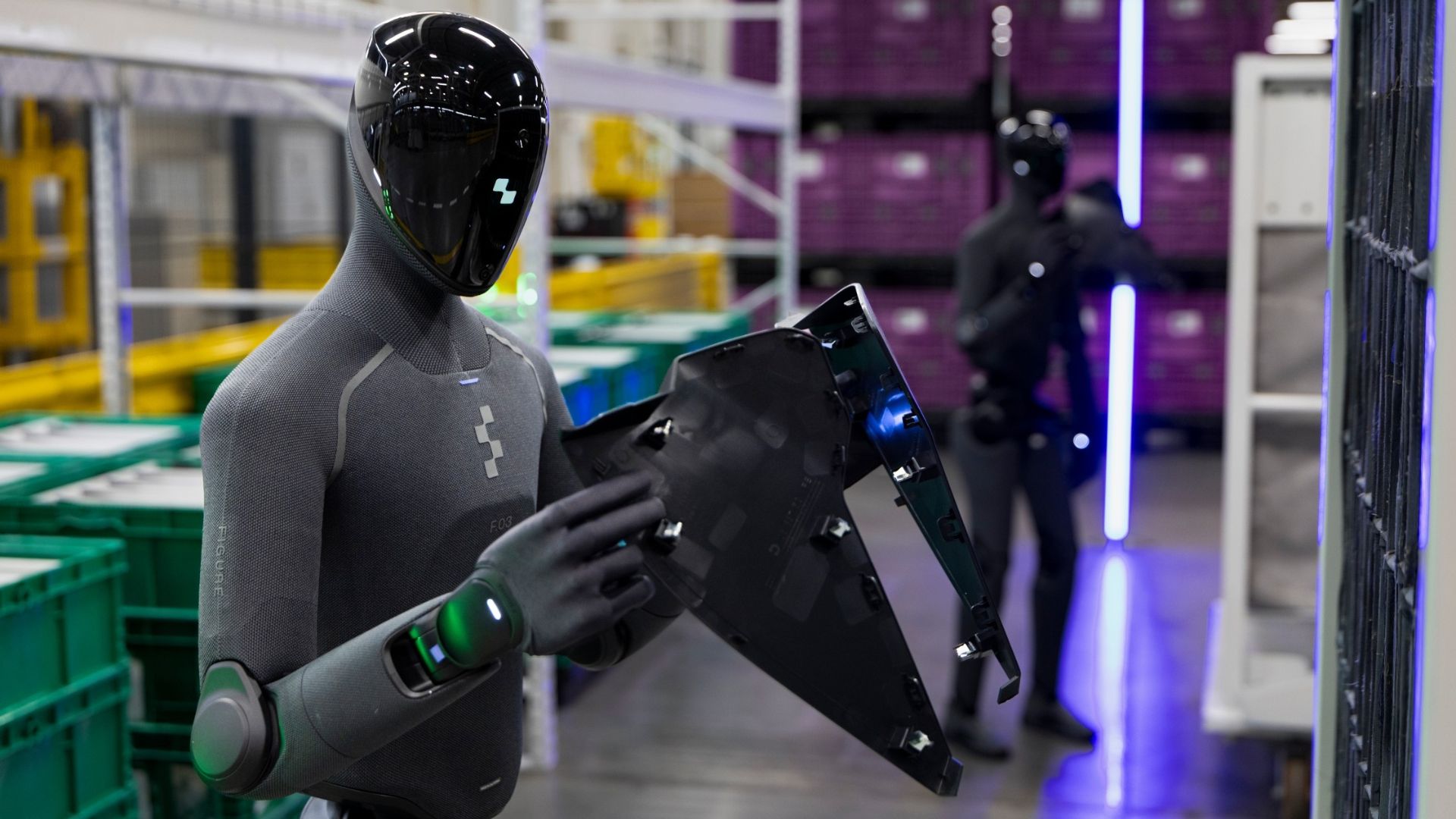
BMW’s smart factory in US gets Figure 03 humanoid robot for advanced logistics work
BMW Group has enhanced its manufacturing processes by integrating next-generation Physical AI technologies. This initiative, announced recently, aims to improve efficiency and precision in production lines. The implementation of these advanced AI systems is taking place at various BMW facilities worldwide, reflecting the company's commitment to innovation and modernization in the automotive industry. By leveraging Physical AI, BMW seeks to streamline operations, reduce costs, and enhance product quality, ultimately responding to the growing demand for smarter manufacturing solutions. The integration process involves upgrading existing machinery and training staff to work alongside AI systems, ensuring a seamless transition into this new era of manufacturing.
AI and Robotics
Trump admin proposes axing brake-pedal requirement for AVs in a boost for Tesla
The Department of Transportation has proposed a significant regulatory change that would eliminate the requirement for brake pedals in vehicles intended solely for operation by automated driving systems. This initiative aims to streamline the design of autonomous vehicles, potentially accelerating their development and deployment. The announcement comes as part of ongoing efforts to adapt existing transportation regulations to better accommodate advancements in technology. By removing the brake-pedal requirement, the Department seeks to encourage innovation in the automotive industry and enhance the safety and efficiency of future transportation solutions. The proposal is currently under review, with stakeholders from various sectors invited to provide feedback on the implications of this change.
Government & Policy Transportation autonomous vehicles robotaxis Tesla zoox
UN enforces global safety rules for fully autonomous vehicles, effective January 2027
Major automotive markets worldwide have united to establish a unified set of regulations aimed at enhancing safety and environmental standards in the industry. This collaborative effort, announced recently, involves key players from regions including North America, Europe, and Asia, who recognize the need for a cohesive framework to address the challenges posed by climate change and technological advancements in vehicle manufacturing. The initiative was unveiled during an international automotive summit held in Tokyo, where industry leaders and policymakers gathered to discuss the future of transportation. The decision to create a standardized set of rules stems from the increasing complexity of regulations across different markets, which has led to confusion and inefficiencies for manufacturers and consumers alike. By harmonizing these regulations, stakeholders aim to streamline compliance processes, reduce costs, and promote innovation in electric and autonomous vehicles. The new framework is expected to facilitate smoother trade and enhance consumer confidence in vehicle safety and environmental impact. The collaborative approach signifies a shift towards greater cooperation among nations, reflecting a shared commitment to sustainable development and the advancement of the automotive sector. As the industry evolves, this initiative is seen as a crucial step in ensuring that all markets can adapt to future challenges while maintaining high standards for safety and environmental protection.
AI and Robotics Transportation
How Equipment Asset Management Practices Must Evolve for Industry 4.0 to Deliver on its Promise
Industry 4.0 is poised to revolutionize manufacturing and supply chain management through the integration of connected sensors and intelligent systems. This technological advancement enables machines to predict failures, production lines to self-optimize based on real-time demand, and supply chains to adapt autonomously without human oversight. Despite the substantial investments and credible case studies showcasing its potential, many companies are hesitant to fully embrace these innovations. The reluctance stems from concerns over implementation challenges, workforce adaptation, and the need for a cultural shift within organizations. As the industry continues to evolve, understanding and addressing these barriers will be crucial for harnessing the full benefits of Industry 4.0.
Engineering Industry ai in manufacturing asset reliability automation news condition monitoring
ECARX’s $266 million Flyme deal: a high-priced bet yet to be proven
On Monday, ECARX, a company listed on the Nasdaq, revealed its acquisition of Flyme’s software business from Xingji Meizu for RMB 1.8 billion (approximately $266 million). The transaction is facilitated through Hubei Qiguang Technology, a newly formed entity that has been spun off from Xingji Meizu. This acquisition encompasses the Flyme Auto smart cockpit operating system, the cross-device Flyme OS, as well as associated intellectual property and research and development assets. The move aims to enhance ECARX's technological capabilities and expand its product offerings in the automotive software sector.
Heavy Hitters Content and entertainment Highlight Mobility News
FORT and NVIDIA launch AI-driven Outside-In Safety blueprint
FORT Robotics and NVIDIA have unveiled a new initiative called Outside-In Safety, aimed at enhancing the productivity of autonomous robots while prioritizing worker safety. This innovative approach utilizes external sensors to create a safer working environment for human employees interacting with robotic systems. The launch of this AI-driven safety blueprint marks a significant advancement in the field of robotics, reflecting the growing need for effective safety measures in increasingly automated workplaces. The collaboration between FORT Robotics and NVIDIA highlights their commitment to integrating cutting-edge technology with practical applications, ensuring that as automation expands, worker safety remains a top priority.
Artificial Intelligence Collaborative Robots Markets / Industries News Safety & Security Automate
Norway sends deep-sea drone 20,000 feet down to uncover hidden ocean secrets
Norway has initiated the inaugural expedition of its advanced robot submarine, designed to reach depths of nearly 6,000 meters. This groundbreaking mission commenced recently in the North Atlantic, showcasing the submarine's capabilities in deep-sea exploration. The project aims to enhance scientific research and environmental monitoring in the region, addressing the growing need for innovative technology in oceanography. The submarine is equipped with state-of-the-art sensors and imaging systems, allowing it to gather critical data on marine ecosystems and geological formations. This expedition marks a significant step forward in Norway's commitment to advancing underwater research and understanding the complexities of ocean environments.
Science
Interview with Digid’s Nils Könne and Christian Kreil: Nanoscale sensors could help solve robotics’ tactile sensing challenge
The swift advancement of artificial intelligence and robotics is drawing significant attention to software and powerful processors, particularly large language models. However, experts emphasize that for robots to function effectively in real-world settings, they require a fundamental capability: advanced environmental sensing and understanding. This necessity is driving increased interest and investment in cutting-edge sensing technologies, as researchers and developers seek to enhance robots' interaction with their surroundings. The push for these innovations is becoming more pronounced as industries recognize the potential of robots to perform complex tasks in various environments, highlighting the importance of integrating sophisticated sensory systems into robotic designs.
Features Science Sensors Technology AI infrastructure automation news
From audio tapes to AI: Interview with TDK investment director Ankur Saxena
Artificial intelligence has emerged as a leading focus in technology investment, yet some investors caution that the robotics sector may misinterpret the implications of recent advancements in large language models and generative AI. Ankur Saxena, the investment director at TDK Ventures, the corporate venture capital division of TDK, has voiced concerns regarding this trend. He emphasizes the need for a more nuanced understanding of how these AI breakthroughs can be effectively integrated into robotics, suggesting that a simplistic application of AI principles could lead to misguided strategies in the industry. Saxena's insights reflect a broader debate among investors about the future direction of robotics in light of AI developments, highlighting the importance of critical evaluation in investment decisions.
Features Financials & Investments Technology ai hardware ai robotics Ankur Saxena
FORT Robotics extends its Trust Layer for Physical AI by adding Outside-In Safety in collaboration with NVIDIA Halos for Robotics
Researchers have developed a groundbreaking approach to enhance robot perception by integrating external sensors with traditional on-board systems. This innovative method allows robots to dynamically adjust their behavior, significantly improving their operational efficiency. The advancements were made public in October 2023, showcasing the potential for robots to better navigate and interact with their environments. By utilizing additional sensory data, these robots can respond more effectively to changing conditions, ultimately leading to more reliable and versatile applications in various fields. This development represents a significant step forward in robotics, promising to transform how machines operate in complex settings.
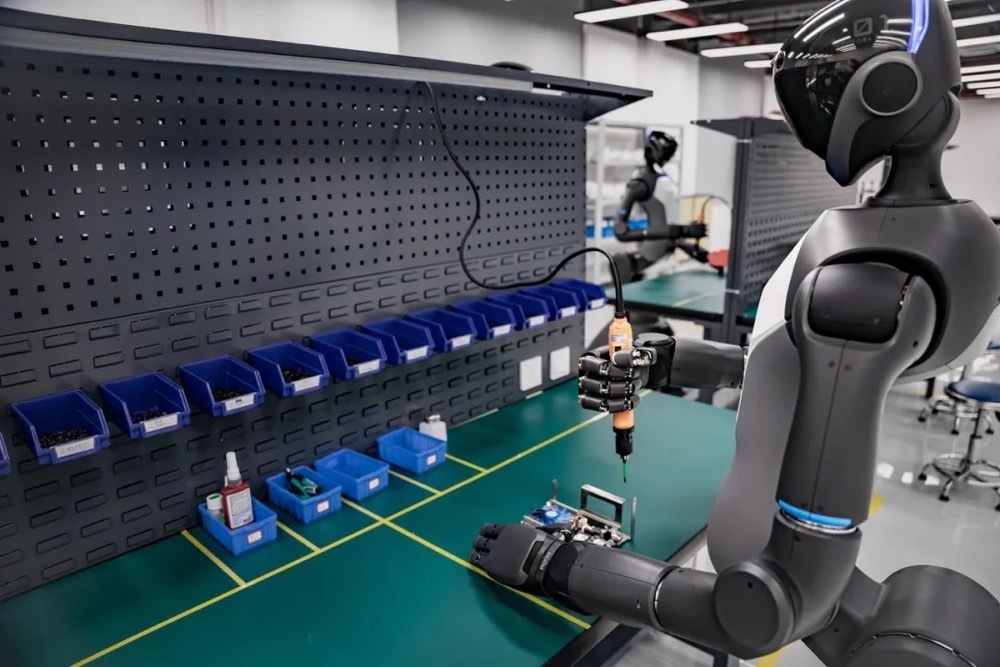
Research on the Application of SSG‐RRT Path Planning Algorithm Integrated With Dynamic Obstacle Avoidance in Wheeled Picking Robot
A recent study published in the Journal of Field Robotics highlights advancements in robotic technology aimed at improving agricultural efficiency. Researchers from various institutions conducted the study to explore how autonomous robots can enhance crop management and reduce labor costs. The findings, released in early October 2023, indicate that these robots can perform tasks such as planting, monitoring, and harvesting with greater precision than traditional methods. The research was conducted in diverse agricultural settings, showcasing the robots' adaptability to different crops and terrains. By integrating advanced sensors and machine learning algorithms, the robots can analyze soil conditions and plant health, allowing for timely interventions that can lead to increased yields. This initiative is driven by the growing need for sustainable farming practices in response to global food demands and labor shortages in the agricultural sector. The study emphasizes that implementing robotic solutions could not only optimize resource use but also address environmental concerns associated with conventional farming techniques. As the agricultural industry faces mounting challenges, the deployment of these innovative robotic systems represents a significant step forward in modernizing farming practices and ensuring food security for the future.
RESEARCH ARTICLE
Motion Control and Experimental Verification of a Continuum Aerial Manipulator for Power Grid Maintenance Operations
A recent study published in the Journal of Field Robotics highlights advancements in robotic technology aimed at improving agricultural efficiency. Researchers from various institutions collaborated to develop a new robotic system designed to automate the process of crop monitoring and management. This innovative system was tested in fields across California during the summer of 2023, demonstrating its potential to enhance productivity and reduce labor costs for farmers. The motivation behind this research stems from the increasing demand for sustainable agricultural practices and the need to address labor shortages in the farming sector. By integrating advanced sensors and artificial intelligence, the robotic system can analyze crop health, soil conditions, and environmental factors in real-time, providing farmers with actionable insights. The study outlines the methodology used in the field trials, including the deployment of multiple robotic units equipped with cutting-edge technology. These robots were programmed to navigate autonomously, collect data, and deliver precise recommendations for crop management. The findings indicate that the implementation of such robotic systems could lead to significant improvements in yield and resource efficiency. As the agricultural industry faces mounting challenges, this research underscores the importance of innovation in fostering sustainable practices and meeting the needs of a growing population. The successful trials pave the way for further development and potential commercialization of robotic solutions in agriculture, promising a transformative impact on the sector.
RESEARCH ARTICLE
Is Tesla, Inc. (TSLA) Among the Best EV Stocks to Invest In According to Hedge Funds?
Tesla, Inc. has been highlighted as one of the top electric vehicle stocks, according to recent reports. On June 17, the Dutch road authority announced that approximately 40,000 Tesla vehicles in the Netherlands are now equipped with self-driving software, having collectively driven 24 million kilometers without serious incidents. The RDW agency, which monitors the performance of these vehicles monthly, confirmed that the driver assistance system, capable of steering, accelerating, and braking, requires driver oversight and is deemed as safe as other similar systems. This approval followed 3,000 hours of testing, with the RDW also seeking broader authorization from the European Union. Additionally, on June 10, Tesla received authorization to implement its Full Self-Driving software in Belgium, marking it as the fifth EU country to allow the system after the Netherlands, Lithuania, Estonia, and Denmark. Flanders transport minister Annick De Ridder announced the approval on social media, following successful local testing. Tesla continues to operate in the electric vehicle and energy sectors, focusing on automotive and energy generation and storage technologies. While analysts recognize Tesla's potential as an investment, some suggest that certain AI stocks may offer greater upside potential with less risk.

Brownfield Is the Real Test of Automation: How ForwardX Scaled 484 AMRs in a Live Auto OEM Factory Without Production Downtime
Over a year since its implementation, ForwardX's autonomous mobile robot (AMR) system is successfully expanding within Chery Automobile's manufacturing facility in Dalian, China, while maintaining uninterrupted production. This project has emerged as one of the largest brownfield AMR deployments in the automotive sector, showcasing the effectiveness of integrating advanced robotics into existing manufacturing processes. The deployment aims to enhance operational efficiency and streamline logistics within the facility, reflecting the growing trend of automation in the automotive industry.

DENSO Exhibits High-Performance Robots at Automate 2026
DENSO, a leading global automotive supplier, is set to showcase its advanced robotics technology at an upcoming industry trade show. The demonstration will feature precision 4-axis and 6-axis robots, as well as collaborative robots designed to enhance manufacturing efficiency. Scheduled for next month in Tokyo, Japan, the event aims to highlight DENSO's commitment to innovation in automation and smart manufacturing solutions. The company seeks to address the growing demand for automation in the automotive sector, driven by the need for increased productivity and reduced labor costs. By integrating cutting-edge robotics into production lines, DENSO aims to streamline operations and improve overall performance in the industry.

Video Friday: Do Robots Even Need Legs?
In the latest edition of Video Friday, IEEE Spectrum robotics showcases a variety of innovative robotics videos and announces upcoming events in the field. Notable events include RSS 2026 scheduled for July 13-17 in Sydney, the Summer School on Multi-Robot Systems from July 29 to August 4 in Prague, Actuate 2026 on August 18-19 in San Francisco, and IROS 2026 from September 27 to October 1 in Pittsburgh. Among the featured projects, Eno, an advanced AI and general-purpose robot developed by Genesis, exemplifies a new generation of robots designed to enhance human capabilities. Meanwhile, NASA's Jet Propulsion Laboratory is testing the ERNEST rover in California's Colorado Desert, which is being developed for future lunar missions and can operate autonomously over challenging terrain. Sony AI's Ace project demonstrates a robotic system capable of adapting to unpredictable scenarios in table tennis, while ANYbotics highlights the economic benefits of their quadruped robots in industrial inspections, preventing significant production losses. GITAI is preparing for a robotic satellite servicing demo, and Bi-AQUA is exploring underwater photography challenges for robots. Sanctuary AI has achieved impressive results in wire plugging tasks for a major automotive supplier, showcasing a success rate exceeding 99.5%. Additionally, various other robotics projects are highlighted, including a bipedal robot named GrowBot, which operates on a low-cost Raspberry Pi and aims to make physical AI accessible to a broader audience.
Video-friday Robot-videos Lunar-rover Inspection-robots Robot-hands Robot-ai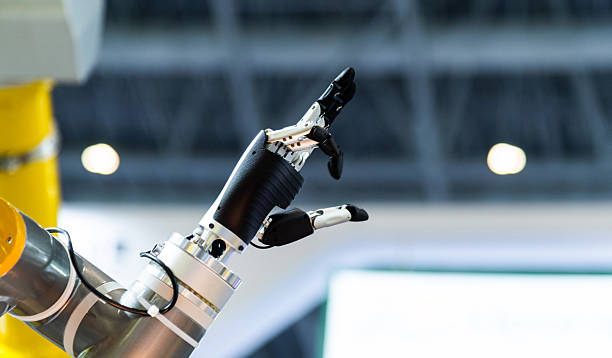
Outracing a National Level Model Racing Car Champion: A Hybrid Model‐Based Data‐Driven Approach
A recent study published in the Journal of Field Robotics highlights advancements in autonomous robotic systems designed for agricultural applications. Conducted by a team of researchers from various universities, the study was released in early October 2023. The research focuses on the development of robots capable of performing tasks such as planting, harvesting, and monitoring crops with minimal human intervention. The motivation behind this innovation stems from the increasing demand for efficient agricultural practices to address food security challenges and labor shortages in the farming sector. By utilizing advanced sensors and artificial intelligence, these robots can navigate complex terrains and adapt to varying environmental conditions, enhancing productivity and sustainability in agriculture. The researchers conducted extensive field trials to validate the robots' effectiveness, demonstrating their ability to operate autonomously while maintaining high levels of accuracy and efficiency. The findings suggest that integrating these robotic systems into farming operations could significantly reduce labor costs and improve crop yields, paving the way for a more sustainable future in agriculture.
RESEARCH ARTICLE
BilibiliWorld 2026 is China's first overseas ticketed ACG event; 17 measures to promote AI in consumer development; Kuaizhou-11 rocket successfully
Didi Autonomous Driving showcased its advancements in self-driving technology at the MOVE 2026 conference held in London on June 17-18. The company highlighted its achievement of L4-level core technology and the delivery of its new Robotaxi model, R2, developed in collaboration with GAC Aion, which is currently undergoing road tests in cities like Guangzhou and Beijing. Since launching all-weather passenger testing in select areas last year, Didi has maintained a safe and stable operational performance. On June 18, Cainiao's Vice President Bi Jianghua announced plans to deploy four large-scale climbing robot warehouses globally within the next four months, following successful trials during the 618 shopping festival. This initiative aims to enhance the efficiency of e-commerce supply chains. DingTalk's new CEO, Chen Yusen, communicated organizational changes in a company-wide letter, establishing a core platform business department and integrating various teams to streamline operations. The State Administration for Market Regulation is overseeing an antitrust compliance rectification for Huolala, mandating the cessation of practices that unreasonably lower freight prices and enforcing fair pricing algorithms. The company is expected to refund 1.2 billion yuan to drivers and reduce its commission rates. Additionally, Cao Cao Mobility announced its RoboX strategy at the International Automotive and Supply Chain Expo in Hong Kong on June 18, planning to deploy 100,000 Robovans by 2030 to enhance logistics networks. BilibiliWorld 2026 will be the first comprehensive ACG exhibition in China to offer overseas ticket sales, with tickets available globally starting June 20, for the event scheduled from July 10-12 in Shanghai. KKR has committed $1.4 billion to expand Altavair's commercial aircraft leasing portfolio, while Manifold AI has secured nearly 1 billion yuan in Pre-A funding. In economic news, Goldman Sachs suggests the Federal Reserve may need to implement consecutive rate hikes in September if inflation remains high. Meanwhile, Hong Kong plans to launch five-year government bond futures on August 3, 2026. The Ministry of Commerce has introduced 17 measures to promote the integration of artificial intelligence into consumer markets.
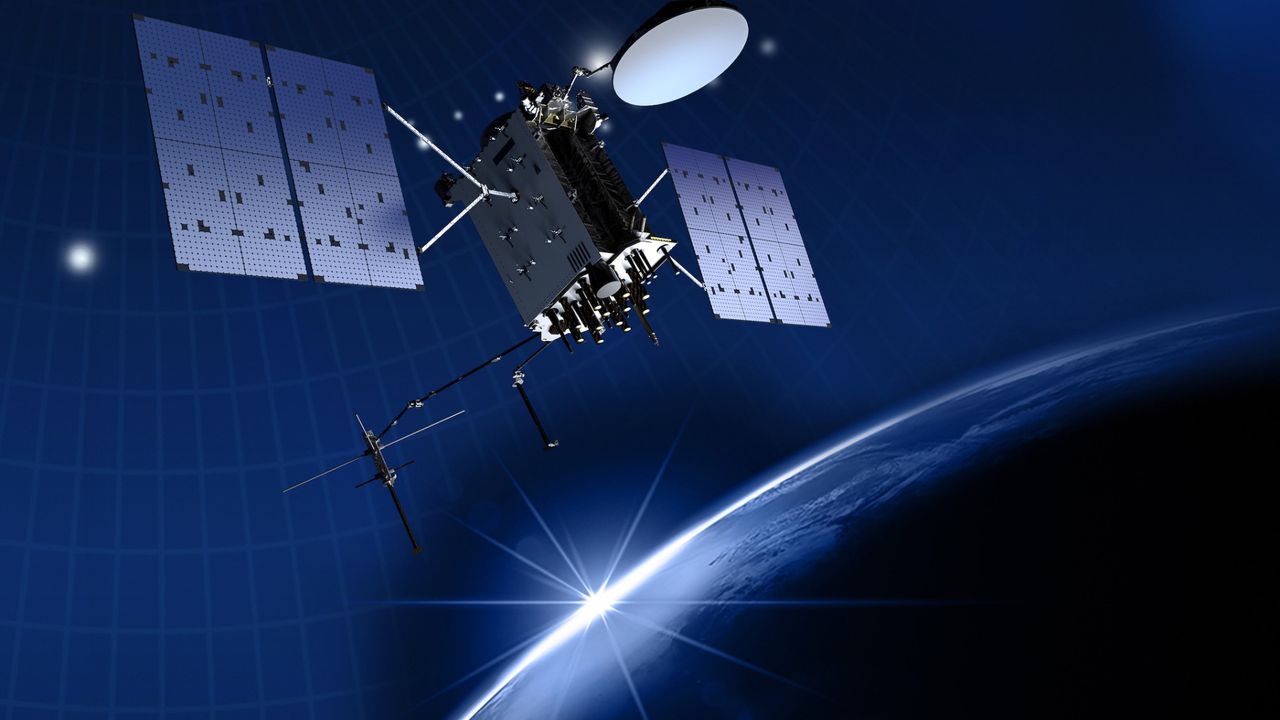
'It's quite a bit more than we expected': Satellite reveals immense scale of GPS signal tampering
An experimental satellite has successfully mapped the extent of GPS jamming across Europe and the Middle East, marking a significant advancement in space-based monitoring technology. This groundbreaking achievement was reported recently, showcasing the satellite's ability to detect and analyze interference in GPS signals from a vantage point in space. The initiative aims to enhance understanding of the growing issue of GPS jamming, which poses risks to navigation and communication systems. By employing advanced sensors and data processing techniques, the satellite collected and transmitted detailed information about the locations and intensity of jamming activities. This development is crucial for improving the resilience of GPS-dependent services and ensuring the reliability of navigation systems in the affected regions.
Satellites Space Exploration
Heavy‐UUV Docking System for a Fixed Seabed Station Based on Differential Optical‐Guidance Beacons
The Journal of Field Robotics has recently published an early view article highlighting advancements in robotic technology. Researchers from various institutions have collaborated to develop a new autonomous navigation system that enhances the efficiency and safety of field operations. This innovative system was tested in agricultural settings in California during the summer of 2023, where it demonstrated significant improvements in crop monitoring and resource management. The motivation behind this research stems from the growing need for precision agriculture, which aims to optimize farming practices and reduce environmental impact. By integrating advanced sensors and machine learning algorithms, the team was able to create a robotic platform capable of navigating complex terrains while collecting valuable data on soil health and crop conditions. The successful implementation of this technology could revolutionize the agricultural sector, providing farmers with tools to make informed decisions and increase productivity. The findings are expected to contribute to ongoing discussions about sustainable farming practices and the role of robotics in addressing global food security challenges.
RESEARCH ARTICLE
Jim Cramer Remembers How He Was Criticized After Tesla, Inc. (TSLA)’s IPO
Jim Cramer, the CNBC host, recently reflected on the criticism he faced following Tesla, Inc.'s IPO, recalling how he was skeptical about the company's potential for profitability at the time. During a discussion about Tesla and SpaceX, Cramer noted that despite his reservations, he managed to capture 96% of Tesla's stock movement. He mentioned that his cautious stance drew ridicule from figures like Elon Musk, highlighting the challenges of being a critic in a rapidly evolving market. In June 2026, JPMorgan raised its price target for Tesla shares from $145 to $475, upgrading the stock's rating to Neutral, emphasizing that Tesla is more than just a car manufacturer. This perspective aligns with Cramer's view that the company is venturing into robotics and artificial intelligence. Nightview Capital, a significant investor in Tesla, also expressed confidence in the company's long-term vision, which includes developments in AI and robotics, despite acknowledging the cyclical pressures on its automotive sales. As Tesla continues to evolve, analysts and investors remain divided, with some believing that the market undervalues its potential beyond automotive revenue.
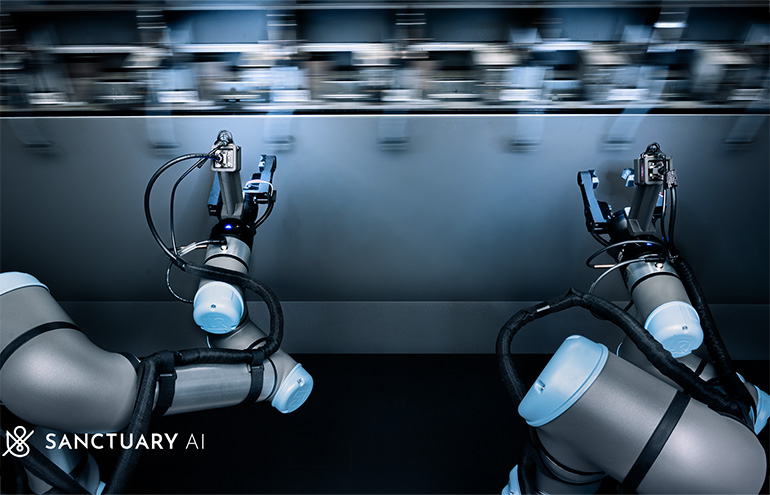
Sanctuary AI validates physical AI performance at Tier 1 automotive supplier
Sanctuary AI has made significant strides in the field of physical artificial intelligence by validating its performance at a Tier 1 automotive supplier. This development showcases the company's commitment to advancing AI technology without waiting for the advent of humanoid robots. The demonstration of production-ready capabilities marks a pivotal moment in the integration of AI within the automotive industry, highlighting Sanctuary AI's innovative approach to enhancing manufacturing processes. The event underscores the growing importance of AI in automating and optimizing production lines, paving the way for more efficient and effective operations in the sector.
Arms / Manipulators Artificial Intelligence Artificial Intelligence / Cognition Automotive End Effectors / Grippers Grippers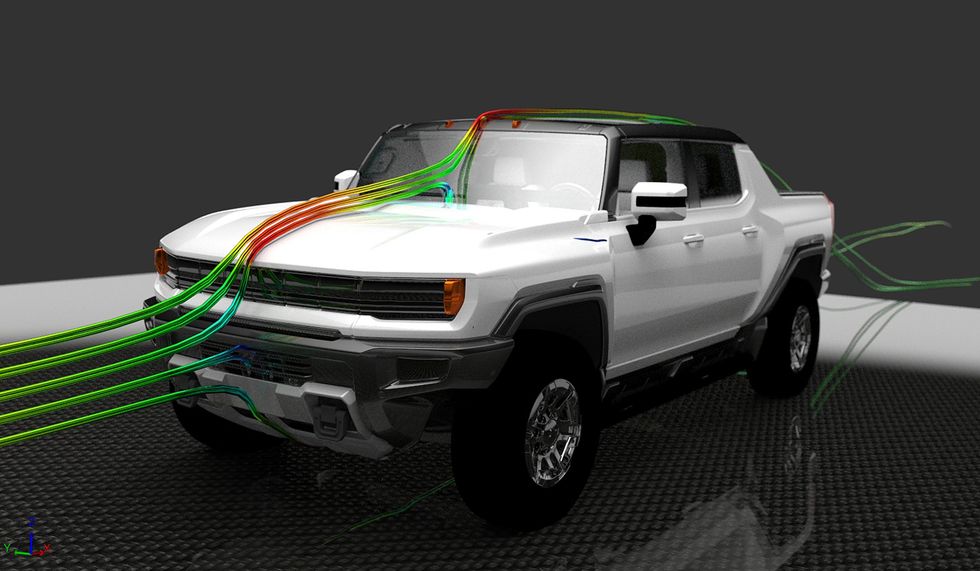
General Motors Is Cutting Its Development Cycles in Half
General Motors is accelerating its vehicle development process to compete with fast-paced Chinese automakers like BYD, which can bring electric vehicles (EVs) to market in under two years. This initiative, led by Sterling Anderson, GM’s chief product officer and former Tesla executive, aims to leverage artificial intelligence (AI) and simulation technology to significantly reduce design and production timelines. In a recent video call, Anderson and Jason Fischer, GM’s executive director of virtual integration engineering, outlined how AI is reshaping automotive design. Traditionally, the development process involved lengthy empirical testing and siloed engineering efforts. However, GM's new approach integrates multiple functions into a single virtual tool, allowing engineers to simulate design changes in minutes rather than hours. This method has already halved the development time for the electric GMC Hummer, which went from concept to showroom in just two years. GM is applying these advanced techniques across various projects, including self-driving cars and NASA's lunar rover, enhancing their ability to simulate real-world conditions and improve vehicle performance before physical prototypes are built. By running thousands of simulations, GM can identify and address potential issues early in the design process, ultimately leading to more refined vehicles. This innovative strategy positions GM to keep pace with the rapidly evolving automotive landscape and meet consumer demands for faster, more efficient vehicle production.
Gm Simulations Engineering-design General-motors Physics-simulations Automotive-engineering
ABB Robotics delivers new industry-ready physical AI at Automate 2026
At Automate 2026, ABB Robotics will showcase its latest advancements in physical AI, including the debut of its Physical AI Toolchain, designed to enhance the capabilities of industrial robots. The event, taking place at Booth #1241 on June 17, 2026, will feature demonstrations of the Autonomous Versatile Robotics (AVR™) system, which equips robots with advanced sensory and mobility functions to operate more efficiently across various applications. Marc Segura, President of ABB Robotics, emphasized that physical AI is transforming traditional robotic operations, allowing for faster, safer, and smarter performance. The new toolchain facilitates the training of robots using simulated and real-world data, bridging the gap between simulation and practical application with high precision. This initiative follows ABB's partnership with NVIDIA, which aims to enhance robot training through advanced simulation technologies. Among the highlights will be the introduction of ABB's high-speed PoWa™ cobot family and a collaboration with Aura Sensae, integrating intelligent sensing technology for improved human-robot interaction. Visitors can expect to see demonstrations of AI-powered palletizing systems, intuitive interfaces, and real-time interaction capabilities, showcasing ABB's commitment to human-centric robotics. Additionally, ABB Robotics will host special events focused on automotive and software innovations on June 23 and 24, respectively, further engaging with industry stakeholders.
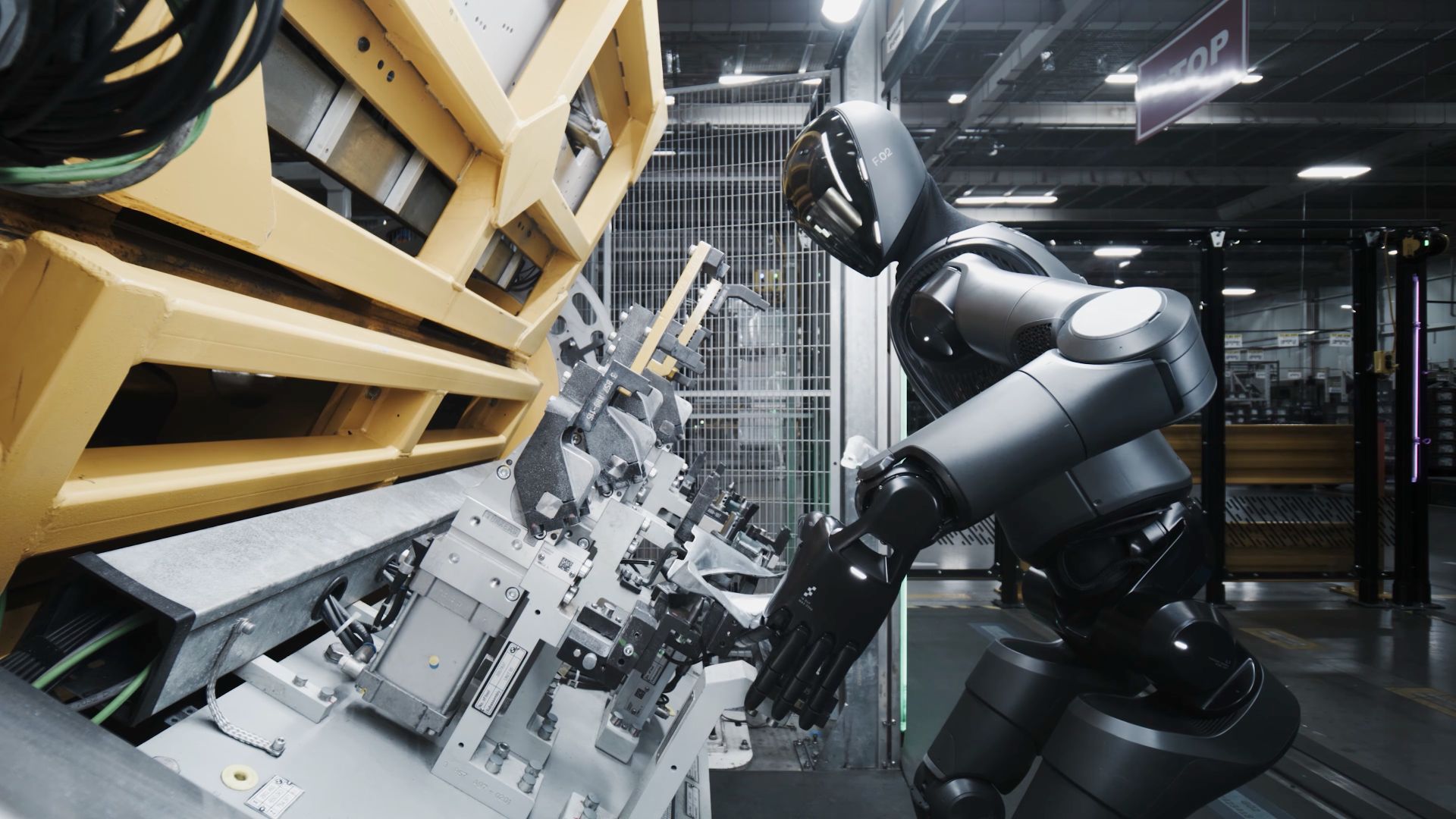
Chinese automaker unveils Xiaosai humanoid robot for inspection and production roles
Chinese automaker Seres has made a significant leap into the robotics sector by unveiling its first humanoid robot, Xiaosai. The announcement took place during a technology showcase event in Beijing, where the company highlighted its commitment to innovation and diversification beyond traditional automotive manufacturing. Xiaosai is designed to assist in various tasks, showcasing advanced artificial intelligence capabilities and a human-like appearance, which aims to enhance user interaction. This move comes as part of Seres' strategy to tap into the growing demand for robotics in both domestic and international markets, reflecting a broader trend among automakers to explore new technological frontiers. The introduction of Xiaosai is expected to position Seres competitively within the rapidly evolving landscape of robotics and automation.
AI and Robotics
Sanctuary AI Expands Physical AI Strategy to Industrial Robotics, Demonstrating Production-Ready AI Performance
A global Tier 1 automotive supplier has successfully validated production-ready performance with industrial-level throughput. This achievement marks a significant milestone for the company, demonstrating its capability to meet the high demands of the automotive industry. The validation process took place recently, showcasing the supplier's commitment to efficiency and reliability in production. By implementing advanced technologies and optimizing processes, the supplier aims to enhance its competitive edge in the market. This development not only reinforces the supplier's position within the automotive sector but also highlights the ongoing evolution of manufacturing practices in response to industry demands.
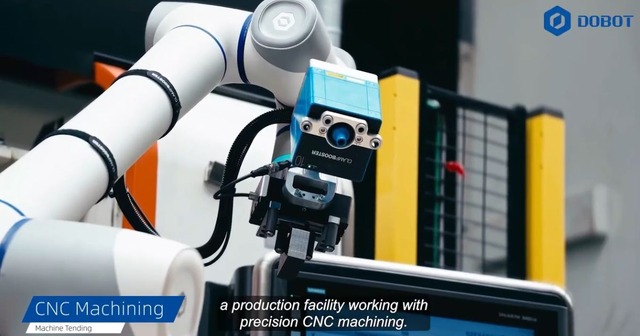
Dobot to showcase collaborative robot use cases in automotive, food, and education at "Automate 2026."
Dobot Robotics has unveiled a promotional video showcasing its products in preparation for the upcoming Automate 2026, one of North America's largest industrial automation trade shows. The video was released on YouTube on June 16, 2026, as part of the company's efforts to highlight its innovations and engage with potential customers ahead of the event. This strategic move aims to enhance visibility and demonstrate the capabilities of Dobot's automation solutions in a competitive market.
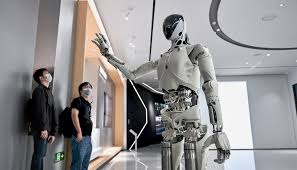
Eurosatory 2026: DefSecIntel unveils DroneHive interceptor trailer
DefSecIntel has unveiled DroneHive, an innovative automated multi-cell interceptor trailer designed to enhance aerial defense capabilities. This new system operates in conjunction with the company's advanced EIRSHIELD C2 platform, which is equipped with a variety of sensors for comprehensive situational awareness. The launch took place recently, marking a significant advancement in drone interception technology. The introduction of DroneHive aims to address the growing concerns surrounding unauthorized drone activities and potential threats to security. By automating the interception process, DefSecIntel seeks to improve response times and operational efficiency in protecting sensitive areas. The integration of the EIRSHIELD C2 platform allows for real-time data analysis and decision-making, further bolstering the effectiveness of the interceptor system. This development reflects a broader trend in the defense industry towards leveraging automation and advanced technology to counter evolving aerial threats. As drone usage continues to rise, solutions like DroneHive are becoming increasingly vital for ensuring safety and security in various environments.
News
ABB Robotics and PSYONIC Use Human-Generated Data to Advance Robotic Dexterity
ABB Robotics has partnered with California-based bionics company PSYONIC to enhance robotic dexterity and grasping capabilities by utilizing human-generated data from prosthetic use. Announced on June 16, 2026, this collaboration aims to address the significant challenge of replicating human-like dexterity in industrial robotics, which is essential for the development of Autonomous Versatile Robotics (AVR™). By integrating the PSYONIC Ability Hand with ABB's GoFa™ collaborative robot, the two companies will explore how real-world manipulation data can train robots to perform delicate tasks that are typically difficult to automate. This initiative is expected to reduce engineering time by up to 30% and improve productivity, flexibility, and workplace safety across various industries, including automotive, aerospace, packaging, logistics, and life sciences. Marc Segura, President of ABB Robotics, emphasized the importance of bridging the gap between human and robotic dexterity to enable robots to learn and interact with their environments more intuitively. Dr. Aadeel Akhtar, Founder and CEO of PSYONIC, highlighted that the collaboration will leverage high-fidelity data on movement and grip force to enhance robotic performance in complex tasks. The GoFa™ robot will provide the precision necessary for industrial applications, ensuring consistent execution of intricate movements, which is crucial for handling fragile or irregular objects. This partnership represents a significant step towards advancing physical AI in robotics, allowing for more effective collaboration between humans and machines.
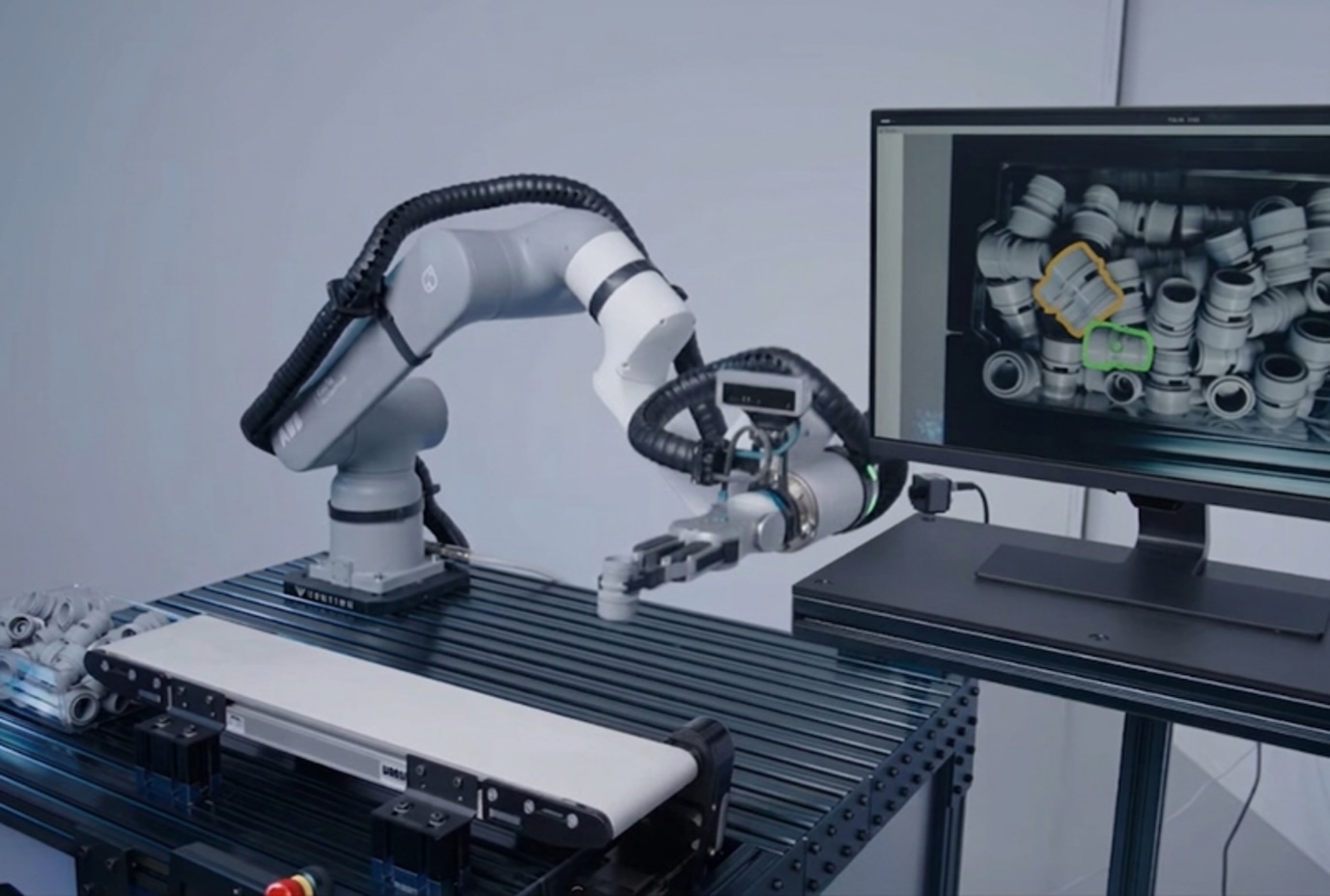
Research on Orchard Navigation Path Planning Based on 3D LiDAR SLAM Considering Terrain Roughness
A recent study published in the Journal of Field Robotics highlights advancements in autonomous robotic systems designed for agricultural applications. Researchers from a consortium of universities and tech companies conducted the study to address the growing need for efficient farming solutions amid rising labor costs and food demand. The research, which began in early 2023, took place across various agricultural sites in California, focusing on the integration of robotics in crop monitoring and harvesting. The team developed a prototype robot equipped with advanced sensors and machine learning algorithms, enabling it to navigate fields and collect data on crop health. This innovation aims to enhance productivity and reduce the reliance on manual labor, which has become increasingly scarce. The researchers conducted extensive field tests to evaluate the robot's performance and adaptability to different farming conditions. The findings suggest that these autonomous systems could significantly improve yield and reduce waste, addressing both economic and environmental challenges in agriculture. The study underscores the potential of robotics to transform traditional farming practices, paving the way for more sustainable and efficient food production methods in the future.
RESEARCH ARTICLE
Is Tesla, Inc. (TSLA) A Good Stock To Buy Now?
Tesla, Inc. is currently a focal point for investors, with a recent bullish analysis by Gannon Capital highlighting its potential as more than just an electric vehicle manufacturer. As of June 12, 2026, Tesla's shares were trading at $406.43, with trailing and forward price-to-earnings ratios of 372.87 and 196.08, respectively. The company, which designs and sells electric vehicles and energy systems globally, is positioning itself as a leader in artificial intelligence, robotics, and autonomous transportation. Tesla's automotive division not only generates significant revenue but also serves as a data-collection network that supports its ambitions in Full Self-Driving technology and other innovations. The company has established competitive advantages through vertical integration, proprietary battery technology, and a global Supercharger network. With over five million connected vehicles, Tesla continuously collects real-world driving data, which is crucial for its autonomous driving initiatives. Financially, Tesla reported nearly $95 billion in revenue for 2025 and holds over $44 billion in cash, enabling substantial investments in AI and robotics. The bullish thesis suggests that successful commercialization of autonomous technology and the scaling of its Optimus robot could transform Tesla into a high-margin platform business, significantly enhancing profitability and market valuation. Despite potential risks from competition and regulatory challenges, proponents believe the market underestimates Tesla's capacity to evolve into a dominant AI-powered industrial platform. The stock remains popular among hedge funds, with 123 portfolios holding TSLA at the end of the first quarter of 2026.
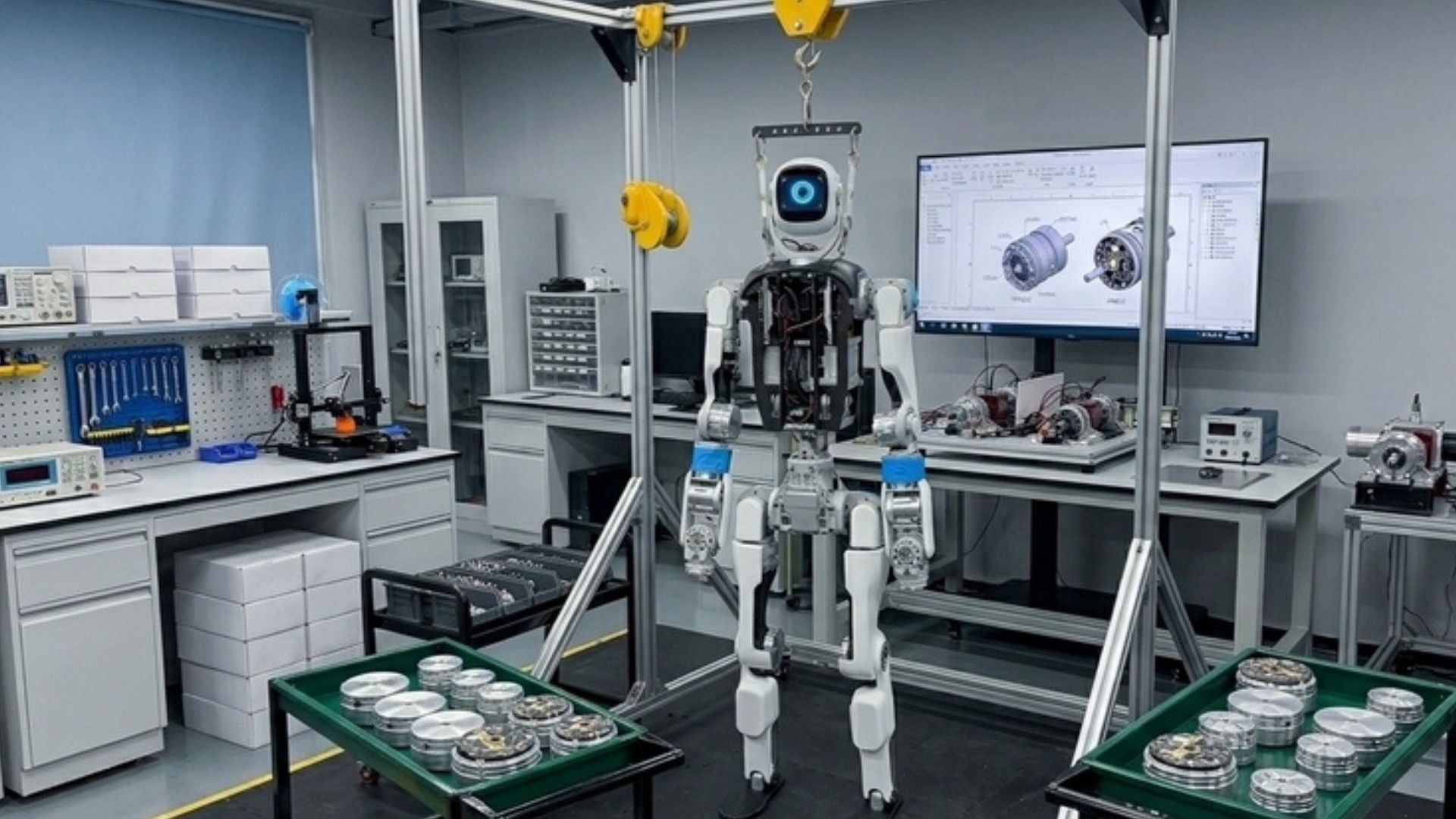
Taiwan’s new ‘intelligent’ humanoid robot combines sensing and adaptive interaction
A Taiwanese company has introduced its first humanoid robot designed to engage in physical interactions with humans. This groundbreaking development was announced during a technology expo held in Taipei on October 15, 2023. The robot, which features advanced artificial intelligence and motion capabilities, aims to enhance human-robot collaboration in various sectors, including healthcare and customer service. The motivation behind this innovation is to address the growing demand for automation and assistance in daily tasks, particularly in environments where human interaction is essential. By utilizing sophisticated sensors and machine learning algorithms, the robot can understand and respond to human gestures and commands, making it a versatile tool for both personal and professional use. The unveiling of this humanoid robot marks a significant milestone in Taiwan's robotics industry, showcasing the nation's commitment to technological advancement and innovation.
AI and Robotics
Pemba humanoid robot eyes Mount Everest summit after historic 20,312-ft climb
A Unitree G1 humanoid robot is set to embark on a groundbreaking expedition to Mount Everest, showcasing advancements in robotics and exploration technology. The expedition is scheduled for later this year, aiming to push the boundaries of what robots can achieve in extreme environments. This initiative is driven by the desire to gather data and insights that could enhance future mountain climbing safety and efficiency, particularly in harsh conditions where human climbers face significant risks. The robot will be equipped with advanced sensors and navigation systems to navigate the treacherous terrain of the world's highest peak. By utilizing the Unitree G1, researchers hope to demonstrate the potential of robotic assistance in high-altitude exploration, paving the way for future missions that could involve both human and robotic collaboration in challenging environments.
AI and Robotics
Deep learning co-design helps scientists project 28-layer 3D images without crosstalk
Engineering researchers at the University of California, Los Angeles (UCLA) have unveiled a groundbreaking three-dimensional printing technology that significantly enhances the production of complex structures. This innovative method, introduced in October 2023, aims to revolutionize various industries by allowing for the rapid and precise fabrication of intricate designs that were previously difficult or impossible to achieve. The researchers' motivation stems from the growing demand for more efficient manufacturing processes that can produce high-quality components while minimizing waste and time. By leveraging advanced materials and techniques, the team has demonstrated that their new approach can streamline production workflows and reduce costs, making it an attractive option for sectors such as aerospace, automotive, and biomedical engineering. This development not only showcases the potential of 3D printing technology but also emphasizes UCLA's commitment to leading research in engineering and technology. The researchers plan to further refine their technique and explore its applications across various fields, aiming to set new standards in manufacturing efficiency and innovation.
Science
AI Grew Four Wheels in 2026: How AIVA Is Redefining the Automobile as an Embodied Intelligence Entity
Saidou Technology, a Chinese startup, has unveiled AIVA, an innovative AI-defined vehicle brand that prioritizes artificial intelligence over traditional hardware components. This launch represents a significant shift in the automotive industry, moving away from conventional development practices. By focusing on AI integration, Saidou aims to redefine how vehicles are designed and function, potentially transforming user experiences and operational efficiencies. The introduction of AIVA comes at a time when the automotive sector is increasingly embracing advanced technologies to meet evolving consumer demands and environmental challenges.
News
Rivian CEO taking different approach than Elon Musk for humanoid robotics company
RJ Scaringe, the CEO of electric vehicle manufacturer Rivian, has launched a new robotics venture named Mind Robotics, which has successfully secured over $1 billion in funding. The company was established in late 2022, reflecting Scaringe's ambition to expand beyond the automotive sector into the rapidly evolving field of robotics. This significant financial backing underscores investor confidence in the potential of Mind Robotics to innovate and contribute to advancements in automation technology. As the robotics industry continues to grow, Scaringe aims to leverage his expertise and resources to position Mind Robotics as a key player in this competitive market.
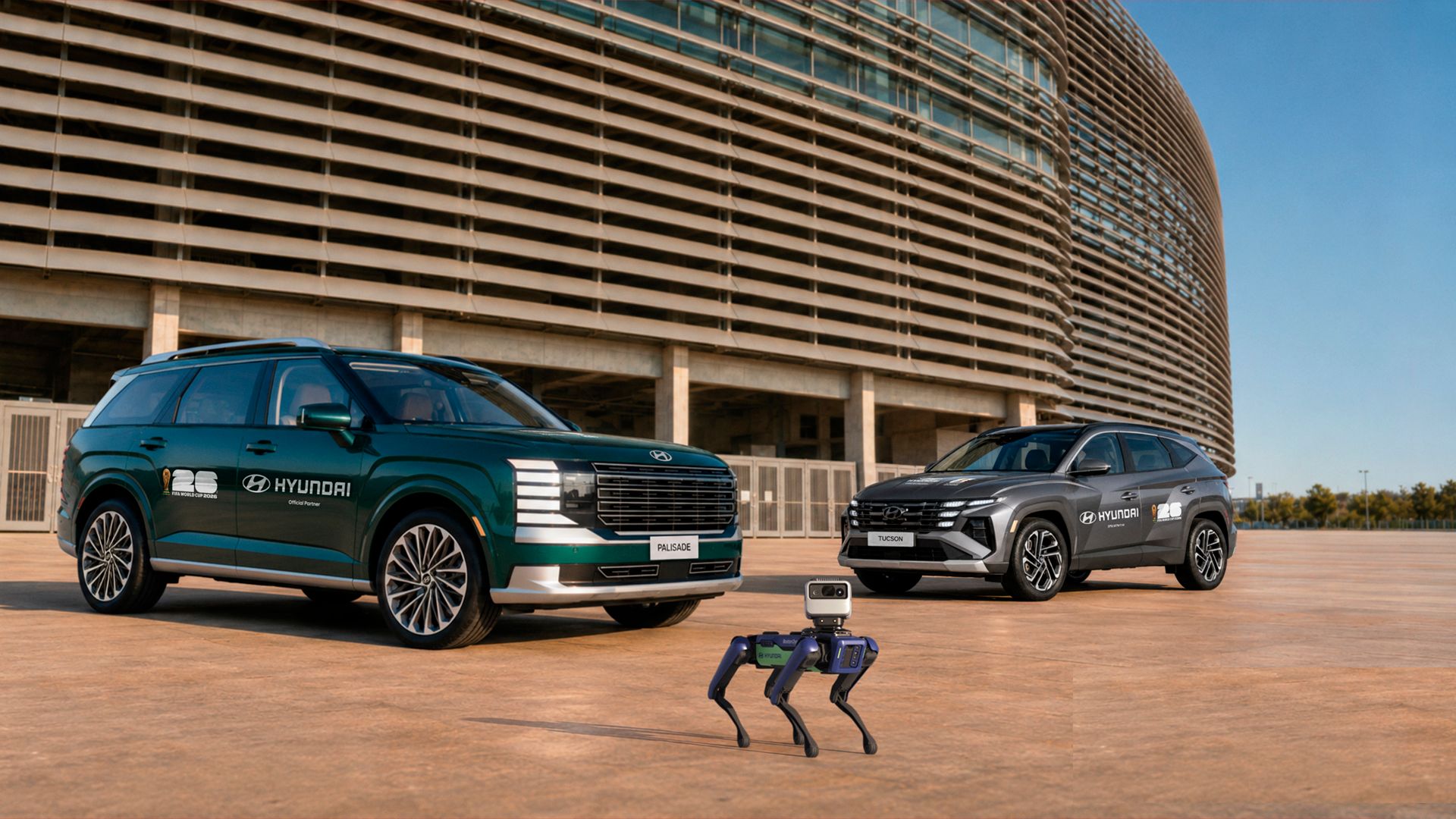
FIFA World Cup 2026 gets Hyundai robot dogs for venue security patrols
As the 2026 FIFA World Cup approaches, Hyundai Motor Company has unveiled its latest marketing campaign aimed at enhancing fan engagement during the tournament. The initiative, which was announced in early October 2023, will leverage innovative technology and interactive experiences to connect soccer enthusiasts across North America. Hyundai's campaign is designed to capitalize on the excitement surrounding the World Cup, which is set to take place in the United States, Canada, and Mexico. The automotive giant aims to strengthen its brand presence and foster a deeper connection with fans by integrating digital platforms and live events into its promotional strategy. Through a series of interactive activations, Hyundai plans to provide fans with unique opportunities to participate in the World Cup experience, including virtual reality experiences and social media engagements. This approach not only highlights Hyundai's commitment to the sport but also aligns with its broader marketing objectives of reaching a diverse audience and enhancing customer loyalty. By embracing the global appeal of soccer, Hyundai seeks to position itself as a key player in the automotive market while celebrating the spirit of the World Cup. The campaign reflects the company's dedication to innovation and community engagement, aiming to create memorable moments for fans during this prestigious sporting event.
AI and Robotics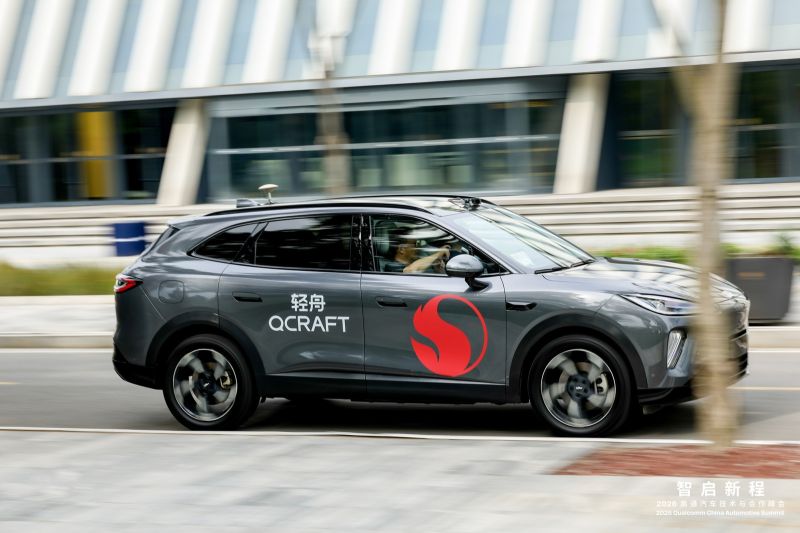
QCraft demonstrates urban NOA on Qualcomm’s latest Snapdragon Ride chip, targets 2026 global mass production
QCraft showcased its urban Navigate-on-Autopilot (NOA) system, powered by Qualcomm’s SA8650P Snapdragon Ride platform, during a live demonstration on June 5 at Qualcomm’s Automotive Technology and Cooperation Summit in Wuxi, China. This event marked a significant step for the autonomous driving company, which is aiming for global mass production of its technology within this year. Attendees had the opportunity to experience live test rides, highlighting the practical applications of QCraft's advancements in autonomous driving. The demonstration underscores the growing collaboration between technology and automotive sectors, as companies like QCraft seek to revolutionize urban transportation through innovative autonomous solutions.
Autonomous Vehicles Computing Technology assisted driving automation news automotive technology
The Role of RF Connectors in Robotic Vision, Sensor Communication, and Automated Inspection Systems
Recent advancements in robotic vision and automated inspection have highlighted the limitations of software solutions in addressing physical challenges. While fast GPUs, sophisticated models, and user-friendly dashboards are often celebrated as technological triumphs, they falter when confronted with the realities of a compromised physical signal path. For instance, a camera's ability to process images is hindered by a noisy clock, and sensors struggle to deliver accurate readings when interfaces become loose after repeated vibrations. This underscores the importance of considering the physical environment in the development and implementation of automated systems, as reliance solely on software capabilities may lead to significant operational failures.
Design Engineering Technology automated inspection automation news factory automation
Robot Talk Episode 160 – Robotic blacksmiths, with Edward Mehr
Claire recently spoke with Edward Mehr, Co-Founder and CEO of Machina Labs, regarding the company's innovative RoboCraftsman technology. This advanced system is designed to shape complex metal components specifically for the aerospace, defense, and automotive sectors. With a background in advanced manufacturing, robotics, and artificial intelligence, Mehr is at the forefront of integrating AI-driven robotics into flexible manufacturing processes. The conversation highlighted how RoboCraftsman is revolutionizing the production of intricate metal parts, addressing the growing demand for precision and efficiency in these critical industries.
DynaSki: A Robust Locomotion Framework for Dynamic Skiing Robot on Challenging Terrains
A recent study published in the Journal of Field Robotics highlights advancements in autonomous robotic systems designed for agricultural applications. Researchers from a leading university conducted the study to address the growing need for efficient farming solutions amid increasing global food demand. The findings, released in early October 2023, provide insights into how these robotic systems can enhance crop monitoring and management. The research was conducted in various agricultural settings, demonstrating the robots' capabilities in navigating complex terrains and performing tasks such as planting, weeding, and harvesting. By employing advanced sensors and machine learning algorithms, the robots can analyze environmental conditions and optimize farming practices, ultimately aiming to increase yield while reducing labor costs. The motivation behind this innovation stems from the challenges faced by farmers due to labor shortages and the need for sustainable farming methods. The study emphasizes the potential of robotics to transform traditional agriculture, making it more resilient and productive in the face of climate change and resource constraints. As the agricultural sector continues to evolve, these findings could pave the way for broader adoption of robotic technologies, enhancing food security and sustainability worldwide.
RESEARCH ARTICLE
Robot hand uses touch and vision to harvest ripe fruit with near-100% accuracy
A team of researchers has created an innovative soft robotic gripper designed to assess the ripeness of fruit and facilitate harvesting. This development, which emerged from ongoing advancements in agricultural technology, aims to address the challenges faced by farmers in determining the optimal time for fruit picking. The gripper, equipped with advanced sensors, can gently handle delicate produce without causing damage, ensuring that only ripe fruits are collected. The project, which began in early 2023, took place at a leading agricultural research facility. The motivation behind this invention stems from the increasing demand for efficient and sustainable farming practices, as well as the need to reduce labor costs and improve the quality of harvested fruits. By automating the inspection and harvesting process, the researchers hope to enhance productivity and minimize waste in the agricultural sector. The robotic gripper operates through a combination of tactile sensing and machine learning algorithms, allowing it to analyze the texture and firmness of the fruit in real-time. This technology not only promises to streamline the harvesting process but also aims to improve the overall quality of produce reaching consumers. As the agricultural industry continues to evolve, innovations like this soft robotic gripper represent a significant step forward in the quest for smarter, more efficient farming solutions.
AI and Robotics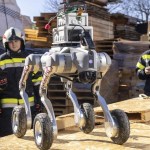
Four-legged robot dog spots hazardous toxins before firefighters enter danger zones
A groundbreaking four-legged robot dog, engineered to identify toxic substances, is poised to serve as a first responder in hazardous situations. Developed by a team of researchers and engineers, this innovative technology aims to enhance safety protocols in environments where chemical exposure poses significant risks. The robot's deployment is anticipated to occur in the coming months, with trials set to take place in various industrial settings and disaster response scenarios. The motivation behind this advancement stems from the increasing need for effective monitoring and rapid response to chemical spills and leaks, which can have dire consequences for both human health and the environment. By utilizing advanced sensors and artificial intelligence, the robot dog can navigate challenging terrains and provide real-time data on toxic substance levels, allowing human responders to make informed decisions. As the project progresses, the team is focused on refining the robot's capabilities and ensuring its reliability in real-world applications. This initiative represents a significant step forward in the integration of robotics into emergency response, potentially revolutionizing how hazardous situations are managed and mitigating risks associated with toxic exposures.
AI and Robotics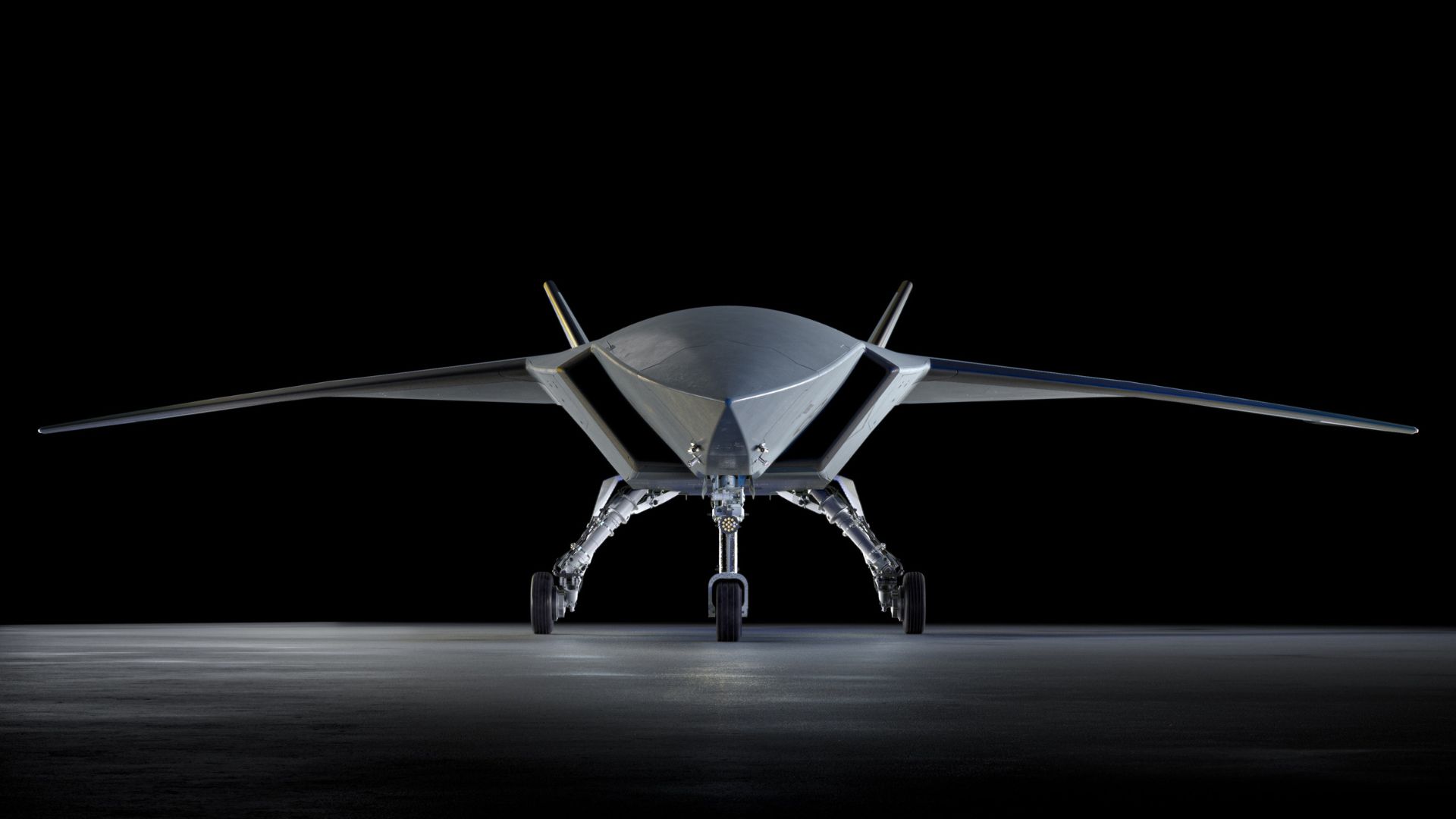
Boeing’s bigger Ghost Bat can carry missiles internally, carry more combat load
Boeing has introduced an upgraded version of its MQ-28 Ghost Bat drone, enhancing its capabilities with extended range and improved technology. The announcement was made during a recent defense expo in Australia, where the company showcased its commitment to advancing unmanned aerial systems. This new iteration aims to meet the growing demands for advanced surveillance and combat support in modern warfare. Boeing's development of the MQ-28 is driven by the need for more versatile and efficient military drones that can operate in complex environments. The enhancements include advanced sensors and artificial intelligence features, which allow for better decision-making and operational efficiency. This latest model is expected to play a crucial role in future defense strategies, particularly in the Indo-Pacific region, where military presence and technological superiority are increasingly prioritized.
Military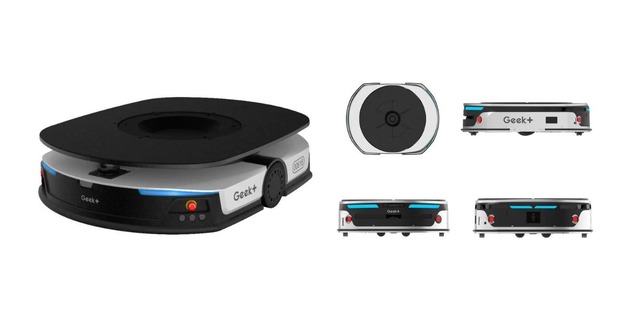
Toyota introduces over 400 Geekplus AMRs to multiple factories to enhance automated logistics.
Geek Plus has announced the implementation of its autonomous mobile robots (AMRs) in multiple Toyota manufacturing plants. Currently, over 400 Geek Plus AMRs are operational across Toyota's facilities, with each system managing up to approximately 200 units. This deployment aims to enhance efficiency in the production process, reflecting the growing trend of automation in the automotive industry.

Two Fossa Flat Minima Optimization Algorithm‐Based Enhancement of Ecological Balance Using Carbon‐Neutral Eco‐Robots With Situational Intelligence for Air Quality Monitoring
A recent study published in the Journal of Field Robotics explores advancements in autonomous robotic systems designed for agricultural applications. Conducted by a team of researchers from various universities, the study highlights the growing importance of robotics in enhancing efficiency and sustainability in farming practices. The research, which was completed in October 2023, focuses on the development of robots capable of performing tasks such as planting, weeding, and harvesting crops with minimal human intervention. The motivation behind this research stems from the increasing demand for food production amid a global population surge and the need for sustainable farming methods that reduce environmental impact. By integrating advanced sensors and artificial intelligence, the robots are designed to optimize resource use, reduce labor costs, and improve crop yields. Field tests conducted in various agricultural settings demonstrated the robots' effectiveness in performing tasks traditionally done by human laborers. The study's findings suggest that these autonomous systems could significantly transform the agricultural landscape, making it more efficient and less reliant on chemical inputs. As the agricultural sector faces challenges related to labor shortages and climate change, the research underscores the potential of robotics to address these issues and pave the way for a more sustainable future in food production. The study calls for further investment and development in this technology to fully realize its benefits for farmers and the environment.
RESEARCH ARTICLE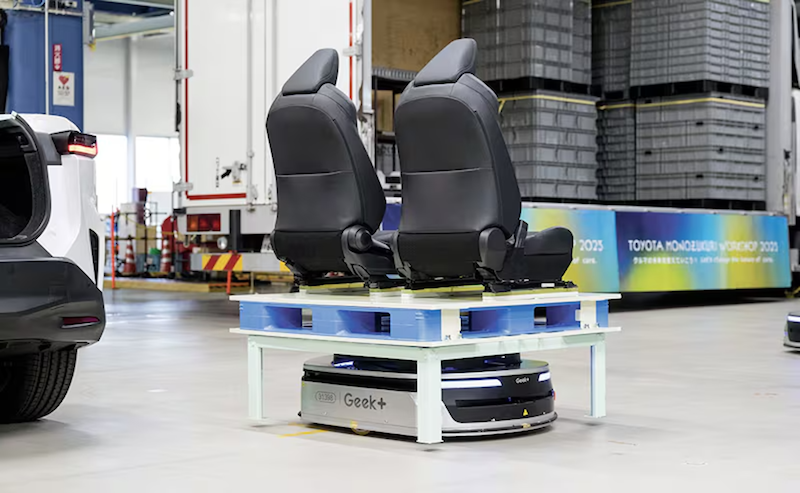
Geekplus intalls more than 400 autonomous mobile robots at multiple Toyota plants
Geekplus has initiated the deployment of moving-type Autonomous Mobile Robots (AMRs) at multiple Toyota Motor Corporation plants across Japan. This strategic move comes in response to labor shortages stemming from the country's declining population and evolving labor market dynamics. Currently, 436 Geekplus AMRs are actively operating within Toyota's manufacturing facilities, with each system managing around 200 units. The integration of these robots aims to enhance operational efficiency and address workforce challenges, reflecting a growing trend in automating production processes within the automotive industry.
News Warehouse robots amrs automation news autonomous mobile robots factory automationRobotics needs a service framework.
RSF defines a common language for robot service capability, lifecycle operations, certification pathways, and service-provider networks.