

Industry Briefing
A single destination for timely, editor-curated robotics news from around the world.

Robotics Australia Group and HowToRobot Collaborate to Launch National Automation Platform
Robotics Australia Group has partnered with HowToRobot to introduce a national automation platform aimed at enhancing automation adoption in Australian industries. This collaboration provides manufacturers with an AI-driven system to effectively plan, validate, and source automation solutions, addressing the uncertainties that have previously hindered investment in robotics technology. The initiative, accessible through AutomationFinder.com.au, offers Australian businesses a structured approach to identify investment opportunities in automation. It features a global network of over 20,000 vetted suppliers, including 500 based in Australia, enabling companies to validate feasibility, costs, and solution concepts efficiently. Looking ahead, the partnership is set to play a crucial role in transforming Australia's automation landscape. As Paul Mason, CEO of Robotics Australia Group, noted, the platform aims to eliminate barriers to automation investment, providing the necessary expertise and clarity for manufacturers to embrace new robotics technologies. No further timeline was disclosed at the time of publication.

Royal Australian Air Force Achieves Key Milestones in Air Surveillance Capabilities
The Royal Australian Air Force (RAAF) has announced significant advancements in its air surveillance and reconnaissance capabilities. This enhancement comes with the confirmation of key milestones across three crucial aircraft fleets, marking a pivotal moment for Australia's defense operations. These developments are vital as they strengthen Australia's ability to monitor and respond to aerial threats, ensuring national security. The RAAF's progress in upgrading its aircraft fleets underscores the commitment to maintaining a robust defense posture in an increasingly complex geopolitical landscape. Looking ahead, stakeholders will be keen to observe further advancements in the RAAF's capabilities and any additional milestones that may be achieved. No further timeline was disclosed at the time of publication.
News
NVIDIA Collaborates with Australian Partners to Enhance AI Infrastructure Capacity
NVIDIA has announced a collaboration with a network of Australian NVIDIA Cloud Partners (NCPs) and AI infrastructure partners to expand land, power, and shell capacity for hosting NVIDIA DSX™ AI factories. This initiative aims to meet the increasing demand for AI compute in Australia, with a projected buildout of up to 2 gigawatts by 2027. The expansion is significant as it supports local innovators in developing AI models and applications, leveraging NVIDIA's full-stack DSX platform. This platform enhances productivity and durability, making AI factories a new asset class. The collaboration with Australian partners like Firmus and Sharon AI is expected to strengthen the local ecosystem and provide access to high-performance computing resources. Looking ahead, the initiative will enable Australian startups, researchers, and enterprises to harness world-class computing capabilities. No further timeline was disclosed at the time of publication.

HowToRobot and Robotics Australia Group Collaborate to Boost Automation Adoption in Australia
HowToRobot and Robotics Australia Group have announced a partnership aimed at enhancing automation adoption in Australia. With a robot density of 134 robots per 10,000 manufacturing employees, Australia lags behind the global average of 162, according to the International Federation of Robotics. The collaboration focuses on providing AI-driven tools to help businesses articulate their automation projects more effectively. This initiative is crucial as Australian manufacturing grapples with skilled workforce shortages and the slowest productivity growth in 60 years. By leveraging HowToRobot's platform, companies can develop project descriptions that facilitate funding requests, potentially unlocking significant productivity gains. The Australian government estimates that increased automation could contribute between $170 billion and $600 billion to the GDP by 2030. Looking ahead, the partners have launched AutomationFinder.com.au, a platform designed to assist Australian businesses in identifying automation opportunities. This site will provide structured project briefs and access to a global network of over 20,000 vetted suppliers, including 500 in Australia. No further timeline was disclosed at the time of publication.
Business Resources Manufacturing News Packaging & Palletizing • Pick-Place australia government
Ocius Technology Integrates ThayerMahan and Thales Australia Sonar Systems for BlueBottle USVs
Ocius Technology has finalized agreements to incorporate advanced sonar systems from ThayerMahan and Thales Australia into its fleet of Bluebottle uncrewed surface vessels (USVs). The integration includes retractable thin-line acoustic arrays aimed at enhancing intelligence, surveillance, and reconnaissance (ISR) capabilities for the Royal Australian Navy's AUD$176 million Program of Record. This collaboration is significant as it combines Australian maritime technology with advanced acoustic sensing capabilities from the United States, demonstrating a practical application of the AUKUS Pillar II initiative. The deployment of these systems will support ongoing operations for the Australian Maritime Border Command, enhancing maritime surveillance and border protection. Looking ahead, Ocius plans to leverage the adaptable design of the Bluebottle platform to meet diverse mission requirements. No further timeline was disclosed at the time of publication.
ocius thayermahan thales bluebottle usv
QinetiQ to Collaborate with Australia on AESA Radar Integration and CEAFAR2 Suite
The UK has signed a statement of intent to enhance cooperation with Australia in the field of AESA radar technology. This collaboration focuses on the integration of the CEAFAR2 radar suite, which is crucial for advancing defense capabilities. This partnership is significant as it aims to strengthen defense ties between the UK and Australia, fostering innovation in radar technology. The integration of the CEAFAR2 radar suite is expected to enhance operational effectiveness and interoperability between the two nations' defense systems. Looking ahead, stakeholders will be monitoring the progress of this integration and any subsequent developments in radar technology collaboration. No further timeline was disclosed at the time of publication.
News
QinetiQ to Collaborate with Australia on AESA Radar Integration in the UK
The UK has signed a statement of intent to work closely with Australia on advancing the Active Electronically Scanned Array (AESA) radar technology. This collaboration includes the integration of the CEAFAR2 radar suite, which is expected to enhance the UK's defense capabilities. This partnership is significant as it underscores the importance of international cooperation in defense technology, particularly in the realm of radar systems. By integrating the CEAFAR2 radar suite, the UK aims to modernize its radar capabilities, which are crucial for surveillance and defense operations. Looking ahead, stakeholders will be keen to observe the progress of this integration and any subsequent developments in radar technology that may arise from this collaboration. No further timeline was disclosed at the time of publication.
News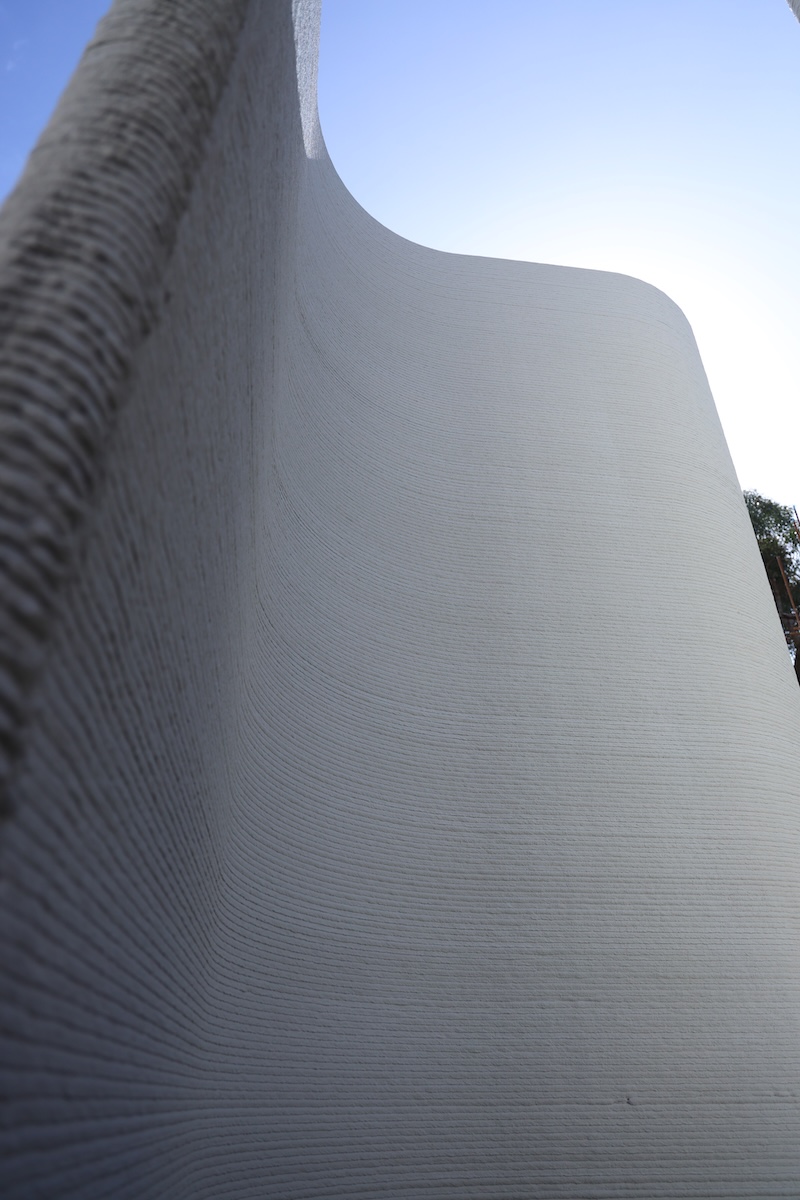
Contec Australia Completes First 3D Concrete Printed Swimming Pool Structure
Contec Australia has announced the completion of what it claims to be Australia’s first swimming pool structure built using large-scale 3D concrete printing. This innovative project includes a swimming pool, spa, and structural elements for a three-storey residence, showcasing the capability to create complex geometries directly from digital designs without the need for traditional formwork. This development is significant as it highlights the potential of 3D concrete printing to expedite construction timelines, especially amid ongoing labor shortages in the Australian construction industry. Contec Australia completed the ground floor walls in seven days, the upper level in six days, and the pool and spa in just two days, demonstrating a remarkable reduction in construction time compared to conventional methods. Looking ahead, Contec Australia is poised to expand its 3D concrete printing applications across various structural and infrastructure projects. The company has a growing pipeline of works and aims to leverage this technology to enhance efficiency and maintain design integrity in future developments. No further timeline was disclosed at the time of publication.
Construction Design News 3D concrete printed swimming pool 3d concrete printing additive construction
U.S. Air Force and Australia Collaborate on MQ-28 Ghost Bat Drone Operations
The U.S. Air Force is closely collaborating with Australia on the MQ-28 Ghost Bat uncrewed aircraft, as highlighted by its participation in Exercise Valiant Shield 2026. This partnership may lead to U.S. pilots commanding Australian MQ-28s in future operations, enhancing joint capabilities. The integration of the MQ-28 into U.S. Air Force plans is significant for developing Collaborative Combat Aircraft (CCA) fleets. The experimental operations unit at Nellis Air Force Base is working on tactics and procedures that could benefit from the lessons learned during the exercise, indicating a strong cross-flow of information between the U.S. and Australian forces. Looking ahead, the development of the MQ-28 continues with Boeing working on the Block 2 version, which will serve as a precursor to the more advanced Block 3. The ongoing collaboration between the U.S. and Australia under the AUKUS agreement may enhance operational flexibility and logistics for future drone operations.
Air Air Forces Around The Globe Collaborative Combat Aircraft Indo-Pacific Loyal Wingman
Australia's Defence Spending Expected to Rise from 2026 to 2035
Australia's defence spending is projected to grow significantly over the next decade as the country focuses on modernizing its military capabilities across various warfighting domains. This increase in defence expenditure is crucial for Australia as it aims to enhance its national security and respond effectively to evolving geopolitical challenges in the region. Looking ahead, stakeholders should monitor the specific areas of military recapitalisation and the strategic implications of this spending increase. No further timeline was disclosed at the time of publication.
Features
Australia's Defence Spending Expected to Rise from 2026 to 2035
Australia's defence spending is projected to grow significantly over the next decade as the country focuses on modernizing its military capabilities across various warfighting domains. This increase in defence expenditure is crucial for Australia as it aims to enhance its strategic military readiness and address evolving security challenges in the region. The recapitalization of military capabilities will likely involve investments in advanced technologies and systems. Industry stakeholders should monitor the developments in Australia's defence spending plans, as they may present opportunities for suppliers and contractors in the defence sector. No further timeline was disclosed at the time of publication.
Features
Xpeng's IRON Robot Set to Transform Retail and Labor in Australia
Xpeng Motors, a leading Chinese electric vehicle manufacturer, is set to introduce its humanoid robot, IRON, in Australia as part of its global strategy. Standing at 1.73 meters, IRON is designed to assist in car showrooms by greeting customers, answering queries, and guiding test drives, marking a significant shift in the retail profession. The introduction of IRON is significant due to the ongoing labor shortages in Australia’s retail, customer service, and factory sectors. Xpeng aims to redefine the workforce by integrating robots into roles traditionally held by humans, offering a solution that does not require breaks or rest. Looking ahead, Xpeng plans to launch IRON globally by 2027, with a production target of over 1,000 units per month by the end of 2026. The robot's advanced technology, derived from Xpeng's autonomous driving systems, positions it as a competitive option in various operational environments, including factories and logistics.
Humanoid Robots Retail Automation AI Technology Workforce Solutions
Humanoid Robots Begin to Enter Australia Amid Global Surge
As humanoid robots flood factories, warehouses, and hotels in China at a rate of 100,000 units annually, Australia remains hesitant at the starting line. Melbourne-based startup Andromeda is selling an AI robot named Abi to nursing homes worldwide, aiming to create empathetic companions that transform loneliness into joy. However, local robotics companies in Australia are scarce, while the global 'robot army' is rapidly approaching its borders. Last Friday, AgiBot, a leading humanoid robot company from China, held a launch event in Australia, showcasing robots performing the Nutbush dance. Priced between $40,000 and $50,000, these robots are already fulfilling tangible roles in China's manufacturing lines, warehouses, hotel receptions, and stores, with production reaching 100,000 units this year and continuing to grow. A striking comparison highlights that the current price of a humanoid robot is roughly equivalent to that of a slave in the late 18th century American South, raising ethical questions about the societal acceptance of such industrial consumer goods. Australian Prime Minister Albanese recently announced he would personally oversee the national AI strategy, with the establishment of an AI safety research institute, although pre-release testing is still under discussion. Meanwhile, global AI regulation shows signs of divergence, as China recently enacted regulations halting AI companion services. Australia is still exploring the extent to which humanoid robots should resemble humans, raising critical questions about whether these machines are tools for liberating productivity or a point for society to redefine 'value.'
Humanoid Robots AI Robotics Automation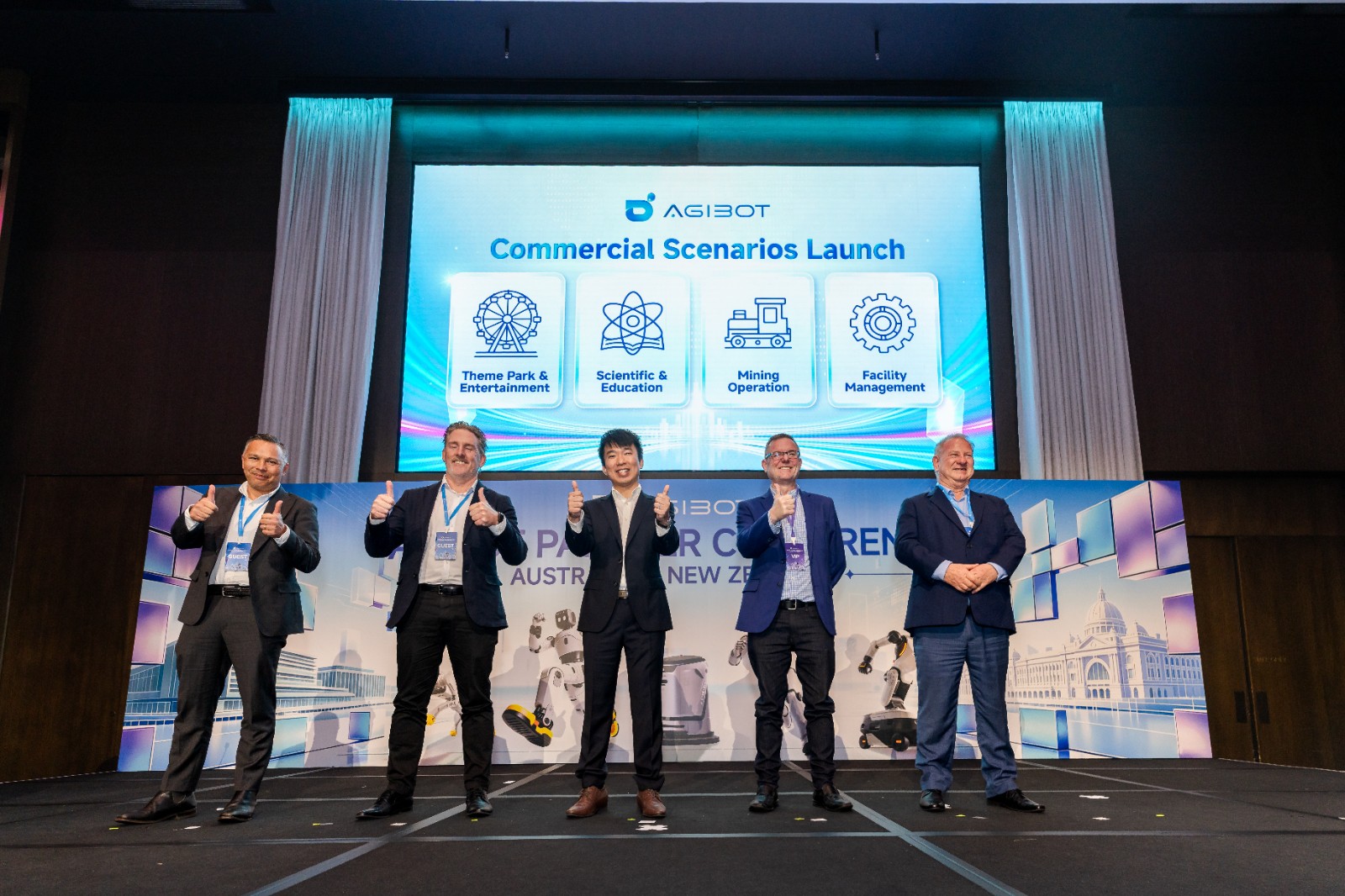
AGIBOT Launches APC 2026 in Australia and New Zealand to Showcase AI Solutions
AGIBOT has officially launched the AGIBOT Partner Conference (APC) 2026 in Melbourne, Australia, emphasizing its dedication to local partnerships and the deployment of embodied AI solutions. The event featured the introduction of Robot-as-a-Service (RaaS), aimed at improving accessibility and productivity across various sectors. This initiative is significant as it demonstrates AGIBOT's commitment to collaborating with local partners to tailor solutions to meet market demands. By accelerating the adoption of advanced robotics, AGIBOT aims to enhance operational efficiency and innovation in Australia and New Zealand. Looking ahead, industry stakeholders should monitor AGIBOT's progress in implementing RaaS and its impact on local industries. No further timeline was disclosed at the time of publication.
Robotics Embodied AI Technology Innovation Partnerships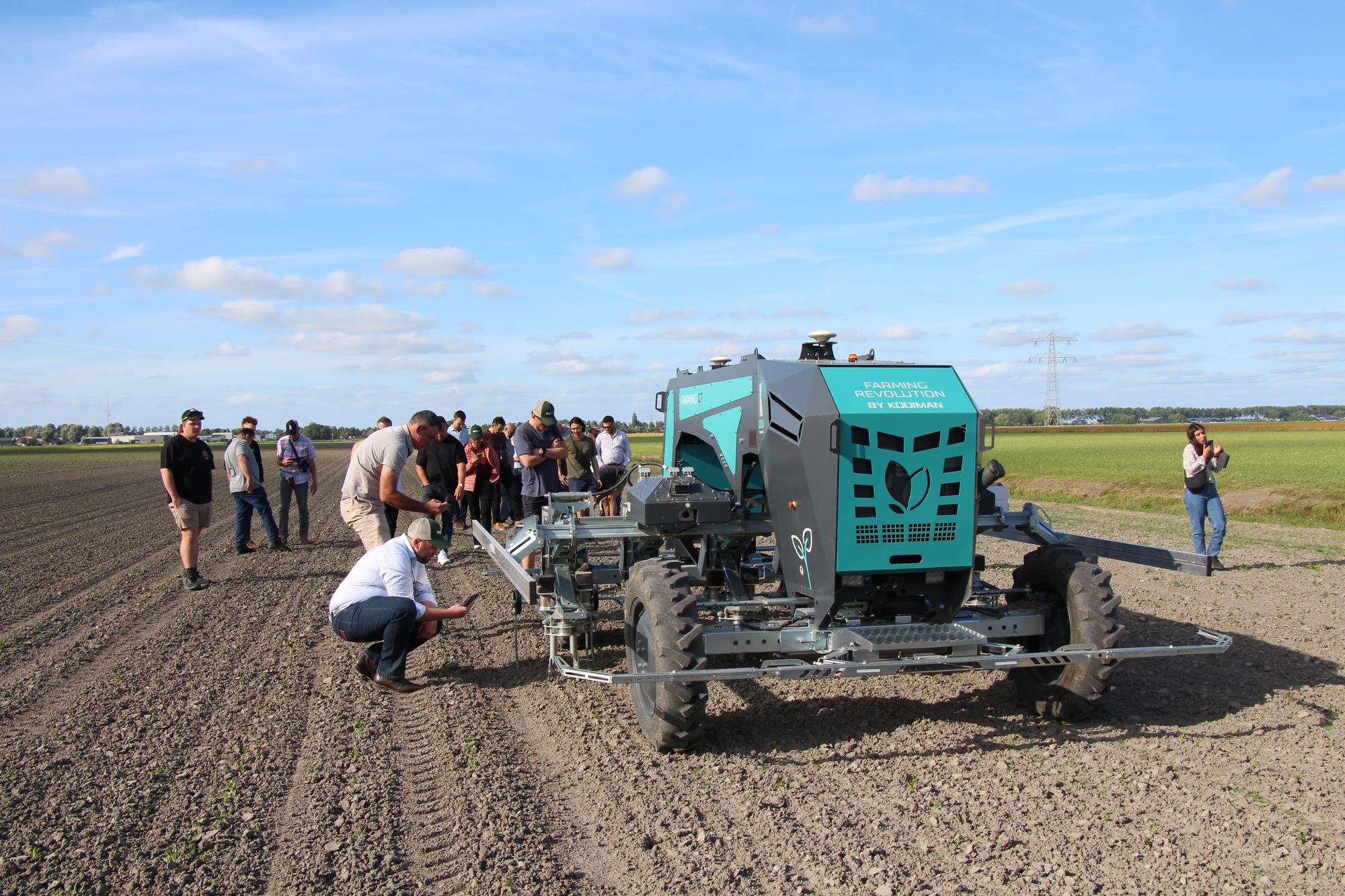
Australian Growers Gain Insights from European Study Tour on Automation and Robotics
Twenty Australian vegetable and onion growers participated in a 10-day study tour across the UK and the Netherlands, organized under the VegMech project. This initiative, led by the Department of Primary Industries (Queensland) and funded by Hort Innovation, aimed to showcase how European farmers are integrating automation and robotics into their agricultural practices. The tour provided firsthand insights into the use of technologies like the Farming GT hoeing robot, which has been effective in managing weeds in crops such as celeriac and pumpkins. With about 40 units sold in Europe, the Farming GT can hoe 8 to 10 hectares daily, addressing labor shortages and promoting sustainable weed management. Looking ahead, Australian growers are keen to explore precision agriculture solutions to enhance crop health while minimizing herbicide use. The interest in technologies like laser weeding indicates a shift towards more sustainable farming practices. No further timeline was disclosed at the time of publication.
Smart farming field robots laser weeding mechanical weeding robotic harvesting sustainable farming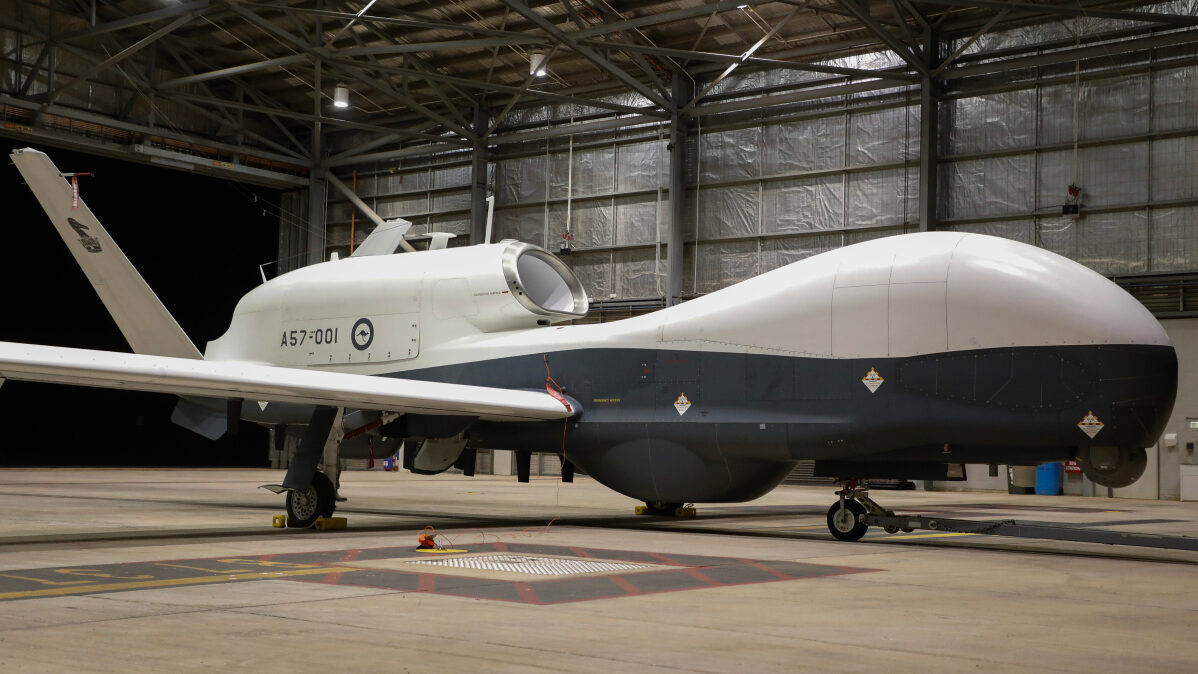
RAAF Achieves Initial Operational Capability for MQ-4C Tritons and MC-55A Peregrines
The Royal Australian Air Force (RAAF) has announced that it has achieved Initial Operational Capability (IOC) for its MQ-4C Triton unmanned aerial vehicles. This milestone is expected to significantly enhance the RAAF's capacity to provide persistent intelligence, surveillance, and reconnaissance (ISR) capabilities across Australia's primary military interest areas. Achieving IOC for the MQ-4C Tritons is crucial as it strengthens the RAAF's operational effectiveness in ISR missions, which are vital for national security and defense strategies. The integration of these advanced systems is anticipated to improve situational awareness and decision-making processes within the Australian defense framework. Looking ahead, the RAAF will likely focus on further operational integration and training to maximize the capabilities of the MQ-4C Tritons and MC-55A Peregrines. No further timeline was disclosed at the time of publication.
Air Warfare Global Air Force Asia australia Indo-Pacific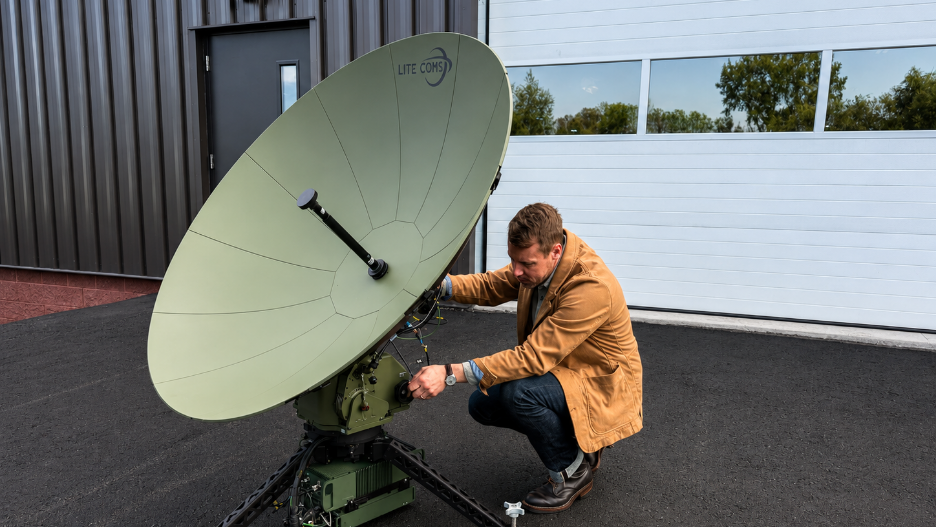
Boeing Defence Australia Selects Lite Coms for BLOS SATCOM Terminals in Australia
Lite Coms has been chosen by Boeing Defence Australia to supply Beyond Line-Of-Sight Satellite Communications terminals for an Australian military program. The LITE SAT 1.3A tactical satellite terminals will support the Australian Defence Force’s LAND 4140 modernization initiative, enhancing command and control capabilities. This selection is significant as it underscores the importance of advanced communication systems in military operations. The LAND 4140 program aims to modernize Land Command, Control, Communications, and Computers systems, ensuring decision-making superiority for the Australian Defence Force in complex operational environments. Looking ahead, the deployment of the LITE SAT 1.3A terminals is expected to enhance connectivity for the Australian military, enabling faster and more reliable communication. No further timeline was disclosed at the time of publication.
Global Land Warfare Networks & Digital Warfare Army Asia australia
Australian National University Researchers Enhance PETase Enzyme to Combat 350 Million Tons of Plastic Waste
Researchers at The Australian National University (ANU) have developed a method to enhance the efficiency of plastic-degrading enzymes by modifying a single atom. This breakthrough allows the enzyme to degrade polyethylene terephthalate (PET) at nearly double its normal rate without losing thermal stability, addressing a significant challenge in plastic waste management. The importance of this research lies in its potential to significantly impact the 350 million tons of PET plastic waste generated globally each year. By utilizing synthetic, non-canonical amino acids, the ANU team has managed to improve the catalytic activity of PETases while maintaining their structural integrity, a feat that has been difficult to achieve in enzyme engineering. Looking ahead, the focus will be on further refining this technique and exploring its commercial viability. The study indicates that precise atomic modifications can lead to substantial improvements in enzyme performance, which could pave the way for more effective solutions to the ongoing plastic pollution crisis. No further timeline was disclosed at the time of publication.
Science
Firmus Secures $2 Billion Commitments to Expand AI Factory in Australia and Asia-Pacific
Firmus has announced that it has secured $2 billion in funding commitments aimed at accelerating the expansion of its AI factory operations across Australia and the Asia-Pacific region. This significant investment underscores the growing interest and demand for AI technologies in these regions, highlighting Firmus's strategic position in the market. The funding will enable the company to enhance its capabilities and infrastructure to meet the increasing needs of its clients. Looking ahead, stakeholders will be keen to observe how Firmus utilizes this funding to scale its operations and the potential impact on the AI landscape in Australia and Asia-Pacific. No further timeline was disclosed at the time of publication.
Artificial Intelligence Investments News AI infrastructure Australia Firmus
Carbonix and CASA Certify First SAIL III Drone in Australia
Carbonix says it is the first company in Australia to receive SAIL III certification for a drone, clearing a path to scalable long-range BVLOS operations. Sydney-based autonomous aviation company Carbonix has become the first company in Australia to achieve Safety Assurance Integrity Level (SAIL) III drone certification, according to the company. Carbonix says the milestone, […] The post Carbonix and CASA Certify First SAIL III Drone in Australia appeared first on DRONELIFE.
Drone News Drone News Feeds Mapping News aerial surveying Australian drone industry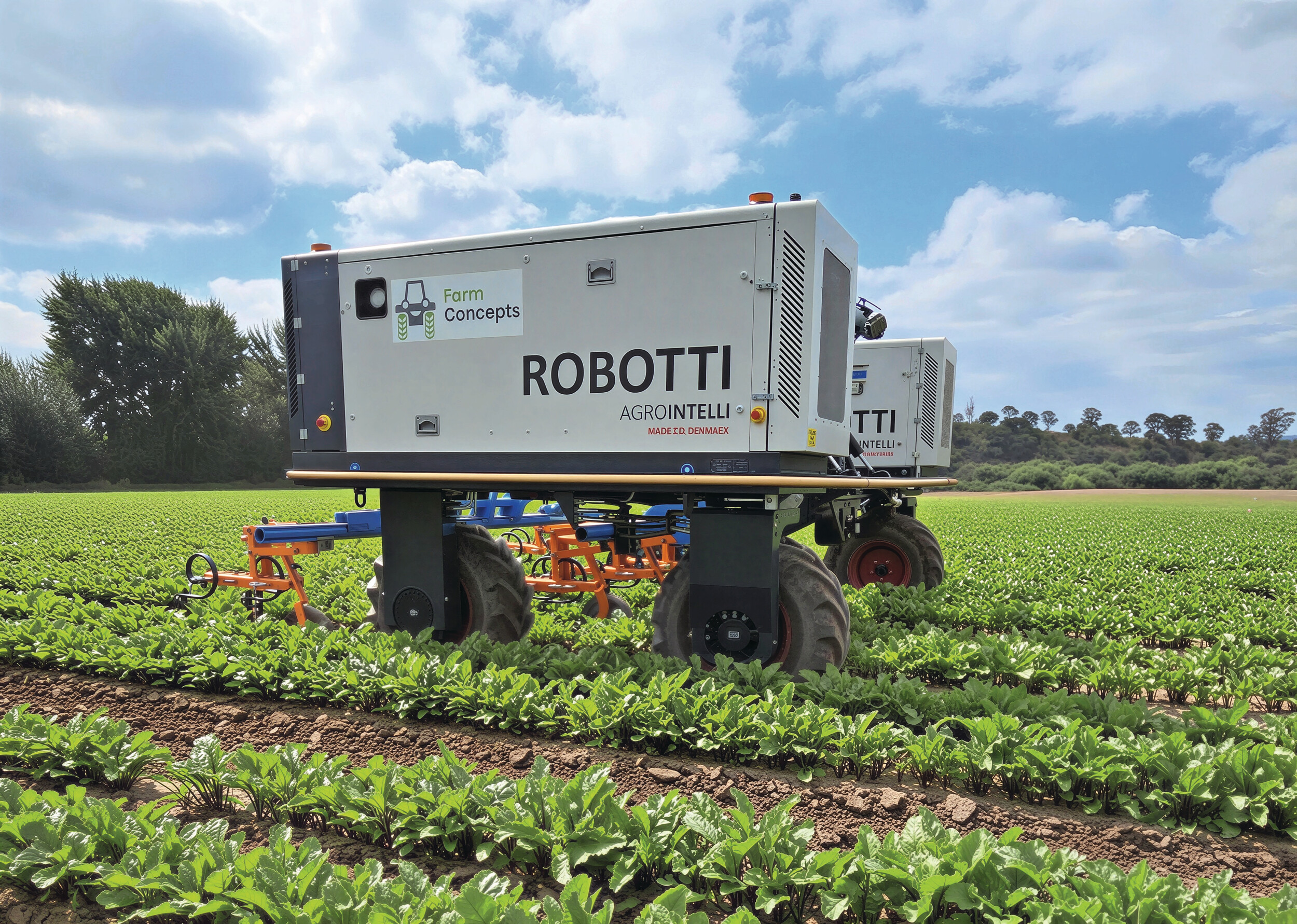
Australian vegetable farm puts 2 weeding technologies to the test
Australian organic grower Busch Organics is facing substantial time and financial burdens due to manual weeding practices. In response to these challenges, the company has conducted field trials utilizing autonomous hoeing and laser weeding technologies. These innovative approaches have shown promise in reducing the labor-intensive nature of weeding, potentially offering a more efficient and cost-effective solution for the organic farming sector. As the trials progress, Busch Organics aims to enhance its operational efficiency and sustainability in agricultural practices.
Crop solutions autonomous technology laser weeding mechanical weeder organic farming robotic harvesting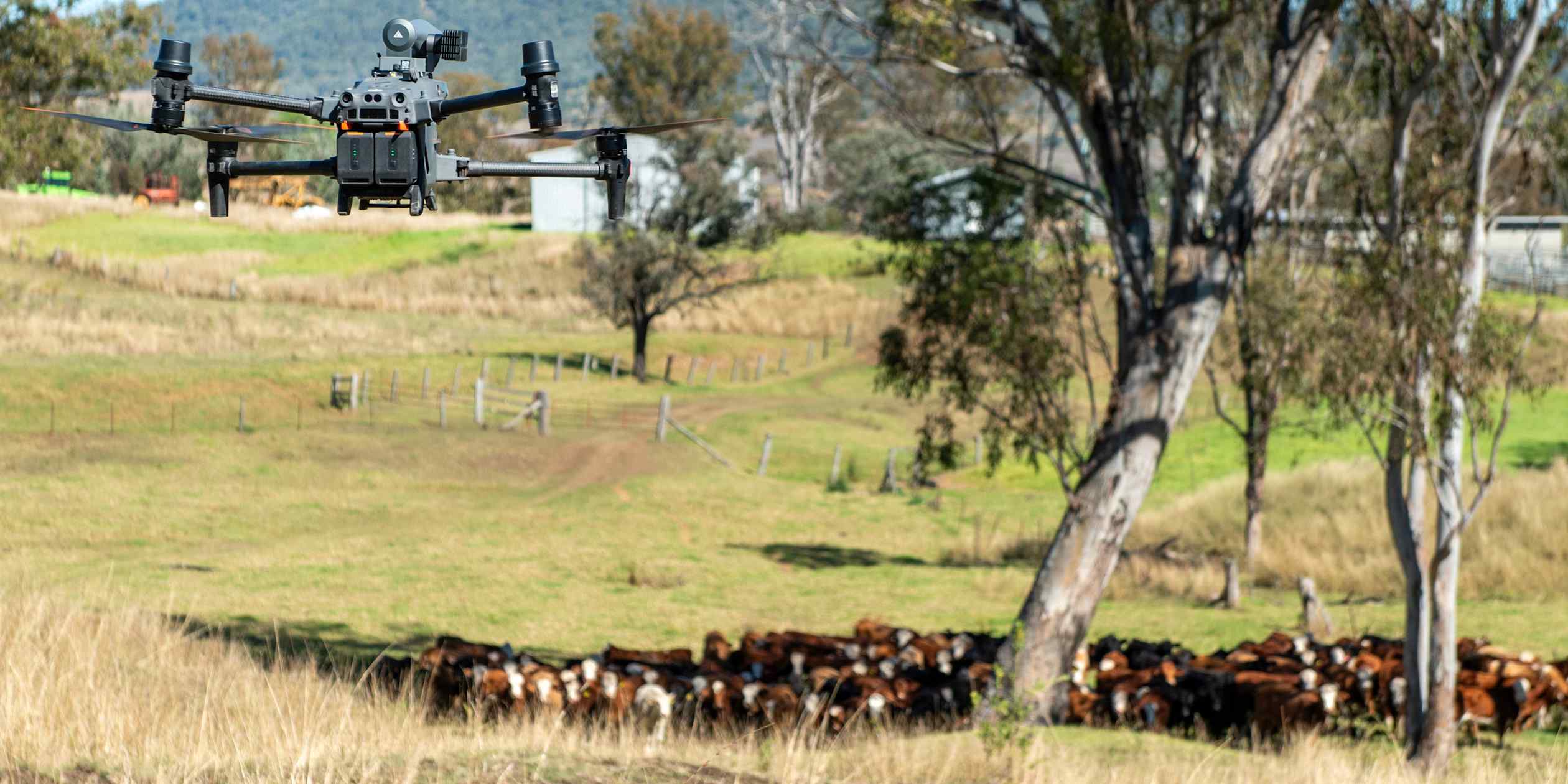
Dogs, drones and AI: Australian agriculture is going high-tech
In Wagga Wagga, Australia, SkyKelpie is revolutionizing traditional sheep and cattle herding by integrating drones into agricultural practices. On a chilly morning, stock agents utilized rattles and whistles to guide sheep through sorting gates, while a three-year-old kelpie named Sky adeptly corralled the flock on command. This innovative approach reflects a broader trend among a new generation of farmers who are eager to enhance productivity through technology. By combining the agility of trained dogs with the precision of drones, SkyKelpie aims to streamline the herding process, making it more efficient and effective. This shift towards high-tech agriculture is driven by the need for improved operational efficiency in a competitive farming landscape.

First Bluebottle Hull Christened as Part of Royal Australian Navy's Program of Record
Ocius Technology has achieved a significant milestone in the Royal Australian Navy's $176 million Bluebottle Program with the ceremonial christening of the first uncrewed surface vessel (USV) hull. This event, which took place following the contract announcement in March, marks the initial delivery under the program aimed at enhancing naval capabilities. The Bluebottle USVs are designed to support various maritime operations, reflecting the Navy's commitment to modernizing its fleet and improving operational efficiency. The successful christening underscores Ocius Technology's role in advancing innovative maritime solutions for the Australian defense sector.
bluebottle usv hull christening ocius royal australian navy
Australia tests backpack-sized counter-drone system deployable in under two minutes
Australia is intensifying its initiatives to safeguard frontline troops against the increasing risks posed by small drones. This move comes in response to the rising use of unmanned aerial vehicles in modern warfare, which have become a significant concern for military operations. The Australian Defence Force (ADF) is prioritizing the development and deployment of advanced counter-drone technologies to enhance the safety and effectiveness of its personnel in the field. In recent months, military officials have conducted assessments and trials to identify the most effective strategies for neutralizing drone threats. These efforts are part of a broader strategy to adapt to evolving combat scenarios, ensuring that Australian forces remain well-equipped to handle emerging challenges. The urgency of this initiative is underscored by the increasing frequency of drone-related incidents in conflict zones worldwide, prompting a reevaluation of existing defense protocols. As part of this initiative, the ADF is collaborating with technology firms and defense experts to innovate solutions that can detect, track, and neutralize hostile drones. The aim is to implement these technologies in various operational settings, thereby reinforcing the protection of troops during missions. This proactive approach reflects Australia’s commitment to maintaining a robust defense posture in the face of evolving threats in the global security landscape.
Military
Landair Surveys Uses SimActive Correlator3D for Planned Burns Mapping in Australia
Landair Surveys, an Australian geospatial firm, is utilizing SimActive's Correlator3D software to create orthomosaics from aerial imagery. This initiative is part of their efforts in wildfire prevention and land management, specifically for planned burns mapping projects across Australia. The Montreal-based software developer announced this collaboration, highlighting that the workflow aims to enhance the efficiency of geospatial outputs. The use of advanced aerial imagery technology is expected to improve land management strategies and contribute to effective wildfire prevention measures.
Digital Twins Disaster Response Drone News Drone News Feeds Fire Firefighter
Iovance Biotherapeutics (IOVA) Gets Australia Nod for Amtagvi, Climbs 15%
Iovance Biotherapeutics Inc. experienced a significant surge in its stock price, rising by 15.57% to close at $4.38 on Thursday, June 4, 2026, following the conditional approval of its melanoma treatment, Amtagvi, by Australia’s Therapeutic Goods Administration (TGA). This marks the third marketing authorization for Amtagvi, which has already received approvals in the United States and Canada. The approval is particularly noteworthy as Australia has the highest melanoma incidence rate globally, with approximately 17,000 new cases and over 1,500 related deaths each year. Frederick Vogt, President and CEO of Iovance Biotherapeutics, emphasized the importance of this milestone, stating it represents a significant advancement for the company in a region heavily affected by melanoma. Iovance is currently in the process of establishing its first treatment center in Australia as part of its strategy to expand Amtagvi into additional markets with high rates of advanced melanoma. The TGA's approval was based on positive safety and efficacy results from the global, multicenter C-144-01 trial, which evaluated Amtagvi in patients with advanced melanoma who had previously undergone anti-PD-1 therapy and, where applicable, targeted therapy.
Australia launches first 3D-printed unmanned drone boat in Southern Hemisphere
Australia has introduced the southern hemisphere's first 3D-printed uncrewed surface vessel, marking a significant advancement in maritime technology. The vessel was unveiled recently as part of the country's efforts to enhance its naval capabilities and promote innovation in defense. This groundbreaking project took place at a facility in Australia, showcasing the nation's commitment to integrating modern technology into its maritime operations. The initiative aims to improve surveillance and reconnaissance missions while reducing costs associated with traditional shipbuilding methods. By leveraging 3D printing technology, Australia hopes to streamline the production process, allowing for quicker deployment of advanced vessels in response to emerging maritime challenges.
No chemicals, no workers: The future of weed control is coming to Australia
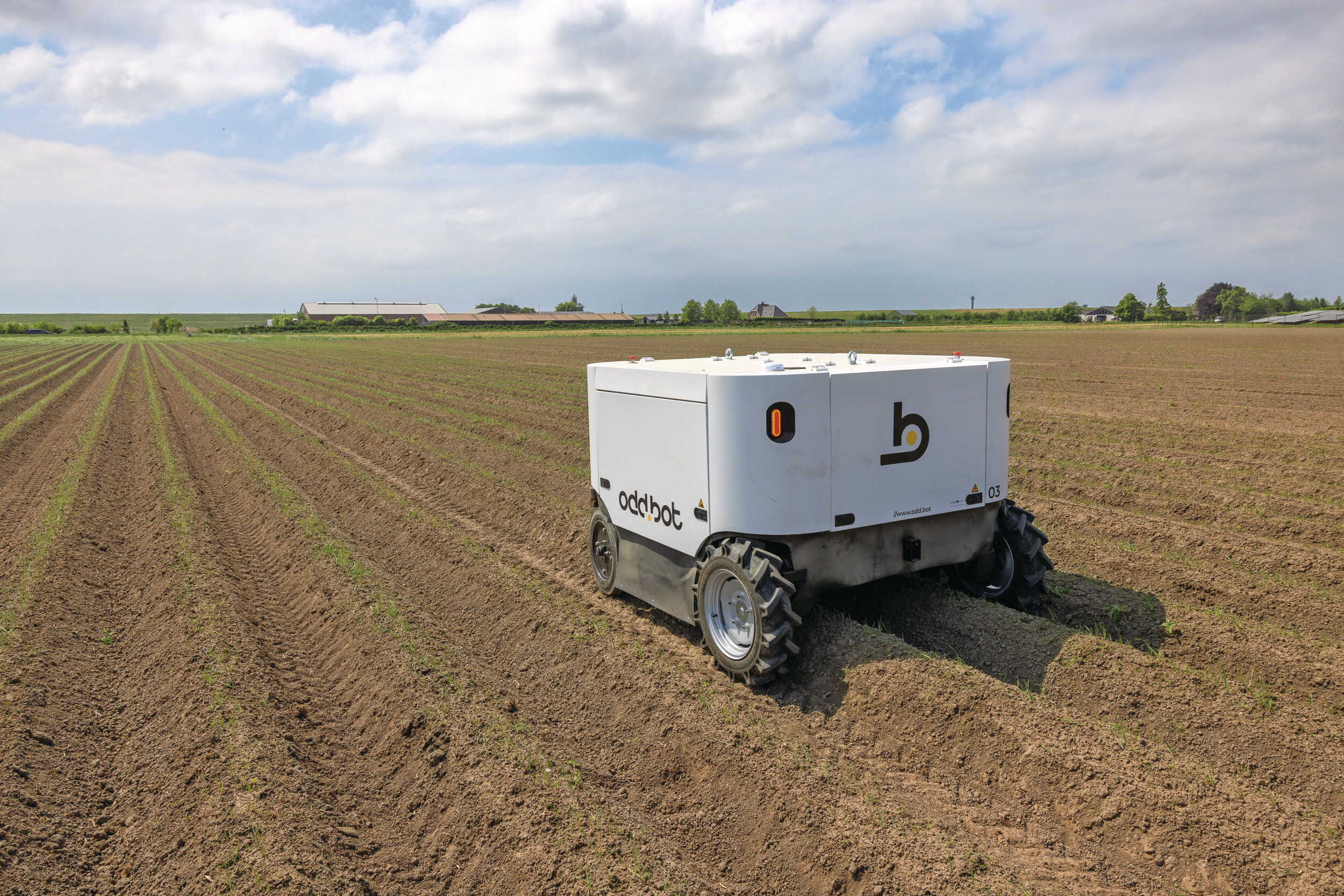
Australian vegetable growers are grappling with significant challenges as they confront a combination of soaring costs and a critical shortage of labor. In the 2024–25 financial year, crop input costs have surged by nearly 30%, exacerbating the financial strain on producers. Concurrently, a staggering 60% of growers report difficulties in securing an adequate workforce, which has prompted many to seek solutions through technological advancements. In fact, nearly half of the growers, 47%, believe that investing in innovative agricultural technology and mechanisation could provide much-needed relief and enhance their business operations. As the industry navigates these pressing issues, the push for modernization appears to be a crucial step towards sustainability and efficiency in Australian agriculture.
Field robots autonomous technology mechanical weeder precision agriculture robotic harvesting weed control
FlytBase and Yarra Drones prepare Australia for BVLOS era
As Australia approaches a significant transition towards broader beyond visual line of sight (BVLOS) drone operations, FlytBase and Yarra Drones have formed a partnership aimed at assisting enterprises in implementing compliant and scalable autonomous drone programs. This collaboration seeks to provide businesses with the necessary tools and flexibility to navigate the evolving landscape of drone technology across the country. The initiative comes at a time when the demand for innovative aerial solutions is on the rise, positioning both companies at the forefront of this potential aviation revolution. By leveraging their combined expertise, FlytBase and Yarra Drones aim to facilitate the integration of drones into various sectors, ultimately enhancing operational efficiency and expanding the possibilities of drone applications in Australia.
News
US Navy gets 26-foot drone submarine with 1,243 mile-range from Australia
Australian company C2 Robotics has successfully delivered the Speartooth, a large uncrewed submarine designed for various underwater applications. This significant achievement was announced recently, showcasing advancements in autonomous marine technology. The Speartooth is intended for use in research, surveillance, and environmental monitoring, reflecting a growing demand for innovative solutions in underwater exploration. The submarine's development aims to enhance operational efficiency and safety by reducing the need for human presence in potentially hazardous underwater environments. C2 Robotics has implemented cutting-edge technology to ensure the Speartooth can navigate complex underwater terrains autonomously, marking a notable step forward in the field of uncrewed maritime vehicles.

Australian Maritime College and HII Report Near-Perfect Availability as REMUS 100 Completes 935 Missions with Only Two Days of Downtime
The Australian Maritime College (AMC) and HII have announced a significant achievement regarding the reliability of AMC’s Legacy REMUS 100 autonomous underwater vehicle (AUV). This milestone was revealed today, highlighting the advancements made in the technology and performance of the AUV. The collaboration between AMC and HII aims to enhance underwater exploration and data collection capabilities, addressing the growing demand for reliable and efficient marine technology. The REMUS 100 is designed for various applications, including environmental monitoring and underwater research, making it a vital tool for marine scientists and researchers. This development underscores the commitment of both organizations to push the boundaries of autonomous underwater operations and improve the reliability of such technologies in real-world applications.
hii australian maritime college (amc)
Kraken Robotics Appoints BlueZone Group as Sales Representative for Australia and New Zealand
Kraken Robotics has appointed BlueZone Group as an authorized reseller for its Synthetic Aperture Sonar (SAS) technology and the KATFISH towed SAS platform in Australia and New Zealand. This partnership, announced recently, aims to enhance Kraken's market presence in the region by leveraging BlueZone Group's established network and expertise in marine technology. The collaboration is expected to provide local customers with access to advanced underwater imaging solutions, improving capabilities in marine exploration and monitoring. By aligning with BlueZone Group, Kraken Robotics seeks to expand its reach and support the growing demand for innovative sonar systems in the Australian and New Zealand markets.
kraken robotics bluezone group royal australian navy (ran)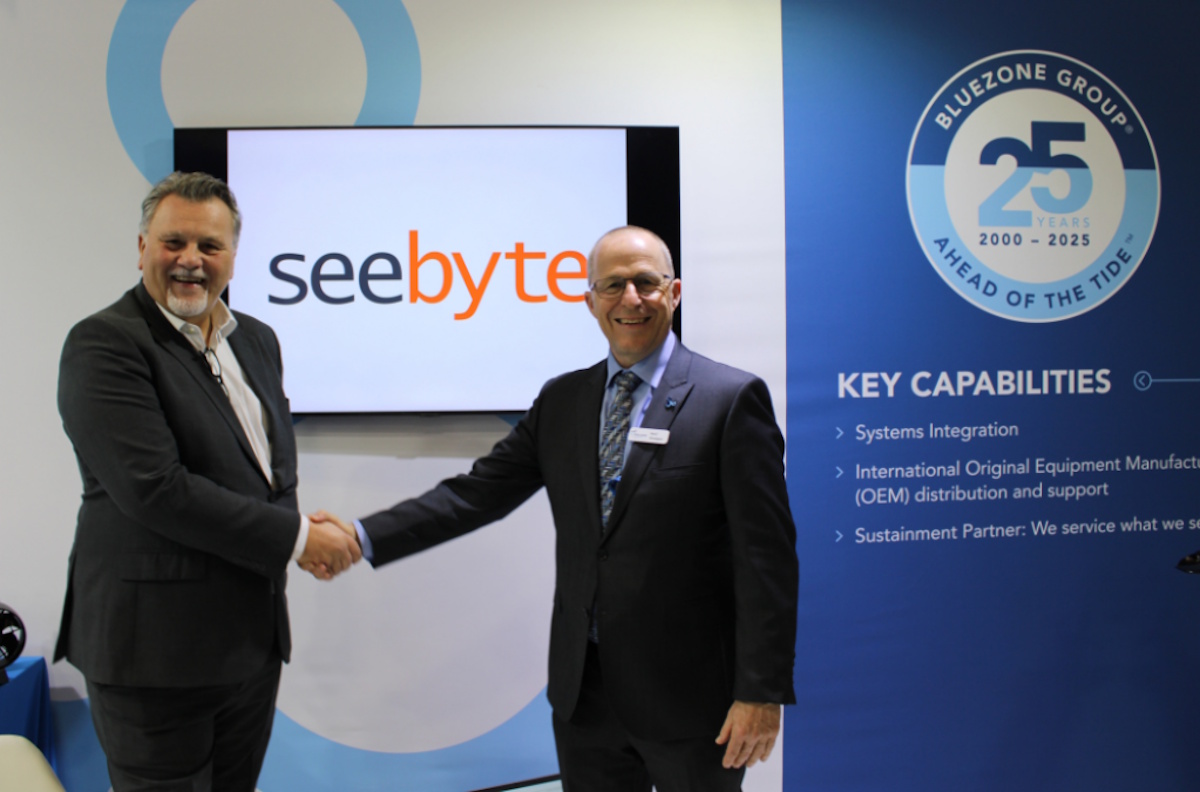
SeeByte and BlueZone Group Forge Strategic Alliance to Strengthen Australian Naval Capabilities
SeeByte, a prominent UK-based company specializing in advanced maritime defense and uncrewed systems technology, has entered into a representative agreement with BlueZone Group, a respected Australian defense solutions provider. This collaboration aims to bolster the operational capabilities of the Royal Australian Navy by integrating innovative autonomous maritime technologies. The agreement was finalized recently, marking a significant milestone in strengthening defense partnerships between the UK and Australia. By leveraging SeeByte's expertise in autonomous systems, the Royal Australian Navy is expected to enhance its operational effectiveness and maintain a competitive edge in maritime defense.
seebyte bluezone strategicaustralian naval capabilities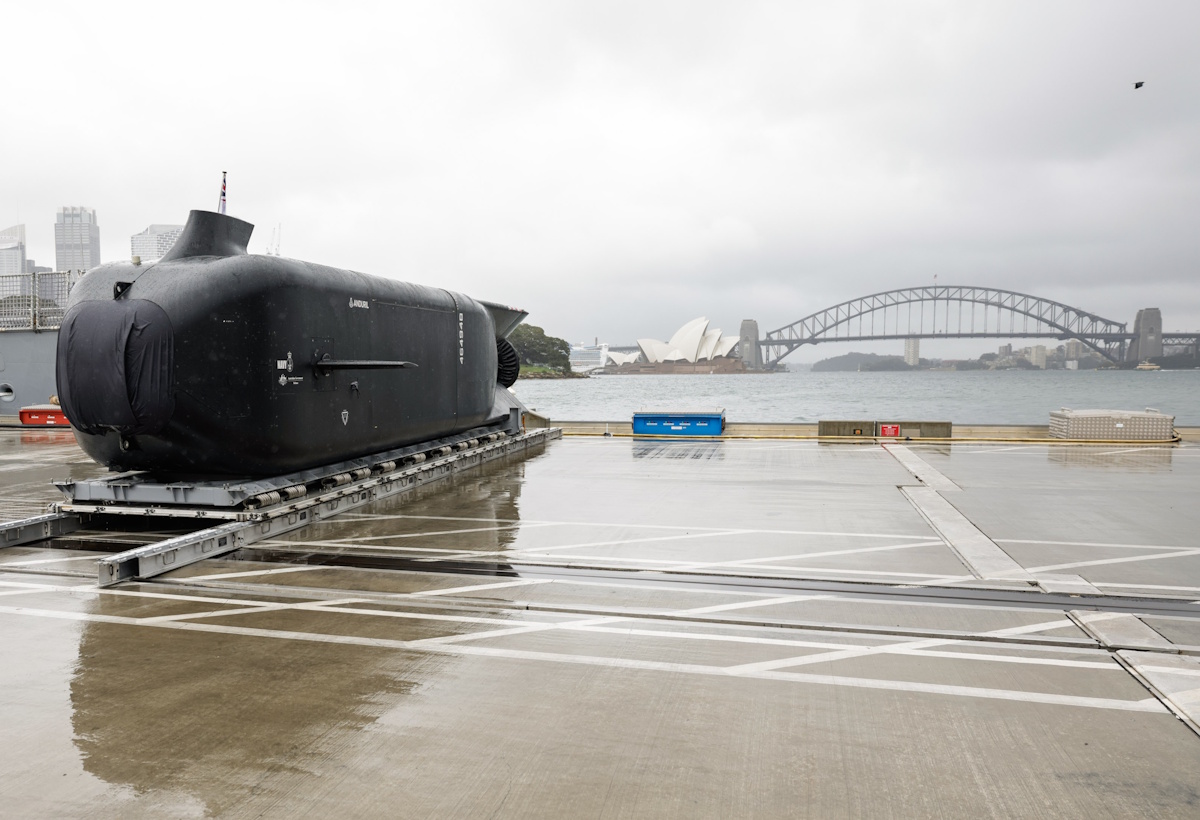
Equipping the Royal Australian Navy with Next Generation Autonomous Undersea Vehicles
The Albanese Government has announced a significant investment of $1.7 billion to enhance the capabilities of the Royal Australian Navy by acquiring a new fleet of Australian-designed and built extra-large autonomous undersea vehicles, referred to as the Ghost Shark. This initiative aims to bolster national security and maritime defense, reflecting the government's commitment to modernizing the Navy's operational assets. The acquisition is part of a broader strategy to strengthen Australia’s defense capabilities in response to evolving regional threats. The Ghost Shark vehicles are expected to play a crucial role in underwater surveillance and reconnaissance missions, thereby improving the Navy's effectiveness in safeguarding Australia's maritime interests. The investment underscores the government's focus on advancing domestic defense manufacturing and technological innovation.
royal australian navy (ran) autonomous undersea vehicles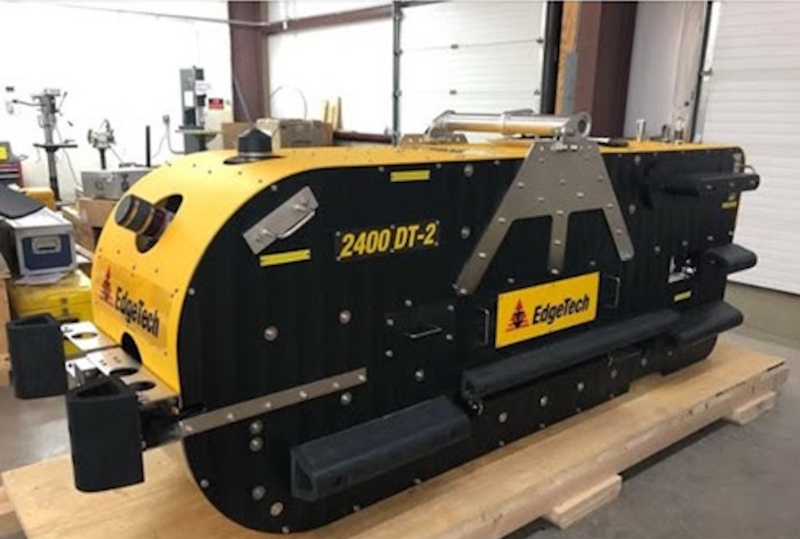
Fugro Donates Survey Equipment to CSIRO to Support Australian Ocean Research
Fugro has made a significant contribution to ocean research by donating two EdgeTech Deep Tow survey systems to the Commonwealth Scientific and Industrial Research Organisation (CSIRO), Australia’s national science agency. This donation, announced recently, underscores Fugro's commitment to advancing global ocean science initiatives and supports the objectives of the United Nations Decade of Ocean Science for Sustainable Development. By providing these advanced survey systems, Fugro aims to enhance the capabilities of CSIRO in conducting vital oceanographic research, ultimately contributing to sustainable management and conservation of ocean resources.
fugro survey equipment csiro ocean research edgetech deep tow
Saildrone and Thales Australia Demonstrate Game-changing Capability for Autonomous Anti-Submarine Warfare
Saildrone, a leader in maritime autonomy, has partnered with Thales Australia to successfully integrate the BlueSentry thin-line towed array with the Saildrone Surveyor, resulting in a pioneering system designed for autonomous long-endurance undersea maritime domain awareness (MDA). This innovative project, backed by funding from the Office of Naval Research (ONR), represents a significant advancement in the field of persistent, real-time undersea surveillance. The collaboration aims to enhance the capabilities of maritime operations by providing continuous monitoring of underwater environments, thereby improving security and situational awareness in naval operations. The demonstration highlights the potential for autonomous systems to revolutionize maritime surveillance and response strategies.
saildrone thales australia autonomous anti-submarine warfare (asw)
Fugro Awarded Second Geotechnical Site Investigation for Australian Offshore Wind Farm
Fugro has secured a contract to conduct offshore soil investigation services for the Blue Mackerel offshore wind farm, a significant renewable energy initiative in Australia. This project, located off the coast of Brataualung and Tatungalung country in Gippsland, Victoria, is poised to become one of the country's first offshore wind energy developments. The investigation is a crucial step in advancing the project, which aims to contribute to Australia’s transition towards cleaner energy sources.
fugro contract award geotechnical site investigation offshore wind farm blue mackerel project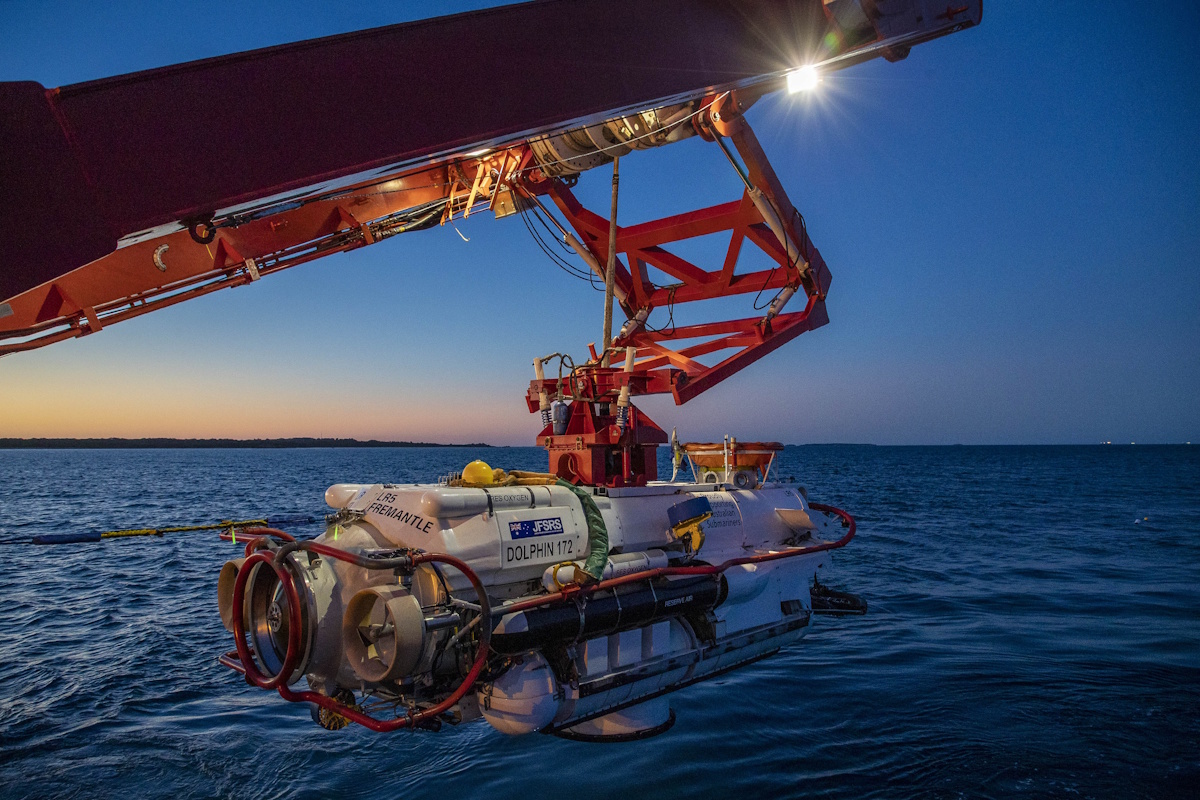
Australia’s Submarine Rescue System in Safe Hands as JFD Australia Locks in Contract Extension
JFD Australia has secured a four-year extension of its contract with the Department of Defence, ensuring the continued provision of submarine rescue systems to the Royal Australian Navy (RAN). This partnership, which has been in place since 2009, underscores the importance of maintaining a critical sovereign capability for the RAN. The extension reflects the government's commitment to enhancing maritime safety and operational readiness, allowing JFD to further support the Navy's mission through advanced rescue technologies and training.
australia submarine rescue system jfd australia contract extensionRobotics needs a service framework.
RSF defines a common language for robot service capability, lifecycle operations, certification pathways, and service-provider networks.
Join the RobotToday community on LinkedIn
Daily robotics news, in-depth analysis, conference highlights, and discussions with professionals worldwide.







