

Industry Briefing
A single destination for timely, editor-curated robotics news from around the world.

FCC Considers Ban on DJI Drones Already Approved for Sale in the U.S.
The Federal Communications Commission (FCC) is contemplating restrictions on foreign-made drones, including popular models like the DJI Mini 5 Pro and Air 3S. This proposal could lead to the removal of these consumer drones from U.S. shelves due to their inclusion of technologies deemed 'military-grade' by the FCC. This move is significant as it affects not only future drone imports but also those already authorized for sale in the U.S. market. The FCC's proposal, published on August 3, seeks public comments until September 2, indicating a potential shift in the regulatory landscape for consumer drones that utilize technologies such as LiDAR and thermal imaging. As the FCC considers these restrictions, stakeholders in the drone industry and consumers should monitor developments closely. The implications of this proposal could reshape the availability of popular drone models and impact various sectors that rely on these technologies for applications beyond military use.
News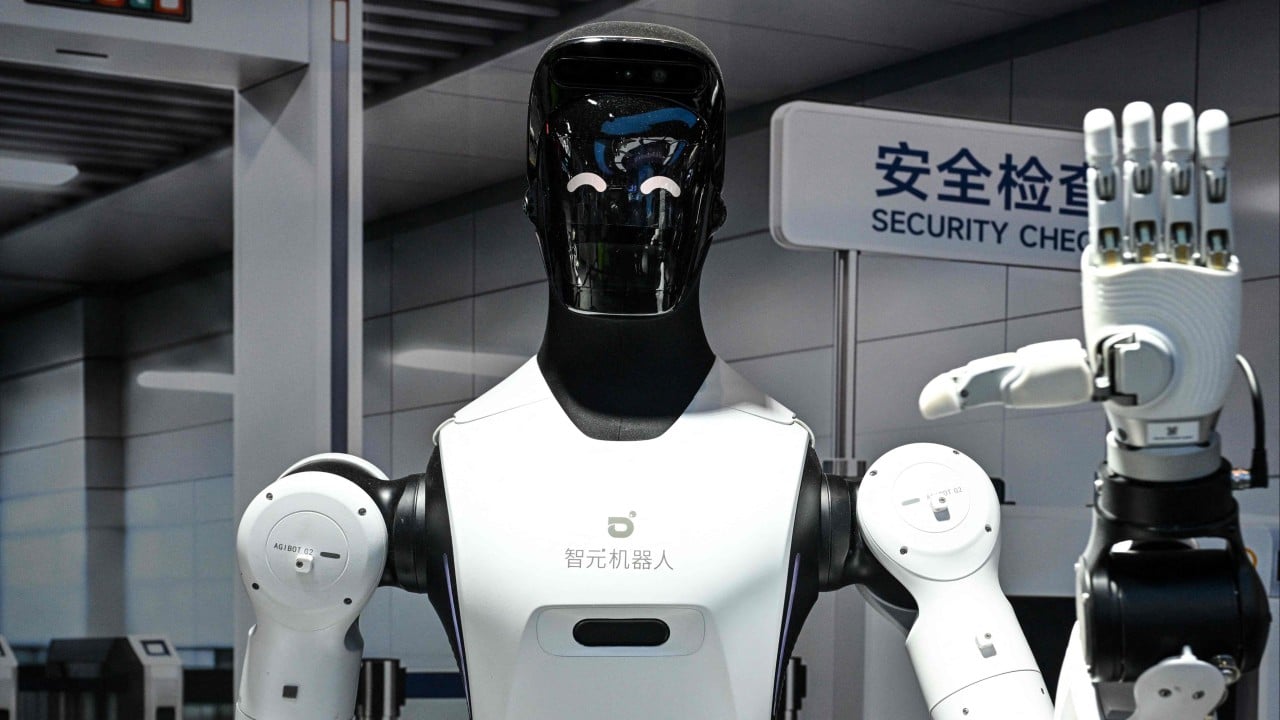
US House Passes Bill to Ban Military Use of Chinese Humanoid Robots Amid Tech Rivalry
The US House of Representatives has passed the National Defence Authorisation Act (NDAA), which includes a ban on the military's use of Chinese-made humanoid robots. This legislation reflects growing concerns over national security and data privacy, as it prohibits the Pentagon from procuring or operating robotic systems linked to foreign adversaries like China, Russia, and Iran. This move is significant as it marks an expansion of US scrutiny over Chinese technology, particularly in the realm of autonomous systems. The NDAA incorporates elements of the proposed Guarding the US Against Adversarial Robotics Dominance (GUARD) Act, although it does not include the most stringent measures that would affect commercial sales of these technologies. Looking ahead, while the current legislation focuses on military procurement, the implications for commercial sales remain uncertain. Lawmakers have yet to address the broader concerns raised by the GUARD Act, which could lead to further restrictions on Chinese robotic systems in the future. No further timeline was disclosed at the time of publication.

China's WAIC Highlights AI Advancements Amid US Rivalry and Global Collaboration Efforts
The World AI Conference (WAIC) in Shanghai is set to showcase China's ambition to compete in the AI sector, particularly in models, chips, and robotics. This event occurs against the backdrop of increasing technological rivalry with the US, which has imposed restrictions limiting China's access to advanced computing chips. China's government has prioritized technological self-reliance, accelerating the development of domestic alternatives in both hardware and software. Foreign ministry spokesman Lin Jian emphasized that China opposes ideological divisions and technological blockades, aiming to use WAIC to foster exchanges and consensus while promoting AI benefits to developing countries. This year's WAIC will serve as a critical indicator of China's progress in transforming AI model advancements into a comprehensive industrial ecosystem. Observers should pay attention to how China plans to influence global AI governance, safety standards, and international collaboration as AI technology increasingly integrates into the physical world.

Blue Cross Blue Shield Association Reports AI Increased Healthcare Costs by $942 Million
An analysis by the Blue Cross Blue Shield Association revealed that the use of artificial intelligence tools in hospitals has resulted in an additional $942 million in healthcare spending over two years. The report highlights a significant rise in the documentation of patients with complex conditions, yet it notes a disconnect between medical coding and actual treatment, indicating no evidence of improved care delivery. This finding is crucial as it underscores the growing concern that AI is exacerbating healthcare costs rather than alleviating them. The New York Times emphasized that the ongoing disputes between hospitals and insurers regarding treatments and payments are being intensified by the implementation of AI technologies on both sides. This situation raises questions about the efficiency and effectiveness of AI in the healthcare system. Looking ahead, experts like Dr. Shiv Rao from AI startup Abridge warn of potential negative outcomes, including a future where AI systems are at odds with each other. However, there is also hope that AI could streamline processes and reduce costs. No further timeline was disclosed at the time of publication.
AI Biotech & Health Blue Cross Blue Shield Abridge
Tesla Cybercab Under Federal Investigation for Missing Safety Features
The Tesla Cybercab is facing a federal investigation due to its lack of required safety features, including sideview mirrors and pedals. The National Highway Traffic Safety Administration (NHTSA) has opened an audit query to examine Tesla's certification process for the vehicle, which reportedly does not comply with Federal Motor Vehicle Safety Standards (FMVSS). This investigation is significant as it highlights the regulatory challenges faced by automakers in the rapidly evolving autonomous vehicle market. NHTSA's scrutiny of the Cybercab, which is part of Tesla's planned Robotaxi service, raises questions about the vehicle's compliance with safety regulations and the implications for its future deployment. Looking ahead, NHTSA is considering rule changes that could facilitate the sale of driverless vehicles without traditional controls. However, the agency is also focused on ensuring that safety standards are met, particularly as the robotaxi market expands. No further timeline was disclosed at the time of publication.
Autonomous Cars Electric Cars News Tesla Transportation
HoverAir's Versa Drone Faces US Shipping Ban Just Days After Launch
HoverAir's Versa, a modular drone that transforms from a camera with snap-on wings, has halted US orders shortly after its Indiegogo launch. The company announced that it can only ship the camera component due to unresolved logistics with the Flight Kit, which may indicate a federal ban. The FCC's database no longer lists the HoverAir Versa, suggesting its authorization has been revoked. This situation highlights the challenges faced by HoverAir in navigating regulatory compliance. Although the Versa received initial approval from the FCC on August 9 for the camera, it appears that the drone's components fall under stricter regulations. The FCC's definition of drones includes cameras as critical components, complicating HoverAir's ability to market and sell its product in the US. Looking ahead, it remains uncertain how HoverAir will address the shipping ban and whether it will expedite refunds for backers. The company has a history of delays, as seen with the HoverAir Aqua's certification issues last December. No further timeline was disclosed at the time of publication.
Drones News Tech
Figure CEO Brett Adcock Highlights ROI from Humanoids Amid Labor Shortages
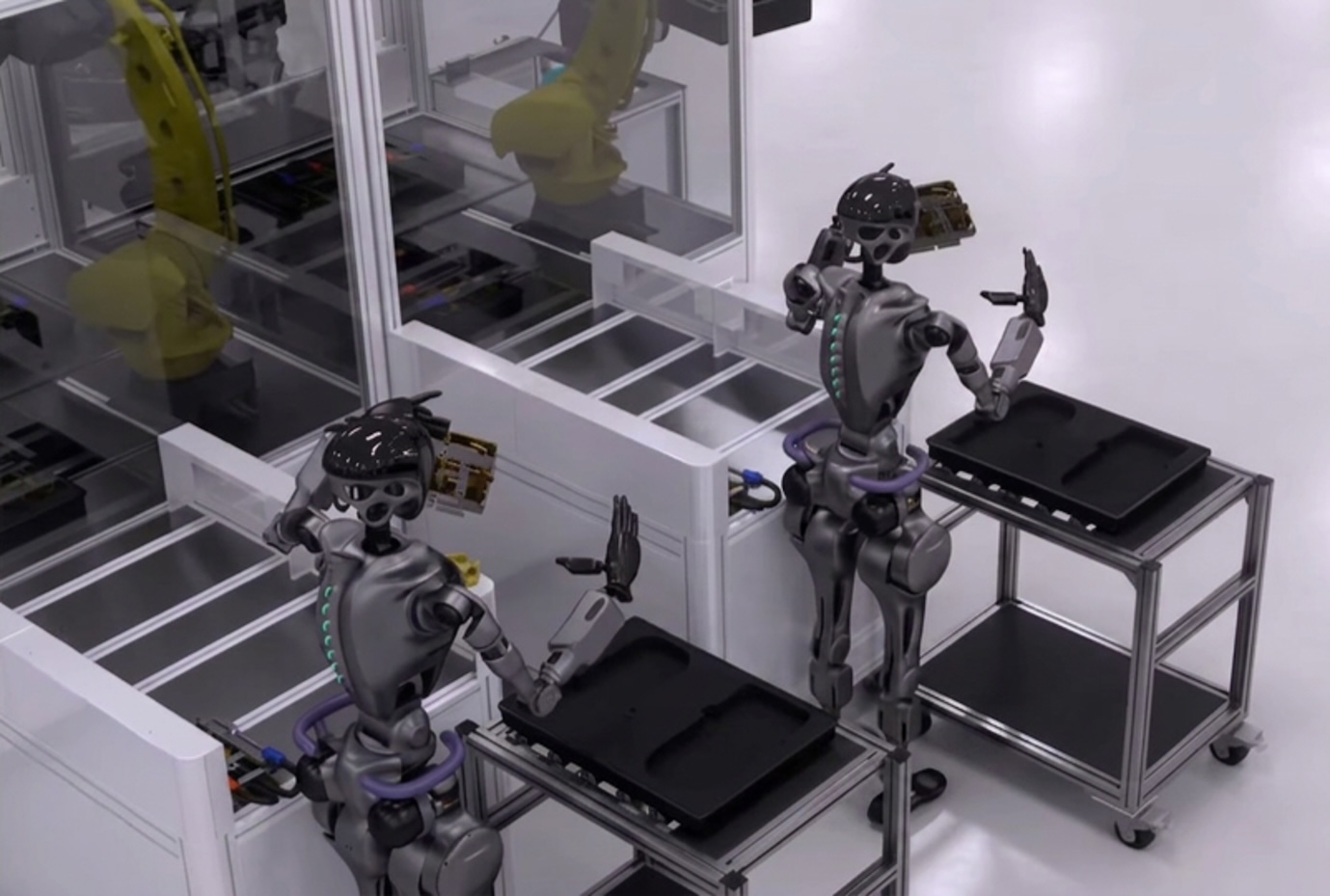
Brett Adcock, CEO of Figure AI, asserts that humanoid robots are already providing return on investment as companies face severe labor shortages. In a recent podcast, he emphasized that the focus has shifted from merely proving hardware functionality to addressing critical workforce needs for enterprise clients. Adcock pointed out that while many companies are increasing production, the real challenge lies in developing intelligent robotic systems rather than just mass-producing hardware. He compared unintelligent robots to early consumer drones, which were often difficult to operate and quickly abandoned, highlighting the importance of achieving human-level intelligence in robots. Figure has recently celebrated the completion of its 1,000th engineering validation test robot for the Figure 03 generation, marking a significant milestone for the $39 billion startup. Adcock noted that the modularity of humanoid components makes scaling production easier compared to automobile manufacturing, allowing Figure to deploy robots to its commercial customers effectively.
Brett Adcock US Figure Figure-03
Unitree Robotics Launches STAR Market IPO Amid US-China Robotics Tensions
Unitree Robotics has officially begun its transition to a public company with its STAR Market IPO, having received approval earlier this summer. The Hangzhou-based firm initiated preliminary price inquiries on August 5, aiming to raise 4.2 billion yuan by issuing 40.45 million shares, which represents 10 percent of its enlarged share capital. This IPO marks a significant milestone for the robotics sector as it is the first pure-play embodied AI listing on China's A-share market. However, it occurs against a backdrop of heightened US-China tensions in technology, particularly following the FCC's ban on foreign advanced robotic devices and Unitree's designation as a military-backed company by the U.S. Department of Defense. Looking ahead, Unitree's valuation could reach between 50.6 billion and 55.9 billion yuan within six to twelve months post-listing, driven by its successful shift from quadruped robots to bipedal platforms. No further timeline was disclosed at the time of publication.
Unitree Robotics Market China IPO
Foundation Future Industries Deploys 'Phantom MK-1' Robotic Soldiers in Ukraine for U.S. Military
Foundation Future Industries has deployed two 'Phantom MK-1' humanoid robots to the front lines in Ukraine, marking a significant step in military robotics. These robots, standing 1.8 meters tall and weighing 80 kilograms, are designed for combat, capable of operating firearms such as handguns and M-16 rifles. They have already been utilized for reconnaissance and logistics tasks since their arrival in February. This development is crucial as it highlights a shift in military technology, with Foundation Future Industries taking a path contrary to many robotics firms that have pledged against weaponizing their products. The company has secured a $24 million research contract with the U.S. military to explore the feasibility of robotic operations across various branches, including the Army, Navy, and Air Force. Looking ahead, Foundation plans to introduce an upgraded version, the 'Phantom MK-2', which is expected to have double the payload capacity of its predecessor. As debates around autonomous weapons and ethical implications continue, the actions of Foundation Future Industries raise significant questions about the future of warfare and the role of robotics in combat scenarios.
Humanoid Robots Military Robotics AI Technology Defense Innovation
Unitree Robotics to Launch IPO Next Week Amid US-China Robotics Competition
Unitree Robotics, based in Hangzhou, is set to launch its initial public offering in Shanghai next week. This move comes as numerous Chinese robotics firms are racing to go public, driven by the escalating rivalry with U.S. counterparts. The significance of this IPO lies in Unitree's position as one of China's leading robotics companies. The firm plans to sell 40.45 million shares, representing 10 percent of its enlarged share capital, while its founder and related parties will retain a significant portion of shares and voting rights after the listing. Investors should watch for the book-building process starting on August 5, with the offer price to be set the following day. The final results of the IPO will be published on August 14. Unitree's financial performance is noteworthy, having reported revenue of 1.7 billion yuan (approximately US$251 million) last year, alongside adjusted profits of 591 million yuan.

Designing User-Friendly Industrial Software: A Shift Towards Familiar Interfaces
Recent discussions highlight the convergence of IT and SCADA in industrial automation, emphasizing the need for user-friendly software. Traditionally, industrial applications operated in silos, requiring operators to master multiple interfaces, each with unique navigation and terminology. However, as software in other sectors has evolved to prioritize user experience, industrial software is beginning to adopt similar principles. This shift is significant as it aims to enhance operator efficiency and reduce the learning curve associated with using various applications. Eric Williams from Process and Data Automation (PDA) notes that modern industrial applications should not only be powerful but also intuitive from the first interaction. By creating a cohesive software environment, operators can seamlessly transition between different applications without the frustration of learning new interfaces. PDA's strategy involves developing a library of standardized interface components to ensure consistency across applications. This approach not only accelerates development but also fosters a familiar user experience, making new applications feel like extensions of existing systems. No further timeline was disclosed at the time of publication.
Factory / Digital Transformation
DJI Drones Now Support Vertical Video Shooting for Social Media Content
Recent advancements in DJI drones allow users to shoot vertical videos without cropping, catering to platforms like Instagram Reels and TikTok. Traditional drone cameras typically capture wide landscape footage, which is not ideal for vertical-first social media. However, select DJI models can now capture true vertical footage by rotating the camera or cropping the sensor intelligently. This innovation is significant for content creators who prioritize high-quality vertical videos. Drones such as the DJI Mini 5 Pro and Mavic 4 Pro can physically rotate their cameras, ensuring maximum image quality. In contrast, models like the DJI Neo 2 and Air 3S create vertical frames through cropping, which still meets the needs of social media platforms but may compromise on resolution. To enable vertical shooting, users can easily switch modes via the DJI Fly app. This feature enhances the user experience for those creating content specifically for social media, making it easier to produce professional-quality videos. No further timeline was disclosed at the time of publication.
News
Europe's Humanoid Robotics Surge: Neura Robotics Leads with $1.4 Billion Funding
In a surprising shift, Europe is emerging as a significant player in humanoid robotics, traditionally dominated by the US and China. Companies like Neura Robotics from Germany, 1X from Norway, Humanoid from the UK, and Aldebaran Robotics from France are entering new development phases, with total funding exceeding 10 billion yuan projected for 2025-2026. This development is crucial as it marks a departure from Europe's historical focus on industrial robotics towards humanoid robots, driven by a unique European model of heavy industrial foundations and deep capital integration. Neura Robotics recently announced a record-breaking $1.4 billion in Series C funding, elevating its valuation to $7 billion and placing it among the top global humanoid robotics firms. Looking ahead, Neura Robotics plans to use over half of its new funding to expand global production facilities, aiming for mass production of millions of robots by 2030. The company's innovative Neuraverse ecosystem platform, which integrates various robotic forms, positions it well within the growing trend of platform-based development in the robotics industry.
Humanoid Robots Robotics Innovation AI Technology European Robotics
Evaluating Office Relocation Versus Refurbishment for Business Growth
As businesses grow, they often face the decision of whether to relocate to a new office or refurbish their current space. Both options can enhance productivity and employee satisfaction, but they come with distinct advantages and challenges. Factors such as available space, budget, and business objectives play a crucial role in determining the best course of action. Investing in office refurbishment can modernize workspaces without the disruption of moving, allowing for improvements like flexible workspaces, better lighting, and upgraded facilities. These changes can create a more comfortable and professional environment for employees and clients alike. However, it is essential to assess whether the current office is genuinely limiting business operations or if minor adjustments could suffice. Consulting with workplace experts can provide valuable insights into optimizing existing spaces and identifying efficiency opportunities. Staying in the same location allows employees to maintain familiar routines and access to local amenities. However, if refurbishment cannot resolve fundamental issues, relocation may be necessary. No further timeline was disclosed at the time of publication.
Business Infrastructure business operations commercial property employee experience facilities management
Beijing AI for Science Labs Launch Autonomous Robotic Scientists for Material Discovery
Beijing AI for Science labs have introduced autonomous robotic scientists that can design experiments, collect data, and discover new materials within a rapid timeframe of 20 seconds. This deployment represents a significant advancement in the capabilities of AI in scientific research, particularly in material science. The introduction of these robotic scientists is crucial as it signifies a paradigm shift in research methodologies, allowing for faster and more efficient experimentation. By automating the design and data collection processes, researchers can focus on higher-level analysis and innovation, potentially accelerating the pace of scientific discovery. Looking ahead, the impact of these robotic scientists on the research landscape will be closely monitored. The labs have not disclosed further timelines for additional capabilities or expansions, but the initial deployment marks a pivotal moment in the integration of AI and robotics in scientific exploration.
Technology
SpaceX's Starmind Plans 1 Million AI Satellites Amid Collision Risks
SpaceX has announced its ambitious Starmind project, which aims to deploy 1 million AI satellites in orbits between 500 and 2,000 km. This initiative, confirmed by Elon Musk on June 23, 2026, follows a merger with xAI, valuing the combined entity at $1.25 trillion. The satellites will function as orbital data centers, processing AI workloads powered by solar arrays and linked by optical lasers. The significance of Starmind lies in its potential to add 100 gigawatts of AI compute capacity annually, contingent on the successful operation of the Starship launch system. However, the project raises concerns regarding space debris, as the current orbital environment is already congested, with a 20% increase in collision risk reported since 2024. The European Space Agency has highlighted that the density of debris in low Earth orbit is now comparable to that of active satellites, complicating the operational landscape for new entrants like Starmind. Looking ahead, the first operational orbital AI deployments are targeted for 2028, with test launches expected in early 2027. However, the project faces scrutiny regarding its impact on space debris, as even a 1% failure rate could significantly increase the number of uncontrollable objects in orbit, exacerbating existing risks. No further timeline was disclosed at the time of publication.

SpaceX IPO Provides Indirect Investment Opportunity in Starmind Project
Starmind does not have a standalone stock or ticker; investors can gain exposure through SpaceX (ticker: SPCX), which began trading on Nasdaq after its IPO on June 12, 2026. Starmind is integrated within SpaceX, contributing to the company's AI and space initiatives, and its performance directly influences SPCX shares. The significance of Starmind lies in its role as a division of SpaceX, which encompasses other projects like Starlink and Starship. As of early July 2026, SPCX shares are trading between $149 and $150, significantly lower than their 52-week high of $225.64. The project’s milestones, such as AI1 prototype updates, can impact SpaceX's stock performance, making it essential for investors to monitor these developments closely. Looking ahead, the early 2027 launch of AI1 prototype satellites is a critical milestone that could provide verifiable data affecting Starmind's valuation and, consequently, SPCX stock. No further timeline was disclosed at the time of publication, but the upcoming events will be pivotal for investors tracking the relationship between Starmind and SpaceX's stock performance.

Tesla's Optimus Robots to Support Starmind Satellite Production, Not Maintenance
Tesla's Optimus robots will not be used to repair Starmind satellites in orbit, as confirmed by recent statements from Elon Musk. Instead, these robots are intended to assist in the construction and operation of the Terafab chip manufacturing facility in Texas. The AI1 satellites, designed to disintegrate upon reentry, highlight the company's swap-and-replace strategy rather than traditional maintenance practices. This approach is significant as it reflects a broader trend in satellite management, where mass-produced satellites are replaced rather than repaired. The economics of servicing missions are prohibitive, with the cost of launching a replacement satellite being significantly lower than conducting a repair mission. This model aligns with SpaceX's operational history, where rapid replacement of satellites is more efficient than attempting to maintain them in orbit. Looking ahead, the focus will remain on the production capabilities of the Gigasat factory, which is expected to support the continuous replacement of satellites. No further timeline was disclosed at the time of publication, but the demand for rapid satellite turnover suggests a robust future for Optimus robots in terrestrial manufacturing rather than in-space servicing.

Starmind's Orbital Compute vs. Terrestrial Data Centers: Analyzing Resource Advantages
Starmind's orbital compute technology presents a significant advantage over traditional ground-based data centers by eliminating constraints related to land, water, and grid permitting. While terrestrial data centers are currently cheaper and faster to construct, with U.S. data center spending reaching $85.3 billion in 2026, Starmind's approach focuses on addressing the growing resource limitations faced by hyperscale facilities. The significance of Starmind's technology lies in its ability to sidestep the increasing challenges of land and water usage. For instance, a 100 MW data center can consume approximately 530,000 gallons of water daily for cooling, while Starmind's AI1 utilizes deployable liquid radiators that require no water. This structural advantage could resonate with investors as the demand for AI computing continues to escalate, potentially leading to annual water withdrawals of up to 1.7 trillion gallons by 2027. Looking ahead, Starmind's next milestones include the launch of AI1 prototypes scheduled for early 2027. However, the technology's claims regarding cooling efficiency and operational reliability remain unverified until real flight data is available. As the industry evolves, the competition between orbital and terrestrial solutions will become increasingly relevant, particularly in the context of resource management and sustainability.
SpaceX Launches Starmind Project for 1 Million AI Satellites by 2028
SpaceX has officially named its orbital AI infrastructure project 'Starmind,' which aims to deploy a constellation of up to 1 million satellites. This initiative, confirmed by Elon Musk on June 22, 2026, will enable AI inference directly in space, utilizing solar energy rather than terrestrial power sources. The first satellite, designated AI1, was unveiled on June 8, 2026, and is designed to operate in sun-synchronous orbits. The significance of Starmind lies in its potential to overcome the limitations faced by ground-based data centers, such as land, power, and water constraints. By running AI computations in orbit, Starmind can provide a more efficient solution to the growing demand for AI computing power. The project leverages the existing Starlink infrastructure for data transmission, distinguishing its function from Starlink's internet relay capabilities. Looking ahead, SpaceX plans to begin hardware deployment with the AI1 satellite, while full-scale production and deployment of the satellite constellation are targeted for 2028. As of now, no Starmind satellites have been launched, and further engineering challenges remain to be addressed, particularly regarding the scalability of the satellite design.

1,100 drones challenge FIFA World Cup security, 500 already seized
Authorities have reported the detection of 1,139 drones operating near World Cup stadiums and related sites throughout the United States. Of these, over 300 drones have been successfully mitigated without the use of force. Concurrently, the FBI has seized more than 500 drones as part of its ongoing investigations into unauthorized flights in proximity to tournament venues. This heightened surveillance and intervention are part of efforts to ensure safety and security during the high-profile event.
News
The Orbital Data Center Hype Machine Is Already in Orbit
At the World Economic Forum in Davos this January, SpaceX founder Elon Musk announced plans to establish orbital data centers in space, predicting that they will become the most cost-effective solution for artificial intelligence (AI) within two to three years. Following this declaration, SpaceX submitted an application to the Federal Communications Commission for a constellation of up to 1 million satellites in low Earth orbit, aimed at supporting this ambitious project. However, experts caution that the logistics of deploying such a vast number of satellites are daunting. Currently, there are approximately 14,500 active satellites in orbit, with SpaceX's Starlink making up two-thirds of that total. To launch 1 million satellites, SpaceX would need to conduct over 16,000 dedicated launches, a feat that could take decades given current launch capacities. Challenges also extend to the technical feasibility of cooling advanced computing hardware in space, as highlighted by the difficulties faced by startups like Starcloud, which has struggled to operate even a single GPU in orbit. Concerns have been raised about the potential for increased space debris and the impact on astronomical observations. Despite these hurdles, analysts suggest that the push for orbital data centers is driven by the growing demand for AI computing power and the need for energy-efficient solutions. While Musk's timelines may be optimistic, industry experts believe that the concept is gaining traction, with major players beginning to invest in the necessary infrastructure to explore the viability of space-based data centers.
Orbital-data-centers Satellites Spacex Elon-musk Starcloud Ai
Danish robotics startup enters the industrial truck market already crowned a winner
The Mobile Robot Company has been awarded the prestigious IFOY Industrial Truck of the Year Award for 2026, recognizing its innovative self-driving pallet jack. This advanced technology is designed to enhance operational efficiency in warehouses by automating repetitive transport tasks while allowing operators to maintain control over the process. The award highlights the company's commitment to improving logistics and warehouse management through automation. The recognition comes as the industry increasingly seeks solutions that balance automation with human oversight, addressing the growing demand for efficiency in supply chain operations.

OpenAI's updated GPT-5.5 Instant is better at shopping, complex constraints, and understanding user intent — and it's already in the API
OpenAI has announced an update to its popular language model, GPT-5.5 Instant, which is now the default for free ChatGPT users. The upgrade, revealed on June 24, enhances the model's ability to understand user intent and adapt responses, particularly in complex scenarios like shopping and local recommendations. This update follows the model's initial release in early May 2026, which aimed to address factual inaccuracies and improve conversational quality. The latest version is being rolled out first to paid subscribers, with free users gaining access shortly thereafter. While OpenAI has not provided specific performance benchmarks, the company claims significant improvements in handling multi-part instructions and contextual awareness. This is expected to make ChatGPT more effective for everyday tasks, such as planning trips or comparing products. For developers, the updated model can be accessed through OpenAI's chat-latest API alias, which points to the latest Instant model. However, OpenAI continues to recommend the separate gpt-5.5 model for production use. The update reflects a shift towards more intuitive AI systems capable of better inferring user goals and maintaining context across interactions, marking a significant step forward in generative AI technology.
Technology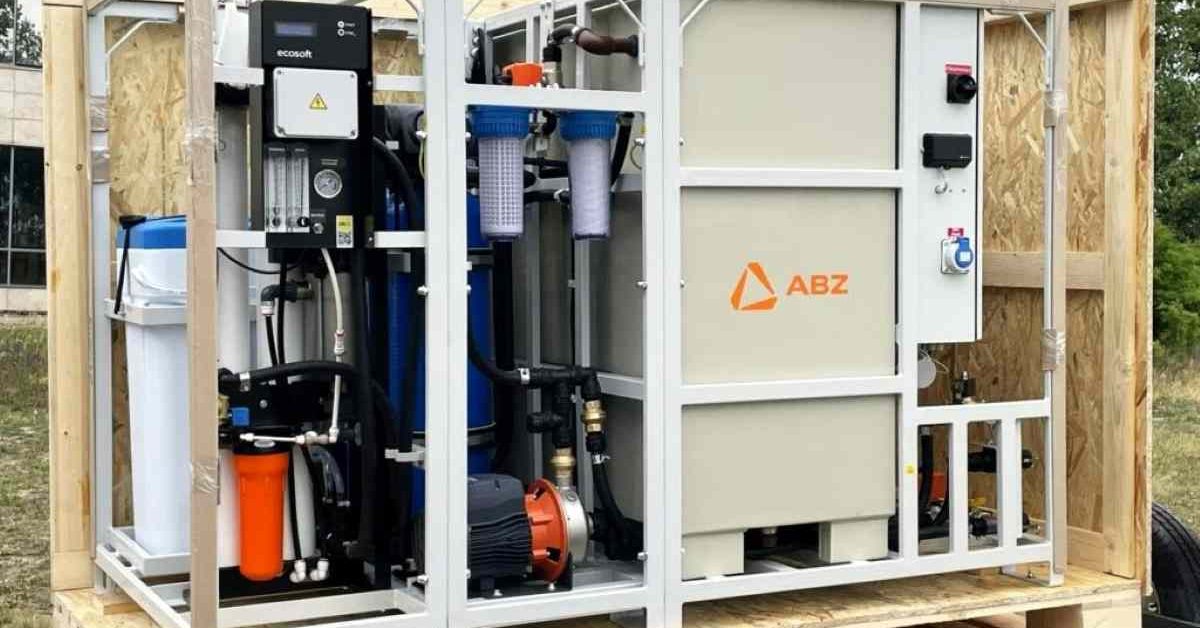
Drones were already clean buildings. This system makes them practical
ABZ Innovation, a Hungary-based drone manufacturer active in over 40 countries, has introduced the world’s first dedicated ground station tailored for industrial drone cleaning. This innovative development aims to enhance the practicality of drone-powered building cleaning for professional operators. By streamlining operations and improving efficiency, ABZ Innovation seeks to revolutionize the cleaning industry, making it more accessible and effective for various applications. The unveiling of this specialized ground station marks a significant advancement in the integration of drone technology into industrial cleaning processes.
News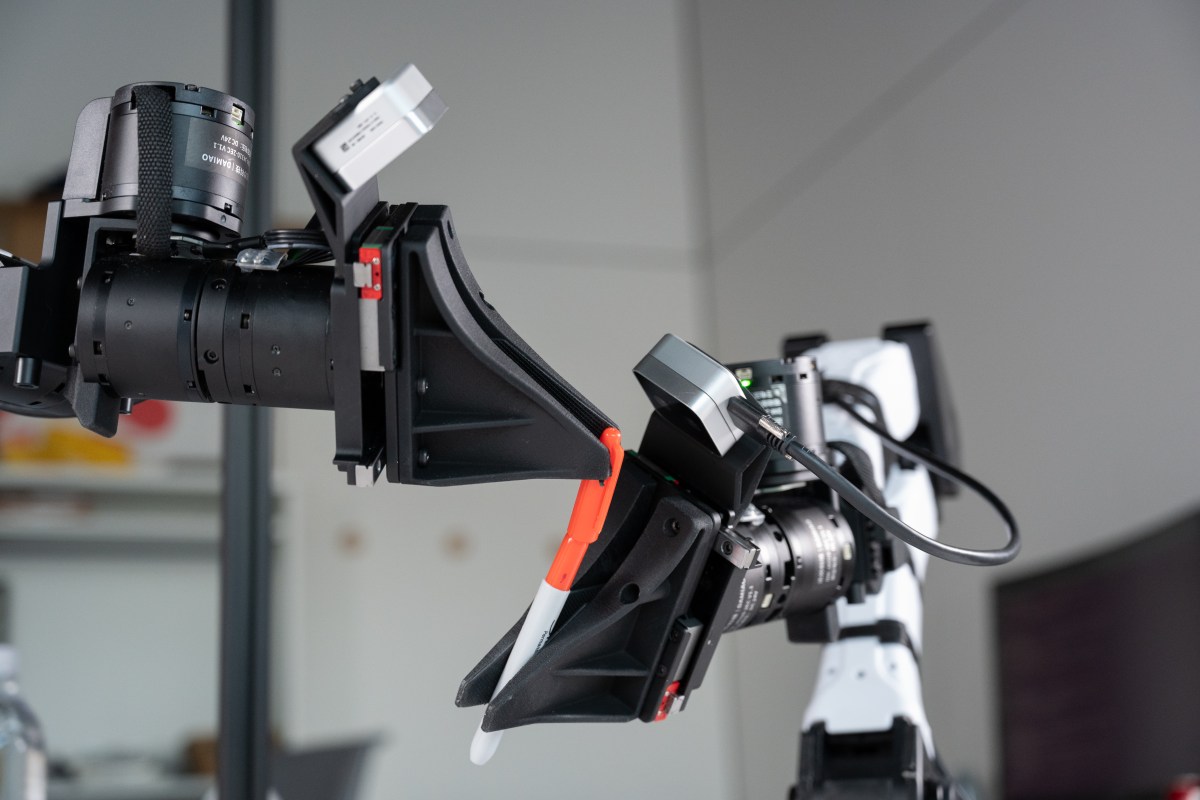
Collecting robot training data is dirty, unglamorous work. Some AI labs are already paying XDOF to do it.
Recent discussions in the field of artificial intelligence highlight a significant challenge facing the development of physical AI systems. Experts emphasize that in order for physical AI to achieve milestones comparable to those of large language models (LLMs), a critical data issue must be addressed. As of October 2023, the existing datasets are insufficient to support the complex learning and operational needs of physical AI. This gap in data could hinder progress and innovation in creating AI that can effectively interact with and navigate the physical world. Addressing this problem is essential for advancing the capabilities of physical AI, ensuring that it can perform tasks with the same proficiency as its software counterparts.
AI Startups a16z robots Thrive Capital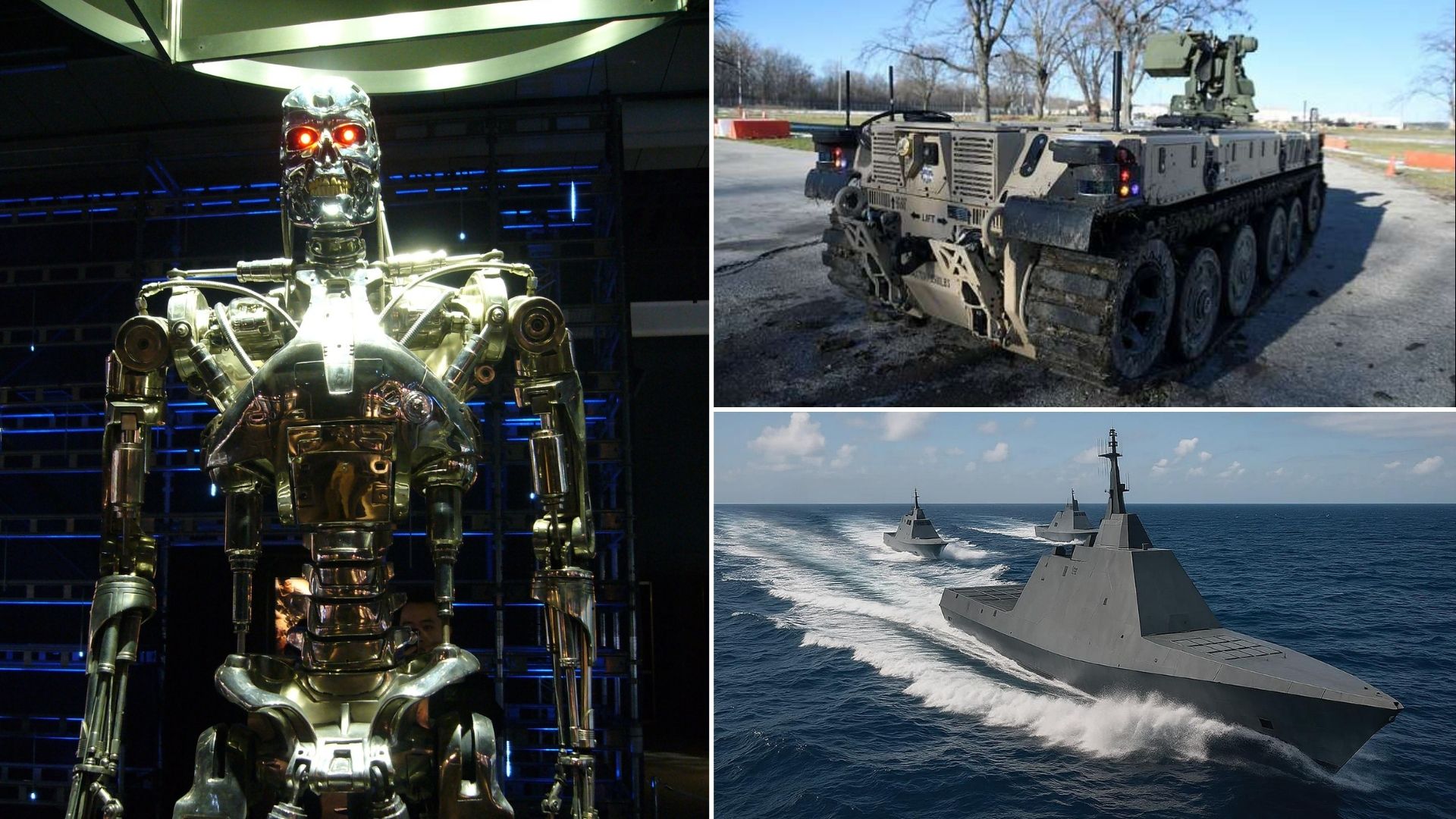
The robot takeover of warfare is already happening and it doesn’t look like Hollywood
The debate over the potential deployment of AI robot soldiers on the battlefield has intensified, raising concerns among military experts and ethicists alike. As nations increasingly explore the integration of artificial intelligence into their armed forces, discussions have emerged regarding the implications of autonomous weapons systems. This dialogue gained momentum in October 2023, as various military organizations and technology firms showcased advancements in robotics and AI capabilities at international defense expos. Proponents argue that AI soldiers could enhance operational efficiency and reduce human casualties in combat scenarios. However, critics warn of the ethical dilemmas posed by machines making life-and-death decisions without human oversight. The potential for misuse and the risk of escalating conflicts through automated warfare are central to these concerns. In response to these challenges, some governments are considering regulations to govern the use of AI in military applications. The ongoing discourse emphasizes the need for a balanced approach that leverages technological advancements while ensuring accountability and ethical standards in warfare. As the conversation evolves, the future of AI in military operations remains uncertain, with stakeholders advocating for careful consideration of the implications of introducing robot soldiers into combat.
Military
Insta360 at a Crossroads: 37 Billion Yuan Lock-Up Expiry Collides with DJI Rivalry
Insta360, a leading Chinese manufacturer of panoramic cameras, is facing a pivotal moment as a significant lock-up period for 37 billion yuan worth of shares is set to expire. This event coincides with increasing competition from rival DJI, which poses a substantial challenge to Insta360's market position. The lock-up expiry, scheduled for later this month, could lead to a surge in share trading and potential volatility in the company's stock price. Analysts suggest that the timing of this expiry, amidst fierce rivalry in the tech sector, may influence investor sentiment and the company's strategic decisions moving forward. As Insta360 navigates this critical juncture, its response to the competitive landscape and the implications of the lock-up expiry will be closely monitored by market observers.
Technology
AI warfare is already here
The Convention on Certain Conventional Weapons, an international forum addressing the implications of lethal autonomous systems, convenes biannually at the United Nations in Geneva. During the November 2017 session, participant Branka Marijan noted that the five-day discussions primarily revolved around theoretical scenarios, contemplating a future where warfare could involve autonomous combat robots. The forum aims to explore the ethical and legal challenges posed by such technologies, reflecting growing concerns over their potential impact on global security and humanitarian law.
AI Analysis Anthropic Law OpenAI Policy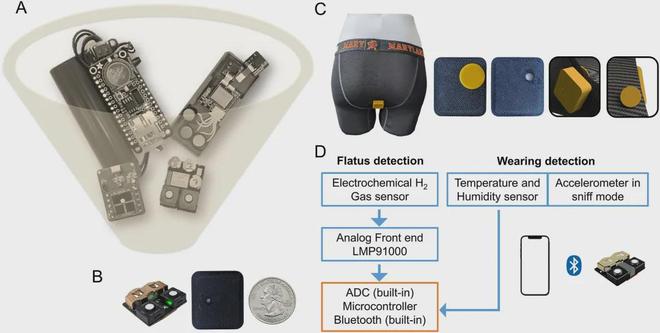
Is 32 Times Flatulence a Day Normal? Scientists Invent 'Smart Underwear' to Create a 'Human Flatulence Map' with 3,500 People Already in Line
Researchers at the University of Maryland have unveiled a new type of 'smart underwear' capable of measuring flatulence, a development that has garnered significant public attention. Their research indicates that healthy adults typically experience an average of 32 flatulence episodes per day, which is double the previously accepted estimates. This innovative project aims to create a detailed map of human gut activity, providing insights into digestive health. The high level of interest in the product has resulted in a long waiting list, reflecting the growing curiosity surrounding gut health and its implications for overall well-being.
Smart Wearables Health Monitoring Gut Microbiome Biotechnology
US Navy unveils ShipOS, targets submarine supply chain bottlenecks amid China rivalry
The U.S. Navy has introduced ShipOS, an advanced artificial intelligence system, to enhance its submarine construction processes. This rollout, which began in October 2023, aims to streamline operations and improve efficiency in building submarines. By leveraging AI technology, the Navy seeks to address challenges in production timelines and resource management, ultimately ensuring that its fleet remains modern and capable. The implementation of ShipOS is part of a broader initiative to integrate cutting-edge technology into military operations, reflecting the Navy's commitment to innovation and maintaining a competitive edge.
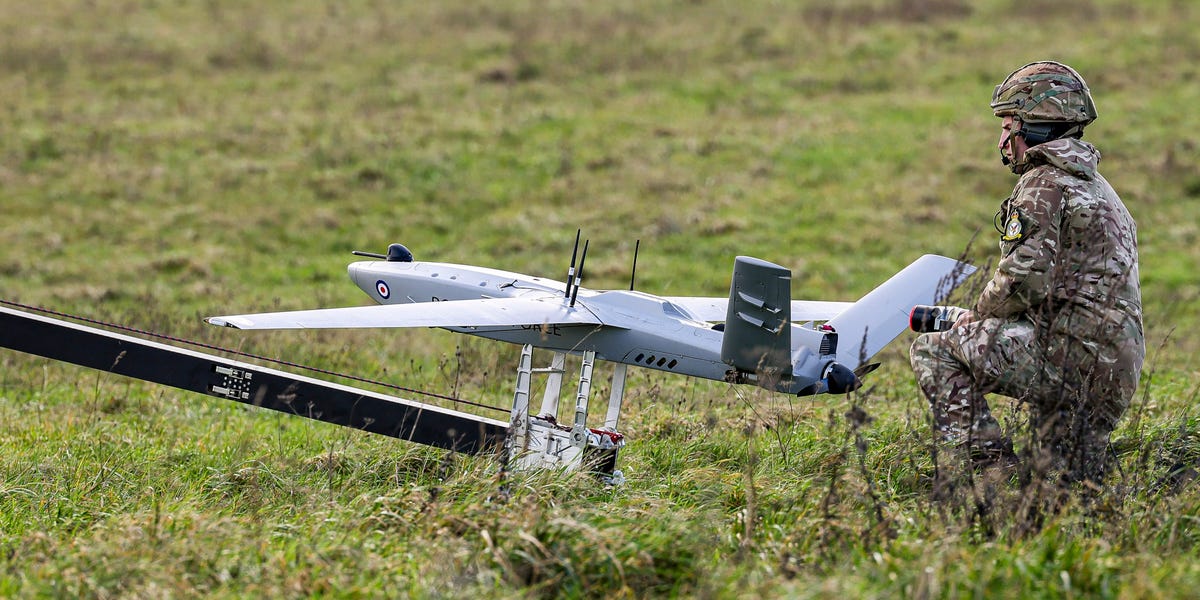
Britain thought AI-powered ‘robot fighter jets’ were years away. The Royal Air Force chief says the future is already here.
The head of the Royal Air Force has announced that the integration of uncrewed aircraft into the military is progressing more rapidly than anticipated. In an interview with Business Insider, the official emphasized the growing importance of these advanced technologies in modern warfare. The comments come as the RAF accelerates its efforts to enhance operational capabilities through the use of unmanned systems. This shift reflects a broader trend within military organizations worldwide, as they adapt to evolving threats and seek to leverage cutting-edge innovations for strategic advantage. The move towards uncrewed aircraft is expected to reshape air operations, enabling more efficient and effective missions in the future.
Military & Defense royal-air-force ai drones
SoftBank is creating a robotics company that builds data centers — and already eyeing a $100B IPO
Recent developments in the field of artificial intelligence and robotics highlight a reciprocal relationship between these technologies and infrastructure development. As industries increasingly rely on AI and robotics to enhance efficiency and productivity, the need for robust infrastructure becomes paramount. This interdependence was underscored at a recent conference held in San Francisco, where experts gathered to discuss the future of technology and its implications for urban planning and construction. The event, which took place in early November 2023, showcased innovative projects that utilize AI and robotics to streamline the construction process. Speakers emphasized that while advanced technologies can significantly improve infrastructure projects, the existing frameworks must also evolve to support these innovations. This dual requirement is driven by the growing demand for smart cities and sustainable development, prompting stakeholders to rethink traditional construction methods. Participants explored various strategies to integrate AI and robotics into infrastructure projects, demonstrating how these tools can optimize resource allocation, reduce waste, and enhance safety on construction sites. The discussions revealed a consensus that investment in both technology and infrastructure is essential for future growth and resilience in urban environments. As cities continue to expand and face challenges such as climate change and population growth, the collaboration between AI, robotics, and infrastructure development is expected to play a crucial role in shaping the cities of tomorrow. The insights gained from this conference are likely to influence policy decisions and investment strategies in the coming years.
AI robots Softbank
Amazon is already offering new OpenAI products on AWS
In a significant development for the artificial intelligence landscape, Amazon Web Services (AWS) has unveiled a range of offerings based on OpenAI models, including a new agent service. This announcement comes just one day after OpenAI reached an agreement with Microsoft to terminate exclusive rights to its technology. The move by AWS signals a competitive shift in the AI market, as the company seeks to enhance its cloud services and attract more customers by integrating advanced AI capabilities. By leveraging OpenAI's models, AWS aims to provide businesses with innovative tools that can improve efficiency and drive growth. This strategic initiative highlights the increasing collaboration and competition among major tech players in the rapidly evolving field of artificial intelligence.
AI TC
OpenAI’s New GPT-5.5 Powers Codex on NVIDIA Infrastructure — and NVIDIA Is Already Putting It to Work
OpenAI's Codex, an advanced AI coding application, is set to transform knowledge work by enhancing how developers process information, solve complex problems, and generate innovative ideas. This evolution in AI technology aims to streamline workflows and drive innovation across various sectors. With the capabilities of Codex, developers can expect significant improvements in efficiency and creativity, allowing them to tackle more intricate challenges and produce novel solutions. As the technology continues to evolve, it is anticipated that AI will play an increasingly vital role in shaping the future of work, particularly in fields that require high levels of cognitive engagement.

Chinese platforms fined 3.6b yuan for food safety violations amid cutthroat rivalry
China's State Administration for Market Regulation (SAMR) has imposed fines exceeding 3.6 billion yuan (approximately US$527.3 million) on seven prominent e-commerce and food delivery platforms, including Pinduoduo, Meituan, and JD.com. This decision was announced on Friday following an investigation that revealed these companies had inadequately verified the licenses of food vendors and permitted unverified "ghost" catering services to operate on their platforms. The regulatory action underscores the government's commitment to ensuring food safety and compliance within the rapidly growing online food service industry.
Robotics needs a service framework.
RSF defines a common language for robot service capability, lifecycle operations, certification pathways, and service-provider networks.
Join the RobotToday community on LinkedIn
Daily robotics news, in-depth analysis, conference highlights, and discussions with professionals worldwide.







