Industry Briefing
A single destination for timely, editor-curated robotics news from around the world.

Thirteen New Embodied AI Models Released in June 2026 by BAAI and Alibaba
In June 2026, the landscape of embodied AI saw the introduction of 13 new models, including significant contributions from BAAI and Alibaba's Qwen-Robot. This rapid development indicates a shift from traditional hardware benchmarks to a focus on software intelligence, highlighting the competitive nature of the field. The emergence of these models underscores the growing importance of software capabilities in embodied AI, as companies strive to enhance their offerings and differentiate themselves in a crowded market. This trend reflects a broader industry movement towards prioritizing intelligent software solutions over hardware specifications. Looking ahead, industry observers should monitor the ongoing advancements in embodied AI models, as the pace of innovation suggests that new releases may continue to emerge frequently. No further timeline was disclosed at the time of publication.
Technology
Alibaba Cloud cuts LLM assessment prices for the third time since February 2024.
On December 31, Alibaba Cloud revealed significant price reductions for its large language model services, specifically reducing access to the Tongyi Qianwen visual understanding model by over 80%. This announcement marks the third round of price cuts the company has implemented in 2024, following a historic reduction on February 29, which was the largest to date, affecting more than 100 services. The company aims to enhance accessibility and affordability of its advanced AI technologies, responding to growing competition in the cloud computing sector and the increasing demand for AI solutions. By lowering costs, Alibaba Cloud seeks to attract more users and solidify its position in the rapidly evolving market.
News Feed
Alibaba and Tencent Invest Over 1 Billion Yuan in Morphi: What's Behind Their Bet?
Morphi, a company focused on embodied intelligence, has successfully raised over 1 billion yuan in angel funding, resulting in a post-investment valuation that surpasses 7 billion yuan. This funding round sets a new record for first-round financing within China's embodied intelligence sector. Notably, tech giants Alibaba and Tencent have made their fourth joint investment in this area, indicating a strategic pivot towards early-stage investments as they aim to leverage emerging technologies and talent.
Embodied Intelligence Investment AI Robotics Technology
Chased by Huawei, Alibaba, and Meituan, AI Infrastructure Firm SiliconFlow Races Toward IPO
SiliconFlow, an AI token supply platform supported by major companies such as Huawei, Alibaba, and Meituan, has submitted its application for an initial public offering (IPO) in Hong Kong. This move comes amid ongoing financial challenges, including negative gross margins and increasing losses. The decision to pursue an IPO reflects the company's ambition to secure additional funding and enhance its market presence, despite the current economic hurdles it faces. The filing marks a significant step for SiliconFlow as it seeks to navigate the competitive landscape of the technology sector while addressing its financial difficulties.
News AI
Hema SuperheSuan NB Enters Beijing as Alibaba and Meituan Clash in Hard Discount Retail Race
Alibaba's Hema SuperheSuan NB has launched six new stores in Beijing, coinciding with Meituan's opening of seven Happy Monkey stores in various cities. This simultaneous expansion marks a significant intensification of competition in the hard discount retail sector. Both companies are vying for market share in a rapidly evolving landscape, driven by increasing consumer demand for affordable grocery options. The openings reflect a strategic push by both retailers to capitalize on the growing trend of budget-conscious shopping, particularly in urban areas. As these giants expand their presence, the retail environment is expected to become even more competitive, potentially reshaping consumer shopping habits in the region.
Industry Market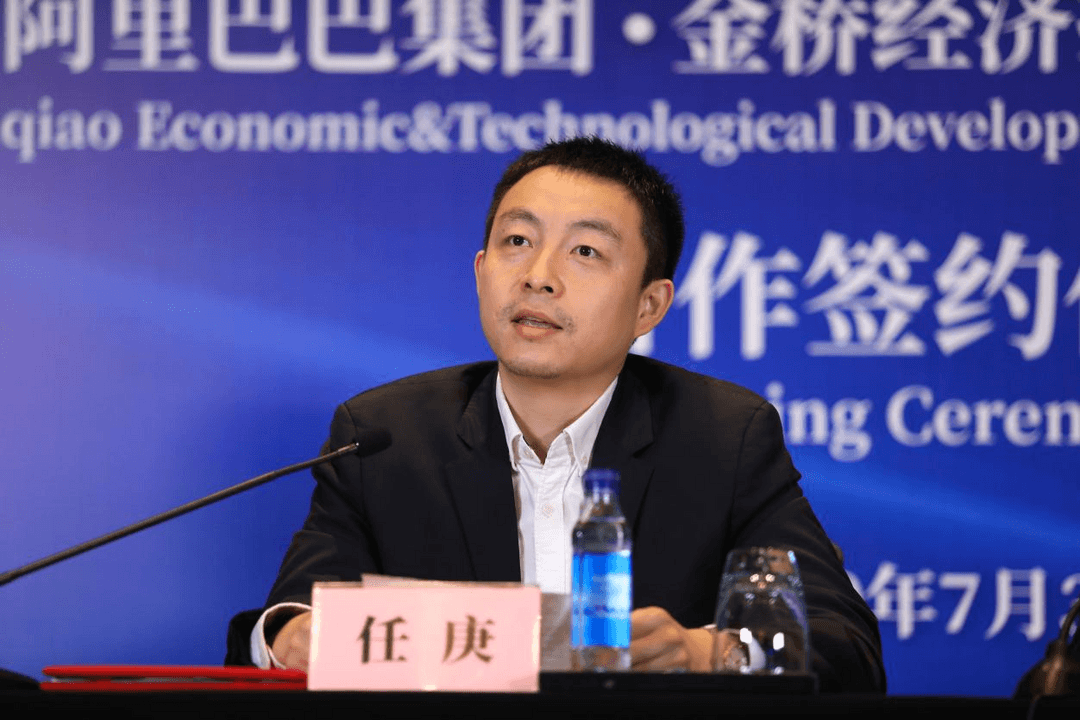
"3 rounds in 90 days with billions involved: What are the bets placed by the former president of Alibaba Cloud and the top position of Ideal Auto?"
In a high-stakes series of financial maneuvers, the former president of Alibaba Cloud and the top executive of Ideal Auto have engaged in three rounds of investment discussions over the past 90 days, involving billions of dollars. This unprecedented collaboration comes as both leaders seek to leverage their expertise in technology and automotive innovation to capitalize on emerging market opportunities. The negotiations, which have unfolded primarily in Beijing and Shanghai, highlight the growing intersection of technology and the automotive sector in China, driven by a surge in demand for electric vehicles and smart transportation solutions. The former Alibaba executive aims to tap into Ideal Auto's advancements in electric vehicle technology, while the Ideal Auto leader is looking to harness Alibaba's vast digital ecosystem to enhance operational efficiency and market reach. The urgency behind these discussions stems from the rapidly evolving landscape of the automotive industry, where companies are racing to innovate and secure their positions in a competitive market. By pooling resources and expertise, both parties hope to create a formidable partnership that can navigate the challenges of this dynamic environment. As the negotiations progress, industry observers are keenly watching for potential outcomes that could reshape the future of both companies, potentially leading to significant advancements in technology integration and market expansion.
Robotics Automation AI
Alibaba unveils HappyHorse 1.1 video generation model, launches global AI filmmaking competition
On Monday, Alibaba unveiled HappyHorse 1.1, the latest iteration of its video generation model, marking a significant upgrade from its predecessor, HappyHorse 1.0. This new version boasts enhancements in motion dynamics, subject consistency, prompt adherence, visual quality, and audio generation capabilities. In conjunction with this release, Alibaba announced the HorsePower AI Video Competition, collaborating with Huajing Entertainment Group to encourage innovation in video content creation. The competition aims to engage developers and creators in exploring the potential of the upgraded model, fostering creativity and technological advancement in the field of AI-generated video.
News Feed
BABA Stock: The Physical AI Race Heats Up as Alibaba Releases New AI Models for Robots
Alibaba Group Holding Limited has intensified its efforts in the rapidly evolving artificial intelligence (AI) sector by launching the Qwen Robot Suite, a new collection of AI models designed for robotic applications. Announced on June 21, 2026, the suite aims to enhance robots' capabilities in understanding their environments, navigating complex spaces, and executing tasks based on natural language commands. Developed by Alibaba’s Tongyi Lab, these models are currently being tested with select customers of Alibaba Cloud, marking the company's strategic move into the burgeoning Physical AI market. This initiative comes as Alibaba seeks to establish itself as a significant player in the multi-trillion-dollar robotics industry amid increasing competition. Despite facing challenges in its stock performance, with shares down 44.8% from a 52-week high, Alibaba reported a 3% year-over-year revenue growth for the fiscal fourth quarter, driven by a 38% surge in Cloud Intelligence revenue. However, the company also experienced a sharp decline in profitability, with non-GAAP net income plummeting to $12 million from nearly $30 billion in the previous year. As Alibaba continues to invest heavily in AI infrastructure and cloud capabilities, the launch of the Qwen Robot Suite reflects its commitment to innovation in the face of market pressures and evolving consumer demands.

Sequoia and Alibaba-backed embodied AI company secures hundreds of millions in new funding.
Noematrix, a company specializing in embodied intelligence, has recently secured hundreds of millions in funding, led by Wuxi Data Group, with participation from Shanghai Jiao Tong University's AI Future Fund, Shanghai Chuangzhi Technology Co., and Yicun Capital. This marks the latest financing round for Noematrix, which has attracted investments from several notable firms, including Prosperity7 Ventures and Alibaba, since its establishment in November 2023. The company focuses on the autonomous development of foundational models and systems for embodied intelligence, having launched its core product, Noematrix Brain. This product is part of a comprehensive hardware and software ecosystem that spans data collection, model training, deployment, and application in embodied robotics. The industry narrative surrounding embodied intelligence is shifting from merely executing tasks to ensuring robots can operate stably in real-world environments. Noematrix aims to enhance model robustness by integrating real-world and simulated data into its training processes, utilizing its proprietary data collection devices to gather diverse datasets from various environments. Noematrix's robots have already begun commercial deployment in pharmacies, addressing longstanding labor challenges in the sector by automating order fulfillment. The company has partnered with several leading pharmacy chains, achieving significant order volumes. Following this funding round, Noematrix plans to accelerate the development of its general-purpose embodied intelligence models, targeting applications in retail and hospitality sectors.
Alibaba and ByteDance Double Down on Embodied AI: What Internet Giants Bring to Robotics
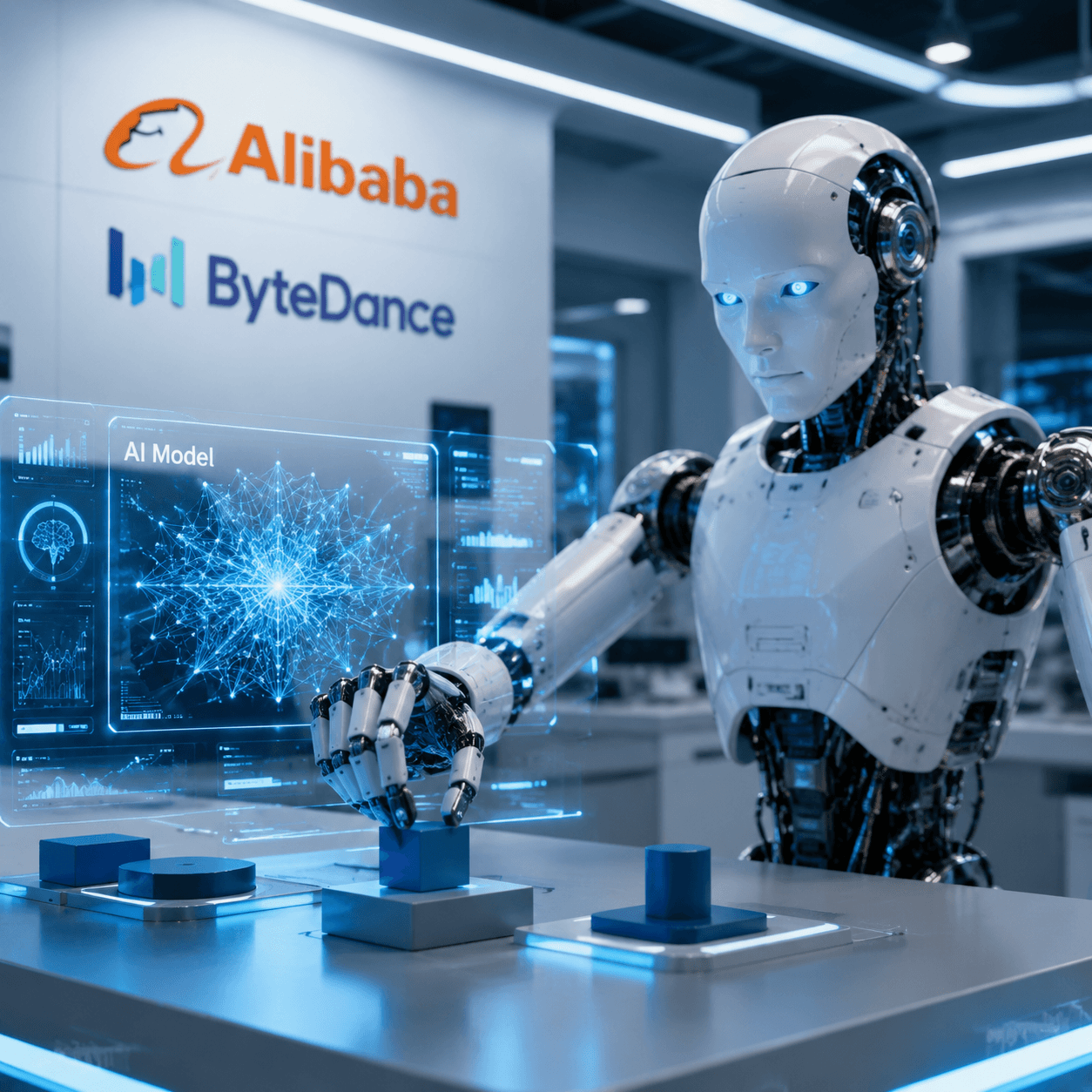
Alibaba has unveiled its Qwen-Robot series, a new line of embodied AI models, while ByteDance has announced a strategic shift to elevate robotics as a core component of its business. This move comes as major internet companies in China increasingly harness data and artificial intelligence to transform the robotics sector. The announcements were made in October 2023, highlighting a significant trend among tech giants to integrate advanced robotics into their operations. By leveraging their extensive data resources and AI capabilities, these companies aim to create innovative solutions that can enhance various applications and scenarios within the robotics industry. This strategic focus reflects a broader ambition to lead in a rapidly evolving market, positioning themselves at the forefront of technological advancement in China.
Industry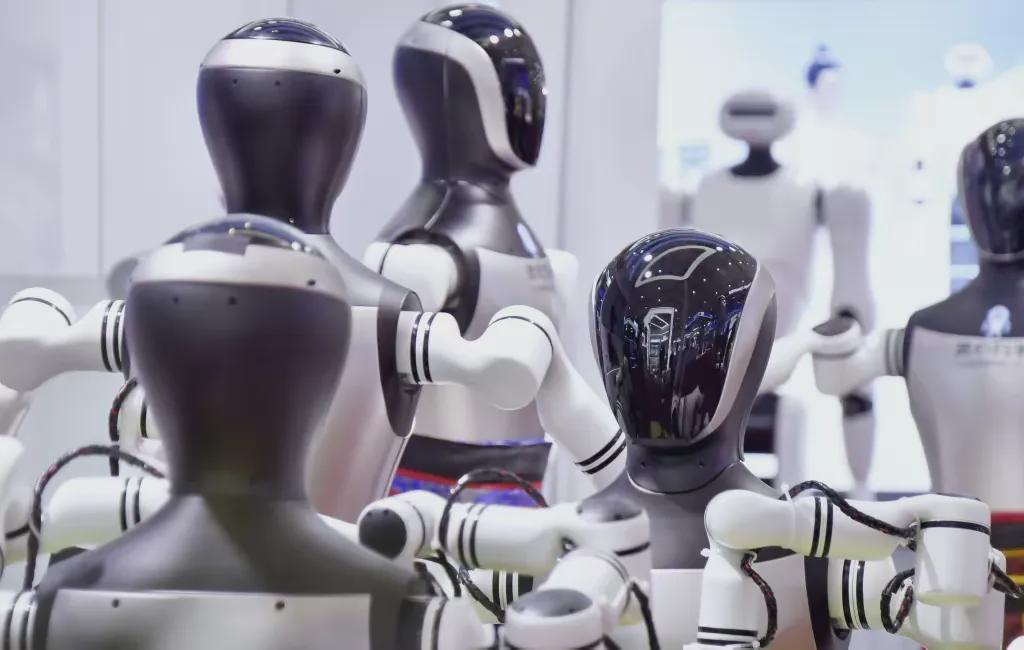
Alibaba and ByteDance Invest in Embodied Intelligence: What Can Internet Giants Bring to Robotics?
On June 16, Alibaba introduced the Qwen-Robot series, a new line of embodied intelligence models designed to improve robotic capabilities. This launch marks a significant shift in the robotics industry, as Alibaba, alongside ByteDance, transitions from a passive observational role to active engagement in the sector. Both companies are utilizing their extensive resources and expertise to drive innovation in robotics. However, they face ongoing challenges related to hardware development and the commercialization of their products.
Embodied Intelligence Robotics Artificial Intelligence Automation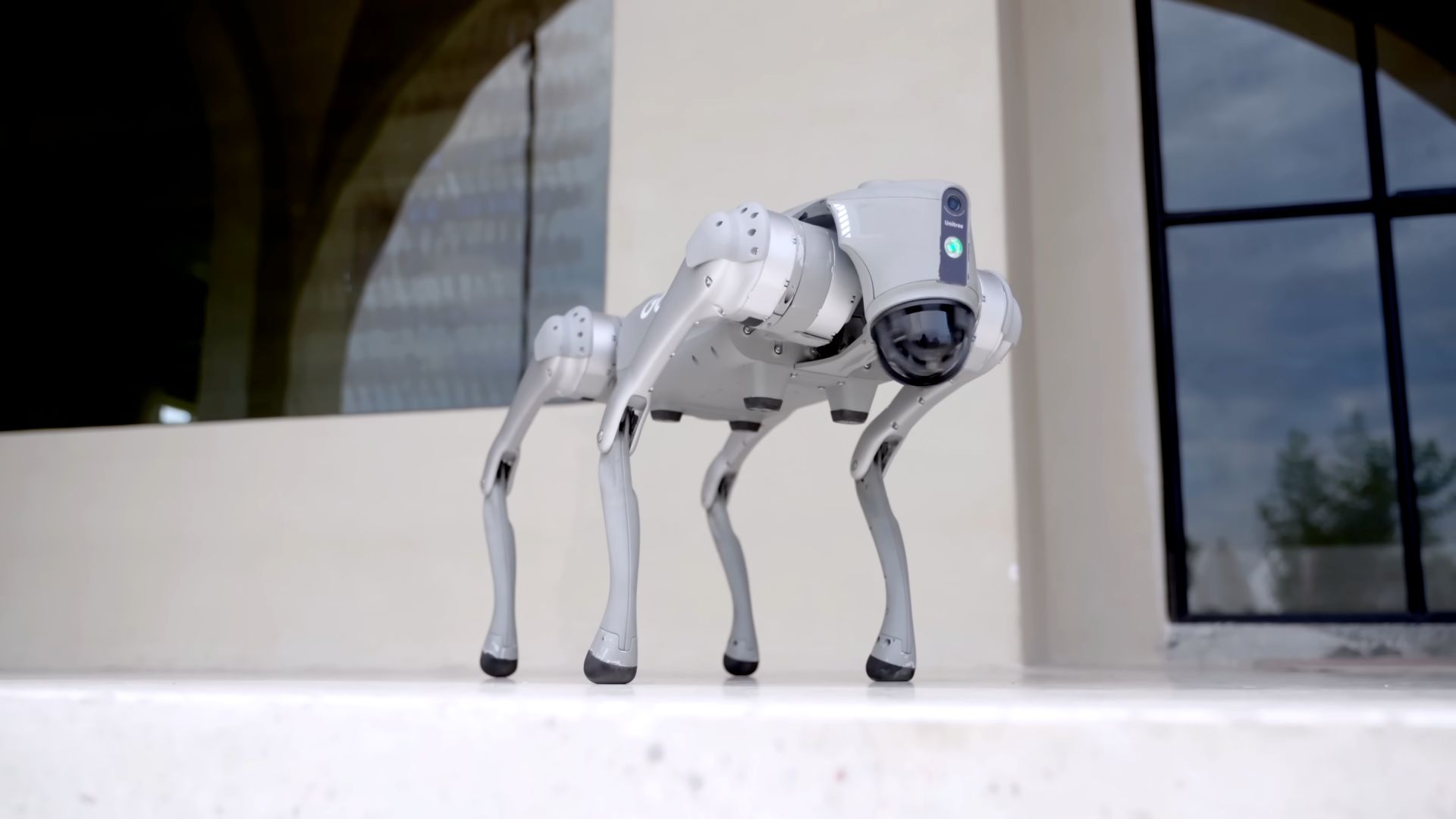
China’s Alibaba unveils AI brains designed to power the next generation of robots
Alibaba, the Chinese technology giant, has unveiled its inaugural family of embodied AI models, marking a significant advancement in artificial intelligence technology. This launch, which took place recently, aims to enhance the interaction between humans and machines by integrating large language models with physical embodiments. The initiative is part of Alibaba's broader strategy to innovate and lead in the AI sector, responding to the growing demand for more intuitive and responsive AI systems. By leveraging its extensive data resources and expertise in machine learning, Alibaba seeks to revolutionize user experiences across various applications, from customer service to entertainment. The company plans to continue developing these models to further improve their capabilities and expand their use cases in the coming months.
AI and Robotics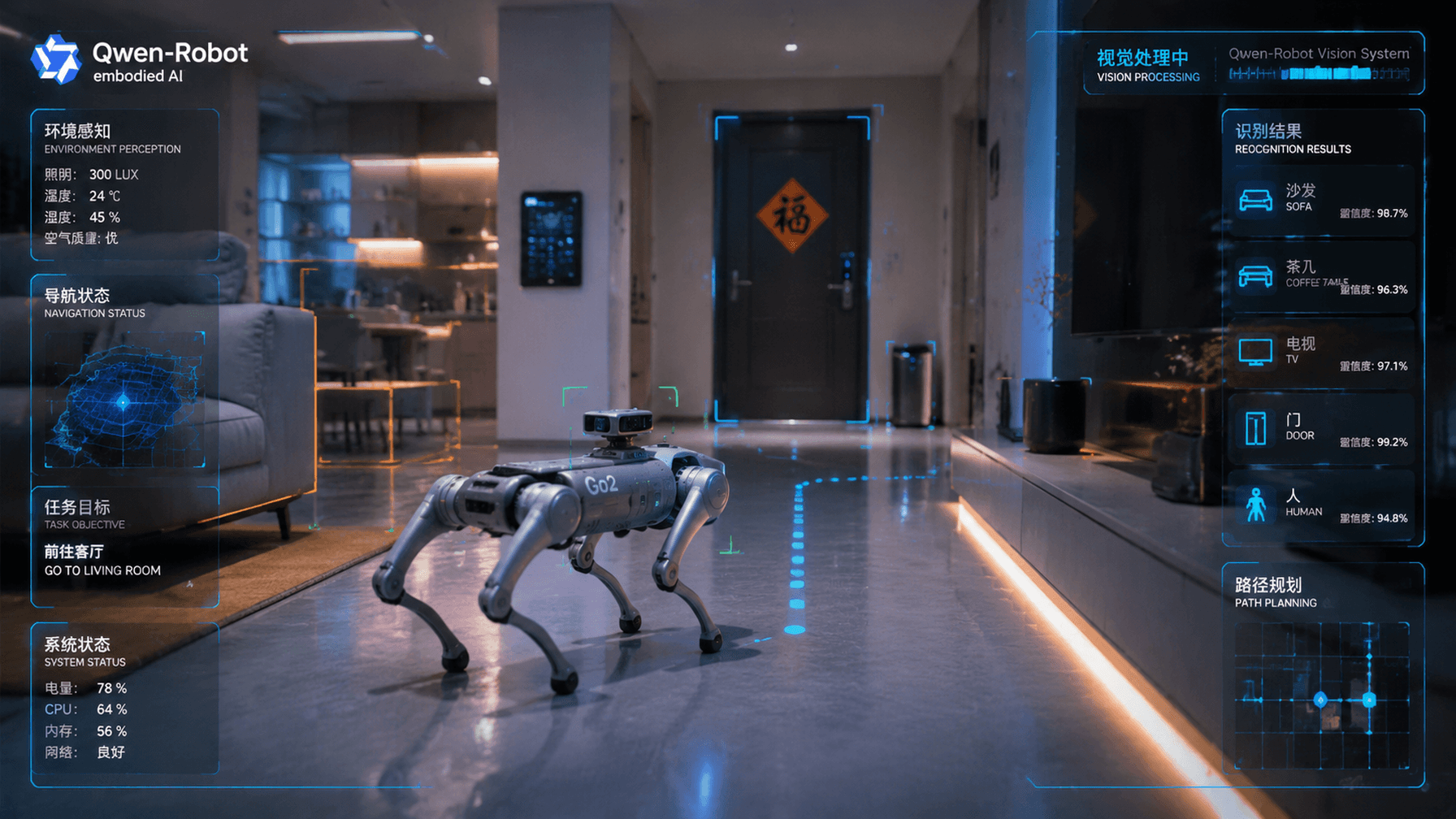
Alibaba Releases Qwen-Robot Series, Its First Embodied AI Model Family
Alibaba has unveiled Qwen-Robot, its inaugural series of embodied AI models designed for navigation, manipulation, and world modeling. This advanced technology can be deployed on the Unitree Go2 quadruped robot, utilizing only a single camera for operation. The launch marks a significant step in the integration of AI with robotics, showcasing Alibaba's commitment to innovation in artificial intelligence. The Qwen-Robot series aims to enhance robotic capabilities in various applications, potentially transforming industries that rely on automated systems. This development comes as part of Alibaba's broader strategy to lead in AI advancements, reflecting the company's ongoing investment in cutting-edge technology.
Robotics
Alibaba eyes physical world with its first suite of AI models for robots
Alibaba Group Holding has unveiled its inaugural suite of artificial intelligence models designed for robots, positioning itself in the competitive landscape of advancing AI beyond traditional chatbot applications. On Tuesday, the Hangzhou-based technology leader introduced the Qwen Robot Suite, a significant step into the realm of "embodied AI," which enables machines to perceive, reason, and engage with their physical surroundings. This innovative suite has been developed by Alibaba's AI research division, Tongyi Lab, and is currently undergoing pilot testing with select partners within the company. This move reflects Alibaba's commitment to expanding the capabilities of AI in real-world applications, aiming to enhance the interaction between machines and their environments.

Alibaba Partnership Committee Directly Rebukes DingTalk Management After Viral Resignation Essay
Alibaba's Partnership Committee has publicly addressed concerns regarding the management culture at DingTalk following the viral resignation essay of a former product manager. The memo, which is unusual for the company, highlights issues of toxic workplace practices that have been brought to light on Chinese social media platforms. This internal communication underscores Alibaba's recognition of the need to address and improve its workplace environment amid growing scrutiny and criticism from employees and the public. The incident reflects broader concerns about corporate culture in tech companies and the impact of employee experiences on company reputation.
Technology
Alibaba's Qwen3.7-Plus supports text, video and imagery inputs at low cost of $0.4/$1.6 per 1M token — but it's proprietary
Alibaba has unveiled its latest AI large language model, Qwen3.7-Plus, this week, enhancing its Qwen family with advanced multimodal capabilities and a cost reduction of 60% compared to the previous text-only model, Qwen3.7-Max. Unlike earlier versions, Qwen3.7-Plus is available solely under a closed commercial license through proprietary APIs and Qwen Chat, marking a significant shift from Alibaba's previous strategy of offering open-source models. This change may disappoint users and enterprises, including major U.S. companies like Airbnb, that relied on open-source versions. The new model excels in multimodal tasks, such as generating enterprise-grade visuals and analyzing videos and images, which its predecessor could not perform. With a competitive pricing structure, Qwen3.7-Plus is positioned just above its Chinese competitor's discounted model. It features a 1-million token context window and a unique parameter called 'preserve_thinking,' which helps maintain continuity during complex tasks, a critical need for developers. Despite its advantages, benchmarks indicate that Qwen3.7-Plus still falls short of leading U.S. models in raw capability. However, it is designed to replace high-cost models in developer workflows and robotic process automation, offering a cost-effective solution for enterprises. The model's cloud-based deployment raises compliance concerns for organizations with strict data residency requirements, as it cannot be downloaded or hosted locally. Overall, Qwen3.7-Plus presents a compelling option for enterprises seeking efficient, multimodal AI solutions without incurring high operational costs.
Technology
Alibaba's Qwen Team Enters Embodied AI With Qwen-VLA Model
Alibaba's Tongyi Qianwen team has unveiled Qwen-VLA, marking the company's inaugural foray into the realm of vision-language-action models for embodied artificial intelligence. This launch, which took place recently, positions Alibaba to compete in the rapidly evolving sector of physical world AI. The development of Qwen-VLA is driven by the increasing demand for advanced AI systems capable of understanding and interacting with the physical environment, highlighting the company's commitment to innovation in artificial intelligence technologies. Through this new model, Alibaba aims to enhance the capabilities of AI in real-world applications, paving the way for more sophisticated interactions between machines and their surroundings.
AI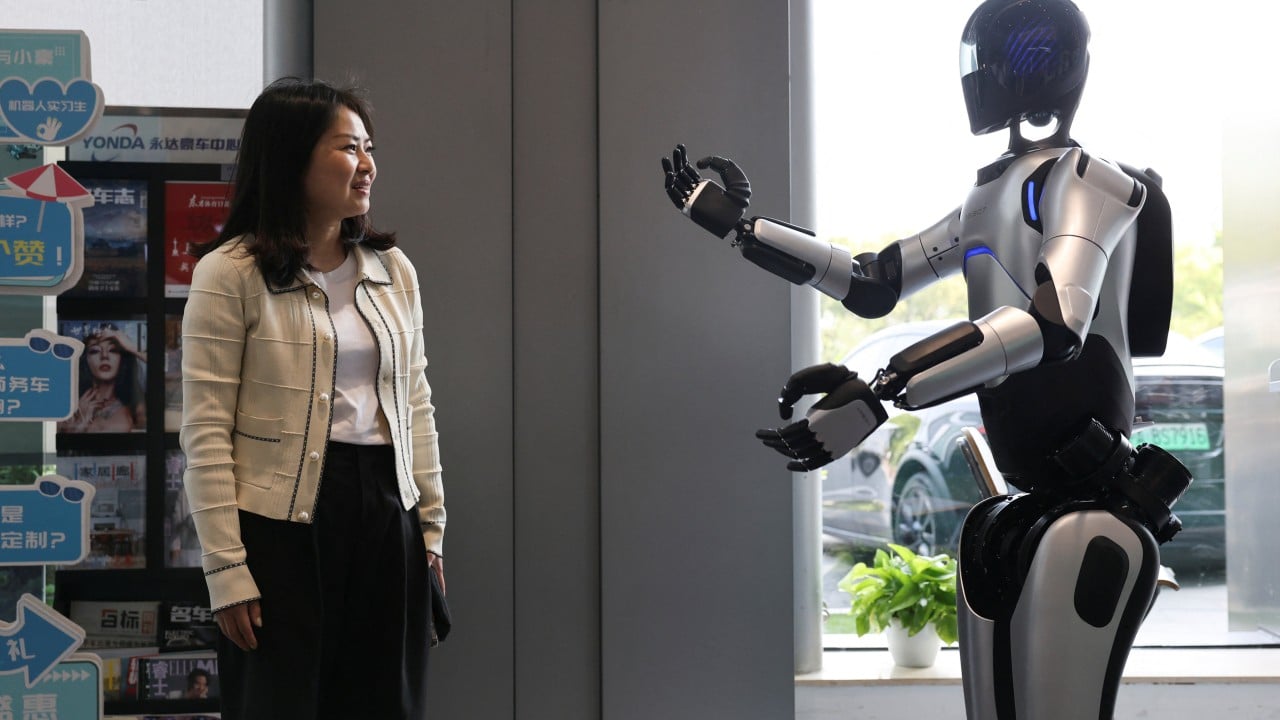
Alibaba, Tencent lead pivot from chatbots to embodied AI for robotics
Chinese tech companies are rapidly advancing the integration of artificial intelligence into robotics, marking a significant shift in the generative AI landscape from digital chatbots to physical autonomous systems. Last week, Alibaba Group Holding introduced its Qwen3.7-Max model, which boasts innovative “tool-calling” capabilities. This feature enables the AI to function as a digital brain, facilitating the control of robots by coordinating various physical actions, including navigation and interaction with external software and hardware components. This development reflects a broader trend within the tech industry to enhance robotic functionalities through advanced AI, aiming to improve efficiency and expand the applications of autonomous systems in various sectors.

Alibaba's Amap has announced plans to expand its traffic light countdown feature internationally, bringing the service to more countries and regions worldwide.
Alibaba's Amap has unveiled plans to expand its AI-powered traffic light countdown feature globally, currently operational at 500,000 intersections throughout China. This initiative aims to address navigation challenges faced by drivers around the world. The announcement highlights Amap's commitment to enhancing urban mobility and improving traffic management through innovative technology. By leveraging artificial intelligence, the feature is designed to provide real-time updates on traffic light changes, ultimately facilitating smoother and more efficient travel for users. The global rollout is part of Amap's strategy to position itself as a leader in smart transportation solutions, reflecting the growing demand for advanced navigation tools in urban environments.
Technology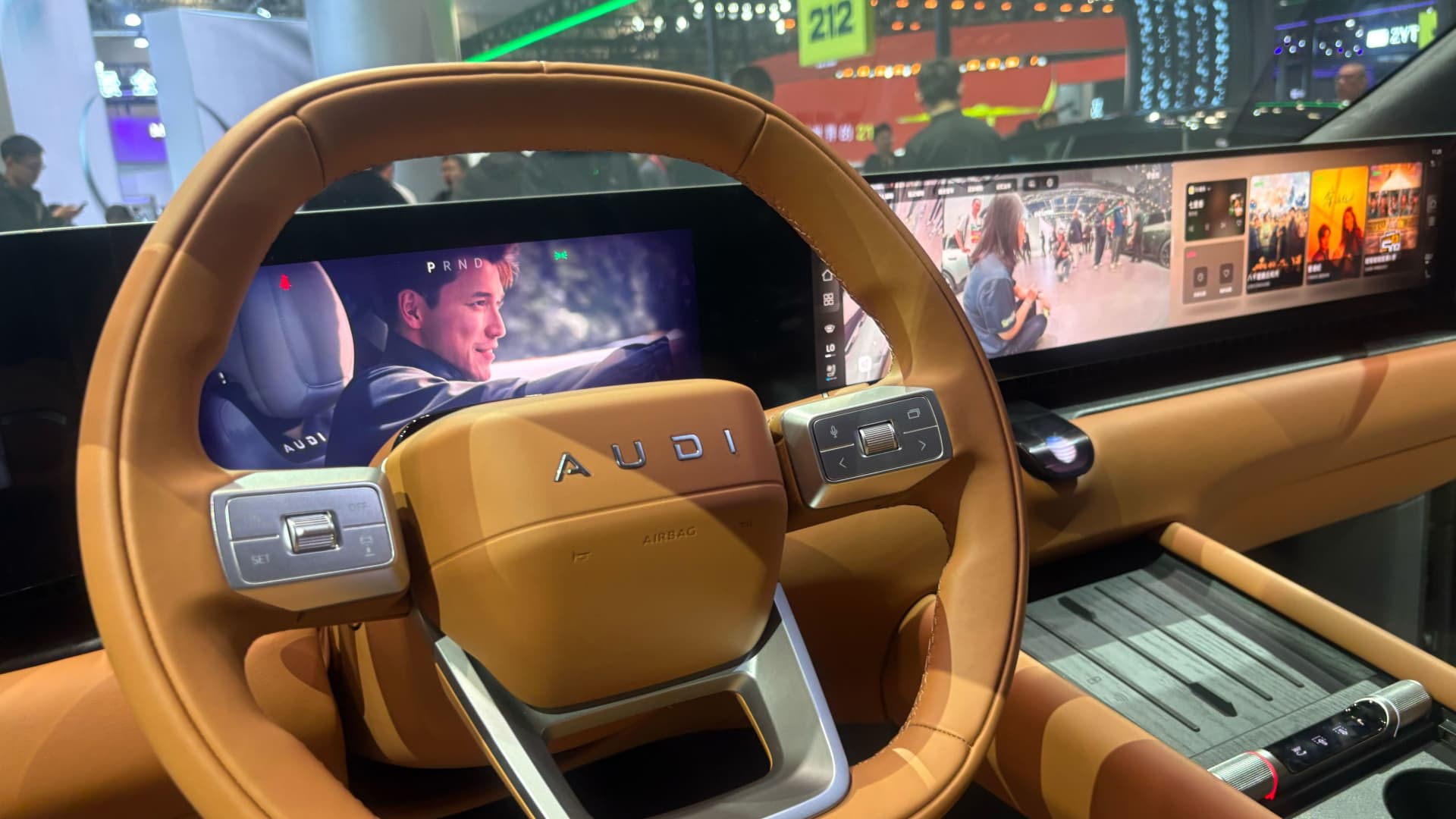
Alibaba’s Qwen AI is coming to cars, allowing drivers to order food and book hotels by voice
Alibaba is set to launch its Qwen AI technology across various car brands, enhancing the driving experience with innovative hands-free features. This initiative allows drivers to seamlessly order meals and manage deliveries directly from their vehicles, promoting convenience and safety on the road. The rollout is expected to take place in the coming months, as the company aims to integrate advanced artificial intelligence into everyday driving scenarios. By leveraging its expertise in AI and data analytics, Alibaba seeks to transform how drivers interact with their vehicles, making tasks that typically require manual input more efficient and accessible. This move aligns with the growing trend of smart technology in the automotive industry, as companies increasingly prioritize user-friendly solutions that enhance mobility.
Alibaba’s Amap to launch first embodied robot, starting with robotic dog
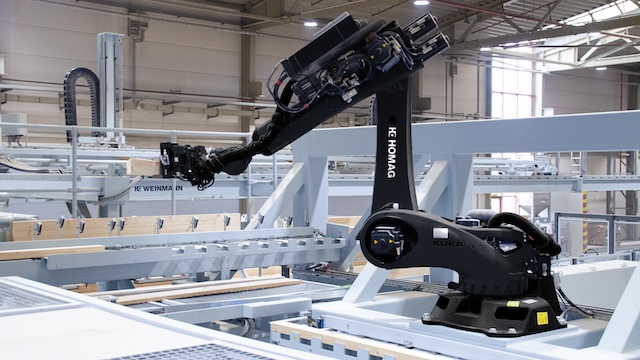
Alibaba’s subsidiary Amap (Gaode) is preparing to launch its inaugural product from its embodied intelligence division, a quadruped robot. This marks Alibaba Group's first venture into embodied robotics. Insiders reveal that Amap's embodied intelligence team is focusing on developing both humanoid robots and robotic dogs as part of its strategic direction. The company has invested in advanced technologies to enhance the capabilities of these robots, aiming to innovate in the rapidly evolving field of robotics. The release of the quadruped robot is anticipated to showcase Amap's commitment to pushing the boundaries of artificial intelligence and robotics.
News Feed
Unitree Scales Global Ambitions with Reported Alibaba Strategic Partnership
Unitree Robotics is set to collaborate with Alibaba’s AliExpress to introduce its R1 humanoid robot to international markets, a move that signals a major step towards making advanced robotics more accessible to consumers. This partnership comes as Unitree prepares for its anticipated initial public offering, which is projected to raise $580 million. The launch aims to capitalize on the growing demand for innovative technology solutions in everyday life, positioning the R1 as a viable option for consumers seeking cutting-edge robotics. The initiative is expected to enhance the visibility and availability of humanoid robots, paving the way for broader adoption in various sectors.
Unitree Robotics Market China
Alibaba International launches Accio Work AI agent, says it can build online stores in 30 minutes
Alibaba International has introduced its new enterprise-grade AI agent, Accio Work, targeting overseas markets. This innovative tool is designed to autonomously manage the complete e-commerce workflow, encompassing store setup, operations, marketing, and cross-border sourcing. Launched today, Accio Work incorporates specialized AI agents, such as e-commerce experts, online store operators, and dropshipping assistants, providing customizable skill packages tailored to various aspects of the supply chain and marketing strategies. The launch aims to enhance efficiency and streamline processes for businesses looking to optimize their e-commerce operations globally.
News Feed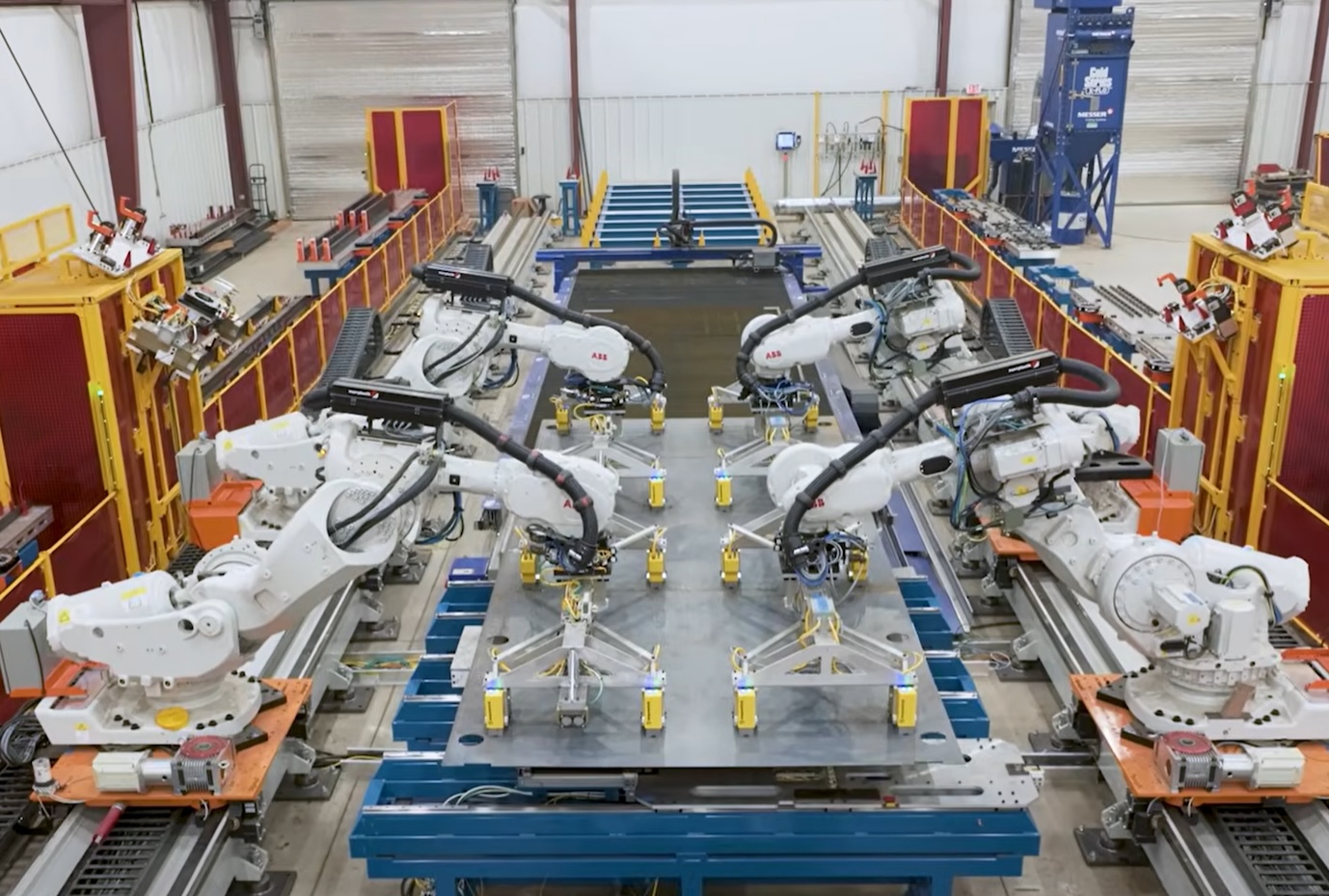
Alibaba reports 36% cloud revenue growth, highlights AI momentum in December quarter
Alibaba's Cloud Intelligence Group reported a significant revenue increase of 36% year-over-year, reaching RMB 43.28 billion ($6.19 billion) for the December quarter. This growth was driven by a remarkable surge in AI-related product revenue, which has now experienced triple-digit growth for ten consecutive quarters. When excluding disposed businesses, the group's total revenue saw a 9% year-over-year increase on a like-for-like basis, totaling RMB 284.84 billion ($40.73 billion). This performance underscores Alibaba's strong position in the cloud computing sector and its ongoing commitment to expanding its AI capabilities.
News Feed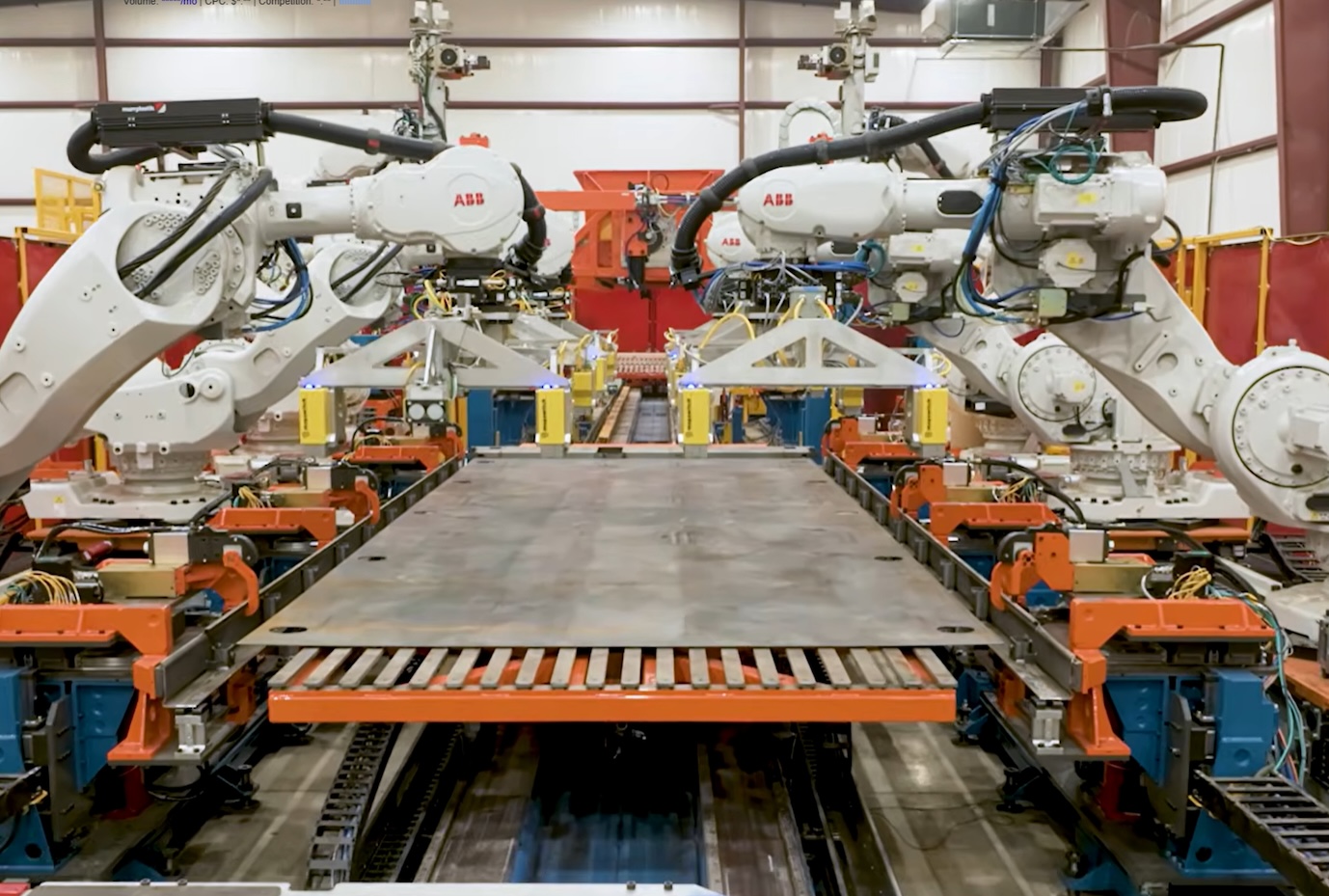
Alibaba’s Qwen app launches $420 million Spring Festival campaign to promote AI-powered consumer experiences
On Monday, Alibaba's Qwen app unveiled a substantial Spring Festival Treat Plan, allocating RMB 3 billion (approximately $420 million) to provide extensive free-order promotions. This initiative aims to encourage users across China to engage with new AI-driven services during the upcoming Spring Festival. Set to launch on February 6, the program will encompass a variety of Alibaba's platforms, including Taobao Flash Sales and Fliggy, among others. The campaign is designed to enhance user experience and promote the adoption of innovative technologies within Alibaba's ecosystem during the festive season.
News Feed
Alibaba’s Qwen app links Taobao, Alipay in end-to-end AI shopping push
Alibaba Group announced on Thursday the full integration of its Qwen app with essential services within its ecosystem, including Taobao, Alipay, and the travel platform Fliggy. This enhancement allows users to seamlessly perform various tasks such as ordering food, booking flights, and shopping through a single AI-driven interface. The company emphasized that this integration streamlines the user experience, enabling customers to complete their activities efficiently without switching between different applications. This move reflects Alibaba's commitment to leveraging artificial intelligence to enhance user convenience and engagement across its diverse platforms.
News Feed
China’s food-delivery price war sees Meituan, Alibaba, JD.com incur $14B in costs across two quarters
In the third quarter of 2025, Meituan reported a staggering operating loss of 19.8 billion yuan ($2.7 billion), marking its largest loss since going public. This significant downturn is attributed to intense competition in China's food delivery sector, which has driven companies to engage in heavy subsidy spending. Meanwhile, Alibaba experienced a sharp decline in its operating profit, plummeting from 35.2 billion yuan to just 5.4 billion yuan ($4.9 billion to $0.75 billion). JD.com also faced challenges, reporting an operating loss of 10.5 billion yuan ($1.4 billion). The ongoing battle for market share among these major players highlights the pressures of maintaining profitability amidst aggressive pricing strategies and consumer incentives.
News Feed
Alibaba’s Amap and XPeng team up to build world’s largest Robotaxi aggregation platform
Alibaba’s mapping and mobility unit, Amap, has announced a groundbreaking partnership with Chinese electric vehicle manufacturer XPeng to integrate XPeng’s Level 4 Robotaxi fleet into Amap’s platform. This collaboration, which represents the first instance of a mobility platform merging with factory-built Robotaxis, highlights Amap’s commitment to leveraging its advanced “spatial intelligence” AI framework to enhance real-world applications. The initiative aims to revolutionize urban transportation by providing a seamless and efficient mobility solution.
News Feed
Alibaba’s mapping unit Amap reportedly to enter global robotaxi market
Amap, the digital mapping and navigation service owned by Alibaba, is set to venture into the robotaxi market as part of its global expansion strategy. According to a report from Sina Tech, this initiative is viewed internally as a strategic business move aimed at driving significant growth for the company. Amap's entry into the robotaxi sector reflects its ambition to diversify and enhance its service offerings in the rapidly evolving transportation landscape. The company is expected to leverage its expertise in digital mapping and real-time navigation to establish a competitive presence in this emerging market.
News Feed
Alibaba launches preorders for its first in-house AI glasses, featuring AR navigation and visual payment integration across its ecosystem
Alibaba has launched preorders for its inaugural self-developed Quark AI Glasses, priced at ¥3,699 ($510) for members and ¥3,999 ($550) for non-members. The preorder phase is currently active on Tmall, with deliveries anticipated to begin in early December. These innovative glasses are equipped with Qualcomm’s AR1 and BES2800 dual flagship chips, allowing them to seamlessly integrate with Alibaba’s ecosystem services and provide augmented reality experiences. This move marks Alibaba's entry into the growing market for smart eyewear, aiming to enhance user interaction with digital content.
News Feed
Alibaba’s Qwen Chief Reveals New Robotics and Embodied AI Team
Lin Junyang, the leader of Alibaba's Qwen large language model, announced on X that he has established a dedicated team focused on robotics and embodied AI within the Qwen initiative. This development comes as multimodal foundation models advance into foundation agents, which are designed to utilize tools and memory for extended reasoning capabilities through reinforcement learning. This strategic move reflects Alibaba's commitment to enhancing AI technology and its applications in various fields.
News Feed
Alibaba expands 88VIP into super membership covering food, travel, and retail
Alibaba is revamping its flagship 88VIP program into a comprehensive cross-platform super membership, effective this month. The enhanced 88VIP will now incorporate services from various Alibaba subsidiaries, including Ele.me, Fliggy, and Freshippo, providing users with a range of benefits that encompass shopping, dining, travel, and everyday activities. To kick off this transformation, Freshippo has initiated a promotional offer allowing 88VIP members to enjoy a complimentary 90-day subscription from August 4 to September 10. This strategic move aims to enhance customer loyalty and engagement by creating a more integrated and rewarding user experience across Alibaba's diverse ecosystem.
News Feed
China’s CATL partners with Alibaba’s Ant to make robotaxis, in challenge Waymo and Tesla
Chinese battery manufacturer CATL has announced a collaboration with Ant Group, Alibaba’s fintech subsidiary, and bike-sharing service Hellobike to develop autonomous ride-hailing vehicles. This partnership, revealed on Monday, positions CATL in direct competition with established players in the sector, including Waymo and Baidu. Hellobike, which is primarily owned by Ant Group with a 36% stake, will play a crucial role in this venture. The collaboration aims to leverage advancements in battery technology and fintech solutions to enhance the efficiency and accessibility of autonomous transportation services.
News Feed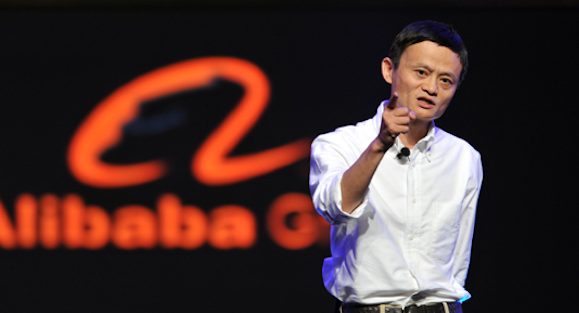
Former DingTalk executive criticizes Alibaba culture in viral memo, Jack Ma responds
A former senior product executive at DingTalk, Alibaba's enterprise messaging division, has raised significant concerns about the company's direction in a detailed internal letter following their departure. The letter criticizes the erosion of Alibaba's corporate culture, its unsuccessful mergers and acquisitions strategy, and a perceived stagnation in innovation. This candid assessment has garnered attention, prompting a rare public response from Alibaba founder Jack Ma. The memo has sparked widespread reflection both within the company and among the public, highlighting the challenges Alibaba faces in maintaining its competitive edge in the tech industry.
News Alibaba E-commerce and New Retail Highlight Jack Ma
Alibaba chairman points to AI as core growth engine for e-commerce and cloud businesses
During an internal event on May 10, Alibaba Group Chairman Joe Tsai presented the company's strategic roadmap for the next three to five years, focusing on e-commerce and the integration of "Cloud + AI" as the key drivers of future growth. Tsai underscored his belief that artificial intelligence will play a pivotal role across all business segments, positioning it as a core component of Alibaba's strategy moving forward. This initiative aims to enhance the company's competitive edge and adapt to the evolving digital landscape.
News Feed
Alibaba launches and open-source Qwen3, China’s first hybrid reasoning AI model
On April 29, Alibaba introduced Qwen3, marking the launch of China's first hybrid reasoning model that combines both fast and slow thinking processes to enhance efficiency and lower computational expenses. The Qwen3 series features various models, including the fine-tuned Qwen3-30B-A3B and its pre-trained base, which are now accessible on major platforms. Additionally, Alibaba Cloud has made two models from this series available as open-source, further promoting innovation and collaboration in the field of artificial intelligence.
News Feed AI AI model Alibaba
Former Microsoft and Alibaba veteran Hu Yunhua joins Zhipu AI as head of ChatGLM
Hu Yunhua, a former senior technical expert at Alibaba DAMO Academy and researcher at Microsoft Research Asia, has joined the AI startup Zhipu AI, as reported by Chinese media outlet 36Kr. In his new role, Hu will spearhead the development of ChatGLM, the company's consumer-focused AI conversation application. His career began at Microsoft Research Asia in 2003, where he progressed from intern to researcher by 2007. This move reflects Zhipu AI's commitment to enhancing its AI capabilities and expanding its product offerings in the competitive tech landscape.
News Feed
Alibaba invests $71 million in parent company of South Korean e-commerce platform Ably
Ably Corp., the parent company of South Korean e-commerce platform Ably, has successfully secured an investment of KRW 100 billion (approximately $71 million) from Alibaba. This investment, which grants Alibaba a 5% stake in the company, has propelled Ably Corp.'s valuation to KRW 3 trillion ($2.1 billion). As a result, Ably Corp. has achieved the status of South Korea's first unicorn startup, marking a significant milestone in the country's tech landscape. This strategic partnership with Alibaba is expected to enhance Ably's growth and innovation in the competitive e-commerce sector.
News Feed
Alibaba group restructures e-commerce operations to boost global expansion
Alibaba Group has initiated a significant restructuring of its e-commerce operations, merging its domestic and international divisions into a unified entity. This announcement was made on Thursday by CEO Eddie Wu, who communicated the decision through an internal memo. The restructuring is designed to bolster the company’s capacity to better serve consumers globally and to assist small- and medium-sized enterprises in their efforts to expand into international markets. This strategic move reflects Alibaba's commitment to enhancing its competitive edge in the evolving e-commerce landscape.
Heavy Hitters News Alibaba CHINA E-commerce Highlight
Alibaba bans Claude Code internally; FF's LA office empty, company denies; Microsoft invests $2.5 billion to form new AI company.
In a significant policy shift, China's Ministry of Finance, State Taxation Administration, and Ministry of Industry and Information Technology announced the adjustment of tax incentives for energy-efficient and new energy vehicles. Effective January 1, 2027, the government will eliminate the half-tax reduction for energy-efficient vehicles and discontinue the tax exemption for pure electric commercial vehicles, plug-in hybrid vehicles, and fuel cell commercial vehicles. This decision aims to align tax policies with the evolving automotive market and promote sustainable practices. The announcement follows a comprehensive evaluation of the current tax framework and its impact on the industry.
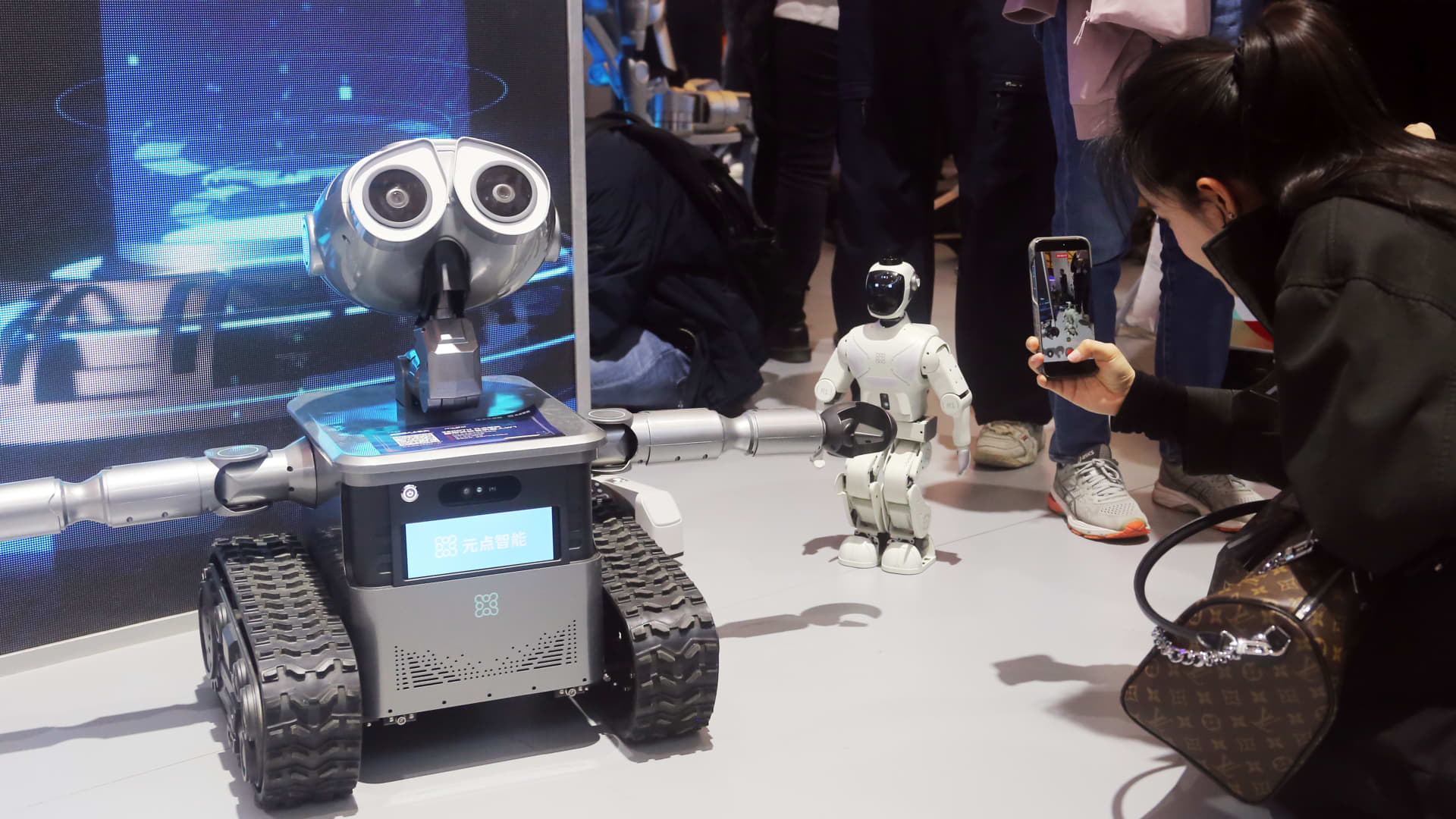
Alibaba-affiliate Ant Group rushes into humanoid robots with a dozen deals in 18 months
Ant Group has successfully led a funding round of 500 million yuan (approximately $73.59 million) for the humanoid robotics company Zeroth, as announced by the start-up on Thursday. This investment highlights Ant Group's commitment to advancing technology in the robotics sector and reflects the growing interest in humanoid robots. The funding will likely support Zeroth's development efforts and enhance its capabilities in creating innovative robotic solutions.

DeepSeek Raises $7.4 Billion in Historic Series A: Tencent Leads, CATL Crosses Over, Alibaba and ByteDance Sit Out
Chinese AI startup DeepSeek has successfully raised around 51 billion yuan in a Series A funding round, achieving a valuation of 400 billion yuan. The funding, which took place recently, saw significant investment from tech giant Tencent, contributing 10 billion yuan, while battery manufacturer CATL has also joined as a strategic investor. This substantial financial backing highlights the growing interest and confidence in DeepSeek's innovative technology and its potential impact on the AI landscape.
AI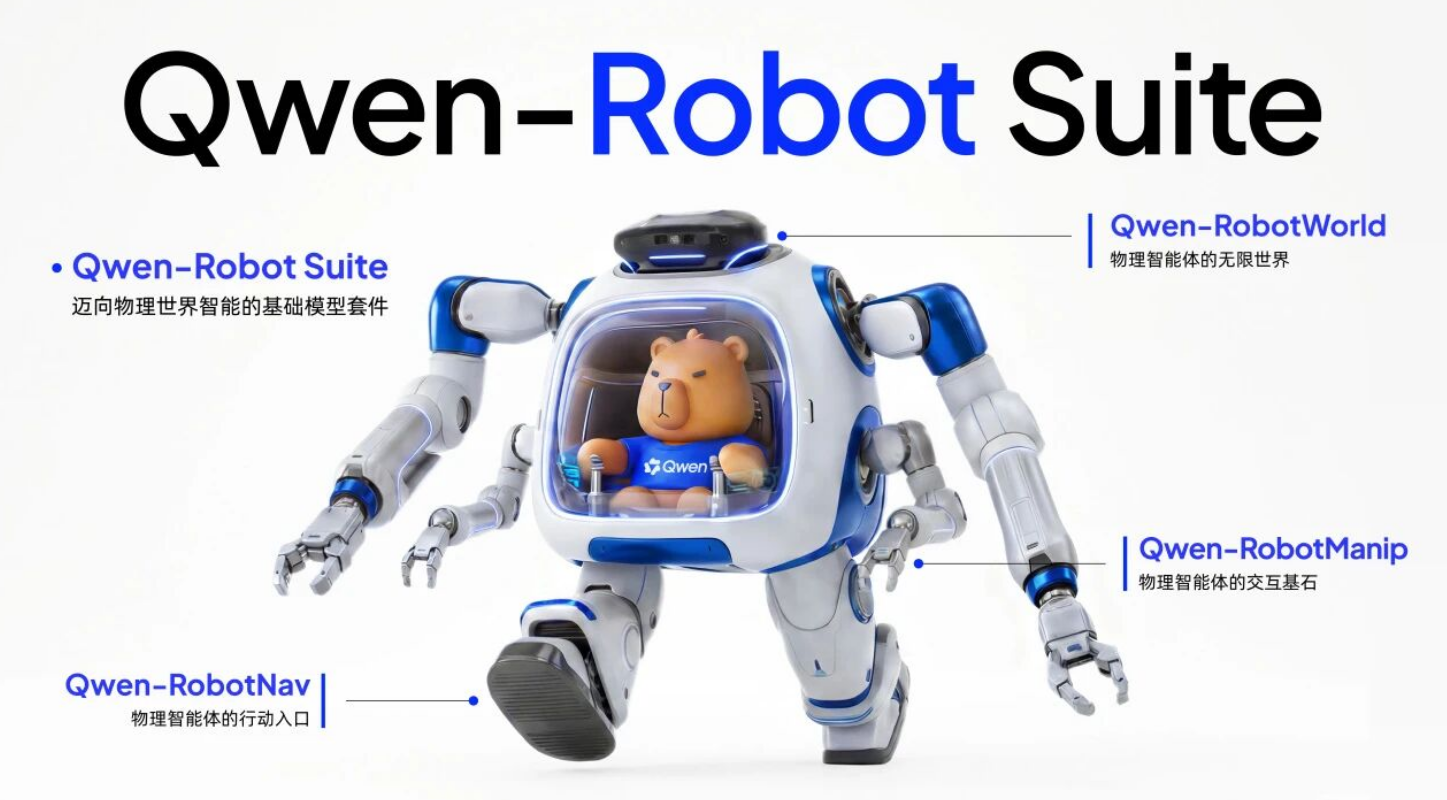
Alibaba unveils Qwen-Robot series with three foundation models for embodied AI
On Tuesday, the Qwen team unveiled a new robotics suite that includes three foundational models: Qwen-RobotNav, Qwen-RobotManip, and Qwen-RobotWorld. These models are designed to integrate language processing with various physical actions, enhancing the capabilities of mobile robotics. Qwen-RobotNav, in particular, advances vision-language integration by employing controllable observation encoding and tool-based interfaces. This innovative model consolidates four essential tasks into a single framework, which includes instruction following and goal-directed navigation. The release aims to improve the interaction between language and robotics, paving the way for more sophisticated and versatile robotic applications.
News Feed
PixVerse Secures $439M in Series C Extension, Valuation Exceeds $2B
Singapore-based video-generation startup PixVerse announced the closure of its Series C extension, raising a total of $439 million. This funding has propelled its valuation past $2 billion, enabling the company to enhance its world model offerings and expand its customer base globally. The significance of this funding round lies in PixVerse's ambition to solidify its position in the competitive video generation market. Founded in 2023 by Wang Changhu and Jaden Xie, the company has already attracted notable investors, including Alibaba and Lollapalooza Capital, and boasts over 150 million registered users for its consumer product. Looking ahead, PixVerse plans to launch a new V-Series model for video generation and a new version of its world model within the year. The company is also focused on expanding its enterprise outreach and hiring additional researchers to support its growth strategy. No further timeline was disclosed at the time of publication.
AI Fundraising alibaba pixverse video generation
Chinese Internet Association Launches AI Agent Data Protection Pact with Major Firms
The China Internet Association has introduced a self-regulatory agreement focused on personal information protection for AI agents during a forum in Beijing. Major companies including Baidu, Tencent, Alibaba, and Volcengine are among the initial signatories of this pact, which aims to establish standards for the collection, processing, and usage of personal data by AI agents as their services proliferate across various internet platforms. This initiative is significant as it seeks to address growing concerns regarding data privacy and security in the rapidly evolving landscape of AI technologies. By standardizing practices, the pact aims to enhance consumer trust and ensure responsible handling of personal information, which is crucial as AI agents become increasingly integrated into daily online interactions. Looking ahead, the China Internet Association also unveiled a separate self-regulatory pact for mini-program ecosystems, signed by Tencent, Ant Group, and Baidu, among others. This indicates a broader commitment to data protection across different digital services. No further timeline was disclosed at the time of publication.
News Feed
Former Huawei Executive Leads Morphi in Embodied Intelligence with Over $1.4 Billion in Funding
Morphi, a rising company in the field of embodied intelligence, has successfully secured over 1 billion yuan in angel funding, achieving a post-investment valuation of over 7 billion yuan. The startup, which counts tech giants Alibaba and Tencent among its backers, is focused on creating a versatile, multimodal robotic brain. Initially, Morphi will concentrate on commercial applications, with plans to later venture into the household robotics sector. Founded by former leaders from Huawei, the company is preparing to launch its first consumer service robot in July.
Embodied Intelligence Robotics AI Funding Startups
AI Models Overthink Problems—and It’s a Security Risk
Large language models (LLMs) that can think through problems step-by-step have significantly increased the scope of tasks that AI can tackle. But new research suggests these reasoning capabilities also introduce a critical vulnerability that could allow attackers to slow these systems to a crawl.While earlier generations of LLMs would immediately produce a response to a user’s request, today’s most advanced models generate an internal monologue where they break down the problem into steps and reason about the best way to tackle it before providing an answer. This has allowed AI to tackle increasingly complex problems, particularly in areas like coding and math.However, previous research has shown that these models are susceptible to sometimes producing excessively long streams of reasoning that do little to boost performance, a phenomenon known as “overthinking.” In research presented this week at the International Conference on Machine Learning 2026 in Seoul, researchers from Zhejiang University and e-commerce giant Alibaba in China demonstrate that they can deliberately induce overthinking by subjecting models to logically inconsistent prompts. The result is a form of denial-of-service attack on commercial AI models.Evolutionary Prompt Attack on LLMsThe team has developed an evolutionary algorithm that corrupts the logical structure of prompts, causing models to spiral into overthinking as they attempt to reason through fundamentally unsolvable problems. Generating longer responses costs more and increases the load on a model provider’s servers, so if done at scale, the researchers say, this could significantly degrade the experience of legitimate users. The attack was effective against reasoning models from leading AI companies including DeepSeek-R1, Alibaba’s Qwen3-Thinking, OpenAI’s GPT-o3, and Google’s Gemini 2.5 Flash and resulted in outputs up to 26 times as long as standard responses on a standard math benchmark.“Across multiple datasets and reasoning models, our method substantially amplifies the output length,” Wei Cao, a masters student at Zhejiang University, wrote in an email to IEEE Spectrum. “Our results suggest that overthinking is not an isolated phenomenon specific to individual models, but rather a shared vulnerability among modern reasoning models.”The team’s approach builds on previous research from another group of researchers that showed reasoning models tend to overthink when faced with a question in which a key premise has been removed—such as asking how far someone who walks ten miles a day covers in total without specifying how many days they walked for. Rather than identifying that the problem is unsolvable, models often engage in extended but ultimately fruitless reasoning loops in an attempt to answer the question.Taking the idea a step further, the authors took 940 problems from three math benchmark datasets and used an LLM to break down their logical structure into a set of premises and a final question. The genetic algorithm then jumbled these up using a variety of “mutations,” including swapping premises between problems, adding extra premises to problems, deleting existing premises from problems, and swapping the final questions between two sets of premises.After each round of mutations, the problems are scored on how many words they cause a target model to output and also whether they increase the frequency of specific linguistic markers of overthinking—words like “but,” “wait,” “maybe,” or “alternatively.” The problems that scored highest on both measures are retained and the remaining ones are jumbled up again, and this process is repeated for five generations. Crucially, the approach doesn’t require access to the internals of a model and can generate malicious prompts by simply querying the target, which makes it possible to attack closed-source commercial services, says Cao.Overthinking Vulnerability in AI ModelsThe researchers found that the approach consistently led to outputs several times longer than those generated by the unmodified questions for the reasoning models they tested it on. The biggest jump came from DeepSeek-R1 on the MATH dataset, which is made up of problems from high school math competitions, where the maximum output was 26.1 times as long as the longest response the model provided to unaltered questions. While the main thrust of the research was focused on math problems, the authors also tested it on coding, scientific reasoning, and dialogue challenges, and observed significant jumps in output length in all three.One challenge for the approach is that developing the malicious prompts requires repeated queries to expensive reasoning models, which Cao admitted could limit its cost-effectiveness. However, the researchers also demonstrated that when they used a smaller, cheaper model to generate the malicious prompts they were still able to induce the target models to produce outputs several times longer than normal. This ability to transfer malicious prompts between models significantly increases the attack’s feasibility, Cao wrote.However, he pointed out that the goal of the research is not to develop a practical DoS attack on reasoning models. Factors like the providers’ pricing model, rate limiting policies, context window size, and existing defenses could all impact how effective the approach is. The intention is instead to highlight these models’ vulnerability to logically inconsistent prompts so that providers can attempt to mitigate the problem.“Our objective is not to demonstrate that large-scale attacks can be launched at negligible cost, but rather to establish that this attack surface exists,” he wrote. “Our results indicate that the vulnerability represents a realistic security concern.”
Llms Artificial-intelligence Denial-of-service Cybersecurity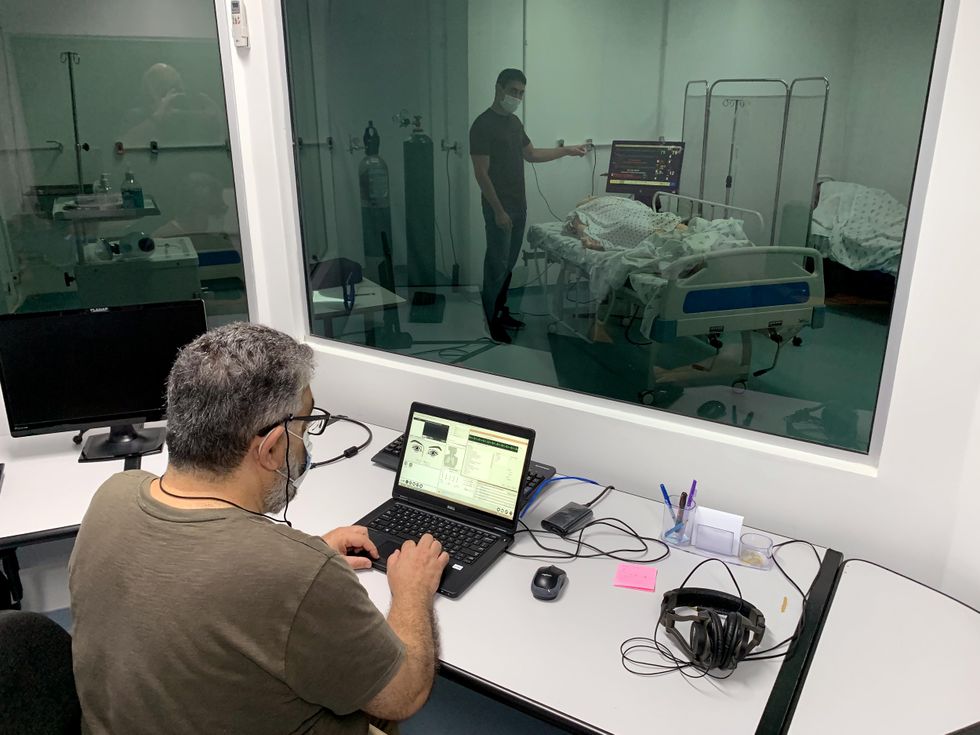
Small-AI Models Gain Traction Around the World
One morning in 2019, Adebayo Alonge was in a Cape Town hotel room, preparing to demonstrate his startup’s AI answer to a serious problem in African health care: counterfeit medication, which kills thousands of people across the continent every year.The RxScanner is a handheld spectrometer that scans a pill with infrared light, then sends the item’s molecular profile to an AI model equipped with a pharmaceutical database. In seconds, the AI identifies the medication from its molecular profile—or reports that it’s phony.Pharmacies were using the system in more than a dozen countries, including Ghana, Kenya, Myanmar, and Alonge’s native Nigeria. But that morning in South Africa, it didn’t work. “I was shocked,” Alonge says.The spectrometer connected to the AI model—but the data center was 14,000 kilometers away and bandwidth was limited. “Our server was in the United States, and just to get the result of a single scan was taking me over 5 minutes.”So Alonge immediately asked his engineers to shrink the AI model down to a smaller, low-power, unconnected version that could run entirely on his Android phone. They produced it 2 hours later, and that saved the demo.More importantly, the work birthed a new version of his device, which can authenticate a pill in places without broadband, computers, or even reliable electricity. It also turned Alonge into an advocate for this kind of “small AI.”Small AI for Global Health Care AccessSmall AI is a far cry from wealthy nations’ colossal large language models (LLMs), hyperscale data centers, multibillion-dollar investments, and debates about AI consciousness. But for millions of people around the world, the only AI that matters, and often the only kind available, is small. (According to a World Bank Report issued in November, only 0.7 percent of internet users in the world’s poorest countries have used ChatGPT, compared to a quarter of all internet users in the most developed nations.)“Most people are discussing AI from the LLM/generative side. But that needs a lot of computing power, electricity, massive data, and skilled people to manage it,” Ajay Banga, president of the World Bank, said last January at the World Economic Forum, in Davos. “Outside the developed world, other than maybe India and China, very few countries have that combination.”By contrast, small AI can deliver useful, even life-saving services to people in areas that have none of those things, Banga said. In India, where the government’s AI plans call for more development of small AI, many such systems are working for farmers.For example, a drone-based system developed by Bala Murugan and colleagues at the Vellore Institute of Technology, in India, takes photos of cashew plants and quickly identifies those with splotches that indicate disease. All the processing takes place on the drone itself, so there’s no need for a computer on-site, nor for a connection to a central server.Using small language models trained for a specific problem, and sometimes running on cheap, low-power devices, other small-AI implementations have been developed to identify ant infestations in a Uruguayan vineyard, detect the presence of malaria-carrying mosquitoes in a number of nations, and run electrocardiograms from an Arduino device in parts of Brazil that lack access to more complex equipment.“This is the most important area in AI nowadays,” says Marcelo José Rovai, a professor at the Institute of Engineering and Information Systems at the Federal University of Itajubá, in Brazil, who was involved in all three projects. “It’s growing very fast.”Low-Power, Small-AI Models on Devices Small AI models can run on a variety of low-power devices, including [from left to right] an Arduino Nano 33 BLE Sense, a Seeed Wio Terminal, and an Arduino Portenta.Moez AltayebFor Alonge, Rovai, and other advocates, small AI is not just “a promising trend,” as that November World Bank report calls it. It may be, in the long term, the form of AI that will touch the most lives and remain sustainable after some of the giant models become too costly for most users.“I think the future of AI is not like one giant model, at a center. I think it’s millions of small, precise models deployed at the edge, each one solving like a specific problem, a specific context,” Alonge says. This is partly because much of humanity—including people in parts of rich countries as well as the developing world—lives without access to cutting-edge frontier models. But, he says, it’s also because those models are not sustainable.“If someone is not subsidizing it, most people will not be able to afford those models. So those of us who are said to be small-AI developers are the ones who will have to build for the majority of the world,” Alonge says.There is no strict definition of “small AI,” but people often use the term for language models with at most a few billion parameters. (Compare that to cutting-edge models, which can include more than a trillion.) That’s small enough to run directly on a phone or a Raspberry Pi. That’s what allows these applications to run on devices without a connection to a data center and use only a few watts of power, often supplied by a battery or a solar panel.Despite their small footprint, these models aren’t fundamentally different technology from that of gigantic AI models, Rovai says. Many instances of small language models were created the same way the phone-based version of Alonge’s pharmaceuticals scanner was—by “pruning” large models, or removing the parameters that weren’t involved in the task. The result is a system that’s less capable generally but still very good at the specific job it was pruned for, Rovai says. A lighter version of RxAll’s RxScanner spectrometer sends its results to an AI model run locally on a phone to check that a drug’s molecular signature is genuine.RxAllOther small models are created by “distillation.” They are trained to mimic a large model, until their performance approaches that of their “teacher,” Rovai says. In other cases, a larger model’s precision is reduced, for example, so that a model run on 32-bit architecture can run on 8-bit designs. In situations where the machine learning application is being used to classify data or predict patterns (like an ant infestation), it’s trained from the beginning on a small device, not derived from a larger model at all. Running all these small, specialized systems is becoming easier, Rovai says, for two reasons.The first reason is that hardware is getting better and more capable while using less power, he says. This means more and more phones can run small AI—especially those equipped with neural processing units, which are specialized chips that handle AI tasks like facial recognition and changing the brightness, shadows, or contrast in a photo.In 2025, slightly more than a third of all smartphones shipped worldwide were capable of running generative AI, and that figure will reach 45 percent by the end of this year, according to the technology research firm Counterpoint. By the end of next year, slightly more than half of all smartphones will be able to run a small AI model.The second reason Rovai cites is the shrinking footprint of language models. Both Google DeepMind’s Gemma 4 (released in April) and Alibaba’s Qwen 3.5 are “fantastic” for small AI, Rovai says. Both models are “open weight,” meaning users can adjust the connections between parameters to suit their needs. This makes it easy, for example, “to take a lot of data from, say, the milk industry and retrain the model specifically on that,” Rovai says.Rovai illustrated these reasons on a Zoom call, using one of his most recent experiments. Holding up a device, he says, “This is the new Arduino UNO Q—a US $50 device with a Qualcomm chipset. I’m running a language model here, which collects data from sensors and analyzes that data to detect tiny pools of water where mosquitoes might be breeding. It takes 3 watts to run it.”Support for Small-AI DevelopmentConvinced that millions of people are already benefiting from these kinds of applications, the World Bank now actively promotes small AI with grants, mentorship programs, financing, technical advice, and models of government policies that are friendly for small-AI development. For example, in Rwanda, the World Bank is backing a government program to help low-income households get devices that can run AI.All that said, no one claims that large language models are going away entirely. To create a generative AI that can run on a phone or other small device requires the architectural insights, data processing, and results of a larger model, Rovai says. “We need the big models to create these smaller models.” And for all that small AI can benefit people without access to big AI, the technology can’t solve the larger problems of development and digital inequality, Alonge says. Implementing small AI won’t allow nations to escape the challenge of creating an ecosystem to support AI: reliable power, a supply chain that works, and an educational system that develops the talents needed to create AI tools.Though his drug-scanning system can run for days on a phone with no connection, “you still want to be able to enable periodic syncing for updates with new signatures for the medications and analytics,” Alonge says. “And even when you are using batteries, reliable power is important. That phone battery is not going to last forever.”In many parts of the world, the future of small AI isn’t assured, he says. “It works, and many places will eventually need to use it. The question is whether or not the political actors are wise enough to invest in infrastructure to support it long term.”
Small-language-models Artificial-intelligence Llms
First $20 Billion Embodied Intelligence Unicorn Emerges in Greater Bay Area
Shenzhen-based Zivariable Robotics has reached a significant milestone by securing over $20 billion in valuation through four rounds of funding completed within two months. The company attracted investments from prominent industry leaders, including Meituan, Alibaba, and Xiaomi. Zivariable Robotics is at the forefront of developing embodied intelligence technology, which is already being integrated into homes and factories. This advancement represents a notable leap forward in the robotics sector, showcasing the growing interest and potential in intelligent automation solutions.
Embodied Intelligence Robotics Artificial Intelligence Investment Automation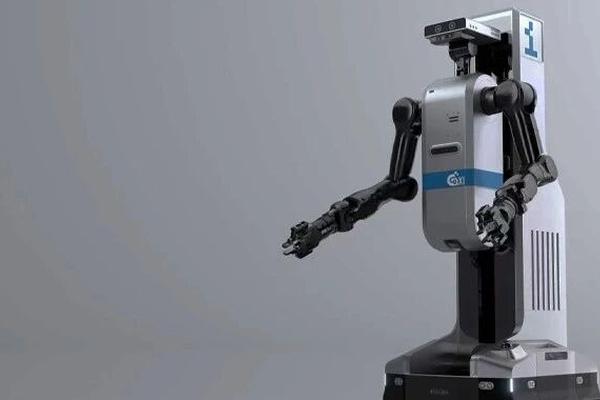
Tsinghua alumni launch AI startup, securing hundreds of millions in angel funding for the automotive industry.
Embodied intelligence company Guangxiang Technology has successfully secured hundreds of millions in angel funding, with significant participation from leading investors including Zhuhai Technology Industry Group, Xingsheng Capital, and several others. Founded in April 2025 through a collaboration between Tsinghua University's Vehicle and Transportation Institute and its AI Institute, Guangxiang aims to advance the development of its physical native base model and commercialize embodied intelligent robots for industrial applications. The company's founder and CEO, Zhang Tao, previously led the spatial perception engine at Amap, while co-founder Professor Li Shengbo is a renowned expert in reinforcement learning and autonomous driving. The team, which includes members from major tech firms like Alibaba and Huawei, is focused on a unique technological approach that diverges from mainstream visual-language-action models. Guangxiang's flagship product, the Phi-Bot X1, was launched in June 2026 and is designed for industrial environments. The robot has demonstrated impressive capabilities, completing a full welding operation on an automotive production line without errors during a 21.5-hour continuous run at the 2026 ATC exhibition. The company plans to expand its applications in the automotive sector, targeting the remaining 30% of automation gaps that traditional methods cannot address. Zhang envisions a robust market for automotive production line robots, estimating a potential market size of around 100 billion yuan in China. Guangxiang Technology is committed to refining its products and scaling operations, with a focus on real-world applications and continuous feedback to enhance its offerings.
Robotics needs a service framework.
RSF defines a common language for robot service capability, lifecycle operations, certification pathways, and service-provider networks.