Industry Briefing
A single destination for timely, editor-curated robotics news from around the world.
Naval carrier set to deploy with a drone, while Marines say goodbye to the Harrier
This week, the U.S. Navy is enhancing its fleet capabilities as a Seahawk drone is scheduled to join the aircraft carrier USS Theodore Roosevelt. This integration reflects ongoing efforts to modernize naval operations and improve surveillance and reconnaissance missions. Additionally, the aviation community bids farewell to a legendary aircraft, which is making its final flight, marking the end of an era in military aviation history. The events highlight the Navy's commitment to advancing technology while honoring its storied past.
Air Warfare Naval Warfare Air Force Break Out Video harrier HarrierJumpJet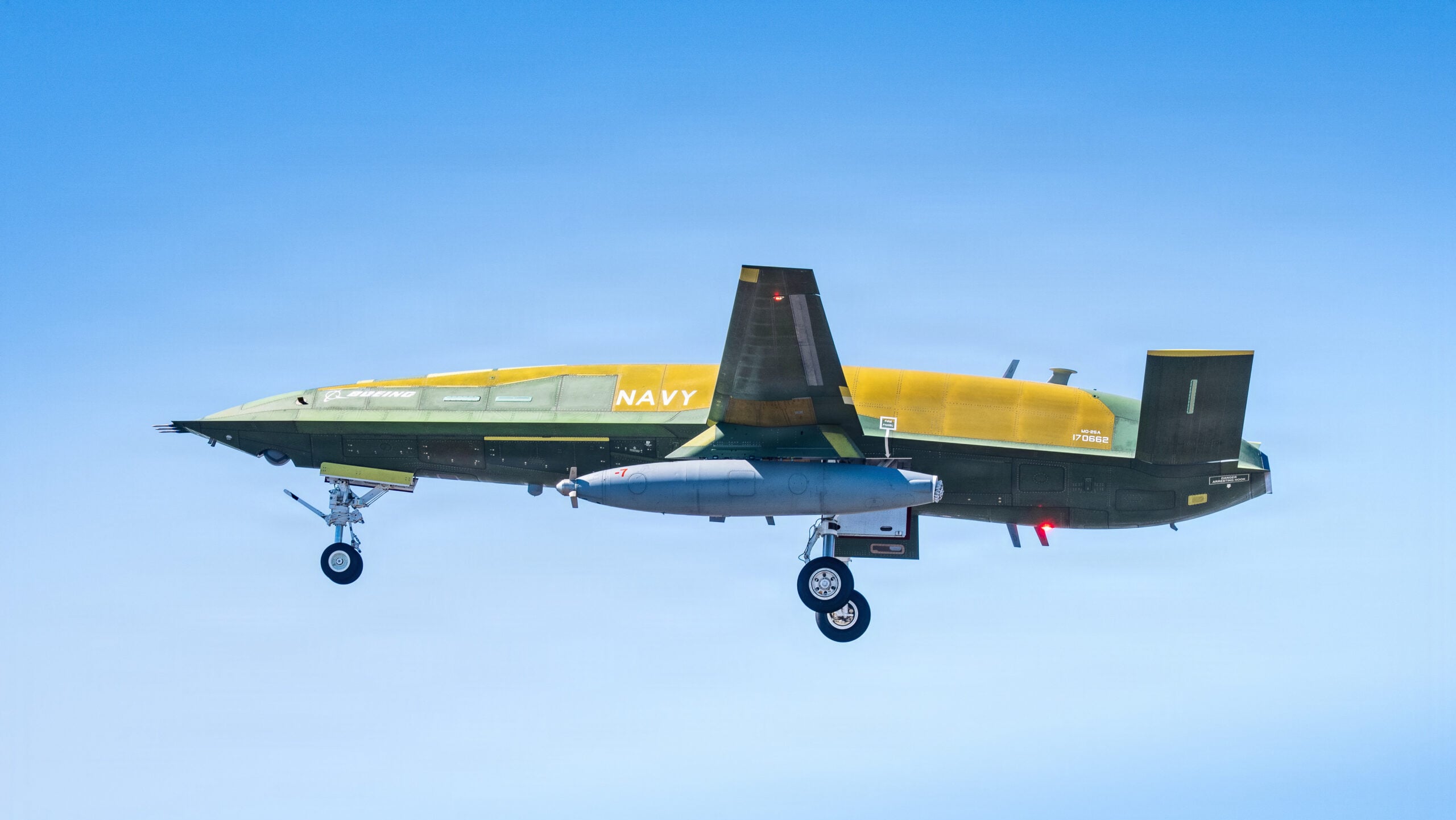
Navy’s MQ-25 Stingray gets green light for low-rate initial production
The U.S. Navy announced plans to award a low-rate initial production contract for three aircraft this summer. This contract marks a significant step in the Navy's ongoing efforts to enhance its aviation capabilities. The decision to move forward with the production is driven by the need to modernize the fleet and improve operational readiness. The specific details regarding the aircraft and the exact timeline for the contract's finalization are still pending, but the Navy's commitment to advancing its aerial assets remains clear.
Naval Warfare aircraft carrier Drones MQ-25A Stingray Navy Unmanned
Navy’s MQ-25 Stingray carrier drone completes first test flight
A new aircraft successfully completed its maiden flight from Boeing's facility at MidAmerica Airport in Mascoutah, Illinois. The flight, lasting approximately two hours, marks a significant milestone in the aircraft's development. This event showcases Boeing's ongoing commitment to innovation and advancement in aviation technology. The successful takeoff and landing demonstrate the aircraft's readiness for further testing and eventual commercial use, reflecting the company's efforts to enhance its product offerings in a competitive market.
Air Warfare Naval Warfare Air Force aviation Boeing Drones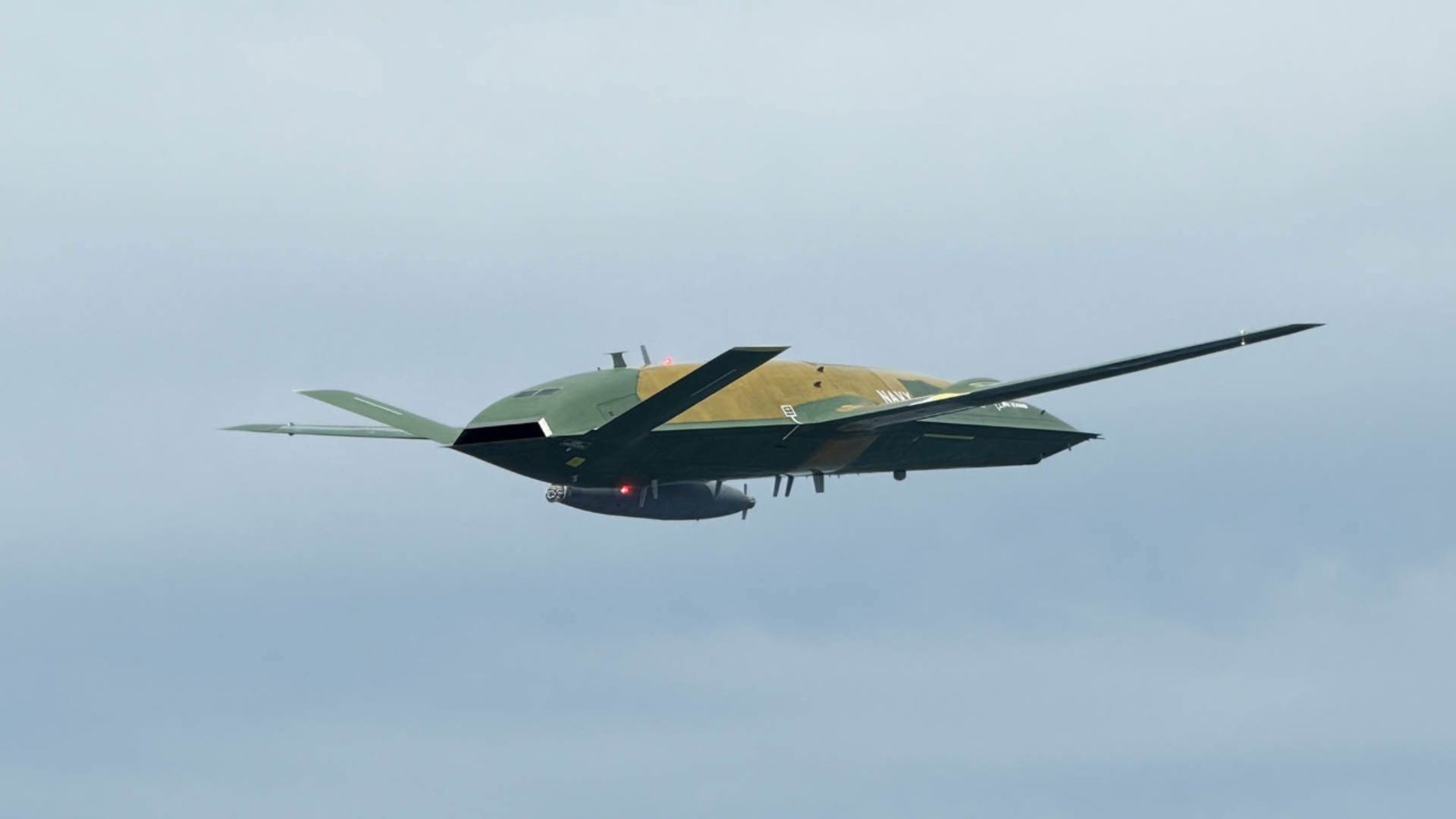
Boeing's MQ-25A Drone Achieves Milestone with Second Test Flight for U.S. Navy
Boeing announced that the U.S. Navy's MQ-25A Stingray has successfully completed its second test flight, marking significant progress in the development of the Navy's unmanned refueling aircraft. This flight confirmed the drone's flight controls and performance, moving closer to its intended carrier operations. The successful test is crucial as it demonstrates the MQ-25A's autonomous capabilities, including managing propulsion and onboard systems independently. This advancement is expected to enhance the operational range of carrier-based fighter jets and reduce the workload on current refueling teams. Looking ahead, Boeing plans to continue testing at MidAmerica St. Louis Airport, focusing on expanding the aircraft's flight envelope and capabilities. The enhancements made during this flight, including new software updates, are vital for the MQ-25A's future development stages as it aims to become the Navy's first operational carrier-based aerial refueler.
Military
ViSafe: Smarter Vision for Safer Skies
The U.S. Federal Aviation Administration (FAA) is addressing the growing complexity of air traffic management as it oversees tens of thousands of flights daily, which include not only commercial aircraft but also helicopters, experimental lightcraft, freight carriers, and an increasing number of uncrewed aerial systems (UAS). As air traffic density rises, the FAA is prioritizing the development of advanced collision avoidance and traffic management systems to enhance safety in the skies. This initiative is part of a broader effort to ensure that as airspace becomes more crowded, the risk of accidents is minimized, thereby promoting safer aviation operations. The FAA's commitment to innovation in air traffic control reflects the urgent need for smarter technologies to manage the evolving landscape of aerial transportation.
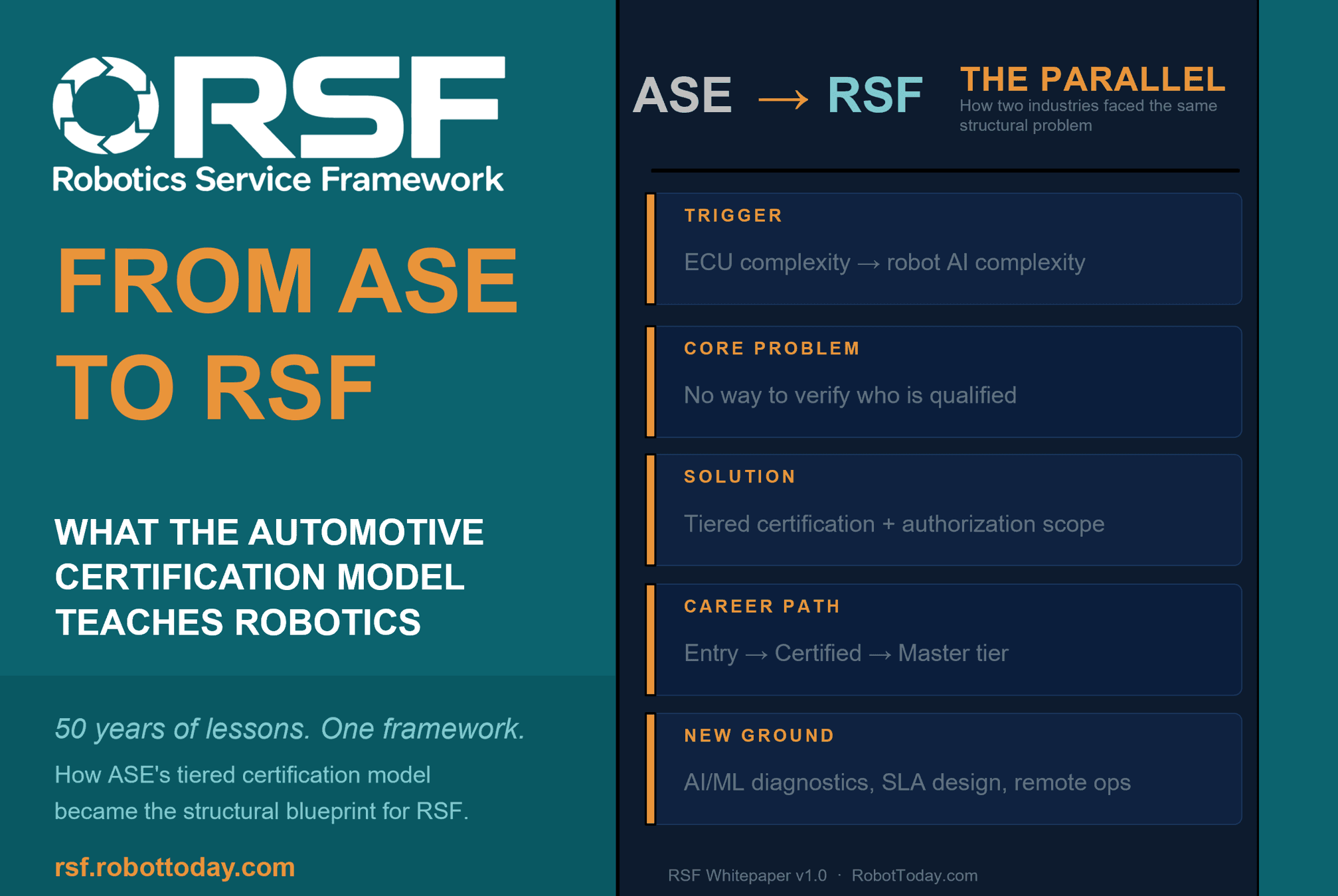
Announcements ResearchRobotics needs a service framework.
RSF defines a common language for robot service capability, lifecycle operations, certification pathways, and service-provider networks.