

Industry Briefing
A single destination for timely, editor-curated robotics news from around the world.
Amprius Technologies Secures $75M Grant to Transform EV Battery Line for Drone Production
The U.S. Department of War has granted Amprius Technologies up to $75 million to convert an electric vehicle battery production line into a facility for drone batteries. This retrofit, located in Fremont, California, aims to produce high-energy-density cells for unmanned aerial systems, with a projected capacity of 12 million cells annually by early 2028. This initiative is significant as it aligns with domestic sourcing requirements under the National Defense Authorization Act, ensuring that the U.S. can meet its defense needs with locally produced batteries. The total conversion project is estimated to cost around $100 million, which includes the federal grant and investments from Amprius and its South Korean manufacturing partner. Looking ahead, the converted facility will enhance Amprius’ manufacturing network and provide defense customers with access to NDAA-compliant batteries at higher volumes. No further timeline was disclosed at the time of publication.
Military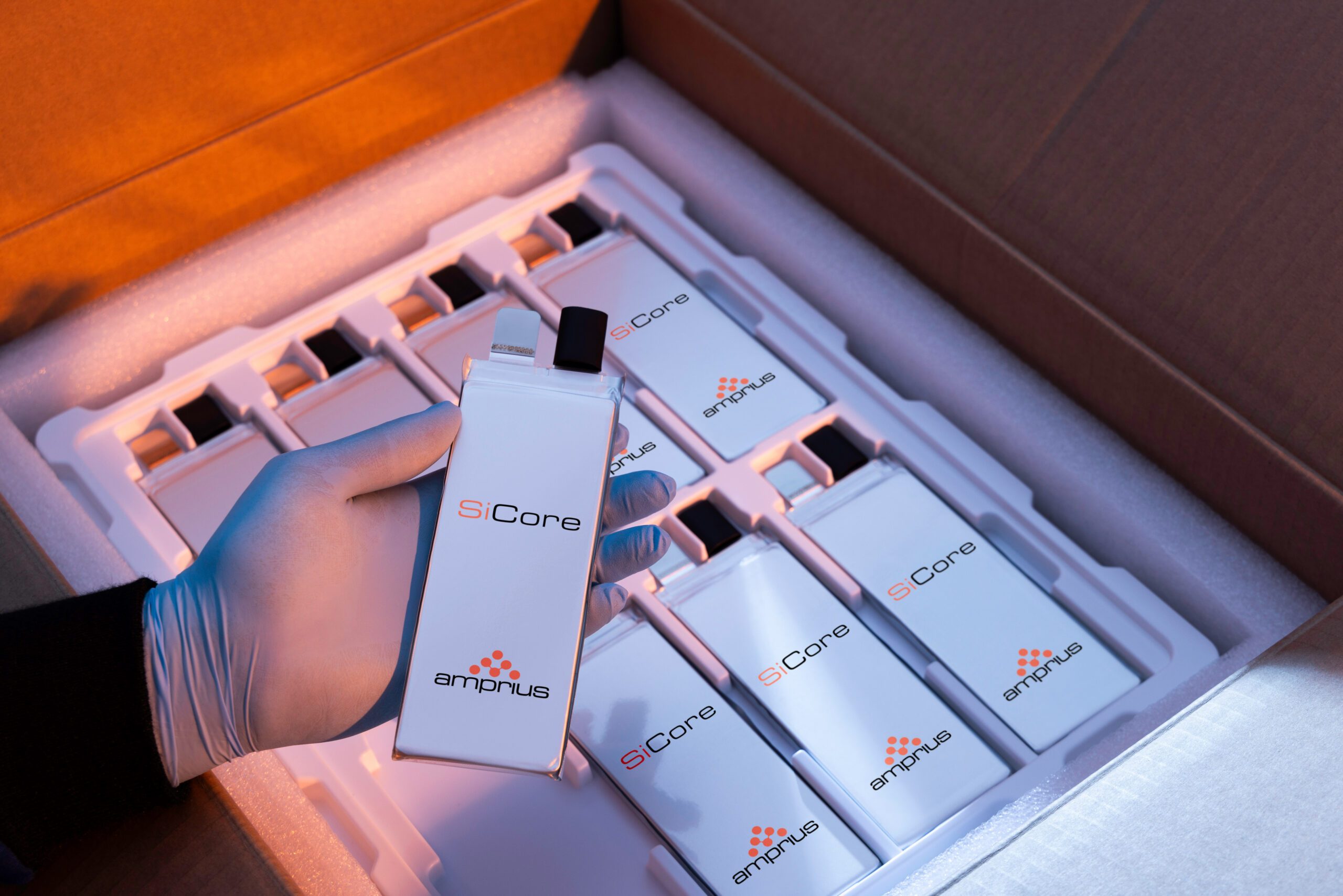
Amprius Secures Up to $75 Million Grant to Boost U.S. Drone Battery Production
Amprius Technologies has been awarded a federal grant of up to $75 million to enhance the production of batteries for unmanned aerial systems in the U.S. This funding will facilitate the conversion of an existing electric vehicle battery production line to manufacture high-energy-density cells for various drone categories. The grant, provided by the U.S. Department of War, aims to bolster domestic manufacturing capabilities crucial for national defense. This initiative is significant as it seeks to establish a high-volume manufacturing capability for advanced drone batteries within the United States. The project, which is expected to cost around $100 million, will involve reconfiguring a production line operated by a major South Korean battery manufacturer. Amprius anticipates that the new facility will produce 12 million cells annually, aligning with domestic sourcing requirements under the National Defense Authorization Act. Looking ahead, Amprius plans to complete this project by early 2028, which will enhance its existing manufacturing network across the U.S., South Korea, and China. The new capacity will be vital for supplying high-energy-density pouch cells to meet the growing demands of small and medium-sized unmanned aircraft, thereby supporting U.S. defense drone manufacturers in meeting domestic sourcing mandates.
battery technology Drone Manufacturing Drone News Drone News Feeds NDAA Compliant News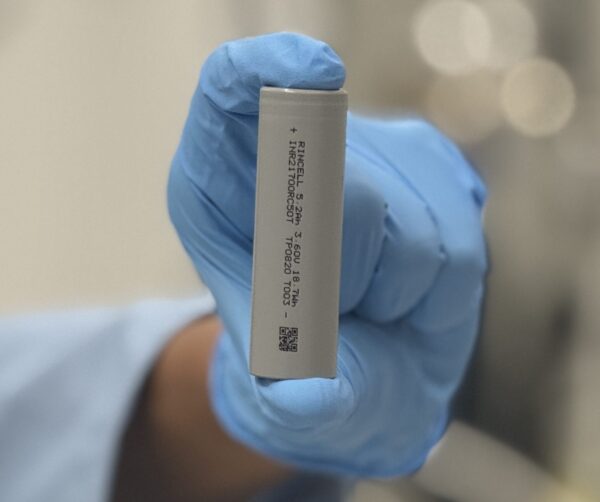
Rincell Launches RC50T Drone Battery Cell at DroneX in London
Rincell, a U.S. battery cell manufacturer based in Fremont, California, introduced its RC50T tabless 21700 lithium-ion cell at DroneX in London on September 29-30, 2026. This cell, compliant with the NDAA, is designed for high-load drone operations and is already being shipped to manufacturers. The RC50T features a continuous discharge rating of 100A and pulse discharge of 150A, with an energy density exceeding 265 Wh/kg. Its innovative tabless design reduces internal resistance to 3 to 4 milliohms, enhancing energy efficiency during drone missions. Rincell emphasizes that the RC50T is available for immediate order, showcasing their commitment to delivering proven products. Looking ahead, Rincell plans to expand its production capabilities, with a U.S. facility expected to be operational by late 2027. As demand for reliable drone battery solutions grows, Rincell aims to address supply chain challenges while providing high-performance options for various applications, including defense and agriculture.
battery technology Drone News Drone News Feeds drone parts NDAA Compliant News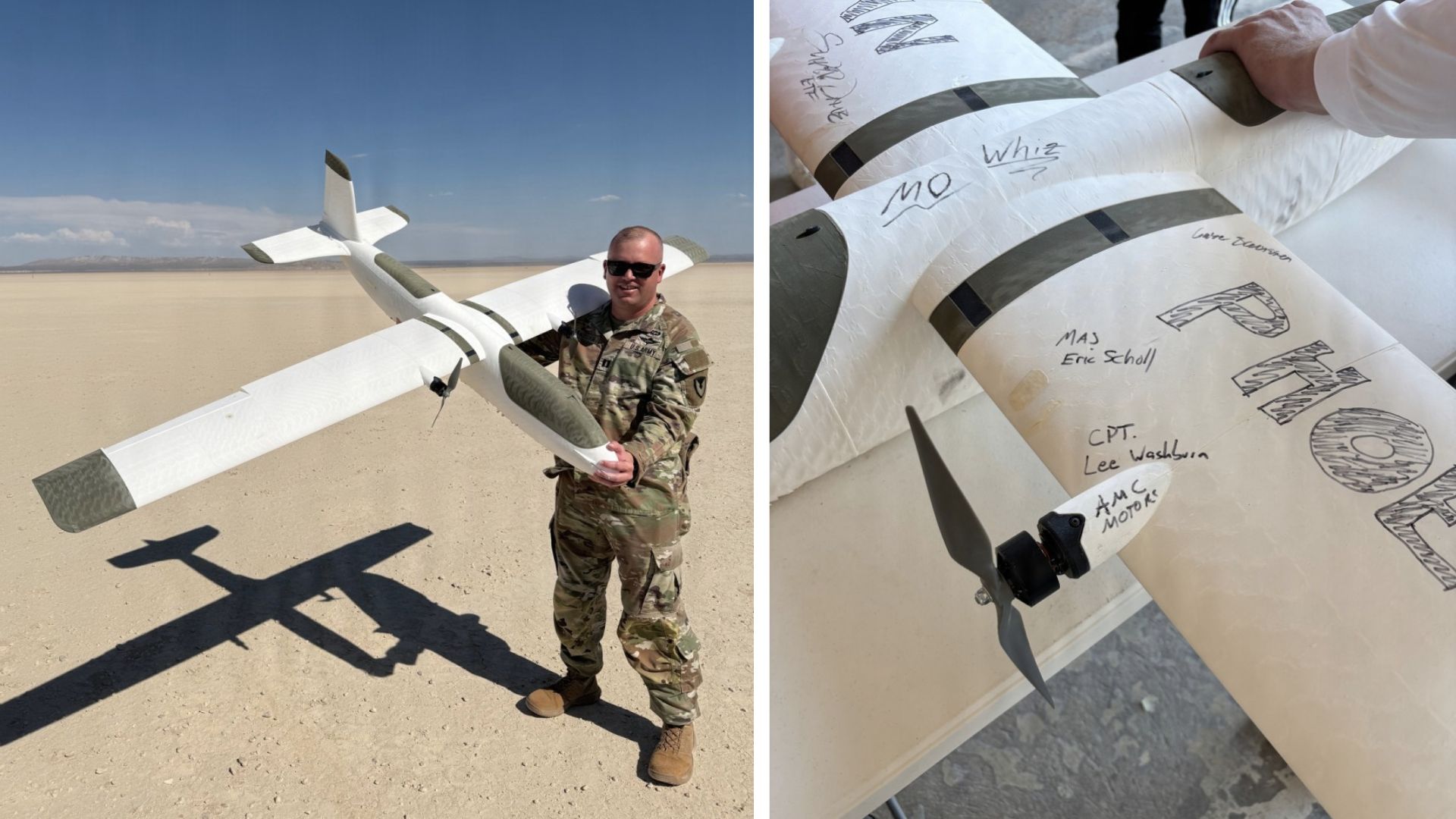
Battery-Powered Drone Sets New Endurance Record with Army-assembled Propulsion System
A battery-powered drone has set a new world endurance record by flying for over eight hours in desert conditions. This achievement was made possible by propulsion components assembled at the Army’s organic industrial base, specifically two brushless direct current motors from Tobyhanna Army Depot. The drone, which flew for 300 miles, surpassed the previous record by 50 minutes during the Game of Drones 26-2 demonstration at Edwards Air Force Base, California. This milestone is significant as it showcases the Army's commitment to innovation in uncrewed systems and highlights the importance of domestic production capabilities. Army Capt. Lee Washburn emphasized the role of the Army in providing material solutions to support drone dominance and refining components for operational use. The rapid on-site manufacturing process involved designing the drone in under 10 minutes and fabricating it within 24 hours using commercial 3D printers. Looking ahead, the Army aims to continue enhancing its organic industrial base to reduce foreign dependencies on critical parts. The success of this event illustrates the potential for collaboration between industry and government to achieve remarkable results in defense technology. No further timeline was disclosed at the time of publication.
Military
Amprius Unveils New 500 Wh/kg Battery Cell for Extended Drone Flight Durations
Amprius Technologies has launched a silicon-anode battery cell aimed at enhancing the endurance of uncrewed aircraft. The new SiCore cell boasts an energy density of 500 watt-hours per kilogram (Wh/kg) at a continuous discharge rate of 1C, with commercial availability anticipated in the fourth quarter of 2026. The company plans to provide both customer-specific and standard pouch formats for small uncrewed aircraft systems. This development is significant as higher energy density in aviation can lead to longer flight times, increased range, or the ability to carry heavier payloads without adding battery weight. Amprius has previously achieved similar energy levels but faced challenges in scaling production. The SiCore platform aims to simplify the manufacturing process, allowing customers to transition from qualification to volume production without the need for specialized equipment. Looking ahead, Amprius will initiate production at its Fremont, California facility and expand through global manufacturing partners. The company has a history of supplying battery cells to AALTO HAPS, which develops solar-electric aircraft. As energy density is crucial for long-duration flights, advancements in this area could significantly enhance operational capabilities for various applications, including fixed-wing drones and High-Altitude Platform Stations (HAPS).
battery technology Drone News Drone News Feeds Dual Use News AALTO HAPS
Agri Spray Drones Transitions to Agricultural Drone Manufacturer and Technology Innovator
Agri Spray Drones (ASD) has announced its shift from being a distributor of spray drones to becoming a manufacturer and technology company focused on agricultural drones. This evolution is driven by years of operator experience, which will inform product development, quality control, software, and autonomous systems. This transition is significant as it positions ASD to enhance the quality and innovation of agricultural drone technology in the U.S. market. By taking control of the manufacturing process, ASD aims to improve product reliability and performance, which are critical factors for farmers and agricultural businesses. Looking ahead, ASD's roadmap for U.S. manufacturing and advancements in spray drone technology will be crucial to watch. The company's commitment to integrating operator insights into its product offerings may lead to more effective solutions for agricultural applications. No further timeline was disclosed at the time of publication.

FAA Proposes $289,215 Penalty Against Gorge Drones for Unauthorized Agricultural Flights
The Federal Aviation Administration (FAA) has proposed a civil penalty of $289,215 against Gorge Drones, located in Stevenson, Washington, for allegedly conducting unauthorized agricultural drone operations in early 2025. The FAA claims that the company operated an unmanned aircraft to dispense fertilizer during 15 flights without the necessary agricultural aircraft operator certificate, and that the drone was neither registered with the FAA nor had an airworthiness certificate. This proposed enforcement action highlights the FAA's stringent regulations governing agricultural drone operations, which differ from those for drones used solely for imaging or inspection. The agency emphasizes that operators dispensing agricultural materials must adhere to additional federal requirements, including obtaining specific exemptions and operational authority for agricultural aircraft operations. As the agricultural drone sector continues to expand rapidly, compliance with FAA regulations is critical for operators. The FAA's announcement serves as a reminder of the importance of adhering to aviation regulations, as a proposed civil penalty indicates an allegation rather than a final determination. No further timeline was disclosed at the time of publication.
Agriculture Applications Drone News Drone News Feeds Drones in the News FAA
Terra Drone to Begin Mass Production of Japanese-Made Drone Battery Packs
Terra Drone Corporation announced on July 27, 2026, its plans to mass-produce cylindrical-cell battery packs in Japan. This initiative aims to reduce reliance on Chinese suppliers and cater to NDAA-compliant defense customers. The company will utilize these battery packs for its own industrial and defense drones while also supplying third-party manufacturers domestically and internationally. This development is significant as Japan currently depends heavily on foreign sources for high-output cylindrical-cell batteries, with Chinese suppliers dominating approximately 90% of the global industrial drone market. The Japanese government has identified batteries as critical components exposed to supply chain risks, making Terra Drone's domestic production a strategic move to enhance national security and self-sufficiency in defense capabilities. Looking ahead, Terra Drone plans to expand its production capabilities to include motors and controllers. The company will leverage its existing sales network and overseas offices to market the battery packs to various sectors, including heavy industry and defense primes. No further timeline was disclosed at the time of publication.
battery technology Drone News Drone News Feeds Japan Drone Industry Japan Drone News News
Amprius Technologies Secures Up to $75 Million Grant for UAS Battery Production
Amprius Technologies has been awarded a grant from the US Department of War, potentially reaching $75 million, aimed at enhancing domestic battery production for unmanned aerial systems (UAS). This funding is significant as it underscores the importance of local manufacturing capabilities for UAS batteries, which are critical for the performance and reliability of drone operations. The grant reflects a growing emphasis on national security and self-sufficiency in defense-related technologies. Looking ahead, industry stakeholders will be keen to monitor how Amprius Technologies utilizes this funding to scale up production and improve battery technology for UAS applications. No further timeline was disclosed at the time of publication.
News
Li-S Energy's Lithium-Sulfur Batteries Enter US Army Testing for Drone Applications
Li-S Energy, an Australian battery developer, has delivered lithium-sulfur battery cells to the US Army for independent testing. This marks the first instance of the company's technology being evaluated by a US government agency, specifically by the US Army Combat Capabilities Development Command C5ISR Center at Aberdeen Proving Ground. The significance of this testing lies in the potential for lithium-sulfur batteries to enhance military operations that increasingly depend on drones and autonomous systems. With nearly double the energy density of conventional lithium-ion batteries, these cells could enable unmanned platforms to achieve longer flight times, greater ranges, and increased payload capacities, which are critical for modern military applications. Looking ahead, the evaluation by the DEVCOM C5ISR Center could pave the way for the integration of Li-S Energy's technology into various military programs, including unmanned aircraft and ground robots. No further timeline was disclosed at the time of publication.
Energy Military
DJI Warns FCC Proposal Could Retroactively Ban Agricultural Spray Drones
The US Federal Communications Commission (FCC) has proposed new regulations that could effectively ban the sale of foreign-made agricultural spray drones, according to DJI. This move follows a December 2025 ruling that blocks new foreign models and components, significantly impacting the agricultural drone market dominated by overseas manufacturers. DJI argues that the FCC's definition of 'military-grade' drones includes many civilian models used for crop spraying, which could lead to increased costs and limited availability for American farmers. The proposal, open for public comment until September 2, targets drones with specific capabilities, potentially crippling agricultural operations that rely on these technologies to enhance efficiency and reduce costs. As the situation develops, stakeholders in the agricultural sector should monitor the FCC's actions closely. The implications of this proposal could reshape the market for agricultural drones, affecting both current users and future sales of essential farming technologies. No further timeline was disclosed at the time of publication.
Agtech Policy & regulation Precision agriculture US & Canada drones
Air Force Funds Research on Wireless Power Beaming for Military Drones to Extend Flight Time
The Air Force has initiated a research project to explore wireless power beaming for drones, led by Reach Power and the University of Nebraska-Lincoln’s NIMBUS Lab. This effort aims to enable unmanned aircraft to operate longer without needing battery swaps, enhancing their role in military communications and ISR missions. This research is significant as it addresses the critical limitation of battery life in small drones, potentially allowing them to function as persistent communication and surveillance nodes. By reducing the need for frequent landings to recharge, the project could simplify logistics and operational demands on military personnel. Looking ahead, the study will assess the feasibility of using wireless power to sustain perched drones during extended missions. A successful outcome could revolutionize military drone operations, improving battlefield communications and expanding the use of unmanned systems in intelligence, surveillance, and reconnaissance roles. No further timeline was disclosed at the time of publication.
Innovation Military
FCC Proposes New Drone Categories That Impact Military and Agricultural Sectors
On July 21, the Federal Communications Commission (FCC) announced it is seeking public comment on potential restrictions regarding the importation and sale of foreign-produced 'military-grade' drones. Among the proposed categories is one that could significantly affect agriculture: aerosol drones capable of dispensing pesticides, referred to as 'economic poison' under FAA regulations. This inclusion raises concerns for agricultural spraying drones, particularly those from foreign manufacturers. The implications of this proposal are noteworthy for the agriculture sector, as precision spraying has emerged as a rapidly growing application for commercial drones. The FCC's actions suggest a dual approach: while it aims to limit certain foreign drone categories, it is also working to facilitate trusted agricultural drone suppliers, as evidenced by recent conditional approvals granted to manufacturers like Ceres Air. As the FCC moves forward with this rulemaking, the agriculture industry should closely monitor developments. The final decision on whether to adopt, modify, or exempt certain categories of drones will likely hinge on public feedback received during the comment period, which could shape the future landscape of agricultural drone use.
Agriculture Applications Drone Manufacturing Drone News Featured - Agriculture News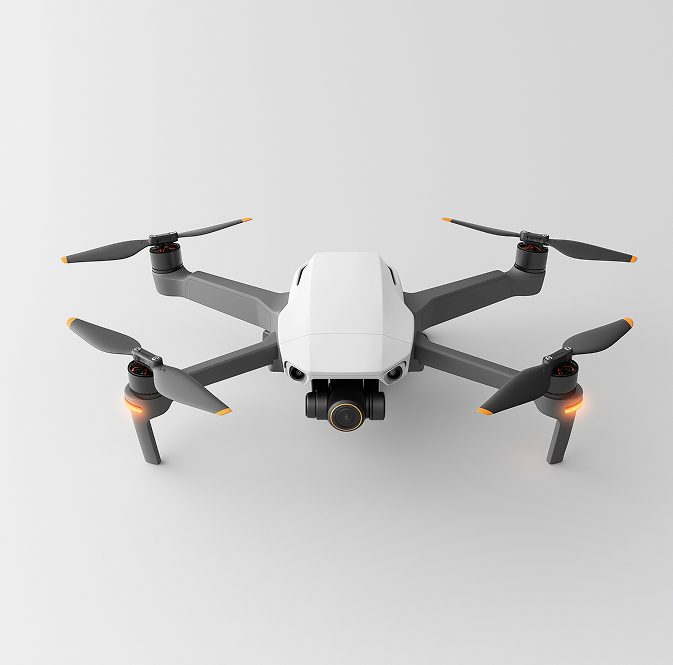
Sila Secures $300 Million to Enhance U.S. Battery Anode Production for Drones
Sila has successfully raised $300 million in private funding aimed at expanding its silicon-carbon battery anode technology production in the United States. This investment will bolster manufacturing capacity at its Moses Lake, Washington facility, facilitating a Phase 2 expansion and accelerating the production of its Titan Silicon® anode technology. The significance of this funding lies in its potential to strengthen domestic supply chains for advanced battery materials, particularly in light of the current dominance of China in anode material processing and battery cell manufacturing. With battery materials becoming increasingly crucial for technology security, Sila's efforts could mitigate supply chain risks for industries reliant on advanced batteries, including drones, defense systems, and electric vehicles. Looking ahead, Sila's expansion plans include increasing its Moses Lake facility's capacity from an initial 2 GWh to as much as 250 GWh over the next five years, potentially establishing it as the world's largest anode production site. No further timeline was disclosed at the time of publication.
Applications Drone Manufacturing Drone News Drone News Feeds News AI infrastructure
Re:Build Manufacturing Launches US-Made Lithium-Ion Battery Packs for UAVs
Re:Build Manufacturing has initiated direct commercial sales of its new lithium-ion battery packs designed for unmanned aerial vehicles (UAVs). This product line includes the Core, Power, and Performance series, which cater to various energy configuration needs. The launch is part of a broader manufacturing expansion at the company's Pennsylvania facility, aimed at producing Group 1, Group 2, and Group 3 unmanned aircraft systems (UAS). The introduction of these battery packs is significant as it addresses supply chain vulnerabilities in domestic aerospace hardware. UAV developers, particularly in dual-use, public safety, and military sectors, face stringent procurement regulations regarding component origins. Re:Build's assembly protocol utilizes non-FEOC battery cells to ensure compliance with National Defense Authorization Act (NDAA) procurement frameworks, thus enhancing the reliability of UAV operations. Looking ahead, Re:Build Manufacturing is set to provide dedicated engineering support for custom energy storage solutions, including Battery Management System (BMS) development. The company's advanced manufacturing facility in New Kensington, spanning 175,000 square feet, is designed to facilitate the transition from UAV prototyping to mass production, addressing common scaling challenges in the industry. No further timeline was disclosed at the time of publication.
Military
Drone Manufacturers Face Battery Redesign Challenges Amid Supply Chain Changes
The drone industry is undergoing significant changes as manufacturers are compelled to rethink their battery supply chains due to new compliance requirements. Howard Alt, CEO of Micantis, emphasizes that the shift away from reliance on Chinese battery cells presents an opportunity for drone OEMs to take control of battery design and performance. As the FCC's domestic-end-product exemption is set to expire on January 1, 2028, drone manufacturers must prepare for a redesign of their battery packs. This transition is crucial for compliance and to avoid dependency on foreign suppliers. Alt suggests that by selecting allied cell suppliers and designing their own battery packs, manufacturers can enhance their products and mitigate risks associated with supply chain vulnerabilities. Looking ahead, the drone industry is rapidly evolving, with many companies promising American-made cells in the near future. However, the history of battery manufacturing reveals significant challenges, including high failure rates and lengthy production timelines. Manufacturers must be cautious and informed when selecting battery suppliers to ensure they do not fall victim to the pitfalls that have plagued the industry.
battery technology Drone Manufacturing Drone News Drone News Feeds drone parts Energy
Shibaura Institute Develops Cost-Effective Catalyst for Lithium-Oxygen Batteries
Researchers at the Shibaura Institute of Technology in Japan have created a new platinum-free catalyst for lithium-oxygen batteries, addressing a significant barrier to their market entry. This innovation could enable electric vehicles to drive cross-country and drones to fly for extended periods, thanks to the batteries' potential energy density, which is up to ten times greater than that of standard lithium-ion cells. The development is crucial as lithium-oxygen batteries face challenges due to slow oxygen reactions during charging and discharging, which leads to energy inefficiency. The new catalyst, designed by Professor Takahiro Ishizaki's team, combines perovskite and spinel oxides to enhance catalytic performance while remaining cost-effective and sustainable. Future advancements in this technology could significantly impact energy storage solutions. The researchers achieved a record-low potential gap of 1.14 V between charging and discharging, indicating less wasted power. As the field progresses, the effectiveness of this composite catalyst in practical applications will be closely monitored, particularly in the context of electric vehicles and drone technology.
Energy
Guest Post: America’s Drone Future Depends on Battery Independence
In this guest post, Micantis co-founder and CEO Howard Alt argues that batteries, not aircraft, may be the defining factor in the future of the U.S. drone industry. As demand for drones grows across commercial, public safety, and defense applications, he contends that battery manufacturing and supply chain resilience have become strategic issues for both […] The post Guest Post: America’s Drone Future Depends on Battery Independence appeared first on DRONELIFE.
battery technology Drone Manufacturing Drone News Drone News Feeds Drones in the News News
DJI introduces next-generation Agras agricultural drones globally
DJI has announced the global launch of its latest farming drones, the Agras T55 and the Agras T100 Dual Battery Spraying System, as part of its effort to enhance precision agriculture. This unveiling comes after over ten years of research and development by DJI Agriculture. The new drones are designed to cater to a wide range of agricultural needs, from small orchards to extensive field operations. By improving the efficiency of aerial spraying, spreading, and lifting tasks, these drones aim to enhance productivity while prioritizing safety for users in the agricultural sector.
News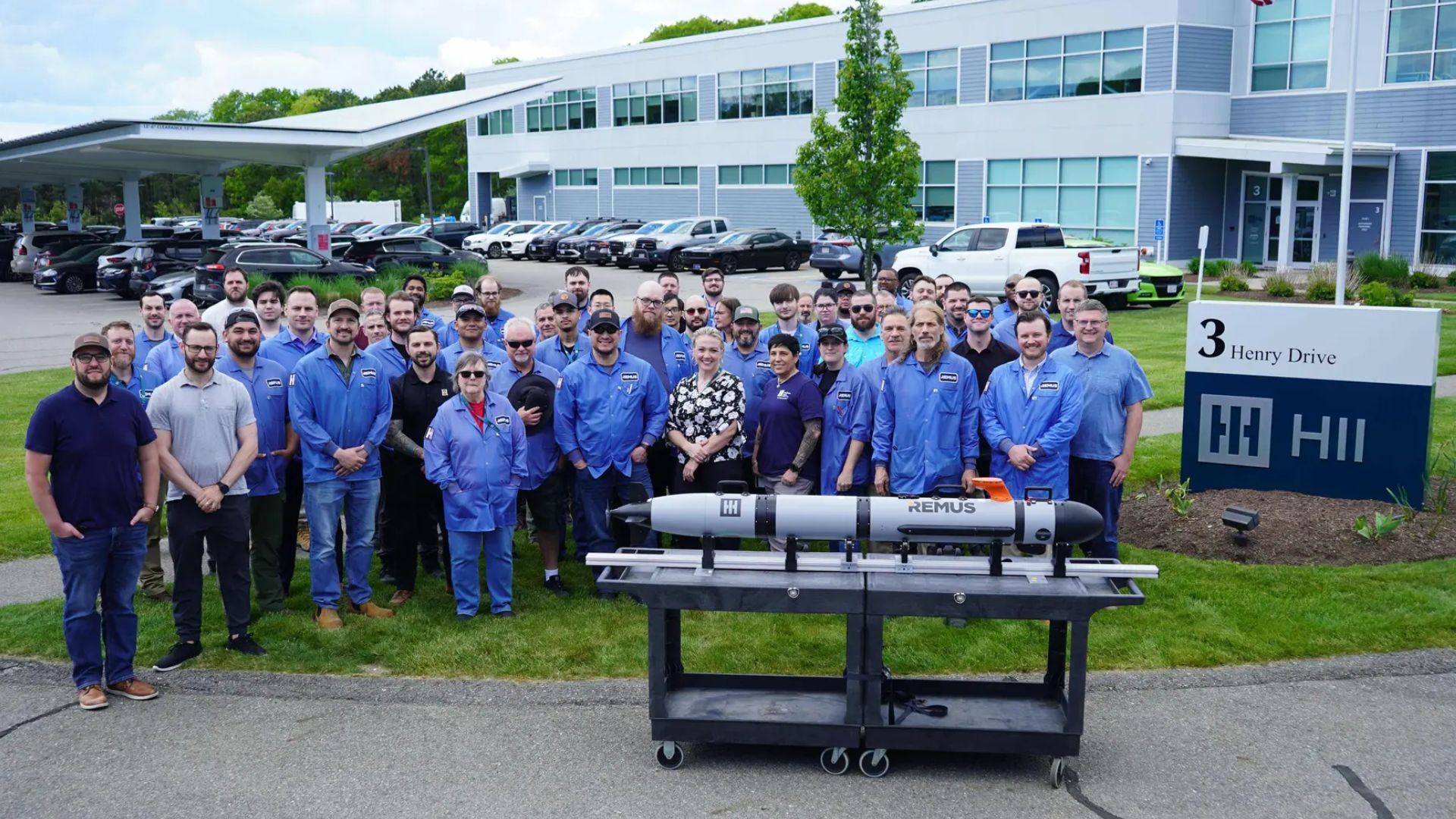
New mini submarine-like drone from HII can dive 328 feet deep with 10 hour battery life
Huntington Ingalls Industries (HII), a prominent U.S. military shipbuilder, has successfully delivered the first REMUS 130 unmanned underwater vehicle. This significant milestone was achieved as part of HII's commitment to advancing maritime technology. The delivery took place in October 2023, showcasing the company's ongoing efforts to enhance the capabilities of the U.S. Navy and other defense partners. The REMUS 130 is designed for various underwater missions, including reconnaissance and surveillance, addressing the growing need for advanced unmanned systems in naval operations. This development reflects HII's strategic focus on innovation and its role in supporting national security objectives through cutting-edge maritime solutions.
Military
ePropelled launches new integrated propulsion unit for agricultural drones
The agricultural drone market is experiencing rapid growth, prompting manufacturers to enhance their technology to secure a larger share of this expanding sector. Recently, a new drone unit featuring advanced propulsion and power technology has been introduced, aimed at significantly improving performance in agricultural applications. This innovation is expected to meet the increasing demand for efficient and effective farming solutions, as farmers seek to leverage UAVs for precision agriculture and crop management. The launch of this cutting-edge technology underscores the industry's commitment to advancing aerial capabilities in agriculture, ultimately enhancing productivity and sustainability in farming practices.
Drones autonomous technology drone technology precision agriculture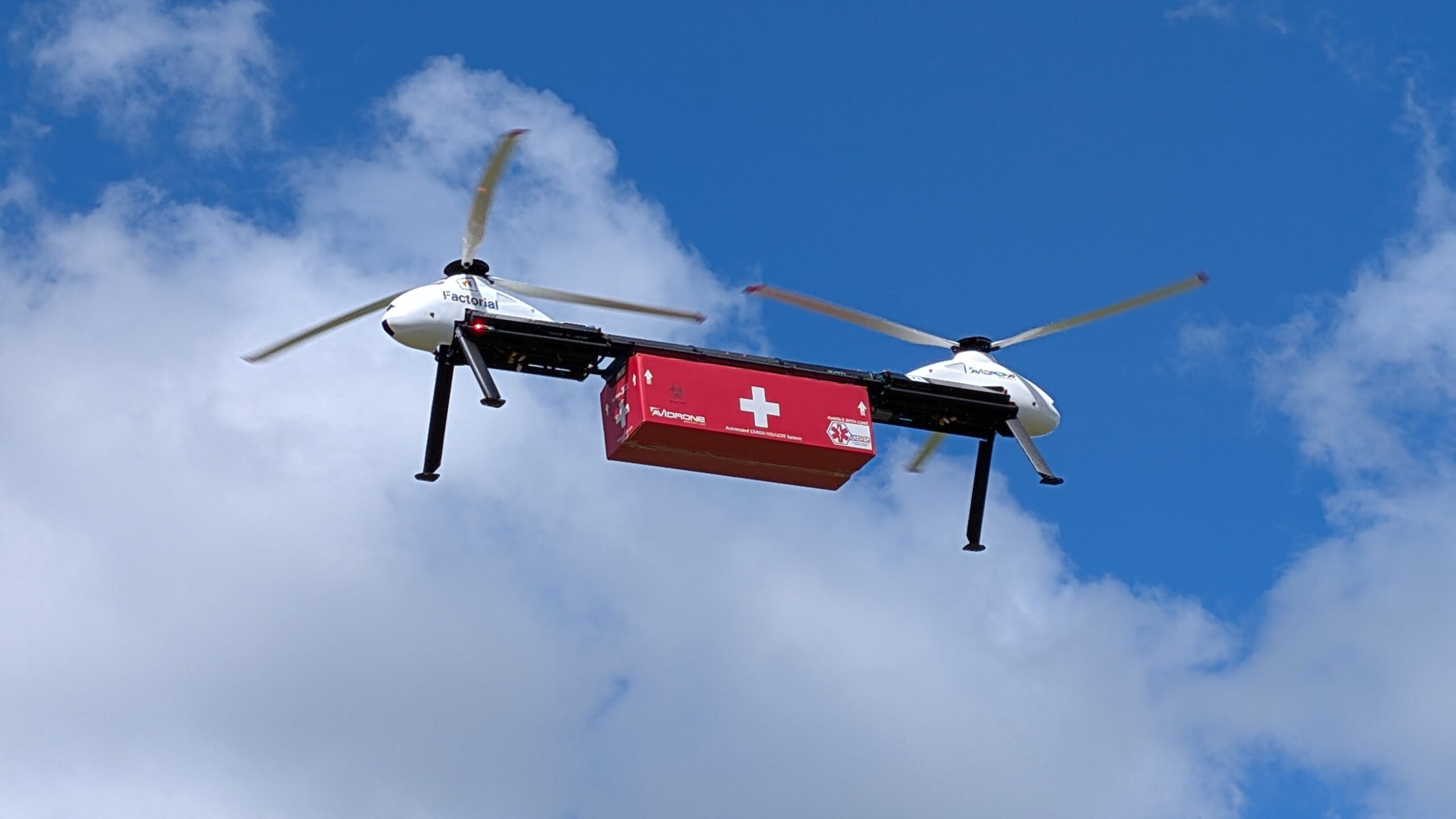
The Drone Industry’s Battery Problem Has a New Challenger
Factorial Energy, a battery technology company, has announced new partnerships aimed at enhancing drone performance through the integration of next-generation solid-state batteries. These collaborations span across the United States, Europe, and the Asia-Pacific region, focusing on improving drone endurance, power, and cold-weather capabilities for both commercial and defense applications. By leveraging advanced battery technology, Factorial seeks to address the ongoing challenges faced by the drone industry, particularly in terms of battery efficiency and reliability. The initiative reflects a growing recognition of the importance of innovative battery solutions in advancing drone technology and expanding its potential uses in various sectors.
Applications battery technology Defense Drone News Drone News Feeds News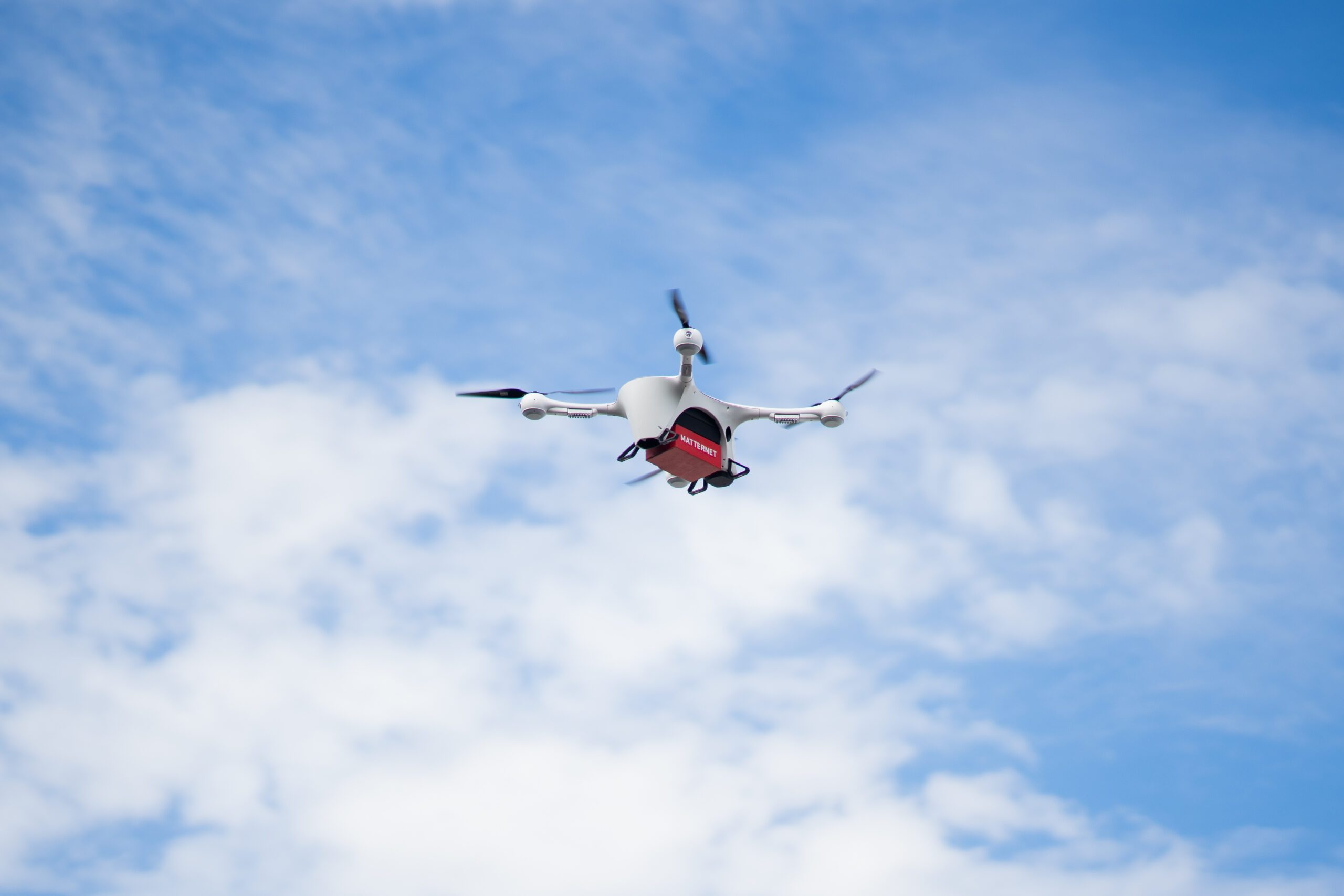
Amprius and Matternet Expand Drone Delivery Battery Partnership
Amprius Technologies, a battery manufacturer, has partnered with drone delivery company Matternet to enhance the performance of commercial drone operations. This collaboration focuses on utilizing Amprius's advanced silicon anode lithium-ion cells, which are designed to improve the range, charging time, and overall delivery efficiency of drones. The partnership aims to address the growing demand for more efficient and reliable drone delivery systems, reflecting the increasing significance of drone technology in logistics and transportation. The announcement was made recently, highlighting the companies' commitment to advancing battery technology for the future of commercial drone services.
Applications Delivery News Amprius autonomous delivery battery energy density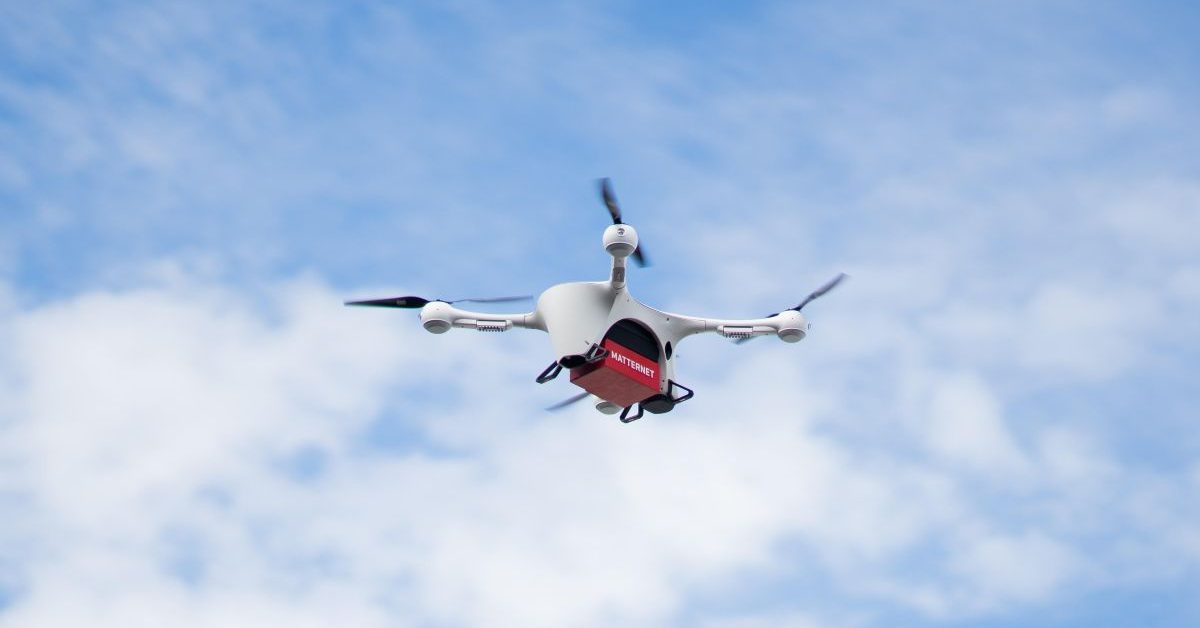
Matternet expands drone delivery range with Amprius battery tech
As drone delivery companies strive to broaden their reach in American cities, the importance of battery technology has come to the forefront. Matternet, a prominent player in the drone delivery sector, has announced a partnership with Amprius Technologies to enhance the capabilities of autonomous aerial delivery systems. The collaboration focuses on developing advanced silicon-anode battery cells, which are expected to significantly improve the range, efficiency, and cost-effectiveness of drone operations. This initiative highlights the critical role that battery advancements play in the future of drone logistics, as companies seek to meet growing consumer demands for faster and more reliable delivery services.
News
Tattu Launches 5.0 Smart Battery Platform as Heavy-Lift Drones Demand Faster Charging and Smarter Fleet Power Management
A new platform has been developed for 100kg-class agricultural and logistics unmanned aerial vehicles (UAVs), showcasing advanced technological features aimed at enhancing operational efficiency. This innovative system integrates high-discharge performance capabilities, enabling rapid energy release during flight. Additionally, it supports 6C fast charging, significantly reducing downtime for UAVs between missions. The platform also incorporates an intelligent Battery Management System (BMS) that optimizes battery performance and longevity, while providing access to lifecycle data for better maintenance and operational planning. This development is expected to revolutionize the agricultural and logistics sectors by improving the reliability and efficiency of UAV operations, ultimately contributing to increased productivity in these industries.
Buffalo’s Natrion Rolls Out NDAA-Compliant Drone Battery Cells
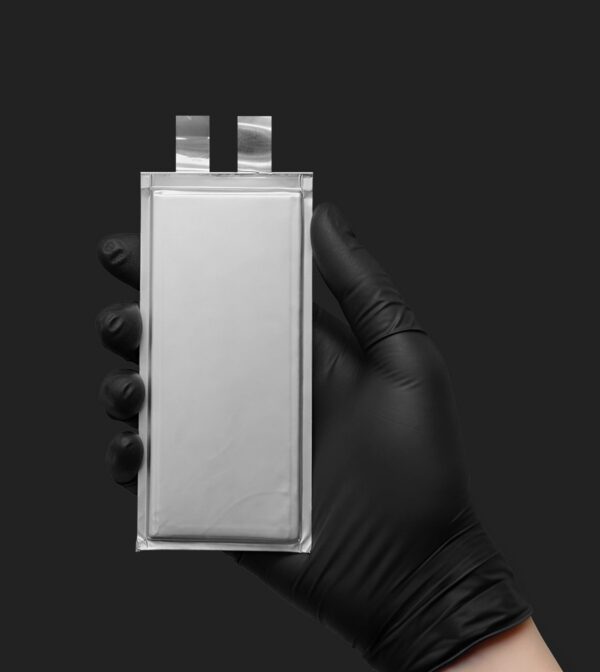
Natrion, a battery materials company based in Buffalo, New York, has introduced a new line of NDAA-compliant pouch cells that offer up to 80% more energy density than conventional lithium-ion batteries. Announced on May 14, 2026, these defense-optimized battery cells are designed for use in uncrewed systems, including drones, surface and underwater vessels, ground vehicles, and humanoid robots. The launch aims to enhance the performance and efficiency of military and defense applications, addressing the growing demand for advanced energy solutions in various unmanned technologies.
battery technology Defense Drone News Drone News Feeds Military NDAA Compliant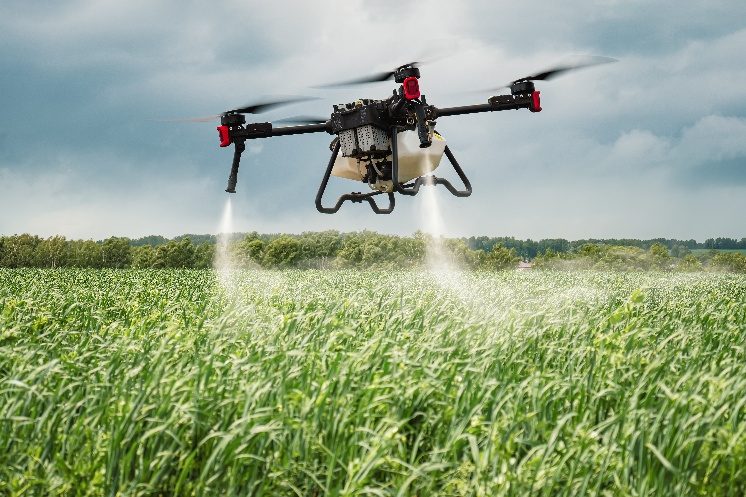
ePropelled Launches Integrated Power System for Agricultural Drones
ePropelled has unveiled a new integrated propulsion and power system tailored for agricultural drones, responding to the increasing global adoption of UAV technology in precision agriculture. The announcement was made on May 13, highlighting the company's commitment to meeting the rising demand for efficient and reliable drone solutions in the agricultural sector. As the market for agricultural drones continues to expand, ePropelled aims to enhance operational capabilities for farmers and agribusinesses through this innovative platform.
Agriculture Applications Drone Manufacturing Drone News Featured - Agriculture News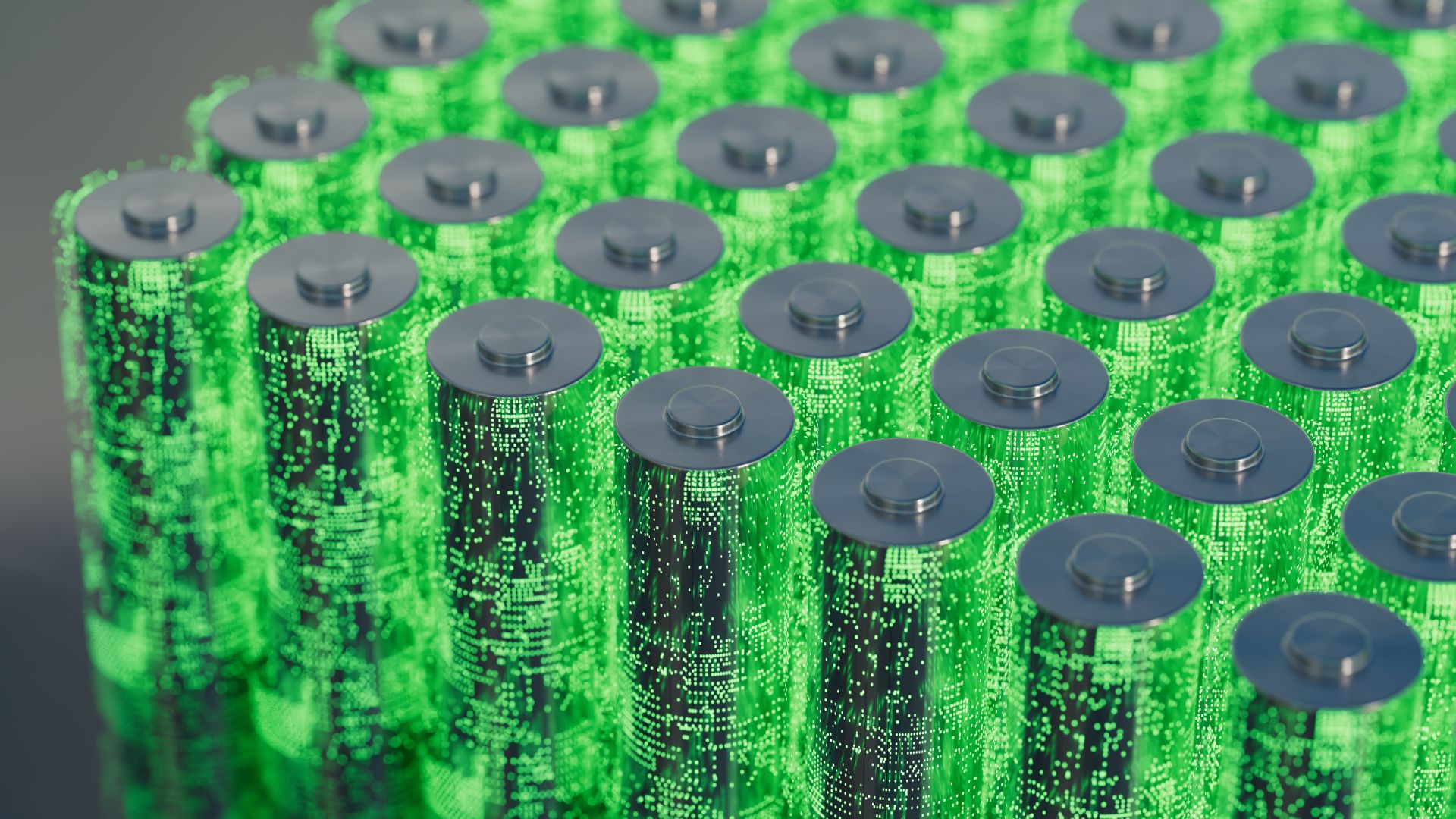
China’s new 800-cycle lithium-sulfur battery could nearly double drone flight time
Chinese researchers have unveiled a groundbreaking lithium-sulfur battery design that has the potential to dramatically enhance drone flight durations. This innovative development, announced in October 2023, aims to address the limitations of current battery technologies, which often restrict the operational time of drones. By utilizing lithium-sulfur chemistry, the researchers believe they can achieve higher energy densities compared to traditional lithium-ion batteries, making it possible for drones to fly longer distances without the need for frequent recharging. The research was conducted at a leading university in China, where scientists focused on optimizing the battery's performance and stability. This advancement not only promises to improve commercial drone applications but could also have significant implications for various industries, including logistics, agriculture, and surveillance, where extended flight times are crucial. The researchers are now looking to further refine the technology and explore its practical applications in real-world scenarios.

Amprius Taps Intralink for South Korea Drone Battery Push
Amprius Technologies, a Silicon Valley-based battery manufacturer, has appointed the Seoul-based consultancy Intralink to enhance its business development efforts in South Korea. Announced on May 11, 2026, this strategic move aims to secure partnerships with original equipment manufacturers (OEMs) and battery pack makers in the rapidly growing sectors of drones, robotics, and mobility. By leveraging Intralink's local expertise, Amprius seeks to strengthen its market presence and capitalize on the increasing demand for advanced battery solutions in these innovative industries.
battery technology Drone News Drone News Feeds drone technology News advanced mobility
DJI’s latest drone firmware updates bring stability, battery tweaks
DJI is actively updating its global consumer drone lineup despite facing challenges in the US market. The company has announced a series of spring firmware updates for several of its flagship products, including the DJI Mavic 4 Pro, DJI Mini 5 Pro, and DJI Air 3S. Additionally, enhancements have been made to the DJI RC Pro 2 and the DJI Fly app. These updates aim to keep the product offerings competitive and appealing to consumers worldwide.
News
Titan Batteries Opens European Drone Battery Plant in Tilburg
Titan Batteries, a drone battery manufacturer based in Pocatello, Idaho, has made a significant move in the industry by launching its first full-scale production facility in Europe. The new plant, located in Tilburg, Netherlands, was officially opened on May 2, 2026, coinciding with International Drone Day. This expansion marks Titan Batteries as the first major drone battery maker to operate production on two continents, reflecting the company’s commitment to meeting the growing demand for UAV power solutions. The Tilburg facility is situated on the Energy Conversion Campus, positioning Titan to leverage advanced technologies and resources in the region.
battery technology Drone News Drone News Feeds European Union News Bosch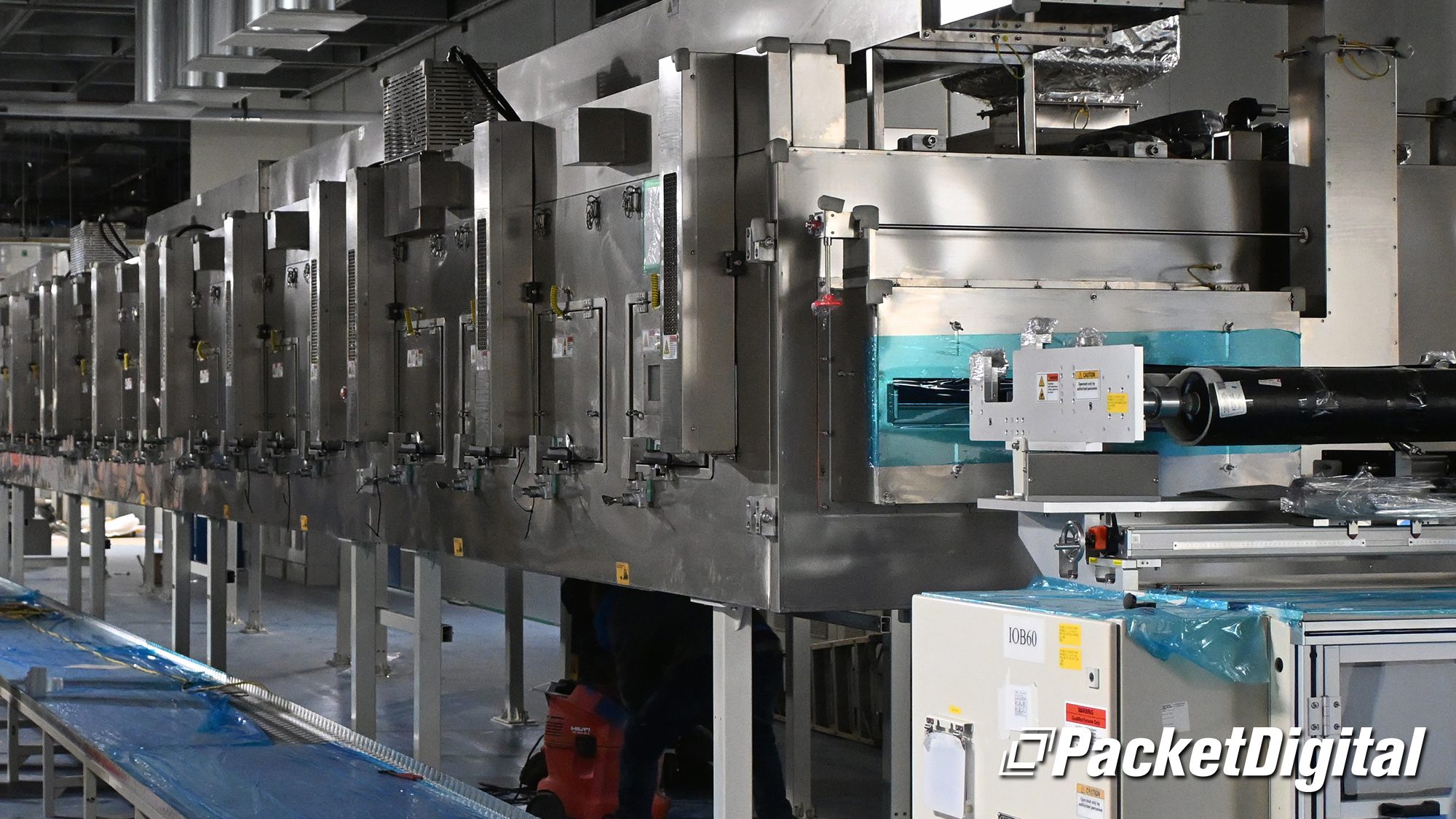
U.S. Navy Awards Packet Digital $9.8 Million to Scale Drone Battery Production in North Dakota
Packet Digital and its subsidiary, Badland Batteries, have secured $9.8 million from the U.S. Navy as part of Phase 3 of a contract aimed at developing advanced battery cells compliant with the National Defense Authorization Act (NDAA). This funding will facilitate the manufacturing of these battery cells in North Dakota, specifically designed for logistics drones and unmanned systems. The initiative reflects the Navy's commitment to enhancing the capabilities of its drone technology and defense systems. The investment is expected to boost production capacity and support the growing demand for reliable energy sources in military applications.
battery technology Drone News Drone News Feeds drone technology Dual Use News
DJI Agriculture Reveals Global Adoption of Agricultural Drones Cuts 51Mt in Carbon Emissions and Saves 410Mts of Water for Farmers Globally
At Brazil's AgriShow, a new report has been unveiled showcasing the rapid growth of the agricultural drone industry, revealing that over 600,000 DJI agricultural drones are now operational across more than 100 countries and regions. This significant milestone underscores the increasing adoption of drone technology in agriculture, driven by the need for enhanced efficiency and precision in farming practices. The report highlights how these drones are transforming traditional agricultural methods, enabling farmers to monitor crops, optimize resource use, and improve yields. As the industry matures, stakeholders are optimistic about the potential for further advancements and increased integration of drone technology in agricultural operations worldwide.
Theft of Agricultural Spray Drones in New Jersey Raises Security Questions
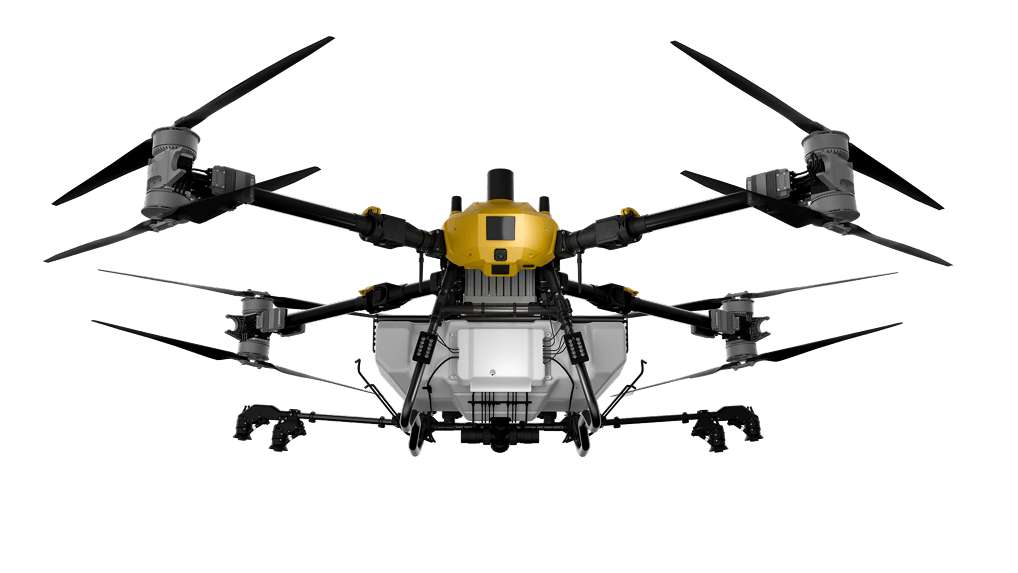
Federal investigators and public safety officials are responding to the theft of 15 agricultural spraying drones in New Jersey, an incident that has raised significant concerns about the misuse of drone technology. The Federal Bureau of Investigation is currently conducting an investigation into the theft, which highlights the increasing focus on counter-unmanned aerial systems (UAS) preparedness. The incident underscores long-standing worries regarding the security implications of drone misuse in agricultural and other sectors. As authorities work to address these issues, the incident serves as a reminder of the vulnerabilities associated with drone operations and the need for enhanced protective measures.
Agriculture Anti-drone technology Applications Drone News News agricultural dronesRobotics needs a service framework.
RSF defines a common language for robot service capability, lifecycle operations, certification pathways, and service-provider networks.
Join the RobotToday community on LinkedIn
Daily robotics news, in-depth analysis, conference highlights, and discussions with professionals worldwide.







