Industry Briefing
A single destination for timely, editor-curated robotics news from around the world.

The Builders Stage Returns to TechCrunch Disrupt 2026 with Strategies for Startup Growth
The Builders Stage is set to return at TechCrunch Disrupt 2026, uniting founders, startup operators, and investors for discussions on scaling successful companies. Notable speakers include Grant Lee, CEO of Gamma, and Leah Solivan, founder of Precedent.vc, who will share insights on fundraising, hiring, and operational strategies essential for growth. This event is significant as it addresses the challenges of scaling startups, particularly in a competitive landscape dominated by AI. The Builders Stage, one of six focused stages at Disrupt 2026, aims to equip attendees with practical strategies to navigate the transition from seed funding to Series A, emphasizing the importance of fundamentals over hype. Attendees can expect engaging sessions and opportunities for direct interaction with industry leaders. The event will take place at the Moscone Center in San Francisco from October 13-15, with over 10,000 participants anticipated. No further timeline was disclosed at the time of publication.
AI Biotech & Health Climate Crypto Fintech Fundraising
TechCrunch Disrupt 2026 Introduces Real World AI Stage Featuring Nvidia and Robotics
TechCrunch Disrupt 2026 is set to feature a new Real World AI Stage, expanding the focus on AI's intersection with the physical world. This stage will highlight advancements in autonomous hardware, including robotics and their applications in various sectors, from public spaces to conservation efforts. The significance of this new stage lies in addressing the challenges faced by general-purpose robotic intelligence, particularly the data gap that hinders progress. Experts believe that closing this gap is essential for achieving breakthroughs similar to those seen with large language models, making this discussion crucial for the future of robotics and AI. Attendees can expect engaging sessions with industry leaders from companies like Nvidia and Colossal Biosciences, who will explore safety in AI deployment and the ethical implications of reviving extinct species. The event will take place from October 13 to 15 at Moscone West in San Francisco, with further details on the lineup to be announced.
AI Colossal Biosciences nvidia TechCrunch Disrupt
Deloitte's 2026 Tech Trends: Physical AI and Intelligent Agents Transforming Business Dynamics
Deloitte's latest report highlights a significant shift in the role of artificial intelligence (AI) in businesses, moving from experimentation to impactful implementation. Leading generative AI tools have reached user scales in just two months that took traditional technologies 50 years to achieve. The report emphasizes the rapid growth of AI startups, which are generating revenue at five times the rate of traditional SaaS companies. The introduction of physical AI is enabling machines to perceive, reason, and adapt in real-time, with applications extending beyond robotics to include autonomous vehicles and drones. The report cites that Amazon has deployed its one millionth robot, showcasing the maturity of AI in warehousing and supply chains. By 2035, it is estimated that humanoid robots in workplaces could reach two million, with a market size projected to grow significantly by 2050. Deloitte identifies a gap in enterprise readiness, with only 11% of companies deploying intelligent agents in production. The report advocates for a shift towards 'Agent-native' thinking, where businesses redesign processes to leverage agents effectively. As AI workloads evolve, traditional data centers are being redefined as 'AI factories,' necessitating new infrastructure strategies. No further timeline was disclosed at the time of publication.
Artificial Intelligence Robotics Business Strategy AI Infrastructure
TechCrunch Disrupt 2026 Introduces Real World AI Stage Featuring Robots and Automated Factories
TechCrunch Disrupt 2026 will feature a new Real World AI Stage, expanding its focus on AI's intersection with the physical world. This stage will highlight advancements in autonomous hardware, including applications in public spaces and potential de-extinction efforts. The event, scheduled for October 13 to 15 at San Francisco’s Moscone West, will host discussions on the challenges of deploying autonomous systems safely. Industry leaders from companies like Shield AI and Colossal Biosciences will address critical questions regarding safety culture, regulatory navigation, and trust-building in high-stakes environments. Attendees can expect insights from notable speakers, including Ben Lamm of Colossal Biosciences, who will explore the role of AI in reviving extinct species. The event promises to be a significant gathering for those interested in the evolving landscape of AI and its real-world applications. No further timeline was disclosed at the time of publication.
AI TechCrunch Disrupt Colossal Biosciences
Debate Surrounds Potential Tesla-SpaceX Merger and Its Impact on Elon Musk's Pay Package
A potential merger between Tesla, Inc. and Space Exploration Technologies Corp. has emerged as a topic of discussion among Wall Street analysts. Reports indicate that such a merger could allow Elon Musk to unlock significant equity payouts from his $1 trillion pay package approved by Tesla shareholders, while consolidating his control over both companies. The implications of this merger are significant, as SpaceX's recent financial performance shows extraordinary growth, with Q2 2026 revenues reaching $7.8 billion, a 92% increase year-over-year. In contrast, Tesla's financials reveal challenges, including a 57% drop in operating income and negative free cash flow of -$1.09 billion, raising concerns about the viability of merging two companies with drastically different financial profiles. Investors should monitor the developments surrounding this potential merger, as it could reshape the tech landscape. While SpaceX's strong position in satellite communications and orbital launches supports its growth, Tesla faces pressures from competition and declining margins. No further timeline was disclosed at the time of publication.

Palladyne AI to Engage with Investors at Needham Virtual Industrial Tech Conference
Palladyne AI, a U.S.-based aerospace and defense technology company, announced its participation in the Needham Virtual Industrial Tech, Robotics, & Power 1x1 Conference. CEO Ben Wolff and CFO Trevor Thatcher will hold one-on-one meetings with institutional investors on August 17 and 18, 2026. This engagement is significant as it provides Palladyne AI an opportunity to showcase its embodied AI-powered collaborative autonomy solutions and advanced aerospace engineering services to potential investors. The conference is a platform for companies in the industrial tech and robotics sectors to connect with institutional investors, which can lead to increased funding and support for innovative technologies. Looking ahead, stakeholders should monitor the outcomes of these meetings and any potential partnerships or investments that may arise from the conference. No further timeline was disclosed at the time of publication.

Children Program SkoBot Robots to Speak Endangered Languages in Cultural Initiative
In Michigan, 12-year-old Holdon Hoy demonstrated his robot, SkoBot, speaking in Ojibwe, marking a unique cultural preservation effort. Danielle Boyer, 25, founded a nonprofit to guide Native American children in assembling SkoBots to learn endangered languages, inspired by a talking toy. With fewer than 10,000 speakers of Ojibwe in the U.S., the initiative aims to combat language loss exacerbated by historical policies. The importance of this project lies in its dual focus on technology and cultural identity. Boyer emphasizes that SkoBot uses a voice-triggered system rather than generative AI, ensuring factual accuracy in language learning. This approach addresses concerns about AI fabricating information, particularly as large language models begin to create non-existent Ojibwe vocabulary. The project not only teaches language but also fosters interest in STEM among children. As children program SkoBots to communicate in endangered languages, technology transcends its role as a productivity tool, becoming a means of cultural continuity. Boyer and Hoy's efforts highlight the intrinsic connection between language and culture, reinforcing that preserving language is vital for maintaining cultural identity.
Robotics Cultural Preservation STEM Education Endangered Languages
Cornell Tech Develops Optical Receiver to Enhance AI Memory Management
Cornell Tech researchers, led by Yifan He and Jae-sun Seo, have developed an innovative optical receiver that can modify its memory using light. This technology, presented at the IEEE/JSAP Symposium, aims to alleviate the memory demands of AI systems, potentially reducing energy consumption in data centers and AI-powered robots. The significance of this advancement lies in its ability to facilitate high-bandwidth data transfer with lower energy loss compared to traditional metal connections. By utilizing a QR code-like optical matrix, the receiver can adjust AI model parameters without relying on power-intensive analog circuits, addressing a major bottleneck in current AI chip designs. Looking ahead, the researchers are focused on creating a rapid optical transmitter capable of altering light matrices millions of times per second. While commercialization is still a challenge due to the size of the photosensitive cells, the potential applications in robotics and edge computing are promising, particularly in AI-driven warehouses and factories.
Robot-ai Sram Memory Edge-ai Vlsi-symposium
Tech Professionals Leverage Connectivity Tools for Global Collaboration
Tech professionals are increasingly distributed across various countries and time zones, with companies employing cybersecurity experts in one location and software developers in another. This trend is facilitated by the internet, which 74% of the global population utilizes, enabling borderless work and collaboration. The rise of remote work and digital collaboration tools has transformed the tech industry, allowing professionals to work from anywhere. Reliable mobile connectivity is essential for these workers, with solutions like the Holafly eSIM providing seamless coverage before arrival in a new country. The eSIM's Always On feature ensures uninterrupted connectivity, crucial for remote presentations and system check-ins. As the demand for specialized talent grows, companies are increasingly hiring based on skills rather than location. This shift has led to a rise in global mobile engineering roles, presenting new opportunities and unique cybersecurity challenges for tech workers operating across borders. No further timeline was disclosed at the time of publication.
Internet Technology cloud computing cloud infrastructure cybersecurity digital nomads
Starmind's Satellite Technology Achieves 880 Billion Liters in Annual Water Savings
Starmind has announced that its satellite technology can save approximately 880 billion liters of cooling water annually at full scale. This figure is equivalent to the annual household water use of around 6.5 million Americans. The technology operates by utilizing a closed-loop liquid cooling system that eliminates the need for water during its operational life, contrasting sharply with traditional ground data centers that consume vast amounts of water for cooling. The significance of this achievement lies in the growing water consumption crisis faced by data centers, particularly as AI expansion drives demand. In 2025, U.S. data centers consumed nearly one trillion liters of water, highlighting the urgent need for sustainable solutions. Starmind's approach not only addresses direct water usage but also avoids indirect water consumption associated with electricity generation, marking a substantial shift in how computing can be conducted in a resource-efficient manner. Looking ahead, Starmind's deployment strategy includes a projected buildout of 100 GW of orbital compute per year, which could displace an additional 735 billion liters of ground water demand annually. The first tranche of 10,000 satellites is already operational, offsetting approximately 8.8 billion liters of water per year. No further timeline was disclosed at the time of publication.

Starmind's Orbital Compute vs. Terrestrial Data Centers: Analyzing Resource Advantages
Starmind's orbital compute technology presents a significant advantage over traditional ground-based data centers by eliminating constraints related to land, water, and grid permitting. While terrestrial data centers are currently cheaper and faster to construct, with U.S. data center spending reaching $85.3 billion in 2026, Starmind's approach focuses on addressing the growing resource limitations faced by hyperscale facilities. The significance of Starmind's technology lies in its ability to sidestep the increasing challenges of land and water usage. For instance, a 100 MW data center can consume approximately 530,000 gallons of water daily for cooling, while Starmind's AI1 utilizes deployable liquid radiators that require no water. This structural advantage could resonate with investors as the demand for AI computing continues to escalate, potentially leading to annual water withdrawals of up to 1.7 trillion gallons by 2027. Looking ahead, Starmind's next milestones include the launch of AI1 prototypes scheduled for early 2027. However, the technology's claims regarding cooling efficiency and operational reliability remain unverified until real flight data is available. As the industry evolves, the competition between orbital and terrestrial solutions will become increasingly relevant, particularly in the context of resource management and sustainability.
Uber Technologies Inc. Announces 3,300 Job Cuts in Major Restructuring Effort
Uber Technologies Inc. is set to eliminate approximately 3,300 positions, representing 10% of its global workforce, as part of a significant restructuring initiative. This move aims to streamline management layers and optimize spending across its core operations, including ride-sharing, delivery, and robotaxi services. The decision to reduce the workforce is crucial for Uber as it seeks to enhance operational efficiency and focus resources on its most promising business segments. By reallocating funds towards ride-sharing, delivery, and robotaxi ventures, Uber aims to strengthen its competitive position in the rapidly evolving transportation landscape. Looking ahead, it will be important to monitor how these job cuts impact Uber's operational capabilities and overall market performance. No further timeline was disclosed at the time of publication.

SMIC Reports 93.7% Capacity Utilization Amid Rising Demand for AI-Driven Chip Production
China's Semiconductor Manufacturing International Corporation (SMIC) has reported a capacity utilization rate of 93.7% in the second quarter, up from 93.1% previously. This increase is attributed to a surge in demand for mature-node chips, particularly for AI infrastructure, as the company aims to expand its manufacturing capabilities to meet this growing need. The rising demand for AI-related supporting chips has highlighted significant gaps in manufacturing, prompting SMIC to consider installing additional equipment at its facilities. Co-CEO Zhao Haijun noted that future wafer starts are exceeding previous expectations, indicating a robust market for logic chips, power-management products, and optical module components. Looking ahead, SMIC plans to invest in research and development to enhance its production capabilities without reaching full operational limits. While some prices for consumer electronics have increased, smartphone chips and display-driver integrated circuits remain unchanged. The company anticipates further price adjustments as market volatility continues to impact supply and demand dynamics.
AI and Robotics
Karlsruhe Institute of Technology Develops Robotic System for Disassembling Broken Machines
Researchers at the Karlsruhe Institute of Technology (KIT) have developed a robotic disassembly system capable of predicting defects in broken robots and safely dismantling them. This innovative system utilizes a predictive algorithm and robotic manipulators to assess and disassemble malfunctioning devices, ensuring the protection of valuable components during the process. The significance of this development lies in its potential to support a circular economy by enabling the recycling and rebuilding of robotic systems. With over 4 million industrial robots currently in use worldwide, and projections indicating this number could exceed 16 million by 2030, the need for efficient disassembly and recycling methods is becoming increasingly critical as these machines inevitably break down. Looking ahead, the KIT team envisions scaling their system to incorporate multiple robotic arms, each equipped with specialized tools for various disassembly tasks. This could lead to fully automated processes for repairing electronic devices, making it more cost-effective to repair rather than replace broken parts, thereby enhancing sustainability in manufacturing.
Robotics Recycling Industrial-robot Icra Recycling-robots
Perry Ellis Enhances Fulfillment Accuracy and Reduces Chargebacks with RFID Technology
Perry Ellis International has improved its fulfillment accuracy and reduced costly shipment errors by implementing automated outbound verification using RFID technology. This initiative addresses the significant financial impact of chargebacks and compliance penalties that apparel brands face due to shipment discrepancies. The company recognized that ensuring every shipment arrives as expected is crucial in a highly competitive retail landscape. By collaborating with Clustag, Perry Ellis deployed a solution that integrates intralogistics automation and RFID technology, leading to a 17% reduction in outbound discrepancies and improved inventory accuracy. Looking ahead, the success of this RFID deployment underscores the importance of accurate fulfillment in retail. As retailers demand higher compliance standards, the ability to verify shipments before they leave the distribution center will be essential for maintaining profitability and enhancing customer satisfaction. No further timeline was disclosed at the time of publication.
Computing and Scanners eFulfilment IT in Logistics Clustag Perry Ellis International rfid
Pudu Robotics Showcases 'One Brain, Multiple Embodiments' Technology and PUDU D7 at WAIC 2026
Pudu Robotics presented its advancements in the 'One Brain, Multiple Embodiments' technology architecture at WAIC 2026. The event featured an in-depth exploration of its Physical Agent architecture, highlighting the innovative capabilities of this system. The company also unveiled the PUDU D7, an industrial-grade semi-humanoid robot, during its first offline public showcase. This demonstration marks a significant step in Pudu Robotics' efforts to enhance automation solutions across various sectors. Looking ahead, industry observers will be keen to see how Pudu Robotics continues to develop its technology and the potential applications of the PUDU D7 in real-world scenarios. No further timeline was disclosed at the time of publication.
RoverTech's Zmyi Ground Robots Enhance Ukraine's Military Operations with 57 Mission Average
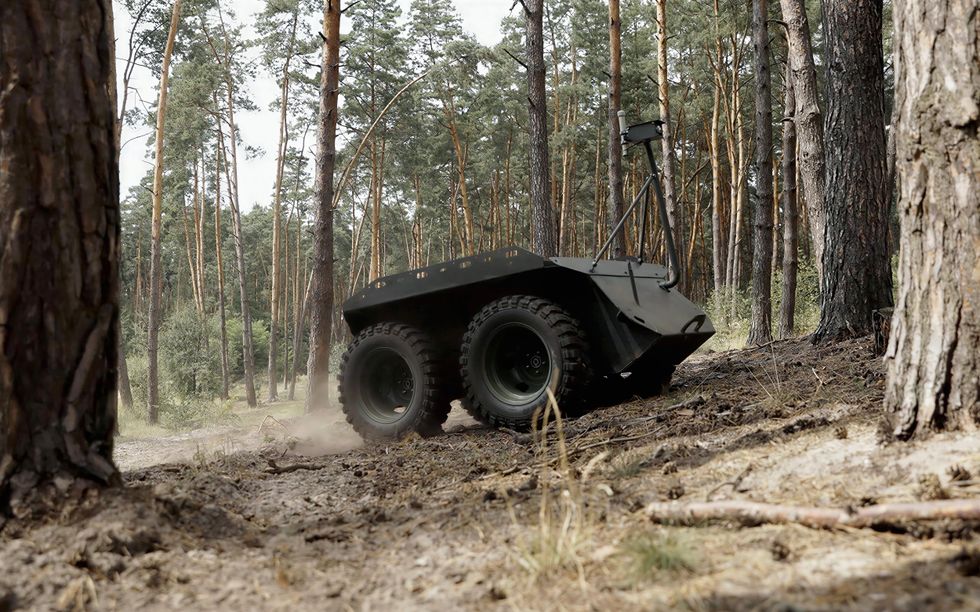
Ukrainian robotics firm RoverTech has developed the Zmyi, a versatile ground robot that has achieved an impressive average of 57 missions in the frontline kill zone. Weighing 800 kilograms and equipped with various configurations for tasks such as demining and combat, the Zmyi is designed to evade detection by enemy drones, making it a critical asset in Ukraine's defense strategy. The significance of the Zmyi lies in its ability to operate effectively in high-risk environments, outperforming typical uncrewed ground vehicles (UGVs) that usually complete only seven missions. This advancement reflects a broader trend in Ukraine's military technology, where UGVs are increasingly replacing traditional armored vehicles due to their lower cost and adaptability for urgent battlefield needs. Looking ahead, Ukraine's President Volodymyr Zelenskyy has ordered the procurement of 50,000 UGVs by the end of 2026, significantly increasing the military's robotic capabilities. As the conflict evolves, the integration of UGVs with aerial reconnaissance is expected to reshape frontline tactics, although no further timeline was disclosed at the time of publication.
Ground-robots Ukraine Unmanned-vehicles Ugvs Sensor-networks
SpaceX Launches Starmind Project for 1 Million AI Satellites by 2028
SpaceX has officially named its orbital AI infrastructure project 'Starmind,' which aims to deploy a constellation of up to 1 million satellites. This initiative, confirmed by Elon Musk on June 22, 2026, will enable AI inference directly in space, utilizing solar energy rather than terrestrial power sources. The first satellite, designated AI1, was unveiled on June 8, 2026, and is designed to operate in sun-synchronous orbits. The significance of Starmind lies in its potential to overcome the limitations faced by ground-based data centers, such as land, power, and water constraints. By running AI computations in orbit, Starmind can provide a more efficient solution to the growing demand for AI computing power. The project leverages the existing Starlink infrastructure for data transmission, distinguishing its function from Starlink's internet relay capabilities. Looking ahead, SpaceX plans to begin hardware deployment with the AI1 satellite, while full-scale production and deployment of the satellite constellation are targeted for 2028. As of now, no Starmind satellites have been launched, and further engineering challenges remain to be addressed, particularly regarding the scalability of the satellite design.

SpaceX Unveils AI1 Satellite Specs for Starmind Constellation with Key Thermal Challenges
SpaceX has introduced the AI1 satellite, the inaugural component of its Starmind constellation, which stands 20 meters tall and has a wingspan of 70 meters. This orbital compute node is designed to deliver computing power equivalent to one NVIDIA GB300 server rack, utilizing a unique cooling system with deployable liquid radiators. The satellite's specifications were revealed during a presentation on June 8, 2026, ahead of SpaceX's IPO. The significance of the AI1 satellite lies in its role as a compute platform rather than a traditional satellite, focusing on running AI inference workloads. The satellite's cooling system, which is critical for its operation in the vacuum of space, is designed to reject heat through infrared radiation. However, independent engineers have raised concerns about the feasibility of the thermal and mass claims made by SpaceX, suggesting that the cooling requirements may exceed practical limits. Looking ahead, SpaceX plans to launch two AI1 prototypes in early 2027, with full-scale production expected to commence later that year at its Gigasat facility in Bastrop, Texas. The ongoing debate regarding the satellite's thermal management capabilities will be crucial to monitor as the project progresses, with no further timeline disclosed at the time of publication.
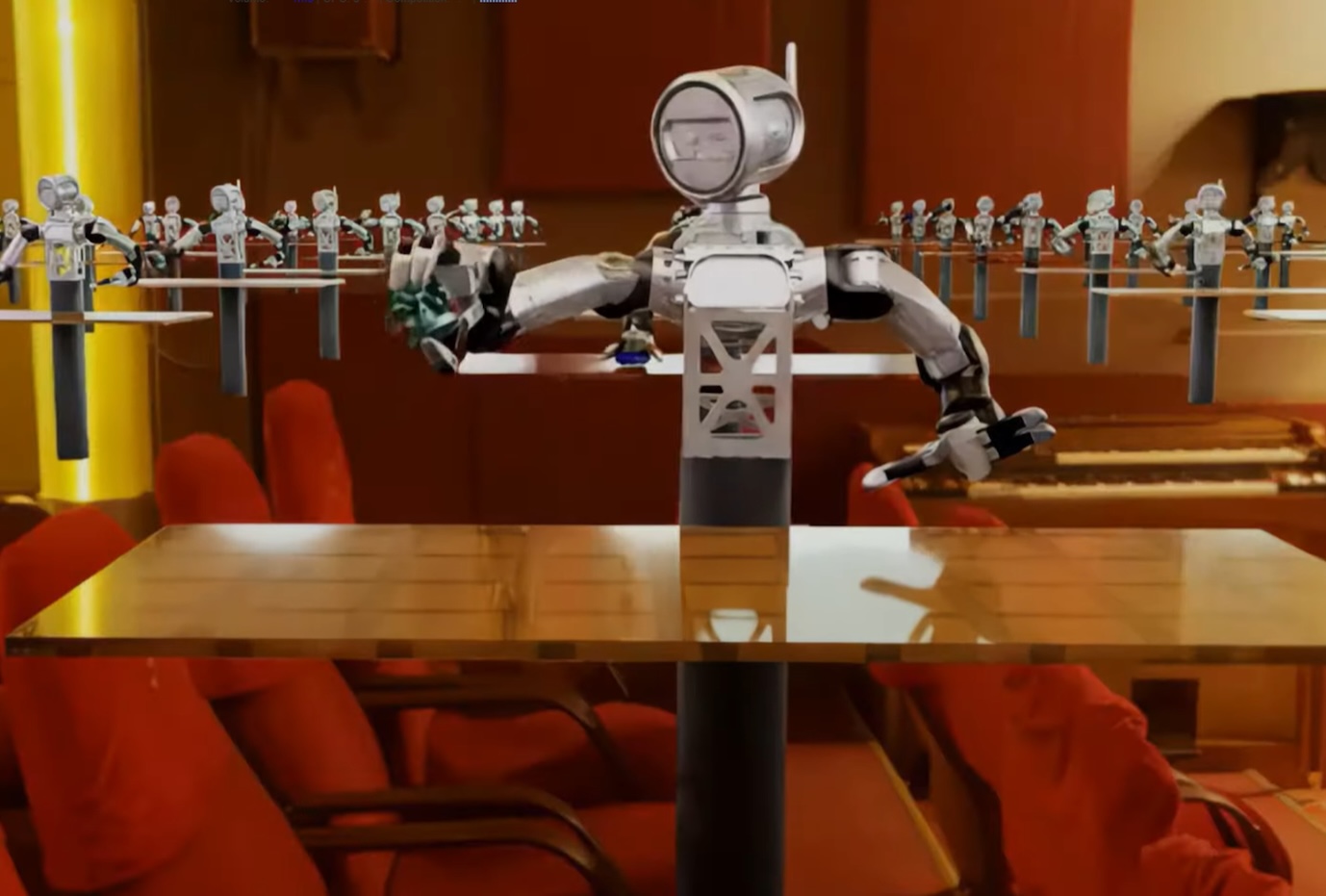
SpaceX's Starmind Faces Feasibility Challenges for 1 Million Satellite Deployment
On January 30, 2026, SpaceX submitted a request to the FCC to launch up to 1 million satellites as part of its Starmind orbital compute constellation. This ambitious plan is unprecedented, as the total number of satellites ever launched globally is in the low tens of thousands. The proposal seeks a waiver from standard deployment milestones, citing reliance on the Starship's full reusability for success. The significance of this request lies in the technical and logistical challenges it presents. Experts warn that low Earth orbit may not support the proposed number of active satellites without risking a debris cascade. SpaceX's own IPO prospectus acknowledges unresolved dependencies related to Starship's launch cadence and reusability, which are critical for the orbital AI compute strategy. Looking ahead, the timeline for achieving the necessary launch cadence and manufacturing capacity remains uncertain. SpaceX's Gigasat facility in Texas aims for volume production by late 2027, but this would require unprecedented output levels. No further timeline was disclosed at the time of publication, leaving the feasibility of the Starmind project in question.

SpaceX's Starmind Targets AI Labs with $6.3 Billion Compute Contracts
SpaceX's Starmind is designed to provide wholesale AI compute services to businesses, particularly AI labs and cloud customers, rather than individual consumers. The service operates similarly to AWS, where users benefit from applications running on Starmind without direct subscriptions. The compute capacity of a single AI1 satellite is comparable to one NVIDIA GB300 rack, emphasizing its enterprise-grade capabilities. The significance of Starmind lies in its positioning as a potential fourth hyperscaler, joining the ranks of AWS, Microsoft Azure, and Google Cloud. The Reflection AI contract, valued at $150 million per month, exemplifies the enterprise-focused model, with total payments potentially reaching $6.3 billion through 2029. This contract highlights the growing demand for AI compute resources, particularly from AI-native startups and labs. Looking ahead, the focus will remain on securing additional enterprise contracts as Starmind expands its offerings. No consumer-facing products or subscriptions have been announced, and the current strategy is to cater to businesses with substantial AI workloads. No further timeline was disclosed at the time of publication.
SpaceX Proposes 1 Million AI Satellites to Address Ground Data Center Constraints
On January 30, 2026, SpaceX filed with the FCC to launch up to 1 million AI compute satellites, positioning orbital data centers as a solution to the increasing demand for AI computing power. Ground data centers are facing significant challenges, with energy consumption projected to reach approximately 1,050 TWh in 2026, making them the fifth-largest electricity consumer globally. The demand for new data center capacity is outpacing the growth of power generation infrastructure, leading to a critical bottleneck in the grid system. The significance of this initiative lies in the structural constraints faced by ground data centers, including power delivery limitations, high water consumption, and local opposition to new projects. The Uptime Institute's 2026 outlook identifies power as the primary constraint on data center growth, with capacity clearing prices in the PJM grid skyrocketing to $329.17/MW, driven by data center expansion. Additionally, cooling requirements are becoming increasingly unsustainable, with facilities consuming vast amounts of water, further complicating their operational viability. Looking ahead, SpaceX's orbital AI compute initiative aims to circumvent these challenges by leveraging the advantages of space, such as continuous solar power and minimal local opposition. The first AI prototypes are expected to launch in early 2027, with operational deployments planned for 2028. No further timeline was disclosed at the time of publication.

SpaceX IPO Provides Indirect Investment Opportunity in Starmind Project
Starmind does not have a standalone stock or ticker; investors can gain exposure through SpaceX (ticker: SPCX), which began trading on Nasdaq after its IPO on June 12, 2026. Starmind is integrated within SpaceX, contributing to the company's AI and space initiatives, and its performance directly influences SPCX shares. The significance of Starmind lies in its role as a division of SpaceX, which encompasses other projects like Starlink and Starship. As of early July 2026, SPCX shares are trading between $149 and $150, significantly lower than their 52-week high of $225.64. The project’s milestones, such as AI1 prototype updates, can impact SpaceX's stock performance, making it essential for investors to monitor these developments closely. Looking ahead, the early 2027 launch of AI1 prototype satellites is a critical milestone that could provide verifiable data affecting Starmind's valuation and, consequently, SPCX stock. No further timeline was disclosed at the time of publication, but the upcoming events will be pivotal for investors tracking the relationship between Starmind and SpaceX's stock performance.

SpaceX's Starmind Project: Supplier Strategy and Chip Manufacturing Plans for 2026
SpaceX's Starmind project, aimed at deploying up to 1 million AI satellites, was filed with the FCC on January 30, 2026. The initiative is designed to minimize reliance on external suppliers, with CEO Elon Musk stating that current chip production capabilities only meet 2% of the projected needs. The first satellite, AI1, is set for prototype launches in early 2027, featuring a 70-meter wingspan and a modular payload system that allows for interchangeable chips from various suppliers. The significance of Starmind lies in its ambitious supply chain strategy, which seeks to transition from external hardware suppliers to a fully integrated Musk-owned facility by 2028. The Gigasat manufacturing site in Bastrop, Texas, is expected to be operational by the end of 2027, with plans for high-volume production of the D3 chip, specifically designed for space applications. This approach aims to consolidate chip manufacturing processes under the Terafab joint venture, which has an estimated initial investment of $55 billion. Looking ahead, the next milestone for Starmind is the launch of AI1 prototypes in early 2027, while the full-scale chip production at Terafab is projected to ramp up significantly thereafter. However, analysts express skepticism regarding the feasibility of achieving Musk's ambitious compute goals, which may require substantial investment and time to establish the necessary manufacturing capabilities.
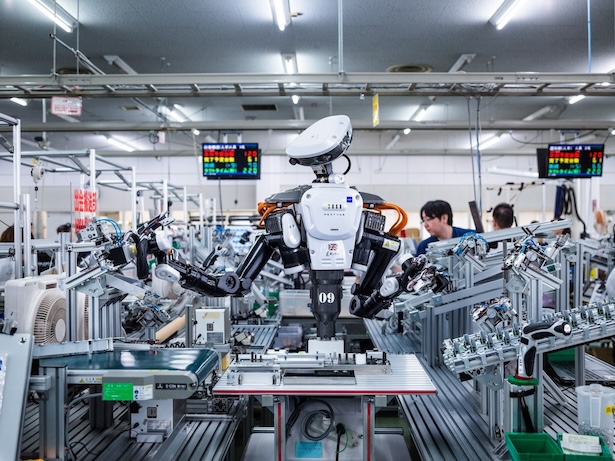
SpaceX's Starship V3 Plans for 1 Million Starmind Satellites by 2030
SpaceX's Starship V3 is set to revolutionize satellite deployment, aiming to launch 1 million Starmind satellites by 2030. The spacecraft can carry over 100 tonnes to low Earth orbit (LEO), significantly more than the Falcon 9's capacity. As of May 2026, Starship has completed 12 flights, with the next mission scheduled for late July 2026, focusing on operational payloads including AI1 prototypes in early 2027. This ambitious plan is crucial for expanding orbital compute capacity, targeting an annual addition of 100 GW through a million tonnes of satellite hardware. SpaceX's strategy hinges on achieving a launch cadence of approximately 12,000 flights, equating to about three launches per day. The company has invested over $15 billion in the Starship program, with expectations to begin payload deliveries in the second half of 2026, starting with Starlink V3 satellites. Looking ahead, the successful deployment of the Starmind constellation will depend on Starship's ability to meet its cost targets of $10–20 million per flight. If achieved, this would make launching satellites more economical than building ground data centers. The next significant milestone will be the launch of AI1 prototypes in early 2027, with full-scale deployments commencing in 2028 from the new Gigasat factory in Texas.

SpaceX's Starmind Plans 1 Million AI Satellites Amid Collision Risks
SpaceX has announced its ambitious Starmind project, which aims to deploy 1 million AI satellites in orbits between 500 and 2,000 km. This initiative, confirmed by Elon Musk on June 23, 2026, follows a merger with xAI, valuing the combined entity at $1.25 trillion. The satellites will function as orbital data centers, processing AI workloads powered by solar arrays and linked by optical lasers. The significance of Starmind lies in its potential to add 100 gigawatts of AI compute capacity annually, contingent on the successful operation of the Starship launch system. However, the project raises concerns regarding space debris, as the current orbital environment is already congested, with a 20% increase in collision risk reported since 2024. The European Space Agency has highlighted that the density of debris in low Earth orbit is now comparable to that of active satellites, complicating the operational landscape for new entrants like Starmind. Looking ahead, the first operational orbital AI deployments are targeted for 2028, with test launches expected in early 2027. However, the project faces scrutiny regarding its impact on space debris, as even a 1% failure rate could significantly increase the number of uncontrollable objects in orbit, exacerbating existing risks. No further timeline was disclosed at the time of publication.

Tesla's Optimus Robots to Support Starmind Satellite Production, Not Maintenance
Tesla's Optimus robots will not be used to repair Starmind satellites in orbit, as confirmed by recent statements from Elon Musk. Instead, these robots are intended to assist in the construction and operation of the Terafab chip manufacturing facility in Texas. The AI1 satellites, designed to disintegrate upon reentry, highlight the company's swap-and-replace strategy rather than traditional maintenance practices. This approach is significant as it reflects a broader trend in satellite management, where mass-produced satellites are replaced rather than repaired. The economics of servicing missions are prohibitive, with the cost of launching a replacement satellite being significantly lower than conducting a repair mission. This model aligns with SpaceX's operational history, where rapid replacement of satellites is more efficient than attempting to maintain them in orbit. Looking ahead, the focus will remain on the production capabilities of the Gigasat factory, which is expected to support the continuous replacement of satellites. No further timeline was disclosed at the time of publication, but the demand for rapid satellite turnover suggests a robust future for Optimus robots in terrestrial manufacturing rather than in-space servicing.

SpaceX's $1.75 Trillion Valuation Driven by Starmind's Future Potential
Starmind is a pivotal element in SpaceX's estimated $1.75 trillion IPO valuation, despite currently generating no confirmed revenue. The stock price reflects optimistic projections regarding AI infrastructure growth, which Starmind has yet to substantiate. As of early July 2026, SpaceX's stock has decreased from its 52-week high of $225.64 to around $150, indicating market skepticism about future execution. The significance of Starmind lies in its potential to transform SpaceX's revenue model beyond traditional launch services. Goldman Sachs has shifted its focus from Starlink subscriber growth to the prospects of AI revenue, including orbital computing, as a cornerstone of SpaceX's long-term valuation. This marks a substantial change in how analysts view the company's growth trajectory, necessitating rates exceeding its historical 33% growth. Looking ahead, the credibility of Starmind as a growth narrative will be crucial for maintaining investor confidence. Analysts have noted a considerable divergence in price targets, reflecting uncertainty about the value of the Starmind and xAI initiatives. No further timeline was disclosed at the time of publication regarding specific milestones for these projects.

Builders Stage agenda revealed: Practical strategies for scaling startups at TechCrunch Disrupt 2026
The Builders Stage will make a comeback at TechCrunch Disrupt 2026, set to convene over 10,000 founders, startup operators, and investors for in-depth discussions and Q&A sessions focused on the essentials of building and scaling successful businesses. The event aims to foster practical conversations that can provide valuable insights and strategies for entrepreneurs. Interested participants are encouraged to register now to take advantage of savings of up to $330.
TC Startups Transportation Crypto Climate Fintech
Defense tech, AI, and fundraising take center stage at StrictlyVC Los Angeles on June 18
On Thursday, June 18, The Aerospace Corporation Campus will host an evening event bringing together investors, founders, and technology leaders to discuss significant changes in venture capital, defense technology, artificial intelligence, and advanced industries. This gathering aims to foster dialogue and insights into the evolving landscape of these critical sectors, highlighting the motivations behind recent developments and innovations. Attendees are encouraged to secure their spots for this opportunity to engage with industry experts and peers.
AI Fundraising Security Space Startups Venture
Voyager Technologies acquires Astrobotic to advance lunar initiatives
Voyager Technologies has announced its acquisition of Astrobotic, a move aimed at enhancing the development of lunar initiatives and reusable rocket programs. This strategic investment is set to accelerate Astrobotic's existing projects, positioning the company to play a significant role in the growing space exploration sector. The acquisition reflects Voyager's commitment to advancing technologies that support lunar exploration and sustainable space travel. The deal underscores the increasing interest and investment in space-related ventures, particularly those focused on the Moon and beyond.
Aerospace Financial Markets / Industries Mergers & Acquisitions News Astrobotic
The New Era of Elderly Care Technology: Robots Enter Practical Application Stage
With China's elderly population exceeding 300 million, the demand for elderly care robots is rapidly increasing. In response to this growing need, the 2026 Intelligent Elderly Care Robot Application Competition will take place in Langfang, featuring innovations from over 60 prominent companies and universities. Scheduled for next year, the competition aims to highlight the evolution of elderly care technology, moving beyond basic functionalities to offer comprehensive solutions that enhance the quality of life for seniors. This initiative reflects a broader commitment to leveraging advanced technology in addressing the challenges posed by an aging population.
Elderly Care Robots Healthcare Technology Robotics Innovation Assistive Technology
Seoul shares rally over 8% on tech gains after Samsung wage deal, Nvidia outlook; won rises
South Korean stocks experienced a significant surge on Thursday, rising over 8 percent, driven by gains in the technology sector. The rally was fueled by Samsung Electronics successfully averting a strike and strong earnings reported by Nvidia, which bolstered investor confidence. Additionally, optimism surrounding the future of the robotics industry contributed to the positive market sentiment. The benchmark Korea Composite Stock Price Index climbed 606.64 points, or 8.42 percent, closing at 7,815.59 after peaking at 7,819.23 during the trading session. The index opened sharply higher, reflecting favorable overnight trends from Wall Street. Concurrently, the South Korean won strengthened against the US dollar, further indicating a robust market response.
All News
Introducing the 6 stages at TechCrunch Disrupt 2026 — built for today’s tougher startup market
TechCrunch Disrupt 2026 is set to take place from October 13 to 15, showcasing over 200 sessions across six stages. The event will feature more than 250 influential leaders from the technology sector who are currently shaping the industry. Attendees can register now to benefit from savings of up to $410, along with a 50% discount on a second pass. This annual conference aims to bring together innovators and thought leaders to discuss the latest trends and advancements in technology, providing valuable insights and networking opportunities for participants.
TC Startups Transportation Hardware Crypto Climate
Forum Energy Technologies' latest LARS model launches onto the market with a compact, all-in-one package
Forum Energy Technologies (FET) has introduced its newest subsea handling equipment, the Model 6000 (M6000) Launch and Recovery System (LARS). This innovative system was unveiled recently as part of FET's ongoing commitment to enhancing operational efficiency in subsea operations. The launch took place at the company's headquarters, where industry experts and stakeholders gathered to witness the demonstration of the M6000's capabilities. The M6000 is designed to improve safety and reliability during the deployment and retrieval of subsea equipment, addressing critical challenges faced by operators in harsh underwater environments. FET's development of this system responds to the growing demand for advanced technology in the subsea sector, driven by an increase in offshore exploration and production activities. By incorporating cutting-edge engineering and design, the M6000 aims to streamline operations, reduce downtime, and ultimately lower costs for clients. The system's advanced features include enhanced control systems and improved handling capacities, making it a significant advancement in subsea technology. FET's latest launch underscores the company's position as a leader in the subsea equipment market, reinforcing its dedication to innovation and customer satisfaction. As the industry continues to evolve, the M6000 is poised to play a pivotal role in the future of subsea operations.
forum energy technologies' latest lars model launches onto the market with a compact all-in-one package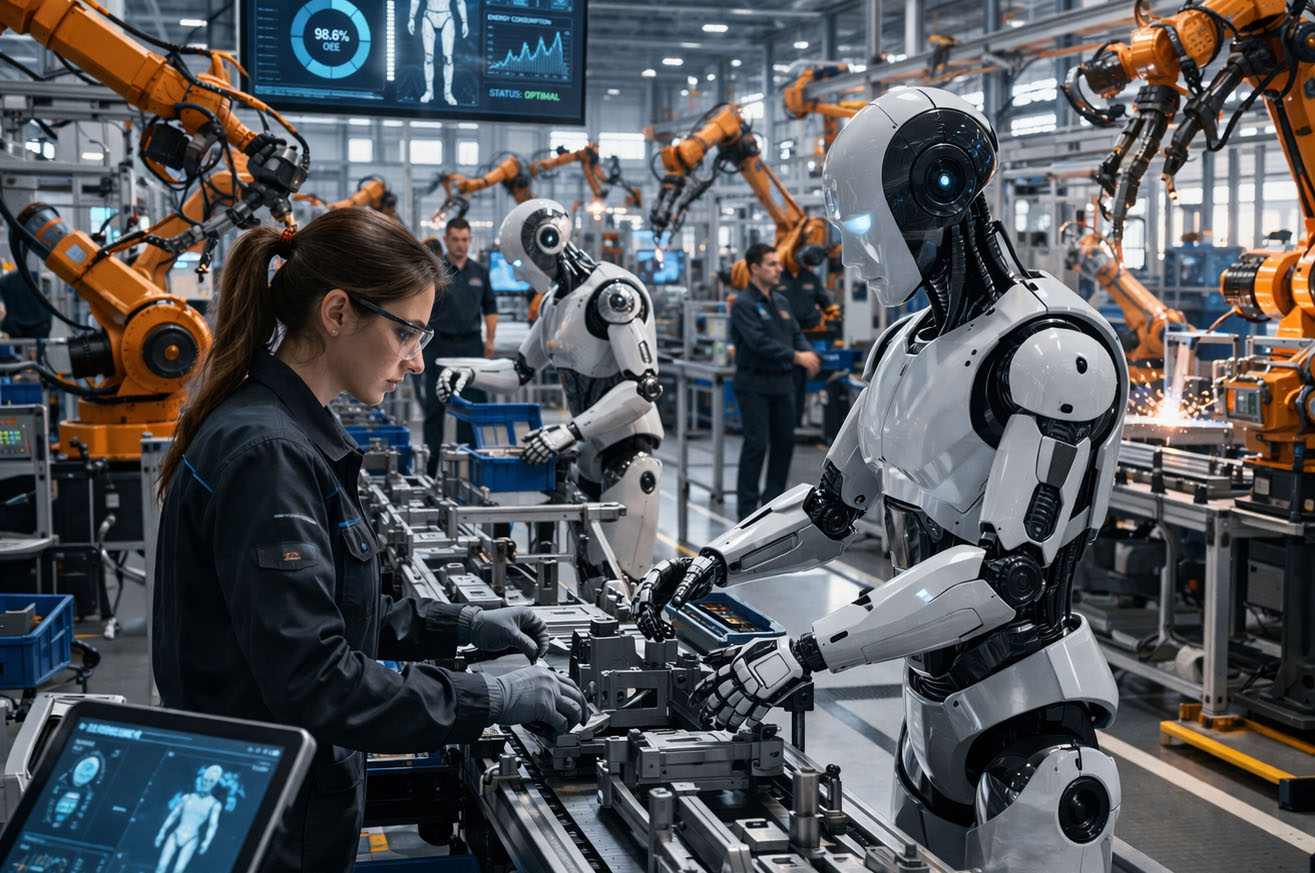
Robotique humanoïde : Le vrai défi n’est plus la technologie, mais le passage à l’échelle
For years, humanoid robotics was viewed primarily as a technological challenge, focusing on the development of machines capable of walking, manipulating objects, and interacting with their surroundings. However, by 2026, this perspective has shifted significantly. The main bottleneck in the market is no longer the mechanical or software capabilities of these robots, but rather the transition to scaling their production and integration into various sectors. This evolution highlights a critical change in the robotics landscape, indicating that the future of humanoid robots will depend more on their widespread adoption and practical application than on further technological advancements. The insights were shared in an article by Robot Magazine, emphasizing the need for the industry to adapt to this new reality.
À la une Alimentation Industriel Robotique automatisation Déploiement Industriel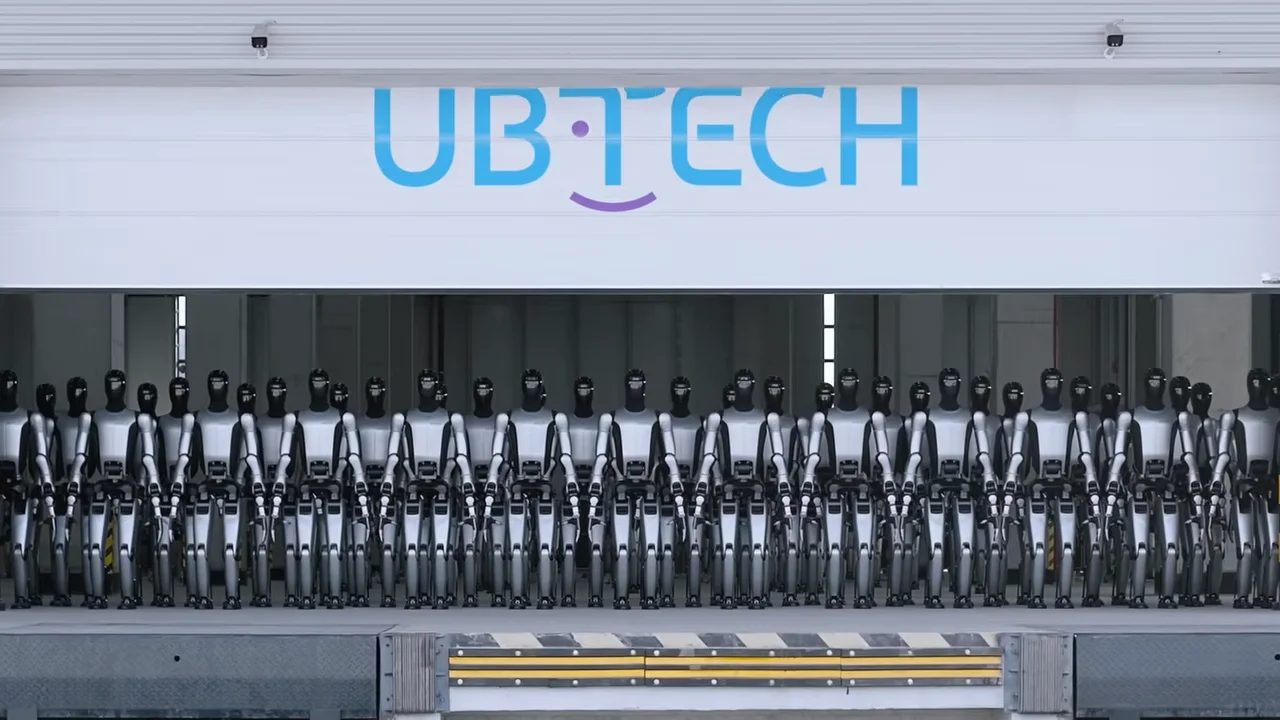
UBTECH’s 2025 Financials: Humanoids Leap to Center Stage as Losses Narrow
UBTECH Robotics has announced a remarkable 2,203% surge in revenue from its humanoid robotics division for the year 2025, indicating a significant transition from initial pilot programs to widespread industrial implementation. This dramatic growth reflects the increasing demand for advanced robotics solutions in various sectors, as companies seek to enhance efficiency and productivity through automation. The announcement comes as the industry witnesses a growing acceptance of humanoid robots in workplaces, driven by technological advancements and the need for innovative solutions in a competitive market. The company's strategic focus on scaling operations and expanding its product offerings has positioned it at the forefront of the robotics revolution, paving the way for broader adoption across industries.
Market China UBTECH Robotics Walker S2
Magic Atom Management Team Upgrade Accelerates Development and Global Commercialization of Embodied Intelligence Technology
On March 6, Magic Atom unveiled major changes to its senior management team as part of a strategic initiative to bolster its capabilities in the development and global commercialization of embodied intelligence technology. The company aims to enhance its leadership structure to facilitate the large-scale implementation of this innovative technology within the industry. These adjustments reflect Magic Atom's commitment to advancing its strategic goals and positioning itself as a leader in the rapidly evolving field of embodied intelligence.
Embodied Intelligence Robotics Management Team Technology Development
NVIDIA CEO Jensen Huang and Global Technology Leaders to Showcase Age of AI at GTC 2026
NVIDIA has announced that the Global Technology Conference (GTC), recognized as the leading event in artificial intelligence and accelerated computing, is scheduled to occur from March 16 to March 19 in San Jose, California. This annual conference serves as a platform for industry leaders, researchers, and developers to explore advancements in AI technology and share insights on the future of computing. By bringing together experts and innovators, NVIDIA aims to foster collaboration and drive progress in the rapidly evolving field of AI.

Research on ORB–SLAM2 Deep‐Sea Visual Localization Technique Based on Image Enhancement
A recent study published in the Journal of Field Robotics highlights advancements in autonomous robotic systems designed for agricultural applications. Conducted by a team of researchers from various universities, the study was released in early October 2023. The research focuses on the development of innovative robotic technologies aimed at improving efficiency and sustainability in farming practices. The motivation behind this initiative stems from the growing need for sustainable agricultural solutions in response to increasing global food demands and environmental concerns. The researchers employed a combination of machine learning algorithms and sensor technologies to enhance the robots' capabilities in tasks such as planting, harvesting, and monitoring crop health. Field tests were conducted in diverse agricultural settings, demonstrating the robots' ability to adapt to varying conditions and perform complex tasks autonomously. The findings suggest that these robotic systems could significantly reduce labor costs and increase productivity while minimizing the environmental impact of farming. The study underscores the potential of robotics to transform the agricultural sector, paving the way for more efficient and eco-friendly farming practices. As the agricultural industry faces challenges from climate change and population growth, the integration of advanced robotic technologies may offer viable solutions for future food production.
RESEARCH ARTICLE
Japan Science and Technology Agency Develops NVIDIA-Powered Moonshot Robot for Elderly Care
A groundbreaking advancement in technology is on the verge of emergence, potentially rivaling the smartphone's impact on daily life. The Japan Science and Technology Agency is funding the Moonshot research program, which aims to develop innovative solutions in AI and robotics. This initiative is being propelled forward by NVIDIA, a leader in artificial intelligence and computing technology. While details remain under wraps, experts suggest that this new technology could significantly alter various sectors, although it may come with a higher price tag compared to current devices. The project is expected to push the boundaries of what is possible in technology, promising to deliver transformative tools that could reshape user experiences and interactions in the near future.
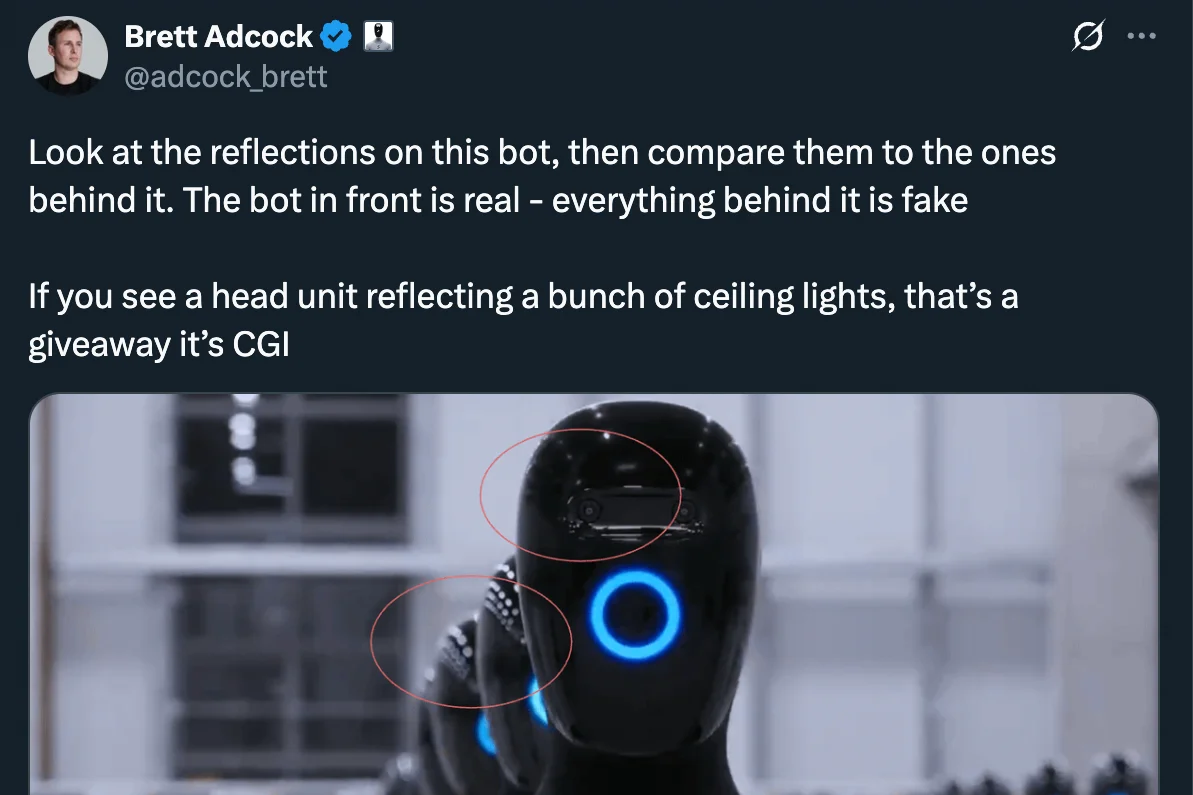
Figure CEO Accuses UBTECH of Faking ''Robot Army'' Video, UBTECH Hits Back with New Footage
Brett Adcock, a figure in the tech industry, has raised concerns about the authenticity of UBTECH's mass delivery video, suggesting that reflections in the footage indicate the use of computer-generated imagery (CGI). In response, UBTECH has released additional drone footage to demonstrate the reality of their operations, emphasizing that their achievements are the result of meticulous engineering rather than fabrication. This exchange highlights the ongoing debate over the credibility of technological representations in promotional materials, as both parties seek to validate their claims in the competitive landscape of robotics and automation.
Brett Adcock UBTECH Robotics
Semiconductor Digest: Co-Packaged Optics: Test Challenges for Data Center Technology of the Future
AI-driven data centers are pushing the boundaries of speed and efficiency, prompting a growing demand for technologies that can provide higher bandwidth while consuming less power. In response to this need, researchers are increasingly turning to silicon photonics (SiPh), a technology that utilizes light to transmit data, significantly enhancing data transfer rates and reducing energy consumption. As data centers continue to expand and evolve, the integration of SiPh is seen as a crucial step towards achieving sustainable and high-performance computing solutions. This shift is expected to play a vital role in meeting the escalating demands of AI applications and cloud services, which require rapid data processing and transmission capabilities. The advancements in silicon photonics are anticipated to revolutionize the infrastructure of data centers, making them more efficient and environmentally friendly.
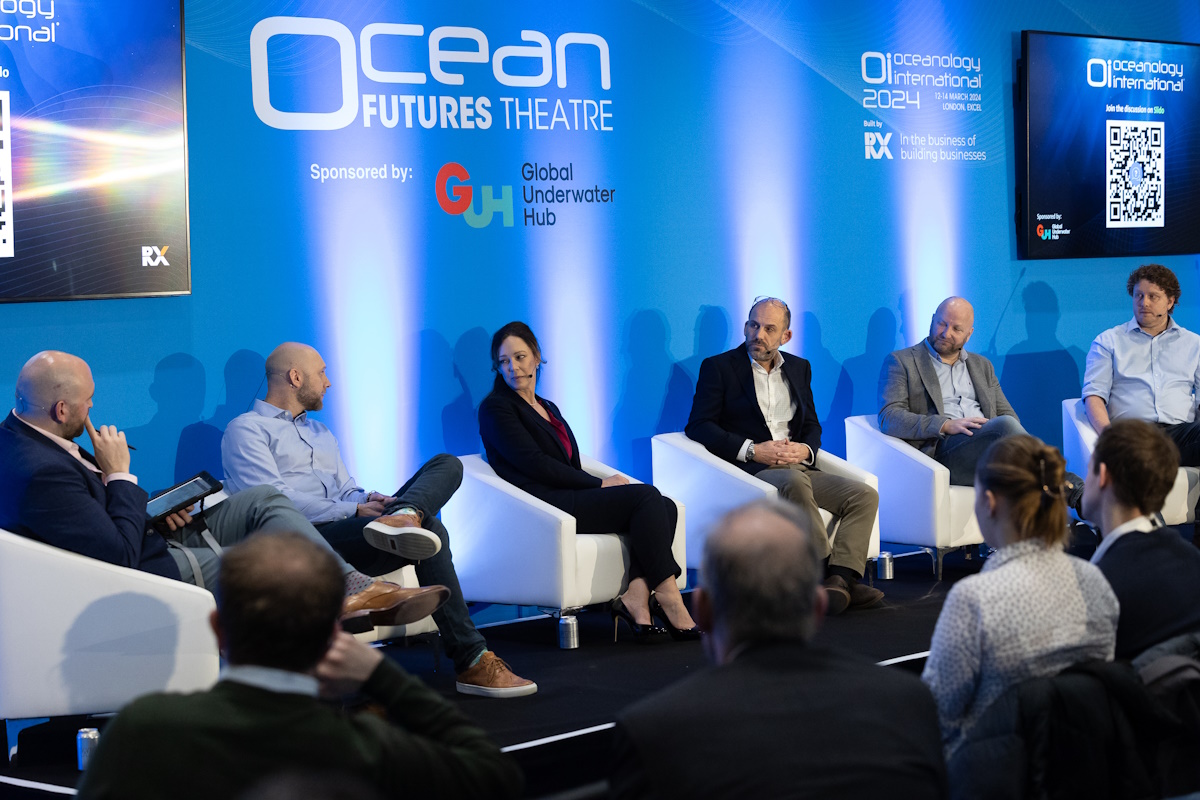
Take Centre Stage at Oceanology International Technical Conference 2026
Oceanology International is reminding industry professionals to submit their proposals as part of its ‘Call for Content’ initiative. The event aims to unite leading experts in ocean innovation and technology for a comprehensive conference program scheduled for March at ExCeL London. This initiative seeks to foster collaboration and knowledge sharing among participants, highlighting advancements and challenges within the sector. By encouraging contributions from a diverse range of voices, Oceanology International aims to create an engaging and informative experience for attendees, showcasing the latest developments and innovations in ocean-related fields.
oceanology international conference 2026 events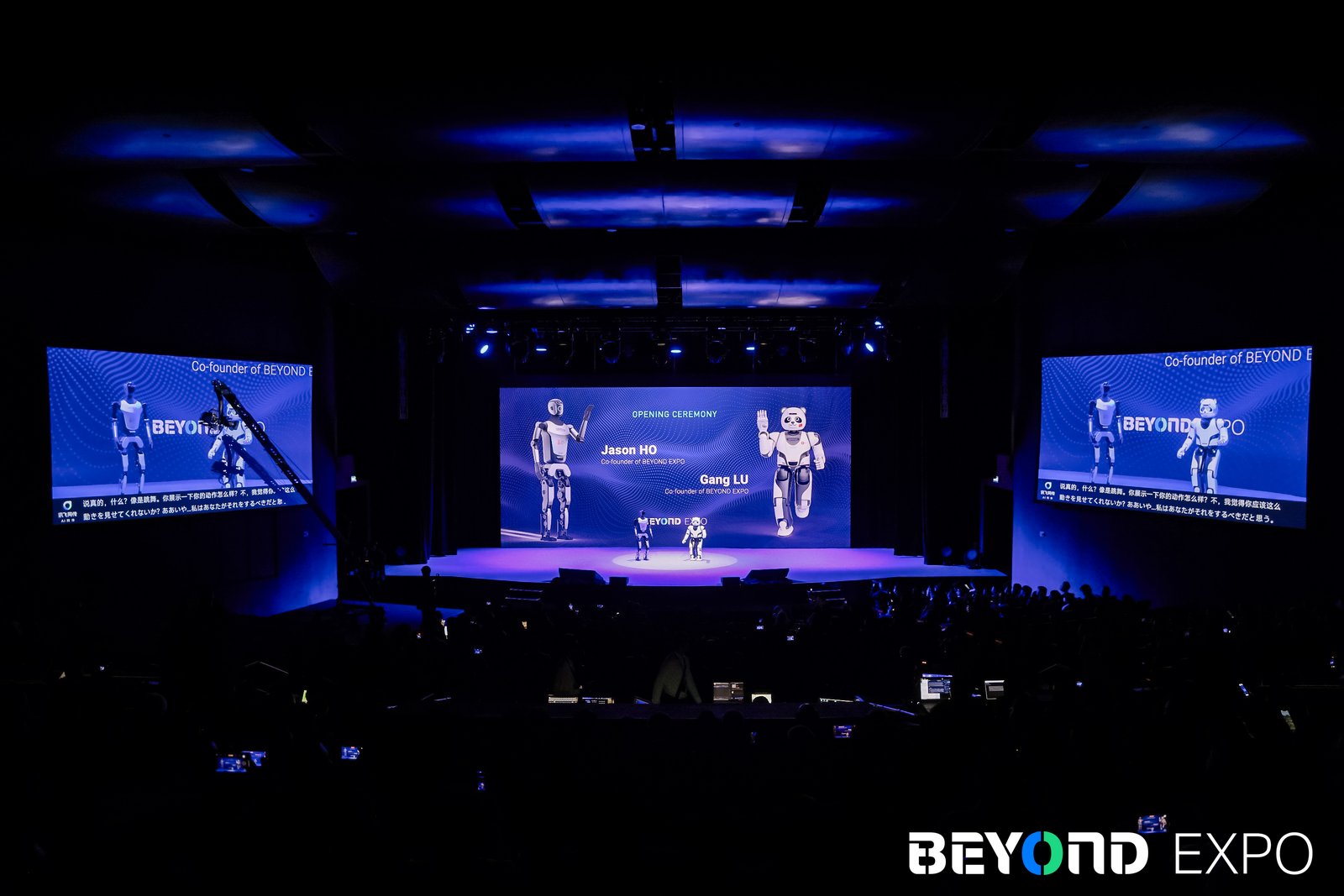
BEYOND Expo 2025: UBTECH unveils latest humanoids with cosplay performance on stage
At the BEYOND Expo 2025 in Macau, which took place from May 21 to 24, UBTECH, a prominent Chinese humanoid robotics company, introduced its latest innovations: the full-sized commercial robot Walker C and the panda-themed robot Youyou. The event, renowned for showcasing global tech innovations, featured a unique opening performance where Walker C and Youyou engaged in a “reverse cosplay,” playfully impersonating the expo's co-founders. This creative presentation highlighted UBTECH's commitment to blending technology with entertainment, aiming to capture the interest of attendees and demonstrate the capabilities of its advanced robotics.
Events BEYOND EXPO 2025 Content and entertainment E-commerce and New Retail Highlight News
BITO Lagertechnik and Locus Robotics Announce Strategic Partnership to Revolutionize Warehouse Automation
BITO Lagertechnik, a prominent player in the field of innovative storage and order-picking systems, has announced a strategic partnership with Locus Robotics, a leader in autonomous mobile robots. This collaboration aims to enhance warehouse efficiency and streamline logistics operations. The partnership was unveiled during a press conference held on October 15, 2023, at BITO's headquarters in Meisenheim, Germany. The motivation behind this alliance is to leverage Locus Robotics' advanced robotic technology alongside BITO's expertise in storage solutions, ultimately providing customers with a comprehensive system that improves order fulfillment processes. By integrating Locus' autonomous robots into BITO's storage systems, the companies aim to reduce labor costs and increase operational efficiency for their clients. The collaboration will involve joint development efforts, focusing on creating seamless integration between BITO's storage solutions and Locus' robotic systems. This initiative is expected to offer businesses a more agile and responsive approach to inventory management and order processing, addressing the growing demand for efficiency in the logistics sector. As e-commerce continues to expand, the partnership positions both companies to capitalize on the increasing need for innovative solutions in warehouse management, ensuring they remain competitive in a rapidly evolving market.
Robotics needs a service framework.
RSF defines a common language for robot service capability, lifecycle operations, certification pathways, and service-provider networks.
Join the RobotToday community on LinkedIn
Daily robotics news, in-depth analysis, conference highlights, and discussions with professionals worldwide.