

Industry Briefing
A single destination for timely, editor-curated robotics news from around the world.

Skyports Collaborates with Oita Government to Enhance Advanced Air Mobility Services
Skyports Infrastructure has entered into a partnership with the Oita Prefectural Government to establish a framework for Advanced Air Mobility (AAM) services in the region. This collaboration aims to support Oita's goal of initiating commercial AAM operations around the year 2028. The partnership, formalized through a Memorandum of Understanding, signifies a strategic move towards integrating advanced air mobility into the local transportation ecosystem. By laying the groundwork for vertiport infrastructure, Skyports is positioning itself as a key player in the future of aerial transport in Oita. Looking ahead, stakeholders will be keen to monitor the progress of this initiative as Oita aims to become a pioneer in commercial AAM services. No further timeline was disclosed at the time of publication.
Aircraft News Transportation aam advanced air mobility air taxis
Michigan Allocates $2 Million for Five Advanced Air Mobility Initiatives
Michigan has awarded $2 million to five companies for advanced air mobility projects aimed at addressing real-world challenges faced by state agencies. Announced on August 11 by the Michigan Department of Labor and Economic Opportunity’s Office of Future Mobility and Electrification, these projects will utilize the Michigan Mobility Funding Platform’s AAM Statewide Mobility Challenges. The selected projects will involve partnerships between technology firms and various Michigan state departments, focusing on areas such as environmental monitoring, wildfire response, and drone detection. Michigan Chief Mobility Officer Justine Johnson emphasized the importance of integrating new technologies into everyday operations to accelerate innovation and improve public services. Among the projects, Kohtari will collaborate with the Michigan Department of Environment, Great Lakes, and Energy for air and water quality monitoring, while Orb Aerospace will assist the Michigan Department of Natural Resources with wildfire monitoring. Westwood AI will partner with the Michigan Department of Transportation to enhance roadway assessments, and Motorola Solutions will work with Michigan State Police on drone detection technology. No further timeline was disclosed at the time of publication.
Advanced Air Mobility Drone News Drone News Feeds Drones in the News Dual Use News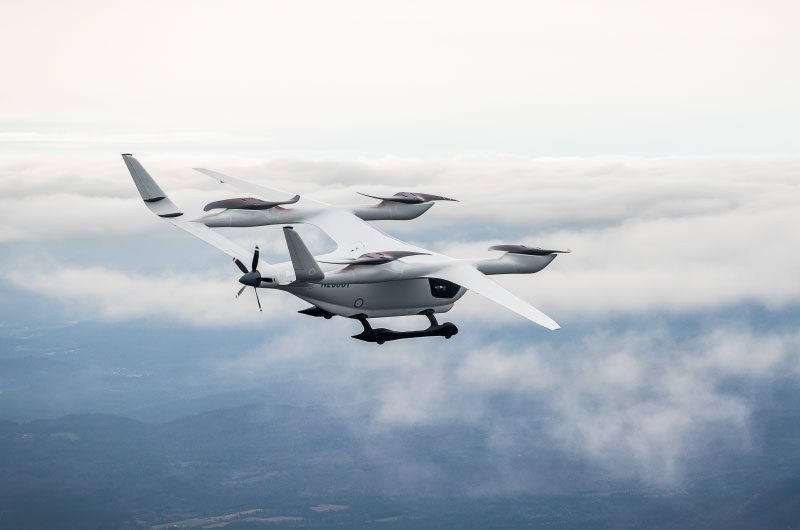
BETA Technologies Advocates for Practical Applications of Advanced Air Mobility
BETA Technologies is advocating for a broader approach to advanced air mobility, emphasizing practical transportation solutions over futuristic passenger services. At the Korea Drone and UAM Expo, Patrick Buckles, Regional Head of Aircraft Sales, highlighted the company's strategy that integrates electric aircraft, charging infrastructure, and pilot training for various missions. Founded in 2017, BETA has developed its operations around electric aircraft, multimodal charging systems, and enabling technologies such as electric propulsion and battery technology. The company has successfully flown over 300,000 kilometers and is targeting applications in cargo, defense, medical transport, and passenger services with its two aircraft platforms: the ALIA CTOL and ALIA VTOL, which share design commonality for enhanced safety and simplicity. Looking ahead, BETA's focus on operational advantages, such as lower energy and maintenance costs, positions electric aviation as a viable alternative to conventional aircraft. The potential for zero emissions and reduced noise levels could facilitate community acceptance and support critical missions like medical transport in remote areas. No further timeline was disclosed at the time of publication.
Advanced Air Mobility DL Exclusive Drone News Drone News Feeds eVTOL News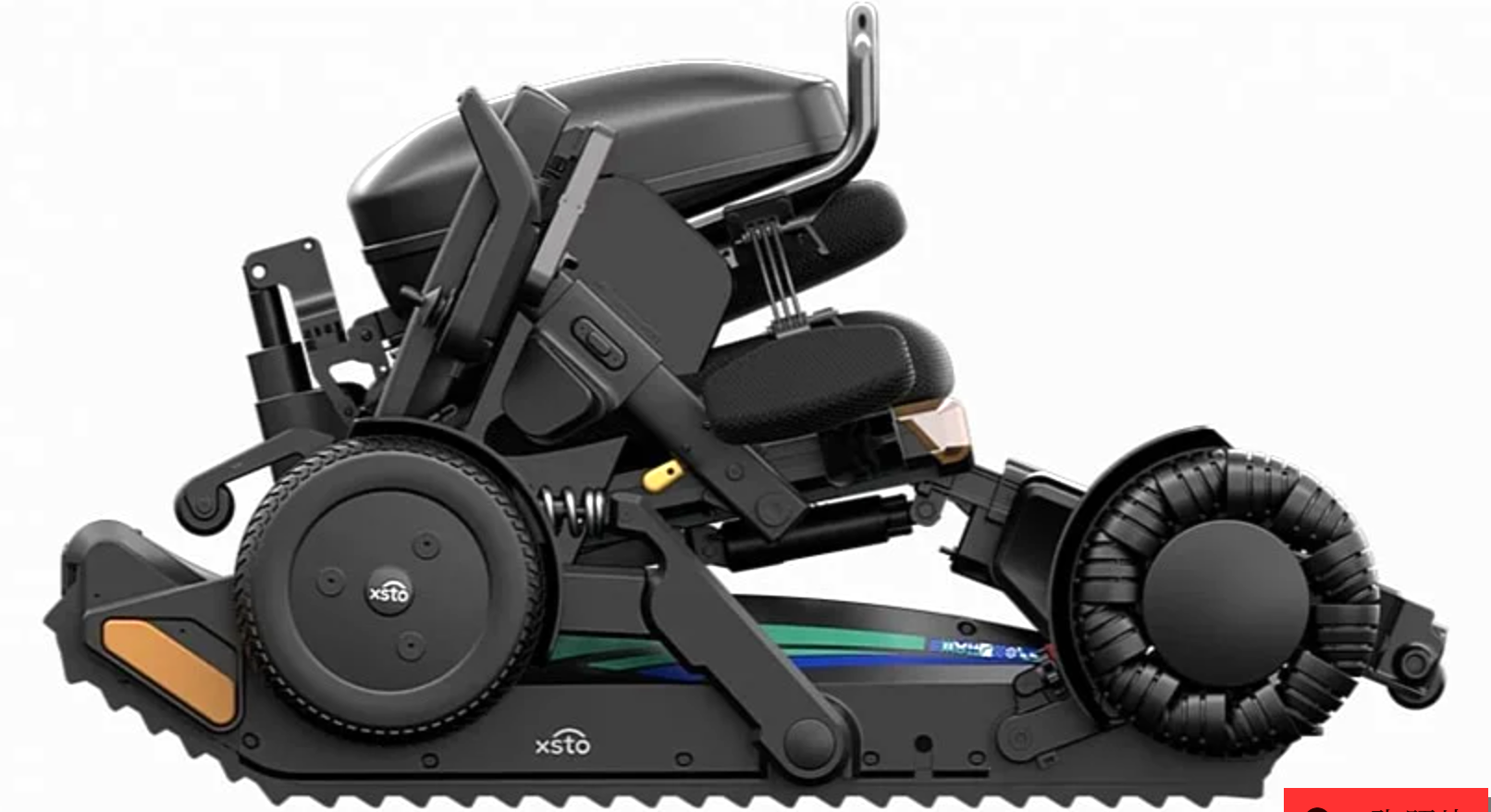
XSTO Mobility Launches $28,000 X12 Stair-Climbing Robot with AI and LiDAR Technology
XSTO Mobility has unveiled the X12 all-terrain mobility robot, priced at $27,999, designed to assist wheelchair users in overcoming stairs and other obstacles. Weighing approximately 115 kg and capable of carrying up to 136 kg, the X12 features a hybrid wheel-track chassis that allows it to navigate stairs autonomously, with a climbing speed of 25 steps per minute and descending speed of 30 steps per minute. The robot utilizes LiDAR and AI algorithms for real-time terrain perception, enabling it to adjust its driving mode and power output dynamically. The introduction of the X12 is significant as it addresses mobility challenges faced by individuals with disabilities, particularly in environments lacking accessibility features. With the ability to climb slopes of up to 40 degrees and traverse gaps of 300 mm, the X12 offers a solution that goes beyond traditional mobility aids. XSTO Mobility, based in Zhongshan, Guangdong, has been developing embodied mobile robots for over a decade, and the X12 represents a substantial advancement in this field, emphasizing user independence and safety. Looking ahead, XSTO Mobility has reported that orders for the X12 are already booked until April 2026, indicating strong market demand. The robot is currently available in over 70 countries, and its innovative design has garnered multiple awards. No further timeline was disclosed at the time of publication regarding additional product releases or enhancements.
Mobility Robots Assistive Technology AI Healthcare Innovation
AIR Partners with Elmo Motion Control for Advanced Cargo Drone Technology
AIR VEV Inc. has formed a strategic partnership with Elmo Motion Control Ltd. to integrate high-performance motion control systems into its Heavy Lift UAS. Elmo's Gold HV drive will enhance the AIR 120D cargo drone's electric propulsion motors, ensuring precise control and efficiency. This collaboration aims to optimize the aircraft's performance while minimizing weight and complexity. The significance of this partnership lies in the combination of Elmo's advanced servo drives and AIR's innovative electric aviation design. AIR CEO Rani Plaut emphasized that the selection of Elmo was based on the need for high power density and efficiency in electric aircraft. The integration of Elmo's technology is expected to improve the cargo aircraft's payload capacity and operational efficiency. Looking ahead, the integration of Elmo's Gold HV motor drives is already in progress as part of the AIR 120D development program. AIR is focused on validating the technology against its performance and safety requirements before moving forward with operational deployment. No further timeline was disclosed at the time of publication.
Actuators / Motors / Servos Defense / Security Drones Markets / Industries Motion Control News
U.S. Navy Revisits Advanced Drone Requirements for Collaborative Combat Aircraft Program
The U.S. Navy has updated its requirements for the Collaborative Combat Aircraft (CCA) program, indicating a shift towards advanced uncrewed combat air vehicles (UCAVs). This change suggests the Navy is seeking capabilities similar to those explored in the X-47B and UCLASS programs, which were previously shelved in favor of the MQ-25 Stingray. The updated requirements highlight the Navy's desire for a CCA capable of operating from aircraft carriers, carrying significant weapon loads, and conducting strike missions in contested environments. Notably, the Navy mandates the ability to carry four weapons of up to 2,500 pounds each, totaling a potential load of 10,000 pounds, which exceeds the payload capabilities of current Air Force drones. Looking ahead, the Navy's focus on autonomy and survivability in complex environments will be crucial for the CCA's development. The prototype is expected to demonstrate advanced mission capabilities, including independent operations and integration with crewed aircraft. No further timeline was disclosed at the time of publication.
Sea Carriers Drones Navies News & Features U.S. Navy
Kairos Power Initiates NuCAMP to Develop Advanced Nuclear Workforce in America
Kairos Power has launched the Nuclear Center for Advanced Manufacturing and Precast (NuCAMP) to address the workforce challenges in advanced nuclear reactor construction. This initiative is in collaboration with several institutions, including Oak Ridge National Laboratory and the University of Tennessee–Knoxville, and will be based at Kairos Power's Reactor Demonstration Campus in Oak Ridge, Tennessee. The establishment of NuCAMP is crucial as the U.S. aims to deploy advanced nuclear reactors, which necessitate a skilled workforce capable of adhering to stringent manufacturing and construction standards. The center will focus on workforce training, manufacturing development, and collaboration, with an initial exploratory phase lasting 12 months to identify necessary technologies and training programs. Looking ahead, NuCAMP will explore advanced manufacturing technologies such as precast concrete construction and additive manufacturing to enhance nuclear construction processes. The initiative aims to bridge the gap between innovative techniques and regulatory standards, ensuring the successful integration of these technologies into the nuclear industry. No further timeline was disclosed at the time of publication.
Energy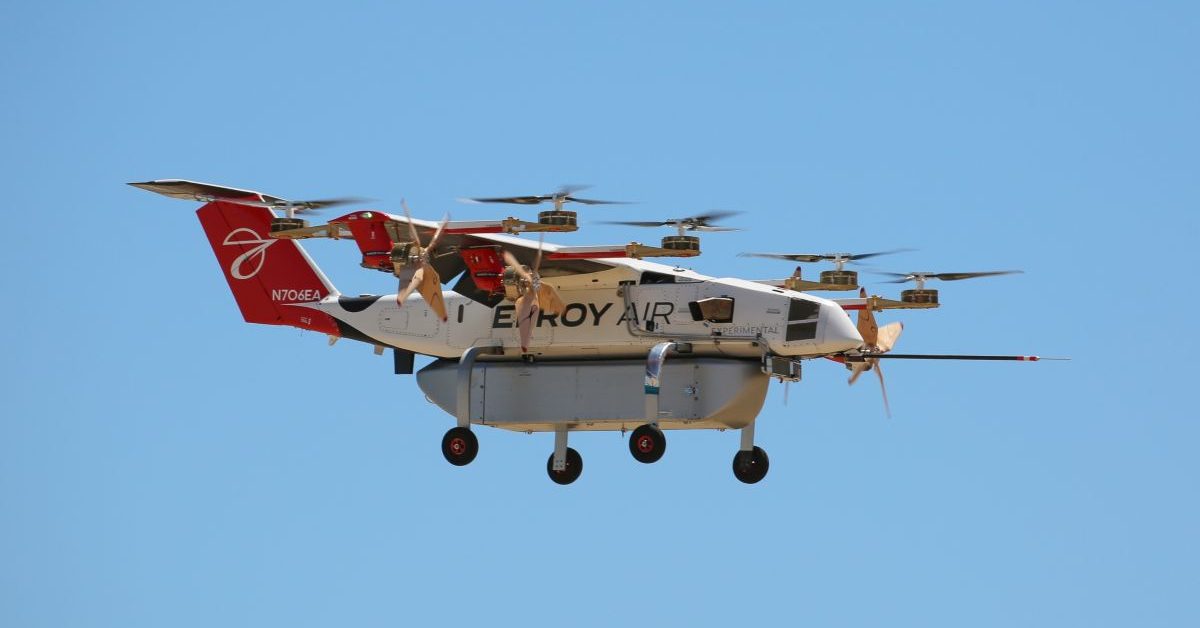
Elroy Air Receives $46 Million from US Army for Advanced Heavy-Lift Drone Development
Elroy Air has secured a $46 million multi-year contract from the US Army to enhance its autonomous hybrid-electric VTOL cargo drone, the Chaparral. This contract aims to improve the drone's capabilities in challenging military environments, focusing on modular cargo delivery and operational efficiency alongside troops. The significance of this contract lies in its alignment with the Army's emphasis on 'contested logistics,' ensuring supply continuity amid disruptions. Elroy Air's Chaparral drone, capable of carrying over 500 pounds, is designed for operations without fixed infrastructure, making it ideal for remote or damaged locations. Looking ahead, Elroy Air plans to start manufacturing the Chaparral in the US later this year, partnering with Kratos Defense & Security Solutions. While the current focus is military, the company also aims to expand the drone's applications in commercial logistics and disaster response, indicating a broader market potential for autonomous cargo delivery.
News
Thales and Destinus Partner to Enhance Counter-UAS and Air Defense Solutions
Thales has formed a strategic partnership with Destinus to advance counter-unmanned aircraft systems (C-UAS), long-range strike capabilities, and integrated air defense solutions. This collaboration aims to enhance Europe's defense preparedness amid rising security challenges. The integration of Thales' advanced radar and defense technologies with Destinus' interceptor systems is expected to create a robust layered air defense architecture. The partnership is significant as it reflects Europe's commitment to strengthening its defense capabilities in response to evolving aerial threats. By combining their expertise, Thales and Destinus aim to deliver scalable and interoperable defense solutions for European and allied armed forces. This initiative is particularly focused on improving counter-drone capabilities and developing long-range strike systems. Looking ahead, the collaboration will explore advanced ground-based air interception capabilities aligned with NATO's Integrated Air and Missile Defense architectures. The success of this partnership could significantly impact the development of next-generation air defense capabilities for Europe and its allies, reinforcing strategic autonomy in defense technologies.
Military
Comprehensive Review of Stair-Climbing Wheelchairs: Mechanisms, Design, and Performance
A recent review published in the Journal of Field Robotics examines stair-climbing wheelchairs, focusing on their fundamental mechanisms, design concepts, and performance analysis. These innovative wheelchairs are designed to enhance mobility for users, particularly in environments with stairs and uneven terrain. The significance of this review lies in its potential to inform future developments in assistive technologies. By analyzing various design concepts and performance metrics, the study aims to provide insights that could lead to improved mobility solutions for individuals with mobility impairments. Looking ahead, stakeholders in the robotics and assistive technology sectors should monitor advancements in stair-climbing wheelchair designs and their real-world applications. No further timeline was disclosed at the time of publication.
SURVEY ARTICLE
Study on Offshore Wind Turbine Blade Repair Using Particle Swarm Optimization and Advanced Control Techniques
A recent study published in the Journal of Field Robotics explores innovative methods for repairing offshore wind turbine blades. The research focuses on utilizing a Particle Swarm Optimization-Backpropagation Neural Network combined with Improved Active Disturbance Rejection Control to enhance repair efficiency. This research is significant as it addresses the growing need for effective maintenance strategies in offshore wind energy, which is crucial for maximizing energy output and minimizing downtime. The integration of advanced algorithms aims to improve the precision and reliability of repair processes, ultimately contributing to the sustainability of wind energy. Looking ahead, the implications of this study could influence future developments in wind turbine maintenance technologies. No further timeline was disclosed at the time of publication.
RESEARCH ARTICLE
MIT and EPFL Develop Flapping Robot for Seamless Water-Air Transition with Advanced Wing Design
Researchers from MIT and EPFL have created a flapping robot capable of transitioning between water and air without legs. Weighing approximately 250 grams, the robot features a streamlined body, two flexible wings, and a controllable tail. It can flap its wings at frequencies of up to 6 Hz underwater and 5.2 to 11 Hz in the air, mimicking the behavior of diving birds, as detailed in a recent Science publication. This innovation is significant as it addresses the complex physical challenges of transitioning from water to air, a feat that most diving birds achieve with the aid of their legs. The robot's flexible wings reduce drag and allow for a higher flapping frequency underwater compared to rigid wings. This design not only enhances its swimming efficiency but also aligns with biological observations of diving birds, providing insights into their locomotion strategies. Looking ahead, the research team is exploring optimal wing configurations and has tested various sizes and stiffnesses. Future experiments will focus on the robot's ability to transition from water to air solely through wing flapping, a critical milestone that could reveal more about the mechanics of avian flight and inspire advancements in robotic design. No further timeline was disclosed at the time of publication.
Flapping Robots Aerial Robotics Aquatic Robotics Bio-inspired Engineering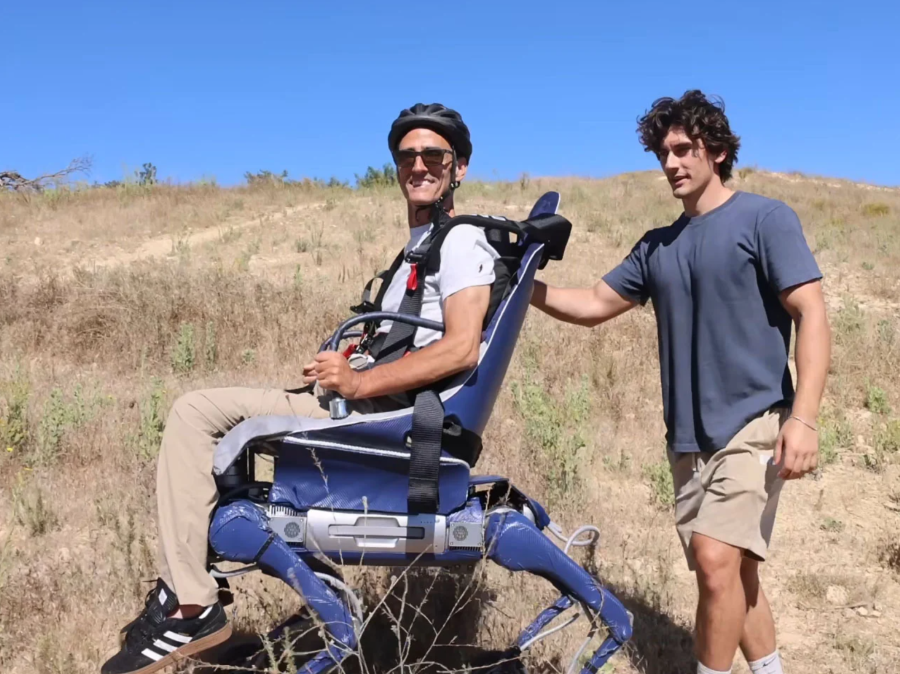
Jake Laser Transforms Unitree Robot Dog into Wheelchair for Father’s Mobility
Jake Laser has ingeniously modified a Unitree industrial robot dog into a wheelchair for his father, who has been affected by multiple sclerosis for over 20 years. This innovative device features a hybrid wheeled and walking design, allowing it to navigate various terrains, including stairs and rocky paths, providing newfound mobility for Jake's father. The significance of this transformation lies in its technical ingenuity and emotional impact. By integrating a racing-style seat and recalibrating the robot's software to accommodate his father's weight, Jake ensured that the robot could maintain balance and stability. The project not only enhances mobility but also restores a sense of independence and pride for his father, who can now control the robot using a wireless joystick. Looking ahead, Jake's creation marks a notable advancement in assistive technology, blending robotics with personal mobility solutions. No further timeline was disclosed at the time of publication, but the successful testing of the robot on challenging terrains indicates potential for broader applications in mobility aids for individuals with disabilities.
Assistive Technology Robotics Mobility Solutions Innovation
Who Builds the Sky? How Regional Partnerships Are Creating the Infrastructure for Advanced Air Mobility
In a recent episode of the Drone Radio Show, Lavera Alexander, Chief Growth Officer of the Monterey Bay Economic Partnership (MBEP), emphasized the critical role of regional collaboration, airport infrastructure, and economic development in shaping the future of advanced air mobility. The discussion highlighted that while aircraft technology is essential, the success of this emerging industry relies heavily on the interconnected efforts of local stakeholders. Alexander's insights reflect a growing recognition that building a robust framework for advanced air mobility requires more than just technological advancements; it necessitates a comprehensive approach that integrates community resources and infrastructure planning. The episode serves as a call to action for regions to work together in fostering an environment conducive to the growth of this innovative sector.
Advanced Air Mobility Aerospace Applications Drone News Drone News Feeds News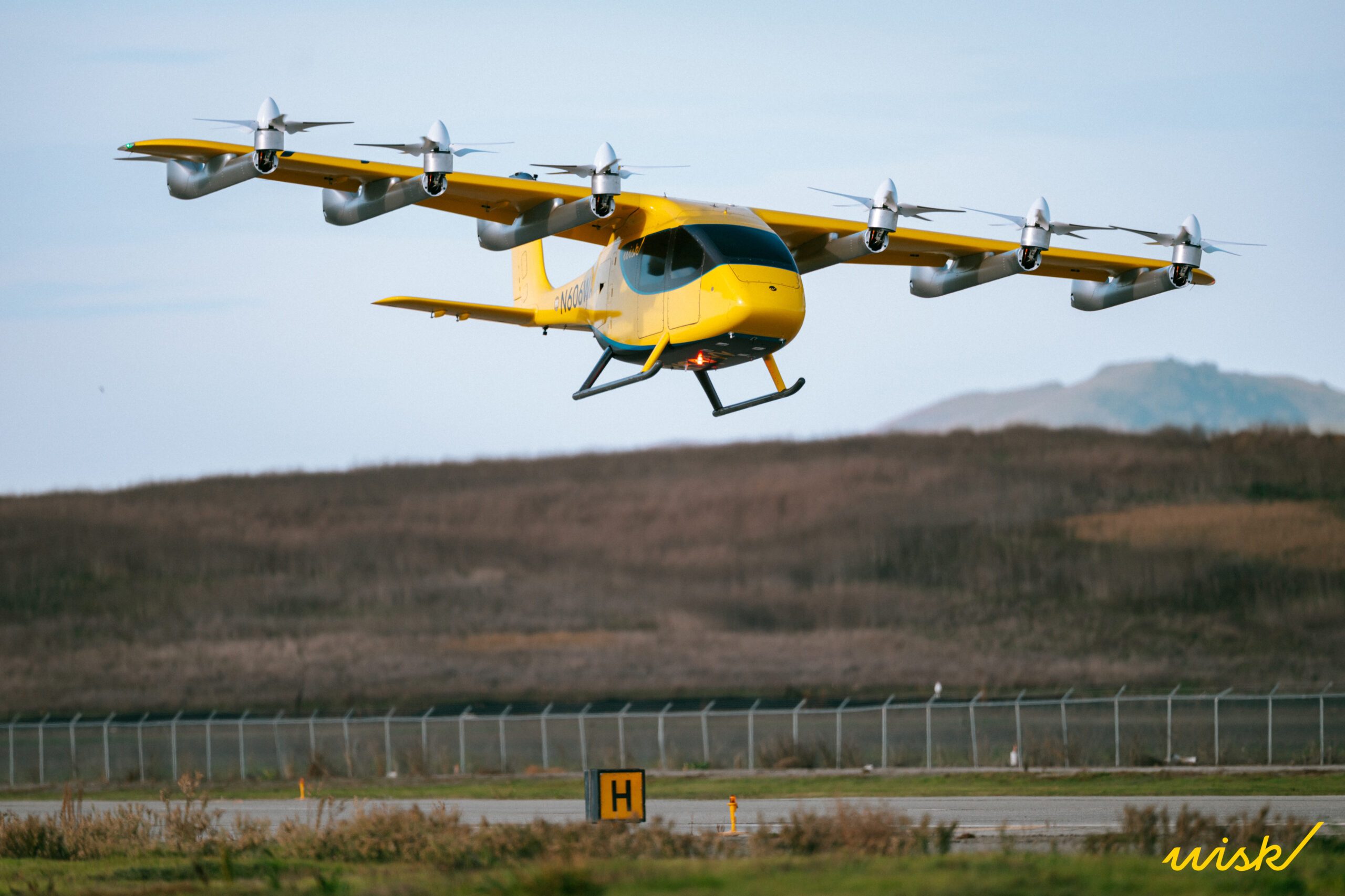
FAA Moves from Planning to Building for Advanced Air Mobility
The Federal Aviation Administration (FAA) has commenced construction on a new research facility aimed at advancing the integration of advanced air mobility (AAM) into the National Airspace System (NAS). This initiative, which began this week, marks a significant transition from policy development to operational readiness for next-generation vertical flight aircraft. The facility will focus on studying the safe operation of these aircraft alongside existing air traffic, reflecting the FAA's commitment to enhancing air transportation capabilities. This move is part of a broader strategy to ensure that emerging aviation technologies can be effectively and safely incorporated into the national airspace.
Air Taxi Applications Drone News Drone News Feeds eVTOL FAA
GA-ASI Aims to Maintain Leadership in UAS for Advanced Warfare
GA-ASI is focused on solidifying its status as the premier supplier of Uncrewed Aerial Systems (UAS) to the United States and allied nations. This commitment highlights the company's strategic importance in modern military operations, particularly in high-tech warfare scenarios. The significance of GA-ASI's efforts lies in the increasing reliance on UAS technology for defense and surveillance purposes. As military operations evolve, the demand for advanced aerial capabilities is paramount, making GA-ASI's role critical in ensuring that the U.S. and its allies maintain a technological edge in combat. Looking ahead, industry observers should monitor GA-ASI's developments and innovations in UAS technology. The company's initiatives could shape the future landscape of military aviation and influence procurement strategies among defense organizations worldwide. No further timeline was disclosed at the time of publication.
Air Warfare Sponsored Post AFA 2026 Air Force CCA collaborative combat aircraft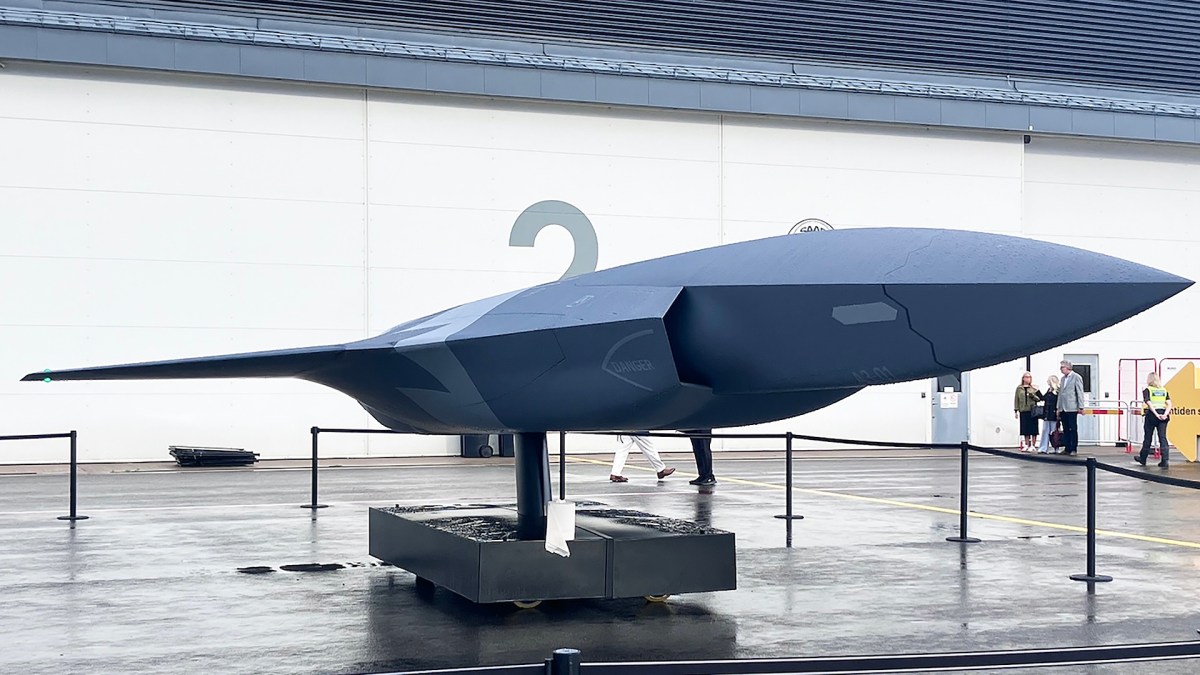
Saab Reveals Advanced Supersonic Fighter Drone Concept for Future Combat Aircraft
Saab has introduced its Autonomous Collaborative Platform (ACP) program, featuring a stealthy, supersonic fighter drone that may serve the Swedish Air Force in the 2030s. The company is developing two uncrewed technology demonstrators, A1 and A2, and showcased a full-scale mock-up of the operational drone, referred to as aircraft A3. This initiative is significant as it positions Saab's ACP as a high-end alternative to the U.S. Air Force's Collaborative Combat Aircraft, boasting superior performance and capabilities. The ACP is part of Sweden's KFS project, aimed at future combat aircraft development, highlighting Saab's commitment to advancing military technology. Looking ahead, Saab aims to achieve the first flight of aircraft A1 within the next 15 months, as mandated by the Swedish Ministry of Defense. The timeline is ambitious, with a goal to transition from concept to flight within 36 months. The development of A2 will further test advanced technologies, ensuring Saab remains competitive in the defense sector.
Air Around The Globe Drones Europe NATO News & Features
Foundation Robotics Unveils Advanced Robotic Hand That Catches Baseballs with Precision
Foundation Robotics has released a video showcasing its innovative robotic hand that successfully catches a baseball mid-air, demonstrating significant advancements in robotic dexterity and control. This development is crucial as it illustrates how enhanced mechanical design and motion planning are enabling robotic hands to perform intricate tasks with human-like precision, a key requirement for industrial applications. Looking ahead, the focus will be on how this tendon-driven architecture and advanced control systems can further improve the capabilities of humanoid robots in handling diverse tools and objects, enhancing their utility in complex environments. No further timeline was disclosed at the time of publication.
AI and Robotics
World’s largest cargo aircraft moves ahead with advanced flight control integration
Radia has announced the expansion of its engineering team dedicated to the development of the WindRunner cargo aircraft. This initiative, which involves collaboration with several aerospace companies, aims to enhance the aircraft's design and performance capabilities. The decision comes as part of Radia's strategy to strengthen its position in the competitive aerospace market. The expansion is expected to accelerate the project timeline, allowing for more efficient development processes. By leveraging the expertise of established aerospace firms, Radia seeks to innovate and improve the functionality of the WindRunner, which is designed to meet the growing demands of cargo transportation. This strategic move underscores Radia's commitment to advancing aerospace technology and responding to industry needs.
Innovation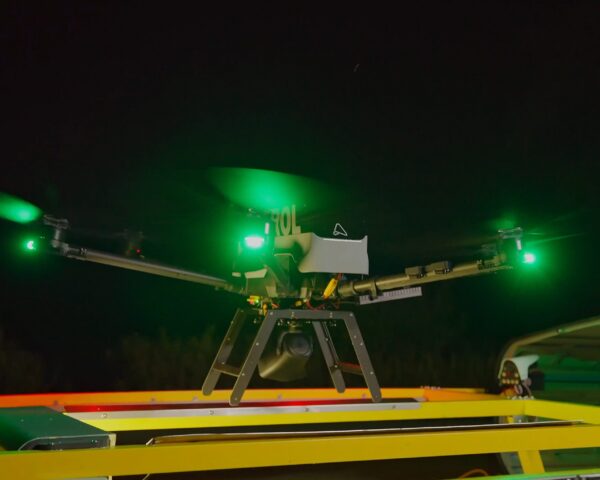
A2Z Drone Delivery Joins Kazakhstan’s Alatau City Urban Air Mobility Project
A2Z Drone Delivery, a drone manufacturer based in Torrance, California, has announced a partnership with Alatau Advance Air Group Ltd. to develop next-generation drone infrastructure at the newly established UAM Test Center Eurasia in Kazakhstan. The collaboration, revealed on May 26, 2026, aims to enhance urban air mobility in Alatau City. This initiative reflects a growing commitment to advancing drone technology and its applications in urban environments, positioning both companies at the forefront of the emerging air mobility sector.
Advanced Air Mobility Delivery Drone News Drone News Feeds News Smart Cities
A&K Robotics Raises $8 Million to Build Autonomous Mobility Infrastructure for Airports
A&K Robotics has secured an $8 million CAD Series A investment to develop autonomous mobility infrastructure for airports, addressing the growing challenges faced by passengers with mobility limitations. The funding round, announced on April 21, 2026, was led by the Business Development Bank of Canada’s Industrial Innovation Venture Fund and Vantage Futures, alongside other investors. With approximately 17% of the global population experiencing mobility challenges and a 10-15% annual increase in requests for airport assistance, A&K Robotics aims to enhance passenger experience through its self-driving mobility robot, Cruz. Designed to navigate complex indoor environments like airport terminals, Cruz autonomously transports passengers to their destinations while safely maneuvering around pedestrians. The company is already collaborating with major airport operators, including Vancouver International Airport and Madrid-Barajas Airport, to integrate this technology into daily operations. A&K Robotics’ CEO, Matthew Anderson, emphasized the importance of improving airport navigation, stating, "Air travel is chaotic enough — getting to your gate shouldn't be part of the problem." The investment will support A&K's expansion into large-scale deployments, helping airports enhance operational efficiency and passenger accessibility while paving the way for the future of autonomous mobility in complex indoor environments.
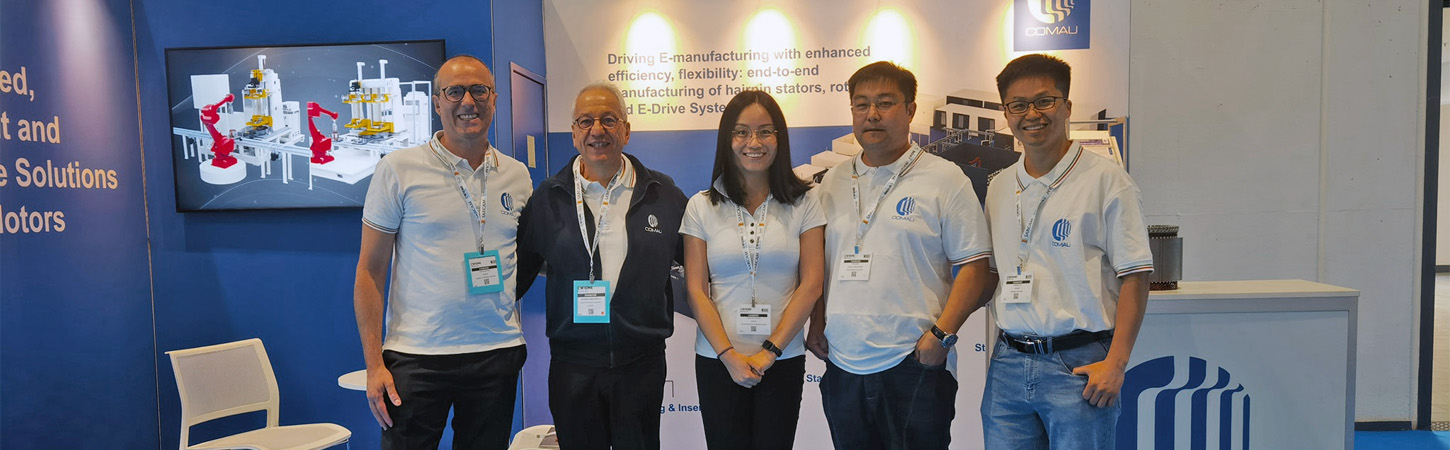
Comau to participate in CWIEME 2025 with advanced solutions for the production of hairpin/minipin stators and innovations for electric drive systems
Comau showcased its innovative cell formation and e-mobility solutions at the Battery Show held in Stuttgart, Germany. The event took place recently, bringing together industry leaders and experts to explore advancements in battery technology. Comau's participation highlights its commitment to enhancing manufacturing processes in the rapidly evolving electric vehicle sector. By presenting their latest technologies, the company aims to address the growing demand for efficient and sustainable energy solutions in the automotive industry. The display included demonstrations of cutting-edge automation and robotics designed to optimize battery production, reflecting Comau's strategic focus on supporting the transition to electric mobility.
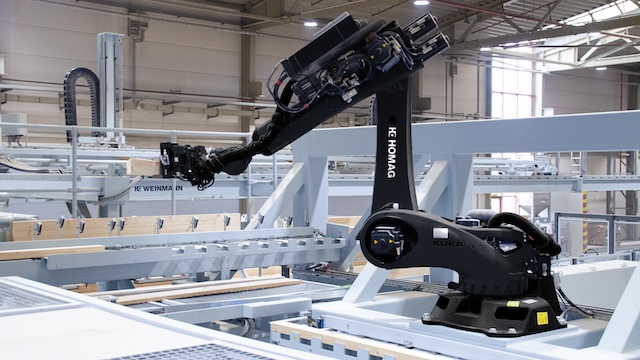
DJI Air 3S dual-camera drone offers one-inch sensor and advanced nighttime capabilities
Chinese technology company DJI has launched its latest drone, the DJI Air 3S, on Tuesday. Priced at RMB 6,988 (approximately $982), this new model features a dual-camera system, including a 50MP main camera with a one-inch sensor and a 48MP telephoto lens. The Air 3S is capable of recording high-resolution video at 4K/60fps HDR and 4K/120fps, and it offers a 10-bit D-Log M color mode for enhanced color grading. This release aims to cater to both amateur and professional drone enthusiasts seeking advanced imaging capabilities.
News FeedRobotics needs a service framework.
RSF defines a common language for robot service capability, lifecycle operations, certification pathways, and service-provider networks.
Join the RobotToday community on LinkedIn
Daily robotics news, in-depth analysis, conference highlights, and discussions with professionals worldwide.







