Industry Briefing
A single destination for timely, editor-curated robotics news from around the world.
Airwise Solutions Partners with UAS Sentry for Enhanced Drone Detection and Airspace Intelligence
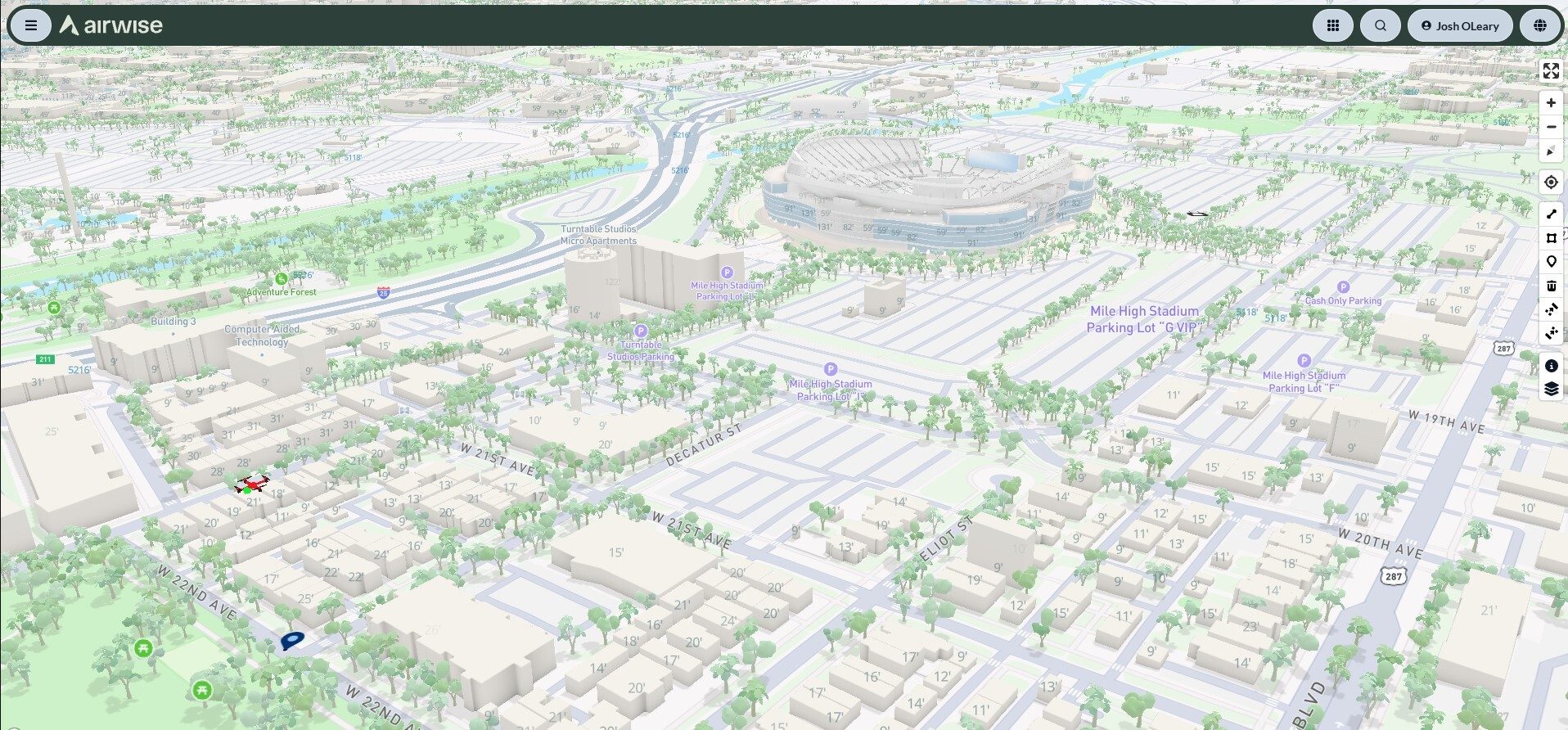
Airwise Solutions and UAS Sentry have established a partnership aimed at improving low-altitude airspace awareness. This collaboration will integrate UAS Sentry Nexus detection capabilities with the Airwise Nexus platform, allowing users to visualize detected Remote ID signals alongside their drone operations. The integration will also enable the connection of this data with airspace information, mission activity, aircraft telemetry, weather, and FAA services. This partnership is significant as it supports critical infrastructure, utilities, airports, and industrial sites, while also catering to public safety agencies managing drone operations near sensitive areas. UAS Sentry Nexus is capable of detecting and identifying drones that transmit Remote ID signals, providing essential information about a drone's location and control station. The Airwise integration enhances this data by adding operational context, helping organizations differentiate between authorized and unauthorized drone activities. Looking ahead, the integration of UAS Sentry's detection capabilities with Airwise's operational tools could transform how organizations manage their airspace. No further timeline was disclosed at the time of publication. As the demand for drone operations continues to rise, the ability to understand and manage low-altitude airspace effectively will be crucial for various sectors.
Drone News Drone News Feeds News Remote ID UTM airspace awareness
New Drone Detection System Utilizes Sound Instead of Cameras for Threat Identification
A new drone detection system has been developed that relies on audio cues rather than visual inputs to identify potential threats. This innovative approach could enhance security measures in various environments by providing a more discreet and efficient method of surveillance. The significance of this technology lies in its ability to operate effectively without the limitations of traditional camera systems, which can be hindered by visibility issues. By focusing on sound, the system can detect drones in diverse conditions, potentially transforming security protocols in sensitive areas. Looking ahead, the deployment of this drone detection system could lead to broader applications in both military and civilian sectors. As advancements continue, stakeholders will be keen to observe how this technology integrates with existing security frameworks and its effectiveness in real-world scenarios. No further timeline was disclosed at the time of publication.
AI and Robotics
Monava Secures Funding to Enhance AI Drone Detection Amid Growing Security Concerns
Monava, a Swedish-Finnish defense technology company, has successfully raised new funding to bolster its AI-driven drone detection capabilities. This investment round, led by Gungnir Capital with participation from Foundry Ventures and Hede Capital, aims to commercialize Monava's technology and expand operations to meet the rising demand from defense customers. The significance of this funding lies in the increasing investment in counter-uncrewed aircraft system (C-UAS) technologies, driven by heightened security concerns globally. As drones become integral to modern conflicts, Monava's passive acoustic systems, which detect and classify drones without emitting detectable signals, position the company favorably in the defense sector. Looking ahead, Monava's CEO, Alexander Hebbe, noted a sharp increase in demand for their technology, indicating a growing order book necessitating production scaling. No further timeline was disclosed at the time of publication.
Applications C-UAS defense Defense Drone News Drone News Feeds
São Paulo Becomes First City to Implement Citywide Drone Detection as a Service Network
R2 Wireless and Ôguen Tecnologias have partnered to launch a managed drone detection service in São Paulo, Brazil, making it the first city to implement a municipal-scale Drone Detection as a Service (DDaaS) network. This initiative aims to address rising concerns over the use of drones by criminal organizations, offering a cost-effective alternative to traditional counter-drone systems. The DDaaS network will provide continuous monitoring of urban airspace through a subscription model, allowing public agencies and private organizations to access drone detection, geolocation, and real-time airspace awareness without the need for hardware purchases. R2 Wireless's technology operates at the physical RF layer, enabling it to detect and geolocate various types of drones, including modified and spoofed systems. As commercial drones evolve, the demand for adaptable counter-drone solutions grows. The partnership aims to support a wide range of users, including critical infrastructure operators and government sites, and reflects a broader trend towards service-based approaches in airspace security. No further timeline was disclosed at the time of publication.
Anti-drone technology C-UAS Drones in the News News ADaaS airspace monitoring
AEye and AB Swiftstrike AI Collaborate on Long-Range Lidar for Drone Detection
AEye and AB Swiftstrike AI are partnering to integrate AEye's STRATOS lidar into Swiftstrike's autonomous counter-drone systems. This collaboration aims to enhance the detection of small aerial threats that operate without conventional radio signals, extending the detection range to nearly one mile. The integration of STRATOS, which boasts more than double the resolution of AEye's Apollo lidar, is significant for identifying small drones. Higher resolution allows for better differentiation between actual aerial targets and surrounding objects, providing precise information on their position and movement. As drone technology evolves, electronic detection becomes increasingly challenging. The STRATOS sensor's ability to actively measure objects using laser pulses offers a viable solution, even when drones do not emit electronic signatures. No further timeline was disclosed at the time of publication.
Military
Japan to Develop Drone-Mounted Quantum Magnetic Sensors for Submarine Detection by 2031
Japan is set to develop compact quantum magnetic sensors for drones to enhance submarine detection capabilities. This initiative is part of Tokyo's fiscal 2027 defense budget request, with a target completion date of fiscal 2031, as reported by the Nikkei newspaper. The sensors aim to identify subtle magnetic changes associated with submerged vessels, complementing existing sonar technologies. By deploying these sensors on low-cost drones, Japan seeks to improve surveillance in strategic chokepoints where Chinese submarines are likely to navigate, thus enhancing maritime security without risking aircrew lives. While the magnetic sensors have limited detection ranges, defense expert Masashi Murano noted their efficiency could be maximized through widespread drone deployment. This strategy could reduce Japan's reliance on its P-1 maritime patrol aircraft, which incurs higher operational costs. No further timeline was disclosed at the time of publication.
Military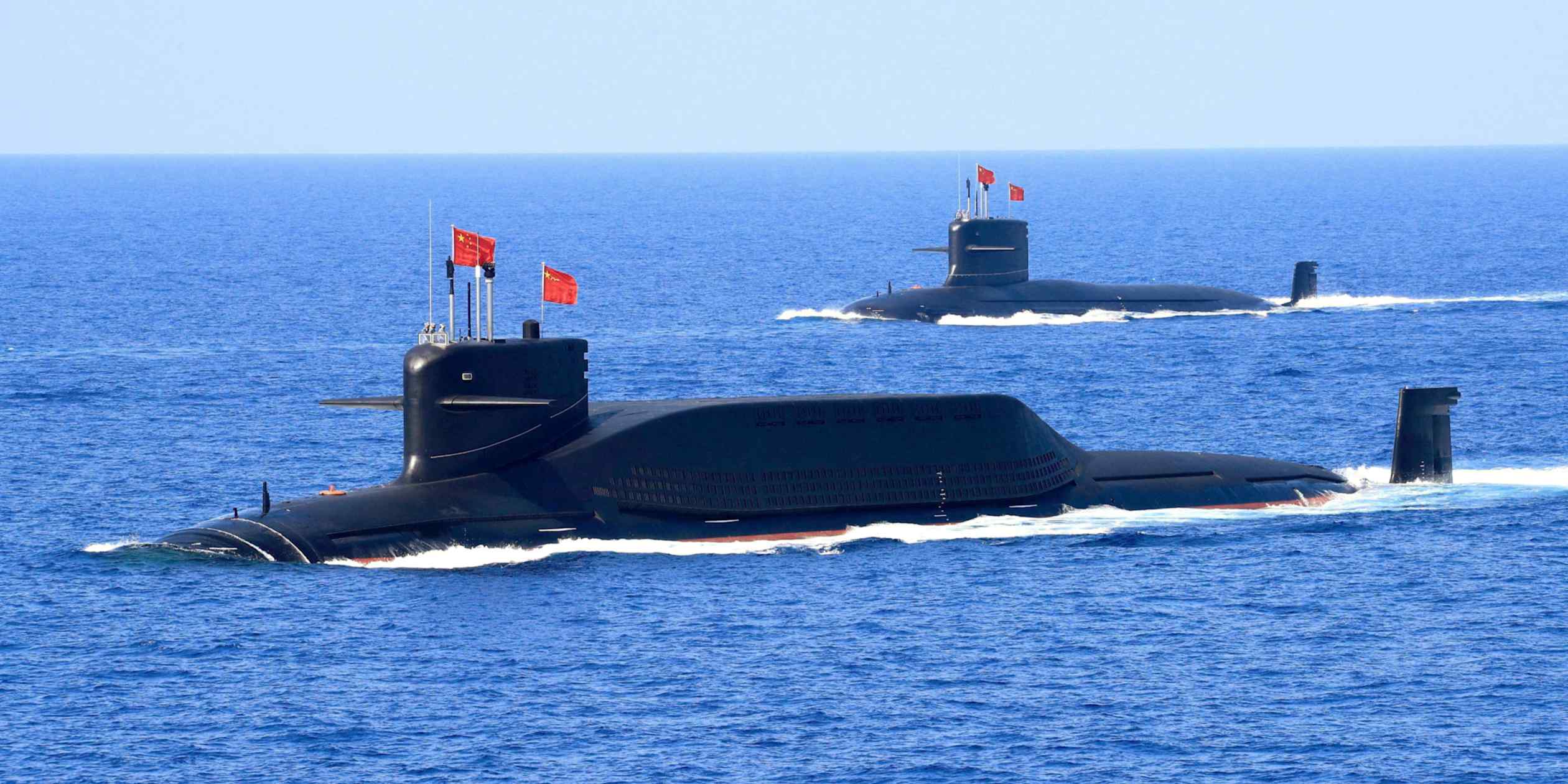
Japan Plans Development of Drone-Based Quantum Sensors for Submarine Detection
Japan's Defense Ministry has announced plans to develop advanced quantum magnetic sensors for drones aimed at detecting submarines. This initiative is part of the fiscal 2027 budget request, reflecting Japan's response to China's increasing naval activities in nearby waters. The development of these drone-based sensors is significant as it enhances Japan's defense capabilities amid growing concerns over regional security, particularly with China's expanding submarine fleet. The move underscores Japan's commitment to bolstering its military technology and ensuring maritime security. Looking ahead, the focus will be on the successful implementation and potential mass production of these quantum sensors. No further timeline was disclosed at the time of publication.
Iwa Robotics Launches Autonomous Drone Fleet for Wildfire Management Solutions
Iwa Robotics has unveiled three autonomous drone platforms aimed at assisting fire departments in detecting, assessing, and suppressing wildfires in both urban and wildland-interface areas. The drones, named Hawk, Canary, and Pelican, are part of Iwa's Discovery and Resolution Fleet, designed to operate collaboratively for enhanced firefighting capabilities. The introduction of these drones is significant as it enhances crew safety and operational efficiency in wildfire management. The Hawk drone specializes in long-endurance reconnaissance, while the Canary drone focuses on sensing and fire diagnostics. The Pelican drone is equipped for aerial suppression, addressing hot spots and establishing fire lines, thereby providing critical support to firefighting teams. Iwa Robotics plans to offer these drones through a fleet-as-a-service model, which includes aircraft, autonomy training, data services, maintenance, and insurance. This approach allows fire agencies to integrate advanced aerial detection and suppression capabilities without the need for upfront equipment purchases. No further timeline was disclosed at the time of publication.
AI AI Funding & Investment AI Use Cases Robotics autonomous drones Iwa Robotics
Countering Evolving Drone Threats with Layered Tactical Radar Systems
The threat posed by Shahed-136 one-way attack drones highlights the urgent need for advanced counter-drone strategies. As the unmanned aircraft system (UAS) environment evolves, operational users are adapting to new challenges by employing scalable, layered sensing teams capable of detecting and tracking small, fast, and swarming aerial threats. This approach is crucial for effective air defense in complex scenarios, whether on land or at sea. Ray Bischoff, senior director of business development at Leonardo DRS, emphasizes the importance of integrating various sensor systems, particularly tactical radars, into a networked architecture. This layered defense strategy allows for enhanced coverage and response times, which are critical in high-stakes situations like those in the Strait of Hormuz. By utilizing a combination of technologies, including electro-optic and infrared sensors, the defense systems can maintain functionality even if some sensors are compromised. Looking ahead, the focus will remain on refining these layered systems to address emerging drone threats. The integration of diverse sensor technologies will be key to improving decision-making and operational effectiveness. No further timeline was disclosed at the time of publication.
Sponsored Content Counter-Unmanned Aerial Vehicles (C-UAS) Land
NATO's Phoenix Drone Enhances Allied Warships' Threat Detection Capabilities
NATO has introduced the Phoenix drone, its only self-owned drone, to assist allied warships in detecting threats beyond their radar capabilities. This advancement is significant as it enhances situational awareness for naval forces, allowing them to respond more effectively to potential threats in their operational environment. The introduction of the Phoenix drone is crucial for NATO's defense strategy, as it represents a step forward in integrating advanced technology into military operations. By providing enhanced surveillance capabilities, the drone helps allied forces maintain a strategic advantage in maritime security and defense. Looking ahead, the continued development and deployment of the Phoenix drone will be important for NATO's operational readiness. As military technology evolves, the effectiveness of such systems in real-world scenarios will be closely monitored to assess their impact on naval operations and overall defense strategies.
Military
Ericsson and AT&T Demonstrate Drone Detection Using 5G Cellular Data Technology
Ericsson and AT&T recently showcased their drone-tracking solution at AT&T Stadium in Arlington, Texas, utilizing 5G signals from existing cellular towers. This demonstration highlighted the Integrated Sensing and Communication (ISAC) technology, which can detect drones in low-altitude airspace, addressing gaps in traditional radar systems. The system employs artificial intelligence to identify potential threats and track drones effectively. The significance of this technology lies in its ability to enhance airspace awareness for law enforcement and infrastructure owners, especially following major events like the FIFA World Cup. By leveraging existing cellular infrastructure, the ISAC system offers a cost-effective solution for drone detection and tracking, which is crucial for public safety and defense applications. Looking ahead, Ericsson and AT&T envision various real-world applications for their technology, particularly in securing high-value properties and facilitating commercial drone deliveries. The integration of ISAC with 5G networks could promote the growth of the low-altitude economy, making it a vital tool for both public safety and commercial use. No further timeline was disclosed at the time of publication.
Cellular Networks Drone News Drone News Feeds drone security News safety and security
Axon Vision’s EDGE ClearSky system tested with Retia for drone detection
Axon Vision has announced the integration of its EDGE ClearSky AI-powered computer vision system with radar technology from Retia and the TSG command and control (C2) system in the Czech Republic.
News
Finding the Person Behind the Drone: Sky Spy Demonstrates Airborne Detection System with French Military
Sky Spy and Evolve Dynamics have formed a partnership to enhance the capabilities of unmanned aircraft systems (UAS) by integrating airborne signals intelligence (SIGINT) technology. This collaboration follows a successful demonstration conducted with the French Armed Forces, showcasing a drone-mounted system designed to detect and locate drone operators, control stations, jammers, and other radio frequency (RF) emitters in contested environments. The integration aims to improve military operations by providing advanced detection and situational awareness, enabling users to identify potential threats more effectively. This initiative reflects a growing emphasis on utilizing drone technology for military applications, particularly in complex and challenging operational settings.
Applications Defense defense Drone News Drone News Feeds Dual Use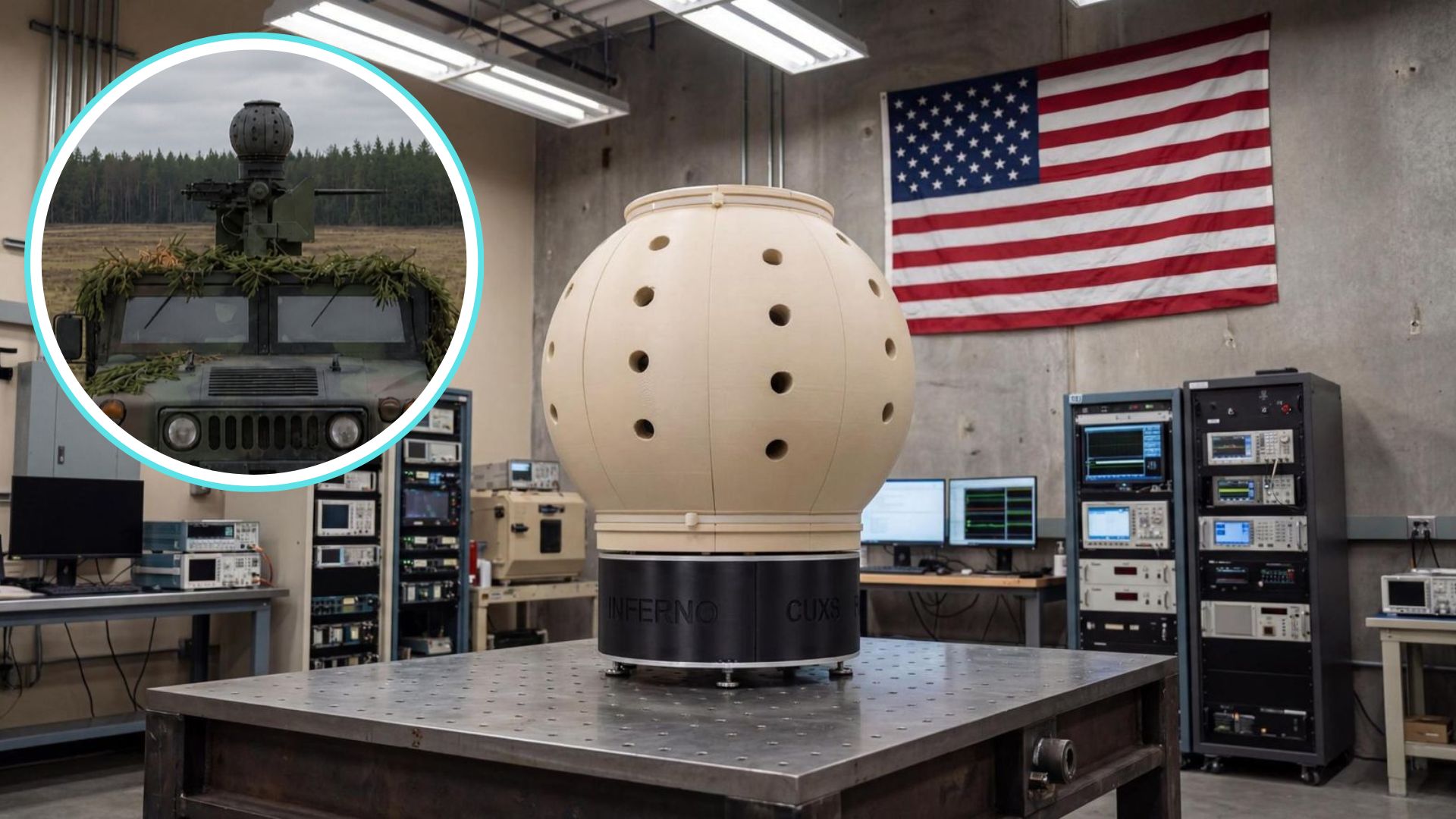
New US turret fires 54 barrels in 360 degrees at drone swarms using acoustic sensors
A US startup is at the forefront of innovation in drone warfare, focusing on the development of advanced swarm attack strategies and jam-resistant aircraft. This initiative comes as military tactics evolve to incorporate faster and more efficient unmanned aerial vehicles. The startup aims to enhance operational capabilities for defense forces by leveraging cutting-edge technology to counteract electronic warfare and improve the effectiveness of drone missions. With the increasing reliance on drone technology in modern conflicts, the company is positioning itself to meet the growing demand for sophisticated aerial combat solutions. The advancements are expected to play a crucial role in future military engagements, ensuring that armed forces can maintain a strategic advantage in the face of evolving threats.
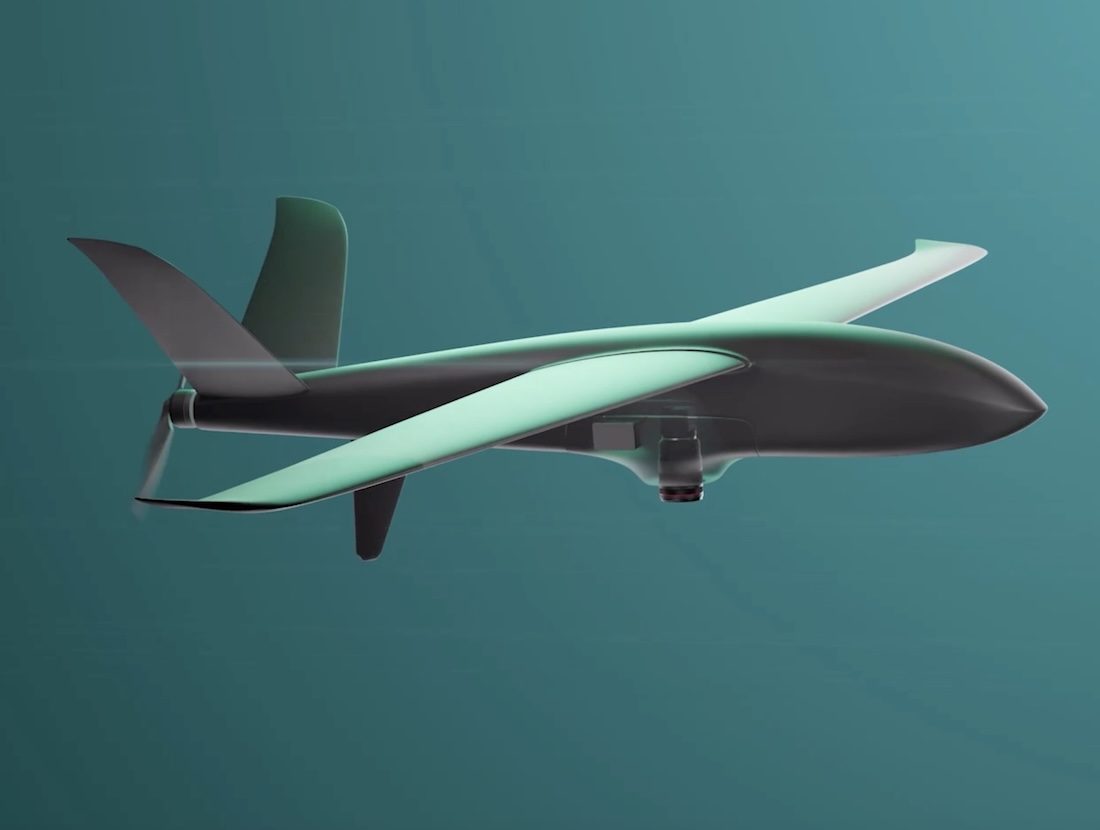
Danish Startup Launches 10K Drone Sensor for Wide-Area Search, Surveillance, and Mine Detection
A Danish start-up has introduced a groundbreaking sensor system designed to enhance marine rescue operations. This innovative technology enables drone-equipped teams to efficiently search vast areas of water for capsized boats and individuals in distress. By utilizing high-resolution imagery transmitted from the drones, rescue teams can pinpoint critical details in challenging conditions. The launch of this advanced 10K drone sensor aims to improve search and surveillance capabilities, as well as facilitate mine detection, thereby addressing urgent needs in maritime safety. The initiative reflects the start-up's commitment to leveraging cutting-edge technology to support emergency responders in their vital work.
Applications DL Exclusive Drone News Drone News Feeds drone technology Europe Drone IndustryRobotics needs a service framework.
RSF defines a common language for robot service capability, lifecycle operations, certification pathways, and service-provider networks.
Join the RobotToday community on LinkedIn
Daily robotics news, in-depth analysis, conference highlights, and discussions with professionals worldwide.