A single destination for timely, editor-curated robotics news from around the world.
Cartesian, a technology company, has developed an innovative system for locating objects, leveraging technology originally invented at the Massachusetts Institute of Technology (MIT). This cutting-edge system has the potential to revolutionize various industries, including manufacturing, logistics, and robotics. By enhancing the accuracy and efficiency of object tracking, Cartesian aims to streamline operations and improve productivity across these sectors. The technology, which was first conceptualized at MIT, is now being adapted for practical applications in real-world settings. As industries increasingly rely on automation and precise tracking systems, Cartesian's advancements could play a crucial role in shaping the future of operational efficiency.
MITNews By Zach Winn | MIT News 12 hours ago Research Startups Innovation and Entrepreneurship (I&E) Electrical engineering and computer science (EECS) Machine learning Wireless
Researchers at Nanyang Technological University in Singapore have created a miniature robot, comparable in size to a seed, capable of maneuvering across soft and uneven surfaces. This innovative device can perform five distinct surgical functions wirelessly, marking a significant advancement in the field of medical robotics. The development aims to enhance the precision of surgeries and medical treatments, potentially transforming how such procedures are conducted in the future. By enabling more accurate and adaptable interventions, this technology could improve patient outcomes and expand the possibilities for minimally invasive surgeries.
TechXplore:Robotics May 26, 2026 Robotics
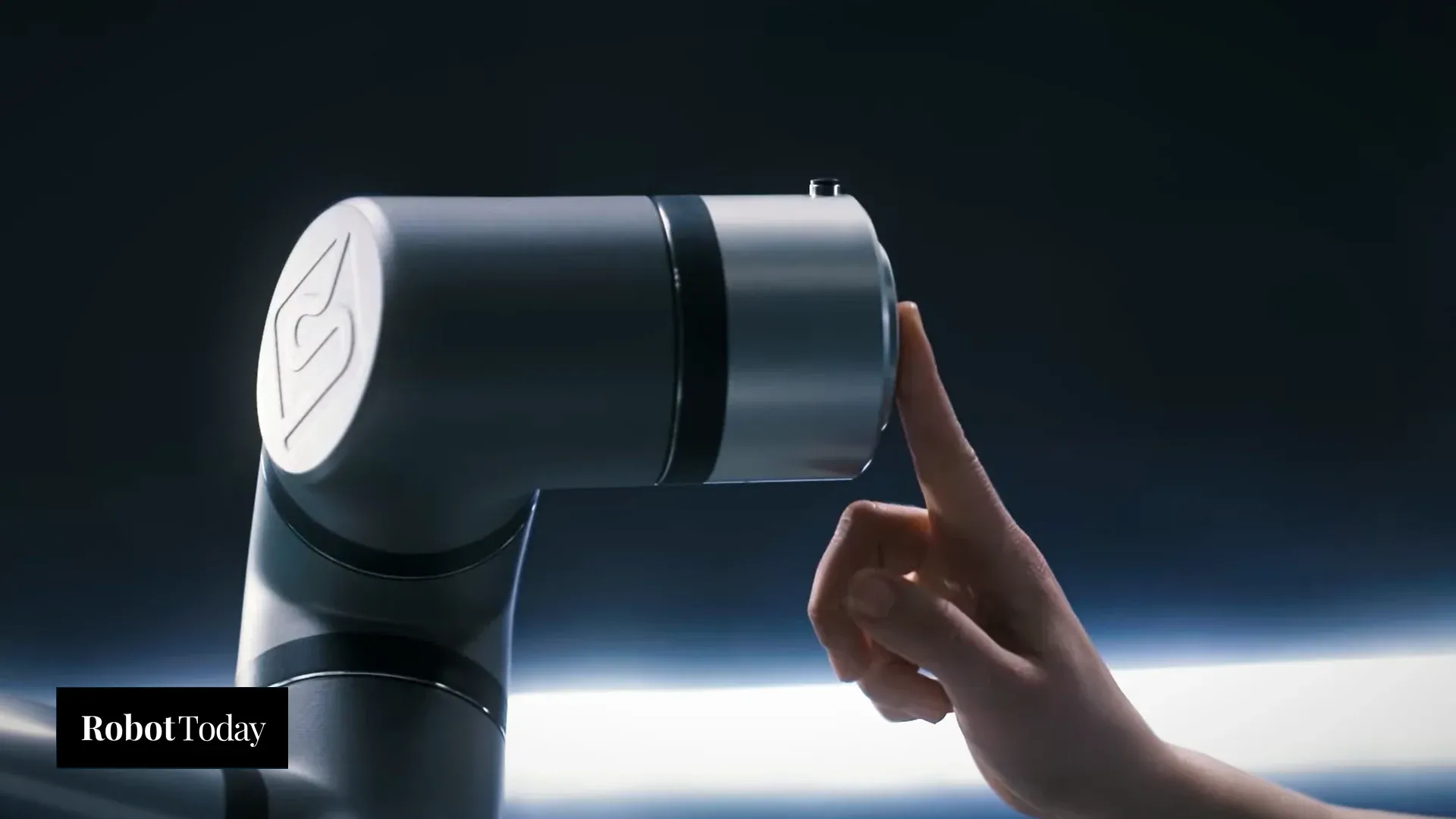
In the rapidly evolving field of robotics, the JAKA Pro16 cobot stands out for its advanced kinematic design, which emulates the human arm's functionality. This industrial robot, equipped with six degrees of freedom (DoF), offers unparalleled agility and precision, allowing it to navigate complex environments and perform intricate tasks. With a reach of 1713mm and a payload capacity of 16kg, the JAKA Pro16 is particularly suited for heavy-duty applications, such as palletizing and CNC part handling. The robot's kinematic structure is divided into two functional groups: positioning axes that mimic the shoulder and elbow for spatial movement, and orientation axes that enable precise tool manipulation. This design helps the cobot overcome potential movement restrictions, known as singularities, ensuring continuous production flow in crowded factory settings. JAKA has optimized the Pro16 for high-precision environments, incorporating IP68-rated joints to protect internal components from dust, water, and oil. The robot maintains sub-millimeter repeatability and operates effectively in extreme temperatures, making it reliable for various industrial applications. Controlled wirelessly through the JAKA App, the Pro16 simplifies complex kinematic operations, enhancing productivity and efficiency in manufacturing processes. By integrating this cutting-edge technology, businesses can significantly improve their operational capabilities and maintain a competitive edge in the market.
jaka.com By JAKA May 21, 2026
In the high-end electronics and automotive manufacturing sectors, the introduction of collaborative robots, or cobots, is revolutionizing the surface finishing process. Traditionally reliant on manual labor, which often resulted in inconsistencies and human error, these industries are now leveraging advanced technology to enhance quality and efficiency. The challenge of polishing complex geometries—such as intricate smartphone frames and engine components—has been addressed through the implementation of force-controlled cobots. Unlike conventional robots, these cobots can adjust their pressure in real-time, ensuring uniform contact with varying surface shapes. This capability is crucial for maintaining the integrity of delicate materials and achieving high-quality finishes. The benefits of adopting cobot polishing are significant. They provide consistent pressure across multiple parts, reducing batch variance and ensuring compliance with strict OEM standards. Additionally, the precision of these robots minimizes scrap rates, translating to substantial cost savings in industries where material expenses are critical. Furthermore, by automating the polishing process, human workers can avoid exposure to hazardous dust, allowing them to focus on higher-level tasks. JAKA has developed the S series of collaborative robots, specifically designed for force-sensitive applications. The JAKA S5 model, with its advanced force sensors and agile design, is particularly suited for the electronics and automotive industries. It offers features such as constant force tracking and wireless management through the JAKA App, enhancing the precision and adaptability of the polishing process. By integrating these intelligent robots into their operations, manufacturers are moving towards achieving near-zero defect rates, setting a new standard for quality in surface finishing.
jaka.com By JAKA May 20, 2026
In the evolving landscape of electronics and medical device manufacturing, the introduction of collaborative robots, or cobots, is transforming small parts assembly. Traditionally reliant on manual labor or rigid machinery, this sector now benefits from the advanced capabilities of cobots, which combine the precision of a six-axis robot arm with sophisticated safety sensors. This innovation allows manufacturers to automate intricate tasks while maintaining human oversight. The assembly of small components, such as connectors and micro-screws, requires sub-millimeter accuracy, which traditional robots often lack. Cobots, however, utilize force-torque feedback to ensure components are correctly positioned, preventing damage to sensitive electronics. Their compact design enables them to operate alongside human workers on crowded workbenches without the need for bulky safety barriers, facilitating a hybrid workflow where robots handle repetitive tasks while humans focus on quality control. Manufacturers frequently changing product designs find cobots particularly advantageous due to their ease of programming. The JAKA Zu5, a leading model in this field, offers a payload capacity of 5 kg and a working radius of 954 mm, making it ideal for standard assembly tasks. With a remarkable repeatability of ±0.02 mm, the Zu5 ensures precision in placing even the smallest components. Additionally, its lightweight design allows for easy relocation across different production stations. JAKA emphasizes user-friendly automation, replacing complex coding with a wireless app that enables control of the robot from any mobile device. By integrating the JAKA Zu5 into assembly lines, manufacturers can achieve a balance of machine accuracy and human flexibility, enhancing productivity in high-mix production environments.
jaka.com By JAKA May 20, 2026
Manufacturers are increasingly weighing the benefits of collaborative robots (cobots) against traditional industrial 6-axis robot arms as they seek to automate production processes. This evaluation often hinges on which option offers a quicker return on investment. While traditional robots have dominated heavy manufacturing due to their high-speed capabilities, cobots present a more flexible and safer alternative, designed for close human-robot collaboration. The key distinction lies in safety measures. Traditional robots require extensive safety infrastructure, including cages and barriers, to protect workers from high-speed operations. In contrast, cobots, such as the JAKA Zu series, feature integrated sensors that allow them to stop immediately upon detecting an obstruction, enabling a workspace free of physical barriers. Speed is another critical factor. Traditional robots excel in mass production due to their ability to operate continuously at high speeds, while cobots prioritize safety, often running at slower speeds when humans are present. However, cobots can enhance efficiency and reduce downtime, making them suitable for high-mix applications where rapid setup is essential. Additionally, the physical footprint of robotic systems plays a significant role in decision-making. Traditional robots require substantial space due to safety cages, complicating integration into existing production lines. Conversely, cobots have a minimal footprint, allowing them to be mounted on workbenches or mobile carts, making automation feasible in tighter spaces. The JAKA Zu5 exemplifies this balance of performance and safety, offering industrial-grade capabilities in a compact design. With features like wireless programming and high precision, the JAKA Zu series aims to eliminate barriers to automation, providing manufacturers with adaptable solutions that enhance both efficiency and worker safety.
jaka.com By JAKA May 19, 2026
In a strategic shift towards enhanced manufacturing efficiency, companies are increasingly weighing the benefits of specialized hardware against flexible automation. Traditionally, high-speed assembly lines have relied on dedicated pick and place machines, which excel in repetitive tasks but lack adaptability. However, as product lifecycles shorten and customization becomes essential, the 6-axis robotic arm has emerged as a viable alternative, offering the flexibility needed for modern high-mix production environments. Dedicated machines, such as SCARA or Delta robots, are optimized for high-speed linear movements in fixed production runs. Their rigidity poses a challenge when product designs change, often necessitating costly retooling. In contrast, 6-axis robotic arms provide a spherical work envelope and six degrees of freedom, enabling them to perform complex tasks like inspection and screwdriving without relocating parts. This adaptability ensures that as businesses evolve, their hardware remains relevant with simple software updates. Additionally, the physical footprint of automation plays a crucial role in decision-making. Traditional machines require extensive safety guarding and rigid frames, consuming valuable space. In contrast, collaborative 6-axis systems can be integrated into existing workstations without barriers, fostering a hybrid workflow where robots handle repetitive tasks and humans focus on quality control. JAKA, a leader in this field, offers the JAKA Zu series, which combines the precision of dedicated machines with the flexibility of collaborative platforms. The JAKA Zu30, capable of managing heavy-duty material transfers, exemplifies this innovation. With a user-friendly wireless ecosystem and built-in safety features, JAKA aims to provide manufacturers with the agility and scalability needed to meet evolving market demands.
jaka.com By JAKA May 18, 2026
In the realm of smart manufacturing, the 6-axis robot arm has emerged as a crucial tool for achieving high-speed production and exceptional accuracy. However, maintaining its peak performance requires a systematic management approach. Neglecting routine maintenance can lead to unexpected downtime and safety hazards in collaborative workspaces. To address this, manufacturers are encouraged to adopt a tiered maintenance strategy that ensures the robot's repeatability and structural integrity. A successful maintenance program begins with daily visual inspections, where operators check for wear on the robot’s harness and ensure cleanliness to prevent contamination of internal components. In addition to daily checks, a quarterly or semi-annual schedule should focus on mechanical stability and accuracy, utilizing tools like laser trackers to detect any drift caused by thermal expansion or wear. The longevity of these robotic arms also hinges on the health of internal components and software. Regular checks for lubrication and maintaining a clean, temperature-controlled environment for the control cabinet are essential. Furthermore, keeping the robot's firmware updated and backing up program data ensures rapid recovery in case of hardware failures. JAKA Robotics has developed the JAKA Zu series, designed to minimize maintenance needs while maximizing operational life. The JAKA Zu20 model, capable of handling a 20 kg payload, is particularly suited for heavy-duty applications. The company also offers a digital ecosystem through the JAKA App, enabling users to monitor robot performance wirelessly. With built-in diagnostics and professional training resources, JAKA aims to provide a reliable investment in robotic technology that delivers precision and value over time.
jaka.com By JAKA May 15, 2026
In the realm of industrial automation, the 6-axis robot arm has emerged as a pivotal innovation, offering unparalleled flexibility in manufacturing processes. These advanced machines, designed to mimic human arm movements, have transformed factory operations by enabling complex tasks with ease. The versatility of these robots stems from their unique kinematic structure, which features a series of rotating joints that allow them to access virtually any point in their workspace from various angles. The term "6-axis" signifies the six independent joints that provide the robot with multiple degrees of freedom. The major axes facilitate overall reach, while the minor axes function as a mechanical wrist, granting the robot the ability to pitch, roll, and yaw. This capability allows for diverse applications, from precision medical assembly to heavy-duty palletizing, setting them apart from traditional 4-axis robots. The adaptability of 6-axis robots is particularly beneficial in high-mix production environments, where they can seamlessly switch between tasks throughout the day, such as CNC machine tending and complex surface finishing. This flexibility minimizes the need for specialized machinery, optimizing floor space and reducing capital costs. JAKA has capitalized on this versatility with its Zu series of collaborative robots, which are lightweight and easily redeployable across production lines. The JAKA Zu18 model, capable of handling an 18kg payload with a reach of 1073mm, exemplifies strength combined with agility. Enhanced by user-friendly wireless control through the JAKA App, these robots are positioned to meet the evolving demands of both small workshops and large assembly plants, ensuring efficiency and adaptability in modern manufacturing.
jaka.com By JAKA May 15, 2026
In the realm of industrial automation, JAKA has introduced its Zu series of robotic arms, which balance load capacity and duty cycle to enhance production line efficiency. The JAKA Zu12, for instance, boasts a 12 kg load capacity and a 1327 mm working radius while weighing only 41 kg, making it a versatile choice for heavy-duty applications such as packaging and palletizing. Understanding the importance of load capacity, JAKA emphasizes that the total weight a robot can handle includes not only the workpiece but also the End-of-Arm Tooling (EOAT). The company warns that exceeding a robot's load limit, especially with a significant load offset, can lead to decreased precision and reduced motor lifespan. Additionally, the duty cycle, which measures the robot's operational time versus idle periods, is crucial for maintaining performance. Operating beyond the recommended duty cycle can cause overheating and potential shutdowns, making it vital for manufacturers to select robots with efficient motors and effective heat dissipation. JAKA's robots are designed with integrated joints that provide real-time torque feedback, ensuring they operate safely within their limits. The JAKA App allows users to monitor performance data wirelessly, ensuring long-term reliability and precision. This innovation aims to meet the demands of modern smart factories, optimizing both productivity and return on investment.
jaka.com By JAKA May 14, 2026
In the evolving field of automation, selecting the right type of robotic arm is crucial for optimizing production strategies. Different robotic configurations, including 6-axis, SCARA, and Delta robots, offer unique mechanical strengths and capabilities tailored to specific manufacturing tasks. The 6-axis articulated robot, commonly found in factories, mimics human arm movements and excels in complex processes like welding and assembly due to its six degrees of freedom and flexible work envelope. In contrast, SCARA robots, known for their rigidity in the vertical axis and compliance in horizontal movements, are ideal for high-speed tasks such as pick-and-place and electronics assembly, achieving remarkable precision and faster cycle times. Delta robots, characterized by their lightweight, spider-like design, are engineered for high-speed sorting and packaging in industries like food and pharmaceuticals, making them suitable for handling lightweight items quickly. JAKA Robotics has focused on enhancing 6-axis collaborative industrial robots, offering models like the JAKA Zu and Pro series that combine power and agility for various applications, from precision assembly to heavy-duty palletizing. JAKA emphasizes "Embodied Intelligence," ensuring their robots provide precise repeatability and user-friendly operation through wireless control and intuitive programming, catering to the needs of modern smart factories.
jaka.com By JAKA May 13, 2026
In 2026, the landscape of industrial automation and robotics is undergoing a transformative shift, moving from rigid machines to intelligent, adaptive systems. This evolution is driven by global manufacturing challenges, including labor shortages and the demand for hyper-personalization. Key advancements in connectivity and artificial intelligence are reshaping productivity and safety on factory floors. A major trend is the emergence of "self-evolving" robots that utilize generative AI to autonomously learn new tasks, minimizing the need for manual programming. Additionally, agentic AI empowers these machines to make informed decisions in complex environments, enhancing their ability to predict equipment failures and optimize operations in real-time. The convergence of Information Technology (IT) and Operational Technology (OT) is facilitating seamless data exchange between digital systems and physical robots. This integration allows for the creation of digital twins, enabling manufacturers to simulate production changes before implementation. Cloud connectivity has become standard, with nearly half of new deployments leveraging IoT technology for predictive maintenance. This capability allows robots to monitor their health and schedule repairs proactively, reducing unplanned downtime and long-term costs. Furthermore, advanced 2D and 3D vision systems are enhancing robots' capabilities, enabling them to perform high-speed quality inspections and adjust their behavior for safety around human workers. The shift towards modular and scalable automation is also notable, as manufacturers adopt flexible robot cells that simplify integration and facilitate quick changeovers. Leading this innovation is JAKA Robotics, whose JAKA A12 model exemplifies the future of flexible automation. With a 12 kg payload and a 1425 mm working radius, the JAKA A12 combines high performance with user-friendly deployment through a wireless software ecosystem, positioning itself as a key player in the evolving industrial landscape.
jaka.com By JAKA May 12, 2026
The consumer electronics industry is increasingly adopting specialized assembly robots to address the challenges posed by rapid product life cycles and the need for precision in manufacturing. As smartphones, wearables, and home gadgets evolve, traditional manual assembly methods struggle to keep up with the demand for high-quality production. This shift is driven by the need for accuracy in handling densely packed components, which require sub-millimeter precision and are sensitive to electrostatic discharge. To adapt to frequent design changes and seasonal updates, manufacturers are turning to flexible automation solutions. These advanced robots can be quickly reprogrammed and equipped with modular end-effectors, enabling them to perform various tasks across different product lines. The integration of 2D and 3D vision systems enhances quality control, allowing robots to make real-time adjustments to ensure precise assembly. JAKA, a leader in robotics technology, has developed the JAKA A12L, designed specifically for the electronics sector. This robot offers a long reach and high payload capacity, making it suitable for large-format assembly. With an impressive repeatability of ±0.03mm, JAKA's solutions meet the stringent requirements of consumer electronics manufacturing. The company emphasizes ease of integration and safety, providing an open software ecosystem for seamless communication with vision sensors and factory systems, along with user-friendly wireless control through the JAKA App. This innovation positions manufacturers to turn production challenges into competitive advantages.
jaka.com By JAKA May 12, 2026
In response to the evolving demands of modern manufacturing, JAKA has introduced advanced assembly robots designed specifically for high-mix, low-volume production environments. This shift, which contrasts sharply with traditional mass production, requires automation systems capable of quickly adapting to various products and tasks. JAKA's S12 robot, featuring a 12kg payload and a 1327mm working radius, exemplifies this adaptability, allowing manufacturers to respond efficiently to changing market needs without incurring excessive operational costs. The S12 robot is engineered for ease of programming, utilizing intuitive graphical interfaces that enable technicians to reprogram it quickly, reducing downtime significantly. Its design incorporates interchangeable end-effectors, allowing it to handle diverse product types, from flat panels to engine components, with precision. Additionally, the robot's advanced safety features, including force-torque sensors, facilitate a collaborative workspace where humans and machines can operate safely in proximity. With a repeatability of ±0.03 mm, the S12 ensures high-quality assembly across various tasks, maintaining accuracy even after multiple re-deployments. Its integration with 2D and 3D vision systems allows it to manage unsorted parts effectively, a crucial capability for high-mix production lines. JAKA's commitment to flexibility is further demonstrated through its wireless software ecosystem, enabling remote management via the JAKA App. By investing in JAKA's technology, manufacturers can enhance their production agility and maintain competitiveness in a rapidly changing market.
jaka.com By JAKA May 11, 2026
In the evolving landscape of modern manufacturing, industrial robot arms have emerged as essential components, revolutionizing production processes across various sectors, including automotive and pharmaceuticals. These advanced mechanical systems, designed to replicate human dexterity, offer unmatched precision, endurance, and payload capacity, enabling manufacturers to achieve unprecedented efficiency. Equipped with versatile "End-of-Arm Tooling" (EOAT), these robots perform a range of tasks, from picking and placing delicate electronic components to executing precise welding and material removal. Their ability to maintain consistent quality and reduce waste makes them invaluable in heavy industry. Furthermore, advancements in automation have led to the integration of 2D and 3D vision systems, allowing robots to adapt to their environment, detect defects, and handle unsorted parts, transforming them from simple tools into intelligent collaborators. Leading the charge in this industrial revolution is JAKA, a company that has developed the JAKA Zu and Pro series of robot arms. These models exemplify flexibility and ease of deployment, designed for seamless transitions between tasks such as screw driving and inspection. With user-friendly wireless control and graphical programming via the JAKA App, manufacturers can optimize their production lines without requiring extensive coding knowledge. JAKA's innovative solutions provide a compact and efficient alternative to traditional automation, empowering businesses to enhance their operational capabilities and reach their full potential.
jaka.com By JAKA May 11, 2026
The landscape of modern manufacturing has transformed into a complex ecosystem, where various robotic technologies are tailored to meet specific operational demands. This evolution emphasizes the balance between high-speed automation and flexible human-machine collaboration, particularly in the field of robotics. While traditional automotive production lines continue to utilize large, powerful machines, a new wave of "Smart, Simple, Small" technologies is reshaping the role of industrial robots. Among the primary types of robots currently driving innovation are articulated robots, known for their versatility in tasks such as welding and assembly; SCARA robots, which excel in high-speed pick-and-place operations; and collaborative robots (cobots), the fastest-growing segment that operates safely alongside humans thanks to advanced sensors. JAKA Robotics, established in 2014, has emerged as a leader in this collaborative revolution, focusing on creating "embodied intelligence" that enhances machine interaction with their environments. The company offers a diverse range of robotic solutions tailored to various industries, including the JAKA Zu series for general manufacturing, the precision-focused JAKA A series, and the rugged JAKA Pro series designed for harsh conditions. JAKA distinguishes itself through its commitment to user-friendly technology, introducing wireless mobile apps for robot control to streamline operations. By integrating AI and providing educational platforms, JAKA aims to facilitate rapid returns on investment and simplify the automation process, positioning itself at the forefront of the Industry 5.0 movement.
jaka.com By JAKA May 08, 2026
The global manufacturing sector is witnessing a significant transformation as it shifts from traditional high-speed automation to flexible collaborative systems. This change, driven by the emergence of "Industry 5.0," prioritizes human-machine synergy, allowing robots to operate safely alongside human workers. By 2026, the industrial robotics market has diversified, with companies adapting to the specific needs of production lines, moving beyond the dominance of the "Big Four" in heavy-duty manufacturing. Innovators in the field are now focusing on creating robots that are "Smart, Simple, Small," featuring intuitive graphical interfaces and wireless connectivity. This shift has enabled smaller enterprises to adopt automation technologies previously reserved for larger factories, resulting in increased productivity across various sectors, including electronics, food and beverage, and logistics. JAKA Robotics, a leader in this industrial revolution since 2014, emphasizes the concept of "embodied intelligence" in its robots. Their JAKA Zu series supports payloads up to 20kg with high precision, while the JAKA A series caters to delicate assembly lines with even greater accuracy. JAKA distinguishes itself with user-friendly innovations, such as mobile terminal APP control, which simplifies the automation process. The company’s commitment to providing safe and reliable robotic solutions positions it at the forefront of the evolving landscape of industrial innovation, paving the way for a new era in manufacturing.
jaka.com By JAKA May 08, 2026
JAKA Robotics is revolutionizing the interaction between humans and industrial machinery by simplifying the control of robotic arms. Traditionally, operating these systems required extensive knowledge of complex coding and strict safety protocols. However, JAKA's innovative approach now enables operators with diverse technical skills to manage high-precision movements through user-friendly interfaces. The company has introduced several methods for controlling collaborative robots, including handheld teach pendants and tablet-based graphical user interfaces (GUIs) that allow users to create action sequences by dragging and dropping command blocks. One of the standout features is direct teaching, where operators can manually guide the robot arm to desired positions, which the system records in real-time, streamlining tasks like gluing and polishing. Additionally, advancements in IoT and wireless technology have made it possible for operators to control robotic arms remotely via smartphones or laptops, facilitating efficient management in smart factory settings. JAKA's Zu30 and AL series arms can be programmed using standard tablets, supporting a "Drag-and-Graphic Programming" feature that simplifies the control process. By prioritizing accessibility and flexibility, JAKA Robotics aims to eliminate the barriers of traditional automation, catering to everyone from small workshop owners to large manufacturers. The company also supports various programming languages and ROS integration for advanced users, combining safety features with intuitive control methods to foster a collaborative environment between humans and machines.
jaka.com By JAKA May 07, 2026
The transition to no-code automation is transforming the landscape of collaborative robot (cobot) implementation, making it more accessible for manufacturers. JAKA, a leader in this field, has introduced the JAKA Lumi platform, designed to facilitate the rapid deployment of cobots while emphasizing the importance of understanding coordinate systems and command structures to avoid programming errors. Common pitfalls in programming JAKA cobots include mismanaging the order of operations for non-immediate commands and improper handling of coordinate systems. For instance, failing to place digital output commands correctly during movement can lead to synchronization issues, while neglecting to verify the active coordinate system can cause the robot to drift off course. Additionally, incorrect input values for motion commands can trigger errors in the robot's motion planner. To enhance programming efficiency, JAKA advocates for a structured approach through its "Smart, Simple, Small" philosophy. Best practices include establishing a homing sequence to ensure safety before high-speed movements, utilizing subprograms for complex commands, and validating tasks through simulation to prevent collisions. The JAKA Lumi series also incorporates advanced safety features, such as "Floating Jogging" mode and "One-Key Align," to minimize manual teaching errors. With a user-friendly wireless teaching app, operators can visually manage automation logic, ensuring a seamless integration of education and industrial application. By adhering to these guidelines, manufacturers can optimize their production processes while ensuring safety and reliability in their cobot operations.
jaka.com By JAKA May 07, 2026
During a recent facility tour, CEO Brett Adcock provided insights into Figure's innovative technologies, including the "Never Fall" protocol and wireless inductive charging. The event, which took place in the second half of the tour, highlighted the company's commitment to advancing embodied artificial general intelligence (AGI). Adcock emphasized the significance of these developments in enhancing the safety and efficiency of robotic systems. By integrating cutting-edge charging solutions and safety protocols, Figure aims to pave the way for more reliable and autonomous robotic applications in various industries. This initiative reflects the company's broader vision of revolutionizing the interaction between humans and machines, positioning Figure at the forefront of the AGI landscape.
HumanoidsDaily By [email protected] (Humanoids Daily Staff) May 01, 2026 Brett Adcock US Figure Figure-03
In the evolving landscape of industrial automation, the choice of mechanical architecture is crucial for optimizing production lines. Key players in this field are exploring two primary configurations: SCARA (Selective Compliance Assembly Robot Arm) and articulated robots, alongside the emerging collaborative robots that offer enhanced flexibility and safe interaction with human workers. The SCARA robot, designed for high-speed, linear assembly tasks, excels in pick-and-place and packaging operations but lacks the flexibility to handle complex movements. Conversely, the 6-axis articulated robot mimics human joint movements, enabling it to perform intricate tasks such as inserting screws at angles and navigating tight spaces, making it essential for complex assembly processes. As factories increasingly shift towards high-mix production, the demand for collaborative robots has surged. These systems combine the agility of articulated robots with the safety of human interaction, allowing for complex movements without compromising worker safety. JAKA, a leader in automation solutions, emphasizes the importance of adaptability in modern assembly. Their JAKA A series robots offer the precision of traditional articulated systems while ensuring ease of use and safety. With a repeatability of ±0.02mm, these robots are suited for high-speed assembly and testing. For larger applications, the JAKA Zu series provides diverse payload options, catering to various assembly needs. JAKA's collaborative robots come equipped with an intuitive wireless teaching system, enabling teams to program complex paths quickly, thus enhancing efficiency and flexibility in smart manufacturing.
jaka.com By JAKA Apr 30, 2026
In the evolving landscape of smart manufacturing, the significance of collaborative robots is shifting from mere physical performance to the ability to be managed remotely. As production environments become increasingly decentralized, companies are prioritizing remote monitoring and diagnostics to oversee robot health, predict maintenance needs, and troubleshoot issues without on-site presence. To achieve effective remote management, a combination of advanced hardware sensors and cloud-based software is essential. Utilizing the Industrial Internet of Things (IIoT), data from robots—including motor temperature and power consumption—is streamed to centralized dashboards. Secure data transmission protocols like OPC UA and MQTT facilitate communication with Manufacturing Execution Systems, enabling the use of "Digital Twin" technology. This allows real-time mirroring of a robot's movements, triggering automated alerts for predictive maintenance to prevent costly downtimes. JAKA is at the forefront of this innovation, moving beyond traditional operations to create a connected ecosystem. Their "Smart, Simple, Small" philosophy ensures that managing JAKA systems is as user-friendly as mobile applications. With advanced wireless teaching and cloud management tools, users can monitor their fleet of robots globally from a single interface. JAKA's software suite enables remote diagnostics, providing real-time feedback on robot status, which is crucial for maintaining continuous production across various locations. The integration of AI-driven vision and sensing further enhances remote monitoring capabilities. By investing in JAKA, companies are securing a future-proof solution that ensures control and productivity, regardless of geographical constraints.
jaka.com By JAKA Apr 30, 2026
In response to the increasing volatility of global supply chains and labor shortages, companies are increasingly turning to collaborative robots for the essential "pick and place" cycle in logistics and manufacturing. This shift, driven by the need for enhanced operational efficiency, allows businesses to automate sorting and assembly tasks in shared workspaces without extensive safety measures, thereby maintaining consistent throughput. While manual labor offers flexibility, it is hampered by the "fatigue curve," leading to a 15-20% decline in picking rates over an eight-hour shift due to exhaustion. Human error can also create bottlenecks and waste. In contrast, collaborative robots deliver consistent performance with sub-millimeter accuracy, ensuring precise placement of items throughout their operational hours. JAKA, a leader in automation solutions, focuses on "Freeing Your Hands" by replacing repetitive manual tasks with intelligent automation. Their JAKA A series robots excel in high-speed sorting, combining industrial-grade durability with essential safety features for collaborative environments. For heavier payloads, the JAKA Zu series, including the Zu 20 model, can automate heavy-duty tasks while minimizing injury risks to human workers. Equipped with wireless teaching technology, these robots can quickly adapt to different product lines, ensuring high throughput in diverse production settings. Safety is paramount, as JAKA robots are designed to respond instantly to human presence, maintaining a secure workspace. By integrating JAKA collaborative robots, businesses can enhance accuracy and reliability, achieving their production goals around the clock.
jaka.com By JAKA Apr 30, 2026
DJI has introduced its latest product, the Mic Mini 2, a compact and stylish wireless microphone system aimed at content creators who prioritize both audio quality and aesthetics. This new device is particularly suited for TikTokers, YouTubers, and mobile filmmakers. However, despite the excitement surrounding its launch, consumers in the United States may find themselves sidelined once again, as DJI has opted for a global rollout without providing a specific timeline for availability in the US market. This pattern of international launches has become common for DJI, leaving American customers awaiting further announcements.
Dronedj.com By Ishveena Singh Apr 28, 2026 News
Modern manufacturing is at a pivotal crossroads as companies seek to balance the demands of high-speed production with the need for flexibility. Traditionally, manufacturers faced a choice between manual labor for intricate tasks and industrial robots for high-volume output. However, the introduction of collaborative robots, or cobots, has provided a versatile solution that combines safety and adaptability, addressing the limitations of both previous options. While traditional industrial robots excel in speed and power, they require substantial investments in safety measures, such as fencing and barriers. On the other hand, manual labor, though flexible, is becoming increasingly unsustainable due to rising costs and labor shortages. Cobots are designed to work alongside humans, equipped with advanced technology that allows them to detect resistance and halt operation, thus eliminating the need for extensive safety infrastructure. This capability enables manufacturers to seamlessly integrate automation into existing production lines without the need for facility expansion. JAKA, a leader in this field, has developed cobots that combine industrial-grade precision with user-friendly features. Their JAKA Zu series can handle payloads of up to 20 kg, while the JAKA Pro series is built to withstand challenging environments, including exposure to metal shavings and liquids. With intuitive programming and wireless teaching, JAKA's cobots empower existing staff to operate them with minimal training, fostering a collaborative environment where technology and human skills enhance production efficiency.
jaka.com By JAKA Apr 28, 2026
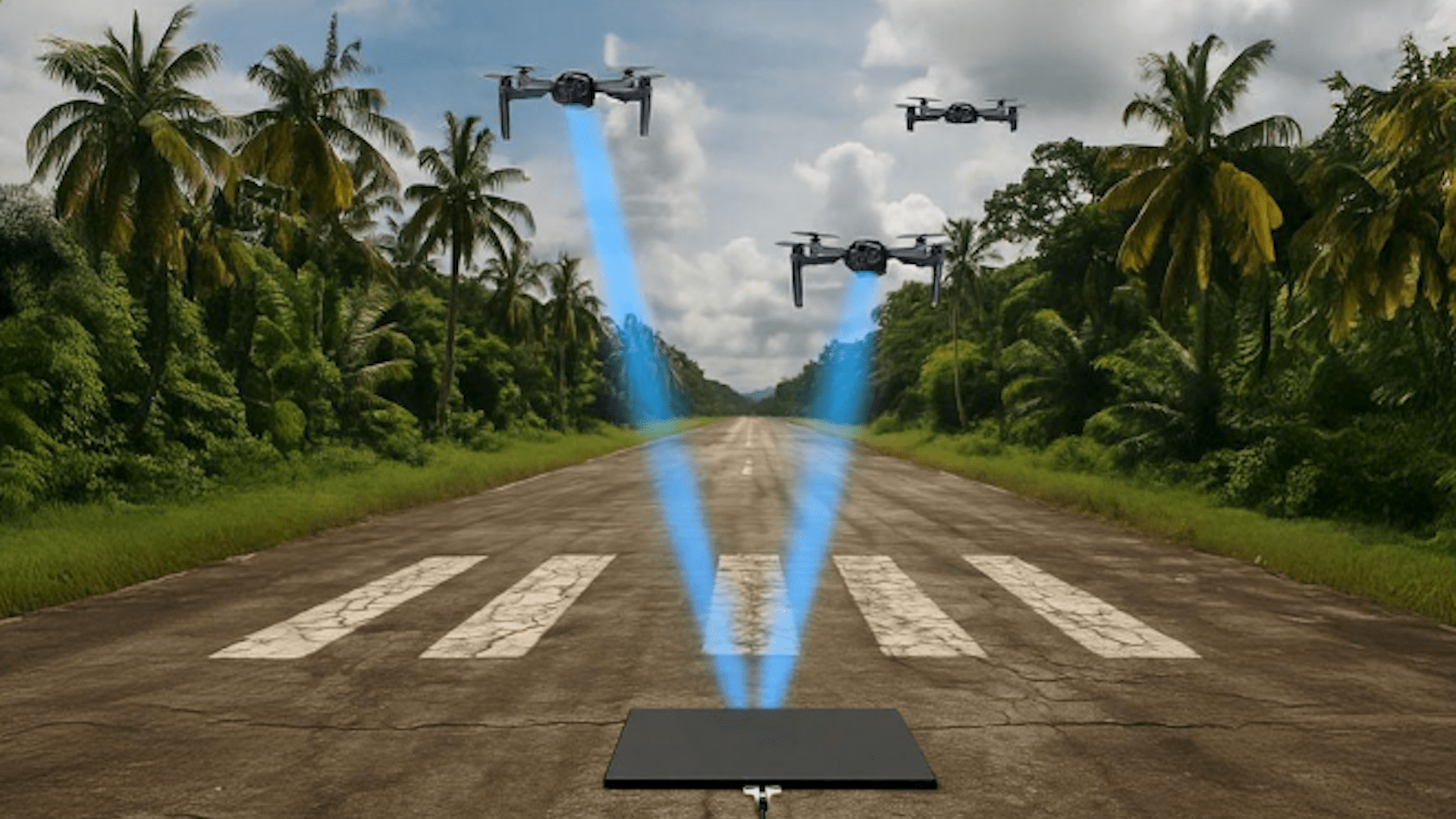
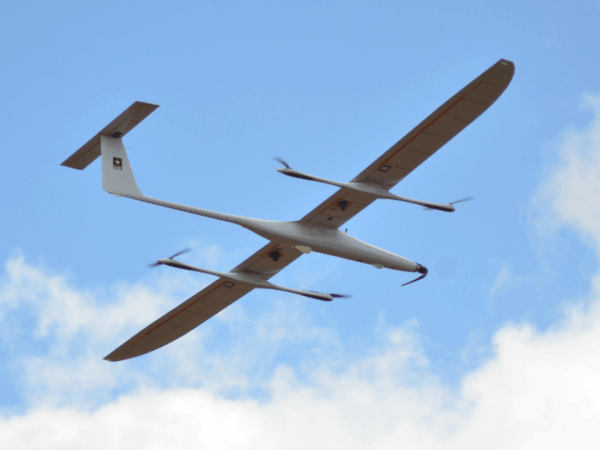
Kraus Hamdani Aerospace (KHA) and PowerLight Technologies successfully demonstrated their innovative wireless power beaming technology for the K1000ULE drone at Shaw Air Force Base. This event, hosted by the AFCENT Battle Lab, showcased the capability to sustain continuous intelligence, surveillance, and reconnaissance (ISR) operations without the need for ground recovery. The demonstration highlights the potential of laser-based power transmission to enhance operational efficiency for military applications, aligning with CENTCOM's focus on advancing operational energy innovation.
Dronelife.com By staff Apr 22, 2026 Defense Drone News Drone News Feeds Long Range News aerial surveillance
In May 2026, researchers published a significant study in the Journal of Field Robotics, focusing on advancements in robotic technology. The study highlights innovative developments in autonomous navigation systems, which have the potential to enhance the efficiency and safety of robotic operations in various environments. Conducted by a team of experts in robotics and artificial intelligence, the research aims to address the challenges faced by robots in dynamic and unpredictable settings. The findings were based on extensive field tests conducted in diverse locations, including urban areas and remote terrains, showcasing the robots' adaptability and reliability. The motivation behind this research stems from the increasing demand for autonomous systems in industries such as agriculture, logistics, and disaster response, where precision and real-time decision-making are crucial. By employing advanced algorithms and machine learning techniques, the researchers demonstrated how these robots can effectively navigate complex environments while avoiding obstacles and optimizing their routes. This breakthrough not only promises to improve operational capabilities but also aims to reduce human intervention, thereby enhancing safety and efficiency in various applications. The study's implications are far-reaching, potentially transforming the landscape of robotic applications and paving the way for more sophisticated autonomous systems in the future.
JournalofFieldRobotics By Md Masrul Khan, Sultan Shaharea, Manseeb M. Mannaf, Shihab Ahemed, Fahim Islam Anik, Md Jarir Hossain, Helal An Nahiyan, Sourav Karmaker Apr 08, 2026 RESEARCH ARTICLE
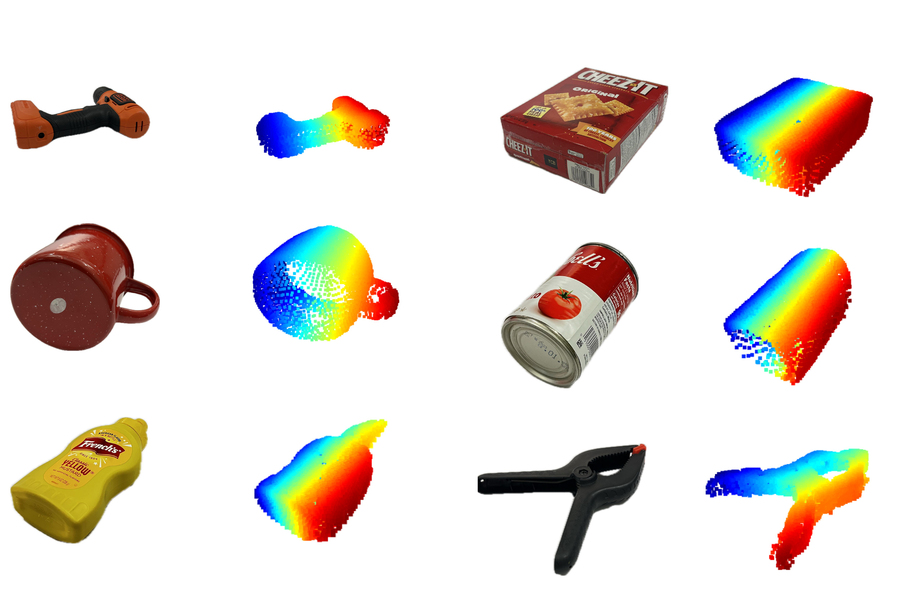
Researchers have developed an innovative technique that enables robots to more accurately detect hidden objects and interpret indoor environments by utilizing reflected Wi-Fi signals. This advancement, which leverages existing wireless technology, could significantly enhance the capabilities of robots in various applications, including search and rescue operations, home automation, and security surveillance. The technique was unveiled in October 2023, showcasing the potential for robots to navigate and understand complex indoor spaces without the need for additional sensors. By analyzing how Wi-Fi signals bounce off objects, the robots can create a detailed map of their surroundings, improving their situational awareness and object recognition skills. This breakthrough not only promises to make robots more efficient but also opens new avenues for integrating smart technology into everyday life.

Robohub.org By MIT News Apr 08, 2026
In recent years, manufacturing has experienced a significant transformation as companies shift from standalone automation to interconnected and flexible systems. JAKA, a leader in collaborative robot technology, has observed this evolution, where production environments are increasingly designed around coordinated robots, autonomous guided vehicles (AGVs), and Industrial Internet of Things (IIoT) platforms. This transition enables automation to adapt dynamically to real production conditions while ensuring safety and flexibility in workplaces that prioritize human interaction. Initially, collaborative robots were embraced for their ability to work safely alongside human operators, facilitating smoother automation processes. As their applications have matured, integrating these robots with AGVs and IIoT systems has become a logical progression. This integration allows for synchronized material handling and processing tasks, enhancing efficiency. IIoT connectivity further supports real-time data exchange, enabling predictive maintenance and improved process visibility, which is crucial for maintaining flexibility in production lines. AGVs play a pivotal role in extending automation beyond fixed workstations. When connected through IIoT infrastructure, these vehicles and robots can share crucial information, reducing idle time and manual interventions while enhancing workflow traceability. This coordination not only boosts operational efficiency but also increases transparency, allowing for continuous optimization and informed decision-making. To facilitate this integrated approach, JAKA has developed the Ai12, a collaborative robot designed for easy deployment through wireless teaching and graphical programming. This technology enhances safety and adaptability, allowing for seamless human-robot interaction. JAKA envisions a future where industrial robotic automation is not merely a collection of isolated machines but a cohesive system that evolves with production demands, fostering smarter and more responsive industrial environments.
jaka.com By JAKA Apr 03, 2026
Researchers at the Institute of Science Tokyo have developed a robust Wi-Fi receiver capable of functioning within the extreme conditions of a nuclear reactor, a breakthrough presented by graduate student Yasuto Narukiyo at the IEEE International Solid-State Circuits Conference in San Francisco this February. The receiver can withstand radiation doses of up to 500 kilograys, significantly exceeding the tolerance levels of typical electronics used in space. This innovation aims to enhance wireless communication for robots tasked with decommissioning nuclear reactors, a process that has become increasingly vital since the Fukushima Daiichi disaster in 2011. Currently, many robotic systems rely on cumbersome LAN cables, which can complicate operations in hazardous environments. With over 200 reactors expected to reach the end of their operational lives in the next two decades, the need for effective decommissioning solutions is pressing. To achieve radiation hardening, Narukiyo and his team modified the receiver's components, reduced the number of transistors, and adjusted their design to minimize vulnerability to radiation damage. They focused on optimizing the performance of PMOS and NMOS transistors, leading to a receiver that maintained comparable performance to standard Wi-Fi devices even after exposure to high radiation levels. Looking ahead, Narukiyo plans to enhance the receiver's capabilities and develop a transmitter for two-way communication, which presents additional challenges due to the high current requirements for Wi-Fi signal generation. The team is also investigating alternative semiconductor materials, such as diamond, to improve the transmitter's resilience.
Spectrum.ieee.orgAutomaton By Katherine Bourzac Apr 02, 2026 Wi-fi Nuclear-reactors Isscc Decommissioning Industrial-robots Radiation-hardening
WiBotic, a company specializing in wireless power technology, has developed a new system designed for underwater environments where flexibility and robustness are prioritized over maximum theoretical efficiency. This innovative technology addresses the unique challenges posed by underwater operations, allowing for more reliable power delivery in these demanding conditions. The development comes as part of WiBotic's ongoing efforts to enhance the capabilities of underwater systems, which are increasingly relied upon for various applications, including research, exploration, and maintenance tasks. The project reflects a growing recognition of the need for adaptable solutions in environments where traditional power methods may fall short.
roboticstomorrow-Robotics Apr 01, 2026
NVIDIA, alongside a coalition of major technology and telecommunications companies including Booz Allen, BT Group, Cisco, Deutsche Telekom, Ericsson, MITRE, Nokia, OCUDU Ecosystem Foundation, ODC, SK Telecom, SoftBank Corp., and T-Mobile, has announced a significant commitment to develop the next generation of wireless technology. This initiative, revealed today, aims to enhance connectivity and drive innovation in the telecommunications sector. The collaboration seeks to leverage the expertise and resources of each partner to create advanced wireless solutions that meet the growing demands of users and industries worldwide. By pooling their knowledge and capabilities, these companies intend to set new standards in wireless communication, ultimately improving network performance and accessibility for consumers and businesses alike.
NvidiaNews By NVIDIA Feb 28, 2026
NVIDIA and Nokia have unveiled advancements in AI-driven wireless networks, emphasizing a software-defined approach as essential for the future of AI-native connectivity. This announcement comes just ahead of the Mobile World Congress (MWC), scheduled for March 2-5 in Barcelona. The collaboration aims to transition AI-RAN technology from laboratory settings to real-world applications, showcasing its potential to enhance network efficiency and performance. The push for this innovative technology is driven by the increasing demand for more intelligent and adaptable wireless networks capable of supporting the growing number of connected devices and applications. By integrating AI capabilities into their wireless infrastructure, both companies seek to redefine the landscape of telecommunications and address the challenges posed by modern connectivity needs.

NvidiaNews By NVIDIA Feb 28, 2026
Artificial Intelligence (AI) is rapidly transforming the telecommunications industry, emerging as a crucial component in the development of autonomous networks and AI-native wireless infrastructure. This technological advancement is not only enhancing operational efficiencies but also creating new business and revenue opportunities for telecom companies. As the industry evolves, stakeholders are increasingly recognizing the potential of AI to streamline processes and improve service delivery. The ongoing integration of AI into telecommunications is expected to reshape the landscape, driving innovation and competitiveness in the sector.
NvidiaNews By NVIDIA Feb 19, 2026
In response to the growing demand for efficiency and cost reduction, companies are increasingly adopting autonomous robots capable of self-charging. This technological advancement significantly minimizes the need for manual intervention, leading to a marked decrease in maintenance downtime and overall operational expenses. As organizations strive to enhance productivity while managing costs, the integration of these self-sufficient robots is becoming a pivotal strategy in modern operations. The shift towards automation reflects a broader trend in various industries, aiming to streamline processes and improve profitability.
roboticstomorrow-Robotics Jan 06, 2026
Researchers have developed BISC, an ultra-thin neural implant designed to establish a high-bandwidth wireless connection between the brain and computers. This innovative device features a compact single-chip design that incorporates tens of thousands of electrodes, enabling it to support sophisticated AI models for decoding movement, perception, and intent. Initial clinical trials have demonstrated that BISC can be safely inserted through a small opening in the skull, where it remains stable while capturing intricate neural activity. This groundbreaking technology holds the potential to revolutionize treatments for conditions such as epilepsy, paralysis, and blindness, offering new hope for patients facing these challenges.
ScienceDaily.com Dec 09, 2025
Hai Robotics has successfully complied with the EU Radio Equipment Directive (RED) Articles 3.3(d), a significant milestone that enhances the cybersecurity of its automated warehouse systems. This certification underscores the company's dedication to adhering to regulatory standards while bolstering the reliability and integrity of its HaiPick Systems. As a result, the systems will ensure secure wireless communications and operational resilience within connected logistics environments, reflecting the growing importance of cybersecurity in the automation sector.
hairobotics.com By Hai Robotics Oct 24, 2025 Cybersecurity Warehouse Automation Logistics Industrial Equipment Regulatory Compliance
Researchers at Stanford Medicine have made significant strides in restoring reading ability for individuals suffering from advanced macular degeneration through a groundbreaking wireless eye implant. The innovative device, known as the PRIMA chip, operates in conjunction with smart glasses to replace damaged photoreceptors using infrared light. In clinical trials, the majority of participants experienced a remarkable improvement in their vision, enabling them to read books and recognize signs. Encouraged by these results, the research team is now focused on developing higher-resolution versions of the implant, with the goal of eventually providing users with near-normal sight.
ScienceDaily.com Oct 22, 2025
Xiaomi is set to unveil its new Pad 8 series on September 25, featuring the innovative HyperOS 3. This latest tablet series will offer compatibility with Apple’s macOS ecosystem, enabling users to utilize the device as a wireless secondary display for Mac computers. The integration allows for seamless file and image transfers between the tablet and Mac devices, enhancing productivity and user experience. Official teasers suggest that the Pad 8 Pro will showcase advanced functionalities, positioning Xiaomi's offering as a competitive option in the tablet market.
TechNode.com By TechNode Feed Sep 23, 2025 News FeedExcepteur sint occaecat cupidatat non proident