Industry Briefing
A single destination for timely, editor-curated robotics news from around the world.
Skild AI Introduces S1 Robot Foundation Model for Learning from Video Demonstrations
Skild AI has launched the S1, a groundbreaking robotics foundation model that allows robots to learn manipulation tasks from just one video demonstration. This innovative model eliminates the need for task-specific fine-tuning or post-training, streamlining the learning process for robotic systems. The significance of the S1 model lies in its use of in-context learning, which parallels the prompting techniques utilized in large language models. This capability enables operators to simply demonstrate a task via video, making it easier for robots to acquire new skills efficiently and effectively. Looking ahead, the implications of the S1 model could reshape how robots are trained and deployed across various industries. As Skild AI continues to develop this technology, industry professionals should monitor advancements and potential applications of the S1 model in real-world scenarios. No further timeline was disclosed at the time of publication.
Computing Design News Software artificial intelligence Autonomous robots
DigiKey and Shawn Hymel to Present Webinar on Reinforcement Learning with Balance Bots
DigiKey is set to host a free webinar featuring Shawn Hymel on August 13, 2026, focusing on training balance bots using reinforcement learning. This 90-minute virtual workshop aims to provide hands-on experience in robotics and artificial intelligence, catering to those interested in the burgeoning field of reinforcement learning. The significance of this event lies in its potential to enhance understanding and skills in reinforcement learning, a critical area in robotics and AI. By offering a practical approach, DigiKey and Hymel aim to empower participants to explore innovative applications of balance bots, which are increasingly relevant in various technological domains. Looking ahead, participants can expect to gain valuable insights and practical skills that could lead to further exploration in robotics and AI. No further timeline was disclosed at the time of publication.
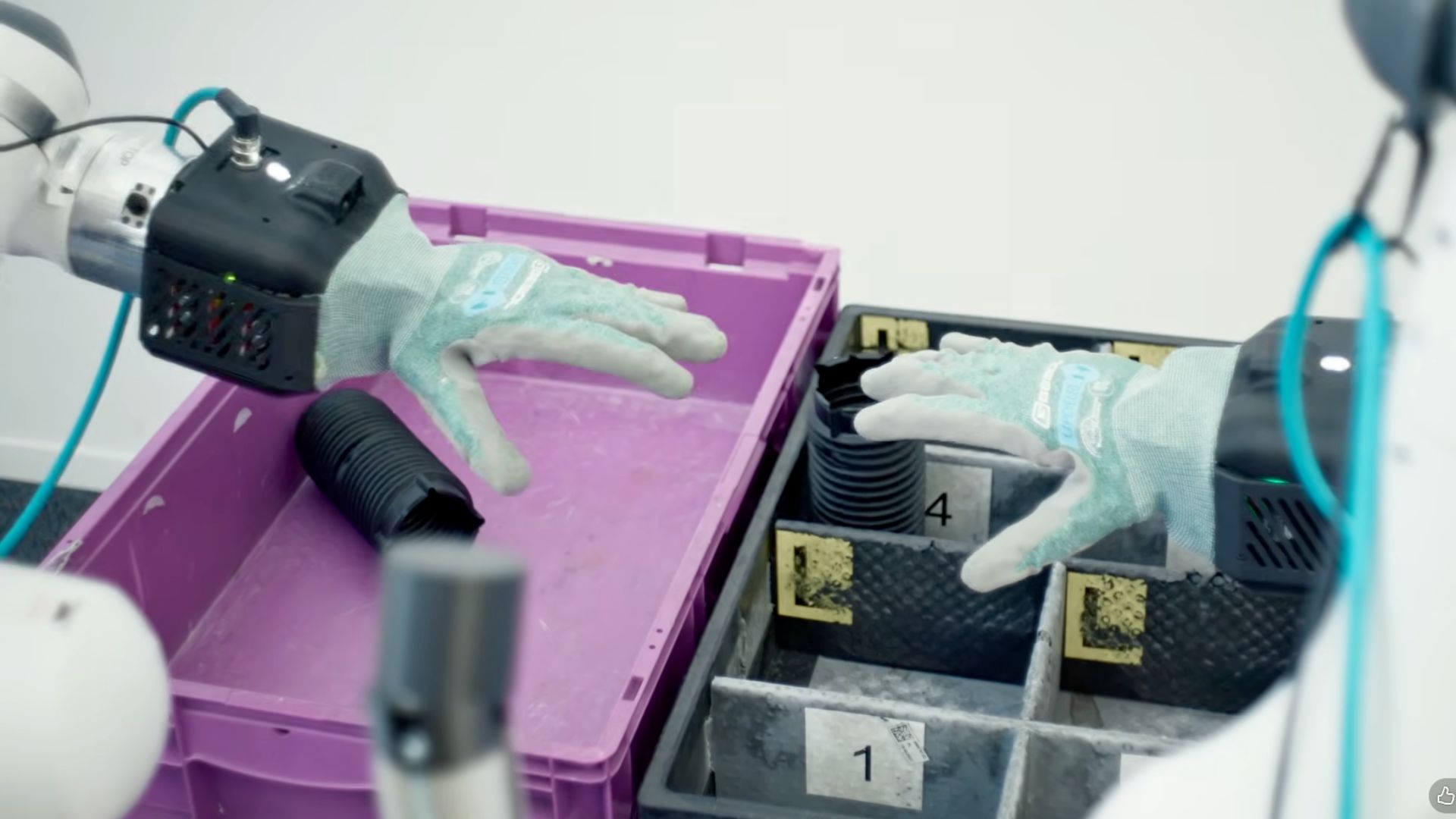
Mimic Robotics Introduces FLUX-mimic for Efficient Robot Learning from Video Demonstrations
Mimic Robotics has launched FLUX-mimic, a cutting-edge Video-Action Model developed with Black Forest Labs, enabling robots to learn intricate industrial tasks from video demonstrations. This innovative system significantly reduces the amount of training data required, allowing for faster and more efficient robot training in factory settings, including deployments at Audi. The importance of FLUX-mimic lies in its ability to streamline robot training processes, which traditionally demand extensive demonstration data. By utilizing a generative video foundation model, FLUX-mimic can fine-tune manipulation tasks with as little as 30 minutes of data, compared to the 30 hours often needed by conventional systems. This advancement is expected to shorten deployment cycles from months to weeks, enhancing operational efficiency. Looking ahead, the collaboration with Audi will test FLUX-mimic's performance in real-world factory environments, particularly for high-dexterity tasks. The focus on automating complex manipulations could lead to broader applications in manufacturing and logistics, making robotic automation more adaptable to evolving production needs. No further timeline was disclosed at the time of publication.
AI and Robotics
Skild AI Introduces S1 Robot Model Utilizing NVIDIA Physical AI for Task Learning
Skild AI has launched its S1 robot foundation model, designed to learn new tasks from a single video demonstration. This innovative approach utilizes in-context learning, allowing the robot to understand and execute tasks without the need for extensive reprogramming. The model was developed using NVIDIA AI infrastructure, highlighting a collaboration aimed at enhancing adaptable robot intelligence in dynamic environments. The significance of the S1 model lies in its ability to perform unfamiliar tasks, such as plant potting and pancake making, by interpreting video prompts. This method drastically reduces the time and resources typically required for retraining robots, achieving a success rate of 66% in executing new multistep tasks. Skild AI's approach marks a pivotal shift in robotics, moving away from fixed programming to a more flexible, experience-based learning model. Looking ahead, Skild AI is actively deploying the S1 model in various applications, including manufacturing and logistics, with over 60 partnerships established. The collaboration with NVIDIA and Foxconn aims to enhance precision in assembly tasks, showcasing the potential for robots to adapt in real-time to changing conditions on the factory floor. No further timeline was disclosed at the time of publication.

AGIBOT Open-Sources 11,430 Robot Trajectories to Enhance Reinforcement Learning Research
AGIBOT, a Chinese robotics company, has released its WORLD 2026 dataset, featuring 11,430 robot trajectories aimed at advancing research in reinforcement learning for embodied AI. This dataset emphasizes learning from real-world interactions, capturing a range of experiences including successes, failures, and human interventions. The significance of this release lies in its shift from traditional reliance on expert demonstrations to a more comprehensive approach that includes various robot experiences. By documenting both successful and failed attempts, AGIBOT provides researchers with valuable insights into robot performance and the factors influencing their capabilities. Looking ahead, AGIBOT plans to expand the WORLD 2026 initiative with additional datasets and benchmarks. This ongoing development aims to support researchers in creating robots that can learn continuously from their experiences, ultimately enhancing their reliability in everyday environments. No further timeline was disclosed at the time of publication.
AI and Robotics
X Square Robot Introduces HOST, Enabling 29-Second Learning for Humanoid Robots
X Square Robot has unveiled HOST, an open-sourced inference-time learning framework that allows humanoid robots to learn from a brief 29-second human demonstration. This innovative approach enables the robot to replicate the demonstrated skill with a success rate of 62 percent, marking a significant shift in how embodied AI systems are designed. The introduction of HOST is crucial as it transitions the learning process from traditional offline fine-tuning methods to real-time imitation. This advancement not only enhances the efficiency of skill acquisition for humanoid robots but also opens new avenues for their application in various tasks, making them more adaptable in dynamic environments. Looking ahead, the implications of HOST could reshape the landscape of humanoid robotics and AI learning. As the technology evolves, it will be important to monitor further developments and potential enhancements in the success rate and application scope of humanoid robots utilizing this framework. No further timeline was disclosed at the time of publication.

Mimic Robotics and Black Forest Labs Launch FLUX-mimic for Audi's Flexible Manufacturing
Mimic Robotics, in collaboration with Black Forest Labs, has introduced the FLUX-mimic video action model, which allows robots to fine-tune specific tasks with just 30 minutes of demonstration data, a significant reduction from the traditional 30 hours. This advancement leverages a generative video model trained on vast amounts of video data, enabling robots to understand dynamic behaviors and translate visual predictions into action commands more efficiently. This technology is particularly significant for Audi, which has relied on manual labor for intricate operations involving flexible components like rubber seals and wiring harnesses. The FLUX-mimic model enables robots to reliably handle these complex soft materials, addressing challenges that traditional robots could not solve. Christoph Schneider from Audi's production lab noted the robots' ability to tackle these intricate tasks, enhancing efficiency and promoting flexible automation in production and logistics. As FLUX-mimic undergoes testing and deployment at Audi's facilities, it marks a pivotal shift for physical AI from laboratory settings to real industrial applications. Mimic Robotics is committed to a comprehensive approach, developing not only AI models but also hardware for capturing human training data, paving the way for smarter and more efficient solutions to complex manufacturing challenges.
Robotics Manufacturing Automation AI Technology Flexible Production Video Learning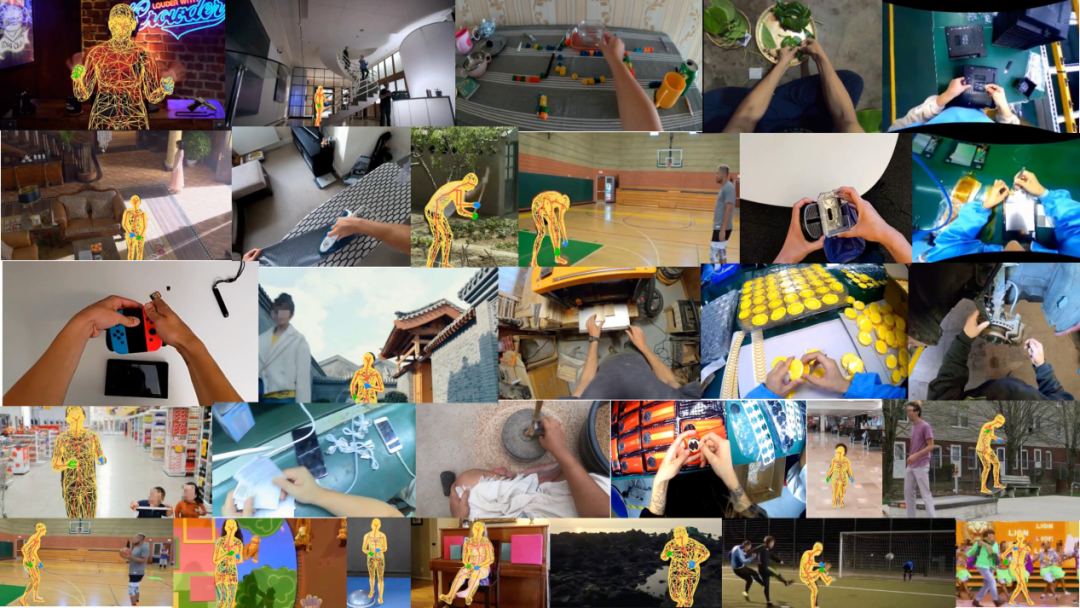
How One Million Hours of Human Video Became a 'Textbook' for Robot Learning
A research team at Peking University has unveiled the HumanNet dataset, a comprehensive collection of one million hours of human-centered videos aimed at advancing robot training in physical tasks. Released in October 2023, this extensive dataset offers a wealth of diverse perspectives and detailed annotations, enhancing the learning capabilities of robots. The initiative seeks to improve the interaction between robots and humans by providing a rich resource that reflects real-world scenarios, ultimately fostering more effective and adaptable robotic systems.
Robot Learning Human-Centered Data AI Training Computer Vision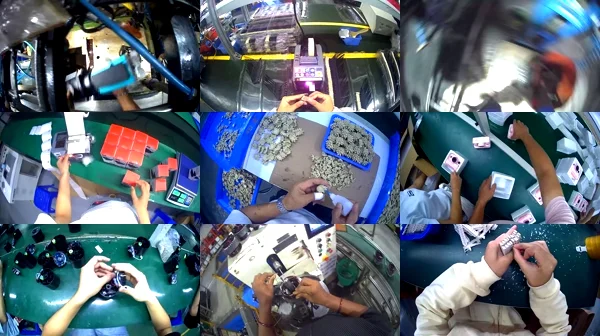
Build AI Open-Sources 10,000 Hours of Factory-Worker Video to Scale Robot Learning
A robotics startup has unveiled Egocentric-10K, which it claims to be the largest egocentric video dataset ever created. This extensive collection was gathered exclusively from real factory environments and aims to address the challenges associated with the "physical AI bottleneck" by utilizing human-generated data. The release of this dataset marks a significant advancement in the field of robotics and artificial intelligence, providing researchers and developers with valuable resources to enhance machine learning algorithms and improve AI performance in physical tasks.
Build AIRobotics needs a service framework.
RSF defines a common language for robot service capability, lifecycle operations, certification pathways, and service-provider networks.
Join the RobotToday community on LinkedIn
Daily robotics news, in-depth analysis, conference highlights, and discussions with professionals worldwide.