

Industry Briefing
A single destination for timely, editor-curated robotics news from around the world.
NASA and Partners Explore Generative AI for Enhanced Spacecraft Autonomy
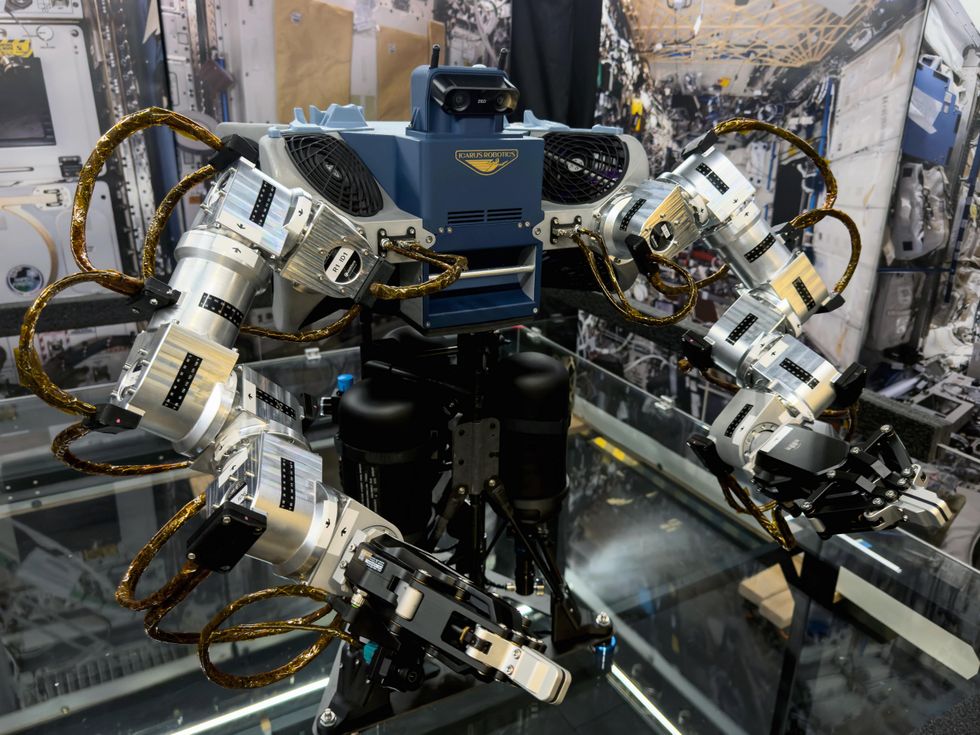
NASA's Jet Propulsion Laboratory has utilized Anthropic's Claude models to assist in planning Mars drives for the Perseverance rover, showcasing a shift towards generative AI in space missions. This technology allows spacecraft to interpret their surroundings and make decisions, a significant evolution from traditional deterministic systems. As missions grow more complex, the need for true autonomy becomes critical, particularly for distant missions like those to Europa, where real-time human intervention is impractical. The integration of generative AI into spacecraft operations represents a paradigm shift in space engineering. Historically, engineers have favored predictable systems, but the increasing complexity of missions necessitates a reevaluation of autonomy. Experts like Robert Ambrose emphasize the importance of managing the inherent unpredictability of autonomous systems, suggesting that automation can help address these challenges. The potential for spacecraft to operate independently is crucial for future exploratory missions, particularly in environments where immediate human control is not feasible. Looking ahead, the development of autonomous systems will require careful risk management and gradual implementation. Researchers like Ufuk Topcu advocate for starting with restricted applications to understand how these systems behave before expanding their use. As the commercial space sector grows, companies like Icarus Robotics are also adapting robotics for microgravity, highlighting the need for tailored solutions in space environments. No further timeline was disclosed at the time of publication.
Space-exploration Generative-ai Space-robots International-space-station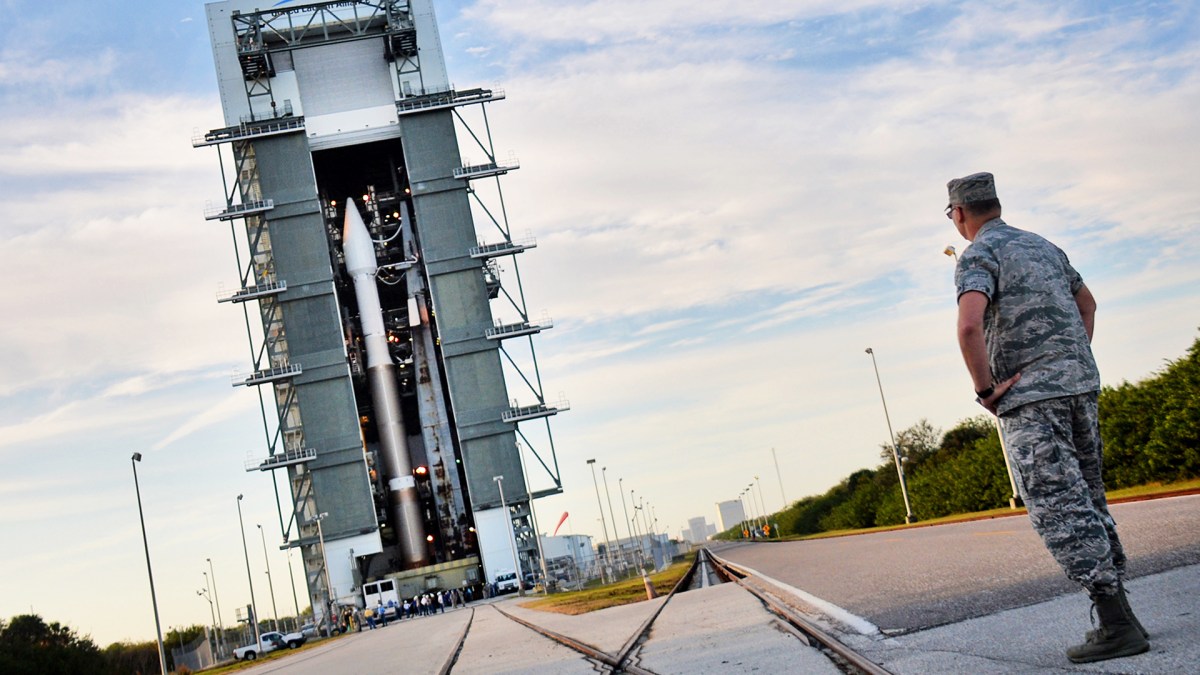
Cape Canaveral Spaceport to Deploy Laser Weapons for Drone Defense
Cape Canaveral Space Force Station is set to implement a directed energy defense system to neutralize drones invading its airspace. This initiative, part of a broader security modernization effort, aims to protect the spaceport, which supports numerous commercial and military launches, from unauthorized drone incursions. The system will enhance situational awareness and provide real-time defense capabilities against low-altitude aerial threats. The significance of this deployment lies in the increasing number of drone incursions in the Cape Canaveral region, with hundreds reported last year. The spokesperson for Space Launch Delta 45 emphasized that safeguarding critical launch infrastructure is a top priority, especially given the potential risks posed by drones to national security payloads and personnel. The use of lasers is particularly crucial, as traditional jamming methods could interfere with spacecraft operations. Looking ahead, the timeline for the operational status of the directed energy system remains undisclosed. However, the ongoing modernization efforts reflect a growing need for advanced security measures at the spaceport, especially in light of recent unauthorized drone activities, including incidents near NASA's Kennedy Space Center.
Space Launch Vehicles U.S. Space Force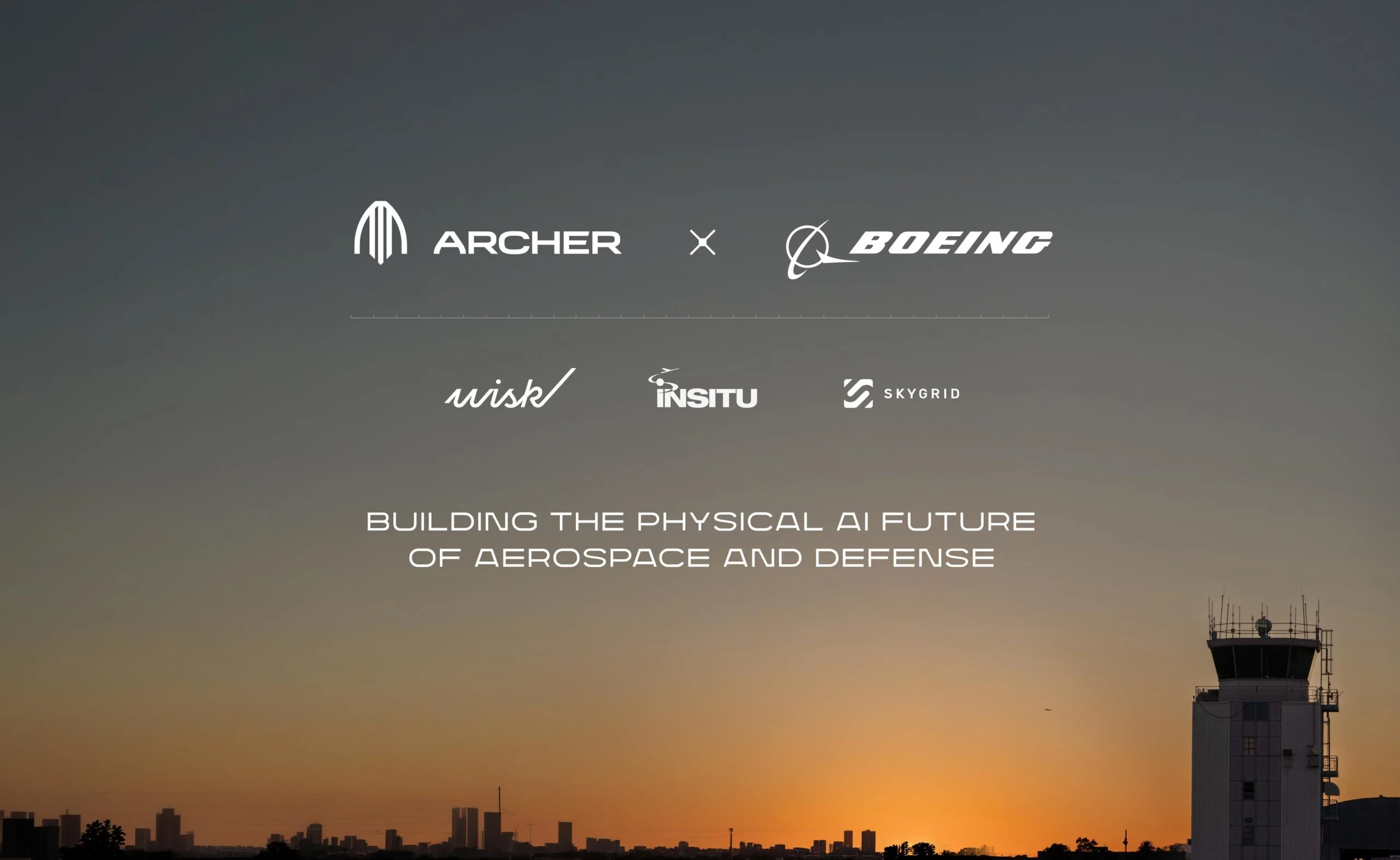
Archer Aviation Advances Boeing Subsidiary Acquisition, Enhancing Aerospace AI Capabilities
Archer Aviation's acquisition of Boeing's Wisk Aero, SkyGrid, and Insitu subsidiaries has progressed after clearing the Hart-Scott-Rodino waiting period. This deal aims to create a comprehensive physical AI platform for aerospace and defense by integrating Archer's ZEE AI platform with Wisk's autonomous flight systems, SkyGrid's airspace-management software, and Insitu's uncrewed aircraft. The significance of this acquisition lies in its potential to enhance the capabilities of autonomous aircraft and airspace management. With nearly 2 million combined flight hours from the three Boeing units, Archer plans to leverage their technologies to add autonomy, sensing, flight-control, and operational data to its existing platform. This integration is expected to position Archer as a leader in the aerospace AI sector. Looking ahead, Archer anticipates completing the acquisition by the end of 2026, pending additional regulatory approvals and customary closing conditions. Boeing will maintain access to Wisk's technology and retain its stake in Archer, ensuring ongoing collaboration post-acquisition. No further timeline was disclosed at the time of publication.
AI AI Funding & Investment Robotics acquisition autonommous aircraft Boeing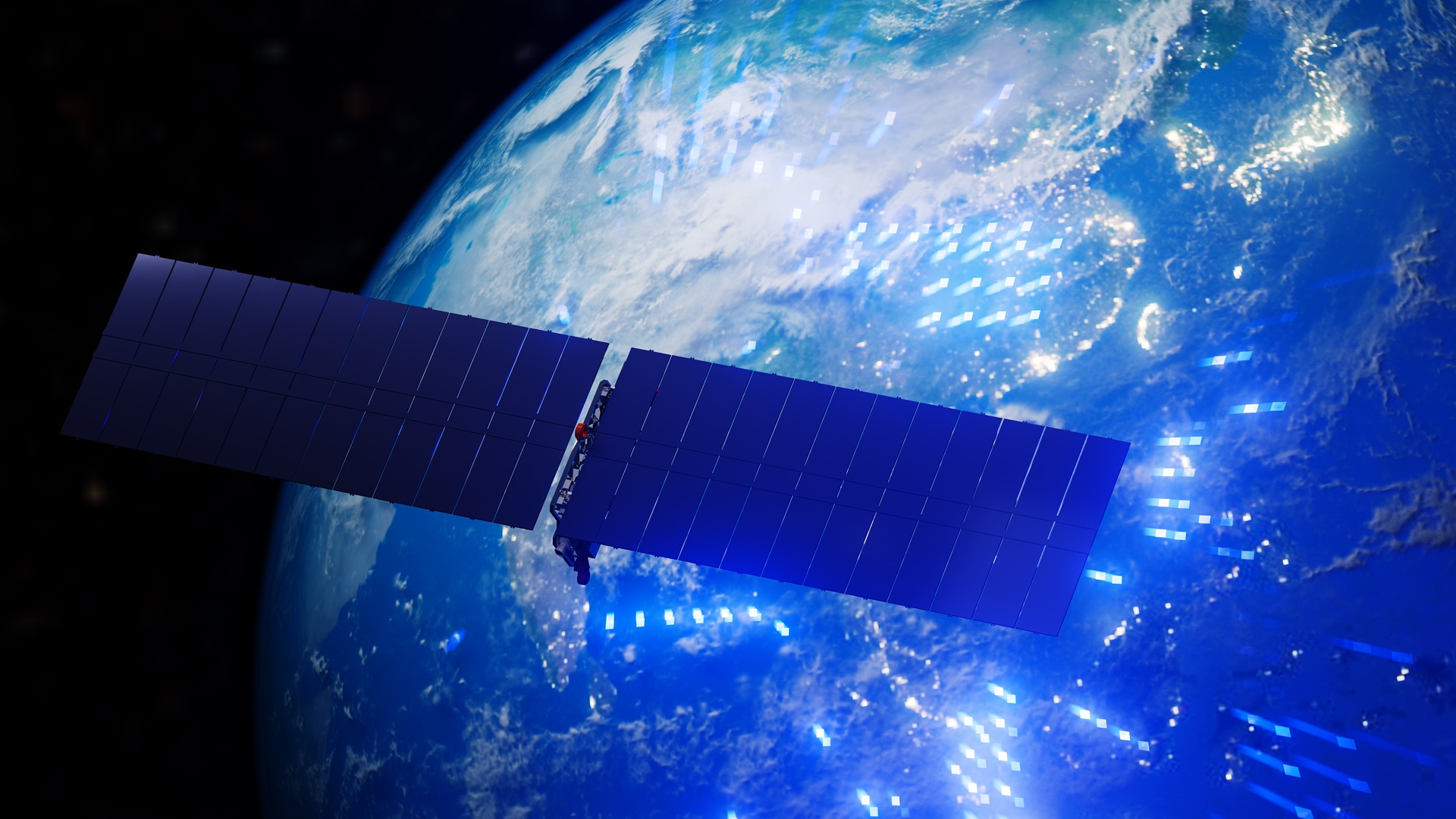
Google Launches TPU Chips into Orbit to Test Space Computing Capabilities
Google is set to send its Tensor Processing Units (TPUs) into orbit for the first time aboard SpaceX’s Transporter-18 mission. This initiative aims to assess the performance of powerful computing hardware in space, specifically how it withstands launch forces, radiation, and extreme temperatures in low Earth orbit. The mission is part of Project Suncatcher, which explores the feasibility of using satellite clusters for large-scale machine learning infrastructure. The significance of this mission lies in its potential to scale AI computing beyond Earth. Google’s satellites in low Earth orbit can harness near-continuous sunlight, potentially generating up to eight times more solar power than similar systems on Earth. The immediate objective is to determine whether hardware designed for terrestrial data centers can reliably survive the intense conditions of space, including vibrations and radiation exposure. Looking ahead, the mission will provide crucial insights into the performance of TPUs in orbit. Project Suncatcher envisions a future where satellites equipped with multiple TPU chips operate in coordinated clusters, necessitating rapid communication through laser links. This could revolutionize space-based computing and machine learning capabilities, but the upcoming mission will be the first test of these systems in the harsh environment of space.
AI and Robotics Space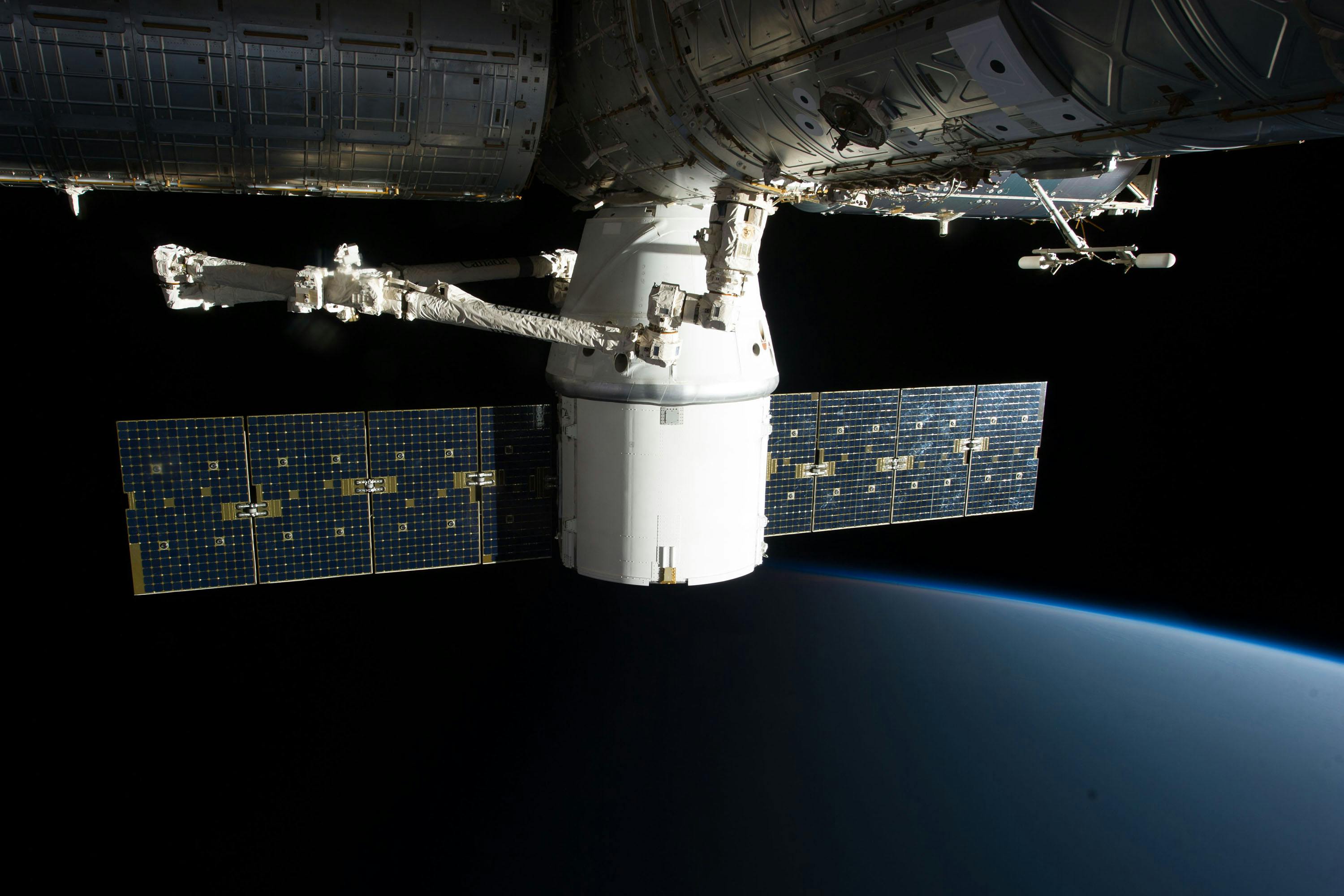
Elon Musk Revives Discussion on Potential Tesla-SpaceX Merger with Terafab's Role
Elon Musk has reignited the debate on the potential merger of Tesla, Inc. and Space Exploration Technologies Corp. during a recent podcast. He highlighted the increasing convergence of technologies between the two companies, particularly with the introduction of Terafab, a semiconductor manufacturing initiative aimed at reducing reliance on external chip suppliers. The significance of this discussion lies in the shared strategic assets that both Tesla and SpaceX possess, which could lead to a more integrated approach to their respective technologies. Terafab could serve as a central hub for the necessary semiconductor capacity, addressing the growing demands for specialized compute hardware in both autonomous driving and aerospace sectors. Looking ahead, while no merger has been announced, the conversation around this possibility suggests a shift in how investors view the relationship between Tesla and SpaceX. The strategic overlap created by Terafab may influence future decisions, but the complexities of merging two large companies remain a significant hurdle. No further timeline was disclosed at the time of publication.

Kratos and GE Aerospace Successfully Ignite GEK800 Turbofan Engine for Missiles
Kratos Defense & Security Solutions and GE Aerospace have achieved a major milestone with the first successful ignition of the GEK800 turbofan engine. This engine is designed for next-generation US cruise missiles, marking a significant advancement in missile technology. The successful ignition of the GEK800 engine is crucial as it represents progress in developing advanced propulsion systems for military applications. This milestone underscores the collaboration between Kratos and GE Aerospace in enhancing the capabilities of US defense systems. Looking ahead, the focus will be on further testing and development of the GEK800 engine to ensure its reliability and performance in operational environments. No further timeline was disclosed at the time of publication.
News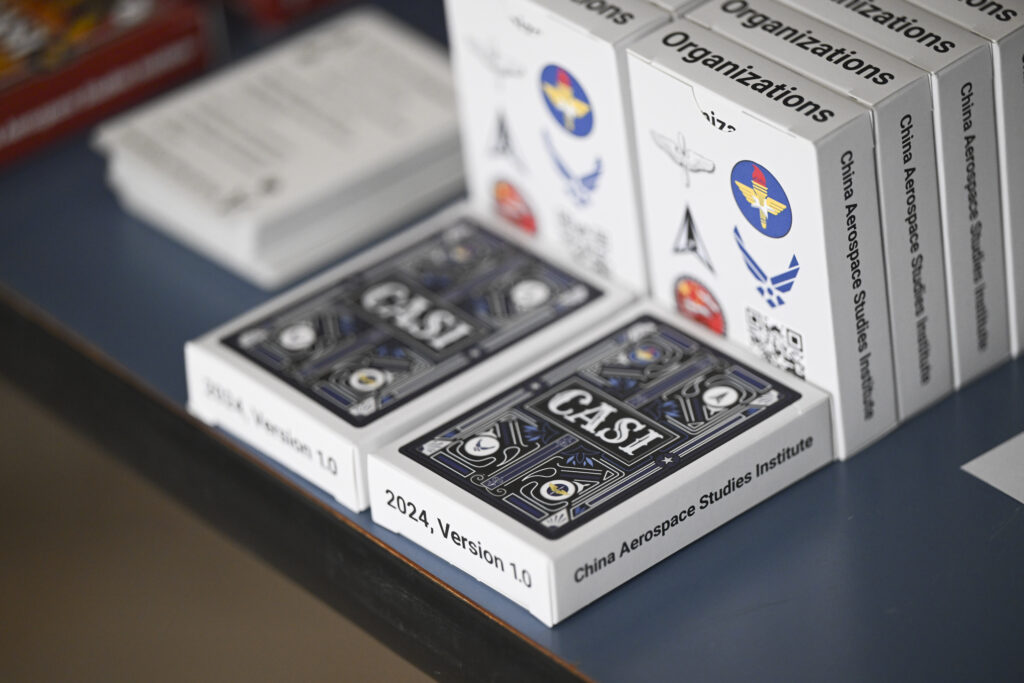
Air Force Confirms Continuation of China Aerospace Studies Institute Amid Civilian Staff Cuts
The Air Force has announced that it will eliminate civilian staff roles at the China Aerospace Studies Institute (CASI) but will not close the organization. An Air Force spokesperson stated that military service members will take over the institute's mission, which focuses on studying Chinese airpower. Affected civilian employees will remain in their positions until further notice and will be considered for reassignment. This decision comes as part of a broader civilian restructure within the Air Force’s Air Education and Training Command. CASI serves as a key think tank that publishes research on China's military capabilities, aiming to inform U.S. military strategy and policy. The institute's latest publication discusses how technologies intended for space exploration may enhance military operations in the Pacific region. As the Air Force navigates these changes, questions arise regarding similar research initiatives within the Army and Navy. While the Naval War College confirmed no anticipated changes at its China Maritime Studies Institute, the status of the Army's China Landpower Studies Center remains unclear. No further timeline was disclosed at the time of publication.
Air Warfare Global Air Education and Training Command Air Force Asia China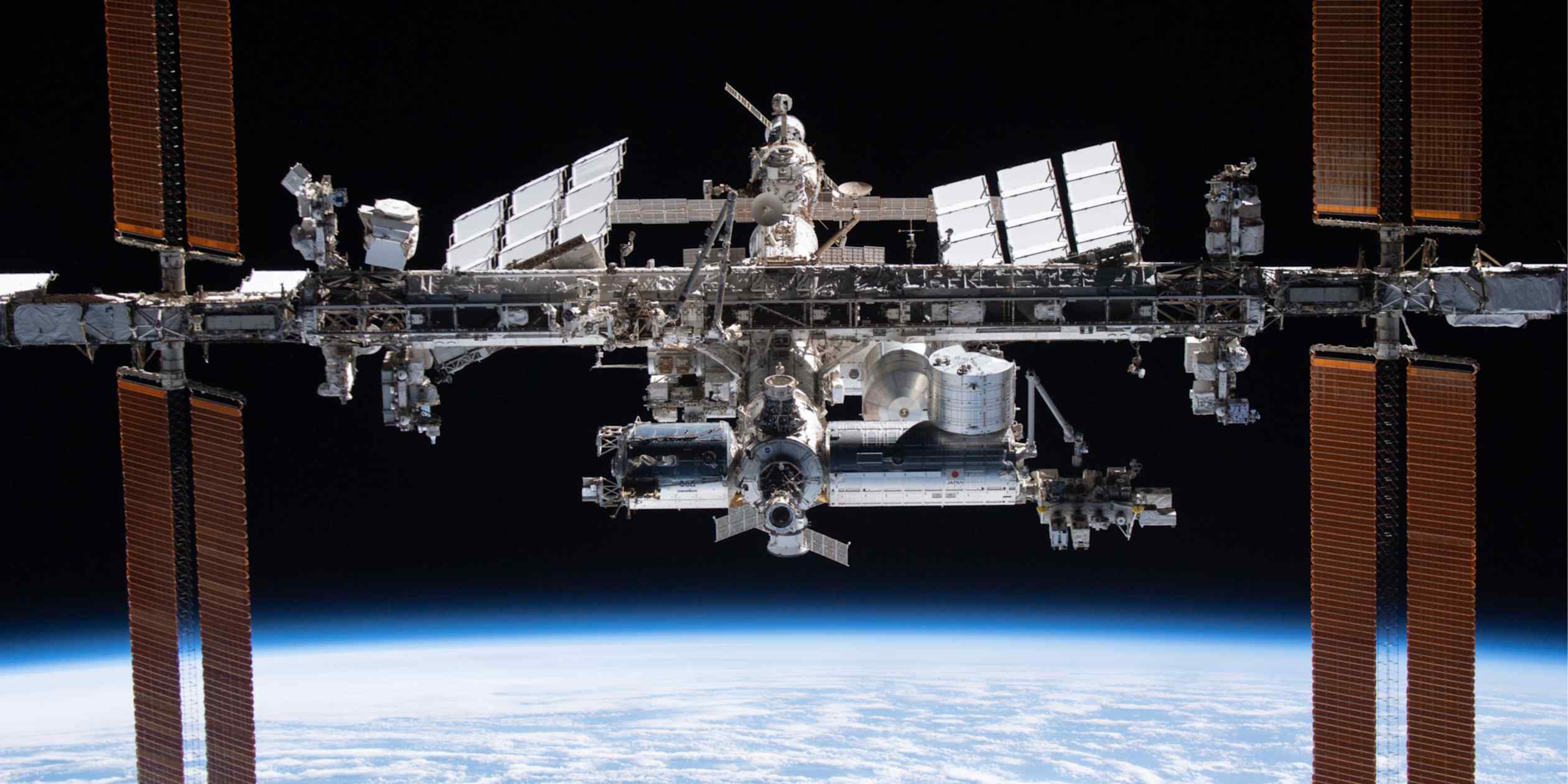
Japan to Host AI Robot Competition on International Space Station to Foster Engineering Talent
Japan is set to host a competition on the International Space Station where teams will control robots using artificial intelligence. This initiative, organized by the Space AI Robotics Association, aims to stimulate advancements in space exploration, AI, robotics, and simulations. The competition is significant as it seeks to cultivate the next generation of space engineers, addressing the growing demand in the space robotics market. By engaging students and professionals in practical applications of AI and robotics, Japan aims to enhance its capabilities in these critical fields. Looking ahead, the competition could lead to increased interest in space-related engineering careers and innovations in AI-driven robotics. No further timeline was disclosed at the time of publication.

Musk's Vague Comments on Tesla and SpaceX Merger Fuel Stock Speculation
Elon Musk's recent comments at the All-In Summit on September 14 have reignited speculation about a potential merger between Tesla, Inc. and Space Exploration Technologies Corp. He described the collaboration between the two companies as significant but did not provide a definitive answer regarding a merger, leading to a rise in both companies' stock prices. The implications of Musk's remarks are noteworthy as they reflect ongoing investor interest in the strategic benefits of merging Tesla and SpaceX. Analysts from Jefferies and JPMorgan have suggested that such a merger could make sense, particularly in areas like artificial intelligence and robotics. However, skepticism remains due to the lack of concrete plans or timelines from Musk, who has previously hinted at the idea without committing to any formal process. Investors should remain cautious, as Musk's history of vague statements may not indicate imminent action. The lack of formal steps, such as regulatory filings or board discussions, suggests that while the speculation may drive short-term stock movements, substantial developments are still absent. No further timeline was disclosed at the time of publication.

AgiBot and Chimelong to Deploy Over 300 Robots at Hengqin Spaceship Park Starting September 24
AgiBot and Chimelong Group are set to deploy over 300 robots at Chimelong Spaceship Park in Hengqin, beginning September 24. These robots will be utilized across more than 100 interaction points, enhancing visitor experiences through shows, guiding services, retail, and hotel operations. This deployment is significant as it represents a major investment in automation technology within the entertainment sector. By integrating robots into various functions, AgiBot and Chimelong aim to improve operational efficiency and elevate guest interactions, showcasing the potential of robotics in enhancing customer service. Looking ahead, the successful implementation of these robots could pave the way for further automation initiatives in similar venues. No further timeline was disclosed at the time of publication.

Ron Baron Expresses Support for Elon Musk on Potential SpaceX-Tesla Merger
Ron Baron, founder and CEO of Baron Capital, has expressed his unwavering support for Elon Musk regarding a potential merger between SpaceX and Tesla. Baron, a long-time investor in both companies, has invested approximately $25 billion in SpaceX and $5 billion in Tesla since starting his investments in 2014 and 2017, respectively. Baron's investments have yielded significant returns, generating around $30 billion in profits for Baron Capital clients out of a total of $71 billion in lifetime profits. He has privately shared his thoughts on the merger's pros and cons with Musk but chose not to disclose those details publicly. Baron emphasized that he will support whatever decision Musk makes regarding the merger. The conversation surrounding a merger has gained traction following Musk's comments during the All-In Podcast live summit. As discussions continue, stakeholders will be keen to observe how Musk navigates this potential merger and the implications it may have for both companies moving forward. No further timeline was disclosed at the time of publication.
Seven Influential Missiles That Transformed Aerospace Engineering During the Cold War
The Cold War spurred significant advancements in missile technology, driven by the need for military superiority. Innovations in propulsion, navigation, and materials were crucial as both the U.S. and the Soviet Union developed missiles capable of long-range, rapid response, and precise operation under challenging conditions. Key missiles like the Soviet R-7 and America's SM-65 Atlas exemplified these advancements. The R-7, designed by Sergei Korolev, became the first intercontinental ballistic missile in 1957 and later launched satellites, marking a pivotal moment in the Space Age. The Atlas missile, with its unique pressure-stabilized tanks, pushed the boundaries of weight reduction and structural integrity, enabling significant missions including John Glenn's orbital flight. The Polaris A-1 and Minuteman missiles further revolutionized military operations. The Polaris A-1 transformed submarines into mobile launch platforms, while the Minuteman introduced automated launch control with solid-fuel stages, enhancing readiness and efficiency. No further timeline was disclosed at the time of publication.
Military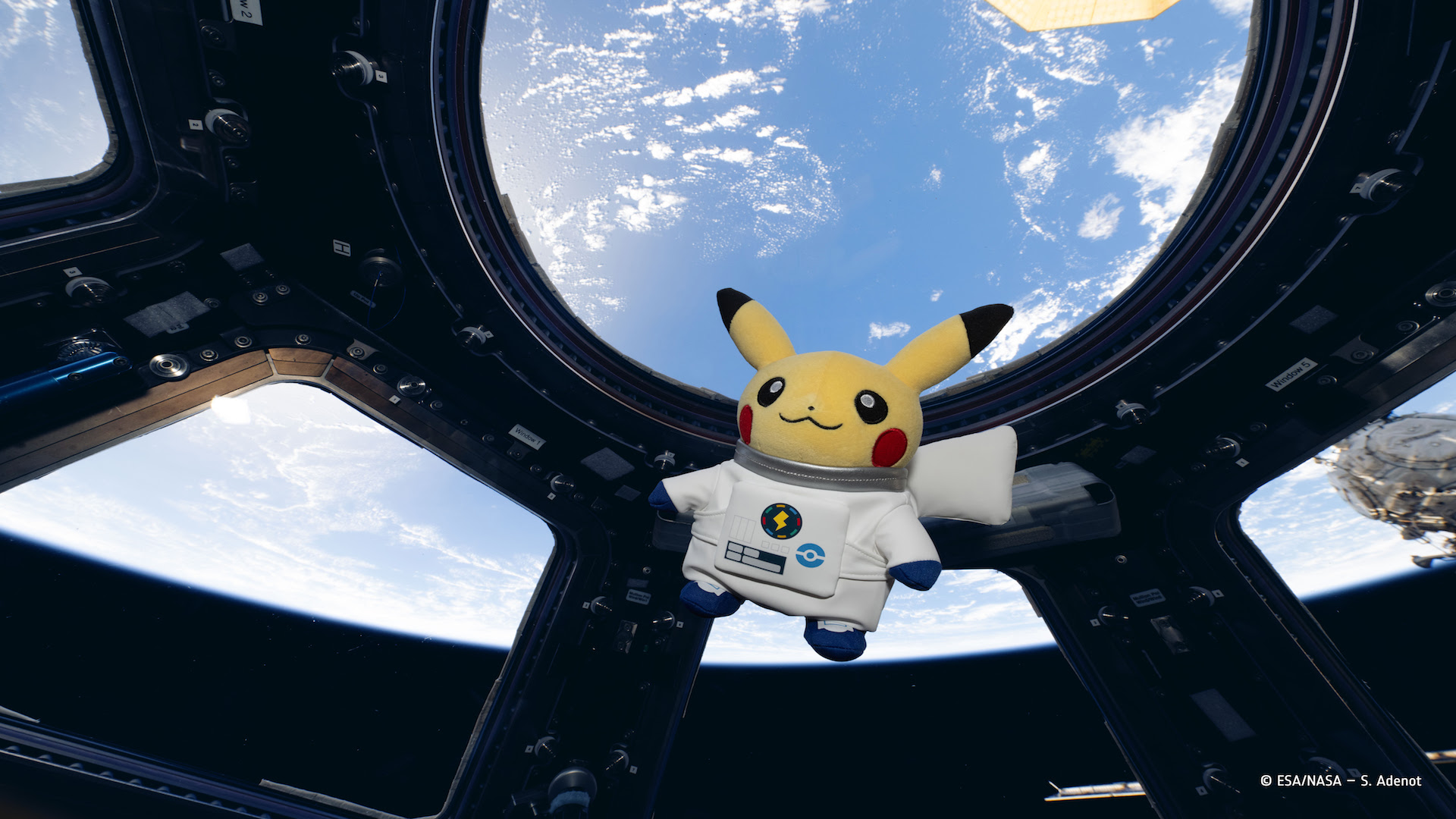
ESA and Pokémon Company Launch Space Initiative Featuring Pikachu at ISS
The European Space Agency (ESA) has partnered with The Pokémon Company International (TPCI) to celebrate World Space Week 2026. As part of this collaboration, a Pikachu toy spent 67 days aboard the International Space Station (ISS), completing 1,040 orbits around Earth alongside seven astronauts, including ESA's Sophie Adenot. This initiative aims to inspire curiosity about space among younger generations, aligning with ESA's mission to engage the public in space exploration. ESA Director General Josef Aschbacher emphasized the importance of this partnership in creating unique experiences that connect people with space. Looking ahead, the collaboration will feature exhibitions and interactive programs at ESA sites and major museums in Europe, along with exclusive merchandise. A Pokémon GO in-game event will also run from October 4, 2026, to April 30, 2027, allowing players to engage with space-themed gameplay, including encounters with Astronaut Pikachu.

Jim Cramer Suggests SpaceX Should Acquire Tesla Amidst Market Challenges
On September 14, Jim Cramer, host of Mad Money, expressed his views on Tesla, Inc. (NASDAQ:TSLA), suggesting that SpaceX should consider acquiring the company. He noted Tesla's recent approval in China and highlighted its second-quarter financials, which showed a 26% revenue increase to $28.24 billion, driven by record vehicle deliveries and a growing energy storage sector. Cramer's comments reflect the challenges Tesla faces, including intense competition in the electric vehicle market and pressure on profitability. Despite strong revenue growth, Tesla's operating income fell 57% year-over-year to $398 million, with a significant increase in capital expenditures impacting free cash flow. Cramer previously indicated that Tesla's future relies on advancements in autonomous driving and robotics, which could be pivotal for the company's long-term valuation. Looking ahead, Tesla's ability to maintain its market position will depend on its success in self-driving technology and robotics development. Cramer's speculation about a potential SpaceX acquisition adds another layer of complexity to Tesla's future, as the company navigates a competitive landscape and seeks to justify its high valuation amidst rising operational costs.

Durham University Develops Advanced Drone Navigation System for Safer Flight in Crowded Spaces
Researchers at Durham University have created an innovative drone navigation system that allows autonomous aircraft to navigate through cluttered environments more efficiently. This advancement enhances the speed, smoothness, and safety of drone operations in areas filled with obstacles. The significance of this development lies in its potential applications, including search and rescue missions, infrastructure inspections, and environmental monitoring. By improving drone navigation, this system opens up new opportunities for various industries that rely on aerial technology. Looking ahead, the impact of this navigation system could transform how drones are utilized in complex environments. No further timeline was disclosed at the time of publication.
Robotics
Airwise Solutions Partners with UAS Sentry for Enhanced Drone Detection and Airspace Intelligence
Airwise Solutions and UAS Sentry have established a partnership aimed at improving low-altitude airspace awareness. This collaboration will integrate UAS Sentry Nexus detection capabilities with the Airwise Nexus platform, allowing users to visualize detected Remote ID signals alongside their drone operations. The integration will also enable the connection of this data with airspace information, mission activity, aircraft telemetry, weather, and FAA services. This partnership is significant as it supports critical infrastructure, utilities, airports, and industrial sites, while also catering to public safety agencies managing drone operations near sensitive areas. UAS Sentry Nexus is capable of detecting and identifying drones that transmit Remote ID signals, providing essential information about a drone's location and control station. The Airwise integration enhances this data by adding operational context, helping organizations differentiate between authorized and unauthorized drone activities. Looking ahead, the integration of UAS Sentry's detection capabilities with Airwise's operational tools could transform how organizations manage their airspace. No further timeline was disclosed at the time of publication. As the demand for drone operations continues to rise, the ability to understand and manage low-altitude airspace effectively will be crucial for various sectors.
Drone News Drone News Feeds News Remote ID UTM airspace awareness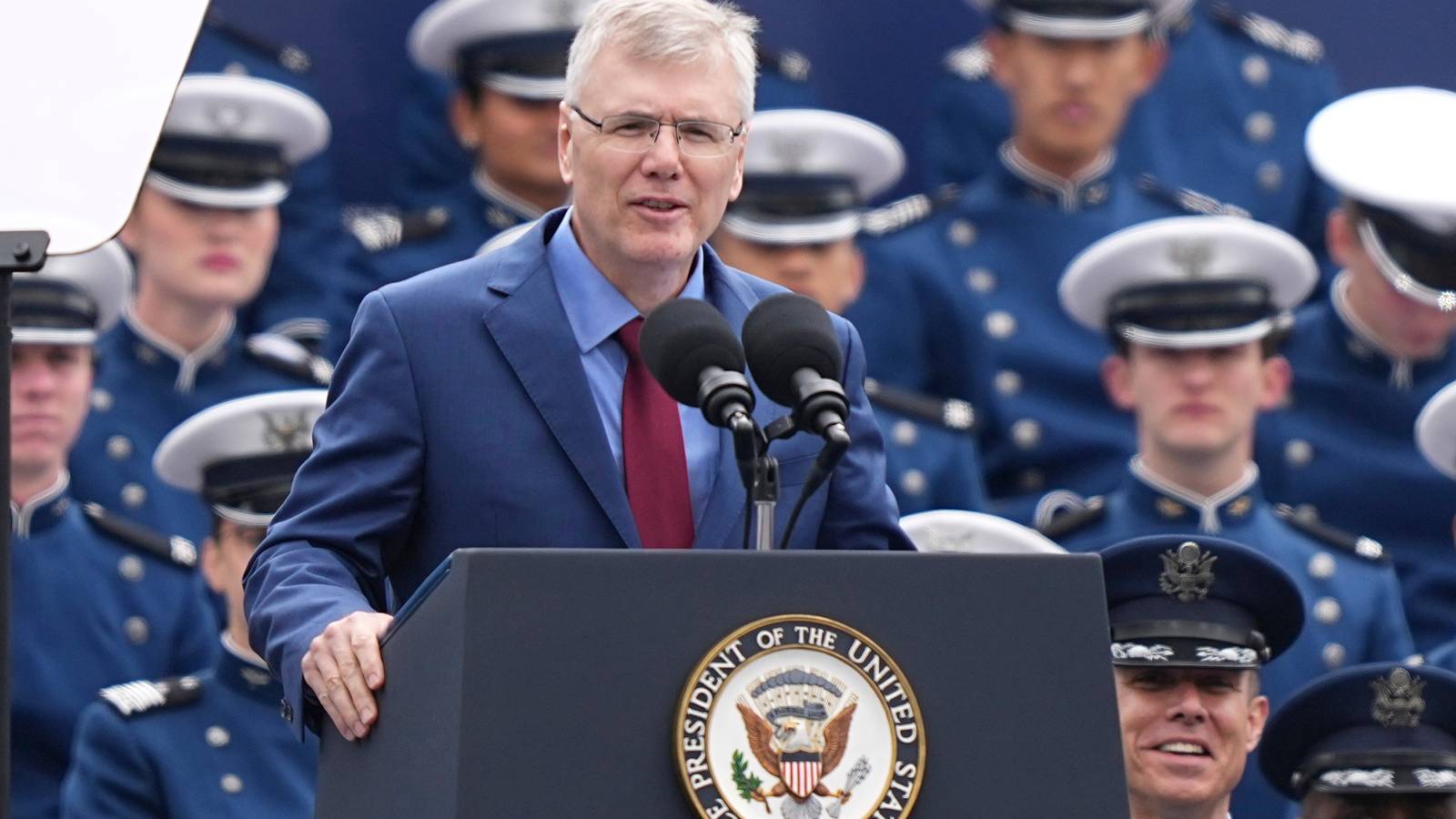
US Confirms Deployment of Space Weapons Amid Rising Global Tensions
The United States has officially acknowledged the deployment of weapons in space, marking a significant shift in its military strategy. Air Force Secretary Troy Meink revealed at the Air and Space Cyber Conference that these 'on-orbit space control weapons' are designed to protect the Joint Force from hostile actions. However, specifics regarding the types and functionalities of these weapons remain undisclosed. This development is crucial as it highlights the U.S. response to perceived threats from nations like Russia and China, which have been advancing their own space capabilities. The U.S. has previously warned about Russia's anti-satellite weapon developments, emphasizing the importance of satellite communications for national infrastructure. The acknowledgment of space weapons underscores a growing military focus on space, particularly following the establishment of the Space Force in 2019. Looking ahead, the Air Force is expected to evolve significantly by 2032, with an increased emphasis on autonomous systems and one-way attack drones. No further timeline was disclosed at the time of publication.
Politics & Geopolitics Military Headlines Aerospace U.S. Space Command Guns and Weapons
US Space Force Deploys Space Control Weapons in Orbit, Air Force Secretary Confirms
The US Space Force has officially launched 'space control weapons' into orbit, marking a significant acknowledgment from Air Force Secretary Troy Meink. During a keynote address at the Air and Space Forces Association conference, Meink emphasized the importance of these weapons in defending against evolving threats from adversaries. This announcement highlights a shift in the US government's stance on discussing orbital weaponry, which has historically been a sensitive topic due to concerns about a potential arms race in space. The deployment of space control weapons is part of a broader strategy to ensure the United States can protect its interests in space. Meink noted that these weapons could include both kinetic and non-kinetic systems, although specific details were not disclosed. The discussion around space control is crucial for establishing deterrence against nations like China and Russia, which have been developing their own orbital weapon capabilities. Looking ahead, the Space Force is also preparing to launch space-based interceptors as part of the Golden Dome initiative, aimed at countering missile threats from orbit. Additionally, the first air-moving target indication satellites are set to be launched this month, enhancing the US's ability to monitor air-based adversary platforms globally. No further timeline was disclosed at the time of publication.
Air Warfare Space AFA 2026 Air Force airborne moving target indication (AMTI) Anduril
Honeywell Aerospace Agrees to $2 Million Settlement with DOJ Over Cybersecurity Violations
Honeywell Aerospace has reached a $2 million settlement with the Department of Justice (DOJ) regarding allegations of cybersecurity violations. The lawsuit claimed that Honeywell engaged in a fraudulent scheme related to a quantum computing contract awarded in 2020, coinciding with the SolarWinds cyberattack that compromised numerous organizations. The DOJ asserted that Honeywell failed to report cybersecurity incidents and submitted false claims for payment, particularly concerning its Advanced Connected Sustainability Technologies (ACST) unit, which was responsible for safeguarding sensitive government information. This settlement highlights the increasing scrutiny on government contractors regarding compliance with cybersecurity regulations mandated by the Department of Defense (DOD) and the National Institute of Standards and Technology (NIST). The DOD's Cybersecurity Maturity Model Certification program, which has been in development since 2019, requires contractors to report cyber incidents and maintain robust cybersecurity practices. The Honeywell case is part of a broader trend, as the DOJ has pursued several contractors for similar violations, emphasizing the legal risks associated with cybersecurity compliance. Looking ahead, organizations engaged in federal contracts must prioritize cybersecurity compliance to mitigate legal risks. The Honeywell settlement serves as a reminder that cybersecurity deficiencies can have significant implications beyond IT issues, especially as new verification requirements under the Cybersecurity Maturity Model Certification are implemented. No further timeline was disclosed at the time of publication.
SpaceX IPO Overview: Stock Performance, Earnings, and Future Projections
SpaceX (NASDAQ: SPCX) went public on June 12, 2026, raising $85.7 billion at $135 per share, marking the largest US IPO since Alibaba. The stock initially surged to $225.64 within three trading sessions but faced a decline after the August 6 insider lock-up expiry and the company's first earnings report. As of September 10, 2026, SPCX trades at approximately $148.76, valuing SpaceX at around $2 trillion. This IPO is significant as it reflects investor expectations for SpaceX's future revenue streams, particularly from Starlink, AI infrastructure, and Starship, projected to generate $100 billion annually by the end of 2026. The stock's volatility, with a 52-week range of $104.83 to $225.64, highlights the speculative nature of the investment, driven more by aspirations than by fundamentals, according to industry experts. Looking ahead, investors should monitor SpaceX's performance in its revenue segments, particularly Starlink, which reported $4.3 billion in Q2 2026 revenue and 12 million subscribers. The company's ability to meet its ambitious revenue targets will be crucial for maintaining investor confidence and stock stability. No further timeline was disclosed at the time of publication.

Investing in SpaceX's Starmind: The Orbital AI Constellation Explained
SpaceX officially announced its Starmind project on July 9, 2026, detailing plans for an orbital AI compute constellation comprising up to 1 million satellites. This initiative aims to process AI workloads in low Earth orbit, leveraging solar power and passive thermal dissipation to reduce operational costs. Nvidia has been confirmed as the exclusive chip partner, supplying the necessary hardware for the satellites. The significance of Starmind lies in its potential to revolutionize AI computing by relocating data processing from Earth to space, thereby minimizing energy consumption and infrastructure constraints. With the first-generation satellite, AI1, designed to be equivalent to a full Nvidia NVL72 rack, SpaceX plans to launch 30–50 satellites per Starship flight, targeting thousands annually starting in late 2027. This innovative approach could position SpaceX as a leader in the AI infrastructure sector. Investors should note that Starmind does not have a separate stock ticker or legal entity; exposure is available only through SpaceX (NASDAQ: SPCX) and Nvidia (NASDAQ: NVDA). As Starmind begins generating revenue in 2028, it will contribute to SpaceX's AI segment, which is already reflected in its financial statements. No further timeline was disclosed at the time of publication.
SpaceX Acquires xAI in Historic $250 Billion Merger, Launching SpaceXAI Division
On February 2, 2026, SpaceX completed the acquisition of xAI in an all-stock transaction valued at $250 billion, marking the largest merger in history. Following this merger, xAI ceased to exist as a standalone entity and is now part of SpaceXAI, which includes Grok, Colossus, and X. This merger is significant as it combines SpaceX's profitable segments with xAI's AI capabilities, creating a powerful entity valued at $1.25 trillion. The integration aims to leverage SpaceX's resources to enhance xAI's profitability and provide a public liquidity path for former xAI investors through SpaceX's IPO. Looking ahead, the focus will be on how the combined entity will develop its AI infrastructure capabilities, particularly through the Starmind orbital compute project. No further timeline was disclosed at the time of publication.

U.S. Aerospace and Defense Sector Achieves $995 Billion in Sales in 2025
The Aerospace Industries Association (AIA) reported that the U.S. aerospace and defense sector generated $995 billion in sales in 2025, employing 2.2 million workers with an average operator wage of $115,000. The industry maintained a trade surplus of approximately 73%. This significant revenue underscores the importance of the aerospace and defense sector to the U.S. economy, highlighting its role in job creation and technological advancement. Boeing's acquisition of the F-47 next-generation fighter aircraft and Lockheed Martin's record delivery of 191 F-35 Lightning II fighter planes are notable achievements within this thriving industry. Looking ahead, companies like Astronics Corporation and Ducommun are making strides, with Astronics acquiring Bühler Motor Group and Ducommun being recognized as a BAE Supplier of the Year. No further timeline was disclosed at the time of publication.
Technology and IIoT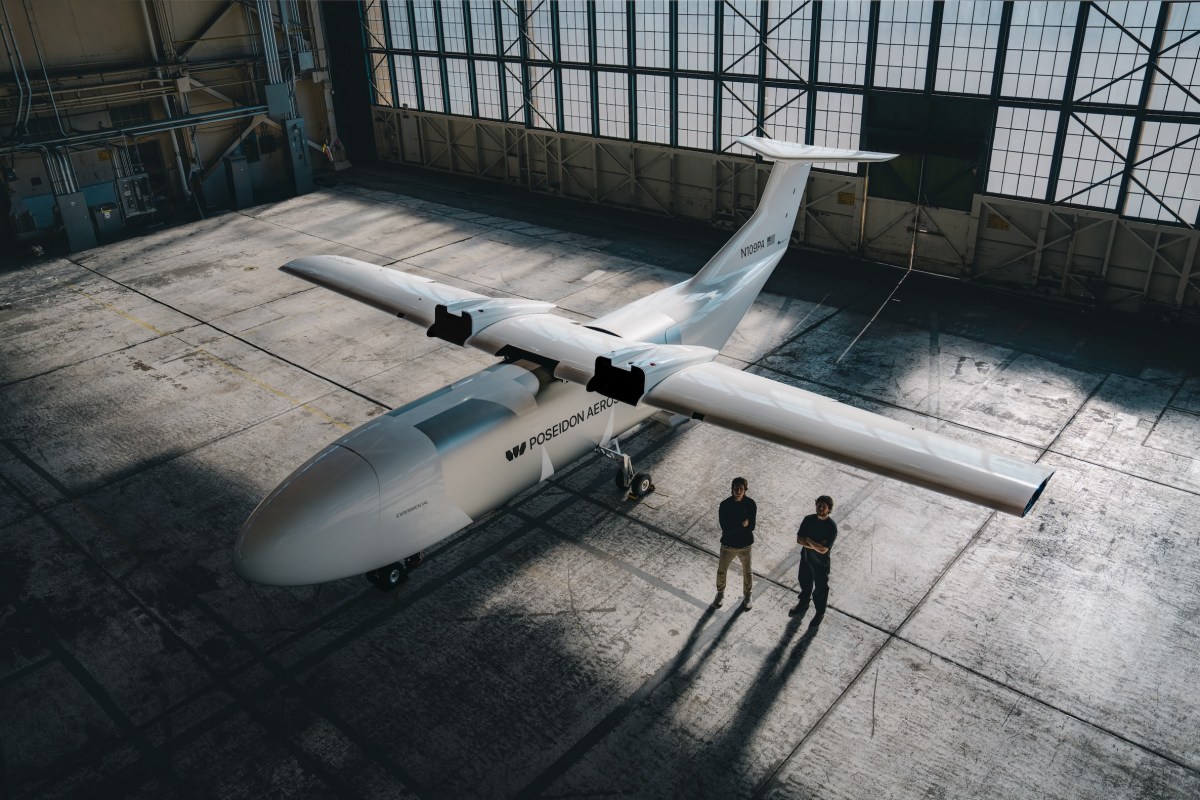
Poseidon Aerospace Secures $60 Million for Upcoming Uncrewed Cargo Plane Test Flight
Poseidon Aerospace has successfully raised $60 million in a Series A funding round, aimed at advancing its uncrewed cargo plane, Egret. This funding follows an earlier $11 million seed round and is led by TQ Ventures, with participation from several other investors. The first test flight of Egret is anticipated by the end of this year. The significance of this funding lies in Poseidon's focus on enhancing cargo transportation efficiency rather than pursuing flashy technologies. CEO David Zagaynov emphasizes a practical approach, utilizing fixed-wing aircraft powered by combustion engines, which allows for lower operational costs. The company aims to target both defense and regional commercial cargo markets, providing services to underserved areas with limited infrastructure. Looking ahead, Poseidon plans to operate its own regional air cargo business, competing directly with established carriers like UPS and FedEx. The absence of pilots in their aircraft is expected to further reduce costs, positioning Poseidon to capture demand in the logistics sector by offering faster and more affordable services. No further timeline was disclosed at the time of publication.
Fundraising Startups Transportation airborne cargo autonomous aircraft aviation
Taiwan's Aerospace Contractor Develops Countermeasures Against China's Drone Advancements
Taiwan's leading aerospace contractor is shifting focus from traditional aircraft manufacturing to developing counter-drone systems. This strategic move comes in response to the increasing capabilities of China's unmanned aircraft systems (UAS), as emphasized by an executive from the company, who highlighted the urgent need for a counter-UAS system. The significance of this development lies in Taiwan's heightened concerns regarding China's aggressive drone development. The shift towards counter-drone technology reflects Taiwan's proactive approach to enhancing its defense capabilities amid rising tensions in the region. The need for a dedicated, low-cost shield against potential threats underscores the urgency of this initiative. Looking ahead, it will be crucial to monitor Taiwan's advancements in counter-drone systems and how these developments may influence regional security dynamics. No further timeline was disclosed at the time of publication.
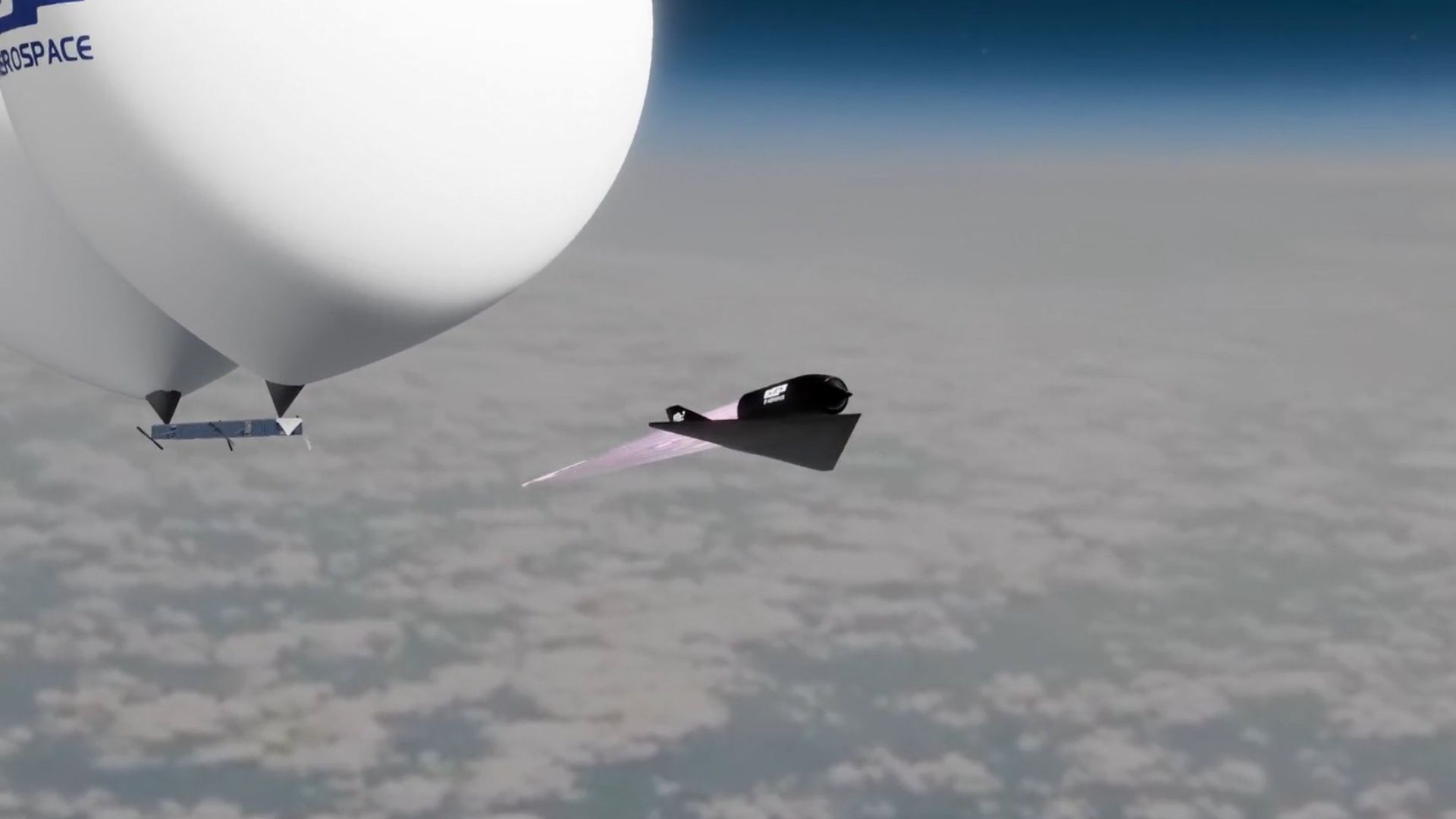
JP Aerospace Unveils Hazel Hypersonic Aircraft Concept for Space Access via Airships
JP Aerospace has introduced new computer-generated images of its Hazel vehicle, which aims to reach orbit without traditional rockets. The concept involves launching Hazel from a high-altitude airship named SuperTandem, as shared by company president John Powell. This innovative approach is part of a long-term vision to transport people and cargo to orbit using lighter-than-air vehicles. The significance of this project lies in its potential to revolutionize space travel. Unlike conventional rockets that provide quick, high-energy launches, JP Aerospace's Airship to Orbit program proposes a gradual ascent to space. Passengers and cargo would first be transported to a high-altitude base called Dark Sky Station before a larger orbital airship accelerates to orbital velocity using electric engines. Looking ahead, JP Aerospace's plans for the Hazel aircraft and its orbital-class airships remain ambitious yet unconfirmed in terms of construction and flight testing. No further timeline was disclosed at the time of publication.
Transportation
US Space Force Engages Leonardo DRS for Advanced Space Sensor Development
The US Space Force has selected Leonardo DRS to develop a new space sensor aimed at detecting, identifying, tracking, and targeting fast-moving threats. This initiative is part of the broader effort to enhance tactical responsiveness in space operations, particularly under the VICTUS HAZE mission framework. This development is significant as it addresses the increasing need for advanced surveillance and threat detection capabilities in space, especially given the growing complexity of space operations and the potential for conflicts in orbit. The optimized sensor system is expected to achieve uplink speeds of 1.25 Mbps and downlink speeds of 100 Mbps, enhancing communication and operational efficiency. Looking ahead, the advancements in space sensor technology will be crucial for future military satellite networks, with Redwire also investing in phased array antennas to improve data links. No further timeline was disclosed at the time of publication.
Space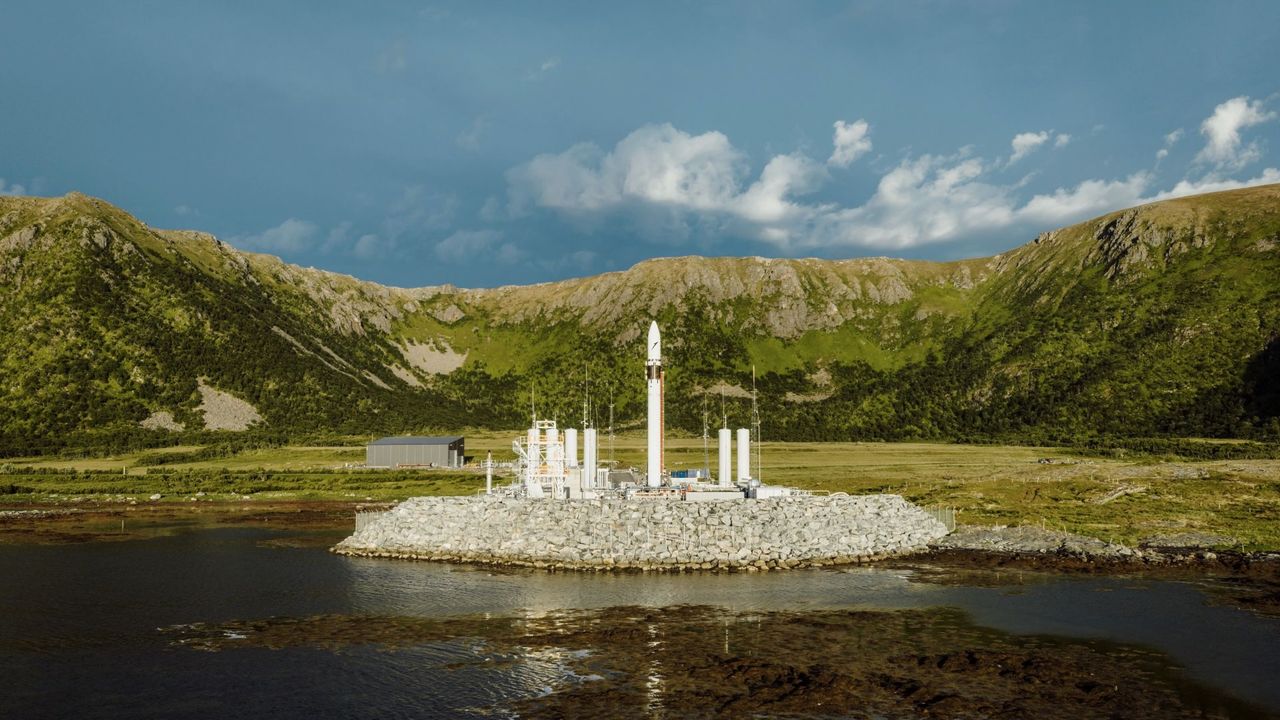
Isar Aerospace Aims for Historic Launch from Norway with Spectrum Rocket Today
Isar Aerospace is set to make history today by launching its Spectrum rocket from Andøya Space Center in Norway, potentially marking the first successful orbital launch from European soil. The launch window opens at 4 p.m. EDT, with live coverage starting an hour earlier. This launch is significant as it follows a previous attempt in March 2025, which ended in failure due to an anomaly shortly after liftoff. Isar Aerospace has since addressed the issues identified during the investigation, and today's mission will carry viable payloads, including five cubesats and a scientific experiment, showcasing the rocket's capabilities. Looking ahead, Isar Aerospace envisions Spectrum as a key player in the small to medium satellite launch market, with a production capacity of over 30 rockets annually from its facility near Munich. The success of this launch could greatly enhance Europe's position in the global space transportation sector, as noted by Toni Tolker-Nielsen from the European Space Agency.
Launches & Spacecraft Space Exploration
Hyundai's Louisiana Steel Mill to Supply Materials for Robots and SpaceX Rockets
Hyundai Motor Group Executive Chair Chung Euisun announced that steel from the upcoming Hyundai Steel mill in Louisiana could be utilized beyond automotive applications, potentially in Atlas humanoid robots and SpaceX rockets. This vision was shared during the groundbreaking ceremony for the Hyundai-Posco Louisiana Steel plant, which will initially focus on automotive steel production. The $5.8 billion electric arc furnace facility is set to be Hyundai Steel's first production base in the U.S., with an annual capacity of 2.7 million metric tons, including 1.8 million tons dedicated to automotive steel and 900,000 tons for other uses. Chung's comments reflect a long-term strategy to diversify the mill's output, aligning with Hyundai's plans to deploy Atlas robots in U.S. manufacturing operations by 2028. Looking ahead, Hyundai is cautious about deploying Atlas within the steel mill, emphasizing the need for extensive testing. Chung also highlighted the company's efforts to enhance Atlas' development by reorganizing its structure to accelerate technology adoption and improve capabilities in critical components like actuators and grippers. No further timeline was disclosed at the time of publication.
All News
GE Aerospace to Supply LM2500+G4 Engines for South Korea's KDDX-Class Destroyers
GE Aerospace has announced that it will provide 12 LM2500+G4 marine gas turbine engines for six KDDX-class destroyers being constructed for the Republic of Korea Navy (RoKN). The integration of the LM2500+G4 with the KDDX's full electric propulsion system is expected to enhance operational flexibility, fuel efficiency, and survivability for the vessels. This development is significant as it marks a step towards advanced naval propulsion systems, with GE Aerospace's technology reinforcing its collaboration with South Korea. The RoKN has previously procured 163 GE Aerospace marine gas turbines for 95 ships, indicating a strong track record in the region. Looking ahead, Hanwha Aerospace, GE's local partner, will manufacture engine components and support assembly and testing. The KDDX program is projected to cost 7.8 trillion won ($5.75 billion), with Hanwha Ocean as the preferred bidder for the lead ship's construction. No further timeline was disclosed at the time of publication.
Global Naval Warfare Asia GE Aerospace Hanwha Indo-Pacific
European Space Agency Locates Philae Lander on Comet 67P After Two-Year Search
On September 2, 2016, the European Space Agency successfully located its long-lost Philae lander on Comet 67P after an extensive two-year search. Philae, which was deployed by the Rosetta spacecraft in November 2014, had experienced a rough landing due to failed harpoons, leading it to bounce and ultimately rest in a shadowed area where it could not generate sufficient solar power. The discovery of Philae's location provided closure for the European Space Agency, as it marked the culmination of a challenging mission that aimed to understand comet behavior. Despite its limited operational time, Philae made significant contributions, including the detection of organic materials on the comet's surface, before its batteries were depleted. Looking ahead, the Rosetta mission concluded with a controlled crash landing on Comet 67P on September 30, 2016. The mission's findings continue to influence our understanding of comets and their role in the solar system, making it a pivotal moment in space exploration history.
Space Exploration
NEC to Pursue Manufacturer Acquisitions in Physical AI and Aerospace Sectors
NEC, the Japanese technology group, is set to explore acquisitions within the manufacturing sector, focusing on growth opportunities in physical artificial intelligence, aerospace, and defense. This strategic move aligns with NEC's broader ambition to enhance its capabilities and market presence in these emerging fields. The significance of this initiative lies in NEC's commitment to not limit its mergers and acquisitions to any specific market, as stated by the company's CFO. This approach reflects a proactive strategy to adapt to evolving industry demands and technological advancements, particularly in sectors like aerospace and defense, which are increasingly reliant on innovative AI solutions. Looking ahead, industry observers will be keen to see how NEC's acquisition strategy unfolds and which specific manufacturers it targets. No further timeline was disclosed at the time of publication.

NASA's Pioneer 11 Becomes First Spacecraft to Fly by Saturn on September 1, 1979
On September 1, 1979, NASA's Pioneer 11 made history as the first spacecraft to fly by Saturn. Launched in 1973, it initially aimed to explore the asteroid belt and Jupiter before using Jupiter's gravity to reach Saturn. During its closest approach, Pioneer 11 was approximately 13,000 miles above Saturn's cloud tops, navigating through the planet's rings to assess their safety for future missions. The significance of Pioneer 11's mission lies in its groundbreaking discoveries, including several moons, a new ring, and evidence of Saturn's magnetic field. This mission was crucial for paving the way for NASA's Voyager probes, which were set to explore the outer planets. Pioneer 11's successful trajectory and data collection provided essential insights into Saturn's atmosphere, primarily composed of liquid hydrogen, and its moon Titan, which it photographed in detail. Looking ahead, the legacy of Pioneer 11 continues to influence space exploration. Its findings not only enhanced our understanding of Saturn but also set the stage for subsequent missions to Uranus and Neptune. No further timeline was disclosed at the time of publication.
Space Exploration
Dronetag Integrates Remote ID Data into Airwise Nexus for Enhanced Airspace Awareness
Dronetag and Airwise Solutions have announced a new integration that incorporates Remote ID data into the Airwise Nexus common operating picture. This partnership aims to provide operators with a comprehensive view of low-altitude airspace activity, enhancing the management of complex drone missions, including beyond visual line of sight (BVLOS) operations. The integration is significant as it combines Dronetag's Remote ID transmitters and receivers with Airwise's drone operations management platform, airwiseOS. This collaboration allows users to access a unified interface that displays Remote ID detections alongside telemetry, radar information, and other sensor data, improving situational awareness and coordination for public safety and critical infrastructure teams. Looking ahead, the integration is available to Airwise customers utilizing Dronetag receivers or transmitters, allowing them to enable the connection through their app account settings. No further timeline was disclosed at the time of publication.
Drone News Drone News Feeds News Remote ID airspace awareness Airwise Solutions
FANUC UK Restructures Leadership to Boost Aerospace and Defence Growth
FANUC UK has announced a significant restructuring of its sales leadership to enhance growth in the aerospace and defence sectors. Effective September 1, 2026, Oliver Selby will transition from Head of Sales to Strategic Key Account Manager for Aerospace & Defence, a role aimed at strengthening support for UK and Ireland manufacturers. This strategic move underscores FANUC UK's commitment to the aerospace and defence industries, which are critical to its long-term growth strategy. With over 20 years of experience in robotics and automation, Selby will focus on developing partnerships and identifying automation opportunities to enhance productivity and competitiveness in these sectors. Looking ahead, FANUC UK aims to leverage Selby's extensive industry experience and network to drive automation adoption in aerospace and defence. No further timeline was disclosed at the time of publication.
Industry News
GoPro Acquired by Starman Holding for $285 Million, Expanding into Defense and Aerospace
GoPro has been acquired by Starman Holding for $285 million, marking a significant shift for the company. Previously known for consumer action cameras, GoPro's CEO Nick Woodman now positions the company as a leader in imaging and optical solutions for national security, focusing on defense and aerospace sectors. This acquisition comes shortly after YouTuber Mark 'Markiplier' Fischbach became GoPro's largest shareholder, holding 8.5% of the company. Starman Holding's CEO Charles Tebele emphasized the merger's potential to combine GoPro's optical expertise with Starman's manufacturing capabilities, aiming to bring critical component production back to the U.S. Looking ahead, GoPro plans to maintain its consumer product lines while exploring new opportunities in defense and aerospace consulting. The deal is expected to close by the end of the year, although further details regarding the transition and shareholder plans remain undisclosed.
Cameras Gadgets News Tech
NASA's Roman Space Telescope Successfully Launched Aboard SpaceX Falcon Heavy
NASA's Nancy Grace Roman Space Telescope was successfully launched aboard SpaceX's Falcon Heavy on August 30, 2023, at 07:26:49 a.m. EDT from Kennedy Space Center. This mission aims to position the telescope nearly 1 million miles from Earth, enabling it to capture unprecedented views of the universe and study phenomena such as dark matter and dark energy. The launch is significant as it marks a new era in astronomical discovery, with the Roman Space Telescope expected to provide the widest views of the universe ever captured. The precise timing of the launch was crucial, as it was an 'instantaneous' launch window, requiring exact timing to ensure proper orbital delivery and optimal viewing conditions for photographers. Looking ahead, the Roman Space Telescope's mission will likely lead to groundbreaking discoveries in astrophysics. No further timeline was disclosed at the time of publication, but the anticipation surrounding its findings continues to grow among the scientific community and space enthusiasts alike.
Launches & Spacecraft Space Exploration
Quadrupedal Robot Develops Dog-like Agility for Navigating Tight Spaces
Recent advancements in robotics have led to the development of a quadrupedal robot that mimics the agile movements of dogs and other four-legged animals. This robot is designed to leap and maneuver through tight spaces, showcasing improved agility compared to previous models. The ability to replicate such movements is significant as it opens up new possibilities for robotic applications in environments where space is limited. This advancement could enhance the functionality of robots in various sectors, including search and rescue operations, where navigating through confined areas is crucial. Looking ahead, the focus will be on refining these movements further and integrating advanced sensors to improve the robot's adaptability in dynamic environments. No further timeline was disclosed at the time of publication.
Robotics
SolarWindow Technologies Launches 24.4% Efficient ElectroFlex Solar Film for Aerospace and Transport
SolarWindow Technologies has commenced commercial production of its 0.85 mm thick solar laminate, ElectroFlex, featuring interdigitated back-contact (IBC) cells with a 24.4% efficiency rating. This innovative product offers a power-to-weight ratio of approximately 73 W/kg and is designed for direct application on various surfaces without the need for traditional mounting hardware. The introduction of ElectroFlex is significant as it addresses the limitations of conventional silicon solar setups, which require heavy structural components. By providing a flexible and lightweight solution, ElectroFlex can be installed on load-sensitive surfaces such as aircraft fuselages and train exteriors, enabling energy generation in previously unsuitable locations. Looking ahead, SolarWindow Technologies plans to deliver ElectroFlex to selected industrial partners in North America and Asia in the coming quarters. The company aims to expand its offerings beyond liquid coatings, focusing on engineered electrical systems that integrate seamlessly into transport and mobile machinery applications, converting exterior surfaces into auxiliary power sources.
Energy Innovation
XPeng Launches Major Upgrade to Second-Gen VLA with Dynamic 4D Spacetime Understanding
XPeng has introduced a significant upgrade to its second-generation Vehicle Learning Architecture (VLA), enhancing it with dynamic 4D spacetime understanding. This advancement enables production cars to exhibit Robotaxi-grade Level 4 (L4) autonomous behavior, marking a notable step forward in the integration of physical AI. The introduction of 4D spacetime capabilities is crucial as it allows vehicles to better interpret their environments and make real-time decisions, which is essential for safe autonomous driving. This upgrade positions XPeng at the forefront of the autonomous vehicle industry, showcasing its commitment to innovation and advanced technology. Looking ahead, industry observers will be keen to see how this upgrade impacts XPeng's market position and the broader implications for autonomous vehicle technology. No further timeline was disclosed at the time of publication.
Auto
Wenchang Accelerates Commercial Space Industry with New Deals and Platform Launches
A three-day aerospace forum in Wenchang led to the announcement of new deals and the launch of platforms aimed at enhancing Hainan's commercial space sector. This initiative reflects Hainan's commitment to becoming a key player in the commercial space and data services market. The significance of this development lies in Hainan's strategic investment in the commercial space industry, which is expected to attract further investment and innovation. By fostering a conducive environment for aerospace activities, Wenchang aims to position itself as a hub for space-related enterprises and services. Looking ahead, stakeholders will be monitoring the outcomes of the newly formed partnerships and the effectiveness of the launched platforms. No further timeline was disclosed at the time of publication.

Star Catcher Industries and Aethero Partner to Enhance Space-Based Computing Power
Star Catcher Industries and Aethero have formed a partnership to enhance high-performance computing and AI capabilities in orbit by addressing power limitations. Aethero will utilize Star Catcher's upcoming orbital energy grid to access additional power on demand, enabling spacecraft to manage increased computing loads without extensive onboard energy systems. This collaboration is significant as it aims to support the growing demand for space-based data centers and content distribution networks, driven by the increasing volume of satellite-generated data. By processing data in orbit, the need for extensive ground communications is reduced, alleviating potential bottlenecks. Looking ahead, Aethero plans to deploy its NxA-ECM compute module during its Titan mission in October, which will facilitate advanced computing in low Earth orbit. Star Catcher's innovative power-beaming technology is expected to allow spacecraft to generate up to 10 times more power on demand, enhancing operational efficiency and expanding the capabilities of satellite missions. No further timeline was disclosed at the time of publication.
AI and Robotics Space
Amazon's Valuation Could Surpass Tesla and SpaceX Combined by 2030
Amazon, currently valued at $2.8 trillion, is projected to exceed the combined market cap of Tesla and SpaceX, which stands at $3.3 trillion. Analysts anticipate that by 2030, Amazon's growth, driven by its profitable AWS segment, will lead to a valuation of $215 billion in net income on $1.38 trillion in sales, outpacing the expected earnings of Tesla and SpaceX. This potential shift in valuation is significant as it highlights Amazon's robust business model compared to Tesla and SpaceX, which are facing challenges in profitability and revenue growth. While Tesla's revenue has seen fluctuations, SpaceX has shown rapid growth, yet both companies are projected to generate a combined $151 billion in net income by 2030, which is less than Amazon's forecasted earnings. Investors should monitor the evolving landscape as Tesla and SpaceX aim to enhance their profitability and revenue, particularly with SpaceX's high-margin satellite services. The anticipated merger of Tesla and SpaceX could further impact their financial performance, making the next few years crucial for all three companies.
SpaceXAI Implements NVIDIA Vera CPUs for Enhanced Agentic AI Applications at Scale
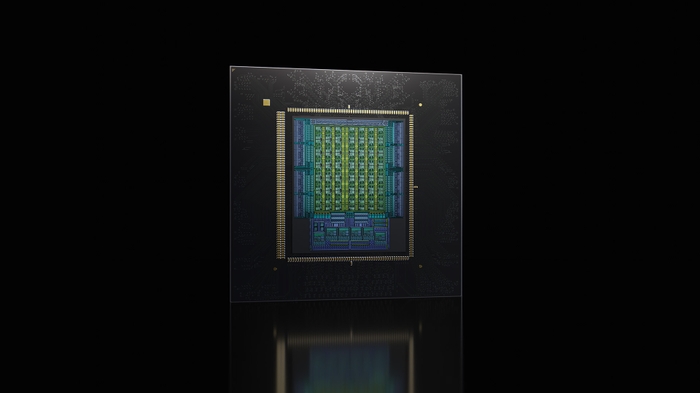
NVIDIA has announced that SpaceXAI will utilize NVIDIA Vera CPUs to enhance its next generation of agentic AI applications. This deployment marks a significant step as it introduces the first CPU specifically designed for AI agents, which will help in orchestrating tools, executing code, processing data, and running simulations effectively. The integration of NVIDIA Vera CPUs is crucial for SpaceXAI as it aims to improve the performance of AI agents while ensuring that GPUs remain fully utilized. With plans to expand its AI infrastructure, SpaceXAI is set to leverage the capabilities of Vera Rubin and the optimized Vera Rubin NVL72 in its first-generation Starmind satellite, highlighting the importance of advanced computing in AI development. Looking ahead, SpaceXAI's collaboration with NVIDIA is poised to revolutionize AI computing not only on Earth but also in orbit. The unique challenges of space computing necessitate innovative solutions, and the deployment of NVIDIA Vera CPUs is a key component in addressing these challenges. No further timeline was disclosed at the time of publication.

SpaceX and Tesla Launch $16.8 Billion Terafab Chip Factory to Secure Supply Chains
SpaceX and Tesla are embarking on the construction of Terafab, a semiconductor manufacturing facility, as part of a joint venture with Intel. This $16.8 billion investment in a 100-million-square-foot plant in Grimes County, Texas, is crucial for both companies to enhance their supply chain resilience and support growth in electric vehicles and AI technologies. The Terafab initiative aims to produce 1 terawatt of compute, significantly exceeding the current global supply. By vertically integrating chip production, SpaceX and Tesla seek to mitigate geopolitical risks associated with reliance on external suppliers like TSMC and Samsung, while also reducing operating costs associated with chip manufacturing. As the project progresses, stakeholders should monitor the complexities of semiconductor manufacturing and the necessary commercial agreements between Tesla and SpaceX. The successful implementation of Terafab could substantially derisk both companies' operations and positively influence their stock performance in the long term.

Hubble Space Telescope Captures Stunning Image of Chandelier Cluster
The Hubble Space Telescope has captured a breathtaking image of the Chandelier Cluster, also known as NGC 6723, located 27,000 light-years away in the Milky Way galaxy. This globular star cluster is renowned for containing some of the oldest stars in the galaxy, with many being over 10 billion years old. The significance of the Chandelier Cluster lies in its composition of ancient stars, making it a vital subject for astronomers studying the early universe. Globular clusters like this one are massive, often containing tens of thousands to millions of stars, and are easier to spot than smaller clusters due to their brightness and density. For amateur astronomers and skywatchers, the Chandelier Cluster can be observed with binoculars or telescopes, nestled in the constellation Sagittarius. Discovered in 1826 by British astronomer James Dunlop, this cluster continues to be a point of interest for those exploring the night sky. No further timeline was disclosed at the time of publication.
Astronomy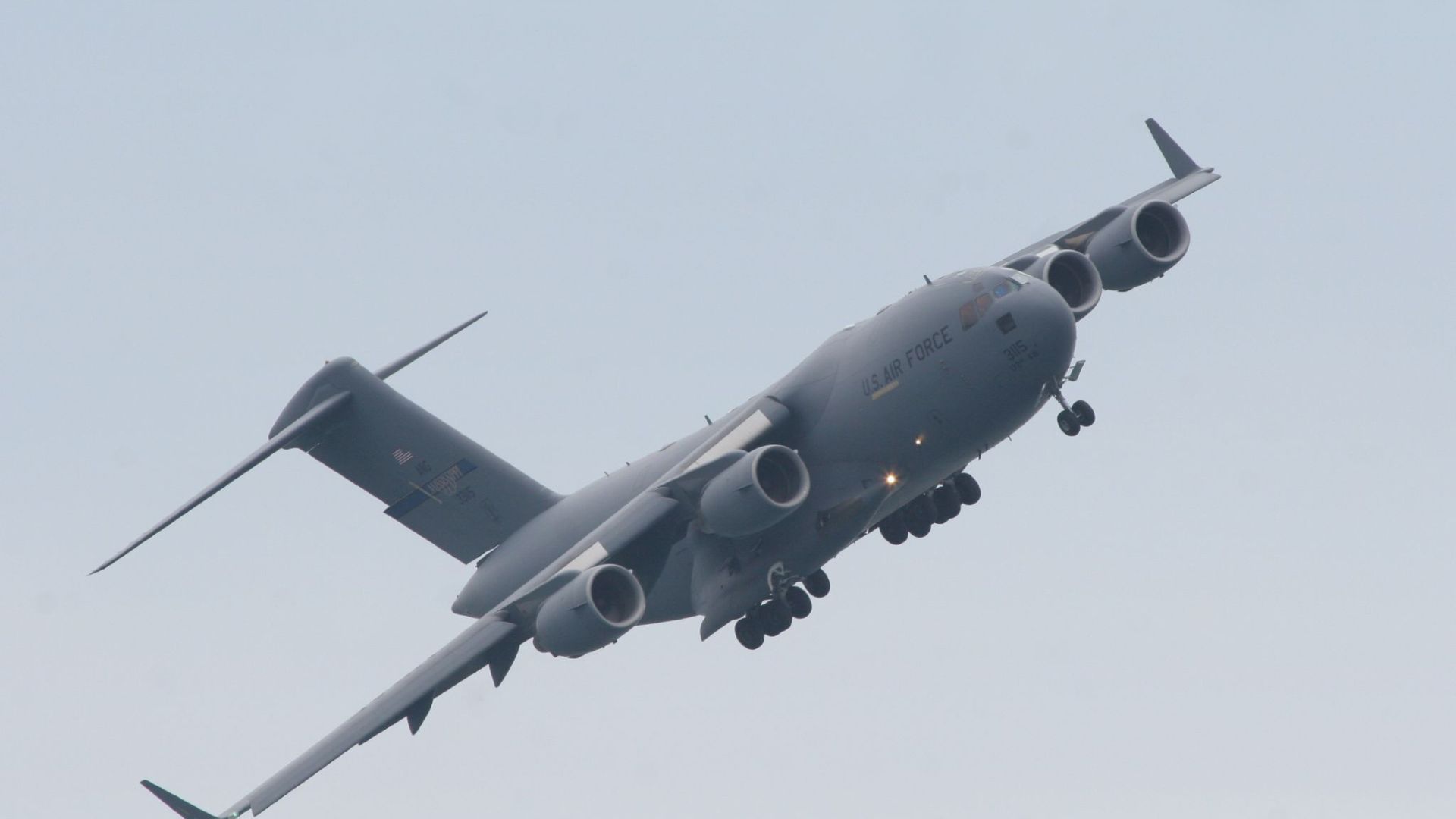
U.S. Air Force C-17 Globemaster Returns from Antarctica Due to Russian Aerospace Activity
A U.S. Air Force C-17 Globemaster transport aircraft was forced to turn back from its mission to Antarctica due to a warning about potentially hazardous Russian aerospace activity. The aircraft, operating under the call sign ICE28, departed from Christchurch, New Zealand, on August 18 but was redirected after receiving a NOTAM regarding a planned Russian missile launch. This incident underscores the risks associated with aviation in remote regions like the Southern Ocean, where emergency landing options are severely limited. The warning was issued by New Zealand's Civil Aviation Authority after being informed by Russia's State Air Traffic Management Corporation about the potential hazards in international airspace. The flight was part of the U.S. Air Force's winter fly season, which is crucial for transporting researchers and equipment to Antarctica ahead of the summer research season. No further timeline was disclosed at the time of publication.
Military
Turkish Aerospace Aims to Develop Naval Version of Hurjet for NATO Exports
Turkish Aerospace has announced plans to develop a naval variant of its HÜRJET aircraft, aiming to enhance its export capabilities within NATO. CEO Mehmet Demiroglu expressed confidence that HÜRJET could serve as a trainer aircraft not only for Türkiye and Spain but also as a training platform for NATO forces. This initiative is significant as it aligns with Turkey's strategy to expand its defense exports and strengthen its position within NATO. The development of a naval version of HÜRJET could meet the growing demand for versatile training aircraft among NATO allies, potentially increasing collaboration and interoperability among member nations. Looking ahead, industry observers will be keen to see how Turkish Aerospace progresses with the naval variant and its impact on NATO training programs. No further timeline was disclosed at the time of publication.
Global air Hurjet Middle East NATO naval
White House Unveils New Military Tech Strategy Prioritizing AI, Undersea, and Outer Space
The White House has released a new National Security Science & Technology Strategy, outlining a four-tiered priority framework for military technology, emphasizing artificial intelligence, undersea capabilities, and outer space. This strategy seeks to balance high-cost mega-programs with lower-cost innovations, reflecting a modernized approach to military tech acquisition. This new strategy is significant as it aims to maintain U.S. technological superiority in critical areas while addressing emerging threats, particularly from competitors like China. The focus on AI and autonomy, alongside traditional military strengths, underscores the evolving landscape of defense technology and the need for a diverse arsenal. Looking ahead, the strategy highlights the importance of building technological resilience through potentially transformative technologies, such as biotechnology and quantum technology. No further timeline was disclosed at the time of publication.
Air Warfare Naval Warfare Networks & Digital Warfare Pentagon Space AI & Autonomy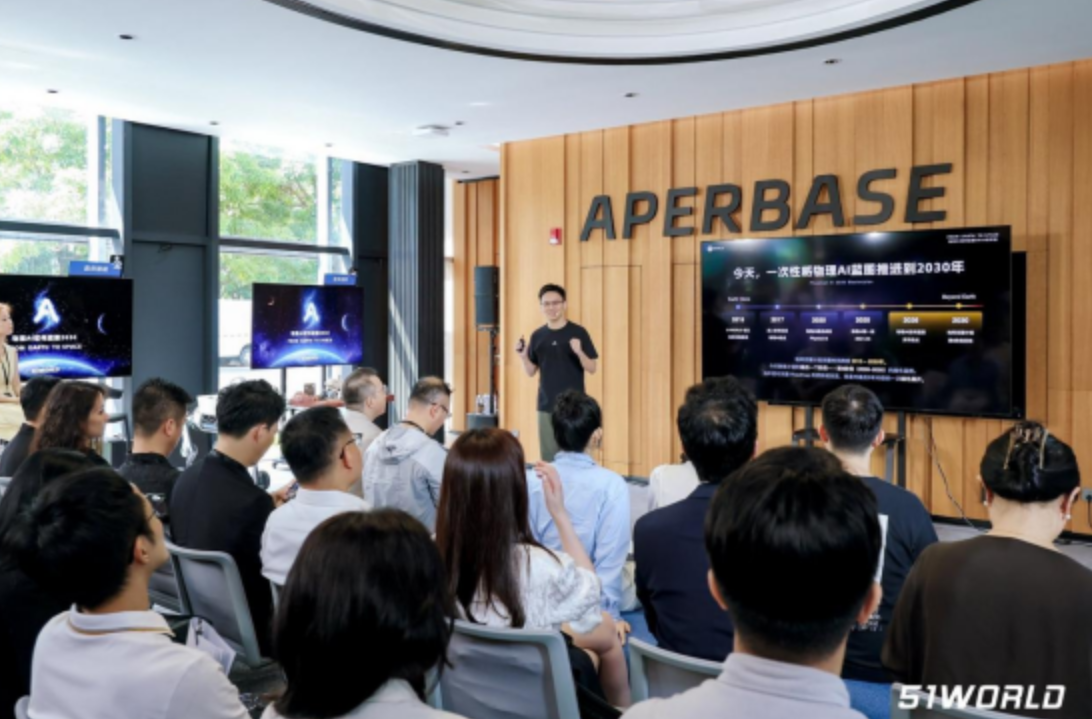
After 11 Years of Earth Cloning, Company Shifts to Physical AI in Space
After 11 years of working on a project to digitally clone Earth, the company Five One Vision has pivoted its focus to developing physical AI technologies for space applications. On August 18, the company launched two embodied intelligence products and unveiled a three-tier aerospace strategy encompassing low-altitude, space, and deep space operations. The new products include AperData, a data collection platform that significantly enhances data accuracy and efficiency, and AperOne, a comprehensive operating system platform aimed at addressing challenges in robot deployment. The company has already validated these solutions in various scenarios, including a smart chemical plant and a national conference center. Five One Vision reported a revenue of 124 million yuan in the first half of 2026, marking a 129.8% increase year-on-year. As the company transitions its business model from software fees to value-based pricing, it is establishing itself as a foundational provider of physical AI infrastructure, ensuring that essential training data and simulation platforms are available for future robotic applications in space.
Physical AI Data Collection Aerospace Technology Robotics Simulation PlatformsRobotics needs a service framework.
RSF defines a common language for robot service capability, lifecycle operations, certification pathways, and service-provider networks.
Join the RobotToday community on LinkedIn
Daily robotics news, in-depth analysis, conference highlights, and discussions with professionals worldwide.







