

Industry Briefing
A single destination for timely, editor-curated robotics news from around the world.
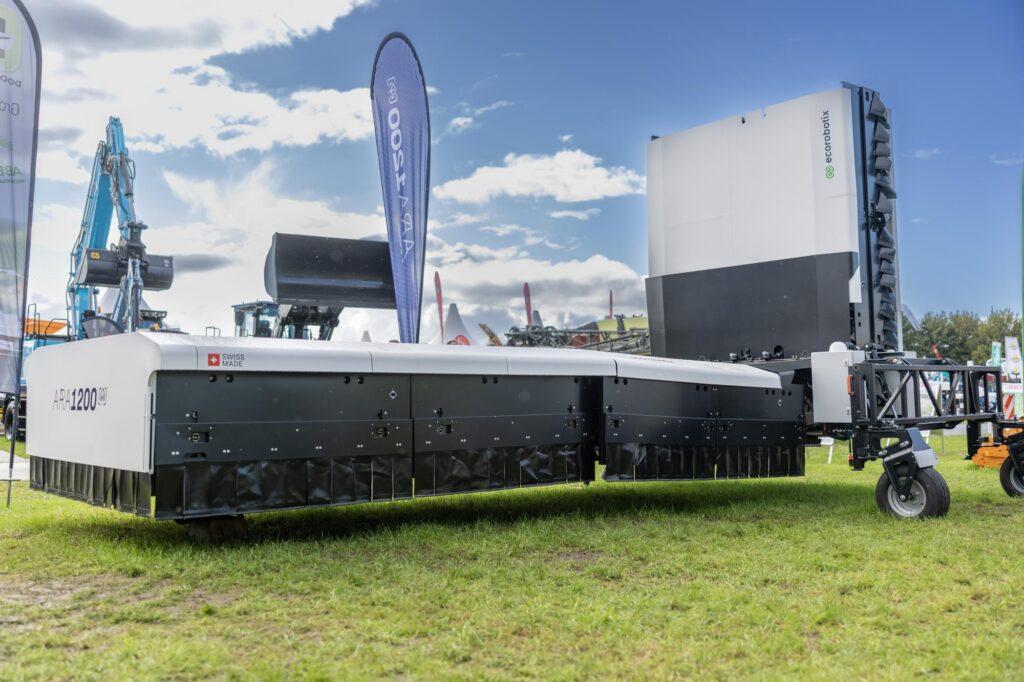
Ecorobotix Unveils Prototype ARA 1200 Spot Sprayer at ATH Trade Fair
Swiss manufacturer Ecorobotix has introduced its prototype ARA 1200 spot sprayer at the AgroTechniek Holland (ATH) trade fair in Biddinghuizen. This 12-metre-wide machine is designed to enhance agricultural efficiency and is currently in the prototype stage, with a nearly finalized design. The ARA 1200 features a new control box for hydraulic functions and folds to a narrower transport width compared to its predecessor, the ARA 620. Weighing 2,000 kg, it is equipped with advanced technology similar to the existing 6-metre version. The ARA 1200 is priced at approximately €210,000, while a 9-metre-wide version is also set to be launched. Ecorobotix plans to deploy around 20 machines globally, with orders already exceeding available stock for the upcoming season. This rollout strategy aims to ensure manageable service levels for end customers. No further timeline was disclosed at the time of publication.
Field robots autonomous farm equipment machinery spot spraying spraying technology trade fairs
Navigating the Journey from Prototype to Production at TechCrunch Disrupt 2026
TechCrunch Disrupt 2026 will feature a session titled 'From Prototype to Production: Can It Scale in Reality' on the Real World AI Stage. This event will address the challenges startups face when transitioning from prototype to production, emphasizing the need for reliable manufacturing and infrastructure. Industry leaders will share their experiences in scaling technologies beyond controlled environments. The significance of this discussion lies in the diverse paths taken by different industries in moving from promising prototypes to production-ready solutions. Founders will explore how manufacturing capabilities must evolve alongside technology to ensure successful deployment. The session will highlight the importance of consistency and reliability in real-world applications, drawing insights from leaders in space communications and autonomous systems. Attendees can expect to gain valuable lessons from the experiences of speakers like John Mackey of MBRYONICS, Boris Sofman of Bedrock Robotics, and Adrian Macneil of Foxglove. Their insights will provide a comprehensive understanding of the complexities involved in scaling production across various sectors. No further timeline was disclosed at the time of publication.
AI Startups TC TechCrunch Disrupt
Army Grants Prototype Contracts to Six Companies for Last Tactical Mile Program
The U.S. Army has awarded prototype contracts to six companies as part of its Last Tactical Mile program. The companies selected include Maren-Go, Overland AI, Forterra, Hendrick’s Motorsports, American Rheinmetall, and HDT, as reported in a service release. This initiative is significant as it aims to enhance the Army's capabilities in delivering supplies and equipment to troops in the final stages of their missions. The involvement of diverse companies indicates a strategic approach to leverage innovative solutions in military logistics. Looking ahead, it will be important to monitor the progress of these prototypes and their potential impact on military operations. No further timeline was disclosed at the time of publication.
Land Warfare American Rheinmetall Vehicles Army autonomy Drones Forterra
Fudan University Team Achieves Prototype Validation for Embodied Intelligence Industrialization
Professor Zhang Qi from Fudan University announced at a recent seminar that the journey of embodied intelligence from the lab to industry has begun. This milestone reflects years of research in artificial intelligence and robotics, indicating a new era as the boundaries between academia and industry blur. The 'first step' mentioned by Professor Zhang is not the launch of a specific product but the establishment of a new collaborative model. The Fudan team, in partnership with several tech companies, has completed the prototype validation phase and is entering small-scale pilot deployments across various scenarios, from industrial logistics to home companionship services, demonstrating the feasibility and effectiveness of embodied intelligence in real-world environments. Technological breakthroughs, particularly in large language models, have made embodied intelligence systems commercially viable, allowing tasks to be performed through simple natural language commands. Advances in hardware, including cheaper computing devices and specialized AI chips, support rapid testing and deployment of these algorithms. This trend suggests that in the coming years, more embodied intelligence products will emerge, enhancing daily life and setting a benchmark for industry collaboration.
Embodied Intelligence AI Robotics Technology Collaboration
Lockheed Martin Expands Investment in Vectis Stealth Drone with Five Prototypes Planned
Lockheed Martin has announced plans to develop five prototypes of the Vectis stealth drone, with the inaugural flight scheduled for 2027. This initiative underscores Lockheed's commitment to advancing stealth technology and enhancing its capabilities in unmanned aerial systems. The Vectis project is part of Lockheed's broader strategy to innovate within its Skunk Works division, known for pioneering advanced aerospace technologies. As the development progresses, industry stakeholders will be keen to monitor the Vectis program's milestones and its potential impact on future defense applications. No further timeline was disclosed at the time of publication.
Air Warfare AFA 2026 Air Force Business & Industry collaborative combat aircraft Drones
China Develops Type 19 Vehicle as Mobile Laser Defense Against Drone Threats
China is reportedly developing a new variant of its Type 19 amphibious 8×8 combat vehicle, equipped with a turret-mounted laser weapon and additional sensors. This modification aims to enhance protection for frontline troops against the increasing use of drones, particularly in potential conflicts involving Taiwan. The significance of this development lies in its potential application during military operations, especially as Taiwan expands its drone capabilities. The modified Type 19 could provide crucial counter-drone protection for PLA forces during amphibious landings, although the impact of the new equipment on the vehicle's performance remains uncertain. Looking ahead, the effectiveness of the Type 19 variant will depend on overcoming engineering challenges related to weight and operational capabilities. As Taiwan enhances its drone warfare strategies, the need for effective counter-drone systems becomes increasingly critical for the PLA, particularly in scenarios involving drone swarms targeting their forces.
Military
Affordable Touch Sensors Enhance Interaction in Social Robots with HERA Prototype
The HERA prototype, developed by the Max Planck Institute for Intelligent Systems in collaboration with the University of Tennessee and Fraunhofer IPA, integrates 16 custom flexible touch sensors into a modified koala pajama outfit for the NAO robot. This setup allows the robot to recognize five touch gestures and two pressure levels, enhancing its interactive capabilities. This advancement is significant as it addresses the limitations of existing social robots, which typically have few touch points and lack comprehensive tactile feedback. The HERA prototype's design prioritizes affordability and ease of manufacturing, making it a viable option for therapeutic applications, particularly for autism treatment, where durability and cost-effectiveness are crucial. Looking ahead, the research team has published their findings in the IEEE Transactions on Affective Computing, indicating a commitment to further development in this area. No further timeline was disclosed at the time of publication.
Touch Sensors Social Robotics Human-Robot Interaction AI Emotional Computing
Shenzhen's Embodied Intelligence Port Launches to Enhance AI Functionality and Data Services
In 2026, Shenzhen's Bao'an Qianhai Kexing Science Park will officially launch the first 'data service + incubation empowerment' embodied AI ecosystem community, known as 'Jubaopen.' This initiative aims to address the critical challenge in the embodied intelligence industry: bridging the gap between prototype development and functional deployment. The 'Jubaopen' community will focus on data services, creating a closed-loop system for data collection, cleaning, labeling, training, and iteration. It will support over 100 terminals simultaneously, covering 50 to 100 tasks, and is expected to reduce R&D costs for enterprises by 30% to 50%. The efficiency of this model is exemplified by the case of Zhenjue Wanxiang, which has successfully supplied wearable data collection devices to North American robotics giant Figure. The embodied intelligence port spans 23 square kilometers and hosts over 139 upstream and downstream companies, including Tencent and VIVO. Bao'an's strategy includes providing open testing environments across various industries, facilitating rapid development and market entry for companies. As the competition in embodied intelligence shifts towards scalable applications, this port aims to offer systematic solutions for the industry.
Embodied AI Robotics Development Data Services Automation Industry Innovation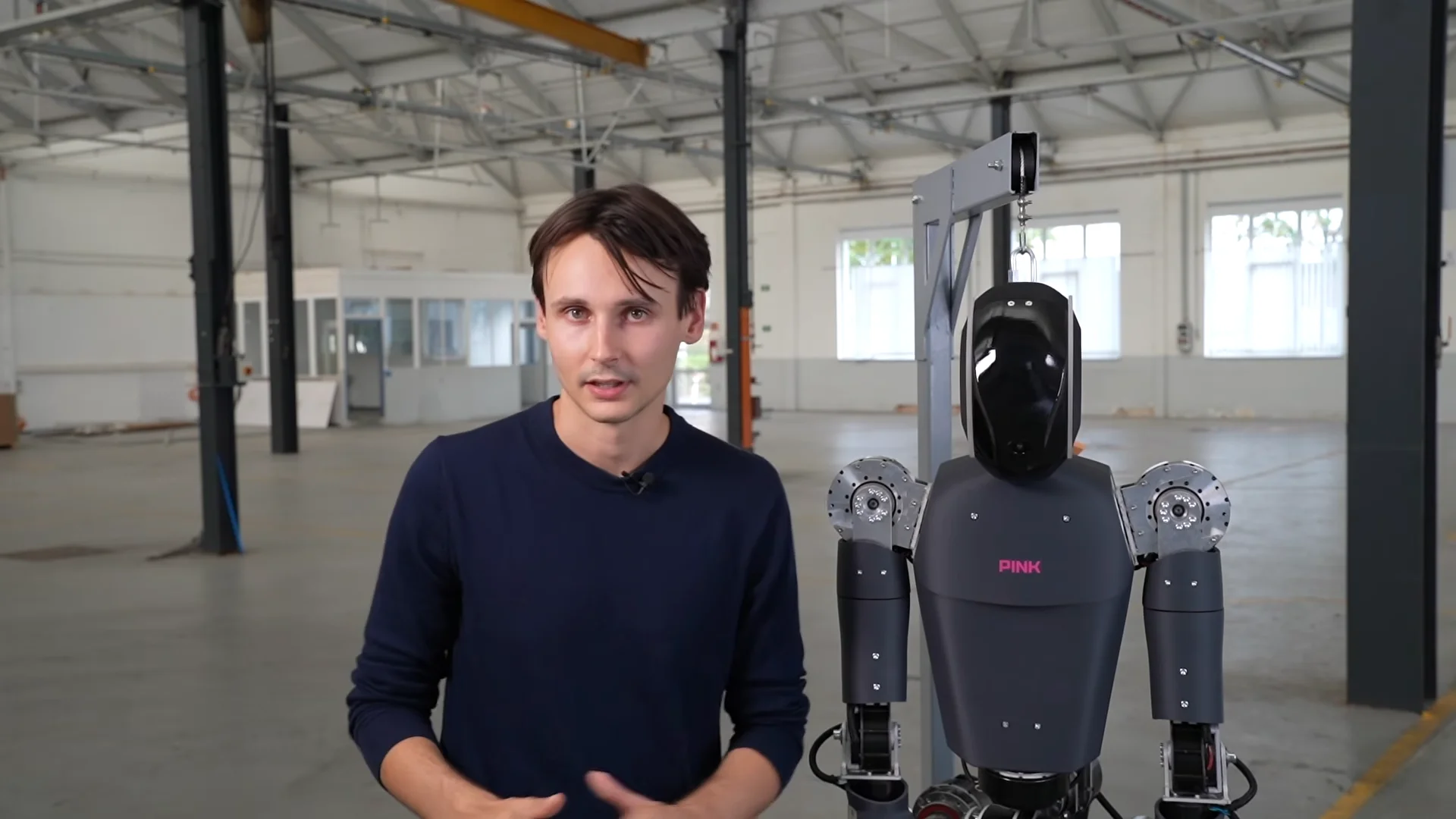
Pink Robotics Launches P0 Humanoid Prototype to Revitalize Germany's Industrial Sector
Pink Robotics, a new startup from Darmstadt, Germany, has unveiled its first humanoid prototype, the P0, aiming to address the country's industrial challenges. Founded by engineer Christopher Helmke, the company seeks to reposition Germany in the global robotics race, which is currently dominated by the U.S. and China. Helmke's dissatisfaction with the current state of German robotics, particularly after attending Hannover Messe, has fueled this initiative. The emergence of Pink Robotics is significant as it highlights the urgent need for innovation in Germany's robotics sector, which Helmke believes is lagging behind competitors. With major players like NEURA Robotics and Agile Robots leading the market, Helmke argues that the country requires a new industrial focus beyond its traditional automotive sector. The P0 humanoid is designed to integrate into existing facilities, showcasing advanced engineering with a mechanical chassis that offers extensive motion capabilities. Looking ahead, the success of Pink Robotics will depend on its ability to capture market interest and secure funding to compete with established players. Helmke's vision for the company reflects a broader call for revitalization in Germany's industrial landscape, emphasizing the importance of adapting to new technological demands. No further timeline was disclosed at the time of publication.
Pink Robotics Europe
U.S. Army Selects Six Companies for Autonomous UGV Prototypes in Battlefield Logistics
The U.S. Army has chosen six companies to develop prototypes of autonomous ground vehicles (UGVs) for critical battlefield missions, including resupply and casualty evacuation. This initiative, known as the Infantry Last Tactical Mile (ILTM), aims to enhance operations in high-risk areas where soldiers currently face enemy fire while delivering supplies or retrieving casualties. The significance of this initiative lies in its potential to reduce the risk to personnel by allowing autonomous vehicles to operate in dangerous zones. The Army's focus on beyond-line-of-sight capabilities for these UGVs reflects a strategic shift towards integrating autonomy into military logistics, thereby changing the operational landscape rather than merely introducing new weaponry. Looking ahead, the Army plans to evaluate the prototypes from the selected companies, which include American Rheinmetall and Overland AI, among others. These evaluations will determine which vehicles are best suited for further investment and potential production, although no production orders have been issued at this stage. No further timeline was disclosed at the time of publication.
Military
China Deploys YJ-20 Hypersonic Anti-Ship Missile on Type 052D Destroyers
Recent evidence shows that China's YJ-20 hypersonic anti-ship missile is being deployed on the People's Liberation Army Navy's Type 052D destroyers. This development indicates a strategic shift, allowing the missile to be utilized across a wider range of vessels rather than being limited to the larger Type 055 destroyers. The YJ-20 missile, capable of reaching speeds over Mach 6 and with a range of 1,000–1,500 km, poses a significant threat to large surface combatants, enhancing China's anti-access/area-denial capabilities in the western Pacific. The Type 052D destroyers, of which approximately 35 are operational, are now expected to increase the number of platforms capable of launching hypersonic strikes. While the recent launch footage suggests a move towards broader deployment, it remains uncertain if this will lead to large-scale fielding of the YJ-20 on these destroyers. No further timeline was disclosed at the time of publication.
Sea Destroyers Naval Munitions Navies People's Liberation Army Navy (China) Sea-Launched Hypersonic Missiles
SpaceX's $1.75 Trillion Valuation Driven by Starmind's Future Potential
Starmind is a pivotal element in SpaceX's estimated $1.75 trillion IPO valuation, despite currently generating no confirmed revenue. The stock price reflects optimistic projections regarding AI infrastructure growth, which Starmind has yet to substantiate. As of early July 2026, SpaceX's stock has decreased from its 52-week high of $225.64 to around $150, indicating market skepticism about future execution. The significance of Starmind lies in its potential to transform SpaceX's revenue model beyond traditional launch services. Goldman Sachs has shifted its focus from Starlink subscriber growth to the prospects of AI revenue, including orbital computing, as a cornerstone of SpaceX's long-term valuation. This marks a substantial change in how analysts view the company's growth trajectory, necessitating rates exceeding its historical 33% growth. Looking ahead, the credibility of Starmind as a growth narrative will be crucial for maintaining investor confidence. Analysts have noted a considerable divergence in price targets, reflecting uncertainty about the value of the Starmind and xAI initiatives. No further timeline was disclosed at the time of publication regarding specific milestones for these projects.

Tesla's Optimus Robots to Support Starmind Satellite Production, Not Maintenance
Tesla's Optimus robots will not be used to repair Starmind satellites in orbit, as confirmed by recent statements from Elon Musk. Instead, these robots are intended to assist in the construction and operation of the Terafab chip manufacturing facility in Texas. The AI1 satellites, designed to disintegrate upon reentry, highlight the company's swap-and-replace strategy rather than traditional maintenance practices. This approach is significant as it reflects a broader trend in satellite management, where mass-produced satellites are replaced rather than repaired. The economics of servicing missions are prohibitive, with the cost of launching a replacement satellite being significantly lower than conducting a repair mission. This model aligns with SpaceX's operational history, where rapid replacement of satellites is more efficient than attempting to maintain them in orbit. Looking ahead, the focus will remain on the production capabilities of the Gigasat factory, which is expected to support the continuous replacement of satellites. No further timeline was disclosed at the time of publication, but the demand for rapid satellite turnover suggests a robust future for Optimus robots in terrestrial manufacturing rather than in-space servicing.

SpaceX Unveils AI1 Satellite Specs for Starmind Constellation with Key Thermal Challenges
SpaceX has introduced the AI1 satellite, the inaugural component of its Starmind constellation, which stands 20 meters tall and has a wingspan of 70 meters. This orbital compute node is designed to deliver computing power equivalent to one NVIDIA GB300 server rack, utilizing a unique cooling system with deployable liquid radiators. The satellite's specifications were revealed during a presentation on June 8, 2026, ahead of SpaceX's IPO. The significance of the AI1 satellite lies in its role as a compute platform rather than a traditional satellite, focusing on running AI inference workloads. The satellite's cooling system, which is critical for its operation in the vacuum of space, is designed to reject heat through infrared radiation. However, independent engineers have raised concerns about the feasibility of the thermal and mass claims made by SpaceX, suggesting that the cooling requirements may exceed practical limits. Looking ahead, SpaceX plans to launch two AI1 prototypes in early 2027, with full-scale production expected to commence later that year at its Gigasat facility in Bastrop, Texas. The ongoing debate regarding the satellite's thermal management capabilities will be crucial to monitor as the project progresses, with no further timeline disclosed at the time of publication.
From Prototype to Production Readiness
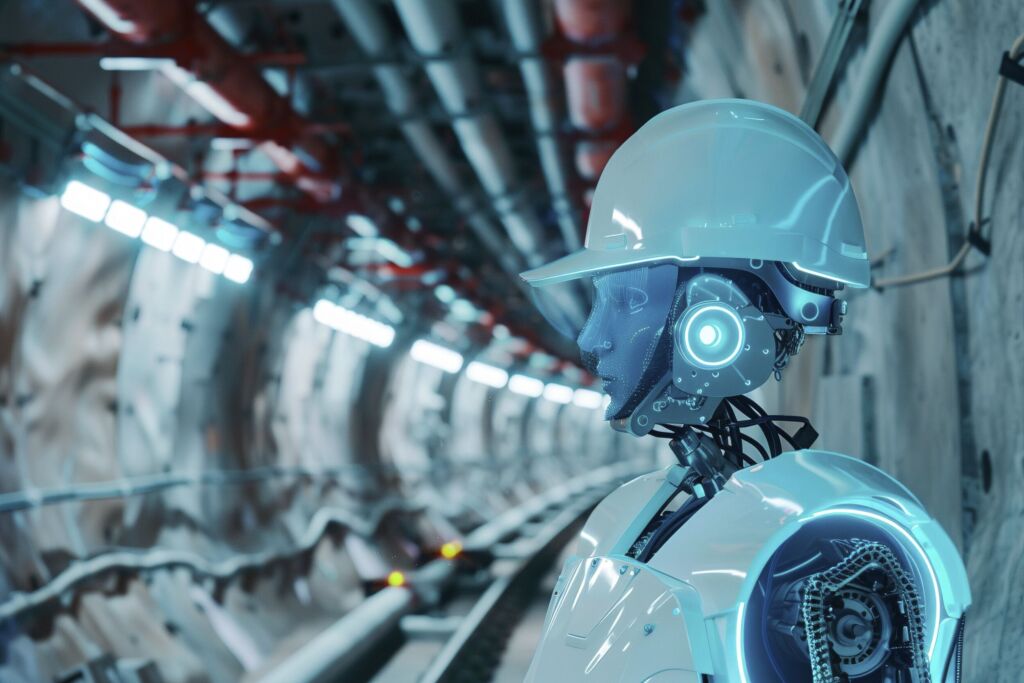
In recent years, the field of humanoid robotics has experienced remarkable growth, surprising even seasoned industry experts. By 2026, the transition from mere prototypes to the implementation of pilot projects featuring humanoid robots in valuable industrial applications is expected to take place. These robots are designed to perform tasks traditionally carried out by humans, not as replacements but as supportive aids to alleviate the pressures of a global labor shortage. This shift highlights the potential of humanoid robots to enhance productivity and efficiency in various sectors.
Allgemein
France Validates C-UAS Package for Rafale Fighters to Target Shahed-Type Drones
France has confirmed the validation of a Counter-Unmanned Aerial System (C-UAS) package for its Rafale fighters. This package enables the aircraft to engage Shahed-type attack drones using 68mm rockets, enhancing their operational capabilities in drone warfare. The implementation of this C-UAS package is significant as it addresses the growing threat posed by drones in modern combat scenarios. By equipping Rafale fighters with the ability to target these unmanned aerial vehicles, France aims to bolster its defense strategy and ensure air superiority against emerging aerial threats. Looking ahead, the focus will be on the operational deployment of this C-UAS capability within the French Air Force. No further timeline was disclosed at the time of publication.
News
Open‐Set Fault Diagnosis for Autonomous Underwater Vehicles Via Prototype Learning and Adaptive Mahalanobis Gating
The Journal of Field Robotics has recently published an early view article highlighting advancements in robotic technology. Researchers from various institutions collaborated to explore innovative applications of robotics in field environments. This study, released in October 2023, emphasizes the growing importance of robotics in enhancing efficiency and safety in agricultural and industrial settings. The motivation behind this research stems from the increasing demand for automation to address labor shortages and improve productivity. The team employed a combination of field tests and simulations to demonstrate the effectiveness of their robotic solutions, showcasing how these technologies can adapt to diverse tasks and terrains. The findings aim to inform future developments in robotic systems, ultimately contributing to more sustainable practices in various sectors.
RESEARCH ARTICLE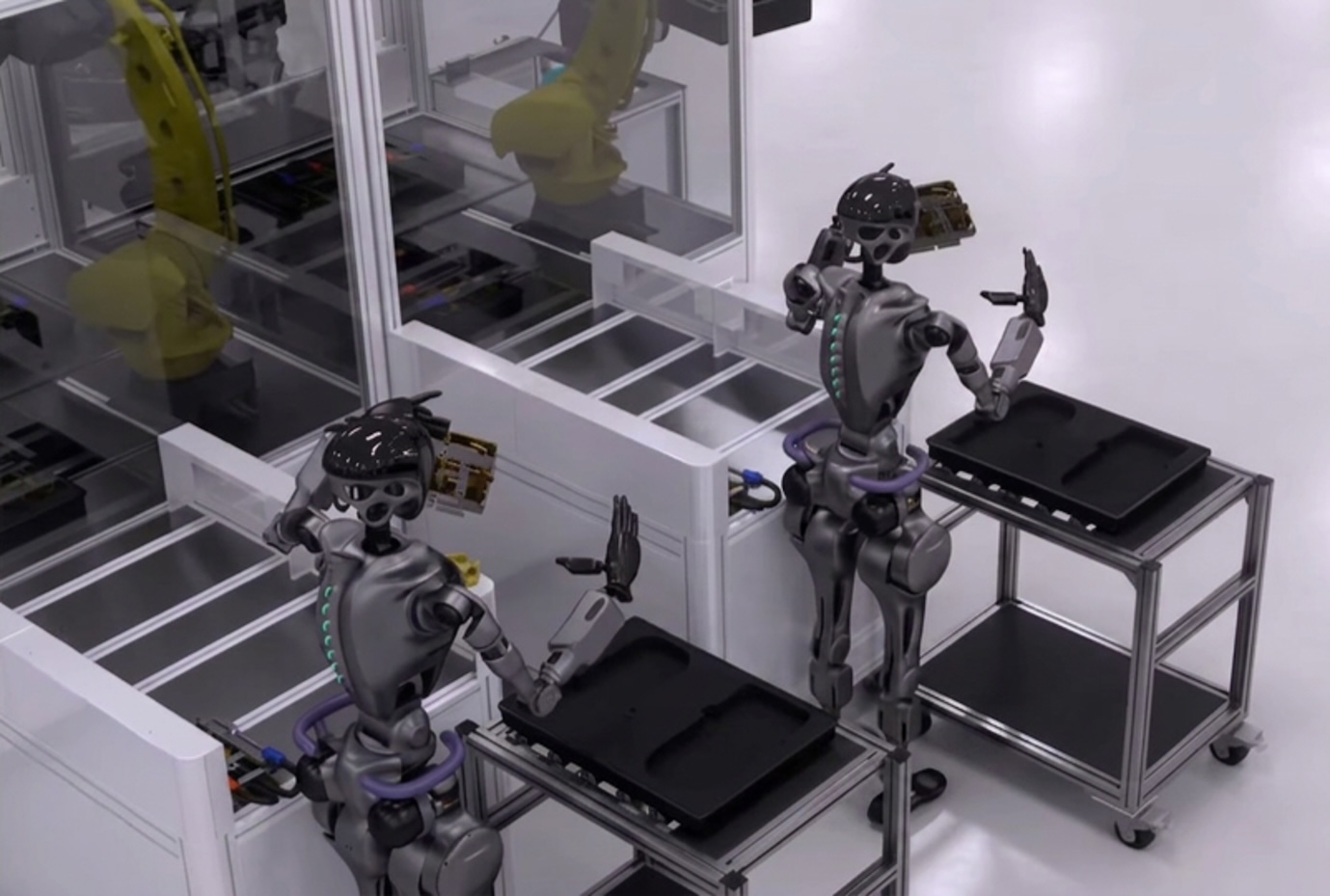
SpaceX Proposes 1 Million AI Satellites to Address Ground Data Center Constraints
On January 30, 2026, SpaceX filed with the FCC to launch up to 1 million AI compute satellites, positioning orbital data centers as a solution to the increasing demand for AI computing power. Ground data centers are facing significant challenges, with energy consumption projected to reach approximately 1,050 TWh in 2026, making them the fifth-largest electricity consumer globally. The demand for new data center capacity is outpacing the growth of power generation infrastructure, leading to a critical bottleneck in the grid system. The significance of this initiative lies in the structural constraints faced by ground data centers, including power delivery limitations, high water consumption, and local opposition to new projects. The Uptime Institute's 2026 outlook identifies power as the primary constraint on data center growth, with capacity clearing prices in the PJM grid skyrocketing to $329.17/MW, driven by data center expansion. Additionally, cooling requirements are becoming increasingly unsustainable, with facilities consuming vast amounts of water, further complicating their operational viability. Looking ahead, SpaceX's orbital AI compute initiative aims to circumvent these challenges by leveraging the advantages of space, such as continuous solar power and minimal local opposition. The first AI prototypes are expected to launch in early 2027, with operational deployments planned for 2028. No further timeline was disclosed at the time of publication.

SpaceX's Starmind Targets AI Labs with $6.3 Billion Compute Contracts
SpaceX's Starmind is designed to provide wholesale AI compute services to businesses, particularly AI labs and cloud customers, rather than individual consumers. The service operates similarly to AWS, where users benefit from applications running on Starmind without direct subscriptions. The compute capacity of a single AI1 satellite is comparable to one NVIDIA GB300 rack, emphasizing its enterprise-grade capabilities. The significance of Starmind lies in its positioning as a potential fourth hyperscaler, joining the ranks of AWS, Microsoft Azure, and Google Cloud. The Reflection AI contract, valued at $150 million per month, exemplifies the enterprise-focused model, with total payments potentially reaching $6.3 billion through 2029. This contract highlights the growing demand for AI compute resources, particularly from AI-native startups and labs. Looking ahead, the focus will remain on securing additional enterprise contracts as Starmind expands its offerings. No consumer-facing products or subscriptions have been announced, and the current strategy is to cater to businesses with substantial AI workloads. No further timeline was disclosed at the time of publication.
SpaceX IPO Provides Indirect Investment Opportunity in Starmind Project
Starmind does not have a standalone stock or ticker; investors can gain exposure through SpaceX (ticker: SPCX), which began trading on Nasdaq after its IPO on June 12, 2026. Starmind is integrated within SpaceX, contributing to the company's AI and space initiatives, and its performance directly influences SPCX shares. The significance of Starmind lies in its role as a division of SpaceX, which encompasses other projects like Starlink and Starship. As of early July 2026, SPCX shares are trading between $149 and $150, significantly lower than their 52-week high of $225.64. The project’s milestones, such as AI1 prototype updates, can impact SpaceX's stock performance, making it essential for investors to monitor these developments closely. Looking ahead, the early 2027 launch of AI1 prototype satellites is a critical milestone that could provide verifiable data affecting Starmind's valuation and, consequently, SPCX stock. No further timeline was disclosed at the time of publication, but the upcoming events will be pivotal for investors tracking the relationship between Starmind and SpaceX's stock performance.
SpaceX's Starmind Plans 1 Million AI Satellites Amid Collision Risks
SpaceX has announced its ambitious Starmind project, which aims to deploy 1 million AI satellites in orbits between 500 and 2,000 km. This initiative, confirmed by Elon Musk on June 23, 2026, follows a merger with xAI, valuing the combined entity at $1.25 trillion. The satellites will function as orbital data centers, processing AI workloads powered by solar arrays and linked by optical lasers. The significance of Starmind lies in its potential to add 100 gigawatts of AI compute capacity annually, contingent on the successful operation of the Starship launch system. However, the project raises concerns regarding space debris, as the current orbital environment is already congested, with a 20% increase in collision risk reported since 2024. The European Space Agency has highlighted that the density of debris in low Earth orbit is now comparable to that of active satellites, complicating the operational landscape for new entrants like Starmind. Looking ahead, the first operational orbital AI deployments are targeted for 2028, with test launches expected in early 2027. However, the project faces scrutiny regarding its impact on space debris, as even a 1% failure rate could significantly increase the number of uncontrollable objects in orbit, exacerbating existing risks. No further timeline was disclosed at the time of publication.
SpaceX's Starship V3 Plans for 1 Million Starmind Satellites by 2030
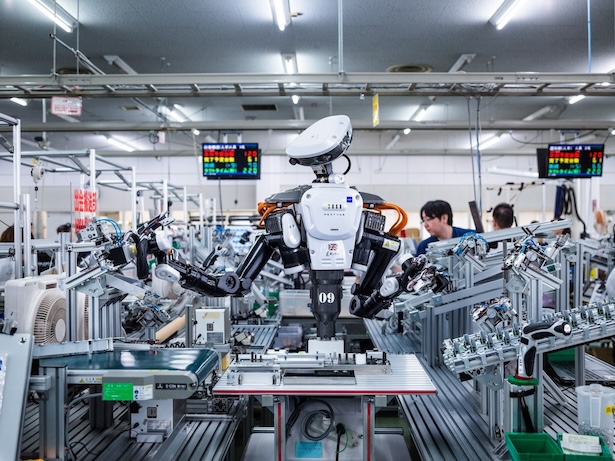
SpaceX's Starship V3 is set to revolutionize satellite deployment, aiming to launch 1 million Starmind satellites by 2030. The spacecraft can carry over 100 tonnes to low Earth orbit (LEO), significantly more than the Falcon 9's capacity. As of May 2026, Starship has completed 12 flights, with the next mission scheduled for late July 2026, focusing on operational payloads including AI1 prototypes in early 2027. This ambitious plan is crucial for expanding orbital compute capacity, targeting an annual addition of 100 GW through a million tonnes of satellite hardware. SpaceX's strategy hinges on achieving a launch cadence of approximately 12,000 flights, equating to about three launches per day. The company has invested over $15 billion in the Starship program, with expectations to begin payload deliveries in the second half of 2026, starting with Starlink V3 satellites. Looking ahead, the successful deployment of the Starmind constellation will depend on Starship's ability to meet its cost targets of $10–20 million per flight. If achieved, this would make launching satellites more economical than building ground data centers. The next significant milestone will be the launch of AI1 prototypes in early 2027, with full-scale deployments commencing in 2028 from the new Gigasat factory in Texas.

SpaceX's Starmind Project: Supplier Strategy and Chip Manufacturing Plans for 2026
SpaceX's Starmind project, aimed at deploying up to 1 million AI satellites, was filed with the FCC on January 30, 2026. The initiative is designed to minimize reliance on external suppliers, with CEO Elon Musk stating that current chip production capabilities only meet 2% of the projected needs. The first satellite, AI1, is set for prototype launches in early 2027, featuring a 70-meter wingspan and a modular payload system that allows for interchangeable chips from various suppliers. The significance of Starmind lies in its ambitious supply chain strategy, which seeks to transition from external hardware suppliers to a fully integrated Musk-owned facility by 2028. The Gigasat manufacturing site in Bastrop, Texas, is expected to be operational by the end of 2027, with plans for high-volume production of the D3 chip, specifically designed for space applications. This approach aims to consolidate chip manufacturing processes under the Terafab joint venture, which has an estimated initial investment of $55 billion. Looking ahead, the next milestone for Starmind is the launch of AI1 prototypes in early 2027, while the full-scale chip production at Terafab is projected to ramp up significantly thereafter. However, analysts express skepticism regarding the feasibility of achieving Musk's ambitious compute goals, which may require substantial investment and time to establish the necessary manufacturing capabilities.

Starmind's Satellite Technology Achieves 880 Billion Liters in Annual Water Savings
Starmind has announced that its satellite technology can save approximately 880 billion liters of cooling water annually at full scale. This figure is equivalent to the annual household water use of around 6.5 million Americans. The technology operates by utilizing a closed-loop liquid cooling system that eliminates the need for water during its operational life, contrasting sharply with traditional ground data centers that consume vast amounts of water for cooling. The significance of this achievement lies in the growing water consumption crisis faced by data centers, particularly as AI expansion drives demand. In 2025, U.S. data centers consumed nearly one trillion liters of water, highlighting the urgent need for sustainable solutions. Starmind's approach not only addresses direct water usage but also avoids indirect water consumption associated with electricity generation, marking a substantial shift in how computing can be conducted in a resource-efficient manner. Looking ahead, Starmind's deployment strategy includes a projected buildout of 100 GW of orbital compute per year, which could displace an additional 735 billion liters of ground water demand annually. The first tranche of 10,000 satellites is already operational, offsetting approximately 8.8 billion liters of water per year. No further timeline was disclosed at the time of publication.

Starmind's Orbital Compute vs. Terrestrial Data Centers: Analyzing Resource Advantages
Starmind's orbital compute technology presents a significant advantage over traditional ground-based data centers by eliminating constraints related to land, water, and grid permitting. While terrestrial data centers are currently cheaper and faster to construct, with U.S. data center spending reaching $85.3 billion in 2026, Starmind's approach focuses on addressing the growing resource limitations faced by hyperscale facilities. The significance of Starmind's technology lies in its ability to sidestep the increasing challenges of land and water usage. For instance, a 100 MW data center can consume approximately 530,000 gallons of water daily for cooling, while Starmind's AI1 utilizes deployable liquid radiators that require no water. This structural advantage could resonate with investors as the demand for AI computing continues to escalate, potentially leading to annual water withdrawals of up to 1.7 trillion gallons by 2027. Looking ahead, Starmind's next milestones include the launch of AI1 prototypes scheduled for early 2027. However, the technology's claims regarding cooling efficiency and operational reliability remain unverified until real flight data is available. As the industry evolves, the competition between orbital and terrestrial solutions will become increasingly relevant, particularly in the context of resource management and sustainability.
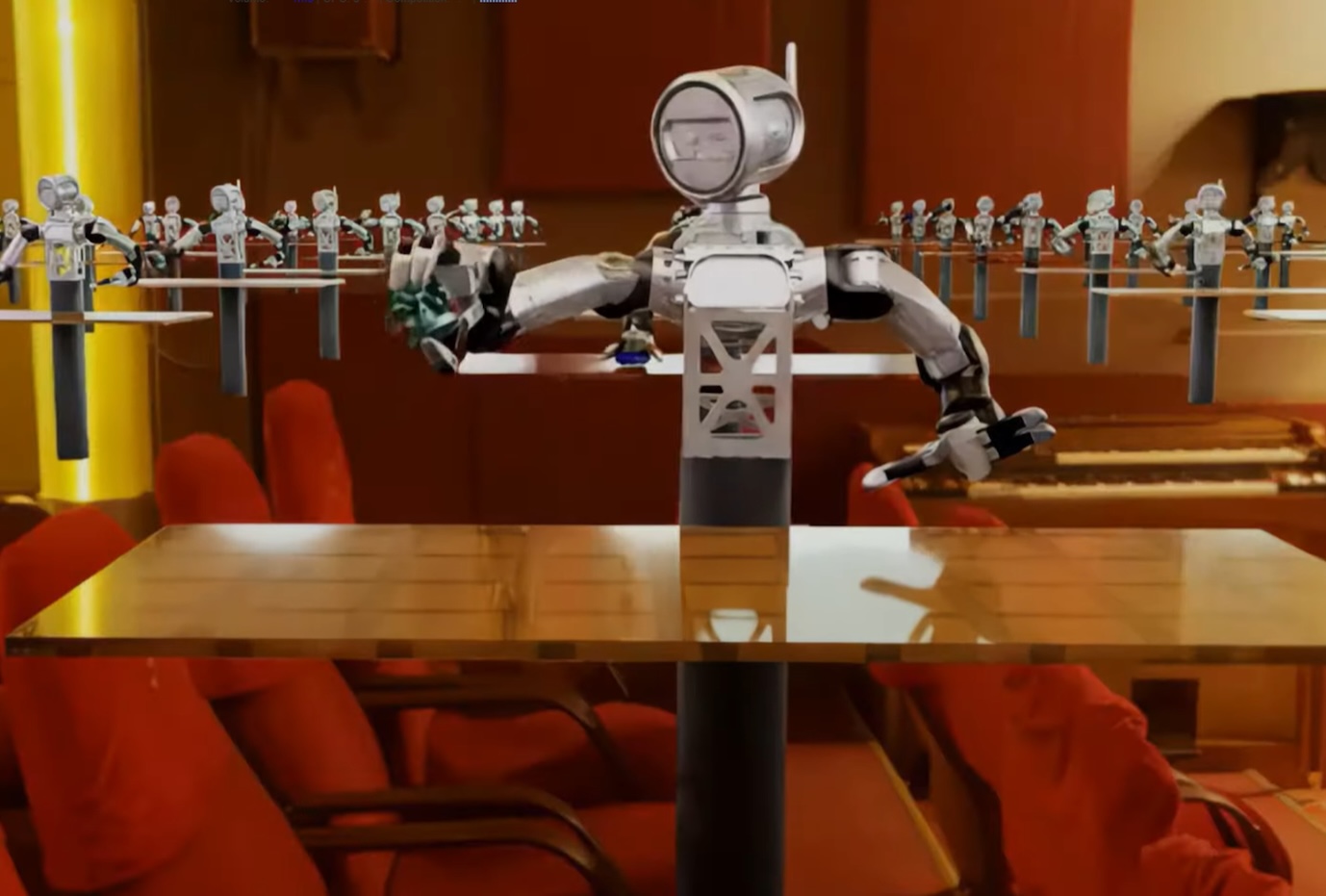
SpaceX's Starmind Faces Feasibility Challenges for 1 Million Satellite Deployment
On January 30, 2026, SpaceX submitted a request to the FCC to launch up to 1 million satellites as part of its Starmind orbital compute constellation. This ambitious plan is unprecedented, as the total number of satellites ever launched globally is in the low tens of thousands. The proposal seeks a waiver from standard deployment milestones, citing reliance on the Starship's full reusability for success. The significance of this request lies in the technical and logistical challenges it presents. Experts warn that low Earth orbit may not support the proposed number of active satellites without risking a debris cascade. SpaceX's own IPO prospectus acknowledges unresolved dependencies related to Starship's launch cadence and reusability, which are critical for the orbital AI compute strategy. Looking ahead, the timeline for achieving the necessary launch cadence and manufacturing capacity remains uncertain. SpaceX's Gigasat facility in Texas aims for volume production by late 2027, but this would require unprecedented output levels. No further timeline was disclosed at the time of publication, leaving the feasibility of the Starmind project in question.
SpaceX Launches Starmind Project for 1 Million AI Satellites by 2028
SpaceX has officially named its orbital AI infrastructure project 'Starmind,' which aims to deploy a constellation of up to 1 million satellites. This initiative, confirmed by Elon Musk on June 22, 2026, will enable AI inference directly in space, utilizing solar energy rather than terrestrial power sources. The first satellite, designated AI1, was unveiled on June 8, 2026, and is designed to operate in sun-synchronous orbits. The significance of Starmind lies in its potential to overcome the limitations faced by ground-based data centers, such as land, power, and water constraints. By running AI computations in orbit, Starmind can provide a more efficient solution to the growing demand for AI computing power. The project leverages the existing Starlink infrastructure for data transmission, distinguishing its function from Starlink's internet relay capabilities. Looking ahead, SpaceX plans to begin hardware deployment with the AI1 satellite, while full-scale production and deployment of the satellite constellation are targeted for 2028. As of now, no Starmind satellites have been launched, and further engineering challenges remain to be addressed, particularly regarding the scalability of the satellite design.
Design and Verification of a Multi‐Feature Wind Field Generation Device Based on Array‐Type Rotors
A recent study published in the Journal of Field Robotics explores advancements in robotic technology aimed at enhancing agricultural efficiency. Conducted by a team of researchers from various universities, the study highlights the development of autonomous robots capable of performing tasks such as planting, weeding, and harvesting crops. This research, which was initiated in early 2023, took place at agricultural fields across multiple locations in the Midwest United States. The motivation behind this initiative stems from the growing need for sustainable farming practices and the increasing labor shortages faced by the agricultural sector. By integrating advanced robotics into farming operations, the researchers aim to reduce reliance on manual labor while simultaneously increasing productivity and minimizing environmental impact. The study details the design and implementation of these robots, which utilize machine learning algorithms to navigate fields and make real-time decisions based on environmental conditions. Initial trials have shown promising results, indicating that these robots can significantly improve crop yields while reducing resource consumption. As the agricultural industry faces mounting challenges, this research represents a critical step toward the future of farming, showcasing how technology can play a pivotal role in addressing food security and sustainability. The findings are expected to influence future developments in agricultural robotics and encourage further investment in this innovative sector.
RESEARCH ARTICLE
From prototype to deployment: Robotics lessons learned on the shop floor
During New York Tech Week, executives from Fauna, Ultra, and Standard Bots convened to address the challenges faced in deploying industrial robots. The panel discussion highlighted various obstacles that these startups encounter in the rapidly evolving robotics landscape. Participants shared insights on technological hurdles, market competition, and the need for regulatory frameworks that support innovation in the industry. The event served as a platform for these leaders to exchange ideas and strategies, aiming to enhance the efficiency and effectiveness of robotic solutions in various sectors.

NASA robotic tech demonstration will advance prototype gamma-ray detectors
NASA has announced the development of a new gamma-ray sensor named AstroPix, which will be utilized in a robotic arm demonstration during the agency's Fly Foundational Robots mission. This mission is scheduled for launch in late 2027. The introduction of AstroPix aims to enhance the capabilities of robotic systems in space exploration, particularly in detecting and analyzing gamma-ray emissions. By integrating this advanced technology, NASA seeks to improve the understanding of cosmic phenomena and contribute to future scientific discoveries beyond Earth. The demonstration will showcase the sensor's functionality and effectiveness in a space environment, marking a significant step forward in robotic exploration.
Robotics
Aeronext Unveils ActiveWing Logistics Drone Prototype for Long-Range Delivery
Aeronext, a Tokyo-based company, has unveiled a new logistics drone prototype designed for long-range deliveries. This innovative drone features the ActiveWing technology, which incorporates independently moving auxiliary wings alongside its 4D GRAVITY airframe, enhancing both range and payload capacity for SkyHub delivery services. The announcement was made in collaboration with the Japan UAS Industrial Development Association (JUIDA), highlighting the company's commitment to advancing drone logistics solutions. The prototype aims to address the growing demand for efficient delivery systems in various sectors, leveraging cutting-edge technology to improve operational performance.
Delivery Drone News Drone News Feeds Japan Drone Industry Japan Drone News Logistics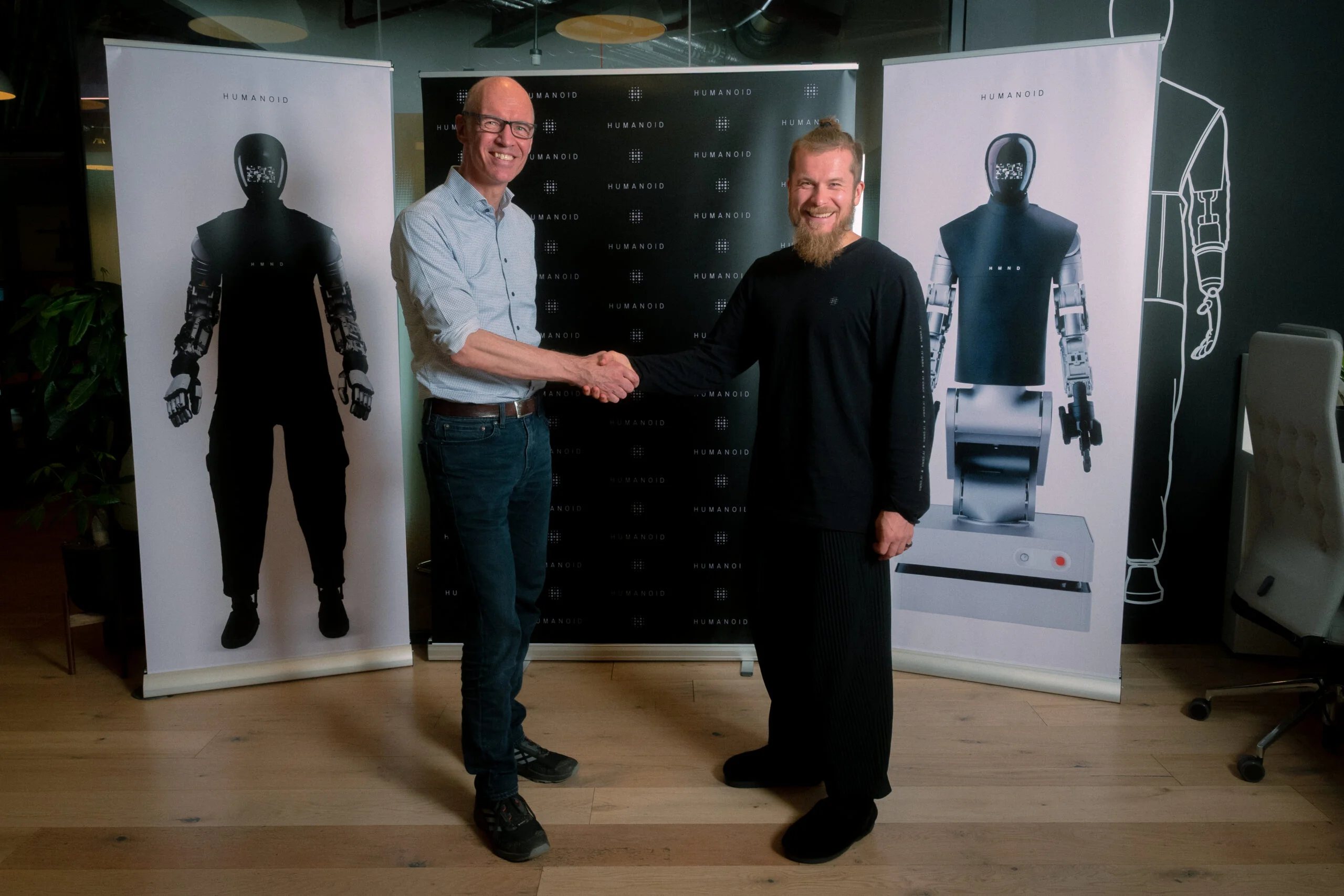
Humanoid Partners with Bosch for Scaled Manufacturing of HMND 01 in Europe
UK-based robotics startup Humanoid has announced a significant manufacturing partnership with Bosch, marking a transition from low-volume prototypes to large-scale production for the European market. This agreement follows a successful proof-of-concept completed in March 2026 at Bosch's facility in Bühl, Germany, where the HMND 01 platform demonstrated its capability in complex intralogistics tasks. The partnership is crucial for Humanoid as it bridges the gap between POC validation and large-scale deployment, aligning with the startup's roadmap. Bosch will provide strategic oversight through a 'Design for Excellence' framework, optimizing the HMND 01's design and production costs to ensure economic viability. The collaboration is set to enhance the robot's capabilities with Bosch technologies, indicating a potential competitive landscape with Humanoid's other partner, Schaeffler. Looking ahead, Humanoid plans to launch its first production-intent hardware in Q3 2026. The integration of Bosch's advanced components into future HMND 01 iterations could significantly impact the robot's performance and market positioning, making this partnership one to watch closely in the evolving robotics landscape.
Europe Bosch HMND-01 Humanoid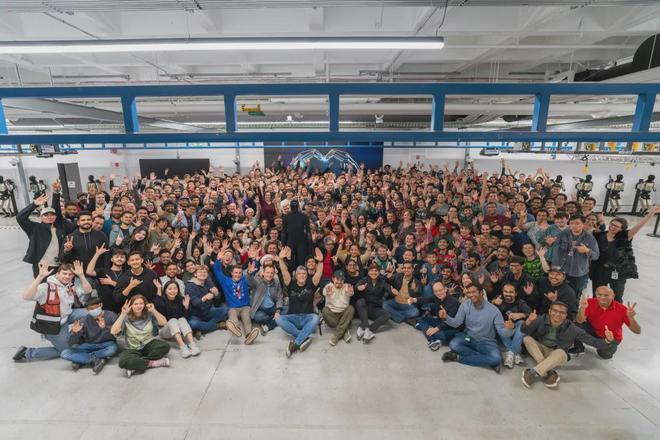
Tesla's Optimus V3 Prototype Unveiled: Ambitious Production Goals and Team Expansion
Tesla has unveiled its latest prototype, the Optimus V3, demonstrating notable improvements in humanoid robot design and capabilities. The announcement comes as the company expands its engineering team to over 200 members, reflecting its commitment to advancing robotics technology. Tesla's ambitious goal is to initiate mass production of one million units, a move that could significantly transform the robotics industry. This development highlights Tesla's strategic focus on integrating robotics into its broader technological ecosystem, aiming to enhance automation and efficiency across various sectors.
Humanoid Robots Robot Design AI Technology Manufacturing Automation
Milvus Robotics Introduces the SEIT F1500S Forklift-Type Autonomous Mobile Robot for Advanced Material Handling
The F1500S, a new logistics solution, has been introduced to enhance operational efficiency in fast-paced manufacturing settings. This innovative system is designed to provide manufacturers with the flexibility needed for high-mix production environments, ensuring precise and reliable material transport. By streamlining intralogistics processes, the F1500S allows companies to maintain agility in their production lines. This development is particularly significant for manufacturers seeking to optimize their operations and adapt to varying production demands.
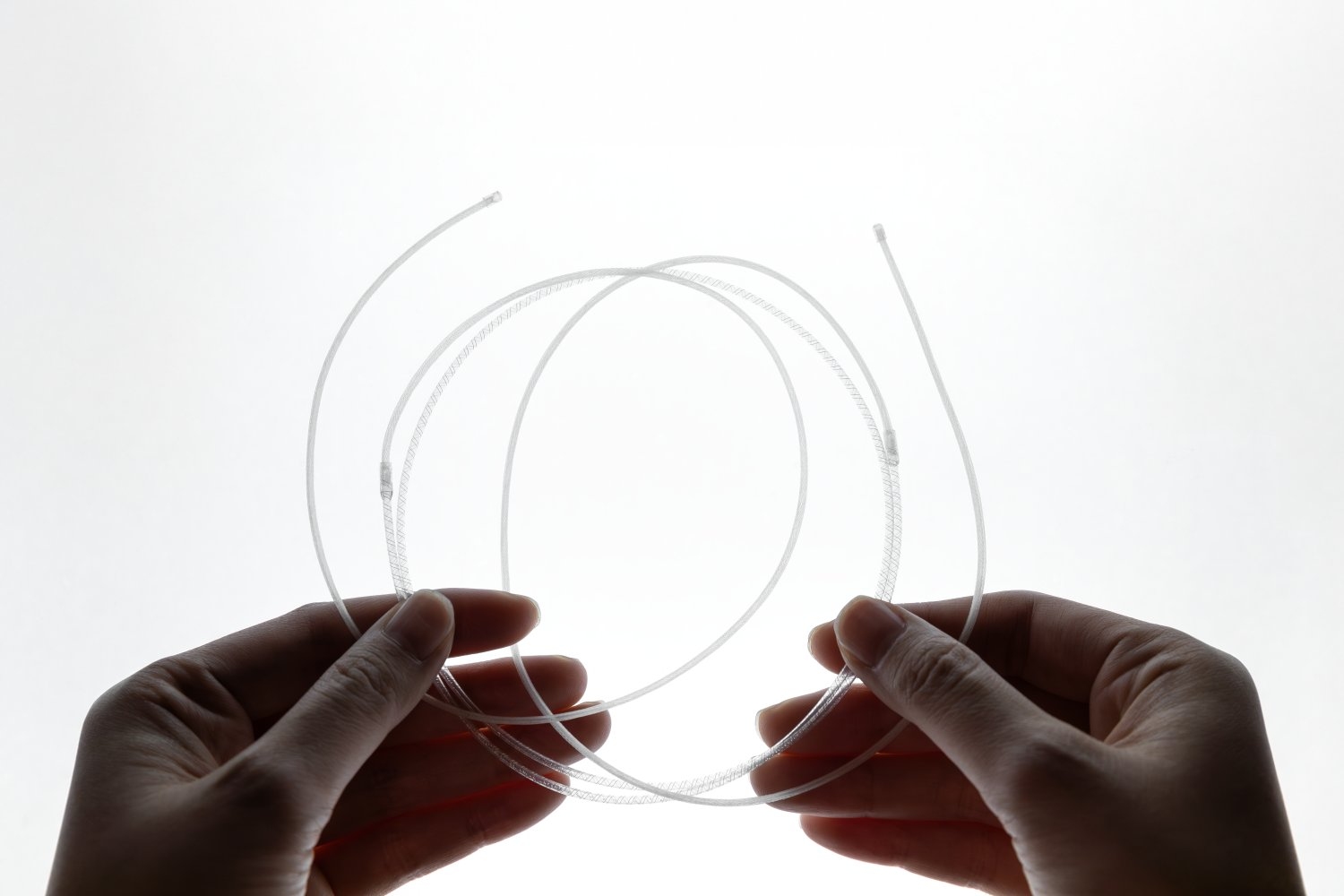
A new type of electrically driven artificial muscle fiber
Researchers have developed electrofluidic fibers that replicate the natural bundling of muscle fibers, a breakthrough that could revolutionize the design of compact and silent robotic systems as well as prosthetics. This innovative technology was unveiled in a recent study aimed at enhancing the functionality and efficiency of robotic and prosthetic devices. By mimicking the structure and behavior of biological muscles, these fibers offer the potential for more responsive and adaptable machines. The advancement is particularly significant as it addresses the growing demand for quieter and more efficient robotic solutions in various applications, from medical devices to industrial automation. The research team employed advanced materials and engineering techniques to create these fibers, which could lead to a new generation of devices that are not only more effective but also more closely aligned with human movement. This development marks a promising step forward in the integration of robotics into everyday life, providing users with improved mobility and interaction capabilities.
Research Invention Robotics Bioinspiration Fluid dynamics Media Lab
Cable‐Driven Hyper‐Redundant Manipulator With Pitch‐Twist Joints: Mechatronic Design, Kinematics Analysis, and Prototype
In a recent study published in the Journal of Field Robotics, researchers have unveiled significant advancements in robotic navigation systems. This groundbreaking research, conducted by a team of engineers and computer scientists, focuses on enhancing the autonomy and efficiency of robots in complex environments. The findings, which were released in May 2026, highlight innovative algorithms that enable robots to better interpret and navigate their surroundings, thereby improving their performance in tasks ranging from search and rescue operations to industrial automation. The research team, based at a leading technology institute, aimed to address the challenges faced by robots in dynamic and unpredictable settings. By integrating machine learning techniques with traditional navigation methods, the researchers developed a system that allows robots to learn from their experiences and adapt to new situations in real-time. This approach not only increases the reliability of robotic systems but also broadens their applicability across various fields. The implications of this research are far-reaching, as it paves the way for more sophisticated robotic applications that can operate autonomously in environments that were previously deemed too complex for machines. As industries increasingly turn to automation, these advancements could lead to significant improvements in efficiency and safety. The study serves as a crucial step toward realizing the full potential of robotics in everyday tasks and critical operations alike.
RESEARCH ARTICLE
Development and Preliminary Evaluation of a Machine Vision‐Guided Smart Sprayer Prototype Toward Precision Vegetable Weeding
In May 2026, researchers published a significant study in the Journal of Field Robotics, focusing on advancements in robotic technology. The study, appearing in Volume 43, Issue 3, pages 1973-1987, highlights innovative methodologies for enhancing the autonomy and efficiency of field robots. Conducted by a team of experts in robotics and artificial intelligence, the research aims to address the growing demand for automated solutions in various industries, including agriculture, construction, and disaster response. The motivation behind this research stems from the need to improve operational capabilities in challenging environments, where human intervention may be limited or hazardous. By employing advanced algorithms and machine learning techniques, the researchers demonstrated how robots can better navigate complex terrains and perform tasks with minimal human oversight. The findings are expected to have a profound impact on the future of robotics, paving the way for more reliable and versatile machines capable of operating in diverse settings. This study not only contributes to the academic field but also offers practical applications that could revolutionize industries reliant on automation. As the demand for efficient robotic systems continues to rise, this research represents a crucial step towards achieving greater autonomy in robotic operations.
RESEARCH ARTICLE
A 'Formula One' Pace: Tesla's Optimus Director Teases Gen 3 Prototype in New Recruitment Push
A recently released team photo has sparked renewed speculation regarding Tesla's forthcoming Optimus Gen 3, featuring a striking all-black humanoid figure. The image has caught the attention of industry observers and enthusiasts alike, raising questions about the advancements in Tesla's robotics division. In conjunction with this unveiling, Director Konstantinos Laskaris has made a public appeal for engineering talent, emphasizing the need for skilled professionals to contribute to the development of this innovative technology. The call for talent highlights Tesla's commitment to pushing the boundaries of robotics and artificial intelligence, as the company aims to enhance its capabilities in this rapidly evolving field. As anticipation builds for the Optimus Gen 3, the combination of the intriguing photo and Laskaris's recruitment efforts underscores Tesla's strategic focus on advancing its robotic solutions.
Optimus Tesla US Optimus gen 3 Konstantinos Laskaris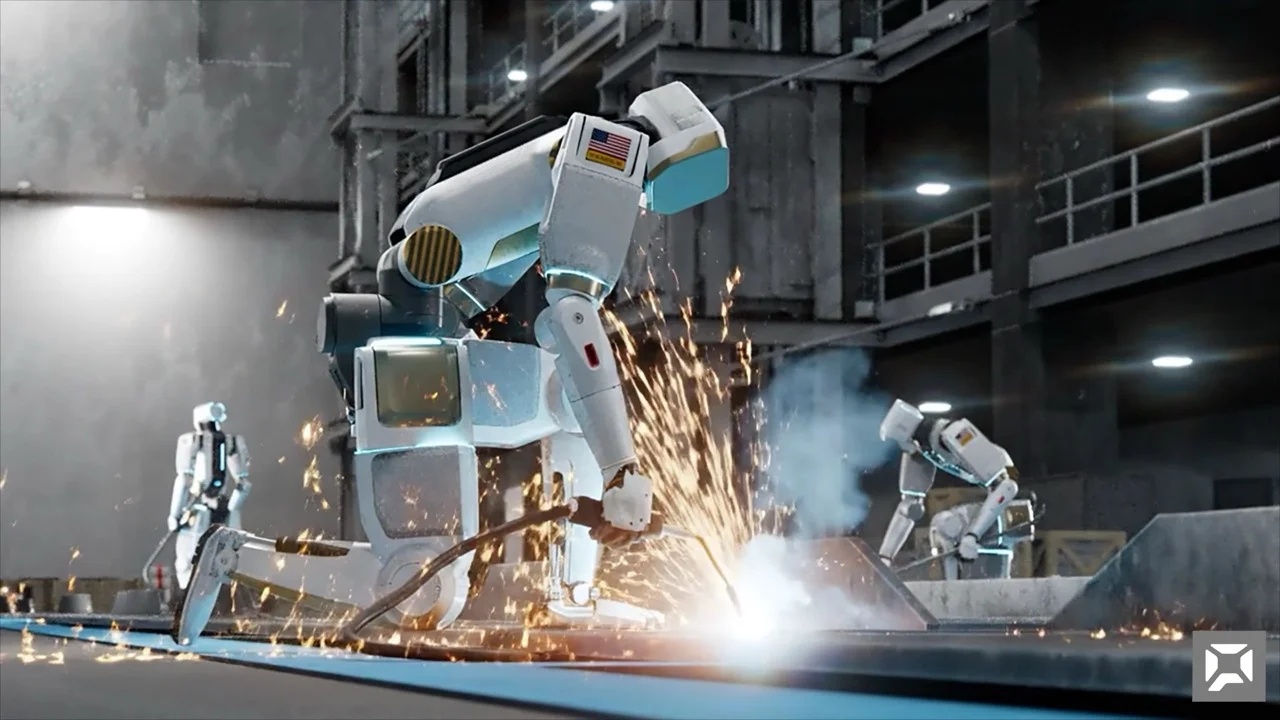
From Prototype to Production: Persona AI and HD Hyundai Solidify Humanoid Welding Partnership
Persona AI and HD Hyundai have officially moved from a preliminary memorandum of understanding to a formal agreement to implement bipedal welding robots in shipyards throughout South Korea. This decision follows successful prototype testing, which demonstrated the robots' capabilities in enhancing efficiency and precision in welding tasks. The collaboration aims to revolutionize shipbuilding processes by integrating advanced robotics, thereby addressing labor shortages and improving productivity in the industry. The deployment of these innovative machines is expected to begin shortly, marking a significant advancement in the use of artificial intelligence and robotics within the maritime sector.
US South Korea Persona AI
Cellula Robotics USA Inc. Selected to Deliver Autonomous Underwater Vehicle Prototype Under the CAMP Defense Innovation Unit Project
Cellula Robotics USA Inc. has announced its involvement in the development of a long-endurance Autonomous Underwater Vehicle (AUV) following a contract awarded by the Defence Innovation Unit (DIU). This initiative is part of the Combat Autonomous Maritime Platform (CAMP) program, aimed at enhancing national defense capabilities. The collaboration underscores Cellula's dedication to providing reliable solutions for defense while emphasizing the importance of strategic partnerships that integrate commercial innovation with military requirements.
cellula robotics usa autonomous underwater vehicle prototype camp defense innovation unit (diu)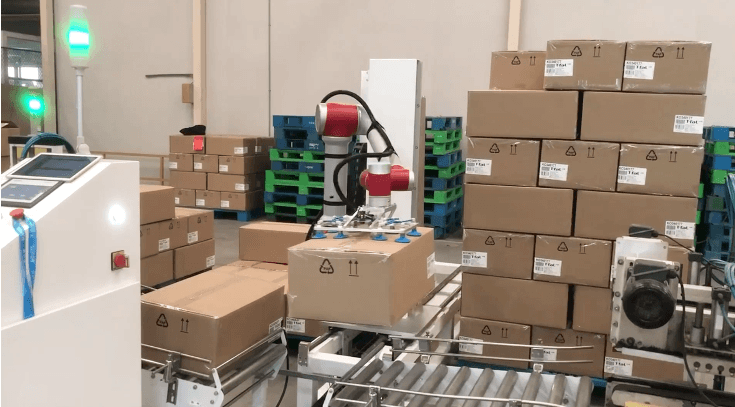
Optimizing Reach and Payload: Choosing the Right Robot Arm Type for Palletizing
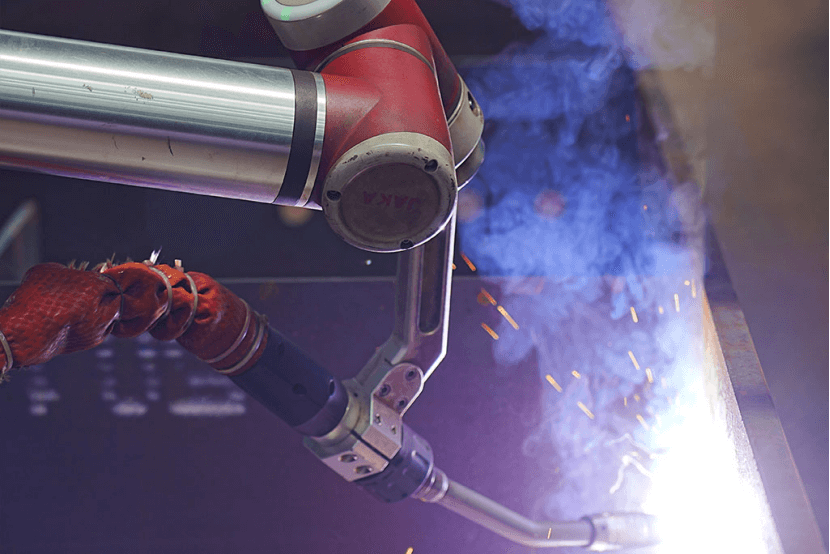
JAKA, a leader in industrial automation, is addressing the challenges of palletizing efficiency for manufacturers by offering tailored solutions that optimize robot arm selection. The company highlights the importance of balancing reach, payload, and precision in selecting the right industrial robot arm, particularly in environments with limited space. By understanding the specific operational needs of manufacturers, JAKA aims to enhance palletizing performance without disrupting existing production layouts. The JAKA Zu12 robot arm, designed for versatility, features a payload capacity of 12 kg and a reach of 1327 mm, making it suitable for various palletizing tasks and finishing processes like polishing and grinding. Its innovative design allows for close collaboration between operators and machines, eliminating the need for isolation fences and enhancing safety. The robot's integrated joint design simplifies installation and maintenance, while its stable motion control ensures consistent processing accuracy, reducing defects during palletizing operations. As manufacturers face evolving production demands, JAKA emphasizes the importance of selecting adaptable automation systems. The JAKA Zu12 can accommodate different pallet patterns and product dimensions, allowing for seamless integration into existing workflows and future upgrades. By aligning technical specifications with real-world application needs, JAKA is committed to providing practical and flexible palletizing solutions that enhance productivity and minimize operational risks.
The Ultimate Guide to Understanding 6 Axis Robot Arms (Definition, Types, Uses)
JAKA, a leader in industrial automation, is advancing manufacturing technology with its innovative 6-axis robot arms, designed to mimic the dexterity of human arms. These jointed arm robots feature six independent axes of motion, allowing for intricate maneuvers essential for complex tasks. The robots are engineered to optimize movement synergy, resulting in smooth and repeatable actions that enhance efficiency on the production floor. Available in various configurations, JAKA's 6-axis robots cater to different operational needs, including payload capacity and reach. Lighter models are ideal for precise assembly and sensitive handling, while heavier versions are suited for tasks like palletizing. This versatility makes them applicable across multiple industries, from welding and electronics assembly to material removal processes such as polishing and grinding. The deployment of these robotic arms offers significant benefits, including improved product quality, reduced waste, and enhanced process consistency. JAKA emphasizes the importance of integrating these advanced tools into production lines, addressing complex automation challenges and positioning businesses for success in an evolving industrial landscape.
ShareChat Founders Pivot to Humanoid Robotics With Low-Cost ''Atom 01'' Prototype
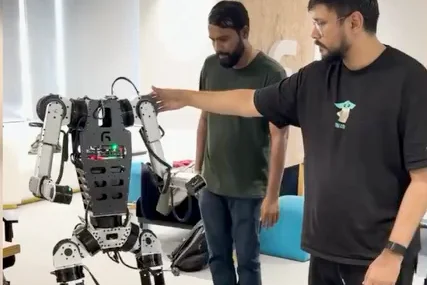
General Autonomy, a Bengaluru-based company founded by tech veterans Farid Ahsan and Bhanu Pratap Singh, has introduced the Atom 01, a bipedal robot priced under Rs 20 lakh. This innovative robot is designed to serve as an accessible platform for developers, enabling them to explore and create advanced robotic applications. The launch reflects the company's commitment to democratizing technology and fostering innovation in the robotics field. By providing a cost-effective solution, General Autonomy aims to encourage more developers to engage with robotics, ultimately expanding the industry and enhancing technological advancements.
Atom 01 General Autonomy
Base Materials Becomes First Manufacturer with Full DNV Type Approval Across Entire Syntactic Buoyancy Material Range
Base Materials has solidified its status as a global leader in high-performance subsea buoyancy materials by becoming the first manufacturer of syntactic foam subsea buoyancy materials to receive full DNV type approval (TAC) for its entire range of Subtec® buoyancy products. This milestone reflects the company's commitment to quality and innovation in the subsea industry, enhancing its credibility and competitive edge. The approval signifies that Base Materials meets rigorous international standards, ensuring the reliability and safety of its products in demanding underwater environments.
base materials full dnv type approval syntactic buoyancyRobotics needs a service framework.
RSF defines a common language for robot service capability, lifecycle operations, certification pathways, and service-provider networks.
Join the RobotToday community on LinkedIn
Daily robotics news, in-depth analysis, conference highlights, and discussions with professionals worldwide.






