Industry Briefing
A single destination for timely, editor-curated robotics news from around the world.
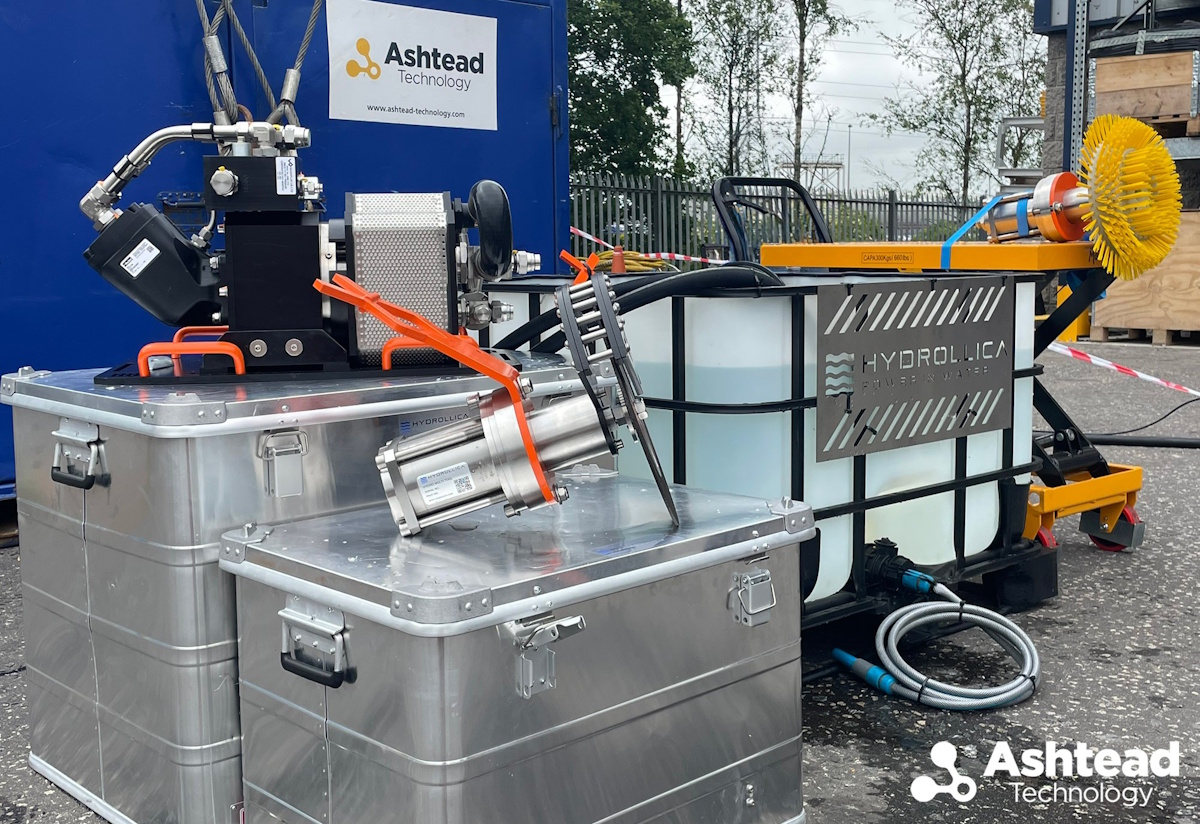
Ashtead Technology Agrees Partnership with Hydrollica to Provide More Sustainable Subsea Technology
Ashtead Technology, a prominent provider of subsea technology solutions, has announced a partnership with Hydrollica, a manufacturer specializing in environmentally friendly remotely operated vehicle (ROV) and diver tooling. This collaboration aims to enhance the development and deployment of innovative tools that prioritize sustainability in underwater operations. The partnership reflects a growing trend in the industry to integrate eco-friendly practices into technology solutions, addressing increasing environmental concerns. By combining their expertise, both companies intend to deliver advanced, efficient, and sustainable solutions to meet the demands of the subsea sector. This strategic alliance is expected to foster advancements in technology while contributing to a more sustainable future for underwater exploration and operations.
ashtead technology partnership hydrollica sustainable subsea technology
Starmind's Satellite Technology Achieves 880 Billion Liters in Annual Water Savings
Starmind has announced that its satellite technology can save approximately 880 billion liters of cooling water annually at full scale. This figure is equivalent to the annual household water use of around 6.5 million Americans. The technology operates by utilizing a closed-loop liquid cooling system that eliminates the need for water during its operational life, contrasting sharply with traditional ground data centers that consume vast amounts of water for cooling. The significance of this achievement lies in the growing water consumption crisis faced by data centers, particularly as AI expansion drives demand. In 2025, U.S. data centers consumed nearly one trillion liters of water, highlighting the urgent need for sustainable solutions. Starmind's approach not only addresses direct water usage but also avoids indirect water consumption associated with electricity generation, marking a substantial shift in how computing can be conducted in a resource-efficient manner. Looking ahead, Starmind's deployment strategy includes a projected buildout of 100 GW of orbital compute per year, which could displace an additional 735 billion liters of ground water demand annually. The first tranche of 10,000 satellites is already operational, offsetting approximately 8.8 billion liters of water per year. No further timeline was disclosed at the time of publication.
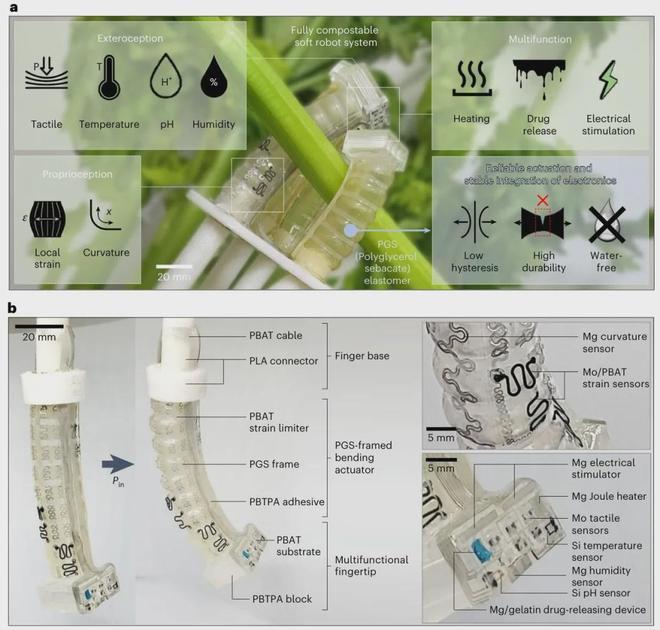
Top Journal Nature: A Robot Finger That Withstands One Million Bends and Can Be Used as Fertilizer After Its Life Ends!
A team of researchers from prominent institutions has unveiled a groundbreaking biodegradable robotic finger capable of withstanding over one million bends. This innovative development aims to tackle the escalating problem of electronic waste by enabling robots to decompose naturally and enrich the soil after their operational lifespan. By combining high performance with sustainability, this advancement represents a significant step forward in the quest for environmentally friendly technology solutions.
Biodegradable Robots Sustainable Technology Robotics Electronic Waste Agricultural Robotics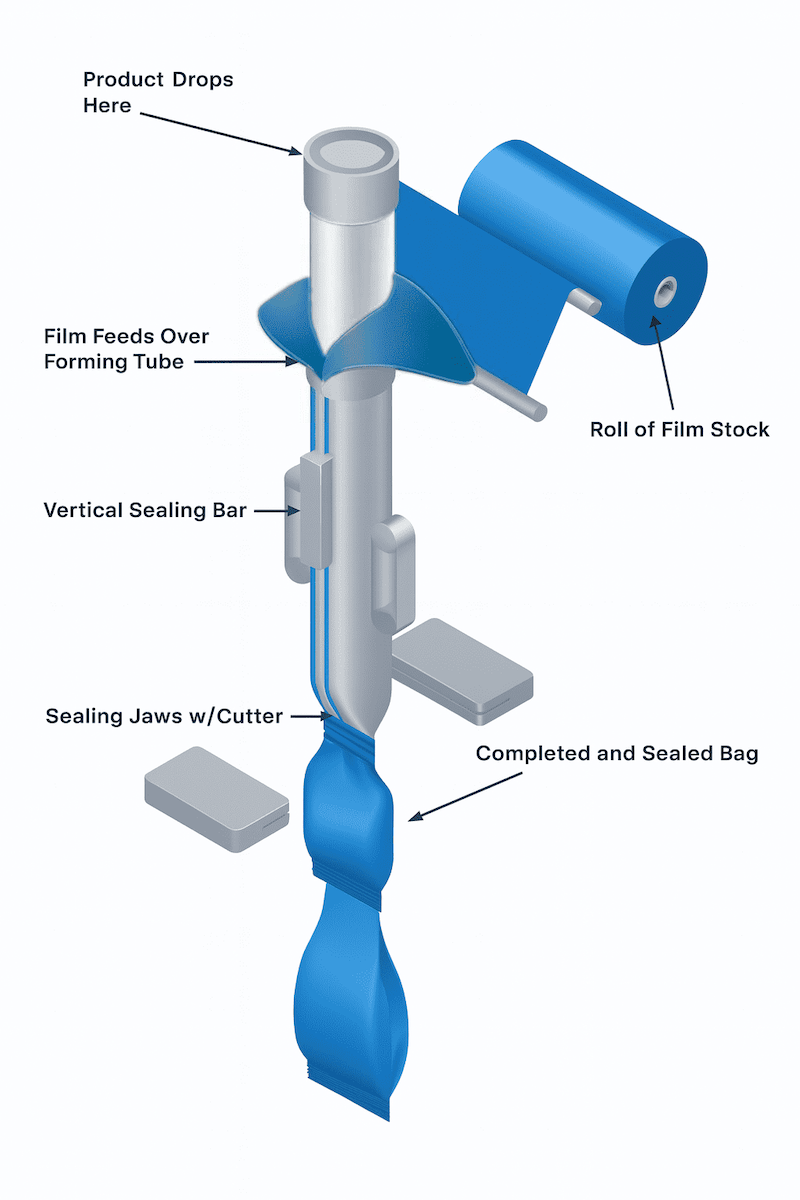
The Future of VFFS Technology in High-Speed Packaging Operations
The packaging industry is experiencing significant changes as manufacturers respond to increasing consumer demands and shorter production timelines. This transformation is marked by a growing reliance on smarter, faster, and more efficient packaging solutions. Central to this evolution is Vertical Form Fill Seal (VFFS) technology, which has emerged as a crucial tool in contemporary packaging facilities. As companies across various sectors adopt this innovative system, they aim to enhance productivity and meet the dynamic needs of the market. The shift towards VFFS technology reflects a broader trend in the industry, where efficiency and adaptability are becoming paramount in the face of evolving consumer expectations.
Engineering Technology artificial intelligence automation news industrial automation industry 4.0
How HGHY Pulp Molding Production Lines Are Reshaping Sustainable Manufacturing
As global manufacturers increasingly prioritize sustainable production, HGHY's pulp molding equipment and automation systems are emerging as essential elements in eco-friendly manufacturing. This shift is driven by stricter environmental regulations, escalating labor costs, and a growing demand for recyclable products. In response, more manufacturers are adopting fully automated molded fiber production lines, positioning HGHY at the forefront of this transformation. The company's innovative solutions are helping businesses meet both regulatory requirements and consumer expectations for sustainability, thereby enhancing operational efficiency and reducing environmental impact.
Environment Manufacturing Technology automated production lines automation news circular economy
U.S. Army Partners with Auriga Space to Develop Electromagnetic Counter-Drone Technology
The U.S. Army has entered a three-year partnership with Auriga Space to develop electromagnetic (EM) counter-drone technology. This collaboration aims to create a high-speed defense system against enemy Unmanned Aerial Systems (UAS) using Auriga's innovative propulsion methods, which rely on electricity and magnetic levitation rather than traditional chemical propellants. This partnership is crucial as military forces face the economic challenge of countering inexpensive drones with costly missiles. Current air defense systems struggle to balance effectiveness and affordability, making the development of sustainable counter-drone solutions a top priority. Auriga's EM technology promises to provide a cost-effective alternative, enabling rapid and repeatable launches from a compact system. Looking ahead, both organizations will share expertise and data to refine the EM-based counter-drone technology for field deployment. The focus will be on overcoming the limitations of existing counter-drone methods, with the potential for a significant shift in military air defense strategies. No further timeline was disclosed at the time of publication.
Military
New drone technology uses nature-inspired signals to predict failures before crashes
Researchers from Delft University of Technology and Wageningen University & Research have unveiled a groundbreaking method aimed at enhancing sustainable agriculture. This innovative approach, introduced on October 15, 2023, focuses on optimizing crop yields while minimizing environmental impact. The study, conducted in the Netherlands, seeks to address the pressing challenges of food security and climate change. By integrating advanced data analytics and machine learning techniques, the researchers have created a system that analyzes soil health, weather patterns, and crop performance. This method allows farmers to make informed decisions regarding planting schedules, irrigation, and fertilization, ultimately leading to more efficient resource use and reduced waste. The motivation behind this research stems from the urgent need to adapt agricultural practices to meet the demands of a growing global population while preserving natural ecosystems. The team believes that their findings could significantly contribute to the development of resilient farming systems that can withstand the effects of climate variability. As the agricultural sector faces increasing scrutiny over its environmental footprint, this innovative method represents a promising step toward achieving a balance between productivity and sustainability. The researchers are hopeful that their work will inspire further advancements in agricultural technology and practices, paving the way for a more sustainable future in food production.
Innovation
Geekplus ESG Progress Recognized by Forbes China: Advancing the Future of Sustainable Logistics
Geek+ has been honored by Forbes China for its dedication to sustainable logistics, highlighting the company's innovative approach to integrating environmental, social, and governance (ESG) principles. CEO Yong Zheng received recognition as an influential business leader in this domain. The company is revolutionizing the logistics industry through the implementation of advanced artificial intelligence and robotics, which has led to notable improvements in efficiency and operational excellence. By focusing on safety and environmental sustainability, Geek+ is setting a new standard in the logistics sector, demonstrating how technology can drive positive change while addressing pressing global challenges.
Sustainable Logistics AI Robotics Supply Chain Management Green Technology Automation Solutions
Robotically assembled building blocks could make construction more efficient and sustainable
Researchers at MIT have unveiled a study suggesting that robotically assembled building blocks may offer a more sustainable alternative to traditional construction methods for large-scale structures. Published in the journal Automation in Construction, the study highlights the potential environmental benefits of this innovative approach. By utilizing robotic technology, the process of constructing buildings could become more efficient and reduce waste, addressing growing concerns about the ecological impact of conventional construction practices. The findings indicate that adopting such methods could significantly lower the carbon footprint associated with building projects, making it a timely solution in the face of increasing environmental challenges.
Robotics
Glydways brings in $170M to scale its AV technology
Glydways has secured $170 million in funding to advance its innovative autonomous vehicle technology, which aims to create networks of expressways capable of transporting people at ten times the efficiency of current systems. This significant investment will enable the company to scale its operations and enhance the development of these next-generation transportation solutions. As urban areas increasingly seek efficient and sustainable transit options, Glydways' initiative addresses the growing demand for improved mobility. The funding will support the design and implementation of these autonomous expressways, positioning Glydways as a key player in the future of urban transportation.
Artificial Intelligence Artificial Intelligence / Cognition Automotive Design / Development Financial Investments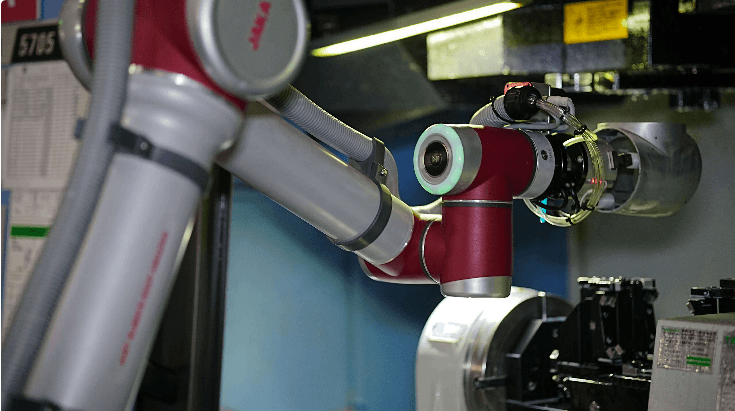
Advanced Robotics Technology in Collaborative Workspaces: Force Limiting and Sensing
In a significant advancement for manufacturing, JAKA is revolutionizing collaborative workspaces through the integration of advanced robotics technology. The company’s focus on industrial collaborative robots (cobots) allows for safe and efficient interaction between machines and human operators, essential in today’s fast-paced production environments. By employing force limiting and sensing capabilities, JAKA's robots can detect unexpected interactions and adjust their movements accordingly, enhancing workplace safety and productivity. The JAKA Pro5 model exemplifies this innovation, specifically designed for loading and unloading tasks. It minimizes reliance on manual labor while ensuring consistent quality through simple programming interfaces that enable rapid setup for various production line tasks. This flexibility allows teams to adapt the robots quickly, optimizing efficiency and precision in machine tending. JAKA recognizes that the successful adoption of robotics hinges on factors such as production complexity and workspace layout. Their cobots are engineered to address these challenges, providing scalable operations that accommodate delicate handling requirements and reduce product damage risks. By integrating these intelligent systems, JAKA not only improves operational standards but also frees up human resources for more strategic roles, fostering a collaborative environment that enhances overall productivity. As industries increasingly embrace advanced robotics, JAKA’s commitment to safety, adaptability, and efficiency positions it at the forefront of transforming manufacturing practices, ultimately driving sustainable productivity improvements.
JAKA Robotics and MANN+HUMMEL China Partner to Automate Sustainable Filtration Production
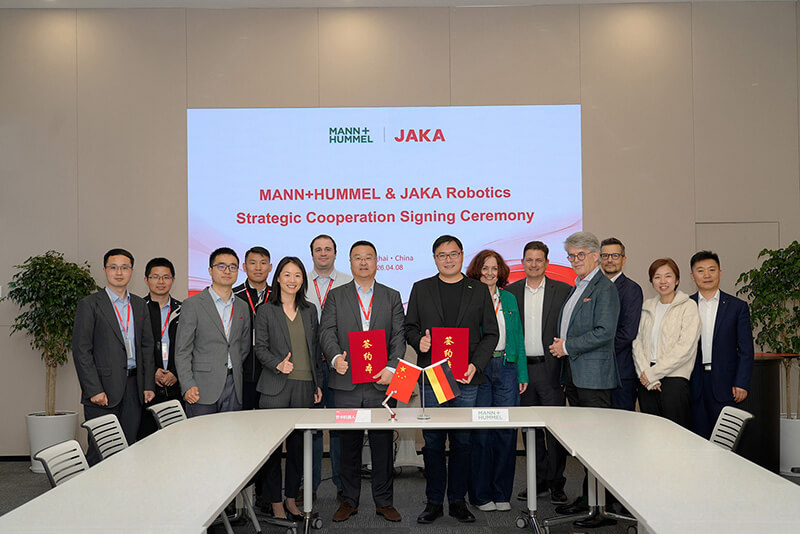
JAKA Robotics, a leader in intelligent robotics, has partnered with MANN+HUMMEL Filter (Shanghai) to enhance smart and sustainable filtration solutions, particularly in the mobility sector. The collaboration aims to integrate JAKA's advanced robotic technology with MANN+HUMMEL's extensive industry knowledge to improve the efficiency of filtration manufacturing processes. This strategic alliance was formalized during a signing ceremony attended by senior executives from both companies, including Kurk Wilks, CEO of MANN+HUMMEL, and Liz Chang, Vice President of JAKA Robotics. The partnership reflects a shared commitment to advancing smart manufacturing practices and aims to contribute to the long-term sustainability of the filtration industry. JAKA Robotics, founded in 2014, has established itself as a global player in the robotics field, serving over 1,500 clients worldwide, including major automotive brands. MANN+HUMMEL, with an 85-year legacy in filtration, is focused on developing innovative solutions for cleaner mobility and environmental applications. This collaboration is expected to accelerate the transition towards energy-efficient filtration technologies, benefiting both companies and the broader industry.
Design and Analysis of Automatic Whole Row Tomato Seedling Transplanter Technology With Integrated Controlling System
In May 2026, the Journal of Field Robotics published a significant study that explores advancements in robotic technology aimed at enhancing agricultural practices. Researchers from various institutions collaborated to investigate the integration of autonomous robots in crop management, focusing on their efficiency and effectiveness in monitoring plant health and optimizing resource use. The study highlights the growing need for innovative solutions in agriculture, driven by increasing global food demands and the challenges posed by climate change. By employing advanced sensors and machine learning algorithms, the robots demonstrated improved accuracy in detecting crop diseases and pests, ultimately leading to better yield outcomes. This research underscores the potential of robotics to transform traditional farming methods, offering a sustainable approach to food production in an era of rapid technological advancement.
RESEARCH ARTICLE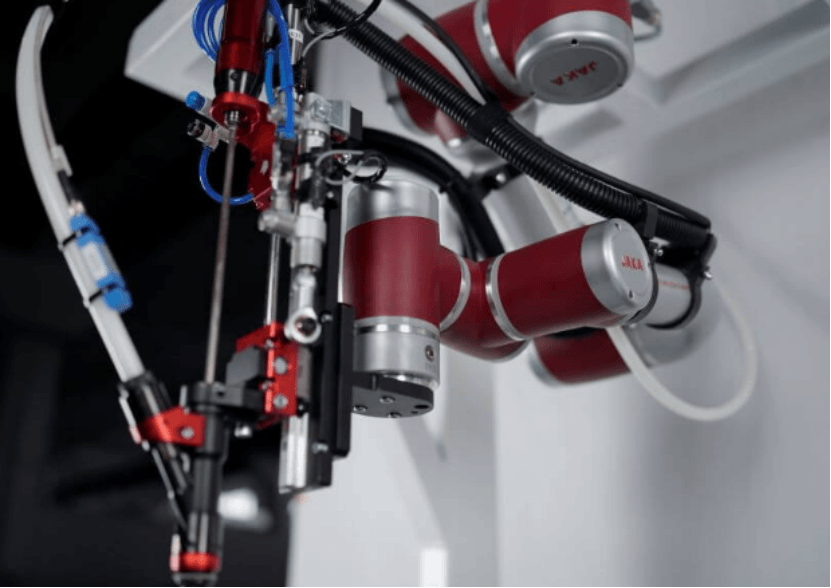
Automation Robotics Technology for Warehouse Logistics and Sorting
JAKA, a leader in automation robotics technology, is revolutionizing warehouse operations by integrating intelligent robotic systems to enhance efficiency and accuracy. As e-commerce volumes rise and supply chains become more complex, the company emphasizes that adopting automation is essential for maintaining competitiveness. Recently, JAKA implemented polishing robots designed for high-precision sorting tasks, capable of adapting to various item sizes and surface requirements. These robots utilize advanced control systems to ensure consistent results while minimizing operational downtime. By combining these solutions with data-driven tracking systems, JAKA can monitor throughput and continuously improve efficiency across multiple sorting lines. A crucial aspect of JAKA's automated operations is the JAKA S Screwdriving system, which offers high efficiency and stability for assembling transport equipment. This system allows for customizable torque adjustments and can be seamlessly integrated with conveyor systems, enhancing overall workflow connectivity. The quick and responsive nature of JAKA robots enables human workers to focus on complex decision-making while robots manage repetitive tasks. Safety protocols are embedded within the system to ensure a secure working environment, allowing for smooth coexistence between human workers and robots. By leveraging automation robotics technology, JAKA aims to enhance operational flexibility, scalability, and safety, ultimately achieving higher productivity without compromising quality. The company's commitment to refining its automation solutions positions it to meet the evolving demands of logistics and support sustainable growth for both itself and its clients.

Marine Technology Industry Prepares to Unveil the Solutions Shaping the Future of Our Ocean
Oceanology International 2026 (Oi26) is set to take place from March 10 to March 12 at Excel London, providing a unique opportunity for attendees to explore the latest advancements in the ocean enterprise. This event aims to highlight the future of ocean technology and innovation, drawing participants from various sectors to engage with cutting-edge developments. By showcasing the evolution of ocean-related industries, Oi26 seeks to foster collaboration and knowledge sharing among professionals dedicated to advancing marine science and technology. The event will feature exhibitions, presentations, and discussions, emphasizing the importance of sustainable practices and the role of technology in ocean exploration and conservation.
oceanology international 2026
Semiconductor Digest: Co-Packaged Optics: Test Challenges for Data Center Technology of the Future
AI-driven data centers are pushing the boundaries of speed and efficiency, prompting a growing demand for technologies that can provide higher bandwidth while consuming less power. In response to this need, researchers are increasingly turning to silicon photonics (SiPh), a technology that utilizes light to transmit data, significantly enhancing data transfer rates and reducing energy consumption. As data centers continue to expand and evolve, the integration of SiPh is seen as a crucial step towards achieving sustainable and high-performance computing solutions. This shift is expected to play a vital role in meeting the escalating demands of AI applications and cloud services, which require rapid data processing and transmission capabilities. The advancements in silicon photonics are anticipated to revolutionize the infrastructure of data centers, making them more efficient and environmentally friendly.

OCEANS 2025 Great Lakes Heads to Chicago for a Landmark Marine and Freshwater Technology Conference
The global ocean and freshwater community is set to gather in Chicago from September 29 to October 2, 2025, for OCEANS 2025 Great Lakes, hosted at the renowned Navy Pier. This event will attract a diverse group of experts, innovators, policymakers, and students, all focused on discussing the latest advancements in marine and freshwater technology, research, and sustainable practices. The choice of location highlights the significance of the Great Lakes region, one of North America’s most vital freshwater areas, emphasizing the importance of collaboration in addressing environmental challenges and promoting sustainable management of aquatic resources.
oceans 2025 great lakes events conference
Ocean Innovation and Technology Showcase Oceanology International 2026 Opens Registration
Oceanology International 2026 has officially opened visitor registration as of November 18, 2023. This event aims to drive the future ocean economy by providing unique opportunities for business development, networking, and collaboration among industry professionals. Taking place in a yet-to-be-announced location, the conference is expected to attract a diverse range of stakeholders interested in advancing ocean-related technologies and sustainable practices. The initiative underscores the growing importance of the ocean economy and the need for innovative solutions to harness its potential. Participants will have the chance to engage in discussions, share insights, and explore partnerships that could shape the future of ocean industries.
events oceanology international ocean innovation and technology showcase registration open
SpaceX Proposes 1 Million AI Satellites to Address Ground Data Center Constraints
On January 30, 2026, SpaceX filed with the FCC to launch up to 1 million AI compute satellites, positioning orbital data centers as a solution to the increasing demand for AI computing power. Ground data centers are facing significant challenges, with energy consumption projected to reach approximately 1,050 TWh in 2026, making them the fifth-largest electricity consumer globally. The demand for new data center capacity is outpacing the growth of power generation infrastructure, leading to a critical bottleneck in the grid system. The significance of this initiative lies in the structural constraints faced by ground data centers, including power delivery limitations, high water consumption, and local opposition to new projects. The Uptime Institute's 2026 outlook identifies power as the primary constraint on data center growth, with capacity clearing prices in the PJM grid skyrocketing to $329.17/MW, driven by data center expansion. Additionally, cooling requirements are becoming increasingly unsustainable, with facilities consuming vast amounts of water, further complicating their operational viability. Looking ahead, SpaceX's orbital AI compute initiative aims to circumvent these challenges by leveraging the advantages of space, such as continuous solar power and minimal local opposition. The first AI prototypes are expected to launch in early 2027, with operational deployments planned for 2028. No further timeline was disclosed at the time of publication.

Subsea Europe Services Enters USV Market with Sustainable, High-performance C-RECON 13-ES
Subsea Europe Services (SES) GmbH, a prominent player in marine technology solutions for the offshore energy and ocean science industries, has launched its inaugural Uncrewed Surface Vessel (USV), named the C-RECON 13-ES. This significant development marks SES's entry into the USV market, showcasing the company's commitment to innovation and advancement in marine technology. The C-RECON 13-ES is designed to enhance operational efficiency and data collection capabilities in various marine applications. The launch reflects SES's strategic initiative to diversify its offerings and meet the growing demand for uncrewed maritime solutions.
subsea europe services usv c-recon 13-es
Large Portuguese building 3D printed in record 9 Days
Havelar, a Portuguese construction company specializing in 3D printing technology, has successfully completed a public building for the municipality of Matosinhos. The project involved the construction of a 500 square meter recycling center office located at the Ecocentro de Perafita in Porto. Remarkably, the building was printed in just nine days and completed within budget, utilizing a COBOD BOD2 construction 3D printer. This innovative approach not only showcases the efficiency of 3D printing in construction but also highlights the growing trend of sustainable building practices in the region.
Construction Features 3D printed buildings additive manufacturing automated construction automation news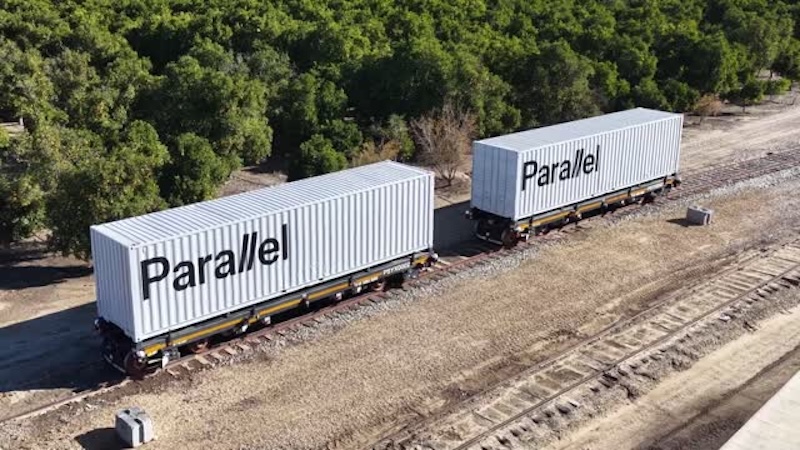
Interview: Parallel Systems CEO Matt Soule on building ‘the world’s first autonomous freight rail system’
In recent years, autonomous trucks have captured significant attention and investment in the freight transportation sector. However, freight rail is also experiencing a transformative shift, as highlighted by Matt Soule, founder and CEO of Parallel Systems. He asserts that autonomous rail technology could revolutionize the industry, offering a promising alternative to traditional freight methods. This development comes at a time when the logistics sector is increasingly seeking innovative solutions to enhance efficiency and reduce costs. As the demand for sustainable and automated transport solutions grows, the freight rail industry is positioning itself to leverage advancements in technology, potentially reshaping the future of cargo movement across the country.
Engineering Features Logistics Transportation ai logistics automation news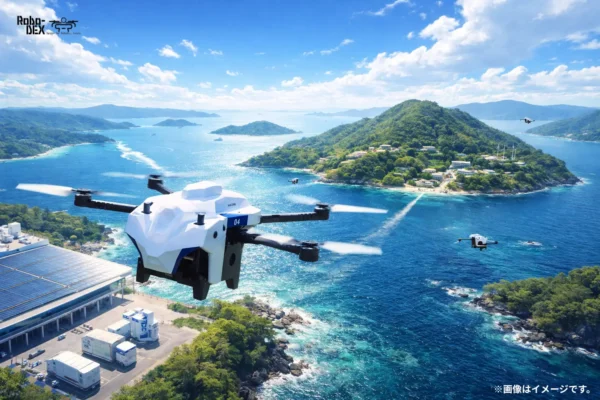
Robodex and Tokyu Land Open Japan’s First Hydrogen Drone Port in Hiroshima
Robodex and Tokyu Land Corporation have announced the opening of Japan's first permanent hydrogen drone port along the Seto Inland Sea coast. This innovative facility aims to enhance connectivity between Hiroshima's mainland and the nearby islands, including Osakikamijima. The collaboration between the two companies marks a significant step in the development of drone technology, leveraging hydrogen as a sustainable fuel source. The port is expected to facilitate efficient transportation and logistics in the region, promoting economic growth and technological advancement.
Advanced Air Mobility Delivery Drone News Drone News Feeds drone technology Japan Drone Industry
Yamaha Agriculture adds herbicide spraying to Prospr robot
Yamaha Agriculture has unveiled a new herbicide spraying attachment designed for its Prospr autonomous hybrid vehicle platform, enhancing the machine's functionality to facilitate automated weed control in orchards and vineyards. This innovation aims to improve agricultural efficiency and reduce labor costs, addressing the growing need for effective weed management in the farming sector. By integrating this attachment, farmers can leverage advanced technology to streamline their operations and promote sustainable practices in crop production. The introduction of this feature marks a significant step forward in the application of automation within agriculture, reflecting Yamaha's commitment to supporting modern farming techniques.
Autonomous/semi-autosteering systems autonomous technology herbicides hybrid drivetrains robotic harvesting weed control
World-First Drone Mouse Eradication Passes Six-Month Check on Browse Island
Staff from the Department of Biodiversity, Conservation and Attractions (DBCA) in Western Australia conducted a follow-up survey at Browse Island Nature Reserve in April 2026, confirming the absence of surviving mice. This survey is part of a world-first initiative that utilized drone technology for mouse eradication on the island. The successful results of this six-month check indicate that the innovative approach to wildlife management has effectively eliminated the invasive species, contributing to the conservation efforts in the region.
Drone News Drone News Feeds Ecology Education Environmental Research News
Investors Focus on Emerging Robotics Innovators Amid Rapid Industry Growth
In the spring of 2025, Yushu Technology gained significant attention with its humanoid robot, 'Yang BOT,' igniting interest in the embodied intelligence sector. This industry is not just about Yushu but encompasses numerous potential innovators. According to IT Juzi data, funding in China's embodied intelligence sector surpassed 10 billion yuan in 2024, rising to 45.3 billion yuan in 2025, and reaching 93.5 billion yuan in the first half of 2026. Despite the surge in investment, the industry has yet to achieve stable profitability. For instance, UBTECH's revenue grew from 1.047 billion yuan in 2023 to 1.981 billion yuan in 2025, but it faced cumulative losses exceeding 3 billion yuan due to high R&D expenditures. Yushu Technology itself acknowledged that its humanoid robots are primarily used for research and education rather than as productivity tools. The path to real industrial applications remains challenging. As competition intensifies, many companies are shifting focus to consumer markets. UBTECH's 'U World U1' series, launched in June, aims to provide emotional companionship, with over 13,000 orders. However, consumer feedback highlights issues like poor battery life and weight. To transition from labs to households, the sector must overcome hurdles related to technology, cost, and user experience. With Yushu Technology's upcoming IPO and others like Zhiyuan and Qianxun also pursuing public offerings, the race for sustainable business models is accelerating.
Embodied Intelligence Robotics Startup Investment Commercialization IPO
LG Energy to Supply Batteries for Google's Largest Solar and Storage Project
LG Energy has been confirmed to supply batteries for Google's largest solar and energy storage project, marking a significant expansion in energy infrastructure related to the rising power demands of AI data centers. This project, known as the Steel River Energy Center, is a collaboration between Google and Cypress Creek Energy in Arkansas. The initial phase of the project will feature 1.6 gigawatts (GW) of solar power generation capacity and approximately 2 gigawatt-hours (GWh) of battery storage, with plans to expand to 2.5 GW of solar and 2.9 GWh of storage by 2029. LG Energy is expected to provide its JF2 DC Link system, utilizing lithium iron phosphate battery technology, with the order valued at several hundred billion Korean won. As the demand for renewable energy solutions grows, this partnership highlights the increasing importance of energy storage systems in supporting sustainable infrastructure. No further timeline was disclosed at the time of publication.

Zhuji Power Raises Nearly $200 Million in Pre-IPO Funding, Achieving $2.2 Billion Valuation
On July 14, Zhuji Power, a humanoid robotics company, announced the completion of its Pre-IPO funding round, raising nearly $200 million and achieving a post-funding valuation of approximately $2.2 billion. This marks a significant milestone as the company has raised a total of $400 million within six months, positioning itself among the top tier of humanoid robotics firms in China. The importance of this funding lies in Zhuji Power's shift from a technology narrative to a capital narrative, with plans for an IPO aimed at the Hong Kong market. The company offers a diverse product matrix, including the full-sized humanoid robot Oli, the interactive robot Luna, and the TRON 2 research platform, all priced competitively to penetrate various market segments. Looking ahead, Zhuji Power's next challenge will be to demonstrate its market presence by revealing the number of robots sold and customers served. This information will be crucial in determining whether the high valuation achieved during the Pre-IPO round is sustainable or merely a preliminary phase.
Humanoid Robots Pre-IPO Funding Robotics Technology AI Industrial Automation
Logic Robotics Unveils Logic Pallet: A Breakthrough in Autonomous Mobile Logistics
Logic Robotics has introduced the Logic Pallet, the first mobile robot designed for multifacility logistics automation. This innovative solution aims to enhance the efficiency of logistics and material handling across various industries. The Logic Pallet is engineered to automate the movement of goods both between and within facilities, providing a comprehensive end-to-end automation solution. This advancement supports a fully autonomous, data-driven, and sustainable global supply chain, marking a significant step forward in logistics technology. As the logistics industry continues to evolve, the introduction of the Logic Pallet sets a new standard for automation. Stakeholders should monitor its deployment and impact on supply chain efficiency, as well as its potential to reshape logistics operations in the future. No further timeline was disclosed at the time of publication.

Dogtooth Secures £14M Investment for AI Robotics in Agriculture
Cambridge-based AI robotics company Dogtooth has successfully raised £14 million in funding to enhance its agricultural technology solutions. This investment aims to accelerate the development of advanced robotics designed for precision farming, addressing the growing demand for automation in the agtech sector. The funding round highlights the increasing interest in AI-driven solutions within the agricultural industry, particularly in the UK market. The significance of this funding lies in its potential to transform agricultural practices through the integration of AI and robotics. As the global agricultural sector faces challenges such as labor shortages and the need for sustainable practices, innovations like those from Dogtooth are crucial. The investment reflects a broader trend of increasing capital flow into agtech, with investors recognizing the importance of technology in enhancing productivity and sustainability. Looking ahead, Dogtooth's next steps will likely focus on scaling its technology and expanding its market presence. No further timeline was disclosed at the time of publication, but the company’s advancements in AI robotics could set new benchmarks in the agricultural sector, paving the way for future innovations and partnerships in agtech.
Agtech FoodTech
A Survey of Dynamic Wireless Power Transfer for Persistent UAV Transportation in Low‐Altitude Economy: The Field–Motion Framework
A recent study published in the Journal of Field Robotics highlights advancements in robotic technology aimed at enhancing agricultural efficiency. Researchers from various universities collaborated to develop an innovative robotic system designed to automate crop monitoring and management tasks. This study, released in early October 2023, emphasizes the growing need for sustainable farming practices amid increasing global food demands. The robotic system utilizes advanced sensors and artificial intelligence to assess crop health, optimize irrigation, and reduce pesticide usage. By integrating these technologies, the researchers aim to support farmers in making data-driven decisions that can lead to higher yields and lower environmental impact. The project was conducted in various agricultural settings, showcasing its adaptability to different crops and farming methods. The motivation behind this initiative stems from the challenges faced by the agricultural sector, including labor shortages and the need for more efficient resource management. By automating routine tasks, the robotic system not only addresses these issues but also promotes sustainable agricultural practices that are essential for future food security. As the agricultural landscape continues to evolve, this research represents a significant step towards the integration of robotics in farming, potentially transforming how crops are cultivated and managed in the years to come.
SURVEY ARTICLE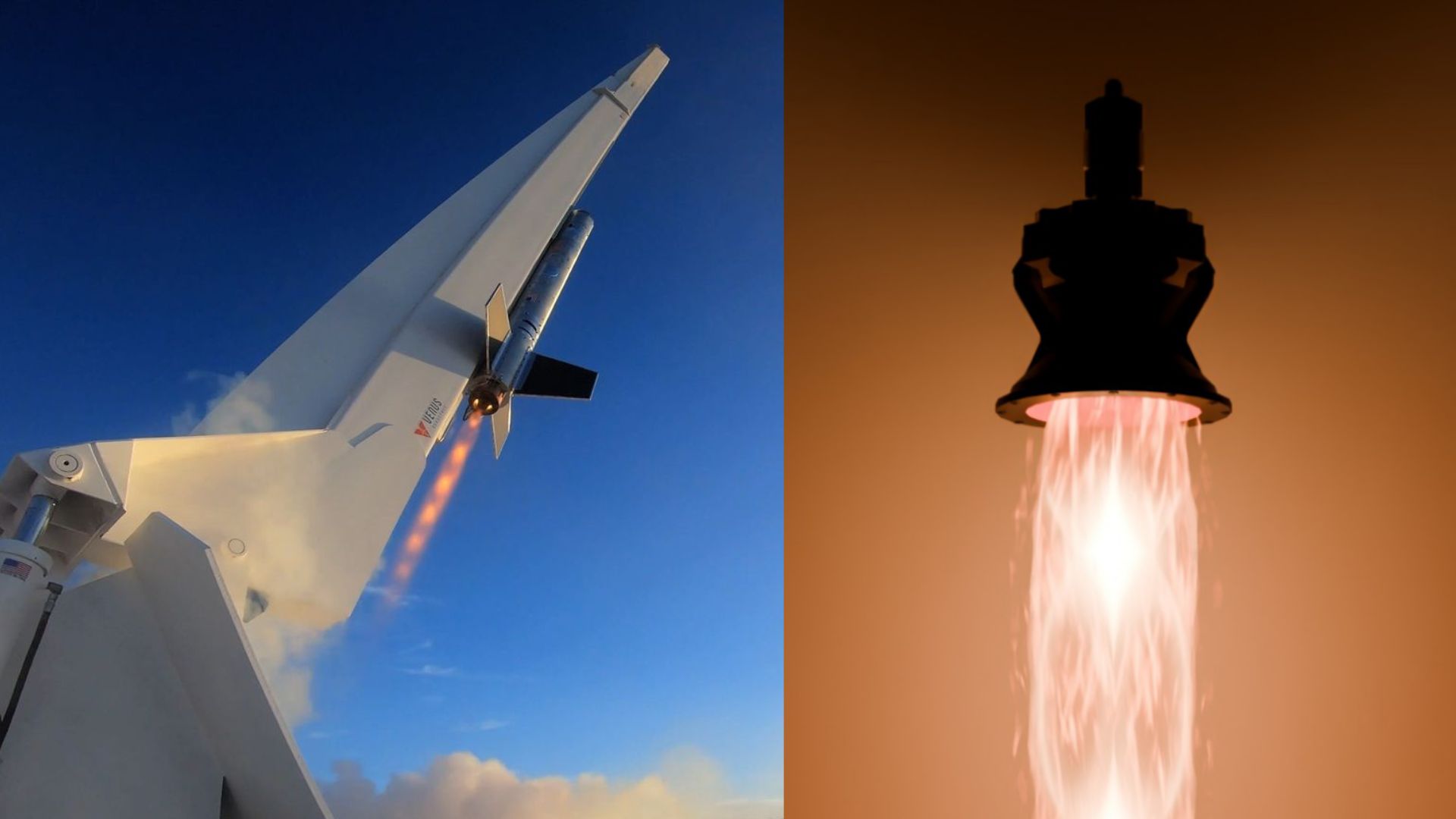
World’s first rotating detonation rocket engine lands $91M to scale production
Venus Aerospace, a Houston-based company, has successfully secured $91 million in Series B funding to enhance its production capabilities. This financial boost aims to accelerate the development of its innovative aerospace technology, which focuses on creating hypersonic vehicles designed for rapid travel. The funding round, which attracted significant investment from various venture capital firms, reflects growing confidence in the company's vision to revolutionize air travel. With this capital, Venus Aerospace plans to expand its workforce and increase production to meet the rising demand for advanced aerospace solutions. The investment comes at a time when the aerospace industry is increasingly looking towards sustainable and efficient travel options, positioning Venus Aerospace at the forefront of this emerging market.
Military
Venus Aerospace raises $90M Series B to build a new kind of rocket engine
A groundbreaking development in rocket technology is poised to attract significant attention from the aerospace industry. Engineers and scientists are collaborating to design an innovative rocket engine that promises to enhance efficiency and reduce costs in space travel. This initiative is gaining momentum as the demand for advanced propulsion systems increases, driven by both commercial space ventures and governmental space exploration programs. The project is currently underway, with prototypes expected to be tested in early 2024 at a facility in California known for its aerospace advancements. The motivation behind this initiative stems from the need for sustainable and reliable space travel solutions, as traditional rocket engines face limitations in performance and environmental impact. By leveraging cutting-edge materials and advanced engineering techniques, the team aims to create a rocket engine that not only meets the rigorous demands of space missions but also paves the way for future innovations in the field. As the project progresses, it is anticipated that the new engine design will attract interest from various stakeholders, including private space companies and government agencies, eager to capitalize on its potential benefits. This pioneering effort reflects a broader trend in the aerospace sector, where the push for more efficient and environmentally friendly technologies is reshaping the landscape of space exploration. As the world watches closely, the successful development of this new rocket engine could mark a significant milestone in the quest for sustainable space travel.
Fundraising Space Mercury Fund rockets
Open‐Set Fault Diagnosis for Autonomous Underwater Vehicles Via Prototype Learning and Adaptive Mahalanobis Gating
The Journal of Field Robotics has recently published an early view article highlighting advancements in robotic technology. Researchers from various institutions collaborated to explore innovative applications of robotics in field environments. This study, released in October 2023, emphasizes the growing importance of robotics in enhancing efficiency and safety in agricultural and industrial settings. The motivation behind this research stems from the increasing demand for automation to address labor shortages and improve productivity. The team employed a combination of field tests and simulations to demonstrate the effectiveness of their robotic solutions, showcasing how these technologies can adapt to diverse tasks and terrains. The findings aim to inform future developments in robotic systems, ultimately contributing to more sustainable practices in various sectors.
RESEARCH ARTICLE
A Vision‐Guided Docking Method for Autonomous Underwater Vehicle From Ice Hole
A recent study published in the Journal of Field Robotics highlights advancements in autonomous robotic systems designed for agricultural applications. Researchers from a leading university conducted experiments to evaluate the efficiency of these robots in crop monitoring and management. The study, released in early October 2023, took place in various agricultural settings across the Midwest. The motivation behind this research stems from the increasing need for sustainable farming practices amid rising global food demands. By integrating advanced robotics and artificial intelligence, the team aimed to enhance productivity while minimizing environmental impact. The robots utilized cutting-edge sensors and machine learning algorithms to collect and analyze data on crop health, soil conditions, and pest activity. Through a series of field trials, the researchers demonstrated that these autonomous systems could significantly reduce labor costs and improve yield predictions. The findings suggest that the implementation of such technology could revolutionize traditional farming methods, making them more efficient and environmentally friendly. This study not only underscores the potential of robotics in agriculture but also paves the way for further innovations that could address the challenges faced by the agricultural sector in the coming years.
RESEARCH ARTICLE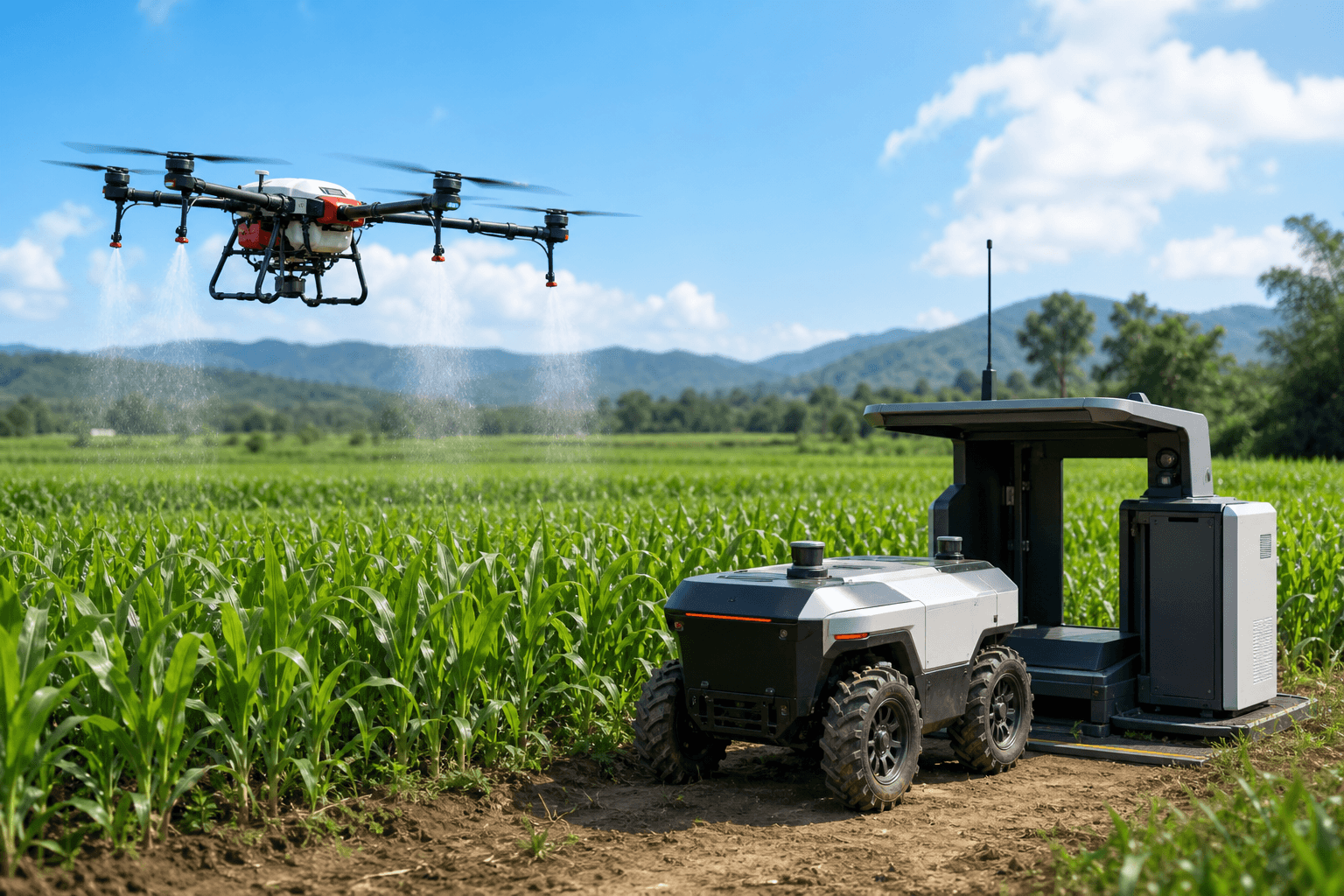
XAG Unveils Aerial and Ground Agricultural Robots for Fully Autonomous Crop Protection
XAG has unveiled its latest advancements in agricultural technology with the introduction of the new X Series agricultural robots and the RM80 mowing robot. These innovations aim to enhance farm automation by addressing the final stages of agricultural processes, which include autonomous spraying, self-charging capabilities, and the mixing of chemicals. This launch, which took place in October 2023, is part of XAG's ongoing commitment to revolutionize farming practices and improve efficiency in the agricultural sector. By integrating advanced robotics into farming operations, XAG seeks to provide farmers with tools that streamline their work and reduce labor costs, ultimately contributing to more sustainable agricultural practices.
Robotics
Small-AI Models Gain Traction Around the World
One morning in 2019, Adebayo Alonge was in a Cape Town hotel room, preparing to demonstrate his startup’s AI answer to a serious problem in African health care: counterfeit medication, which kills thousands of people across the continent every year.The RxScanner is a handheld spectrometer that scans a pill with infrared light, then sends the item’s molecular profile to an AI model equipped with a pharmaceutical database. In seconds, the AI identifies the medication from its molecular profile—or reports that it’s phony.Pharmacies were using the system in more than a dozen countries, including Ghana, Kenya, Myanmar, and Alonge’s native Nigeria. But that morning in South Africa, it didn’t work. “I was shocked,” Alonge says.The spectrometer connected to the AI model—but the data center was 14,000 kilometers away and bandwidth was limited. “Our server was in the United States, and just to get the result of a single scan was taking me over 5 minutes.”So Alonge immediately asked his engineers to shrink the AI model down to a smaller, low-power, unconnected version that could run entirely on his Android phone. They produced it 2 hours later, and that saved the demo.More importantly, the work birthed a new version of his device, which can authenticate a pill in places without broadband, computers, or even reliable electricity. It also turned Alonge into an advocate for this kind of “small AI.”Small AI for Global Health Care AccessSmall AI is a far cry from wealthy nations’ colossal large language models (LLMs), hyperscale data centers, multibillion-dollar investments, and debates about AI consciousness. But for millions of people around the world, the only AI that matters, and often the only kind available, is small. (According to a World Bank Report issued in November, only 0.7 percent of internet users in the world’s poorest countries have used ChatGPT, compared to a quarter of all internet users in the most developed nations.)“Most people are discussing AI from the LLM/generative side. But that needs a lot of computing power, electricity, massive data, and skilled people to manage it,” Ajay Banga, president of the World Bank, said last January at the World Economic Forum, in Davos. “Outside the developed world, other than maybe India and China, very few countries have that combination.”By contrast, small AI can deliver useful, even life-saving services to people in areas that have none of those things, Banga said. In India, where the government’s AI plans call for more development of small AI, many such systems are working for farmers.For example, a drone-based system developed by Bala Murugan and colleagues at the Vellore Institute of Technology, in India, takes photos of cashew plants and quickly identifies those with splotches that indicate disease. All the processing takes place on the drone itself, so there’s no need for a computer on-site, nor for a connection to a central server.Using small language models trained for a specific problem, and sometimes running on cheap, low-power devices, other small-AI implementations have been developed to identify ant infestations in a Uruguayan vineyard, detect the presence of malaria-carrying mosquitoes in a number of nations, and run electrocardiograms from an Arduino device in parts of Brazil that lack access to more complex equipment.“This is the most important area in AI nowadays,” says Marcelo José Rovai, a professor at the Institute of Engineering and Information Systems at the Federal University of Itajubá, in Brazil, who was involved in all three projects. “It’s growing very fast.”Low-Power, Small-AI Models on Devices Small AI models can run on a variety of low-power devices, including [from left to right] an Arduino Nano 33 BLE Sense, a Seeed Wio Terminal, and an Arduino Portenta.Moez AltayebFor Alonge, Rovai, and other advocates, small AI is not just “a promising trend,” as that November World Bank report calls it. It may be, in the long term, the form of AI that will touch the most lives and remain sustainable after some of the giant models become too costly for most users.“I think the future of AI is not like one giant model, at a center. I think it’s millions of small, precise models deployed at the edge, each one solving like a specific problem, a specific context,” Alonge says. This is partly because much of humanity—including people in parts of rich countries as well as the developing world—lives without access to cutting-edge frontier models. But, he says, it’s also because those models are not sustainable.“If someone is not subsidizing it, most people will not be able to afford those models. So those of us who are said to be small-AI developers are the ones who will have to build for the majority of the world,” Alonge says.There is no strict definition of “small AI,” but people often use the term for language models with at most a few billion parameters. (Compare that to cutting-edge models, which can include more than a trillion.) That’s small enough to run directly on a phone or a Raspberry Pi. That’s what allows these applications to run on devices without a connection to a data center and use only a few watts of power, often supplied by a battery or a solar panel.Despite their small footprint, these models aren’t fundamentally different technology from that of gigantic AI models, Rovai says. Many instances of small language models were created the same way the phone-based version of Alonge’s pharmaceuticals scanner was—by “pruning” large models, or removing the parameters that weren’t involved in the task. The result is a system that’s less capable generally but still very good at the specific job it was pruned for, Rovai says. A lighter version of RxAll’s RxScanner spectrometer sends its results to an AI model run locally on a phone to check that a drug’s molecular signature is genuine.RxAllOther small models are created by “distillation.” They are trained to mimic a large model, until their performance approaches that of their “teacher,” Rovai says. In other cases, a larger model’s precision is reduced, for example, so that a model run on 32-bit architecture can run on 8-bit designs. In situations where the machine learning application is being used to classify data or predict patterns (like an ant infestation), it’s trained from the beginning on a small device, not derived from a larger model at all. Running all these small, specialized systems is becoming easier, Rovai says, for two reasons.The first reason is that hardware is getting better and more capable while using less power, he says. This means more and more phones can run small AI—especially those equipped with neural processing units, which are specialized chips that handle AI tasks like facial recognition and changing the brightness, shadows, or contrast in a photo.In 2025, slightly more than a third of all smartphones shipped worldwide were capable of running generative AI, and that figure will reach 45 percent by the end of this year, according to the technology research firm Counterpoint. By the end of next year, slightly more than half of all smartphones will be able to run a small AI model.The second reason Rovai cites is the shrinking footprint of language models. Both Google DeepMind’s Gemma 4 (released in April) and Alibaba’s Qwen 3.5 are “fantastic” for small AI, Rovai says. Both models are “open weight,” meaning users can adjust the connections between parameters to suit their needs. This makes it easy, for example, “to take a lot of data from, say, the milk industry and retrain the model specifically on that,” Rovai says.Rovai illustrated these reasons on a Zoom call, using one of his most recent experiments. Holding up a device, he says, “This is the new Arduino UNO Q—a US $50 device with a Qualcomm chipset. I’m running a language model here, which collects data from sensors and analyzes that data to detect tiny pools of water where mosquitoes might be breeding. It takes 3 watts to run it.”Support for Small-AI DevelopmentConvinced that millions of people are already benefiting from these kinds of applications, the World Bank now actively promotes small AI with grants, mentorship programs, financing, technical advice, and models of government policies that are friendly for small-AI development. For example, in Rwanda, the World Bank is backing a government program to help low-income households get devices that can run AI.All that said, no one claims that large language models are going away entirely. To create a generative AI that can run on a phone or other small device requires the architectural insights, data processing, and results of a larger model, Rovai says. “We need the big models to create these smaller models.” And for all that small AI can benefit people without access to big AI, the technology can’t solve the larger problems of development and digital inequality, Alonge says. Implementing small AI won’t allow nations to escape the challenge of creating an ecosystem to support AI: reliable power, a supply chain that works, and an educational system that develops the talents needed to create AI tools.Though his drug-scanning system can run for days on a phone with no connection, “you still want to be able to enable periodic syncing for updates with new signatures for the medications and analytics,” Alonge says. “And even when you are using batteries, reliable power is important. That phone battery is not going to last forever.”In many parts of the world, the future of small AI isn’t assured, he says. “It works, and many places will eventually need to use it. The question is whether or not the political actors are wise enough to invest in infrastructure to support it long term.”
Small-language-models Artificial-intelligence Llms
New tech keeps power grids stable as data centers put more strain on electricity
Researchers at Sandia National Laboratories have unveiled a groundbreaking software platform designed to enhance the management of distributed energy resources. This innovative tool aims to optimize the integration of renewable energy sources into existing power grids, addressing the growing demand for sustainable energy solutions. The announcement was made on October 10, 2023, during a technology showcase at the laboratory's facilities in Albuquerque, New Mexico. The motivation behind this development stems from the increasing need for efficient energy management systems that can accommodate the variable nature of renewable energy sources, such as solar and wind. By utilizing advanced algorithms and real-time data analytics, the platform enables utilities and energy providers to better predict energy supply and demand, ultimately leading to a more reliable and resilient power infrastructure. The software operates by aggregating data from various energy sources and employing machine learning techniques to enhance decision-making processes. This allows for improved coordination among energy producers, consumers, and grid operators, facilitating a smoother transition to a more sustainable energy landscape. As the world moves towards cleaner energy solutions, this platform represents a significant step forward in harnessing the potential of distributed energy resources.
AI and Robotics
This humanoid robotics company is going public, but its CEO isn’t promising a robot in your home anytime soon
Agility Robotics, a humanoid robotics startup, is focusing on practical execution rather than pursuing lofty valuations like its competitors. The company has announced plans to go public through a Special Purpose Acquisition Company (SPAC), marking a significant step in its growth strategy. This decision comes as the robotics industry continues to evolve, with increasing interest in humanoid technology for various applications. By opting for a SPAC, Agility Robotics aims to secure the necessary capital to advance its innovations and expand its market presence. The move reflects a strategic shift towards sustainable development and operational efficiency in a rapidly changing landscape.
Robotics agility robotics Peggy Johnson SPAC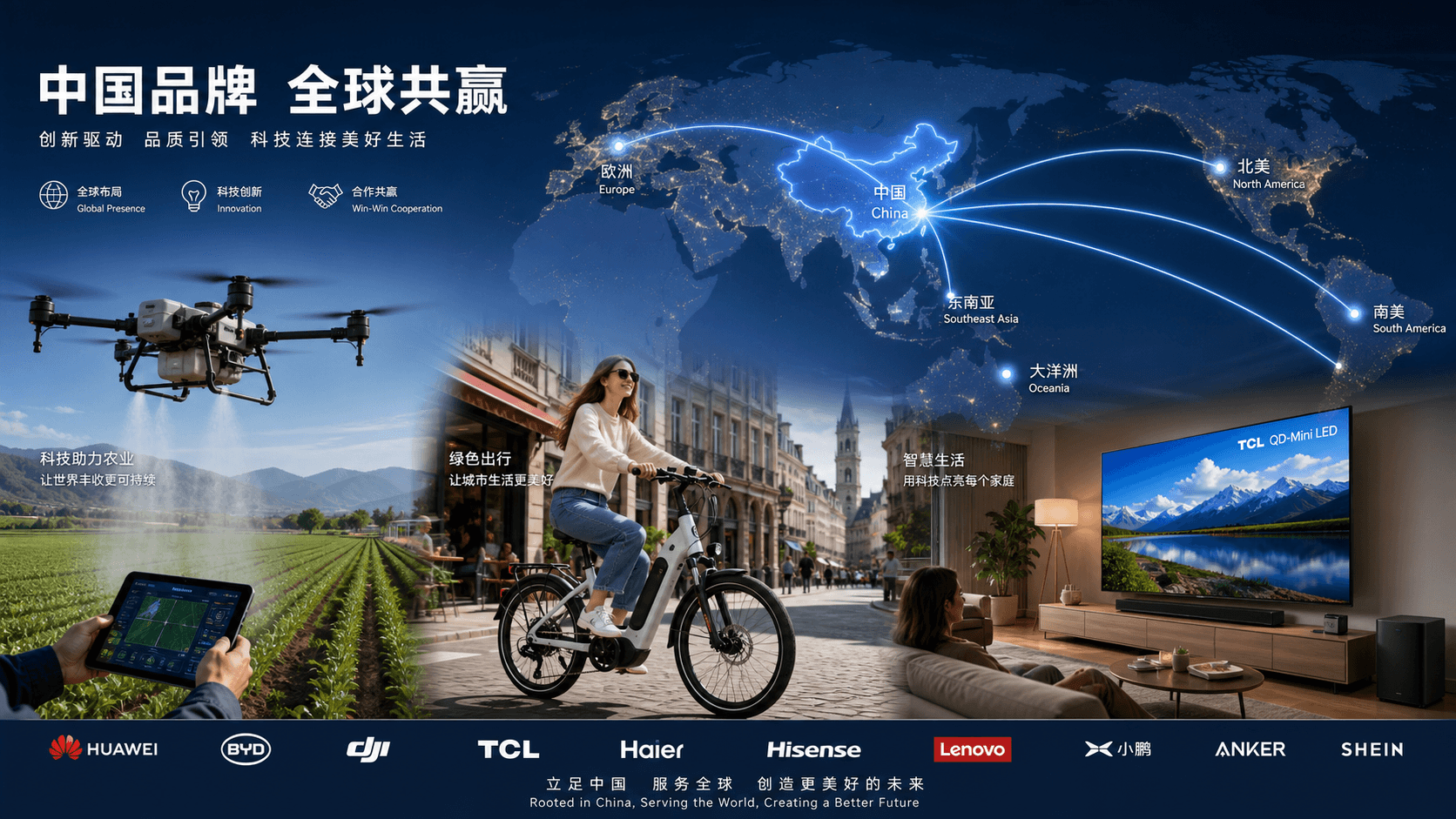
Vibrant China Survey: Chinese Companies Going Global Are No Longer Just Shipping Products
Chinese companies are increasingly transforming global markets by exporting comprehensive operating systems, with significant advancements seen in various sectors. Notably, XAG agricultural drones are revolutionizing farming practices across the United States, enhancing efficiency and productivity for American farmers. Meanwhile, TCL is making strides in the European electronics market with its innovative Mini LED TVs, which are gaining popularity among consumers for their superior display technology. Additionally, ADO e-bikes are fostering community engagement in Europe, providing sustainable transportation options that cater to the growing demand for eco-friendly mobility solutions. This trend reflects a broader strategy by Chinese firms to not only sell products but also integrate complete systems that address specific regional needs, thereby solidifying their presence in international markets.
Industry Market
Alibaba bans Claude Code internally; FF's LA office empty, company denies; Microsoft invests $2.5 billion to form new AI company.
In a significant policy shift, China's Ministry of Finance, State Taxation Administration, and Ministry of Industry and Information Technology announced the adjustment of tax incentives for energy-efficient and new energy vehicles. Effective January 1, 2027, the government will eliminate the half-tax reduction for energy-efficient vehicles and discontinue the tax exemption for pure electric commercial vehicles, plug-in hybrid vehicles, and fuel cell commercial vehicles. This decision aims to align tax policies with the evolving automotive market and promote sustainable practices. The announcement follows a comprehensive evaluation of the current tax framework and its impact on the industry.

Versaterm on the Drone Radio Show! Next Level Integration of Drones into Public Safety
In a recent episode of the Drone Radio Show, Ryan Bracken from Versaterm discussed the company's acquisition of DroneSense and its implications for public safety agencies. This strategic move aims to enhance the integration of drone technology into computer-aided dispatch (CAD) workflows, moving beyond traditional standalone drone programs. The conversation highlighted the common characteristics of successful drone initiatives and offered insights on how agencies can develop sustainable operations while adhering to budget constraints. This integration is seen as a crucial step in advancing the use of drones in public safety, enabling agencies to leverage aerial technology more effectively in their operations.
Applications Drone News Drone News Feeds emergency response News Podcast
World’s first Mach 2.5 test platform to blast hypersonic materials through storms
A U.S. aerospace company has introduced what it claims to be the world's first commercial platform designed for urban air mobility. The announcement was made during a press conference held on October 15, 2023, at the company's headquarters in California. This innovative platform aims to revolutionize transportation in densely populated areas, addressing the growing need for efficient and sustainable urban transit solutions. The company’s executives highlighted that the development is motivated by increasing urban congestion and the demand for faster travel options. The platform is expected to utilize advanced electric vertical takeoff and landing (eVTOL) technology, enabling it to operate in urban environments while minimizing noise and emissions. The unveiling marks a significant milestone in the aerospace industry, as the company plans to collaborate with city planners and regulatory bodies to ensure the safe integration of this new mode of transportation into existing urban infrastructures.
Military
New 6 mW Chip Helps Small Robots Build 3D Maps in Real Time
Gleanmer, a technology company specializing in autonomous navigation solutions, has developed an innovative system that integrates Gaussian-based mapping with specialized hardware. This advancement aims to significantly decrease memory and power requirements, enabling more efficient real-time navigation for autonomous vehicles. The new technology is expected to enhance the performance of self-driving systems, making them more viable for widespread use. The announcement comes as the industry continues to seek solutions that address the growing demands for energy efficiency and computational power in autonomous systems. Gleanmer's approach represents a promising step forward in the quest for sustainable and effective navigation technologies.

M3RS: Multi‐Robot, Multi‐Objective, and Multi‐Mode Routing and Scheduling
A recent study published in the Journal of Field Robotics highlights the advancements in robotic technology aimed at enhancing agricultural efficiency. Conducted by a team of researchers from various universities, the study was released in October 2023. The research focuses on the integration of autonomous robots in farming practices, particularly in crop monitoring and harvesting tasks. The motivation behind this initiative stems from the growing need for sustainable agricultural solutions to meet the demands of a rising global population. By employing robots equipped with advanced sensors and artificial intelligence, farmers can optimize resource usage, reduce labor costs, and increase crop yields. The researchers conducted field trials across multiple farms, demonstrating how these robotic systems can operate in real-time to assess plant health and identify areas requiring attention. The findings suggest that the implementation of such technologies could revolutionize traditional farming methods, making them more efficient and environmentally friendly. As the agricultural sector faces challenges such as labor shortages and climate change, this innovative approach offers a promising pathway to enhance productivity while minimizing environmental impact. The study underscores the potential of robotics in transforming agriculture, paving the way for future developments in the field.
RESEARCH ARTICLE
Innovation Day for Advanced Packaging Automation
Over 160 participants from 87 companies across 30 countries convened at CMC Packaging Automation's headquarters for the annual CID26 – CMC Innovation Day 2026. This year's event, themed ‘Ecosystem,’ focused on advancements in fulfillment automation, systems integration, and right-sized packaging. Attendees included customers, technology partners, policymakers, and industry experts, all united to explore innovative solutions and foster collaboration within the packaging sector. The gathering aimed to address the evolving needs of the industry and promote sustainable practices, highlighting CMC's commitment to driving progress in packaging automation.
Automated Packaging eFulfilment Label and Print Packaging and Ecommerce CMC Fulfilment Automation
The Lab Mistake That Might Revolutionize Computing
Researchers have made a significant breakthrough in artificial intelligence technology by discovering a new way to create electronic components that mimic the behavior of biological neurons and synapses. This development, which occurred in a laboratory in 2024, could drastically reduce the energy consumption associated with AI applications. Currently, AI systems rely on powerful GPUs housed in data centers, consuming up to 1,000 watts each, which is comparable to household appliances. In contrast, the human brain operates at a fraction of that energy efficiency. The team, led by researchers Mario Lanza and Sebastian Pazos, stumbled upon this innovation while experimenting with metal-oxide-semiconductor field-effect transistors (MOSFETs). They found that by manipulating the bulk terminal of a MOSFET, they could replicate neuron-like behavior, producing sharp current spikes similar to those of biological neurons. This discovery not only allows for the creation of artificial neurons but also enables the development of artificial synapses, leading to a new type of neurosynaptic random-access memory (NSRAM). The implications of this technology are vast, as it could lead to brain-inspired microchips that are more energy-efficient than current GPUs, particularly for smaller-scale AI tasks. The researchers are now focused on refining their models and conducting further simulations to optimize performance. If successful, this innovation could pave the way for a new generation of AI systems that are both powerful and environmentally sustainable.
Neuromorphic-computing Cmos Mosfet Synapse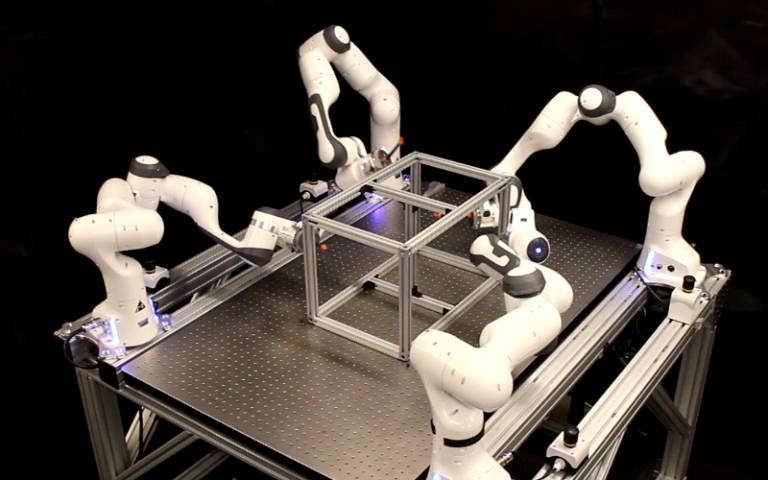
A Hybrid Technique for Active SLAM Based on RPPO Model With Transfer Learning
The Journal of Field Robotics has released an EarlyView article highlighting recent advancements in robotic technology. Researchers from various institutions have collaborated to develop innovative algorithms that enhance the efficiency and autonomy of field robots. This significant study, published in October 2023, aims to address the growing demand for automation in agriculture and environmental monitoring. The research focuses on improving the decision-making capabilities of robots operating in complex outdoor environments. By integrating machine learning techniques, the team has demonstrated how robots can better navigate and adapt to changing conditions, ultimately increasing productivity in agricultural practices. The findings are particularly relevant as the industry seeks to optimize resource use and reduce labor costs. The study was conducted across multiple test sites, showcasing the practical applications of these advancements in real-world scenarios. The researchers emphasize that these developments are crucial for meeting the challenges posed by climate change and the need for sustainable farming practices. By enhancing the operational capabilities of field robots, the team hopes to contribute to a more efficient and resilient agricultural sector. This publication marks a significant step forward in the field of robotics, underscoring the potential for technology to transform traditional practices and improve outcomes in various sectors. As the demand for automation continues to rise, the implications of this research could be far-reaching, paving the way for future innovations in robotic applications.
RESEARCH ARTICLE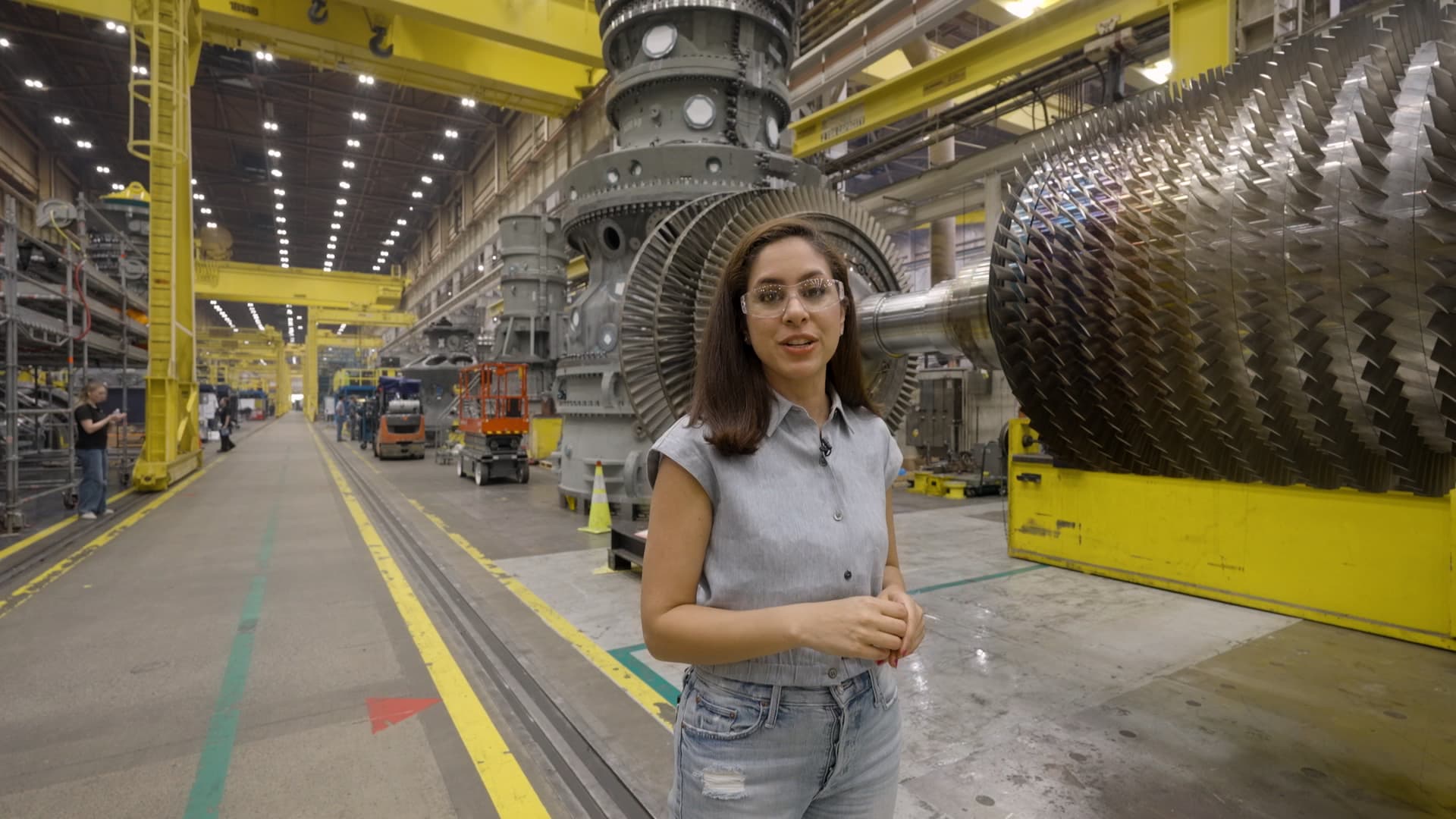
How GE Vernova builds the massive gas turbines powering the AI data center boom
Elon Musk's xAI Colossus 1 data center is now being powered by GE Vernova turbines, marking a significant advancement in sustainable energy for tech infrastructure. In a related move, Microsoft has also acquired seven of these turbines to supply energy to its data center located in Texas. This initiative comes as both companies seek to enhance their operational efficiency and reduce their carbon footprint, aligning with broader industry trends towards renewable energy solutions. The deployment of GE Vernova's technology is expected to support the growing demand for data processing while promoting environmental sustainability.
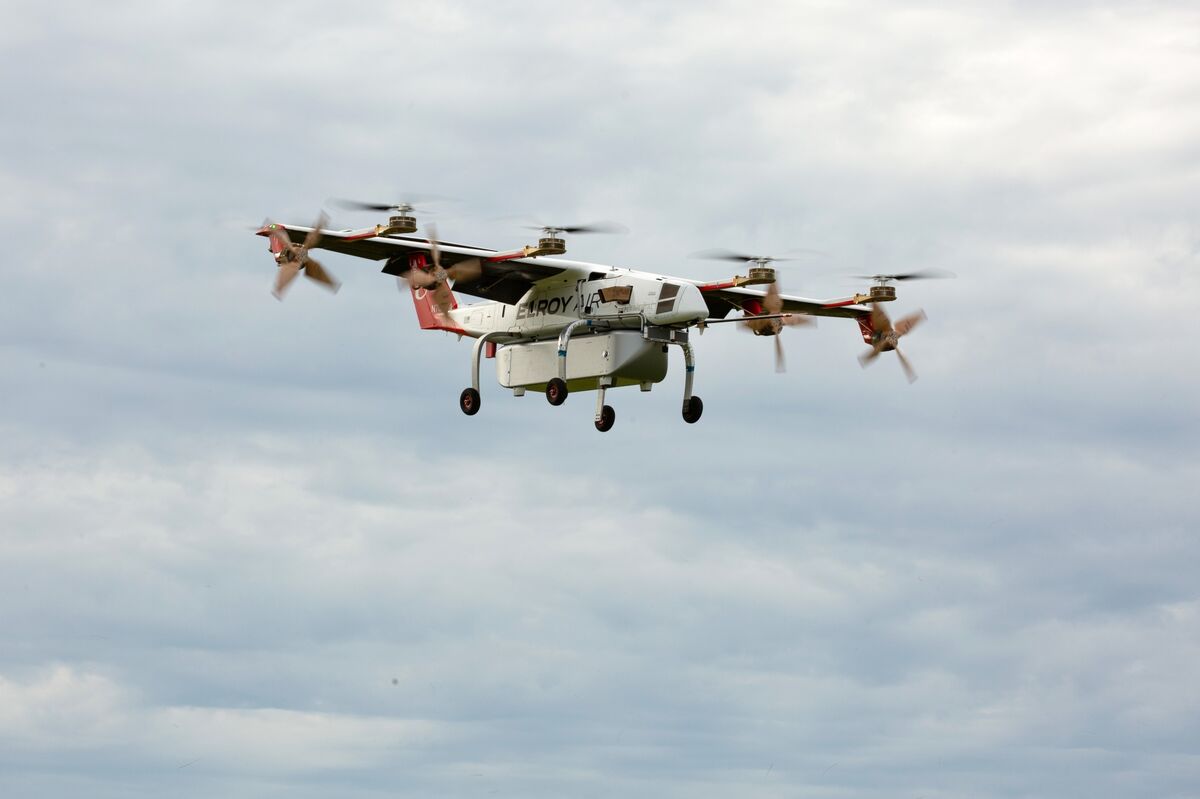
Drone Startup Elroy Air Is Said to Near $800 Million SPAC Deal
Elroy Air Inc., a startup focused on revolutionizing cargo delivery with drone technology, is reportedly in advanced negotiations to go public. The company plans to merge with a special purpose acquisition company (SPAC), which would establish a new entity valued at approximately $1 billion. This strategic move aims to accelerate Elroy Air's growth and expand its innovative delivery solutions, positioning it as a significant player in the logistics industry. The merger discussions come as the demand for efficient and sustainable delivery methods continues to rise, highlighting the potential of drone technology to transform traditional transportation models.
Robotics needs a service framework.
RSF defines a common language for robot service capability, lifecycle operations, certification pathways, and service-provider networks.