Industry Briefing
A single destination for timely, editor-curated robotics news from around the world.

Adversarial Fashion Challenges Surveillance Norms with Innovative Designs
AI-powered surveillance cameras are increasingly prevalent worldwide, leading to a public backlash over privacy concerns. The DeFlock project aims to raise awareness about automated license plate readers (ALPRs), while some individuals resort to vandalism. Others are embracing 'adversarial fashion' to evade detection, exemplified by the noRecognition project showcased at DEF CON. The rise of adversarial fashion highlights a growing movement focused on privacy rights, as seen in the work of cybersecurity expert Bill Swearingen, who developed a reinforcement learning algorithm to create patterns that confuse object detection systems. Companies like Cap_able and Urban Privacy are producing garments designed to disrupt facial recognition technologies, emphasizing the importance of privacy in a digital age. Despite the potential of adversarial fashion, experts caution that its effectiveness may be limited by various factors, including camera angles and lighting. As surveillance technology evolves, the challenge of maintaining privacy will require continuous innovation and active defense strategies from creators in this emerging field.
Surveillance Ai Machine-vision Object-recognition
Seasats Secures $24 Million in Orders for Lightfish USVs to Enhance Military Surveillance
Seasats, based in New Zealand, has reported securing $24 million in funded orders for its Lightfish unmanned surface vessel (USV) in August and early September. These orders include boats for the US Navy and Marine Corps, indicating a rising demand for small, long-endurance USVs among military users. The Lightfish, an 11-foot solar-powered drone boat, is designed for Intelligence, Surveillance, and Reconnaissance (ISR) missions. Its ability to operate autonomously for extended periods allows military forces to monitor vast maritime areas without deploying crewed vessels, thus providing a cost-effective solution for persistent maritime awareness. Looking ahead, Seasats aims to expand its offerings through its robot-as-a-service (RaaS) model, which allows military customers to utilize the USVs without the need for extensive maintenance and training infrastructure. No further timeline was disclosed at the time of publication.
Innovation Military
Army Pursues New Capabilities to Engage Enemy Surveillance Satellites from Ground
The U.S. Army is actively seeking new technologies to engage adversary satellites from the ground, as stated by Col. Joe Mroszczyk, a senior Army space official. This initiative aligns with the Army's expanding role in supporting U.S. Space Command in achieving space superiority, emphasizing the importance of counter-space operations. Col. Mroszczyk highlighted that the Army's involvement in counter-space operations is a natural extension of its core competencies, similar to naval engagements. The Army aims to follow U.S. national space policy, avoiding destructive anti-satellite attacks that create space debris. The focus is on counter-surveillance and reconnaissance capabilities against adversary satellites. The Army has been increasing its presence in the space domain, with counterspace listed as a budget priority starting in fiscal 2027. As the Army develops capabilities to prevent adversaries from collecting targeting data on U.S. forces, it is crucial to monitor advancements in this area and the integration of operational requirements into acquisition programs.
Air Warfare Land Warfare Space Air Force Army army space
Legged Robots Spark Concerns Over Surveillance, Employment, and Military Accountability
Legged robots have evolved from science fiction to practical engineering, now performing tasks such as package delivery and military operations. This shift highlights significant advancements in technology, driven by increased financial investment in the sector. The emergence of these humanoid and quadrupedal machines raises important ethical questions and economic opportunities, as they become more integrated into everyday life. The implications of their use in surveillance and military contexts are particularly pressing, prompting discussions on accountability and regulation. As the technology continues to develop, stakeholders should monitor the evolving landscape of legged robots, particularly regarding their deployment in sensitive areas. No further timeline was disclosed at the time of publication.
Robotics
Royal Navy Tests Robotic Boat for Autonomous Drone Launching in Maritime Surveillance
The Royal Navy is conducting trials of a robotic boat designed to autonomously launch and recover drones at sea, enhancing uncrewed maritime surveillance capabilities. This initiative, in collaboration with ACUA Ocean and Teledyne FLIR Defense, aims to improve persistent aerial reconnaissance while minimizing risks to personnel. The system integrates an uncrewed surface vessel (USV) with a tethered uncrewed aerial system (T-UAS), allowing for extended surveillance operations. This development is significant as it represents a new approach to maritime surveillance, combining aerial and surface capabilities into a single autonomous system. The SkyCarrier and SkyRanger R70 drones, utilized during the trials, are equipped with advanced AI and imaging technologies, enabling them to perform demanding surveillance missions. The ability to maintain a stable tether connection allows for longer operational durations and continuous power supply, which is crucial for effective surveillance in challenging sea conditions. Looking ahead, the Royal Navy's exploration of this technology could lead to enhanced capabilities in anti-submarine warfare, mine countermeasures, and the protection of critical maritime infrastructure. No further timeline was disclosed at the time of publication.
AI and Robotics
British Army to Receive Up to 24 Tekever AR5 Surveillance Drones by 2029
The British Army has selected Tekever's AR5 surveillance drones to replace the Watchkeeper system. This acquisition is expected to deliver up to 24 aircraft by 2029. This decision is significant as it marks a transition to advanced drone technology, enhancing the Army's surveillance capabilities. The AR5 drones are anticipated to provide improved operational efficiency and effectiveness in various military applications. Looking ahead, the delivery timeline for the AR5 drones will be closely monitored, with the first units expected to be operational as early as 2029. No further timeline was disclosed at the time of publication.
Air Warfare Global Air Force AR5 Defence Investment Plan Drones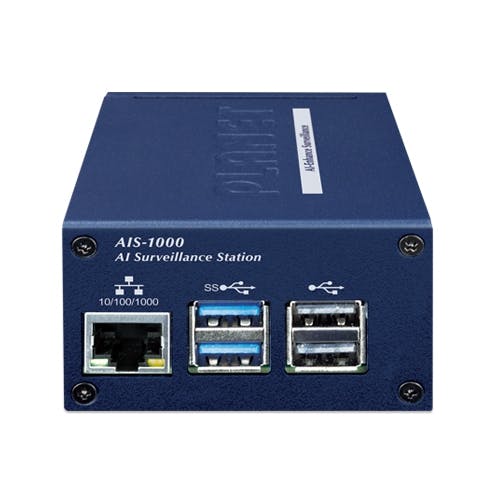
Planet Technology Launches AIS-1000 AI Surveillance Station for Enhanced Security
Planet Technology has unveiled its AIS-1000 AI Surveillance Station, which processes data at the collection point to enhance threat detection. This innovation aims to address the growing demand for intelligent security solutions in commercial and industrial sectors, where security teams often struggle with overwhelming amounts of data. The AIS-1000 is designed to surpass traditional security systems by utilizing edge computing and localized AI analytics. This shift allows for proactive threat detection and intervention, preventing incidents from escalating. Key features include an intuitive dashboard for monitoring live video streams and managing alerts, making it suitable for various environments, including retail, industrial, and healthcare facilities. As organizations face increasingly sophisticated security challenges, the AIS-1000 represents a significant advancement in AI surveillance technology. Joe Williams, director of distributed sales at Planet Technology, emphasized the importance of transitioning from passive video recording to active edge intelligence. No further timeline was disclosed at the time of publication.
Factory / Analytics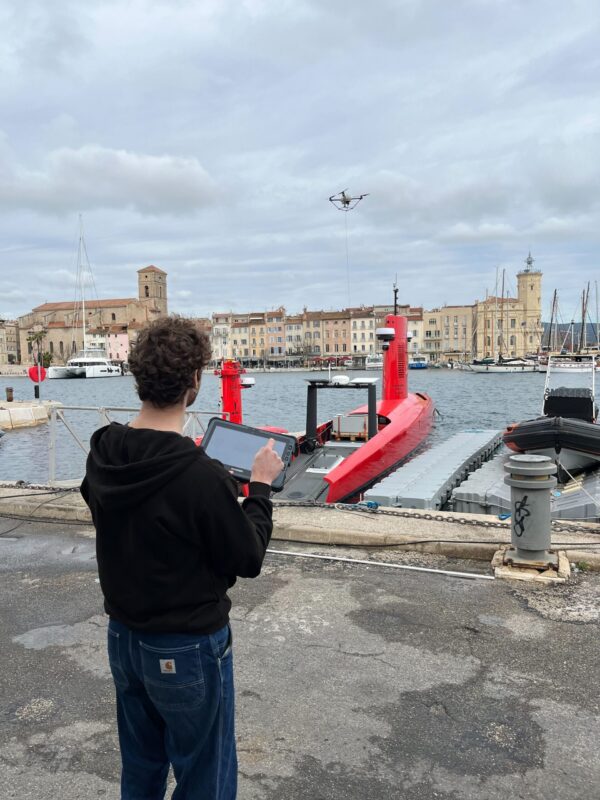
Elistair and Exail Collaborate on Tethered Drone Maritime Surveillance for Autonomous Vessels
Elistair has partnered with Exail to integrate its Khronos DroneBox with Exail's DriX unmanned surface vessel, enabling tethered drone maritime surveillance. This collaboration allows operators to maintain a persistent aerial view from shore, enhancing capabilities for naval, coast guard, and port security operations. The integration of the Khronos DroneBox with the DriX vessel marks a significant advancement in maritime surveillance technology. The tethered drone can operate for up to 24 hours at a height of 60 meters, providing real-time, encrypted video feeds even in challenging environments. This capability extends surveillance beyond traditional surface radar limits, making it ideal for various applications including coastal surveillance and search and rescue missions. Looking ahead, the partnership between Elistair and Exail is expected to evolve as they explore further applications of the Khronos system in maritime contexts. No further timeline was disclosed at the time of publication.
Drone News Drone News Feeds News safety and security seadrones Security
Elistair and Exail Collaborate to Enhance Unmanned Surface Vessels with Aerial Surveillance
Elistair and Exail have announced a partnership to integrate the Khronos automated tethered DroneBox with Exail’s DriX unmanned surface vessel (USV). This integration allows maritime operators to achieve persistent aerial surveillance directly from the vessel, significantly extending the range of surface sensors while ensuring personnel safety on shore. The Khronos drone, launched from the DriX, provides continuous aerial surveillance with a flight duration of up to 24 hours at a height of 60 meters. It streams live, encrypted video, enabling real-time imagery even in challenging environments. This enhancement is particularly beneficial for coastal surveillance, port protection, counter-trafficking operations, and search and rescue missions. The integration of the Khronos drone represents a significant advancement in maritime surveillance capabilities. As noted by Elistair's CEO, Guilhem de Marliave, this technology allows for wider coverage and earlier detection without risking crew safety at sea. No further timeline was disclosed at the time of publication.
elistair exail aerial surveillance uav unmanned surface vessels usv
Indonesia Enhances Fishery Enforcement with Advanced Digital Surveillance Systems
In the eastern Indian Ocean, Indonesia is leveraging advanced digital surveillance to enhance fishery enforcement. Utilizing satellite monitoring and Vessel Monitoring Systems (VMS), the country can detect potential violations in real-time, marking a significant shift in maritime governance. This transition allows for proactive enforcement rather than reactive measures, addressing the challenges of monitoring vast maritime areas. The integration of digital tools is crucial for Indonesia, which manages over six million square kilometers of maritime space. With 9,394 fishing vessels actively transmitting data through the VMS by early 2026, the country is able to identify unauthorized fishing activities and prioritize inspections based on data-driven assessments. This capability is transforming how fisheries are monitored and regulated. Looking ahead, the implications of this digital transformation are profound. In the first quarter of 2026 alone, Indonesia's monitoring system tracked over 14,000 vessels and identified nearly 500 suspected violations. As digital surveillance continues to evolve, it will be essential to watch how these technologies reshape enforcement strategies and compliance in the fishing industry.
Fishing Environmental-monitoring Indonesia Poaching Surveillance
AI Enhancements in Robotics: Balancing Power and Risks 25 Years After 9/11
The integration of AI in robotics has significantly enhanced surveillance capabilities, raising concerns about potential risks. Experts warn that the rapid development of AI technologies, particularly in industrial robots and drones, could lead to misuse in sensitive applications, such as monitoring and security. As companies race to innovate, the implications for privacy and ethical considerations become increasingly critical. The advancements in robotics, including the MOFU's adjustable height and AEON's task validation, demonstrate the potential for improved efficiency and precision in industrial settings. However, the unchecked corporate competition in AI development poses unprecedented risks to society, as highlighted by researchers. The ability of systems like UnifoLM-X2-1.0 to predict and adapt in real-time further emphasizes the need for responsible deployment of these technologies. Looking ahead, the industry must address the ethical implications of AI in robotics, particularly in surveillance applications. With over 80 percent of production processes automated, the focus will be on ensuring that these technologies are used responsibly. No further timeline was disclosed at the time of publication.
AI and Robotics
uAvionix Partners with Airwise to Enhance BVLOS Operations at Skyway Range
uAvionix has formed a strategic partnership with Airwise Solutions to integrate its FlightLine surveillance data into the Airwise Nexus platform, specifically for Skyway Range's BVLOS operations in Tulsa, Oklahoma. This collaboration, announced on August 18, 2026, aims to streamline drone operations by providing reliable, low-latency cooperative aircraft data without the need for local sensor deployment. The integration of uAvionix's FlightLine network with Airwise's platform enhances airspace awareness and supports the growing complexity of drone operations. By combining low-altitude ADS-B surveillance with enterprise UTM capabilities, the partnership enables operators to manage flights more effectively, ensuring safety and efficiency in BVLOS operations. The setup is designed to support a range of operational scales, from single flights to nationwide programs. Looking ahead, the immediate availability of this capability for range participants and Airwise enterprise customers signifies a significant step towards advanced drone operations. As the demand for integrated solutions in the drone industry increases, this partnership positions both uAvionix and Airwise as leaders in providing trusted data and operational support for the future of aviation in Tulsa and beyond.
Drone News Drone News Feeds News UTM 1090 MHz ES 978 MHz UAT
Ultra Maritime Showcases New Underwater Surveillance System at U.S. Navy's 2026 Exercise
Ultra Maritime demonstrated a new underwater surveillance system during the U.S. Navy’s 2026 Lanternfish exercise. The system integrates the Sea Spear passive sonar with the SSQ-125B active sonobuoy to enhance detection capabilities for unmanned underwater vehicles (UUVs). This combination allows for continuous monitoring and precise localization of underwater threats. The significance of this demonstration lies in its potential to improve naval operations against UUVs and submarines. By utilizing both passive and active sonar technologies, Ultra Maritime aims to provide naval forces with a comprehensive understanding of underwater activity across extensive maritime areas. The Sea Spear's passive capabilities enable persistent surveillance, while the SSQ-125B enhances target localization. Looking ahead, Ultra Maritime's system is part of the broader “Ocean of Things” initiative, which envisions a network of underwater sensors deployed from various platforms. This approach could revolutionize maritime security by enabling long-term monitoring of critical areas such as ports and busy sea routes. No further timeline was disclosed at the time of publication.
Military
Tekever Engages Investors for €500 Million Funding at €5.5 Billion Valuation
Tekever, a Portuguese company specializing in surveillance drones, is currently negotiating with investors to secure up to €500 million, equivalent to $577 million. This funding round is notable as it values the company at €5.5 billion, marking a significant increase from the previous year's valuation. The substantial rise in Tekever's valuation reflects growing interest and demand for advanced surveillance technologies, particularly in defense and security sectors. As the market for drone technology expands, Tekever's innovative solutions position it favorably among competitors, potentially attracting more investment and partnerships. Looking ahead, stakeholders will be keen to see how Tekever's funding discussions progress and whether the company can successfully close this round. No further timeline was disclosed at the time of publication.

California Scientists Develop Shark Surveillance Bot for 2028 Los Angeles Olympics
Scientists at California State University, Long Beach, are testing a semi-autonomous underwater robot named Shark Surveillance Bot (SSB) ahead of the 2028 Los Angeles Olympics. This solar-powered vessel, measuring approximately 3 meters in length and 0.9 meters in width, aims to enhance safety for athletes and beachgoers during the surfing events at Lower Trestles and open water swimming near Long Beach. The initiative comes in response to a significant increase in shark activity in California, with the state recording a record number of shark incidents in 2025. The SSB is designed to monitor shark populations without disturbing them, equipped with acoustic receivers to detect tagged great white sharks and capable of collecting environmental DNA samples. Its aerial drone provides real-time surveillance and data transmission back to the lab, with a patrol duration of up to one week. As the SSB prototype undergoes testing, its purpose is not to clear beaches at the sight of sharks but to provide officials with enhanced situational awareness. This will help lifeguards make informed decisions regarding safety measures. The project faces funding challenges as state government support is set to expire this fall, but the SSB could become a vital tool for beach safety by 2028.
Shark Detection Underwater Robotics Beach Safety Environmental Monitoring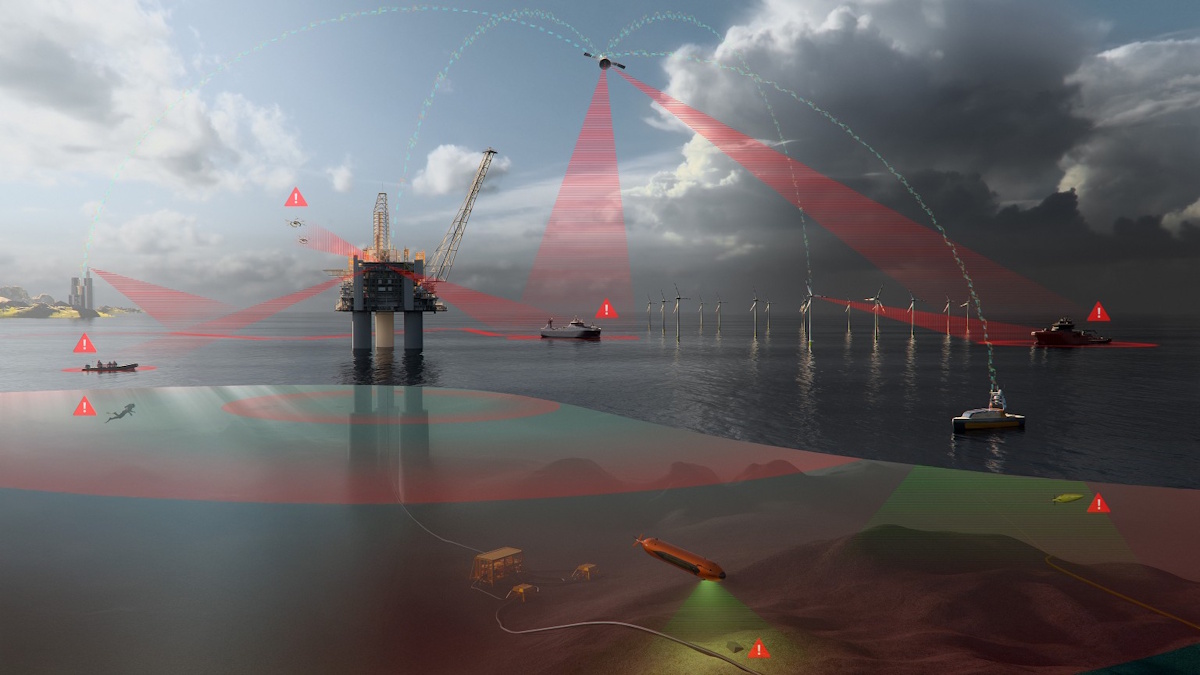
KONGSBERG Wins Contract for Underwater Surveillance of Critical Infrastructure
KONGSBERG has secured a contract to deliver advanced technologies aimed at protecting critical infrastructure, including oil and gas installations and energy grids. The project, which focuses on underwater surveillance, is for an undisclosed international customer and highlights the increasing demand for robust security solutions in a volatile geopolitical environment. The significance of this contract lies in its emphasis on early threat detection and prevention, essential for safeguarding high-value assets. KONGSBERG's technology supports a range of applications, including situational awareness and monitoring, which are crucial for maintaining operational resilience against various threats such as cyber-attacks and natural disasters. Looking ahead, KONGSBERG's ongoing commitment to infrastructure protection will be critical as the market evolves from recognizing needs to implementing effective solutions. No further timeline was disclosed at the time of publication, but the contract underscores the company's capability to address the growing demand for security in critical sectors.
kongsberg contract critical infrastructure protection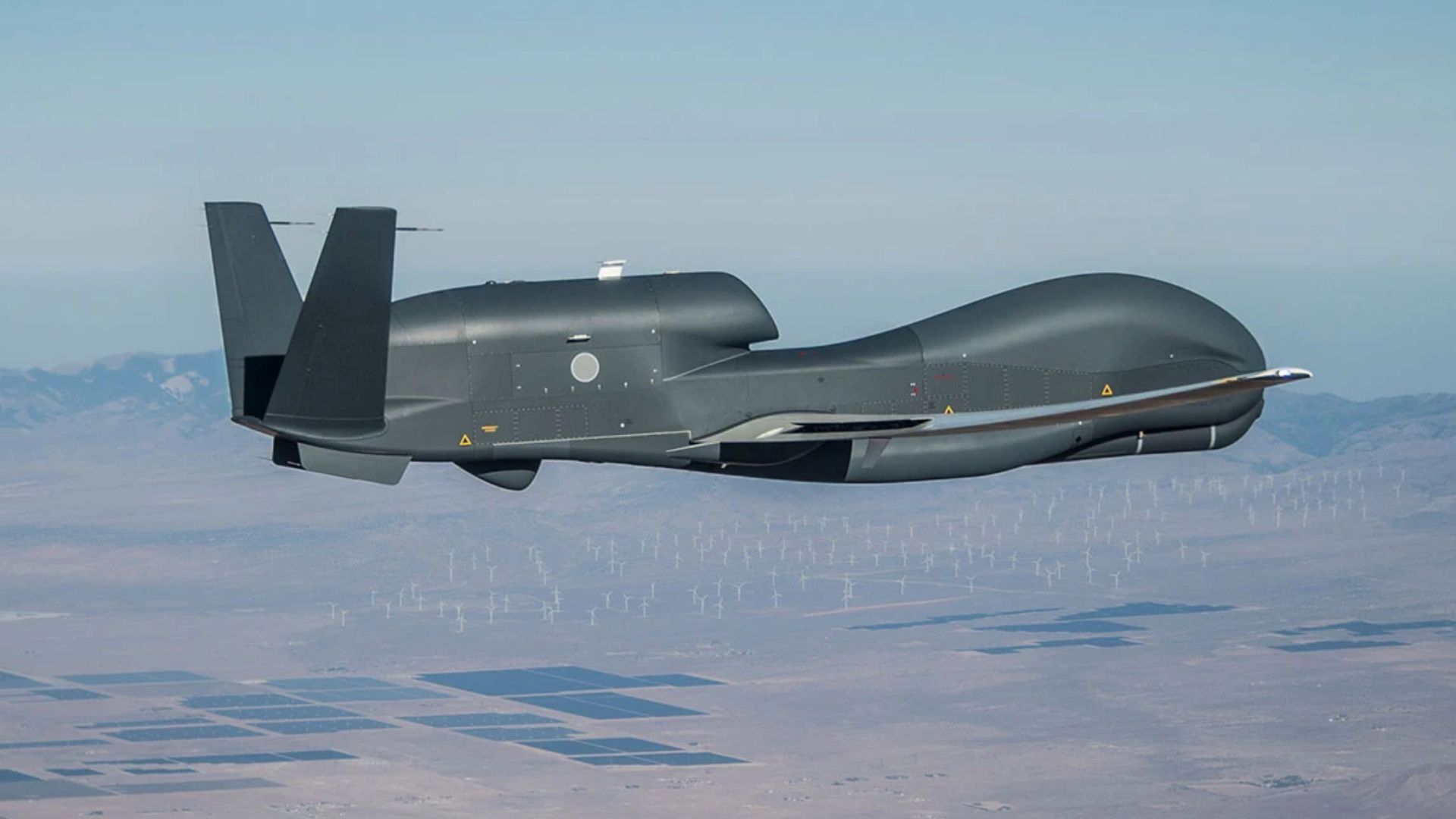
US moves RQ-4B Global Hawk advanced drones to Japan in Indo-Pacific surveillance boost
The U.S. Air Force has announced the permanent relocation of three Northrop Grumman RQ-4B Global Hawk Block 40 unmanned aerial vehicles to a base in the Indo-Pacific region. This strategic move, confirmed on October 15, 2023, aims to enhance surveillance capabilities and bolster regional security amid rising tensions in the area. The decision reflects the military's commitment to adapting its resources to meet evolving threats and support allies in the region. The Global Hawk drones, known for their high-altitude, long-endurance missions, will play a crucial role in intelligence gathering and reconnaissance operations. The relocation is part of a broader initiative to strengthen U.S. military presence and readiness in response to geopolitical challenges.
Military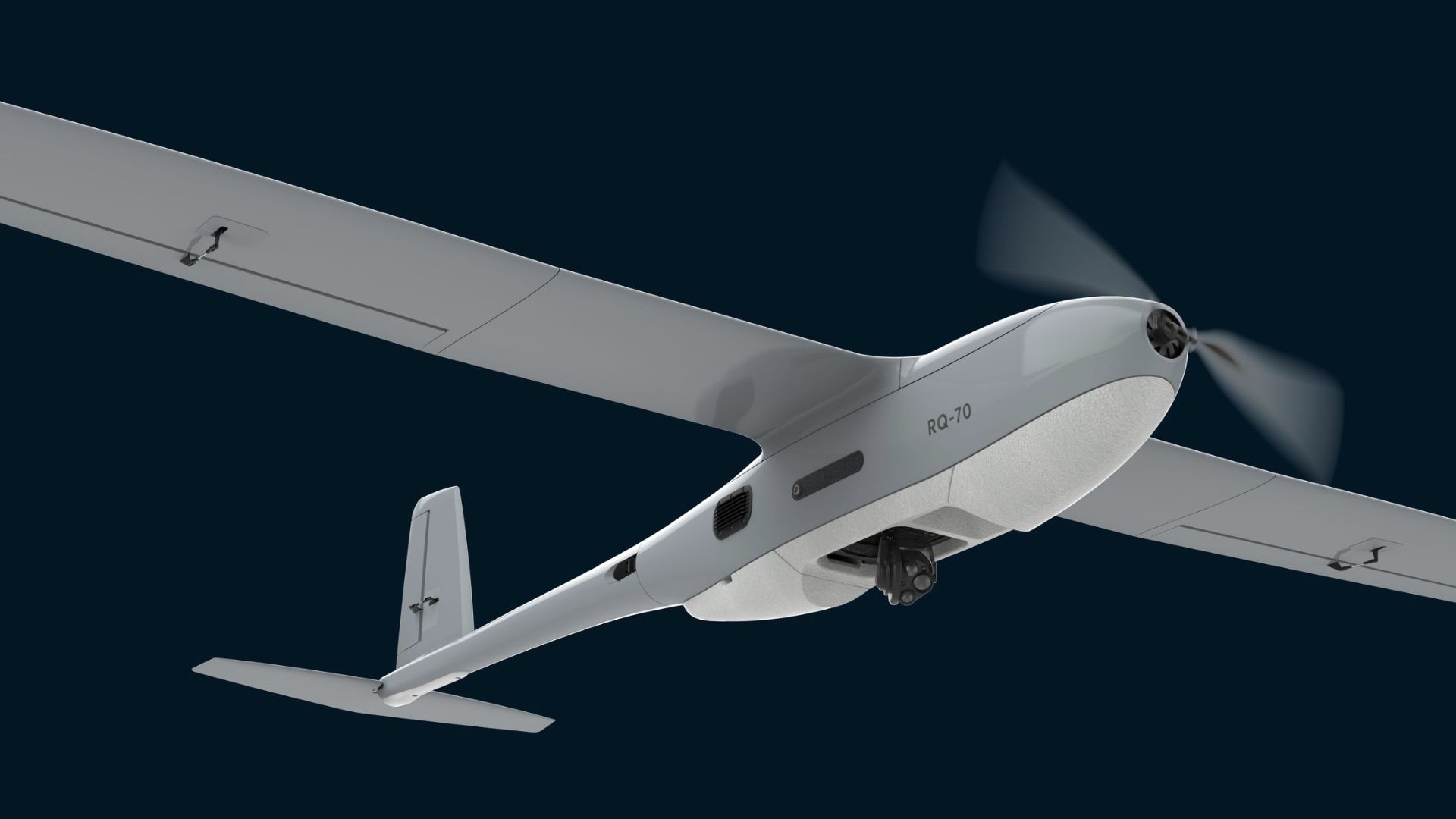
US firm’s new deep-reach drone can conduct surveillance beyond tactical frontline
An aerospace and defense company has introduced its latest deep-reach intelligence, surveillance, and reconnaissance (ISR) system, designed to enhance military operations and situational awareness. The announcement was made during a defense technology conference held in Washington, D.C., on October 15, 2023. This cutting-edge system aims to provide armed forces with advanced capabilities to gather critical data over vast distances, improving their ability to monitor and respond to threats in real-time. The development of this ISR technology is motivated by the increasing demand for enhanced surveillance solutions in modern warfare, where timely and accurate information is crucial for mission success. The company plans to integrate this system into existing military platforms, ensuring seamless operation and compatibility with current defense strategies.
Military
New sub-450-gram mini drone system sustains autonomous surveillance despite GPS jamming
As military forces seek innovative solutions to enhance soldier safety and situational awareness, recent advancements in technology are being explored. These developments aim to provide troops with better protection while ensuring they remain alert to their surroundings. The initiative comes in response to the increasing challenges faced by soldiers operating in high-stress environments, where the balance between safety and awareness is crucial. By integrating cutting-edge wearable devices and advanced communication systems, armies are working to create a more effective and responsive combat experience. This effort is particularly relevant in light of ongoing conflicts and the evolving nature of warfare, which demands that soldiers be both protected and informed. The implementation of these technologies is expected to improve operational efficiency and reduce risks on the battlefield, ultimately enhancing the overall effectiveness of military missions.
Military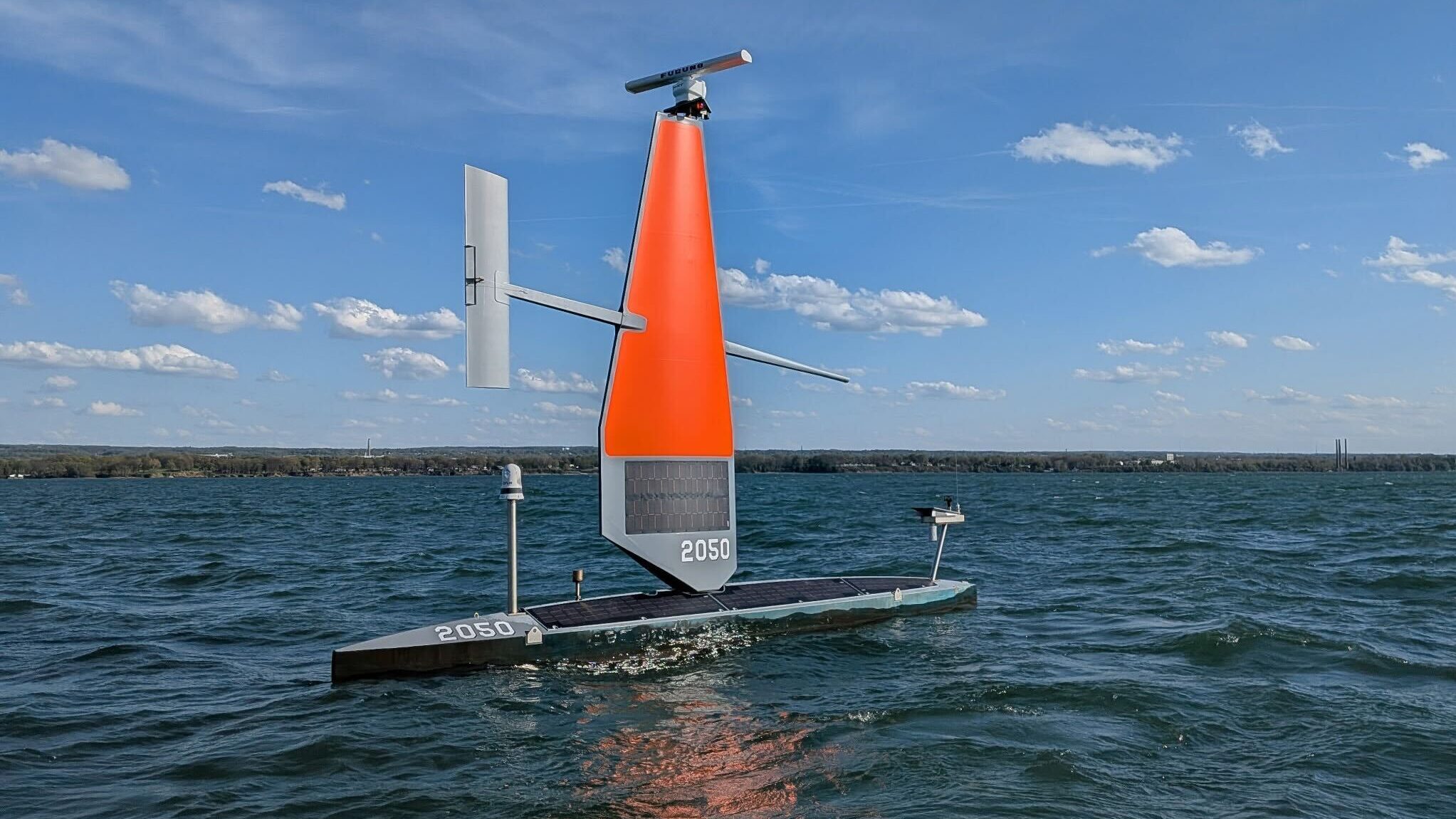
Coast Guard, Saildrone team up in northern waters to boost border security, surveillance
The Voyager, a state-of-the-art surveillance vessel, has been designed to carry out continuous coastal monitoring and nearshore mapping operations. This advanced ship can remain deployed at sea for approximately 100 days, enhancing its capability to gather critical data over extended periods. The implementation of the Voyager is expected to significantly improve maritime security and environmental monitoring efforts, providing valuable insights into coastal ecosystems and aiding in the management of marine resources. With its advanced technology and extended operational range, the Voyager represents a significant advancement in maritime surveillance capabilities.
Naval Warfare border security coast guard Drones Navy Saildrone
GE propulsion selected for US Navy’s next-generation ocean surveillance vessels
GE Aerospace has announced a significant contract to supply propulsion systems for the U.S. Navy's next-generation aircraft. This order, which underscores the company's commitment to advancing military aviation technology, was finalized recently and marks a pivotal step in enhancing the Navy's operational capabilities. The propulsion systems are expected to improve performance and efficiency for the upcoming fleet of aircraft, contributing to national defense objectives. GE Aerospace will leverage its advanced engineering and manufacturing expertise to fulfill this contract, ensuring timely delivery and adherence to the Navy's stringent requirements. This partnership highlights the ongoing collaboration between the defense sector and aerospace manufacturers, aimed at modernizing military assets and maintaining technological superiority.

China’s new LLM-powered ‘AI brain’ automates satellite surveillance
Chinese aerospace researchers have unveiled an innovative system that utilizes Large Language Models (LLMs) to enhance various aspects of aerospace engineering. This development was announced during a recent conference focused on advancements in aerospace technology, held in Beijing. The researchers aim to improve design processes, streamline communication, and facilitate problem-solving in the aerospace sector through the application of artificial intelligence. The motivation behind this initiative stems from the increasing complexity of aerospace projects, which demand efficient and effective solutions. By integrating LLMs, the researchers hope to harness the power of AI to analyze vast amounts of data and generate insights that can lead to more innovative designs and improved operational efficiency. The system operates by processing extensive datasets related to aerospace engineering, enabling it to assist engineers in generating design concepts, optimizing workflows, and predicting potential challenges. This approach not only aims to reduce the time and resources required for development but also seeks to foster collaboration among engineers by providing a common platform for communication. As the aerospace industry continues to evolve, the introduction of such advanced technologies is expected to play a crucial role in shaping the future of aerospace engineering, making it more adaptive and responsive to the challenges ahead.
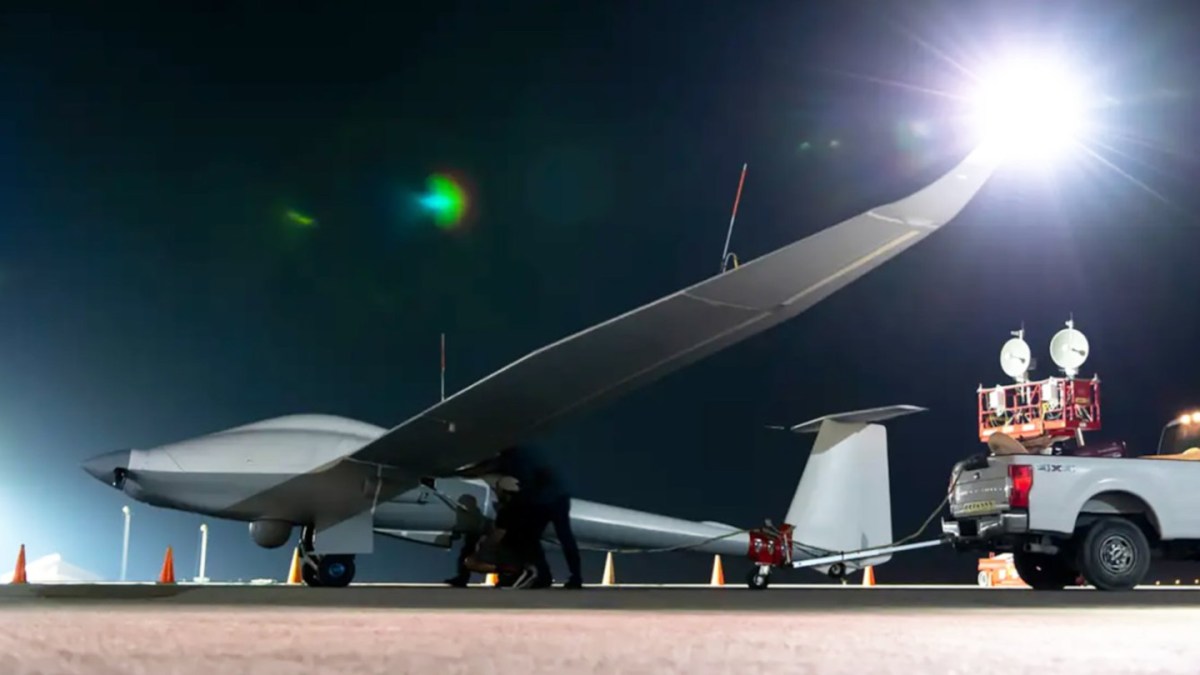
USAF’s New Turbocharged ULTRA Surveillance Drones Are Heading To The Middle East
The U.S. Air Force is deploying its new turbocharged ULTRA surveillance drones to the Middle East, responding to increasing demand for advanced surveillance capabilities. This move comes in the wake of recent losses of MQ-9 drones during conflicts with Iran, highlighting the need for more resilient and effective aerial reconnaissance options. The ULTRA drones, resembling gliders, are designed to enhance surveillance operations in the region, providing critical intelligence and monitoring capabilities. The decision to send these drones underscores the Air Force's commitment to adapting its strategies and technologies in response to evolving threats and operational challenges in the Middle East.
News & Features Air Air Forces Drones U.S. Air Force Unmanned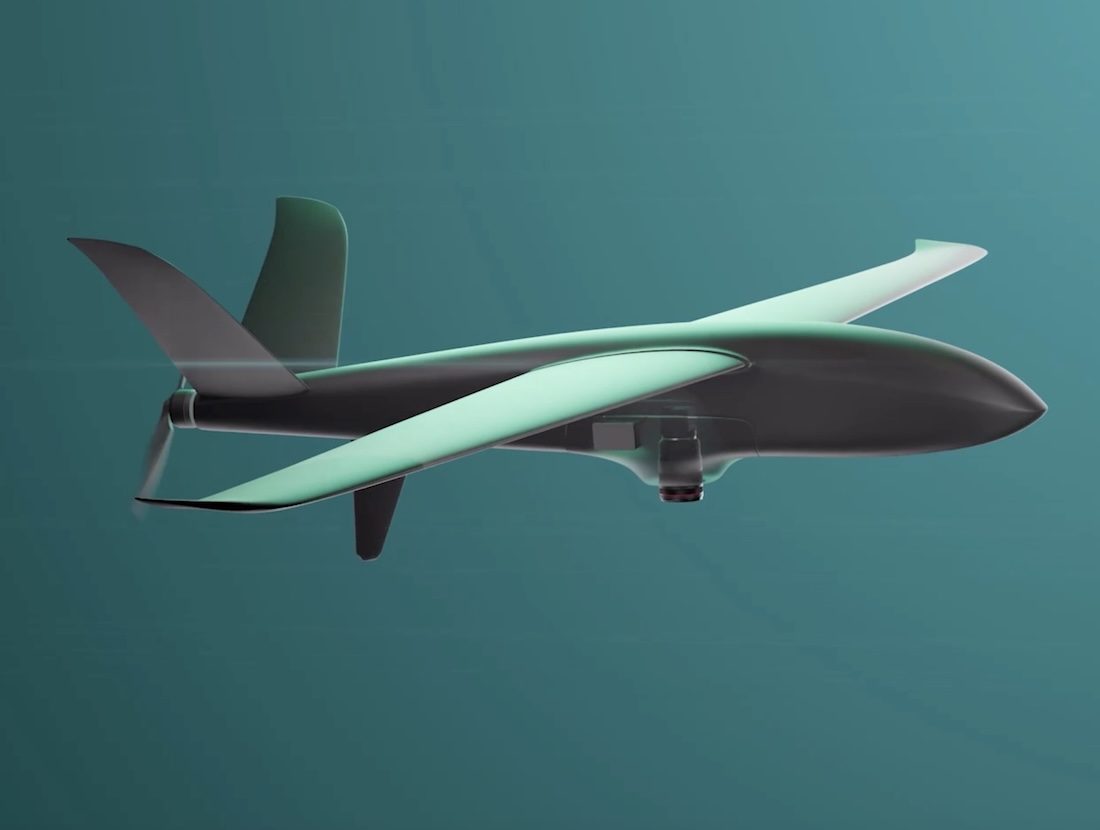
Danish Startup Launches 10K Drone Sensor for Wide-Area Search, Surveillance, and Mine Detection
A Danish start-up has introduced a groundbreaking sensor system designed to enhance marine rescue operations. This innovative technology enables drone-equipped teams to efficiently search vast areas of water for capsized boats and individuals in distress. By utilizing high-resolution imagery transmitted from the drones, rescue teams can pinpoint critical details in challenging conditions. The launch of this advanced 10K drone sensor aims to improve search and surveillance capabilities, as well as facilitate mine detection, thereby addressing urgent needs in maritime safety. The initiative reflects the start-up's commitment to leveraging cutting-edge technology to support emergency responders in their vital work.
Applications DL Exclusive Drone News Drone News Feeds drone technology Europe Drone Industry
Would You Let Tesla Optimus Into Your Home? Privacy & Surveillance Study (2026)
A recent survey reveals that 55% of respondents are opposed to the idea of having a robot in their bedroom, highlighting a significant hesitance towards the integration of robotics in personal spaces. The study, which examined acceptance levels of robots in various household settings, found that concerns about privacy and surveillance play a crucial role in shaping public opinion. Conducted in October 2023, the research compared the acceptance of household robots like Roomba vacuums to more intimate robotic companions, indicating that while some automation is welcomed, the idea of a robot in the bedroom raises alarm for many. The findings suggest that to change minds, manufacturers may need to address these privacy concerns directly and demonstrate how such technology can enhance rather than invade personal spaces. As the conversation around robotics continues to evolve, understanding public sentiment is essential for developers aiming to create products that align with consumer comfort levels. The study underscores the need for transparency and education about the capabilities and limitations of robots in intimate environments.

Guidance and Flocking Algorithm for a Distributed FW‐UAV Swarm System Under Coordinated Surveillance Missions in an Occluded Environment
A recent study published in the Journal of Field Robotics highlights advancements in robotic technology aimed at enhancing agricultural efficiency. Researchers from various institutions collaborated to develop a new autonomous robotic system designed to optimize crop monitoring and management. The study, released in early October 2023, emphasizes the growing need for innovative solutions in agriculture due to increasing global food demands and labor shortages. The robotic system employs advanced sensors and artificial intelligence to gather real-time data on crop health, soil conditions, and environmental factors. This technology allows farmers to make informed decisions, ultimately leading to improved yields and reduced resource waste. The research team conducted field tests in diverse agricultural settings, demonstrating the robot's effectiveness in various crops and terrains. By addressing the challenges faced by modern agriculture, this initiative aims to contribute to sustainable farming practices and food security. The findings underscore the potential of robotics to transform traditional farming methods, making them more efficient and environmentally friendly. As the agricultural sector continues to evolve, such innovations are crucial in meeting the demands of a growing population while minimizing ecological impact.
RESEARCH ARTICLE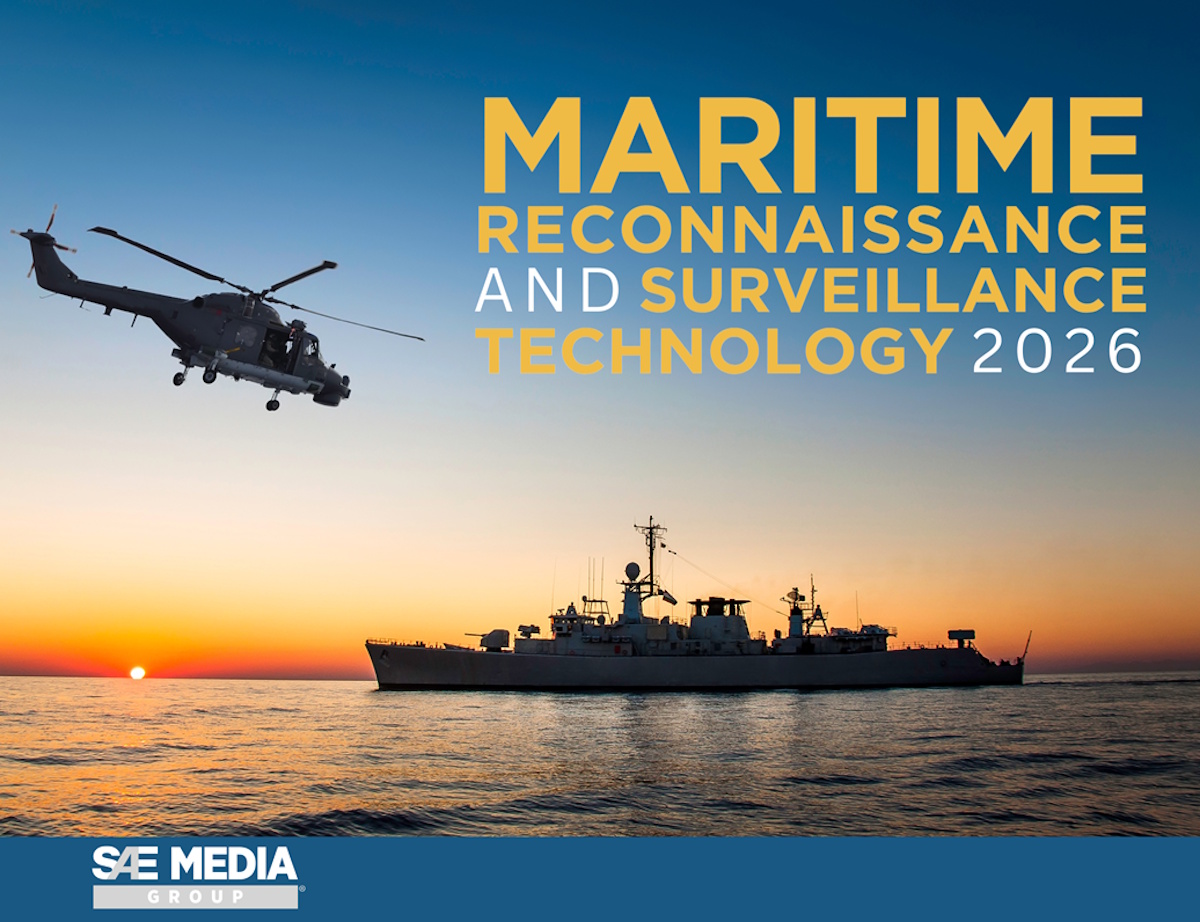
EVENT: Maritime Reconnaissance and Surveillance Technology 2026 - London, UK - 27-28th January, 2026
SAE Media Group will host the 11th annual Maritime Reconnaissance and Surveillance Technology conference on January 27-28, 2026. This event aims to bring together industry leaders, experts, and stakeholders to discuss advancements and innovations in maritime surveillance and reconnaissance technologies. The conference will provide a platform for networking, knowledge sharing, and exploring the latest trends shaping the maritime security landscape. Participants will have the opportunity to engage in discussions and presentations that address the evolving challenges and opportunities in maritime operations.
events maritime reconnaissance and surveillance technology 2026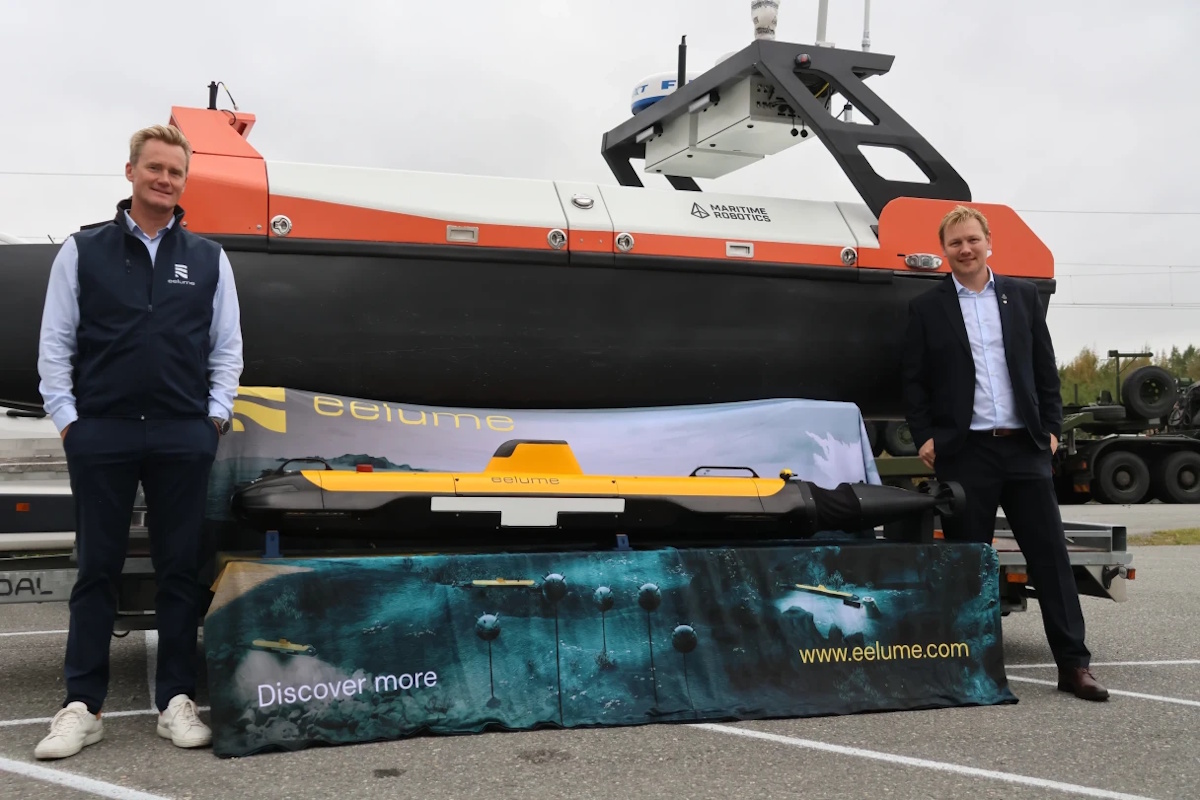
Maritime Robotics and Eelume Enter into Partnership for Ocean Surveillance and Security
Norway's Maritime Robotics and Eelume, two prominent companies in autonomous systems technology, have announced a strategic partnership aimed at enhancing maritime operations. This collaboration focuses on integrating unmanned surface vessels (USVs) with agile underwater vehicles (AUVs) to improve the efficiency and sustainability of exploration, surveillance, and security activities at sea. The partnership reflects a growing trend in the maritime industry to leverage advanced technologies for better operational outcomes.
maritime robotics eelume partnership ocean surveillance and security
FLANQ Launches Q-RECON: Europe's Newest Expeditionary USV for Maritime Surveillance and Special Forces Operations
FLANQ, a maritime defense solutions provider based in Germany, has unveiled its latest innovation, the Q-RECON, an Uncrewed Surface Vessel (USV) designed specifically for operations in coastal areas. The launch, which took place today, addresses an urgent operational need expressed by a European customer. The Q-RECON is a lightweight, two-meter-long vessel that can be easily transported by two personnel. It is engineered for a range of critical functions, including intelligence gathering, surveillance, reconnaissance, and tactical interdiction, enhancing maritime operational capabilities in the region.
flanq q-recon usv maritime surveillance special forces operations
Helsing Unveils Lura and SG-1 Fathom for Autonomous Mass Surveillance
Helsing, a prominent European defense technology firm, has introduced two innovative systems, Lura and SG-1 Fathom, aimed at enhancing maritime security and digitalizing ocean monitoring. Announced today, these advancements draw on the company's extensive expertise in air and land defense to transform maritime surveillance. Lura, a sophisticated software platform powered by advanced artificial intelligence, is designed to rethink traditional approaches to maritime threat detection. It employs autonomous technologies that are both scalable and cost-effective, enabling the identification of potential threats beneath the ocean's surface. This initiative reflects Helsing's commitment to leveraging cutting-edge technology to safeguard maritime environments.
helsing lura sg-1 fathom autonomous mass surveillance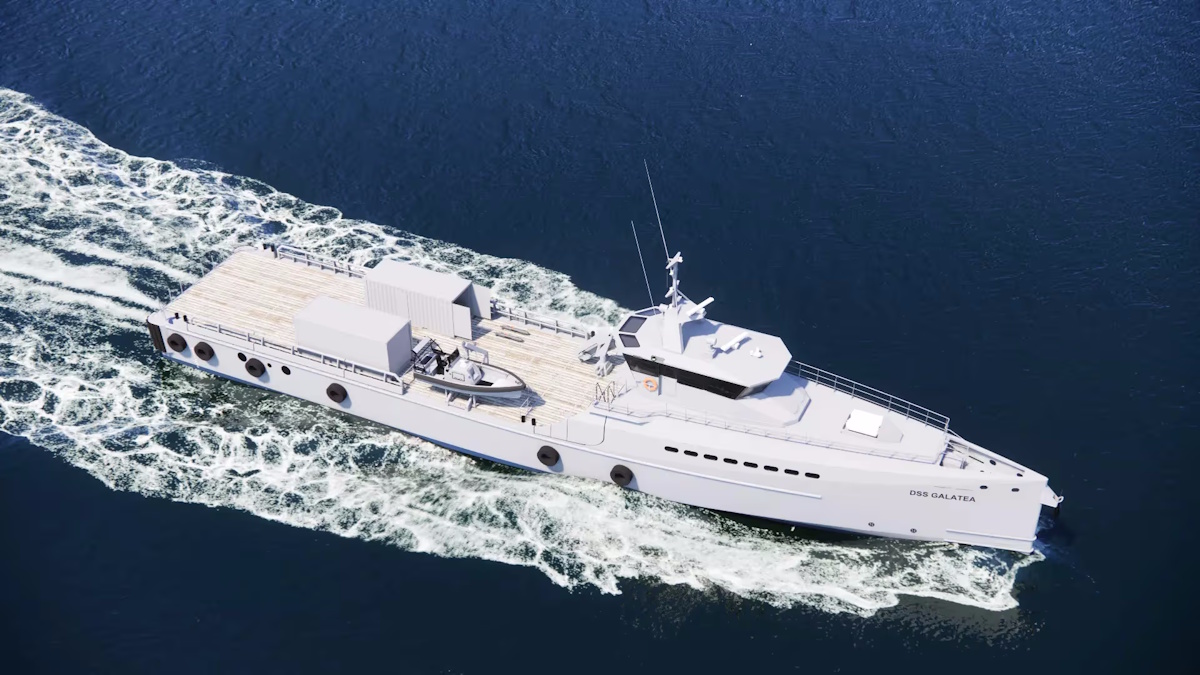
Fugro and Damen Partner to Support the Royal Netherlands Navy with Marine Security and Surveillance Vessel
Fugro and Damen have formed a partnership to supply the Royal Netherlands Navy (RNLN) with a state-of-the-art surveillance vessel and an operational crew. This collaboration, contracted by the Dutch Ministry of Defence, aims to bolster the nation's marine security and surveillance capabilities. The RNLN plans to deploy the vessel within the North Sea exclusive economic zone (EEZ) to conduct comprehensive security operations, monitoring both surface and underwater activities. Equipped with advanced technology, including uncrewed vehicles, the vessel will facilitate the RNLN's efforts to oversee vessel movements and inspect vital underwater infrastructure, such as cables and pipelines.
fugro damen royal netherlands navy marine security and surveillance vesselRobotics needs a service framework.
RSF defines a common language for robot service capability, lifecycle operations, certification pathways, and service-provider networks.
Join the RobotToday community on LinkedIn
Daily robotics news, in-depth analysis, conference highlights, and discussions with professionals worldwide.