Industry Briefing
A single destination for timely, editor-curated robotics news from around the world.

Pony AI Reports 691% Surge in Robotaxi Revenue Amid Fleet Expansion
On August 18, Pony AI (NASDAQ:PONY) announced a remarkable 691% year-over-year increase in robotaxi revenue, reaching $12.1 million in its second-quarter earnings call. Total revenue also saw a significant rise of 68.8%, totaling $36.2 million. Despite ongoing losses, the company is experiencing a reduction in losses while expanding its fleet and international partnerships. The surge in robotaxi fares, which grew 849.3% year-over-year, indicates a robust acceleration in the business, supported by a fleet of 1,975 robotaxis as of June 30, 2026. Pony AI aims to exceed 3,500 vehicles by year-end, utilizing a joint deployment model that enhances capital efficiency. Positive unit economics were reported in Guangzhou and Shenzhen, aided by the PonyWorld 2.0 simulation system. Looking ahead, Pony AI's growth trajectory is tempered by rising capital expenditures and a significant operating loss of $65.7 million for the quarter. While the company is scaling internationally, concerns about cash burn and unrecoverable investments remain. No further timeline was disclosed at the time of publication.

Global Humanoid Robot Shipments Surge Nearly 300% in H1 2026 Amidst Industry Evolution
During the 2026 World Robot Conference, attendees witnessed robots performing tasks such as grasping cups and folding clothes. However, significant advancements in robotics are occurring beneath the surface. Global shipments of humanoid robots reached over 22,000 units in the first half of 2026, marking an increase of nearly 300%. Despite this growth, only about 20% of these robots are being utilized in smart manufacturing and warehousing sectors, highlighting a competitive race among companies to enhance generalization and copying capabilities. This surge in humanoid robot shipments indicates a growing interest and investment in robotics technology, particularly in applications that extend beyond traditional roles. The limited adoption in smart manufacturing and warehousing suggests that while the market is expanding, the integration of these robots into more complex environments remains a challenge. Companies are focusing on developing robots that can generalize tasks and replicate human abilities, which is crucial for broader acceptance in industrial applications. Looking ahead, it will be important to monitor how companies address the challenges of integrating humanoid robots into smart manufacturing and warehousing. The ongoing evolution of robotics technology, particularly in terms of generalization and adaptability, will be key to unlocking new opportunities in various sectors. No further timeline was disclosed at the time of publication.

Global Demand for Autonomous Mobile Robots Expected to Surge by 2030
The demand for autonomous mobile robots (AMRs) is increasing globally, driven by rising labor costs and the need for operational flexibility. Interact Analysis predicts that the market for AMRs will grow from nearly $5 billion in 2024 to $14 billion by 2030, indicating a strong recovery post-COVID-19 pandemic. ABI Research forecasts that the mobile robot market could expand from $33 billion in 2026 to $68.9 billion by 2030, with AMRs comprising half of that total. Suppliers highlight the ease of integrating automated and semi-automated forklifts into existing workflows, while automated storage and retrieval systems (ASRS) offer scalability for those investing in infrastructure. Recent advancements in AMRs are attributed to improvements in computer vision, sensor fusion, and machine learning, enhancing navigation and operational efficiency. Despite interoperability challenges, orchestration software vendors are addressing these issues, enabling easier scaling and integration of fleets. No further timeline was disclosed at the time of publication.
AGVs Automated Warehouse Autonomous Mobile Robots (AMRs) Digital Issues Logistics Manufacturing
Humanoid Robots Begin to Enter Australia Amid Global Surge
As humanoid robots flood factories, warehouses, and hotels in China at a rate of 100,000 units annually, Australia remains hesitant at the starting line. Melbourne-based startup Andromeda is selling an AI robot named Abi to nursing homes worldwide, aiming to create empathetic companions that transform loneliness into joy. However, local robotics companies in Australia are scarce, while the global 'robot army' is rapidly approaching its borders. Last Friday, AgiBot, a leading humanoid robot company from China, held a launch event in Australia, showcasing robots performing the Nutbush dance. Priced between $40,000 and $50,000, these robots are already fulfilling tangible roles in China's manufacturing lines, warehouses, hotel receptions, and stores, with production reaching 100,000 units this year and continuing to grow. A striking comparison highlights that the current price of a humanoid robot is roughly equivalent to that of a slave in the late 18th century American South, raising ethical questions about the societal acceptance of such industrial consumer goods. Australian Prime Minister Albanese recently announced he would personally oversee the national AI strategy, with the establishment of an AI safety research institute, although pre-release testing is still under discussion. Meanwhile, global AI regulation shows signs of divergence, as China recently enacted regulations halting AI companion services. Australia is still exploring the extent to which humanoid robots should resemble humans, raising critical questions about whether these machines are tools for liberating productivity or a point for society to redefine 'value.'
Humanoid Robots AI Robotics Automation
Macron’s nuclear pact expands across Scandinavia as global forces surges
Norway has joined a growing list of allies engaging in discussions with France regarding the country's extended nuclear deterrence initiative. This dialogue underscores the strategic importance of nuclear security in Europe, particularly amid rising geopolitical tensions. The conversations aim to strengthen defense cooperation and ensure that allied nations are aligned in their security strategies. As European countries reassess their defense postures, Norway's involvement highlights a commitment to collective security and the necessity of robust deterrent capabilities in the face of evolving threats. The discussions are part of a broader effort by France to reinforce its role as a key player in European defense and security matters.
Global China Europe Finland france NATO
Chinese Surgical Robots Surpass Da Vinci in Domestic Market Share, Expanding into Global Remote Surgery
China's surgical robot industry has achieved a significant milestone, with the MicroPort MedBot Toumai surpassing the Da Vinci system in domestic market share from January to May 2026. This development marks a pivotal moment for the country's medical technology sector, showcasing its rapid advancements and growing competitiveness in the global market. Additionally, the MicroPort MedBot Toumai is leading the way in remote surgery, expanding its reach across multiple countries. This progress reflects China's commitment to innovation in healthcare technology and its ambition to establish a strong presence in the international surgical robotics arena.
News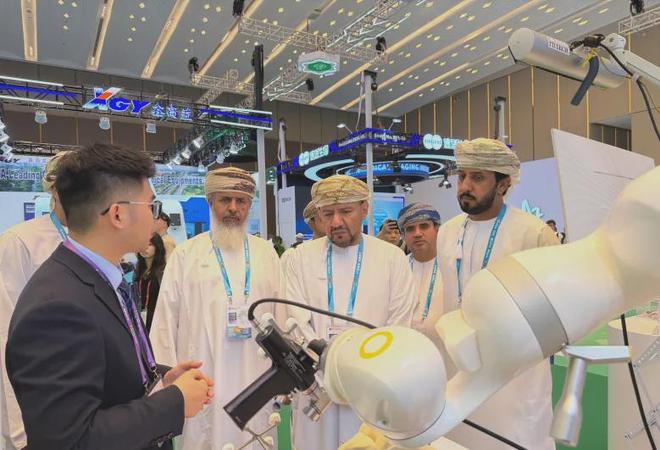
Shenzhen's Fully Autonomous Orthopedic Surgery Robot Captivates Global Buyers at Canton Fair
At the 139th Canton Fair, Yuanhua Intelligent Technology unveiled its innovative orthopedic surgery robots, drawing interest from representatives of over 30 countries. The robots, which have received EU MDR certification, exemplify cutting-edge technology and promise enhanced precision and reliability in surgical procedures. This development signifies a major advancement in medical innovation, highlighting Shenzhen's growing influence in the healthcare technology sector. The event, held recently, provided a platform for international collaboration and showcased the potential of these robotic systems in transforming orthopedic surgery.
Orthopedic Robots Medical Technology Surgical Robotics Healthcare Innovation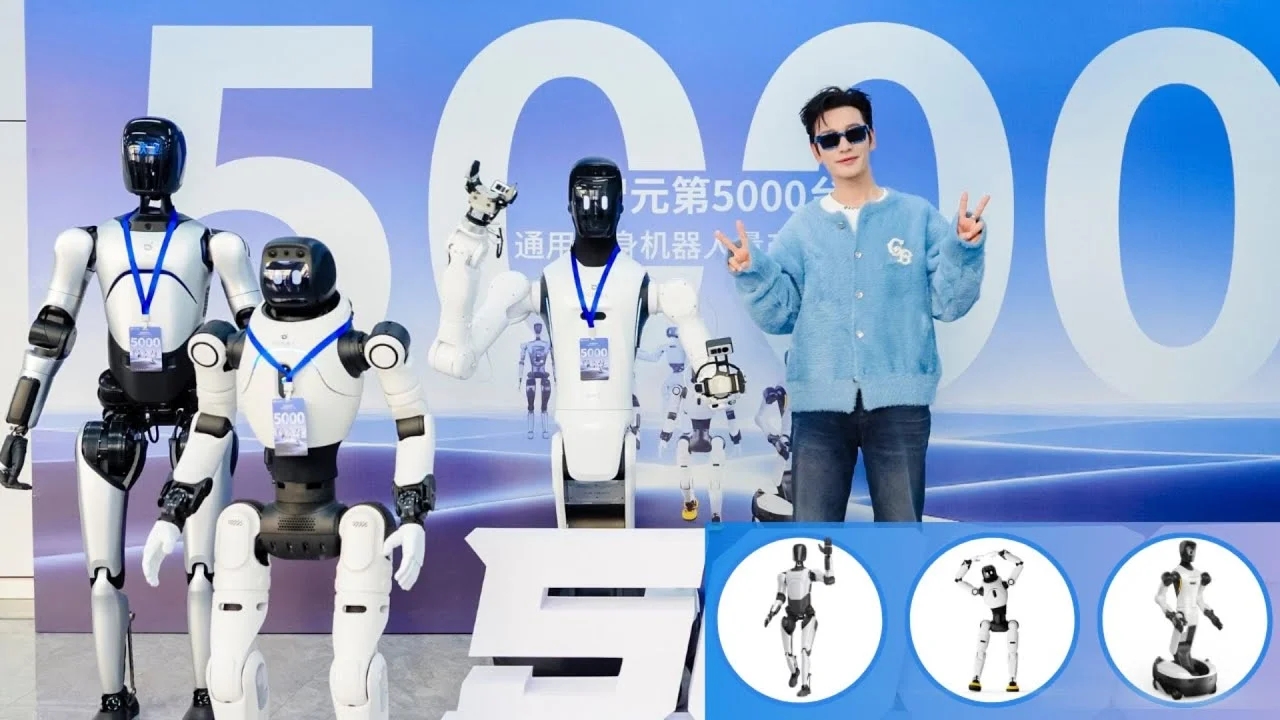
The Shipment Wars: AgiBot Claims Top Spot in Five Industry Sectors as Global Market Surges
A recent report from IDC has named AgiBot the leading global shipment provider for humanoid robots in 2025. However, this designation is under scrutiny as competitors challenge the criteria used to define what constitutes a "humanoid" robot. The debate among industry players highlights differing interpretations and standards, which could impact market dynamics as the sector evolves. As the technology progresses, the discussion surrounding the classification of humanoid robots is expected to intensify, influencing both consumer perceptions and investment strategies.
Unitree Robotics Business China AGIBOTRobotics needs a service framework.
RSF defines a common language for robot service capability, lifecycle operations, certification pathways, and service-provider networks.
Join the RobotToday community on LinkedIn
Daily robotics news, in-depth analysis, conference highlights, and discussions with professionals worldwide.