Industry Briefing
A single destination for timely, editor-curated robotics news from around the world.

Virginia Tech researchers control soft robotics with ‘AI’s cousin’: ‘Reservoir computing’
Researchers at Virginia Tech are advancing the field of soft robotics, which utilizes flexible, muscle-like materials to create machines capable of bending and stretching in ways that surpass traditional rigid robots. This innovative technology enables applications such as harvesting ripe tomatoes and navigating complex search-and-rescue environments. However, the inherent flexibility of these robots presents significant challenges in control and precision. The team at Virginia Tech is focused on addressing these control difficulties to enhance the functionality and reliability of soft robotics, aiming to unlock their full potential in various practical applications.
Computing Features Robotics Science agricultural robotics ai robotics
Unlocking soft robotics control with AI's cousin: Reservoir computing
Recent advancements in soft robotics, which utilize flexible, muscle-like materials, have revolutionized the field, allowing machines to perform tasks such as picking ripe tomatoes and navigating complex search-and-rescue environments. However, despite their impressive capabilities, these innovative robots face significant challenges in terms of control. The inherent flexibility that enables their fluid movements also complicates their operation, making it difficult for developers to achieve precise control. As researchers continue to explore the potential of soft robotics, the quest for improved control mechanisms remains a critical focus, highlighting the balance between versatility and functionality in this emerging technology.
Robotics
Elephant trunk skin reveals design that could reshape soft robotics
Researchers from Zurich University have conducted a study on the unique properties of an elephant's trunk, which is known for its strength and dexterity. The team, led by Lucia Beccai, examined the skin of the trunk to gain insights that could inform the development of advanced soft robotics. This investigation was made possible by the acquisition of a trunk from an adult Asian elephant, which had died of natural causes at the Zurich Zoo in 2020. The study aims to explore how the trunk's muscular and boneless structure allows for both heavy lifting and delicate movements, potentially leading to innovations in robotic design that mimic these capabilities.
Robotics
Light-activated gel could impact wearables, soft robotics, and more
Researchers at the Massachusetts Institute of Technology (MIT) have made significant strides in the field of ionotronics, a burgeoning area of study focused on the transfer of data via ions. This innovative approach aims to create a connection between traditional electronics and biological tissues, potentially revolutionizing the way information is processed and transmitted in various applications. The advancements were announced in October 2023, highlighting the ongoing efforts to enhance the integration of electronic systems with biological environments. By harnessing the unique properties of ions, the team at MIT is exploring new methods to facilitate communication between electronic devices and living organisms, paving the way for future developments in medical technology and bioengineering.

Light-activated gel could impact wearables, soft robotics, and more
Researchers at the Massachusetts Institute of Technology (MIT) have made significant strides in the field of ionotronics, a burgeoning area of study focused on the transfer of data through ions. This innovative approach aims to create a seamless interface between electronic devices and biological tissues, potentially revolutionizing how data is communicated within and between living organisms. The advancements were reported recently, highlighting the ongoing efforts to enhance the integration of technology with biological systems. By harnessing the unique properties of ions, the team at MIT is exploring new pathways for data transmission that could lead to breakthroughs in medical devices and bioengineering. This work underscores the importance of interdisciplinary research in bridging the gap between traditional electronics and the complexities of biological functions.
Research Robotics Light Materials science and engineering Wearables Materials Research Laboratory
Researchers develop armadillo-inspired protective shell module for soft robotics
In a groundbreaking development, materials scientists have successfully replicated the unique armor of the armadillo, an armored mammal that has evolved over millions of years. This innovative achievement was announced in a study published recently, showcasing the potential applications of the armadillo's natural design in creating advanced protective materials. The research, conducted by a team at a leading university, aims to harness the armadillo's exceptional defensive capabilities to enhance safety in various fields, including personal protective equipment and military gear. By analyzing the structure and composition of the armadillo's armor, the scientists were able to develop synthetic materials that mimic its protective features. This advancement not only highlights the importance of biomimicry in materials science but also opens new avenues for creating lightweight, durable, and effective protective solutions.
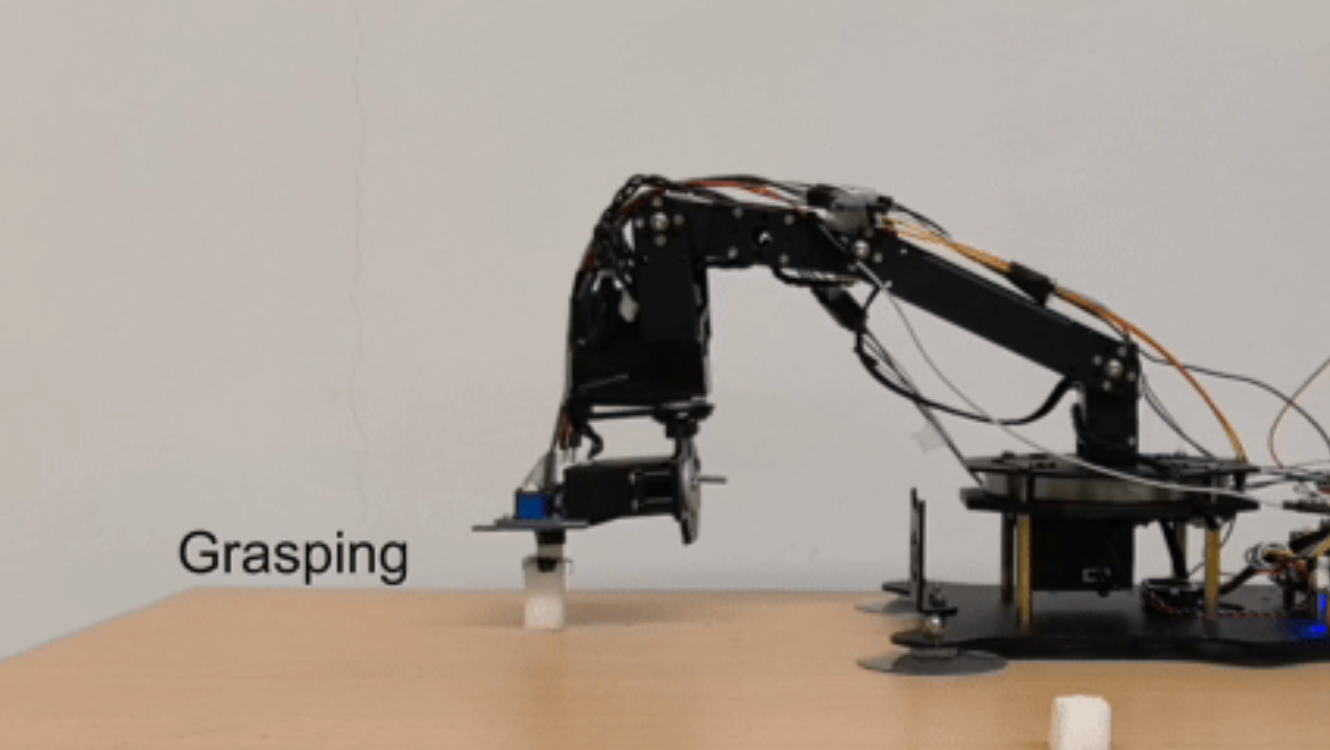
Soft Graphene Muscle Enables Robots to Maintain Stability for Over 13 Hours
Researchers from Sun Yat-sen University and Tsinghua University have developed a soft robot capable of maintaining stability against disturbances for over 13 hours. This innovation utilizes an ultrathin soft muscle, known as Soft Graphene Muscle (SGM), which integrates self-sensing, electrothermal actuation, and disturbance control without the need for external sensors. The significance of this development lies in its potential to enhance the operational capabilities of soft robots in real-world environments. Traditional soft robots often struggle with stability due to their flexible structures, which can amplify disturbances. The SGM's ability to adaptively balance objects heavier than itself marks a significant advancement in soft robotics, moving closer to practical applications. Future developments to watch include the potential for further integration of sensing and control within soft materials, as well as the implications for deploying soft robots in complex environments. The research was published in eScience, highlighting the collaborative efforts of experts in biomedical engineering and integrated circuits from both universities.
Soft Robotics Adaptive Control Robotics Engineering AI Material Science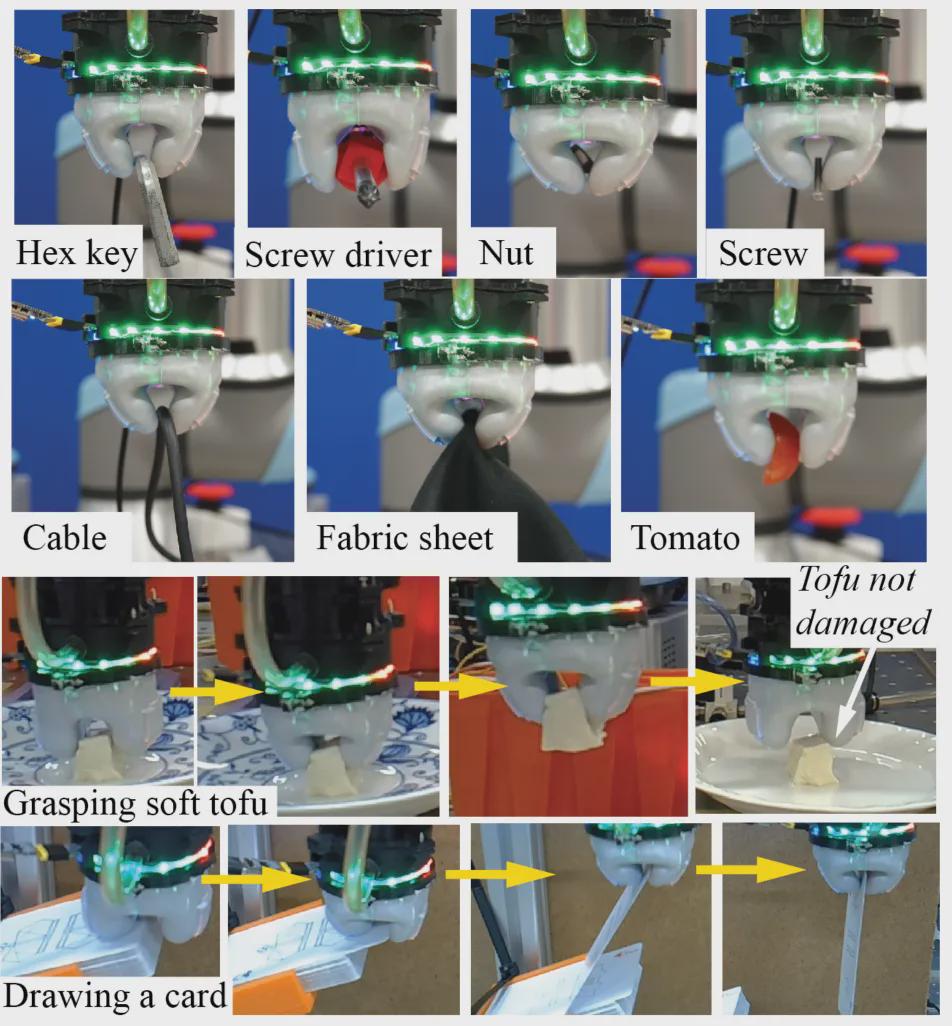
JAIST and King's College Develop EleTac Soft Gripper with Integrated Tactile Sensing
Researchers from Japan's JAIST and King's College London have developed EleTac, a soft robotic gripper inspired by the trunk of an elephant. This innovative design integrates grasping, external tactile perception, and proprioception within a single soft structure. The gripper can manipulate various objects, including tofu and fabric, while estimating contact position and force using a vacuum system operating at 30 kPa. The significance of EleTac lies in its ability to handle delicate and irregularly shaped items, addressing the challenges of soft robotics. Traditional rigid grippers utilize clear joints for sensing, while soft grippers often struggle with limited perception due to their material properties. EleTac's design allows for continuous tactile sensing across its surface, enhancing its ability to discern between self-induced deformations and external contacts. Future developments will focus on refining the visual-based tactile sensing capabilities of EleTac, which utilizes an internal optical system to monitor material deformation. This advancement could lead to improved performance in applications requiring precise manipulation of fragile objects. No further timeline was disclosed at the time of publication.
Soft Robotics Tactile Sensing Proprioception Robotic Grippers
Soft, robotic cells from morph embed physical AI into hardware
Morph has introduced an innovative soft robotics platform that focuses on the design and manufacturing of what it terms “soft robotic cells.” This new technology integrates physical artificial intelligence into hardware, enhancing the capabilities of robotic systems. The launch marks a significant advancement in the field of robotics, aiming to improve the functionality and adaptability of robots in various applications. The announcement was made recently, highlighting Morph's commitment to pushing the boundaries of robotics and AI integration. The development of these soft robotic cells is expected to open new avenues for automation and intelligent systems across multiple industries.
Artificial Intelligence Artificial Intelligence / Cognition Design / Development Financial Grippers Investments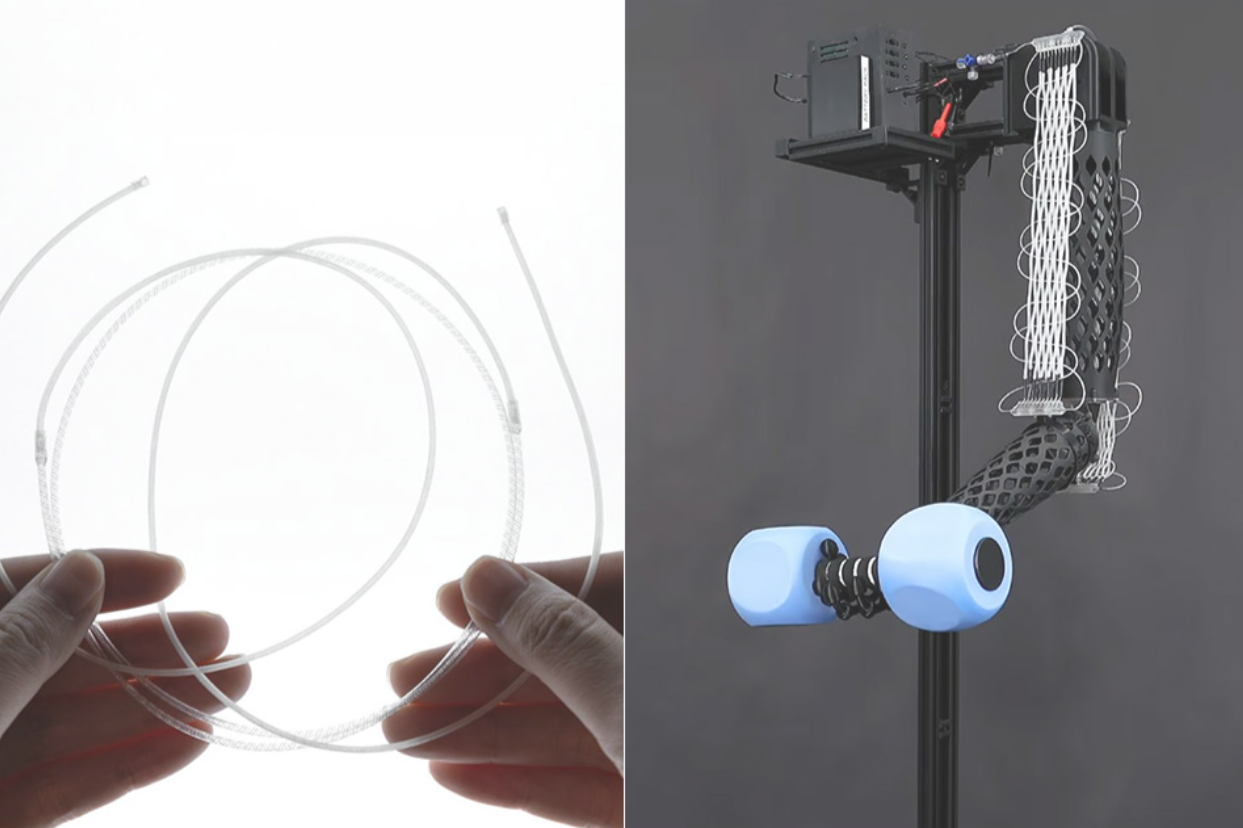
MIT Develops Innovative 'Fiber Muscles' for Robots to Imitate Natural Muscle Movement
Researchers from MIT Media Lab and Bari Polytechnic University have unveiled a groundbreaking technology in soft robotics, detailed in the journal Science Robotics. They have developed 'fiber muscles' that operate silently and efficiently, eliminating the need for external pumps and bulky components traditionally used in robotic joints. This innovation is significant as it addresses the limitations of current robotic systems, which rely on motors and gearboxes that generate noise and require heavy parts, impacting flexibility and energy efficiency. The new system integrates miniature pumps within the muscle fibers, allowing for a self-contained, lightweight, and quiet operation that mimics human muscle movement. Looking ahead, this technology could revolutionize the design of soft robots, enabling them to be embedded in robotic arms, wearable exoskeletons, or prosthetics. The potential for these fiber muscles to enhance human-robot interaction and create more adaptable robotic systems is promising, suggesting a future where the physical boundaries of human-robot coexistence may become more fluid.
Soft Robotics Robotic Actuators Bio-inspired Technology Wearable Robotics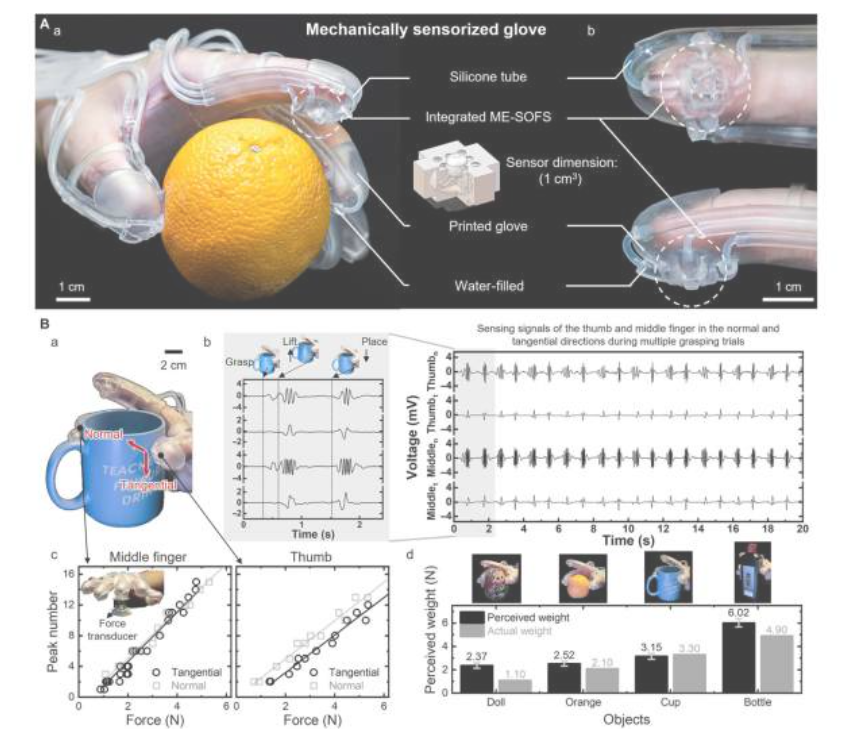
Singapore Team Develops ME-SOFS: A Mechanical Sensor for Touch Perception Without Electronics
A research team from the National University of Singapore has introduced a groundbreaking soft force sensor called ME-SOFS, which converts touch into fluid-driven motion without any electronic components. This innovative sensor features a 3D-printed soft porous structure with a central pillar connected to five fluid-filled chambers. When pressure is applied, the pillar tilts, compressing the corresponding chamber and driving fluid to actuators, enabling the detection of forces in multiple directions. The significance of ME-SOFS lies in its ability to operate without electronic interference, making it ideal for applications in medical training and elderly care. The sensor can generate readable signals through integrated magnets and coils, allowing it to measure force without external power. This technology has been successfully demonstrated in a soft glove that detects grip strength and predicts object weight, as well as in a tactile feedback system that enables operators to control robotic arms through force feedback. Looking ahead, the ME-SOFS sensor demonstrates robust performance under extreme conditions, such as high temperatures and underwater pressures. Its unique design allows it to function effectively in various environments, making it a valuable tool for soft robotics that require safe interaction with humans. No further timeline was disclosed at the time of publication.
Soft Robotics Fluid Sensors Mechanical Systems Robotics Technology
Flexible Soft Sensor Enables Robotic Action Without Traditional Electronics
Researchers have developed a new soft sensor that allows soft robots to convert touch into action without relying on traditional electronic components. This innovation addresses a critical limitation in soft robotics, which often depend on bulky electronic sensors and actuators. The sensor is made from flexible materials, enhancing the robot's adaptability for various applications, including minimally invasive surgery and deep-sea exploration. The significance of this development lies in its potential to simplify the design and functionality of soft robots. By eliminating the need for electronic sensors and circuits, the new soft sensor reduces weight and complexity, making robots more efficient and reliable in challenging environments. This advancement could lead to broader applications in sectors where traditional electronics may fail, such as in wet or high-pressure conditions. Looking ahead, the next steps involve further testing and refinement of the soft sensor technology. Researchers aim to explore its integration into existing soft robotic systems and assess its performance in real-world scenarios. No further timeline was disclosed at the time of publication.
Robotics
Bionic Octopus Arm with 'Intuition' Achieves Autonomous Grasping
A research team at the Italian Institute of Technology has created an innovative soft robotic arm modeled after the biology of octopuses. This advanced arm incorporates integrated sensors within its suction cups, enabling it to autonomously and adaptively grasp objects underwater. The design focuses on emulating the octopus's unique sensory and decision-making capabilities, rather than simply replicating its physical appearance. This development highlights the potential for soft robotics to enhance underwater exploration and manipulation, leveraging the octopus's sophisticated distributed intelligence system.
Soft Robotics Bionic Systems Underwater Grasping Distributed Intelligence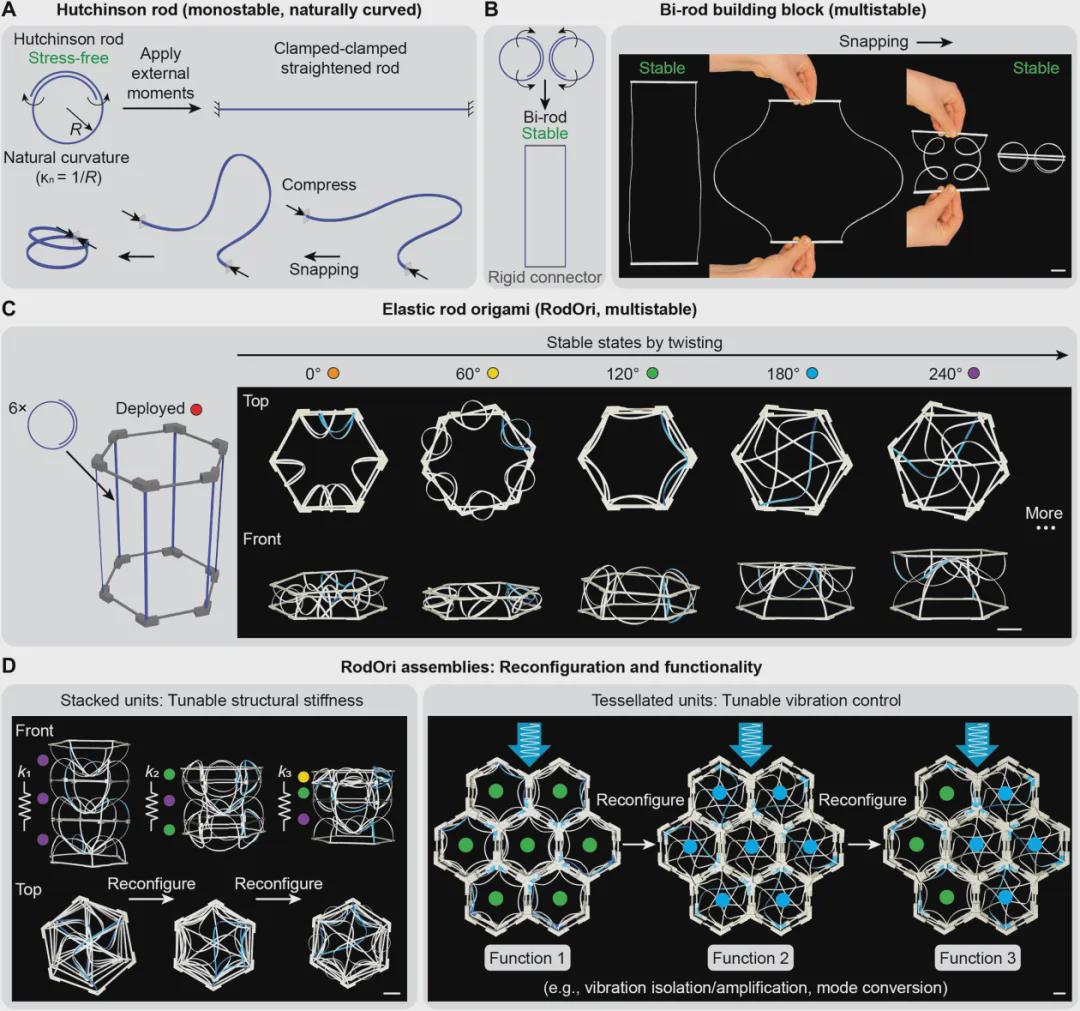
20 Million Transformations! Stanford Team Develops Thinking Robot Skeleton with Elastic Rods
Researchers at Stanford University have developed an innovative robot skeleton that utilizes six elastic rods and 3D-printed frames, enabling it to transform into 20 million distinct shapes without the need for motors or electronic components. This groundbreaking advancement in soft robotics and programmable materials was unveiled recently, showcasing the potential for more versatile and adaptive robotic systems. The team's work aims to enhance the functionality and application of soft robotics, paving the way for future developments in the field. By eliminating traditional mechanical parts, the robot skeleton demonstrates a novel approach to design and engineering, which could lead to significant improvements in how robots interact with their environments.
Soft Robotics Programmable Materials Elastic Structures Mechanical Engineering
Soft Robot Navigates Complex Branching Pipelines
SPPIRO, a cutting-edge technology developed for automated inspection, utilizes a combination of soft robotics and proprioceptive sensing to navigate intricate pipeline systems. This innovation represents a significant leap forward in the field of inspection technologies, enhancing the ability to assess the condition of complex infrastructures. By integrating advanced robotics with sensory feedback mechanisms, SPPIRO can effectively maneuver through challenging environments, ensuring thorough inspections that were previously difficult to achieve. This advancement is particularly timely, as industries increasingly seek efficient and reliable methods for maintaining and monitoring pipeline integrity. The development of SPPIRO underscores the ongoing evolution of automation in industrial applications, aiming to improve safety and operational efficiency in pipeline management.

‘World’s first’ shapeshifting soft robotic cells that adapt on demand unveiled
London-based startup Morph has unveiled an innovative soft robotics platform aimed at enhancing physical intelligence in various applications. The launch, which took place recently, showcases the company's commitment to advancing robotic technology that can adapt and interact more effectively with its environment. By leveraging cutting-edge materials and design, Morph's platform is designed to improve the functionality and versatility of robots, making them more capable of performing complex tasks in diverse settings. This development is particularly significant as the demand for intelligent robotic solutions continues to grow across industries, including healthcare, manufacturing, and logistics. Morph's approach integrates advanced engineering with user-friendly interfaces, allowing for seamless integration into existing systems. The startup aims to address the challenges faced by traditional robotics, which often struggle with flexibility and adaptability. Through this launch, Morph seeks to position itself as a leader in the soft robotics sector, driving innovation that could transform how robots are utilized in everyday applications.
Nature Communications | Soft robots can quickly adapt to a new body, linear embedding...
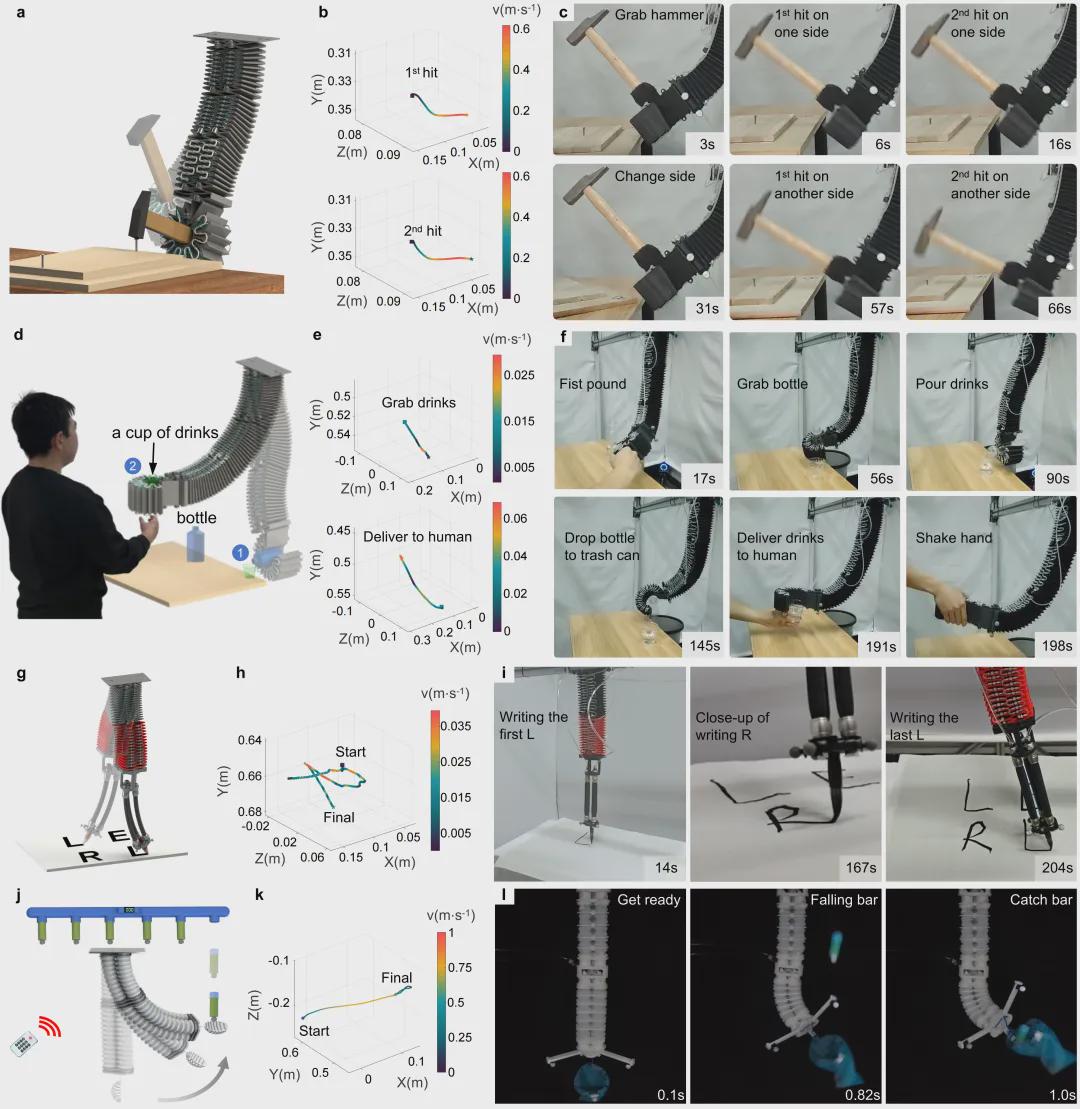
Researchers have made significant advancements in soft robotics, demonstrating that these machines can rapidly adjust to new physical forms. This breakthrough was detailed in a study published in Nature Communications, highlighting the potential for soft robots to enhance their adaptability in various environments. The research team conducted experiments that showcased how these robots can seamlessly integrate with different structures, allowing them to perform tasks more efficiently. This development is particularly relevant in fields such as healthcare, where soft robots could assist in surgeries or rehabilitation, adapting to the unique needs of patients. The findings underscore the importance of flexibility in robotic design, paving the way for more versatile applications in the future.
Robotics Automation AI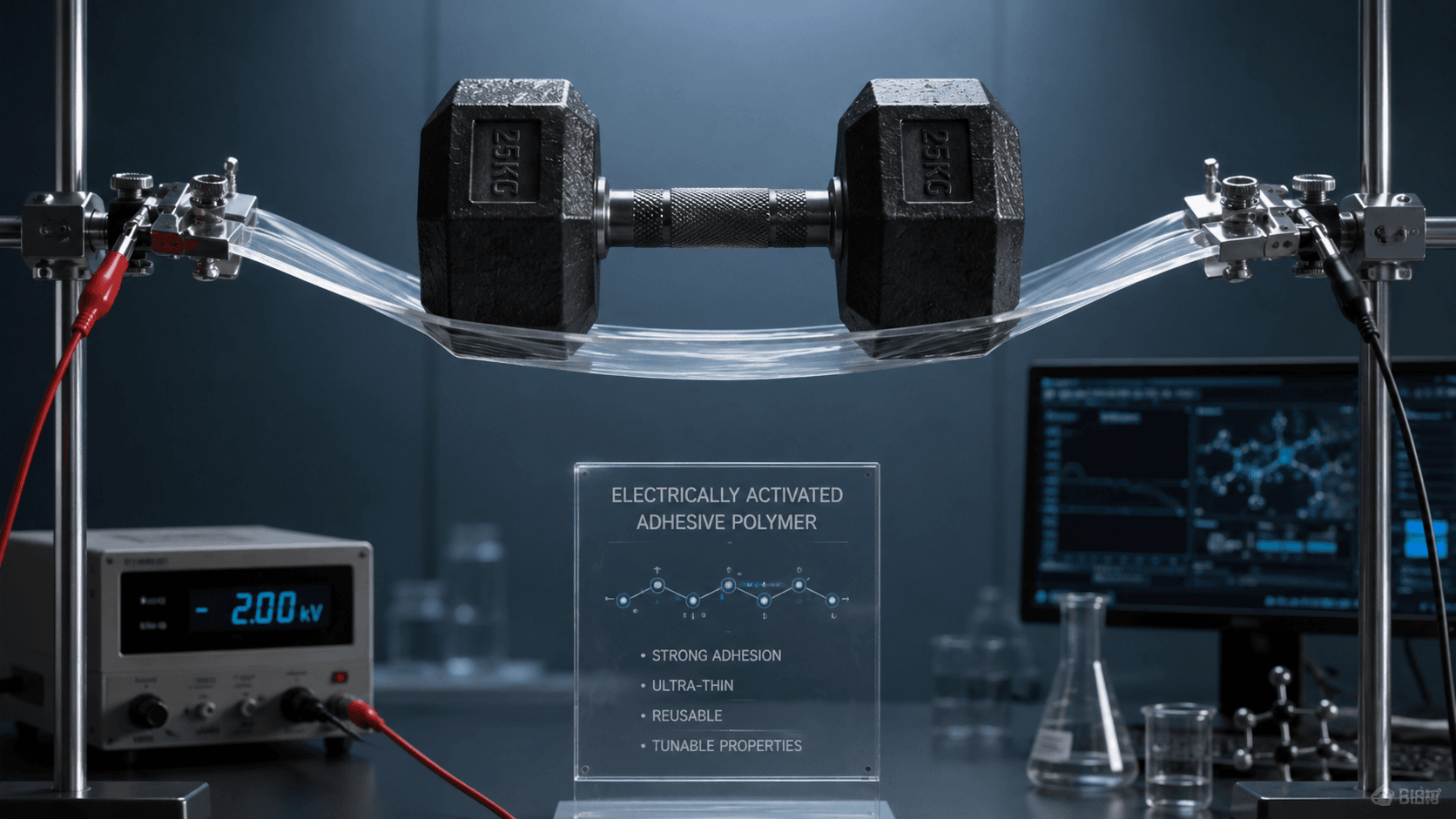
Northwestern Polytechnical University Develops 400x Stronger Electric-Activated Adhesive Material
Northwestern Polytechnical University has unveiled a new smart adhesive material that exhibits a grip strength increase of 400 times when electrically activated. This innovative material can hold up to 10-pound dumbbells and has potential applications in various fields, including chip manufacturing, soft robotics, and precision assembly. The development was announced recently, highlighting significant advancements in material science. The significance of this breakthrough lies in its potential to enhance manufacturing processes and robotics applications. The electric-activated grip could lead to more efficient assembly lines and improved functionality in soft robotics, where traditional adhesives may fall short. This technology could revolutionize how components are held together in delicate operations, providing a reliable solution for industries that require precision and strength. Looking ahead, the next steps for this technology involve further testing and potential commercialization. No further timeline was disclosed at the time of publication, but the implications of this research could lead to significant advancements in various sectors, making it a development to watch closely in the coming months.
Technology
Artificial muscle merges sensing and movement in one structure for humanoid robots
A research team has made a significant breakthrough by creating an "intelligent artificial muscle" that mimics the functions of biological muscle–tendon complexes. This innovative technology, developed recently, features liquid metal channels embedded within a liquid crystal elastomer (LCE). The artificial muscle is designed to contract when stimulated electrically, while simultaneously measuring its internal force and length in real time. This dual capability enhances its potential applications in robotics and prosthetics, providing a more responsive and adaptable solution for mimicking natural muscle behavior. The research aims to advance the field of soft robotics and improve the functionality of artificial limbs, addressing the growing demand for more sophisticated and efficient robotic systems.
Robotics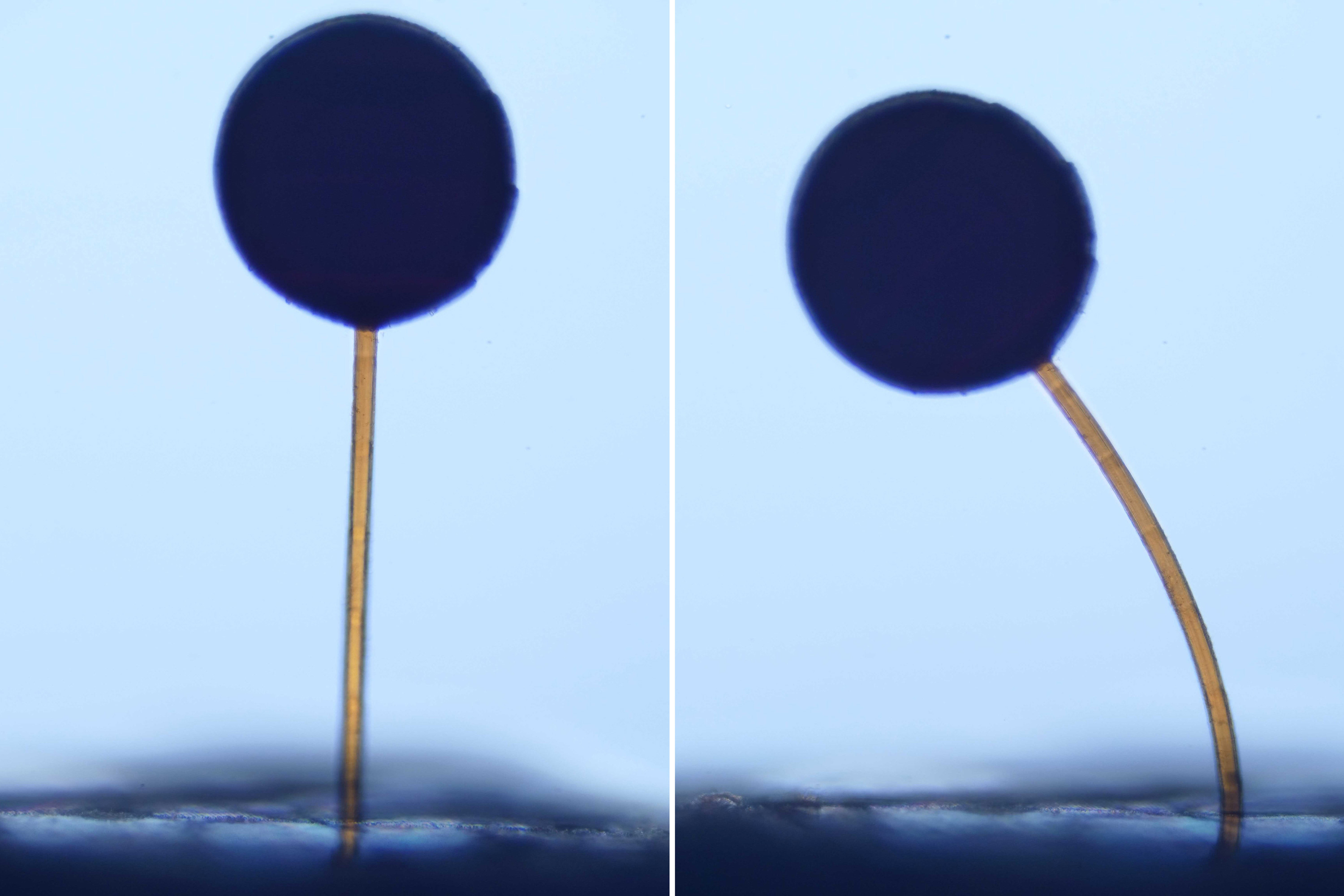
With a swipe of a magnet, microscopic “magno-bots” perform complex maneuvers
Researchers at the Massachusetts Institute of Technology (MIT) have developed an innovative fabrication technique capable of creating soft, microscopic structures featuring magnetically activated moving components. This breakthrough, announced in October 2023, aims to enhance the functionality of soft robotics and other applications that require precise movement at a small scale. By leveraging magnetic fields, the researchers enable these tiny structures to perform complex tasks, which could revolutionize fields such as medical devices and environmental sensing. The technique involves a novel approach to material design and assembly, allowing for greater control over the movement and behavior of the structures. This advancement not only showcases the potential of soft materials in engineering but also opens new avenues for research in robotics and automation.
Research Robotics 3-D printing Magnets Materials science and engineering Mechanical engineering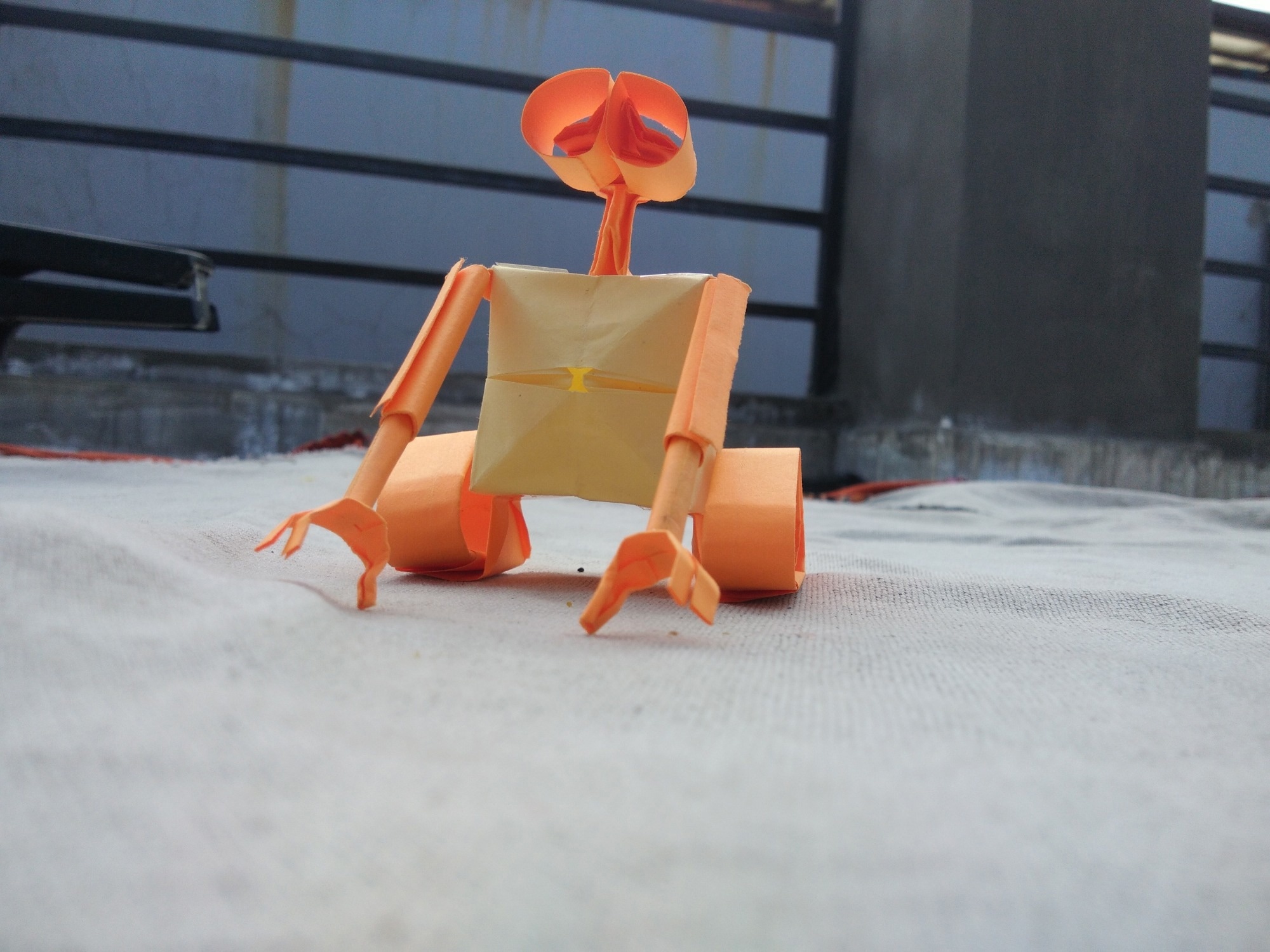
Joule Heating Enables Self-Folding Origami Robots
Researchers have developed innovative liquid crystal elastomer hinges integrated with Joule heating technology, resulting in highly adaptable origami robots. These advanced robots demonstrate exceptional actuation precision and impressive durability over numerous cycles. This breakthrough was achieved through the combination of materials science and engineering techniques, allowing for the creation of reconfigurable structures that can perform complex movements. The development aims to enhance the functionality and versatility of soft robotics, making them suitable for a variety of applications, including medical devices and environmental monitoring. The findings were published in a recent study, showcasing the potential for these robots to revolutionize fields that require flexible and resilient robotic solutions.

Inchworm-inspired robot that crawls without rigid parts could enable remote exploration
Researchers at the University of Gothenburg have developed a groundbreaking robot inspired by the movement of an inchworm, which operates without any rigid components. This innovative design allows the robot to mimic the flexing motion of muscles, making it suitable for various applications, including inspecting sewer pipes and exploring Mars. The findings of this research have been shared on the arXiv preprint server, highlighting the potential of soft robotics in diverse environments. The project aims to enhance exploration and inspection capabilities in challenging and confined spaces, showcasing the versatility and adaptability of this new robotic technology.
Robotics
Robot Talk Episode 161 – Collaborative haptic systems, with Allison Okamura
Claire recently engaged in a conversation with Allison Okamura, a prominent figure in the field of engineering at Stanford University, where she holds the position of Richard W. Weiland Professor. The discussion centered on the development of advanced robotic systems designed for haptic interaction, which allows users to experience touch sensations through technology. Okamura's research encompasses a wide range of interests, including haptics, teleoperation, virtual reality, medical robotics, soft robotics, rehabilitation, and education. As the Director of Graduate Studies for Mechanical Engineering at Stanford, she is at the forefront of integrating these innovative technologies into various applications, aiming to enhance user experience and interaction in both medical and educational settings. The dialogue highlights the significance of haptic technology in creating more immersive and effective robotic systems, reflecting ongoing advancements in the field.

Robotic arm inspired by octopus uses tactile sensors in suction cups for autonomous underwater grasping
A research team led by Barbara Mazzolai at the Istituto Italiano di Tecnologia (IIT) has unveiled an innovative octopus-inspired soft robotic arm. This development, which emerged from the Bioinspired Soft Robotics unit, showcases advanced technology that allows the robotic arm to autonomously grasp objects in challenging environments, including underwater. The arm's artificial suction cups are equipped with sensors that can detect contact and assess the intensity and direction of applied forces. This breakthrough, announced recently, highlights the potential of oceanic biology to inspire future robotics solutions, emphasizing the importance of nature as a model for technological advancements.
Robotics
Dual-mode magnetic elastomer moves on command, vanishes on demand
The growing field of soft robotics and smart electronic devices is creating a heightened demand for innovative materials capable of movement and adaptability while ensuring minimal environmental impact. As these advanced technologies are being developed for various applications, including healthcare, environmental monitoring, infrastructure inspection, and security, they are designed to function in areas that are often inaccessible to humans. This includes narrow pipes, sealed spaces, underground facilities, and hazardous environments. The push for these capabilities is driven by the need for efficient and sustainable solutions in challenging conditions, highlighting the importance of material science in the evolution of robotics and smart devices.
Robotics
Pea-size liquid-metal pump runs robot butterfly on under 0.1 V
Engineers at the University of Bristol have developed a groundbreaking liquid-metal pump that promises to enhance the portability and agility of future soft robotics and wearable devices. This innovative technology, detailed in a recent publication in the journal Nature Communications, utilizes a low-voltage power source, which could revolutionize robotic systems across various applications, including robotic legs and haptic gloves utilized in medical and industrial environments. The advancement aims to address the growing demand for more efficient and versatile robotic solutions in diverse fields.
Robotics
Inchworm-inspired robot uses 10 MeV-tolerant muscles to navigate Mars-like terrain
Researchers at the University of Gothenburg have developed an innovative soft robot inspired by the movement of inchworms. This breakthrough was announced on October 15, 2023, during a presentation at an international robotics conference in Gothenburg, Sweden. The team aims to create a versatile robotic system capable of navigating complex environments, which could have significant applications in fields such as search and rescue, environmental monitoring, and medical assistance. The motivation behind this project stems from the need for robots that can maneuver through tight spaces and uneven terrain, where traditional rigid robots often struggle. By mimicking the inchworm's unique locomotion, the researchers designed a soft robot that uses a series of flexible segments to propel itself forward, allowing for greater adaptability and safety in various settings. The development process involved extensive experimentation with materials and designs to achieve the desired flexibility and efficiency. The team utilized advanced engineering techniques to ensure the robot can perform tasks that require delicate handling, making it suitable for operations in sensitive environments. This innovative approach not only showcases the potential of bio-inspired robotics but also opens new avenues for future research in soft robotics, emphasizing the importance of nature as a source of inspiration for technological advancements.
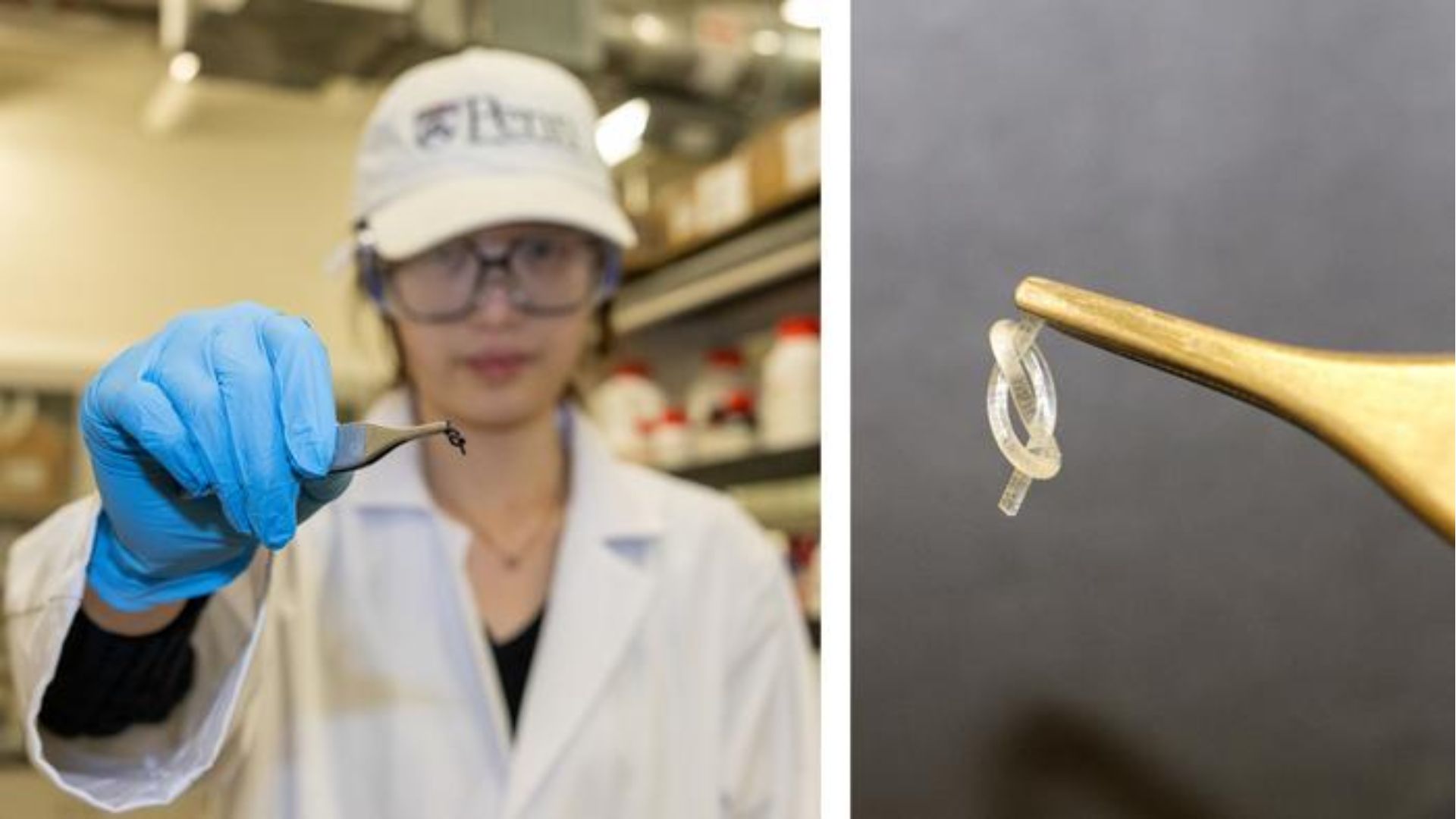
US’ heat-activated knot robots leap hundreds of times their height without electronics
Researchers at the University of Pennsylvania's School of Engineering have developed an innovative heat-activated robot using a common nuisance: a knotted string. This groundbreaking project, unveiled recently, showcases the potential of transforming everyday materials into advanced robotic systems. The team aimed to explore new avenues in robotics by harnessing the unique properties of strings that can change shape and function when exposed to heat. By strategically manipulating the knots and applying thermal energy, the researchers were able to create a robot capable of performing various tasks, demonstrating versatility and efficiency. This advancement not only highlights the ingenuity of the engineering team but also opens up new possibilities for the application of soft robotics in diverse fields, including medicine and manufacturing. The research reflects a growing trend in the engineering community to utilize unconventional materials for innovative solutions, emphasizing the importance of creativity in technological development.

Tiny, knotted robots jump, fly and plant seeds
Researchers at the University of Pennsylvania have developed an innovative soft robot inspired by the mechanics of knots. Rather than viewing knots solely as tools for holding tension, the engineering team explored the potential of designing a knot that can release itself. This groundbreaking approach has resulted in a tiny robot that can perform impressive aerial maneuvers, including leaping several meters into the air, flipping mid-flight, spinning like a propeller, and even gliding back to its original position. The project, which showcases the intersection of engineering and robotics, aims to expand the capabilities of soft robotics and could have significant implications for various applications in fields such as search and rescue, exploration, and medical devices. The research highlights the potential of rethinking traditional concepts to unlock new technological advancements.
Robotics
Origami-inspired robot built from printable polymers uses electric current to move
Researchers are advancing the field of soft robotics, which has the potential to revolutionize medical and exploratory applications. These innovative robots, capable of shapeshifting and manipulating delicate objects, could serve as medical implants, facilitate drug delivery within the body, and assist in exploring hazardous environments. However, current designs often face limitations due to the reliance on rigid mechanical components or external power systems that hinder their full capabilities. As scientists continue to refine these technologies, the goal is to create more autonomous and adaptable soft robots that can operate effectively in various challenging scenarios.
Robotics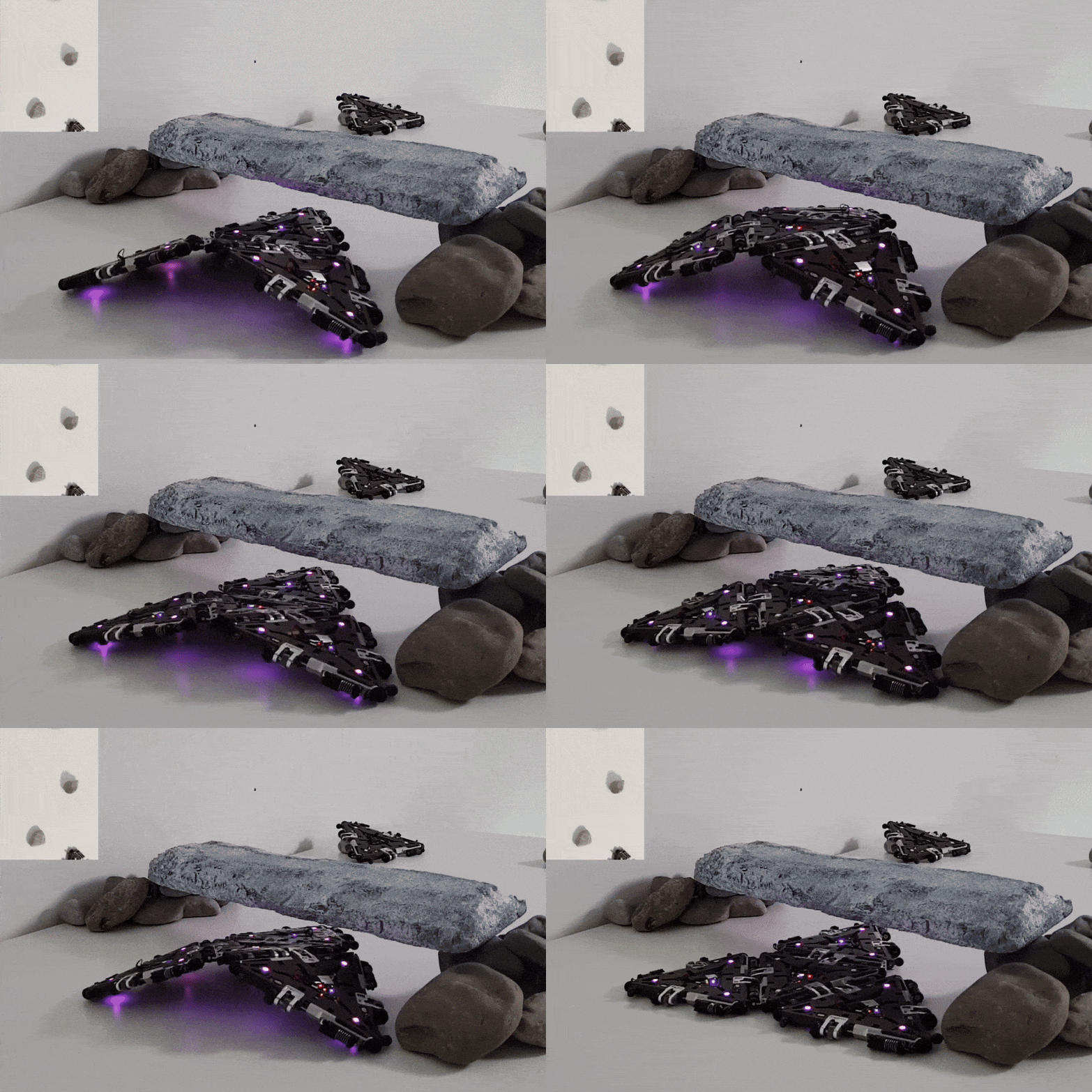
Video Friday: Robot Collective Stays Alive Even When Parts Die
IEEE Spectrum robotics has released its weekly roundup of notable robotics videos, along with a calendar of upcoming events, including the International Conference on Robotics and Automation (ICRA) scheduled for June 1-5, 2026, in Vienna. Among the highlights, researchers from the Max Planck Institute and other institutions have published a study revealing that elephants' unique whiskers contribute to their exceptional sense of touch, potentially inspiring advancements in robotic sensing technologies. In product news, Weave Robotics announced the launch of Isaac 0, a laundry-folding robot set to begin shipping to homes in the Bay Area in February 2026. Meanwhile, engineers at Boston Dynamics continue to test the Atlas platform's full-body control capabilities. Additionally, a team from the University of Waterloo has developed a system enabling collaborative art creation with robots, while Harvard scientists have introduced a new 3D-printing method for soft robotics that could enhance medical technology. Texas A&M University has unveiled a quiet all-electric unmanned rotorcraft, and Deep Robotics has showcased the Lynx M20 robot, designed for winter sports challenges. These developments reflect ongoing innovations in robotics, addressing both practical applications and advanced research, as the field continues to evolve.
Modular-robots Video-friday Autonomous-robots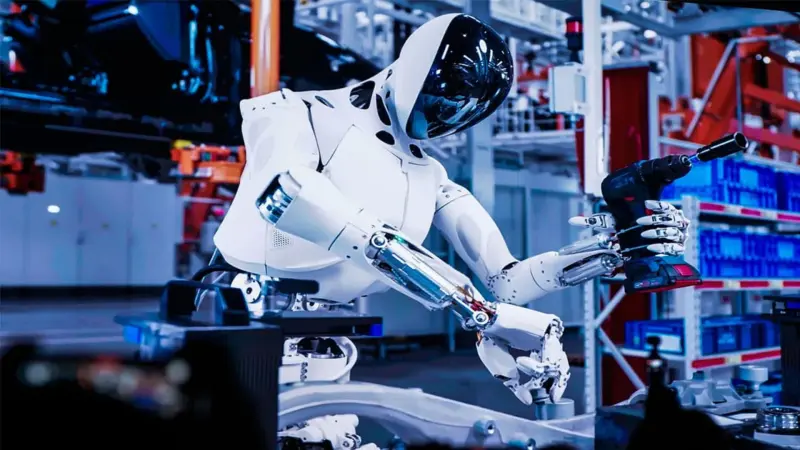
Podcast Recap: Inside the Rotary-vs-Linear Actuator Showdown Shaping Humanoid Robots
In a recent episode of the Soft Robotics Podcast, host Marwa ElDiwiny and engineer Scott Walter explored the ongoing debate between rotary and linear actuators in the development of humanoid robots. The discussion highlighted the reasons behind the preference for compact rotary joints among most builders, while also examining the advantages of planetary-roller-screw cylinders favored by some engineers. This analysis reflects the evolving landscape of robotics, where design choices are critical to enhancing functionality and efficiency in humanoid systems. The podcast aims to inform listeners about the technical considerations and implications of these actuator types in the field of robotics.
Optimus Tesla 4NE-1 Figure Apollo Neura Robotics
New Soft Mechanical Force Sensor Enables Instant Touch Detection in Robotics
Researchers from the National University of Singapore have developed a soft mechanical force sensor, named ME-SOFS, which allows robots to detect touch and respond instantly without electronics. This innovation transforms applied force into fluid flow, activating soft robotic actuators and creating a fully mechanical sensing-to-action process. The ME-SOFS sensor, made entirely from flexible materials, eliminates the need for traditional electronic sensors, reducing complexity and potential failure points. Its design is particularly beneficial for soft robots operating in extreme environments, such as underwater or inside the human body, where electronic systems may fail. Future applications of the ME-SOFS sensor include integration into soft robotic systems, such as a glove that measures grasping forces and a haptic pad for touch feedback. This technology could significantly enhance prosthetics and human-machine interfaces. No further timeline was disclosed at the time of publication.
AI and Robotics
SoftServe Introduces Virtual Gyms for Enhanced Robotics Training and Deployment
SoftServe has highlighted the importance of 'virtual gyms' for robotics teams, emphasizing their role in preparing robots for dynamic environments. These high-fidelity simulation environments allow robots to train, fail, and recover safely before real-world deployment, addressing the challenges posed by unpredictable operational conditions. The global robotics market is projected to grow at a 19.6% CAGR from 2026 to 2036, underscoring the need for effective training solutions like virtual gyms to enhance robotic autonomy and performance. The shift from programmed automation to physical AI necessitates that robots adapt to constantly changing environments, which traditional training methods struggle to accommodate. Virtual gyms integrate technologies such as digital twins, reinforcement learning, and sensor modeling to provide a comprehensive training platform. This approach mitigates the risks and costs associated with real-world trials, enabling teams to generate valuable training data in a controlled setting, thus improving deployment success rates. Looking ahead, the adoption of virtual gyms is expected to become a standard practice in robotics development, as they offer a solution to the simulation-to-reality gap. No further timeline was disclosed at the time of publication, but the increasing complexity of robotic tasks suggests that the demand for such training environments will continue to rise as the industry evolves.
Artificial Intelligence Artificial Intelligence / Cognition Autonomous Mobile Robots (AMRs) Development Tools / SDKs / Libraries Industrial Robots Logistics
RoboBusiness invites robotics startups to showcase systems and software solutions
RoboBusiness is currently accepting applications from robotics startups interested in presenting their innovations at the upcoming RoboBusiness event. This opportunity is aimed at companies developing complete systems, components, or software solutions in the robotics sector. The event is set to take place in the near future, providing a platform for emerging technologies and ideas. The significance of this initiative lies in its potential to connect startups with industry leaders, investors, and potential partners. By showcasing their work, startups can gain visibility and feedback on their products, which is crucial for growth in a competitive market. This event highlights the increasing importance of innovation in robotics, as companies strive to develop solutions that meet evolving industry demands. Looking ahead, interested startups should prepare their applications promptly, as the deadline for submissions is approaching. No further timeline was disclosed at the time of publication, but participation in this event could lead to valuable networking opportunities and insights into market trends.
Events News Startups robobusiness
Innovative Origami-Based Soft Robotic Arm Can Lift 686 Grams and Cook
Researchers at Northeastern University have created a groundbreaking soft robotic arm that utilizes origami-inspired structures for its joints. This innovative arm can lift weights of up to 686 grams and is designed to perform various cooking tasks. The team’s approach not only simplifies the construction process but also improves the precision of control, highlighting the promising applications of origami in the field of robotics. This development opens new avenues for lightweight and flexible robotic solutions, potentially transforming how robots can be integrated into everyday tasks.
Soft Robotics Origami Engineering 3D Printing Robotic Manipulation
Beihang University Unveils New Bioinspired Soft Robot for Medical Applications
A collaborative research team from Beihang University in China and Koç University in Turkey has created a groundbreaking millimeter-scale soft robot that mimics the movement of snails. This innovative robot employs a unique fluid transport mechanism, enabling it to traverse slippery and intricate surfaces with ease. The development holds significant promise for advancing the design of future medical micro-robots, potentially enhancing their functionality in various applications. The team's findings were recently published in the esteemed journal 'Science Advances', highlighting the potential impact of this technology in the field of robotics and medicine.
Soft Robotics Medical Robotics Bioinspired Technology Fluid Transport Systems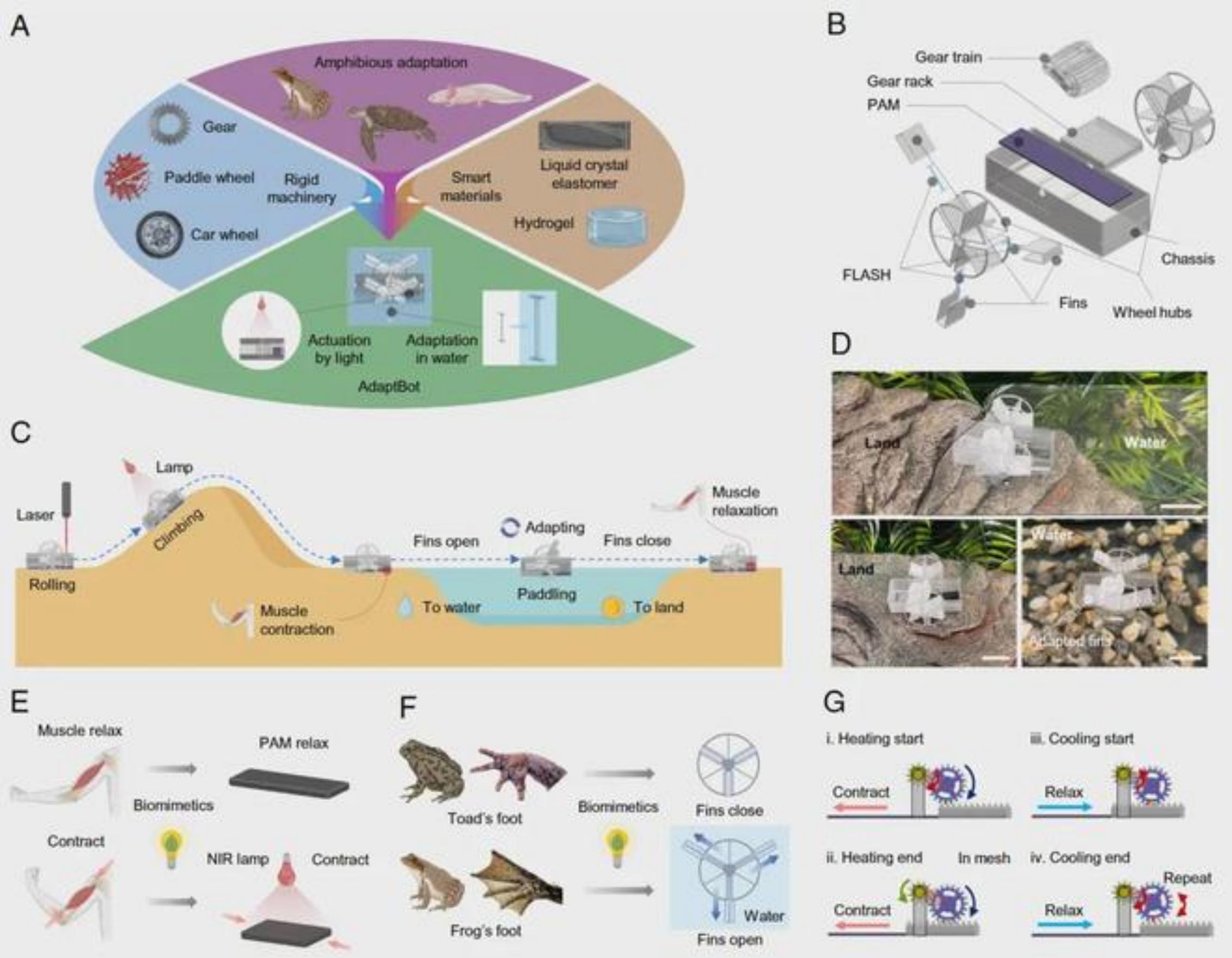
PNAS: This Soft Robot Transforms in Water, Boosting Swimming Speed by 780% and Capable of Rolling, Climbing, and Pulling Heavy Loads
Researchers at Caltech have unveiled AdaptBot, an innovative amphibious soft robot that can transform its shape in response to environmental stimuli. Utilizing light-driven artificial muscles and rapidly expanding hydrogels, AdaptBot demonstrates exceptional versatility, enabling it to transition effortlessly between land and water. This groundbreaking development showcases remarkable multi-modal movement capabilities, highlighting the potential for advanced robotics in diverse environments.
Soft Robotics Amphibious Robots Artificial Muscles Hydrogels Adaptive Robotics
New Applications of Magnetic Soft Robots: Random Number Generation and Reservoir Computing
Researchers from Helmholtz-Zentrum Dresden-Rossendorf and the University of Messina have unveiled a groundbreaking application of magnetic soft robots in the fields of random number generation and reservoir computing. This innovative study, conducted recently, highlights how these robots utilize chaotic dynamics to convert their unpredictable movements into effective computational resources. The findings suggest significant potential for enhancing secure communication systems and developing low-cost computing solutions, particularly in resource-limited settings. By harnessing the inherent randomness of the robots' movements, the research opens new avenues for technological advancements in various applications.
Soft Robotics Magnetic Actuators Random Number Generation Reservoir Computing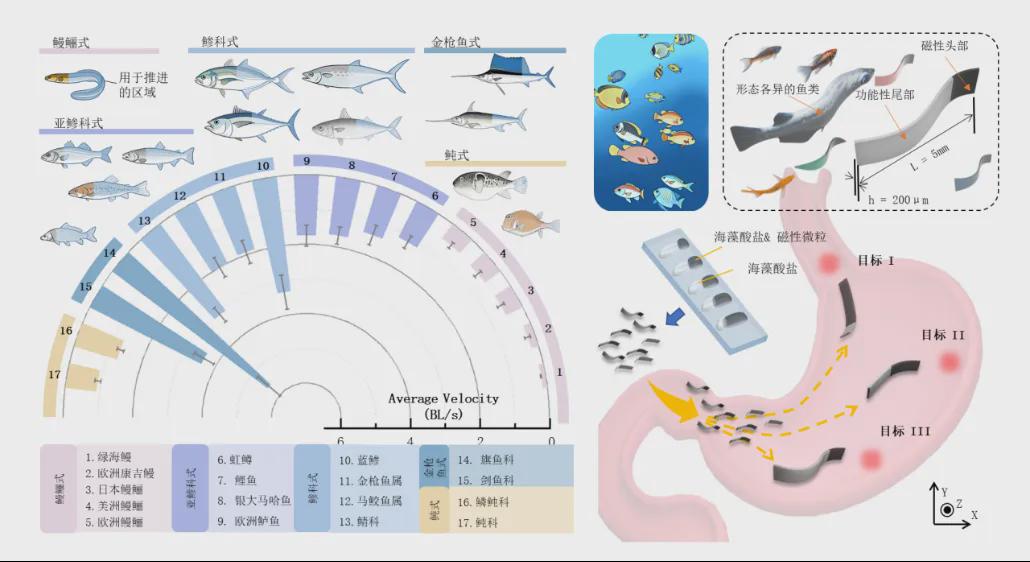
Inspired by Fish Diversity: Beijing Institute of Technology Team Develops Morphology-Encoded Soft Microrobots
A research team at the Beijing Institute of Technology has unveiled a groundbreaking system of soft microrobots that mimic the various swimming styles of fish. This innovative development allows for the selective control of the robots by adjusting their body proportions within a uniform magnetic field. The advancements in this technology hold significant promise for future applications in the biomedical field, potentially enhancing medical procedures and therapies.
Soft Robotics Biomedical Engineering Microrobots Control Systems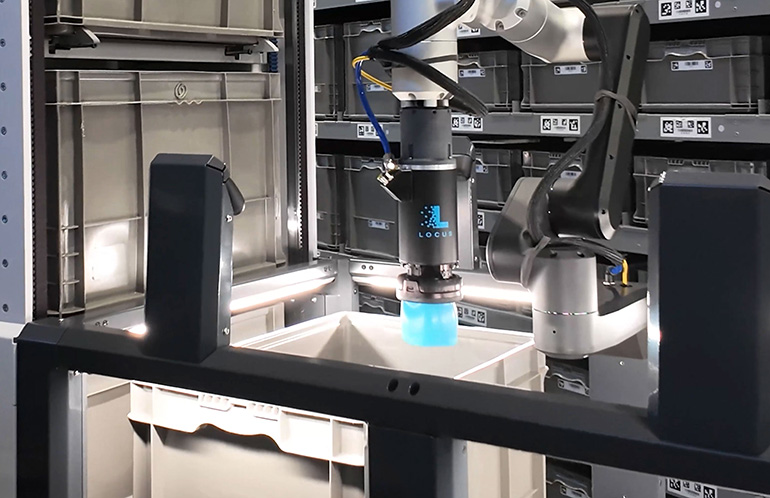
Locus Array expands picking ability with Nexera Robotics’ NeuraGrasp
Nexera Robotics has announced that its adaptive NeuraGrasp technology will enhance the picking capabilities of the Locus Array mobile manipulator, allowing it to handle a significantly larger variety of e-commerce stock-keeping units (SKUs). This development aims to improve efficiency in warehouse operations, addressing the growing demand for automation in the e-commerce sector. The integration of NeuraGrasp with the Locus Array is set to streamline the picking process, ultimately supporting businesses in meeting customer needs more effectively.
Autonomous Mobile Robots (AMRs) End Effectors / Grippers Grippers Logistics Mergers & Acquisitions News
New Soft Floating Robot Inspired by Animation Aims to Enhance Human Connection
Researchers from Keio University and MIT Media Lab have unveiled a soft floating robot designed to foster emotional connections without traditional robotic features. Unlike conventional robots, this helium-filled creation resembles a white whale, responding to human touch with gentle movements rather than mechanical sounds or speech. The significance of this innovation lies in its ability to bypass the 'uncanny valley' effect, which often causes discomfort when robots closely mimic human appearance. By avoiding human-like features and instead utilizing soft materials and subtle movements, the robot can convey intentions and emotions, making it a safer and more approachable companion in everyday environments. Looking ahead, the research team plans to integrate multimodal interactions, allowing the robot to sense human posture, voice, and gaze to enhance its floating interactions. This approach aims to create a gentle presence that accompanies humans without the need for speech or complex thought, marking a new era in human-robot coexistence.
Soft Robotics Human-Robot Interaction Emotional AI Floating Robots
Boston University team wins MassRobotics Form & Function Challenge at Robotics Summit
MassRobotics recently recognized outstanding university teams and highlighted innovations in healthcare and physical AI at the Robotics Summit. Notably, a team from Boston University emerged victorious in the MassRobotics Form & Function Challenge, showcasing their exceptional skills and creativity in robotics. The event, which took place in Boston, served as a platform for startups and innovators to present their cutting-edge technologies, emphasizing the growing importance of robotics in various sectors. The initiative aims to foster collaboration and inspire future advancements in robotics, particularly in addressing healthcare challenges. Through competitions and showcases, MassRobotics continues to support and promote the development of innovative solutions in the field.
Academia / Research Agriculture Artificial Intelligence Artificial Intelligence / Cognition Business Resources Design / Development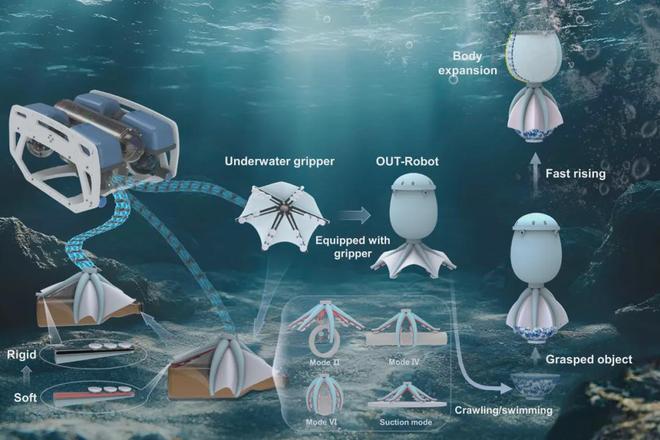
Rapid Stiffness Switching Technology: Peking University Team Develops Biomimetic Octopus Gripper to Solve Underwater Soft Robot's Slow Response Issue
A research team from Peking University, headed by Professor Xie Guangming, has developed a groundbreaking biomimetic octopus gripper capable of transitioning between soft and hard states in less than one second. This advancement enhances the efficiency of underwater robotic operations, enabling more effective and energy-efficient execution of tasks. The team's findings were published in the journal 'Cyborg and Bionic Systems', highlighting the potential applications of this technology in various underwater environments.
Underwater Robotics Soft Robotics Biomimetic Design Robotic Grippers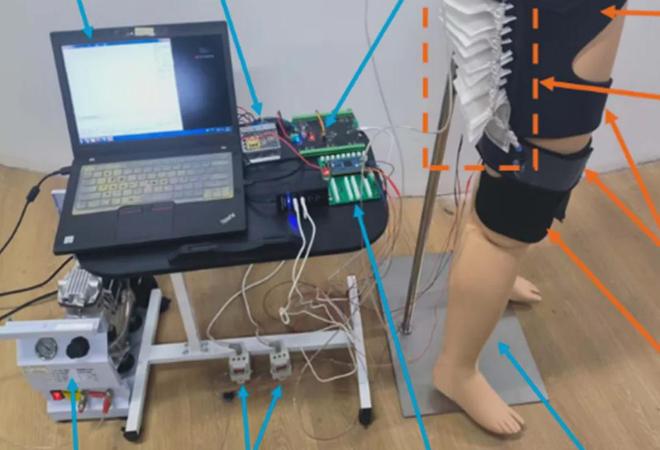
Lightweight Soft Exoskeleton Provides Extra Support for Seniors' Walking
A Chinese research team has developed a groundbreaking soft exoskeleton designed to enhance mobility for seniors, weighing just 1.15 kg. This innovative device provides an additional support of 13.5% to 18.7% while walking, significantly improving the walking experience for elderly individuals. Unlike traditional exoskeletons, which can be rigid and cumbersome, this new model utilizes inflatable TPU fabric, allowing for greater flexibility and comfort. The development aims to address the growing need for assistive technologies as the aging population seeks to maintain independence and mobility.
Soft Robotics Exoskeleton Technology Elderly Assistance Wearable Devices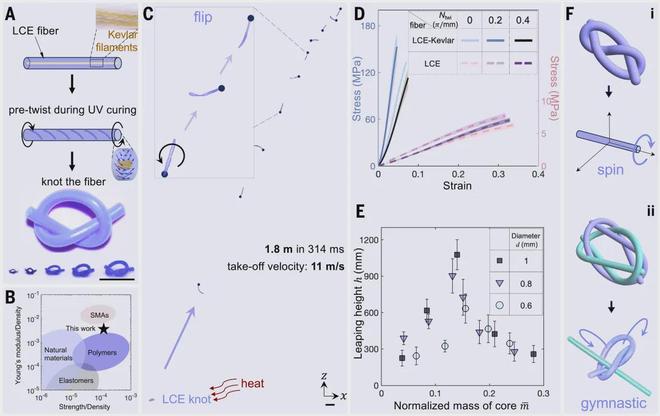
Breakthrough in Miniature Robotics: A Knot-Triggering Rope Enhances Jumping Limits Using Topology
A new study published in the journal 'Science' has introduced an innovative miniature robot capable of jumping 1.8 meters high by rapidly untying itself. This cutting-edge technology, developed by researchers at the University of Pennsylvania, utilizes a unique 'smart rope' design that integrates composite materials and knot topology. By harnessing stored energy, the robot achieves remarkable jumping and flying abilities, marking a significant advancement in robotics. The research highlights the potential applications of such technology in various fields, including search and rescue operations and exploration in challenging environments.
Miniature Robotics Soft Robotics Energy Storage Knot Topology Composite Materials
Noetra Initiates Development of Japan's Multimodal AI Foundation Model for Robotics
Noetra, in collaboration with key partners including Sony, SoftBank, NEC, and Honda Motor, has launched extensive R&D for a multimodal foundation model aimed at enhancing AI-enabled robotics in Japan. This initiative is part of a broader effort to develop sovereign AI technologies within the country, supported by investments from 44 companies across various sectors, primarily manufacturing. The significance of this development lies in its potential to position Japan as a leader in physical AI. By creating a robust multimodal foundation model, Noetra aims to improve industrial competitiveness and address societal challenges through advanced AI capabilities, including natural language processing and multimodal data understanding. Looking ahead, Noetra plans to construct AI computing infrastructure with Nvidia's advanced GPUs, with operations expected to commence in June 2028. The phased development will culminate in a comprehensive omni-modal foundation model by fiscal 2028, ultimately striving for a “Real-world Native AI” by fiscal 2030, which will be capable of understanding physical properties in real-world applications.
Artificial Intelligence News Robot simulation ai agents AI infrastructure artificial intelligence
Benchmarking Your Development System for Effective Robotics Simulations
The development of robotics begins long before physical assembly, relying heavily on simulations to validate designs and refine algorithms. These simulations demand significant computational resources, making system benchmarking crucial to identify hardware limitations early in the process. By measuring workstation performance under demanding workloads, engineers can establish a performance baseline that aids in spotting potential bottlenecks. Understanding how different hardware components affect simulation performance is essential for robotics development. Whether using macOS, Windows, or Linux, benchmarking helps determine if slowdowns are due to software changes or hardware limitations. Key components such as the processor, graphics card, memory, and storage play varying roles in performance, and the weakest link can dictate the overall experience. As robotics projects grow in complexity, the need for robust hardware becomes increasingly important. Engineers should focus on comprehensive benchmarking to ensure their systems can handle the demands of their simulations. No further timeline was disclosed at the time of publication.
Components Robot simulation ABB RobotStudio automation cpu delmia
SVT Robotics surpasses four billion transactions on its Softbot automation platform
SVT Robotics, a prominent provider of interoperability software for enterprise and physical AI, has reported a significant milestone with its Softbot Platform surpassing four billion transactions. This achievement highlights the platform's robust infrastructure, which is designed to support high-volume data processing on a global scale. Currently, transaction volumes are rapidly increasing, reaching between 100 million and 130 million transactions per week. This surge reflects the growing demand for efficient and resilient data solutions in various industries, positioning SVT Robotics as a key player in the technology landscape.
Computing News Robotics AI-ready data automation infrastructure automation software
Software is ‘the biggest bottleneck to robotics innovation’, says BlackBerry QNX report
QNX, a division of BlackBerry, has unveiled its latest research study, the Inside the Robot: Architecture Benchmark Report, which explores the evolving landscape of robotics development. The report highlights the shift towards software-driven and AI-enabled systems that are increasingly integrated into workplaces and everyday life. Conducted through a survey of 1,000 developers globally, the research aims to shed light on the current trends and challenges faced in the robotics sector. This initiative reflects QNX's commitment to understanding and advancing the role of robotics in modern society, emphasizing the importance of collaboration between humans and machines. The findings are expected to inform future developments in the field and guide industry stakeholders in adapting to these transformative changes.
Features Robotics Software ai robotics automation news Autonomous robotsRobotics needs a service framework.
RSF defines a common language for robot service capability, lifecycle operations, certification pathways, and service-provider networks.