

Industry Briefing
A single destination for timely, editor-curated robotics news from around the world.
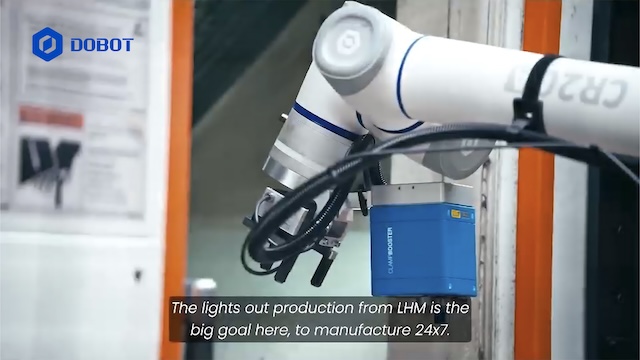
DOBOT and RiACT Establish Strategic Partnership to Enhance Smart Automation Accessibility
DOBOT Robotics and RiACT have formalized a strategic partnership aimed at democratizing industrial automation. This collaboration merges DOBOT's advanced collaborative robot hardware with RiACT's RiFLEX software, creating a user-friendly, plug-and-play solution for manufacturers. The partnership seeks to lower the barriers to entry for automation, making it accessible to small and medium enterprises (SMEs) and non-experts. The significance of this partnership lies in its potential to transform the landscape of industrial automation. By combining DOBOT's precise hardware with RiACT's intelligent software, the alliance offers a streamlined approach to deploying robots without the need for specialized programming. This innovation not only reduces costs but also enhances flexibility, allowing manufacturers to switch tasks with minimal downtime. Looking ahead, the partnership will focus on joint marketing efforts and demonstrations to showcase the seamless integration of their technologies. As both companies aim to make smart manufacturing more accessible, their collaboration could reshape how industries approach automation and workforce optimization. No further timeline was disclosed at the time of publication.
DOBOT RiACT RiFLEX collaborative robot cobot industrial automation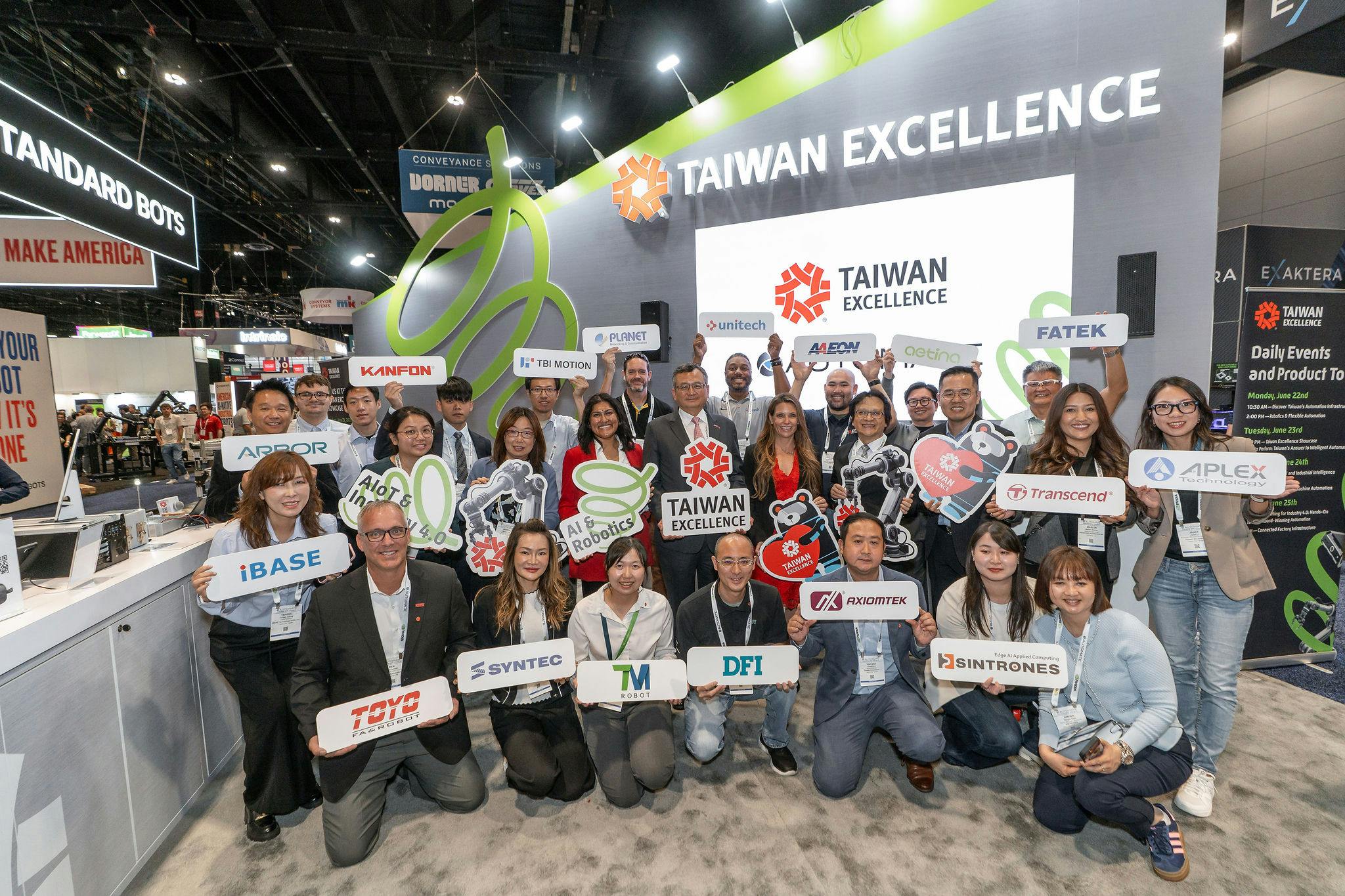
Taiwan's Ecosystem Fuels Next-Gen Manufacturing with Smarter Automation Solutions
The Taiwan Excellence Pavilion showcased 23 exhibitors presenting advanced solutions in edge AI, robotics, and smart manufacturing infrastructure. As manufacturers seek enhanced flexibility and intelligent operations, the integration of technologies across the factory floor is becoming crucial, driving demand for motion control, industrial computing, and machine vision. Taiwan's role as a global contributor in automation technologies is bolstered by its concentrated ecosystem focused on precision engineering and innovation. The Taiwan Excellence Award highlights exceptional Taiwanese products based on research, design, quality, and marketing, reflecting the nation's capability to support intelligent industrial systems. At Automate 2026, the pavilion demonstrated how foundational technologies assist OEMs and manufacturers in creating intelligent production environments. The emphasis on data-driven and AI-enabled automation solutions indicates a shift towards responsive manufacturing, where edge computing plays a vital role in real-time decision-making and advanced applications like predictive maintenance.
Factory / Digital Transformation
Engineering Power Chains for Enhanced Robotics and Automation Performance
Recent advancements in power converters are crucial for addressing real-world challenges in robotics and automation. For instance, achieving long runtimes for battery-powered autonomous mobile robots (AMRs) and managing multi-megawatt peaks in welding cells require meticulous engineering of the power chain. This is as critical as the design of mechanical joints or control firmware. The importance of power converters extends to applications demanding microsecond-level responsiveness, such as in medical robots. These innovations not only enhance operational efficiency but also ensure reliability and performance in demanding environments. The rigorous engineering of power systems is essential for the successful deployment of advanced robotic solutions. Looking ahead, the focus on power chain engineering will likely continue to grow, particularly as industries seek to optimize performance and energy efficiency in robotics. No further timeline was disclosed at the time of publication.

Manufacturers Assess Automation ROI by Evaluating IT Reliability and Downtime Costs
Manufacturers typically calculate the return on investment (ROI) for automation by focusing on labor savings and increased throughput. However, a critical factor often overlooked is the cost associated with automation downtime, which can significantly impact overall profitability. This aspect of IT reliability is essential for determining the true financial benefits of robotic systems in smart manufacturing environments. Understanding the hidden costs of automation downtime is vital for manufacturers aiming to optimize their operations. When automation systems experience failures, the resulting downtime can negate the anticipated labor savings and throughput gains. This highlights the importance of investing in reliable IT infrastructure to ensure continuous operation and maximize the ROI of automation investments. Looking ahead, manufacturers should prioritize strategies that enhance IT reliability to mitigate downtime risks. No further timeline was disclosed at the time of publication, but ongoing assessments of automation systems will be crucial in refining ROI calculations and ensuring sustainable manufacturing practices in the future.
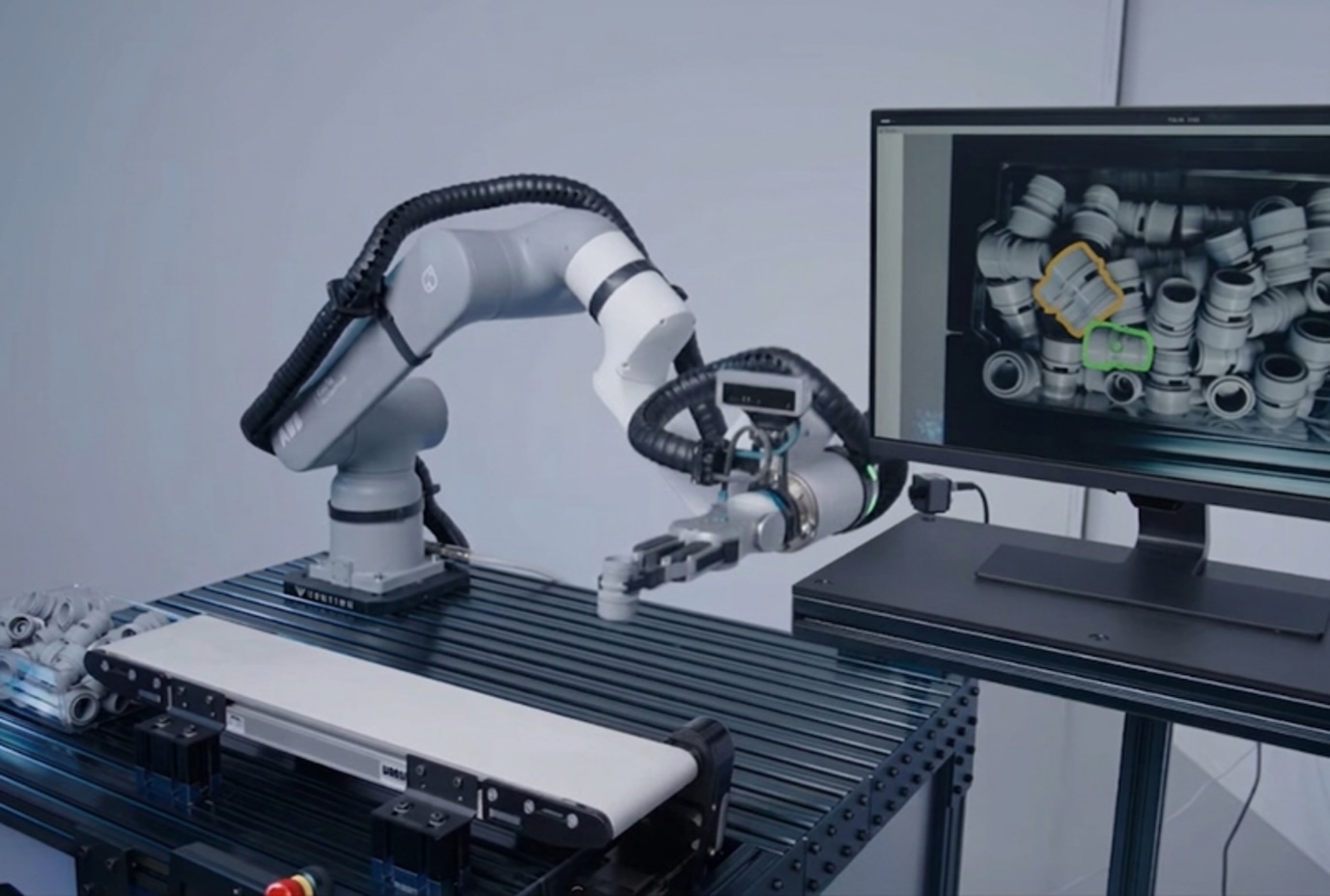
Knapp Implements Smart Automation Solution for Pallet Handling in Lindesberg, Sweden
Knapp has implemented a smart automation solution for pallet handling at a production site in Lindesberg, Sweden. This initiative aims to enhance operational efficiency and streamline logistics processes within the facility. The significance of this development lies in its potential to improve productivity and reduce manual labor requirements in pallet handling operations. By integrating advanced automation technologies, Knapp is positioning itself to meet the growing demands of modern manufacturing environments. Looking ahead, it will be important to monitor the performance of this automation solution and its impact on overall production efficiency. No further timeline was disclosed at the time of publication.
Allgemein Automation Automobilbau & Zulieferer Fördertechnik & Handling Lagerlogistik & Materialfluss Mobile Robotik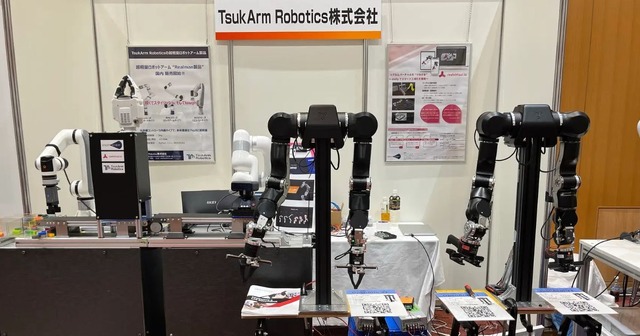
SmartScape and TsukArm Robotics Showcase Pick&Place Automation at ROBOMECH2026
SmartScape Inc. has strengthened its offerings of physical AI solutions that integrate AI, digital twins, and robotics. At the prominent robotics and mechatronics event, ROBOMECH2026 in Fukuoka, the company collaborated with TsukArm Robotics to showcase their automation solutions. The event attracted over 2,500 attendees, facilitating discussions on verification methods prior to robot implementation and the use of digital twins. The growing interest in physical AI, which controls actual robots and equipment to solve real-world challenges, is significant for industries facing labor shortages and productivity demands. SmartScape utilizes digital twin technology to create high-precision virtual environments for pre-verification of robot operations, contributing to reduced development time and risks before actual deployment. During ROBOMECH2026, the showcased Pick&Place automation solution combined SmartScape's digital twin technology with TsukArm Robotics' robotics expertise. The event highlighted themes such as reducing verification workloads before robot implementation and the integration of simulation environments with real-world applications. No further timeline was disclosed at the time of publication.
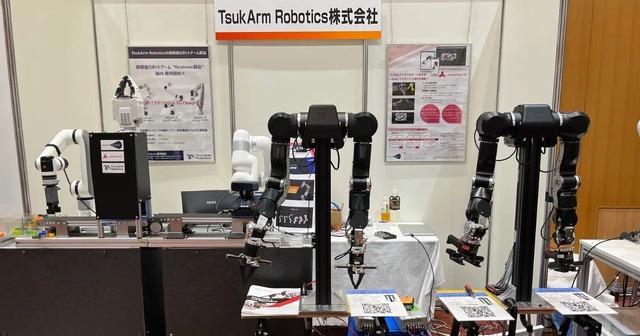
SmartScape and TsukArm Robotics Showcase Pick&Place Automation at ROBOMECH2026
SmartScape Inc. is enhancing its offerings of physical AI solutions that integrate AI, digital twins, and robotics. At the prominent robotics and mechatronics event, ROBOMECH2026 in Fukuoka, the company collaborated with TsukArm Robotics to showcase their automation solutions. The event attracted over 2,500 attendees, primarily from research institutions and manufacturing sectors, facilitating discussions on verification methods prior to robot implementation and the use of digital twins. The rising interest in physical AI, which addresses real-world challenges through robot control, is significant for industries facing labor shortages and productivity demands. SmartScape's digital twin technology allows for high-precision virtual environments to test robot operations before actual deployment, contributing to reduced development time and lower implementation risks. The showcased Pick&Place automation solution combined SmartScape's digital twin technology with TsukArm Robotics' capabilities, drawing considerable attention from visitors. Looking ahead, SmartScape plans to further strengthen its physical AI solutions, particularly in manufacturing and logistics, while responding to needs from research institutions. The company is set to participate in the 44th Annual Conference of the Robotics Society of Japan in Kanazawa from September 1 to 4, 2026, continuing its collaboration with TsukArm Robotics.

Smarter Automation with Industrial PCs and HMIs
In a recent episode of the Automation World podcast, host Chris McNamara engaged with Chris Barber, product marketing manager at Phoenix Contact, to explore the evolving landscape of industrial automation. The discussion, which aired on June 24, 2026, delved into the transition towards web-based Human-Machine Interfaces (HMIs), industrial PCs, edge computing, and software-defined control systems. Barber highlighted Phoenix Contact’s innovative PLCnext approach, which integrates traditional operational technology (OT) programming with IT-friendly tools, aiming to simplify integration, enhance real-time processing, and bridge the gap between IT and OT. Barber provided a practical example from the water-wastewater sector, illustrating how edge PCs can significantly improve local alarm handling and data reliability. The conversation also touched on Phoenix Contact’s strengths in hardware and customer support, as well as emerging trends such as cloud-edge convergence and the development of smarter, connected systems that facilitate easier deployment. This insightful dialogue underscores the ongoing advancements in automation technology and its implications for various industries.
Sponsored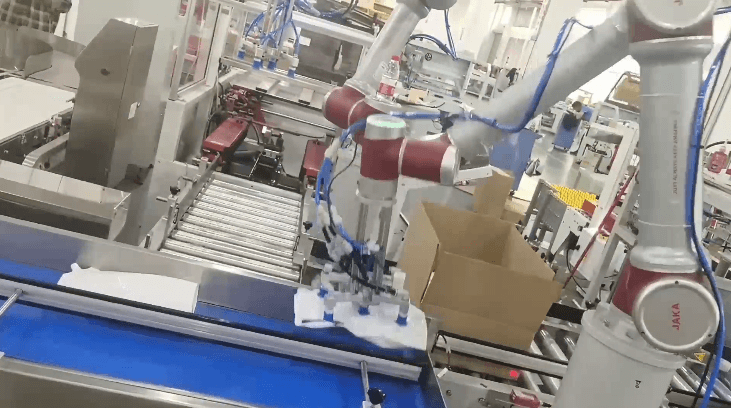
The Role of Collaborative Robots in the Future of Smart Factory Automation
As smart factories evolve, JAKA highlights a significant shift towards collaborative automation, where robots work alongside human operators rather than in isolation. This transition is driven by the need for flexible automation solutions that can adapt to changing production demands. Collaborative robots, designed for shared workspaces, assist in repetitive and precision-critical tasks, allowing manufacturers to respond swiftly to variations in product designs and smaller batch sizes without extensive reconfiguration of production lines. A notable example of this collaborative approach is the JAKA Zu7, engineered for automated screwdriving tasks that require high accuracy and stability. With adjustable torque settings tailored to specific product needs, the Zu7 ensures consistent assembly quality while integrating seamlessly into existing manufacturing processes. This capability enhances operational efficiency and quality control, reducing manual strain on workers. The integration of collaborative robots into broader automation systems is crucial for maintaining production rhythm and scalability. By combining human oversight with automated precision, these robots contribute to a balanced and sustainable production environment. JAKA envisions collaborative robot technology as essential for creating adaptable, people-centered automation systems that evolve with the manufacturing landscape, reinforcing the importance of collaboration in the future of smart factory automation.

Where Human Skill Meets Smart Automation: The Case for Semi-Automated Bin Picking
As industries face increasing challenges related to manual handling, the risk of fatigue and injury has prompted a search for innovative solutions. Traditional manual methods are proving inadequate, while fully robotic systems often present issues of rigidity, high costs, and limited adaptability. This gap has created a significant opportunity for the development of hybrid systems that combine human expertise with targeted automation. By leveraging the strengths of both human workers and advanced technology, companies can enhance efficiency and safety in their operations. As of October 2023, the focus is shifting towards these integrated solutions, aiming to address the limitations of existing approaches and improve workplace conditions.
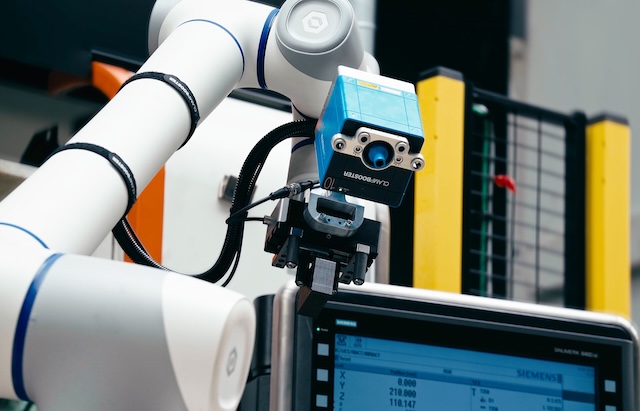
DOBOT and RiACT Power LHM’s CNC Machining with Scalable, Smart Automation
LHM has enhanced its production capabilities by integrating DOBOT collaborative robots with RiACT’s universal operating system, enabling round-the-clock manufacturing operations. This strategic move aims to optimize efficiency and streamline workflows, allowing the facility to operate continuously without interruptions. The implementation of this advanced technology is part of LHM's commitment to innovation and meeting increasing demand in the market. By leveraging the capabilities of DOBOT robots, the company can improve productivity while maintaining flexibility in its manufacturing processes. The collaboration signifies a significant advancement in automation, reflecting the growing trend of integrating smart technologies in industrial settings.
How smart automation is making US battery production more efficient
The U.S. battery production industry is poised for significant transformation as manufacturers seek to enhance efficiency through smart automation and digitalization. With the global battery market projected to grow by approximately 40% annually until 2030, American companies face increasing pressure to innovate and improve their operations to compete with Asian counterparts. This urgency is underscored by a focus on strengthening local value chains, which are essential for maintaining quality standards associated with "Made in the USA." Successful case studies from both practice and research highlight that implementing advanced technologies can streamline all stages of battery production, ensuring that U.S. manufacturers can meet rising demand while upholding their commitment to quality.
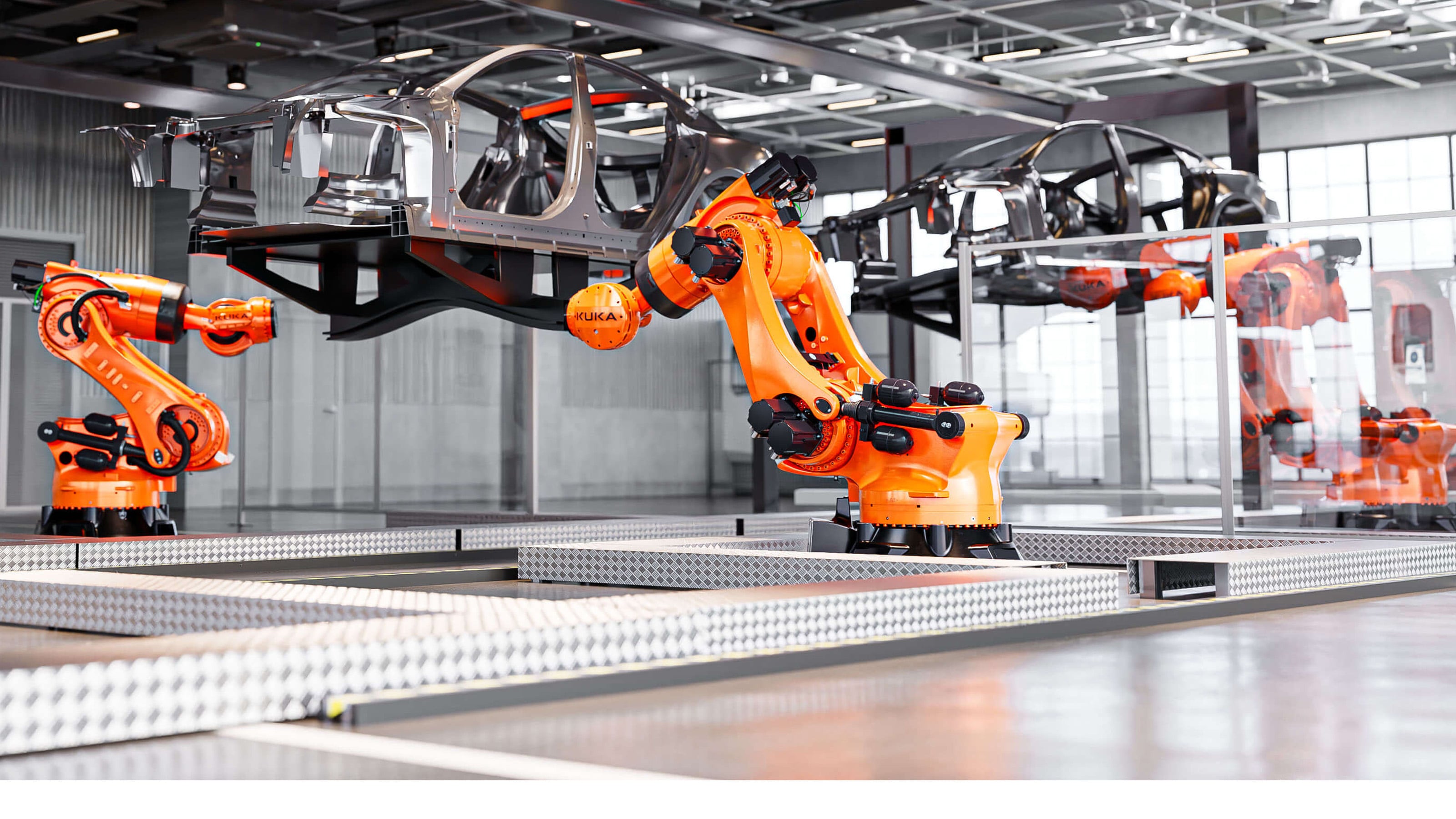
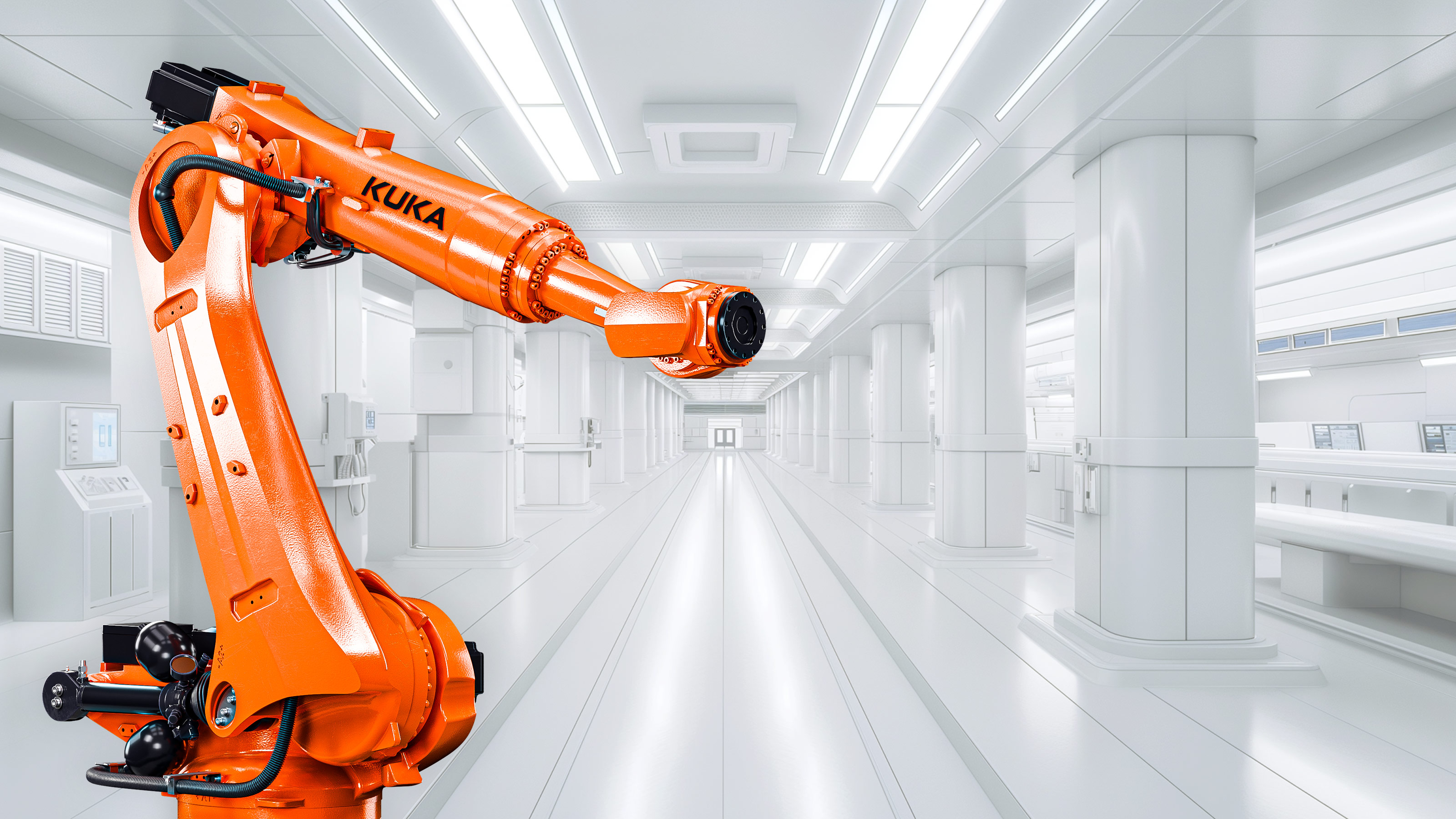
KUKA at EMO 2025: Smart automation along the entire process chain
From September 22 to 26, 2025, KUKA will showcase its innovative automation solutions for machine tools at the EMO Hanover trade fair, recognized as the premier global event for production technology. Located at booth F23 in Hall 6, the company invites attendees to explore how its robots and software collaborate to enhance production efficiency. This exhibition aims to highlight KUKA's commitment to advancing automation in manufacturing, demonstrating the potential for increased productivity and streamlined operations in the industry.
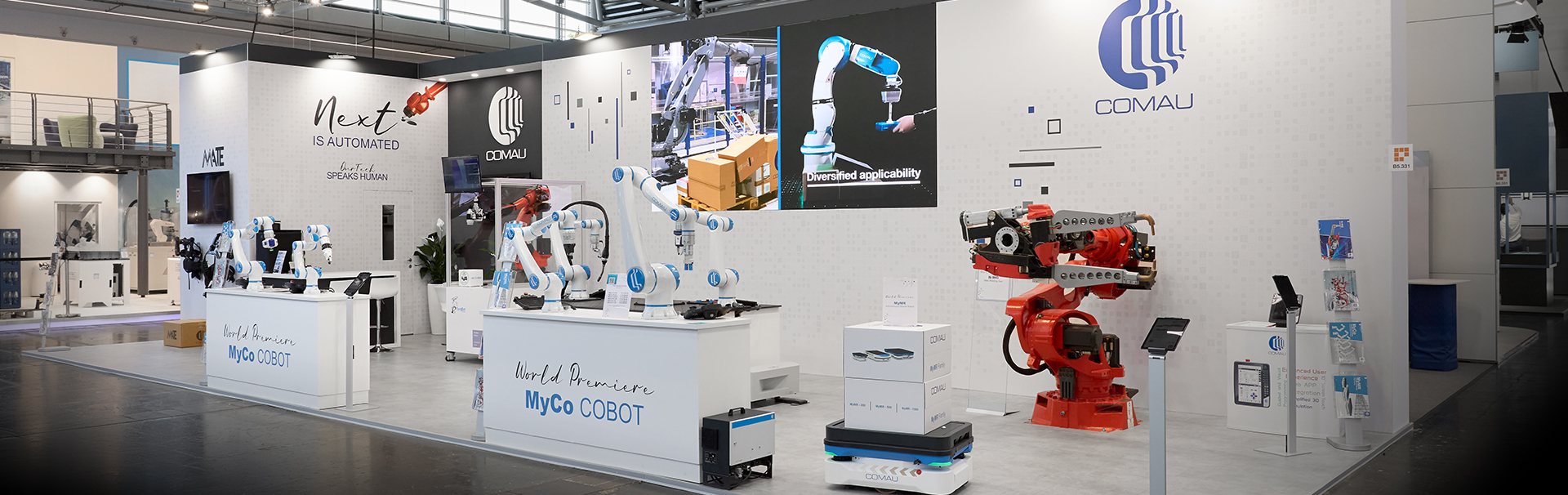
Comau unveils smart, mobile, and collaborative automation at Automatica 2025
Comau is set to unveil innovative solutions aimed at enhancing ease of use and promoting sustainable productivity across various industries during the Automatica 2025 event. Scheduled to take place in Munich, Germany, this exhibition will showcase Comau's latest advancements in automation technology. The company's focus on developing user-friendly and environmentally responsible solutions reflects its commitment to addressing the evolving needs of the manufacturing sector. By integrating cutting-edge technology with sustainable practices, Comau aims to empower businesses to improve efficiency and reduce their ecological footprint. The unveiling at Automatica 2025 marks a significant step in Comau's ongoing efforts to lead the industry in automation solutions that benefit both users and the planet.

Robosys Automation Launches New Software Autopilot VOYAGER AI SMARTPILOT™ at Autonomous Ship Expo
Robosys Automation, a leader in vessel control systems and advanced maritime autonomy, introduced its latest innovation, the VOYAGER AI SMARTPILOT™ software autopilot, at the Autonomous Ship Expo held in Amsterdam, Netherlands. This unveiling took place during the expo, which showcases cutting-edge technologies in the maritime industry. The development of the VOYAGER AI SMARTPILOT™ aims to enhance the safety and efficiency of maritime navigation, addressing the growing demand for autonomous solutions in shipping. By leveraging advanced artificial intelligence, the software is designed to improve decision-making processes for vessel operations, ultimately contributing to the future of autonomous shipping.
robosys automation new software autopilot voyager ai smartpilot™Robotics needs a service framework.
RSF defines a common language for robot service capability, lifecycle operations, certification pathways, and service-provider networks.
Join the RobotToday community on LinkedIn
Daily robotics news, in-depth analysis, conference highlights, and discussions with professionals worldwide.







