Industry Briefing
A single destination for timely, editor-curated robotics news from around the world.
NVIDIA and DeepMind Lead Robotics Simulation Debate with New Industrial Applications
The field of embodied intelligence is witnessing a fierce debate over the best approach to training robots for industrial applications. One faction advocates for simulation-based training, leveraging structured environments to generate synthetic data, while the opposing view emphasizes the necessity of real-world data to handle complex physical interactions and unpredictable scenarios. Key players include NVIDIA, DeepMind, and Intrinsic, each with unique strategies and technologies. NVIDIA's Omniverse platform and Isaac Sim engine exemplify the simulation approach, enabling comprehensive digital twins of factories for training and optimization. Their collaboration with BMW on a digital twin project in Hungary showcases the potential of synthetic data in logistics and robotic movements. However, challenges remain in achieving the necessary fidelity for force control and physical interactions, prompting NVIDIA to seek partnerships with companies like Hexagon Robotics. Conversely, DeepMind's use of the MuJoCo physics engine has demonstrated that pure simulation can achieve industrial-grade precision in specific tasks, such as sorting with known rigid models. Yet, this method's effectiveness is limited to scenarios with minimal contact and force control. Intrinsic aims to transform simulation into a comprehensive development tool for industrial robots, focusing on lowering barriers for small manufacturers. The ongoing challenge of the SIM2REAL gap remains a critical factor in the success of these approaches.
Robotics Industrial Automation Simulation Technology AI
Eclipse Automation launches RealitySync simulation platform
Eclipse Automation has unveiled its innovative RealitySync platform, designed to enable manufacturers to visualize and interact with their future factories before construction begins. This launch, announced recently, aims to enhance the planning and design processes for manufacturing facilities by providing a comprehensive simulation experience. By utilizing advanced technology, RealitySync allows companies to identify potential challenges and optimize workflows, ultimately streamlining the transition from concept to reality. This initiative reflects Eclipse's commitment to advancing manufacturing efficiency and innovation in the industry.
Artificial Intelligence Artificial Intelligence / Cognition Automation Design / Development Markets / Industries News
Chinese Companies Explore World Models for AI Simulation of Environments
Artificial intelligence is evolving with a focus on 'world models,' which simulate environmental responses to actions. This shift is gaining traction among Chinese companies, expanding the application of these models beyond traditional physics and robotics. The technology is still developing, with no clear consensus on its final form, indicating a significant area of exploration for AI advancements. The significance of world models lies in their potential to enhance AI's predictive capabilities, allowing systems to anticipate changes in both physical and digital environments. This could lead to improved decision-making processes across various sectors, as companies leverage these models to better understand and interact with their surroundings. The growing interest from major tech firms highlights the competitive landscape surrounding this emerging technology. Looking ahead, the development of world models is expected to progress, although specific timelines for advancements or implementations remain undisclosed. As the industry continues to explore this frontier, stakeholders should monitor the evolution of standards and applications that will shape the future of AI simulation technologies.
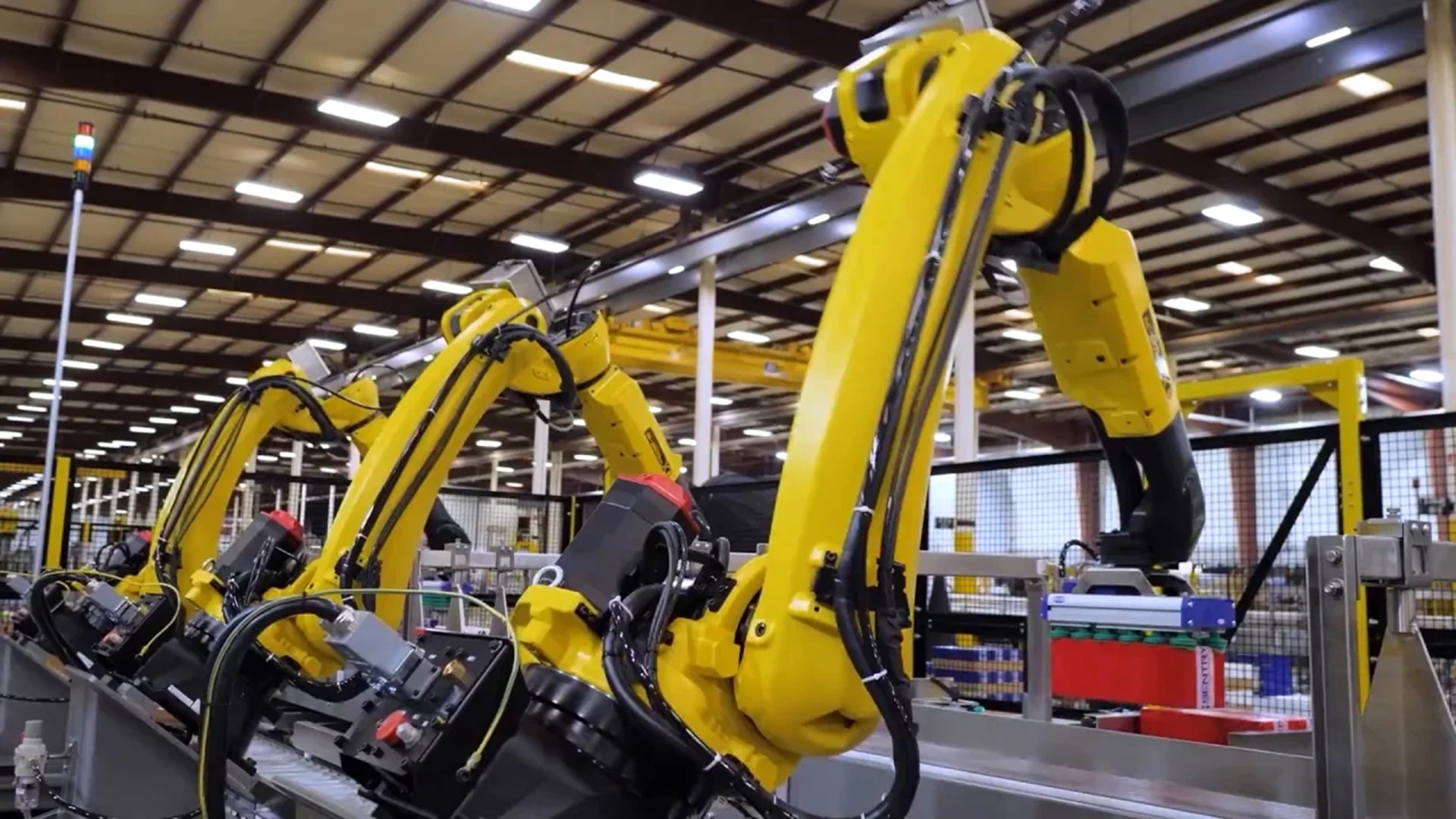
FANUC and NVIDIA build robots that act identically in simulation and reality
Japanese robotics company FANUC has announced an expansion of its partnership with NVIDIA to develop advanced factory robots. This collaboration aims to integrate NVIDIA's artificial intelligence technology into FANUC's robotics systems, enhancing automation capabilities in manufacturing. The announcement was made on October 10, 2023, during a technology conference in Tokyo. The partnership is driven by the increasing demand for smarter and more efficient manufacturing solutions, as industries seek to improve productivity and reduce operational costs. By leveraging NVIDIA's expertise in AI and machine learning, FANUC intends to create robots that can adapt to various tasks and environments, ultimately transforming the landscape of factory automation. The integration process will involve combining FANUC's robotics hardware with NVIDIA's AI software, enabling real-time data processing and decision-making. This innovative approach is expected to lead to significant advancements in the efficiency and versatility of factory robots, positioning both companies at the forefront of the rapidly evolving automation market.

Embodied Large Models: Aligning Evaluation First, Then Aligning with the World
Researchers in the field of robotics are grappling with the significant challenges posed by embodied intelligence, particularly the disparity between simulated environments and real-world applications. In response to these issues, a new benchmarking platform called RoboChallenge has been launched. This initiative aims to provide standardized evaluations for robotic models, addressing the pressing need for objective assessments to propel advancements in the industry. By establishing a consistent framework for evaluation, RoboChallenge seeks to bridge the existing gap and enhance the practical deployment of robotics in various settings.
Embodied Intelligence Robotics Benchmarking AI Evaluation RoboChallenge Simulation to Reality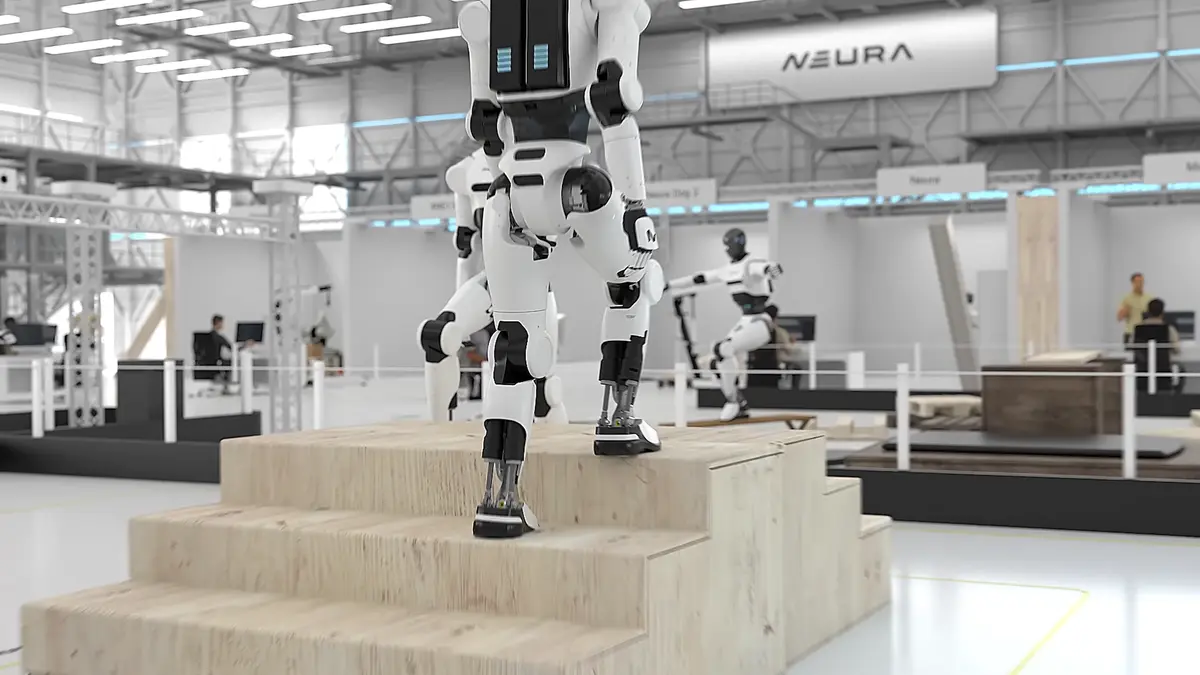
Neura Robotics Unveils ‘Neura Gym’ to Bridge AI’s Simulation-to-Reality Gap
Neura Robotics has unveiled the NEURA Gym, a state-of-the-art physical training facility aimed at enhancing the capabilities of robots by generating real-world interaction data. This initiative, announced recently, addresses a significant challenge in the field of robotics: the difficulty of transferring skills learned in simulated environments to the unpredictable dynamics of the physical world. By utilizing this facility, the company seeks to improve the reliability and effectiveness of AI models, ultimately advancing the development of autonomous robotic systems.
Data Collection Neura Robotics Europe Neura Gym
How Physical AI Is Closing the Gap Between Simulation and the Shop Floor
A new generation of systems is emerging that not only simulates the physical world but also engages in real-time reasoning and actions. This advancement is driven by a sophisticated spatial computing stack that integrates foundation models, AI-generated software, and high-fidelity 3D sensing technologies. These systems aim to enhance interactions with the environment, providing more intuitive and responsive experiences. The development is part of a broader trend in technology aimed at creating smarter, more adaptive solutions across various industries, including gaming, robotics, and virtual reality. As these innovations continue to evolve, they promise to transform how users interact with digital and physical spaces, paving the way for more immersive and effective applications.
MIT and Toyota Research Institute Unveil SceneSmith for Robot Household Training
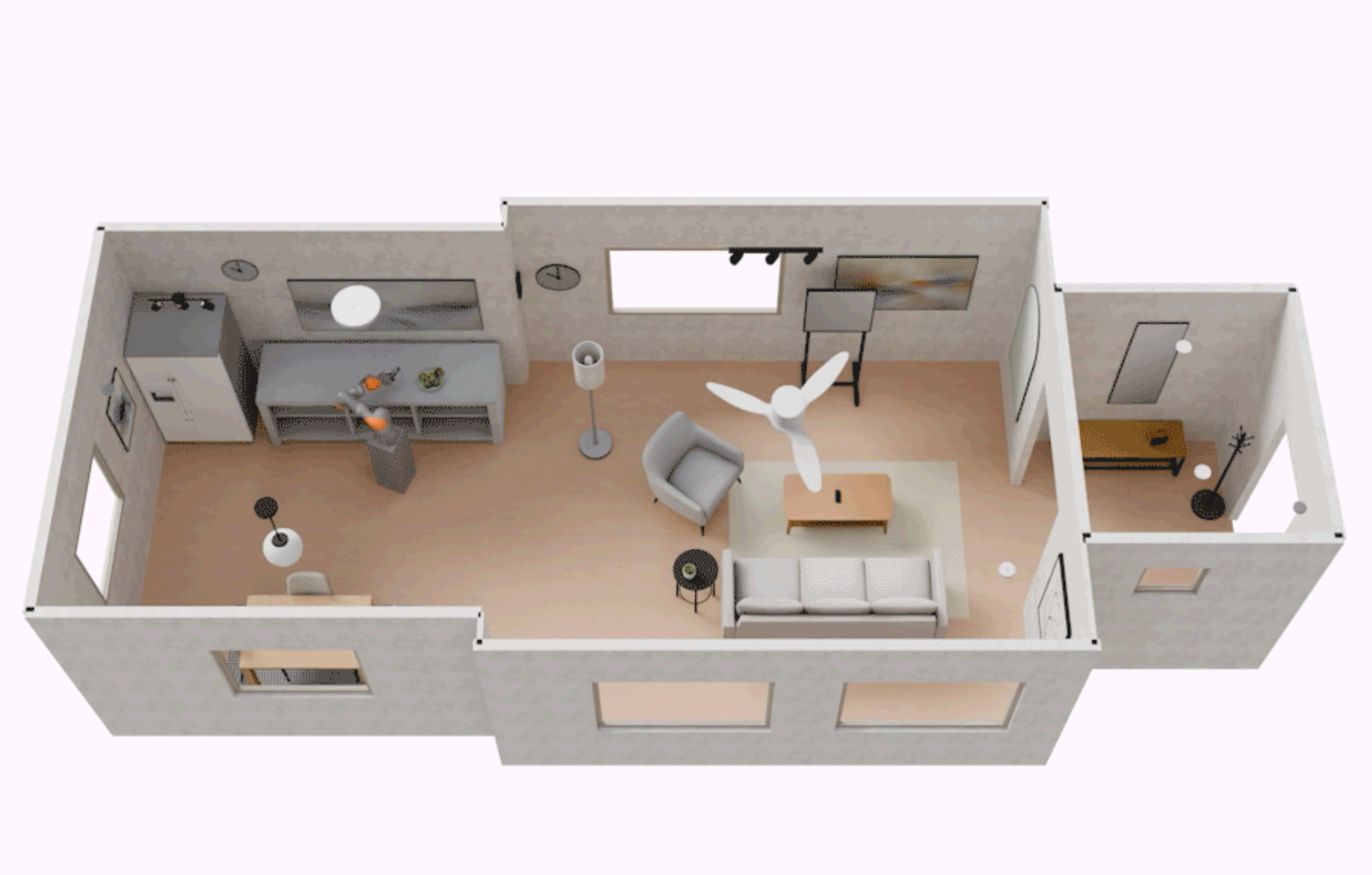
MIT's Computer Science and Artificial Intelligence Laboratory (CSAIL) and the Toyota Research Institute have developed SceneSmith, an AI-powered system that allows robots to practice household tasks in a virtual environment. This system utilizes three visual language models to collaboratively create realistic 3D scenes, enabling robots to learn complex skills through extensive simulation. SceneSmith not only generates lifelike environments but also incorporates physical properties like mass, friction, and inertia, allowing robots to interact meaningfully within these spaces. The research team tested over 100 unique action plans in the digital world, revealing flaws in the robots' planning that were validated by human consensus over 99% of the time, helping to refine their strategies before real-world application. The effectiveness of SceneSmith was highlighted at a recent international machine learning conference, where it received positive feedback from over 200 testers, with more than 90% rating its visual realism highly. As robots learn to perform tasks like moving objects in a kitchen, the prospect of robots handling household chores may soon become a reality.
AI Robotics Virtual Reality Machine Learning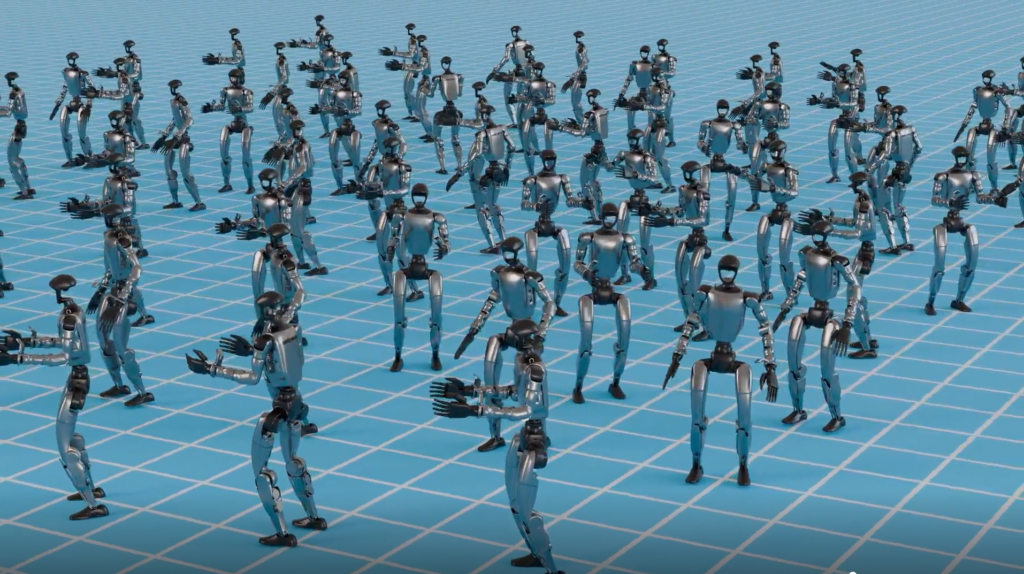
SoftServe Introduces Virtual Gyms for Enhanced Robotics Training and Deployment
SoftServe has highlighted the importance of 'virtual gyms' for robotics teams, emphasizing their role in preparing robots for dynamic environments. These high-fidelity simulation environments allow robots to train, fail, and recover safely before real-world deployment, addressing the challenges posed by unpredictable operational conditions. The global robotics market is projected to grow at a 19.6% CAGR from 2026 to 2036, underscoring the need for effective training solutions like virtual gyms to enhance robotic autonomy and performance. The shift from programmed automation to physical AI necessitates that robots adapt to constantly changing environments, which traditional training methods struggle to accommodate. Virtual gyms integrate technologies such as digital twins, reinforcement learning, and sensor modeling to provide a comprehensive training platform. This approach mitigates the risks and costs associated with real-world trials, enabling teams to generate valuable training data in a controlled setting, thus improving deployment success rates. Looking ahead, the adoption of virtual gyms is expected to become a standard practice in robotics development, as they offer a solution to the simulation-to-reality gap. No further timeline was disclosed at the time of publication, but the increasing complexity of robotic tasks suggests that the demand for such training environments will continue to rise as the industry evolves.
Artificial Intelligence Artificial Intelligence / Cognition Autonomous Mobile Robots (AMRs) Development Tools / SDKs / Libraries Industrial Robots Logistics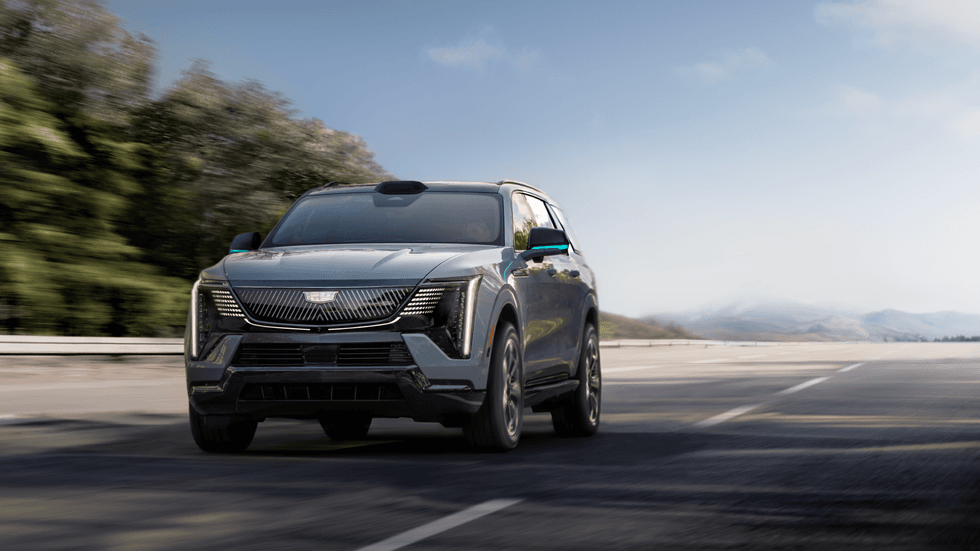
Training Driving AI at 50,000× Real Time
General Motors (GM) is advancing its autonomous driving technology by addressing the complex challenges associated with unpredictable road scenarios, known as the "long tail." This initiative is crucial as GM aims to achieve fully autonomous vehicles capable of navigating diverse environments safely. The company employs a combination of large-scale simulations, reinforcement learning, and advanced AI models, such as Vision Language Action (VLA), to enhance the decision-making capabilities of its autonomous systems. To prepare for rare and unexpected driving situations, GM conducts millions of high-fidelity simulations that replicate real-world conditions. These simulations allow engineers to test the vehicles against hazardous scenarios that would be difficult to encounter safely in reality. Additionally, GM utilizes innovative techniques like “Seed-to-Seed Translation” to generate synthetic training data, enabling the modeling of extreme weather conditions and traffic scenarios. The development process also incorporates a unique dual-frequency model that balances high-level decision-making with immediate vehicle control, ensuring quick responses to dynamic road conditions. Furthermore, GM's approach includes adversarial testing to identify potential safety risks by challenging the AI's perception capabilities. As GM continues to refine its autonomous driving technology, the company is focused on creating an ecosystem that integrates various learning methods and addresses the critical edge cases that will determine the readiness of autonomous vehicles for widespread deployment. This comprehensive strategy aims to enhance safety and reliability, paving the way for a future where autonomous driving can operate without human intervention.
Autonomous-vehicles Self-driving-cars Gm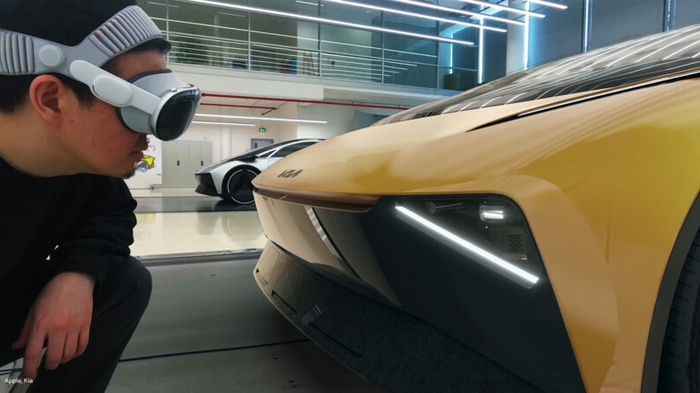
More Than Meets the Eye: NVIDIA RTX-Accelerated Computers Now Connect Directly to Apple Vision Pro
NVIDIA and Apple have announced a collaboration that integrates NVIDIA CloudXR 6.0 natively into visionOS, enhancing the capabilities of augmented and virtual reality applications. This partnership aims to securely deliver high-performance simulations and professional 3D graphics applications, including Immersive for Autodesk VRED, through Innoactive’s XR streaming service. The integration is set to provide users with advanced graphics powered by NVIDIA's RTX technology, significantly improving the experience for developers and users in the XR space. This development comes as both companies seek to leverage their strengths in graphics processing and software innovation to meet the growing demand for immersive experiences in various industries.
Robotics needs a service framework.
RSF defines a common language for robot service capability, lifecycle operations, certification pathways, and service-provider networks.