Top News

Industry Briefing

A single destination for timely, editor-curated robotics news from around the world.
Tsinghua-backed startup secures hundreds of millions in seed funding, aims to avoid "world model" label.

Tsinghua-backed startup secures hundreds of millions in seed funding, aims to avoid "world model" label.

In a significant development within the field of artificial intelligence, Li Yiming, an assistant professor at Tsinghua University and former researcher at NVIDIA, has introduced a comprehensive framework for Physical AI. This initiative aims to enhance the capabilities of robots across various applications by integrating data collection, model training, and physical engine development into a cohesive system. The framework, named Physical AI Infra, includes two key components: a data pipeline designed to scale data collection from hundreds of thousands to millions of hours, and a physical engine that creates a closed-loop system for robots to learn and execute tasks in real-world environments. This approach addresses the challenges posed by the current hype surrounding "world models," which have become a focal point in AI discussions but often lack a clear definition and practical application. Li's team has already garnered significant investment, raising hundreds of millions in seed funding from prominent investors, including Sequoia China and Hillhouse Capital. The team, primarily composed of Tsinghua graduates with an average age of 23, is focused on developing a full-stack solution that encompasses all aspects of Physical AI, making it distinct in a market where such integrated approaches are rare. Looking ahead, Li aims to launch a scalable world model solution by the end of 2026, with plans for broader deployment by 2028. His vision is to create a universal Physical AI infrastructure that can be adapted for various physical tasks, ultimately transforming how robots interact with the world.

As AI Reshapes Global Energy Systems, Melbourne Leads Through Engineering Collaboration

As AI Reshapes Global Energy Systems, Melbourne Leads Through Engineering Collaboration

As artificial intelligence (AI) rapidly expands, it is driving a significant increase in global electricity demand, presenting urgent challenges for energy systems. Melbourne, Australia, is positioning itself as a leader in addressing these issues, with a focus on the infrastructure necessary to support AI's growth. By 2035, data centers in Australia are expected to consume up to 11 percent of the nation's electricity, raising concerns about generation and system reliability. The University of Melbourne is at the forefront of this initiative, with interdisciplinary research aimed at developing energy systems that can meet the demands of AI. The Melbourne Energy Institute is exploring how various energy technologies interact, while facilities like the Smart Grid Lab allow for real-time simulations of power systems. This integrated approach is essential for designing resilient and efficient energy systems that can adapt to new patterns of demand. Victoria's advanced energy ecosystem, which includes renewable generation and battery storage, is crucial for balancing digital growth with sustainability. The collaboration between researchers, industry, and policymakers is vital for creating future energy systems that are affordable and resilient. Looking ahead, Melbourne will host the IEEE PES Generation Transmission and Distribution Asia 2027 Conference, bringing together global experts to address the evolving challenges in power systems. This event underscores Melbourne's commitment to fostering international collaboration and innovation in energy solutions, reinforcing its role as a key player in the global energy transition.

Artificial-intelligence Australia Energy-systems University-of-melbourne Ai-data-centers Power-grid
Meta Cloud Business; NASA Lunar Lander Contracts | Stock Movers

Meta Cloud Business; NASA Lunar Lander Contracts | Stock Movers

Shares of several space companies, including FireFly Aerospace, Intuitive Machines, and Voyager Technologies, experienced significant movement following NASA's announcement that it has selected these firms to send robotic landers to the moon. This initiative is part of NASA's broader goal to establish a lunar base by the end of the decade. The agency awarded contracts to Astrobotic Technology Inc., Firefly Aerospace Inc., and Intuitive Machines Inc. for this lunar mission. In the consumer goods sector, General Mills saw its stock rise after reporting fourth-quarter profits that surpassed Wall Street expectations, driven by increased pricing strategies. Meanwhile, Meta Platforms Inc. gained traction on the stock market amid reports that the company is planning to launch a cloud infrastructure business aimed at providing access to AI computing power and models. Additionally, Meta is exploring the possibility of offering access to its "raw" computing capacity, as indicated by sources familiar with the company's plans.

NYS:GIS NMS:SPCX NAS:LUNR NMS:META
Meta, like SpaceX, looks to turn excess AI compute into cash

Meta, like SpaceX, looks to turn excess AI compute into cash

Meta is embarking on a new venture to establish a cloud infrastructure business that will offer access to artificial intelligence computing power and models. This strategic initiative aims to compete directly with major players in the cloud services market, including Amazon Web Services, Google Cloud, and Microsoft Azure. The development comes as Meta seeks to diversify its offerings and capitalize on the growing demand for AI capabilities in various industries. By leveraging its expertise in AI technology, Meta plans to provide businesses with robust tools and resources, potentially transforming the landscape of cloud computing. The timeline for this initiative remains unclear, but it reflects Meta's commitment to innovation and its ambition to carve out a significant presence in the competitive cloud market.

AI Meta SpaceX
Apptronik unveils Apollo 2 and a flagship data collection and training facility

Apptronik unveils Apollo 2 and a flagship data collection and training facility

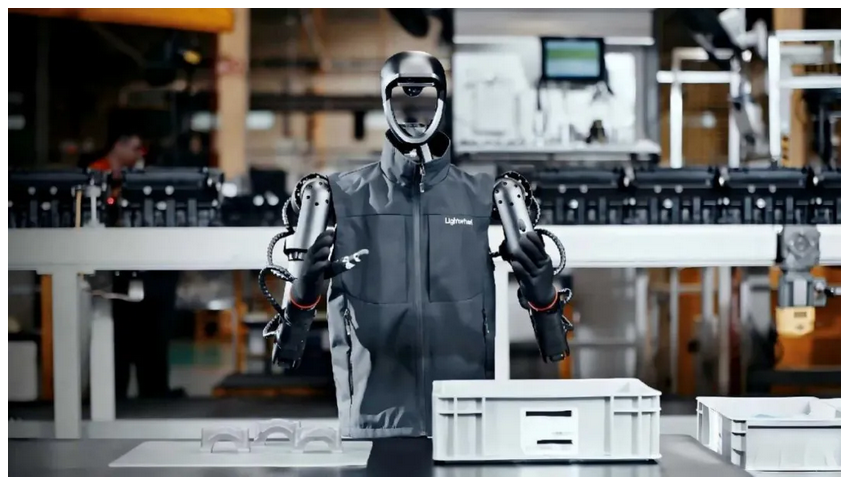
Apptronik has introduced Apollo 2, a cutting-edge data collection and training platform designed to facilitate continuous learning through its deployment. This innovative system aims to enhance the capabilities of robotic technologies by providing a robust environment for data gathering and training processes. The announcement highlights Apptronik's commitment to advancing robotics and artificial intelligence, reflecting the growing demand for sophisticated training tools in these fields. The unveiling of Apollo 2 marks a significant step forward in the company's efforts to improve the efficiency and effectiveness of robotic systems.

Artificial Intelligence Artificial Intelligence / Cognition Design / Development Humanoids News Robots / Platforms
The Orbital Data Center Hype Machine Is Already in Orbit

The Orbital Data Center Hype Machine Is Already in Orbit

At the World Economic Forum in Davos this January, SpaceX founder Elon Musk announced plans to establish orbital data centers in space, predicting that they will become the most cost-effective solution for artificial intelligence (AI) within two to three years. Following this declaration, SpaceX submitted an application to the Federal Communications Commission for a constellation of up to 1 million satellites in low Earth orbit, aimed at supporting this ambitious project. However, experts caution that the logistics of deploying such a vast number of satellites are daunting. Currently, there are approximately 14,500 active satellites in orbit, with SpaceX's Starlink making up two-thirds of that total. To launch 1 million satellites, SpaceX would need to conduct over 16,000 dedicated launches, a feat that could take decades given current launch capacities. Challenges also extend to the technical feasibility of cooling advanced computing hardware in space, as highlighted by the difficulties faced by startups like Starcloud, which has struggled to operate even a single GPU in orbit. Concerns have been raised about the potential for increased space debris and the impact on astronomical observations. Despite these hurdles, analysts suggest that the push for orbital data centers is driven by the growing demand for AI computing power and the need for energy-efficient solutions. While Musk's timelines may be optimistic, industry experts believe that the concept is gaining traction, with major players beginning to invest in the necessary infrastructure to explore the viability of space-based data centers.

Orbital-data-centers Satellites Spacex Elon-musk Starcloud Ai
Powerful X-class solar flare triggers radio blackouts across North America

Powerful X-class solar flare triggers radio blackouts across North America

On October 23, 2023, a significant solar event occurred as a coronal mass ejection (CME) was detected alongside an X1.1 solar flare. This powerful eruption originated from the Sun, releasing a substantial amount of plasma and magnetic field into space. Scientists and astronomers monitored the event closely, as CMEs can impact space weather and potentially disrupt satellite communications and power grids on Earth. The solar flare, categorized as X-class, indicates a high level of intensity, making it one of the more powerful flares observed in recent times. The implications of such solar activity are significant, prompting experts to analyze the data to predict any potential effects on Earth’s magnetosphere.

Stargazing
Anthropic's Claude model officially launched on Microsoft Foundry.

Anthropic's Claude model officially launched on Microsoft Foundry.

On June 29, Anthropic announced the official availability of its Claude model on Microsoft Foundry, specifically within the Azure AI Foundry platform. This development allows enterprise users to deploy and utilize the Claude model directly in the Azure environment, leveraging existing Azure authentication, billing, and governance systems. Currently, the platform supports Claude Opus 4.8 and Claude Haiku 4.5, which include features such as prompt caching and extended thinking capabilities. These functionalities are designed for applications in programming, intelligent agents, and complex reasoning scenarios. Anthropic also noted that users can choose to run their inference either on Azure or in an Anthropic-hosted environment. Looking ahead, both companies plan to gradually align their features and models for enhanced compatibility.

New 6 mW Chip Helps Small Robots Build 3D Maps in Real Time

New 6 mW Chip Helps Small Robots Build 3D Maps in Real Time

Gleanmer, a technology company specializing in autonomous navigation solutions, has developed an innovative system that integrates Gaussian-based mapping with specialized hardware. This advancement aims to significantly decrease memory and power requirements, enabling more efficient real-time navigation for autonomous vehicles. The new technology is expected to enhance the performance of self-driving systems, making them more viable for widespread use. The announcement comes as the industry continues to seek solutions that address the growing demands for energy efficiency and computational power in autonomous systems. Gleanmer's approach represents a promising step forward in the quest for sustainable and effective navigation technologies.

NVIDIA expands robotics hiring in China, opens roles in Beijing, Shanghai, and Shenzhen

NVIDIA expands robotics hiring in China, opens roles in Beijing, Shanghai, and Shenzhen

NVIDIA, the prominent US chipmaker, has launched an extensive recruitment campaign aimed at expanding its robotics team. The company is seeking talent in four key areas: embodied AI, simulation, deployment, and solution architecture. Job openings are available in major Chinese cities, including Beijing, Shanghai, and Shenzhen. This initiative reflects NVIDIA's commitment to advancing technologies related to embodied AI, with a focus on applications such as dexterous manipulation and human body modeling. The recruitment drive underscores the company's strategy to enhance its capabilities in robotics and artificial intelligence, responding to the growing demand for innovative solutions in these fields.

News Feed
The End of EU De Minimis Signals a New Era of Commerce Intelligence

The End of EU De Minimis Signals a New Era of Commerce Intelligence

In light of recent regulatory changes, businesses are grappling with their impact on consumer behavior, conversion rates, profitability, and potential for market expansion. As companies navigate these evolving regulations, understanding the nuances of shopper responses becomes crucial for maintaining competitiveness. This challenge is particularly pressing for organizations operating across multiple markets, where variations in regulations can lead to differing outcomes in customer engagement and sales performance. With data analysis trained up to October 2023, firms are urged to adapt their strategies to effectively respond to these shifts and capitalize on new opportunities while mitigating risks associated with compliance.

Greensea IQ is Awarded $18 Million Contract by the US Navy for the Bayonet Underwater Controller (BUC) Development and Sustainment

Greensea IQ is Awarded $18 Million Contract by the US Navy for the Bayonet Underwater Controller (BUC) Development and Sustainment

Greensea Systems, Inc., operating as Greensea IQ, has secured an $18.15 million Indefinite-Delivery/Indefinite-Quantity (IDIQ) contract to deliver hardware, software, and engineering technical services. This contract, awarded for an undisclosed duration, focuses on the development of underwater controllers essential for the operation of autonomous and remotely operated systems in maritime settings. The contract aims to enhance capabilities in underwater technology, reflecting the growing demand for advanced solutions in marine environments.

greensea iq u.s. navy new contract bayonet underwater controller (buc) development and sustainment
US Air Force validates Japanese edge computing chip for battlefield missions

US Air Force validates Japanese edge computing chip for battlefield missions

A Japanese semiconductor company has showcased its advanced edge AI platform during a recent demonstration for the U.S. Air Force. This event took place as part of ongoing efforts to enhance military technology and operational efficiency. The platform is designed to process data at the edge, enabling faster decision-making and improved performance in various defense applications. By leveraging cutting-edge artificial intelligence capabilities, the company aims to support the Air Force's mission to modernize its technological infrastructure. The demonstration highlights the growing collaboration between private tech firms and military organizations in the pursuit of innovative solutions to meet national security challenges.

Military
X Square Robot brings its valuation to $2.8B with four consecutive funding rounds

X Square Robot brings its valuation to $2.8B with four consecutive funding rounds

X Square Robots has successfully raised its valuation to $2.8 billion following a series of four consecutive funding rounds. The company specializes in integrating foundation models with robotics hardware, supported by a robust data pipeline system and practical deployments in real-world scenarios. This significant financial backing underscores the growing interest and investment in advanced robotics technologies, highlighting the company's potential to innovate and expand within the industry.

Artificial Intelligence Artificial Intelligence / Cognition China Design / Development Financial Investments
North Carolina Turnpike Authority Uses Drone LiDAR to Improve Oversight on Complete 540 Project

North Carolina Turnpike Authority Uses Drone LiDAR to Improve Oversight on Complete 540 Project

The North Carolina Turnpike Authority (NCTA) is implementing a pilot program that utilizes drone-based LiDAR technology to enhance oversight of the final phase of the Complete 540 project. This initiative aims to provide more accurate tracking of construction progress and improve safety measures on major transportation infrastructure. As construction advances, the use of aerial LiDAR will allow for a detailed assessment of the project, ultimately facilitating better scheduling and oversight. The integration of this technology marks a significant step in modernizing construction management practices in North Carolina.

Applications Construction Drone News Drone News Feeds LiDAR Mapping
Prox Industries, a physical AI company from the University of Tokyo, ranks 2nd in ICRA 2026 VLA competition.

Prox Industries, a physical AI company from the University of Tokyo, ranks 2nd in ICRA 2026 VLA competition.

Prox Industries, a physical AI startup developed by researchers at the University of Tokyo's Matsuo Lab, has announced that it secured second place in a competition held during the ICRA 2026 Workshop titled "From Data to Decisions: VLA Pipelines for Real Robots." The event, organized by the AI Robot Association (AIRoA), featured 36 competing teams. This achievement highlights Prox Industries' innovative contributions to the field of robotics and artificial intelligence.

Teledyne FLIR OEM Expands Prism AI Platform with Ground ISR Software for Military Target Classification

Teledyne FLIR OEM Expands Prism AI Platform with Ground ISR Software for Military Target Classification

Teledyne FLIR OEM has launched Prism™ Ground ISR, an advanced AI-powered software stack aimed at enhancing ground-based intelligence, surveillance, and reconnaissance (ISR) missions. This new software expands the capabilities of the existing Prism software family, which previously focused on counter-drone applications. The introduction of this technology marks a significant development in military target classification, leveraging AI, thermal imaging, and computational imaging to improve operational effectiveness. The announcement was made recently, highlighting the company's commitment to advancing ISR capabilities for military applications.

Applications Data analytics Defense defense Drone News Drone News Feeds
Advantech Ecosystem Gathers at the Edge As Physical AI Gains Momentum

Advantech Ecosystem Gathers at the Edge As Physical AI Gains Momentum

Despite a positive outlook for the technology sector, challenges persist in achieving model accuracy and maintaining a consistent database architecture. Industry experts have noted that these issues could hinder advancements and implementation of new technologies. As companies continue to innovate and invest in tech solutions, the need for reliable data and precise models becomes increasingly critical. The ongoing struggle to resolve these technical obstacles highlights the importance of addressing foundational elements in technology development to ensure future success.

Factory / Control
Gartner: AI Expected to Become More Embedded in Supply Chains

Gartner: AI Expected to Become More Embedded in Supply Chains

A recent report has highlighted several emerging technologies poised to transform supply chains in the upcoming year. Among these innovations are autonomous AI software, advanced robotics, and interconnected data systems. These technologies are anticipated to enhance efficiency and streamline operations within the logistics sector. As businesses increasingly seek to optimize their supply chain management, the integration of these tools is expected to play a crucial role in meeting evolving market demands. The findings underscore the importance of technological adaptation in maintaining competitiveness in a rapidly changing economic landscape.

Emily Bender Sets the Record Straight on “Stochastic Parrots”

Emily Bender Sets the Record Straight on “Stochastic Parrots”

In March 2021, a notable paper titled “On the Dangers of Stochastic Parrots: Can Language Models Be Too Big?” was published by a team of four linguists and computer scientists, including Timnit Gebru and Margaret Mitchell, shortly after their controversial dismissal from Google. The paper critiques large language models, suggesting they generate text through statistical predictions rather than genuine understanding, coining the term "stochastic parrot" to illustrate this concept. As the analogy gained traction beyond academia, it sparked debates and inspired projects, including a shoulder-mounted robot named the Stochastic Parrot. On the five-year anniversary of the paper, lead author Emily M. Bender, a professor at the University of Washington, addressed common misconceptions surrounding the term in a recent blog post and an interview with IEEE Spectrum. Bender emphasized that the phrase specifically refers to large language models and not to all forms of artificial intelligence, which she believes oversimplifies the technology and complicates discussions about its implications. She highlighted the importance of clear terminology in understanding and regulating technology, noting that many discussions conflate different AI applications, such as chatbots and protein folding algorithms. Bender also acknowledged that the paper overlooked significant issues, such as exploitative labor practices in data collection, which she now believes should have been included. The ongoing discourse around language models continues to evolve, reflecting the complexities of artificial intelligence and its societal impact.

Emily-bender Large-language-models Llms Ai-ethics
Nvidia to boost its China robotics team amid emergence of physical AI

Nvidia to boost its China robotics team amid emergence of physical AI

Nvidia, the prominent US chip manufacturer, is intensifying its recruitment efforts for its robotics team in China, a crucial market that dominates global shipments. On Monday, the Silicon Valley-based company announced via its official WeChat account that it is seeking to fill over a dozen positions in major cities including Beijing, Shanghai, and Shenzhen. The available roles cover four essential areas: embodied intelligence, simulation, implementation, and solutions. Nvidia aims to establish a leading robotics platform, reflecting its commitment to expanding its influence in the rapidly growing robotics sector in China.

Chinese AI company offers a new solution for physical AI in the uncertain trillion-dollar market.

Chinese AI company offers a new solution for physical AI in the uncertain trillion-dollar market.

In 2026, the field of physical AI is set to emerge as a transformative force, following a consensus reached by industry leaders at the CES in Las Vegas, where NVIDIA's CEO Jensen Huang heralded the arrival of "physical AI's ChatGPT moment." Over the past two years, significant advancements have been made in five key areas: brain models, imagination engines, training environments, ontology, and commercial ecosystems, laying the groundwork for real-world applications. In the first half of 2026, global investment in physical AI surged, with over $6.4 billion raised in just the first quarter, including notable funding rounds from AMI Labs and World Labs. The industry is witnessing a clear technological divergence, with three primary paths emerging: Visual Language Models (VLM), Visual Language Action (VLA), and world models. The anticipated future architecture for physical AI is expected to integrate VLA's decision-making capabilities with world models' predictive simulations. Despite the rapid growth, the competitive landscape remains uncertain, with various companies pursuing different strategies, including those focusing solely on VLA or world models, and others exploring hybrid approaches. The ultimate goal is to develop AI that can effectively navigate and understand the complexities of the physical world, moving beyond mere reactive capabilities to proactive, autonomous decision-making. As the physical AI market is projected to expand significantly, reaching an estimated $3.26 trillion by 2040, the industry faces the challenge of ensuring that technology translates into tangible business value. Companies like Om AI are pioneering innovative models that prioritize continuous perception and spatial understanding, aiming to redefine how AI interacts with its environment. The ongoing evolution of physical AI emphasizes the importance of real-world applications and the need for AI systems that can adapt and respond to dynamic physical spaces.

NEW INDRO CORTEX, CONTROLLER SIMPLIFY ROBOTIC INTEGRATION AND OPERATION

NEW INDRO CORTEX, CONTROLLER SIMPLIFY ROBOTIC INTEGRATION AND OPERATION

InDro Cortex has emerged as a versatile compute and sensor integrator designed for use on various robotic platforms. This innovative device, measuring 11cm x 14cm x 10cm and weighing just 679 grams, enables seamless data transmission over 5G networks with minimal latency. It also allows remote operators to send instructions to the robotic systems it supports. The platform-agnostic nature of Cortex means it can be integrated with nearly any robotic framework, enhancing operational flexibility and efficiency in diverse applications. This advancement in robotics technology is set to revolutionize how remote operations are conducted, offering real-time communication and control capabilities.

Former Baidu autonomous driving lab head raises millions in angel funding for global robot model startup.

Former Baidu autonomous driving lab head raises millions in angel funding for global robot model startup.

Nuwa Robotics, a company specializing in embodied intelligence, has successfully secured 50 million yuan in angel funding, led by Blue Lake Capital with participation from various investors including Qiongcheng Puyi Investment. This funding follows a seed round completed two months prior, led by Plug and Play China. Founded in February 2026 by Dr. Yang Ruigang, a former director at Baidu’s autonomous driving and robotics lab, Nuwa aims to advance robotic capabilities in navigating complex human environments. As the field of embodied intelligence gains momentum, industry consensus is forming around the need for a "layered decoupling" approach. Nuwa is focusing on developing a "World Traversal Model" (WTM) that enables robots to autonomously navigate, interact, and complete tasks in human settings, addressing a critical gap in the industry. This model is designed to be compatible with various robotic platforms, including humanoid robots and delivery vehicles. Nuwa's technology integrates high-fidelity physical simulation with advanced data generation techniques to create a robust training environment for its WTM. The company has made significant strides in motion control and navigation capabilities, allowing robots to navigate complex terrains without relying on high-precision maps. Additionally, Nuwa is prioritizing social behavior compliance, essential for robots operating in public spaces. With plans to deploy the WTM in real-world applications by 2026, Nuwa aims to validate its core capabilities and expand its operational scale. Blue Lake Capital expressed confidence in Nuwa’s vision, highlighting the potential for the company to overcome key industry challenges and pioneer advancements in intelligent navigation.

Nvidia (NVDA) Remains a Key Humanoid Robotics Play, Bernstein Says

Nvidia (NVDA) Remains a Key Humanoid Robotics Play, Bernstein Says

On June 29, 2026, Bernstein reaffirmed its "Outperform" rating for Nvidia Corporation (NASDAQ: NVDA), emphasizing the company's pivotal role in the humanoid robotics sector. The investment firm noted that Nvidia, alongside Qualcomm, is leading the development of advanced processors that serve as the central processing units for robotics. These processors enable robots to efficiently process sensor data, reason, plan, and execute actions. While Bernstein recognizes Nvidia's potential as an investment, it suggests that other AI stocks may present greater upside with less risk. The analysis comes amid a broader discussion on the evolving landscape of AI-driven solutions, with Nvidia's offerings spanning data centers, self-driving vehicles, and cloud services.

SVT Robotics surpasses four billion transactions on its Softbot automation platform

SVT Robotics surpasses four billion transactions on its Softbot automation platform

SVT Robotics, a prominent provider of interoperability software for enterprise and physical AI, has reported a significant milestone with its Softbot Platform surpassing four billion transactions. This achievement highlights the platform's robust infrastructure, which is designed to support high-volume data processing on a global scale. Currently, transaction volumes are rapidly increasing, reaching between 100 million and 130 million transactions per week. This surge reflects the growing demand for efficient and resilient data solutions in various industries, positioning SVT Robotics as a key player in the technology landscape.

Computing News Robotics AI-ready data automation infrastructure automation software

Apollo 2 robots are actively gathering real-world data from various Robot Park locations and customer sites as part of a collaboration with Google DeepMind. This initiative aims to enhance the development of artificial intelligence models for future humanoid systems. The data collection process is ongoing and is expected to contribute significantly to advancements in AI technology, reflecting the growing partnership between robotics and artificial intelligence sectors.

Sabanto Inc. and Verdant Robotics Announce Technical Integration of Autonomous Tractor Operation with SharpShooter Plant-Level Precision Application

Sabanto Inc. and Verdant Robotics Announce Technical Integration of Autonomous Tractor Operation with SharpShooter Plant-Level Precision Application

A new integrated solution has been developed that combines two systems, allowing for fully autonomous field work in agriculture. This innovation enables tasks ranging from navigation to plant-level application to be performed without the need for an operator in the cab. The advancement represents a significant leap in agricultural technology, streamlining operations and enhancing efficiency in the field. The system is designed to operate seamlessly, reflecting the latest advancements in automation and data integration. This development is expected to transform farming practices, reducing labor costs and increasing productivity.

The AI jobs debate just got messier

The AI jobs debate just got messier

A recent report has revealed that companies classified as "high-intensity AI adopters" experienced a significant increase in their workforce, with an overall headcount rise of 10.2%. Notably, these firms saw a 12% increase in entry-level positions, challenging the prevailing narrative that artificial intelligence threatens junior job opportunities. The findings suggest that rather than eliminating jobs, the integration of AI technology may be contributing to job growth, particularly for those at the beginning of their careers. This report, based on data available until October 2023, highlights the evolving relationship between AI adoption and employment trends in the workforce.

AI Ramp ai job loss revelio labs
Automated Scope 3 Freight Emissions Estimator

Automated Scope 3 Freight Emissions Estimator

TEG, a carrier sourcing platform specializing in enterprise logistics, has launched an automated tool for estimating CO₂ emissions. This innovative feature provides hauliers, third-party logistics providers (3PLs), and shippers with per-load carbon data from the moment a load is booked. Utilizing the UK Government’s DESNZ Greenhouse Gas Conversion Factors 2025, the tool calculates CO₂e emissions for each vehicle journey, aligning with the required methodology for environmental reporting. This initiative aims to enhance transparency and accountability in freight emissions, supporting the logistics industry’s efforts to reduce its carbon footprint.

Cold Chain Logistics Couriers and Express CV, Trucks, Vans and Trailers Electrification and Decarbonisation Road Transport and Haulage Freight Emissions Estimator
How NVIDIA’s Inference Software Stack Powers the Lowest Token Cost

How NVIDIA’s Inference Software Stack Powers the Lowest Token Cost

As organizations transition from experimental AI pilots to fully operational AI factories, there is a significant shift in infrastructure decision-making. This change, observed in late 2023, emphasizes the importance of cost efficiency, focusing on the cost per token rather than just peak chip specifications. Companies are now prioritizing how many useful tokens can be generated per dollar spent, per watt of energy consumed, and within specific latency requirements. This strategic pivot aims to enhance the overall performance and affordability of AI systems, ensuring they can meet the growing demands of the market while maintaining efficiency.

Into the Omniverse: Three Workflows for Improving Vision AI Agent Accuracy With Synthetic Data and Fine-Tuning

Into the Omniverse: Three Workflows for Improving Vision AI Agent Accuracy With Synthetic Data and Fine-Tuning

In a recent installment of the "Into the Omniverse" series, developers, 3D practitioners, and enterprises are exploring innovative ways to enhance their workflows through the latest advancements in OpenUSD and NVIDIA Omniverse. This initiative highlights the growing significance of Vision AI agents, which are increasingly being integrated into various industries to streamline processes and improve efficiency. The series aims to educate participants on how these technologies can be leveraged to transform traditional practices, ultimately fostering a more collaborative and productive environment. As organizations seek to adapt to the rapidly evolving digital landscape, the insights shared in this series are crucial for staying competitive and maximizing the potential of emerging technologies.

NVIDIA BioNeMo Agent Toolkit Brings Accelerated AI to Life Sciences Researchers in Claude Science

NVIDIA BioNeMo Agent Toolkit Brings Accelerated AI to Life Sciences Researchers in Claude Science

NVIDIA is at the forefront of a transformative shift in the life sciences sector, leveraging over a decade of expertise in developing a comprehensive GPU-accelerated computing stack. This stack includes hardware, frameworks, libraries, models, microservices, and specialized tools designed to enhance computational capabilities in biological research and healthcare. The company's advancements are aimed at addressing the growing demand for sophisticated data analysis and processing in life sciences, which has increasingly relied on computational power to drive innovation and discovery. As of October 2023, NVIDIA's initiatives are set to revolutionize how researchers and healthcare professionals utilize technology, ultimately improving outcomes in various applications from drug discovery to personalized medicine.

South Korea's WIRobotics unveils simulation model of humanoid "ALLEX," marking a step towards building a physical AI ecosystem.

South Korea's WIRobotics unveils simulation model of humanoid "ALLEX," marking a step towards building a physical AI ecosystem.

South Korean robotics company WIRobotics has unveiled a simulation model of its humanoid robot, ALLEX, on June 29, 2026. This announcement coincides with the company's broader initiative to establish a technological roadmap aimed at developing a physical AI ecosystem. By sharing this simulation model, WIRobotics aims to foster innovation and collaboration within the robotics industry, positioning itself as a leader in the advancement of humanoid robotics technology.

Five Shifts Redefining How Product Manufacturers Compete in 2026

Five Shifts Redefining How Product Manufacturers Compete in 2026

A significant advancement in enterprise integration has been achieved with the introduction of the Model Context Protocol, which aims to eliminate existing bottlenecks in data communication between systems. This innovative protocol was unveiled by a leading tech consortium during a conference held in San Francisco on October 15, 2023. The initiative responds to the growing demand for seamless data exchange in increasingly complex business environments, where inefficiencies can hinder productivity and decision-making. By providing a standardized framework for data integration, the Model Context Protocol enables organizations to streamline their operations and improve interoperability among various software applications. Experts believe that this development could revolutionize how businesses manage their data, ultimately leading to enhanced collaboration and faster response times in the marketplace.

Factory / Communication
Millions of exploding stars could soon reveal dark energy's secrets

Millions of exploding stars could soon reveal dark energy's secrets

A groundbreaking AI-powered framework has the potential to revolutionize the measurement of the Universe's expansion, according to recent research. By meticulously analyzing images of Type Ia supernovae and modeling their surrounding environments with unprecedented detail, scientists can achieve cosmic distance estimates with near-spectroscopic accuracy. This innovative technique is particularly timely, as it is designed to handle the vast amounts of data anticipated from the forthcoming Vera C. Rubin Observatory. The advancement aims to enhance our understanding of dark energy, a critical component in the study of cosmology.

MBody AI expands service robotics operations to eleven states and Canada

MBody AI expands service robotics operations to eleven states and Canada

MBody AI has expanded its service robotics operations by deploying its hardware-agnostic Orchestrator platform in Florida and California, while also launching a pilot program in Ontario, Canada. This strategic move aims to enhance the company's presence in the rapidly growing robotics market across eleven states and Canada. The deployment is part of MBody AI's initiative to streamline and optimize service robotics, making it accessible and efficient for various applications. The expansion reflects the company's commitment to innovation and meeting the increasing demand for advanced robotics solutions in diverse environments.

Artificial Intelligence Artificial Intelligence / Cognition Autonomous Mobile Robots (AMRs) News Software / Simulation Embodied AI
Robot hand company settles Tesla trade secret suit and announces $11M raise

Robot hand company settles Tesla trade secret suit and announces $11M raise

Proception, a startup focused on advancing robotics, is innovating in the field of training data collection to address the complex challenges associated with robotic hand functionality. Established with the aim of enhancing robotic dexterity, the company is developing methods to gather and analyze data that will improve the performance of robotic hands. This initiative comes in response to the growing demand for more sophisticated and capable robotic systems in various industries. By leveraging cutting-edge technology and research, Proception aims to overcome the limitations currently faced in robotic manipulation, ultimately contributing to the evolution of robotics as a whole. The startup's efforts are expected to play a significant role in shaping the future of automation and robotics, particularly in applications requiring intricate hand movements.

AI Robotics Exclusive proception robotics
Mars orbiter watches Perseverance rover cross the marathon finish line | Space photo of the day for June 29, 2026

Mars orbiter watches Perseverance rover cross the marathon finish line | Space photo of the day for June 29, 2026

NASA's Perseverance rover has achieved a remarkable milestone by completing a marathon distance on Mars, showcasing its impressive speed and exploration capabilities. This achievement raises the possibility that Perseverance could become the first rover to complete an ultramarathon on the Red Planet. The rover's ongoing mission, which began in February 2021, aims to search for signs of ancient life and collect samples for potential return to Earth. As it continues to traverse the Martian landscape, scientists are closely monitoring its performance and the data it gathers, which could provide invaluable insights into the planet's history and geology.

Mars Rovers Space Exploration Missions
3 Questions: Beyond data-driven aesthetics

3 Questions: Beyond data-driven aesthetics

Alexandros Haridis, a recent graduate with a master's degree in 2017 and a PhD in 2022, is showcasing his work in a new exhibition at the Keller Gallery. The exhibition delves into the evolution of aesthetic judgment over the centuries and examines the role of design in rendering complex computational systems more accessible and understandable. By highlighting the intersection of art and technology, Haridis aims to foster a deeper appreciation for how design influences our perception of intricate data. The exhibition is set to attract visitors interested in both the historical context of aesthetic principles and contemporary design practices.

School of Architecture and Planning Architecture Computer science and technology Artificial intelligence Machine learning Algorithms
The Lab Mistake That Might Revolutionize Computing

The Lab Mistake That Might Revolutionize Computing

Researchers have made a significant breakthrough in artificial intelligence technology by discovering a new way to create electronic components that mimic the behavior of biological neurons and synapses. This development, which occurred in a laboratory in 2024, could drastically reduce the energy consumption associated with AI applications. Currently, AI systems rely on powerful GPUs housed in data centers, consuming up to 1,000 watts each, which is comparable to household appliances. In contrast, the human brain operates at a fraction of that energy efficiency. The team, led by researchers Mario Lanza and Sebastian Pazos, stumbled upon this innovation while experimenting with metal-oxide-semiconductor field-effect transistors (MOSFETs). They found that by manipulating the bulk terminal of a MOSFET, they could replicate neuron-like behavior, producing sharp current spikes similar to those of biological neurons. This discovery not only allows for the creation of artificial neurons but also enables the development of artificial synapses, leading to a new type of neurosynaptic random-access memory (NSRAM). The implications of this technology are vast, as it could lead to brain-inspired microchips that are more energy-efficient than current GPUs, particularly for smaller-scale AI tasks. The researchers are now focused on refining their models and conducting further simulations to optimize performance. If successful, this innovation could pave the way for a new generation of AI systems that are both powerful and environmentally sustainable.

Neuromorphic-computing Cmos Mosfet Synapse
HKU Professor Li Hongyang secures hundreds of millions in seed funding for his startup on embodied AI.

HKU Professor Li Hongyang secures hundreds of millions in seed funding for his startup on embodied AI.

Archon Robotics, a Shanghai-based company specializing in whole-body humanoid models, has successfully secured hundreds of millions in seed funding from prominent investors, including ZhenFund, Gao Rong Capital, IDG Capital, and others. The financing round, which took place recently, aims to enhance the development of humanoid models, collect multimodal motion data, expand the talent team, and establish research centers and industry partnerships, with the goal of launching an open-source humanoid model by the end of this year. Founded in April 2026, Archon Robotics focuses on creating whole-body intelligence for humanoid robots, enabling them to perform complex tasks that require full-body coordination. The company's founder, Dr. Hongyang Li, is an assistant professor at the University of Hong Kong and has received accolades for his work in autonomous driving. Co-founder and CEO Dr. Tianyu Li, along with the core team, brings expertise from top institutions and has a strong background in robotics and AI. The humanoid robotics sector is at a pivotal moment, with significant investments occurring but lacking a unified technical consensus. Current limitations in training data restrict robots to simple tasks, as they often lack the necessary information for complex human-like interactions. Archon Robotics aims to address these gaps by redefining data collection methods to better capture human coordination and movement dynamics. The company plans to release its first humanoid model in late 2026, emphasizing the need for robots to operate effectively in dynamic home environments. By focusing on comprehensive data collection and understanding physical interactions, Archon Robotics seeks to advance the capabilities of humanoid robots beyond current limitations.

Karst Exploration With Robots: Fontaine de Nîmes Data Set

Karst Exploration With Robots: Fontaine de Nîmes Data Set

The Journal of Field Robotics has published a new study that explores advancements in autonomous robotic systems. This research, released in early October 2023, highlights innovative techniques that enhance the navigation and operational capabilities of robots in various environments. Conducted by a team of researchers from leading universities, the study aims to address the growing demand for efficient robotic solutions in industries such as agriculture, manufacturing, and disaster response. The motivation behind this research stems from the increasing complexity of tasks that robots are expected to perform, necessitating improved algorithms and sensor technologies. By employing advanced machine learning methods and real-time data processing, the researchers demonstrated significant improvements in the robots' ability to adapt to dynamic surroundings and make autonomous decisions. The findings from this study are expected to have a substantial impact on the future development of robotic systems, paving the way for more reliable and versatile applications. As industries continue to seek automation solutions, this research provides valuable insights into the potential of robotics to enhance productivity and safety across various sectors.

FIELD REPORT
Baidu's CFO on How It Became a Full-Stack AI Player | Odd Lots

Baidu's CFO on How It Became a Full-Stack AI Player | Odd Lots

Baidu, once recognized as China's leader in search, has transformed into a comprehensive player in the artificial intelligence sector. The company now develops its own chips, utilizes proprietary AI models such as Ernie, and operates its own cloud system, while also integrating AI technology into its self-driving car initiative, Apollo Go. In a recent discussion, Baidu's CFO, Henry He, elaborated on the company's ambitious AI strategies, addressing topics such as optimizing token expenditure, the safety and alignment considerations among Chinese tech firms, and the competitive landscape of global robotaxi services. He also reflected on the evolving role of Baidu's core search business within this broader technological framework. This evolution highlights Baidu's commitment to advancing its AI capabilities and adapting to the rapidly changing tech environment since its inception in the late 1990s.

NMS:GOOGL NMS:BIDU
Is "Dehydration Cooling" the Future for Data Centers in the AI Era? Insights from Microsoft's Waterless Cooling Strategy.

Is "Dehydration Cooling" the Future for Data Centers in the AI Era? Insights from Microsoft's Waterless Cooling Strategy.

Microsoft has announced new water conservation measures for its data centers in response to the growing demand for AI and cloud services. The tech giant aims to achieve water positivity by 2030, targeting a 90% improvement in water usage efficiency compared to initial levels. To support this goal, Microsoft plans to implement waterless cooling systems in its latest facilities and utilize rainwater, thereby promoting sustainable infrastructure operations.

WIRobotics Begins Building a Physical AI Development Ecosystem: The First Technology Release Features the ALLEX Simulation Model

WIRobotics Begins Building a Physical AI Development Ecosystem: The First Technology Release Features the ALLEX Simulation Model

ALLEX Technologies has announced plans to sequentially release additional core technologies aimed at enhancing the development of Physical AI. This initiative is set to expand the Physical AI development ecosystem, facilitating high-fidelity Sim-to-Real validation processes. The company aims to create an open environment that supports researchers and robotics developers in their quest to innovate within the field. By fostering collaboration and providing advanced tools, ALLEX Technologies seeks to drive advancements in Physical AI, making it more accessible and effective for various applications.

South Korea Unveils Plan to Sustain Lead in AI

South Korea Unveils Plan to Sustain Lead in AI

South Korea has announced a comprehensive strategy to enhance its position as a global technology leader, with major investments in memory chips, data centers, and robotics spearheaded by industry giants Samsung Electronics Co. and SK Hynix Inc. During a briefing attended by President Lee Jae Myung, executives from both companies outlined their commitment to significant future investments that aim to bolster the nation’s technological infrastructure. The announcement, made in Seoul, underscores the government's push to foster innovation and economic growth in the tech sector, reflecting a broader ambition to secure South Korea's competitive edge in the global market. Further details on the investment plans are anticipated as the companies prepare to elaborate on their strategies.

KSC:000660 KSC:005930
Firefly Aerospace Operates NVIDIA Jetson in Lunar Orbit for the First Time

Firefly Aerospace Operates NVIDIA Jetson in Lunar Orbit for the First Time

Palantir Technologies has unveiled a new intelligent engine designed to enhance secure artificial intelligence capabilities for U.S. government agencies. This announcement was made today, highlighting the significance of open-source innovation in the American AI landscape. The new engine leverages NVIDIA's Nemotron open models, aiming to meet the specific needs of federal entities. By integrating these advanced technologies, Palantir seeks to bolster the security and effectiveness of AI applications within closed environments, ensuring that sensitive data remains protected while still benefiting from the flexibility and adaptability of open-source frameworks. This initiative underscores Palantir's commitment to providing robust AI solutions tailored for government use, addressing the growing demand for secure and efficient technological tools in public service.

Claude Meets Blackwell Ultra: Anthropic’s Models Now Run on NVIDIA GB300 in Azure

Claude Meets Blackwell Ultra: Anthropic’s Models Now Run on NVIDIA GB300 in Azure

Anthropic has announced the general availability of its Claude models, which are now hosted on Microsoft Azure and powered by NVIDIA's GB300 Blackwell Ultra GPUs. This development provides enterprises utilizing Azure with an advanced tool to create autonomous and specialized AI solutions. The integration of these models aims to enhance the capabilities of businesses in various domains, enabling them to leverage cutting-edge technology for improved operational efficiency and innovation. The launch reflects a growing trend in the AI sector, where companies are increasingly seeking robust platforms to support their AI initiatives.

Samsung, SK Ready Decade of Spending to Sustain Korea’s AI Lead

Samsung, SK Ready Decade of Spending to Sustain Korea’s AI Lead

South Korea is preparing to announce a significant initiative to enhance its position as a leader in technology. Major companies, including Samsung Electronics Co. and SK Hynix Inc., are expected to reveal plans for substantial investments over the next ten years. These investments will focus on key sectors such as memory chips, data centers, and robotics. The unveiling of this ambitious strategy is anticipated to take place soon, reflecting the country's commitment to advancing its technological capabilities and fostering innovation in these critical industries. This move is seen as a response to the growing global competition in technology and aims to solidify South Korea's role as a central player in the tech landscape.

KSC:000660 KSC:005930
RobotToday Initiative

Robotics needs a service framework.

RSF defines a common language for robot service capability, lifecycle operations, certification pathways, and service-provider networks.