Industry Briefing
A single destination for timely, editor-curated robotics news from around the world.
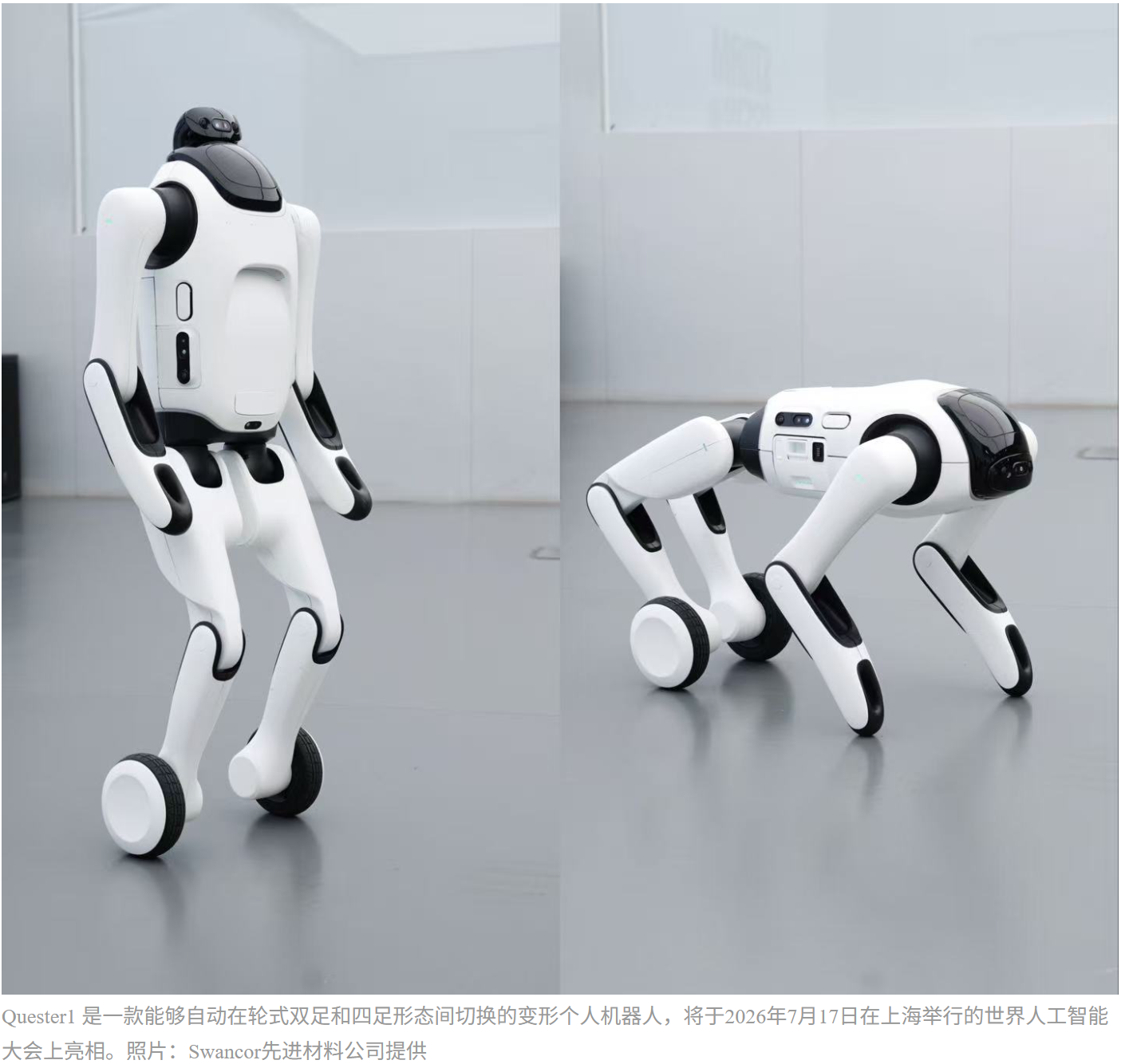
Swancor Advanced Materials to Launch World's First Shape-Shifting Personal Robot at WAIC
Swancor Advanced Materials is set to unveil the Quester1, the world's first shape-shifting personal robot, at the 2026 World Artificial Intelligence Conference (WAIC) on July 17. This innovative robot can automatically switch between bipedal and quadrupedal modes without manual disassembly, showcasing a unique 'transformable cross-modal integration architecture' that enables smooth transitions. The Quester1 is designed for various environments, with its bipedal form ideal for flat surfaces and intricate tasks, while the quadrupedal mode excels in navigating stairs and rough terrain. CEO Tian Hua emphasized that this product aims to redefine personal robotics for consumer markets, marking Swancor's first foray into the consumer robotics sector. As the Quester1 prepares for its debut, it highlights the rapid development of transformable robotics in China. The WAIC will feature over 1,100 companies and more than 300 product launches, indicating a significant shift towards embodied intelligence in robotics. No further timeline was disclosed at the time of publication.
Personal Robots Shape-Shifting Technology AI Robotics Consumer Robotics
Starmind's Satellite Technology Achieves 880 Billion Liters in Annual Water Savings
Starmind has announced that its satellite technology can save approximately 880 billion liters of cooling water annually at full scale. This figure is equivalent to the annual household water use of around 6.5 million Americans. The technology operates by utilizing a closed-loop liquid cooling system that eliminates the need for water during its operational life, contrasting sharply with traditional ground data centers that consume vast amounts of water for cooling. The significance of this achievement lies in the growing water consumption crisis faced by data centers, particularly as AI expansion drives demand. In 2025, U.S. data centers consumed nearly one trillion liters of water, highlighting the urgent need for sustainable solutions. Starmind's approach not only addresses direct water usage but also avoids indirect water consumption associated with electricity generation, marking a substantial shift in how computing can be conducted in a resource-efficient manner. Looking ahead, Starmind's deployment strategy includes a projected buildout of 100 GW of orbital compute per year, which could displace an additional 735 billion liters of ground water demand annually. The first tranche of 10,000 satellites is already operational, offsetting approximately 8.8 billion liters of water per year. No further timeline was disclosed at the time of publication.

SORA-Q: Baseball-sized shape-shifting rover that saved Japan’s SLIM moon mission
A groundbreaking development in robotics has emerged from Japan, where researchers have created a microscopic, shape-shifting robot inspired by children's toys. This innovative technology successfully demonstrated its potential by aiding in the preservation of Japan's rich historical narrative. The robot, which can alter its form and function, was unveiled during a recent scientific conference held in Tokyo. The motivation behind this invention lies in the desire to enhance preservation techniques for cultural artifacts and historical sites, making them more accessible and engaging for future generations. By utilizing advanced materials and engineering principles, the team was able to design a robot that can navigate intricate environments and perform delicate tasks, showcasing its versatility and effectiveness. This achievement not only highlights the intersection of technology and cultural heritage but also opens new avenues for research and application in the field of robotics.
Space
Efort to Showcase Universal Base Technology at WAIC 2026 for Robotics Advancement
Efort's QiZhi will present its Universal Base technology at the WAIC 2026, aiming to enhance the capabilities of robots. The technology focuses on providing a foundational infrastructure that allows robots to learn and perform tasks across various scenarios, addressing the industry's need for a generalized capability rather than just hardware improvements. This initiative is crucial as the robotics sector has seen a significant influx of capital, with funding in the domestic embodied intelligence sector surpassing 93.5 billion yuan in the first half of 2026. However, the industry consensus highlights a gap in data availability and the need for a robust framework to enable effective learning and task execution by robots. Looking ahead, Efort's approach could redefine the landscape of robotics by shifting the focus from hardware specifications to a comprehensive technological foundation. As the industry transitions from demonstration to practical applications, the success of this Universal Base technology will be pivotal in overcoming existing challenges and enhancing the deployment of robots in real-world scenarios. No further timeline was disclosed at the time of publication.
Robotics AI Industrial Automation Machine Learning
Shape-shifting ‘Floaty’ drone uses updrafts for hovering with 90% less power use
A groundbreaking drone technology has emerged, designed to operate without the gravitational constraints faced by traditional multirotor drones. This innovative drone utilizes advanced engineering principles to achieve flight efficiency and stability, potentially revolutionizing aerial applications. Developed by a team of aerospace engineers, the drone aims to address limitations in current drone designs, such as battery life and maneuverability. Set to be unveiled at an upcoming aerospace technology conference in November 2023, the drone showcases a unique propulsion system that allows it to hover and navigate with unprecedented ease. The motivation behind this development stems from the increasing demand for more versatile and efficient drones in various sectors, including delivery services, surveillance, and environmental monitoring. By leveraging cutting-edge materials and design techniques, the engineers have created a prototype that promises to extend flight duration and enhance operational capabilities. As the industry anticipates its debut, experts are eager to explore the implications of this technology on future drone applications and its potential to reshape the landscape of aerial transport.
AI and Robotics
Researchers Create Transformable Flat-to-Shape Objects Using Sewing Technology
Researchers from Carnegie Mellon University's Human Computer Interaction Institute and Robotics Institute have developed an innovative technique for creating functional flat-to-shape objects utilizing a computer-controlled sewing machine. This groundbreaking method, which aims to enhance the versatility of fabric-based designs, was introduced by a team that includes undergraduate student Sapna Tayal, postdoctoral teaching fellow Lea Albaugh, and associate professor James McCann. The research highlights the potential for transforming traditional sewing into a dynamic tool for design and manufacturing, allowing for more complex shapes and functionalities to be achieved through automated processes. This advancement could significantly impact industries ranging from fashion to engineering, as it opens new avenues for the integration of technology in textile production.
Research
‘World’s first’ shapeshifting soft robotic cells that adapt on demand unveiled
London-based startup Morph has unveiled an innovative soft robotics platform aimed at enhancing physical intelligence in various applications. The launch, which took place recently, showcases the company's commitment to advancing robotic technology that can adapt and interact more effectively with its environment. By leveraging cutting-edge materials and design, Morph's platform is designed to improve the functionality and versatility of robots, making them more capable of performing complex tasks in diverse settings. This development is particularly significant as the demand for intelligent robotic solutions continues to grow across industries, including healthcare, manufacturing, and logistics. Morph's approach integrates advanced engineering with user-friendly interfaces, allowing for seamless integration into existing systems. The startup aims to address the challenges faced by traditional robotics, which often struggle with flexibility and adaptability. Through this launch, Morph seeks to position itself as a leader in the soft robotics sector, driving innovation that could transform how robots are utilized in everyday applications.
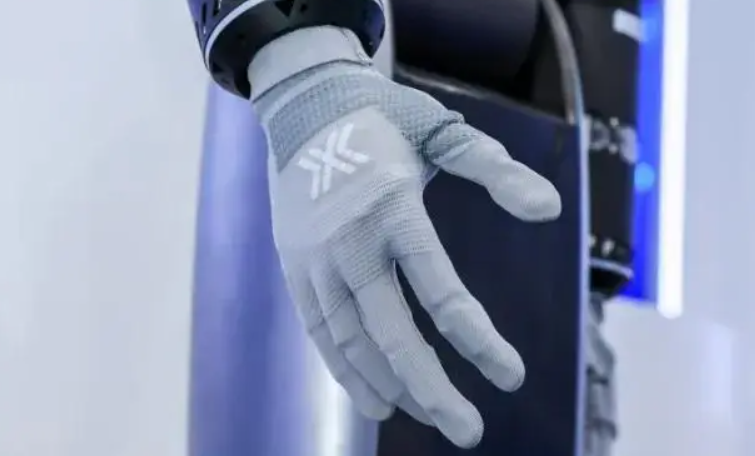
Interview with Yuquan Biomimetic's Hu Zheqi: Deeply Engaging in the Dexterous Hand Sector to Reshape the Humanoid Robot Industry with Core Technology
In a significant development for the humanoid robot industry, Hu Zheqi of Yuquan Biomimetic has unveiled advancements in dexterous hand technology, which are crucial for the commercial success of robotic systems. During a recent presentation, he highlighted the capabilities of the Y-Hand M2 and W-Bot 2.0, both of which feature cutting-edge designs that closely mimic human biomechanics. These innovations aim to improve the performance and reliability of robots in practical applications, addressing a key challenge in the field. The breakthroughs are expected to enhance the functionality of humanoid robots, making them more adaptable for various tasks in everyday environments.
Humanoid Robots Dexterous Hands Biomimetic Technology Robotics Innovation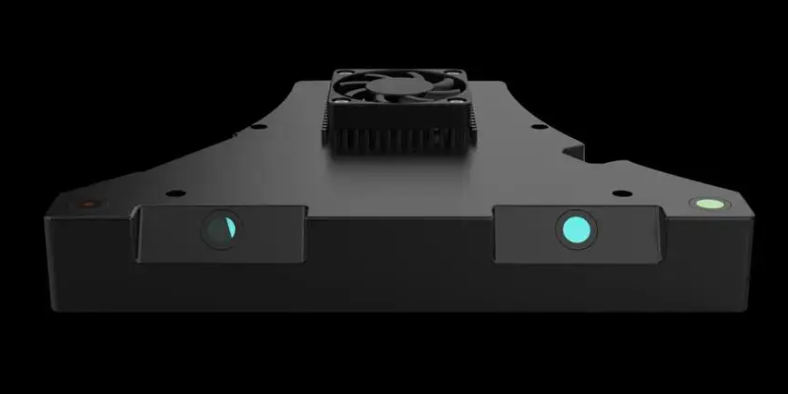
Transforming Embodied Intelligence: Pure Vision Technology Reshapes Navigation in Extreme Environments
Embodied Intelligence is addressing the challenges of navigation in extreme environments where satellite signals are unavailable. The company has introduced a modular pure vision navigation technology that has been successfully validated in 52 real-world scenarios. This innovative solution is set to enhance the operational capabilities of various robotic applications, allowing them to navigate complex terrains more effectively. The development comes at a crucial time as industries increasingly rely on autonomous systems for tasks in remote or signal-deprived locations. By leveraging advanced visual processing techniques, Embodied Intelligence aims to provide reliable navigation solutions that can adapt to diverse operational conditions.
Robotics Navigation Technology AI Autonomous Systems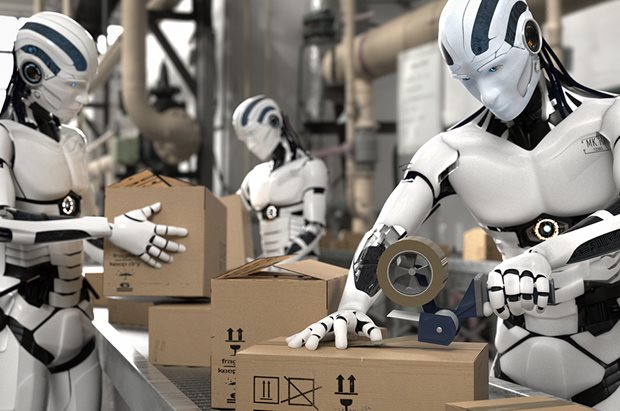
Automation vs autonomy: What will shape the future of battlefield drones?
Recent advancements in drone technology are enabling these unmanned aerial vehicles to operate autonomously, significantly enhancing their effectiveness in various operations. This shift towards autonomy is seen as a crucial development, particularly in military applications, where drones can act as force multipliers on the battlefield. The integration of autonomous capabilities allows drones to make real-time decisions without direct human intervention, although human oversight remains essential for critical kinetic decisions. This balance aims to improve operational efficiency while ensuring safety and accountability. The ongoing evolution of drone technology is expected to reshape strategies in both defense and civilian sectors, with implications for how aerial missions are conducted in the future.
Networks & Digital Warfare Sponsored Post AI cyber security Drones networks
It took 40 years for technology to catch up to this zipper design
MIT Professor Bill Freeman has introduced an innovative fastener known as the "Y-zipper," which is designed to transform gear, robots, and art with ease. This three-sided fastener allows users to snap items into shape at the push of a button, significantly enhancing convenience and functionality. The concept draws inspiration from an old patent held by Freeman, showcasing the potential for advancements in design and technology. The development of the Y-zipper reflects a growing interest in creating user-friendly solutions that streamline the assembly and manipulation of various objects. As this technology gains attention, it could pave the way for new applications across multiple industries.
Research Invention Design Robotics 3-D printing Wearables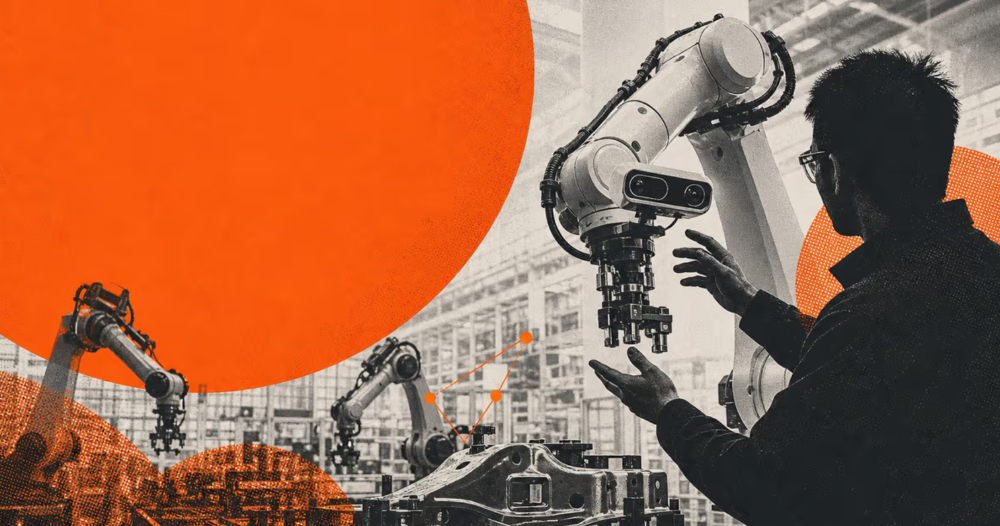
The integration of artificial intelligence and physical robot technology promotes the entry of factory automation into a new era.
The integration of artificial intelligence with physical robotics is ushering in a transformative era for factory automation. This advancement is set to revolutionize manufacturing processes, enhancing efficiency and productivity across various industries. As companies increasingly adopt these technologies, the shift is expected to occur rapidly, with significant developments anticipated in the coming months. The push towards automation is driven by the need for improved operational efficiency, cost reduction, and the ability to meet growing consumer demands. By leveraging AI capabilities, robots can now perform complex tasks with greater precision and adaptability, allowing factories to streamline operations and reduce human error. This evolution in technology not only promises to reshape the manufacturing landscape but also raises questions about the future of the workforce and the skills required in an increasingly automated environment.
Robotics Automation AI
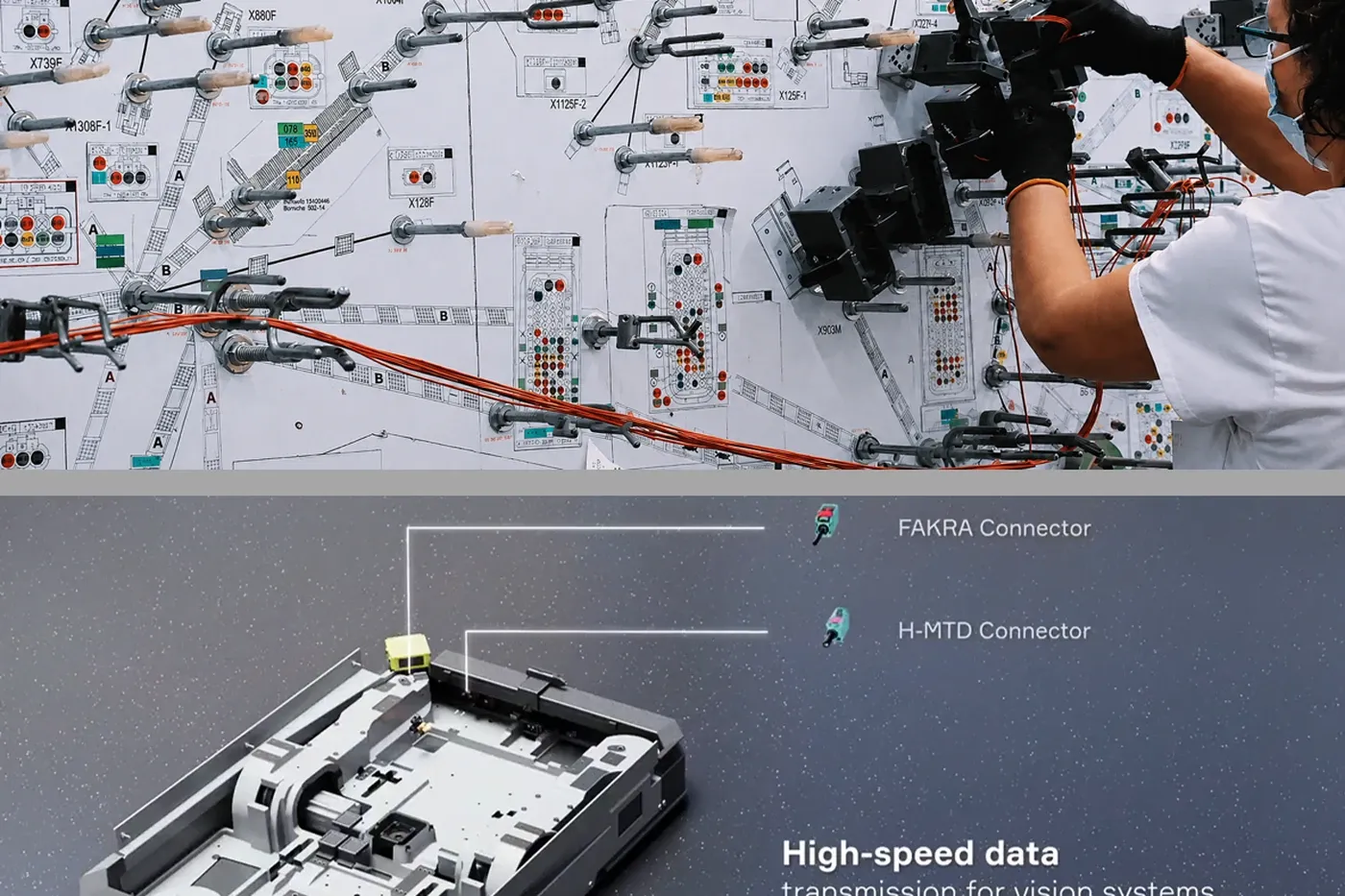
Industry 4.0: putting a spotlight on the connector technology shaping the future
The rapid advancement of Industry 4.0, the Internet of Things (IoT), and intelligent automation is significantly transforming the industrial landscape, impacting various sectors including defense, drone technology, and space connectivity. This evolution is driven by the increasing demand for efficiency and connectivity in industrial operations. As companies seek to leverage these technologies, they are integrating smart systems that enhance productivity and streamline processes. The shift is evident as industries adopt automated solutions to optimize their operations, reduce costs, and improve overall performance. The ongoing developments in these areas are expected to reshape the future of industrial practices, fostering innovation and competitiveness on a global scale.
Partner Content
Arbe Robotics: Impressive Technology, Challenging Financials (Rating Downgraded to Hold)
Arbe Robotics is shifting its focus from sluggish automotive sales to exploring new business verticals, although its revenue remains minimal. The company’s primary automotive contract is with a Chinese Tier-1 supplier for a state-owned OEM, likely linked to FAW's Hongqi Tiangong, with production expected to ramp up by late 2026. However, management has withdrawn guidance on securing additional automotive contracts and is now projecting revenues between $4 million and $6 million for 2026. Despite possessing robust technology and a significant potential market, Arbe's pathway to profitability remains uncertain, and further capital raises may be necessary unless substantial contracts are secured. The company's stock has seen a dramatic decline, plummeting 85% from a strong buy rating of $18 in January 2022 to $1.26. Stephen Tobin, an experienced investor and analyst, has been closely monitoring Arbe Robotics and leads the Strategic Wave Investments group, which focuses on emerging technology investments. He emphasizes a disciplined investment strategy aimed at identifying successful companies while minimizing losses. Despite the challenges facing Arbe, Tobin's firm continues to provide transparency and strategic insights to its members in navigating the evolving landscape of disruptive technologies.
ARBE Stephen Tobin
Launch of 'Robot Kindergarten' Five-Year Plan by HeShan Technology and Richard Sutton
HeShan Technology has announced a collaboration with renowned AI expert Richard Sutton to initiate the 'Robot Kindergarten' project, a five-year research endeavor designed to enhance embodied intelligence in robotics. This innovative initiative aims to create a training platform that enables robots to engage in active learning through real-world interactions, shifting the focus from mere imitation to self-directed learning techniques. The project underscores the growing importance of developing intelligent systems that can adapt and learn autonomously in dynamic environments.
Embodied Intelligence Robotics Research Reinforcement Learning AI Development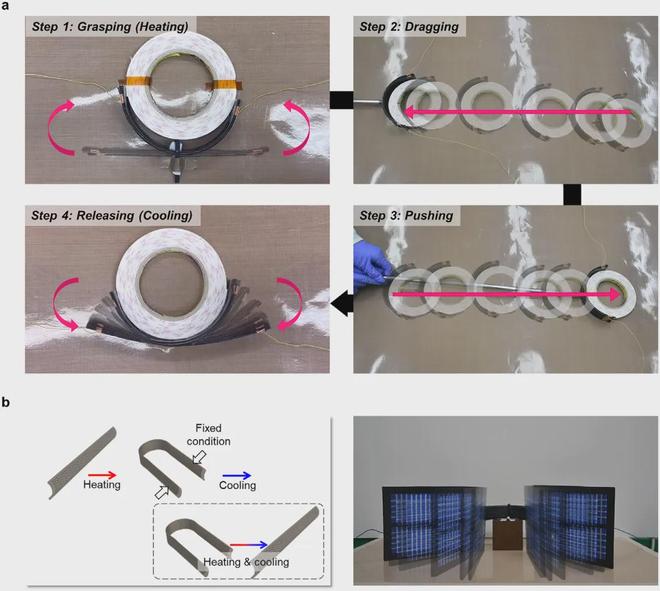
Breakthrough in Shape Memory Alloys: Korean Team Achieves 140° Reversible Deformation in 1 Second
A research team at the Korea Advanced Institute of Science and Technology (KAIST) has unveiled a revolutionary bi-directional shape memory alloy/polymer composite actuator. This new actuator boasts an impressive 82% recovery rate and a deformation range of 140 degrees, significantly improving the functionality of actuators used in robotics and aerospace. The development, which promises to enable rapid and reversible movements, was driven by the need for more efficient and versatile components in advanced technological applications. Researchers achieved this breakthrough through innovative material engineering techniques, positioning the actuator as a potential game-changer in the fields of robotics and aerospace engineering.
Shape Memory Alloys Smart Actuators Robotics Aerospace Technology Material Science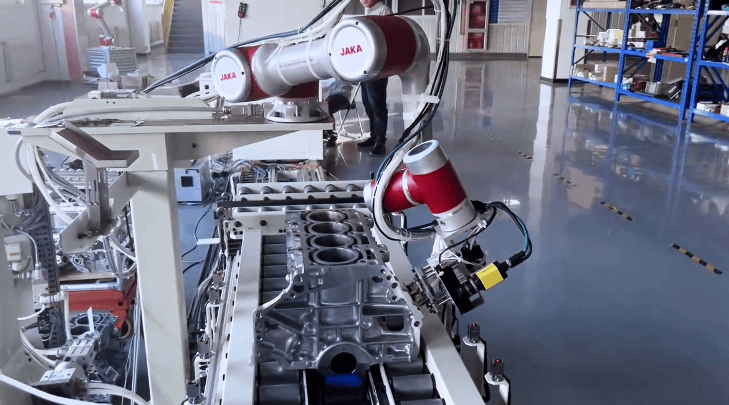
The History and Development of Collaborative Robot Technology
The landscape of robot technology is undergoing a significant transformation, shifting from isolationist industrial automation to a more integrated approach that emphasizes collaboration. Traditionally, industrial robots were powerful machines confined behind barriers, posing safety risks to human workers due to their lack of environmental awareness. However, the introduction of collaborative robots has marked a pivotal change, focusing on safety, flexibility, and shared workspaces. This evolution began in the late 1990s, with early research aimed at creating machines that assist rather than replace humans. Innovations such as power and force limiting (PFL) technology have enabled robots to detect external resistance and respond accordingly. As sensor technology advanced, robots became capable of perceiving their surroundings through sophisticated sensors and vision systems. Modern robotic systems now prioritize user-friendly programming, allowing small manufacturers to implement advanced automation without the need for specialized engineers. This shift has made collaborative robots essential for high-mix, low-volume production environments, where rapid re-tasking is crucial for competitiveness. JAKA Company, established in 2014, is at the forefront of this technological shift. The company’s name reflects its commitment to pushing the boundaries of collaborative robotics. JAKA has developed the A series of robots, designed for high-speed and precision tasks in various industries, including automotive and pharmaceuticals. With a repeatability of ±0.02 mm, these robots ensure high-quality performance in delicate operations. By adopting JAKA's technology, manufacturers can streamline their processes and reduce setup costs, reinforcing the company's mission to empower the future of global manufacturing.

A Day in the Life in Ouachita Parish: Inside a Real-Time Crime Center Where Drones Shape the Response
At the Motorola Solutions Summit 2026, Chief Deputy Larry Knight of the Ouachita Parish Sheriff’s Office discussed the transformative role of aerial intelligence in law enforcement. The integration of drone technology has enabled deputies to respond to incidents with enhanced information and safety. This real-time crime center allows for immediate data collection and analysis, significantly improving the decision-making process from the initial call to the final response. The initiative aims to bolster public safety and operational efficiency in Ouachita Parish, showcasing how innovative technology can reshape policing strategies.
Applications DL Exclusive Drone News Drone News Feeds Featured – Safety and Security News
Slime-like artificial muscle reshapes on command, heals after damage and turns one robot into many
Researchers have unveiled a groundbreaking artificial muscle that transcends the limitations of traditional robots, which typically execute only predetermined tasks after being manufactured. This innovative technology, detailed in a recent study published in Science Advances, boasts the ability to alter its shape in real time, recover from damage, and be reused, marking a significant advancement in robotics. The development aims to enhance the functionality and adaptability of robotic systems, potentially leading to more versatile applications across various fields. By integrating these dynamic capabilities, the researchers hope to pave the way for smarter, more resilient robots that can better respond to changing environments and tasks.
Robotics
Japan Science and Technology Agency Develops NVIDIA-Powered Moonshot Robot for Elderly Care
A groundbreaking advancement in technology is on the verge of emergence, potentially rivaling the smartphone's impact on daily life. The Japan Science and Technology Agency is funding the Moonshot research program, which aims to develop innovative solutions in AI and robotics. This initiative is being propelled forward by NVIDIA, a leader in artificial intelligence and computing technology. While details remain under wraps, experts suggest that this new technology could significantly alter various sectors, although it may come with a higher price tag compared to current devices. The project is expected to push the boundaries of what is possible in technology, promising to deliver transformative tools that could reshape user experiences and interactions in the near future.

Ocean Innovation and Technology Showcase Oceanology International 2026 Opens Registration
Oceanology International 2026 has officially opened visitor registration as of November 18, 2023. This event aims to drive the future ocean economy by providing unique opportunities for business development, networking, and collaboration among industry professionals. Taking place in a yet-to-be-announced location, the conference is expected to attract a diverse range of stakeholders interested in advancing ocean-related technologies and sustainable practices. The initiative underscores the growing importance of the ocean economy and the need for innovative solutions to harness its potential. Participants will have the chance to engage in discussions, share insights, and explore partnerships that could shape the future of ocean industries.
events oceanology international ocean innovation and technology showcase registration open
EVENT: Unmanned Maritime Systems Technology USA Conference 2025
The U.S. Navy is undergoing a significant transformation as it integrates unmanned maritime capabilities into its operations, reflecting a broader shift towards autonomous systems across all military domains. This evolution is driven by the need to enhance operational efficiency and adaptability in modern naval warfare. As of October 2023, the Navy is actively working to incorporate these advanced technologies, which are expected to reshape traditional naval strategies and improve mission effectiveness. The push for these innovations underscores the military's commitment to staying at the forefront of technological advancements in defense.
events unmanned maritime systems technology usa conference
NAIRR Science Program Reshapes Scientific Research, Powered by NVIDIA AI Infrastructure
The U.S. National Science Foundation’s National Artificial Intelligence Research Resource (NAIRR) pilot program has been instrumental in advancing innovative research over the past two years, supporting more than 700 projects across the country. These initiatives cover a wide range of topics, including protein prediction and infectious disease modeling. By providing essential resources and funding, the NAIRR program aims to enhance the capabilities of researchers and institutions in the field of artificial intelligence. This initiative not only fosters collaboration among scientists but also addresses pressing challenges in health and technology, showcasing the potential of AI to drive significant advancements in various sectors.

NIO enhances smart driving education; Ren Shaoqing states innovation will reshape competition.
On June 18, NIO announced the rollout of its latest world model software across multiple vehicle platforms, including eight NT2.0 models, four NT2.5 models, and six NT3.0 models. This update allows NIO to run the same complex autonomous driving code on different generations of chips, addressing a common industry challenge where software updates were often limited to the latest hardware, leaving older vehicle owners at a disadvantage. The initiative stems from a long-term effort by NIO's team, led by Ren Shaoqing, who began exploring solutions in 2020. NIO developed an AI infrastructure that bridges gaps between different chip architectures, enhancing vehicle processing speeds with an AI compiler and automating deployment processes with AI agents. This innovation has significantly reduced deployment times from days to just a couple of hours. NIO's approach includes running the latest models in a "shadow mode" on production vehicles to gather valuable data without interfering with user driving. This data is used to train smarter models, creating a feedback loop that enhances the software's performance. The company has reported a substantial increase in its autonomous driving capabilities, attributing this to a shift in understanding the development cycle of physical AI. As the industry evolves, NIO has restructured its autonomous driving team to focus on foundational research and innovation, positioning itself to leverage advancements in large model technology and closed-loop reinforcement learning. The company aims to enhance its competitive edge by continuously improving its algorithms and data systems, ultimately striving for a more robust autonomous driving experience.

At Cannes Lions, NVIDIA Partners Reshape Advertising and Marketing With AI
The advertising and marketing industry is undergoing a significant transformation as it embraces artificial intelligence (AI) to enhance operational efficiency. With the advent of the digital era, companies have already experienced increased speed in their marketing efforts. Now, as AI technologies continue to evolve, businesses are shifting their focus from merely adopting these innovations to integrating autonomous operations into their strategies. This shift reflects a growing recognition of AI's potential to streamline processes and improve decision-making in advertising. As firms develop next-generation technologies, the imperative to leverage AI effectively is becoming increasingly clear, positioning it as a critical component for future success in the industry.

Wing-shape tests could unlock smoother water-to-air drone launches
Researchers are making significant strides in developing unmanned aerial vehicles (UAVs), or drones, capable of executing the challenging maneuver of transitioning from water to air. This complex task, often performed effortlessly by birds and marine animals like mobula rays, has proven to be a formidable challenge for drone technology. As of October 2023, advancements in engineering and design are being explored to enhance the capabilities of these aerial vehicles, aiming to improve their performance in various applications, including search and rescue missions, environmental monitoring, and recreational use. The ongoing research highlights the potential for drones to operate in diverse environments, ultimately expanding their utility and effectiveness in real-world scenarios.
Robotics
Shape-morphing metamaterials with continuous relearning
In a groundbreaking study published in the May 2026 issue of Science Robotics, researchers from a leading robotics institute have unveiled a new autonomous robotic system designed to assist in disaster response efforts. The innovative technology aims to enhance the efficiency and effectiveness of rescue operations in the aftermath of natural disasters, such as earthquakes and floods. The research team, comprised of experts in robotics and emergency management, conducted extensive field tests in various simulated disaster scenarios to evaluate the robot's capabilities. These tests demonstrated the system's ability to navigate challenging terrains, locate survivors, and deliver essential supplies, significantly reducing response times. The motivation behind this development stems from the increasing frequency and severity of natural disasters worldwide, which necessitate improved response strategies. By integrating advanced artificial intelligence and machine learning algorithms, the robotic system can adapt to dynamic environments and make real-time decisions, ultimately saving lives. The study highlights the potential for collaboration between technology and emergency services, showcasing how robotics can play a crucial role in humanitarian efforts. As the world grapples with the impacts of climate change, this innovation represents a significant step forward in preparing for and responding to future crises.
Editors' Choice
Material Demand Shapes Robot and Drone Manufacturing
Recent research has highlighted the supply risks associated with critical materials necessary for the development of autonomous machines. Conducted by a team of experts in materials science, the study emphasizes the urgent need for sustainable solutions to ensure the continued growth of this emerging technology sector. The findings, released in October 2023, reveal that reliance on certain materials poses significant challenges, potentially hindering innovation and production. To address these concerns, the researchers propose a multifaceted approach that includes innovative techniques for material sourcing and enhanced recycling processes. By focusing on sustainability, the study aims to mitigate supply chain vulnerabilities and promote responsible consumption of resources. The implications of this research are particularly relevant for manufacturers and policymakers in the autonomous technology industry, as they seek to balance the demand for advanced materials with environmental considerations. As the industry evolves, the integration of these strategies could play a crucial role in fostering resilience and ensuring the long-term viability of autonomous machines. The research serves as a call to action for stakeholders to prioritize sustainable practices in material management, ultimately paving the way for a more secure and environmentally friendly future in technology development.

The Game of Speed and Precision: How Estun's Bending Cell Reshapes Sheet Metal Bending Efficiency
Estun has unveiled its latest innovation, the Bending Cell, designed to revolutionize the sheet metal bending process in modern manufacturing. This advanced system utilizes AI-driven offline programming alongside a centralized control mechanism to enhance automation and simplify the programming tasks involved. By addressing the complexities faced by manufacturers today, Estun aims to improve efficiency and productivity within the industry. The introduction of the Bending Cell marks a significant step forward in meeting the evolving demands of manufacturing, showcasing Estun's commitment to leveraging technology for operational excellence.
Sheet Metal Bending Automation Technology AI Solutions Manufacturing Efficiency
Smart Shape-Memory Implants Enable Adaptive Bone Healing Monitoring
A new advancement in medical technology has emerged with the development of Nitinol-based smart implants designed to enhance fracture healing. These innovative implants utilize artificial intelligence for real-time monitoring and provide controlled stimulation to the healing process. This breakthrough, which aims to reduce the reliance on traditional X-ray imaging, is expected to significantly improve recovery outcomes for patients. The smart implants are being introduced as a part of ongoing efforts to integrate advanced technology into orthopedic treatments, offering a more efficient and effective approach to managing fractures. As healthcare continues to evolve, these implants represent a promising step forward in personalized patient care and rehabilitation strategies.
The Shifting Paradigms of Disaster Robotics Three Decades of Research
A recent study published in the Journal of Field Robotics highlights advancements in robotic technology aimed at improving agricultural efficiency. Researchers from a leading university conducted experiments over the past year, focusing on the integration of autonomous robots in crop monitoring and management. The trials took place in various agricultural settings across the Midwest, where the team sought to address the growing challenges of labor shortages and the need for sustainable farming practices. The motivation behind this research stems from the increasing demand for food production and the necessity to optimize resource use in agriculture. By employing cutting-edge robotics, the researchers aimed to demonstrate how these machines can enhance precision in tasks such as planting, watering, and pest control. The study involved deploying multiple robotic prototypes equipped with advanced sensors and AI algorithms to gather data and perform tasks autonomously. Results from the trials indicate that the use of these robots not only improved operational efficiency but also reduced the environmental impact of farming activities. The findings suggest that integrating robotics into agricultural practices could be a viable solution to meet the demands of a growing population while promoting sustainable farming methods. As the agricultural sector continues to evolve, this research paves the way for further innovations in the use of robotics to support food production and resource management.
RESEARCH ARTICLE
KUKA unveils vision for Automation 2.0 as Physical AI reshapes global manufacturing
KUKA Group is spearheading the evolution of industrial automation, introducing its latest initiative, KUKA AMP, at the NVIDIA GTC conference. This event, held recently, showcases the company's commitment to advancing what it terms ‘Automation 2.0.’ By integrating Physical AI into its systems, KUKA aims to enhance the capabilities of industrial automation, making processes more efficient and intelligent. The presentation highlights the potential of this technology to transform manufacturing environments, reflecting KUKA's strategic focus on innovation and adaptation in a rapidly changing industry landscape.

High Contrast & Technology Breakthrough: Behind the Billion-View Phenomenon of 'Hands' Bringing Robots into Everyday Life
Recent advancements in dexterous robotic hands are paving the way for their integration into everyday life, moving from mere demonstrations to practical applications. Experts predict that by 2026, these innovative technologies will see widespread adoption, driven by significant market growth and increasing demand for automation in various sectors. The evolution of these robotic hands showcases their potential to enhance productivity and efficiency, making them a vital component in the future of robotics. As industries continue to explore their capabilities, the impact of dexterous robotic hands is expected to reshape how tasks are performed, ultimately transforming both professional and personal environments.
Dexterous Robots Robotics Technology AI Automation
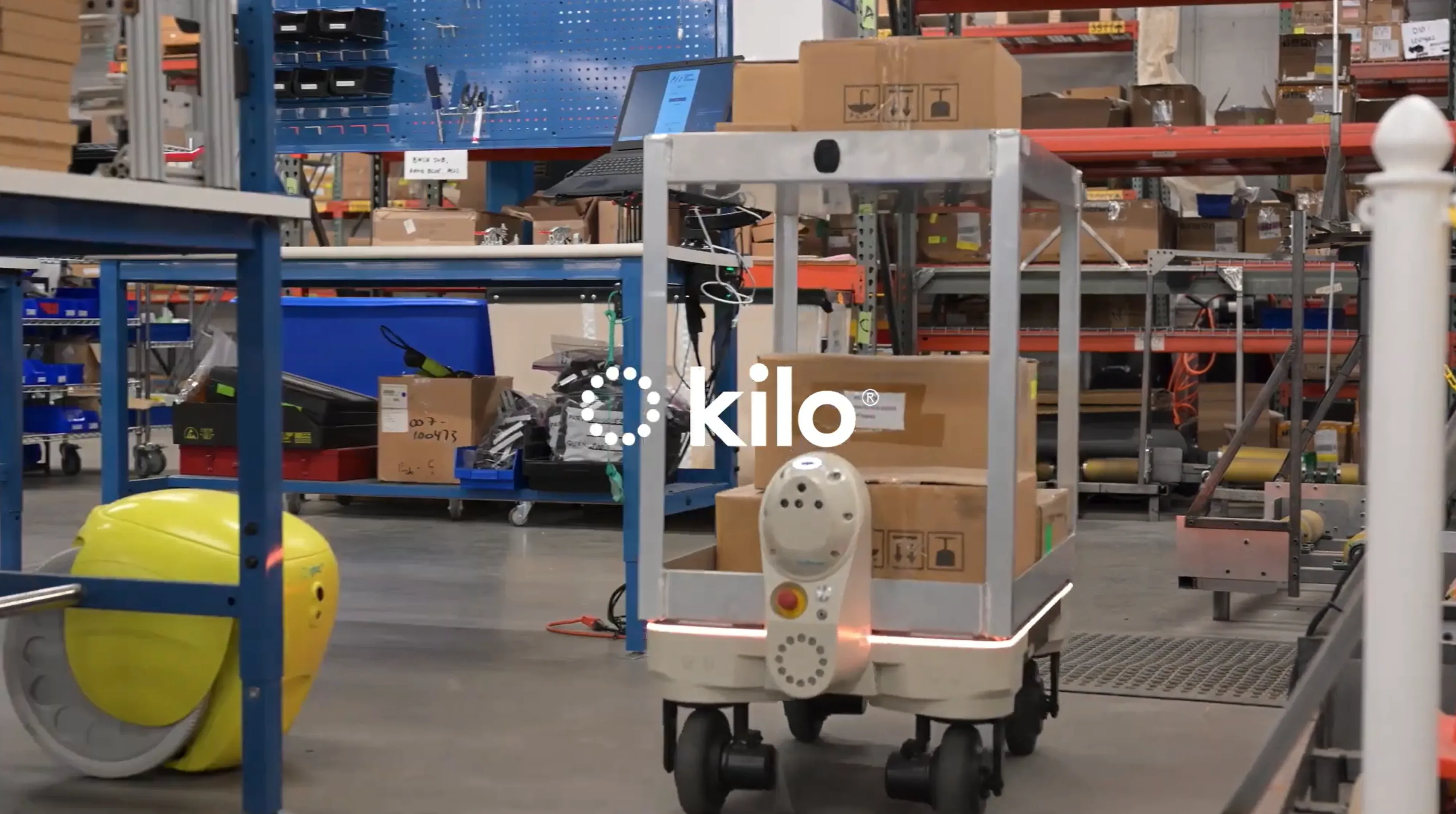
The Path to AI Robots in the Home is Being Shaped in the Warehouse
Recent advancements in warehouse robotics are significantly propelling the development of artificial intelligence (AI) robots for home use. As companies invest in enhancing robotic technology, they are overcoming critical challenges related to safety, perception, and autonomy that have previously hindered the integration of robots into domestic environments. This acceleration in innovation is occurring against the backdrop of increasing consumer demand for smart home solutions, prompting researchers and engineers to focus on creating robots that can effectively navigate and operate within the complexities of everyday home life. By leveraging breakthroughs in machine learning and sensor technology, developers are working to ensure that these robots can perform tasks safely and efficiently, ultimately aiming to enhance the quality of life for users. The ongoing evolution in this field suggests that AI robots may soon become a common feature in households, transforming how people interact with technology in their daily routines.
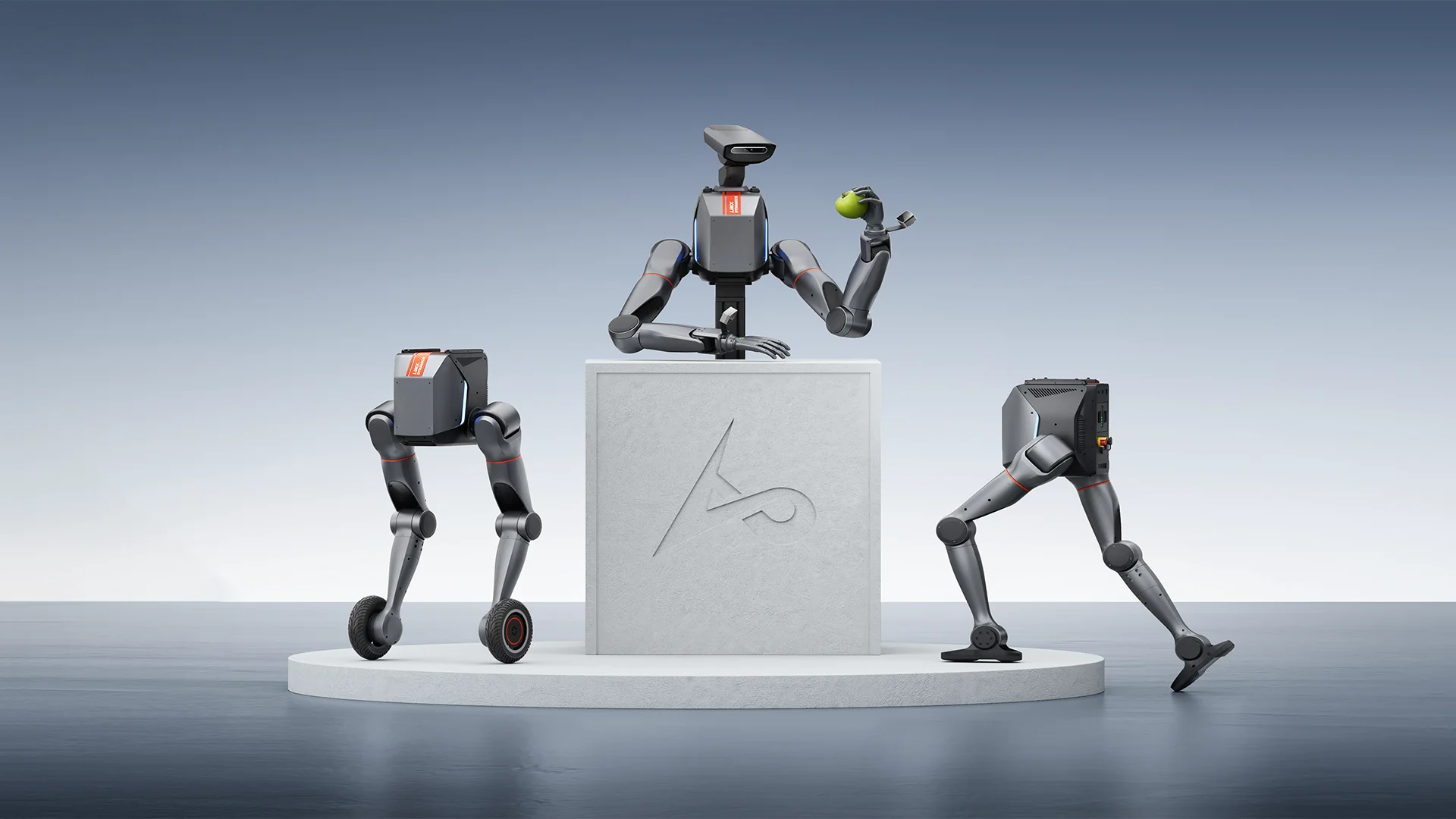
LimX Dynamics Launches TRON 2: A Modular "Shapeshifter" for Embodied AI Research
A robotics firm based in Shenzhen has introduced an innovative 3-in-1 platform designed to serve the education and research sectors. This versatile device can seamlessly transition between a bipedal walker, a wheeled robot, and a stationary dual-arm manipulator. Priced at $25,000, the platform aims to enhance learning and experimentation in various academic and research settings. The launch of this multifunctional robot highlights the company's commitment to advancing educational tools and robotics technology.
LimX Dynamics Tron 2 China
Forum at XIN Summit: AI devices, robotics, and market fit shape Chinese startups’ global expansion
At the XIN Summit held today, prominent experts from Asia's technology and globalization sectors convened to explore strategies for the international expansion of Chinese tech companies. The discussions spanned a wide range of topics, including artificial intelligence devices and robotics, with a focus on markets in Southeast Asia, Europe, and the United States. Speakers, who brought diverse expertise in investment, venture building, crowdfunding, and industrial operations, shared insights and outlined actionable steps for navigating the complexities of global markets. The summit aimed to equip attendees with the knowledge needed to leverage opportunities abroad and address the challenges faced by Chinese firms in their pursuit of growth on the international stage.
Events Content and entertainment E-commerce and New Retail Highlight News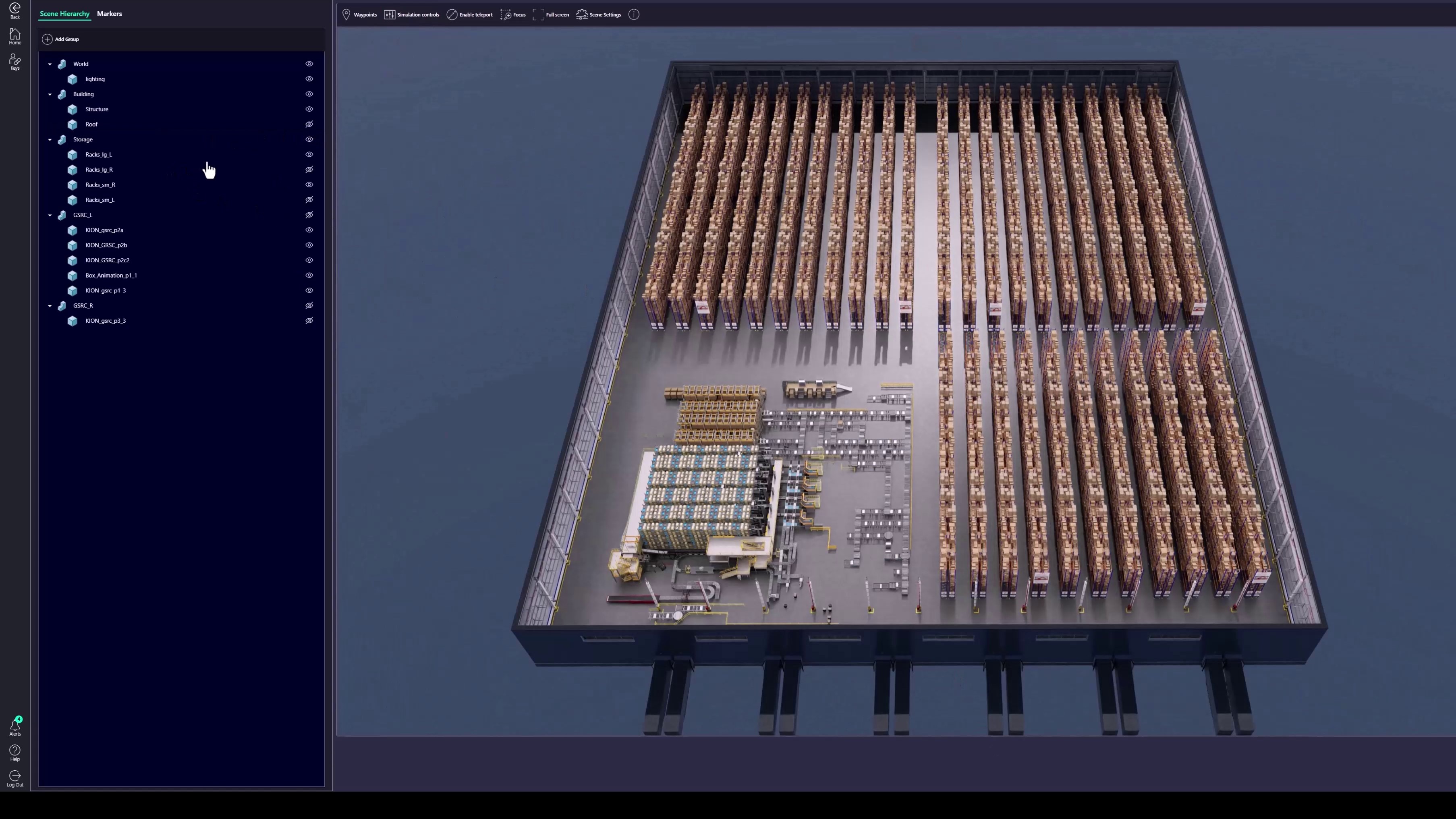
Siemens and KION partner to shape the supply chains of the future
Siemens and KION have announced a strategic partnership aimed at improving supply chain resilience and warehouse efficiency by utilizing advanced artificial intelligence, automation, and simulation technologies. The collaboration will harness Siemens' Digital Twin Composer software to develop digital twins of logistics processes, enabling real-time simulations and optimizations. This initiative is designed to address the growing demand for more efficient and adaptable supply chain solutions in today's dynamic market environment. By integrating these cutting-edge technologies, the partnership seeks to enhance operational performance and responsiveness in logistics operations.
intralogistics supply chain solutions industrial trucks forklift trucks warehouse trucks automation technology
What Makes AI Art Worth Collecting?
In May, an anonymous artist who goes by SHL0MS on X posted that he had used AI to generate an image inspired by Claude Monet and asked people to weigh in on how it missed the mark. More than 600 responses called out issues, saying the colors were off, the depth was all wrong, and that AI didn’t understand how light worked.SHL0MS then revealed that the image was of a real Monet, one of around 250 variations of water lilies the artist had painted in his lifetime. He had simply downloaded a high-resolution image from Wikimedia and cropped out the signature. He minted the exchange as an NFT (a unique digital collectible recording ownership of the work), titled it “Inferior Image,” and sold it for just over US $40,000 after 28 bids.The stunt exposed how charged the conversation around AI art has become, and how quick people are to dismiss anything AI-generated as slop—even when it’s not. Yet even as those arguments continue, a market for AI-generated art has begun to form anyway. It’s fragmented and contested, but bigger than most people realize.Jediwolf, an anonymous collector who says he has spent more than 20 years acquiring digital and AI art, was watching the experiment unfold in real time on X. He had never interacted with SHL0MS before, but when the NFT went up for auction he made a bid and won. “I was buying a unique moment in time,” he says, “captured by an artist and preserved as a token.”The Monet was not AI art, but most of what Jediwolf buys is. One of Jediwolf’s digital collections, which he calls UnderTheGAN—a play on GANs, or generative adversarial networks, the AI technology that preceded today’s diffusion models—comprises roughly 100 works valued at around $72,000, focused on early AI art from 2015 to 2020, before the medium went mainstream. He describes his role as part collector, part researcher, part curator, trying to document a fast-moving field.“A decade ago, digital art was often treated as peripheral to the ‘serious’ art world,” he says. “Today, it is increasingly difficult to separate contemporary culture from the internet.”AI Art Moves Into MuseumsThe market for AI art extends beyond NFTs: AI-generated pieces are also finding their way into physical installations. Last month saw the opening of Dataland, the world’s first generative AI museum, in downtown Los Angeles. It was spearheaded by Refik Anadol, a digital artist who has built a career out of transforming data into large-scale immersive experiences. The opening exhibition has pieces that use data that Anadol collected from rainforests around the world, with real-time weather information from 16 rainforests feeding into all five galleries. In three of the rooms, the imagery also shifts in response to visitors’ own biometric data, tracked by bracelets they wear. Like any museum it sells tickets, ranging from $49 to $79, and has a gift shop. This shop, however, uses visitors’ biometric data collected during their visit to generate a unique design printed on a T-shirt. For $15,000, a robotic painting system called Qualia creates a one-of-a-kind canvas from that same data, painted once a day, with a waiting list already forming. A founding collection of 1,000 AI data sculptures that evolve based on environmental data from global rainforests sold out in 34 minutes at $5,000 each.The system running it all, which Anadol calls the Large Nature Model, was trained on more than 500 million nature images representing 2.2 million species, gathered through field expeditions to 16 rainforests and partnerships with institutions including the Smithsonian and the Cornell Lab of Ornithology.For Anadol, AI art requires a different kind of transparency than any medium that came before it. Because commercial AI tools have shaped how most people understand the technology, artists working with it seriously have to be more open about their process than painters or photographers ever did.“For AI art, we have to know where the data comes from, we have to know which model is trained and how it’s trained,” he says. “We can’t just think about authenticity and uniqueness if a service and product is the fundamental layer of the artwork.”The reviews for Dataland have mostly been positive, with one critic calling it the Citizen Kane of immersive experiences. But Anadol is used to a more divided reception. His 2022 installation at MoMA—a 7-by-7-meter screen of AI-generated fluid forms with shifting colors and sounds—drew 3 million visitors and entered the permanent collection, even as New York Magazine called it “a massive techno lava lamp.” Anadol sees the skepticism as nothing new, just the latest version of a resistance that has greeted all new media. “Every art form has gone through similar cycles of denial,” he says. “We are living in a renaissance that started 10 years ago, and I just don’t think everyone is aware of it yet.”Who Is Buying AI Art?The broader market data points in multiple directions at once. According to the Art Basel and UBS Art Market Report 2026, digital art’s share of sales nearly tripled between 2024 and 2025, and just over half of all fine art collectors surveyed had purchased a digital artwork in 2025, making it the third most popular category after painting and sculpture (the report does not break out AI art specifically).Meanwhile, Christie’s shuttered its pioneering digital art department in September, folding digital works back into its broader contemporary sales after none of its dedicated auctions broke $400,000.The most data-rich window into buyer behavior comes from a less glamorous corner of the market. After one major stock image platform allowed AI-generated images, monthly sales jumped 80 percent, according to Samuel Goldberg, an economist at Stanford Graduate School of Business who published a research paper about the shift. Traditional contributors began leaving the platform as generative images flooded in, and creators using AI tools rushed to fill the gap. “It looks like consumers like generative AI,” Goldberg says, “and it seems like nongenerative artists could be getting crowded out of the market.” Stock images are essentially a commodity version of art, according to Goldberg, and because image-generating models are already very good at producing them, what’s happening there may be a preview of what’s coming for other creative goods markets—including fine arts—as the technology improves.Artists are typically among the first to test the limits of a new technology; early adopters have created AI art since the 1970s. What’s new now is the ability for anyone to generate an image in seconds with a text prompt. That, according to Christiane Paul, curator of digital art at the Whitney Museum of American Art, is not the same thing at all. What fills those stock-image platforms, and what most people encounter when they think of AI art, does not qualify as art.True AI art, Paul says, is a subcategory of digital art that uses artificial intelligence as both a tool and a medium, engaging with it practically and conceptually, doing things like training custom models, building extensions, and layering control systems. “A visual created by a prompt is not art,” she says. What serious AI artists are actually doing is much more than typing a few words into DALL-E.Far from the shortcut most people assume, working seriously with AI as an artistic medium is, by her account, brutally hard. Every artist she talks to says the same thing. “It is much, much harder than a paintbrush to handle,” she says. “You are literally communicating with a system with a completely different logic.”Thanks to bubblemaps.io for its research assistance on the NFT market.
Ai-art Generative-ai Digital-art Blockchain
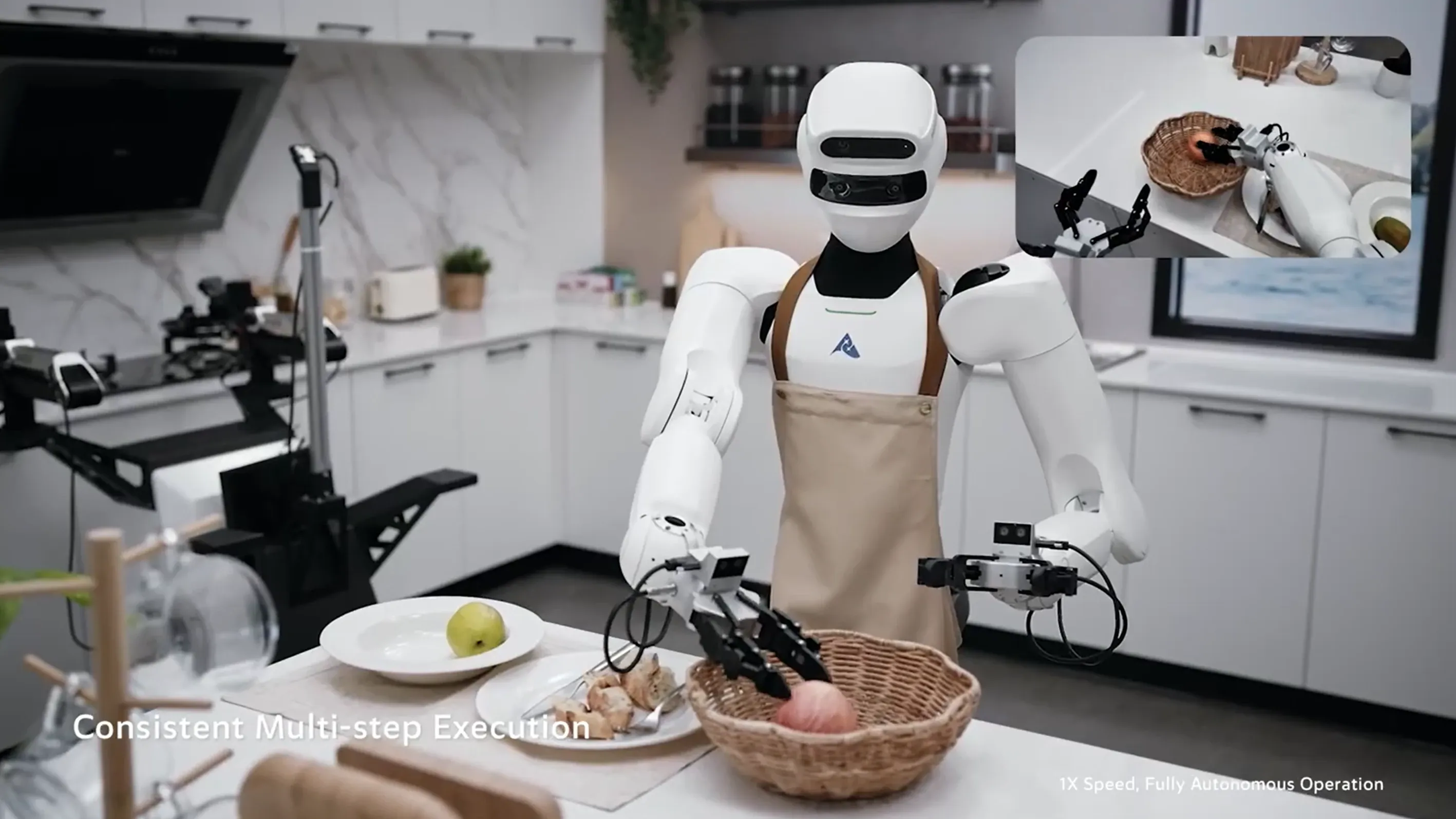
Three-armed Sashimi-Bot learns to slice and serve fish like a pro
A new three-armed robot has been developed to assist with the challenging task of cutting fish into bite-sized pieces, addressing a significant hurdle in culinary robotics. Unlike traditional robots that excel at handling rigid objects, this innovative machine is designed to manage the complexities of slippery and shape-shifting materials like fish. The robot's advanced capabilities allow it to adapt to the changing form of the fish during both handling and slicing, making it a valuable tool for chefs and home cooks alike. This breakthrough in robotic technology aims to enhance efficiency and precision in food preparation, reflecting ongoing advancements in automation within the culinary industry.
Robotics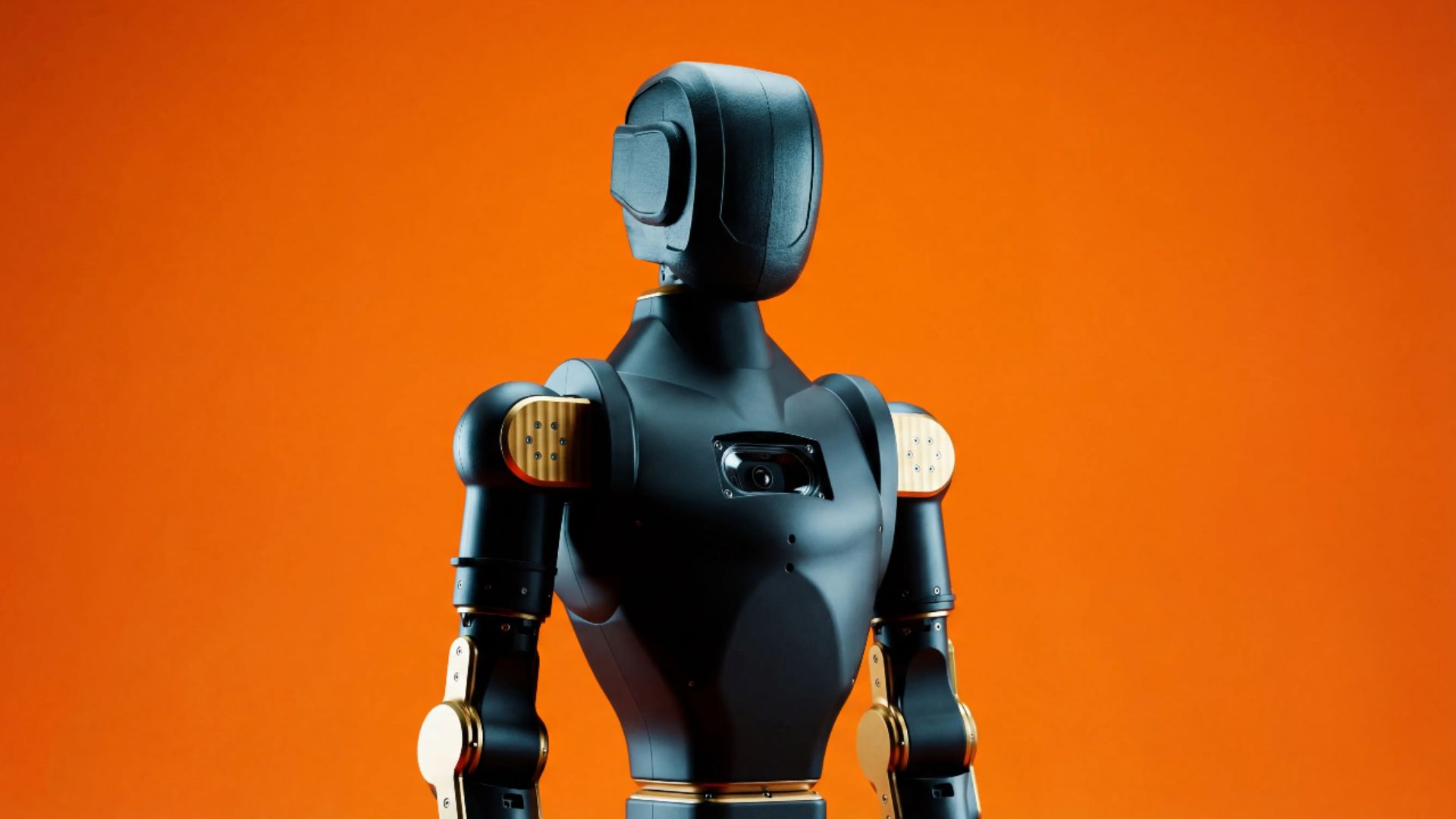
Affordable humanoid robot kit at $15,000 pushes advanced robotics into public hands
The development of humanoid robots is increasingly shifting from confidential corporate laboratories to public demonstrations and collaborations. Major technology companies and startups are unveiling their advancements in robotics at various industry events and exhibitions, showcasing their latest prototypes and capabilities. This transition is occurring in 2023, as organizations aim to attract investment and public interest in the burgeoning field of robotics. The motivation behind this shift is to accelerate innovation and foster partnerships that can enhance the functionality and integration of humanoid robots into everyday life. By engaging with the public and potential investors, these companies hope to highlight the practical applications of their technologies, ranging from healthcare assistance to customer service. Demonstrations often involve live interactions with the robots, allowing audiences to witness their abilities in real-time. This hands-on approach not only showcases the robots' advanced features but also addresses public curiosity and concerns about the future of human-robot interaction. As the race to develop humanoid robots intensifies, the industry is poised for significant advancements that could reshape various sectors and redefine the relationship between humans and machines.

From RTX to Spark: NVIDIA Accelerates Gemma 4 for Local Agentic AI
A new wave of on-device artificial intelligence is being propelled by open models, which are shifting innovation from the cloud to everyday devices. This advancement is significant as it allows for the integration of local, real-time context, enabling these models to generate meaningful insights that enhance user experiences. As technology evolves, the reliance on immediate data from users' environments is becoming crucial for maximizing the effectiveness of AI applications. This trend marks a pivotal moment in the development of AI, as it seeks to provide more personalized and responsive solutions directly on devices, rather than solely through cloud-based systems. The implications of this shift are expected to reshape how consumers interact with technology in their daily lives.

House FY27 NDAA Signals Drones Have Become Core Military Infrastructure
The House Armed Services Committee is shifting its focus regarding military drones, emphasizing the establishment of standards, training, doctrine, and sustainment necessary for integrating unmanned systems into the core infrastructure of the U.S. military. This strategic move comes after years of congressional discussions primarily centered on procurement and supply chain security. The committee's proposal signals a significant transition in how the military views and utilizes drone technology, aiming to make these systems a permanent fixture within its operations. This change reflects a growing recognition of the importance of drones in modern warfare and military strategy.
Applications Defense defense DL Exclusive Drone News Drone News Feeds
How Automation Professionals Are Future-Proofing Their Wealth
A sense of unease is permeating the technology sector as employees grapple with the implications of automation on their job security. This anxiety, while not openly discussed in meetings or performance reviews, is increasingly evident among workers who have dedicated years to mastering automation tools. As companies navigate layoffs, model updates, and organizational changes, many are beginning to question whether their skills in automation might ultimately render them redundant. This growing concern reflects a broader apprehension about the future of work in an industry that is rapidly evolving due to technological advancements. The situation highlights the need for professionals to adapt and consider new roles as automation continues to reshape the landscape of employment in tech.
Automation Business Technology ai artificial intelligence automation news
Commemorating 70 Years of Artificial Intelligence
Artificial intelligence (AI), a transformative technology of the 21st century, is reshaping various aspects of life and has seen unprecedented adoption rates since its formal establishment in 1956 at the Dartmouth Summer Research Project. Pioneers like John McCarthy and Marvin Minsky introduced the concept, envisioning machines that could simulate human intelligence. Over the past 70 years, AI has evolved significantly, impacting fields such as business, education, healthcare, and military applications. The journey of AI has been marked by innovation and setbacks, including periods known as "AI winters," where interest and funding waned. However, a resurgence in the 2010s, driven by advances in deep learning and generative AI, has led to the development of sophisticated systems like ChatGPT, which was publicly released in 2022. This evolution has enabled AI to perform cognitive tasks at unprecedented speeds, automate processes, and enhance creativity. Despite its advantages, AI poses significant risks, including biased outputs, privacy concerns, and the potential for misinformation. The IEEE has played a crucial role in guiding AI's development, promoting ethical standards, and fostering research through publications and conferences. As AI continues to advance, the focus remains on ensuring it is human-centered and beneficial for society, emphasizing the need for responsible governance and informed decision-making. The future of AI will depend on the choices made today, as the technology's trajectory is shaped by collective actions and ethical considerations.
Type-ti Ieee-history Artificial-intelligence Ai History-of-technology
How Kodiak uses AI and probabilistic risk assessment to measure autonomous trucking safety
Recent advancements in artificial intelligence are significantly accelerating the development of autonomous driving technology, allowing engineers to innovate at an unprecedented pace. However, the critical challenge remains ensuring that these advancements are paired with robust safety measures. Industry experts emphasize that achieving depth and rigor in safety protocols does not necessarily depend on having the largest budgets or the most extensive vehicle fleets. Instead, the focus is shifting towards extracting precise insights from data to enhance safety standards. As the industry moves forward, the integration of rigorous safety assessments with cutting-edge technology will be essential for the successful deployment of autonomous vehicles on public roads.
Autonomous Vehicles Computing Features Software ai safety automation news
Pentagon may ‘sacrifice’ traditional weapons to buy more drones if reconciliation fails: CTO
In a recent discussion, Emil Michael emphasized the ongoing debate within defense sectors regarding the allocation of resources toward military technology. He highlighted the critical trade-offs being made between investing in advanced weaponry and systems versus developing low-cost autonomous weapons. This conversation reflects a broader trend as nations reassess their military strategies and budgets in light of evolving warfare dynamics. The dialogue underscores the necessity for defense planners to carefully consider the implications of their choices, particularly as they navigate the complexities of modern combat and technological advancements. Michael's remarks shed light on the strategic decisions that could shape future military capabilities and the balance of power on the global stage.
Congress Networks & Digital Warfare Pentagon AI & Autonomy artificial intelligence AI cyber security
What Comes After China? Ukraine’s Growing Role in the U.S. Drone Industry
As the U.S. government emphasizes the need for secure drone supply chains, Ukraine is emerging as a key player in this evolving landscape. Recent reports reveal that Ukraine is seeking White House approval for a significant drone production agreement with the United States. Ukrainian President Volodymyr Zelensky has highlighted the potential of this partnership, which could reshape the dynamics of drone manufacturing and supply. This initiative comes amid increasing collaboration between U.S. and Ukrainian entities, suggesting a shift towards a new model of defense cooperation. The agreement aims to bolster both nations' capabilities in drone technology, reflecting a strategic response to global security challenges.
Applications Defense defense Drone News Drone News Feeds Feature 1
The biggest industry, training hurdles for making drone wingman a reality
In a recent video, experts examined the evolving dynamics of manned-unmanned teaming in military operations, highlighting anticipated shifts for defense manufacturers as the United States increasingly integrates drones into combat scenarios. This analysis comes at a pivotal moment when the U.S. military is actively seeking to enhance its operational capabilities through advanced drone technology. The discussion focuses on how these partnerships between manned aircraft and unmanned systems could reshape defense strategies and manufacturing processes. As the demand for sophisticated drone capabilities grows, manufacturers will need to adapt to new technological requirements and operational frameworks to remain competitive in the defense sector. The insights shared in the video underscore the importance of innovation and collaboration in modern warfare, reflecting a broader trend towards automation and enhanced aerial support in military engagements.
Air Warfare Naval Warfare Pentagon Air Force collaborative combat aircraft Drones
How the US, allies and adversaries see the future of drone wingmen
The third installment of a video series examining manned-unmanned teaming highlights the evolution of this concept within the US defense industry and its adoption by military forces worldwide. The video explores the advancements in technology and strategic thinking that have shaped the integration of manned and unmanned systems, emphasizing the collaborative potential these partnerships offer in modern warfare. Released in October 2023, the series aims to inform military professionals and policymakers about the ongoing developments and implications of this innovative approach to defense operations. By showcasing various case studies and expert insights, the video underscores the necessity of adapting to new technologies to enhance operational effectiveness and maintain a competitive edge in global military engagements.
Air Warfare Naval Warfare Pentagon Air Force Asia collaborative combat aircraft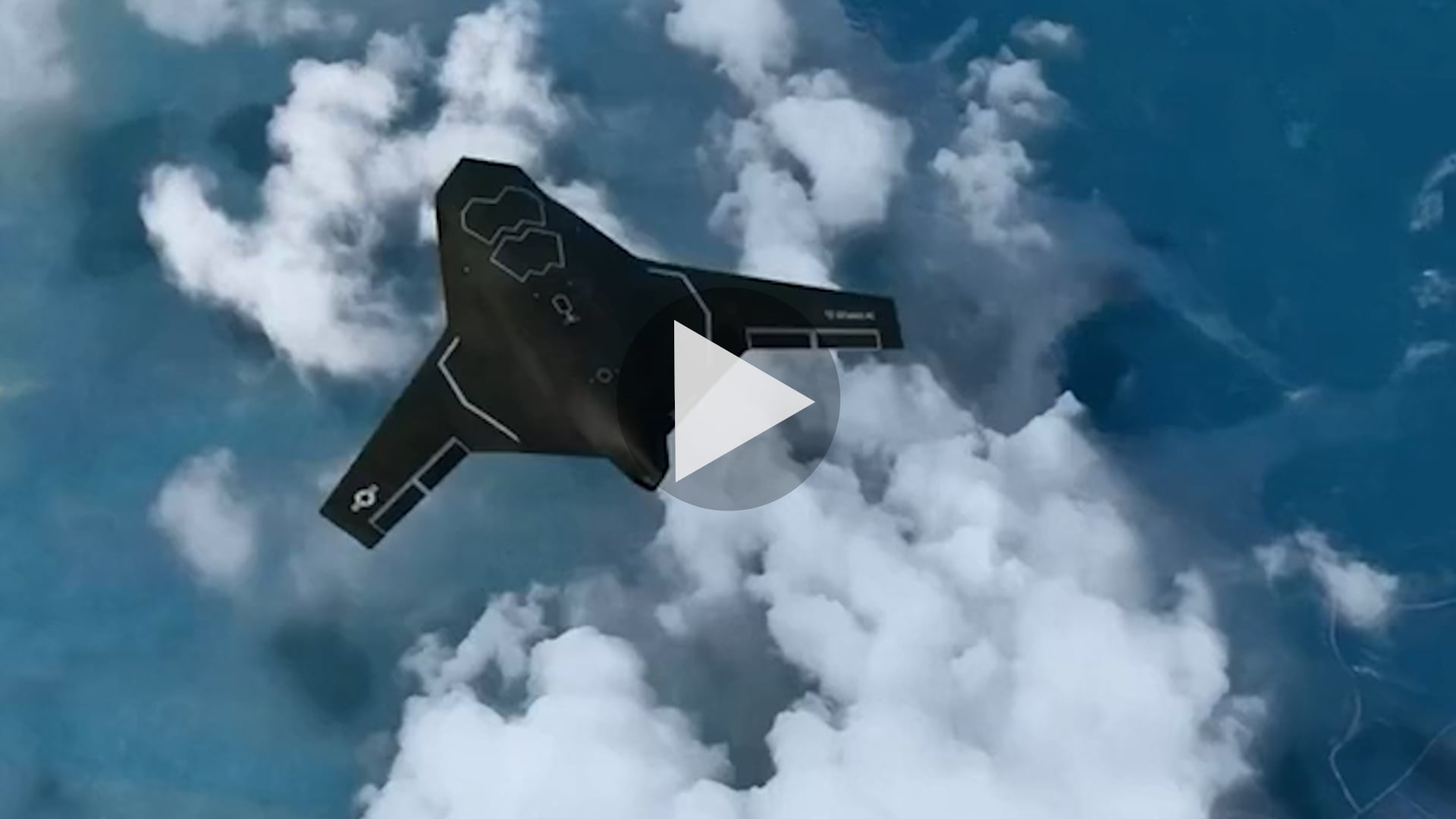
Why loyal wingman drones may be the future of global airpower
Breaking Defense has unveiled a new video series that delves into the concept of manned-unmanned teaming and its implications for the future of military aviation. This initiative aims to explore the integration of human pilots with unmanned systems, highlighting advancements in technology and operational strategies. The series is set to provide insights into how these collaborations can enhance mission effectiveness and reshape aerial combat dynamics. By addressing the evolving landscape of military aviation, Breaking Defense seeks to inform and engage audiences on the critical developments in this field. The launch of the series comes at a time when defense sectors are increasingly focusing on innovative solutions to meet modern warfare challenges.
Air Warfare Pentagon Air Force collaborative combat aircraft Drones Future Airpower RoundtableRobotics needs a service framework.
RSF defines a common language for robot service capability, lifecycle operations, certification pathways, and service-provider networks.