Industry Briefing
A single destination for timely, editor-curated robotics news from around the world.
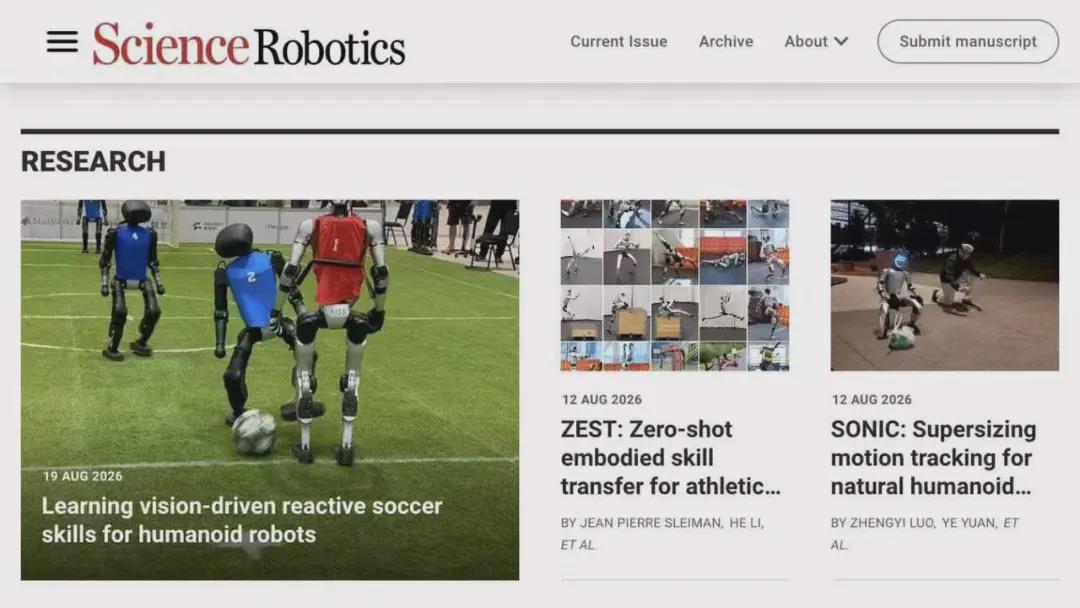
Tsinghua University Team Unveils Soccer-Playing Humanoid Robot in Science Robotics
On August 19, a team led by Professor Zhao Mingguo from Tsinghua University's Department of Automation published a paper in Science Robotics titled "Learning Vision-Driven Reactive Soccer Skills for Humanoid Robots." The research introduces a unified perception-motion reinforcement learning framework that enables a humanoid robot, known as Booster, to autonomously locate and kick a soccer ball without relying on external positioning or motion capture systems. This development is significant as it addresses the challenges of dynamic environments where visual perception is often unreliable. Traditional robotic soccer systems typically follow a modular pipeline, which can amplify errors due to perception noise and delays. The new framework allows the robot to make accurate movements even under imperfect visual conditions, marking a notable advancement in the field of robotics. Looking ahead, the implications of this research could extend to various applications in robotics, particularly in environments where visual feedback is compromised. The paper's publication in a prestigious journal underscores its importance, and the team’s innovative approach may pave the way for future developments in humanoid robotics and autonomous systems. No further timeline was disclosed at the time of publication.
Humanoid Robots Reinforcement Learning Robotics Research AI Autonomous Systems
RoboScience Unveils REX G1: A Multifunctional Wheeled Humanoid Robot for Diverse Applications
On August 17, RoboScience officially launched the REX G1, a versatile wheeled humanoid robot designed for various operational scenarios. This robot, equipped with RoboScience's proprietary VLOA architecture and Visics model, aims to enhance productivity in logistics, factories, retail, and home environments by executing complete tasks in dynamic, unstructured settings. The significance of REX G1 lies in its ability to integrate mobility and operational capabilities, addressing the limitations of traditional robots that often operate in isolation. With 22 degrees of freedom, REX G1 can perform tasks with high precision, including object handling and positioning, while adapting to existing spatial layouts without requiring modifications. Looking ahead, REX G1's advanced perception and control systems allow it to function effectively in complex environments, reducing reliance on external infrastructure. No further timeline was disclosed at the time of publication.
Humanoid Robots Logistics Automation AI Robotics Warehouse Automation
Autonomous Robots Revolutionizing Polar Science in the Arctic and Antarctic Regions
The British Antarctic Survey reports that autonomous vehicles are significantly transforming polar science. These robots operate beneath Antarctic sea ice, on Greenland glaciers, and in remote areas, gathering crucial data without human operators. Their deployment allows scientists to explore dangerous and inaccessible environments, enhancing research on glaciers, oceans, wildlife, and climate processes. The importance of these autonomous robots lies in their ability to monitor and collect data over extended periods, which was previously unimaginable. Dr. Alex Brearley from the British Antarctic Survey highlights the convenience of controlling these gliders remotely from Cambridge while they operate thousands of miles away in Antarctica. This technology enables researchers to gain insights into complex phenomena like internal tsunamis caused by glacier ice calving. Looking ahead, the continued integration of autonomous vehicles in polar research will likely expand the scope and depth of scientific exploration in these extreme environments. No further timeline was disclosed at the time of publication.
Features Science aerial drones antarctica arctic Autonomous robots
RoboScience launches Visics, a versatile embodied model for cross-ontology, cross-object, and cross-task applications.
On June 24, RoboScience, a company specializing in embodied intelligence, unveiled its self-developed Visics large model, introducing the innovative VLOA (Vision-Language-Object-Action) architecture. This announcement marks a significant advancement in the field, demonstrating the model's applications in real-world scenarios such as furniture assembly, dexterous grasping, and dynamic assembly lines. The current landscape of embodied intelligence lacks a universally accepted foundational representation unit, which hampers data collection, model learning, and the transfer of knowledge to new contexts. Traditionally, models have focused on replicating specific robotic movements tied to particular tasks, limiting their adaptability to new robots, objects, or environments. Founder and CEO Tian Ye highlighted three major challenges in robotic operations: poor generalization, difficulty in precise manipulation, and cumulative errors in long-range tasks. To address these issues, RoboScience has developed a new foundational representation unit from the ground up. The Visics model employs a dual-engine architecture, consisting of an embodied world model and a universal operation model, each operating independently. The embodied world model utilizes vast amounts of internet video data to learn the physical dynamics of objects, while the operation model translates object trajectories into actionable commands for robots. This layered design enhances the model's generalization capabilities across various robotic platforms and tasks. RoboScience's innovative approach also includes a high-precision simulation engine, RoboMirage, which, combined with automated video data annotation, significantly reduces data acquisition costs. The company aims to build a comprehensive dataset of over 1 terabyte of high-quality manipulation trajectories by 2026. Since its inception, RoboScience has garnered support from multiple investors and established research and production centers in major Chinese cities. The company plans to collaborate with various sectors, including retail and logistics, to standardize robotic products for industrial and commercial applications by the end of this year.
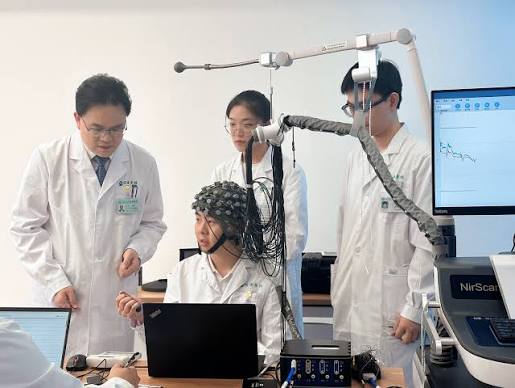
Science Corporation's Retina Chip Receives CE Certification, Pioneering Brain-Computer Interface Advances
In July 2026, Science Corporation's retinal chip achieved CE certification in the EU, marking a significant milestone in brain-computer interface commercialization. While Neuralink continues to address safety concerns for human trials, Science Corporation, founded by a former co-founder, is set to launch its first commercial implants in Germany. This development is crucial as it signifies a shift from theoretical concepts of brain-computer interfaces to practical medical applications. The Prima retinal chip, measuring just 2x2 mm and powered by near-infrared light through smart glasses, has shown promising clinical results, with 84% of patients recovering reading abilities. Looking ahead, 2026 is anticipated to be a pivotal year for brain-computer interfaces, with regulatory frameworks being established in China and significant advancements in both invasive and non-invasive devices. Science Corporation aims to complete dozens of commercial implants this year and targets around 200 next year, with revenue from the Prima chip expected to fund the development of next-generation neural interfaces.
Brain-Computer Interfaces Medical Devices Neurotechnology Clinical Applications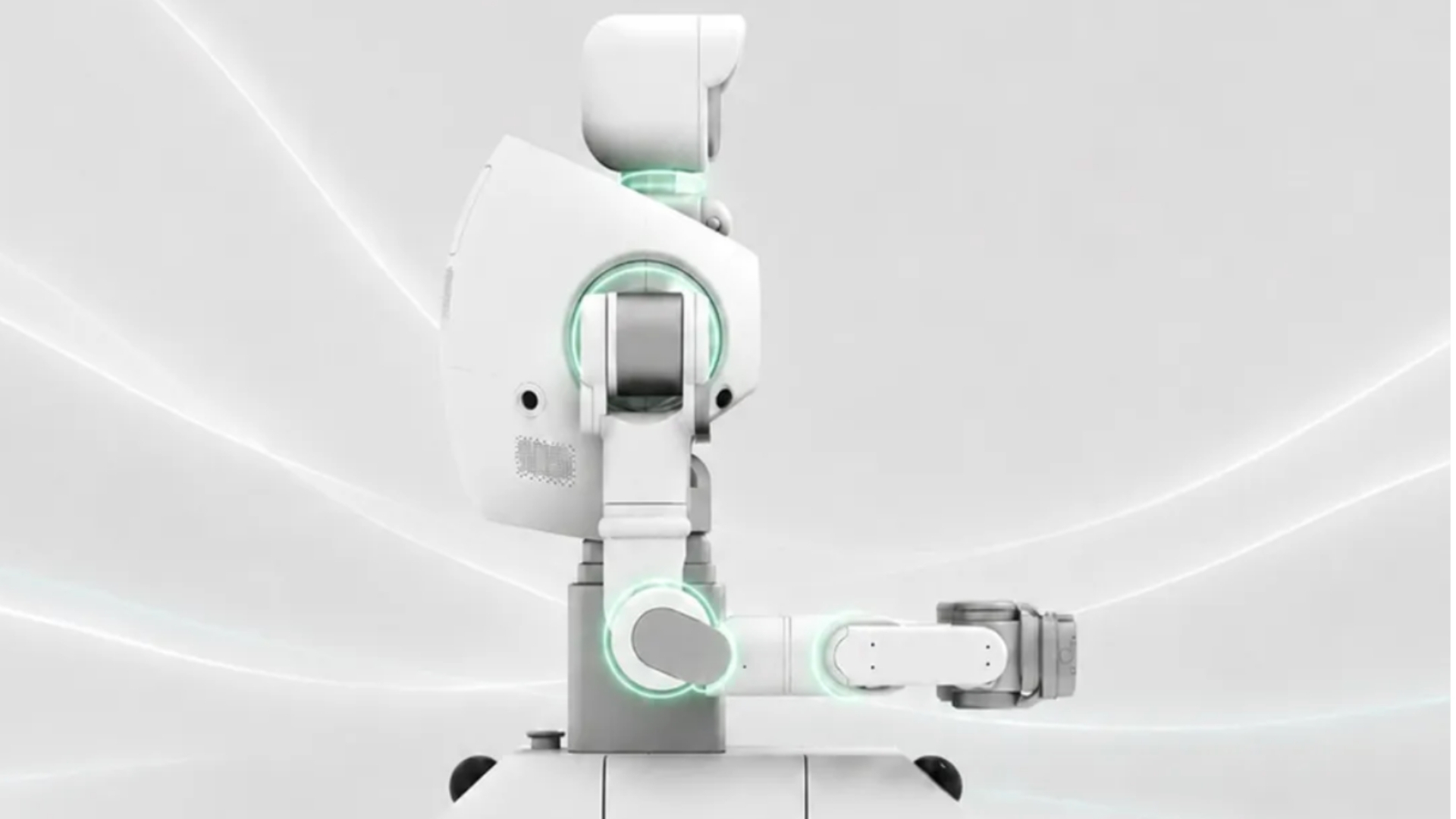
RoboScience Launches REX G1 Humanoid Robot with 22 Degrees of Freedom and Quick Battery Swap
RoboScience, a Beijing-based embodied intelligence company, has unveiled the REX G1 humanoid robot on August 17. Designed for logistics, manufacturing, retail, and domestic use, the REX G1 features 22 degrees of freedom, enabling it to perform complex tasks in dynamic environments. Its capabilities include simultaneous walking, lifting, and grasping, making it versatile for various applications. The introduction of the REX G1 is significant as it addresses the limitations of traditional warehouse robots, which often require modifications to existing facilities. With a design that allows it to navigate through tight spaces and work at various heights, the REX G1 can adapt to current operational setups without the need for extensive changes. This flexibility is crucial for industries looking to enhance efficiency without incurring high costs. Looking ahead, the REX G1's advanced features, including its 360-degree stereo vision and adaptive lighting, will be key to its performance in real-world scenarios. The robot's ability to operate in low-light conditions and its precise repeatability of ±0.1 mm position it as a competitive solution in the robotics market. No further timeline was disclosed at the time of publication.
AI and Robotics
Advancements in Humanoid Locomotion Control Explored in Science Robotics
The article published in Science Robotics discusses the evolution of humanoid locomotion control, highlighting significant advancements in this field. It emphasizes the importance of developing more efficient and adaptable control systems for humanoid robots, which can enhance their functionality in various environments. This evolution is crucial as it addresses the challenges faced by humanoid robots in navigating complex terrains and performing tasks that require agility and balance. Improved locomotion control can lead to better integration of humanoid robots in real-world applications, such as healthcare, service industries, and disaster response. Looking ahead, researchers are expected to focus on refining these control systems further, potentially incorporating artificial intelligence to enhance adaptability. No further timeline was disclosed at the time of publication.
Review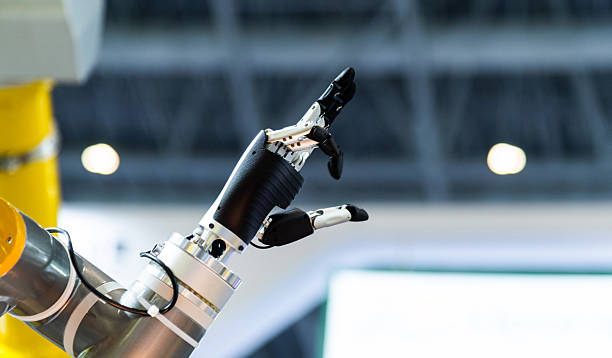
The Future of Humanoid Robots: Fiction or Reality by 2035?
A recent article in Science Robotics explores the potential of humanoid robots by 2035, questioning whether they will remain a concept of fiction or evolve into practical technology. The discussion highlights advancements in robotics and AI that could lead to significant developments in humanoid designs and functionalities. This inquiry is crucial as it addresses the implications of humanoid robots in various sectors, including healthcare, manufacturing, and personal assistance. The evolution of these robots could reshape human-robot interactions and influence workforce dynamics, making it essential for industry stakeholders to understand the trajectory of this technology. As research continues, observers should monitor advancements in AI and robotics that could impact the feasibility of humanoid robots. The timeline leading up to 2035 will be pivotal in determining whether these robots will transition from speculative fiction to integral components of society. No further timeline was disclosed at the time of publication.
Focus
MIT Researcher Develops Gene Therapy for SYNGAP1 Disorder in Children
Shannon Knight, a doctoral student at MIT's McGovern Institute for Brain Research, is developing a novel gene therapy targeting SYNGAP1 haploinsufficiency, a rare genetic disorder causing childhood-onset epilepsy. This condition arises from a mutation in the SYNGAP1 gene, leading to severe seizures and developmental challenges in affected children. The significance of Knight's work lies in its potential to address the root cause of medication-resistant seizures, moving beyond current symptom management strategies. By utilizing CRISPR technology, Knight aims to create a therapeutic solution that could significantly improve the quality of life for children suffering from this debilitating disorder. Looking ahead, Knight's research is in the early testing phases, with promising results observed in mice models. The project is supported by the Rare Brain Disorders Nexus, an MIT initiative set to accelerate research in this area, with hopes of obtaining FDA approval and initiating clinical trials in the future. No further timeline was disclosed at the time of publication.
Profile Students Graduate, postdoctoral Brain and cognitive sciences Medicine Neuroscience
MIT Chosen to Lead New NSF Materials Research Science and Engineering Center
The National Science Foundation (NSF) has appointed MIT to establish and lead a new Materials Research Science and Engineering Center (MRSEC) dedicated to advancing materials technologies for medical imaging, sustainable metals production, and next-generation semiconductors. The center is expected to receive $18 million in funding over six years, uniting 16 research groups from nine departments across four institutions, including five MIT departments and three collaborating universities. This initiative is significant as it aims to enhance medical diagnostics through improved X-ray detectors, which could lead to better cancer detection and reduced radiation exposure. Additionally, the center will investigate high-temperature sulfur-based molten materials to innovate metal and semiconductor production, potentially increasing efficiency and access to critical materials. The funding will also support a shared laboratory for testing magnetic materials under extreme conditions, available to both academic and industry users. Looking ahead, the MRSEC is part of a broader $108 million NSF investment in six research centers exploring various scientific challenges. The center builds on nearly 60 years of interdisciplinary materials research at MIT, fostering collaboration across disciplines to address complex issues in materials science and engineering. No further timeline was disclosed at the time of publication.
Research Funding Materials science and engineering Chemistry Physics Earth and atmospheric sciences
Honor Robot Phone Collaborates with ARRI for Advanced Cinematography Features
Honor has unveiled its AiMAGE imaging technology in collaboration with ARRI, featuring an 8-axis CPA stabilization system and a 3-axis gimbal. This innovative setup is designed to enhance mobile cinematography, providing users with Hollywood-grade video capabilities. The partnership with ARRI is significant as it integrates high-end cinematography features into a mobile device, including a custom Yuguang H1 ISP that operates at 18.8 TOPS/W. This advancement is expected to elevate the quality of mobile video production, making professional-grade tools more accessible to creators. Looking ahead, the introduction of master shot video generation on the Robot Phone will be a key feature to watch. No further timeline was disclosed at the time of publication.
Technology
Multimodal Robotics Inspired by Biological Systems Explored in Science Robotics
The latest issue of Science Robotics, Volume 11, Issue 116, published in July 2026, delves into the advancements in bioinspired multimodal robotics. This research highlights how biological systems can inform the design and functionality of robotic systems, leading to more versatile and adaptive technologies. The significance of this research lies in its potential to enhance robotic capabilities by mimicking the diverse modalities found in nature. By studying biological organisms, engineers can develop robots that are not only more efficient but also capable of performing complex tasks across various environments, which is crucial for applications in fields such as search and rescue, agriculture, and environmental monitoring. Looking ahead, the ongoing exploration of bioinspired designs in robotics will likely lead to innovative solutions that address current limitations in robotic performance. No further timeline was disclosed at the time of publication.
Review
Bristol Myers Squibb Launches Advanced AI Factory with NVIDIA Vera Rubin Technology
Bristol Myers Squibb (BMS) has announced the deployment of its second NVIDIA DGX SuperPOD, featuring eight DGX Vera Rubin NVL72 systems. This new AI cluster is touted as the most powerful and energy-efficient in the life sciences sector, significantly enhancing researchers' access to AI capabilities. BMS aims to democratize AI access among its scientists, allowing for faster drug discovery processes without the constraints of resource limitations. The introduction of this advanced AI infrastructure is crucial for BMS as it seeks to translate AI capabilities into measurable impacts in drug discovery. The new system will facilitate a unified AI platform, including the NVIDIA BioNeMo Agent Toolkit, which will streamline predictions and model training across the drug discovery pipeline. BMS has already seen substantial benefits from its existing DGX SuperPOD, including significant time savings in target identification and the expansion of its library of CELMoD compounds. Looking ahead, BMS is focused on leveraging AI to optimize lead discovery and enhance the efficiency of laboratory experiments. The new system is expected to alleviate current computational bottlenecks and support large-scale predictions. As BMS continues to innovate in the AI space, it emphasizes the importance of making advanced technology accessible to scientists to drive impactful research outcomes. No further timeline was disclosed at the time of publication.

RoboScience Unveils First Cloud-Based Large Model for Robotics at WAIC
At the WAIC, RoboScience showcased a groundbreaking cloud-based embodied large model named Visics, capable of controlling multiple robotic hands. This innovation allows for seamless switching between different robotic hands while maintaining operational efficiency, demonstrating the ability to recognize and grasp various objects autonomously within 30 seconds. The significance of this development lies in its potential to revolutionize robotic operations across diverse applications. By enabling a single model to adapt to various hand configurations, Visics enhances the versatility of robotic systems, allowing them to perform complex tasks without the need for extensive retraining when hardware changes occur. Looking ahead, the industry will be keen to observe how Visics performs in real-world scenarios and its ability to execute long-term tasks by integrating multiple actions. No further timeline was disclosed at the time of publication.
Robotics Cloud Computing AI Automation Object Recognition
International Research Team Embarks on Greenland Expedition to Study Melting Glaciers
An international team of researchers is set to begin a six-week expedition in Greenland on July 16, 2026, to investigate the rapid melting of fjord glaciers and its implications for the Atlantic Ocean. The study aims to assess how this melting contributes to potential climate tipping points, particularly affecting ocean currents. The research is part of a five-year project called GIANT, led by the British Antarctic Survey (BAS) and funded by the Advanced Research + Invention Agency (ARIA). The team will utilize advanced technologies, including drones, marine robots, and sensors, to gather data that will enhance predictions regarding the future of Greenland's glaciers and their environmental impact. As the expedition unfolds, attention will be focused on the effects of Greenland's melting ice on the North Atlantic Subpolar Gyre and the Atlantic Meridional Overturning Circulation (AMOC). Dr. Kelly Hogan from BAS emphasizes the significance of modern tools in exploring glacier-ocean interactions, highlighting the urgency of understanding these changes as they may occur within decades.
rrs sir david attenborough glaciers melting fjord glaciers climate change giant (greenland ice sheet to atlantic tipping points british antarctic survey (bas)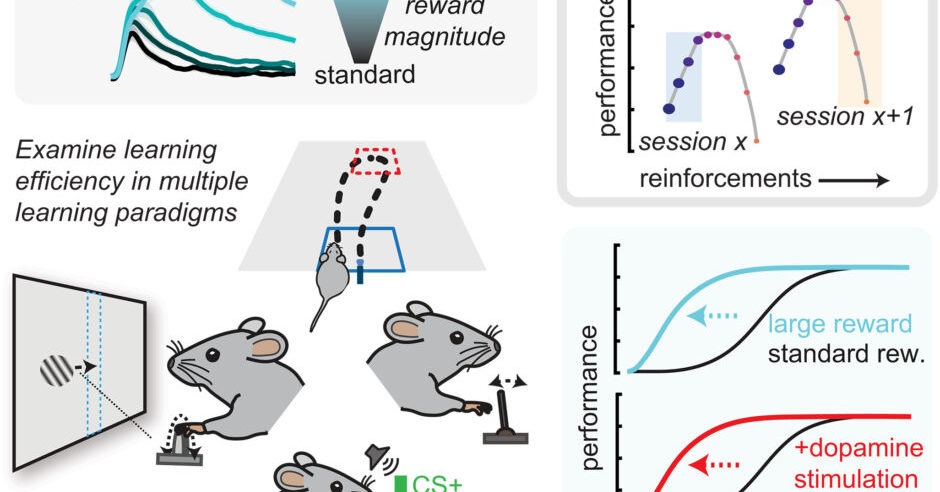
Research Reveals Reward Magnitude Enhances Learning Efficiency in Mice
A study published in Science by researchers from the Howard Hughes Medical Institute demonstrates that the magnitude of rewards significantly influences learning speed. Mice receiving larger rewards completed complex tasks, such as navigation and decision-making, in fewer trials compared to those receiving standard rewards. This finding is crucial as it suggests that learning efficiency is not solely dependent on practice quantity but rather on the size of the rewards. The study indicates that larger rewards lead to prolonged dopamine release in the brain, enhancing motivation and retention of learned tasks. Future research may focus on how these insights can be applied to improve learning strategies in various fields, including education and behavioral training. No further timeline was disclosed at the time of publication.
Beijing AI for Science Labs Launch Autonomous Robotic Scientists for Material Discovery
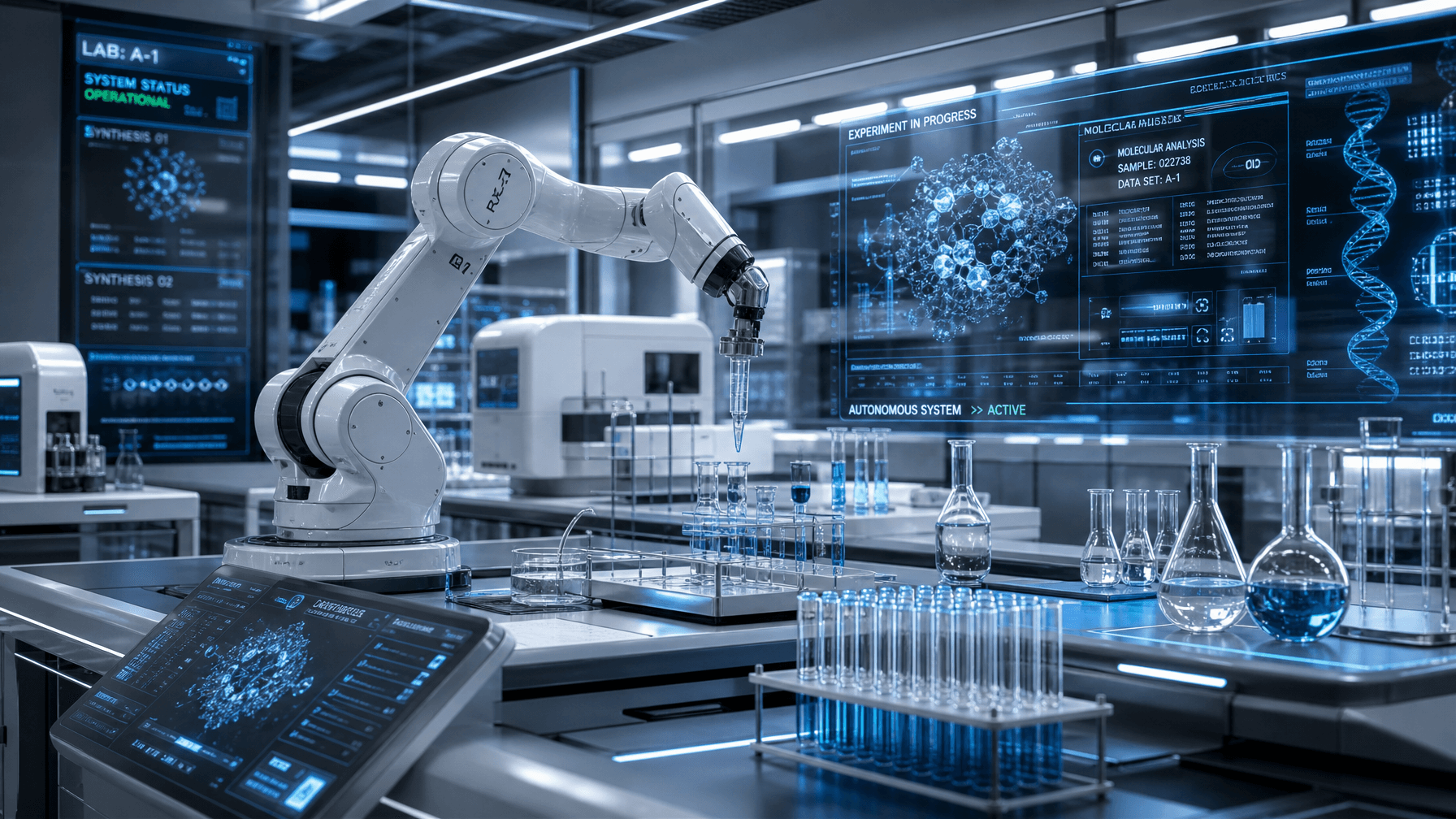
Beijing AI for Science labs have introduced autonomous robotic scientists that can design experiments, collect data, and discover new materials within a rapid timeframe of 20 seconds. This deployment represents a significant advancement in the capabilities of AI in scientific research, particularly in material science. The introduction of these robotic scientists is crucial as it signifies a paradigm shift in research methodologies, allowing for faster and more efficient experimentation. By automating the design and data collection processes, researchers can focus on higher-level analysis and innovation, potentially accelerating the pace of scientific discovery. Looking ahead, the impact of these robotic scientists on the research landscape will be closely monitored. The labs have not disclosed further timelines for additional capabilities or expansions, but the initial deployment marks a pivotal moment in the integration of AI and robotics in scientific exploration.
Technology
NVIDIA BioNeMo Agent Toolkit Brings Accelerated AI to Life Sciences Researchers in Claude Science
NVIDIA is at the forefront of a transformative shift in the life sciences sector, leveraging over a decade of expertise in developing a comprehensive GPU-accelerated computing stack. This stack includes hardware, frameworks, libraries, models, microservices, and specialized tools designed to enhance computational capabilities in biological research and healthcare. The company's advancements are aimed at addressing the growing demand for sophisticated data analysis and processing in life sciences, which has increasingly relied on computational power to drive innovation and discovery. As of October 2023, NVIDIA's initiatives are set to revolutionize how researchers and healthcare professionals utilize technology, ultimately improving outcomes in various applications from drug discovery to personalized medicine.

"Connecting Cognition and Execution through Object Trajectories, RoboScience Machine Science Releases Embodied Large Model Visics"
RoboScience Machine Science has announced the release of its latest innovation, Embodied Large Model Visics, aimed at bridging the gap between cognitive processes and physical execution through the analysis of object trajectories. This development, unveiled in October 2023, seeks to enhance the understanding of how cognitive functions can inform and improve robotic movements and interactions with the environment. By integrating advanced modeling techniques with real-time data on object trajectories, the new system promises to refine robotic capabilities in various applications, from manufacturing to autonomous navigation. The initiative reflects a growing interest in the intersection of cognitive science and robotics, highlighting the potential for more intuitive and responsive robotic systems.
Robotics Automation AI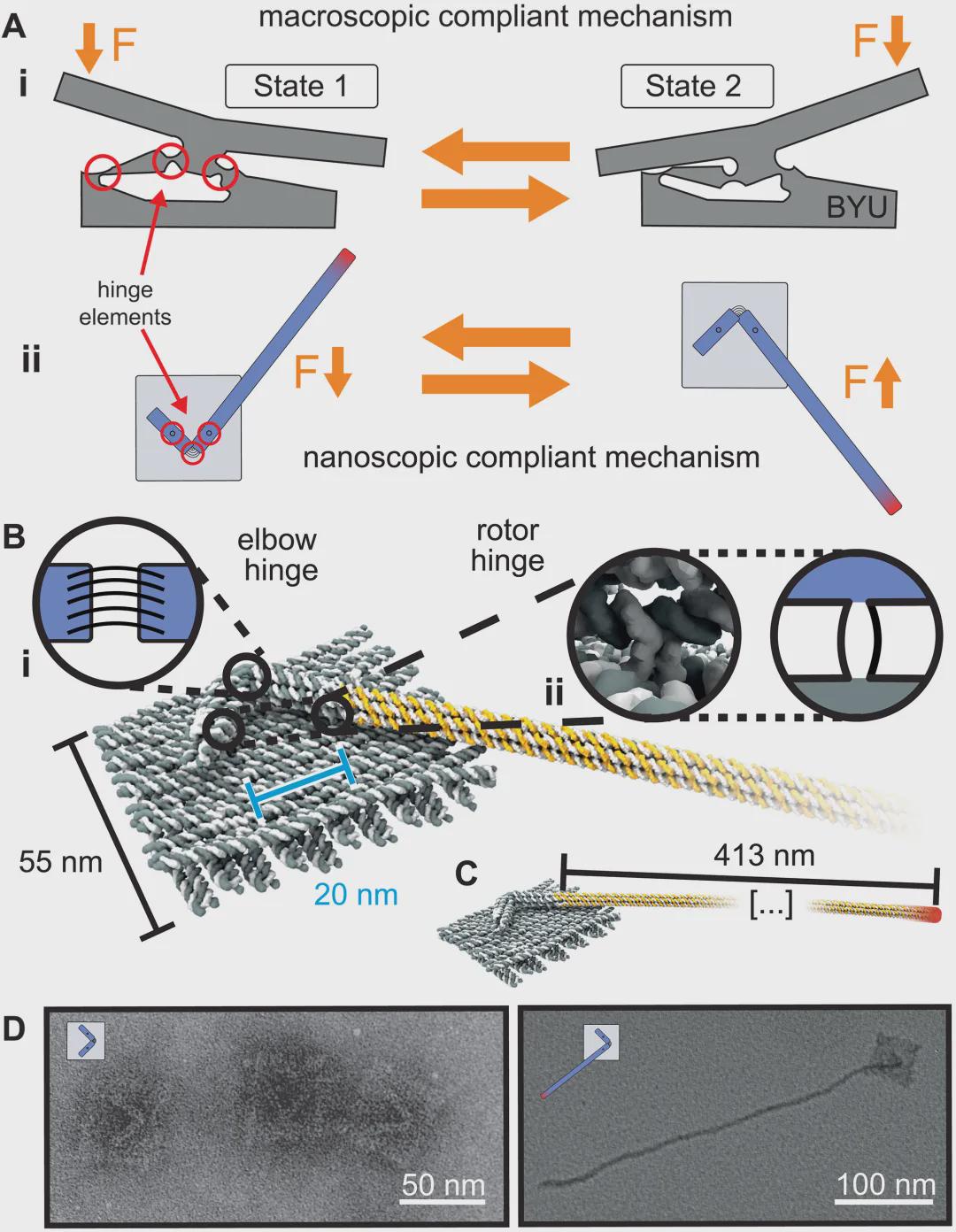
DNA Origami Creates Nanoscale Switch with High Endurance, Featured in Science Robotics
Researchers at the Technical University of Munich have unveiled a groundbreaking DNA origami switch that can undergo more than 190,000 state transitions while maintaining an impressive efficiency of 94%. This innovative nanoscale device operates effectively under electric fields and is capable of retaining its state even when power is turned off. The development of this switch represents a significant advancement in the use of DNA as a durable engineering material for nanoscale applications, positioning it as a potential key component in the future design of nanorobots. The study underscores the versatility and robustness of DNA in engineering, paving the way for new technological possibilities in nanotechnology.
DNA Nanotechnology Nanoscale Devices Robotics Biomolecular Engineering
"Featured in Science, a New Biomimetic Approach! Soft Actuators for Minimally Invasive Autonomous Tumor Removal"
Researchers have introduced a groundbreaking biomimetic approach for minimally invasive tumor removal, as detailed in a recent publication in the journal Science. This innovative method utilizes soft actuators designed to autonomously navigate and eliminate tumors with precision. The study, conducted by a team of scientists, aims to enhance surgical techniques and reduce recovery times for patients undergoing cancer treatment. By mimicking natural movements found in certain organisms, the soft actuators can adapt to various tissue types, ensuring minimal damage to surrounding healthy cells. This advancement represents a significant step forward in the field of medical robotics and could revolutionize how tumors are treated in clinical settings. The research highlights the potential for these soft actuators to transform surgical practices, making them safer and more efficient for patients in need of tumor removal.
Robotics Automation AI
UCF-led virtual experience research accelerator achieves initial milestones for XR science
An international research consortium, spearheaded by the University of Central Florida (UCF), has unveiled two groundbreaking advancements in renewable energy technology. This announcement was made during a press conference held on October 15, 2023, at the UCF campus in Orlando. The consortium, which includes experts from various institutions across the globe, aims to address the urgent need for sustainable energy solutions in response to climate change and rising global energy demands. The first innovation involves a new type of solar panel that significantly increases energy conversion efficiency, making solar power more viable for widespread use. The second breakthrough focuses on an advanced energy storage system that allows for more efficient and reliable storage of renewable energy, addressing one of the key challenges in the transition to sustainable energy sources. These developments are expected to play a crucial role in reducing carbon emissions and promoting the use of clean energy. By leveraging cutting-edge research and collaboration among leading scientists and engineers, the consortium hopes to accelerate the adoption of renewable energy technologies worldwide. The project exemplifies a commitment to innovation and sustainability, aiming to contribute to a greener future for generations to come.
AI and Robotics
RoboScience Unveils Visics, a General-Purpose Embodied AI Model
On June 24, RoboScience, a Beijing-based company specializing in embodied intelligence, launched its new general-purpose embodied AI model, Visics. This innovative model is designed to enhance robotic capabilities by integrating advanced perception and decision-making processes. The unveiling took place in Beijing, showcasing Visics' potential applications across various industries, including healthcare, manufacturing, and service sectors. The development of Visics aims to address the growing demand for intelligent automation solutions that can adapt to complex environments and tasks. By leveraging cutting-edge technology, RoboScience seeks to position itself at the forefront of the AI revolution, offering tools that can significantly improve operational efficiency and effectiveness in diverse applications.
EmbodiedAI
NVIDIA Vera Rubin Delivers World-Class Supercomputers for Science
NVIDIA has unveiled its latest innovation, the NVIDIA Vera Rubin platform, at the ISC High Performance 2026 conference. This new platform is designed to provide cutting-edge supercomputing capabilities specifically for scientific applications. It features native double-precision (FP64) performance, which is crucial for complex calculations in various scientific fields. Additionally, the Vera Rubin platform integrates NVIDIA's CUDA-X™ libraries, enhancing its computational efficiency and versatility. This announcement underscores NVIDIA's commitment to advancing high-performance computing and supporting scientific research through superior technology. The launch event took place during the prominent ISC High Performance conference, highlighting the growing intersection of computing technology and scientific inquiry.

NAIRR Science Program Reshapes Scientific Research, Powered by NVIDIA AI Infrastructure
The U.S. National Science Foundation’s National Artificial Intelligence Research Resource (NAIRR) pilot program has been instrumental in advancing innovative research over the past two years, supporting more than 700 projects across the country. These initiatives cover a wide range of topics, including protein prediction and infectious disease modeling. By providing essential resources and funding, the NAIRR program aims to enhance the capabilities of researchers and institutions in the field of artificial intelligence. This initiative not only fosters collaboration among scientists but also addresses pressing challenges in health and technology, showcasing the potential of AI to drive significant advancements in various sectors.
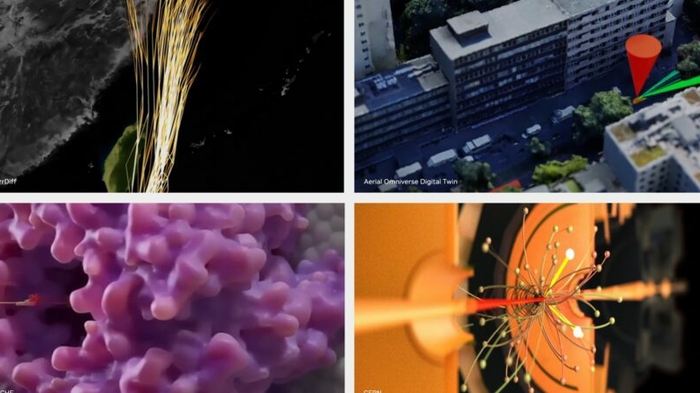
At ISC, JUPITER Shows What Exascale Science Looks Like
Europe's first exascale supercomputer, JUPITER, located at Germany's Forschungszentrum Jülich, has made significant strides over the past year. Powered by NVIDIA Grace Hopper Superchips and utilizing NVIDIA Quantum-X800 InfiniBand networking, JUPITER is positioned at the forefront of high-performance computing. This advanced system is designed to tackle complex scientific challenges and enhance research capabilities across various fields. The supercomputer's development reflects a growing commitment within the international supercomputing community to push the boundaries of technology and innovation. As it continues to operate and evolve, JUPITER aims to facilitate breakthroughs in areas such as climate modeling, artificial intelligence, and medical research, underscoring the vital role of supercomputing in addressing pressing global issues.
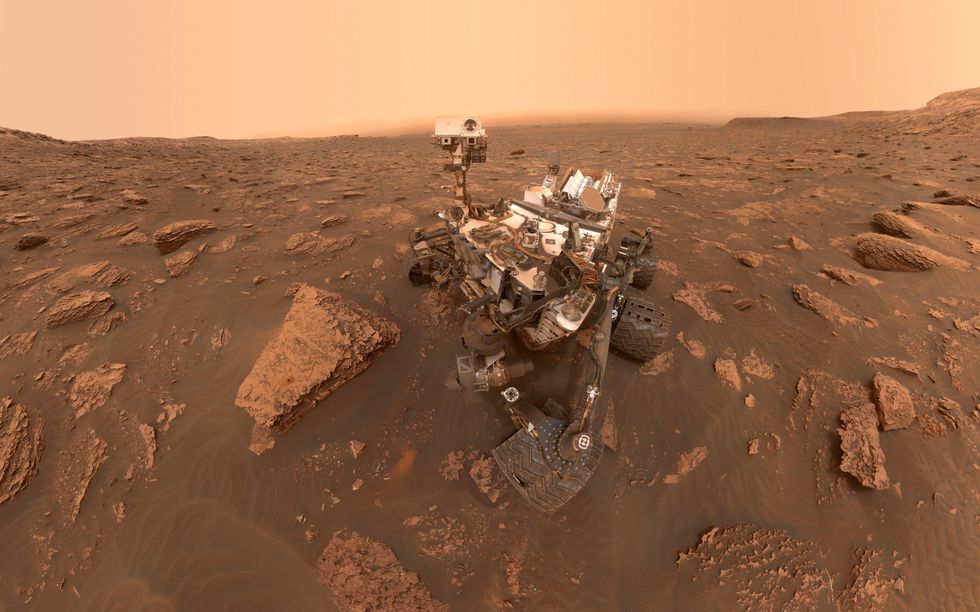
How JPL Keeps the 13-Year-Old Curiosity Rover Doing Science
The Curiosity rover, which has been exploring Mars for 13 years, continues to operate effectively despite the challenges of its hostile environment. Since its successful landing in August 2012 at the Jet Propulsion Laboratory (JPL) in Pasadena, California, Curiosity has traveled nearly 37 kilometers, drilled into 42 rocks, and captured approximately 763,000 images. JPL engineers, including assistant team chief Alexandra Holloway, have implemented ongoing software updates and innovative solutions to keep the rover functional, even as it faces wear and diminishing power. Holloway highlighted the rover's longevity, attributing it to robust engineering and continuous maintenance efforts. While Curiosity and the younger Perseverance rover share similar hardware, Perseverance features additional capabilities for autonomous navigation, reflecting their distinct mission objectives. Curiosity's operational challenges include wheel wear from sharp rocks and power consumption from its nuclear source, which decreases over time. Engineers have developed strategies to optimize power usage, such as reducing computer activation time and parallel processing tasks. Looking ahead, Holloway noted that while Curiosity's arm may eventually fail, the rover still possesses valuable remote sensing instruments that will contribute to future Mars exploration. With its power source expected to remain viable through at least 2035, Curiosity's mission continues to yield significant scientific insights, paving the way for future missions.
Curiosity-rover Mars Jpl
"BioGeometry" secures hundreds of millions in strategic funding to create a "microscopic world model" in life sciences.
AI-native biotechnology company BaiAo Geometry has successfully secured several hundred million yuan in strategic financing, with investments led by the Shanghai Biomedical Innovation Transformation Fund, Guoke Investment, Dacheng Wisdom, and Xinglian Capital, alongside follow-on investments from GaoRong Capital and the Index AI Industry Innovation Fund. The funds will primarily support the ongoing development of their life sciences micro-world model, GeoFlow, and the advancement of their proprietary drug pipeline. Artificial intelligence is rapidly evolving along two main trajectories: digital AI, represented by large language and multimodal models, and physical AI, exemplified by autonomous vehicles and humanoid robots. Life AI is emerging as a promising frontier, a sentiment echoed by leading global investors and scientists. BaiAo Geometry's GeoFlow model, launched in 2024, aims to understand and design molecular interactions at an atomic level, enabling the creation of novel molecules that have never existed in nature. The company has iterated GeoFlow multiple times, achieving significant advancements in protein structure prediction and de novo design capabilities. By applying Test-Time Scaling technology, BaiAo Geometry enhances the success rate of protein designs without the need for extensive retraining. This innovation allows for the rapid generation and optimization of high-affinity binding molecules, significantly reducing the time and cost associated with traditional drug discovery processes. BaiAo Geometry has established over 20 business development collaborations with domestic and international pharmaceutical companies, focusing on high-specificity antibody design and vaccine development. The company is currently working on the next iteration of GeoFlow, which aims to expand modeling from individual molecules to entire molecular systems, further revolutionizing drug development in the biotechnology sector.
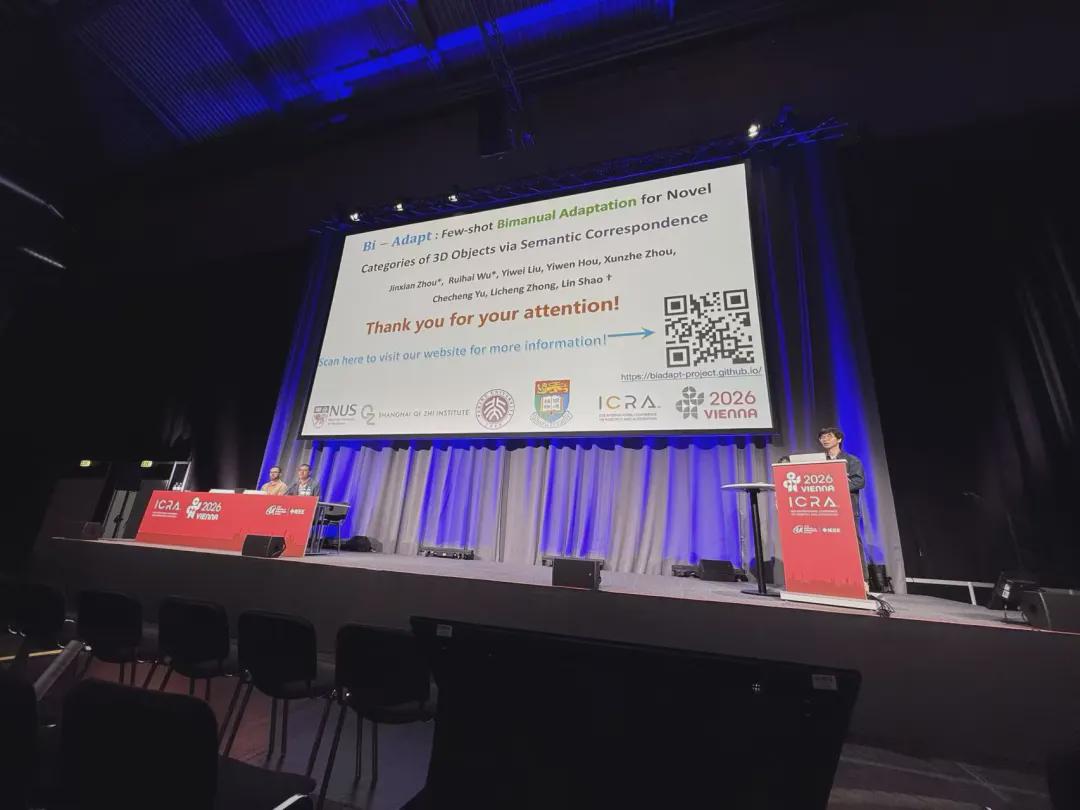
RoboScience Advances Embodied Intelligence Towards the VLOA Era at ICRA
RoboScience is making strides in the field of embodied intelligence with its innovative Vision-Language-Object-Action (VLOA) framework, designed to improve robotic capabilities by enabling robots to predict changes in objects within dynamic environments. The company recently gained notable recognition at the International Conference on Robotics and Automation (ICRA), where it presented groundbreaking research focused on robotic manipulation and dual-arm collaboration. This research aims to tackle the complexities faced in real-world applications, positioning RoboScience at the forefront of advancements in robotics.
Embodied Intelligence Robotic Manipulation Dual-Arm Robotics AI VLOA
OpenAI releases life sciences AI "GPT-Rosalind" for bio-defense, raising concerns over dual-use risks.
OpenAI has launched the "Rosalind Biodefense" program, utilizing its frontier reasoning model, GPT-Rosalind, specifically designed for life sciences research. Announced recently, this initiative focuses on detecting biological threats for defense purposes. The program will provide approved developers, U.S. government agencies, and allied partner organizations with free access to its API, aiming to enhance biodefense capabilities.
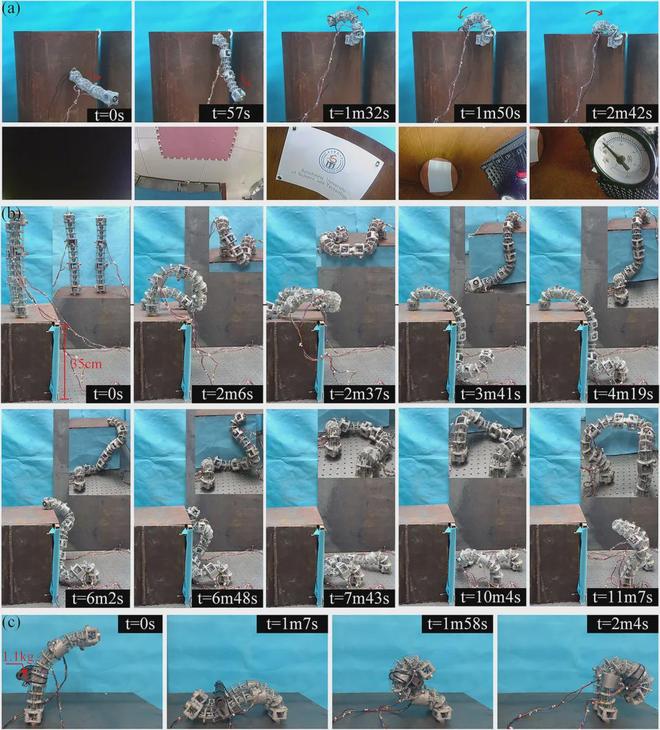
Have You Seen This Movement? A 360-Degree Flipping Wall-Climbing Robot from Southwest University of Science and Technology Mastering Physical Space
Researchers at Southwest University of Science and Technology have unveiled a groundbreaking wall-climbing robot that features a unique continuous structure, enabling it to bend up to 387 degrees. This advanced design significantly improves the robot's capability to navigate intricate environments and execute maintenance tasks on vertical surfaces. The development highlights the engineering potential of robotics in addressing challenges in various settings, offering promising applications in fields such as construction and facility management.
Wall-Climbing Robots Soft Robotics Robotic Engineering Automation Technology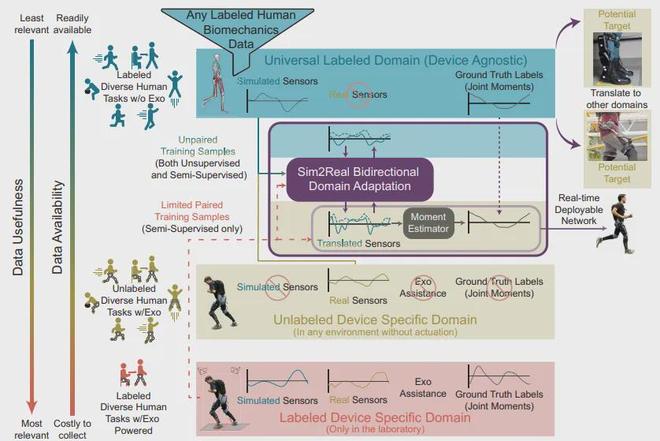
Science Robotics: Deep Domain Adaptation Significantly Reduces Exoskeleton Data Annotation Costs
A research team at Georgia Tech has introduced a groundbreaking deep domain adaptation framework that significantly minimizes the reliance on exoskeleton-specific annotated data, cutting the requirement by 95% while ensuring optimal control performance. This innovative method utilizes open-source biomechanics datasets to convert human motion data into training data for exoskeletons. The development aims to tackle the substantial costs associated with data acquisition in the field, thereby enhancing the efficiency and accessibility of exoskeleton technology.
Exoskeleton Technology Data Annotation Biomechanics Machine Learning Robotics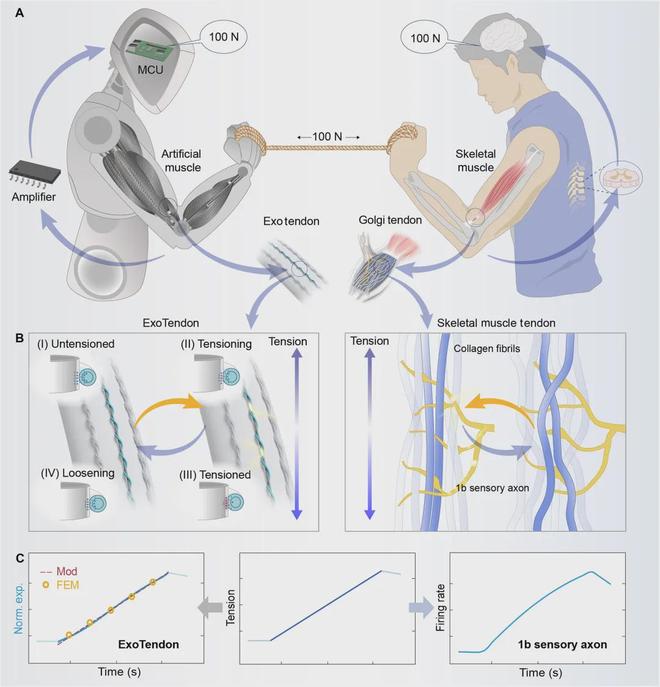
Robots' 'Muscles' Can Now Self-Regulate Force: Bionic Exoskeleton Tendon Featured in Science Advances
Researchers from various Chinese universities have unveiled ExoTendon, an innovative bionic exoskeleton tendon designed to mimic human muscle sensors. This groundbreaking development enables robotic muscles to autonomously adjust their force, which is expected to greatly improve walking balance and speed for stroke patients. The project highlights the potential for advanced rehabilitation technologies to enhance mobility and quality of life for individuals recovering from strokes. The announcement comes as part of ongoing efforts to integrate robotics and healthcare, showcasing how technology can address specific medical challenges.
Bionic Exoskeletons Artificial Muscles Rehabilitation Technology Biomedical Engineering
Huazhong Science Graduate Builds Shenzhen Unicorn Over 8 Years, Aiming to Become the First 'Full-Stack Intelligent Robot' Stock
Shenzhen Ledong Robotics is on the verge of becoming the first publicly traded company focused on 'full-stack intelligent robots' after successfully passing the listing hearing at the Hong Kong Stock Exchange. Founded by a graduate of Huazhong University of Science and Technology, the company has established itself as a leader in visual perception technology for robotics. Despite encountering financial hurdles, Ledong Robotics has made significant strides in the industry, positioning itself for a potential breakthrough in the stock market.
Intelligent Robotics Visual Perception Technology IPO Robotics Industry Smart Home Devices
Weihan Power Showcases at the 28th Beijing International Science and Technology Industry Expo, Supporting the 'True Work' Robot Ecosystem
At the 28th Beijing International Science and Technology Industry Expo, Weihan Power showcased its latest innovations in integrated joint modules and advanced robotic applications. The event, held recently in Beijing, highlighted the company's commitment to delivering high-density power solutions designed to enhance the reliability and performance of robotic technologies. By demonstrating these advancements, Weihan Power aims to promote scalable robotic applications across diverse industries, positioning itself as a leader in the evolving tech landscape.
Robotic Technology Joint Modules Automation Solutions AI Robotics
Video: US firm showcases laminar-flow in drone flight, advances 90-year-old science
NASA has identified the mastery of laminar flow technology as a pivotal advancement in aviation, often referred to as the "holy grail" of the industry. This breakthrough aims to significantly enhance aircraft efficiency by reducing drag, thereby improving fuel economy and overall performance. Ongoing research and development efforts are focused on harnessing this technology to create smoother airflow over aircraft surfaces, which could revolutionize the design and operation of future planes. The implications of successful implementation could lead to substantial reductions in operational costs and environmental impact, making air travel more sustainable. As the aerospace community continues to explore this innovative approach, the potential benefits could reshape the future of aviation, with significant advancements expected in the coming years.

New AI method tackles one of science’s hardest math problems
Researchers at the University of Pennsylvania have unveiled a groundbreaking artificial intelligence method aimed at addressing complex inverse equations, which are crucial for identifying underlying causes of observable phenomena. This innovative approach incorporates "mollifier layers" to enhance the stability of calculations by smoothing out noisy data, significantly reducing the computational burden associated with these tasks. The development, announced recently, holds the potential to revolutionize various scientific fields, particularly genetics, where deciphering DNA behavior is essential for advancing disease research. By streamlining the process of solving these challenging equations, the new AI method could pave the way for more efficient and accurate scientific discoveries.

Altara secures $7M to bridge the data gap that’s slowing down physical sciences
Altara has developed an innovative AI solution designed to diagnose failures and accelerate research and development processes. This technology addresses the challenge of fragmented data by integrating information that has been previously isolated across various spreadsheets and legacy systems. By unifying these data silos, Altara's AI aims to enhance efficiency and streamline operations for organizations engaged in R&D. The initiative is particularly timely as companies increasingly seek to leverage advanced technologies to improve their workflows and decision-making capabilities. With training data extending up to October 2023, Altara's AI is positioned to provide relevant insights and support for businesses looking to optimize their research efforts.
AI Hardware Startups Greylock Partners neo science
Deserved Recognition! Atom Robot Wins First Prize in Tianjin Science and Technology Progress Award
The Atom Robot has received the First Prize at the Tianjin Science and Technology Progress Award for its groundbreaking project focused on key technologies and applications of high-speed parallel robots. This recognition underscores the company's dedication to innovation and advancement within the robotics sector. The award ceremony took place recently in Tianjin, celebrating significant contributions to science and technology. Atom Robot's achievement reflects its ongoing efforts to push the boundaries of robotics, aiming to enhance efficiency and capabilities in various applications.
High-Speed Parallel Robots Industrial Automation Robotics Innovation Technology Development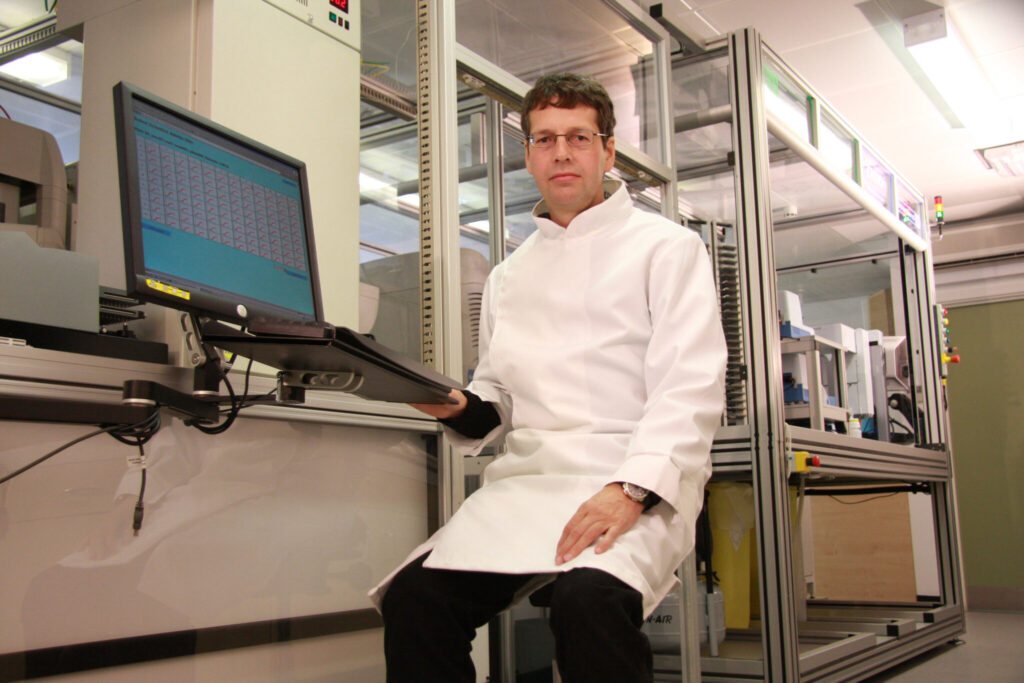
What I’ve learned from 25 years of automated science, and what the future holds: an interview with Ross King
A new series has been launched to delve into the advancements in artificial intelligence, featuring interviews with prominent researchers in the field. The inaugural episode highlights Ross King, the pioneer behind the first robot scientist developed in 2009. In this interview, King shares insights on the significant breakthroughs in AI and discusses the tangible implications of these developments for the future. The series aims to provide audiences with an in-depth understanding of the current landscape of AI research and its potential impact on society.

Can Heterogeneous Robots Share Skills? Collaborative Breakthrough by Peking University, Tsinghua University, and Others in IAIL Framework Published in Science Robotics
A collaborative research team from leading universities has introduced the IAIL framework, a groundbreaking system that allows diverse robots to autonomously comprehend and perform tasks without the need for prior programming or human input. This innovative framework emphasizes intention alignment over mere action replication, which markedly improves coordination among multiple robots. The development, announced in October 2023, aims to revolutionize the way robots interact and collaborate in various environments, paving the way for more efficient and effective robotic applications across multiple sectors.
Heterogeneous Robots Robot Collaboration AI Frameworks Robotics Research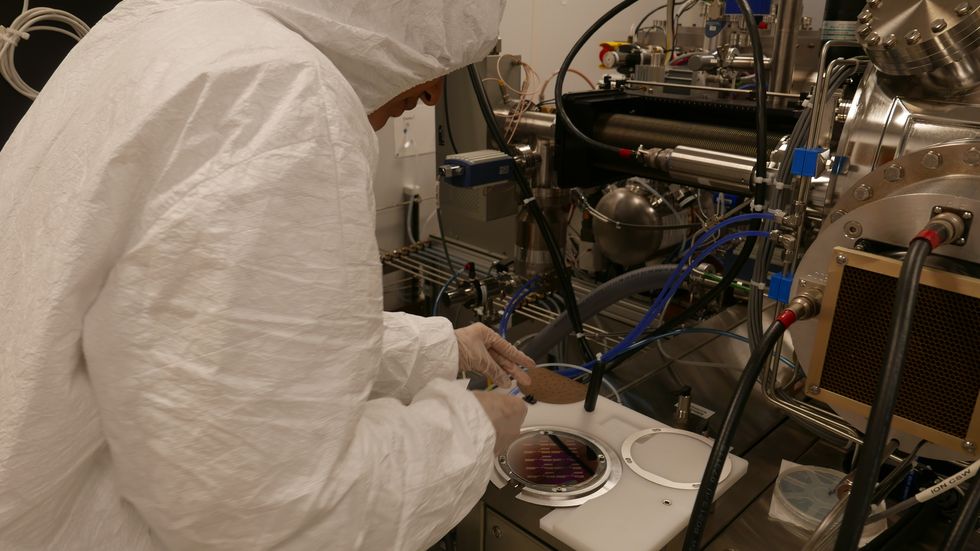
NYU’s Quantum Institute Bridges Science and Application
New York University (NYU) has launched the NYU Quantum Institute (NYUQI) in Manhattan's West Village, positioning itself as a pivotal player in the rapidly evolving field of quantum technology. This initiative aims to harness the dense urban ecosystem surrounding the university, which is home to over 500 tech firms, banks, and hospitals, to accelerate advancements in quantum computing, sensing, and communications. The institute, led by Director Javad Shabani, seeks to break down traditional academic silos by fostering collaboration among physicists, engineers, and computer scientists. This integrated approach is designed to enhance the development of practical quantum solutions, which have been hindered by fragmentation in the field. NYUQI will operate from a newly renovated million-square-foot facility, complemented by a state-of-the-art Nanofabrication Cleanroom in Brooklyn, allowing for real-time testing and refinement of quantum technologies. Recently, New York Senators Charles Schumer and Kirsten Gillibrand secured $1 million in funding to introduce Thermal Laser Epitaxy technology at NYU, marking a significant advancement in the U.S. quantum research landscape. The institute also aims to address the skills gap in the quantum workforce by launching a Master of Science in Quantum Science & Technology program, preparing students to tackle complex challenges in this interdisciplinary field. By leveraging its urban location and fostering collaboration, NYUQI aims to transform theoretical quantum research into practical applications, ultimately contributing to advancements in finance, medicine, and security.
Nyu-tandon Quantum-computing Quantum-internet Semiconductors Quantum-communications
Transforming Data Science With NVIDIA RTX PRO 6000 Blackwell Workstation Edition
In response to the increasing demands of data science, PNY Technologies has introduced the NVIDIA RTX PRO 6000 Blackwell Workstation Edition, a powerful solution designed to enhance the efficiency of data preparation, scaling, and processing for massive datasets. As traditional CPU-based systems struggle to keep pace with modern AI and analytics workflows, this workstation offers accelerated computing performance that seamlessly integrates into enterprise environments. The launch of the RTX PRO 6000 comes at a time when data scientists face significant challenges, including the complexity of data preparation and the rapid growth of data volumes, which often leads to suboptimal downsampling practices. With the demand for advanced AI hardware outstripping supply, PNY's workstation aims to fill this gap by providing real-time rendering, rapid prototyping, and collaboration capabilities. Equipped to support up to four NVIDIA RTX PRO 6000 GPUs, this workstation delivers data center-level performance directly to users' desktops, enabling them to handle extensive datasets and perform advanced visualizations efficiently. The system is optimized for AI workflows, leveraging NVIDIA's software stack to facilitate zero-code-change acceleration for Python-based tasks and support over 100 AI applications. By offloading compute tasks from data centers and minimizing reliance on cloud resources, organizations can enhance security and reduce costs. The RTX PRO 6000 Blackwell Workstation Edition is positioned as a transformative tool for data scientists, streamlining the entire data science pipeline from preparation to model deployment, and significantly boosting productivity and innovation in enterprise-ready AI development.
Artificial-intelligence Computing Data-science Gpu-acceleration Ai-workstations Nvidia
Study finds ChatGPT gets science wrong more often than you think
A recent study evaluated the performance of ChatGPT in assessing the validity of various scientific hypotheses. Conducted by researchers, the analysis revealed that while the AI model initially appeared to correctly identify the truthfulness of hypotheses approximately 80% of the time, this figure diminished significantly when factoring in the likelihood of random guessing. The findings raised concerns about the model's reasoning capabilities, as it often provided inconsistent answers to the same questions posed multiple times. This inconsistency highlights potential limitations in the reliability of AI in scientific reasoning, prompting further scrutiny of its application in critical decision-making contexts.
The Science Behind Cobot Force Sensing and Collision Detection
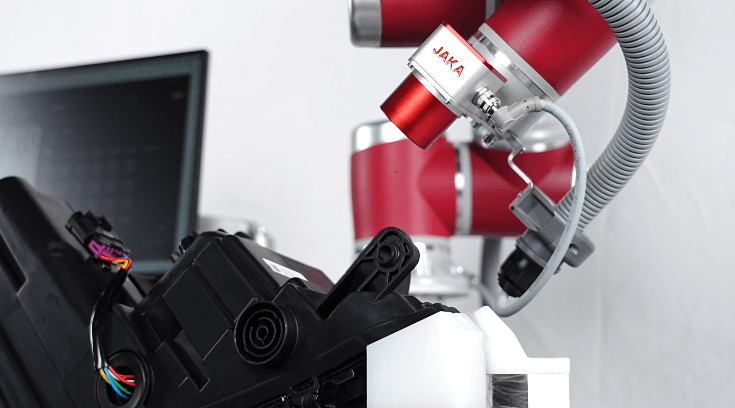
JAKA, a leader in collaborative robotics, is advancing the integration of force sensing and collision detection technologies to enhance safety and efficiency on production floors. As the demand for collaborative robots grows, understanding these systems becomes crucial for their effective deployment. Force sensing enables robots to perceive real-time physical interactions by continuously monitoring joint-level data such as torque and motion. This capability allows robots to differentiate between normal operational loads and unexpected contact, facilitating smoother transitions and reducing stress on both machinery and operators during tasks like assembly and inspection. Complementing this, collision detection translates abnormal force patterns into immediate responses, allowing robots to adjust their speed or halt operations when necessary. This continuous feedback loop fosters safe interactions between robots and human workers without the need for physical barriers, accommodating dynamic work environments. JAKA's compact cobot design, exemplified by the JAKA Zu3, integrates these technologies into a lightweight system suitable for precision tasks in confined spaces. With a payload capacity of 3 kg and a reach of 626 mm, the Zu3 is engineered for seamless human-robot collaboration, ensuring that existing workflows remain undisturbed. By embedding advanced sensing and control mechanisms into their robotics framework, JAKA aims to promote reliable collaboration in real-world production settings, where safety, precision, and adaptability are paramount.

Ocean innovators unite to support marine science research
AquaTitans, a subsea engineering company known for its innovations in ocean technology, has joined the Scottish Association for Marine Science’s (SAMS) Ocean Changemakers initiative. This partnership aims to foster collaboration and drive advancements in marine science and sustainability. By participating in this program, AquaTitans seeks to leverage its expertise to contribute to the development of sustainable ocean solutions. The announcement of this collaboration highlights AquaTitans' commitment to addressing pressing environmental challenges and underscores the growing importance of marine science in combating climate change. The partnership is expected to enhance research and innovation efforts within the marine sector, benefiting both the company and the broader scientific community.
sams
Accelerating Science: A Blueprint for a Renewed National Quantum Initiative
Quantum technologies are becoming essential for maintaining economic competitiveness, national security, and scientific leadership in the 21st century. The United States recognizes the importance of sustaining its leadership in quantum information science to ensure continued advancements and innovations in this field. As nations around the world invest heavily in quantum research and development, the U.S. aims to bolster its capabilities through strategic initiatives and collaborations. This focus on quantum technologies is driven by the potential to revolutionize various sectors, including computing, communications, and materials science. By prioritizing investment and fostering a robust research environment, the U.S. seeks to secure its position at the forefront of this transformative technology landscape.
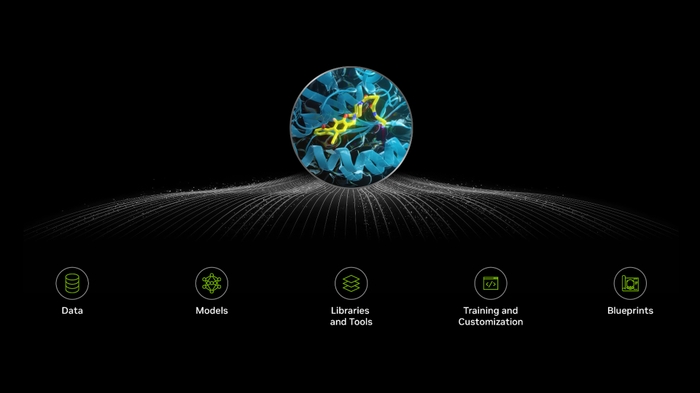
NVIDIA BioNeMo Platform Adopted by Life Sciences Leaders to Accelerate AI-Driven Drug Discovery
NVIDIA has unveiled a significant expansion of its BioNeMo™ platform, an open development system designed to facilitate lab-in-the-loop workflows aimed at advancing AI-driven biology and drug discovery. This announcement was made today, reflecting NVIDIA's commitment to enhancing research capabilities in the life sciences sector. By integrating AI technologies with biological research, the platform aims to streamline the drug discovery process, allowing scientists to leverage advanced computational tools to accelerate their findings. The expansion is expected to foster collaboration among researchers and institutions, ultimately driving innovation in the field of biotechnology.

Japan Science and Technology Agency Develops NVIDIA-Powered Moonshot Robot for Elderly Care
A groundbreaking advancement in technology is on the verge of emergence, potentially rivaling the smartphone's impact on daily life. The Japan Science and Technology Agency is funding the Moonshot research program, which aims to develop innovative solutions in AI and robotics. This initiative is being propelled forward by NVIDIA, a leader in artificial intelligence and computing technology. While details remain under wraps, experts suggest that this new technology could significantly alter various sectors, although it may come with a higher price tag compared to current devices. The project is expected to push the boundaries of what is possible in technology, promising to deliver transformative tools that could reshape user experiences and interactions in the near future.

The science of human touch – and why it’s so hard to replicate in robots
Researchers at the University of Oxford are exploring the advancements in robotic technology, highlighting the significant progress robots have made in visual recognition and navigation. These machines can now identify objects and maneuver through complex environments, sorting thousands of parcels each hour. However, challenges remain when it comes to delicate interactions; robots struggle to perform tasks that require gentle, safe, or meaningful touch. This research aims to bridge the gap between current capabilities and the nuanced skills necessary for robots to interact more effectively with their surroundings and human counterparts. As the field evolves, understanding and overcoming these limitations will be crucial for the future integration of robots in everyday tasks.
Robotics needs a service framework.
RSF defines a common language for robot service capability, lifecycle operations, certification pathways, and service-provider networks.
Join the RobotToday community on LinkedIn
Daily robotics news, in-depth analysis, conference highlights, and discussions with professionals worldwide.