Industry Briefing
A single destination for timely, editor-curated robotics news from around the world.

Universal Robots Introduces Gen 7 Platform for Enhanced Industrial Automation and AI
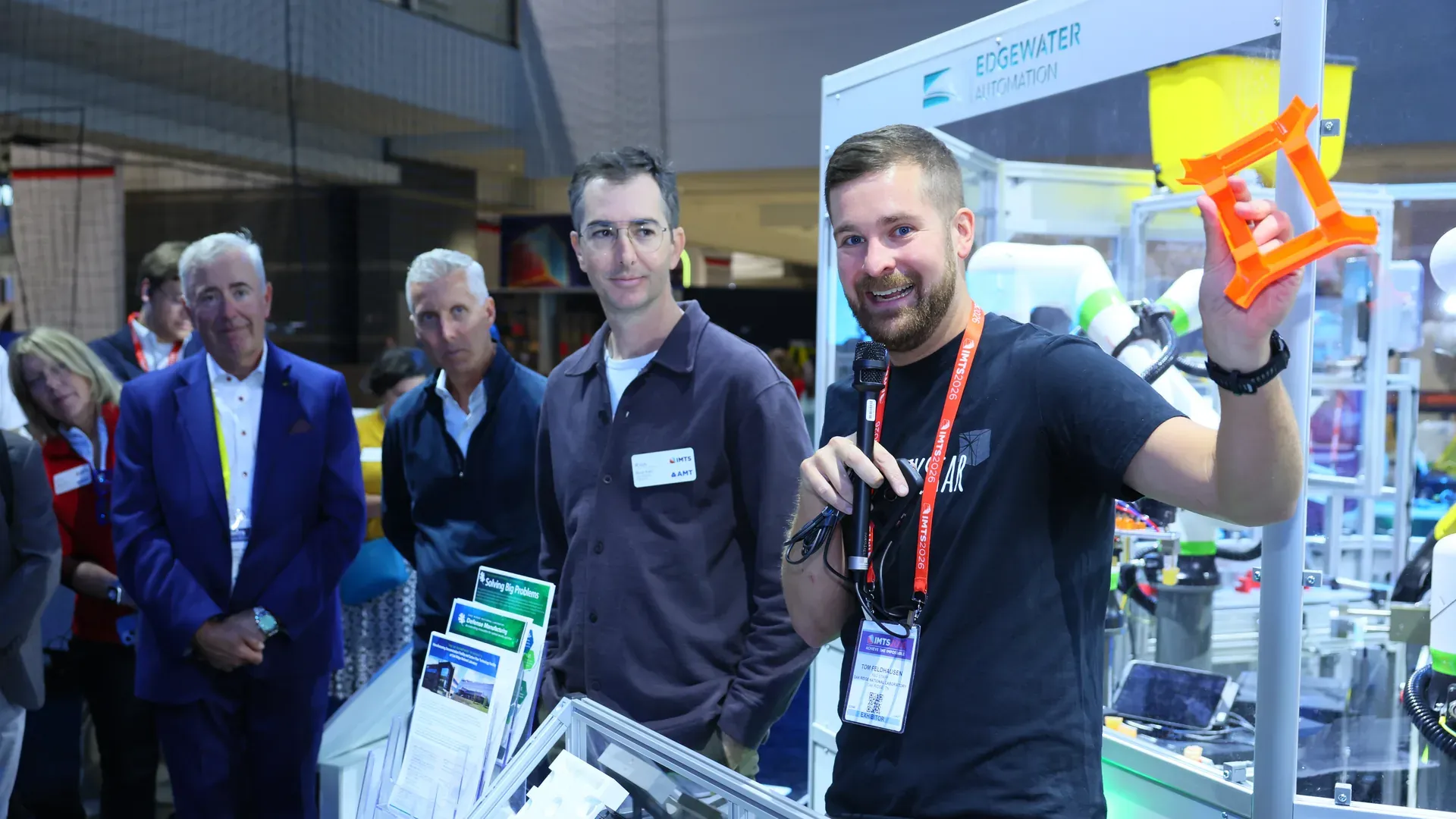
Universal Robots, a Teradyne Robotics company, has launched its seventh-generation industrial robot platform, Gen 7, aimed at advancing industrial automation and physical AI applications. This new platform was introduced at the IMTS trade show and features an innovative design that includes new robot arms, a controller, a teach pendant, and a tool flange, all centered around the PolyScope X robot technology. The introduction of Gen 7 is significant as it represents a major step forward in the capabilities of industrial robots, enhancing their functionality in automation processes and AI integration. This development is expected to improve operational efficiency and flexibility in various industrial settings, making it a crucial advancement for manufacturers looking to optimize their production lines. Looking ahead, industry professionals should monitor the adoption of the Gen 7 platform and its impact on the market for industrial automation solutions. No further timeline was disclosed at the time of publication.
Industrial robots News cobots collaborative robots g-series gen 7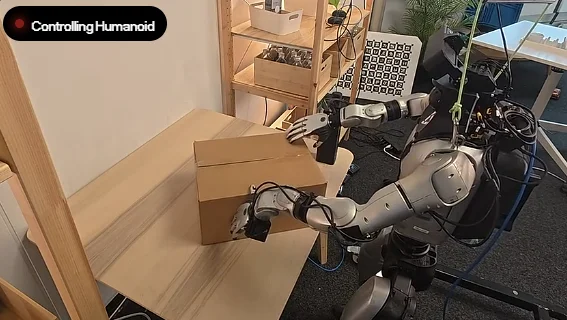
Odyssey Launches Odyssey-3 World Model for Robots, Humanoids, and Drones
Odyssey has unveiled Odyssey-3, a versatile world model designed to control robots, humanoids, autonomous vehicles, and drones using a unified AI system. This autoregressive diffusion transformer is trained on a diverse set of visual observations, allowing it to adapt with minimal task-specific data. The model has been pre-trained to understand physics, motion, and human behavior, enabling developers to create tailored action decoders for various systems. The significance of Odyssey-3 lies in its potential to streamline the training process for humanoid robots. In collaboration with Flexion, Odyssey is exploring how pretraining can minimize the data required for teaching new skills. Flexion has successfully developed control policies for tasks like object manipulation using only a small amount of teleoperation data, demonstrating improved generalization over traditional models. Looking ahead, Odyssey plans to publicly release Odyssey-3 in the coming weeks. The company is also collaborating with Poke & Wiggle to assess the model's adaptability across different robot types and control systems. This initiative could reshape how robots learn and adapt to new environments, enhancing their operational capabilities significantly.
AI AI Funding & Investment Robotics autonomous vehicles Flexion humanoid robotics
Humanoid Robots Transition from Demonstrative Tasks to Real-World Deployment
Recent advancements in humanoid robotics highlight the shift from mere demonstrations to practical deployment in various environments. Unlike robots that can perform a single impressive task, modern systems are designed to execute thousands of cycles, recover from exceptions, and coexist with humans. This evolution is crucial for integrating robots into existing software and safety architectures within facilities. The significance of this transition lies in the ability of humanoid robots to operate reliably in real-world settings, enhancing productivity and safety. As these robots become more adept at handling complex tasks and interacting with their surroundings, they are poised to play a vital role in industries ranging from manufacturing to healthcare. This evolution marks a pivotal moment in the robotics industry, as the focus shifts from demonstration to practical application. Looking ahead, it will be important to monitor how these humanoid robots are integrated into various sectors and the impact they have on operational efficiency. The ongoing development and deployment of these systems will likely lead to new standards and practices in robotics, shaping the future landscape of automation. No further timeline was disclosed at the time of publication.
Toyota Plans Global Deployment of 400,000 Humanoid Robots in Factories
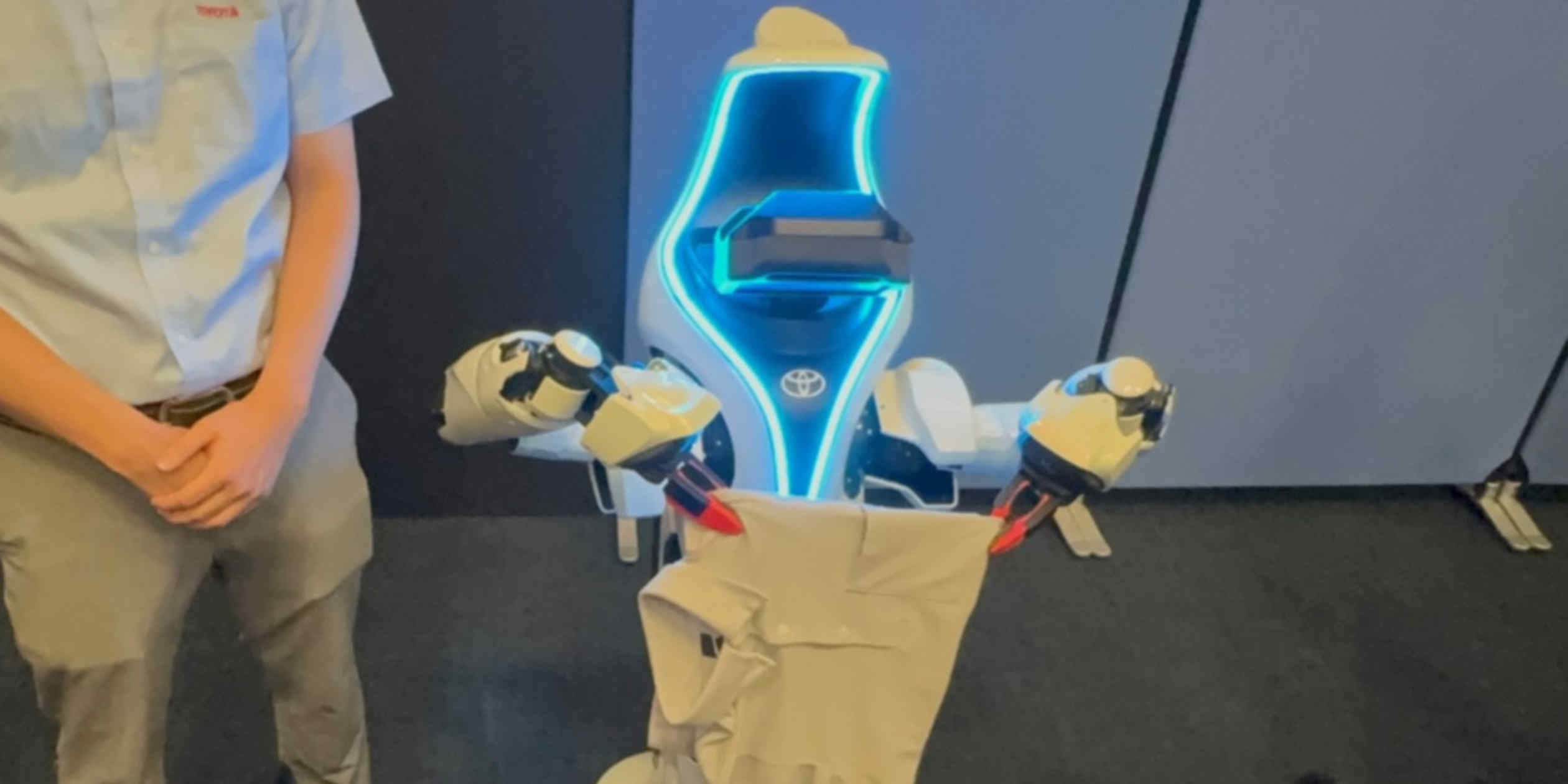
Toyota Motor group has announced plans to deploy 400,000 humanoid robots across its production sites worldwide. This initiative is part of the company's strategy to enhance factory operations by integrating robots that can learn from human employees and assist in training new workers. The introduction of these in-house-developed humanoid robots signifies Toyota's commitment to creating a collaborative work environment where humans and robots can work side by side. This move is expected to improve efficiency and productivity in manufacturing processes, aligning with the industry's ongoing trend towards automation and advanced technology integration. As Toyota progresses with this deployment, industry watchers will be keen to see how these humanoid robots perform in real-world factory settings. No further timeline was disclosed at the time of publication.
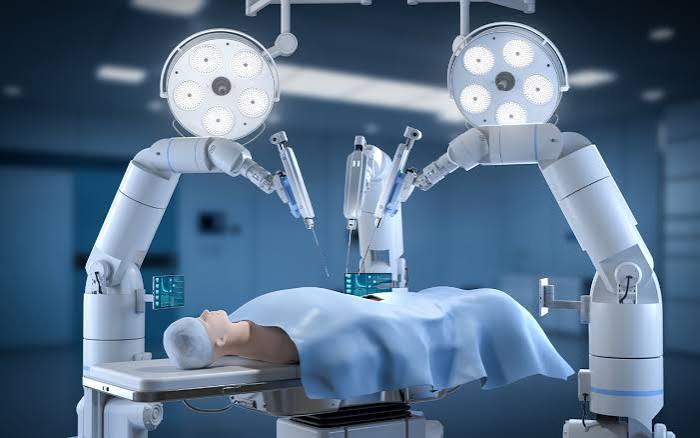
Samsung Medical Center Performs First Surgery with Humanoid Robots Assisting Surgeons
On September 16, Samsung Medical Center in Seoul conducted a simulated surgery with two humanoid robots assisting a surgical team. The robots, dressed in surgical attire, successfully collaborated with the lead surgeon, Professor Woo Nam-ki, by retrieving and delivering surgical instruments upon request. This marks a significant advancement in robotic assistance in surgery, showcasing the potential for robots to work alongside human medical professionals. The importance of this development lies in its potential to address staffing challenges in hospitals, particularly in smaller facilities where skilled surgical assistants may be scarce. Professor Jung Yong-ki emphasized that if a robot can effectively replace a human assistant, it could lead to cost-effective solutions for maintaining surgical operations around the clock. The robots demonstrated a 100% success rate in grasping surgical instruments and a 98.7% success rate in instrument delivery, highlighting their reliability in the operating room. Looking ahead, the project is set to progress with plans for commercialization led by Rainbow Robotics and AIDIN ROBOTICS. The first clinical trials are expected to begin in 2029, starting with low-risk endoscopic tasks before expanding to more complex procedures. The ongoing development of AI capabilities, including tactile feedback and predictive analytics, will further enhance the robots' performance in surgical environments.
Humanoid Robots Surgical Robotics AI in Healthcare Medical Technology
Highlights from AFA Day 3: Rocket Engines, Helmet Displays, and Ground Robots
The third day of the AFA conference showcased a variety of innovative technologies, including rocket engines, advanced helmet displays, and ground robots. These exhibits highlighted the latest advancements in aerospace and defense technology, attracting attention from industry professionals and enthusiasts alike. The significance of these technologies lies in their potential applications within the aerospace sector, enhancing operational efficiency and safety. The presence of cutting-edge ground robots and helmet displays indicates a growing trend towards automation and augmented reality in defense operations. Looking ahead, it will be important to monitor how these technologies evolve and their integration into existing systems. The continued development of rocket engines and robotics could play a crucial role in shaping the future of aerospace and defense industries. No further timeline was disclosed at the time of publication.
Air Warfare AFA Multimedia 2026 Air Force Air Force Research Laboratory AFRL Kinedyne liquid rocket engines
RealMan Robotics Initiates Deployment of Nearly 1,000 Robots in Various Workplaces
RealMan Robotics has announced a significant initiative to deploy nearly 1,000 robots across various real-world workplaces. This initiative is part of their Global Link Network (GLN) and was unveiled at the 2026 World Robot Conference in Beijing, where the company is showcasing its robots performing tasks in sectors such as pharmacy, energy, food production, and manufacturing. The deployment of these robots is crucial as it highlights RealMan's commitment to integrating advanced robotics into everyday work environments. By demonstrating their 'Real-Work Robots' at the conference, the company aims to illustrate the practical applications of robotics technology in enhancing productivity and efficiency across multiple industries. Looking ahead, industry observers will be keen to see how RealMan's deployment progresses and the impact it has on the sectors involved. No further timeline was disclosed at the time of publication.
Communications Events Robotics automation embodied intelligence gln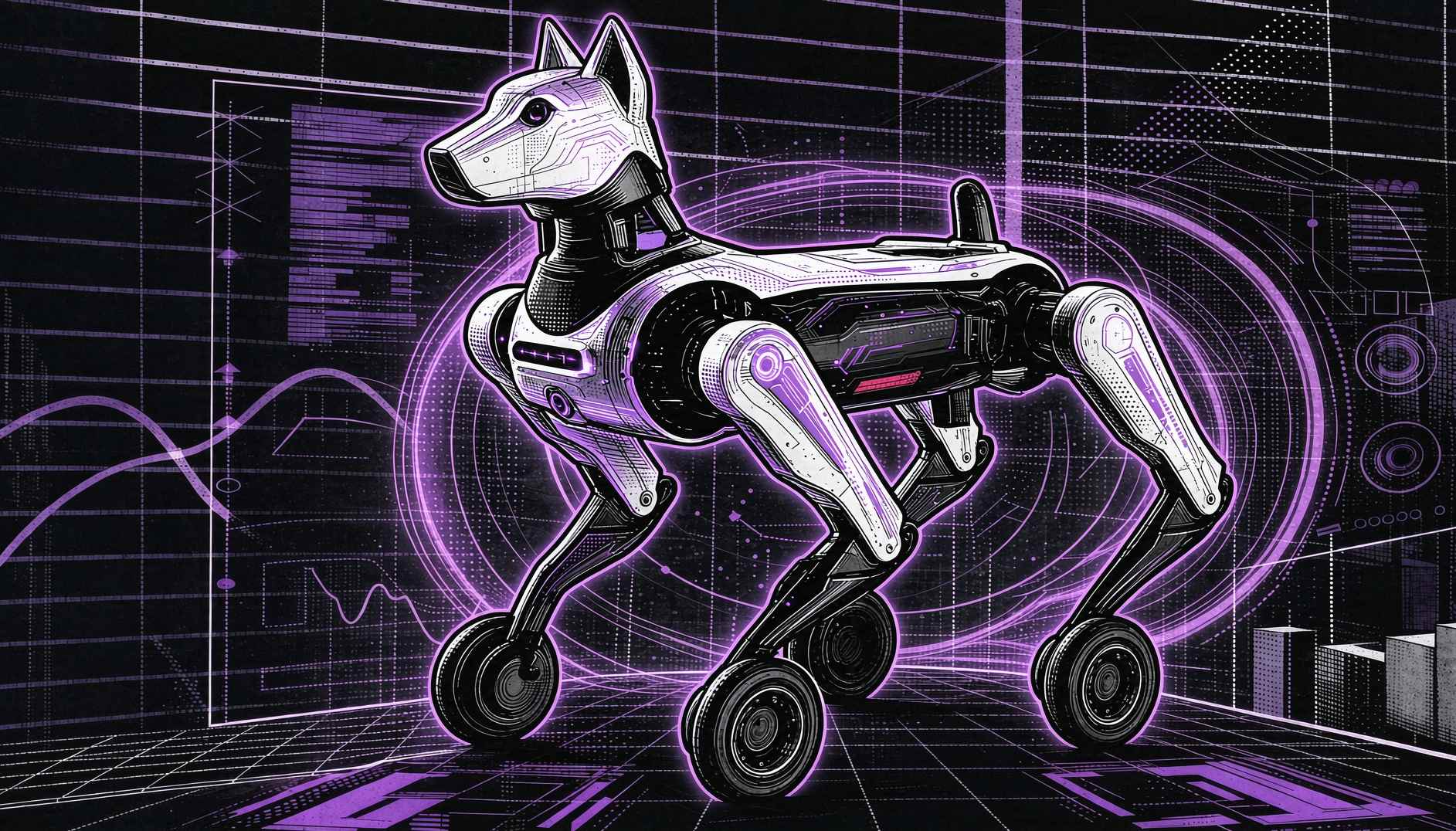
Brain-Controlled Prosthetics and Guide Robots Showcased at 2026 Beijing Welfare Expo
At the 2026 China International Welfare Expo, brain-controlled prosthetics and guide robots were unveiled, showcasing advanced assistive technologies. The event featured over 10,000 products aimed at improving the daily lives of disabled individuals and the elderly, with a dedicated section for brain-machine interface technologies. The introduction of brain-controlled rehabilitation devices, such as the robotic hand developed by Yanshan University and Yuan Brain Qilian, marks a significant advancement in assistive technology. These devices, weighing approximately 500 grams, are currently undergoing clinical testing and show superior training outcomes compared to traditional therapies. Looking ahead, the expo highlighted the potential for smart guide dogs, with companies like Beijing Cyberwan and Chengdu Chuqian Technology planning to deliver thousands of units by the end of the year. However, challenges remain in ensuring these technologies can adapt to various environments and meet the emotional needs of users. No further timeline was disclosed at the time of publication.
Brain-Computer Interface Prosthetics Assistive Technology Guide Robots Disability Support
Stricter IPO Review for Humanoid Robots Mirrors Trends in Unprofitable Firms
Recent reports indicate that the IPO review process for humanoid robot companies has become more stringent, reflecting a broader scrutiny of unprofitable firms. Investment bankers suggest that this heightened focus is not a new policy but rather an intensified examination of the quality of IPO applicants, particularly in light of some projects not yet achieving reasonable commercialization cycles. The profitability outlook for unprofitable companies is a key concern for regulators. For instance, the humanoid robot company Yundong is projected to achieve profitability by 2025, with revenues increasing from 50.11 million yuan in 2023 to 337 million yuan in 2025. Conversely, companies like Yujian Technology and Leju Intelligent are still facing significant losses, raising questions about their future viability in the market. The recent IPO of Yushu Technology, which became the first humanoid robot stock on the A-share market, has also influenced regulatory expectations. Its stock price dropped significantly after an initial surge, highlighting the disparity between primary market pricing and secondary market performance. As a result, regulators are expected to adopt a more cautious approach when evaluating similar companies for IPOs, emphasizing the need for consistent revenue and narrowing losses.
Humanoid Robots IPO Regulations Investment Banking Financial Viability Market Trends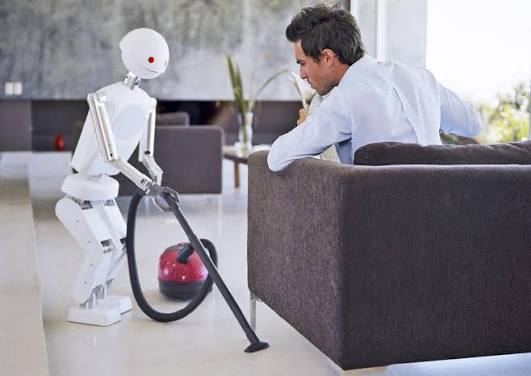
Survey Shows 42% of Respondents Would Trust Humanoid Robots with Household Tasks
A recent survey conducted by Live Science revealed that 42% of over 600 participants would allow humanoid robots to handle household chores. This interest reflects a growing acceptance of robots in daily life, although many still express skepticism about their capabilities. For instance, 36% of respondents indicated they would not trust robots with their dishes, while others preferred to wait for neighbors to test the technology first. The survey highlights a significant gap between the capabilities of humanoid robots being developed and the expectations of potential users. While companies are racing to create robots that can navigate everyday environments, users are concerned about the robots' ability to make nuanced decisions, such as determining which dishes are dishwasher-safe. The comments from participants reveal doubts about robots' dexterity and reliability in performing tasks like dusting or moving furniture. Looking ahead, the results suggest that the first household chore robots may successfully master could be simpler tasks that require fewer judgments. As the technology evolves, there may be more suitable applications for robots in structured environments, such as commercial nurseries, rather than in homes where tasks are more complex and varied. No further timeline was disclosed at the time of publication.
Humanoid Robots Household Automation AI Technology
Rui Erman Establishes Data Training Facility in Changzhou with 150 Robots Generating 2GB Data Per Minute
Rui Erman has launched a data training facility in Changzhou, equipped with 150 robots capable of generating 2GB of raw data per minute. This facility features two main areas: a basic motion training zone for fundamental robotic actions and a scenario application area designed for diverse operational contexts such as home, industrial, and retail environments. The significance of this initiative lies in addressing critical challenges in the robotics industry, including the scarcity of high-quality real-world data and the high costs associated with data collection. Rui Erman is actively involved in developing standards for data collection, ensuring compliance with the MCAP standard, which emphasizes data accuracy and synchronization. Looking ahead, Rui Erman aims to transition robots from controlled environments to real-world applications, enhancing data collection efficiency. The company is focused on achieving a significant reduction in robot costs to facilitate widespread adoption in households and factories. No further timeline was disclosed at the time of publication.
Data Collection Robotics Machine Learning AI Standards
Enhancing Visual Interpretability in Exploratory Robots Using Peering Techniques
A recent study published in Science Robotics explores how robot dogs can enhance their visual interpretability through innovative peering techniques. This advancement allows these exploratory robots to better understand and navigate their environments, which is crucial for their operational effectiveness. The significance of this research lies in its potential to improve the interaction between robots and their surroundings, making them more adept at performing tasks that require visual comprehension. By employing peering methods, these robots can interpret complex visual data more effectively, which is essential for applications in various fields, including search and rescue operations. Looking ahead, the implications of this research could lead to further developments in robotic vision systems. As the technology evolves, it will be important to monitor how these advancements are integrated into real-world applications and the impact they have on the capabilities of exploratory robots. No further timeline was disclosed at the time of publication.
Research Resource
Zoomlion's Humanoid Robots Showcase Full-Stack Capabilities at World Games
Zoomlion's humanoid robots participated in the World Humanoid Robot Games, facing challenging conditions that tested their gait algorithms, joint responsiveness, and stability during high-speed movements. This event is significant as it allows Zoomlion to gather critical data to enhance its full-stack capabilities, which encompass algorithms, software, hardware, and industrial applications. Looking ahead, the insights gained from these competitions will be crucial for Zoomlion's ongoing development and refinement of its robotic technologies. No further timeline was disclosed at the time of publication.

RobotPlusPlus Secures Series C Funding to Enhance Working-at-Height Robots
RobotPlusPlus (ROBOT++) has successfully completed a Series C funding round, raising hundreds of millions of RMB, equivalent to tens of millions of USD. This funding aims to support the company's global expansion and the development of embodied AI technologies. The investment round was led by Qianggang Capital Fund, with participation from GIG Capital Group, Sealand Innovation, and Juntong Capital. Additionally, Fosun RZ Capital has increased its stake in the company, indicating strong investor confidence in RobotPlusPlus's growth potential. Looking ahead, RobotPlusPlus plans to leverage this funding to enhance its working-at-height robots and expand its market presence internationally. No further timeline was disclosed at the time of publication.

Companion Robots Achieve Nearly 300,000 Sales, Highlighting New Market for Embodied Intelligence
Robopoet's Fuzozo, priced at 399 yuan, has sold nearly 300,000 units in China since its launch in July 2025. This surge in sales contrasts sharply with traditional humanoid robots, which have struggled to gain traction in the market. The emotional companionship and personalized interaction offered by such robots have proven to meet a validated demand, as evidenced by users engaging in over 40 minutes of daily conversation. The growing sales figures for companion robots like Fuzozo and Haivivi's BubblePal, which surpassed 300,000 units in the U.S., indicate a shift in consumer interest towards emotional engagement rather than purely functional capabilities. This trend is underscored by WHO data revealing that one in six people globally experience loneliness, particularly among younger demographics. The success of these robots suggests that emotional needs can drive substantial market growth. Looking ahead, the challenge will be whether these products can maintain user engagement as novelty fades. The integration of large language models has transformed companion robots, allowing them to remember past interactions and respond dynamically, which could enhance user retention. No further timeline was disclosed at the time of publication.
Companion Robots Emotional AI Consumer Robotics Human-Robot Interaction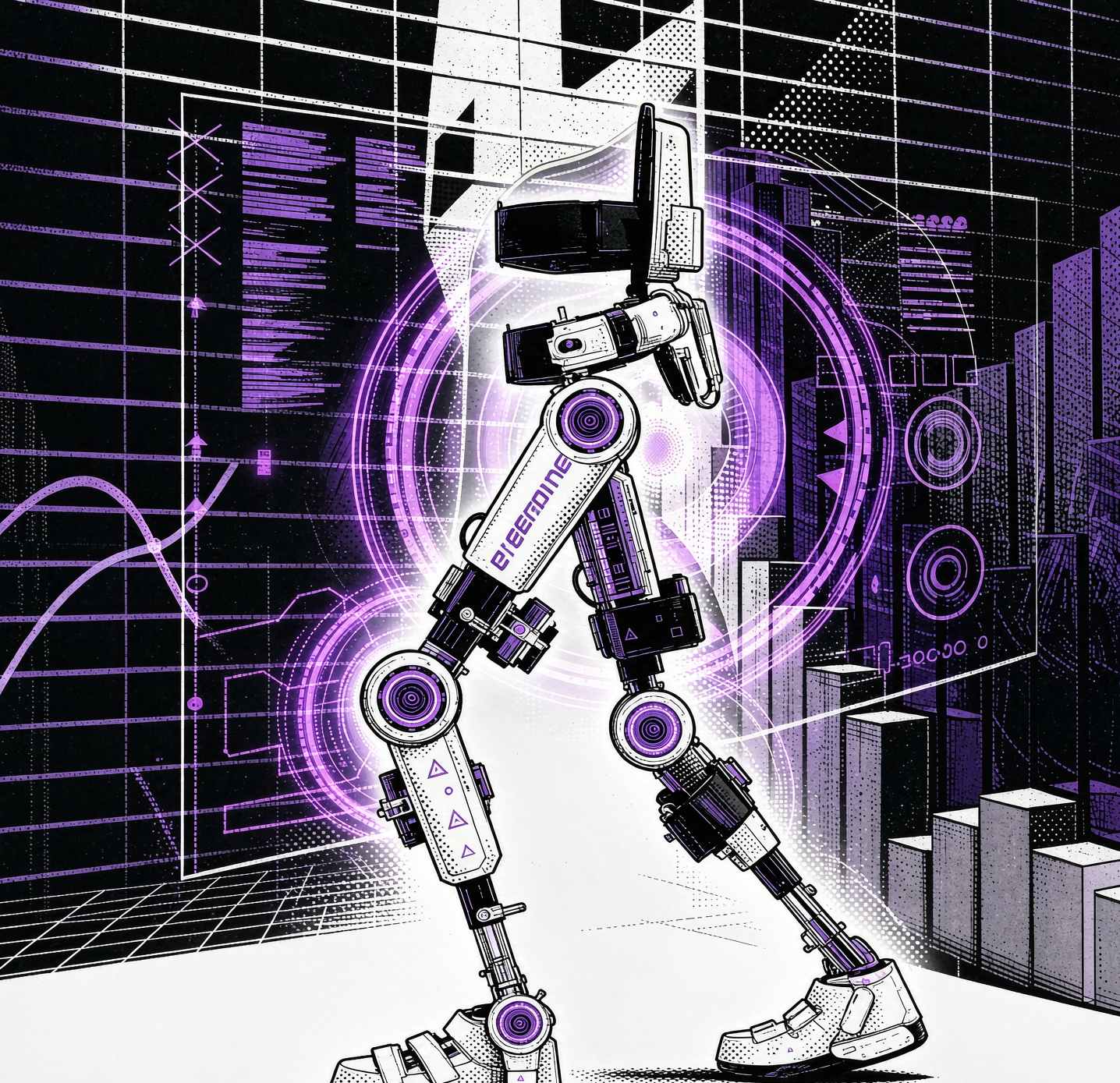
Sichuan's Investment in Exoskeleton Robots Enhances Healthcare and Tourism Sectors
Sichuan's Buffalo Robotics has developed a lower limb exoskeleton that improves mobility for individuals with spinal injuries, achieving a 50% sales increase last year. The device, weighing 2.2 kg and made of carbon fiber, incorporates AI and brain-machine interface technology to enhance rehabilitation training. The significance of this development lies in its potential to transform rehabilitation practices, allowing therapists to assist multiple patients simultaneously while maintaining consistent training intensity. The exoskeleton's applications extend beyond healthcare, with partnerships established for tourism assistance in scenic areas like Emei Mountain. Looking ahead, industry experts predict a surge in consumer-grade exoskeletons by 2025, with expectations for prices to decrease significantly as technology advances. Sichuan is actively fostering market growth, having established numerous smart rehabilitation centers to support this initiative.
Exoskeleton Robots Rehabilitation Technology AI in Healthcare Tourism Assistance
Maven Robotics Secures $100 Million Funding to Expand General-Purpose Industrial Robots
Maven Robotics has officially launched, announcing $100 million in Series A funding from investors including RoboStrategy, LocalGlobe, Vine Ventures, and XTX Ventures. The company specializes in designing, building, and deploying intelligent robotics tailored for logistics and manufacturing applications. This funding is significant as it positions Maven Robotics to scale its operations and enhance its innovative general-purpose robotics systems. Founded in 2024, the company aims to revolutionize the industrial sector by providing versatile robotic solutions that can adapt to various tasks within logistics and manufacturing environments. Looking ahead, industry observers will be keen to see how Maven Robotics utilizes this funding to accelerate product development and market penetration. No further timeline was disclosed at the time of publication.
Industry News Robotics Autonomous robots general purpose robots industrial robotics
Universal Robots Launches Gen 7 Platform for Enhanced Industrial Automation and AI Integration
Universal Robots has introduced the Gen 7 robot platform, which features a complete redesign from the controller to the tool flange. This new platform is designed to be AI-ready right out of the box, equipping companies with advanced software tools and improved connectivity. The significance of the Gen 7 platform lies in its ability to facilitate the transition of AI technologies from research environments into practical industrial applications. This advancement is crucial for companies looking to enhance their operational efficiency and leverage AI capabilities in their processes. Looking ahead, the industry will be keen to observe how the Gen 7 platform impacts the adoption of AI in industrial settings. No further timeline was disclosed at the time of publication.
Cog-WM 1.0 Launches as the First Brain-Inspired Cognitive World Model for Robots
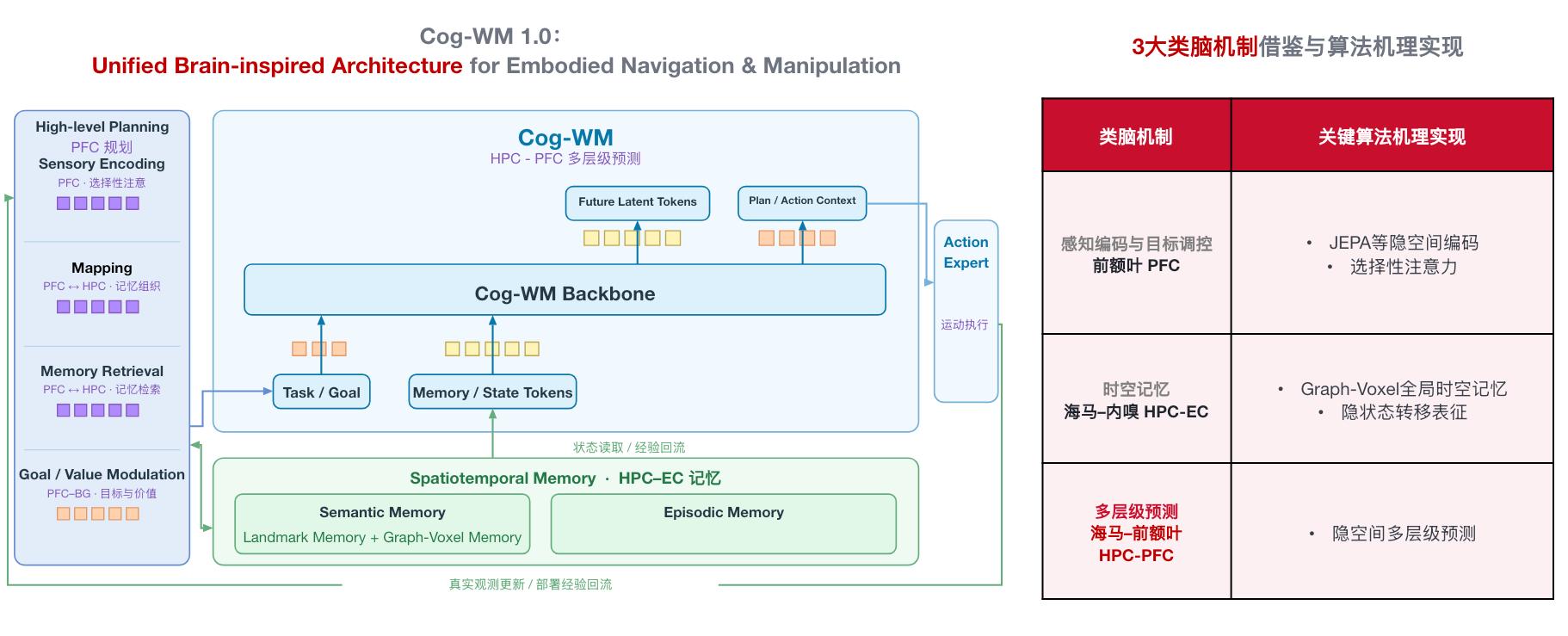
On September 14, Shanghai Juna Technology Co., Ltd. officially launched Cog-WM 1.0, the world's first brain-inspired cognitive world model, at the 2026 Pujiang Innovation Forum. This model, based on systematic brain-like neural mechanisms, has demonstrated capabilities in autonomous navigation and manipulation without relying on pre-built maps. Cog-WM 1.0's significance lies in its ability to enhance robotic autonomy in unfamiliar environments, achieving over a 10% improvement in navigation success rates compared to existing state-of-the-art models. It allows robots to perform tasks such as spatial memory retrieval and object searching, marking a significant advancement in embodied intelligence. Looking ahead, the focus will be on how Cog-WM 1.0 addresses key challenges in robotic cognition, such as reducing reliance on extensive data and improving long-term task completion. No further timeline was disclosed at the time of publication.
Cognitive Robotics Autonomous Navigation AI Technology Robotics Innovation
Advancements in Surgical Robots and Real-World Warehouse Automation Explored
The September 2026 digital issue of The Robot Report highlights significant advancements in surgical robotics and warehouse automation. It features case studies from El Camino Health, where the da Vinci system from Intuitive Surgical is utilized for coronary artery bypass grafting, emphasizing the need for precise motion control to enhance patient outcomes and reduce complications. This report is crucial for commercial robotics developers and end users as it illustrates the successful integration of robotic systems in healthcare and logistics. El Camino Health's implementation of robotic surgery not only alleviates cognitive burdens on staff but also improves care consistency and accessibility, showcasing the potential of surgical robots in modern medicine. Additionally, the report discusses the integration of autonomous mobile robots (AMRs) in warehouse operations, highlighting their independent capabilities compared to traditional automated guided vehicles. As AMRs become more prevalent in third-party logistics, retailers, and manufacturing, best practices for their deployment and maintenance will be essential for maximizing efficiency and investment returns. No further timeline was disclosed at the time of publication.
Autonomous Mobile Robots (AMRs) Case Study Controllers Digital Issues Healthcare Robotics Logistics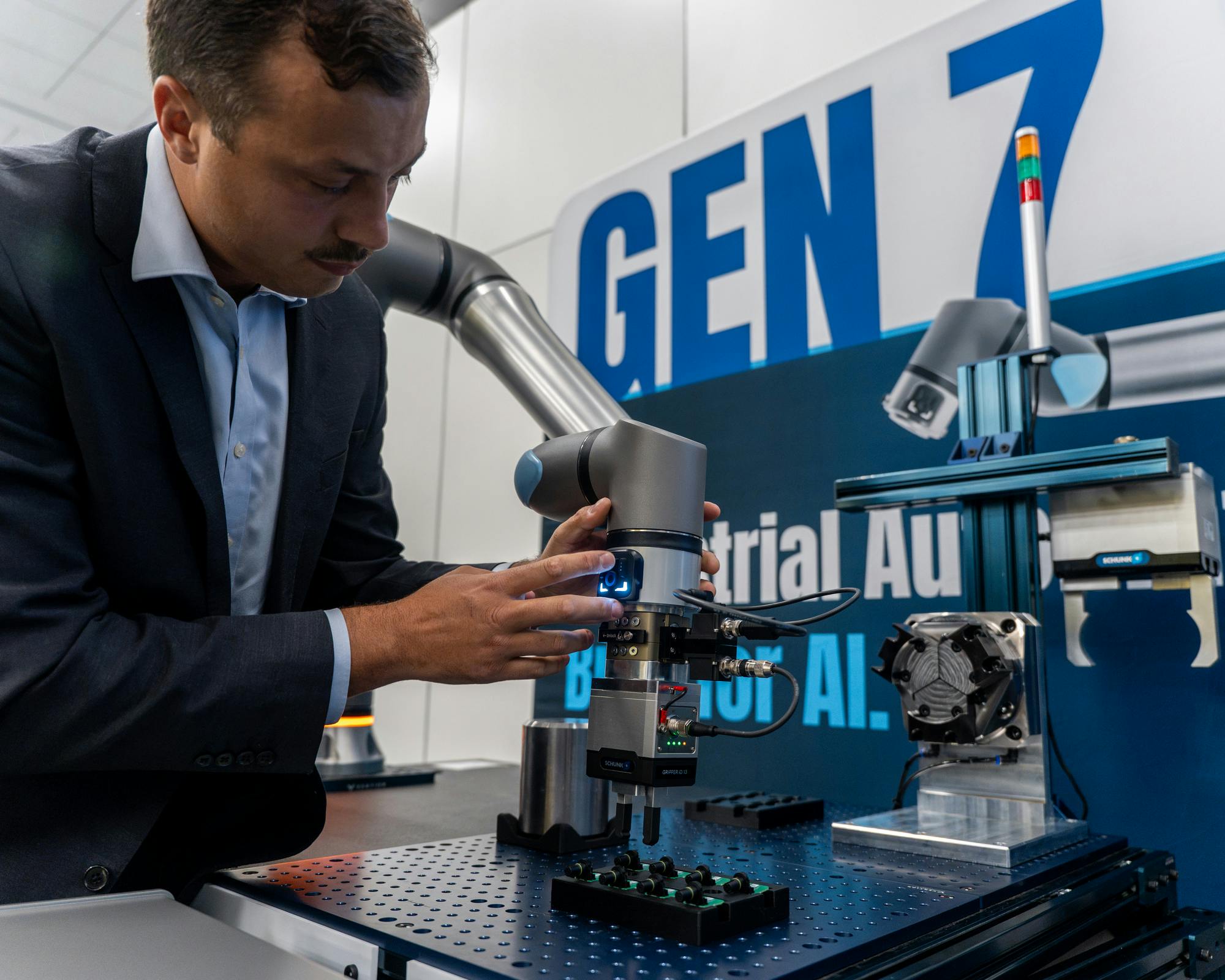
Universal Robots Launches Gen 7 Robotics Platform at IMTS 2026 in Chicago
Universal Robots unveiled its seventh-generation robotics platform, Gen 7, at the IMTS conference in Chicago on September 14, 2026. This platform features a unified system upgrade anchored by the PolyScope X robot operating system, which includes a reengineered control box, teach pendant, and tool flange. The significance of Gen 7 lies in its ability to reduce integration friction and expand application capabilities, enabling customers to deploy advanced AI-powered applications confidently. With over 20 years of cobot innovation and more than 100,000 industrial deployments, the platform is designed to meet the demands of the AI era. Looking ahead, Gen 7's advanced features, such as AI-ready tool flanges and enhanced force-torque sensing, position it as a key player in the evolution of collaborative robotics. No further timeline was disclosed at the time of publication.
Factory / Robotics
Nvidia CEO Jensen Huang Hosts Trump on Speakerphone to Discuss AI and Robots
During the All-In Summit, Nvidia CEO Jensen Huang put President Trump on speakerphone, where Trump stated that 'the robots will not be taking over.' This interaction highlighted ongoing discussions about AI development and its implications, with Trump dismissing fears as a 'hoax.' The significance of this event lies in the intersection of technology and politics, particularly as AI continues to evolve rapidly. Huang's remarks emphasized a commitment to ensuring that all sectors benefit from advancements in AI, reflecting a broader industry sentiment amidst rising concerns about AI's impact on jobs and society. Looking ahead, the dialogue surrounding AI regulation and development is expected to intensify, especially following recent calls from industry leaders like Anthropic's Dario Amodei for a more cautious approach. No further timeline was disclosed at the time of publication.
AI News Nvidia Policy Politics Tech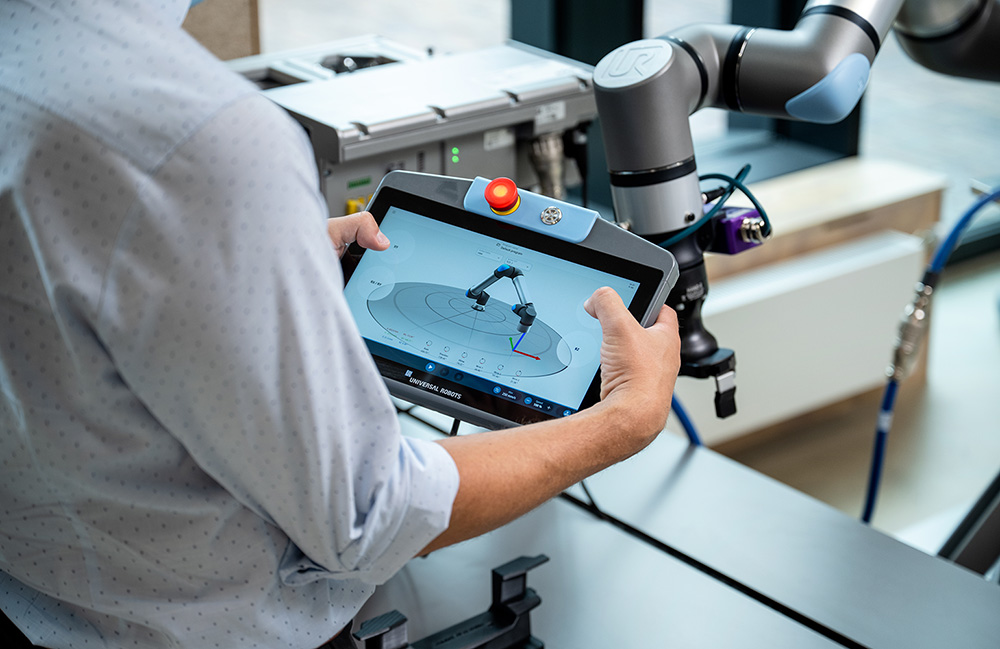
Universal Robots Unveils Gen 7 Robotics Platform at IMTS Trade Show
Universal Robots A/S launched its seventh-generation robotics platform, Gen 7, at the IMTS trade show. This platform enhances the user experience by integrating advanced AI-powered applications into industrial operations, maintaining a familiar interface for operators and engineers. The new platform features a re-engineered control box, teach pendant, and tool flange, designed to simplify complex tasks. The introduction of Gen 7 is significant as it reflects Universal Robots' commitment to advancing AI in manufacturing. The new core controller boasts 40% more compute power while being 30% smaller than previous models, facilitating multi-network communication and reducing reliance on external switches. This upgrade is expected to enhance the deployment of AI in factories, aligning with Teradyne's broader strategy to leverage AI for revenue growth. Looking ahead, Universal Robots aims to further improve the ease of deployment and programming of its robots, particularly in the context of AI integration. The Gen 7 platform includes three new robot arms, UR10g-1750, UR17g-1300, and UR18g-950, which are larger than earlier models. No further timeline was disclosed at the time of publication.
Arms / Manipulators Artificial Intelligence Artificial Intelligence / Cognition Cobot Arms Collaborative Robots Controllers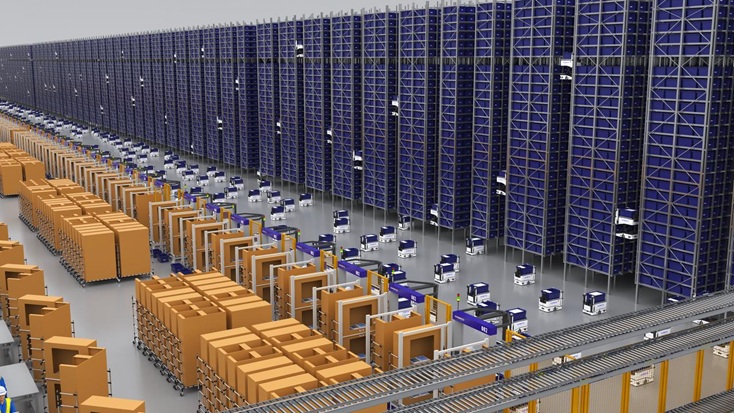
Hai Robotics Chosen for Largest Deployment of Rack-Climbing Warehouse Robots Globally
Hai Robotics has been selected to implement automation technology for a major e-commerce fulfillment center operated by a leading European fashion retailer. This project features the HaiPick Climb system, marking the largest deployment of rack-climbing warehouse robots in the world, with over 1,500 units set to enhance operational efficiency. The significance of this deployment lies in its potential to redefine warehouse automation standards, showcasing HaiPick Climb as a premier solution for high-performance e-commerce fulfillment. The retailer's expansion of its partnership with Hai Robotics emphasizes the growing demand for scalable automation solutions in response to rising online order volumes. Looking ahead, the project underscores the trend towards scalable robotic automation in large-scale fulfillment operations. No further timeline was disclosed at the time of publication.
Industry News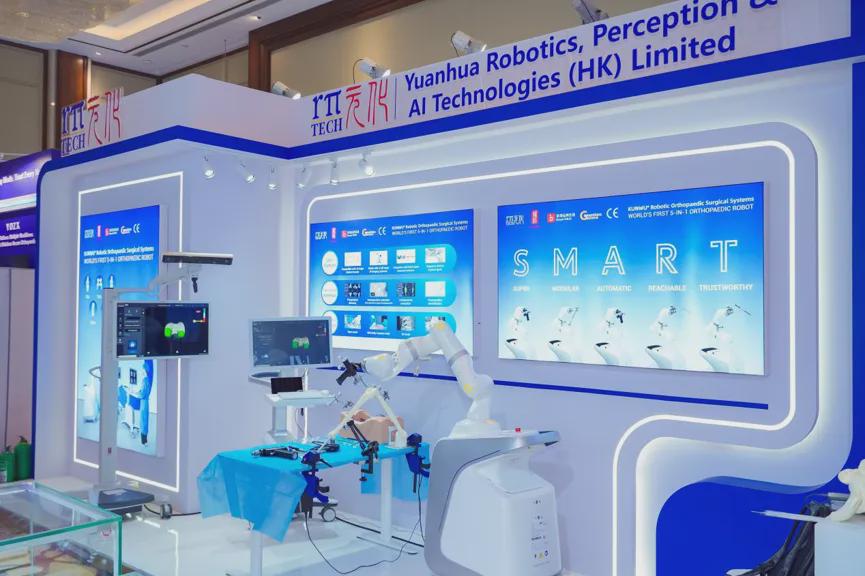
New Insights on Domestic Orthopedic Surgical Robots: Advancements in Complex Joint Replacement
The maturity of surgical robots is evaluated not just by their ability to perform standard joint replacements but also by their effectiveness in complex cases. At the 12th Asian Joint Society Annual Meeting held from September 10 to 12, 2023, in Boao, Hainan, experts discussed the challenges of robotic-assisted surgeries for patients with significant anatomical deviations. The event showcased the Kuntuo® orthopedic surgical robot in various scenarios, including live surgeries and workshops, emphasizing its role in addressing complex cases. A notable case involved a 66-year-old woman with developmental dysplasia of the hip, highlighting the need for personalized planning in joint replacement surgeries. The robot's capabilities extend beyond precision to include individualized preoperative planning based on patient-specific anatomical conditions. Future developments in robotic-assisted surgeries will likely focus on enhancing the robot's ability to adapt to unique anatomical challenges. The Kuntuo robot has previously been utilized in complex cases, indicating its growing relevance in orthopedic surgery. No further timeline was disclosed at the time of publication.
Orthopedic Robotics Surgical Automation Complex Case Management Medical Technology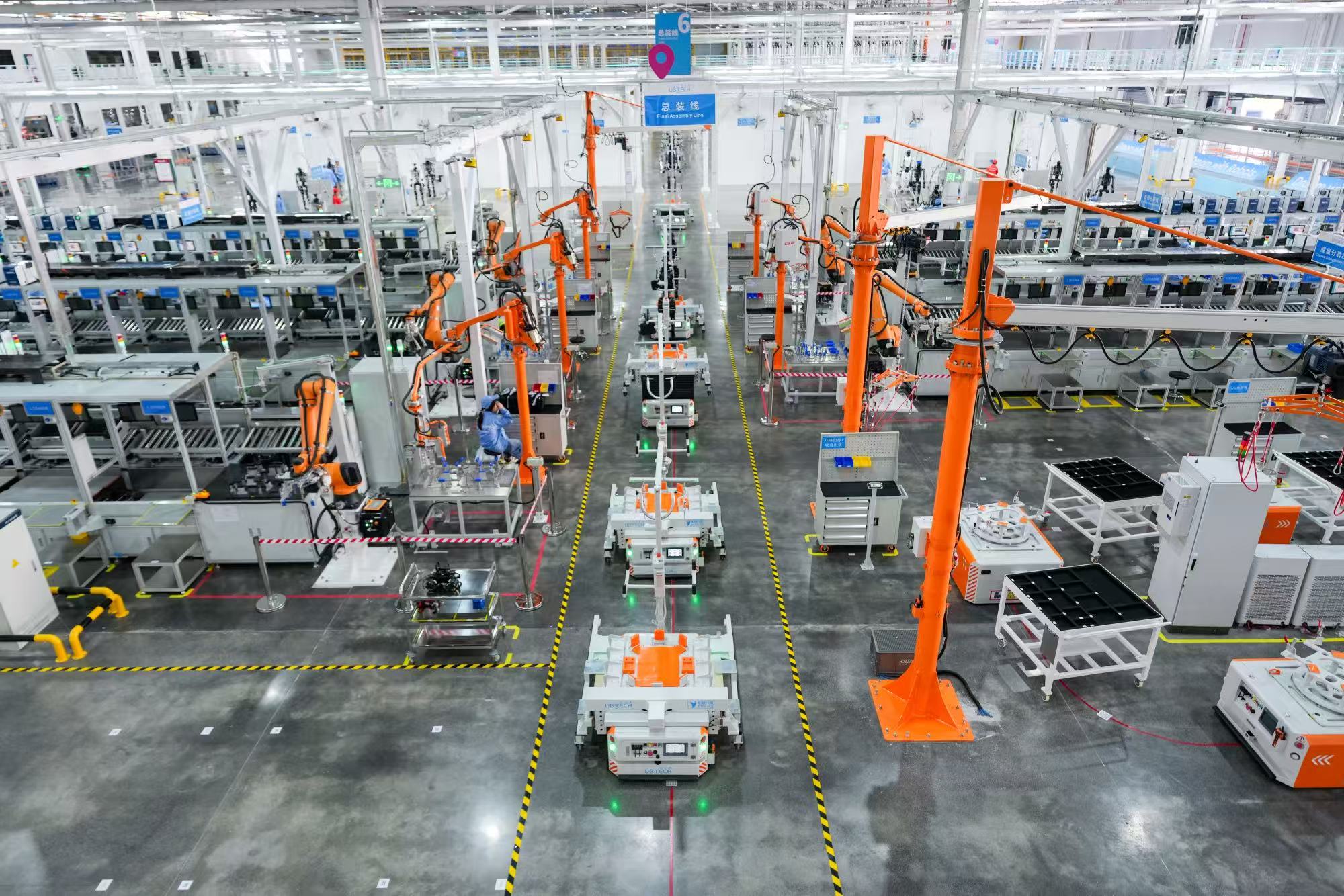
Company Producing 10,000 Humanoid Robots Annually, with Non-Human Workers Dominating Factory Operations
A newly established company has begun producing 10,000 humanoid robots each year, highlighting a significant advancement in robotics manufacturing. This development is noteworthy as it reflects the growing reliance on automation in production processes, where non-human workers are increasingly taking on roles traditionally held by humans. The implications of this trend are profound, as it raises questions about the future of labor and the potential for robots to replace human jobs. The fact that a company can produce such a high volume of humanoid robots annually indicates a shift towards more automated and efficient manufacturing practices. Looking ahead, it will be important to monitor how this company and others in the industry adapt to the challenges and opportunities presented by automation. No further timeline was disclosed at the time of publication.
Robotics Automation AI
FF Unveils Nine New Robots, Yet U.S. Market Demands More Than Variety
On September 19, FF launched nine new robot models, including humanoid, quadruped, and wheeled-arm types, along with four industry solutions targeting K12 education, research, security, and inspection. This ambitious rollout stands out in an industry where many competitors are still refining single products for mass production. The significance of this launch lies in FF's strategy to cover a wide range of scenarios, betting that this breadth will attract orders. However, the simultaneous release of nine products introduces complexities in supply chains and after-sales systems, which could be as challenging as manufacturing a vehicle. The company aims to establish a strong foothold in the U.S. robotics market with its comprehensive offerings. Looking ahead, the market will soon see the specifications and pricing for these nine robots. However, the critical factor will be which model successfully integrates into real-world applications, such as inspection routes or classrooms. The challenge remains that while having a diverse product lineup is beneficial, the true test will be in delivering proven performance in specific scenarios.
Robotics Automation Security Solutions K12 Education Manufacturing
Q1 and T1 Robots from Qiyuan Robotics Set to Transform Home Interaction
Qiyuan Robotics is preparing to deliver its Q1 robot, which stands 88 cm tall and weighs 15 kg, designed for companionship and entertainment. The company, part of the Upwind New Materials group, is also launching the T1, a transformable robot. CEO Tian Hua emphasizes that personal robots should not merely replicate industrial robots but instead create a new form of human-robot interaction. The significance of these developments lies in the potential for personal robots to become a primary interface in homes, connecting AI, digital services, and everyday life. Unlike structured factory environments, homes present unpredictable challenges, which is why Qiyuan has opted for a smaller, safer design for the Q1. The T1, standing about one meter tall, can switch between wheeled and quadrupedal forms, indicating a shift in the industry towards robots that better fit human lifestyles. Looking ahead, Qiyuan Robotics faces the challenge of moving from prototypes to mass production, with plans for a production line capable of handling thousands of units. The company has secured 210 million yuan in prepayments for its consumer-grade robots and is investing significantly in R&D. Analysts remain cautious, noting that while the home market is promising, it may take longer to reach commercialization compared to industrial applications. The real test will be whether users will keep these robots in their homes after initial trials.
Personal Robots Home Automation AI Consumer Robotics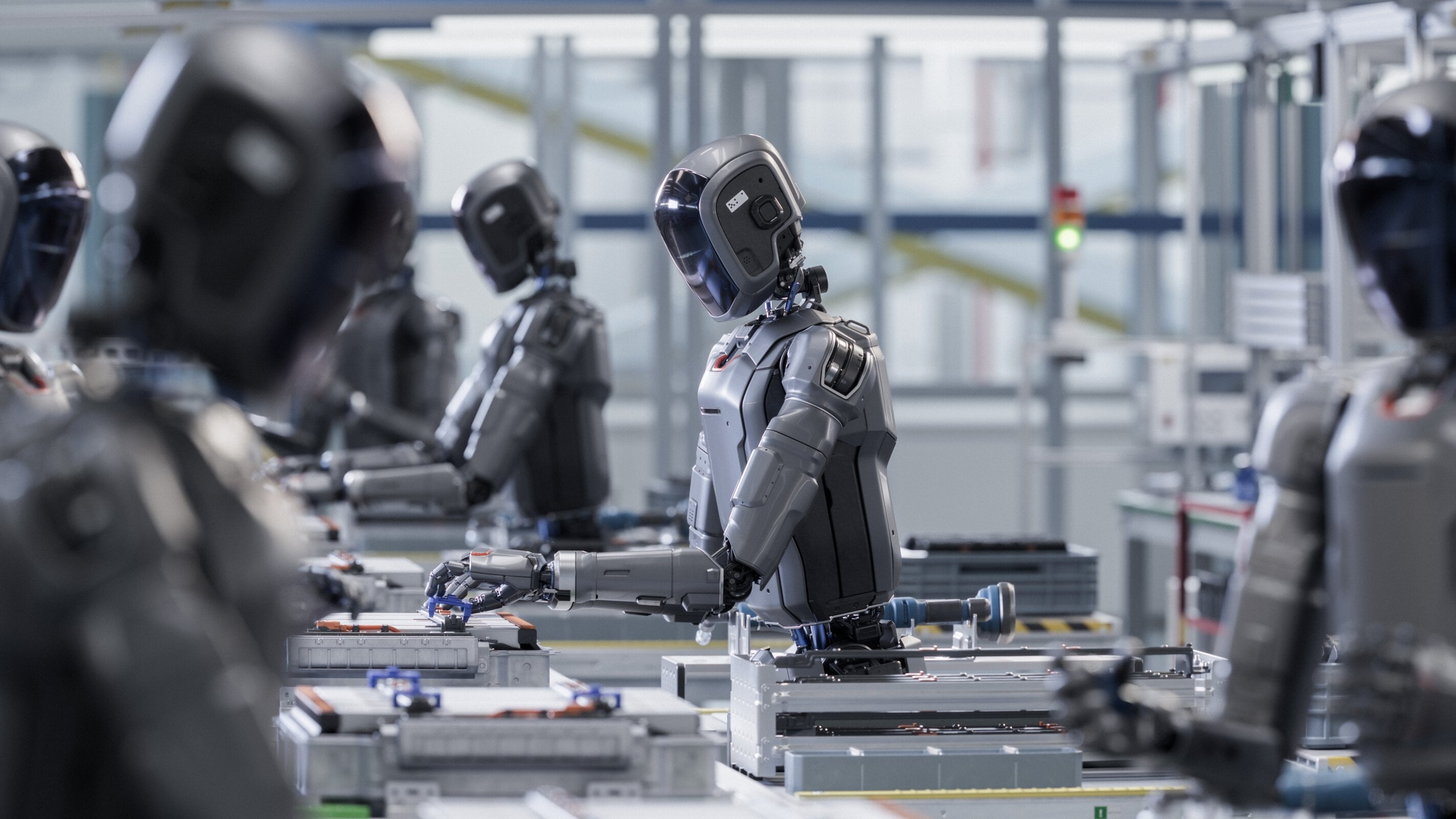
Goldman Sachs Projects 6.5 Million Humanoid Robots by 2035, Driving Market Growth
Goldman Sachs has projected that 6.5 million humanoid robots will be shipped globally by 2035, marking a significant increase from previous estimates. The firm anticipates a phased ramp-up, with 75,000 units expected in 2026 and 890,000 by 2030, representing a $138 billion market opportunity primarily in logistics, warehousing, and automotive sectors. This projection highlights the growing demand for humanoid robots and the necessary infrastructure to support their production, including dedicated production lines and factory-floor automation. The anticipated growth is also linked to a broader AI capital expenditure cycle, which is expected to influence various industries and technologies. Investors should monitor the developments in this sector, particularly the impact of potential AI regulation as flagged by leaders at Anthropic and OpenAI. No further timeline was disclosed at the time of publication.
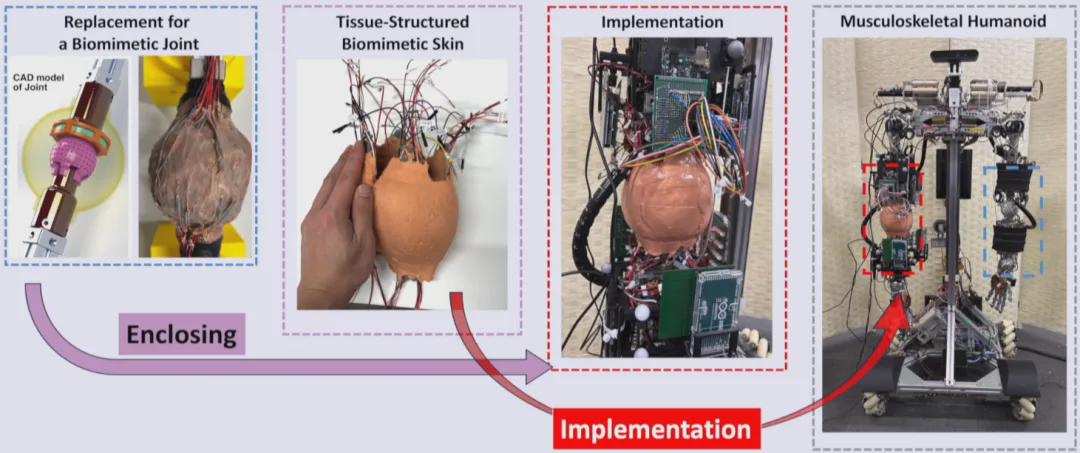
Tokyo University Innovates Artificial Skin for Enhanced Joint Angle Sensing in Robots
Tokyo University's research team has developed an artificial skin that enables robots to accurately sense joint angles through its deformation. This bionic skin, designed with a tissue-like layered structure, was tested on the Musashi-W humanoid robot. The results indicated that the average estimation error for joint angles could be maintained within approximately 3 degrees, and further accuracy was achievable by integrating skin and muscle information. This advancement is significant as traditional muscle-driven humanoid robots face challenges in measuring joint angles directly, unlike conventional robotic joints that utilize encoders. Current methods rely on limited sensors, such as muscle length and tension sensors, to infer joint angles. The research team's approach mimics biological structures by embedding numerous small sensors within soft tissues, enhancing the robot's ability to discern between external disturbances and internal state changes. Moving forward, the integration of these sensors into robotic systems could revolutionize how robots perceive their own movements and interactions with the environment. No further timeline was disclosed at the time of publication.
Humanoid Robots Proprioception Biomimetic Technology Robotic Sensors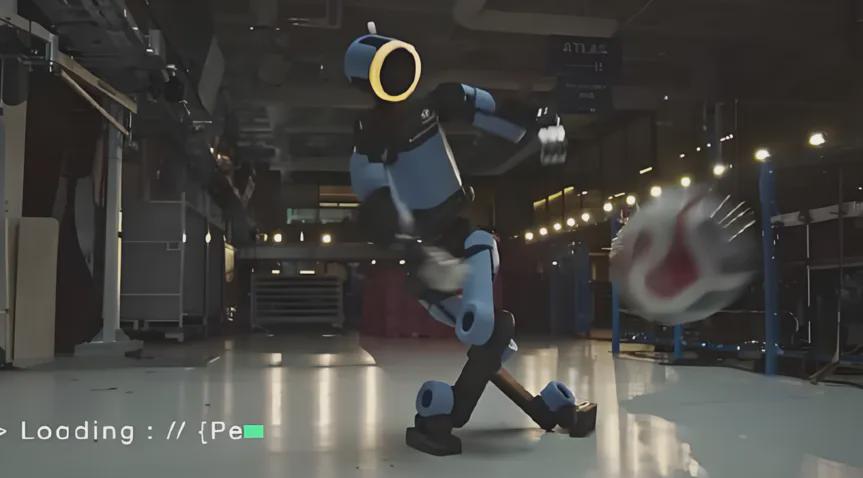
Is Full-Body Intelligence the Next Frontier After Robots Learn to 'Twist Their Waists'?
A newly established company has secured essential components for the low-altitude economy, highlighting the growing demand in this sector. Boston Dynamics has diversified its profitable business by collaborating with a plush toy manufacturer, indicating a shift in focus within the robotics industry. As AI technology evolves, concerns arise about its potential risks, with 88% of enterprises adopting AI, yet only 39% achieving profitability, underscoring the challenges ahead.
Robotics Automation AI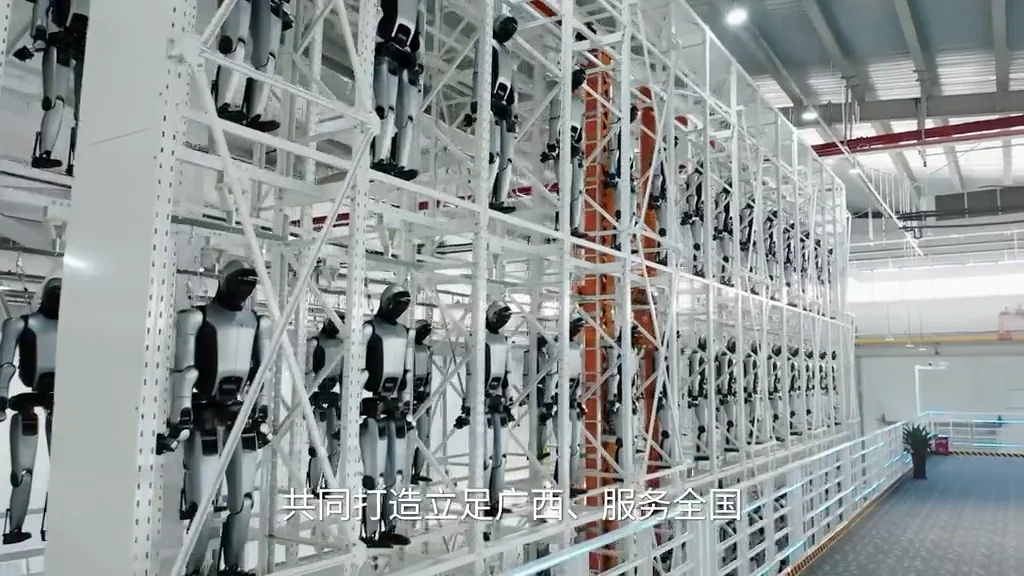
UBTECH Launches 10,000-Unit Super Factory for Humanoid Robots in Liuzhou
UBTECH Robotics has officially launched its Industrial Humanoid Robot Super Smart Factory in Liuzhou, China, on September 12-13, 2026. This facility is designed to produce 10,000 industrial humanoid robots annually, marking a significant shift from traditional batch assembly to high-throughput manufacturing. The establishment of this factory is crucial as it supports UBTECH's ambitious growth targets, especially after a remarkable 1,445% revenue increase in the first half of 2026, driven by 921 bipedal robot deliveries. The factory's design allows for the completion of a humanoid robot every 10 minutes, positioning UBTECH competitively in the global robotics market. Looking ahead, the factory employs a flexible assembly line and a robotic logistics fleet, enhancing efficiency and adaptability in production. The integration of UBTECH's Yanshee MOM platform with Siemens' technology further streamlines operations. No further timeline was disclosed at the time of publication.
Market manufacturing China UBTECH Robotics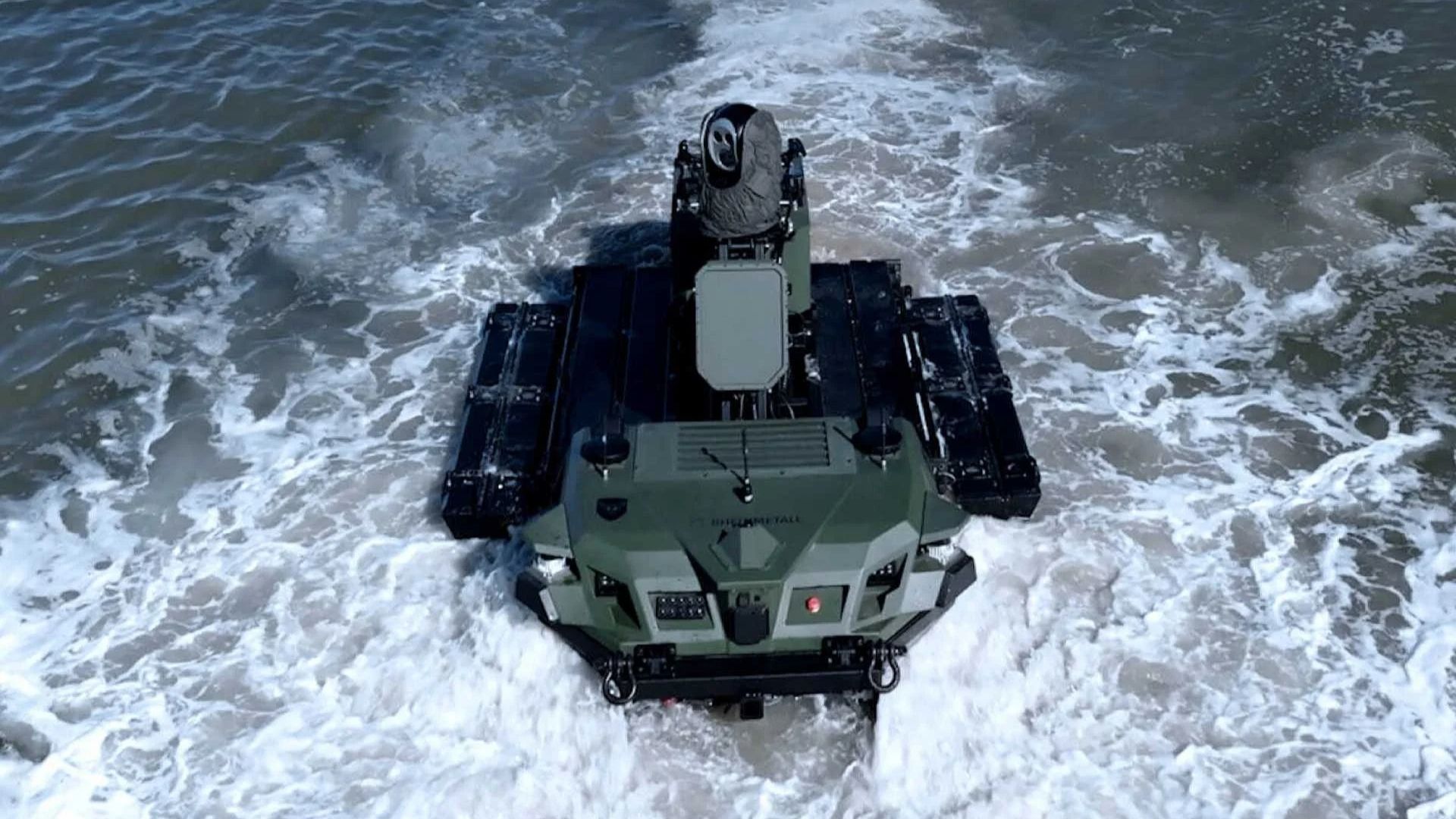
US Marine Corps Secures 12 Rheinmetall Amphibious Robots for Autonomous Logistics
American Rheinmetall has been awarded a $7.28 million contract to supply 12 Mission Master SP Autonomous Unmanned Ground Vehicles (A-UGVs) to the US Marine Corps. This procurement includes five amphibious kits and supporting equipment aimed at enhancing autonomous logistics and expeditionary mobility technologies. The significance of this contract lies in its potential to advance the operational capabilities of the US Marine Corps. The Mission Master SP vehicles are designed to support the Marine Corps Warfighting Laboratory's evaluations and capability development efforts, reflecting over four years of collaboration between Rheinmetall and the Marines. Looking ahead, the deployment of these advanced A-UGVs will be closely monitored as they are integrated into military operations. The amphibious capability is particularly noteworthy, as it addresses the evolving demands of littoral and expeditionary operations, marking a key milestone in Rheinmetall's partnership with the US Marine Corps.
Military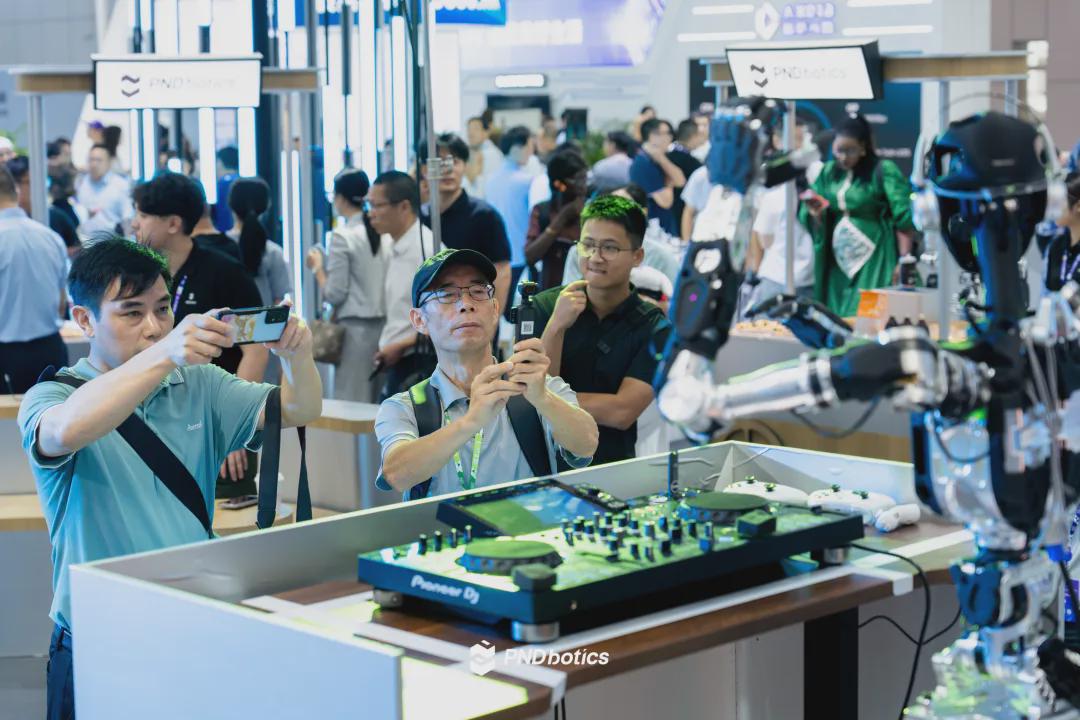
PNDbotics Showcases Humanoid Robots for Real-World Industrial Applications
PNDbotics is exploring the application of humanoid robots in real industrial tasks at the Future Factory exhibition, held from September 11 to 13 at the Ningbo International Exhibition Center. The showcase emphasizes the robots' ability to understand tasks, recognize environments, and adapt execution strategies in dynamic production settings. This initiative is significant as it addresses the challenges of integrating humanoid robots into complex industrial environments, where continuous decision-making is crucial. Unlike controlled lab settings, real factories present fluctuating conditions that require robots to perform a series of interconnected actions, demonstrating their full operational capabilities. Looking ahead, the focus will be on how these robots can effectively connect with real production environments and validate their reliability through successful task execution. The goal is to enhance the robots' system capabilities, moving beyond mere movement to achieving task completion in manufacturing settings.
Humanoid Robots Industrial Automation Robotics Technology AI Manufacturing Solutions
JD Logistics Implements Diverse Robots to Transform Warehouse Automation
JD Logistics has deployed 11 different types of robots across over 20 provinces in China, including a dexterous arm that has surpassed the single-machine economic model threshold. This approach contrasts with the industry's focus on humanoid robots, emphasizing that the shape of robots should be determined by their operational requirements. The significance of JD's strategy lies in addressing the automation gap in logistics, where over 70% of warehouses still rely heavily on manual labor. JD's dexterous arm, known as 'Yilong,' can adapt its grip for various packaging types, resulting in over a 20% reduction in operational costs compared to traditional manual sorting. Looking ahead, JD aims to replicate its successful model across multiple projects, with a projected payback period of around two years for its first airport project. As JD continues to refine its robotic systems, the industry will need to consider the viability of humanoid robots in comparison to JD's efficient, specialized solutions.
Warehouse Automation Logistics Robotics AI Robotic Arms
Humanoid Robots Enter Combat Arena: A New Path for EngineAI T800
On September 10, in Riyadh, two humanoid robots, EngineAI T800, engaged in combat in a specially constructed arena. Each robot stands 1.73 meters tall and weighs between 75 to 85 kilograms, showcasing capabilities such as walking, running, punching, and kicking. This event marked the first humanoid robot fighting competition in the Middle East, organized by Hero Esports, a leading esports operator. The significance of this event lies in its potential to commercialize humanoid robots effectively. Unlike traditional roles in factories or service sectors, combat provides a dynamic environment for robots to gather valuable data on physical interactions. This data is crucial for improving robotic movement and decision-making in real-world scenarios, making combat a more viable path for humanoid robots. Looking ahead, Hero Esports plans to host eight competitions across four regions: the Middle East, Europe, America, and Asia. The focus will be on collecting combat data to enhance motion control algorithms. The success of this initiative could transform robot fighting from mere entertainment into a significant driver of technological advancement in humanoid robotics.
Humanoid Robots Robot Combat AI Technology Data Analytics Entertainment Technology
Maven Robotics Raises $100 Million to Advance Warehouse Automation with Humanoid Robots
On September 10, Maven Robotics announced the completion of a $100 million Series A funding round. Founded in 2024, the company, co-founded by Hamza Derbas, started with minimal resources but has since deployed eight robots in a Fortune 250 consumer goods company's warehouse, operating 16 hours a day with over 99% uptime. These robots perform mixed palletizing, a task that traditionally relies on human labor. The significance of Maven's approach lies in its focus on automating the most monotonous and repetitive physical tasks in warehouses rather than pursuing humanoid capabilities. With over 480,000 job vacancies in U.S. manufacturing and a projected 2.1 million unfilled positions by 2030 due to skill gaps, automation is becoming a necessity rather than an option. The funding landscape for robotics has also shifted, with a record $18.8 billion raised in 2026, indicating a growing interest in practical automation solutions. Looking ahead, Maven plans to use the funding to produce 250 third-generation robots and initiate the design of a fourth-generation platform. The company aims to achieve over 100,000 hours of autonomous operating time by the end of 2026 and surpass 1 million hours by the end of 2027. However, the company acknowledges that expanding into more complex material handling and assembly tasks will require capabilities that currently do not exist in their robots.
Warehouse Automation Robotics Manufacturing AI
Elon Musk's Vision for 10 Million Robots: Supply Chain Implications and Profitability
Tesla's Fremont factory has shifted its focus from producing 40,000 luxury electric vehicles annually to a target of 1 million Optimus humanoid robots. This significant increase in production capacity raises questions about the supply chain and who will benefit financially from Musk's ambitious plan to produce 10 million robots. Analysts suggest that the real profit opportunities may lie with Chinese suppliers who are scaling up to meet Tesla's demands. The supply chain for humanoid robots involves complex components such as actuators, reducers, and screws, which have high technical barriers and long validation periods. Major suppliers like Sanyuan and Top Group are positioned as core players in the Optimus supply chain, making it difficult for new entrants to compete. Tesla's procurement strategy involves framework orders based on production capacity, incentivizing suppliers to expand their operations. While substantial revenue from the robot production is not expected until 2027, the current market dynamics are already influencing stock prices. The robot industry is at a critical juncture, and established suppliers in Tesla's automotive business are leveraging their relationships to transition into the robotics sector. Musk's assertion that the global humanoid robot count could reach 1 billion in the next decade underscores the potential for significant market disruption.
Humanoid Robots Supply Chain Automation Tesla Robotics
Study Reveals Trust in Human-Like Robots Diminishes After Errors
A study from Drexel University indicates that the more human-like a robot is, the more it can influence people, provided it does not make mistakes. Researchers engaged 50 adult males in conversations with the humanoid robot Pepper for two and a half hours, with half interacting with an expressive version and the other half with a motionless version. When Pepper made intentional errors in the third round, participants' trust significantly declined, with influence dropping from 0.25 to 0.10 after just one mistake. The findings highlight the importance of reliability in social robots, especially in sensitive environments like hospitals and schools. While the expressive Pepper initially fostered a stronger connection, errors led to a more pronounced loss of trust compared to the motionless version. The study also recorded participants' brain activity, revealing heightened responses to social norm violations when interacting with the expressive robot, indicating a shift from technical to interpersonal judgment. Future research will explore whether robots can regain trust through apologies or explanations after making mistakes. The study's limitations include a focus on adult males and the specific robot Pepper, but its implications stress the need for reliability in the design of social robots to prevent trust erosion after errors.
Social Robots Human-Robot Interaction Trust in AI Robotics Research
Companion Robots for the Elderly Focus on Conversation Rather Than Physical Care
Recent developments in companion robots for the elderly highlight a shift towards prioritizing conversation over physical assistance. Robots like Sandi in Barcelona and Hyodol in South Korea are designed to provide emotional support and reminders for medication and daily activities, addressing the needs of seniors facing cognitive decline and loneliness. This trend is significant as it reflects a growing recognition of the emotional and psychological needs of the elderly population. With over 3.2 billion people aged 60 and above in China and a substantial shortage of professional caregivers, the demand for supportive technologies is increasing. However, the penetration rate of professional care robots remains low, indicating a gap between need and technological adoption. Looking ahead, the challenge remains in developing robots that can perform physical tasks effectively while also providing companionship. As the demand for elderly care continues to rise, the focus on robots that foster interaction rather than just physical assistance may shape future innovations in this sector. No further timeline was disclosed at the time of publication.
Elderly Care Robots Companion Robots AI Technology Healthcare Innovation
Teradyne Robotics Initiates Patent Infringement Case Against JAKA Robotics Over Universal Robots Patents
Teradyne Robotics A/S has filed a patent infringement lawsuit against JAKA Robotics GmbH, alleging violations of three Universal Robots patents. The case, filed on August 24, 2026, in the Unified Patent Court's Copenhagen Local Division, involves both hardware and software related to JAKA's collaborative robots sold in Europe. This lawsuit is significant as it highlights the ongoing competition in the collaborative robotics market, where Teradyne Robotics is a leading developer with over 100,000 robots sold since its inception in 2005. The patents in question cover essential aspects of robotic technology, including programmable systems and joint safety mechanisms, which are critical for the functionality of collaborative robots. Moving forward, it will be important to monitor how JAKA Robotics responds to the allegations, as they have stated they have not received official notification of the lawsuit. The outcome of this case could impact the competitive landscape in the collaborative robotics sector, particularly in Europe, where both companies operate extensively. No further timeline was disclosed at the time of publication.
China Collaborative Robots News JAKA Robotics Teradyne Robotics Universal Robots
Humanoid Robots: Moving Beyond Demonstrations to Real-World Profitability
The humanoid robotics sector has long promised productivity, with expectations for significant sales by 2026. Humanoid robots are now capable of walking, sorting components, and performing increasingly complex industrial tasks. However, industrial buyers are shifting their focus from impressive demonstrations to the critical question of return on investment. As the industry transitions from prototypes to production environments, the evaluation criteria are evolving. Successful demonstrations are no longer sufficient; manufacturers must now prove operational availability, throughput, safety, integration costs, and actual customer willingness to pay for their robots' work. Data from September 2026 indicates that this transition is underway, but only a few companies report significant commercial deployments. Agility Robotics stands out as a strong example, with its robot Digit commercially deployed by GXO Logistics since 2024 under a multi-year Robots-as-a-Service agreement. Digit has moved over 100,000 bins at GXO's Flowery Branch site, showcasing its role in a repetitive logistics process rather than a staged demonstration. In 2026, Agility announced over $300 million in multi-year contractual orders for Digit v5, signaling that industrial clients are ready to invest significantly in humanoid automation.
À la une Humanoide IA Industrie Robotique automatisation industrielle.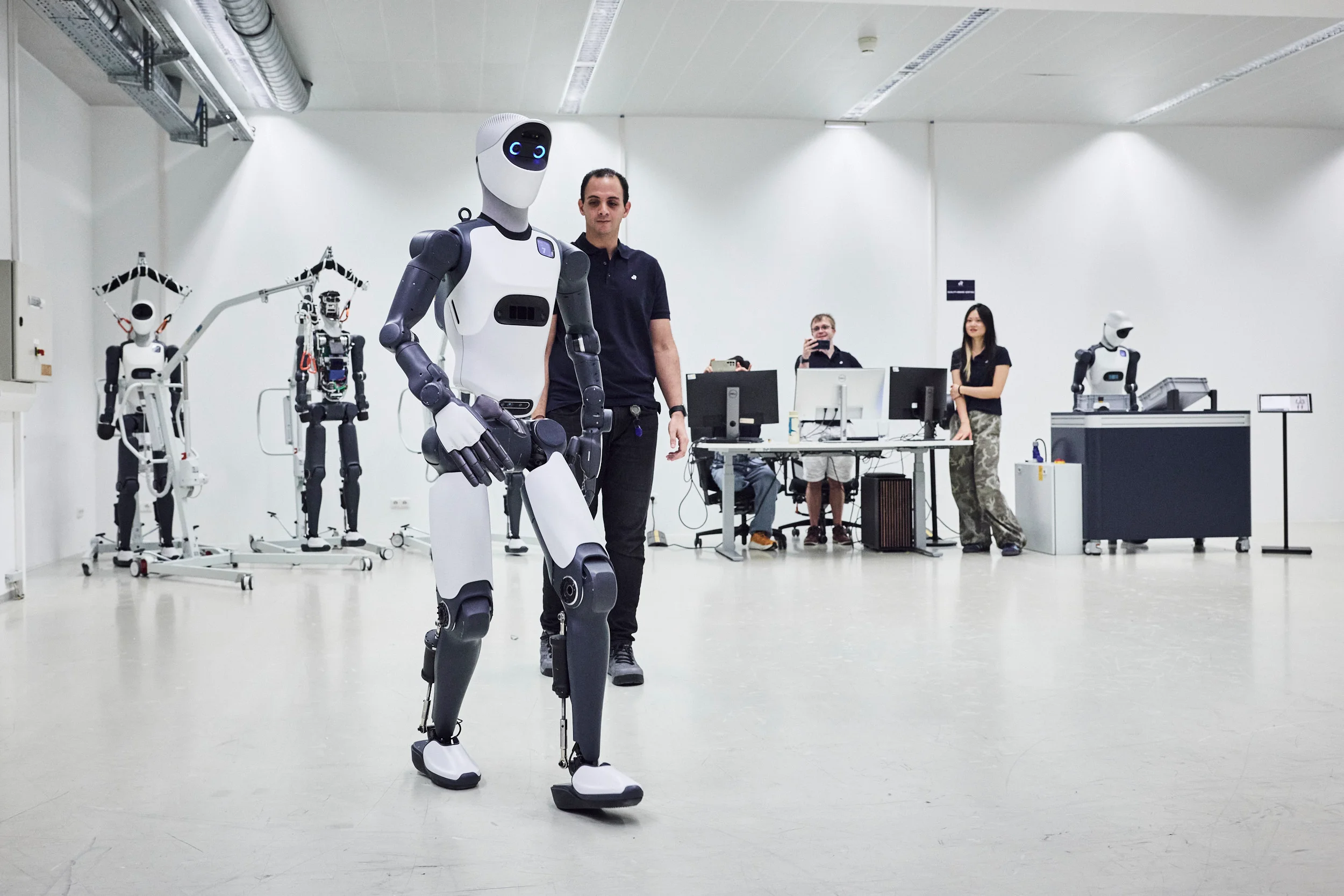
Agile Robots CEO Zhaopeng Chen Predicts Physical AI Market Will Exceed Automotive Sector by Tenfold
At the Physical AI event in Munich, Agile Robots CEO Zhaopeng Chen forecasted that the market for physical artificial intelligence and humanoids will surpass the global automotive industry by ten times. He based this prediction on the current automotive production figures, which see around 90 million vehicles produced annually, generating significant revenue. Chen's vision suggests a shift from traditional vehicle ownership to individual humanoid companions, aligning with broader market analyses that view embodied labor as a multi-trillion-dollar opportunity. However, he expressed skepticism about the immediate capabilities of AI in industrial settings, emphasizing the need for domain expertise and training in manufacturing processes. Attendees at the event were given insights into Agile Robots' approach to integrating physical AI into manufacturing. The company focuses on developing its entire physical AI stack in-house, including advanced end-effectors like the Agile Hand, which features sophisticated joint mechanics and tactile sensitivity, essential for effective operation in industrial environments. No further timeline was disclosed at the time of publication.
Agile ONE Europe Market Agile Robots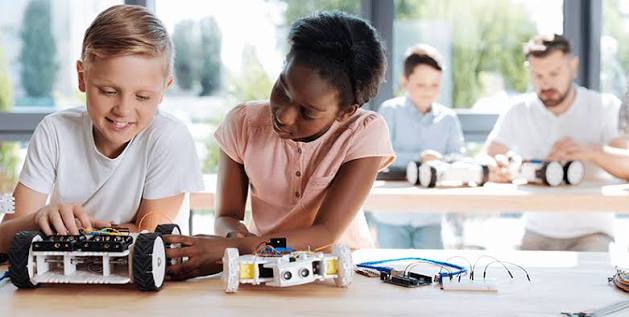
Sixth Graders Program Robots to Breakdance, Highlighting Shift in Robotics Education
At Punahou School in Hawaii, a group of sixth graders successfully programmed wheeled robots to perform breakdancing moves. This project involved translating complex physical movements into sequences of commands that machines can understand, encompassing concepts like coordinate transformation and feedback control. With the right educational tools, these concepts have become accessible to children aged eleven and twelve. The significance of this achievement lies not just in the robots dancing but in a broader trend in robotics education. The focus is shifting from hardware assembly to programming and algorithms. While previous generations emphasized building stable structures, today's students are challenged to execute more complex and precise motion tasks, effectively thinking like engineers. This educational shift mirrors industry trends, as humanoid robots are expected to transition from demonstrations to operational roles by 2026. The ability to perform complex movements relies on precise programming and real-time error correction. As industries seek skilled technical talent, the foundation for such skills can begin in classrooms, where students learn to translate their ideas into a language machines can understand.
Robotics Education Programming Algorithm Development STEM Learning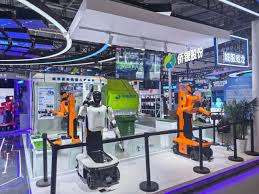
Strategic Partnership to Integrate Humanoid Robots into Urban Sanitation Systems
On September 7, 2026, Qiaoyin Urban Management Co., Ltd. signed a strategic cooperation agreement with the National Local Co-construction Humanoid Robot Innovation Center. The partnership aims to establish the first national application hub for humanoid robots in urban services, integrating advanced technology into real-world sanitation and property management scenarios. This collaboration is significant as Qiaoyin is the only selected partner for urban service applications, indicating that the center's technological innovations will be tested in frontline sanitation operations. The agreement outlines the joint development of two product lines for humanoid robots, with practical training models being created in various urban projects, including those in Guangzhou and Maoming. Looking ahead, Qiaoyin's President, Xia Guanming, has set a timeline for validating sanitation operations by the end of this year and implementing applications in Maoming next year. The integration of humanoid robots into urban sanitation represents a critical step in addressing labor shortages and enhancing operational efficiency in city services, marking a pivotal moment for the industry as it moves towards mass production of humanoid robots.
Humanoid Robots Urban Sanitation Robotics Innovation AI in Urban Services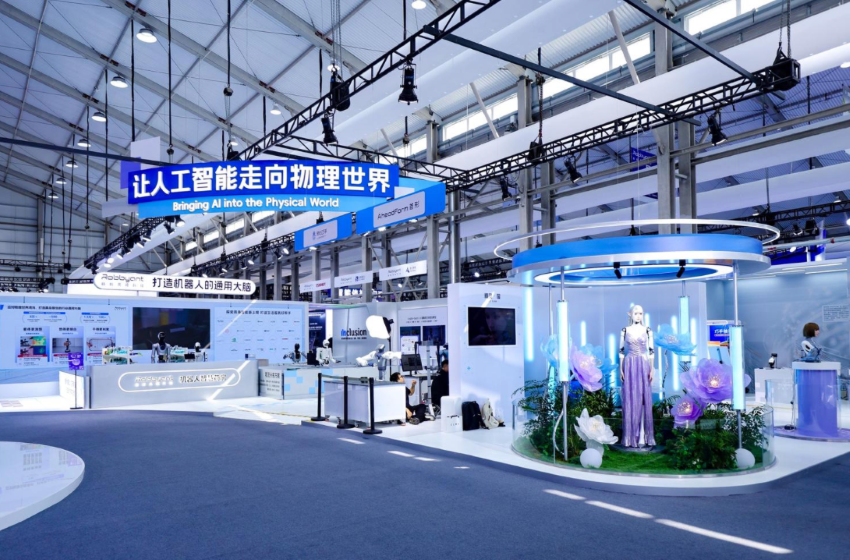
2026 Bund Conference Showcases Ant Group's Robots Integrating Intelligence into Real-World Applications
At the 2026 Bund Conference, Ant Group showcased robots that perform practical tasks such as accurately retrieving medication from shelves and sorting in logistics. Unlike previous demonstrations focused on flashy movements, these robots are designed to understand their environment and adapt to complex scenarios without human intervention. This shift is significant as it addresses the industry's long-standing challenge of creating versatile robots capable of operating in real-world settings. The demonstration included a 'smart pharmacy' where robots autonomously received orders, identified medications, and delivered them, proving the feasibility of deploying such technology in retail environments without requiring store modifications. Looking ahead, Ant Group's LingBot-VLA 2.0 model is set to support various robot configurations, enhancing the scalability of robotic services in real-world applications. The conference also featured discussions on the evolution of embodied intelligence, with insights from leading scientists and industry leaders, indicating a promising future for robotics in practical scenarios.
Robotics AI Warehouse Automation Pharmacy Automation Intelligent Systems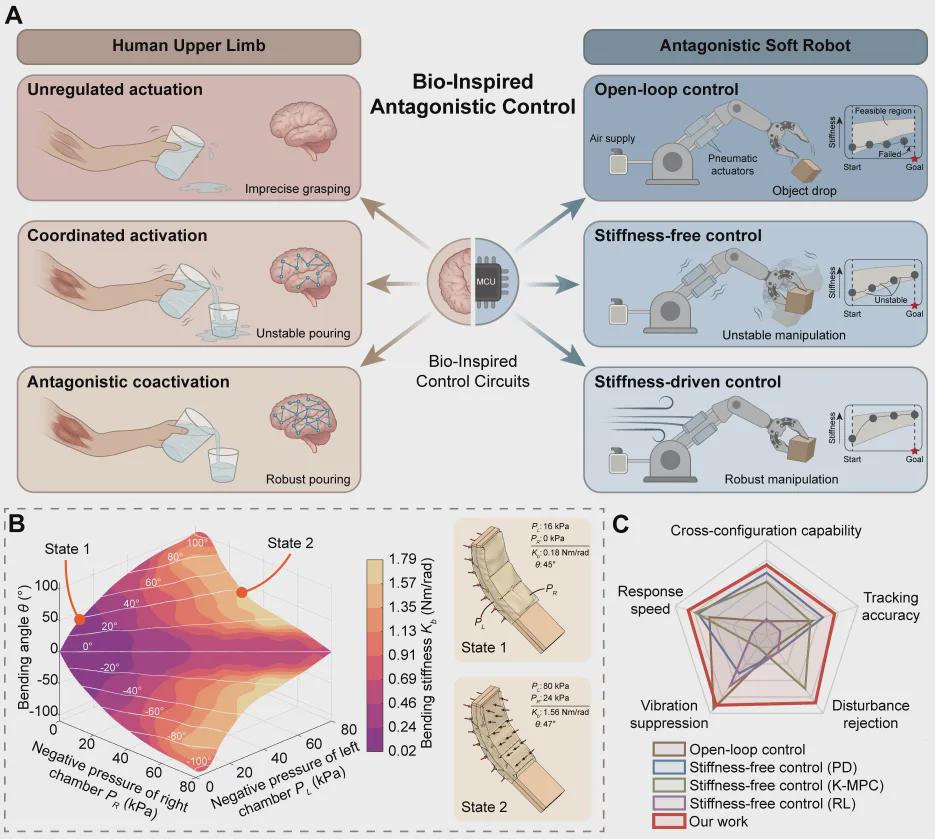
Enhancing Stability and Precision in Antagonistic Soft Robots Through Muscle-Inspired Stiffness Regulation
Researchers from Nanyang Technological University have developed a stiffness-driven control strategy for antagonistic soft robots, inspired by muscle coactivation. This approach improves the robots' stability, precision, and disturbance resistance without relying on complex analytical models or real-time stiffness measurements. The innovation lies in integrating stiffness regulation into motion control, allowing soft robots to maintain similar joint postures while adjusting overall stiffness. The study demonstrated that the bending stiffness of the robot could be increased from approximately 0.02 N·m/rad to 1.79 N·m/rad, an 88-fold enhancement, showcasing the potential for improved performance in various applications. Future developments will focus on refining this control strategy and exploring its applications in real-world scenarios. No further timeline was disclosed at the time of publication.
Soft Robotics Robotic Control Systems Stiffness Regulation Biomechanics Automation Technology
Fanuc and Google Collaborate on AI-Driven Welding Robots for Enhanced Automation
Japanese industrial automation firm Fanuc has partnered with Google to create an AI-automated welding system. This innovative solution utilizes robots equipped with artificial intelligence that can interpret blueprints directly, thus removing the need for manual programming. Deliveries of this advanced system are expected to commence in December 2026. This collaboration is significant as it represents a leap forward in automation technology, potentially streamlining manufacturing processes and improving efficiency in welding tasks. By enabling robots to read blueprints autonomously, Fanuc and Google aim to reduce labor costs and enhance productivity in industrial settings, which is crucial for maintaining competitiveness in the global market. Looking ahead, industry stakeholders should monitor the rollout of this AI-driven welding system, particularly its impact on manufacturing workflows and labor dynamics. The anticipated deliveries in December will be a key milestone, and the performance of these robots in real-world applications will be critical to assessing their effectiveness and adoption in various sectors.
Indian Workers Utilize iPhones to Train Humanoid Robots for Future Work
In a recent episode of the Big Take Asia podcast, it was discussed how Indian workers are employing iPhones to train humanoid robots. This innovative approach highlights the intersection of technology and labor, showcasing how real-world data is being harnessed to enhance robotic capabilities. The significance of this development lies in its potential to reshape the future of work. As humanoid robots become more integrated into various sectors, the ability to train them effectively using accessible technology like iPhones could lead to increased efficiency and productivity in the workforce. Looking ahead, the emphasis on real-world data collection will be crucial for the advancement of humanoid robots. The ongoing efforts by Indian workers to utilize everyday devices for training purposes may set a precedent for similar initiatives globally. No further timeline was disclosed at the time of publication.
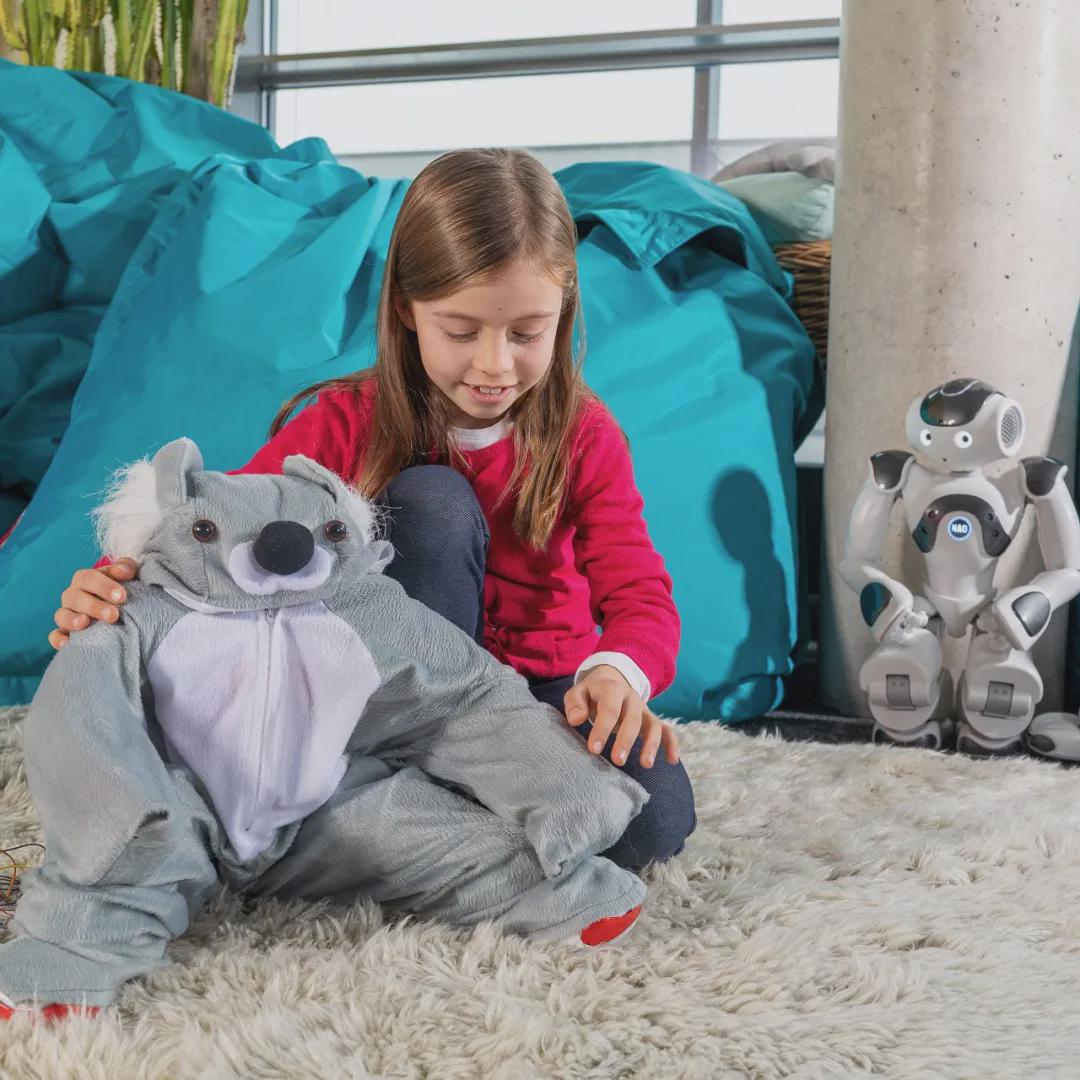
Affordable Touch Sensors Enhance Interaction in Social Robots with HERA Prototype
The HERA prototype, developed by the Max Planck Institute for Intelligent Systems in collaboration with the University of Tennessee and Fraunhofer IPA, integrates 16 custom flexible touch sensors into a modified koala pajama outfit for the NAO robot. This setup allows the robot to recognize five touch gestures and two pressure levels, enhancing its interactive capabilities. This advancement is significant as it addresses the limitations of existing social robots, which typically have few touch points and lack comprehensive tactile feedback. The HERA prototype's design prioritizes affordability and ease of manufacturing, making it a viable option for therapeutic applications, particularly for autism treatment, where durability and cost-effectiveness are crucial. Looking ahead, the research team has published their findings in the IEEE Transactions on Affective Computing, indicating a commitment to further development in this area. No further timeline was disclosed at the time of publication.
Touch Sensors Social Robotics Human-Robot Interaction AI Emotional ComputingRobotics needs a service framework.
RSF defines a common language for robot service capability, lifecycle operations, certification pathways, and service-provider networks.
Join the RobotToday community on LinkedIn
Daily robotics news, in-depth analysis, conference highlights, and discussions with professionals worldwide.