Industry Briefing
A single destination for timely, editor-curated robotics news from around the world.

TECO Debuts High-Payload Commercial UAV Powertrain Systems and Robotic Joint Modules in North America Expanding into North America's UAV and Robotics Markets
TECO is making significant strides in the burgeoning commercial UAV and intelligent robotics sectors. By utilizing the localized service capabilities of its Texas-based subsidiary, TECO-Westinghouse, the company is able to offer customers a complete range of solutions, from initial development to after-sales support. This strategic expansion reflects TECO's commitment to meeting the increasing demand for advanced technology in these rapidly evolving markets.
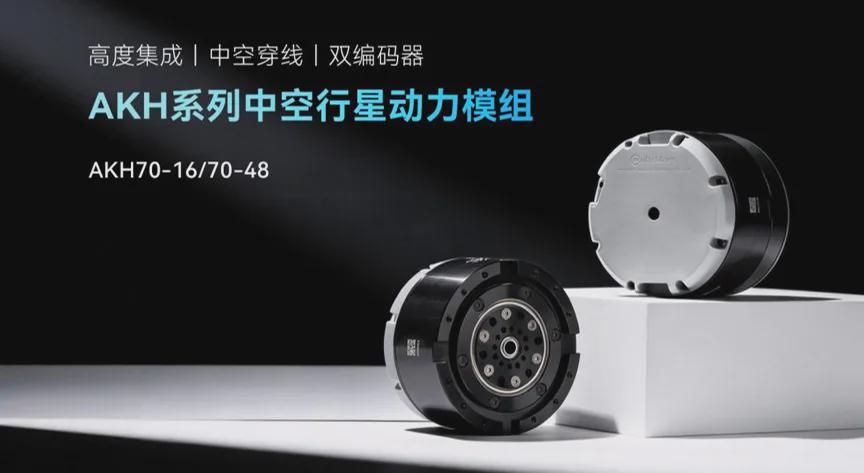
CubeMars Launches New Hollow Planetary Power Modules for Humanoid Robot Joints
In 2026, humanoid robots are approaching a critical point for industrial application. CubeMars has launched two specialized hollow planetary power modules, AKH70-16 and AKH70-48, which are crucial for enhancing flexibility and load capacity in robotic joints. These modules integrate brushless motors, planetary gear reducers, encoders, and driver boards, addressing common wiring issues with a 7mm hollow structure. The AKH70-16 focuses on lightweight applications, featuring a peak torque of 85Nm and a compact design, making it suitable for joints like the neck and elbow. In contrast, the AKH70-48 emphasizes high torque and stability, with a peak torque of 222Nm, ideal for heavy-load joints such as hips and knees. Both modules share advanced technologies, including dual encoder feedback and multi-mode control, which improve precision and operational efficiency. As the humanoid robot industry transitions from prototype development to commercial production, CubeMars's ability to control the entire manufacturing process positions it as a key player. The company’s self-developed capabilities ensure stable delivery and quality, addressing the challenges faced by robotic enterprises in scaling production and meeting market demands. No further timeline was disclosed at the time of publication.
Humanoid Robots Robotic Joints Power Modules Automation Technology
NVIDIA Launches Jetson Thor Modules to Enhance Robotics and Edge AI Applications
NVIDIA has unveiled the T3000 and T2000 modules based on the Thor architecture, designed to meet the growing demand for compact AI supercomputers in robotics and edge AI. These modules enable mass-market deployment of advanced humanoid and robotic systems, with notable adoption from leading companies such as Amazon Robotics and Boston Dynamics. The introduction of the Jetson T3000 and T2000 modules is significant as they provide high-performance AI compute capabilities in a smaller form factor, achieving up to 865 FP4 teraflops for the T3000. This advancement allows developers to optimize their systems while reducing costs, particularly in light of rising memory prices. The T2000 serves as an entry point for a wider range of edge AI applications, further expanding NVIDIA's scalable edge AI platform. Looking ahead, the new Jetson modules are expected to facilitate faster deployment and lower system costs across various industries. Companies like UBTech and Agile Robots have already reported substantial memory savings, indicating a trend towards more efficient development processes in robotics. No further timeline was disclosed at the time of publication.
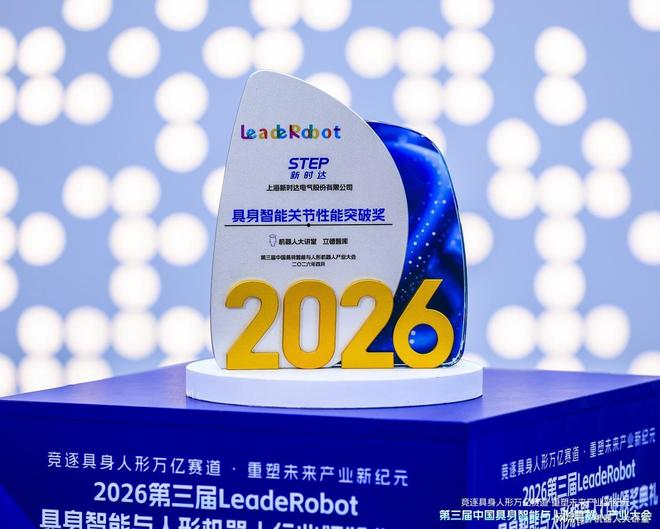
Technological Breakthrough! New Times Achieves Authority Recognition for Humanoid Joint Modules, Illuminating Key Link in Embodied Intelligence Mass Production
New Times has achieved a significant milestone by winning the 'Embodied Intelligence Joint Performance Breakthrough Award' for its cutting-edge humanoid robot joint modules. This recognition highlights a major advancement in China's humanoid robot industry, showcasing the company's innovative solutions to longstanding challenges related to weight, torque, and precision in robotic design. The development of these high-performance joint modules is expected to facilitate scalable applications across various industrial sectors, enhancing the functionality and efficiency of humanoid robots.
Humanoid Robots Joint Modules Embodied Intelligence Industrial Automation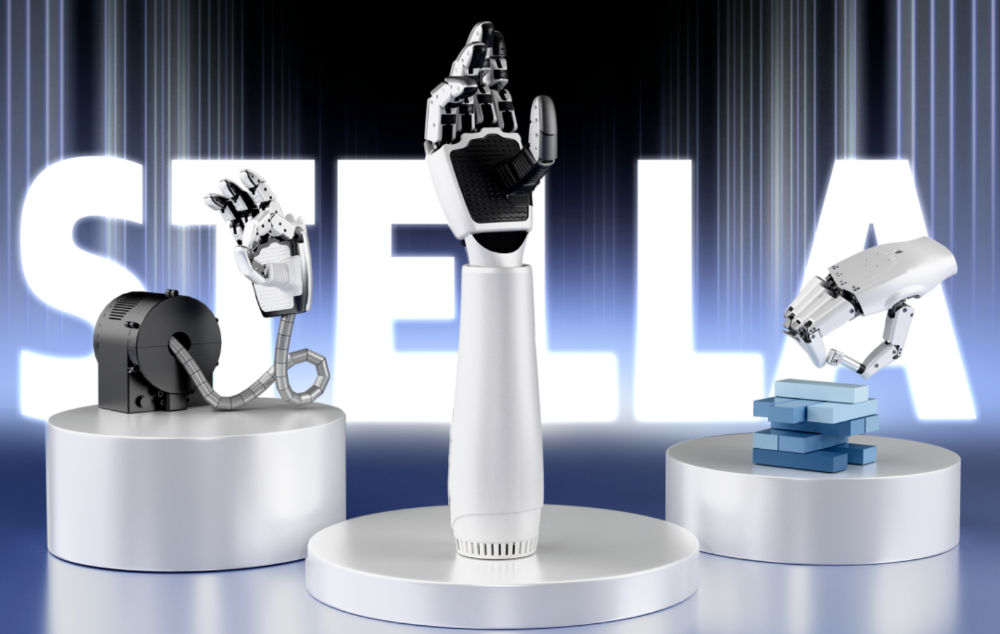
Shenzhen Company Stella-Robot Introduces Affordable Robotic Hands with High Performance
At the 2026 World Artificial Intelligence Conference, Shenzhen-based Stella-Robot unveiled its innovative robotic hands, the Pantheon Hand 20 and Gaia Hand 20. The Pantheon Hand 20, weighing only 290 grams, can grip up to 50 kilograms, thanks to its unique 'drive separation' technology that relocates the drive unit away from the hand itself. This breakthrough in design allows for a lightweight yet powerful robotic hand, making advanced robotics more accessible. The Gaia Hand 20 features a modular design with a quick-change joint system, enabling easy repairs without returning the entire unit. Priced at 16,999 yuan, the affordability of these products marks a significant shift in the robotics market, previously dominated by high-cost alternatives. Stella-Robot's products are already being utilized in top universities and research institutions, indicating their potential impact on the field of embodied intelligence. As the cost of robotic hands drops from the millions to tens of thousands, the company is poised to democratize advanced robotic capabilities for developers everywhere. No further timeline was disclosed at the time of publication.
Robotic Hands Modular Robotics AI Technology Automation Precision Engineering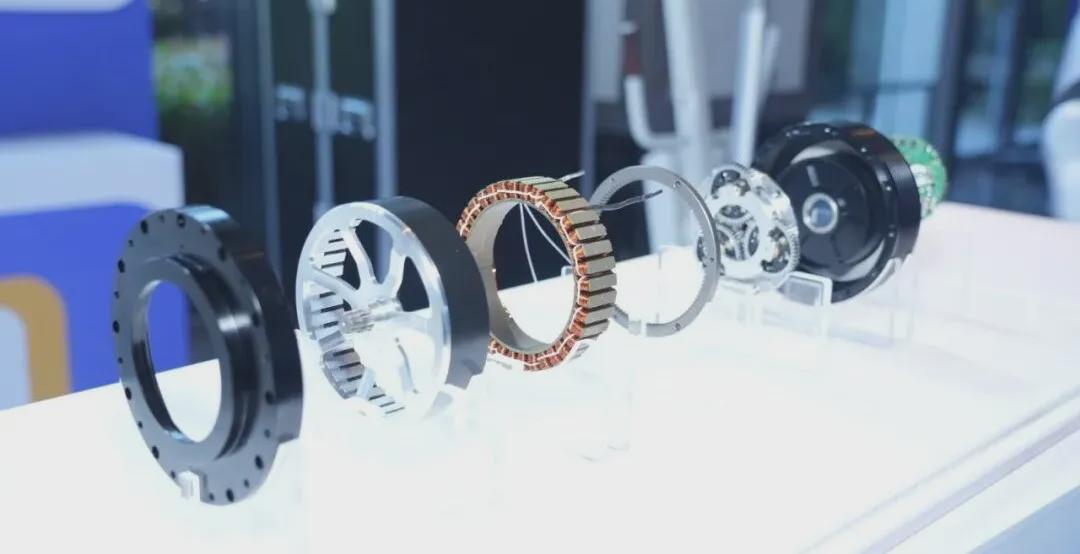
Leading Investors Back Multiple Robotics Firms to Define Joint Standards
On July 3, 2026, Wuxi Quan Zhibo Technology announced the successful completion of its A+++ funding round, which was led by GL Ventures and included strategic investments from Zhiyuan and Lingxin Qiaoshou. This significant financial boost aims to strengthen Quan Zhibo's capital structure by integrating leading investment firms, industry experts, and state capital. The company is positioning itself as a pivotal supplier in the robotics joint module sector, with a focus on standardizing joint technology across the industry. This funding is expected to enhance its competitive edge and drive innovation within the robotics field.
Robotics Investment Joint Modules Smart Manufacturing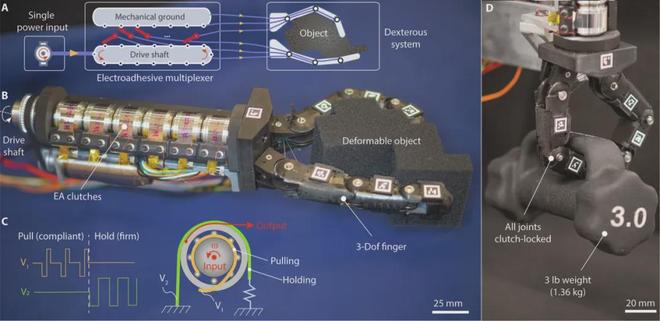
Breakthrough in Robotic Hands: One Motor Drives Six Joints, Capable of Gentle Foam Handling and Lifting 3 Pounds
A research team at Northwestern University has unveiled an innovative robotic hand that operates using a single motor to control six joints, thanks to a groundbreaking electric adhesive clutch system. This design enables the robotic hand to seamlessly transition between gentle and strong gripping, enhancing its versatility in robotic manipulation. The development aims to improve the functionality of robotic systems, making them more adaptable for various tasks.
Robotic Hands Electric Adhesive Clutch Soft Robotics Robotics Technology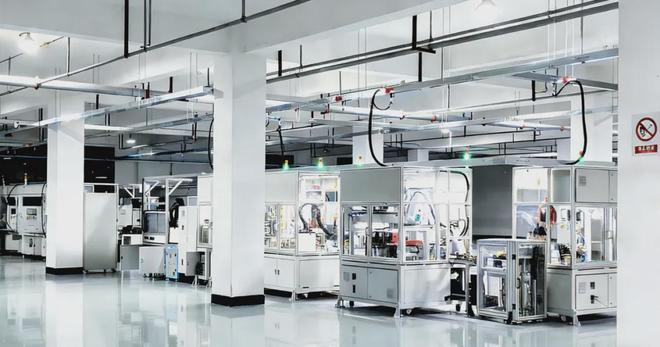
Invisible Dark Horse 'Quan Zhibo': Latest Financing Officially Announced!
Wuxi Quan Zhibo Technology Co., a prominent player in the field of integrated robotic joint module solutions, has successfully raised hundreds of millions in its A++ round of financing. The funding, spearheaded by Shenzhen Investment Holdings, is set to bolster the company's technological advancements and broaden its product offerings. This financial boost aims to drive innovation in robotics, with a focus on making these technologies more accessible for everyday applications.
Robotic Joint Modules Automation Solutions AI Robotics Manufacturing Technology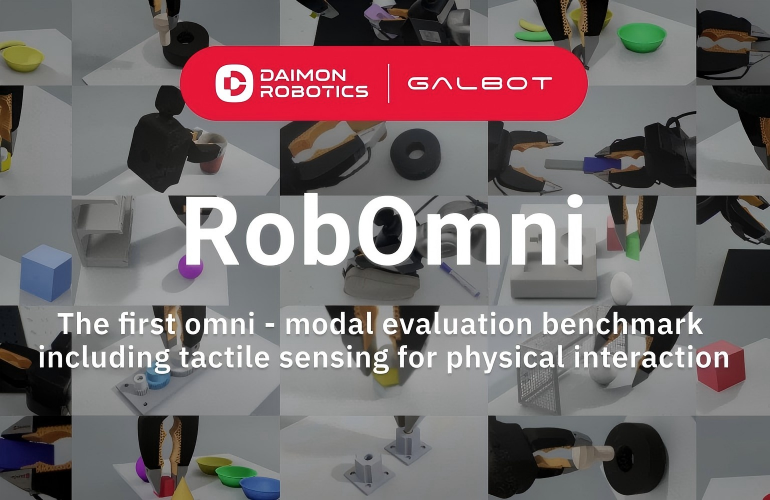
Daimon Robotics and Galbot jointly launches RobOmni for benchmarking tactile perception and dexterous manipulation
Daimon Robotics and Galbot have announced the launch of RobOmni, a new platform designed to benchmark tactile perception and dexterous manipulation in the field of embodied AI. This development marks a significant shift from traditional vision-centric approaches to a more comprehensive understanding of physical interactions. The collaboration aims to enhance the capabilities of robots in performing complex tasks that require fine motor skills and sensitivity to touch. The launch event took place recently, highlighting the growing importance of tactile feedback in robotics and its applications across various industries. By integrating advanced tactile sensing technologies, RobOmni is set to provide researchers and developers with the tools needed to push the boundaries of robotic dexterity and perception.
Sponsored Content
ROKAE Robotics and NTU MARS Lab Launch Joint Embodied Intelligence Innovation Center
ROKAE Robotics has partnered with the Multimodal Embodied AI and Robotic Systems (MARS) Lab at Nanyang Technological University (NTU) in Singapore to launch the Embodied Intelligence Innovation Center. This initiative aims to advance research and development in embodied intelligence, a field that combines robotics and artificial intelligence to create systems that can interact with the physical world in a more human-like manner. Dr. Jianfei Yang, an Assistant Professor at NTU and the Director of the MARS Lab, will lead the center as Principal Investigator. The collaboration reflects a growing interest in enhancing robotic capabilities and fostering innovation in AI technologies, with the center expected to play a pivotal role in this evolving landscape.

Disney's Olaf Robot: The Core Power Behind Its Agile Movements Comes from This Company's Joint Modules
At the NVIDIA GTC 2026 conference, Disney unveiled its innovative Olaf robot, which features advanced physical AI capabilities and a distinctive design powered by high-performance motors from Unitree. This collaboration emphasizes the synergy between cutting-edge hardware and sophisticated algorithms, showcasing the potential of robotics in practical applications. The demonstration marks a significant step forward in the field, illustrating how such technology can enhance interactive experiences and redefine the possibilities of robotic functionality in various sectors.
Physical AI Robotics Joint Modules High-Performance Motors Disney Technology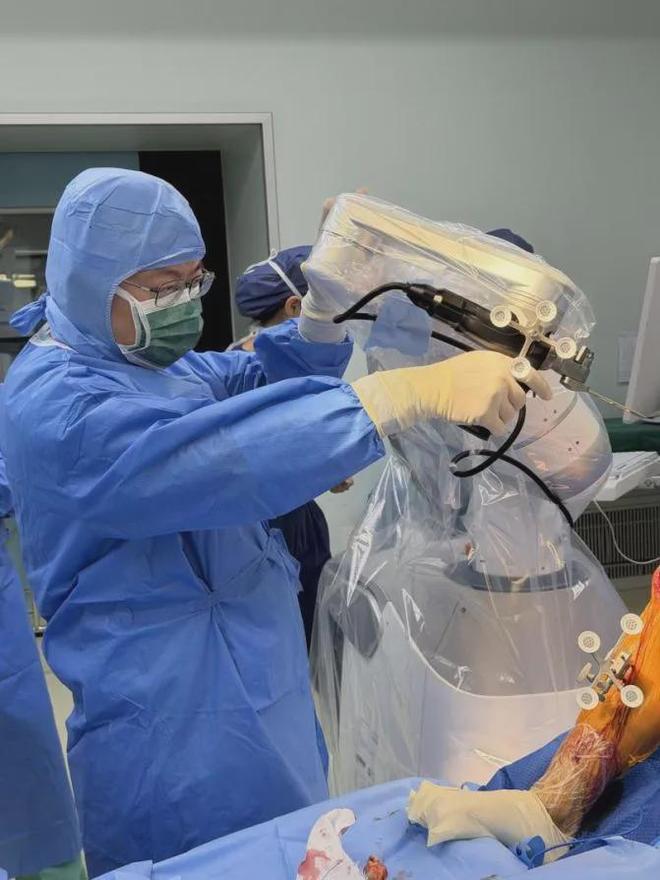
First HX Robotic Arm-Assisted Joint Replacement Surgery at PLA General Hospital's Fourth Medical Center
The orthopedic team at PLA General Hospital's Fourth Medical Center has achieved a significant milestone by successfully conducting its first total knee replacement surgery using the HX robotic arm. The procedure was performed on a 61-year-old female patient, marking a notable advancement in the application of domestic orthopedic surgical robots in clinical practice. This innovative technology aims to enhance surgical precision and promote quicker recovery times for patients undergoing knee replacement procedures.
Orthopedic Robotics Surgical Innovation Medical Technology Robotic Surgery
AgiBot and Ant Group launch joint venture focused on AI and robotics
Hangzhou Chuanzhi Future Technology Co., Ltd. has been established with a registered capital of RMB 20 million (approximately $2.75 million), as reported by Qichacha. The company is a collaborative venture involving several key players, including Zhiyuan Innovation, an affiliate of AgiBot, Shanghai Yunyang, a subsidiary of Ant Group, Transfar Zhilian, and the Zhejiang Humanoid Robot Innovation Center. This new entity aims to explore advancements in technology and innovation, particularly in the field of robotics and artificial intelligence, reflecting a growing trend in the region's tech landscape. The establishment of this company underscores the commitment of its stakeholders to foster innovation and development in emerging technologies.
News Feed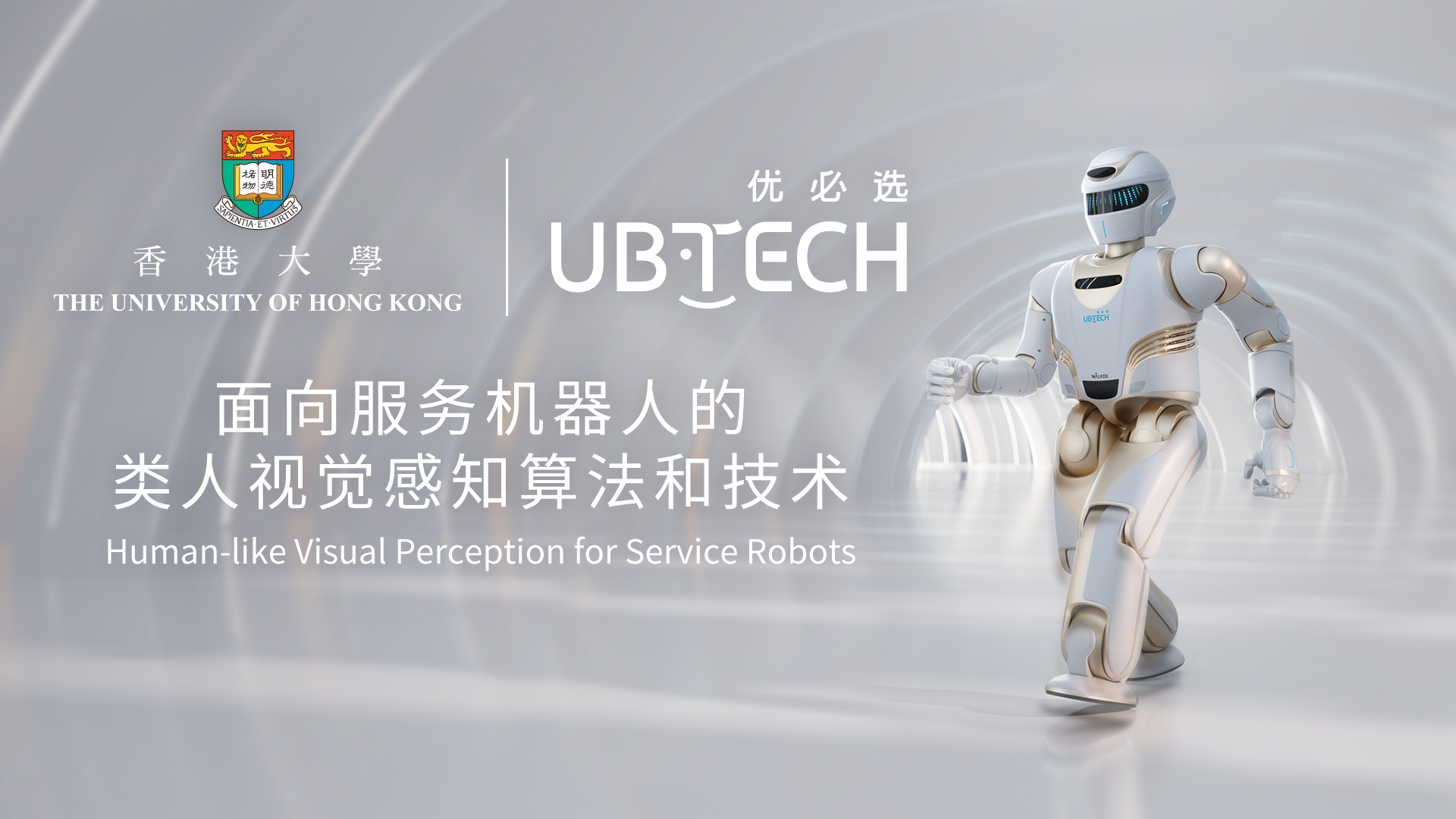
UBTECH Robotics Collaborates with the University of Hong Kong for Joint Research on Human-like Visual Perception
UBTECH Robotics has announced a partnership with the University of Hong Kong to advance research on human-like visual perception algorithms for service robots. This collaboration, which focuses on processing 3D point cloud data, aims to enhance the visual recognition capabilities of humanoid robots, thereby improving their precision in diverse environments. The initiative is part of UBTECH's broader strategy to apply advanced visual perception technologies in practical settings. In addition to the research efforts, UBTECH plans to establish subsidiaries in Hong Kong, intending to tap into local talent and drive innovation within the robotics sector.
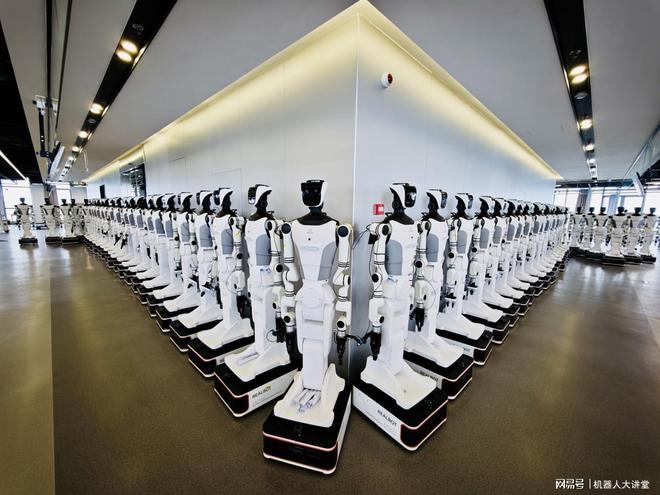
Ruiliman Showcases at FAIR plus 2026: Strengthening the 'True Working' Robotics Ecosystem with Reliable Hardware and Mass Delivery Capabilities
At the FAIR plus 2026 event, Ruiliman unveiled its cutting-edge robotics capabilities, announcing plans to achieve a production capacity exceeding 1 million integrated joint modules by the year 2026. The company underscored the significance of fostering a collaborative ecosystem to facilitate the widespread implementation of robotics across multiple industries. This initiative aims to enhance efficiency and innovation, positioning Ruiliman as a leader in the evolving robotics landscape.
Robotics Manufacturing Automation Ecosystem Development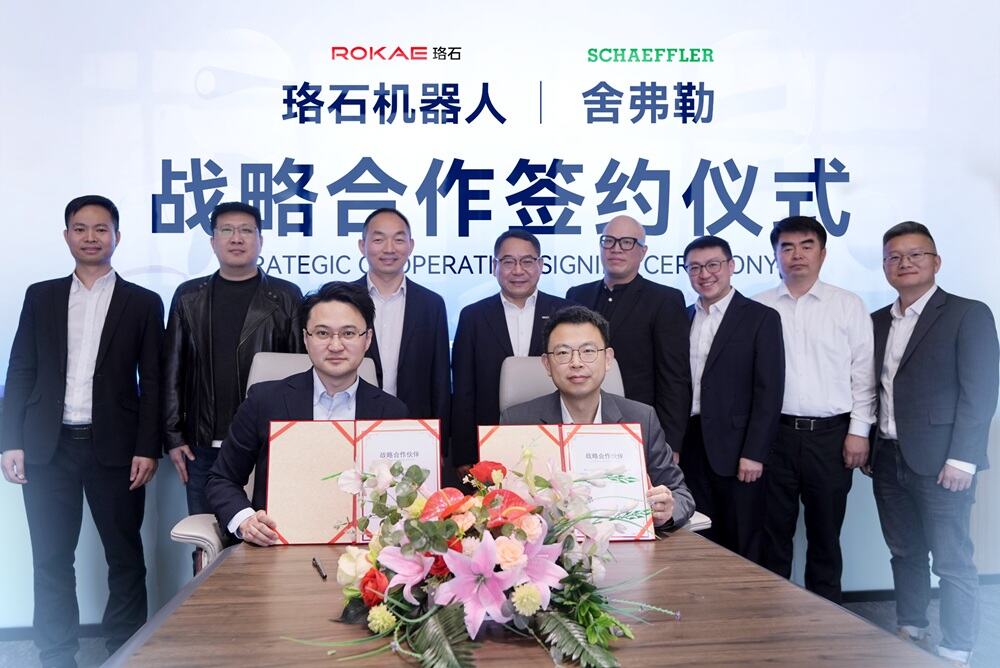
ROKAE Robotics and Schaeffler Sign Strategic Partnership
ROKAE Robotics and Schaeffler have entered into a strategic cooperation agreement aimed at developing integrated joint modules for humanoid robots. This partnership, announced recently, will leverage Schaeffler's precision manufacturing capabilities alongside ROKAE's comprehensive robotics technology platform. The collaboration encompasses the co-development of essential components, supply chain integration, and industrial deployment, reflecting both companies' commitment to advancing robotics technology. This initiative is expected to enhance the functionality and efficiency of humanoid robots, addressing the growing demand for advanced automation solutions in various industries.

LuoStone Robotics and Schaeffler Forge Strategic Partnership to Build a New Ecosystem for Embodied Intelligence Industry
LuoStone Robotics has entered into a strategic cooperation agreement with Schaeffler to advance the development and application of humanoid robots. This partnership, announced recently, seeks to combine the technological expertise and resources of both companies, with a particular emphasis on core components such as joint modules. The collaboration aims to expedite the commercialization of embodied intelligence, reflecting a growing interest in the integration of robotics into various sectors. By leveraging each other's strengths, LuoStone Robotics and Schaeffler are positioning themselves to lead in the rapidly evolving field of humanoid robotics.
Humanoid Robots Embodied Intelligence Robotics Technology Industrial Automation
What It Takes to Make Humanoid Robots Move Like Humans: The Engineering Behind Joints, Hands, and Precision Control
Recent advancements in humanoid robotics have highlighted a significant shift in design and manufacturing practices. Engineers and researchers are increasingly moving away from traditional discrete component assembly methods, opting instead for integrated joint modules. These innovative units combine motors, gearboxes, sensors, and drive electronics into compact systems, streamlining the production process and enhancing the functionality of humanoid robots. This transition is driven by the need for more efficient and versatile robotic systems capable of performing complex tasks in various environments. As this trend continues to evolve, it is expected to accelerate the development of more sophisticated humanoid robots, paving the way for broader applications in industries such as healthcare, manufacturing, and service sectors. The integration of these components not only simplifies assembly but also improves the overall performance and reliability of robotic systems, making them more adaptable to real-world challenges.

Cellula Robotics and DRDC/RDDC Advance Long-Endurance AUV Development Through Sustained Collaboration
Cellula Robotics Ltd. and Defence Research and Development Canada (DRDC) have announced significant advancements in their joint efforts to develop long-endurance autonomous underwater vehicle technology. This progress is the result of several years of collaboration focused on enhancing practical underwater capabilities for challenging operational conditions. The partnership aims to address the increasing demand for sophisticated underwater technologies that can operate effectively in various environments, showcasing the commitment of both organizations to innovation in maritime defense and exploration.
cellula robotics drdc/rddc long-endurance auv collaboration
Kraken Robotics Signs Memorandum of Understanding with SEFINE SISAM
Kraken Robotics has entered into a Memorandum of Understanding (MOU) with SEFINE SISAM, the Strategic Unmanned Systems Research Center, as announced during the SAHA exposition held in Türkiye. This partnership aims to enhance collaboration in the development of advanced unmanned systems, reflecting both organizations' commitment to innovation in robotics and technology. The agreement was formalized on [insert date of the exposition], marking a significant step in their joint efforts to leverage their respective expertise in the field. The collaboration is expected to drive progress in unmanned systems research and development, addressing emerging challenges and opportunities in the industry.
kraken robotics memorandum of understanding (mou) sefine sisam (strategic unmanned systems research center)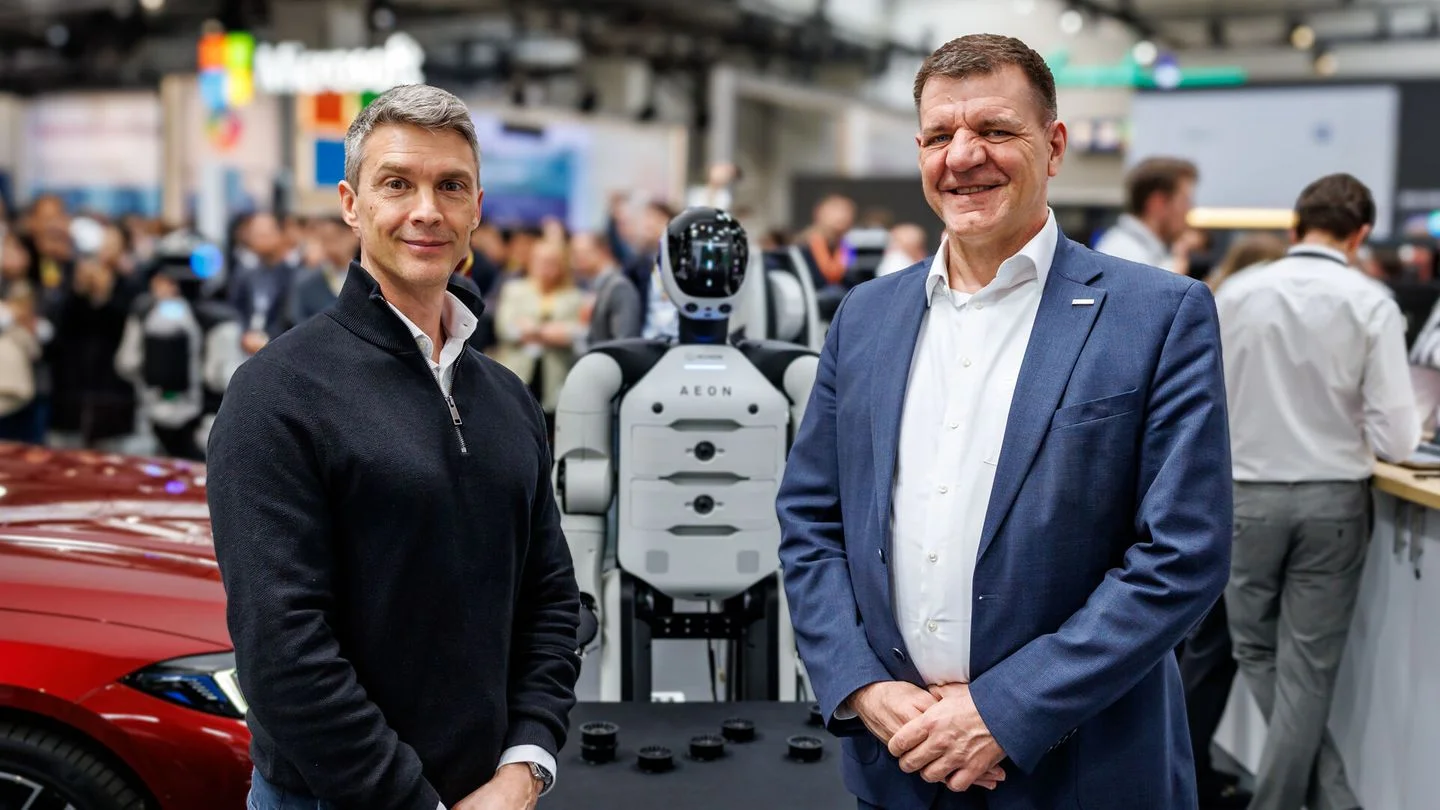
Schaeffler and Hexagon Robotics Partner for Humanoid Robots
Schaeffler is enhancing its commitment to humanoid robotics by partnering with Hexagon Robotics. This collaboration aims to combine Schaeffler's component supply capabilities with the deployment of a significant number of humanoid robots within its manufacturing facilities. The partnership focuses on the development and provision of high-precision rotary actuators, which are essential for the joints of humanoid robots, including shoulders and elbows. This strategic move reflects Schaeffler's intent to innovate and streamline operations through advanced robotics technology.
AI AI Use Cases Robotics actuators AEON Germany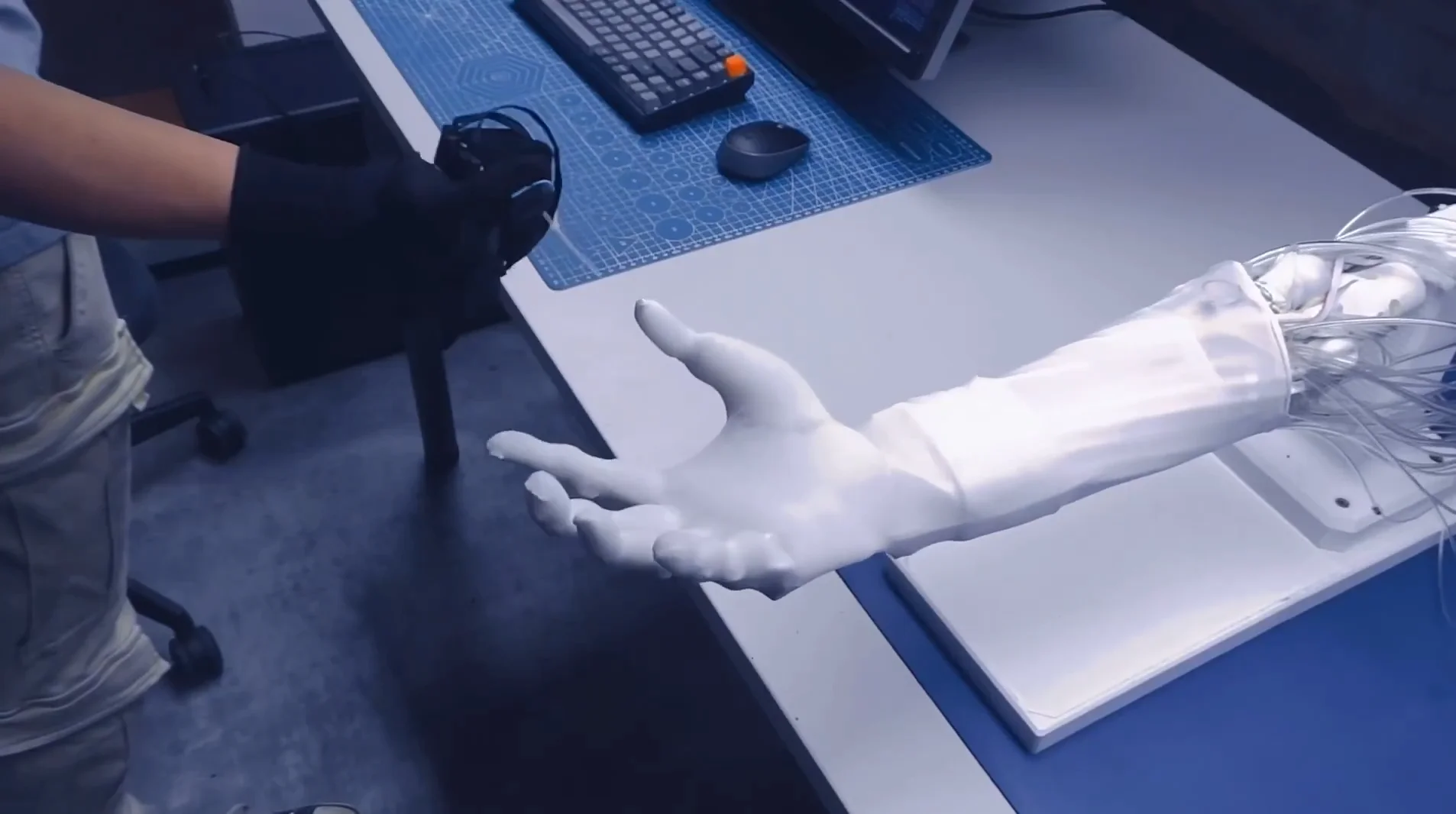
Clone Robotics Demos Startlingly Fast Robotic Hand, Touts Neural Controller
Clone Robotics has released a new video showcasing its advanced 27-degree-of-freedom (DoF) biomimetic hand, which accurately mimics human movements with remarkable speed. This demonstration highlights the company's innovative "neural joint controller," a significant development in their ongoing Clone Alpha project. The video serves as a tangible update on the project's progress, emphasizing the potential applications of this technology in fields such as robotics and prosthetics. By integrating sophisticated control systems, Clone Robotics aims to enhance the functionality and responsiveness of robotic hands, paving the way for more lifelike interactions in various environments.
clone robotics Europe
FORSSEA & DOS to Offer Joint Underwater Services
Forssea Robotics has entered into a gentleman's agreement with Deep Ocean Search (DOS) and its French affiliate, The Deep Company (TDC), to provide enhanced survey-augmented remotely operated vehicle (ROV) services on a global scale. This collaboration aims to leverage the expertise of both companies in underwater exploration and data collection, enhancing the efficiency and effectiveness of marine surveys. The agreement marks a significant step in expanding the reach of advanced ROV technology, facilitating improved operations in various underwater environments. The partnership is expected to benefit industries such as oil and gas, environmental monitoring, and underwater construction, addressing the growing demand for sophisticated marine survey solutions.
forssea robotics deep ocean search (dos) joint underwater services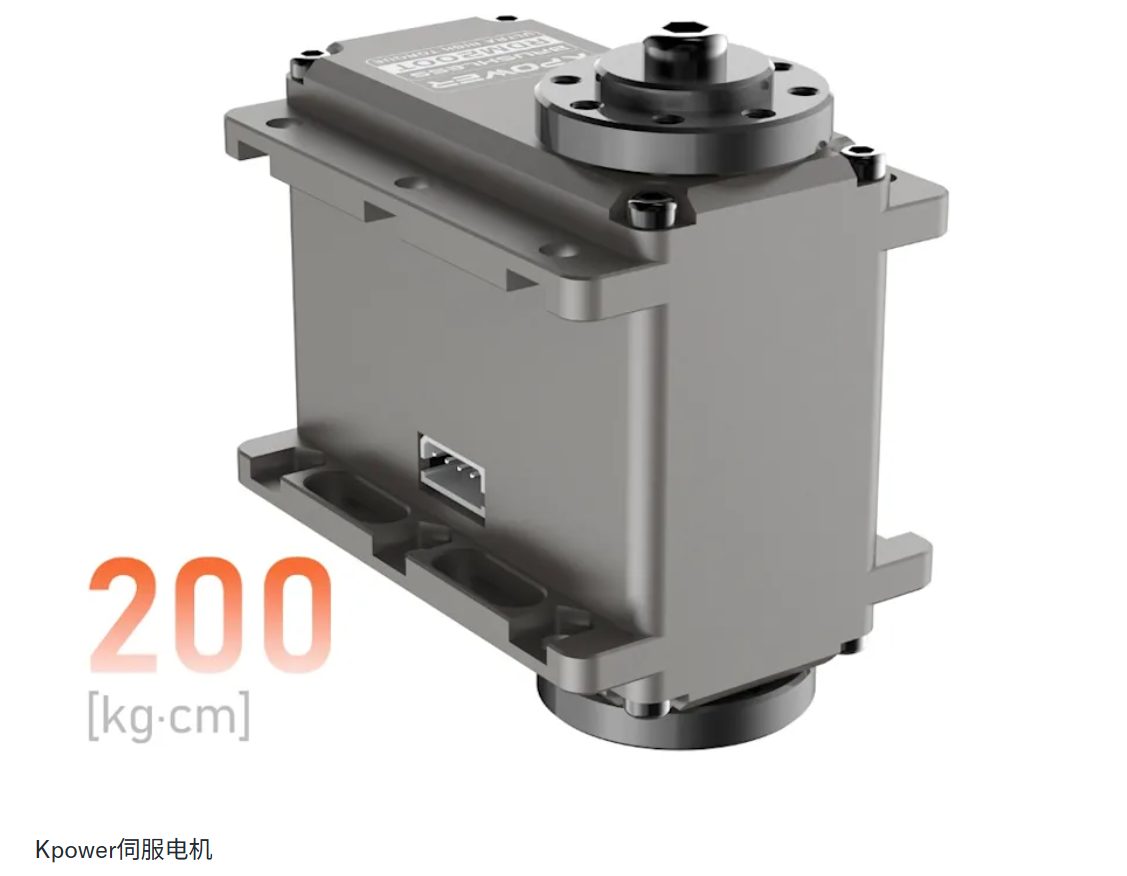
Kpower Secures Patent for Side-Output Robot Servo Motor, Revolutionizing Lightweight Robot Joints
Kpower has secured a patent for its cutting-edge side-output robot servo system, which effectively tackles significant challenges in the robotics industry, including cantilever force defects and intricate assembly processes. This innovative technology not only extends the lifespan of servo motors by more than 60% but also minimizes vertical height, making it particularly suitable for humanoid robot joints. The company aims to offer a reliable and compact solution for the lightweight robotics sector, thereby reinforcing its competitive edge in the precision drive technology market.
Servo Motors Robotics Automation Manufacturing Technology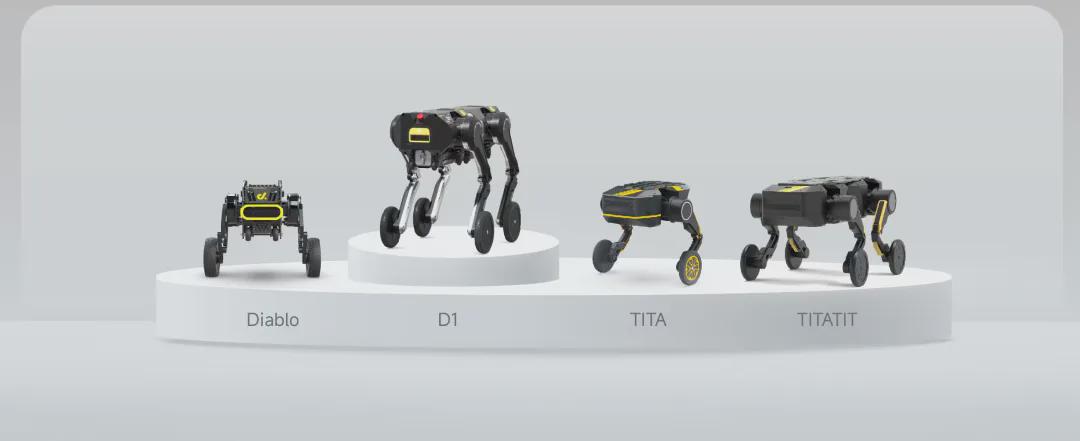
Benmo Technology Passes Hong Kong Stock Exchange Listing Hearing, Establishes Three Core Robotics Technologies
Benmo Technology, a robotics company established in 2020, has successfully cleared the listing hearing at the Hong Kong Stock Exchange. The firm specializes in direct-drive technology and has developed three key innovations: robotic power modules, wheeled robots, and modular assembly systems. These advancements are designed to improve performance and adaptability across a range of applications. With the robotics market showing significant growth potential, Benmo plans to capitalize on its technological expertise to enhance its market presence and increase revenue.
Robotics Technology Direct-Drive Systems Wheeled Robots Modular Robotics Market Growth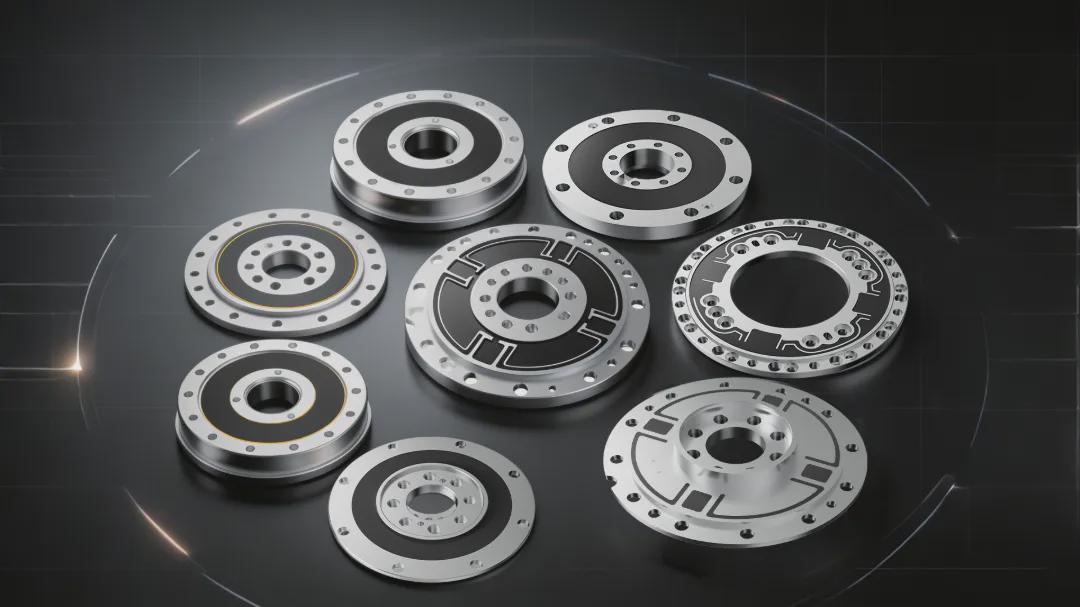
Why Joint Torque Sensors Are Essential for Collaborative Robots
Joint torque sensors are essential components in the operation of collaborative robots, allowing them to execute intricate tasks safely and efficiently. Recent discussions emphasize the compact design and high reliability of these sensors, which contribute significantly to the overall performance of robots across diverse industries. The growing demand for advanced robotic solutions has driven interest in the wide-ranging applications of joint torque sensors, underscoring their pivotal role in enhancing automation and safety in various sectors. As industries increasingly adopt collaborative robots, the integration of these sensors is expected to further improve operational capabilities and safety standards.
Collaborative Robots Torque Sensors Force Control Technology Industrial Automation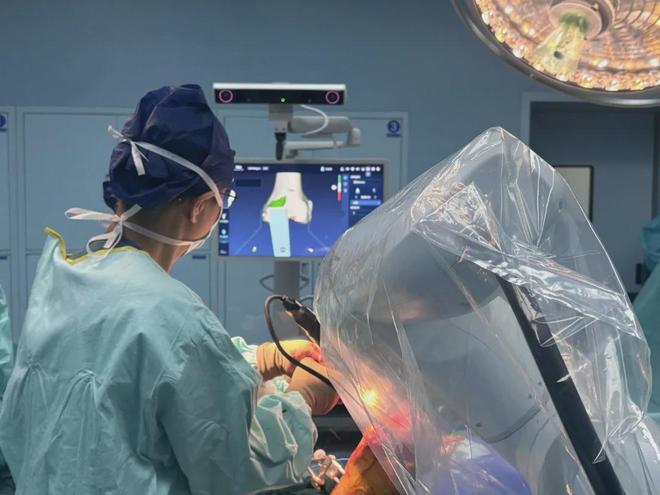
After landing applications in Western China, Hong Kong, and plateau regions, Shenzhen's self-developed HX orthopedic robot completed the first local precise knee joint replacement.
Shenzhen's self-developed HX orthopedic robot has successfully performed its first precise knee joint replacement in Western China, specifically targeting plateau regions and Hong Kong. This milestone event marks a significant advancement in orthopedic surgery technology, showcasing the robot's capabilities in delivering accurate and efficient surgical procedures. The operation was completed recently, highlighting the growing integration of robotics in healthcare and the potential for improved patient outcomes in regions that may have previously lacked access to such advanced medical technologies. The development of the HX robot is part of Shenzhen's broader initiative to enhance medical services and innovation in the region.
Robotics Automation AI
Innovative Origami-Based Soft Robotic Arm Can Lift 686 Grams and Cook
Researchers at Northeastern University have created a groundbreaking soft robotic arm that utilizes origami-inspired structures for its joints. This innovative arm can lift weights of up to 686 grams and is designed to perform various cooking tasks. The team’s approach not only simplifies the construction process but also improves the precision of control, highlighting the promising applications of origami in the field of robotics. This development opens new avenues for lightweight and flexible robotic solutions, potentially transforming how robots can be integrated into everyday tasks.
Soft Robotics Origami Engineering 3D Printing Robotic Manipulation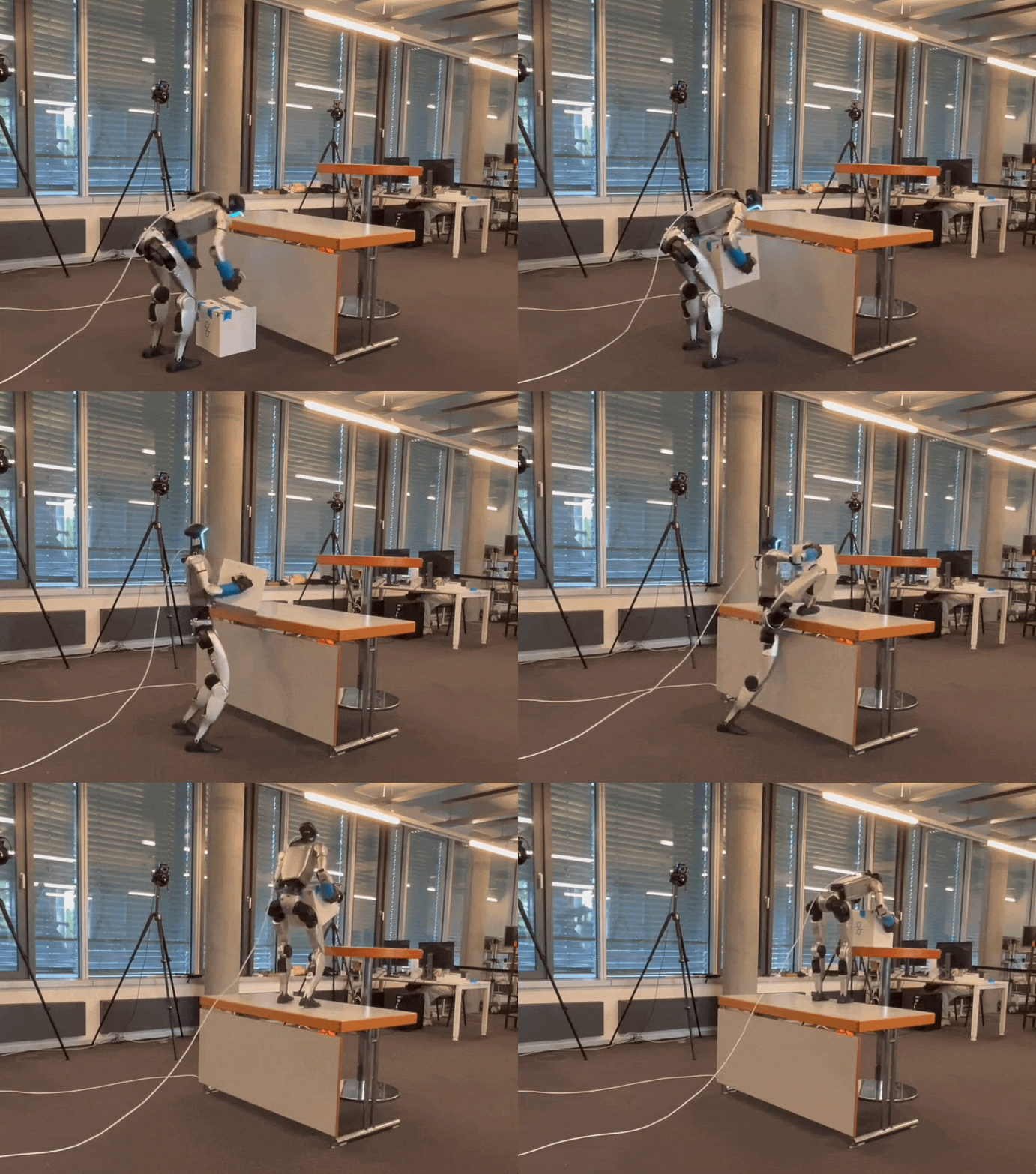
Video Friday: Robotic Motion Discovery Reveals Unusual Behaviors
IEEE Spectrum robotics has released its latest edition of Video Friday, showcasing an array of innovative robotics videos and announcing upcoming events in the field. Notable events include RSS 2026 in Sydney from July 13-17, the Summer School on Multi-Robot Systems in Prague from July 29 to August 4, and Actuate 2026 in San Francisco on August 18-19. Among the featured videos is MotionDisco, a framework that autonomously discovers complex humanoid loco-manipulation motions, highlighting the challenges of coordinating fluid movements across multiple joints. Additionally, the Human Support Robot (HSR) from Toyota is demonstrated in real home environments, assisting residents with daily tasks, showcasing the potential for robots to become long-term companions. Other highlights include the MIDAS Hand, an open-source robotic hand designed for manipulation and research, and a novel flight maneuver by a bipedal robot that showcases advanced aerial control. The European Space Agency shares a timelapse of Dextre, a robotic handyman, efficiently unloading equipment in space, while ROBOTIS introduces AI Sapiens, which learns humanoid motions using just a smartphone camera. In a collaborative effort, LUMOS Robotics has launched Project EDGE, inviting global innovators to explore humanoid robotics, while Sphero emphasizes its educational products designed to nurture computational thinking from early childhood through high school. These developments illustrate the rapid advancements and collaborative spirit within the robotics community.
Humanoid-robots Video-friday Quadruped-robots Robot-videos Home-robots Dexterity
UBTECH Partners with Muxi to Develop Intelligent Edge Chips for Robotics
On June 11, UBTECH and Muxi formalized a strategic partnership in Nanjing, launching a joint venture dedicated to the development and production of intelligent edge chips specifically for robotics. This collaboration is designed to bolster China's core chip technology capabilities, which is essential for the progression of humanoid robots. By focusing on creating a secure and reliable domestic chip supply chain, the partnership aims to enhance the nation's technological independence and innovation in the robotics sector.
Intelligent Robotics Edge Computing Chip Development AI Technology
GS E&C, Daedong Robotics team up on AI construction robots
GS Engineering & Construction (GS E&C) announced on Monday that it has entered into a partnership with Daedong Robotics to develop artificial intelligence-powered autonomous robots specifically designed for construction sites. This collaboration, formalized on June 5 at GS E&C's R&D Center in Seoul, aims to enhance safety and productivity in the construction industry, which is increasingly turning to automation. The partnership will involve field trials of Daedong Robotics' existing autonomous robots and the joint development of new models tailored to meet the unique challenges of construction environments. Established in 2024, Daedong Robotics is expanding its focus beyond agricultural applications to address the growing demands of the construction sector.
All News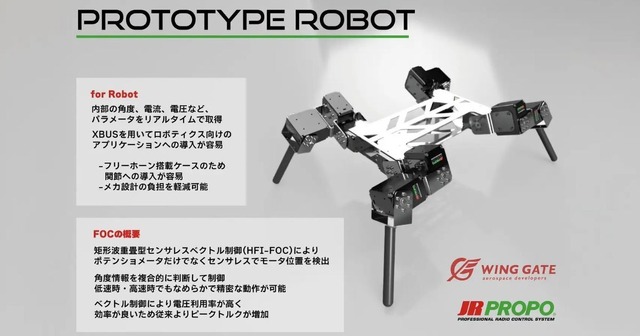
WINGGATE and Konishi Model launch joint project for domestic drone control development.
WINGGATE Co., Ltd. and Konishi Model Co., Ltd. have entered into a joint development agreement to create control systems for unmanned aerial vehicles (UAVs) and robots. The collaboration marks the beginning of a new development project aimed at advancing technology in the UAV and robotics sectors. This partnership is expected to leverage the expertise of both companies to enhance the capabilities and efficiency of their respective products, responding to the growing demand for innovative solutions in these fields.
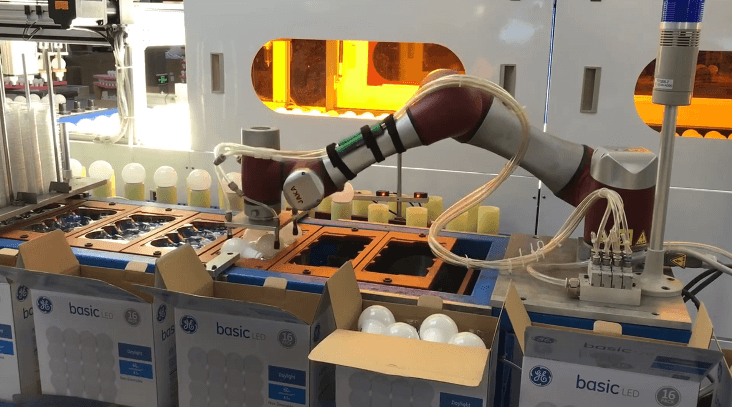
Best Practices for Calibrating and Maintaining Manufacturing Robotic Arms
In the evolving landscape of modern manufacturing, robotic arms and collaborative robots have emerged as essential tools, enhancing efficiency and precision while minimizing human error. JAKA, a leading provider of collaborative robots, emphasizes the importance of scientific calibration and regular maintenance to ensure the stable operation of these machines, which directly impacts production quality and safety. To maintain optimal performance, JAKA outlines best practices for calibrating and servicing robotic arms, particularly its JAKA Zu12 model. Regular kinematic calibration is crucial for correcting geometric errors and ensuring accurate motion trajectories, which is vital for collaborative robots that interact closely with humans. The JAKA Zu12’s integrated design facilitates efficient calibration during assembly, maximizing its reach and payload capabilities. Daily and periodic maintenance is also critical in reducing failure rates. Daily tasks include cleaning, checking cable connections, and ensuring joint operation, while periodic maintenance focuses on lubricating joints, inspecting wear on components, and updating software. For collaborative robots like the JAKA Zu12, regular safety checks are essential to ensure safe human-robot interactions. JAKA also advocates for scenario-based maintenance tailored to specific application needs, such as handling and palletizing tasks, to enhance processing precision and operational reliability. By implementing systematic calibration and maintenance strategies, JAKA aims to help enterprises optimize the performance of their robotic arms, ultimately reducing costs and boosting production efficiency in automated manufacturing environments.

The Benefits of High-Speed Joint Actuation in Modern Articulated Robots
In the rapidly evolving manufacturing sector, JAKA Robotics is at the forefront of intelligent automation, showcasing the transformative capabilities of articulated robots, particularly collaborative robots (cobots). These advanced machines, equipped with high-speed joint actuation, are designed to enhance production efficiency and precision. The JAKA Pro5 articulated robot exemplifies this innovation, enabling accelerated production cycles through quick and precise movements that streamline loading, unloading, and assembly processes. This is particularly beneficial in time-sensitive industries like consumer electronics and automotive assembly, where reduced cycle times can significantly boost throughput. Moreover, the high-speed joint actuation not only increases speed but also enhances precision, ensuring consistent quality control in tasks such as component placement and welding. JAKA's robots maintain high accuracy over time, minimizing errors and reducing scrap rates, which is crucial for industries with stringent quality standards. The Pro5 model's compact design and user-friendly programming interface facilitate easy integration into existing production lines, allowing manufacturers to adapt swiftly to changing demands without extensive downtime. This flexibility empowers companies to optimize resources effectively and respond to market fluctuations. As industries continue to evolve, the role of high-speed joint actuation in articulated robots is becoming increasingly vital. By adopting JAKA's technology, organizations can modernize their production processes, improve workplace safety, and enable skilled workers to focus on higher-value tasks, positioning themselves for success in a competitive landscape.
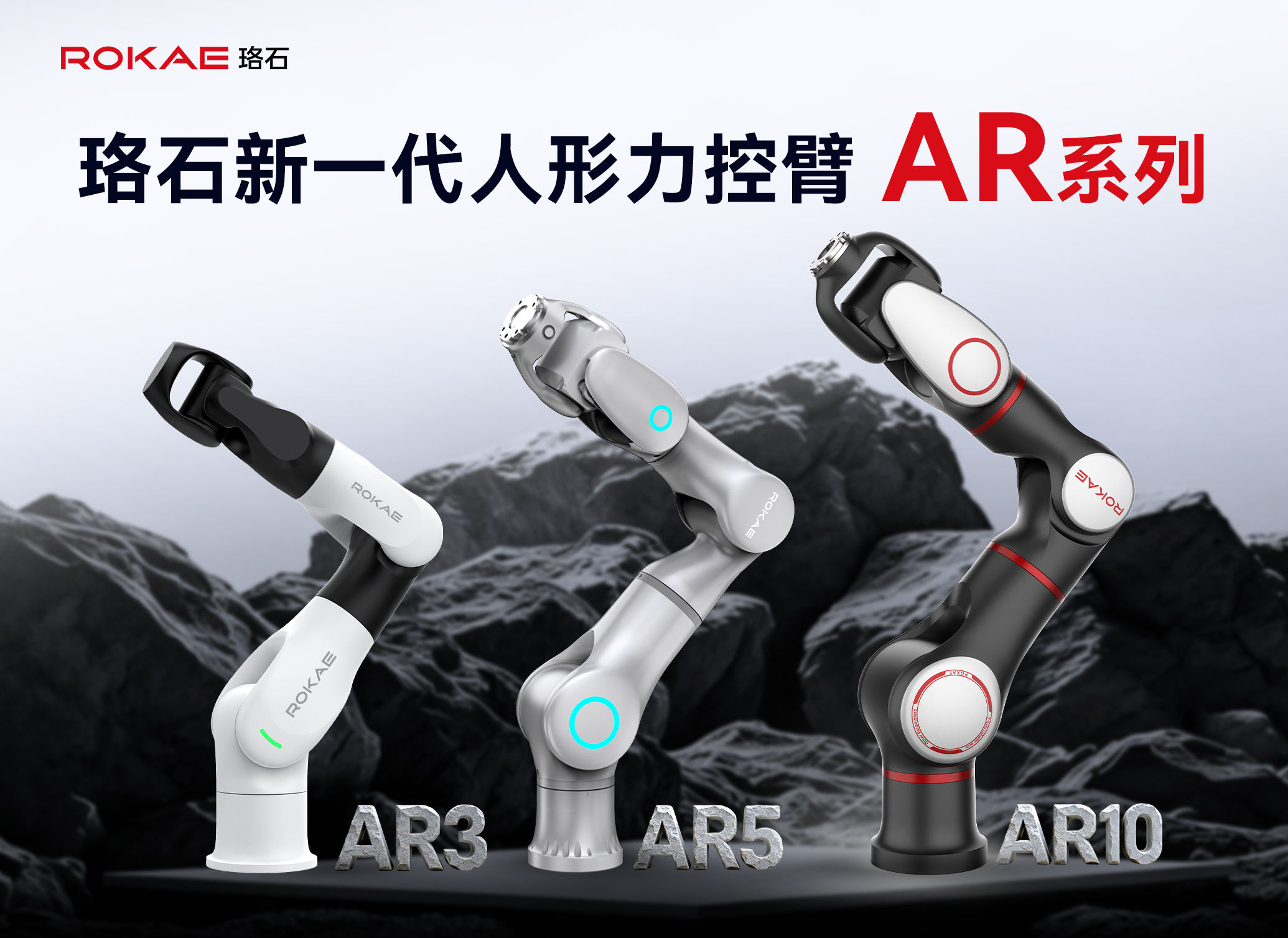
LuoShi: Empowering Robotics Technology and Ecosystem in the Era of Embodied Intelligence
In the last two years, the robotics and embodied intelligence sector has experienced significant investment growth, prompting many companies to enter the market. Among them, LuoShi Robotics is distinguishing itself by prioritizing the development of core technologies, such as force control joints and humanoid robotic arms. The company is actively fostering collaboration with algorithm firms, research institutions, and manufacturers to enhance innovation and reduce market homogenization. This strategic approach aims to position LuoShi Robotics as a leader in a rapidly evolving industry, addressing the increasing demand for advanced robotic solutions.
Robotics Embodied Intelligence Force Control Technology Humanoid Robots
Will 100,000 Units Be Delivered This Year? The 'Joint Lock' of Humanoid Robots Becomes a Capital Battleground
As competition in the smart terminal market escalates, attention is turning towards advancements in humanoid robotics. Jipai Electromagnetics has recently obtained substantial funding aimed at developing specialized permanent magnet brakes, which are crucial for the functionality of robot joints. This investment underscores the increasing demand for sophisticated components in the robotics sector, reflecting a broader trend of innovation and technological progress in the field. The funding will enable Jipai to enhance its production capabilities and contribute to the evolving landscape of robotics, positioning the company to play a significant role in this emerging frontier.
Humanoid Robots Robotics Components Permanent Magnet Brakes Automation Technology
Allient Inc. to Present at Upcoming Webinar on Engineering Thermally-Optimized Joints for Humanoids
A webinar is set to address the significant challenges associated with humanoid joint design, emphasizing the importance of interpreting motor data within a system-level context rather than adhering strictly to standard specifications. Scheduled for an upcoming date, this event will take place online, allowing participants from various locations to engage in discussions. The session aims to provide insights into practical engineering strategies for selecting motors and optimizing performance specifically for humanoid and advanced robotics applications. The focus will be on achieving reliable and thermally efficient performance, which is crucial for the advancement of robotics technology.
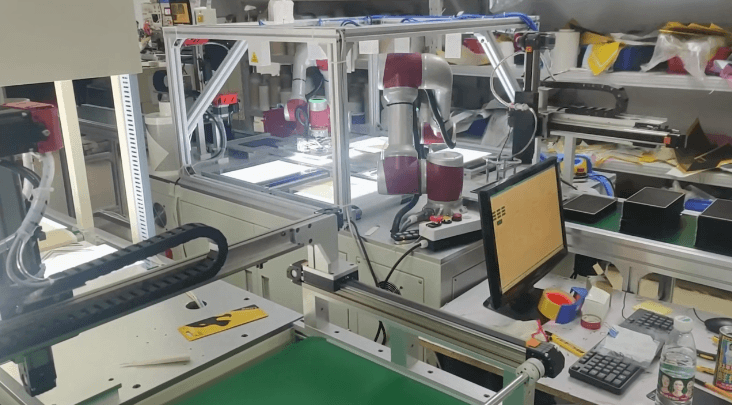
5 Tips to Optimize Pick and Place Robotic Arm Cycle Times with Vision Systems
In the realm of high-speed manufacturing, optimizing robotic efficiency is crucial, particularly with the integration of vision systems in 6-axis robotic arms. JAKA, a leader in automation technology, has developed the JAKA Zu series to enhance the performance of pick-and-place operations, particularly in fast-paced sectors like electronics and food packaging. To improve throughput, manufacturers are advised to optimize lighting and contrast, ensuring that parts are easily identifiable to reduce image processing lag. Implementing "on-the-fly" image processing allows the robotic arm to capture images while in motion, potentially cutting cycle times by 20% to 30%. Additionally, utilizing multi-tasking and path smoothing techniques enables the robot to maintain momentum and efficiency during operations. By narrowing the search windows for the vision system to specific areas on conveyor belts, manufacturers can significantly speed up part identification. Furthermore, calibrating for latency between the camera and the robotic arm is essential for precise part handling, allowing the robot to predict part locations accurately. The JAKA Zu7 model, with a payload capacity of 7kg and a reach of 819mm, exemplifies this advanced integration of vision and motion. Its high-speed joint actuators and exceptional repeatability of ±0.02mm ensure that operations are both fast and accurate. JAKA's commitment to "Embodied Intelligence" is reflected in its user-friendly software ecosystem, which facilitates easy calibration and setup for complex routines, ultimately driving productivity in modern manufacturing environments.

Founder Motor Achieves Small-Batch Production of Robot Joint Motors
Founder Motor (002196.SZ) has successfully initiated small-batch production of robot joint motors, a strategic move aimed at expanding its manufacturing capacity to address the increasing market demand for robotics components. This development comes as the company seeks to enhance its position in the rapidly evolving robotics industry, where demand for advanced motor technology is on the rise. By ramping up production capabilities, Founder Motor aims to meet the needs of clients and stay competitive in a sector characterized by innovation and growth. The decision to focus on robot joint motors reflects the company's commitment to leveraging its expertise in motor technology to capitalize on emerging opportunities within the market.
Robotics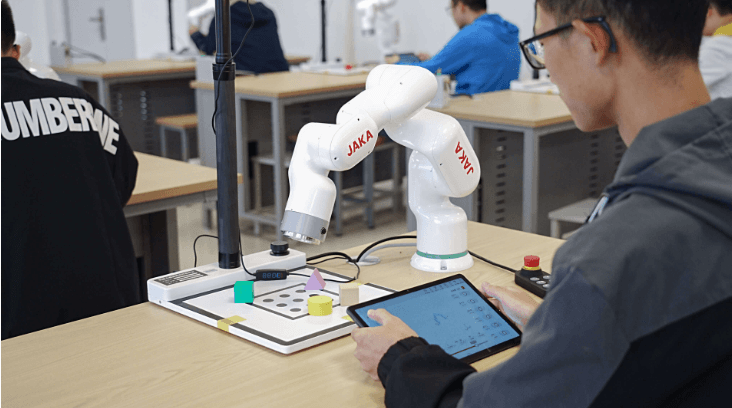
The Reasons Why JAKA Robotics is the Preferred Robotic Arm Supplier for Education
As the manufacturing sector embraces Industry 4.0, the need for robotics-ready talent has surged, prompting educational institutions to enhance their curricula with advanced hands-on laboratories. JAKA Robotics has emerged as a leading supplier for universities and vocational centers, offering collaborative robots, or cobots, that transform classroom experiences. Educators face the challenge of selecting robotic arm suppliers that balance technical sophistication with student safety and usability. JAKA's cobots stand out due to their intuitive programming features, which allow students of varying skill levels to engage with robotics without extensive training. The graphic programming and "drag teaching" capabilities enable beginners to learn kinematics and path planning without the frustration of complex coding. Safety remains a primary concern in educational settings, and JAKA addresses this with advanced collision detection technology. This feature allows their robots to halt immediately upon contact, fostering a secure environment for human-robot interaction. Moreover, JAKA's versatile application modules cater to a wide range of academic disciplines, from mechanical engineering to computer science, providing adaptable workstations for various projects. Their compact, desktop-level cobots deliver industrial-grade performance while fitting into limited classroom spaces. JAKA is committed to equipping the next generation of innovators with cutting-edge tools, exemplified by their "Plug and Play" systems like the lightweight JAKA MiniCobo. With a focus on accessibility and professional-grade reliability, JAKA Robotics aims to simplify the educational journey for students and educators alike, ensuring they are prepared for the demands of the evolving industry.
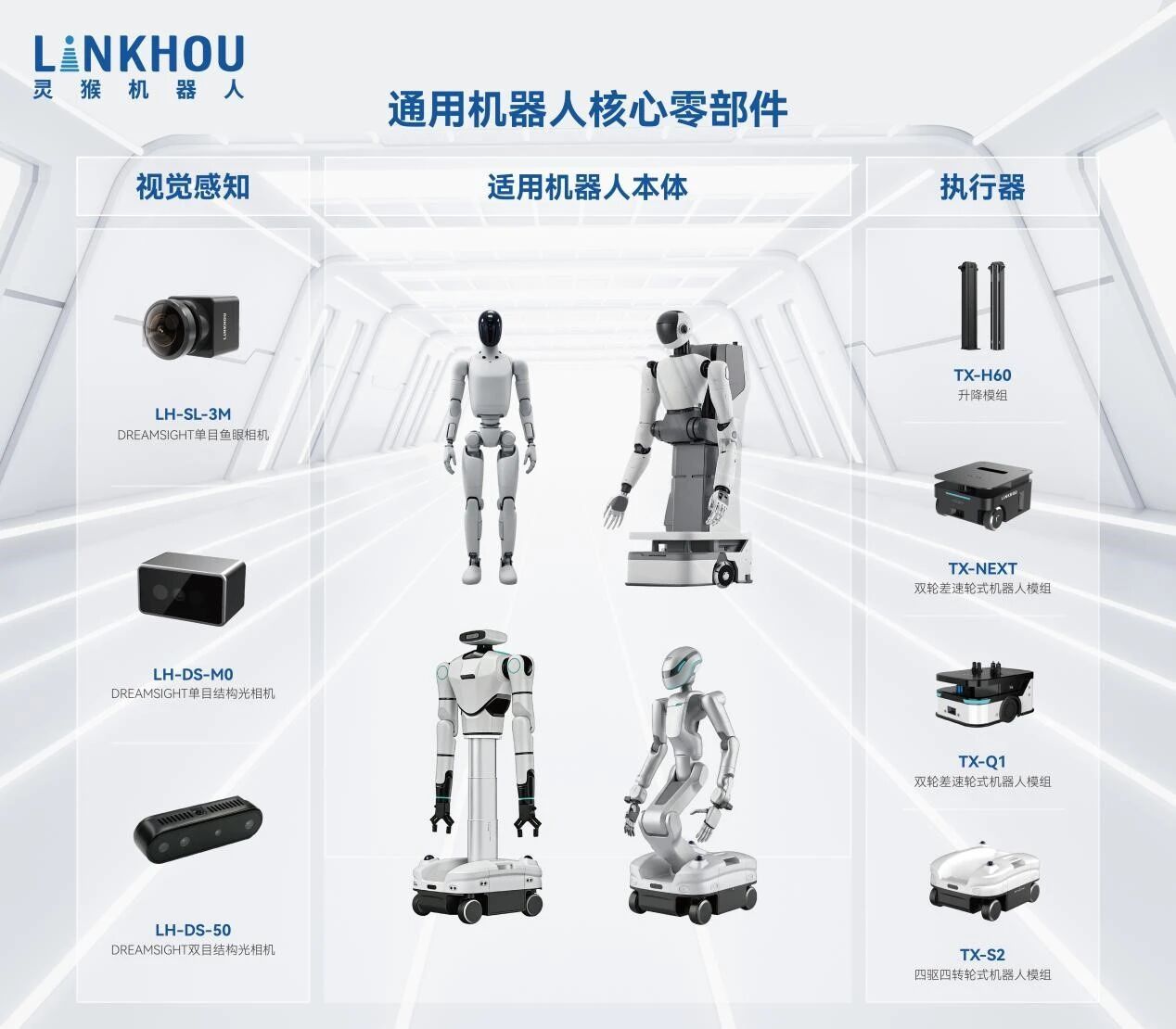
Linkhou Raises USD Tens of Millions to Expand Robotics Components Production
Linkhou, a company based in Suzhou, has successfully secured hundreds of millions of yuan in a Series B+ funding round, which was led by the China Internet Investment Fund. This significant investment aims to enhance the production capabilities of the company's essential components for embodied AI robots, specifically focusing on vision modules and mobile chassis. The funding will enable Linkhou to scale its operations and meet the growing demand for advanced robotics technology.
News
XELA Robotics Deepens U.S. Market Commitment with Plug and Play Investment and New Sensor Capabilities to be Introduced at the Robotics Summit and Expo in Boston
XELA Robotics is intensifying its commitment to the U.S. market with the introduction of two significant enhancements to its uSkin® sensor family, designed in response to feedback from its expanding American customer base. The announcement coincides with a strategic investment from Plug and Play, a leading innovation platform based in Silicon Valley, and the company's participation in the Robotics Summit & Expo in Boston on May 27-28, 2026. The first enhancement involves magnetic interference compensation, which effectively eliminates complex magnetic interference, crucial for handling metals in industrial settings. The second improvement introduces CAN FD (Controller Area Network Flexible Data-Rate), a high-speed communication protocol that allows for more sensor modules to operate simultaneously without compromising data transfer rates. These advancements aim to enhance the performance of robotic applications, providing faster and more reliable measurements. Alexander Schmitz, CEO of XELA Robotics, emphasized the importance of the U.S. market and stated that these enhancements directly address customer needs. The new sensors will be available for immediate ordering, with initial deliveries scheduled for May 2026, while the magnetic interference compensation feature is expected to launch in the third quarter of the year. XELA Robotics will showcase these innovations at the upcoming Robotics Summit & Expo and ICRA 2026 in Vienna, Austria, from June 1-5.

AiMOGA Robotics Expands into Vietnam Through Partnership with Geleximco Group
AiMOGA Robotics, a partner of OMODA&JAECOO, has entered into a strategic cooperation framework agreement with Vietnam’s Geleximco Group. The agreement was signed on March 30, 2026, in Wuhu, China, marking a significant step in their collaboration within the robotics sector. Both parties have outlined the core direction for their joint venture, which aims to leverage their combined expertise and resources to advance innovations in robotics. This partnership is expected to enhance technological development and foster growth in the industry, reflecting a commitment to expanding their market presence and capabilities.
AI Capital Markets Robotics AiMOGA Chery China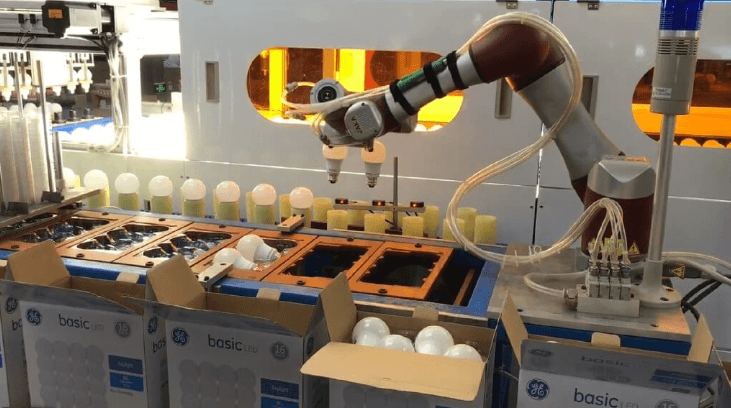
Automation and Industrial Robotics for Small Workshops: Overcoming Budget Barriers
Small workshops are increasingly recognizing the potential of automation and industrial robotics, despite initial investment concerns. A company specializing in these technologies is addressing the challenges faced by smaller operations by promoting the integration of collaborative robots, or cobots, such as the JAKA Pro5. This solution allows workshops to enhance productivity and efficiency without the burden of significant upfront costs. The JAKA Pro5 is designed for easy deployment in limited spaces, featuring a maintenance-free integrated joint system that ensures high precision with minimal upkeep. Its robust environmental adaptability makes it suitable for various industrial conditions, allowing small teams to automate multiple processes effectively. To alleviate budget constraints, the company collaborates with clients to identify key areas for automation, enabling a gradual implementation of robotic capabilities. This approach allows workshops to spread costs over time while achieving measurable improvements in productivity and maintaining safety standards. By strategically adopting JAKA technology, small workshops can unlock their industrial potential, optimize workflows, and remain competitive in the market, even with limited financial resources. The company emphasizes that advanced industrial automation is accessible to businesses of all sizes, empowering smaller operations to innovate and grow.
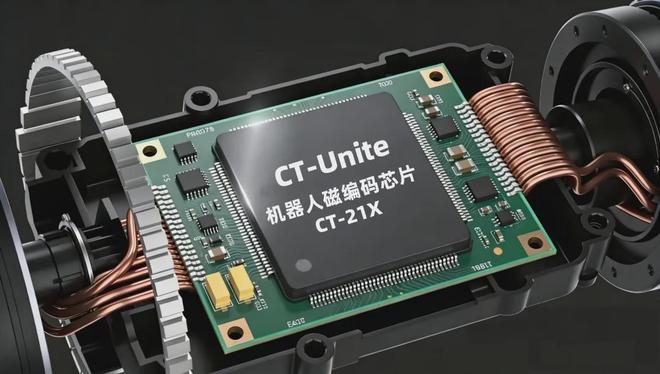
China's First GaN Magnetic Encoding Chip for Humanoid Robot Joints Released, Setting a New Benchmark for High-Precision Motion Control
China Semiconductor has unveiled its first domestically produced GaN magnetic encoding sensor designed specifically for humanoid robot joints. This groundbreaking chip, introduced recently, promises enhanced performance in extreme conditions, effectively tackling significant industry challenges such as overheating and precision issues. By providing a solution to these critical problems, the new sensor paves the way for the advancement of high-performance robotic joints, marking a significant step forward in robotics technology.
Humanoid Robots Motion Control GaN Technology Robotics Sensors
Beyond the Arm: Integrating Robotic Arm Components for Advanced HMI
In the evolving landscape of modern manufacturing, JAKA is redefining human-machine interaction (HMI) by integrating industrial robot arms into cohesive systems that enhance operational efficiency. This approach emphasizes that robots should not function as isolated units but as integral components of a larger framework that includes mechanical structures, control logic, and software interfaces. By focusing on mechanical integration, JAKA ensures that robotic arms interact safely and accurately with operators, facilitating intuitive engagement and stable production behaviors. The design of robotic arms at JAKA prioritizes harmonized joints and controlled motion, which allows for smooth feedback and precise movements. This is particularly beneficial in packaging applications, where high repeatability minimizes errors and enhances operational clarity. Furthermore, JAKA's control systems are engineered to ensure that robotic arms respond predictably to user inputs, whether in automated or manual modes, thus improving the overall quality of HMI. The integration of these systems not only streamlines workflows but also reduces management overhead by providing clear and actionable feedback. This results in consistent output rates and decreased waste in production processes. JAKA's holistic approach to robotic systems fosters a manufacturing environment that is adaptable to real operational needs, ultimately leading to more efficient and transparent human interactions in tasks such as packing and spraying.
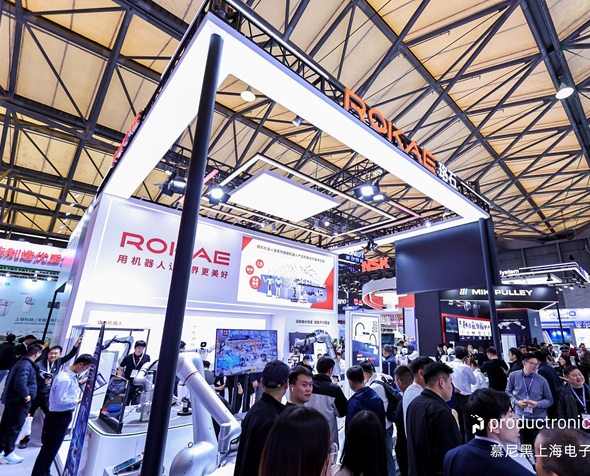
ROKAE Robotics at productronica Shanghai 2026
ROKAE Robotics made a significant impact at productronica Shanghai 2026, held at the Shanghai New International Expo Centre. Over the course of three days, the company showcased its latest innovations, including a high-speed SCARA robot, the AR humanoid force-control arm series, and HSA integrated force-control joints. These advancements highlight ROKAE's commitment to enhancing smart manufacturing solutions, aimed at improving efficiency and precision in various industrial applications. The exhibition served as a platform for ROKAE to demonstrate its technological leadership and engage with industry professionals, reflecting the growing demand for automation and intelligent manufacturing systems in the market.
Tesla Optimus Modules: What Can You Add? (2026)
A recent analysis highlights advancements in robotics technology, focusing on the integration of built-in hardware layers, planned end-effectors, and software modules. This evaluation, conducted by industry experts, emphasizes the role of artificial intelligence in enhancing robotic capabilities. The findings, released in October 2023, underscore the importance of these innovations in improving efficiency and functionality within various sectors. By comparing current industry standards, the report illustrates how these technological upgrades can lead to significant improvements in performance and adaptability. The ongoing evolution of robotics is driven by the need for more sophisticated and versatile machines that can meet the demands of modern industries.
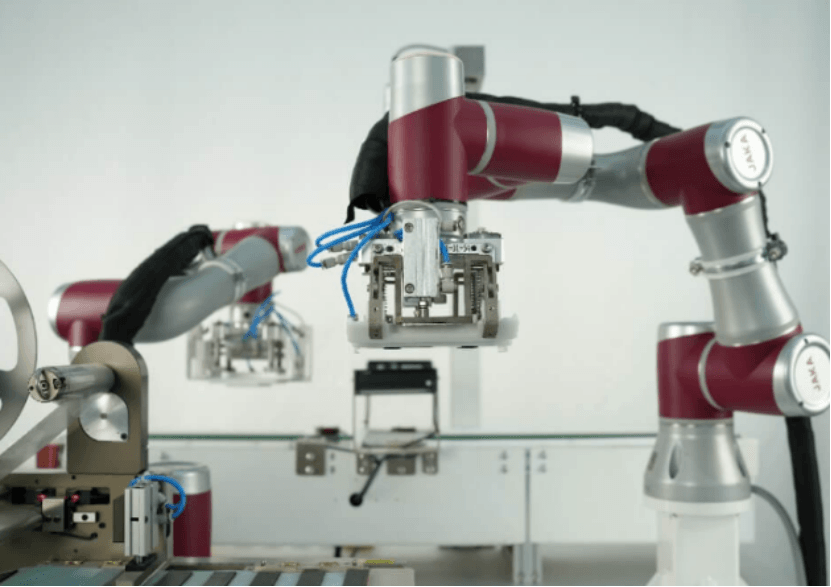
Jointed Arm Robot vs. Cartesian Robot: Selecting the Best Kinematics for Large Workspaces
In the realm of modern manufacturing, JAKA emphasizes the importance of selecting the appropriate robotic system to enhance efficiency and quality. The company evaluates the suitability of 6-axis robot arms versus Cartesian robots for large workspaces, with decisions hinging on factors such as flexibility, reach, and specific application needs. JAKA's expertise in various kinematic configurations enables them to guide clients toward solutions that optimize precision and adaptability while mitigating operational risks. Jointed arm robots are highlighted for their superior flexibility, allowing them to navigate complex geometries and obstacles in expansive environments. In contrast, Cartesian robots are limited to linear movements, which can hinder access in cluttered spaces. JAKA's 6-axis robot arm solutions, particularly the JAKA Zu Adhesive Application system, demonstrate the ability to maintain processing precision across diverse points, thereby reducing defect rates and minimizing manual intervention. Programming ease is another critical consideration. JAKA offers highly reprogrammable systems that enable users to efficiently adjust parameters for different workpieces, shortening product modification cycles and reducing equipment investment. This adaptability allows clients to swiftly switch production tasks, ensuring high throughput and minimal downtime. Safety is also a paramount concern in manufacturing. Jointed arm robots can replace human operators in hazardous settings, thus reducing direct exposure to dangerous equipment. The JAKA Zu system exemplifies this advantage by performing tasks with precision while safeguarding personnel. Overall, JAKA advocates for the use of jointed arm robots in large workspaces, citing their flexibility, adaptability, and safety benefits as key factors in optimizing manufacturing processes.
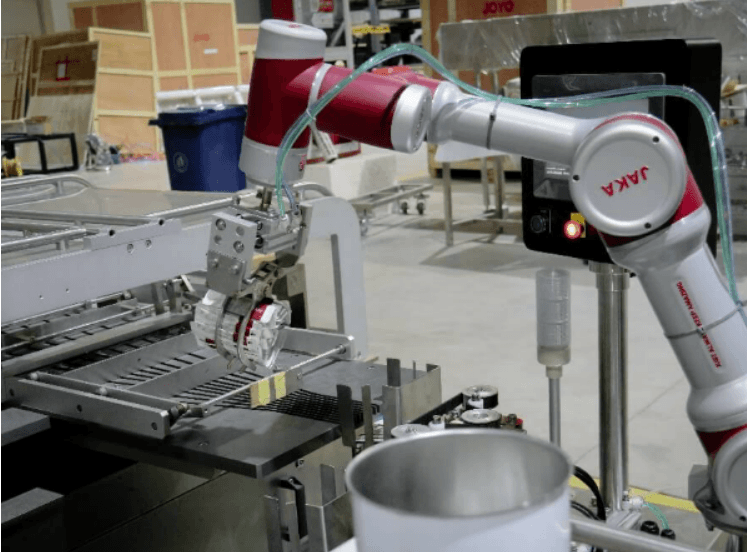
JAKA Robotics: Driving Innovation as a Leading Robotics Company in APAC
JAKA Robotics is making significant strides in the field of industrial automation, focusing on smart manufacturing solutions across the Asia-Pacific (APAC) region. The company specializes in collaborative robots that work safely alongside human operators, ensuring consistent performance in various applications such as electronics assembly, automotive component handling, and semiconductor processes. With a commitment to precision and stability, JAKA employs advanced control systems and intelligent software, achieving high repeatability levels essential for sensitive tasks like shaft assembly. Their robots are designed with low-noise circuitry and automated quality controls, enabling manufacturers to maintain efficiency and reduce errors during production. The Zu series of JAKA robots highlights the company's emphasis on flexible deployment, featuring compact designs that fit into confined workspaces. User-friendly programming tools allow even those without technical backgrounds to manage complex tasks, while safety features like collision protection and zero-drift calibration enhance human-robot collaboration. JAKA also prioritizes seamless system integration, offering communication interfaces compatible with manufacturing execution systems (MES), automated guided vehicles (AGVs), and vision modules. This adaptability supports more complex automation scenarios and allows non-specialized staff to operate sophisticated processes efficiently. As JAKA Robotics continues to innovate, it remains dedicated to enhancing productivity and operational resilience in the electronics, automotive, and semiconductor sectors, exemplifying how advanced automation solutions can transform modern manufacturing in the APAC region.
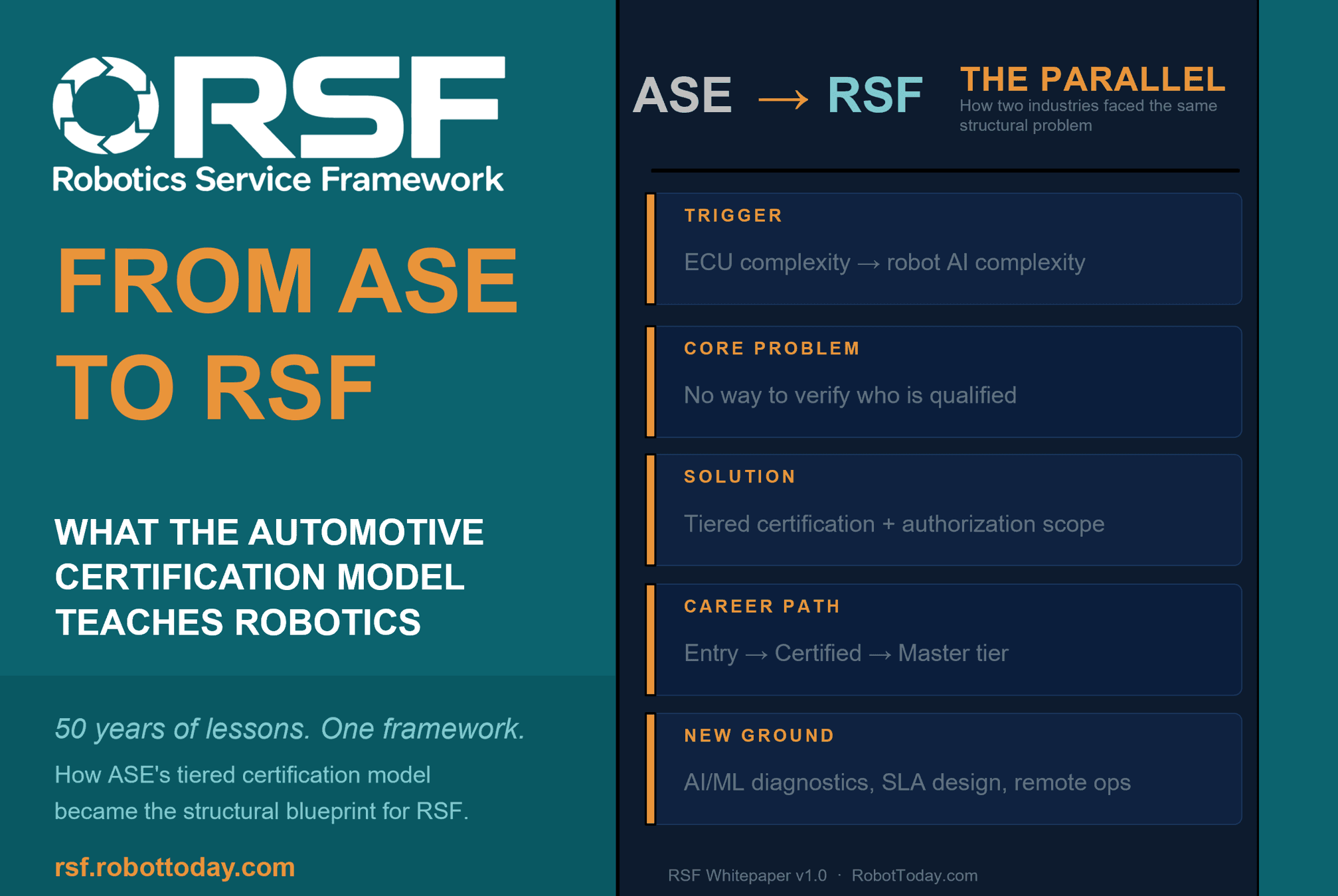
Robotics needs a service framework.
RSF defines a common language for robot service capability, lifecycle operations, certification pathways, and service-provider networks.