Industry Briefing
A single destination for timely, editor-curated robotics news from around the world.
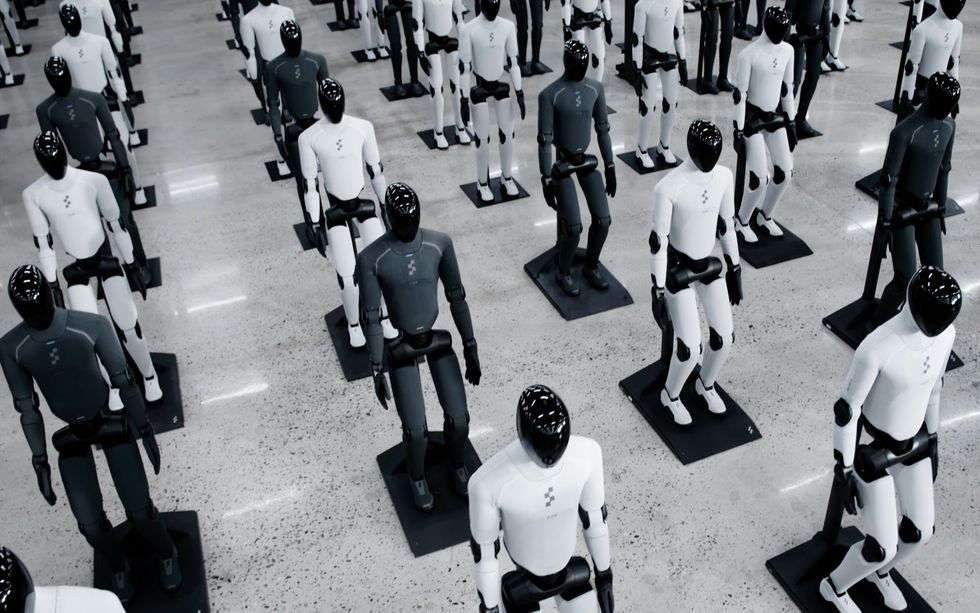
Video Friday: Figure, 1X Ramp Up Humanoid Robot Production
IEEE Spectrum robotics has released its weekly roundup of notable robotics videos and upcoming events, including major conferences like ICRA 2026 in Vienna and RSS 2026 in Sydney. A significant development in humanoid robotics has occurred with the opening of the NEO Factory in Hayward, California, which is now producing robots at a rate of 55 per week. This facility, which spans 58,000 square feet and employs over 200 staff, allows for complete in-house manufacturing, enhancing safety and efficiency. The first consumer robots are expected to ship in 2026, marking a pivotal step toward the realization of general-purpose home robots. In other news, NASA continues its exploration of Mars with two rovers, Perseverance and Curiosity, studying different geological eras of the planet. Meanwhile, the Chinese-made Unitree G1 humanoid robots are gaining traction in the U.S. tech landscape, being utilized by companies like OpenAI and Nvidia, raising questions about their implications for security and privacy. Additionally, advancements in robotics are showcased through various projects, including a surgical robot designed to streamline Neuralink implant procedures and a tactile-enabled humanoid manipulation system that enhances dexterity and stability in real-world tasks. As robotics technology evolves, experts are also exploring how autonomous systems make decisions in unpredictable environments, emphasizing the importance of AI in coordinating complex operations.
Humanoid-robots Video-friday Robot-videos Robot-manipulation Industrial-robots Robot-hands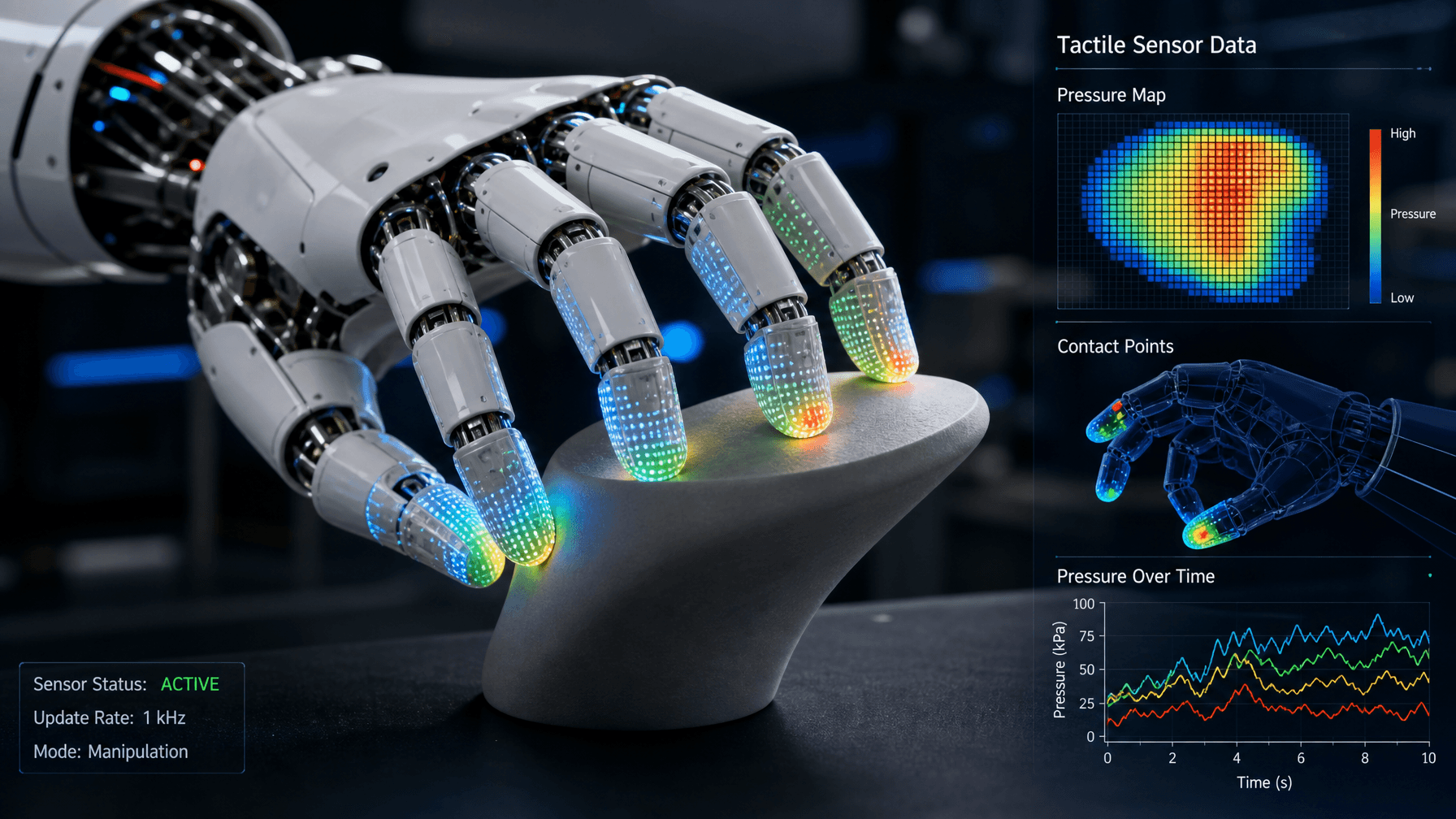
PHANES AI Launches TouchWorld Tactile Model for Enhanced Robot Dexterity
PHANES AI, established by 28-year-old Yang Shuo from HIT, has introduced TouchWorld, a tactile foundation model designed to enhance robotic manipulation capabilities. This model enables robots to perform precise physical tasks by incorporating a sense of touch, marking a significant advancement in robotic dexterity and interaction with their environment. The introduction of TouchWorld is significant as it allows robots to predict and react to tactile stimuli, which is crucial for applications requiring fine motor skills. This development could lead to improved performance in various sectors, including manufacturing and healthcare, where dexterous manipulation is essential for tasks such as assembly or surgical procedures. Looking ahead, the impact of TouchWorld on the robotics industry will be closely monitored, particularly regarding its adoption in real-world applications. No further timeline was disclosed at the time of publication, but the potential for this technology to transform robotic capabilities is substantial.
Technology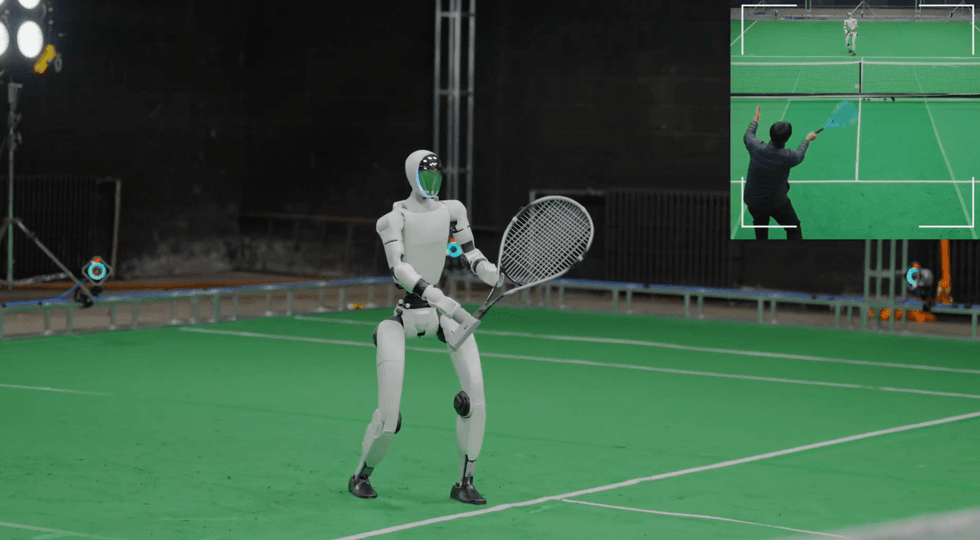
Video Friday: Humanoid Learns Tennis Skills Playing Humans
IEEE Spectrum robotics has released its latest edition of Video Friday, showcasing a variety of innovative robotics videos and announcing upcoming events in the field. Notable events include the International Conference on Robotics and Automation (ICRA) scheduled for June 1-5, 2026, in Vienna, and a Summer School on Multi-Robot Systems from July 29 to August 4, 2026, in Prague. Among the featured advancements, researchers have developed LATENT, a system designed to teach humanoid robots tennis skills by learning from imperfect human motion data. This innovation addresses the challenges of replicating human-like athleticism in robotics. Additionally, a breakthrough has been achieved in robotic manipulation, with a robot successfully peeling an apple using dual dexterous hands, showcasing significant progress in bimanual tasks. The development of MoDE-VLA, a control system that integrates vision, language, force, and touch data, further enhances the robot's ability to perform complex tasks with stability and precision. This shared-autonomy approach allows human operators to guide robots in executing intricate movements. In other highlights, collaborations between Tesollo and Hanyang University have led to advancements in robotic hand technology, while the Fluent Robotics Lab at the University of Michigan is set to present a paper on operational PR2 robots. The KAIST DRCD Lab has also demonstrated the capabilities of its humanoid robot, trained through deep reinforcement learning. As robotics continues to evolve, these innovations reflect the ongoing efforts to bridge the gap between human-like dexterity and robotic functionality.
Humanoid-robots Video-friday Robot-locomotion Nvidia Robot-manipulation Quadruped-robots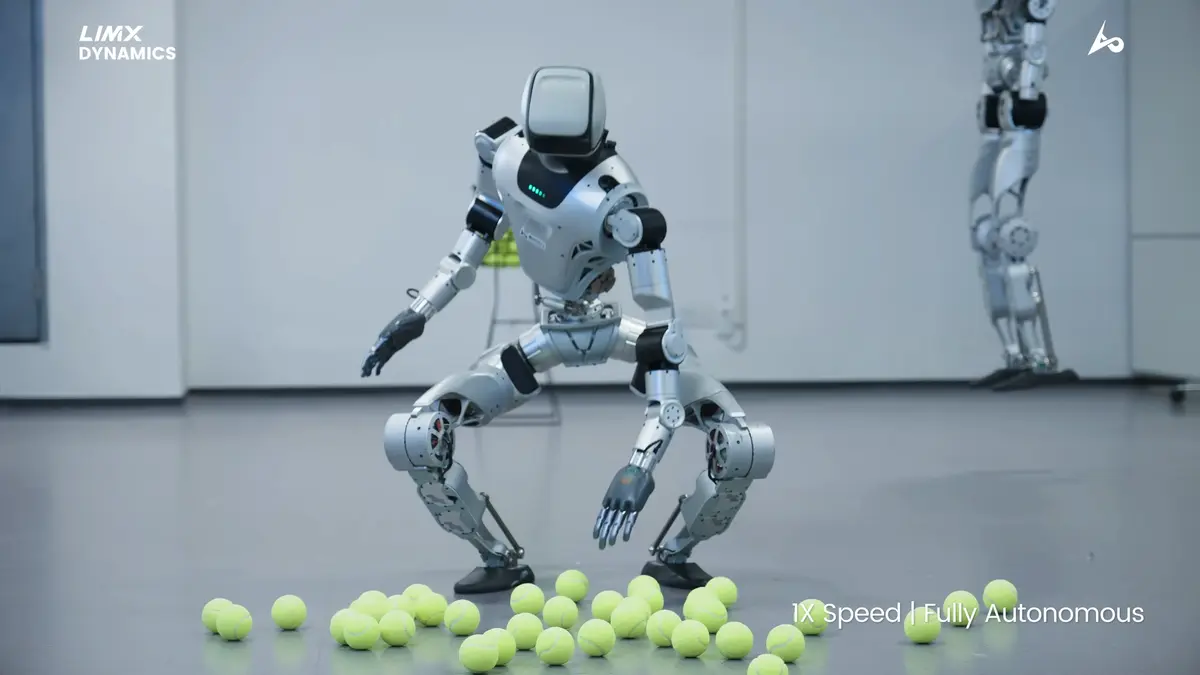
LimX Dynamics’ New Humanoid Robot Demonstrates a Rare Skill: Autonomous Loco-Manipulation
Shenzhen-based startup LimX Dynamics has unveiled a video showcasing its latest humanoid robot, Oli, demonstrating advanced capabilities in whole-body loco-manipulation. In the demonstration, Oli autonomously identifies a tennis ball, navigates towards it, and successfully picks it up. This innovative feat highlights a significant advancement in robotic technology, as such complex skills are rarely seen in contemporary humanoid robots. The release of this video marks a notable moment for the company, emphasizing its commitment to pushing the boundaries of robotics and automation.
LimX Dynamics Oli Loco-Manipulation humanoid-robot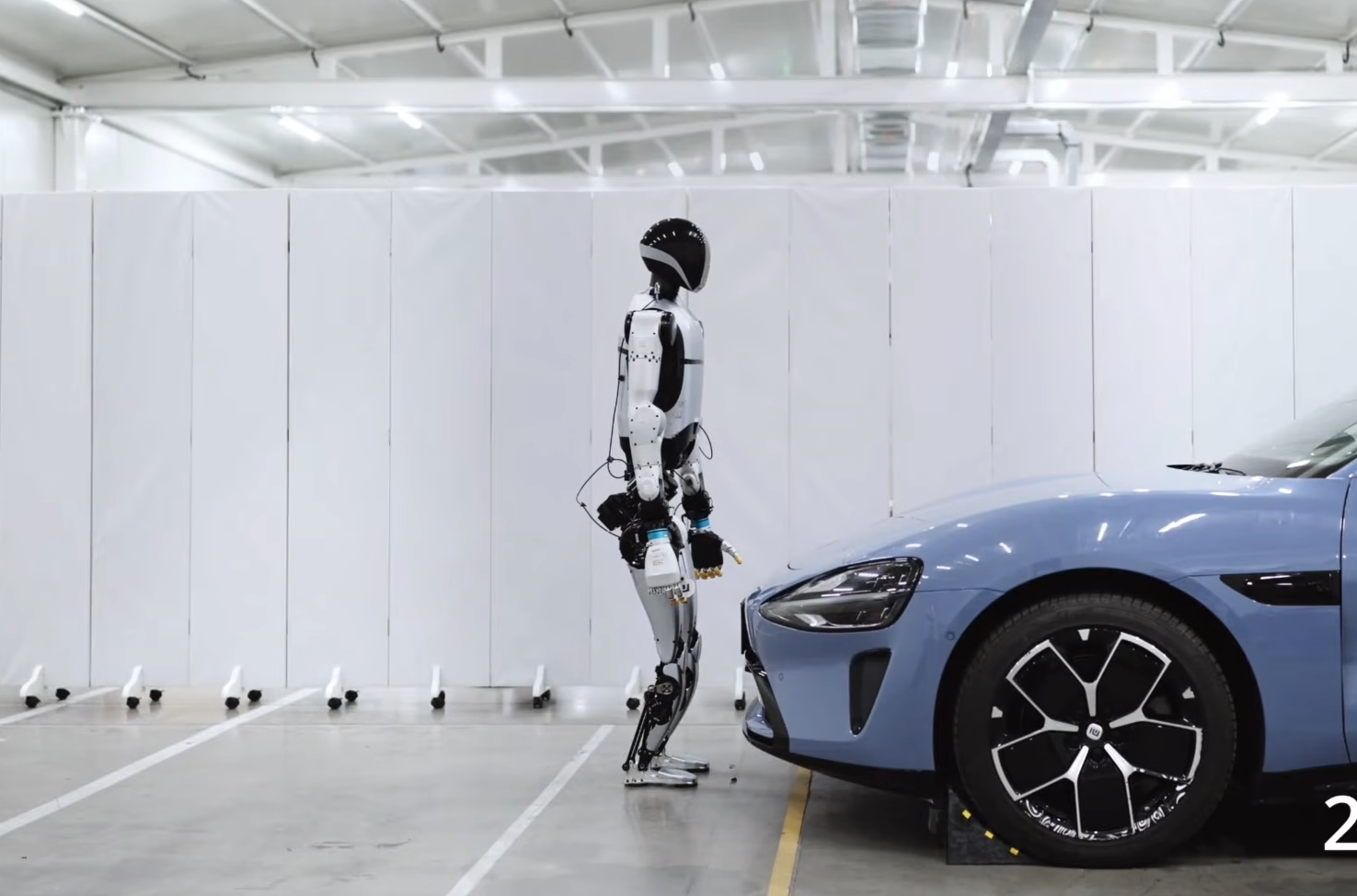
Xiaomi's Humanoid Robot Achieves 98% Success Rate in Automotive Production Tasks
Xiaomi has made significant advancements in deploying its humanoid robot on automotive production lines, achieving a 98% success rate at a self-tapping nut loading station. This improvement narrows the gap to human workers' qualification rates to just one percentage point, showcasing the robot's enhanced capabilities after four months of development. The importance of this development lies in Xiaomi's ability to expand the robot's role in manufacturing, as it has successfully taken on additional tasks such as center console side panel sorting and parts bin folding and recycling, both achieving a 90% success rate. This marks a significant milestone in the robot's operational capabilities, particularly in handling flexible workpieces, which are typically more challenging than rigid components. Looking ahead, Xiaomi's continued focus on refining its humanoid robot's perception and manipulation skills will be crucial for further integration into automotive assembly operations. No further timeline was disclosed at the time of publication.
AI and Robotics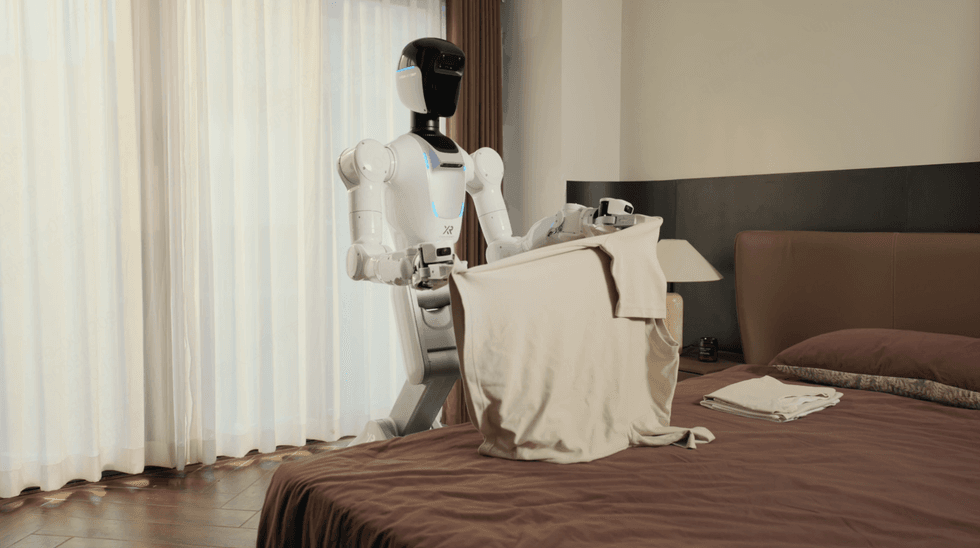
X Square Robot Develops Integrated Stack for General-Purpose Robotics
X Square Robot, a Chinese company focused on embodied AI, is pioneering an integrated stack for general-purpose robots. This stack combines data learning, a world model for predicting physical changes, and an action model that integrates perception, planning, reasoning, and decision-making. The company emphasizes the importance of quality interaction data over sheer quantity, utilizing its Universal Manipulation Interface (UMI) to enhance data collection. The significance of X Square Robot's approach lies in its potential to unify various aspects of robotic intelligence, addressing the fragmented nature of current systems. By prioritizing interaction quality and establishing a closed inspection loop for data validation, the company aims to create a more effective learning environment for robots. This method not only reduces costs but also enhances the reliability of the training data, which is crucial for developing general-purpose robots capable of performing diverse tasks. Looking ahead, X Square Robot's WALL-WM world model represents a shift towards event-based action prediction, allowing for more coherent and context-aware robotic behavior. As the company continues to refine its models and data collection methods, the broader robotics community will be watching for independent validation of its results and the potential implications for the future of general-purpose robotics.
Home-robots Type-sponsored Large-language-models Embodied-intelligence Ai-robots Robot-learning
1X Enhances NEO Humanoid Robot with Advanced 25-DOF Hands for Versatile Tasks
Norwegian robotics firm 1X has introduced new 25-degree-of-freedom (DOF) tendon-driven hands for its NEO humanoid robot, marking a significant advancement in robotic dexterity. These hands feature 22 actuated joints across the fingers and palm, along with three at the wrist, enabling NEO to perform tasks such as assembling LEGO models and catching balls with precision and strength. The redesigned hands allow for force sensing and durability, overcoming previous hardware limitations in robotic manipulation. With a unique tendon-drive system and low gear ratios, the hands can detect contact forces and provide continuous proprioception, enhancing the robot's ability to manipulate objects safely and effectively. The hands' human-like joint distribution, particularly the opposable thumb, facilitates a wide range of fine manipulation tasks, making NEO suitable for various household applications. 1X has commenced mass production of the NEO robot at its new California facility, aiming to commercialize home robots for daily assistance. The company emphasizes the hands' combination of precision, strength, and safety features, including IP68 waterproofing and self-cleaning capabilities. No further timeline was disclosed at the time of publication.
AI and Robotics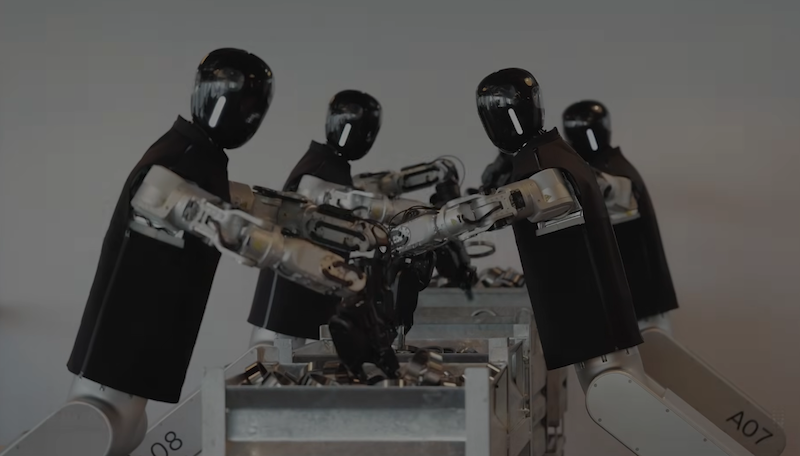
UK startup Humanoid launches reinforcement learning system to improve robot manipulation
UK-based robotics and AI company Humanoid has introduced KinetIQ Ascend, the company’s reinforcement learning approach designed to reach 99.9 percent manipulation reliability at human speed and beyond. KinetIQ Ascend builds on the previously announced KinetIQ platform with trial-and-error learning, helping the company’s robots improve directly on industrial tasks. The new system was tested on several […]
Computing Humanoids News artificial intelligence automation embodied ai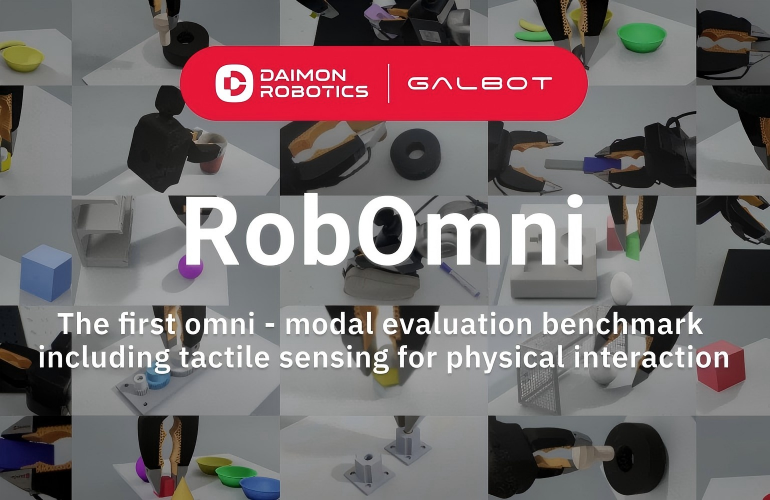
Daimon Robotics and Galbot jointly launches RobOmni for benchmarking tactile perception and dexterous manipulation
Daimon Robotics and Galbot have announced the launch of RobOmni, a new platform designed to benchmark tactile perception and dexterous manipulation in the field of embodied AI. This development marks a significant shift from traditional vision-centric approaches to a more comprehensive understanding of physical interactions. The collaboration aims to enhance the capabilities of robots in performing complex tasks that require fine motor skills and sensitivity to touch. The launch event took place recently, highlighting the growing importance of tactile feedback in robotics and its applications across various industries. By integrating advanced tactile sensing technologies, RobOmni is set to provide researchers and developers with the tools needed to push the boundaries of robotic dexterity and perception.
Sponsored Content
Robot Talk Episode 159 – Robot sensing and manipulation, with Maria Koskinopoulou
Claire recently engaged in a conversation with Maria Koskinopoulou, an Assistant Professor in Robotics and Computer Vision at Heriot-Watt University, regarding the advancements in autonomous robotic manipulators. The discussion highlighted the applications of these technologies in various fields, including surgery and industry. Koskinopoulou, who co-leads the ARM²Lab—focused on Autonomous Robotic Manipulation and Multi-Agent Systems—alongside Ignacio Carlucho, shared insights into her research interests and the potential impact of robotics on future innovations. The dialogue underscores the growing significance of robotics in enhancing efficiency and precision across multiple sectors.
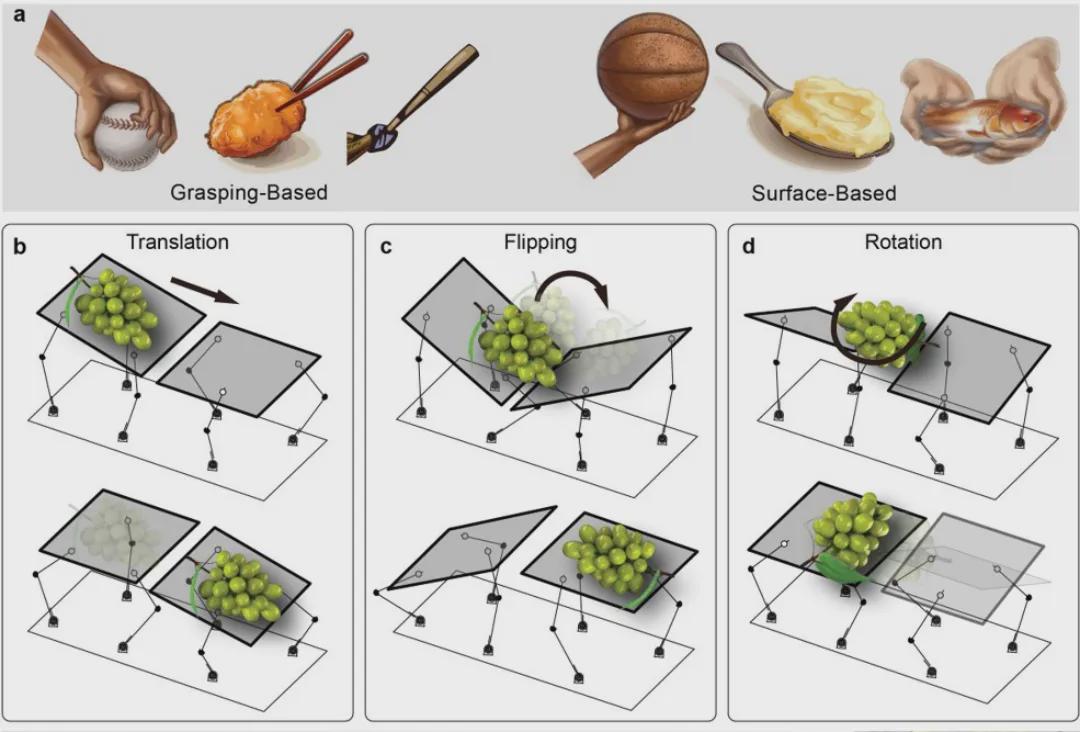
Replacing Grasping with Support: EPFL Team Proposes a New Paradigm for Robot Manipulation
Researchers from the École Polytechnique Fédérale de Lausanne (EPFL) have unveiled a groundbreaking robotic manipulation technique that moves away from conventional grasping methods to a surface-based support system. This new approach enables robots to interact with a wide range of objects without requiring stable grips, significantly improving their dexterity. The development, announced recently, has the potential to transform automation processes across multiple industries, enhancing efficiency and versatility in robotic applications. By allowing robots to manage objects more fluidly and adaptively, this innovation could lead to advancements in fields such as manufacturing, logistics, and service industries.
Robotic Manipulation Automation Technology Surface-Based Handling EPFL Research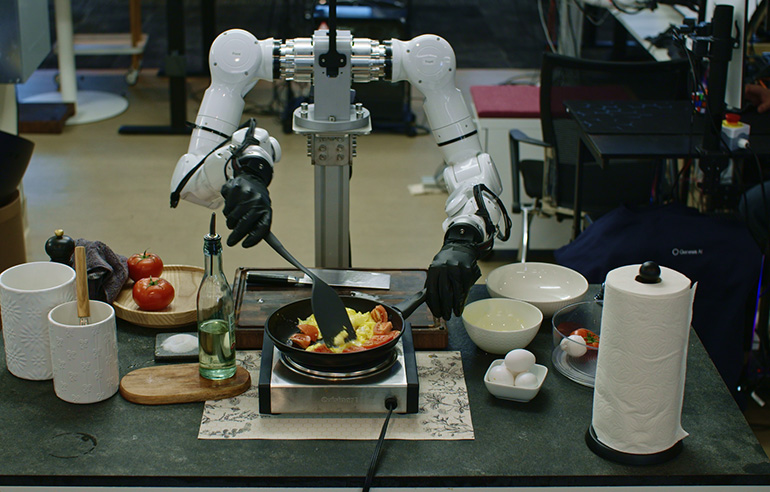
Genesis AI introduces GENE-26.5 model for more dexterous robot manipulation
Genesis AI has unveiled its latest innovation, the GENE-26.5 foundation model, which incorporates an advanced data engine alongside a proprietary robotic hand designed to enhance dexterity in robotic manipulation. This development aims to push the boundaries of robotic capabilities, enabling more precise and versatile movements. The introduction of the GENE-26.5 model marks a significant advancement in the field of robotics, reflecting the company's commitment to leveraging cutting-edge technology to improve robotic functionality. The announcement was made recently, highlighting the potential applications of this model in various industries where enhanced manipulation is crucial.
Arms / Manipulators Artificial Intelligence Artificial Intelligence / Cognition End Effectors / Grippers Grippers Humanoids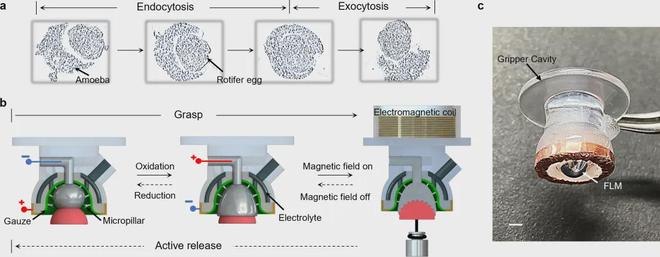
New Record in Robotic Micro-Manipulation: 42G Ejection and Precision Control Across 14 Orders of Magnitude
A team of researchers has unveiled a revolutionary liquid metal universal gripper (LiMU) that boasts exceptional manipulation capabilities, achieving a record ejection speed of 42G. This cutting-edge technology can handle a wide range of objects, from picograms to hundreds of grams, making it suitable for delicate tasks across various environments. The development of LiMU represents a significant advancement in robotic manipulation, potentially transforming industries that require precision handling of fragile materials.
Robotic Grippers Micro-Manipulation Liquid Metal Technology Adaptive Robotics
Sanctuary AI Touts Reinforcement Learning Success for Dexterous Robot Hand Manipulation
Sanctuary AI has showcased its advanced robotic hand, featuring hydraulically actuated five fingers, successfully executing in-hand object reorientation. This demonstration took place recently, highlighting the company's innovative approach to robotics. The robotic hand utilized a reinforcement learning policy that was initially trained in a simulated environment, achieving a notable sim-to-real transfer even when subjected to an unexpected load of 500 grams. Sanctuary AI credits this accomplishment to its proprietary reinforcement learning techniques and the sophisticated design of its high-degree-of-freedom hand hardware, marking a significant milestone in the development of robotic manipulation capabilities.
phoenix sanctuary-ai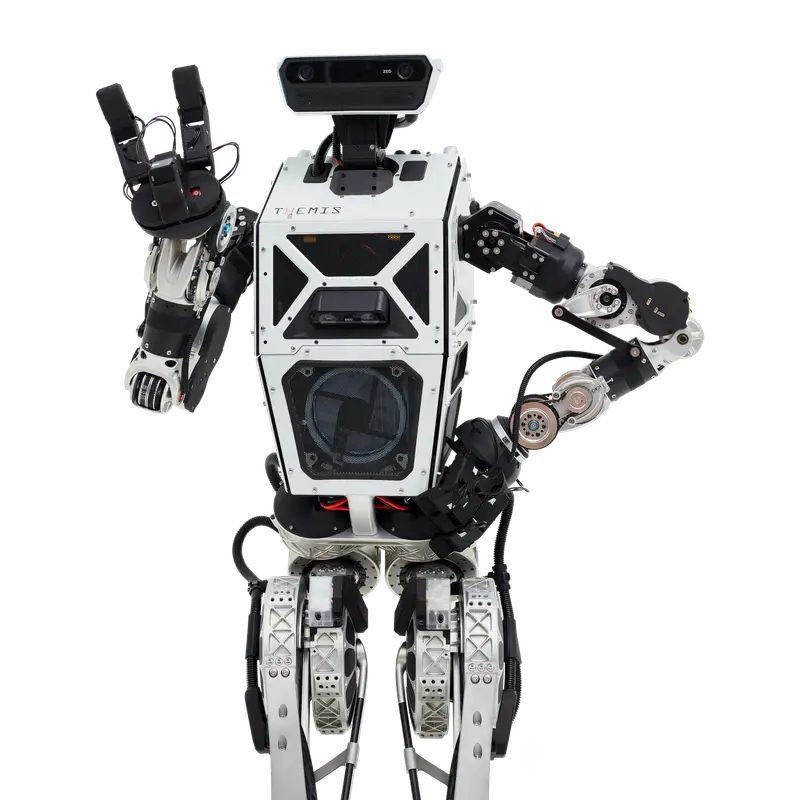
Westwood Robotics Details Agile THEMIS V2 Humanoid with Advanced Manipulation
Westwood Robotics has unveiled its latest humanoid robot, the THEMIS V2, designed to operate in challenging work environments. Standing at 1.6 meters tall, the robot boasts 40 degrees of freedom (DoF) and is equipped with proprietary BEAR actuators that enable agile and compliant movements. The upgraded model features enhanced 6-DoF arms and 7-DoF hands, allowing for greater dexterity and functionality. Incorporating advanced artificial intelligence processing and stereo vision capabilities, THEMIS V2 is engineered to perform complex tasks efficiently. Additionally, the robot is designed with hot-swappable batteries, ensuring minimal downtime during operation. This innovative technology aims to meet the increasing demand for versatile robotic solutions in various industries, highlighting Westwood Robotics' commitment to pushing the boundaries of robotic capabilities.
themis-v2 westwood-robotics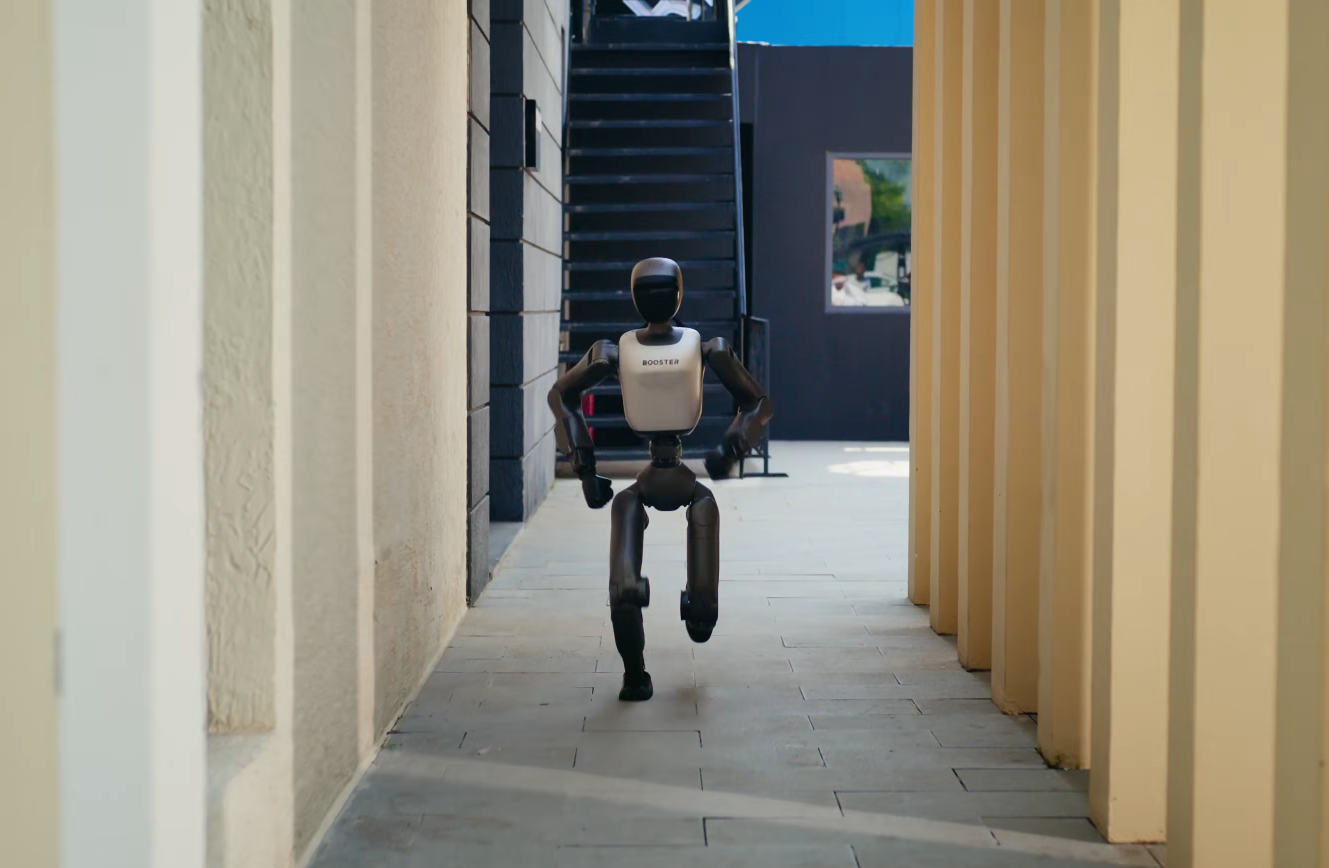
Booster Robotics Launches Booster T2 Humanoid Robot with NVIDIA Thor Computing Power
Booster Robotics has introduced the Booster T2, a humanoid robot platform aimed at real-world applications and embodied AI research. The T2 Pro version utilizes NVIDIA’s Thor chip, delivering up to 2,070 TFLOPS for real-time perception and control. The robot is designed for tasks requiring mobility and manipulation, showcasing advanced capabilities such as walking, dynamic balance, and athletic movements. The significance of the Booster T2 lies in its integration of cutting-edge technology and open development. With features like whole-body coordination and onboard AI computing, it supports a wide range of applications in robotics. The introduction of Booster Studio, an open software platform, further enhances its utility by allowing developers to simulate and deploy AI models effectively. Looking ahead, the Booster T2 is positioned to advance research in embodied AI and robotics. Its robust design, including 31 degrees of freedom and multiple hardware configurations, makes it suitable for various manipulation tasks. No further timeline was disclosed at the time of publication.
AI and Robotics
MIT and EPFL Develop Aerial-Aquatic Robot for Enhanced Environmental Studies
In a groundbreaking demonstration, two full teams of humanoid robots engaged in an 11-vs-11 soccer match at RoboCup 2026 in Incheon, South Korea, marking a significant milestone in robotic sports. This event showcased the advancements in humanoid robotics, with Tech United competing against IRIS, bringing the vision of robot soccer closer to reality. The significance of this event lies in its potential to drive interest and investment in humanoid robotics and AI technologies. As robots like Boston Dynamics' Atlas perform in front of large audiences, the market for humanoid robots in entertainment and practical applications is expected to grow. Additionally, the introduction of advanced robotic hands by 1X, featuring 25 degrees of freedom, highlights the ongoing evolution in dexterity and manipulation capabilities. Looking ahead, the next major robotics events include the Summer School on Multi-Robot Systems in Prague from July 29 to August 4, 2026, and IROS 2026 in Pittsburgh from September 27 to October 1, 2026. These gatherings will likely showcase further advancements in robotics and provide a platform for collaboration and innovation in the field. No further timeline was disclosed at the time of publication.
Video-friday Humanoids Robotics World-cup
ABB Robotics and Roche Partner to Enhance Laboratory Efficiency with Intelligent Robotics
ABB Robotics has entered into a collaboration with Roche to develop digitally connected laboratories utilizing intelligent robotics. This partnership aims to improve laboratory workflows significantly, with initial applications focusing on pathology slide handling and enhancing intralogistics within Core Labs. The deployment will feature a variety of ABB Robotics technologies, including autonomous mobile manipulation and fixed articulating robots. This collaboration is significant as it represents a shift towards integrating advanced robotics in laboratory settings, which can lead to increased efficiency and reduced operational costs. By automating tasks such as slide handling, laboratories can expect to streamline processes, minimize human error, and enhance overall productivity. The use of intelligent robotics in this context is expected to set a new standard for laboratory operations. Looking ahead, the first applications of this collaboration are anticipated to roll out soon, although no specific timeline was disclosed at the time of publication. Stakeholders in the robotics and healthcare sectors should monitor this partnership closely, as it may pave the way for further advancements in laboratory automation and connectivity.

Cobot’s Proxie Gen 2 robot adds autotasking, mobile manipulation
Cobot, led by founder and CEO Brad Porter, has unveiled its latest innovation, the Proxie Gen 2 robot, which enhances automation capabilities in material handling. This advanced robot is designed to autonomously assess when materials are ready for transport, pinpoint their destinations, and generate tasks without the need for human oversight. The introduction of Proxie Gen 2 marks a significant step forward in mobile manipulation technology, aiming to streamline operations in various industries. This development reflects Cobot's commitment to advancing robotic solutions that improve efficiency and reduce reliance on manual labor.
Artificial Intelligence Artificial Intelligence / Cognition Autonomous Mobile Robots (AMRs) Design / Development Healthcare Robotics Logistics
Locus Robotics Acquires Nexera Robotics, Advancing a Patented Breakthrough in Mobile Manipulation
Locus Robotics has announced its acquisition of Vancouver-based Nexera Robotics, a move aimed at enhancing its capabilities in mobile manipulation. The acquisition, revealed on May 19, 2026, will integrate Nexera's patented NeuraGrasp™ technology into Locus's existing AI platform, significantly expanding the range of SKUs that the Locus Array can autonomously handle. This advancement is expected to open new categories and improve efficiency in warehouse operations, addressing challenges that have historically limited robotic picking capabilities. Rick Faulk, CEO of Locus Robotics, emphasized the importance of AI-driven mobile manipulation for the future of warehouse robotics, stating that the ability to efficiently grasp a wide variety of inventory is crucial for creating value in the coming decade. The NeuraGrasp™ technology combines AI intelligence, sensory inputs, and computer vision, allowing a single gripper to adapt to various item characteristics, thereby enhancing reliability in real-world warehouse conditions. The acquisition follows the successful launch of Locus Array at MODEX 2026, where it garnered significant market interest and recognition as a top innovation. With Nexera now wholly owned by Locus Robotics, the integration of NeuraGrasp™ is expected to accelerate the company's growth and broaden its market reach, positioning it at the forefront of the autonomous fulfillment industry.
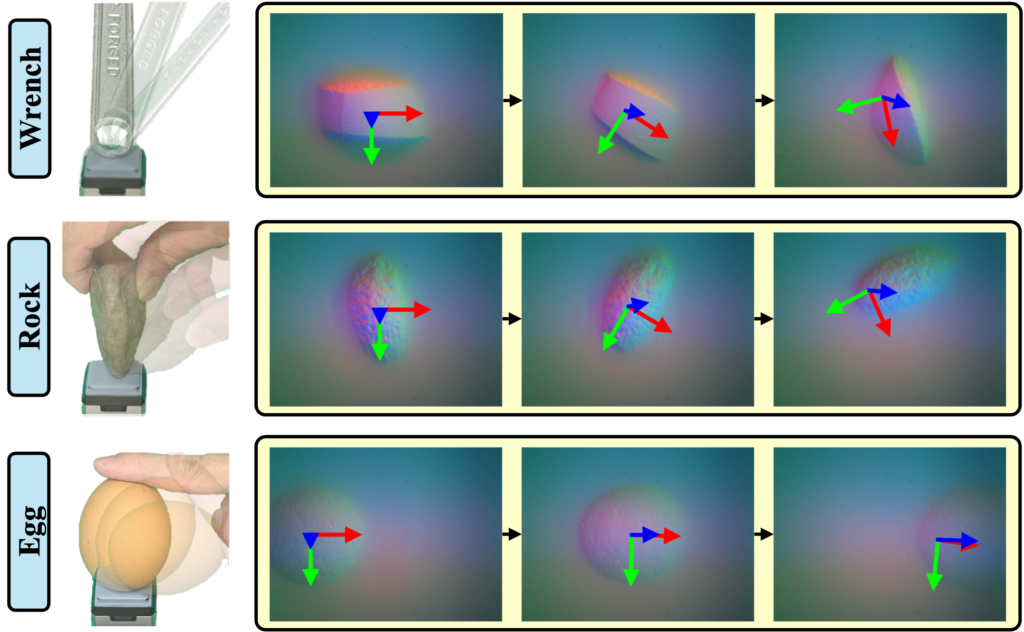
Innovative Algorithm Enhances Robot Tracking for High-Precision Manipulation Tasks
Researchers at Carnegie Mellon University's Robotics Institute are making strides in enhancing robotic capabilities with the development of an innovative algorithm designed to improve tracking for high-precision manipulation tasks. This advancement is particularly significant as it addresses the challenges robots face when handling a diverse range of low-texture objects, which require human-level dexterity for effective manipulation and reconstruction. The work, led by a Ph.D. student, aims to push the boundaries of current robotic tactile sensing technologies. By refining the algorithms that govern how robots perceive and interact with their environment, the team hopes to facilitate more accurate and versatile robotic applications in various fields. This breakthrough could pave the way for robots to perform complex tasks that demand a high degree of precision, ultimately revolutionizing the way robots are utilized in industries that rely on intricate object handling.
Research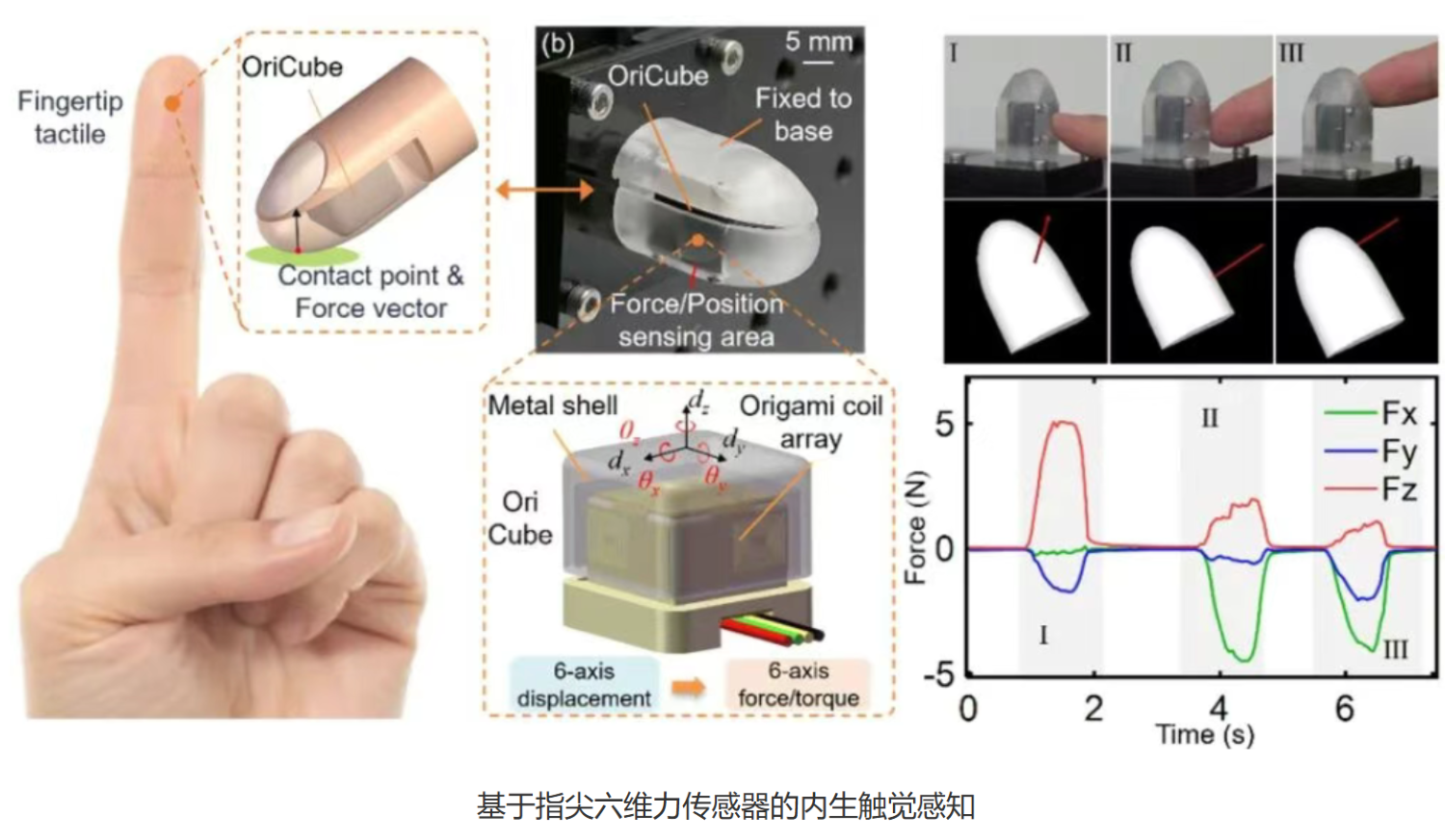
Chinese University Develops OriCube Sensor to Enhance Robot Tactile Sensitivity
Researchers from the University of Science and Technology of China have developed the OriCube, a compact six-dimensional force/moment sensor that mimics human fingertip sensitivity. Measuring just 14×14×12 mm and weighing 4 grams, it achieves a remarkable resolution of 3 millinewtons within a 23-newton range, allowing it to detect even the lightest touch, such as a feather. This innovation is significant as it addresses the limitations of current robotic tactile solutions, which often rely on electronic skin or array sensors that face challenges like complex wiring and data processing. By embedding the OriCube directly into the fingertips of robotic hands, the sensor captures minute force changes and calculates precise contact points and force vectors, offering a new approach to tactile perception in robotics. The OriCube has demonstrated low power consumption of 45 milliwatts, minimal crosstalk, and high measurement accuracy. Its ability to sense both delicate touches and withstand impacts positions it as a robust solution for enhancing robotic dexterity in uncertain environments. No further timeline was disclosed at the time of publication.
Robotics Tactile Sensors Force Sensing Artificial Intelligence
1X Launches Neo Robotic Hand Featuring 25 Degrees of Freedom and Force Transparency
On July 9, 2026, 1X, a unicorn supported by OpenAI, unveiled the Neo robotic hand designed for humanoid robots. This advanced hand boasts 25 degrees of freedom, enabling it to perform a wide range of human-like tasks, such as delicately picking grapes without crushing them and lifting weights up to 20 pounds. The innovative design incorporates a tendon-driven system that enhances dexterity and responsiveness. The significance of the Neo robotic hand lies in its unique 'Force Transparency' technology, which allows for bidirectional communication between the hand and its environment. Unlike traditional robotic hands that operate with high gear ratios, the Neo hand utilizes a low gear ratio of approximately 5:1 to 15:1, enabling it to provide real-time feedback on applied forces. This design not only enhances the hand's functionality but also improves the training of AI models by providing rich physical interaction data. Looking ahead, while the Neo hand addresses fundamental perception challenges, real-world complexities remain a concern. The hand must operate effectively in various domestic environments, where it may encounter grease, sauces, or dust. Ensuring safety during interactions with children and maintaining functionality in challenging conditions will be critical for the widespread adoption of this technology. No further timeline was disclosed at the time of publication.
Robotic Hands Humanoid Robots AI Tactile Sensors Robotics Technology
AI² Robotics Secures $735 Million Funding for Wheeled Humanoid Robots Development
AI² Robotics has successfully raised approximately $735 million in a recent funding round, elevating its valuation to around $2.8 billion. The Shenzhen-based company specializes in wheeled humanoid robots, which feature a humanoid torso and five-fingered hands, offering a unique alternative to traditional bipedal systems. This funding round attracted a diverse group of investors, including government-backed entities and major corporations, highlighting the growing importance of physical AI technology in China. The strategic choice to develop wheeled robots instead of bipedal models allows AI² Robotics to focus on mechanical simplicity and durability, making their robots more cost-effective and easier to deploy in public spaces. With over 34 degrees of freedom and a custom lifting mechanism, the robots are designed for various industrial applications, including logistics, manufacturing, and retail. The company’s proprietary Alpha Brain software enhances the robots' capabilities in real-time spatial reasoning and task planning, positioning them as practical solutions in structured environments. Looking ahead, AI² Robotics aims to further penetrate industrial markets while steering clear of the consumer robotics hype. The company is actively deploying its AlphaBot 2 in practical settings, emphasizing its utility in sectors such as biotech and public service. No further timeline was disclosed at the time of publication regarding future funding or product releases.
Artificial Intelligence / Cognition China Financial Humanoids Investments News
Interview with Sharpa’s Alicia Veneziani: ‘Dexterous manipulation is the key to useful humanoid robots’
Recent advancements in humanoid robotics have captivated audiences with remarkable demonstrations of walking, running, jumping, and balancing. However, experts in the field caution that while locomotion is a significant aspect, it is not the only challenge facing the development of practical humanoid robots. Many robotics specialists emphasize that the greater hurdle lies in replicating human-like cognitive abilities and social interactions, which are essential for these machines to be genuinely useful in everyday environments. As researchers continue to push the boundaries of technology, the focus is shifting towards enhancing the cognitive and emotional intelligence of robots, which could ultimately determine their effectiveness in real-world applications.
Design Features Humanoids ai robotics Alicia Veneziani automation news
Prosthetic hands’ data helps robots get finer control for precise manipulation
ABB Robotics has announced a collaboration with California-based bionic company PSYONIC to enhance the development of more dexterous robotic systems. This partnership aims to leverage PSYONIC's expertise in bionic technology to create advanced robotic solutions that can perform intricate tasks with greater precision and adaptability. The initiative is part of ABB's ongoing commitment to innovation in robotics, seeking to address the growing demand for versatile robotic applications across various industries. The collaboration was officially unveiled in October 2023, marking a significant step forward in the integration of bionic technology into robotic systems. By combining their strengths, both companies hope to push the boundaries of what is possible in robotic dexterity, ultimately improving efficiency and productivity in sectors such as manufacturing, healthcare, and beyond.
AI and Robotics
Miniature sensors for the safe operation of robotic grippers
Contrinex has introduced a new line of inductive and photoelectric miniature sensors designed specifically for robotic grippers used in Pick&Place applications and precision assembly. These sensors aim to enhance the safety and efficiency of robotic operations, ensuring reliable performance in various industrial settings. The development reflects a growing demand for advanced automation solutions that can improve productivity and operational safety in manufacturing processes.
Allgemein Greifer & Werkzeuge Robotik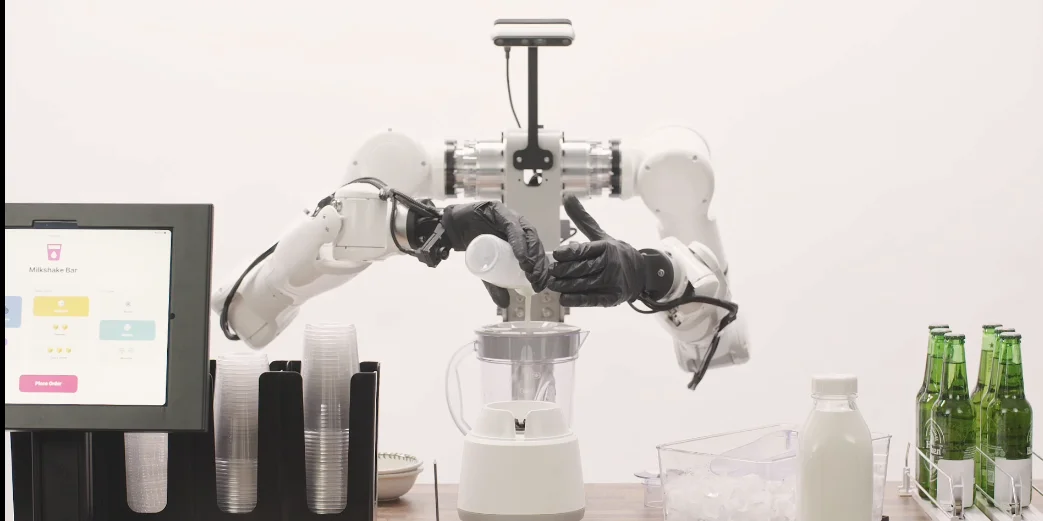
Genesis AI Unveils Foundation Model, Hand & Data Collection System to Develop Human-Level Physical Manipulation for Robotics
Genesis AI has introduced a groundbreaking robotics foundation model named GENE-26.5, accompanied by a proprietary robotic hand and a data collection system aimed at enhancing the ability of robots to learn complex physical tasks by observing human behavior. This innovative system seeks to tackle the challenges associated with gathering substantial amounts of usable training data necessary for teaching robots to perform intricate tasks effectively. The unveiling of GENE-26.5 marks a significant advancement in the field of robotics, as it promises to streamline the learning process for robots, making them more adept at mimicking human actions.
AI AI Use Cases Robotics Eclipse Eric Schmidt Foundation AI Model for Robotics
Genesis AI Unveils GENE-26.5, the First AI Brain to Enable Robots with Human-Level Physical Manipulation Capabilities
Genesis AI has unveiled a groundbreaking robotic foundation model that integrates an advanced data engine with a proprietary dexterous robotic hand, marking a significant advancement in robotics. The company showcased this innovation through a video released today, highlighting unprecedented complexity in robotic tasks. This development aims to enhance the capabilities of robots, positioning them as the most sophisticated machines ever created. By leveraging cutting-edge technology, Genesis AI seeks to revolutionize the field of robotics and expand the potential applications of these advanced systems.

The Gearbox Trap: Origami Robotics and 1X Clash Over the Future of Manipulation
Origami Robotics has released a technical critique highlighting that high-ratio gearboxes are a significant barrier to achieving greater dexterity in robotics. This assertion has led to an unusual hardware disclosure from Bernt Børnich, the CEO of 1X, who responded to the critique. The discussion surrounding this issue is particularly timely, as advancements in robotics are increasingly sought after in various industries. The critique emphasizes the need for innovation in gearbox technology to enhance robotic performance and functionality, suggesting that overcoming this bottleneck could lead to substantial improvements in robotic applications. Børnich's hardware reveal aims to address these concerns and showcase potential solutions to the challenges identified by Origami Robotics.
Origami Robotics 1X-technologies Scott Walter hand hands Bernt Børnich
New humanoid robot brings advanced perception and manipulation to industrial droids
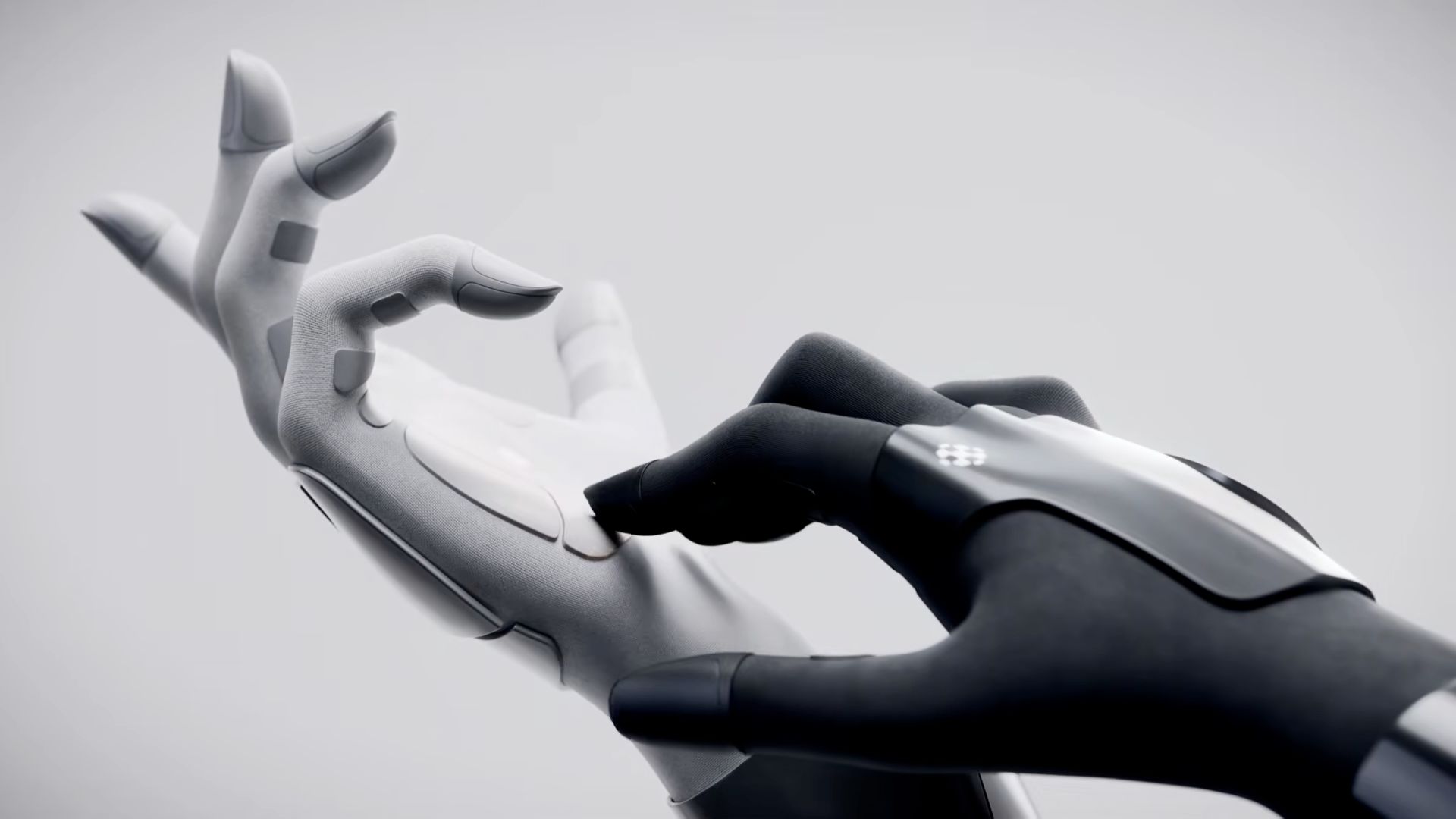
A Vietnamese technology company has introduced its newest humanoid robot, the VR-H3, during the IEEE International Conference on Robotics and Automation held in Paris. The unveiling took place on May 23, 2023, showcasing the company's commitment to advancing robotics and artificial intelligence. The VR-H3 is designed to assist in various tasks, including healthcare support and customer service, reflecting the growing demand for automation in diverse sectors. This innovation aims to enhance efficiency and improve service delivery, addressing labor shortages and increasing productivity. The development of the VR-H3 involved extensive research and collaboration with experts in robotics, highlighting the company's dedication to integrating cutting-edge technology into practical applications.
China’s new robotic hand combines hybrid actuation for smarter robot manipulation
Chinese robotics company Xynova has introduced its second-generation dexterous hand, designed to enhance the capabilities of humanoid robots. The unveiling took place recently, showcasing advancements in robotic technology that aim to improve the dexterity and functionality of robots in various applications. This innovation is part of Xynova's ongoing commitment to push the boundaries of robotics, addressing the growing demand for more sophisticated and versatile robots in industries such as manufacturing, healthcare, and service. The new hand features improved grip strength and precision, enabling robots to perform complex tasks with greater ease. By advancing robotic dexterity, Xynova seeks to facilitate the integration of humanoid robots into everyday environments, ultimately enhancing human-robot collaboration.
Video: Genesis’ smart robotic brain enables human-level manipulation and scalable training
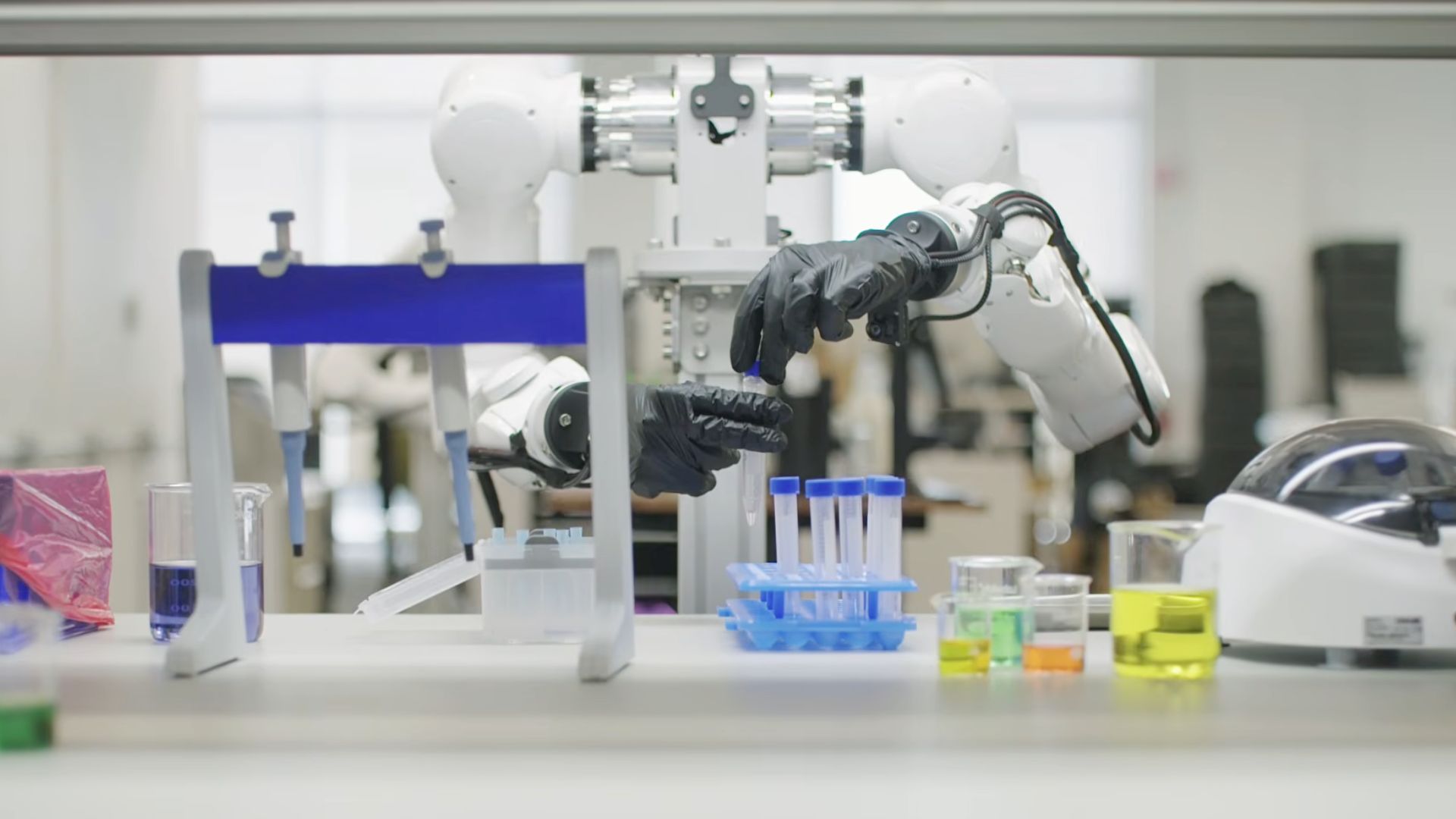
Genesis AI has introduced GENE-26.5, an advanced robotic brain aimed at enabling robots to achieve human-level physical capabilities. The announcement was made during a technology conference held in San Francisco on October 15, 2023. This innovative development is part of Genesis AI's ongoing efforts to enhance robotic functionality and adaptability in various environments. By integrating sophisticated algorithms and machine learning techniques, GENE-26.5 is designed to improve robots' dexterity and decision-making processes, potentially transforming industries such as manufacturing, healthcare, and logistics. The launch of GENE-26.5 reflects the company's commitment to pushing the boundaries of artificial intelligence and robotics, paving the way for more intuitive and efficient machines that can work alongside humans.
Sharpa brings dexterous robot hands to Nvidia and Unitree humanoid reference design
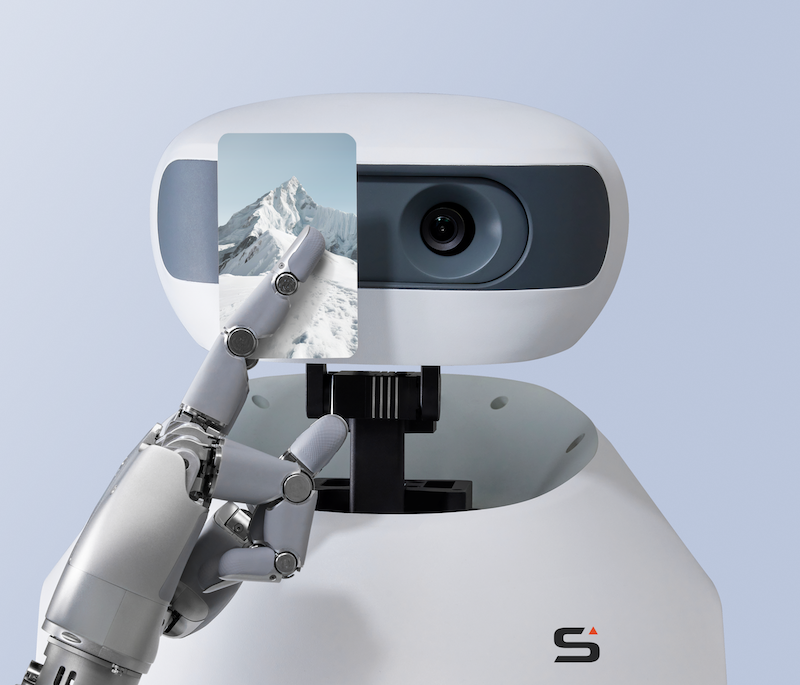
Sharpa has unveiled the integration of its Wave tactile robot hands into the Unitree H2 Plus humanoid robot reference design, marking a significant advancement in robotics technology. This collaboration makes the Unitree H2 Plus the first dexterous humanoid platform to utilize Sharpa's tactile manipulation technology within Nvidia’s Isaac GR00T development framework. The companies aim to enhance the capabilities of robotics developers and researchers by providing a sophisticated platform that combines advanced tactile feedback with humanoid robotics. This integration is expected to facilitate innovative developments in the field, enabling more nuanced and effective interactions between robots and their environments.
Humanoids News automation news dexterous manipulation humanoid robots nvidia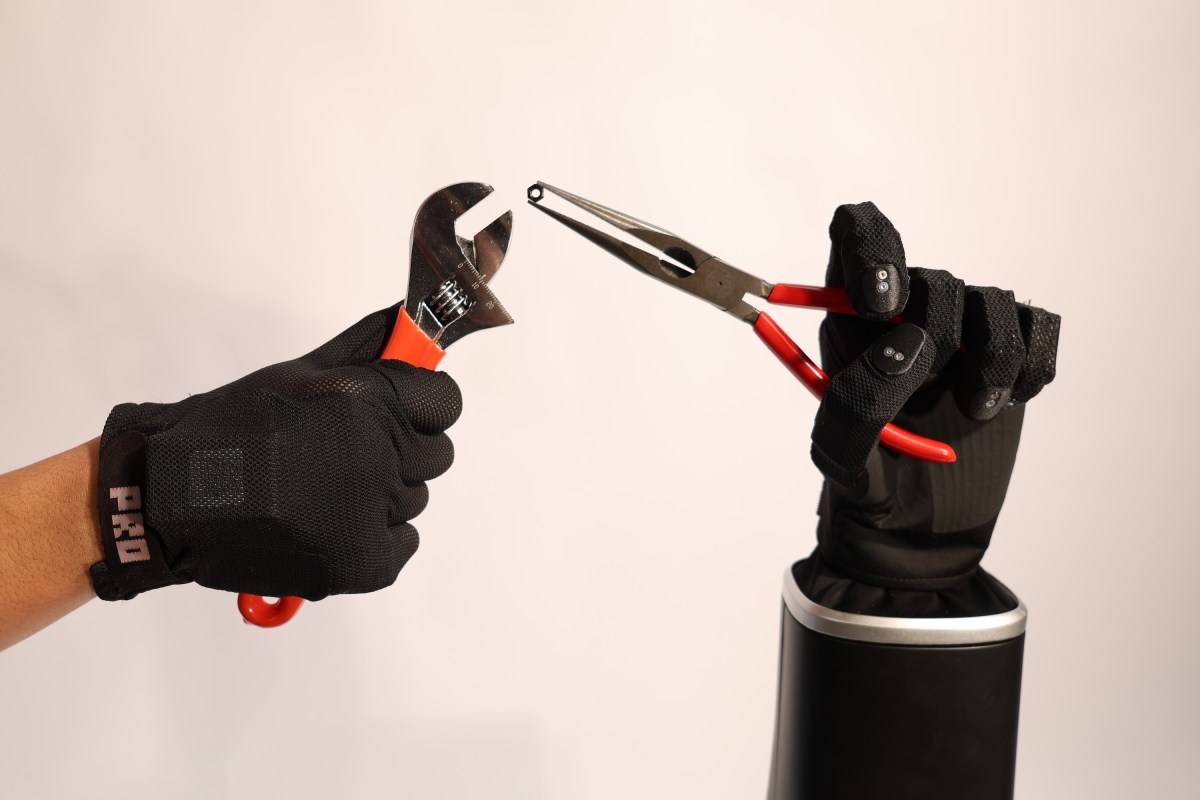
Robot hand company settles Tesla trade secret suit and announces $11M raise
Proception, a startup focused on advancing robotics, is innovating in the field of training data collection to address the complex challenges associated with robotic hand functionality. Established with the aim of enhancing robotic dexterity, the company is developing methods to gather and analyze data that will improve the performance of robotic hands. This initiative comes in response to the growing demand for more sophisticated and capable robotic systems in various industries. By leveraging cutting-edge technology and research, Proception aims to overcome the limitations currently faced in robotic manipulation, ultimately contributing to the evolution of robotics as a whole. The startup's efforts are expected to play a significant role in shaping the future of automation and robotics, particularly in applications requiring intricate hand movements.
AI Robotics Exclusive proception robotics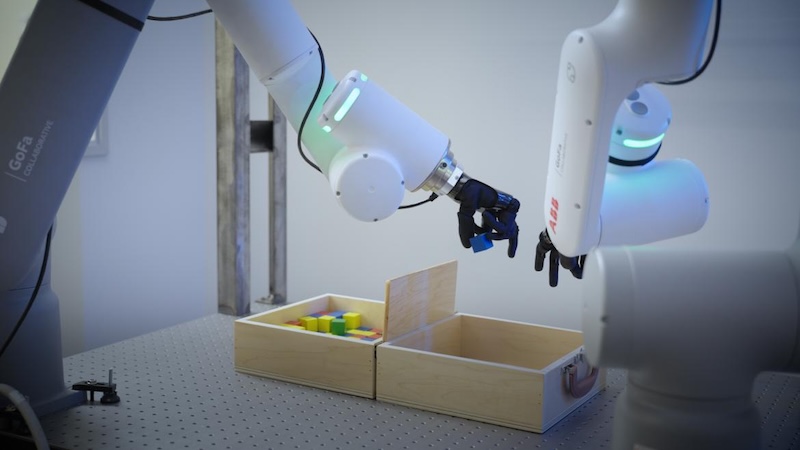
ABB Robotics and Psyonic use human-generated data to advance robotic dexterity
ABB Robotics is partnering with California-based bionics firm Psyonic to enhance robotic gripping and dexterity, addressing a significant challenge in the industry. This collaboration aims to leverage real-world manipulation data derived from human prosthetic use, which could lead to a reduction in engineering time by as much as 30%. The initiative involves integrating the Psyonic Ability Hand with ABB's GoFa robotic arm, creating a more efficient and adaptable solution for various applications. This innovative approach seeks to improve the functionality of robotic systems, making them more effective in handling tasks that require precision and flexibility.
Components Design Engineering abb robotics ai robotics automation news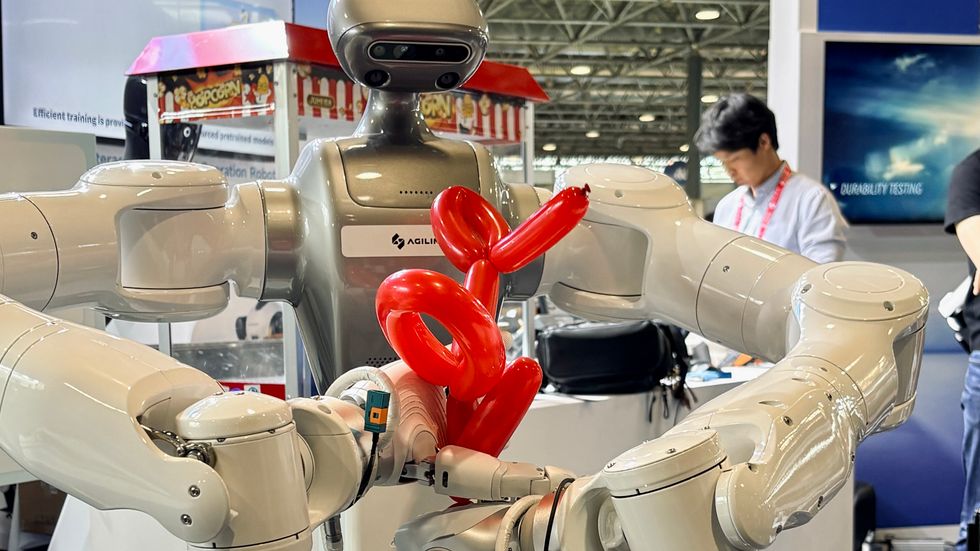
Beyond Dexterity: Why Contact May Define the Next Era of Robotics
At the 2026 IEEE International Conference on Robotics (ICRA) in Vienna, AGILINK showcased a captivating demonstration of robotic dexterity by creating a balloon dog, which drew significant attention from attendees. This seemingly playful task is recognized in the robotics community as a complex manipulation challenge due to the balloon's lightweight and highly deformable nature. The demonstration highlighted the intricate balance between motion and contact intelligence, essential for successful robotic manipulation. AGILINK's approach involved mapping the actions of professional balloon artists to robotic hands, allowing the robot to learn both successful manipulation sequences and recovery strategies during failures. This dual focus on motion and contact intelligence is crucial, as maintaining stable interaction with the balloon is as important as executing the correct sequence of actions. In conjunction with the balloon dog demonstration, AGILINK introduced the OmniHand 3 Ultra-M, a dexterous robotic hand designed to enhance contact intelligence through advanced sensing and faster response capabilities. The hand features 20 active degrees of freedom and a direct-drive architecture, enabling precise force regulation and tactile sensing across its surface. The significance of these advancements extends beyond balloon animals, addressing broader challenges in robotics related to unstable and deformable interactions, such as delicate assembly and household tasks. As robotics research increasingly prioritizes interaction dynamics, AGILINK's innovations may pave the way for more effective manipulation in unpredictable real-world environments.
Humanoid-robots Physical-ai Dexterous-hands Direct-drive-actuation Robotic-manipulation Reinforcement-learning
RLWRLD and Nvidia launch DexBench to standardize humanoid robot dexterity
RLWRLD, a company specializing in physical AI, has partnered with Nvidia to establish new industry standards for humanoid robot artificial intelligence. This initiative, announced recently, aims to enhance the capabilities of humanoid robots through three key components. The first is DexBench, a universal benchmark designed to assess dexterity performance in robotic systems. The second component focuses on creating a standardized data framework for training robots in dexterous manipulation. Lastly, the collaboration will ensure deep integration with Nvidia's open-source platforms, Isaac Lab and Isaac Lab-Arena, facilitating advanced development and testing of robotic technologies. This initiative is set to advance the field of robotics by providing essential tools and standards for evaluating and improving robot dexterity and functionality.
Computing Software automation news DexBench dexterous manipulation embodied ai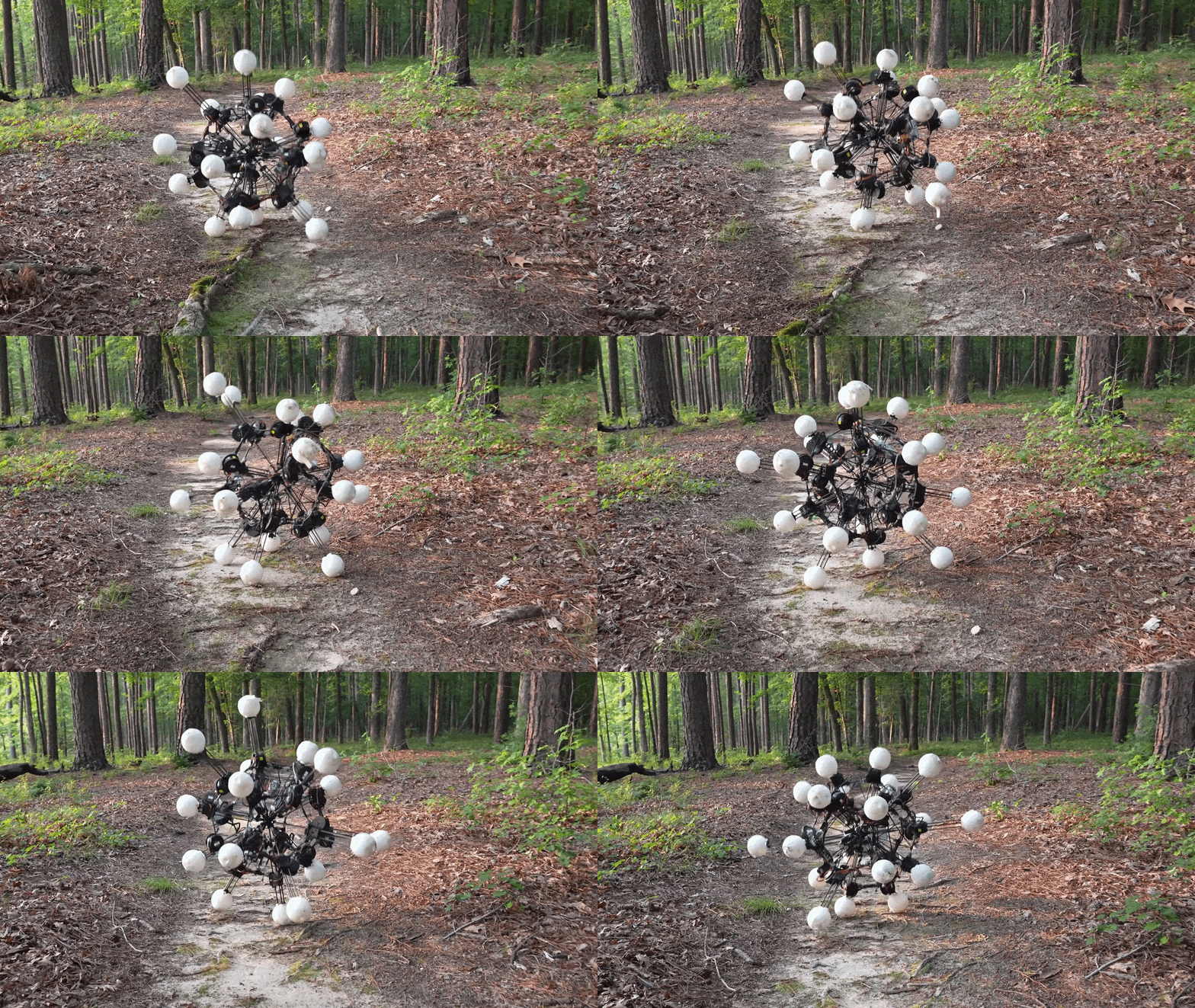
Video Friday: Extreme Omnidirectional Robot
IEEE Spectrum robotics has released its latest edition of "Video Friday," showcasing a variety of innovative robotics videos that highlight the growing integration of robots into daily life. The weekly roundup includes a calendar of upcoming robotics events, such as the International Conference on Robotics and Automation (ICRA) scheduled for June 1-5, 2026, in Vienna, and the Robotics Summer School on Multi-Robot Systems from July 29 to August 4, 2026, in Prague. Among the featured videos, one introduces the Eco-Score for Robots, a new framework aimed at assessing the environmental impact of robotic systems, akin to eco-labels in other industries. Another video demonstrates advancements in robotic manipulation, showcasing AthenaZero's ability to juggle using multi-fingered hands, while a collaboration between the University of Texas and Sony Group Corporation presents the ARISTO hand, designed for delicate object manipulation. Additionally, the segment includes insights from Kacper Nowicki, CEO of Nomagic, who discussed the ongoing debate between humanoid and purpose-built robots at the Web Summit in Vancouver. As robots continue to evolve, these developments raise important questions about their performance, cost, and sustainability in various applications.
Video-friday Robot-videos Humanoid-robots Omnidirectional Quadruped-robots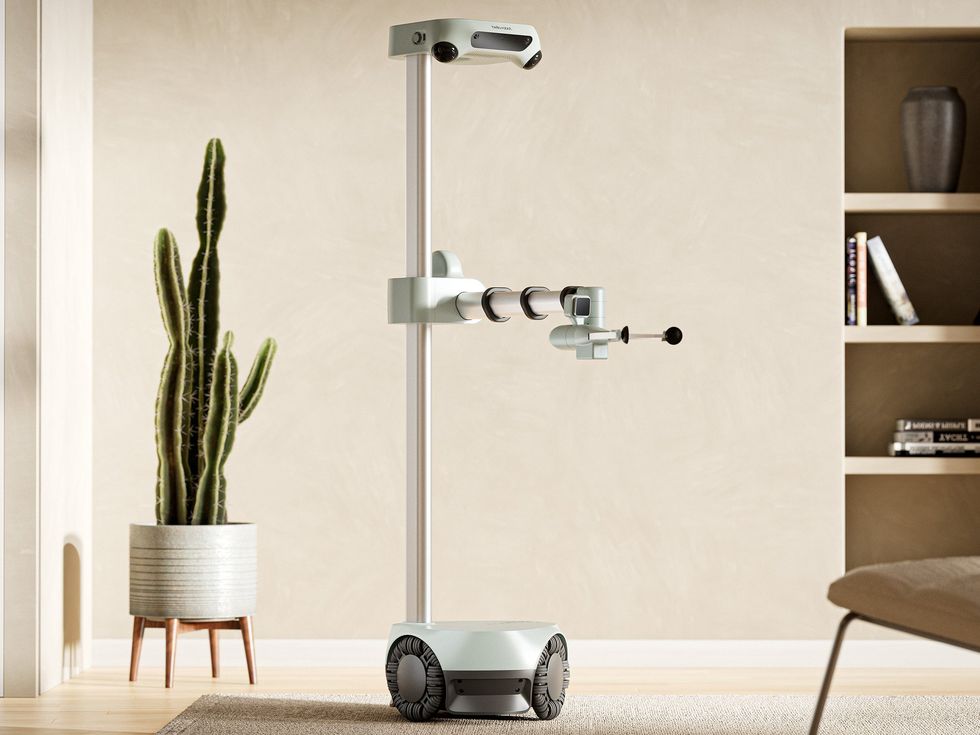
Hello Robot Sets the Standard for Practical, Safe Home Robots
Hello Robot has announced the launch of Stretch 4, a new version of its mobile robot designed for practical household tasks. This announcement comes as the company aims to transition from research-focused robotics to a deployable solution for home use, particularly for individuals with severe mobility impairments. The unveiling took place today, with the robot's design emphasizing mobility and manipulation over humanoid features. Stretch 4 features an advanced omnidirectional base allowing it to move in any direction, enhancing user control. The robot is equipped with a sophisticated sensor suite for improved navigation and autonomy, including cameras and lidar technology. Co-founders Aaron Edsinger and Charlie Kemp highlighted the challenges faced during the design process, aiming to avoid overcomplicating the robot while ensuring it meets real-world needs. The robot is intended for pilot deployments in homes, with the goal of gathering data to refine its capabilities for everyday use. Unlike humanoid robots, which may not effectively serve individuals with disabilities, Stretch 4's wheeled design is seen as more practical and safer for home environments. Priced at $29,950, Stretch 4 is positioned as an affordable option in the mobile manipulation market, with plans for further development leading to a commercially viable assistive robot in the near future.
Hello-robot Home-robots Humanoid-robots Mobile-manipulator Mobility-impaired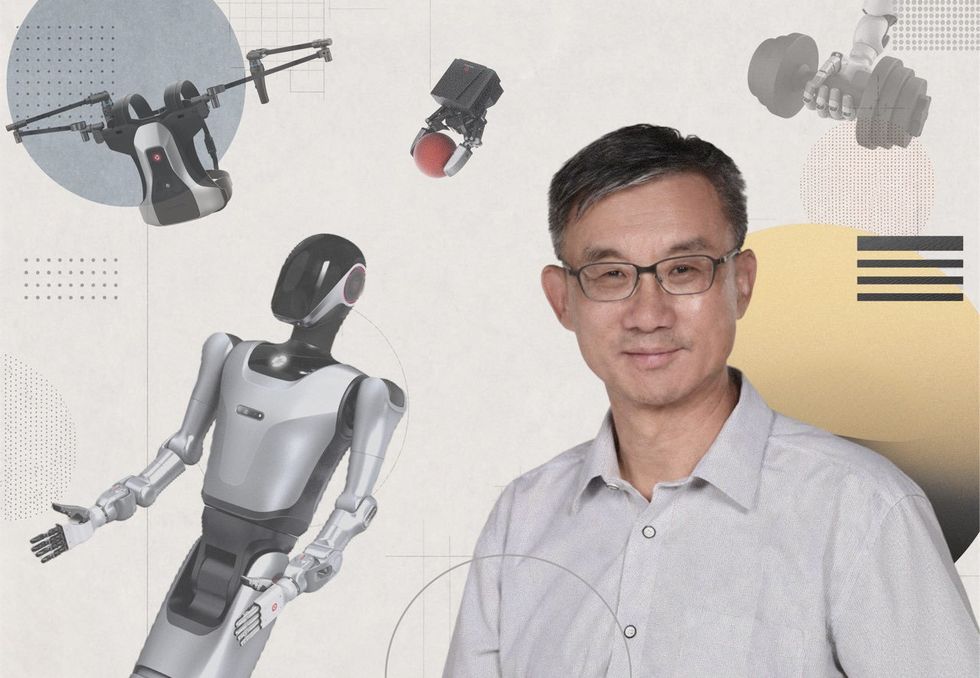
DAIMON Robotics Wants to Give Robot Hands a Sense of Touch
In April 2023, DAIMON Robotics, a Hong Kong-based company, launched Daimon-Infinity, touted as the world's largest omni-modal robotic dataset for physical AI. This extensive dataset, which includes high-resolution tactile sensing data from over 80 real-world scenarios and 2,000 human skills, aims to enhance robot manipulation capabilities across various tasks, from household chores to industrial assembly lines. The initiative is backed by collaborations with prominent partners, including Google DeepMind, Northwestern University, and the National University of Singapore. Prof. Michael Yu Wang, co-founder and chief scientist of DAIMON, emphasized the importance of tactile feedback in improving robotic dexterity, advocating for a shift from the traditional Vision-Language-Action (VLA) model to a more integrated Vision-Tactile-Language-Action (VTLA) framework. This transition is crucial for enabling robots to perform complex manipulation tasks effectively, especially in environments where visual data alone is insufficient. Recognizing a significant data gap in the robotics industry, DAIMON has committed to open-sourcing 10,000 hours of its dataset to support broader research and development efforts. The company aims to accelerate the deployment of embodied AI by providing high-quality tactile data, which is essential for training robots to interact with their surroundings more naturally and effectively. As the robotics landscape evolves, DAIMON's innovative approach positions it as a key player in advancing the capabilities of humanoid robots in real-world applications.
Type-sponsored Factory-robots Tactile-sensing Ai-models Embodied-intelligence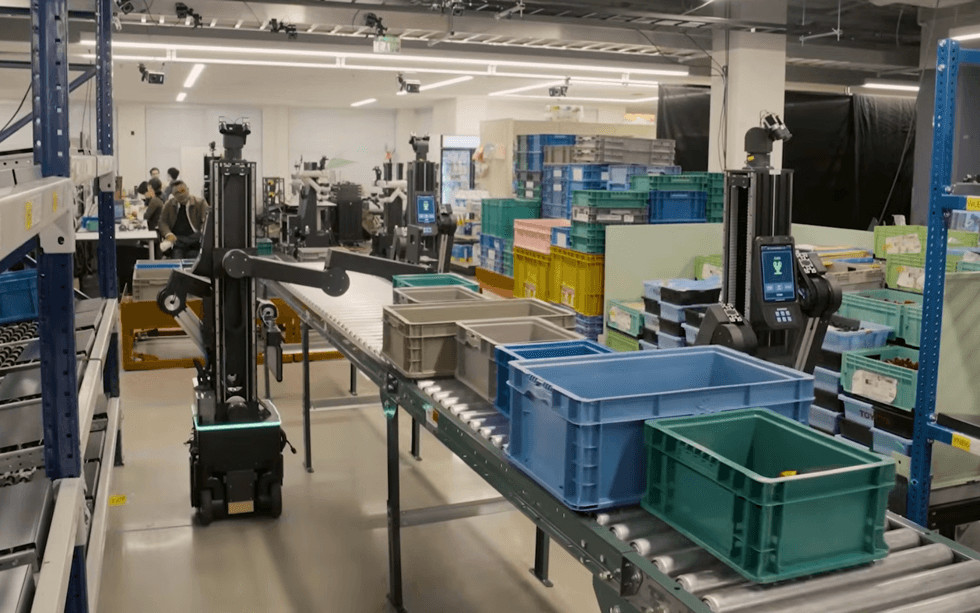
Video Friday: Autonomous Robots Learn By Doing in This Factory
In a recent edition of Video Friday, IEEE Spectrum robotics showcased a variety of innovative robotics projects and developments. Notably, scientists at the Toyota Research Institute are collaborating with Toyota Manufacturing to implement autonomous robots on factory floors, enhancing production efficiency. Zipline shared insights into their drone delivery system, detailing the challenges faced and lessons learned in its development. Humanoid introduced KinetIQ, an AI framework designed for the orchestration of humanoid robot fleets, which integrates task allocation and execution through advanced cognitive layers. Meanwhile, researchers at VISTEC unveiled a decentralized adaptive resilient neural control system (DARCON) that enables legged robots to autonomously adapt to limb loss, ensuring mission success despite mechanical failures. NASA's Jet Propulsion Lab presented an animation of the Perseverance rover's drive along the Jezero Crater, captured on December 10, 2025, showcasing the rover's navigation capabilities. Additionally, Unitree's humanoid robot G1 made its mark on the snowfields of Altay, demonstrating its adaptability in extreme conditions. The Norwegian University of Science & Technology introduced a hierarchical 3D scene graph to enhance autonomous agents' understanding of their environments. Other highlights included the HoLoArm quadrotor, which features compliant arms for improved stability, and SkyDreamer, a pioneering vision-based autonomous-drone racing policy. The event also featured demonstrations of dexterous object manipulation by the AI Worker robot and advancements in swarm robotics for architectural applications.
Video-friday Autonomous-robots Humanoid-robots Industrial-robots Robot-ai Perseverance-rover
Kirisense wins funding to develop robotic fingertips that can sense touch and slip
Kirisense, a UK robotics startup, has received funding from the Henry Royce Institute to advance its development of tactile sensing technology aimed at enhancing robots' sense of touch to more closely resemble that of humans. This initiative, part of the Henry Royce Institute’s Industrial Collaboration Programme, is being executed in collaboration with the University of Sheffield. The project will concentrate on creating robotic fingertips that can provide a more nuanced and sensitive interaction with their environment, potentially revolutionizing the field of robotics by improving the dexterity and functionality of robotic systems.
News Sensors advanced automation advanced materials artificial intelligence automation news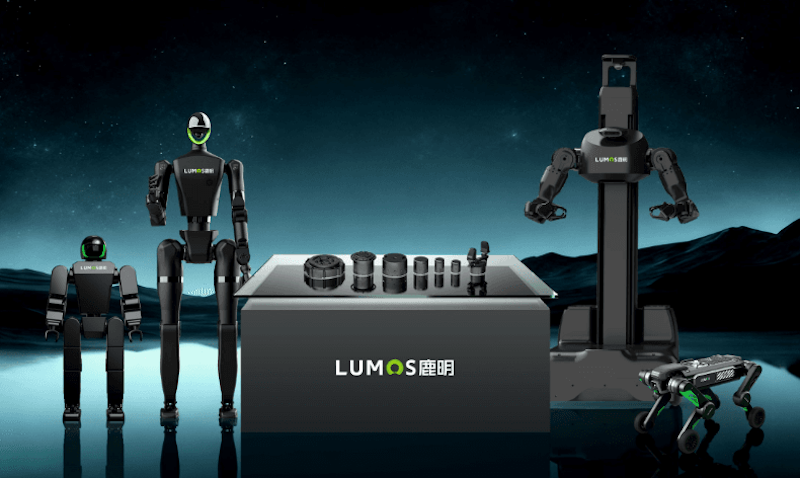
Lumos Robotics tops global benchmark test for zero-shot embodied AI
Lumos Robotics says its Prime R0 industrial embodied AI model has achieved the highest overall score on the latest MolmoSpaces leaderboard, outperforming larger models from competitors including Nvidia and research teams from the United States. The Chinese robotics company said its 2.8-billion-parameter model ranked first across both single-arm fine manipulation and dual-arm collaboration tasks in […]
Artificial Intelligence Computing News Robotics AI models embodied ai
DexRobot Unveils Full Dexterous Hand Series and New DexTele Teleoperation System at Automate 2026
At this year's exhibition, a dedicated Humanoid Robot Pavilion highlights the increasing emphasis on AI-driven industrial automation. This event serves as a prime platform for DexRobot to showcase its latest advancements in robotic manipulation and high-fidelity data acquisition. The demonstration aims to illustrate how these technologies are not only becoming practical and affordable but also ready for real-world application. The focus on integrating AI into industrial processes underscores the growing trend of automation in various sectors, reflecting the industry's commitment to innovation and efficiency.
CMU Researchers Train Robots With Internet Videos
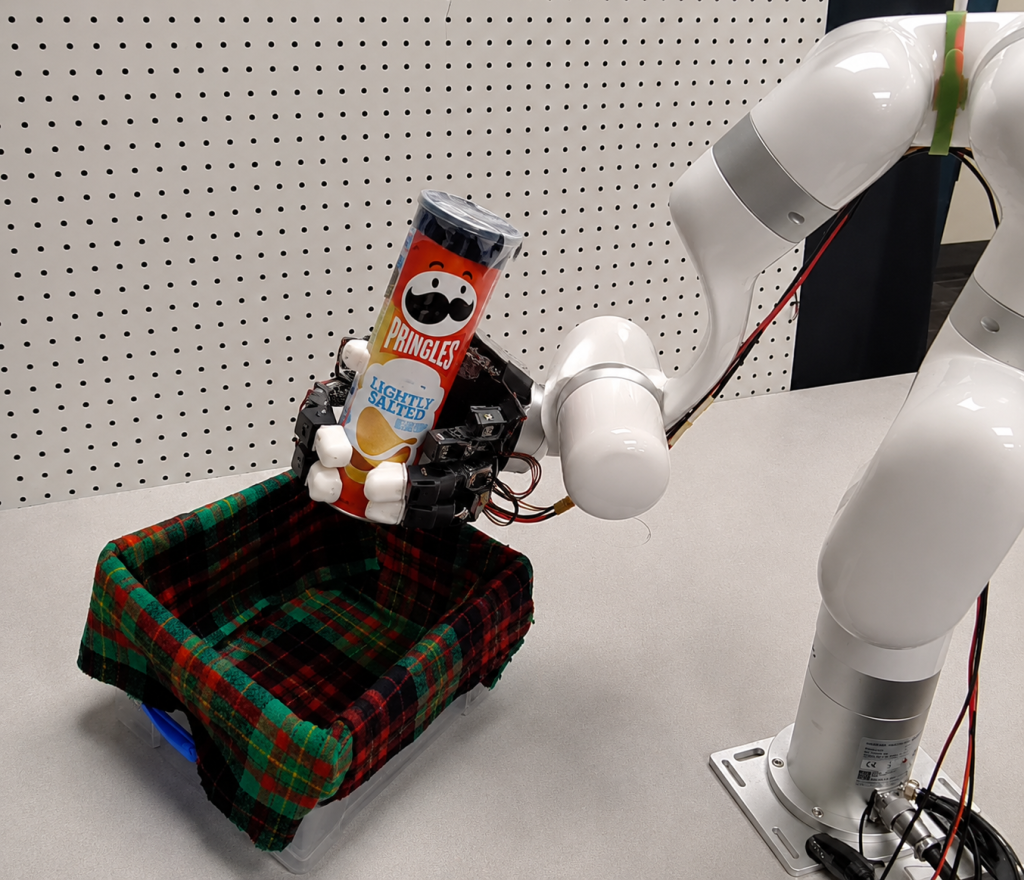
Researchers at Carnegie Mellon University's School of Computer Science have developed an innovative system called VideoManip, which enables robots to learn manipulation skills by analyzing videos of human interactions with objects. This groundbreaking approach allows robots to reconstruct movements and understand how humans make contact with various items, significantly reducing the need for lengthy, hands-on demonstrations by humans. By utilizing readily available internet videos, the system streamlines the training process for robots, enhancing their ability to acquire new skills efficiently. This advancement marks a significant step forward in robotics, potentially transforming how machines are trained to perform tasks in diverse environments.
Research
ABB Robotics and PSYONIC Use Human-Generated Data to Advance Robotic Dexterity
ABB Robotics has partnered with California-based bionics company PSYONIC to enhance robotic dexterity and grasping capabilities by utilizing human-generated data from prosthetic use. Announced on June 16, 2026, this collaboration aims to address the significant challenge of replicating human-like dexterity in industrial robotics, which is essential for the development of Autonomous Versatile Robotics (AVR™). By integrating the PSYONIC Ability Hand with ABB's GoFa™ collaborative robot, the two companies will explore how real-world manipulation data can train robots to perform delicate tasks that are typically difficult to automate. This initiative is expected to reduce engineering time by up to 30% and improve productivity, flexibility, and workplace safety across various industries, including automotive, aerospace, packaging, logistics, and life sciences. Marc Segura, President of ABB Robotics, emphasized the importance of bridging the gap between human and robotic dexterity to enable robots to learn and interact with their environments more intuitively. Dr. Aadeel Akhtar, Founder and CEO of PSYONIC, highlighted that the collaboration will leverage high-fidelity data on movement and grip force to enhance robotic performance in complex tasks. The GoFa™ robot will provide the precision necessary for industrial applications, ensuring consistent execution of intricate movements, which is crucial for handling fragile or irregular objects. This partnership represents a significant step towards advancing physical AI in robotics, allowing for more effective collaboration between humans and machines.
Award-Winning Researcher Trains Robots to Make Educated Guesses
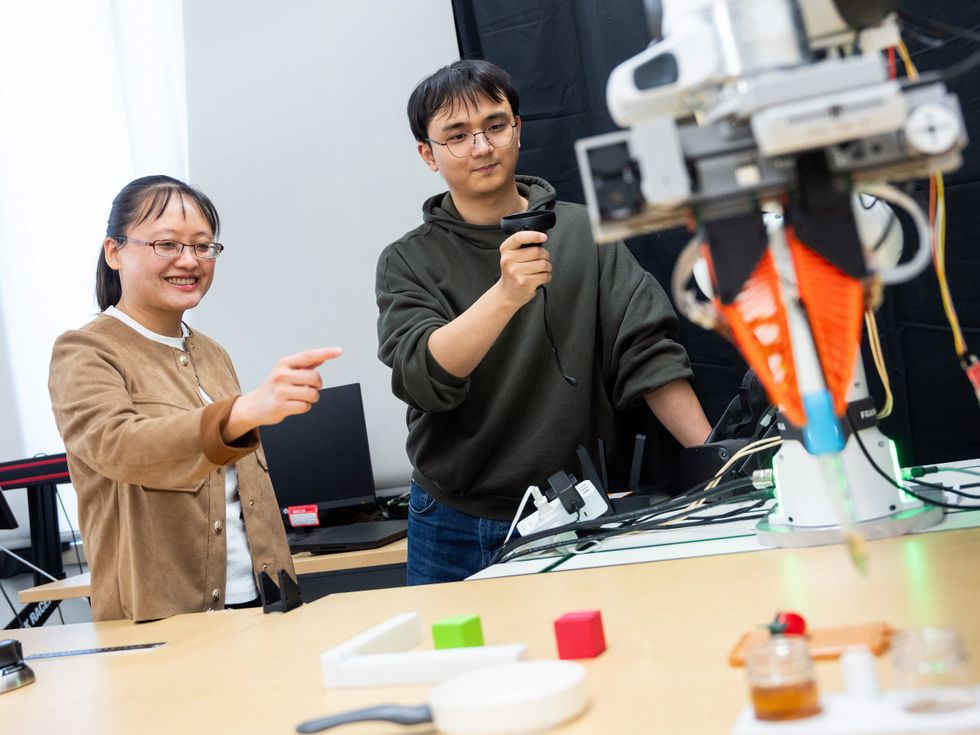
Yen-Ling Kuo, an assistant professor of computer science at the University of Virginia, has been recognized for her significant contributions to robotics and automation. Last year, she received the IEEE Robotics and Automation Society’s inaugural Outstanding Women in Robotics and Automation Early Career Contribution Award for her paper, “Diff-DAgger: Uncertainty Estimation with Diffusion Policy for Robotic Manipulation.” This innovative research introduces a method that enhances robots' ability to identify and manage uncertainty during unfamiliar tasks, thereby reducing the need for human supervision and increasing task completion rates. Kuo’s journey began in Taiwan, where her fascination with science and technology was sparked by early exposure to programming and computer logic. After earning her degrees from National Taiwan University and MIT, she gained practical experience at Google, where she contributed to AI-driven shopping technologies. This experience motivated her to pursue a Ph.D. to deepen her understanding of neural networks. Her current research focuses on developing computational models that enable robots to interpret both explicit data and subtle social cues, aiming to replicate human-like reasoning in machines. Kuo's work has garnered attention from the National Science Foundation, which awarded her a five-year Career Award to support her research on human-robot interactions. As robotics and autonomous vehicles become more prevalent, Kuo envisions creating robots that can seamlessly integrate into social environments, enhancing human-robot collaboration.
Ieee-member-news Robots Artificial-intelligence Ieee-robotics-and-automation-soc Careers Type-ti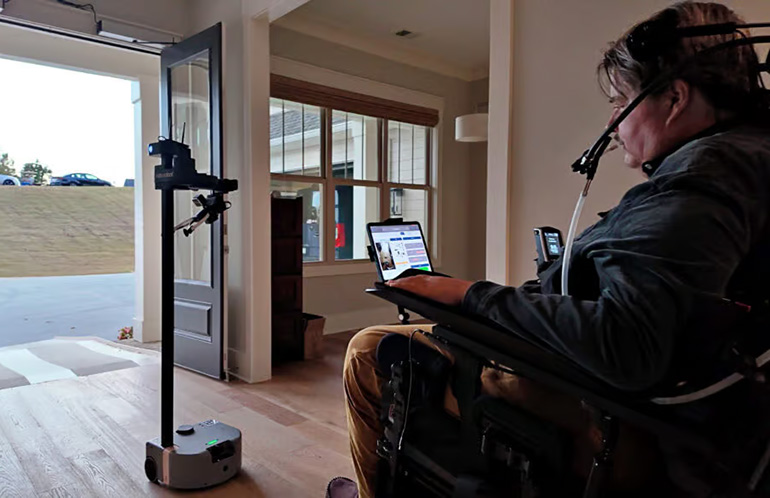
Hello Robot is recognized by World Economic Forum as a tech pioneer
Hello Robot has been recognized as a technology pioneer by the World Economic Forum for its innovative Stretch system, which offers mobile manipulation assistance to older adults and individuals with disabilities. This acknowledgment highlights the company's commitment to enhancing the quality of life for these populations through advanced robotic solutions. The recognition comes as part of the World Economic Forum's initiative to spotlight groundbreaking technologies that address pressing societal challenges.
Autonomous Mobile Robots (AMRs) Healthcare Robotics Human Robot Interaction / Haptics News Assistive Technologies Hello Robot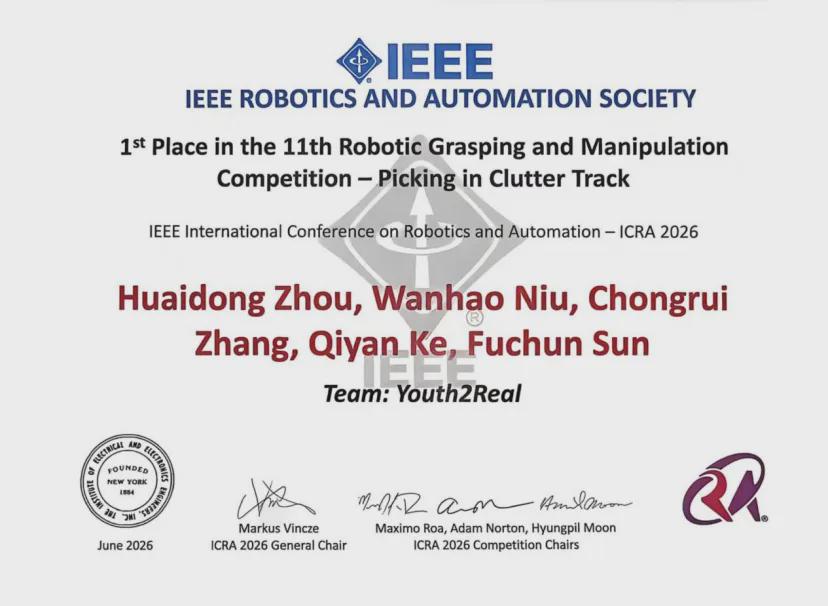
Tsinghua University and FiveAges Team Win Global Championship at ICRA 2026 Robotics Competition
The Youth2Real team, a partnership between Tsinghua University and FiveAges, has achieved a remarkable victory by winning the global championship in the Picking in Clutter Track at the 11th Robotic Grasping and Manipulation Competition (RGMC). This prestigious event took place during the International Conference on Robotics and Automation (ICRA) 2026 in Vienna. The team's success underscores their advanced expertise in robotic grasping and manipulation, reflecting significant technological progress that has potential applications in various real-world scenarios.
Robotic Grasping Artificial Intelligence Robotics Competition Automation TechnologyRobotics needs a service framework.
RSF defines a common language for robot service capability, lifecycle operations, certification pathways, and service-provider networks.