Industry Briefing
A single destination for timely, editor-curated robotics news from around the world.

Humanoid Robots Enhanced by AI Controller for Translating Commands into Actions
Humanoid robots, designed to mimic human limbs and body structures, are being enhanced by an AI controller that translates virtual reality, video, and language commands into actionable movements. This advancement aims to simplify the teaching process for these robots, which often struggle with executing humanlike movements reliably. The significance of this development lies in its potential to streamline the deployment of humanoid robots across various environments, including homes and workplaces. By improving the efficiency of command translation, the AI controller could reduce the time and effort required to train these robots, making them more accessible for practical applications. Looking ahead, the focus will be on the effectiveness of the AI controller in real-world scenarios and its ability to adapt to diverse tasks. No further timeline was disclosed at the time of publication.
Robotics
Hebbian Robotics Releases HFlow 0.2.4 for Robotic Data Quality Control
Hebbian Robotics has launched HFlow 0.2.4, a preliminary version of its open-source tool aimed at robotic data quality control. The software organizes videos, joint states, actions, and timestamps used for training models, while tracking transformations applied to each episode. Robotic teams often accumulate recordings from cameras, sensors, and commands that do not share the same clock, which can degrade learning without visible errors. HFlow aims to replace scattered scripts with a reproducible, observable, and queryable pipeline. It uses MCAP as the primary input and output format, which is natively utilized by ROS 2, and can integrate images, states, actions, and other time series. The latest version also adds support for importing datasets in LeRobot v3 format. Each processing step can execute transformations, checks, annotations, or enrichments written in Python, allowing teams to trace the code that produced an episode and compare versions of checks. The project’s success will depend on its adoption by teams already using ROS 2, MCAP, or LeRobot. HFlow addresses a significant issue: a robotic model cannot sustainably compensate for desynchronized, incomplete, or irreproducible data. By making these defects measurable and auditable, HFlow seeks to shift quality control earlier in the learning pipeline.
Robots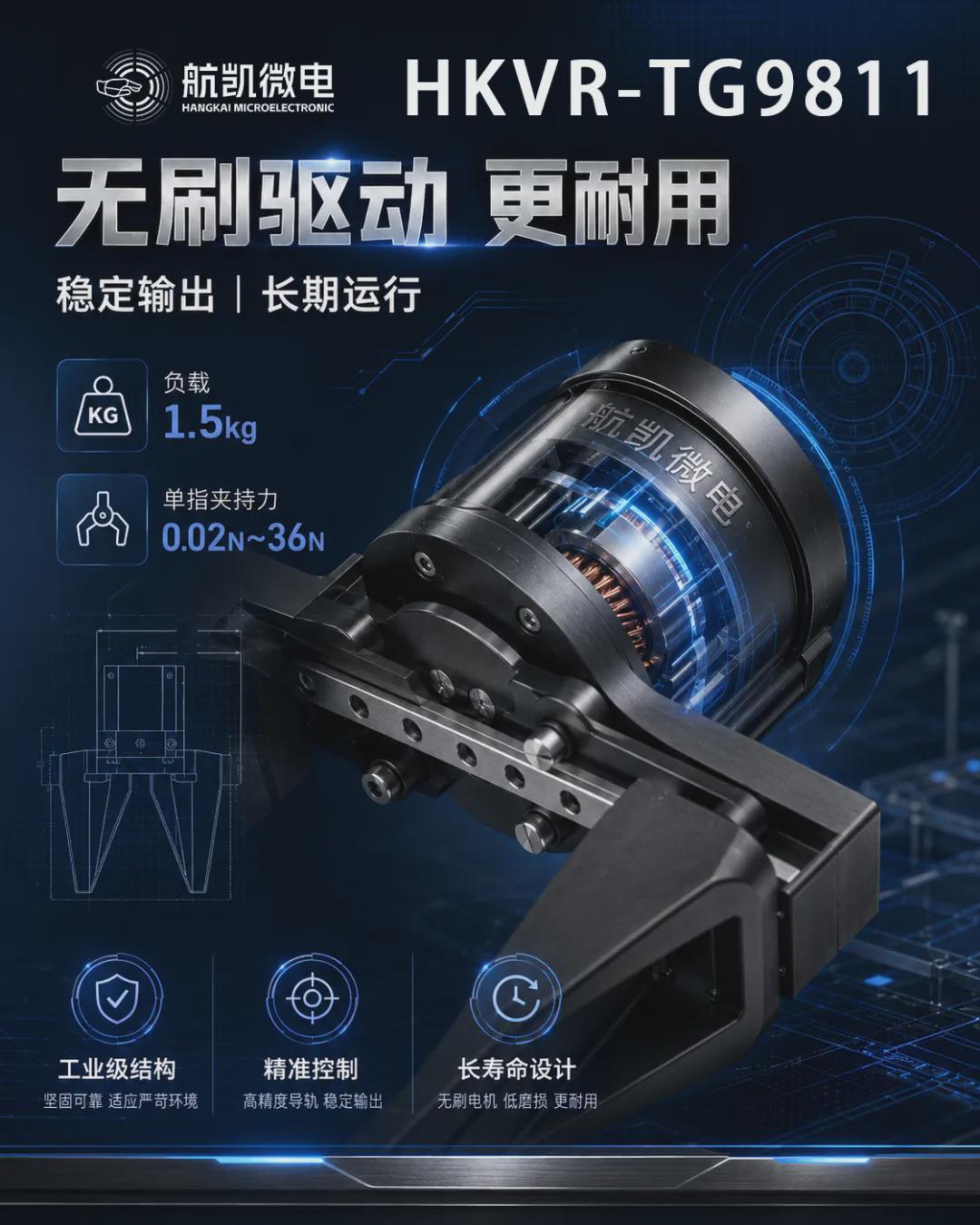
Suzhou Hangkai Microelectronics Launches TG9811 for Enhanced Robot Tactile Control
Suzhou Hangkai Microelectronics has introduced the TG9811, a three-dimensional tactile electric gripper designed to address common challenges in flexible automation. This innovative product features a maximum gripping force of 36N, making it suitable for various industrial applications such as component handling, precision assembly, and flexible sorting. The TG9811 stands out by integrating high-performance brushless motors and an intelligent adaptive grasping algorithm, which allows for automatic adjustments based on material properties without the need for manual recalibration. This capability significantly reduces issues like slippage and misgrasping, thereby enhancing operational efficiency in flexible production environments. With its built-in high-precision tactile sensors, the TG9811 can detect material conditions in real-time, enabling timely adjustments to gripping strategies. This feature is particularly beneficial for high-value component handling and continuous automated operations, ensuring reliable performance under varying conditions. No further timeline was disclosed at the time of publication.
Robotic Grippers Force Sensors Automation Solutions Industrial Robotics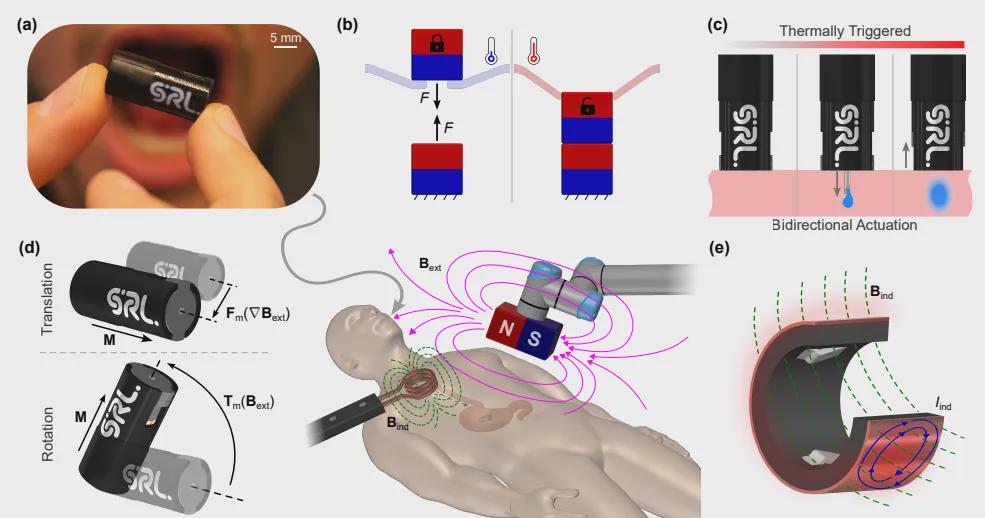
University of Twente Develops Magnetic-Controlled Capsule Robot for Medication Injection
Researchers at the University of Twente have developed a 10mm capsule robot capable of injecting medication into tissue using magnetic control. This innovative device operates without wires or battery-powered motors, relying instead on an external magnet and a thermally triggered mechanism. The technology, known as Thermally Triggered Magnetic Springs (TTMS), allows for precise delivery of medication, overcoming the limitations of traditional oral drug delivery methods. The significance of this advancement lies in its potential to enhance drug delivery efficiency. Current oral medication capsules often face barriers in the gastrointestinal tract, resulting in low delivery efficiency. The TTMS technology enables targeted drug delivery by utilizing a magnetic spring mechanism that can exert Newton-level forces at the millimeter scale, addressing the challenges of penetrating physiological barriers. Looking ahead, the researchers emphasize the importance of further development and testing of this capsule robot. The TTMS mechanism's ability to control the release of stored energy through temperature changes presents a promising avenue for improving therapeutic applications. No further timeline was disclosed at the time of publication.
Capsule Robots Drug Delivery Medical Robotics Magnetic Navigation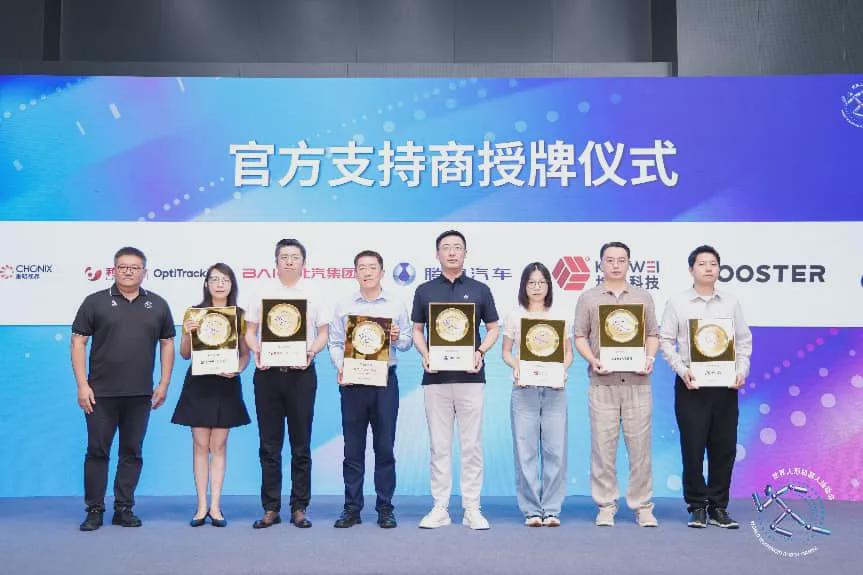
Kunwei Technology to Support 2nd World Humanoid Robot Games with Force Control Technology
The 2nd World Humanoid Robot Games will take place on August 22, 2026, at the National Speed Skating Stadium in Beijing. This event, themed 'Intelligent Competition Towards the Future,' will feature 666 teams and 2056 robots from 16 countries, marking a 138% increase in teams and a fourfold increase in robots compared to the first event. The competition will expand from 26 to 51 events, introducing high-intensity challenges such as long jump, weightlifting, tug-of-war, and table tennis, while also extending scenarios to nine real-world environments including industrial and domestic settings. This event is significant as it showcases the advancements in humanoid robot technology and aims to promote industry standards through competition. Analysts predict that 2026 will be a pivotal year for the commercialization of humanoid robots. The core components, such as six-dimensional force and joint torque sensors, are crucial for ensuring safe human-robot interaction and effective performance. Domestic manufacturers, led by Kunwei Technology, are gaining market share, achieving 58.8% in 2025, marking a shift away from reliance on foreign brands. Looking ahead, the focus will be on the development of a self-sufficient supply chain for force sensors in humanoid robots. Leading manufacturers are prioritizing domestic sensors for their stability, lightweight integration, and rapid customization. Kunwei Technology, with over 20 years of experience in multi-dimensional force sensor research, is positioned to meet these demands with its innovative technologies and products, including specialized sensors for humanoid robots that have already been adopted by major companies in the field. No further timeline was disclosed at the time of publication.
Humanoid Robots Force Sensors Robotics Technology Industrial Automation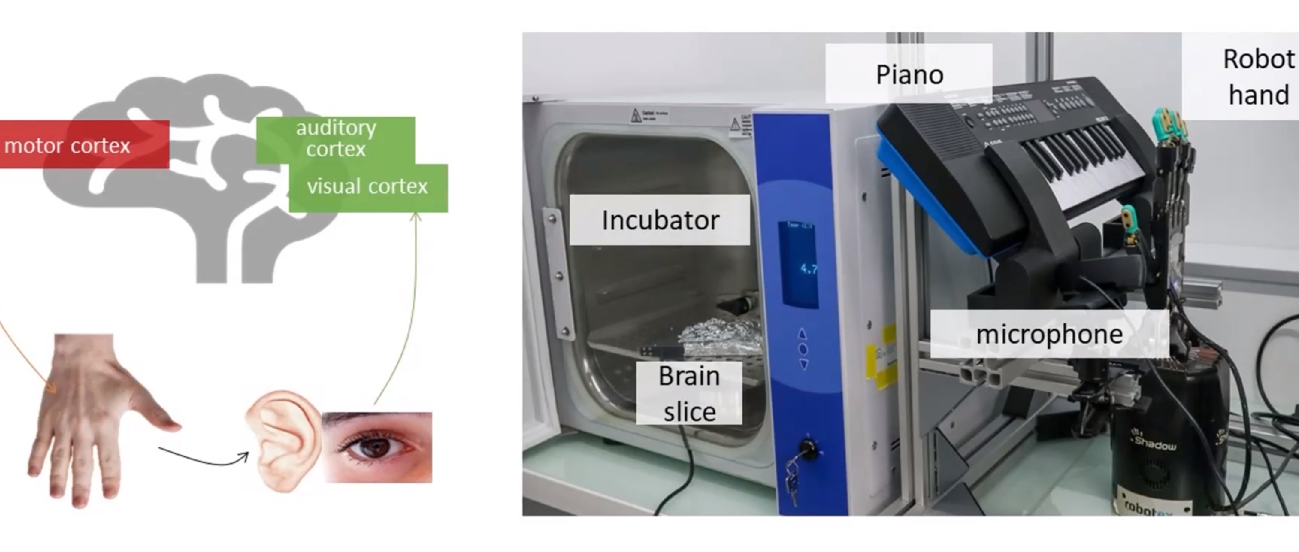
French Research Team Uses Dead Brain Cells to Control Robot Hand for Piano Playing
A French research team has achieved a remarkable feat by connecting adult brain slices from deceased donors to a robotic hand, enabling it to play the piano. Their study, titled 'Unsupervised Sensory-Motor Associative Learning in Human Brain Explants Enables Robot Action Imitation,' reveals that the brain slices retained memory for at least 17 days, although performance declined with drug treatment or viral infection. This breakthrough raises significant ethical and technological questions about the use of hybrid AI, which integrates living neurons into computational systems. The research highlights the stark differences in energy consumption and learning efficiency between biological systems and traditional AI, with the human brain consuming 20 watts compared to the minimal energy used by simpler organisms. Looking ahead, the team proposes a novel approach using organotypic culture of post-mortem adult brain explants (OPAB) as a viable alternative to existing methods. The study was ethically approved and involved brain tissue from three donors, emphasizing the need for careful consideration of ethical implications in future research.
Hybrid AI Neural Networks Robotic Control Brain-Computer Interface
NVIDIA and Boston Dynamics: Divergent Strategies in Robotic Motion Control
On August 12, two papers on robotic motion control were published in Science Robotics, showcasing contrasting approaches by NVIDIA and Boston Dynamics. The RAI Institute and Boston Dynamics introduced the ZEST framework, which enables zero-shot embodied skill transfer and motion imitation, allowing the Atlas robot to learn various skills in approximately 10 hours using a single NVIDIA L4 GPU. In contrast, the SONIC framework consumed around 700 hours of motion capture data and 21,000 GPU hours for training, focusing on a unified control strategy that encompasses a wide range of human movements. This approach allowed the Yushu G1 robot to successfully execute 123 different motion sequences with a 99.2% success rate, demonstrating real-time adaptability to human actions. These differing methodologies highlight the ongoing debate in robotics regarding efficiency versus data-driven approaches. Future developments will need to address complex movement challenges, such as how robots can adapt to various physical interactions and whether new control logic is required for different actions. No further timeline was disclosed at the time of publication.
Robotic Motion Control AI Machine Learning Robot Training Boston Dynamics
Motion Controls Robotics, Inc. Expands Automation Portfolio with New Technologies and Expertise
Motion Controls Robotics, Inc. (MCRI) has announced an expansion of its automation portfolio by integrating new specialized automation technologies and intellectual property. This enhancement includes capabilities in tire manufacturing automation, robotic painting, precision fluid application, surface treatment, and other specialized manufacturing processes. This development is significant as it broadens MCRI's ability to support a wider range of operations within manufacturing plants. By adding experienced personnel with industry expertise, MCRI aims to improve efficiency and effectiveness in various manufacturing applications, thereby strengthening its market position. Looking ahead, MCRI's focus on enhancing its automation capabilities may lead to further innovations and partnerships in the automation sector. No further timeline was disclosed at the time of publication.

ZEST Enables Zero-Shot Skill Transfer for Enhanced Athletic Robot Control
The research published in Science Robotics introduces ZEST, a novel approach for zero-shot embodied skill transfer in athletic robots. This method allows robots to learn and execute complex athletic skills without prior specific training on those tasks. ZEST is significant as it enhances the adaptability and performance of athletic robots, potentially transforming their application in sports and physical activities. By enabling robots to generalize skills across different contexts, this technology could lead to more versatile and efficient robotic athletes. Looking ahead, the implications of ZEST could extend beyond athletics, influencing various fields where robotic adaptability is crucial. No further timeline was disclosed at the time of publication.
Research Article
DPVR Integrates VR Technology for Real-Time Robot Control at Qingdao's 6S Store
DPVR has officially launched its VR technology at Qingdao's 6S experience store, allowing users to control robotic arms in real-time using the E4 VR headset. This innovative approach eliminates the need for complex programming, creating a direct action mapping channel between the operator and the robot. The integration of DPVR's RoboPilot platform with the E4 headset enables precise tracking of head and controller movements, facilitating efficient robotic operations such as movement and grasping. Additionally, RoboPilot collects data throughout the operation, contributing to AI model training and task validation, enhancing the learning process for the robots. As DPVR continues to expand its RoboPilot ecosystem, partnerships with various robotics companies are being established to create adaptable robotic systems. The 6S experience store exemplifies a new era of human-robot collaboration, where users can operate machines intuitively without extensive training or programming knowledge.
Virtual Reality Robotic Control AI Training Human-Robot Interaction
Mind-Controlled Rehabilitation Robots to Emerge from China's Internet Valley by 2026
Wuhan-based Xi Yuan Intelligent Technology Co., Ltd. is pioneering mind-controlled rehabilitation robots aimed at stroke recovery. Founded on May 13, 2026, the company leverages technology from Huazhong University of Science and Technology and Tongji Hospital, focusing on integrating multimodal brain-computer interfaces with advanced robotic systems. The significance of this initiative lies in its potential to redefine stroke rehabilitation. By creating a direct communication pathway between the patient's brain and the robot, Xi Yuan aims to facilitate active recovery, allowing patients to regain movement through real-time interpretation of their intentions. This approach contrasts with traditional passive therapies, offering a more engaging and effective rehabilitation experience. Looking ahead, Xi Yuan's strategic plan includes clinical trials and regulatory submissions to the National Medical Products Administration. The company is positioned to address critical quality-of-life challenges for stroke patients, with a vision to be a leader in the integration of brain-computer interfaces and embodied intelligence in rehabilitation robotics. No further timeline was disclosed at the time of publication.
Robotics Healthcare Technology Brain-Computer Interfaces Stroke Rehabilitation
Diguwa Robotics and GigaDevice Introduce Comprehensive Control System for Six-Axis Collaborative Robot
On August 5, 2026, Diguwa Robotics and GigaDevice jointly launched a full-stack control system for six-axis collaborative robots, built on the Sunrise S600 and GD32H77R technologies. This initiative marks a significant milestone in their strategic partnership, providing a standardized solution for various applications including precision industrial assembly and flexible automation. The collaboration addresses critical challenges in the robotics industry, such as hardware-software fragmentation and reliance on imported core components. By integrating high-performance computing with real-time motion control, the system enhances operational efficiency and precision, making it suitable for high-dynamic industrial tasks. Looking ahead, the partnership aims to streamline the development process by offering a unified hardware interface and software architecture, significantly reducing the time from prototype validation to mass production. No further timeline was disclosed at the time of publication.
Collaborative Robots Industrial Automation AI Robotics Motion Control
Chiba University Researchers Enhance Control System for Flapping-Wing Robots in Windy Conditions
Researchers from Chiba University in Japan have developed a new control method for flapping-wing micro aerial vehicles (FW-MAVs) that significantly improves stability in windy conditions. This method addresses the limitations of existing control systems, reducing X-axis position error by 53.1 percent, which is crucial for applications like inspection and search-and-rescue operations. The importance of this advancement lies in the unique flight capabilities of FW-MAVs, which are inspired by birds and insects. Their ability to hover and maneuver in confined spaces makes them ideal for various applications, but their susceptibility to disturbances such as wind gusts has posed challenges. The new control method enhances their performance, enabling more stable and accurate flight. Looking ahead, the research paper detailing these findings will be published in the October issue of Control Engineering Practice, following its online release on June 4, 2026. The study's insights into non-minimum-phase behavior and its impact on disturbance correction will be critical for future developments in the field of aerial robotics.
Features Science aerial robotics autonomous flight Autonomous robots bio-inspired robotics
Key Innovations in Robot Perception and Control Ahead of the 2026 World Robot Conference
The upcoming 2026 World Robot Conference will showcase significant advancements in robot perception and control technologies. Key innovations include a bipedal robot brain platform based on AMD Embedded Ryzen™ 8840U, which utilizes heterogeneous computing capabilities for autonomous navigation and interaction. Additionally, the JT series mini 3D LiDAR by Hesai offers a 360° x 189° field of view, setting a new benchmark in performance for robotic applications. These developments are crucial as they enhance robots' ability to perceive and interact with their environments, thereby improving their functionality in various applications. The integration of advanced sensors and computing platforms allows for real-time processing and decision-making, which is essential for the future of robotics. The innovations presented at the conference are expected to drive further advancements in automation and intelligent systems. Looking ahead, attendees should pay attention to the practical applications of these technologies in sectors such as logistics, manufacturing, and service industries. The conference will provide insights into how these innovations can be implemented to improve operational efficiency and user interaction. No further timeline was disclosed at the time of publication.
Robot Perception Autonomous Navigation Sensor Technology AI Robotics
Google DeepMind Introduces Gemini Robotics 2 for Enhanced Humanoid Control
Google DeepMind recently launched Gemini Robotics 2, an advanced version of its vision-language-action model. This iteration features intelligent whole-body control, enabling robots to perform complex tasks such as walking, crouching, and object manipulation. The model can adapt to new robotic bodies quickly, enhancing its versatility. The significance of Gemini Robotics 2 lies in its ability to expand physical AI capabilities, allowing robots to execute intricate movements and collaborate with other robots. This development is crucial for achieving the finesse required for real-world applications, such as household chores and workplace tasks. Looking ahead, the focus will be on further improving movement speed and dexterity. Gemini Robotics 2 represents a pivotal advancement in robotics, as it can control sophisticated end effectors like the SharpaWave hand, enabling delicate actions. No further timeline was disclosed at the time of publication.
Artificial Intelligence Artificial Intelligence / Cognition Design / Development End Effectors / Grippers Humanoids News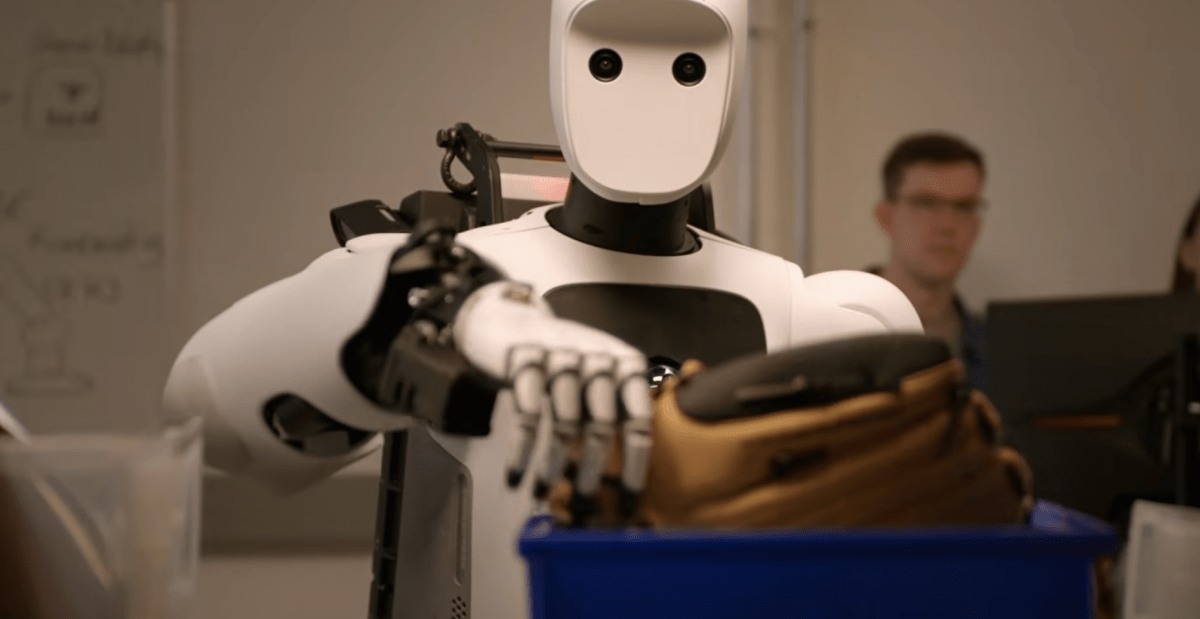
Google DeepMind Unveils Gemini Robotics 2 for Full-Body Control of Humanoid Robots
Google DeepMind has announced the launch of Gemini Robotics 2, an advanced AI model capable of controlling humanoid robots from 'feet to fingertips.' This new version enhances the robot's ability to perform a variety of actions, including walking, crouching, and manipulating objects, significantly expanding its functional capabilities. The importance of this development lies in its potential to enable humanoid robots to undertake more complex, real-world tasks that require whole-body coordination. With improved dexterity, Gemini Robotics 2 allows robots to perform intricate tasks such as sealing bags and unscrewing lightbulbs, marking a significant advancement in robotic manipulation. Looking ahead, Google DeepMind is also enhancing its Gemini Robotics ER model, which aids robots in analyzing their environment and executing multi-step tasks. This update aims to improve collaboration among different types of robots, enhancing safety features and operational efficiency. No further timeline was disclosed at the time of publication.
AI Google News Robot Tech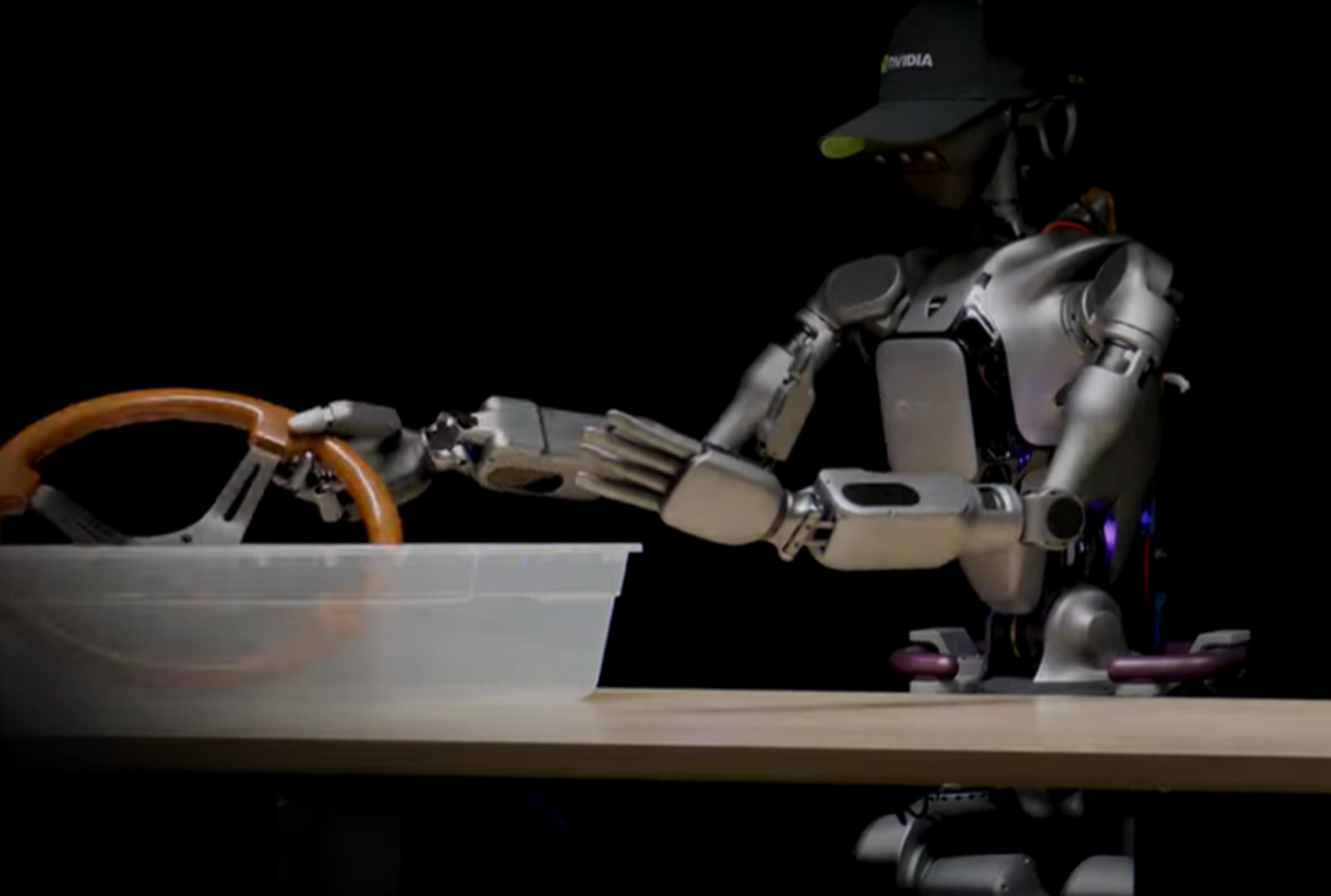
NASA's Katalyst Space Robot for Telescope Lift Faces Control Issues in Orbit
NASA's Katalyst Space robot, designed to elevate the Neil Gehrels Swift Observatory to a higher orbit, is currently tumbling out of control. This mission marks NASA's first collaboration with a private company for such an operation, aimed at extending the observatory's operational lifespan beyond its initial expectations. The Swift Observatory, launched in 2004, is crucial for observing transient cosmic events. However, the LINK spacecraft, which was launched on July 3 aboard a Northrop Grumman Pegasus rocket, has encountered significant control issues, including the failure of two of its three reaction wheels. This has complicated communication efforts as the spacecraft spins away from Earth. Flight controllers are actively working to stabilize the LINK spacecraft using alternative thrusters, and initial efforts have shown positive results. As Katalyst's mission progresses, the focus will be on recovering the spacecraft to ensure the Swift Observatory can continue its vital work in astrophysics. No further timeline was disclosed at the time of publication.
Space NASA
Innovative Puppet Master Approach Enables Control of Multiple Robots Simultaneously
A team from the Technical University of Munich demonstrated a novel method for controlling three distinct robots to collaboratively transport a whiteboard through a doorway. This approach, published in Science Robotics, utilizes an allocentric perspective, allowing operators to oversee multiple robots from a 'God's eye' view, akin to puppeteering. The results showed an 84% increase in speed for parallel tasks compared to traditional first-person control. This new paradigm is significant as it addresses the cognitive load associated with egocentric control, where operators switch perspectives between robots, hindering efficiency. The allocentric method allows for simultaneous control, enhancing usability scores when operators can switch between modes. Cognitive science supports this approach, indicating that the brain processes spatial information more effectively in an allocentric manner, particularly in complex scenarios. Looking ahead, the research indicates potential for further exploration in robot control systems. While the allocentric mode excels in speed, it shows limitations in precision tasks, suggesting a need for hybrid approaches that leverage the strengths of both allocentric and egocentric perspectives. No further timeline was disclosed at the time of publication.
Multi-Robot Control Remote Operation Robotics Research Human-Robot Interaction
An In-Depth Analysis of Wall-Climbing Robots: Adaptation, Adhesion, and Motion Control
The Journal of Field Robotics has published a comprehensive review focusing on wall-climbing robots, detailing their environmental adaptation, adhesion mechanisms, and motion control strategies. This review highlights the various technologies employed in these robots to navigate vertical surfaces effectively. Understanding the capabilities of wall-climbing robots is crucial as they have significant applications in inspection, maintenance, and exploration tasks across various industries. The review emphasizes the importance of adhesion mechanisms, which are vital for the robots' ability to operate in diverse environments without falling. Looking ahead, advancements in motion control and adhesion technologies will be essential for enhancing the performance of wall-climbing robots. No further timeline was disclosed at the time of publication.
SURVEY ARTICLE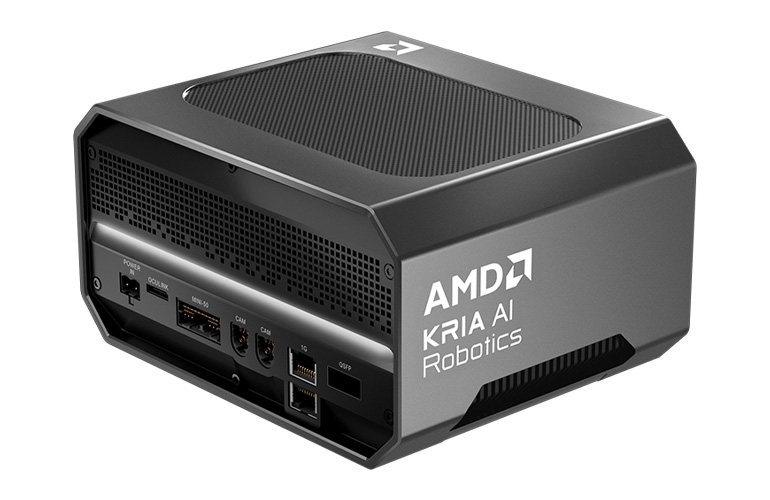
AMD Launches Kria Module and Ryzen AI Embedded X100 for Robotics Control
AMD has introduced the Kria module and Ryzen AI Embedded X100 series, aimed at enhancing real-time control and processing for robotics applications. The new platform promises deterministic performance with unified memory architecture, targeting both firm and hard real-time control through advanced optimizations. This development is significant as it positions AMD as a competitive alternative to NVIDIA in the robotics sector, particularly for physical AI applications. The unified CPU-GPU-NPU memory architecture is designed to reduce latency and improve efficiency in tasks such as perception and sensor fusion, which are critical for robotic operations. Looking ahead, AMD's offerings, including the open-source AMD Robotics Sophie Suite and a curated Robotics Partner Network, will be crucial for developers seeking scalable solutions for various robotic applications. No further timeline was disclosed at the time of publication.
Artificial Intelligence Controllers Microprocessors / SoC Microprocessors / SoCs Motion Control News
FloatForm Develops Hybrid Control for Reconfigurable Aquatic Swarms of Miniature Robot Boats
FloatForm has introduced a novel approach that combines distributed onboard control with lightweight centralized planning to manage self-assembling robotic boats. This innovative hybrid control system allows for effective coordination of miniature robot boats during controlled aquatic experiments. The significance of this development lies in its potential applications in various fields, including environmental monitoring, search and rescue operations, and marine research. By enabling the formation of reconfigurable swarms, FloatForm's technology could enhance the efficiency and adaptability of robotic systems in aquatic environments. Looking ahead, it will be important to monitor further advancements in FloatForm's technology and its deployment in real-world scenarios. No further timeline was disclosed at the time of publication.

BrainCo Showcases Brain-Controlled Robot Platform at WAIC 2026 Event
BrainCo, a developer of brain-computer interfaces based in Hangzhou, showcased its innovative brain-controlled robot platform during WAIC 2026. This advanced system utilizes an EEG headset to convert neural signals from users into actionable commands for various machines, including humanoid robots, robotic arms, and robot dogs. The significance of this demonstration lies in its potential to revolutionize human-robot interaction by enabling users to control robots through thought alone. By translating imagined actions into physical operations, BrainCo's platform aims to enhance the efficiency and intuitiveness of robotic systems, paving the way for more seamless integration into everyday tasks. Looking ahead, the focus will be on how BrainCo continues to develop this technology and its applications across different sectors. No further timeline was disclosed at the time of publication.
News Feed
Cooperative Climbing Control for Bridge Pier Defect Detection Using Multi-Wheel Robots
A new multi-wheel cooperative climbing control system has been developed for detecting defects in bridge piers. This innovative circular frame robot system enhances the efficiency and accuracy of inspections, addressing a critical need in infrastructure maintenance. The significance of this technology lies in its potential to improve safety and reduce costs associated with bridge maintenance. By utilizing a cooperative approach, the system can navigate complex structures more effectively, ensuring that defects are identified promptly and accurately. Looking ahead, the adoption of this multi-wheel cooperative climbing control system could revolutionize the way infrastructure inspections are conducted. No further timeline was disclosed at the time of publication.
RESEARCH ARTICLE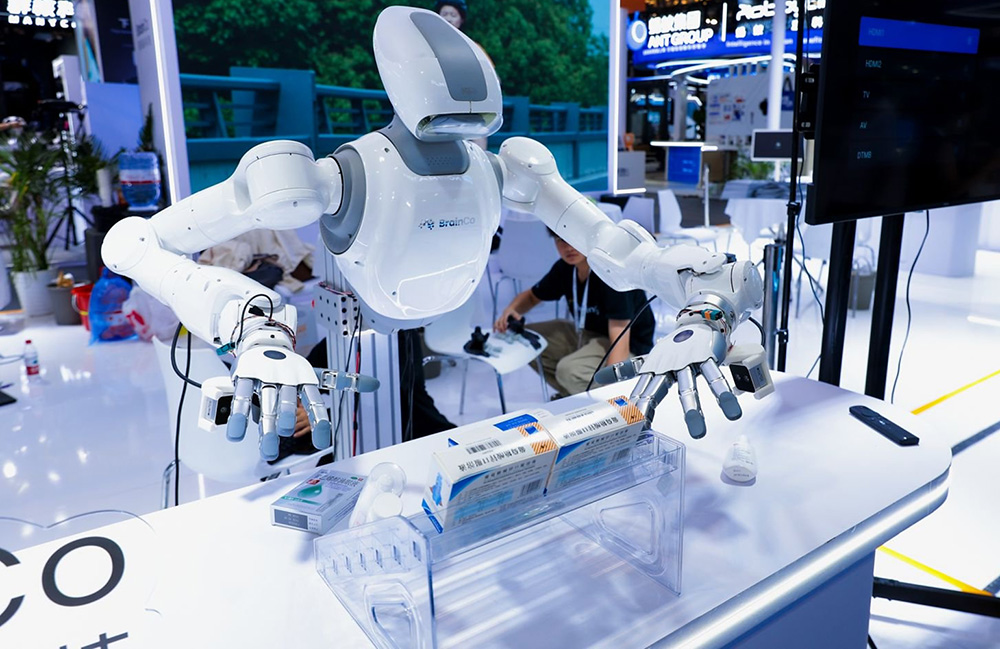
BrainCo Unveils Brain-Controlled Robot AI Platform at 2026 WAIC
BrainCo showcased its innovative brain-controlled robot AI platform at the 2026 World Artificial Intelligence Conference. Users can direct a robotic arm using neural signals captured by a lightweight EEG headset, enabling actions like grasping objects with precision. This technology, developed over a decade, integrates brain-computer interfaces and AI to enhance human-machine collaboration. The significance of this platform lies in its ability to decode user intent and translate it into machine actions in under 200 milliseconds. BrainCo's approach, termed 'neuro-embodied-AI,' allows for compatibility with various commercially available robots, facilitating integration into existing research and development frameworks without the need for proprietary hardware. Looking ahead, BrainCo also introduced its Embodied AI Data Collection Solution, addressing the challenge of obtaining high-quality training data for complex robotic tasks. This system captures both human actions and EEG data, providing a comprehensive dataset for training robots in dexterous tasks. No further timeline was disclosed at the time of publication.
Arms / Manipulators Artificial Intelligence Artificial Intelligence / Cognition Design / Development Healthcare Robotics Human Robot Interaction / Haptics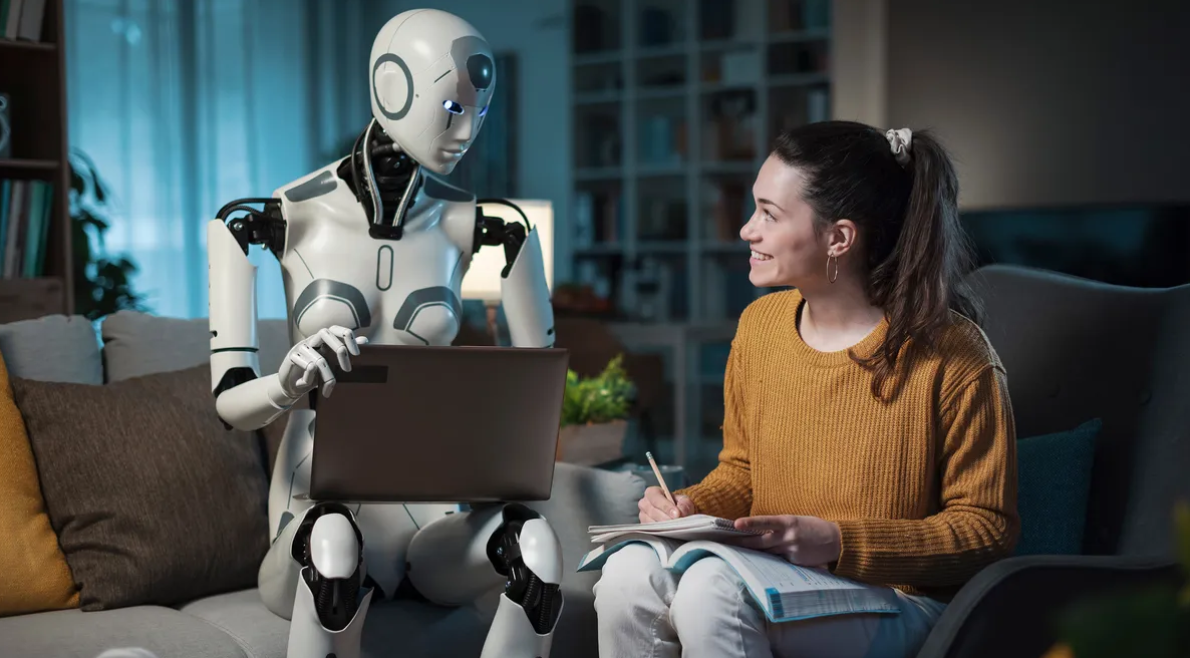
BrainCo Unveils First Brain-Machine Interface for Controlling Robots at WAIC 2026
At the 2026 World Artificial Intelligence Conference (WAIC), BrainCo launched the world's first brain-controlled robot AI platform. This innovative system utilizes a non-invasive electroencephalogram (EEG) headset to convert human neural activity into executable commands for robots in real-time. The significance of this technology lies in its potential to revolutionize human-robot interaction. By simply thinking about an action, users can control robots to perform tasks such as grabbing or moving objects without verbal commands or button presses. BrainCo's platform is designed to create a 'human-machine co-training' data loop, which will gather extensive data from users to enhance AI's physical world interactions. Looking ahead, BrainCo's brain-machine interface could mark the beginning of a new era in human-robot collaboration. As users engage with the system, the feedback and data collected will be invaluable for refining AI algorithms and improving the overall user experience. No further timeline was disclosed at the time of publication.
Brain-Machine Interface Robotics Artificial Intelligence EEG Technology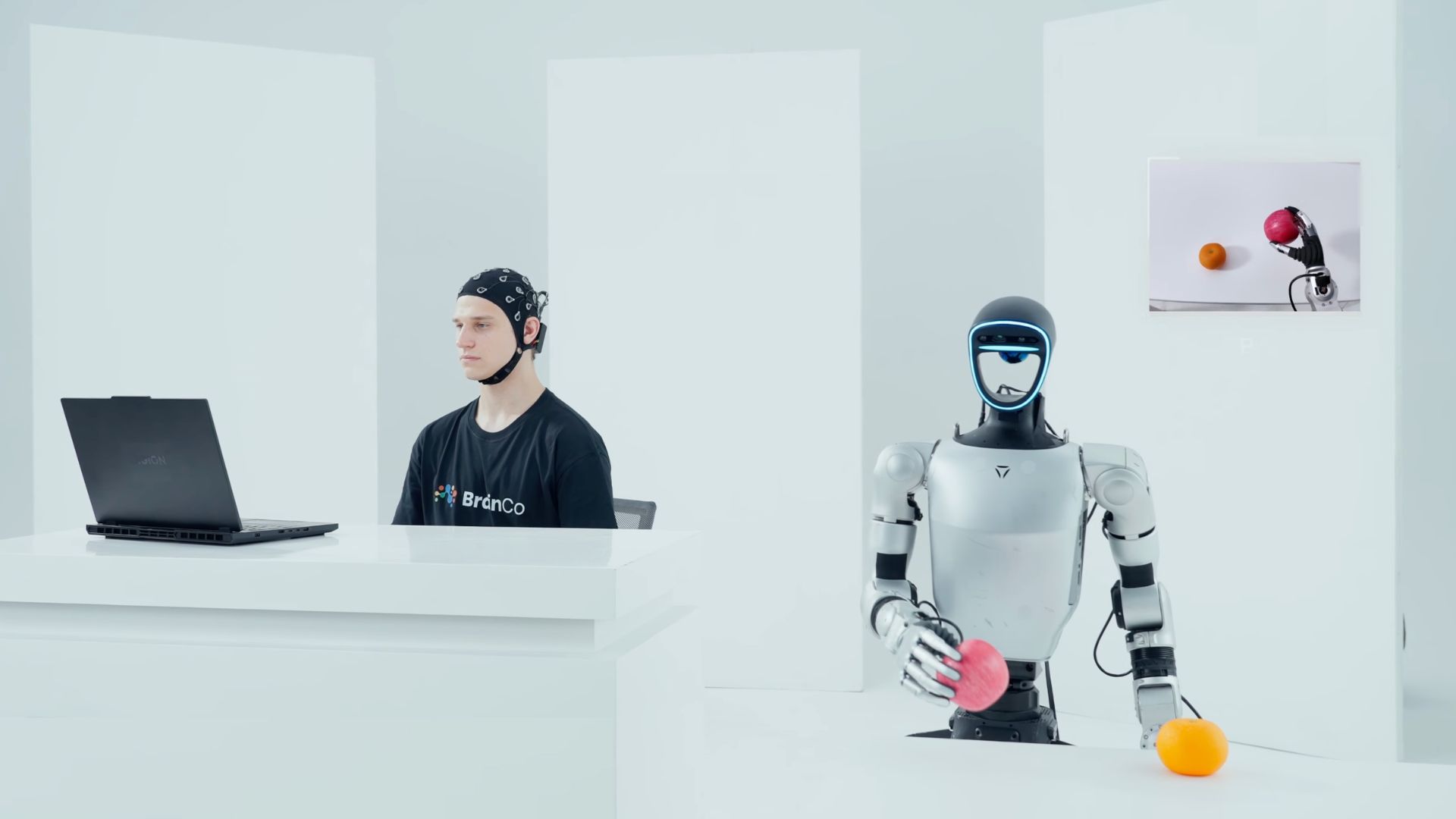
BrainCo Launches Innovative Brain-to-Robot Platform for Thought-Controlled Machines
BrainCo has introduced a groundbreaking 'brain-to-robot' platform at the World Artificial Intelligence Conference in Shanghai. This system enables users to control robots solely through brain signals, utilizing a non-invasive brain-computer interface (BCI) that interprets electrical signals from the brain via an EEG headset. This development is significant as it addresses a major challenge in robotics: understanding human intentions. Nyx He, senior vice-president of BrainCo, emphasized that while robots have advanced in autonomous actions, the next frontier is enhancing their ability to comprehend human commands. The platform also aims to generate high-quality training data essential for training intelligent machines. Looking ahead, BrainCo's platform is compatible with various third-party hardware, including humanoid robots and robotic arms. The potential for this technology extends beyond mere control, as it could significantly improve the training processes for future robots, addressing the critical need for real-world interaction data in embodied AI applications. No further timeline was disclosed at the time of publication.
AI and Robotics Innovation
AI Agent Autonomy's Impact on Robotics Safety and Control Mechanisms
Robotic systems are increasingly capable of perceiving, choosing, and altering their behavior autonomously, without human intervention. This shift towards autonomy enhances adaptability in various environments such as warehouses and labs, but it also raises significant concerns regarding safety and control. Traditional safety measures, including physical barriers and emergency buttons, may no longer suffice as robots undertake more complex tasks. The implications of this autonomy are profound, as organizations must now assess the quality of decisions made by autonomous systems, the reliability of their software, and the protocols for monitoring their actions. Unlike conventional robots that follow fixed commands, autonomous robots can evaluate multiple scenarios and make decisions based on real-time conditions, which complicates safety protocols. Ensuring that these systems operate safely requires a reevaluation of existing safety standards that focus on speed and force. Looking ahead, it is crucial for operators to have adequate information to respond effectively to unexpected robot behavior. Autonomous robots utilize various sensors to interpret their environment, but factors like dust and poor lighting can affect input quality. Organizations should prioritize the definition and testing of triggers for human intervention to maintain a balance between autonomy and safety. No further timeline was disclosed at the time of publication.
AI agents Infrastructure AI agent autonomy ai agents ai safety automation
BrainCo Launches Innovative Brain-Controlled Robot Platform at World AI Conference in China
BrainCo, based in Hangzhou, has introduced a groundbreaking robot platform that allows users to control robots using only their thoughts through EEG headsets. This advancement signifies a major step forward in embodied AI technology, where artificial intelligence is integrated into physical machines, enabling them to interact with the real world. The significance of this development lies in its potential to revolutionize human-robot interaction. By utilizing electroencephalogram (EEG) headsets, BrainCo's platform captures brain signals and employs AI algorithms to decode these signals, translating user intentions into robotic actions. This capability could enhance various applications across industries, making robots more intuitive and responsive to human commands. Looking ahead, the platform's compatibility with diverse third-party hardware, including humanoid robots and robotic arms, suggests a wide range of potential use cases. As the competition among global technology firms intensifies in the realm of embodied AI, BrainCo's innovation will be crucial to monitor for its impact on the future of robotics and AI integration. No further timeline was disclosed at the time of publication.
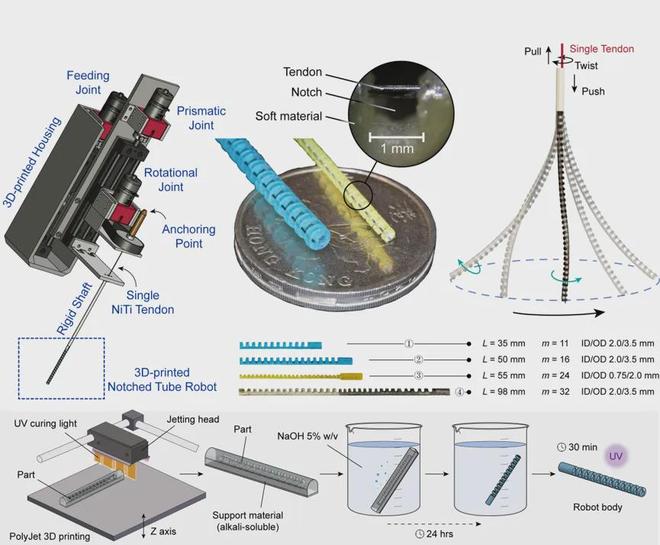
CUHK Introduces Innovative Single-Tendon Continuum Robots for Enhanced Motion Control
The Chinese University of Hong Kong (CUHK) has developed a groundbreaking single-tendon-driven continuum robot, addressing the longstanding challenges in minimally invasive medical applications. This innovative design utilizes a single eccentrically arranged tendon to achieve near omnidirectional motion control, significantly simplifying the actuator and transmission system while maintaining a compact size. This advancement is crucial as traditional tendon-driven continuum robots (TDCRs) rely on multiple tendons for three-dimensional motion, leading to increased complexity and limitations in miniaturization. The new paradigm proposed by CUHK's research team not only enhances spatial manipulation capabilities but also improves force transmission efficiency, paving the way for next-generation minimally invasive surgical robots. Looking ahead, the research, published in Nature Communications, offers a new design and technological pathway for continuum robots, inspired by the flexible movement observed in biological systems. No further timeline was disclosed at the time of publication.
Continuum Robots Medical Robotics Robotic Motion Control Tendon-Driven Robotics
Control Method Developed for Heavy-Duty Hexapod Robot Navigating Border Terrains Using Simplified Model
A new control method has been developed for a heavy-duty hexapod robot designed to walk on border terrains, as reported in the Journal of Field Robotics. This method utilizes a simplified model to enhance the robot's navigation capabilities in challenging environments. The significance of this development lies in its potential applications in various sectors, including military and disaster response, where navigating difficult terrains is crucial. The heavy-duty hexapod robot's ability to traverse border terrains effectively could improve operational efficiency and safety in these scenarios. Looking ahead, the implications of this control method could lead to further advancements in robotic mobility and control systems. No further timeline was disclosed at the time of publication.
RESEARCH ARTICLE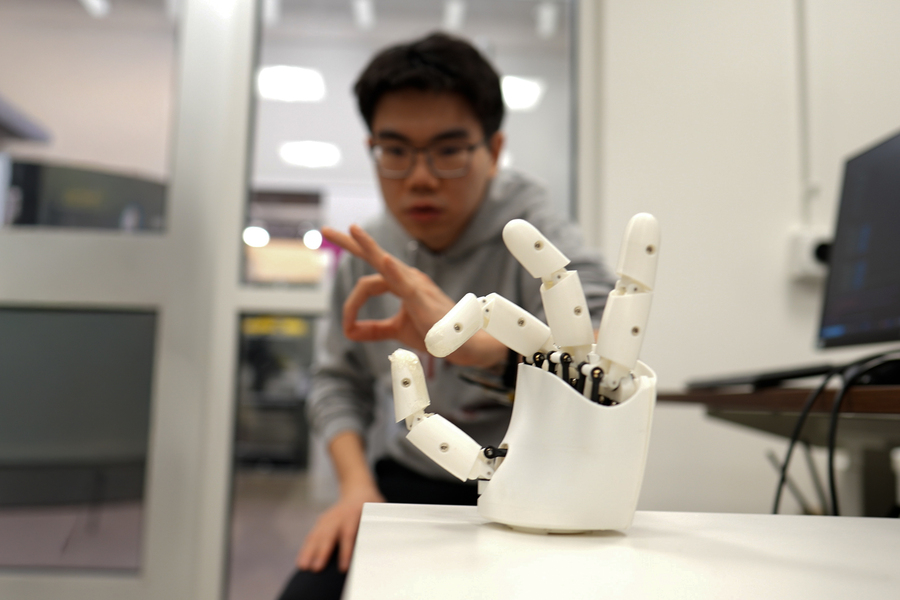
MIT Engineers Develop Ultrasound Wristband for Real-Time Robotic Hand Control
MIT engineers have created an innovative ultrasound wristband that allows wearers to control a robotic hand through their own movements. This wristband captures real-time images of the wrist's muscles and tendons, translating them into the positions of the fingers and palm using an AI algorithm. Demonstrations have shown that users can wirelessly manipulate a robotic hand to perform tasks like playing the piano or shooting a basketball. This technology is significant as it offers a new method for hand tracking in robotics and virtual reality, potentially replacing traditional techniques that rely on cameras or sensor-laden gloves. The wristband's ability to gather diverse hand motion data could lead to advancements in training humanoid robots for dexterous tasks, including surgical procedures. Xuanhe Zhao, a professor at MIT, emphasizes the immediate impact this work could have on both virtual environments and robotic dexterity. Looking ahead, the research team aims to expand their dataset of hand motions by collecting data from users with varying hand sizes and gestures. This could enhance the capabilities of humanoid robots and improve interactions in virtual settings. No further timeline was disclosed at the time of publication.
Odd.Bot Enhances Maverick Weeding Robot with GPS and Control App Updates
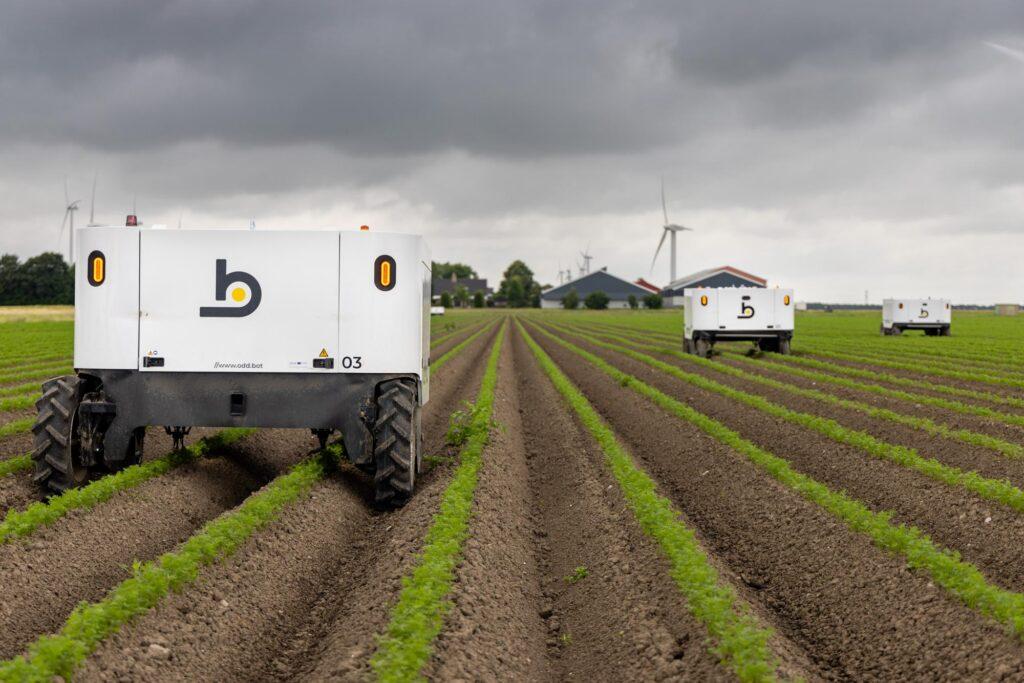
Dutch robotics company Odd.Bot has unveiled an upgraded version of its Maverick weeding robot at the Agrotechniek Holland trade fair, held from September 16 to 19 in Biddinghuizen, Netherlands. The new Maverick features a GPS system and an updated control app, enhancing its operational capabilities. The integration of GPS allows the Maverick to verify its navigation during operation, ensuring it turns correctly at headlands and maintains the right direction. Additionally, the robot can now utilize two separate geofences to define field boundaries and restrict turning in specific areas, addressing previous issues where the robot misidentified the end of the field. The updated control app simplifies the setup of geofencing and allows users to adjust working area parameters more easily. Odd.Bot also plans to sell the separate weeding units that operate independently of the Maverick to other manufacturers, although no concrete partnerships have been established yet. No further timeline was disclosed at the time of publication.
Field robots autonomous farm equipment gps weeding robots
North Carolina State University Develops Soft Robot for Continuous Jumping Without Electronics
Researchers at North Carolina State University have developed a soft robot capable of continuous jumping without electronic control. This innovation utilizes geometric structures and light-responsive materials to enable the robot to autonomously jump under constant infrared light, overcoming previous limitations that required manual resets or external stimuli for each jump. This advancement is significant as it opens new pathways for the movement of micro soft robots, allowing them to navigate diverse environments without the need for complex electronic systems. The robot, named the annular jumper, can adapt to various terrains, achieving vertical jumps up to 80 times its size and horizontal jumps exceeding three times its length, showcasing its potential for real-world applications. Looking ahead, the research highlights the importance of physical intelligence in robotics, where movement logic is embedded in material properties and geometric configurations. While the current prototype is still in the concept validation stage and faces challenges such as reliance on infrared light and material fatigue, it lays the groundwork for future developments in low-cost micro soft robots that could be deployed in swarm formations for environmental exploration and disaster response.
Soft Robotics Autonomous Systems Light-Responsive Materials Geometric Structures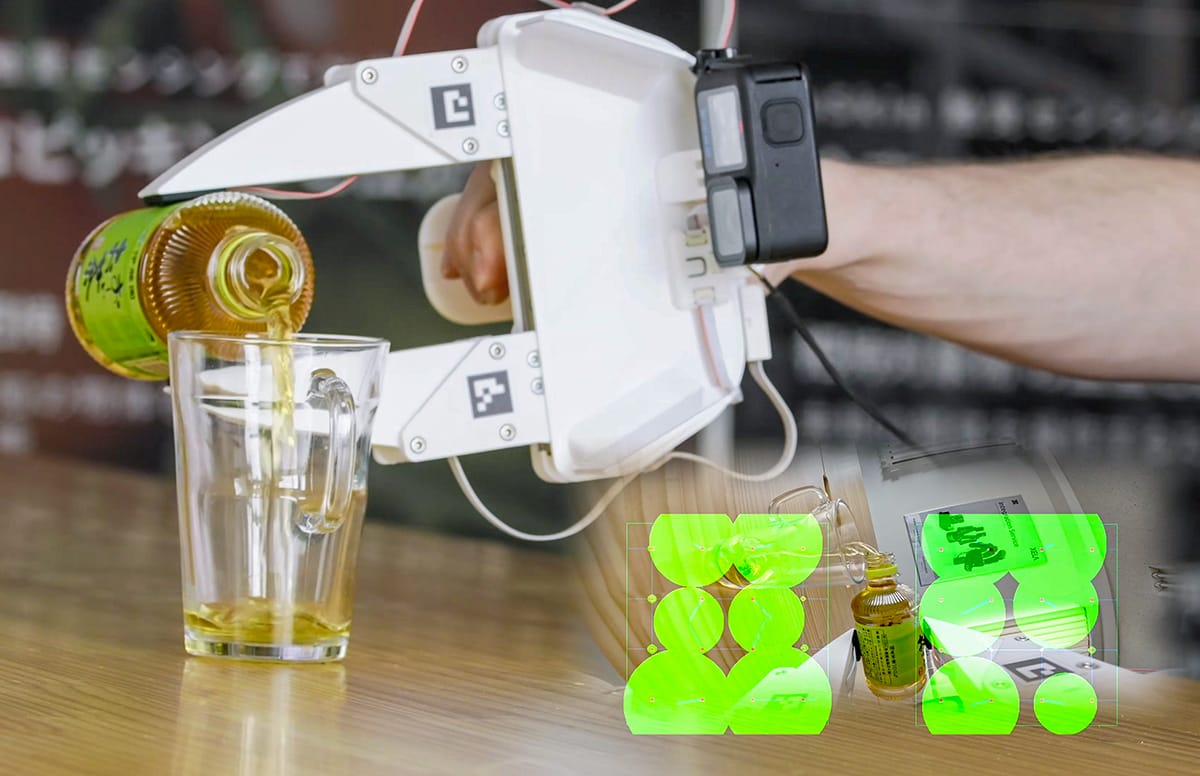
Pressure Sensors Enhance Robotic Gripping Accuracy and Interaction Control
The integration of pressure sensors into robotic grippers, such as the UMI gripper from XELA Robotics, significantly improves gripping accuracy. Unlike traditional methods that rely solely on motor current and position, pressure sensors provide critical real-time data on contact interactions, enabling better control during gripping tasks. This advancement is particularly crucial in industrial applications like bin picking and mixed-part handling, where the nature of contact can vary widely. By measuring distributed mechanical stress at the contact interface, pressure sensors allow for a nuanced understanding of how different materials respond to gripping forces, thus enhancing the reliability of robotic operations. Looking ahead, the continued development of pressure sensing technology in robotic systems will likely lead to more sophisticated interaction controls. No further timeline was disclosed at the time of publication.
End Effectors / Grippers Grippers Human Robot Interaction / Haptics News Sensors / Sensing Systems
Transitive Robotics Expands Remote Teleop to Control Robotic Arms via Internet
Transitive Robotics has extended its Remote Teleop tool to enable remote control of robotic arms over the Internet. The new version 0.20 introduces virtual reality controllers and mouse gesture commands while maintaining existing WebRTC video and stop mechanisms for mobile robots. This advancement allows for remote operation beyond just wheeled bases. This development is significant as it enhances the capabilities of robotic systems, particularly with the integration of small SO-101 arms used within the LeRobot ecosystem. The official technical page indicates that the software can simultaneously control a mobile robot and a manipulator, providing a more versatile solution for remote operations. Looking ahead, the implications of this update include potential applications in remote assistance, demonstration collection for training, manual recovery after failures, and supervision of isolated machines. However, the accuracy and performance of the system under unstable network conditions remain to be evaluated. No further timeline was disclosed at the time of publication.
Robots
Tesla's Optimus Faces Neodymium-Boron Supply Challenges for Humanoid Robot Production
During the launch of the second generation of Tesla's Optimus, Elon Musk emphasized the importance of cost control, aiming to reduce the price per unit to below $20,000. A report by Bernstein highlighted the critical role of neodymium-boron in the production of humanoid robots, noting that each robot requires high-power density motors for its 40 to 50 servo joints. Neodymium-boron is essential for motor performance, but high temperatures pose a significant challenge as standard materials can demagnetize. To enhance performance, rare earth elements like dysprosium and terbium are added, but these are scarce and expensive. If humanoid robots reach mass production levels of one million units, the annual demand for neodymium-boron could surge to 35,000 to 40,000 tons, equivalent to the magnetic material needs of 12 to 15 million electric vehicles. China dominates the global rare earth supply chain, controlling 59% of mining and 94% of permanent magnet production. As export controls tighten, particularly on heavy rare earths, international manufacturers face compliance risks, even when establishing processing facilities outside China. No further timeline was disclosed at the time of publication.
Humanoid Robots Neodymium-Boron Magnets Supply Chain Management Robotics Manufacturing
China's Humanoid Robot Manufacturers Dominate Global Shipments with 97% Control
China's humanoid robot manufacturers have achieved a remarkable milestone by controlling 97% of global shipments, positioning the country ahead of its US competitors. This dominance was highlighted at the World Robot Conference in Beijing, where various humanoid robots showcased their capabilities in sorting boxes, handling laundry, and bagging clothes. This significant lead in the humanoid robotics sector underscores China's commitment to advancing technology and innovation. The ability of these robots to perform everyday tasks raises questions about their potential integration into daily life and their role in transforming industries. The advancements made by Chinese manufacturers could reshape the competitive landscape in robotics and automation. Looking ahead, the key focus will be on whether these humanoid robots can transition from novelty items to practical tools for everyday use. The ongoing developments in this sector will be crucial to watch, as they may influence future trends in robotics and automation. No further timeline was disclosed at the time of publication.

Advancements in Humanoid Locomotion Control Explored in Science Robotics
The article published in Science Robotics discusses the evolution of humanoid locomotion control, highlighting significant advancements in this field. It emphasizes the importance of developing more efficient and adaptable control systems for humanoid robots, which can enhance their functionality in various environments. This evolution is crucial as it addresses the challenges faced by humanoid robots in navigating complex terrains and performing tasks that require agility and balance. Improved locomotion control can lead to better integration of humanoid robots in real-world applications, such as healthcare, service industries, and disaster response. Looking ahead, researchers are expected to focus on refining these control systems further, potentially incorporating artificial intelligence to enhance adaptability. No further timeline was disclosed at the time of publication.
Review
Matic's Voice-Controlled Robot Vacuum Distinguishes Itself from Chinese Competitors
Matic, a Silicon Valley brand, has launched a new robot vacuum that can be entirely controlled through voice commands. This innovative feature sets it apart from its competitors in the market, particularly those based in China. The introduction of voice command capabilities is significant as it enhances user convenience and interaction with the device. This advancement may attract consumers looking for more intuitive home cleaning solutions, thereby increasing Matic's market presence. Looking ahead, it will be important to monitor how Matic's voice-controlled robot vacuum performs in the competitive landscape against established Chinese rivals. No further timeline was disclosed at the time of publication.

Matic Introduces Gesture and Voice Control Features for Enhanced Robot Vacuum Experience
Matic has launched Matic Cues, a significant upgrade to its robot vacuum that introduces gesture and voice control features. Users can now command the vacuum by simply pointing at a mess or using voice commands, enhancing the ease of spot-cleaning. This feature is available in the Matic app and was released on August 13, 2023, ahead of a price increase scheduled for September 9, 2023. The introduction of gesture control is particularly noteworthy, as it is a unique offering among robot vacuums. Developed by Matic's founders, who are computer vision engineers, this feature allows the vacuum to respond to gestures and voice commands, making it more intuitive for users. The robot utilizes its existing vision hardware, which includes five cameras, to recognize commands and execute cleaning tasks effectively. As the market for robot vacuums continues to evolve, Matic's innovative approach to user interaction sets it apart from competitors. The integration of natural language processing through the Gemini API allows for more flexible voice commands, enhancing user experience. Observers should watch for user feedback on these new features and how they impact Matic's market position following the upcoming price adjustment.
Hands-on News Reviews Robot Smart Home Tech
Humanoid Robots Achieve Agile Movements with New ZEST Control Framework
Researchers have introduced a novel control framework named zero-shot embodied skill transfer (ZEST) that enables humanoid robots to execute agile movements such as crawling, cartwheels, and backflips. This innovative system utilizes reinforcement learning to teach robots whole-body movements derived from human motion capture, video, and animation data, allowing for a diverse range of movements to be learned in a single training phase. The significance of ZEST lies in its ability to reduce the engineering and tuning efforts typically required for robotic skill acquisition. By employing a reinforcement-learning policy trained in simulation, ZEST can transfer learned skills to physical robots like Boston Dynamics' Atlas and Spot without the need for extensive fine-tuning. This framework also incorporates adaptive sampling and automatic curriculum adjustments to enhance learning efficiency and performance. Looking ahead, the researchers aim to expand ZEST's capabilities to include zero- and few-shot adaptation and continual learning. While the current implementation is limited to flat, nonslippery environments, the potential for future advancements in robotic control and movement generalization is promising. No further timeline was disclosed at the time of publication.
AI and Robotics
NVIDIA Develops SONIC Framework for Advanced Humanoid Robot Control and Movement
Researchers at NVIDIA have developed a large-scale framework named SONIC that enables humanoid robots to perform a variety of natural movements, including running, jumping, and grasping, using simple commands. Unlike traditional controllers that are limited to specific tasks, SONIC employs a single policy trained on over 100 million motion frames, allowing for improved generalization and adaptability in motion. The significance of SONIC lies in its ability to address the limitations of existing humanoid robotics control systems, which often rely on small neural networks tailored for individual tasks. By treating motion tracking as a scalable learning challenge, SONIC utilizes extensive human motion data to create a robust training signal, enhancing the robot's capability to execute diverse behaviors seamlessly. Looking ahead, SONIC's architecture supports multimodal control, allowing inputs from video, text, and music to influence robot movements. The framework has already demonstrated impressive performance, achieving a 99.2 percent success rate in real-world applications. Future developments may focus on enhancing higher-level perception and reasoning to further advance humanoid autonomy.
AI and Robotics
University of Stuttgart and Max Planck Institute Develop Magnet-Controlled Microscrolls for Robotics
Researchers at the University of Stuttgart and the Max Planck Institute for Solid State Research have created innovative microscrolls that can be magnetically controlled to unroll and roll up. Inspired by butterfly proboscises, these ceramic microscrolls represent a significant advancement in smart materials. This development is crucial for enhancing drive technologies in micro- and soft robotics, which are increasingly important in various economic sectors. The ability to manipulate these microscrolls with precision opens new avenues for efficient robotic applications, potentially transforming how tiny robots operate. Looking ahead, the implications of this research could lead to more sophisticated robotic systems that leverage these smart materials. No further timeline was disclosed at the time of publication.
Robotics
Flapping-Wing Micro Aerial Vehicles Enhance Stability with Advanced Control Amid Wind Disturbances
Flapping-wing micro aerial vehicles (FW-MAVs) have been developed to improve stability during flight, particularly in wind-like disturbances. These small, lightweight robots mimic the flight mechanisms of birds and insects, utilizing rapidly moving wings instead of traditional propellers. The significance of this advancement lies in the unique flight capabilities FW-MAVs offer, such as the ability to hover like hummingbirds and independently control their wings akin to dragonflies. This technology could enhance various applications, including surveillance, environmental monitoring, and search and rescue operations. Looking ahead, the continued development of FW-MAVs may lead to further improvements in their flight stability and control mechanisms. No further timeline was disclosed at the time of publication.
Robotics
Regal Rexnord Enhances FANUC CRX with New Collaborative Robotics Solution
Regal Rexnord has introduced a new collaborative robotics solution that integrates its motion control brands with FANUC's CRX series. This solution utilizes Thomson linear motion technology, Boston Gear gearheads, Huco couplings, and Kollmorgen motors and software, allowing for the deployment of the Thomson Movotrak™ Cobot Transfer Unit (CTU). This development is significant as it provides FANUC CRX users with a seamless, out-of-the-box external axis solution, enhancing operational efficiency and flexibility in collaborative robotic applications. The integration of these advanced motion control technologies is expected to streamline workflows and improve productivity in various industrial settings. Looking ahead, the adoption of this collaborative robotics solution may influence the competitive landscape in the robotics sector, particularly in applications requiring enhanced motion control capabilities. No further timeline was disclosed at the time of publication.

Google Unveils Gemini Robotics 2 for Advanced Humanoid Robot Control and Reasoning
Google has launched Gemini Robotics 2, a sophisticated robotics model that enables humanoid robots to perform full-body movements and complex tasks. This system allows for coordination among multiple robots and adapts to various robot designs with minimal training. The new capabilities extend beyond simple manipulation to include walking, bending, and balancing. The significance of Gemini Robotics 2 lies in its ability to facilitate multi-step reasoning and adaptability in unfamiliar environments, setting it apart from traditional robots. This model can control both humanoid robots and dual-arm systems, enhancing their functionality for household and industrial applications. Demonstrations showcased its ability to manage tasks such as picking up objects and performing intricate actions with dexterous robotic hands. Looking ahead, Google is also releasing Gemini Robotics ER 2 for high-level reasoning and Gemini Robotics On-Device 2 for local operation without cloud reliance. The introduction of multi-robot collaboration capabilities allows different robots to work together efficiently, marking a notable advancement in robotic technology. No further timeline was disclosed at the time of publication.
AI and Robotics
Enigma Secures $70 Million to Simplify Human-Robot Interaction Through Innovative Research
Enigma, a robotics research lab, has raised $70 million in a seed funding round led by Index Ventures and Ribbit Capital. The startup aims to revolutionize human-robot interactions by studying how people engage with robots, rather than solely focusing on enhancing model capabilities. Enigma plans to launch a large-scale online experiment allowing global users to interact with over 100 proprietary AI robots performing various tasks, such as drawing and simple chemistry experiments. This funding is significant as it positions Enigma to explore intuitive interfaces for robotic control, potentially transforming how users communicate with machines. Co-founders Jonathan Jacobi and Gal Niv, both with backgrounds in cybersecurity, are leveraging their unique perspectives to tackle challenges in robotics. Their goal is to make controlling robots as effortless as adjusting a car's volume, addressing current frustrations users face with existing robotic models. Looking ahead, Enigma's online experiment will provide valuable data on user preferences for robot communication, which could lead to groundbreaking advancements in robotics interfaces. No further timeline was disclosed at the time of publication.
AI Robotics Startups enigma Exclusive Index Ventures
KNR Develops Industrial Robot Hand with 300 kg Grip and Precision Control
KNR Systems has unveiled an industrial-grade robot hand capable of gripping up to 300 kg while delicately handling fragile objects like eggs. This innovative hand will be integrated into the upcoming 'Super Humanoid' robot, designed for high-intensity environments such as nuclear decommissioning and disaster sites. The significance of this development lies in its ability to combine powerful grip strength—six times that of the average adult male—with precise control. The robot hand's design allows it to adapt to various object shapes, enhancing its functionality in challenging industrial conditions. Looking ahead, KNR's collaboration with Seojin System aims to facilitate mass production of the Super Humanoid robot, which is expected to operate in environments that are difficult for humans to access. No further timeline was disclosed at the time of publication.
Industrial Robotics Robot Grippers Humanoid Robots Automation Technology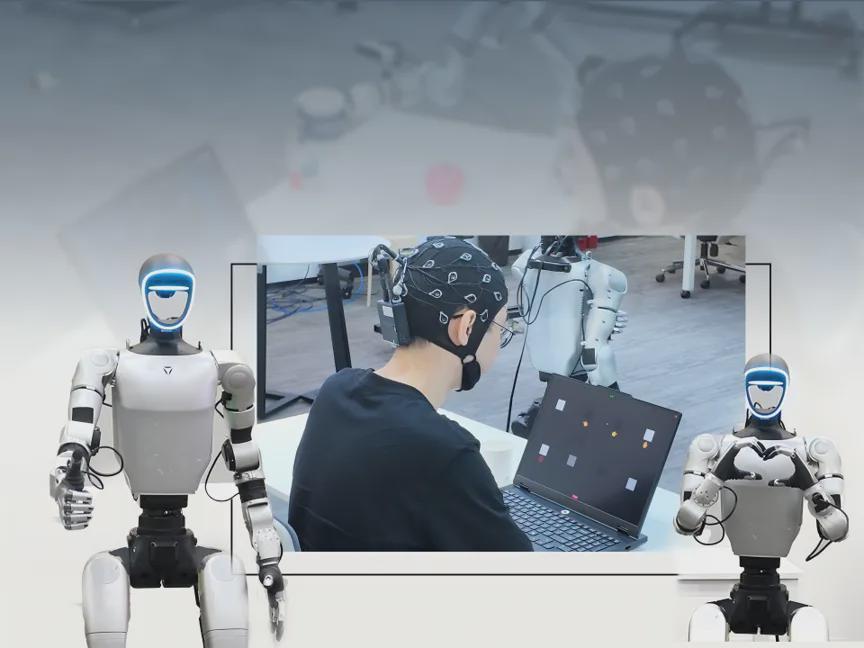
BrainCo Unveils Brain-Controlled Robot Training Platform at WAIC 2026
At the 2026 World Artificial Intelligence Conference (WAIC), BrainCo showcased a brain-controlled robot training platform. This innovative platform allows users to control robotic arms through brainwave signals, enabling actions like pouring water and picking apples without traditional interfaces. The significance of this technology lies in its ability to bridge the gap between human intention and robotic action. By decoding brain signals, the platform facilitates a direct communication pathway, allowing robots to understand and execute tasks based on users' thoughts. This advancement simplifies the integration of brain-machine interfaces with robotics, making it accessible to researchers without specialized backgrounds. Looking ahead, BrainCo's platform supports various robotic types, including humanoid robots and robotic arms, and is adaptable for ongoing developments. Researchers can select robots based on their study focus, whether for grasping tasks or complex human-robot interactions. No further timeline was disclosed at the time of publication.
Brain-Controlled Robots AI Research Neuro-Embodied AI Human-Robot Interaction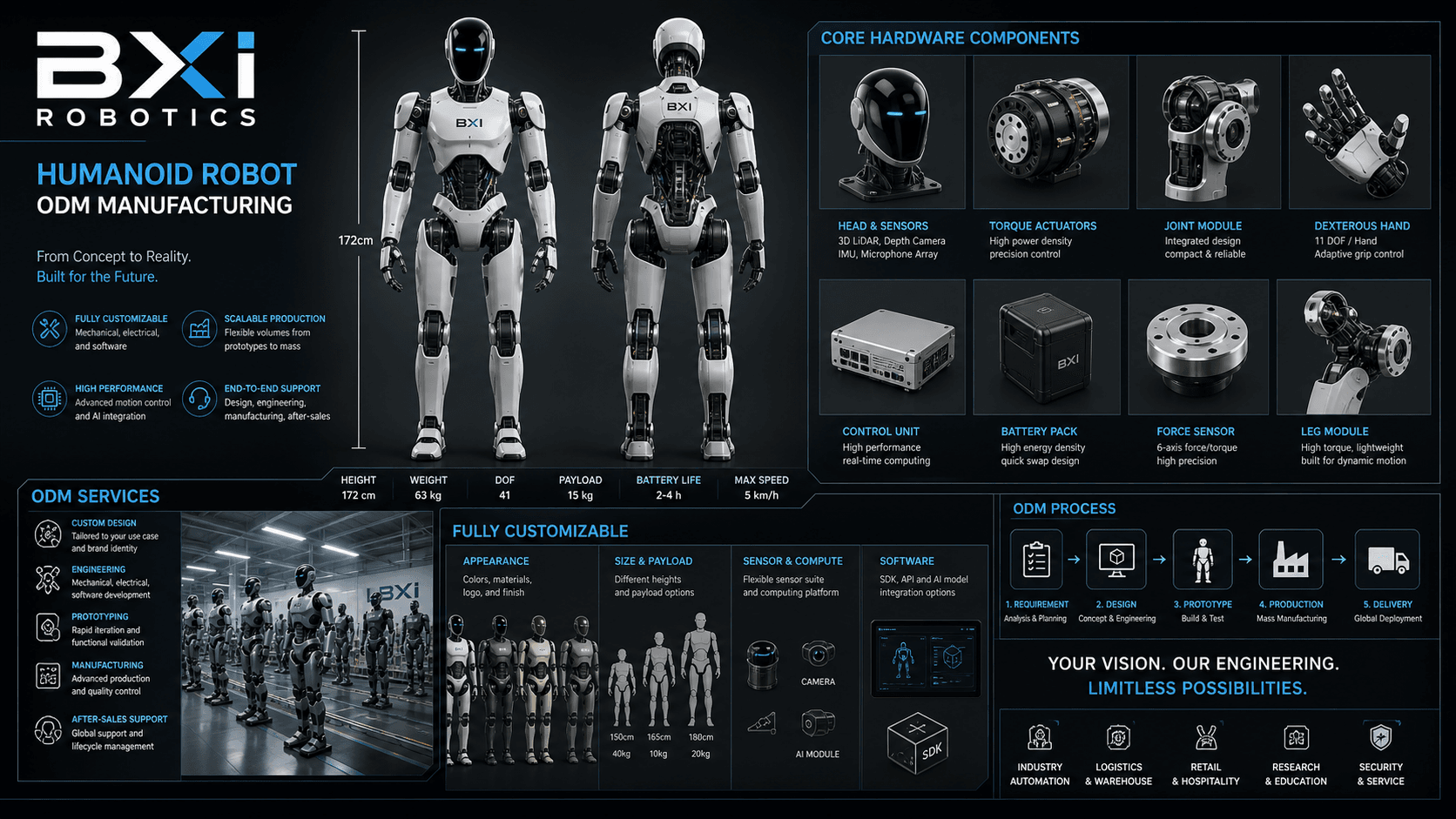
BXI Robotics Secures Funding for Full-Stack Humanoid Robot Solutions
BXI Robotics has successfully raised funding from Suochen Technology, following support from Feirongda. This funding will enhance BXI's capabilities in providing full-stack original design manufacturing (ODM) solutions for humanoid robots, which include self-developed motors, controls, and algorithms that have been verified for marathon-level reliability. The significance of this funding lies in BXI Robotics' commitment to advancing humanoid robotics technology. By securing financial backing, the company can further develop its comprehensive solutions, which are crucial for the growing demand in the robotics sector. The integration of reliable motors and algorithms positions BXI as a competitive player in the market. Looking ahead, industry observers should monitor BXI Robotics' progress in deploying its humanoid robot solutions and any potential partnerships that may arise as a result of this funding. No further timeline was disclosed at the time of publication.
StartupsRobotics needs a service framework.
RSF defines a common language for robot service capability, lifecycle operations, certification pathways, and service-provider networks.
Join the RobotToday community on LinkedIn
Daily robotics news, in-depth analysis, conference highlights, and discussions with professionals worldwide.