

Industry Briefing
A single destination for timely, editor-curated robotics news from around the world.
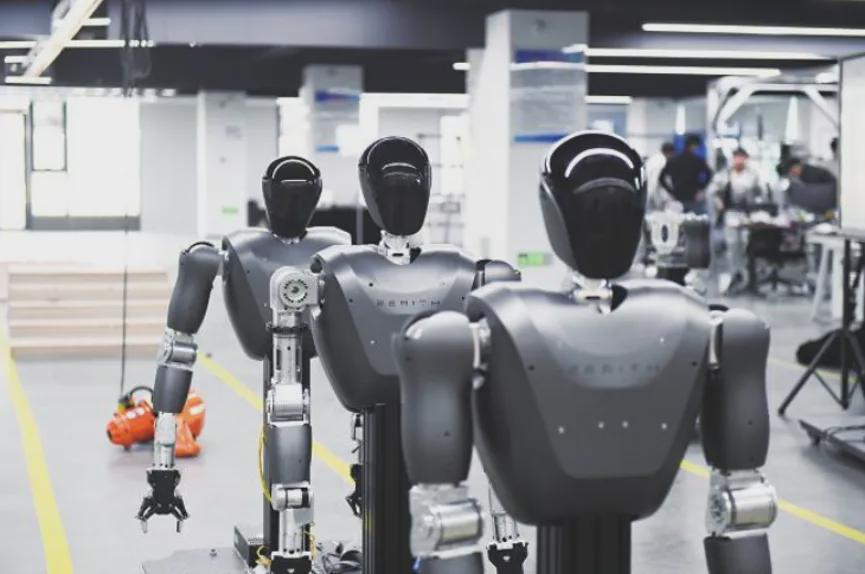
Humanoid Robot Production Capacity Surpasses 10,000 Units: Can Anhui Compete Nationally?
The production capacity of humanoid robots has exceeded 10,000 units, raising questions about Anhui's position in the national market. This milestone indicates significant advancements in robotics manufacturing, showcasing the region's potential to compete with top-tier cities. As the industry evolves, stakeholders should monitor Anhui's strategies and innovations to maintain its competitive edge.
Robotics Automation AI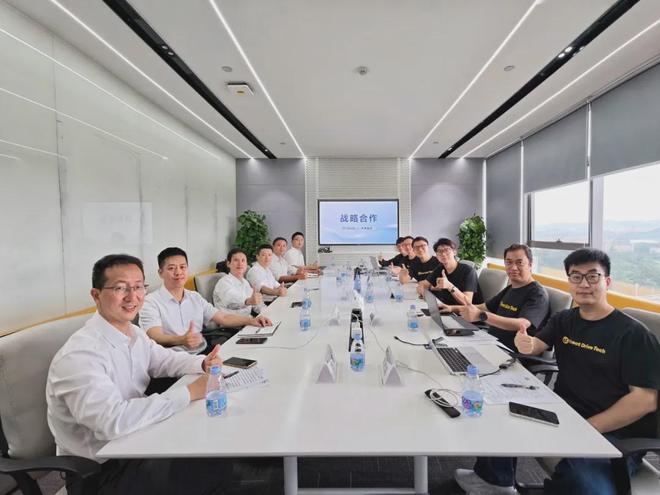
China Rare Earth Group Partners with Benmo Technology to Boost Direct Drive Power Modules in Robotics
China Rare Earth Group Innovation Technology Co., Ltd. has entered into a strategic cooperation with Benmo Technology. This partnership aims to enhance the industrialization of direct drive power modules specifically tailored for the robotics sector. The collaboration is significant as it seeks to leverage the strengths of both companies to advance technology in the robotics industry. Direct drive power modules are crucial for improving the efficiency and performance of robotic systems, making this partnership a vital step in meeting growing market demands. Looking ahead, stakeholders should monitor the developments from this partnership, as it could lead to innovations that enhance the capabilities of robotics applications. No further timeline was disclosed at the time of publication.
Robotics Automation AI
Robotics Sector Sees Major Funding Shifts with New Investment Opportunities
The robotics sector is experiencing significant financial reallocation, with companies exploring new avenues for investment. Notably, a Tsinghua University PhD graduate has left a high-paying position at Tencent to develop a robotic brain, aiming to commercialize skills as products. Additionally, Fangqi Technology has successfully completed an angel round of funding, raising millions to address the gap between physical and semantic knowledge using a semantic world model. This shift in funding dynamics is crucial as it highlights the growing interest in robotics beyond traditional applications, such as electric vehicles. The focus on humanoid robots and their integration into various sectors indicates a potential transformation in how robotics can be utilized in everyday life. The collaboration between Tian Gong Robotics and human dancers at the Beijing Art and Technology Week further exemplifies the innovative approaches being taken in the industry. Looking ahead, stakeholders should monitor the developments from these emerging companies and their unique propositions. The emphasis on semantic models and the commercialization of robotic skills could pave the way for new applications and partnerships in the robotics landscape. No further timeline was disclosed at the time of publication.
Robotics Automation AI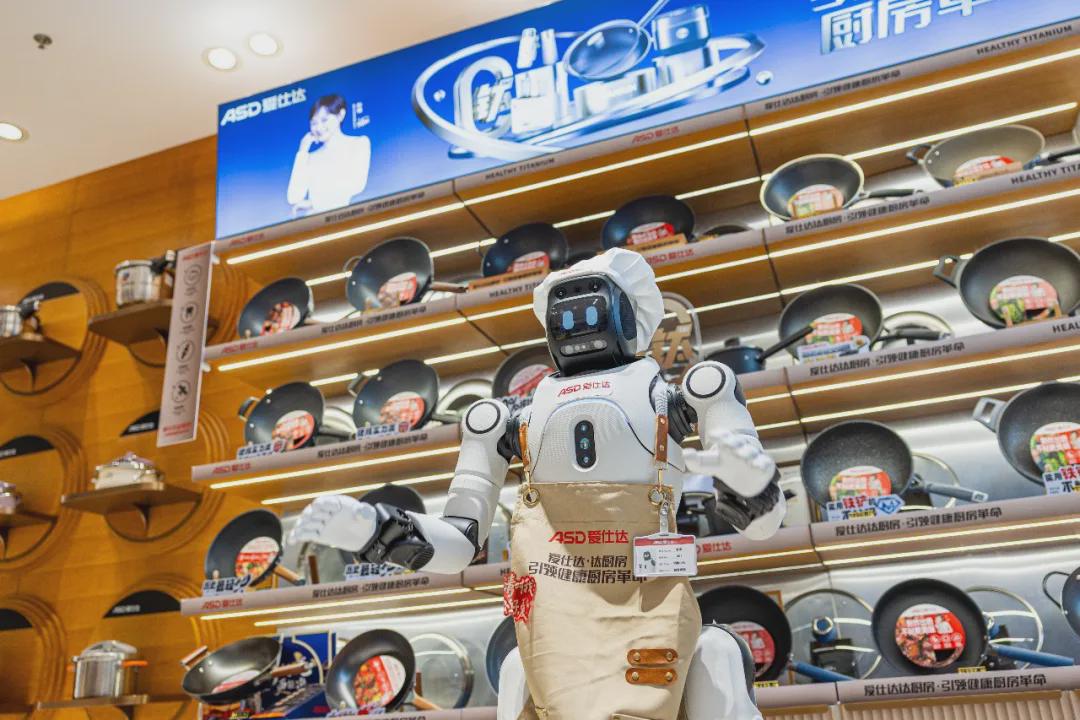
Zhiyuan Deploys 100 Robots in Retail Stores During First Year of Operation
Zhiyuan has successfully deployed 100 robots in retail stores within their first year of operation. This significant milestone highlights the company's commitment to integrating robotics into everyday retail environments. The deployment of these robots is crucial as it demonstrates the potential for automation to enhance efficiency and customer experience in retail settings. By utilizing advanced robotics, Zhiyuan aims to streamline operations and reduce labor costs, which is increasingly important in today's competitive market. Looking ahead, industry observers will be keen to see how Zhiyuan continues to innovate and expand its robotic applications in retail. No further timeline was disclosed at the time of publication.
Robotics Automation AI
China Dominates Humanoid Robot Patents with 60% Share: Future Implications
China has secured a significant 60% share of global humanoid robot patents, indicating a strong position in the robotics sector. This dominance suggests that Chinese companies are leading in innovation and development of humanoid technologies, which could reshape the industry landscape. The implications of this patent dominance are profound, as it may lead to increased competition and collaboration among global players. With advancements in humanoid robots, industries could see enhanced automation and efficiency, impacting various sectors from manufacturing to entertainment. Looking ahead, the focus will be on how these patents translate into commercial applications and the potential for international partnerships. No further timeline was disclosed at the time of publication.
Robotics Automation AI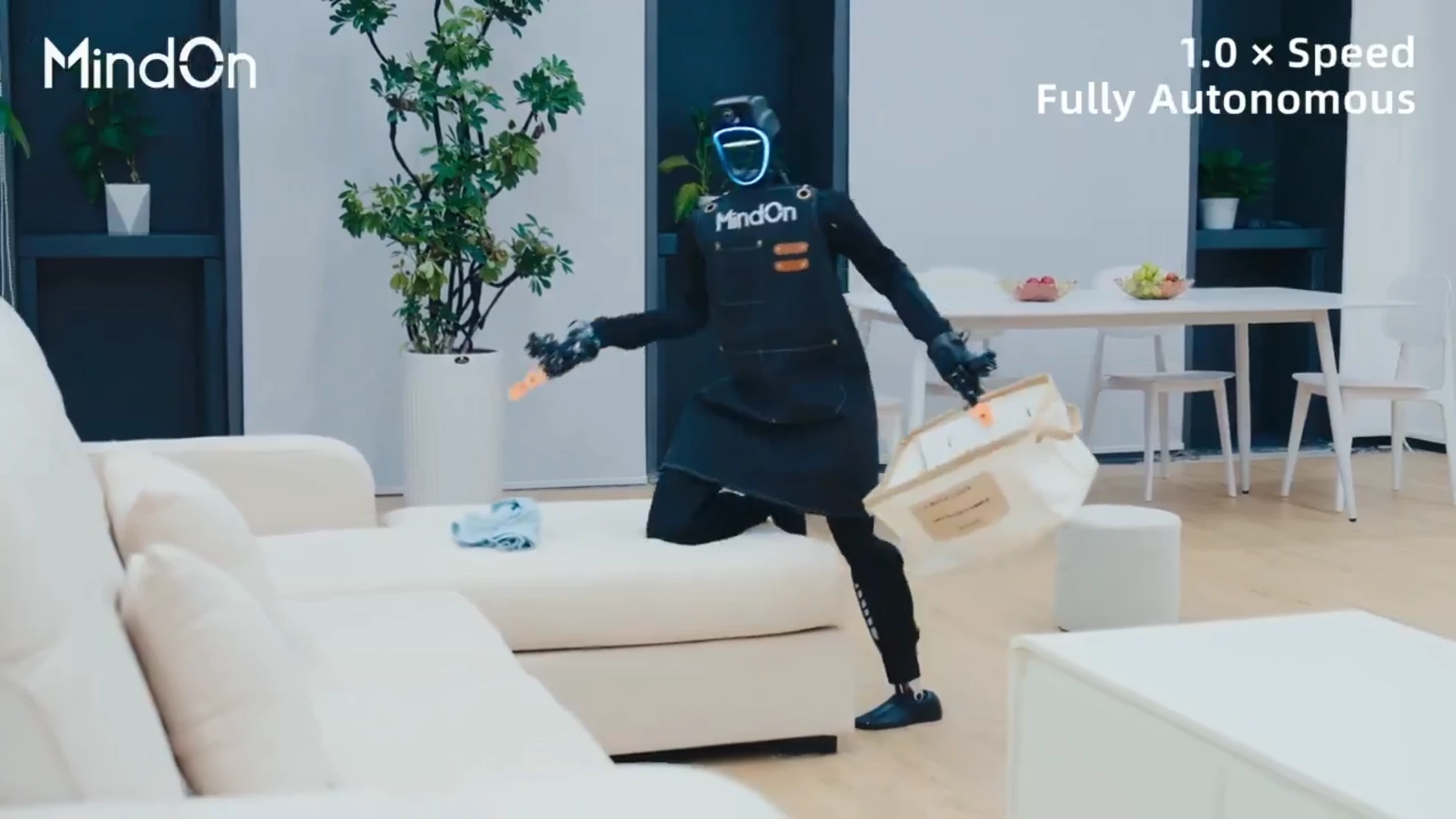
MindOn Demonstrates Mind-1 Robot's Speed in Practical Task Execution
MindOn has unveiled a new demonstration of its Mind-1 robot, focusing on the ability of robots to perform useful tasks at a practical speed. The video, released on September 30, showcases various tasks such as parcel handling, clothing folding, and laundry collection, all labeled as '1.0x Speed' and 'Fully Autonomous.' This demonstration highlights the importance of execution speed in making robots effective workers. The significance of this demonstration lies in MindOn's emphasis on not just completing tasks but doing so efficiently. The company aims to develop robot intelligence that can adapt across different hardware configurations, which is crucial for enhancing productivity. The demonstration illustrates that the speed of task execution is vital for robots to be considered valuable in real-world applications. Looking ahead, while the demonstration is promising, it lacks specific metrics such as human speed comparisons or task success rates. Establishing sustained productivity will require these additional measurements to validate the effectiveness of the Mind-1 robot in practical scenarios. No further timeline was disclosed at the time of publication.
MindOn China
First Domestically Produced Robot with Electronic Architecture Officially Released in China
A new robot featuring domestically produced electronic architecture has been officially launched in China. This robot is designed to integrate physical AI with advanced sensory capabilities, marking a significant advancement in robotics technology. The introduction of this robot is crucial as it represents a step towards reducing reliance on foreign technology and enhancing local innovation in the robotics sector. By equipping robots with domestic 'nerves,' the development aims to improve the interaction between robots and their environments. Looking ahead, industry observers will be keen to see how this technology evolves and its potential applications in various sectors. No further timeline was disclosed at the time of publication.
Robotics Automation AI
Shandong Future Robot and Harbin Institute of Technology Launch VY150 ROV for South China Sea Trials
The VY150 work-class remotely operated vehicle (ROV), developed by Shandong Future Robot in collaboration with Harbin Institute of Technology, embarked on its expedition to the South China Sea on September 28. This advanced ROV is designed to operate at depths of up to 4,500 meters and is equipped with a seven-axis arm for enhanced functionality. The deployment of the VY150 ROV is significant as it represents a step forward in deep-sea exploration technology, showcasing the capabilities of Shandong Future Robot and its partnership with Harbin Institute of Technology. The ability to operate at such depths opens up new possibilities for underwater research and resource management in the South China Sea region. As the trials progress, industry observers will be keen to monitor the performance of the VY150 ROV and its operational capabilities in challenging underwater environments. No further timeline was disclosed at the time of publication.
SemiDrive and Radxa Introduce RoboX D9M Robot Motion Controller Featuring D9-Max Chip
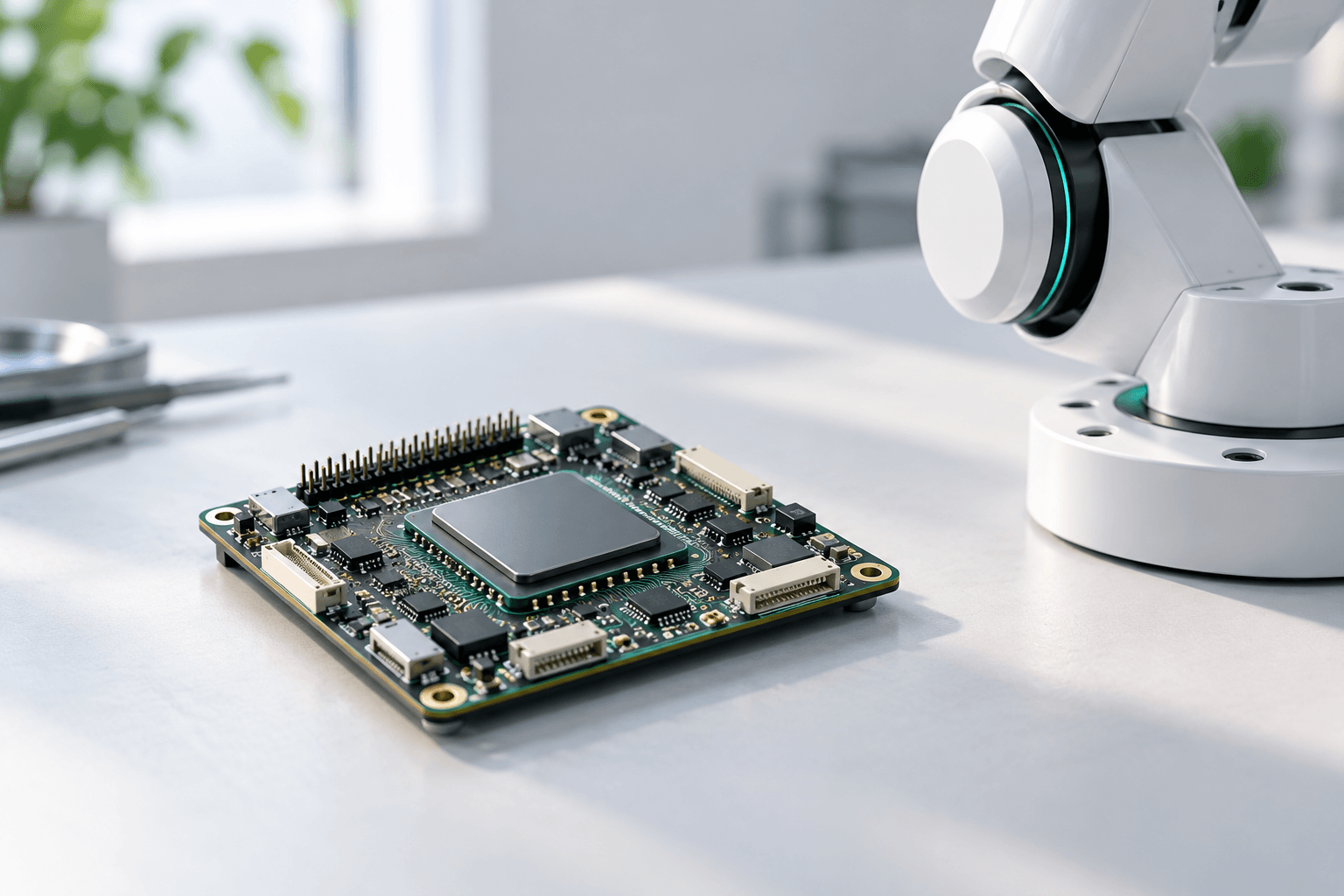
SemiDrive and Radxa have unveiled the RoboX D9M, a compact robot motion controller measuring 100 x 100 mm. This innovative controller is powered by the ASIL-B D9-Max chip, which boasts 12 CPU cores and an 8 TOPS NPU, along with support for EtherCAT and CAN-FD protocols. Additionally, the RoboX D9M comes with ROS 2 preinstalled, enhancing its usability in robotic applications. The launch of the RoboX D9M is significant as it combines advanced processing capabilities with a small form factor, making it suitable for various robotic applications. The integration of EtherCAT and CAN-FD allows for efficient communication in complex robotic systems, while the preinstalled ROS 2 framework facilitates easier development and deployment of robotic solutions. This product is expected to appeal to engineers and developers looking for high-performance motion control solutions. Looking ahead, the RoboX D9M's capabilities may lead to increased adoption in sectors requiring sophisticated robotic control. As industries continue to embrace automation, the demand for versatile and powerful motion controllers like the RoboX D9M is likely to grow. No further timeline was disclosed at the time of publication.

Destro AI Secures $8 Million Seed Funding to Enhance Warehouse Robot Coordination
Destro AI has successfully raised $8 million in seed funding, co-led by Base10 Partners and Bonfire Ventures, with additional participation from CoFound Partners. This funding will be utilized to expand enterprise deployments and enhance its engineering and research teams. The company’s robot-agnostic platform integrates MothershipOS and VisionOS, which are designed to optimize task coordination across various robots and warehouse resources. The significance of this funding lies in Destro's approach to warehouse automation, which enables operators to coordinate different types of robots without being limited to a single manufacturer. This flexibility is crucial as the number of warehouse robots and automation platforms continues to grow. Destro's technology is already in production with global logistics providers, including Yusen Logistics (Americas), and has begun generating commercial revenue. Looking ahead, Destro AI aims to further develop its MothershipOS and VisionOS platforms while expanding its enterprise deployments. The company emphasizes that the future of warehouse automation will not come from new robots but from the intelligence layer that allows existing robots to work together effectively. No further timeline was disclosed at the time of publication.
AI AI Funding & Investment Physical AI Robotics Base10 Partners Bonfire Ventures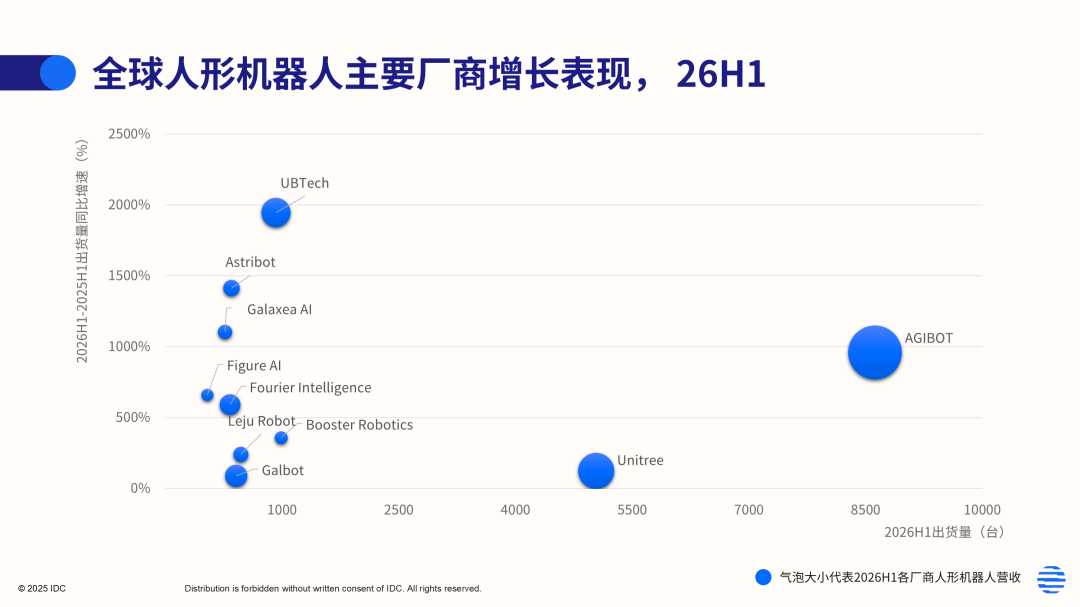
AGIBOT Dominates Global Humanoid Robot Shipments with 8,600 Units in H1 2026
AGIBOT has emerged as the leader in the global humanoid robot market for the first half of 2026, with shipments exceeding 8,600 units. This achievement translates to an impressive market share of approximately 35%, reflecting the industry's transition towards more extensive commercial applications and advanced AI functionalities. The significance of AGIBOT's success lies in its strategic expansion into various sectors such as retail and entertainment. This move not only highlights the growing demand for humanoid robots but also underscores the potential for enhanced AI capabilities to drive further adoption across industries. Looking ahead, AGIBOT anticipates substantial growth in global shipments by 2030. Industry stakeholders should monitor AGIBOT's production and deployment strategies, as they may set benchmarks for future developments in the humanoid robot market. No further timeline was disclosed at the time of publication.
Humanoid Robots AI Technology Robotics Industry Commercial Applications Market Growth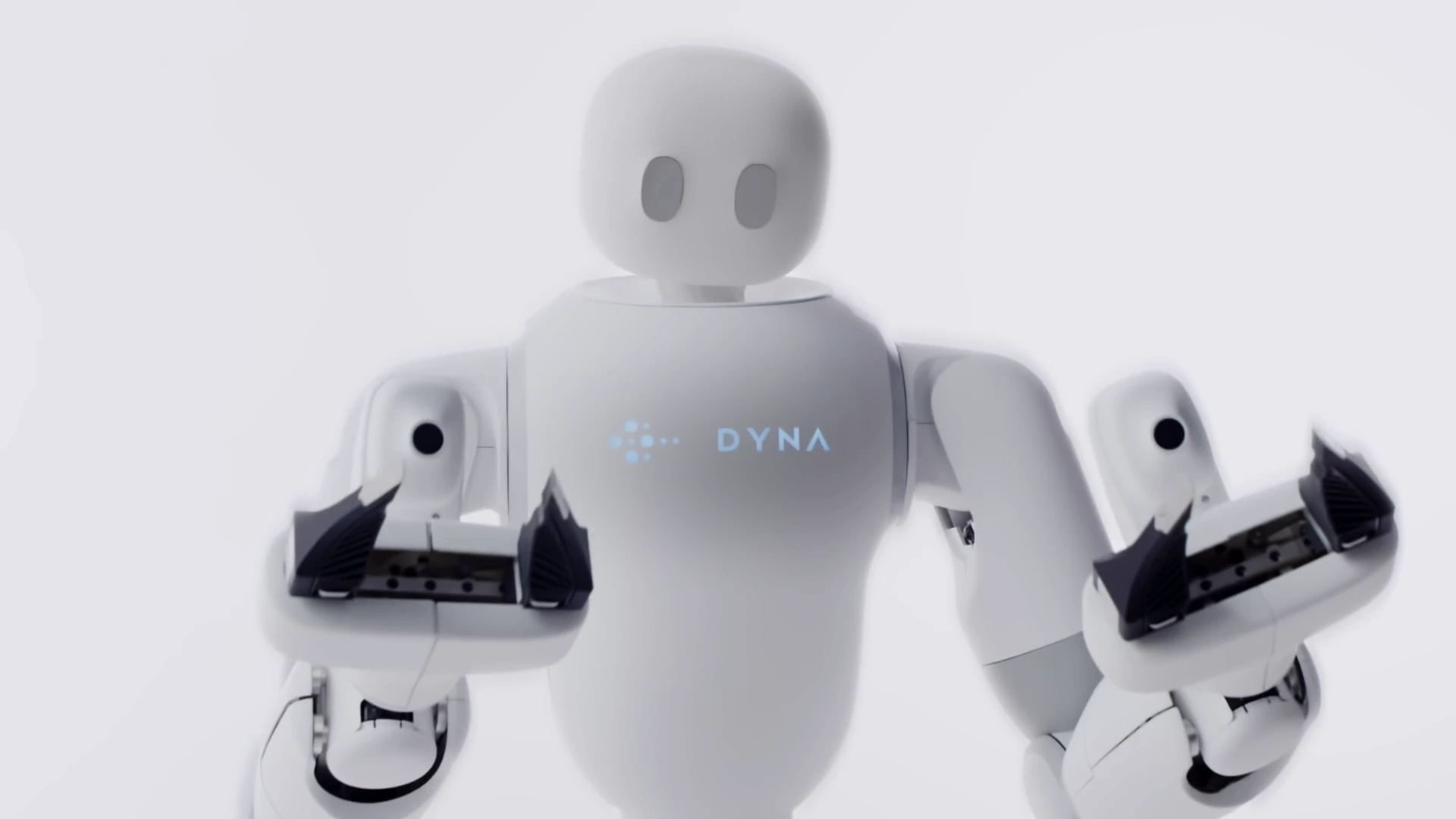
Dyna Robotics Unveils Taku Robot and Dyna-2.1 with Autonomous Laundry Demonstration
Dyna Robotics has introduced Taku, a semi-humanoid robot, alongside the Dyna-2.1 system, showcasing an hour-long autonomous laundry demonstration. This event, announced on September 29, highlights Taku's ability to manage a sequence of tasks, making decisions on workflow autonomously, which marks a significant advancement from previous systems that required human intervention. The importance of this development lies in redefining what success means for robotic automation. Unlike earlier models that needed constant human oversight, Taku is designed to handle not just task execution but also the management of workflows, such as moving towels through washing, drying, folding, and shelving. This capability could enhance labor efficiency in environments like laundry rooms, where seamless task transitions are crucial. Looking ahead, the focus will be on Taku's ability to integrate into various workflows and its effectiveness in real-world applications. The Dyna-2.1 system, which separates fast physical control from slower decision-making processes, is a key component in ensuring that Taku can adapt to specific business needs. No further timeline was disclosed at the time of publication.
US Dyna Robotics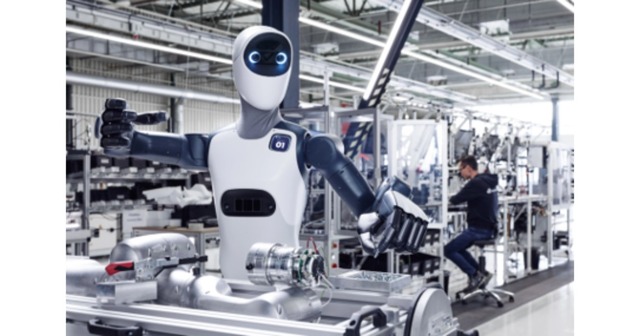
Hitachi and Agile Robots Form Partnership to Develop Physical AI for Manufacturing Autonomy
Hitachi Ltd. announced on September 29, 2026, a foundational agreement with Agile Robots SE, based in Munich, Germany, to develop the 'brain' of AI robotics. This partnership aims to enhance AI models that enable robots to perceive, judge, and act flexibly in the real world, deploying them as physical AI in manufacturing environments. The collaboration will integrate Hitachi's physical AI model, which rapidly learns the tacit knowledge of skilled workers, with Agile Robots' versatile AI model, proven in automotive manufacturing, healthcare, and data centers. This initiative seeks to achieve early autonomy in complex tasks and production processes that have traditionally relied on human expertise. Additionally, Hitachi's edge AI semiconductors will be combined with Agile Robots' robotics technology to process sensory information efficiently, allowing robots to recognize and adapt to changing environments in real-time. No further timeline was disclosed at the time of publication.
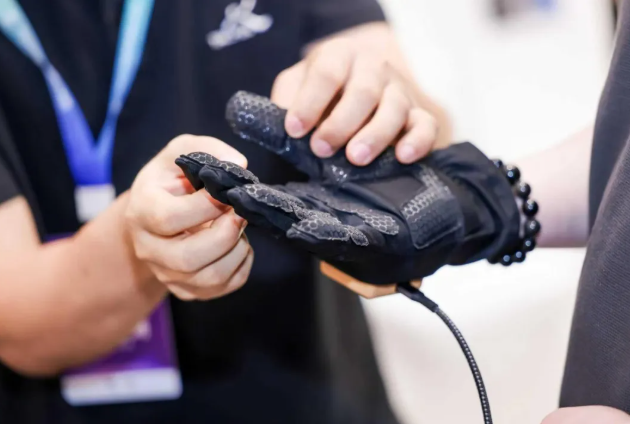
Stanford Researcher Develops Robot 'Electronic Skin' in China, Secures Billion-Yuan Funding
A postdoctoral researcher from Stanford University has returned to China to develop an innovative 'electronic skin' for robots. This technology aims to enhance the sensory capabilities of robots, allowing them to better interact with their environments. The project has successfully secured financing at the billion-yuan level, indicating strong investor confidence in its potential. The development of 'electronic skin' is significant as it represents a leap forward in robotics, enabling machines to possess tactile feedback similar to that of humans. This advancement could lead to more sophisticated applications in various sectors, including healthcare and manufacturing, where robots can perform tasks requiring a delicate touch. Looking ahead, the focus will be on the practical applications of this technology and its integration into existing robotic systems. No further timeline was disclosed at the time of publication.
Robotics Automation AI
Boston Dynamics' Spot Robot Assists with Inspections at Innocent Drinks Facility
At the Innocent Drinks production facility in Rotterdam, the Spot robot from Boston Dynamics is aiding the team in inspecting production areas. This deployment highlights the growing integration of robotic solutions in manufacturing environments, enhancing operational efficiency and safety. As companies increasingly adopt advanced robotics, the role of robots like Spot in routine inspections will likely expand, paving the way for more automated processes in the industry.
Allgemein Automation Mobile Robotik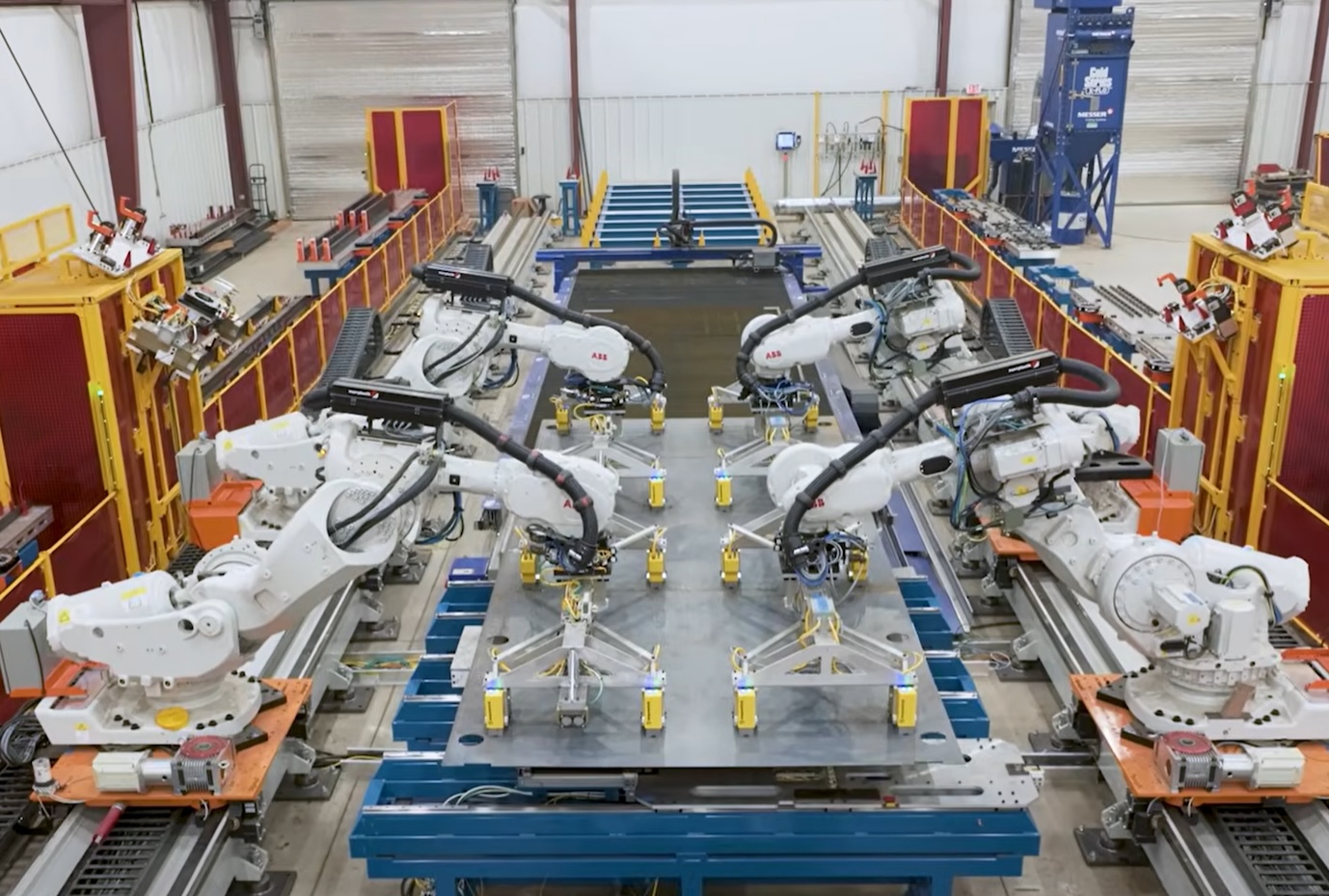
Grob Unveils Modular Robot Cell for Flexible Automation in Manufacturing Processes
Grob showcased a modular robot cell designed for the flexible automation of various manufacturing processes at the AMB event. This innovative solution aims to enhance efficiency and adaptability in production environments. The introduction of this modular robot cell is significant as it addresses the growing demand for flexible automation solutions in manufacturing. Companies are increasingly seeking ways to optimize their production lines and respond quickly to changing market needs. Looking ahead, industry professionals should monitor Grob's developments in modular automation technologies. No further timeline was disclosed at the time of publication.
Allgemein Automation Fördertechnik & Handling Lagerlogistik & Materialfluss Mobile Robotik
MirrorMe Launches Viva Dexterous Hand for Real-Time Human-Robot Piano Duets
MirrorMe Technology has introduced its Viva dexterous robotic hand, capable of performing a real-time four-hand piano duet with a human player. This innovation utilizes the Cada music embodied foundation model, which translates musical intent into precise commands for fingering, touch, force, and timing, allowing for expressive performances beyond simple note playback. The significance of this development lies in its potential to enhance human-robot collaboration in creative fields, particularly music. With joint speeds exceeding 1,000 degrees per second and a peak fingertip force of 33 newtons, the Viva hand is engineered for complex musical expressions, making it a valuable tool for musicians and composers alike. Looking ahead, MirrorMe aims to further refine the capabilities of the Viva hand through ongoing performance strategy adjustments based on acoustic feedback. No further timeline was disclosed at the time of publication.
AI Physical AI China dexterous hand MirrorMe Robotics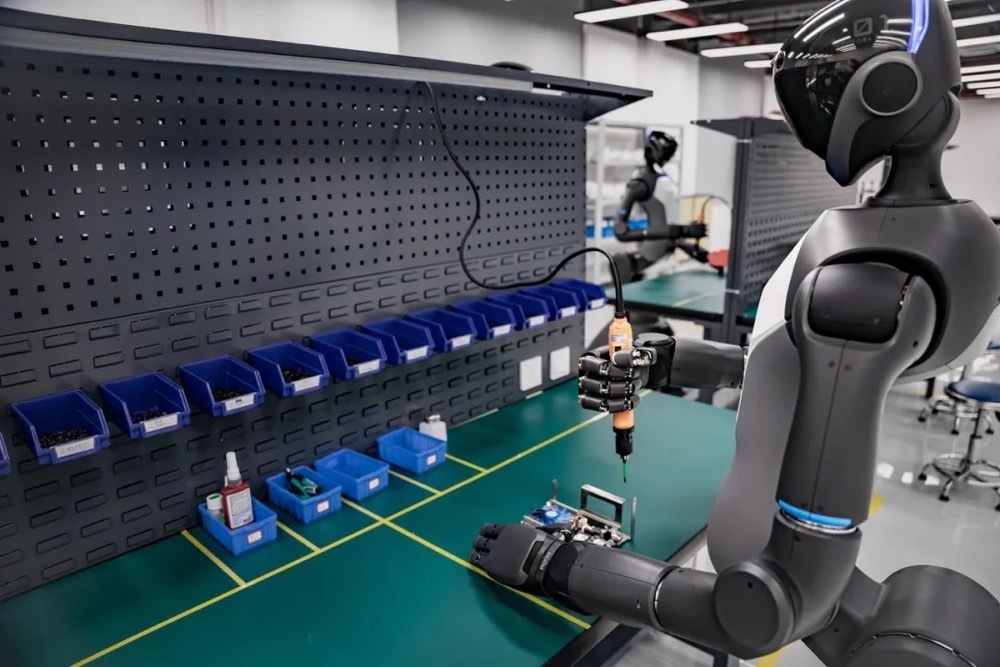
Wittmann Unveils Aim4Help Interactive Assistant for Injection Molding Machines and Robots
Wittmann introduced the interactive assistant Aim4Help at this year's Fakuma, designed for its injection molding machines, robots, and peripheral devices. This development is significant as it enhances user interaction and operational efficiency for Wittmann's equipment, potentially transforming how operators engage with their machinery. Looking ahead, the industry will be keen to observe how Aim4Help impacts productivity and user experience in injection molding applications. No further timeline was disclosed at the time of publication.
Allgemein Künstliche Intelligenz & maschinelles Lernen Lösungen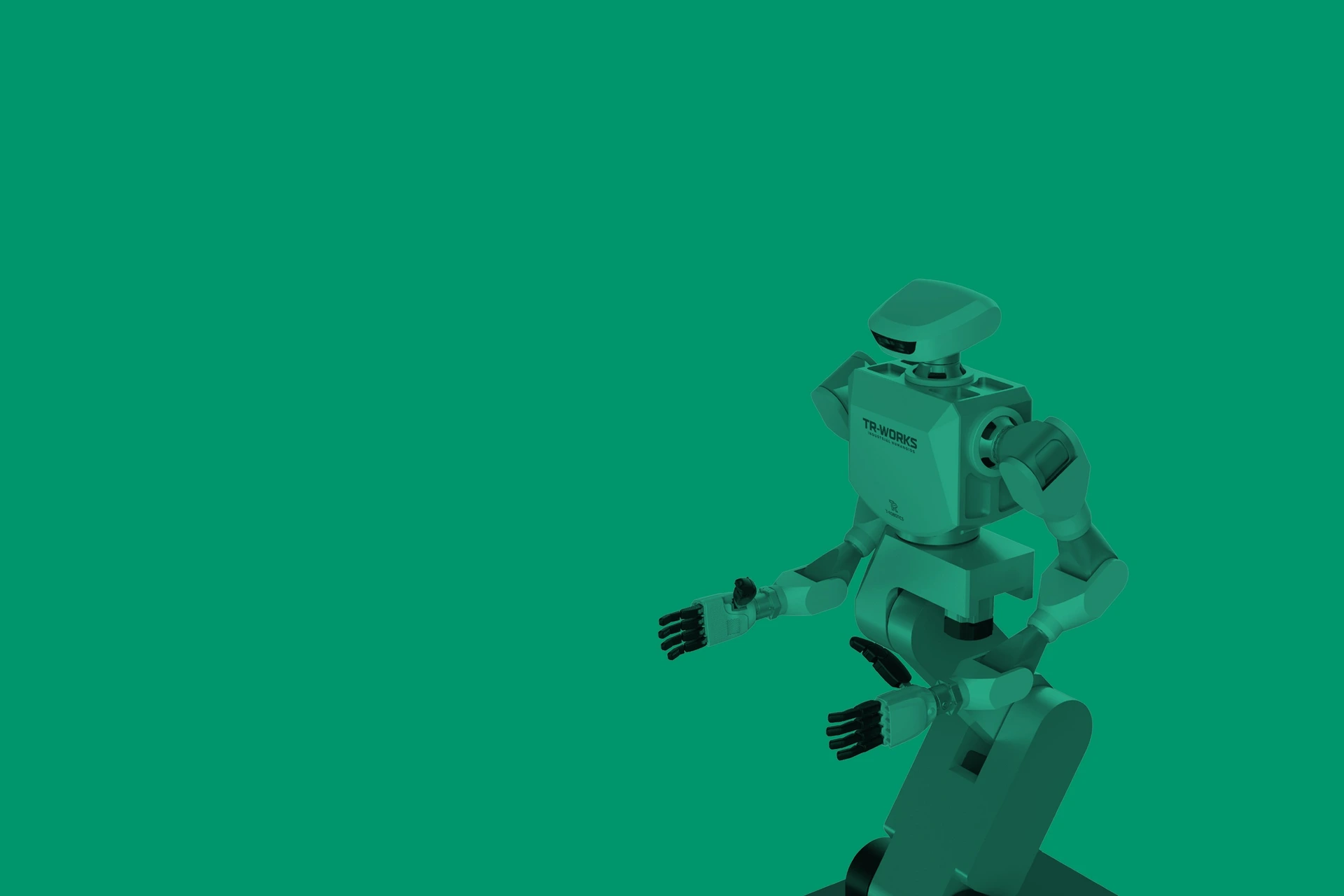
T-Robotics Selected to Lead KRW 4.5 Billion Humanoid Project for Display Manufacturing
T-Robotics has been chosen to spearhead a government-supported humanoid project focused on display manufacturing, collaborating with KAIST and a major Korean display manufacturer. This initiative is part of KEIT's humanoid robot AI transformation program, aiming to integrate environmental perception and decision-making with coordinated robotic movements in production processes. The significance of this project lies in its potential to enhance adaptability in automation within the display manufacturing sector. T-Robotics' existing product line, which includes vacuum and autonomous mobile robots, positions it well to innovate in this area. The project aligns with South Korea's broader KRW 2.3 trillion humanoid ecosystem plan, which seeks to establish humanoid production systems across ten industries by 2030. Looking ahead, the success of T-Robotics' trials will depend on the robot's ability to handle specific manufacturing processes effectively. Key metrics will include the frequency of human intervention and the robot's performance in meeting production requirements. The project's outcome could serve as a benchmark for future humanoid applications in various industrial settings.
South Korea T-Robotics KAIST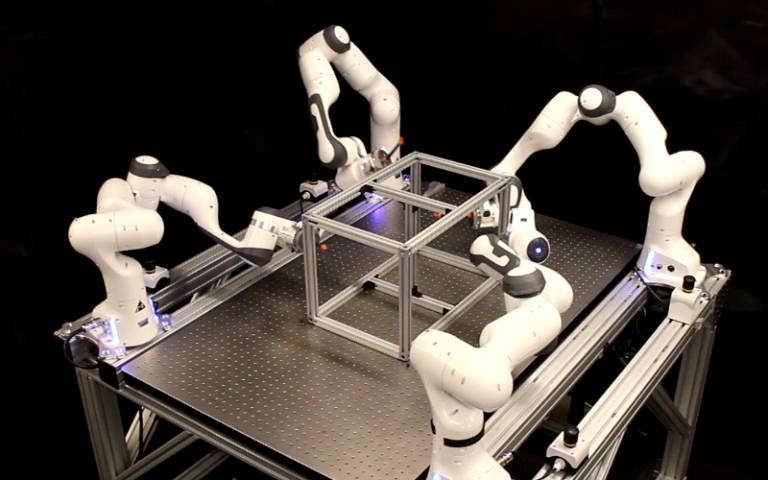
Robotics Day Set to Launch on October 14, Showcasing Future of Industrial Robotics
The Robotics Day is scheduled to commence on October 14 at 9 AM, highlighting advancements in industrial robotics. This event aims to bring together industry leaders and innovators to discuss the future trajectory of robotics technology. The significance of Robotics Day lies in its potential to shape the future of industrial automation. By showcasing cutting-edge developments and fostering discussions among experts, the event is expected to drive innovation and collaboration within the sector. As the date approaches, attendees should prepare for insightful presentations and networking opportunities that could influence the direction of industrial robotics. No further timeline was disclosed at the time of publication.
Allgemein Newsarchiv Veranstaltungs-Highlights
Advancements in Robotics Transforming Manufacturing Landscape
Recent reports highlight significant advancements in robotics for manufacturing, moving beyond traditional robot arms to more versatile models. The evolution of industrial automation is driven by improved perception, autonomy, and actuation, alongside a growing demand for robots due to skilled labor shortages across various sectors, including electronics and pharmaceuticals. The International Federation of Robotics indicates that industrial robot installations have doubled in the decade ending in 2024, with countries like South Korea, Singapore, Germany, and Japan leading in robot density. The emergence of collaborative robots and autonomous mobile robots is enabling factories to automate a wider range of tasks, enhancing operational flexibility and efficiency. Looking ahead, the Association for Advancing Automation reported a 6.6% increase in robot order value year over year in the first half of 2026, driven by rising orders in non-automotive sectors. As the industry continues to explore new applications and integration strategies, the challenge remains to ensure a solid return on investment while adapting to the evolving landscape of robotics in manufacturing.
eBooks Industrial Robots Manufacturing News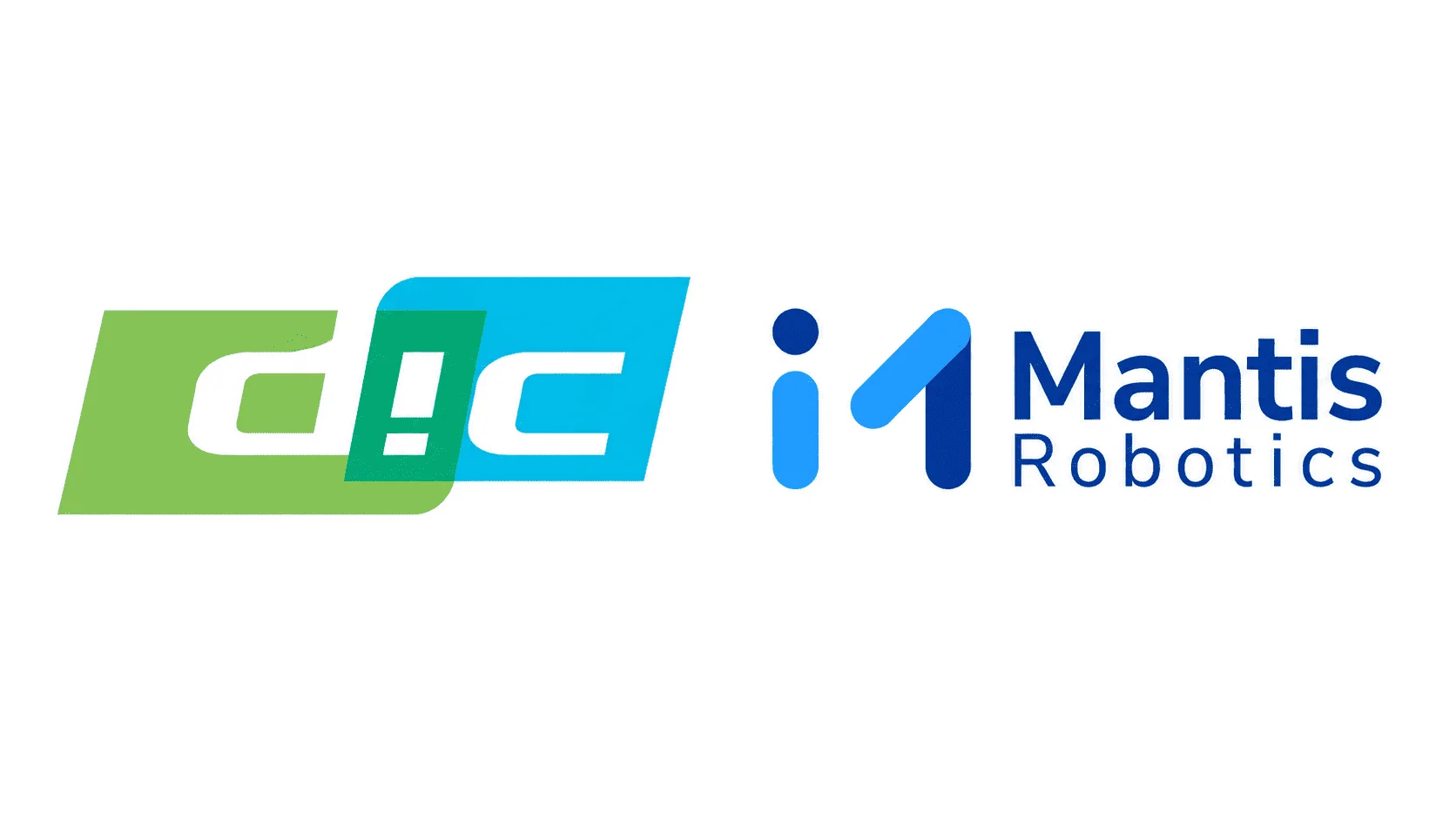
DIC Corp. Invests in Mantis Robotics to Advance Physical AI Technologies
DIC Corp. has made a strategic investment in Mantis Robotics, marking the inaugural deal from its $62 million DIC D2S Ventures fund. This investment aims to enhance Mantis' development of fenceless industrial robots, particularly the MR-1, which has recently achieved safety certification. The collaboration will focus on integrating DIC's materials and sensing technologies with Mantis' robotics capabilities. This partnership is significant as it highlights DIC's commitment to expanding into the physical AI sector, which is seen as a key growth area. Mantis Robotics, founded in 2020, is poised for commercial expansion across logistics, electronics, and automotive manufacturing, leveraging its innovative robotic solutions. The safety certification of the MR-1 is expected to drive further momentum in the industrial automation market. Looking ahead, both companies plan to explore advanced tactile and sensing systems, robotic fingers, and lightweight components. No further timeline was disclosed at the time of publication, but the collaboration is anticipated to yield significant advancements in human-robot collaboration and productivity in industrial settings.
Business & Markets Enterprise automation DIC Corp. investment Japan
MIT Develops Ultra-Thin Swimming Robot Powered by Living Muscle Cells
MIT engineers have created a paper-thin swimming robot that utilizes a single layer of living muscle cells, showcasing a novel approach to biohybrid machines. This innovative design allows the robot to swim and navigate through water with significantly less biological material compared to previous models, achieving speeds of up to four times its body length in one minute. The significance of this development lies in its potential to revolutionize the construction of small, efficient robots powered by living tissue. The robot's design features a gelatin-based film and muscle cells that are genetically engineered to respond to light, enabling precise control over its movement and direction. Looking ahead, this research opens new avenues for biohybrid robotics, emphasizing the importance of material composition in enhancing muscle performance. No further timeline was disclosed at the time of publication.
AI and Robotics
FaBrick: A Versatile Fabric-Based Platform for Soft Robotics Development
A recent study published in the journal Science Advances by researchers at the University of Michigan introduced FaBrick, a fabric-driven platform that incorporates inflatable airbag units. This innovative material can achieve five types of movements—contraction, bending, twisting, rotation, and stiffening—based on different cutting, sealing, folding, and stapling techniques. The significance of FaBrick lies in its ability to simplify the design process for soft robots. Traditionally, creating soft robots required separate structures for each type of movement, but FaBrick allows designers to start with a single roll of 'active fabric.' This approach streamlines the development of robotic sleeves, single-piece grippers, and even walking quadrupedal soft robots. Future developments to watch include the potential applications of FaBrick in various robotic designs, as it enables reconfiguration of movement capabilities without the need for new actuators. No further timeline was disclosed at the time of publication.
Soft Robotics Fabric-based Robotics Inflatable Actuators Material Science
MIT Engineers Develop Paper-Thin Muscle-Powered Robot for Swimming Through Water
MIT engineers have created a novel swimming robot powered by a single layer of muscle cells. This innovative design, detailed in a paper published on September 28 in Advanced Functional Materials, features a gel skeleton that resembles the size of a stick of gum, with fins made from the gel and covered in genetically engineered muscle cells. The significance of this development lies in the ability of the robot to swim efficiently using minimal biological material. The muscle cells, which are thinner than a human hair, are engineered to respond to light, allowing for controlled movement. This advancement could pave the way for more sophisticated biohybrid robots that utilize living cells for propulsion. Looking ahead, researchers will likely explore further applications of this technology in various fields, including robotics and bioengineering. No further timeline was disclosed at the time of publication.
Robotics
Maijie Technology Addresses Humanoid Robot Developments and Collaborates with Guangming Laboratory
On September 28, Maijie Technology responded to investor inquiries regarding humanoid robots. The company announced a partnership with Guangming Laboratory to establish a joint laboratory focused on micro-drive joints and bionic dexterous hands by 2025. This collaboration aims to leverage their respective technological expertise and industrial advantages to accelerate the application of related technologies. This partnership is significant as it combines Maijie's experience in electronic components with Guangming Laboratory's research capabilities in artificial intelligence and robotics. The micro-drive joints are crucial components in the dexterous hand industry, impacting finger movement precision and force output. Currently, the project is in the research and commercial incubation stage, and it has not yet contributed significantly to the company's performance. Looking ahead, it will be important to monitor whether the joint laboratory can achieve mass production levels for micro-drive joints and whether any dexterous hand manufacturers will adopt Maijie's components. No further timeline was disclosed at the time of publication.
Humanoid Robots Biomimetic Technology Robotics R&D Micro-Drive Joints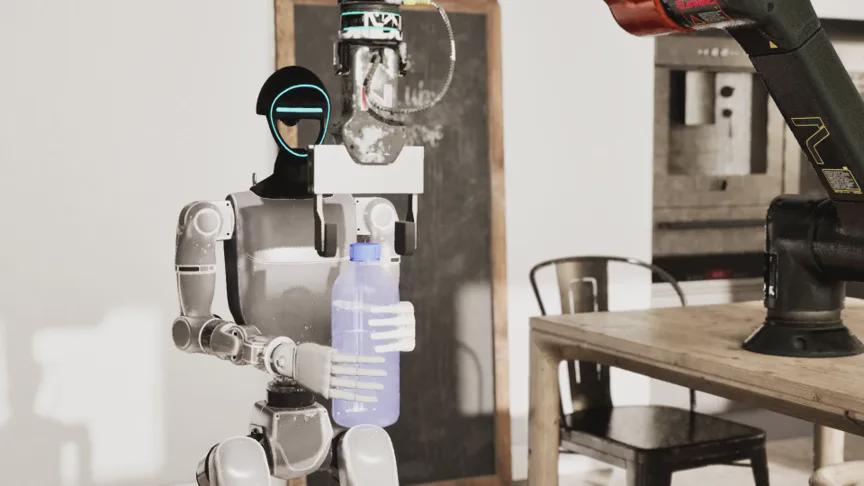
Robots Face Data Shortage Despite Establishment of Hundreds of Training Centers
The rapid increase in robot model parameters has not been matched by the availability of high-quality physical interaction data. Current compliant data in China stands at only 500,000 hours, while commercial deployment requires tens of millions of hours, resulting in a gap exceeding 99%. The China Academy of Information and Communications Technology indicates that embodied intelligence models need at least tens of millions of hours of data to reach a 'ChatGPT moment', yet globally available high-quality data is still far from sufficient. The scarcity of data is not due to a lack of collection efforts; approximately 100 embodied intelligence data collection centers have emerged in China over the past two years. However, the data collected is often of poor quality, incompatible formats, and not reusable across different projects. The high cost of collecting real machine data, estimated at around 275 yuan per hour for effective data, exacerbates the issue, making it a rare and expensive resource. As over 70 training centers are operational and more than 40 are under construction, concerns about the quality of data collected persist. Some reports describe the business model of these centers as 'circular financing', where robot companies sell machines to government-built data centers and then funnel money back under the guise of data procurement. No further timeline was disclosed at the time of publication.
Embodied Intelligence Data Collection Robotics Training AI Standards
Underwater Robotics Sees Surge in Investment After Years of Quiet Growth
The underwater robotics sector, which has seen minimal activity over the past decade, is experiencing a significant increase in investment. In the first nine months of 2026 alone, 123 financing events were recorded in the marine economy, nearing the total of 125 for all of 2025. This surge is marked by notable funding rounds, including over 1 billion yuan for Seawing Intelligent and 500 million yuan for Deep Sea Intelligence. This growth is crucial as it indicates a shift in the market dynamics for underwater robotics, with investments now flowing rapidly into the sector. The Chinese government has recognized deep-sea technology as a strategic direction, aligning it with other emerging industries. The increasing interest from venture capitalists and state-owned enterprises highlights the potential for innovation and commercialization in this field. Looking ahead, the underwater robotics market is expected to continue evolving, with various companies establishing themselves as key players. The recent funding rounds and government support signal a promising future for the industry. No further timeline was disclosed at the time of publication.
Underwater Robotics Investment Trends Marine Technology AI Deep-Sea Exploration
Pan-Asia Micro-Permeable Introduces New Products for Humanoid Robots in North America
On September 28, Pan-Asia Micro-Permeable addressed investor inquiries regarding developments in humanoid robots. The company is actively exploring investment opportunities in high-end sectors like embodied intelligence, leveraging its ePTFE core material platform to develop electronic skin substrates and high-flexibility robot cables. They have begun small-scale deliveries of high-flexibility cables to a leading North American humanoid robot client. This initiative is significant as it marks Pan-Asia Micro-Permeable's entry into the North American market, showcasing their commitment to innovation in robotics. The high-flexibility cables address reliability issues faced by traditional cables, which can break after millions of bends. Additionally, the electronic skin substrates are crucial for flexible sensors used in robotic hands, indicating a growing demand for advanced materials in robotics. Looking ahead, it will be important to monitor whether the North American client's orders can scale beyond the initial 100 units of dexterous gloves and if the high-flexibility cables can penetrate the supply chains of more robot manufacturers. No further timeline was disclosed at the time of publication.
Humanoid Robots Electronic Skin Durable Cables Embodied Intelligence
First Domestic Humanoid Robot Showcases Fully Localized Electronic Architecture
On September 28, the first humanoid robot featuring a fully localized electronic architecture was unveiled in Yichang, Hubei. This innovative architecture, developed by Dongtu Technology, serves as the robot's intelligent nervous system, integrating an operating system, network, software tools, and AI computing chips. The localized architecture is designed to enhance performance and security, offering advantages over traditional foreign solutions. The significance of this development lies in its potential to ensure data transmission and control security within robotics. The fully localized architecture aims to provide a robust safety framework for autonomous robot behavior, preventing disruptions in production and ensuring personnel safety. This initiative reflects a broader industry trend towards self-sufficiency and sovereignty in technology. Looking ahead, the key focus will be on the architecture's adaptability across various robotic platforms and its ability to meet commercial performance, power consumption, and development toolchain requirements. No further timeline was disclosed at the time of publication.
Humanoid Robots AI Robotics Safety Industrial Automation
Challenges in Creating Successful Robot Intellectual Properties for Theme Parks
On September 24, the world's first large-scale embodied intelligence theme park officially opened in Zhuhai, Hengqin, featuring over 300 robots and more than 100 interactive points. This park, developed by Zhiyuan and Changlong, showcased the largest-scale human-robot performances and the world's first robot aerial acrobatics. Despite the rising popularity of robot performances in entertainment venues, theme parks face increasing profitability pressures due to high operational costs, particularly labor expenses. The financial strain is evident in parks like Kaifeng's Qingming Riverside Landscape Garden, where revenues show slight growth but profits have declined significantly. Labor costs are projected to rise sharply, with direct labor expenses increasing nearly 77% from 2023 to 2025. In contrast, the cost of humanoid robots is expected to decrease significantly, potentially making them a more economical option than human NPCs or large animals in theme parks. As the competition for intellectual properties (IPs) in theme parks evolves, the current trend shows that many robot IPs remain superficial, lacking depth in storytelling and character development. For a robot IP to succeed, it must offer ongoing interactive narratives and character growth, which may not necessarily be cheaper than developing human NPCs. The emergence of embodied intelligence provides new opportunities for IP competition but does not replace the fundamental importance of content in the entertainment sector.
Theme Parks Robotics Entertainment Technology IP Development
Zhuji Power and Dongtu Technology Unveil China's First Humanoid Robot with Domestic Electronics
On September 28, 2026, Zhuji Power and Dongtu Technology launched China's first humanoid robot equipped with domestic electronic architecture in Yichang, Hubei. This robot marks a significant advancement in integrating domestic industrial-grade real-time communication capabilities within complex humanoid robotic systems. The importance of this development lies in its potential to enhance the robot's ability to operate autonomously in complex real-world scenarios. Effective communication within the robot's system is crucial for processing the vast amounts of information generated by perception, decision-making, and motion control, directly impacting control precision and task safety. Looking ahead, the focus will be on whether this domestic electronic architecture can be effectively implemented across more robotic platforms, and whether its performance, power consumption, and development toolchain can meet commercial requirements. No further timeline was disclosed at the time of publication.
Humanoid Robots Domestic Electronic Architecture Industrial Automation AI Technology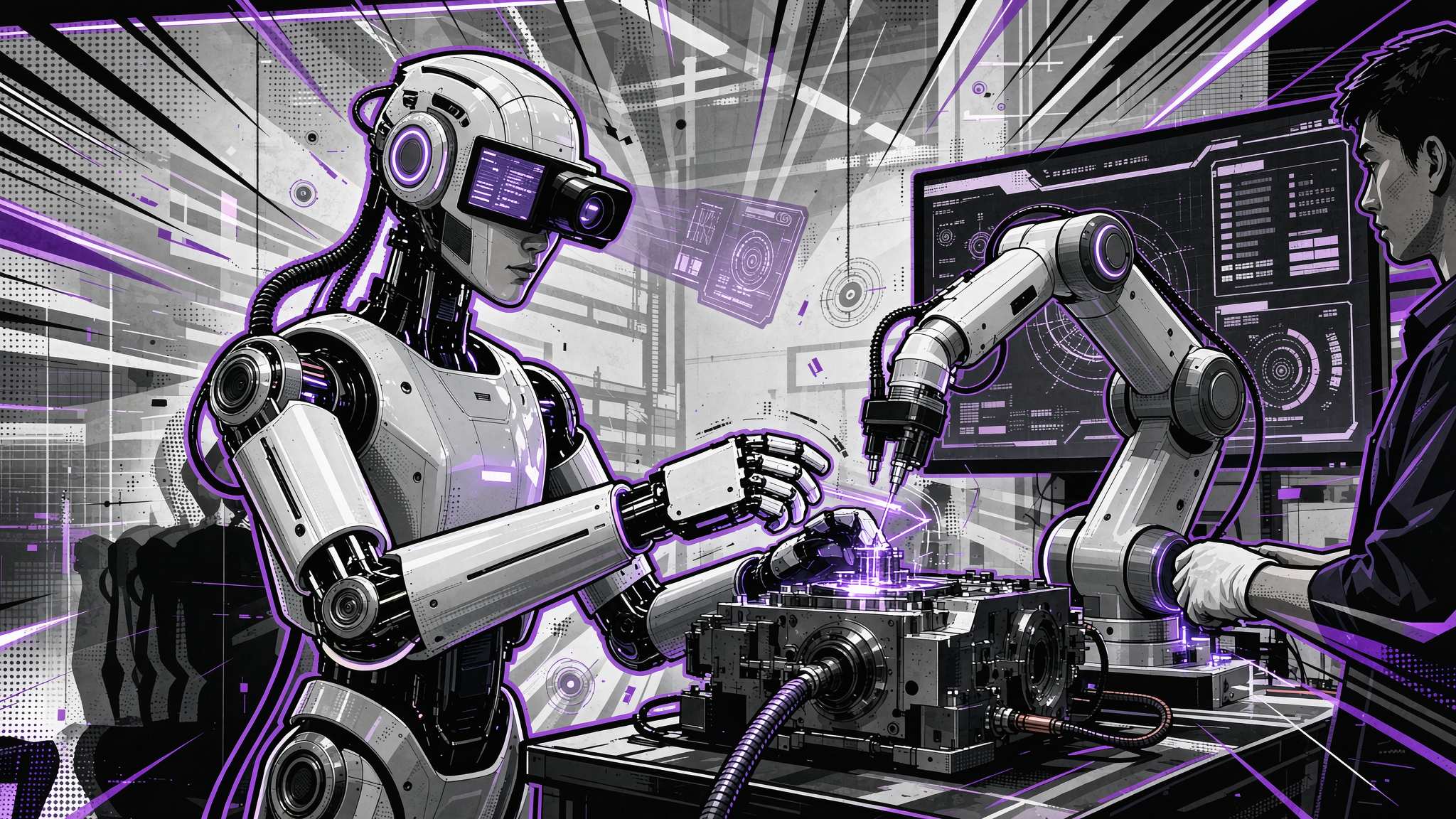
Surge in Humanoid Robot Sales Driven by High-Performance Models, Reports Frost & Sullivan
Sales of humanoid robots are experiencing a significant surge, primarily driven by high-performance models, according to a recent report by Frost & Sullivan. The report, released on September 28, indicates a shift in the industry from technology validation and small-scale deliveries to large-scale production and commercialization. Notably, revenue is increasingly concentrated among a few high-intelligence, high-priced models. The report forecasts that global humanoid robot sales will reach 35,000 units in 2025, generating $500 million in revenue, with sales in the first half of 2026 expected to surpass 36,000 units and $540 million in revenue. The data reveals that embodied intelligent humanoid robots will account for 8,800 units sold in 2025, representing about 25% of total sales but generating 75% of revenue, highlighting the growing demand for advanced models. Looking ahead, the report emphasizes the importance of production operations transitioning from pilot validation to paid deployment, which could significantly impact revenue generation. As the market expands, the speed of delivery from leading manufacturers like UBTECH is being outpaced by market growth, indicating a potential shift in competitive dynamics. No further timeline was disclosed at the time of publication.
Humanoid Robots Market Trends AI Robotics Industry
Qiteng Robotics Unveils 'Yuan Yu Zhi Xun' Intelligent Platform with 10,000 Solutions Deployed
Recently, Qiteng Robotics held a launch event for its brand at the Chongqing Yuelai International Conference Center. During the event, the company introduced its first industrial-grade embodied intelligence platform, 'Yuan Yu Zhi Xun', developed by Shengtong Energy, a publicly listed company under Qiteng Robotics. This platform integrates advanced technologies to create a closed-loop system connecting virtual simulations with real-world operations, enhancing efficiency and reducing costs in industrial applications. The significance of this platform lies in its ability to streamline operations by minimizing on-site debugging time and improving decision-making efficiency. Utilizing proprietary technologies like RoboTwin Cloud and Sim Studio, the platform continuously evolves through real-time data feedback, optimizing algorithms and operational strategies. This innovation aims to make equipment smarter and more stable in real-world scenarios, with plans to gradually open-source its capabilities for broader industry collaboration. At the launch, two new robotic products were showcased, including the X5 explosion-proof quadruped robot and the L3 explosion-proof wheeled robot, both designed for complex industrial environments. Qiteng Robotics has served over 6,000 clients globally, deploying more than 10,000 industry solutions and achieving over 8 million hours of safe operational runtime. The company aims to expand its safety inspection solutions to 100 countries by 2030, addressing various industrial safety scenarios.
Industrial Robotics Intelligent Automation Explosion-Proof Robots AI Technology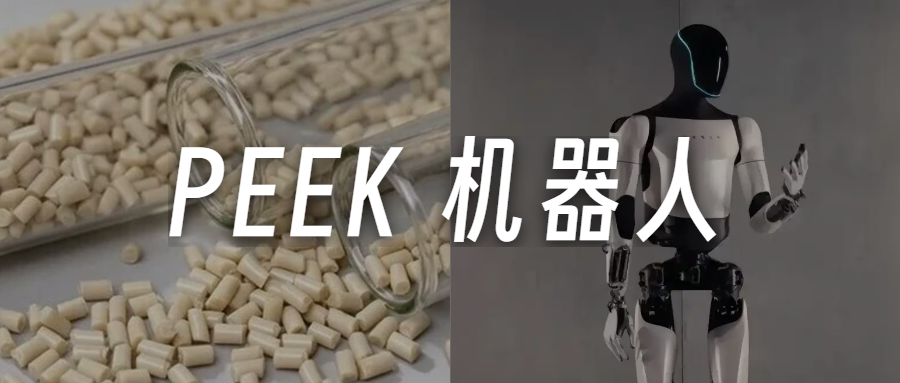
PEEK Demand Projections Amid Humanoid Robot Development Raise Industry Questions
On September 24, Barclays analyst Katie Richards projected that by 2030, the demand for PEEK could increase by approximately 10,000 tons due to the anticipated production of one million humanoid robots, with each robot consuming around 10 kilograms of PEEK. This projection has put European PEEK leaders Victrex, Evonik, and Syensqo in the spotlight. However, a contrasting view was presented by Yu Fei, General Manager of Robotics at Jinfa Technology, who claimed that much of the current application of PEEK in embodied intelligence is exaggerated. The divergence in perspectives highlights a significant trend in the humanoid robot materials narrative, where capital market expectations appear to outpace actual industry developments. Barclays' estimate of 10,000 tons of PEEK demand is based on optimistic assumptions, while Yu Fei's remarks suggest a more cautious approach, indicating that the actual usage of PEEK in humanoid robots may be overstated. Looking ahead, the industry must reconcile these differing forecasts. Barclays' projection relies on a highly optimistic shipment estimate of one million humanoid robots, while more neutral estimates suggest a range of 250,000 to 350,000 units by 2030. No further timeline was disclosed at the time of publication.
Humanoid Robots PEEK Materials Robotics Technology Material Science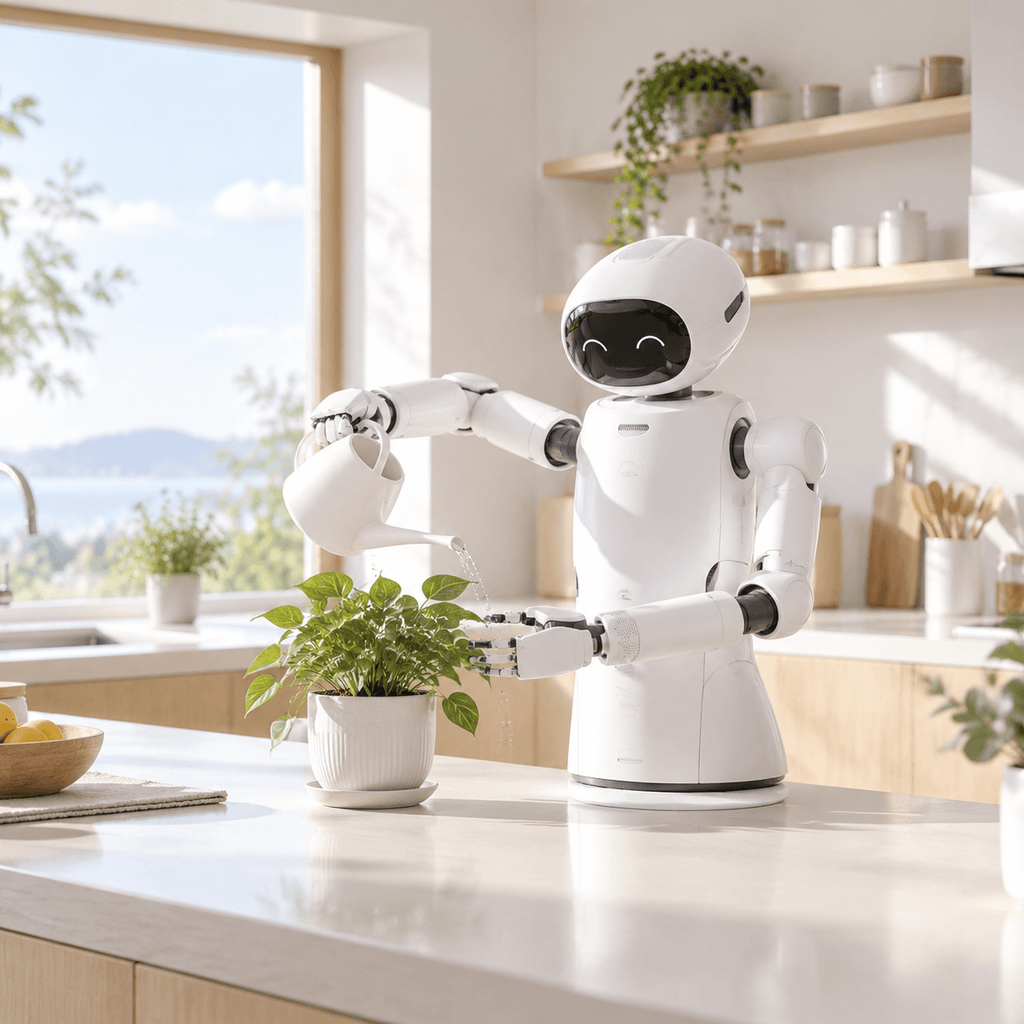
Knowin Releases Technical Report on GLOW Framework for One-Shot Robot Learning
Knowin, an embodied AI company, has released a technical report detailing GLOW, a generative learning framework designed for home robots. This innovative framework enables robots to learn tasks from a single human demonstration, achieving a performance score of 62.2% on RoboDojo and 86.7% on LIBERO-Pro under its specific settings. The significance of GLOW lies in its potential to enhance the efficiency of robot training, allowing for quicker adaptation to user needs. By enabling one-shot learning, GLOW could reduce the time and effort required for programming robots, making them more accessible for everyday use in homes and other environments. Looking ahead, the robotics community will be keen to observe further developments from Knowin regarding GLOW's applications and improvements. No further timeline was disclosed at the time of publication.
China Dominates Global Humanoid Robot Shipments with 77.9% Share in H1 2026
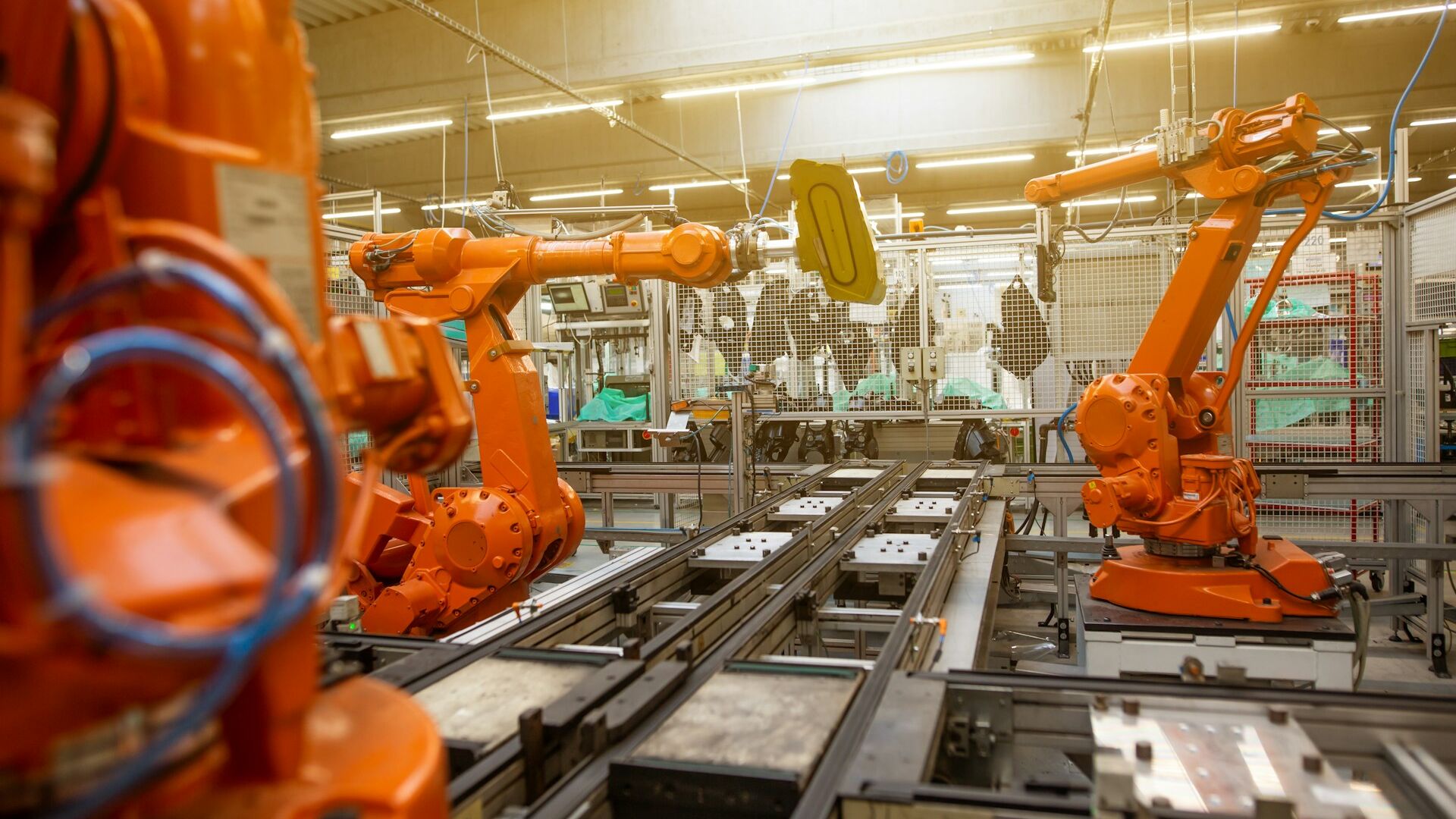
In the first half of 2026, China shipped over 19,000 humanoid robots, representing 77.9% of the global total of nearly 25,000 units. This marks a significant increase of 432.1% year over year in global shipments, highlighting China's leading role in the humanoid robotics market. The surge in shipments underscores the growing demand for humanoid robots, with China at the forefront of this trend. IDC's data indicates a robust market expansion, reflecting advancements in technology and increased adoption across various sectors. Looking ahead, IDC has revised its forecast for global humanoid robot shipments, projecting over 750,000 units by 2030. This anticipated growth signals a continued evolution in the robotics industry, with China likely maintaining its dominant position in the market.
News Feed
DYNA Robotics Introduces DYNA 2.1 Semi-humanoid Robot for Complete Workflow Automation
DYNA Robotics has launched the DYNA 2.1, a semi-humanoid robot designed to complete full workflows, including tasks typical of a commercial laundry shift. This innovative robot features a proprietary upper torso with two arms that can be equipped with either parallel-jaw grippers or dextrous hands, allowing it to effectively reach and manipulate various objects. The significance of the DYNA 2.1 lies in its advanced design, which incorporates four steerable wheels that enable stable movement without the risk of toppling over. This capability enhances its operational efficiency, making it suitable for various automated tasks in commercial settings, particularly in the laundry industry. Looking ahead, the deployment of the DYNA 2.1 could signal a shift in how automation is integrated into workflow processes. As industries increasingly adopt robotic solutions for efficiency, the performance and adaptability of the DYNA 2.1 will be crucial to watch in the evolving landscape of commercial automation. No further timeline was disclosed at the time of publication.

Greenfield Robotics Launches Public Share Offering to Raise $18.6 Million
Greenfield Robotics, based in Kansas, has initiated a public share offering aiming to raise up to $18.6 million through a Regulation A+ offering on StartEngine. The company currently operates 82 autonomous robots across 16 states, which mechanically cut weeds to replace herbicides. As of now, over $428,000 has been raised from investors. This offering is significant as it comes amid increasing legal and regulatory pressures on traditional herbicides, which Greenfield's robots are designed to replace. The company has sold out its 2026 season, generating over $1 million in robot sales. With a growing number of shareholders, Greenfield is positioned to expand its autonomous platform to include additional agricultural tasks in the future. Looking ahead, Greenfield plans to enhance its robots' capabilities by adding tasks such as feeding crops at night, seeding, and planting cash crops. The company has also shifted its commercial model from pay-per-use to outright sales, with a lease option expected to be announced soon. No further timeline was disclosed at the time of publication.
Field robots automation autonomous farm equipment investment mechanical weeder robotic harvesting
Zhiyuan Robotics Launches AI Company in Hengqin with 5 Million Yuan Capital Investment
Zhiyuan Innovation (Guangdong Hengqin) Technology Culture Co., Ltd. has been established with a registered capital of 5 million yuan. The company focuses on the research and development of intelligent robots, sales of intelligent robots, and the development of artificial intelligence software. It is fully owned by Zhiyuan Robotics' associated company, Zhiyuan Innovation (Shanghai) Technology Co., Ltd. The establishment of this company in Hengqin is significant due to the region's status as part of Guangdong's Free Trade Zone and its special arrangements for cross-border policies, tax incentives, and talent introduction. Zhiyuan's focus on intelligent robotics and AI software development aligns with its previous collaboration with Chimelong Group to create a large-scale intelligent theme park, which features over 300 robots providing various services. No further timeline was disclosed at the time of publication. The new company in Hengqin is expected to enhance Zhiyuan's operations in the Guangdong-Hong Kong-Macao Greater Bay Area, particularly in the cultural tourism sector, where it can integrate operations, content development, and local partnerships effectively.
Intelligent Robots AI Software Development Cultural Technology Tourism Innovation
Faraday Future's Robotics Division to Merge with AIxC for NASDAQ Listing at $200 Million Valuation
Faraday Future announced that its robotics division will merge with NASDAQ-listed AIxC, aiming for an independent public listing with a valuation of $200 million. This move is part of Faraday Future's strategic upgrade to focus on a Robotaxi shared network and Physical AI investments. The merger signifies a pivotal transition for both companies, as Faraday Future aims to enhance the value of its robotics business while AIxC restructures to become a pure embodiment of intelligent robotics. The transaction is subject to final agreements and regulatory approvals, with an 18-month lock-up period for shares in the robotics division. Looking ahead, Faraday Future projects significant growth in its robotics business, targeting positive cash flow by Q3 2028 and total revenue of $7.1 million by 2026. The company also plans to expand its robotics ecosystem and enhance its automotive strategy, transitioning from an EAI manufacturer to a Robotaxi operator, while continuing to innovate in the robotics sector.
Robotaxi EAI Robots Physical AI Automotive Technology
Industrial-Grade End Effectors Like Two-Finger Claw Now Standard in Teaching Robots
The integration of industrial-grade end effectors, such as the Two-Finger Claw, into educational robotics is becoming increasingly common. This trend signifies a shift towards more advanced and capable teaching tools in classrooms, enhancing the learning experience for students. The adoption of these sophisticated robotic components is crucial as it bridges the gap between theoretical knowledge and practical application. By utilizing high-quality end effectors, educators can provide students with hands-on experience that mirrors real-world industrial scenarios, fostering a deeper understanding of robotics and automation. Looking ahead, the continued evolution of educational robotics will likely see further enhancements in end effector technology. No further timeline was disclosed at the time of publication.
Robotics Automation AI
Sharpa Launches Three Innovative Products at IROS to Enhance Robotic Precision
On September 28, Sharpa unveiled three innovative products at the International Conference on Intelligent Robots and Systems in Pittsburgh, USA. These include the D01 integrated tactile perception robot, the W02 ultra-compact and lightweight dexterous hand, and the AE01 high-fidelity exoskeleton tactile data glove. Each product targets specific operational needs, providing a complete hardware closed-loop for complex contact operations in real environments. The significance of these products lies in their ability to address the challenges of speed, power, and precision in robotic tasks. The D01 robot is designed for high-speed and high-precision operations, achieving a maximum end-effector speed of over 10.5 meters per second and a repeat positioning accuracy of 0.2 millimeters. The W02 hand integrates 21 active degrees of freedom in a compact structure, while the AE01 glove captures natural hand movements for precise teleoperation, enhancing the overall operational capability of robots. Looking ahead, the combination of D01, W02, and AE01 represents a complete operational capability closed-loop in embodied intelligence. This approach aligns with trends in the industry, where companies are focusing on integrating execution hardware, perception hardware, and data sources to improve robotic dexterity and responsiveness in various applications, including industrial collaboration and home services. No further timeline was disclosed at the time of publication.
Robotic Manipulation Tactile Sensing Haptic Technology Robotic Hands
ETRI's Medical Humanoid Robot Interface NAMI.I Receives IDEA Design Award in 2023
The Electronics and Telecommunications Research Institute (ETRI) of South Korea announced that its medical humanoid robot interface, NAMI.I, has won the prestigious IDEA Design Award. This recognition highlights ETRI's commitment to developing user-centered robotic interfaces, following its previous accolades for the MOBY collaborative robot. NAMI.I allows healthcare professionals to assign tasks to the NAMI humanoid robot without needing to learn complex programming or specialized operation methods. This user-friendly interface is expected to lower the barriers for healthcare workers, enhancing the deployment of humanoid robots in real medical environments rather than just in labs. ETRI plans to demonstrate NAMI.I at Kyung Hee University Dongshan Hospital, where healthcare staff will use the robot directly. Researchers will analyze its convenience and gather feedback to improve usability and stability, paving the way for the commercialization of medical humanoid robots. No further timeline was disclosed at the time of publication.
Humanoid Robots Medical Robotics User Interface Design Healthcare Technology
Shenzhen Luohu District Launches Integrated Humanoid Robot Football Competition and Training Initiative
On September 28, the Luohu District of Shenzhen announced the launch of the first Luohu Cup, an integrated program for humanoid robot football competitions and training, held at Cuiyuan Middle School. This initiative, organized by the Luohu District Education Bureau and supported by Zhiyin Technology and Beijing Accelerated Evolution Technology, aims to enhance AI education in primary and secondary schools through a hands-on, competitive approach. The program emphasizes the importance of embodied intelligence in education, moving beyond theoretical learning to practical applications. By utilizing humanoid robots in football, students will engage in real-world challenges that foster skills in perception, decision-making, and teamwork. The initiative will establish 20 pilot schools, focusing on training over competition, with a goal of developing over 100 certified personnel to support the event. The inaugural Luohu Cup is scheduled to commence in December 2026, with finals and awards in January 2027, leading to the national robotics competition in May 2027. The Luohu District Education Bureau believes that mastering the integration of competition, training, and evaluation will set a new standard for experiential learning in the region.
Humanoid Robots AI Education Robotics Competitions STEM Education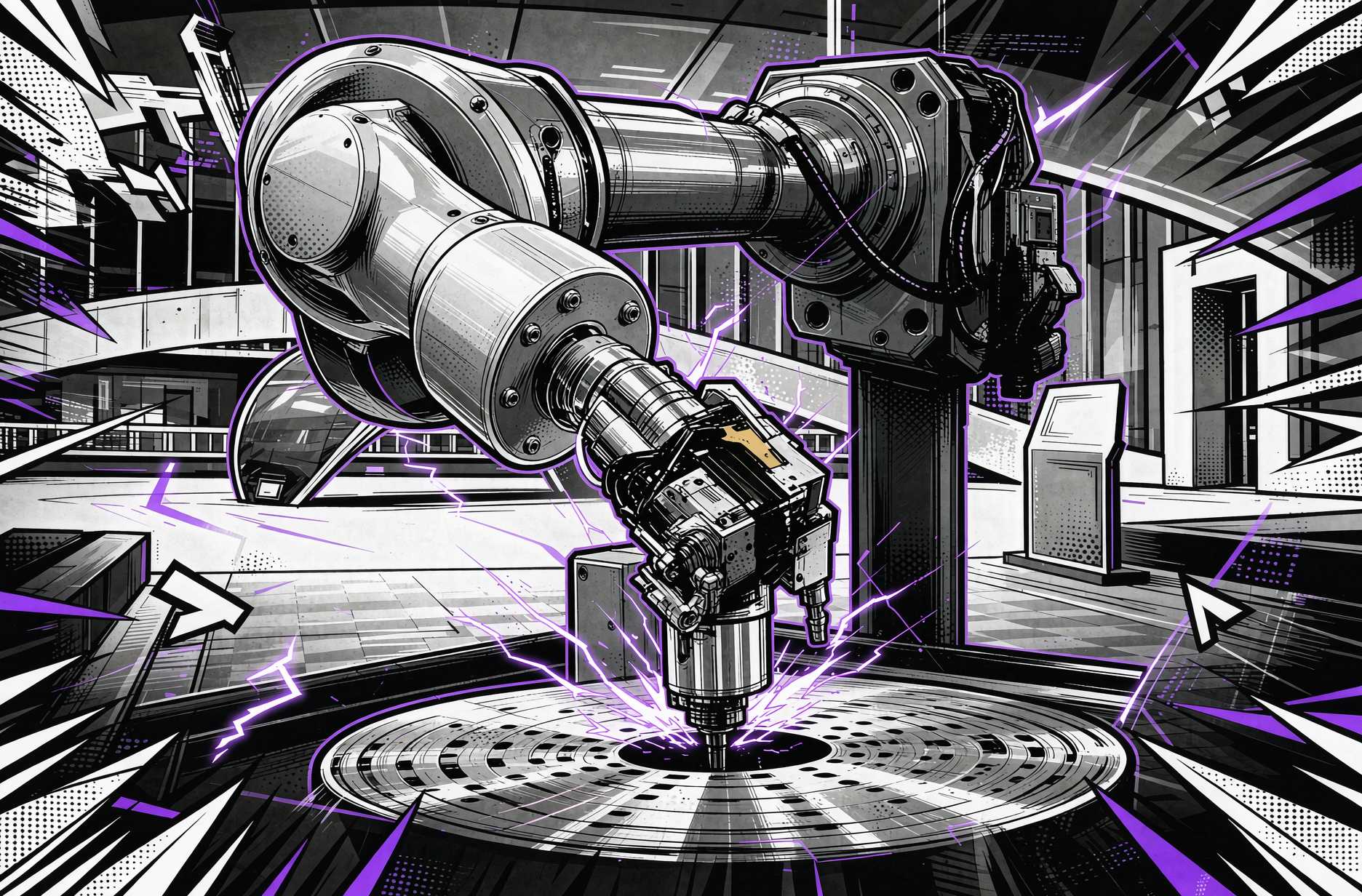
Sanctuary AI and Skild Collaborate to Enhance Industrial Robots with Physical AI
In September, the robotics industry witnessed contrasting developments. On September 10, Skild, a U.S. robotics modeling company, announced its collaboration with NVIDIA and Foxconn to deploy models on dual-arm robotic arms for precise assembly in the Blackwell system. Four days later, Danish collaborative robot manufacturer Universal Robots unveiled a new generation platform designed to facilitate the integration of cameras, sensors, and AI applications into robotic arms. This evolution is significant as it highlights the shift towards enhancing existing robotic systems with advanced AI capabilities rather than waiting for humanoid robots to achieve commercial viability. Sanctuary AI, a Canadian company developing the Phoenix humanoid robot, revealed its strategy to implement Physical AI on current and next-generation industrial robot platforms, achieving a task success rate exceeding 99.5% in a proof of concept with an automotive supplier. Looking ahead, companies like Sumitomo Electric and Yaskawa are exploring the integration of AI into traditional robotic systems to handle complex tasks that still require human judgment. The focus is on adapting control systems and interfaces to improve the robots' ability to interact with variable components, such as soft wire harnesses, which present unique challenges in manufacturing processes. No further timeline was disclosed at the time of publication.
Physical AI Industrial Robotics Automation Technology Robotic Arms
Drones and Robots Transform Renewable Energy Operations with Inspection and Maintenance Solutions
Skysys Intelligent Technology is pioneering the integration of drones and robots for renewable energy operations, particularly in inspection and maintenance tasks. Traditional methods of inspecting photovoltaic panels are labor-intensive and hazardous, but Skysys' systems have been deployed at over 1,400 renewable-energy sites, covering more than 40 GW of installed capacity. The collaboration between drones and robots is significant as it enhances efficiency and safety in the renewable energy sector. By automating inspections and maintenance, Skysys addresses the challenges of manual inspections, which can be time-consuming and risky. The company has raised over RMB 100 million in funding to further develop its renewable-energy robots and expand their applications in urban environments. Looking ahead, Skysys is focusing on evolving its product line from inspection to maintenance, recognizing that identifying issues is only part of the solution. The introduction of maintenance robots aims to improve operational efficiency in solar and wind energy sectors, marking a shift towards more comprehensive solutions in renewable energy infrastructure. No further timeline was disclosed at the time of publication.
Heavy Hitters
MIT Engineers Develop Paper-Thin Muscle-Powered Robot for Swimming Through Water
MIT engineers have unveiled a groundbreaking design for a paper-thin, muscle-powered swimming robot, as detailed in the journal Advanced Functional Materials. This innovative aquabot features a gel film skeleton and live muscle cells that respond to light, enabling it to swim through water by flapping its fins. The robot can swim a distance of about four times its body length in one minute, showcasing its potential for efficient movement. The significance of this development lies in its potential applications for biohybrid robots, which could perform delicate tasks in environments unsuitable for traditional hardware. The design is less bulky than previous models, making it cheaper to produce and more efficient in movement. The research highlights the advantages of using living muscle tissue, which is soft, responsive, and capable of self-healing, in robotic applications. Looking ahead, the team aims to further optimize the muscle movements and skeleton design to enhance the robot's capabilities. The study's findings could pave the way for future advancements in biohybrid robotics, expanding their use in various fields where conventional robots may struggle.
Bioinspiration Biological engineering Cells Mechanical engineering Research School of Engineering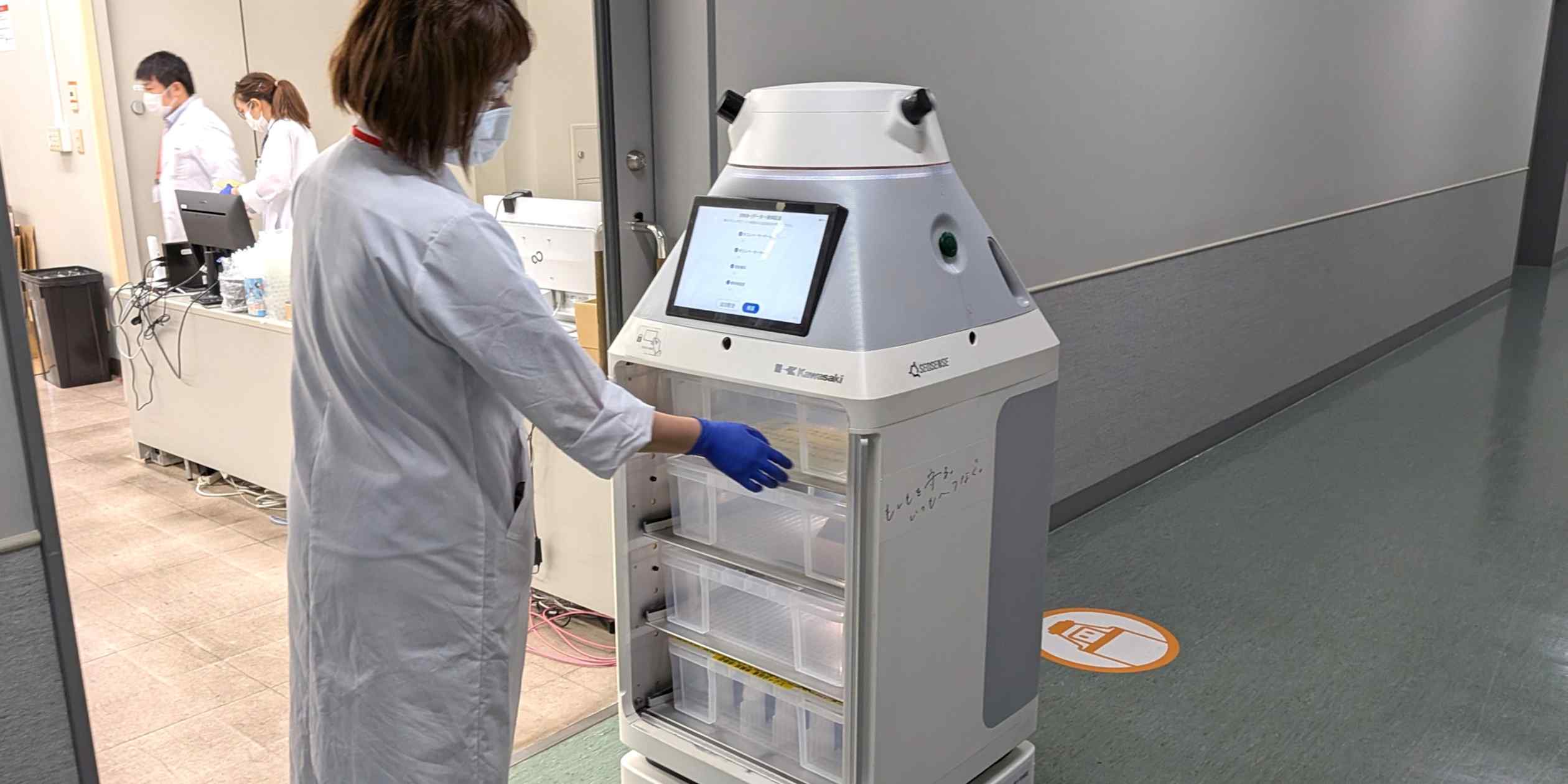
Kawasaki Heavy Industries' Hospital Robots Save 2,700 Work Hours in Japan
Kawasaki Heavy Industries has initiated mass production of hospital robots designed to transport medical samples and medications, significantly saving labor hours. These robots have collectively saved 2,700 hours of work, addressing the labor shortages faced by healthcare institutions in Japan. The introduction of these robots is crucial as Japan's healthcare sector grapples with a labor crunch, making automation a vital solution for improving operational efficiency. By utilizing robots for tasks such as delivery and cleaning, hospitals can allocate human resources to more critical areas of patient care. Looking ahead, the continued deployment of Kawasaki's robots in healthcare settings will be essential to monitor. Their impact on alleviating labor shortages and enhancing service delivery in hospitals will be a key area of interest as the industry evolves. No further timeline was disclosed at the time of publication.
Bauhaus Implements XYZ Robotics' Automated Inbound Logistics System in Krefeld
Home-improvement retailer Bauhaus has successfully deployed an automated inbound logistics system from XYZ Robotics at its logistics center in Krefeld, Germany. This system integrates container unloading, carton identification, and palletizing into a single automated line, marking the first European deployment of XYZ Robotics' fully automated inbound system in a live production environment. The significance of this installation lies in its ability to streamline operations that traditionally require extensive manual handling. Container unloading is often a challenging aspect of warehouse automation due to the variability in carton dimensions, weight, and stacking patterns. By combining robotic unloading with downstream identification and palletizing, XYZ Robotics has created a cohesive solution that enhances efficiency in Bauhaus' logistics operations. Looking ahead, the Krefeld installation not only strengthens XYZ Robotics' foothold in the European market but also exemplifies the growing trend of robotic automation in warehouse operations. The system is currently operational, supporting Bauhaus' daily inbound logistics, with no further timeline disclosed at the time of publication.
Robotics needs a service framework.
RSF defines a common language for robot service capability, lifecycle operations, certification pathways, and service-provider networks.
Join the RobotToday community on LinkedIn
Daily robotics news, in-depth analysis, conference highlights, and discussions with professionals worldwide.







