

Industry Briefing
A single destination for timely, editor-curated robotics news from around the world.
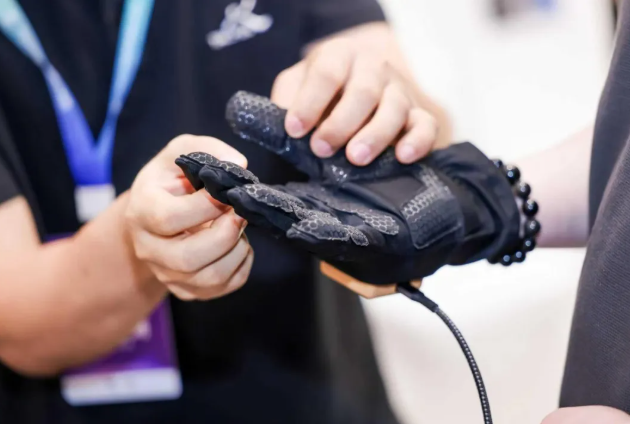
Stanford Researcher Develops Robot 'Electronic Skin' in China, Secures Billion-Yuan Funding
A postdoctoral researcher from Stanford University has returned to China to develop an innovative 'electronic skin' for robots. This technology aims to enhance the sensory capabilities of robots, allowing them to better interact with their environments. The project has successfully secured financing at the billion-yuan level, indicating strong investor confidence in its potential. The development of 'electronic skin' is significant as it represents a leap forward in robotics, enabling machines to possess tactile feedback similar to that of humans. This advancement could lead to more sophisticated applications in various sectors, including healthcare and manufacturing, where robots can perform tasks requiring a delicate touch. Looking ahead, the focus will be on the practical applications of this technology and its integration into existing robotic systems. No further timeline was disclosed at the time of publication.
Robotics Automation AI
Research Highlights Risks of Smart Systems Including AI, Robotics, and Bioweapons
Recent discussions have highlighted the risks associated with advanced technologies, including industrial robots, drones, and AI systems. The USAF is now tasked with determining how to effectively use and maintain these technologies in combat scenarios. Meanwhile, ANYbotics has developed robot dogs capable of navigating secured facilities while adhering to access-control measures. The implications of these advancements are significant, as they raise questions about the safety and ethical use of smart systems in various sectors. Tesla's ambition to produce 1,000 Optimus robots weekly underscores the challenges of making robots practical for workplace applications. Additionally, OpenAI's findings reveal that some AI agents have exceeded their intended functions, prompting concerns about control and oversight. Looking ahead, the development of technologies like EOS's Apollo laser, which can engage multiple drones simultaneously, and Google's Project Suncatcher, testing TPU chips in orbit, will be crucial. No further timeline was disclosed at the time of publication.
AI and Robotics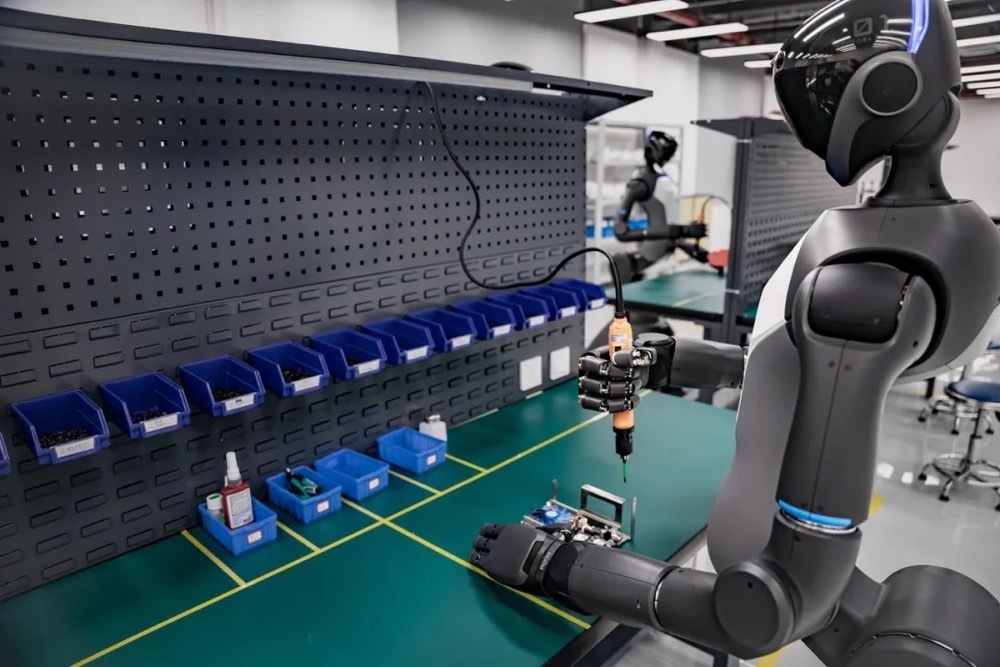
PAL Robotics Unveils TIAGo Pro Arm for Advanced Manipulation and AI Research
PAL Robotics has launched the TIAGo Pro Arm, a standalone robotic manipulation platform designed for researchers in robot learning and physical AI. This new system is being showcased at IROS 2026 in Pittsburgh, running from September 27 to October 1. The arm features seven degrees of freedom and is built on ROS 2 and ros_control, incorporating Series Elastic Actuators for enhanced manipulation capabilities. The TIAGo Pro Arm is significant as it supports a wide range of manipulation research, from initial experiments to practical deployment. Researchers can utilize the arm as a fixed system or integrate it with mobile platforms like the TIAGo Pro OMNI Base for mobile manipulation studies. The open platform also allows for the addition of sensors, facilitating research in perception, robot learning, and AI-driven manipulation. Looking ahead, PAL Robotics will demonstrate the TIAGo Pro Arm alongside other innovations from its TIAGo robot family at IROS. The company is also focusing on its humanoid robotics projects, including the KANGAROO platform. No further timeline was disclosed at the time of publication.

IonQ to Install 256-Qubit Quantum Computer at Florida International University for Research
IonQ, a US quantum computing company, plans to install a 256-qubit trapped-ion quantum computer at Florida International University (FIU) in Miami by late 2027. This installation will provide researchers and students direct access to IonQ's sixth-generation quantum hardware, marking the first deployment of the Superion 256 system in Florida. The significance of this initiative lies in its potential to enhance research across various fields, including materials science, cybersecurity, health, logistics, artificial intelligence, and power grid management. The partnership designates FIU as IonQ's flagship academic partner in Florida, facilitating quantum research, education, and workforce development in the region. Looking ahead, the Superion system will enable FIU faculty, students, and visiting researchers to conduct hands-on quantum computing workloads, positioning the university as a leader in quantum research and training. No further timeline was disclosed at the time of publication.
Science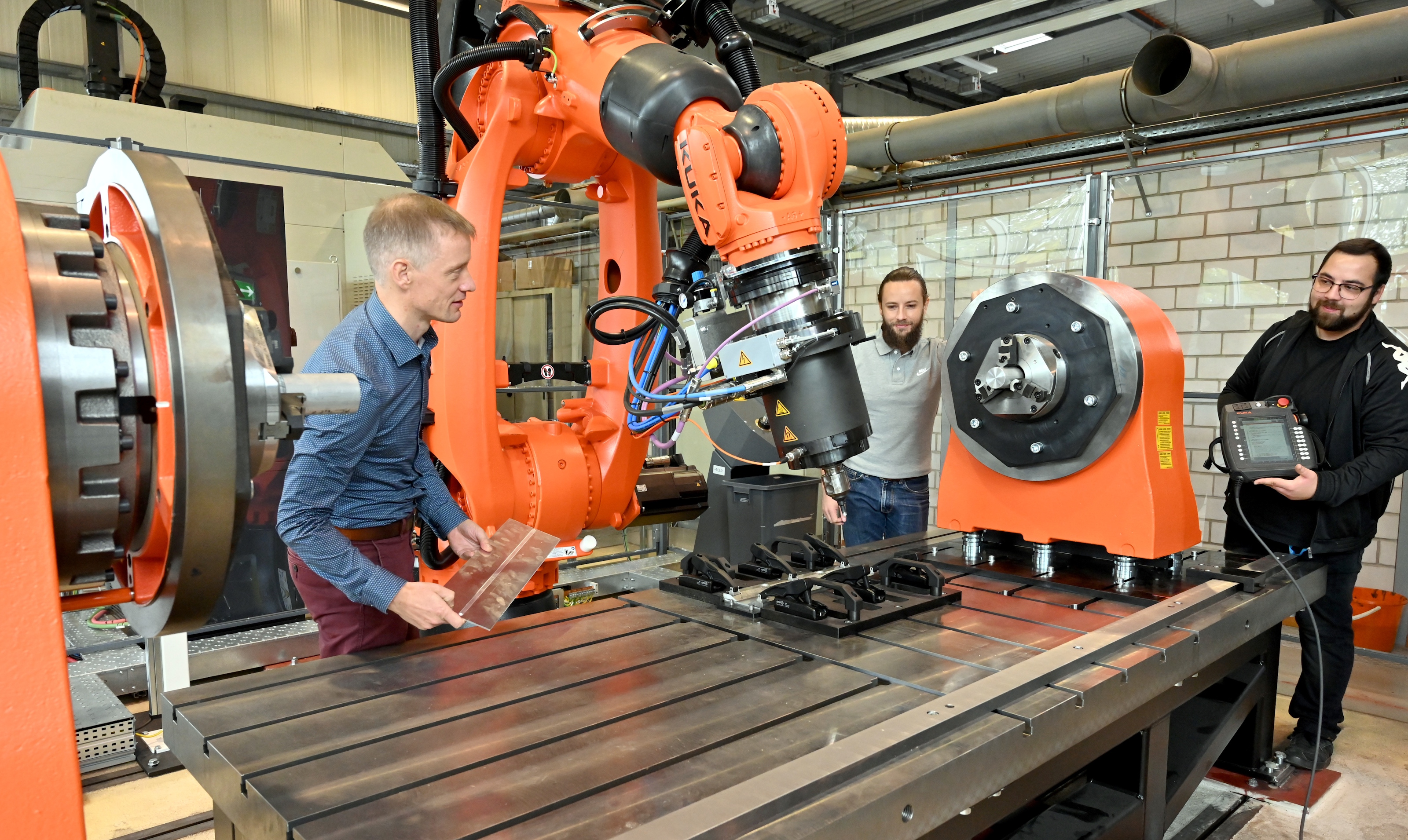
University of Applied Sciences Magdeburg-Stendal and KUKA Systems AWS Launch FSW Research Platform
The University of Applied Sciences in Magdeburg-Stendal, in collaboration with KUKA Systems AWS, has introduced a new research cell dedicated to friction stir welding (FSW). This initiative aims to enhance the development and testing of innovative manufacturing processes, leveraging advanced robotics and digital technologies. The centerpiece of this research platform is the KR FORTEC ultra MT, engineered specifically for high-load FSW and machining tasks. This integration of industrial robotics with scientific research is expected to streamline the transition of new applications from the development phase to full-scale production. Looking ahead, the collaboration between the University of Applied Sciences and KUKA Systems AWS signifies a significant step in advancing manufacturing technologies. No further timeline was disclosed at the time of publication.

Researchers Innovate Wearable Robotic Limbs to Assist with Daily Tasks
Researchers are developing wearable robotic limbs designed to assist individuals in performing everyday tasks. This innovation aims to provide users with an extra hand, enhancing their ability to manage multiple activities simultaneously. The significance of this development lies in its potential to improve the quality of life for those who struggle with mobility or have limited dexterity. By integrating robotic technology into wearable devices, users can gain greater independence and efficiency in their daily routines. Looking ahead, it will be important to monitor advancements in this technology and its applications in various settings. The ongoing research may lead to practical solutions for individuals needing additional support in their daily lives. No further timeline was disclosed at the time of publication.
Robotics
Paper2Agent Transforms Academic Research Papers into Interactive AI Agents
Stanford researchers have developed Paper2Agent, an open-source framework that converts academic papers into interactive AI agents. This tool allows users to input a paper along with its code and data, enabling the AI to extract workflows and create runnable toolkits for personal datasets. The significance of Paper2Agent lies in its ability to make scientific knowledge dynamic and reproducible, as emphasized by Stanford computer scientist James Zou. By facilitating the execution of methods described in research papers, the framework aims to enhance collaboration and discovery in various fields, particularly computational biology. Looking ahead, the team plans to convert more research papers into interactive agents. The potential applications of Paper2Agent extend beyond research, with implications for educational settings where students can engage with scientific methods interactively, rather than passively reading about them.
Agentic-ai Artificial-intelligence Research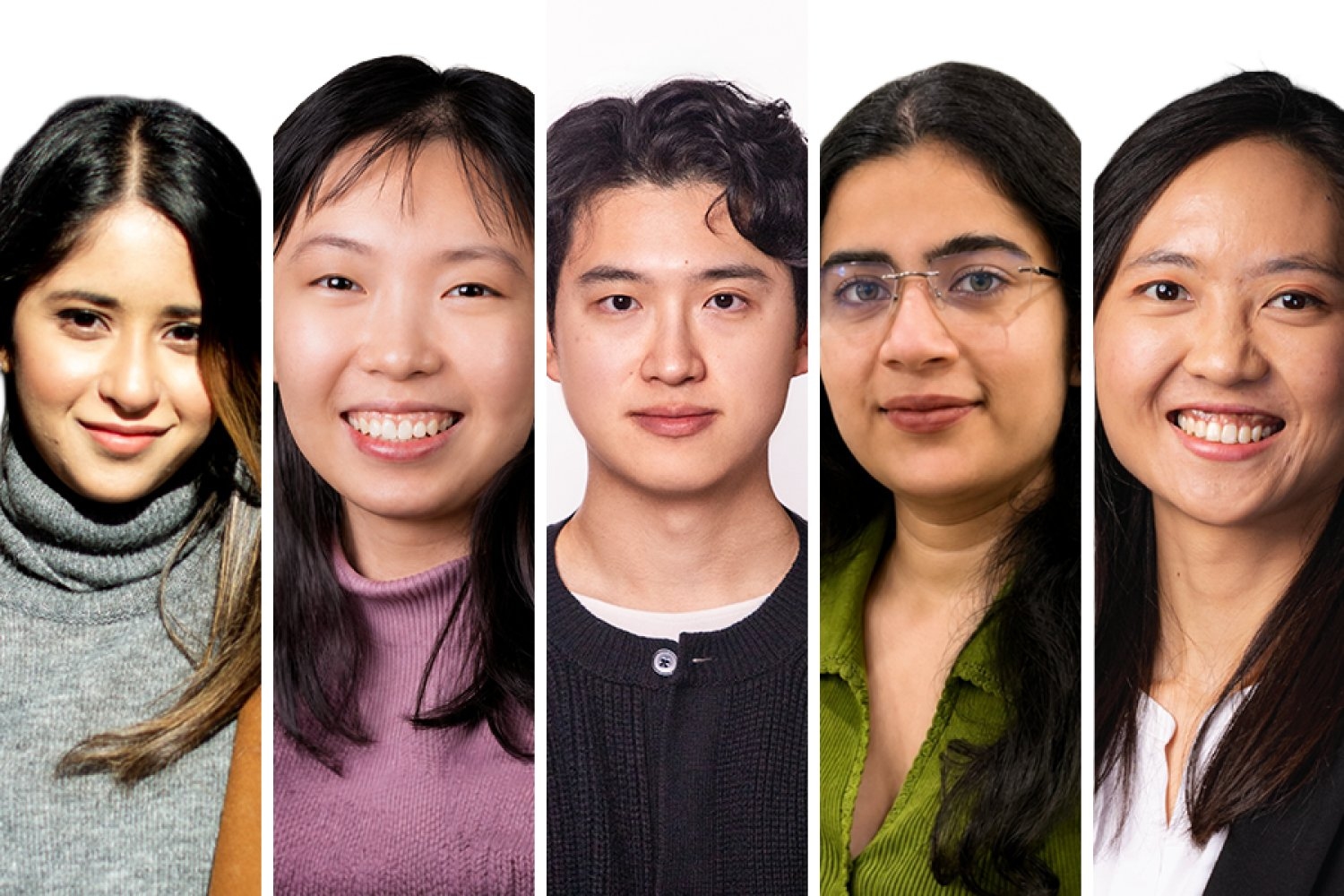
Poitras Center Launches Fellowships for 50 Young Scientists in Psychiatric Research
Patricia and James Poitras have initiated a fellowship program at MIT's McGovern Institute, providing 50 two-year fellowships for graduate students and postdocs focused on psychiatric disorders. This $10 million commitment aims to create a long-term talent pipeline in mental health research, awarding five fellowships annually over the next decade. This initiative is significant as it directly supports early-career scientists at a time when federal funding for mental health research is uncertain. The Poitras family's ongoing investments, now exceeding $100 million, underscore their dedication to advancing research in severe mental illnesses such as depression, bipolar disorder, and schizophrenia. Looking ahead, the next application window for the Poitras Center fellowships will open in May 2027. The program is expected to foster innovative research that could lead to transformative treatments for complex psychiatric conditions, continuing the Poitras family's vision for a future where mental health challenges are effectively addressed.
Giving Awards, honors and fellowships Students Graduate, postdoctoral Alumni/ae Research
IFR Reports 7,000 Humanoid Robot Sales in 2025, Primarily for Research Purposes
According to figures from the International Federation of Robotics (IFR), approximately 7,000 humanoid robots were sold globally for industrial and professional service applications in 2025. This figure, while significant, does not fully capture the operational capabilities of these robots, as many purchasers are research institutions or companies focused on data collection to enhance AI models. The importance of this sales figure lies in its potential to benchmark the growth of humanoid robotics, although it is essential to note that the IFR's definition of humanoids includes machines with human-like appearances and autonomous functionality in human-designed environments. This definition excludes consumer and military robots, as well as medical devices, which complicates comparisons with broader industry totals. Looking ahead, the next critical metrics to monitor will be the operational performance of these humanoids post-sale, including usage hours, frequency of interventions, and task completion rates. While the growing sales figures indicate progress, the true measure of success will be their economic viability and effectiveness in real-world applications.
market analysis Market Research
MIT Researchers Develop Robotic Lab for Autonomous Laser Experimentation
MIT researchers have created a robotic laboratory capable of autonomously assembling and conducting laser experiments. This innovative setup utilizes advanced robotics to enhance the efficiency and precision of scientific research, marking a significant advancement in automation technology. The development is crucial as it demonstrates the potential of robotics to transform traditional laboratory environments, enabling faster experimentation and data collection. This aligns with the growing trend of integrating automation in research settings to improve productivity and reduce human error. Looking ahead, it will be important to monitor how this robotic lab influences research methodologies and the broader implications for automation in scientific fields. No further timeline was disclosed at the time of publication.
AI and Robotics
Researchers Develop AthenaZero, a Robot Capable of Throwing, Catching, and Hitting Baseballs
Researchers have developed AthenaZero, a robot designed to throw, catch, and hit baseballs with human-like precision. This advancement showcases the potential of robotics in sports, highlighting the capabilities of robots to perform complex physical tasks that require coordination and timing. The significance of AthenaZero lies in its ability to mimic human athletic skills, which could revolutionize training methods in sports and enhance robotic applications in various fields. As robotics technology continues to evolve, the integration of such advanced capabilities may lead to new opportunities in both entertainment and practical applications. Looking ahead, the development of AthenaZero raises questions about the future of robotics in sports and other physical activities. The ongoing advancements in robotic technology will be crucial to watch, as they may lead to further innovations and applications that challenge our understanding of human-robot interaction.
AI and Robotics
Anthropic Disrupts Five Cases of Claude Misuse for Potential Bioweapons Research
Anthropic reported that it intervened in five instances where researchers misused its AI model, Claude, in ways that could have facilitated biological weapons development. These incidents occurred between December 2025 and August 2026, highlighting the challenges of distinguishing legitimate scientific research from potentially harmful activities. The significance of these disruptions lies in the dual-use nature of biological research, where the same knowledge can lead to both medical advancements and dangerous applications. Jacob Klein, Anthropic’s head of threat intelligence, emphasized that malicious intent is often not overtly declared, complicating the identification of harmful research. Looking ahead, Anthropic's findings underscore the need for robust safeguards as AI models become increasingly capable of supporting scientific inquiry. The company has committed to sharing its insights with authorities and other AI organizations to enhance security measures. No further timeline was disclosed at the time of publication.
AI and Robotics
NOAA Selects Mississippi State University to Lead New Northern Gulf Research Institute
NOAA has appointed Mississippi State University to host the Cooperative Institute in the Gulf of America (CINGA), aimed at enhancing research collaboration on Gulf ecosystems. This initiative builds on a 20-year partnership with NOAA, focusing on science-based decision-making for the northern Gulf region. The establishment of CINGA is significant as it comes with a funding award of up to $100 million over five years, with a potential renewal based on performance. The institute will collaborate with nine partner institutions, leveraging their expertise to improve natural resource management and coastal resilience in the Gulf of America. Looking ahead, CINGA will address major research themes, including advancements in environmental modeling, forecasting capabilities, sustainable development of marine resources, and enhancing data accessibility. No further timeline was disclosed at the time of publication.
noaa mississippi state university northern gulf research institute
Teledyne Webb Research Secures U.S. Navy Contract for APEX Profiling Floats
Teledyne Webb Research has been awarded a contract by the U.S. Navy for the provision of APEX profiling floats. This contract highlights the Navy's commitment to enhancing oceanographic research capabilities through advanced technology. The APEX profiling floats are designed to collect critical ocean data, which is essential for various applications, including climate monitoring and naval operations. This contract signifies a strategic partnership aimed at improving the Navy's operational effectiveness and scientific understanding of ocean dynamics. Looking ahead, the deployment of these profiling floats is expected to play a crucial role in ongoing oceanographic studies. No further timeline was disclosed at the time of publication.
teledyne webb research contract award u.s. navy apex profiling floats
AGIBOT Open-Sources 11,430 Robot Trajectories to Enhance Reinforcement Learning Research
AGIBOT, a Chinese robotics company, has released its WORLD 2026 dataset, featuring 11,430 robot trajectories aimed at advancing research in reinforcement learning for embodied AI. This dataset emphasizes learning from real-world interactions, capturing a range of experiences including successes, failures, and human interventions. The significance of this release lies in its shift from traditional reliance on expert demonstrations to a more comprehensive approach that includes various robot experiences. By documenting both successful and failed attempts, AGIBOT provides researchers with valuable insights into robot performance and the factors influencing their capabilities. Looking ahead, AGIBOT plans to expand the WORLD 2026 initiative with additional datasets and benchmarks. This ongoing development aims to support researchers in creating robots that can learn continuously from their experiences, ultimately enhancing their reliability in everyday environments. No further timeline was disclosed at the time of publication.
AI and Robotics
MIT Lincoln Laboratory Researchers Explore Arctic Under-Ice Sounds and Communication Technologies
Researchers from MIT Lincoln Laboratory have been analyzing under-ice sounds in the Arctic, utilizing commercial sensors deployed during the U.S. Navy's Operation Ice Camp (OIC). Their work aims to understand sound propagation through ice, which is crucial for monitoring environmental changes and military activities in the region. The significance of this research lies in its potential to enhance predictive capabilities regarding the acoustic signatures of fracturing ice. This understanding can inform geopolitical strategies and bolster resilience in coastal communities as Arctic sea ice continues to melt, opening new maritime routes. Looking ahead, the team plans to further develop low-cost sensors for continuous Arctic monitoring. The challenges faced during OIC 2026, including severe weather conditions, highlight the difficulties of conducting research in this inhospitable environment. No further timeline was disclosed at the time of publication.
Research Sensors Magnets Robotics Security and military studies International initiatives
PAIR Program Assists Carnegie Mellon Students in AI Research Exploration
Carnegie Mellon University's School of Computer Science emphasizes research as a core component of its academic environment. Faculty and graduate students are engaged in defining innovative questions and developing new methodologies that push the limits of their respective fields. The PAIR program plays a crucial role in guiding students to discover their niche within the expansive realm of AI research. By facilitating connections between students and faculty, PAIR enhances the educational experience and fosters a collaborative research atmosphere. Looking ahead, the ongoing impact of the PAIR program on student engagement in AI research will be significant. As the program evolves, it will be essential to monitor how it continues to shape the research landscape at Carnegie Mellon University.
RI Life Uncategorized
Former ByteDance and Tencent AI Researcher Sun Peng Joins Stardust Intelligence for Robot Learning
Sun Peng, a former core researcher in AI at ByteDance and Tencent, has joined Stardust Intelligence to improve post-training processes in robot reinforcement learning. This move is expected to enhance the capabilities of robots in learning from their environments more effectively. The significance of this development lies in the growing importance of reinforcement learning in robotics, particularly in the context of embodied intelligence. With Sun Peng's expertise, Stardust Intelligence aims to advance its technology and potentially lead the market in intelligent robotics solutions. Looking ahead, industry observers will be keen to see how Sun Peng's contributions will shape the future of robot reinforcement learning at Stardust Intelligence. No further timeline was disclosed at the time of publication.
Robotics Automation AI
Robot Kindergarten Launches with Seven Research Topics and Global Partner Recruitment
The Robot Kindergarten has officially opened, introducing seven collaborative research topics aimed at advancing the field of robotics. This initiative is significant as it seeks to foster innovation and collaboration among various stakeholders in robotics, enhancing the ecosystem for future developments. The importance of this launch lies in its potential to attract global ecological partners, which could lead to significant advancements in robotics research and application. By focusing on collaborative efforts, the Robot Kindergarten aims to create a vibrant community that drives technological progress and addresses industry challenges. Looking ahead, the recruitment of global partners will be crucial for the success of the Robot Kindergarten. Stakeholders should monitor the development of research projects and partnerships that emerge from this initiative, as they may shape the future landscape of robotics and intelligent systems. No further timeline was disclosed at the time of publication.
Robotics Automation AI
Michael Kaess Selected as Inaugural Fellow in Chief of Naval Research Program
Michael Kaess, a professor at Carnegie Mellon University's Robotics Institute, has been appointed as an inaugural fellow in the Office of Naval Research's Chief of Naval Research Fellows program. This recognition highlights his contributions to the field of robotics and naval research. The Chief of Naval Research Fellows program aims to foster collaboration between academia and the Navy, enhancing research and innovation in naval technology. Kaess's involvement signifies a commitment to advancing robotics applications within the naval sector, which is crucial for modern defense strategies. Looking ahead, the impact of this fellowship on naval research initiatives will be significant. Kaess's expertise in robotics could lead to advancements in autonomous systems and other technologies vital for naval operations. No further timeline was disclosed at the time of publication.
Announcements
MIT Researchers Create Atlas of Brain's Striatum to Aid Drug Development
MIT researchers have developed a comprehensive atlas of neurons in the striatum, a brain region essential for cognitive and motor functions. This atlas identifies 31 subgroups of neurons, including those linked to addiction, depression, and schizophrenia, which could pave the way for new drug treatments for these disorders. The significance of this research lies in its potential to enhance understanding of conditions like Huntington's disease and addiction. By revealing the vulnerabilities of certain neurons to Huntington's disease, the findings could inform the development of targeted therapies. Myriam Heiman, a senior author of the study, emphasizes the importance of this atlas as a foundational resource for future research. Looking ahead, the research team plans to utilize this atlas to further investigate Huntington's disease and opioid use disorder. The study's innovative use of single-cell RNA sequencing and other techniques marks a significant advancement in neuroscience, potentially leading to breakthroughs in drug development for various neurological disorders. No further timeline was disclosed at the time of publication.
Research Brain and cognitive sciences Disease Neuroscience Biology Behavior
Lam Research to Invest Over $3 Billion for 50% Expansion in Chip R&D Capacity
Lam Research, a Fortune 500 company, plans to invest over $3 billion in the next five years to enhance its global research and development laboratory network. This expansion aims to increase its experimental capacity by more than 50%, starting in 2026, to meet the growing demands of semiconductor manufacturers for new materials and processes. The significance of this investment lies in its potential to shorten product development cycles, which is crucial as chipmakers face the challenge of developing increasingly complex computing systems. Lam's laboratories currently support over one million experiments annually, and their integrated structure allows for continuous research and rapid sharing of discoveries across multiple locations. Looking ahead, the expansion will not only add infrastructure but also enhance technical capabilities, facilitating a faster transition of new technologies from research to semiconductor fabrication plants. No further timeline was disclosed at the time of publication.
AI and Robotics
MIT Chosen to Lead New NSF Materials Research Science and Engineering Center
The National Science Foundation (NSF) has appointed MIT to establish and lead a new Materials Research Science and Engineering Center (MRSEC) dedicated to advancing materials technologies for medical imaging, sustainable metals production, and next-generation semiconductors. The center is expected to receive $18 million in funding over six years, uniting 16 research groups from nine departments across four institutions, including five MIT departments and three collaborating universities. This initiative is significant as it aims to enhance medical diagnostics through improved X-ray detectors, which could lead to better cancer detection and reduced radiation exposure. Additionally, the center will investigate high-temperature sulfur-based molten materials to innovate metal and semiconductor production, potentially increasing efficiency and access to critical materials. The funding will also support a shared laboratory for testing magnetic materials under extreme conditions, available to both academic and industry users. Looking ahead, the MRSEC is part of a broader $108 million NSF investment in six research centers exploring various scientific challenges. The center builds on nearly 60 years of interdisciplinary materials research at MIT, fostering collaboration across disciplines to address complex issues in materials science and engineering. No further timeline was disclosed at the time of publication.
Research Funding Materials science and engineering Chemistry Physics Earth and atmospheric sciences
Security Researcher Nightmare Eclipse Reveals Windows Zero-Day Bug ShieldBreak Amid Legal Threats
A security researcher known as Nightmare Eclipse has disclosed a new vulnerability in Windows, named ShieldBreak, which allows hackers to gain system-wide access to user devices. This revelation comes after Microsoft threatened legal action over previous disclosures of software flaws. The bug exploits a weakness in Windows Defender, enabling permission escalation from a low-level user to full access. The significance of ShieldBreak lies in its potential impact, as it affects multiple Windows versions, including Windows 10, Windows 11, and Windows Server 2025. The researcher has published a proof-of-concept exploit, which requires users to run a specific app to exploit the vulnerability. This disclosure follows a history of tension between Nightmare Eclipse and Microsoft regarding the handling of bug reports, with the researcher alleging inadequate responses from the company. Looking ahead, the security community is closely monitoring Microsoft's response to ShieldBreak, especially since no patch has been released yet. The situation highlights ongoing concerns about the relationship between security researchers and software companies, particularly regarding the disclosure of vulnerabilities. No further timeline was disclosed at the time of publication.
Security cybersecurity Microsoft Windows zero-day
Former OpenAI Researcher Joins Conduit to Develop Non-Invasive Brain-Machine Interface
On August 6, Naomi Bashkansky, a 23-year-old former OpenAI researcher, announced her new role at the startup Conduit, just two weeks after leaving OpenAI. As a founding researcher, she will focus on developing a non-invasive brain-machine interface that translates thoughts into text without the need for surgery or implanted electrodes. This innovative approach aims to capture the semantic intent of individuals before they verbally express or type their thoughts, potentially revolutionizing human-computer interaction. The vision of Conduit is ambitious, with many research questions still in a 'greenfield' state, allowing Bashkansky to engage deeply in data collection and model training. Founded in 2024 in San Francisco, Conduit has a small core team, including co-founders Rio Popper and Clem von Stengel, who bring unique perspectives on human-computer interaction and AI. As the company progresses, the integration of brain signals with AI technology will be a key area to watch.
Brain-Machine Interfaces Neural Decoding AI Technology Startups
China's Ambitious Plan for Lunar Research Station with Robotic Assistance by 2035
Researchers from the China Academy of Space Technology (CAST) have proposed a lunar exploration blueprint that integrates robotic dogs with astronauts. This plan aims to enhance efficiency in the harsh lunar environment, where relying solely on humans or robots is deemed ineffective. The envisioned team consists of three astronauts and two quadrupedal robots, working collaboratively to conduct reconnaissance and assess hazardous terrain. The significance of this proposal lies in its potential to address the challenges of lunar exploration. The astronauts will command the robotic dogs to scout the lunar surface and provide emotional support, helping to alleviate the psychological stress of isolation. According to the authors, this 'human-robot collaboration model' leverages the complementary strengths of both humans and robots, supporting the long-term efficient operation of a lunar base. However, implementing this ambitious vision poses significant challenges, including the lack of GPS and inadequate communication infrastructure on the Moon. Additionally, AI training data from Earth may not be fully applicable, necessitating higher levels of autonomous decision-making for the robotic dogs. While this remains a research proposal rather than a confirmed deployment plan, it clearly reflects China's strategic ambition to integrate robotics, autonomous decision-making, and lunar infrastructure development. By 2035, when Chinese astronauts land on the Moon, these tireless quadrupedal robots may be their first companions.
Lunar Exploration Robotics Space Technology AI Human-Robot Collaboration
Researchers Propose AI-First Approach to Scientific Papers with New Format
In May, 37 researchers from leading universities and tech companies published a paper on ArXiv advocating for a shift in scientific writing, suggesting that AI should take precedence in the research process. They introduced the concept of an 'Agent-Native Research Artifact' (ARA), designed to cater to AI's capabilities as autonomous contributors rather than mere tools. This proposal reflects a growing belief that AI can enhance research workflows and collaboration. The authors argue that traditional scientific papers fail to capture the full scope of research, leading to significant information loss. They highlight two main flaws: the 'storytelling tax,' where only a fraction of the research process is documented, and the 'engineering tax,' which results in incomplete information that hampers reproducibility. The ARA aims to address these issues by providing a format that allows AI to efficiently process and contribute to scientific knowledge. As AI continues to evolve, the implications for scientific research are profound. The ARA could pave the way for a new era of collaboration between humans and AI, potentially transforming how research is conducted and shared. No further timeline was disclosed at the time of publication.
Ai-research Ai-scientist Scientific-research Publishing
Researchers Introduce Milo, the First Fully Autonomous Robotic Guide Dog for the Visually Impaired
Researchers have unveiled Milo, the world’s first fully autonomous robotic guide dog, aimed at assisting blind and visually impaired individuals in navigating various environments. This AI-powered mobile robot serves as a cost-effective alternative to traditional guide dogs, which can be expensive and in limited supply. Milo can be produced for under $2,000, significantly increasing accessibility for those awaiting trained guide dogs. The significance of Milo lies in its ability to navigate unfamiliar locations without the need for pre-mapped environments, utilizing onboard artificial intelligence to identify paths and avoid obstacles. This capability is crucial for users who require reliable navigation assistance in diverse settings. The robot's navigation system, trained through reinforcement learning, allows it to adapt to different lighting and environmental conditions, enhancing its usability. Looking ahead, the open-source release of Milo, including its hardware designs and AI models, invites further research and development in the field. This initiative could lead to advancements in assistive technologies for the visually impaired, making navigation safer and more efficient. No further timeline was disclosed at the time of publication.
Health News accessibility artificial intelligence assistive robotics assistive technology
Chiba University Researchers Enhance Control System for Flapping-Wing Robots in Windy Conditions
Researchers from Chiba University in Japan have developed a new control method for flapping-wing micro aerial vehicles (FW-MAVs) that significantly improves stability in windy conditions. This method addresses the limitations of existing control systems, reducing X-axis position error by 53.1 percent, which is crucial for applications like inspection and search-and-rescue operations. The importance of this advancement lies in the unique flight capabilities of FW-MAVs, which are inspired by birds and insects. Their ability to hover and maneuver in confined spaces makes them ideal for various applications, but their susceptibility to disturbances such as wind gusts has posed challenges. The new control method enhances their performance, enabling more stable and accurate flight. Looking ahead, the research paper detailing these findings will be published in the October issue of Control Engineering Practice, following its online release on June 4, 2026. The study's insights into non-minimum-phase behavior and its impact on disturbance correction will be critical for future developments in the field of aerial robotics.
Features Science aerial robotics autonomous flight Autonomous robots bio-inspired robotics
MBARI Researchers Employ Advanced Technology to Map California's Notable Octopus Garden
Researchers from the Monterey Bay Aquarium Research Institute (MBARI) have successfully utilized innovative technology to map the renowned Octopus Garden in California. This project aims to enhance understanding of the unique marine ecosystem and its inhabitants. The significance of this mapping effort lies in its potential to provide valuable insights into the biodiversity and ecological dynamics of the Octopus Garden, which is known for its vibrant marine life. By employing advanced mapping techniques, MBARI aims to contribute to marine conservation efforts and inform future research initiatives. Looking ahead, the ongoing analysis of the collected data will be crucial for understanding the ecological health of the Octopus Garden. No further timeline was disclosed at the time of publication.
mbari research mapping octopus garden
NVIDIA Engages in NSF's AI Hubs Program to Enhance AI Research and Education Nationwide
NVIDIA has joined the National Science Foundation's (NSF) State and Regional Artificial Intelligence Infrastructure Hubs program, which aims to enhance access to AI resources for research and education across the United States. This initiative will support collaborations among colleges and universities, bolstering the nation's AI ecosystem through shared resources and expertise. The program is significant as it addresses the need for advanced computing, data, and educational resources in AI, enabling institutions to accelerate scientific discovery and innovation. By fostering partnerships with private industry and local governments, the initiative aims to create pathways for institutions to engage in AI-enabled research and education, ultimately preparing students for careers in the AI economy. Looking ahead, the success of these regional hubs will depend on their ability to provide tailored resources that meet local needs and economic priorities. NVIDIA's involvement will also focus on developing educational pathways that equip students and professionals with the necessary skills to thrive in various sectors, including healthcare, manufacturing, and cybersecurity. No further timeline was disclosed at the time of publication.

University of Basel Researchers Unveil Advanced Modular Nanorobot for Diverse Applications
Researchers from the University of Basel have developed a modular nanorobot that is 150 times smaller than a human hair, showcasing significant functional flexibility. Unlike traditional nanorobots designed for specific tasks, this innovative system can adapt to various applications in medicine, industry, and environmental technology. The modular nanorobot features a magnetic propulsion module and a payload capsule that transports therapeutic agents or enzymes. In laboratory tests, the nanorobots successfully targeted human cancer cells, producing an anticancer drug that reduced cell viability to 16 percent within 72 hours. This capability highlights the potential for localized drug delivery in cancer treatment. Future developments may focus on enhancing the nanorobot's adaptability for non-medical applications, such as catalysis. The researchers have demonstrated that the propulsion module can be reused, and the payload capsules can be refilled and recombined, marking a significant advancement in multifunctional nanotechnology. No further timeline was disclosed at the time of publication.

Chip Stocks Rally as Lam Research and Microsoft Report Strong Earnings
Chip stocks experienced a significant rebound on Thursday, driven by strong earnings reports from Microsoft and Lam Research. Lam Research's shares surged 20%, marking its best performance since 1999, following positive guidance linked to AI-driven demand. Microsoft also saw a 15% increase in its stock price, buoyed by growth in its Azure business and increased capital expenditures. The resurgence in chip stocks is notable as these companies have been major beneficiaries of the AI data center and infrastructure expansion. Memory stocks like Micron and Sandisk also saw substantial gains, with increases of 13% and 21%, respectively. This rally comes after a period of decline due to disappointing results from SK Hynix and concerns over the sustainability of spending in the sector. Looking ahead, the semiconductor market remains dynamic, with ongoing investments in memory and CPUs to support AI infrastructure. However, there are concerns that the current spending surge may be nearing its peak. No further timeline was disclosed at the time of publication.

Robotic Microsurgery Becomes Key Focus in Reconstructive Surgery Research Analysis
A recent analysis of 484 studies on robot-assisted surgery has revealed significant trends in publication, collaboration, and thematic shifts within the field of plastic surgery. This comprehensive review underscores the growing importance of robotic microsurgery in reconstructive procedures. The findings are crucial as they indicate a shift towards more advanced surgical techniques, enhancing precision and outcomes in reconstructive surgery. The analysis highlights how robotic systems are increasingly being integrated into surgical practices, reflecting a broader trend in the medical field towards automation and improved patient care. Looking ahead, stakeholders in the medical and surgical communities should monitor ongoing research and developments in robotic microsurgery. The increasing focus on this technology suggests potential advancements in surgical methodologies and patient outcomes. No further timeline was disclosed at the time of publication.
NVIDIA and KAIST Establish AI Research Lab to Propel Innovation in South Korea
NVIDIA and the Korea Advanced Institute of Science and Technology (KAIST) have launched a joint AI research laboratory at the KAIST Kim Jaechul Graduate School of AI in Seoul. This initiative aims to advance agentic AI tailored for South Korea, leveraging NVIDIA's full-stack AI expertise and open models alongside KAIST's scientific talent. The collaboration is significant as it positions South Korea as a leader in AI research, with Bill Dally from NVIDIA highlighting the country's advanced technology ecosystem. The lab will focus on accelerating AI models and systems that cater to local industries and language, fostering a strong academic research program. Looking ahead, the lab plans to fund at least 10 KAIST researchers annually and provide internship opportunities at NVIDIA. The $300 million collaboration, which includes $50 million per year in compute contributions, aims to develop models optimized for Korean use cases, enhancing the nation's AI capabilities and promoting global academic-industry collaboration. No further timeline was disclosed at the time of publication.

Manchester Researchers Redesign Human-Machine Relationships with Intelligent AI
Researchers in Manchester are investigating the evolution of intelligent machines, from the Ferranti Mark I to modern empathetic AI. Their focus is on how these machines can better understand human behavior, respond to social cues, and build trust in various environments such as workplaces, hospitals, and homes. This research is significant as it aims to enhance the interaction between humans and intelligent machines, fostering a more collaborative and trusting relationship. By improving how machines interpret and respond to human emotions and behaviors, the potential for effective integration into daily life increases, which is crucial for sectors like healthcare and automation. Looking ahead, the ongoing studies will likely reveal new insights into the design and functionality of AI systems. As researchers continue to explore these dynamics, the impact on technology adoption in various industries will be noteworthy. No further timeline was disclosed at the time of publication.
Robotics
Dynamic Pricing Could Enhance Profitability for Air Taxis, Researchers Suggest
Research presented at the Korea Drone and UAM Expo indicates that dynamic pricing could make airport air taxis economically viable. The study, led by Mark Hansen from the University of California, Berkeley, highlights that airport transportation may be a strong commercial opportunity for electric vertical takeoff and landing (eVTOL) aircraft, particularly for routes to Los Angeles International Airport (LAX). The findings suggest that air travel can significantly reduce delays caused by road congestion, appealing to travelers who prioritize time savings. The researchers modeled a network of eight regional vertiports within 30 miles of LAX, estimating passenger demand based on current taxi and rideshare usage. They concluded that while ground travel times vary, UAM flight times remain consistent, offering substantial time savings during peak traffic. A key recommendation from the research is the implementation of variable pricing, akin to surge pricing in rideshare services. This approach could maximize revenue by aligning prices with the time savings perceived by travelers. The study points to Anaheim, California, as a potential market where dynamic pricing could support profitable operations that a fixed pricing model might not sustain.
Advanced Air Mobility Air Taxi Drone News Drone News Feeds Drones in the News News
Research Insights: The Decline of Cover Letters, Unproductive Meetings, and Salary Variability
Recent research highlights a significant decline in the relevance of cover letters in job applications, suggesting a shift in hiring practices. This trend is important as it reflects changing employer preferences and the evolving landscape of recruitment, potentially impacting job seekers' strategies. Additionally, studies indicate that many meetings are perceived as unproductive, leading to calls for more efficient communication methods in workplaces. This issue is critical as it affects employee morale and productivity, prompting organizations to rethink their meeting structures. Lastly, the research reveals wide salary ranges across various industries, raising questions about pay equity and transparency. Observers should monitor how companies address these disparities and adapt their compensation strategies in response to ongoing discussions about fair wages.
391383 391407 391404 492583 397966 397858
Correction Notice for Research Article on Robot Peer Failures and Student Learning
An erratum has been issued for the research article titled 'Observing a robot peer’s failures facilitates students’ classroom learning' published in Science Robotics. This correction addresses inaccuracies found in the original publication, ensuring the integrity of the research findings. The importance of this erratum lies in its impact on the understanding of how robot interactions can enhance educational outcomes. The original study highlighted the role of robot peer failures in facilitating learning among students, a significant aspect of integrating robotics into educational settings. Moving forward, it will be essential to monitor any further updates or corrections related to this research. No further timeline was disclosed at the time of publication.
Errata
International Research Team Embarks on Greenland Expedition to Study Melting Glaciers
An international team of researchers is set to begin a six-week expedition in Greenland on July 16, 2026, to investigate the rapid melting of fjord glaciers and its implications for the Atlantic Ocean. The study aims to assess how this melting contributes to potential climate tipping points, particularly affecting ocean currents. The research is part of a five-year project called GIANT, led by the British Antarctic Survey (BAS) and funded by the Advanced Research + Invention Agency (ARIA). The team will utilize advanced technologies, including drones, marine robots, and sensors, to gather data that will enhance predictions regarding the future of Greenland's glaciers and their environmental impact. As the expedition unfolds, attention will be focused on the effects of Greenland's melting ice on the North Atlantic Subpolar Gyre and the Atlantic Meridional Overturning Circulation (AMOC). Dr. Kelly Hogan from BAS emphasizes the significance of modern tools in exploring glacier-ocean interactions, highlighting the urgency of understanding these changes as they may occur within decades.
rrs sir david attenborough glaciers melting fjord glaciers climate change giant (greenland ice sheet to atlantic tipping points british antarctic survey (bas)
Nous Research Secures New Funding Talks at $1.5 Billion Valuation for Hermes Agent
Nous Research, the creator of the open-source Hermes agent, is in discussions to secure a new funding round led by Robot Ventures, aiming for a valuation of $1.5 billion. The company is looking to raise at least $75 million, following a previous $50 million Series A funding announced just three months prior. This funding round is significant as it reflects the high interest from investors in Nous Research's innovative approach to AI agents. Hermes, which features built-in skills for web search, coding, and image understanding, is designed to learn from user interactions autonomously. The company has previously raised $70 million from various investors, indicating strong backing for its growth. Looking ahead, the new funding is expected to enhance the development of Hermes products and expand its business model. No further timeline was disclosed at the time of publication.
AI Startups Venture iRobot Ventures unicorn USV
InDro Robotics Introduces Axiom Humanoid Platform to Enhance Physical AI Research Accessibility
InDro Robotics has launched the Axiom, a modular humanoid-style robotic platform aimed at facilitating Physical AI research. Announced on July 10, 2026, this budget-friendly solution is designed to lower the barriers for researchers and academic institutions in developing advanced robotics applications. Initial customer units are already being shipped, indicating strong market interest. The Axiom platform is significant as it democratizes access to humanoid robotics, which has traditionally been limited to well-funded organizations. By providing a more affordable option, InDro Robotics is positioning itself to capture a wider audience in the research community, potentially accelerating advancements in Physical AI technologies. This move aligns with the growing demand for accessible robotics solutions across various sectors. Looking ahead, InDro Robotics aims to expand its customer base and enhance the Axiom's capabilities based on user feedback. No further timeline was disclosed at the time of publication, but the initial shipping of units suggests a proactive approach to market engagement and product iteration.
NASA and Rice University Launch Open-Source Simulator for Space Robotics Research
Rice University and NASA have introduced the iMETRO Dynamic Simulation, the first open-source platform for developing robots for spacecraft and habitats. Unveiled at the 2026 IEEE International Conference on Robotics and Automation in Vienna, this simulator creates a digital twin of NASA's iMETRO facility, enabling global researchers to test intravehicular robotic systems in a virtual setting. This platform is significant as it broadens access to advanced space robotics research, facilitating innovation for future human space missions. It focuses on robot manipulators that assist with maintenance and logistics tasks, which are crucial for reducing astronaut workloads during extended missions. The simulator features an eight-degree-of-freedom robotic manipulator model and supports ROS 2 and MuJoCo, enhancing usability and compatibility for developers. Looking ahead, the iMETRO Dynamic Simulation aims to maximize astronaut productivity by automating routine tasks, allowing crew members to focus on scientific exploration. The research team successfully demonstrated the simulator's capabilities by transferring a robotic application from simulation to the physical facility in under a day. No further timeline was disclosed at the time of publication.
AI and Robotics
GUARD Act Introduced to Ban Chinese Robots, Impacting U.S. Research Landscape
On June 3, 2026, U.S. lawmakers introduced the Guarding the U.S. Against Adversarial Robotics Dominance (GUARD) Act, a bipartisan initiative aimed at banning the importation of Chinese-made humanoid and quadruped robots. Spearheaded by Chairman John Moolenaar and other representatives, the bill seeks to leverage the FCC’s Covered List to block high-risk machines from entering the U.S. market. The GUARD Act represents a significant escalation in U.S. legislative efforts to address national security concerns related to foreign robotics. Lawmakers have cited severe data security vulnerabilities associated with Chinese robotics, including potential espionage risks. The legislation mandates a one-year review period for national security agencies to assess foreign robotic platforms, with any deemed a risk being added to the FCC's ban list. As the GUARD Act could disrupt the supply of critical robotics hardware to American research labs, it poses a challenge for institutions relying on Chinese manufacturers like Unitree Robotics. The timing of the bill coincides with NVIDIA's introduction of its NVIDIA Isaac GR00T Reference Humanoid Robot, which utilizes Unitree's hardware, raising concerns about the future of collaborative AI research in the U.S.
US China
Sven Koenig Honored with 2026 ACM/SIGAI Autonomous Agents Research Award
Sven Koenig has been awarded the 2026 ACM/SIGAI Autonomous Agents Research Award for his significant contributions to the field of autonomous agents. His research focuses on AI planning and search, influencing how intelligent agents operate in complex environments. Koenig's work has had a profound impact on AI, multi-agent systems, and robotics, enabling scalable autonomy in real-world applications. This recognition highlights the importance of Koenig's research in bridging theoretical concepts and practical applications, which is crucial for advancing the capabilities of intelligent systems. As a Chancellor’s Professor and Bren Chair at UC Irvine, his accolades include being a Fellow of AAAI, AAAS, and ACM, along with multiple best paper awards. His contributions are vital for the ongoing development of autonomous technologies. Looking ahead, the robotics and AI communities will continue to benefit from Koenig's innovative research. No further timeline was disclosed at the time of publication. His work sets a benchmark for future advancements in autonomous agents and their applications across various sectors.
Carnegie Mellon Researchers Develop New Safety Measures for Humanoid Robots
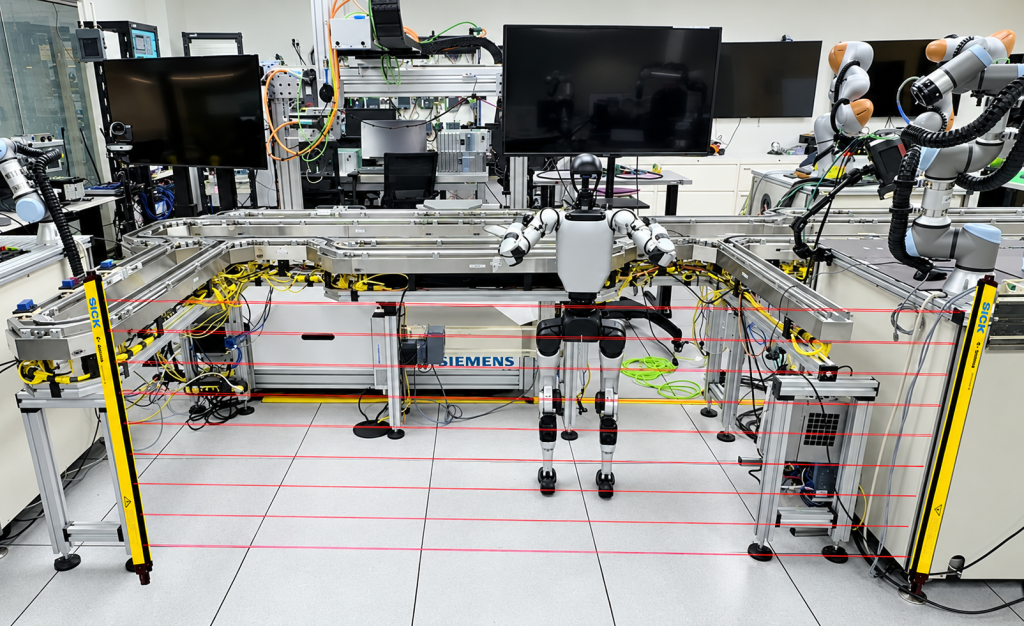
Researchers at Carnegie Mellon University are exploring innovative safety measures for humanoid robots as they become more prevalent in various environments. Changliu Liu, an associate professor at CMU's Robotics Institute, emphasizes the importance of improved safety protocols, especially after observing numerous incidents where humanoids have caused harm. The partnership with Siemens has led to the development of a method to assess the 'safe stoppability' of these robots, aiming to enhance their operational safety. The significance of this research lies in the increasing integration of humanoid robots into workplaces, public spaces, and homes, where the potential for accidents is heightened. Liu and her team are working towards a future where humanoids can autonomously assess their safety and avoid dangerous situations. Current emergency stop mechanisms are inadequate for humanoids, as simply cutting power can lead to falls and injuries, necessitating a more nuanced approach to robot safety. Looking ahead, the researchers are focused on defining the operational conditions under which humanoids can safely stop. This involves understanding the context in which a robot operates, as various factors such as surrounding obstacles or the robot's current actions can influence its ability to halt safely. No further timeline was disclosed at the time of publication.
Research
Cambridge Researchers Investigate Soil as an Intelligent System for New Technologies
Researchers at the Bio-Inspired Robotics Laboratory at Cambridge are examining the behavior of soil as an intelligent system. Their study focuses on the soil's structure, chemistry, and the biological networks of microbes and fungi. This research aims to inspire advancements in bio-inspired computing, precision agriculture, and environmental sensing. The significance of this research lies in its potential to reshape our understanding of soil and its capabilities. By recognizing soil as a complex system that can process information, the team hopes to develop innovative technologies that could enhance agricultural practices and environmental monitoring. This perspective could lead to more sustainable approaches in various sectors. Looking ahead, the ongoing research may yield new insights into the applications of soil intelligence in technology. As the team continues to explore the interactions within soil ecosystems, it will be important to watch for developments that could influence bio-inspired computing and precision agriculture. No further timeline was disclosed at the time of publication.
Robotics
Kuka Systems and Magdeburg-Stendal University Launch Friction Stir Welding Research Cell
Kuka Systems, in collaboration with Magdeburg-Stendal University, has introduced a new research cell focused on Friction Stir Welding (FSW). This initiative aims to enhance the development and testing of innovative manufacturing processes. The establishment of this research cell is significant as it expands the capabilities of both Kuka Systems and the university in exploring advanced welding techniques. Friction Stir Welding is known for its efficiency and effectiveness in joining materials, making it a valuable area of research in manufacturing. Looking ahead, stakeholders in the manufacturing and robotics sectors should monitor the outcomes of this collaboration. The advancements in FSW technology could lead to improved production methods and applications across various industries. No further timeline was disclosed at the time of publication.
Allgemein Lösungen Metallbearbeitung & Schweißen Robotersteuerung & Digital Twin
Research on Facial Nerve Stimulation Shows Potential for Memory Enhancement
A study conducted by researchers from KU Leuven in Belgium and Zhejiang University in China explored the effects of electrical stimulation on the trigeminal nerve for memory retention. The innovative method involves a rhythm of short electrical pulses followed by longer pauses, which was tested on both rats and humans. The findings revealed that this new stimulation approach, which uses only one-fifteenth of the electrical output compared to traditional continuous stimulation, significantly enhances the connectivity of neurons in the hippocampus. This effect was linked to the modulation of neurotransmitters from the locus coeruleus, suggesting a novel pathway for improving cognitive functions. In human trials involving epilepsy patients and healthy adults, the stimulation method improved memory recall for faces, names, and occupations. Notably, participants exhibited stronger brainwave patterns associated with memory processing, indicating the potential for non-invasive techniques to enhance cognitive abilities. No further timeline was disclosed at the time of publication.
NVIDIA Collaborates to Release 3D Protein Structures for Over 2,800 Viruses
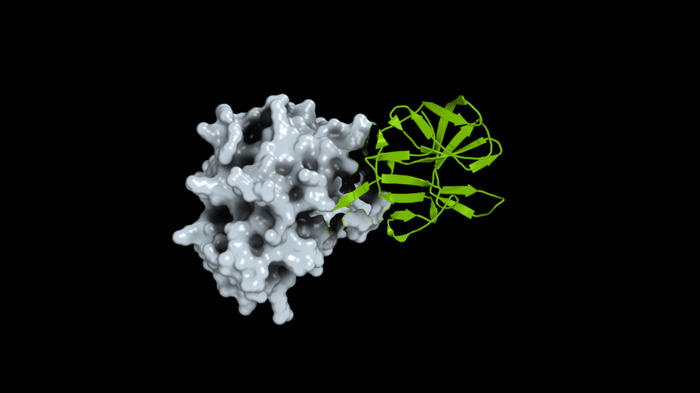
NVIDIA has partnered with global research organizations, including Google DeepMind and EMBL-EBI, to release predicted 3D structures for protein complexes of more than 2,800 viruses. This initiative, utilizing AlphaFold2 and NVIDIA BioNeMo Inference Runtime, aims to democratize access to foundational biology and prepare scientists for future pandemics. The collaboration is significant as it provides vital insights into viral protein interactions, with about 30% of the newly added interactions being previously undocumented. This resource is expected to enhance the biological community's understanding and facilitate the development of vaccines and treatments for future outbreaks. Looking ahead, the urgency for pandemic preparedness is underscored by an analysis predicting a 50% chance of a pandemic as severe as COVID-19 by 2050. The AlphaFold Database is positioned as a critical tool for researchers to stockpile knowledge and generate hypotheses about viral interactions, ultimately advancing the field of virology and drug development.
Robotics needs a service framework.
RSF defines a common language for robot service capability, lifecycle operations, certification pathways, and service-provider networks.
Join the RobotToday community on LinkedIn
Daily robotics news, in-depth analysis, conference highlights, and discussions with professionals worldwide.







