Top News

Industry Briefing

A single destination for timely, editor-curated robotics news from around the world.

Drone industry leader urges Japan and Taiwan to get on same regulatory page

Drone industry leader urges Japan and Taiwan to get on same regulatory page

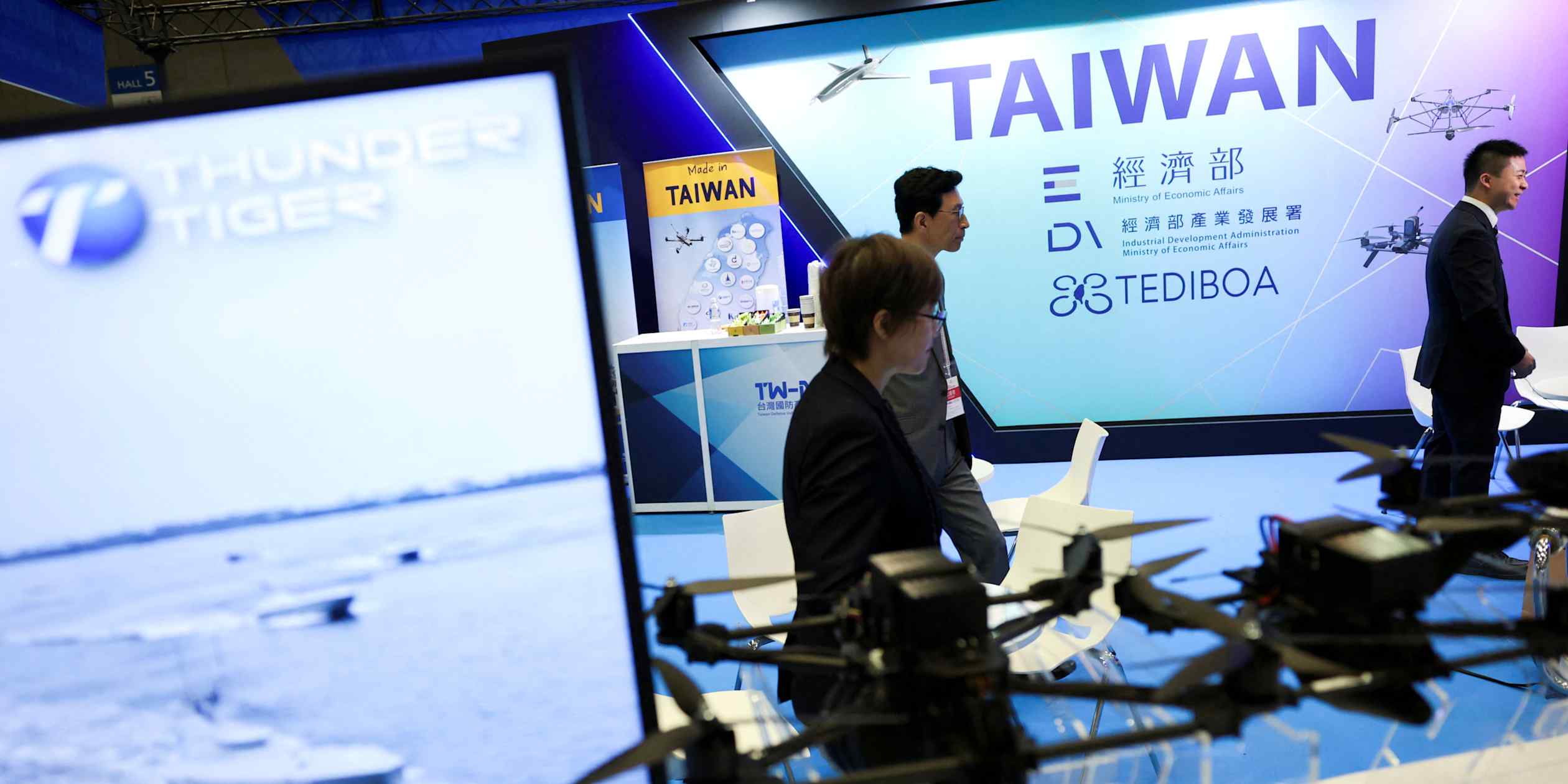
In a recent interview, a prominent leader from Japan's drone industry emphasized the need for Japan and Taiwan to align their drone regulations. Speaking at the Japan Drone 2026 and International Advanced Air Mobility Expo in Chiba on June 5, the official urged Tokyo to reconsider its restrictions on defense cooperation to foster stronger business ties between the two nations. The call for regulatory harmonization comes amid growing concerns over Taiwan's drone industry, which has faced uncertainty due to budget cuts. The leader's remarks highlight the importance of collaboration in the aerospace sector, particularly as tensions in the region continue to rise. The push for unified regulations aims to enhance cooperation and innovation in drone technology, ultimately benefiting both countries' defense capabilities and economic interests.

From Back Belt Skepticism to ITAR: Exoskeletons Just Crossed a Regulatory Line

From Back Belt Skepticism to ITAR: Exoskeletons Just Crossed a Regulatory Line

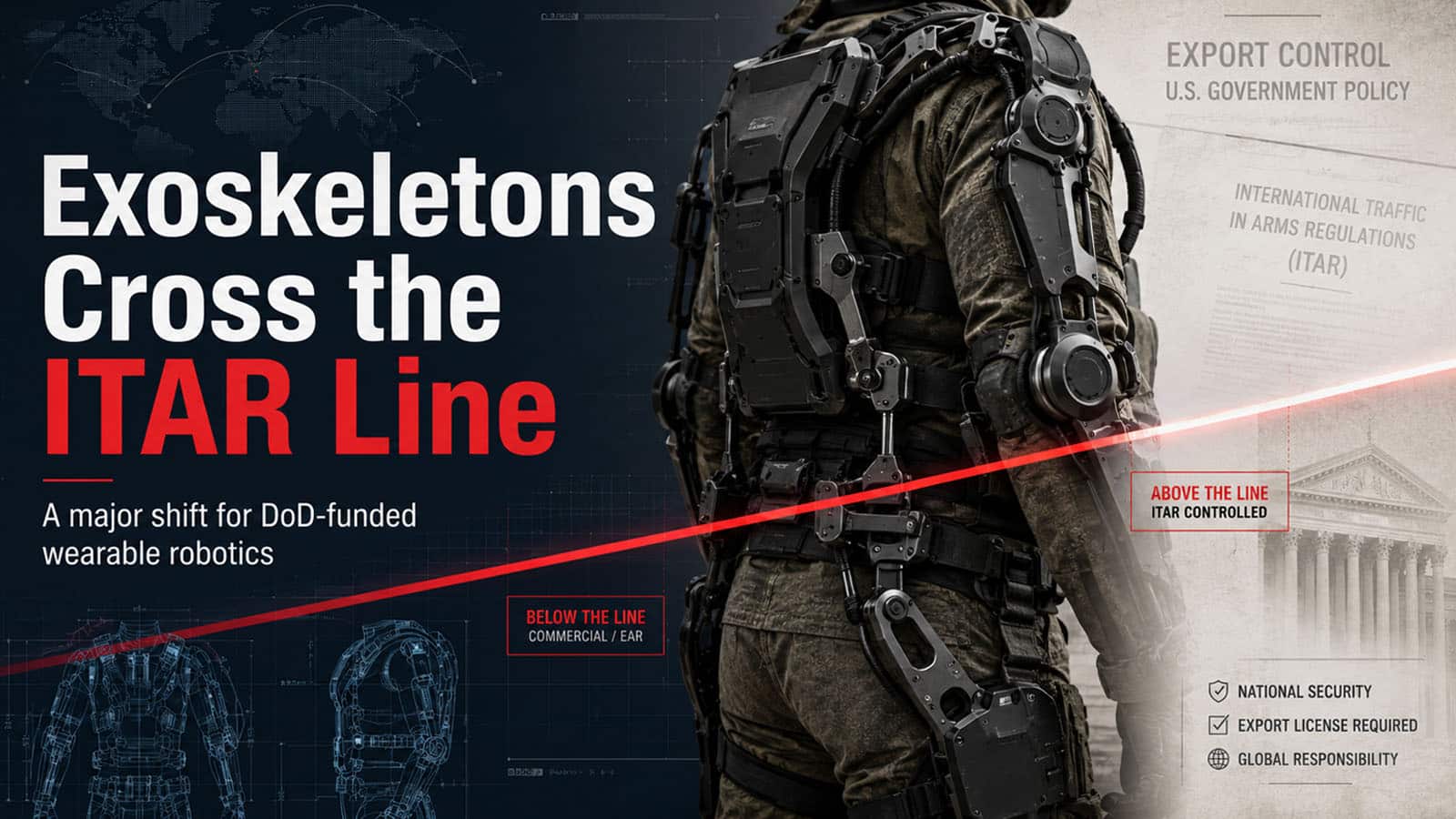
The U.S. government has made a significant regulatory change regarding the exoskeleton industry, which has long sought to demonstrate the practical benefits of wearable robotics beyond mere ergonomic enhancements. This shift comes as certain Department of Defense-funded exoskeleton projects have been recognized for their potential applications. The new regulations aim to facilitate the development and deployment of these technologies, marking a pivotal moment for the industry. By addressing previous skepticism and establishing clearer guidelines, the government is paving the way for advancements in wearable robotics that could enhance performance and safety in various sectors. This development underscores the growing recognition of exoskeletons as valuable tools rather than just theoretical concepts.

Military Standards & Regulations ITAR Military Exoskeleton
Phase stability regulator based on two dynamic parameters for autonomous mobile robots

Phase stability regulator based on two dynamic parameters for autonomous mobile robots

A researcher has highlighted the advantages of implementing a phase stability regulator featuring two real-time signals for autonomous mobile robots (AMRs). This innovation aims to enhance the operational efficiency and reliability of AMRs, which are increasingly utilized in various industries for tasks such as logistics and delivery. The findings were discussed in a recent publication on The Robot Report, emphasizing the importance of advanced regulatory systems in improving the performance of these robots. By integrating dynamic parameters into the phase regulation process, the researcher suggests that AMRs can achieve better stability and responsiveness in their operations, ultimately leading to more effective automation solutions.

Autonomous Mobile Robots (AMRs) Logistics Manufacturing Mobility / Navigation News Opinion
Apple sales decline in China, as company talks with regulators over AI features

Apple sales decline in China, as company talks with regulators over AI features

Apple reported a 6.5% decline in revenue for the June quarter, totaling $14.7 billion in Greater China, marking the only region to experience a downturn both year-over-year and quarter-over-quarter. Despite this setback, China remains Apple’s third-largest market, following the United States and Europe. CEO Tim Cook expressed confidence in the company's future prospects in the region, suggesting that Apple is optimistic about overcoming current challenges in the Chinese market.

News Feed
Tickets, geofences, and 1M miles: The new reality of California AV compliance

Tickets, geofences, and 1M miles: The new reality of California AV compliance

Guident CEO Harald Braun recently discussed the implications of California's new autonomous vehicle (AV) regulations on the driverless industry. The updated mandates, which include stringent compliance measures such as ticketing, geofencing, and a requirement for AVs to log one million miles, aim to enhance safety and accountability in the rapidly evolving sector. These regulations, set to take effect soon, reflect California's commitment to ensuring that autonomous vehicles operate safely within its borders. Braun emphasized that these changes will significantly impact how companies develop and deploy driverless technology, necessitating adjustments in operational strategies to meet the new standards. The conversation highlights the challenges and opportunities presented by the regulatory environment as the industry moves towards greater integration of autonomous vehicles on public roads.

Automotive News Regulatory & Compliance Safety & Security Self-Driving Vehicles Transportation
Opentrons launches Compliance Ready Software for Flex lab robots

Opentrons launches Compliance Ready Software for Flex lab robots

Opentrons has announced the launch of its Compliance Ready Software, designed specifically for its Flex laboratory robots, which are now deployed in over 10,000 facilities globally. This new software enables these robots to adhere to stringent FDA regulations, enhancing their usability in regulated environments. The introduction of this software is a significant advancement for Opentrons, as it aims to streamline laboratory processes and ensure compliance with industry standards. By integrating this technology, the company seeks to expand the capabilities of its robotic systems, making them more accessible for laboratories that require adherence to strict regulatory frameworks.

Academia / Research Healthcare Robotics Laboratory / Cleanroom News Regulatory & Compliance Laboratory Automation
Grindr — yes, Grindr — won the WHCD party circuit

Grindr — yes, Grindr — won the WHCD party circuit

Verge has launched a new newsletter titled "Regulator," aimed at its subscribers and focusing on the intersection of technology and politics. The newsletter seeks to explore how technology influences political dynamics and vice versa. While it invites readers to subscribe for ongoing insights, it humorously assures potential subscribers that their contributions will not fund extravagant expenses, such as a drone-proof ballroom for the staff. The initiative reflects Verge's commitment to providing in-depth analysis and commentary on current events and trends in the tech and political arenas.

Column Policy Politics Regulator
Hai Robotics Secures Radio Equipment Directive (RED) Articles 3.3(d) Compliance, Strengthening Cybersecurity for Automated Warehouses

Hai Robotics Secures Radio Equipment Directive (RED) Articles 3.3(d) Compliance, Strengthening Cybersecurity for Automated Warehouses

Hai Robotics has successfully complied with the EU Radio Equipment Directive (RED) Articles 3.3(d), a significant milestone that enhances the cybersecurity of its automated warehouse systems. This certification underscores the company's dedication to adhering to regulatory standards while bolstering the reliability and integrity of its HaiPick Systems. As a result, the systems will ensure secure wireless communications and operational resilience within connected logistics environments, reflecting the growing importance of cybersecurity in the automation sector.

Cybersecurity Warehouse Automation Logistics Industrial Equipment Regulatory Compliance
Commercial UAV Expo to Feature FAA and EASA BVLOS Keynote in 2026

Commercial UAV Expo to Feature FAA and EASA BVLOS Keynote in 2026

The Commercial UAV Expo has announced a significant keynote for its 2026 event, featuring regulators from the FAA and EASA. Scheduled for September 3, 2026, in Las Vegas, the session titled "Two Skies, One Conversation" will focus on comparing BVLOS regulations across the U.S. and Europe. This keynote is crucial as it highlights the ongoing efforts to harmonize drone operations globally. With the FAA finalizing its Part 108 BVLOS rule and EASA developing its SORA-based framework, the discussion will provide insights into the evolving regulatory landscape and the shared challenges faced by the commercial drone industry. Attendees can expect to gain valuable knowledge on operational waivers, risk assessment frameworks, and the future of BVLOS rulemaking. This event marks a rare opportunity to witness a collaborative dialogue between two leading aviation authorities, emphasizing the importance of international cooperation in the drone sector.

Drone News Drone News Feeds Drone Shows FAA News Regulation
Matternet Partners with Beeline UAS to Enhance Drone Delivery Operations in California

Matternet Partners with Beeline UAS to Enhance Drone Delivery Operations in California

Matternet, based in Mountain View, has announced a partnership with Beeline UAS to expand its drone delivery network under FAA Part 135 regulations. This collaboration, effective from July 15, 2026, aims to enhance beyond visual line of sight (BVLOS) operations in the San Francisco Bay Area and Los Angeles. Beeline will utilize Matternet's technology to support delivery services for sectors including food, retail, and healthcare. This partnership is significant as it allows Matternet to leverage Beeline's operational capabilities to address the challenges of traffic congestion and high labor costs in urban areas. The integration of Beeline into Matternet's network, which already includes Ameriflight and UPS Flight Forward, is expected to increase operational capacity and facilitate efficient market expansion. Matternet's focus on autonomous aerial delivery positions it as a leader in the evolving drone delivery landscape. Looking ahead, Matternet's multi-operator model is designed to ensure rapid commercial growth while adhering to safety and regulatory standards. No further timeline was disclosed at the time of publication, but the partnership is poised to enhance drone delivery services across more communities in the United States.

Delivery Drone News Drone News Feeds News Ameriflight Andreas Raptopoulos
Shanghai Advances BCI Development: The Race for Commercialization Has Started

Shanghai Advances BCI Development: The Race for Commercialization Has Started

Shanghai is emerging as a key player in the global brain-computer interface (BCI) competition. The Shanghai Municipal Commission of Economy and Information Technology recently released the 'Three-Year Action Plan for the Industrialization of Brain-Computer Interfaces (2026-2028)', which aims to establish a leading national industrial chain ecosystem in the non-invasive BCI sector by 2028. The plan includes nurturing at least 50 related enterprises and achieving large-scale applications of core products in medical rehabilitation and cognitive training. This initiative is not just a theoretical blueprint. A team led by Academician Zhou Liangfu from Huashan Hospital's Neurosurgery Department, in collaboration with the Institute of Microsystem Research at the Chinese Academy of Sciences, has developed an implanted BCI product that has completed its first clinical trial with volunteers for motor function rehabilitation in paraplegic patients. Shanghai is adopting a parallel strategy with multiple technological routes, supporting invasive, semi-invasive, and non-invasive teams with dedicated funding, with non-invasive approaches progressing more rapidly. The Pudong New Area has designated a 'Brain Science Industrial Base' where the first batch of companies can benefit from various supports, including R&D expense deductions and expedited clinical trial processes. Shanghai's goal is clear: to become the city with the lowest operational costs and minimal policy friction for BCI enterprises. As the global BCI landscape evolves, Shanghai's focus on industrialization aims to establish a commercial loop in hospitals while ensuring safety and regulatory compliance, leveraging China's vast market potential in stroke rehabilitation, youth attention training, and early Alzheimer's screening.

Brain-Computer Interfaces Healthcare Technology Neurorehabilitation Cognitive Training
DJI Simplifies BVLOS Drone Approval Process for European Operators

DJI Simplifies BVLOS Drone Approval Process for European Operators

DJI has completed a SAIL III declaration of compliance package for its DJI Dock 3 and Matrice 4D drone series, facilitating regulatory approvals for drone operators in Europe. This package provides manufacturer-backed technical evidence that can be included in Specific Operations Risk Assessment (SORA) applications, potentially easing the approval process for advanced drone operations. The significance of this development lies in its potential to streamline the regulatory landscape for commercial drone operators in Europe. SAIL III, categorized as medium-risk under EASA’s SORA framework, encompasses various commercial drone missions that extend beyond standard operations, such as automated BVLOS inspections and perimeter security. By offering a compliance package, DJI alleviates the burden on operators to generate extensive technical documentation for each safety objective. Looking ahead, operators can leverage DJI's completed engineering work to enhance their SORA applications, focusing on operational aspects rather than technical arguments about aircraft design. This initiative marks a pivotal step in making BVLOS operations more accessible, although it does not guarantee approval from aviation authorities. No further timeline was disclosed at the time of publication.

News
Agility Robotics Proposes Six Key Recommendations for U.S. Humanoid Robot Policies

Agility Robotics Proposes Six Key Recommendations for U.S. Humanoid Robot Policies

Agility Robotics has outlined six recommendations aimed at establishing a robust policy framework for humanoid robots in the U.S. According to CEO Peggy Johnson, these recommendations are essential for enhancing the regulatory environment and ensuring the successful integration of humanoids into the workforce. She emphasizes the need for domestic production of key components, as current reliance on international sources, particularly from China, poses risks to the U.S. industry. The importance of these recommendations lies in their potential to strengthen the U.S. humanoid robot market, which is currently challenged by foreign competition. Johnson highlights that China dominates the manufacturing of critical components, such as permanent magnets used in motors, which are vital for humanoid robots. By fostering domestic capabilities, the U.S. can reduce dependence on foreign suppliers and bolster its technological leadership in the sector. Looking ahead, the U.S. must develop a coordinated national strategy that unites federal agencies and industry stakeholders to support the humanoid robotics sector. Johnson warns that without proactive measures, the U.S. risks losing its technological edge and compromising national security. No further timeline was disclosed at the time of publication.

China Defense / Security Humanoids Logistics Manufacturing Markets / Industries
Commercial UAV Expo 2026 to Feature Keynote on FAA and EASA BVLOS Regulations

Commercial UAV Expo 2026 to Feature Keynote on FAA and EASA BVLOS Regulations

Commercial UAV Expo has announced its second keynote for the 2026 event, titled 'Two Skies, One Conversation: Comparing FAA and EASA Approaches to BVLOS Drone Operations.' This session will occur on September 3, 2026, the final day of the expo, which runs from September 1-3 at Caesars Forum in Las Vegas, NV. The keynote will feature leaders from the FAA and EASA discussing the differences in their regulatory approaches to Beyond Visual Line of Sight (BVLOS) drone operations. This conversation is significant as it highlights the evolving landscape of drone regulations on both sides of the Atlantic, providing valuable insights for industry stakeholders. Attendees with various passes, including the Exhibit Hall Only Pass and the Full Conference Pass, will have access to this important discussion. No further timeline was disclosed at the time of publication.

Japanese Drone Stocks Experience Surge as Investors Diversify from AI and Defense

Japanese Drone Stocks Experience Surge as Investors Diversify from AI and Defense

Japanese drone companies are witnessing a significant influx of investment as military demand for unmanned systems rises. Investors are increasingly looking for alternatives to artificial intelligence stocks and traditional defense stocks that had previously gained popularity. This shift indicates a growing interest in the drone sector, which is becoming a focal point for investment in Japan. The surge in investment is crucial as it highlights the potential of the drone industry amidst geopolitical tensions and the evolving landscape of defense technology. Companies like Terra Drone are emerging as key players in the Tokyo market, attracting attention from investors eager to capitalize on the expanding military applications of drones. This trend reflects a broader movement towards diversification in investment portfolios. Looking ahead, the drone industry is expected to continue its upward trajectory as demand for unmanned systems grows. Investors should monitor developments in regulatory frameworks and technological advancements that could further influence the market. No further timeline was disclosed at the time of publication.

Paramount Aims to Finalize Warner Bros. Discovery Merger Despite Legal Challenges

Paramount Aims to Finalize Warner Bros. Discovery Merger Despite Legal Challenges

Paramount's lead trial counsel, Jeffrey Kessler, confirmed that the company intends to complete its acquisition of Warner Bros. Discovery by the end of September, despite a lawsuit filed by state attorneys general, led by California's Rob Bonta, seeking to block the deal due to antitrust concerns. The lawsuit raises significant issues regarding competition in the film and pay TV sectors, with Kessler asserting that the merger is pro-competitive and necessary for Paramount to compete with major players like Netflix and Disney. The company has received approval from the U.S. Department of Justice and is currently awaiting regulatory clearance from the European Union, which has set a provisional deadline of July 22 for its review. Looking ahead, Paramount is prepared to escalate the matter to the Supreme Court if necessary, as a prolonged delay could incur substantial costs due to a ticking fee of approximately $650 million per quarter. No further timeline was disclosed at the time of publication.

Agility Robotics and Churchill Capital Corp XI Submit Draft Registration for Business Combination

Agility Robotics and Churchill Capital Corp XI Submit Draft Registration for Business Combination

Agility Robotics, creator of the humanoid robot Digit, and Churchill Capital Corp XI have confidentially submitted a draft registration statement on Form S-4 to the SEC. This submission is a significant step towards their proposed business combination, which will make Agility a publicly traded entity. This transaction is poised to establish Agility as the only publicly listed pure-play humanoid company in the U.S. with active commercial deployments. The combined company is expected to be listed under the ticker symbol 'AGLT' and will focus on enhancing human capabilities through its humanoid robots, which are already deployed in various industries. Looking ahead, the proposed business combination is anticipated to close in 2026, pending shareholder approval and regulatory reviews. Agility plans to utilize the expected $620 million in gross proceeds to expand its operations and scale production of its next-generation humanoid, Digit v5, designed for cooperative safety and AI capabilities.

Chinese Internet Association Launches AI Agent Data Protection Pact with Major Firms

Chinese Internet Association Launches AI Agent Data Protection Pact with Major Firms

The China Internet Association has introduced a self-regulatory agreement focused on personal information protection for AI agents during a forum in Beijing. Major companies including Baidu, Tencent, Alibaba, and Volcengine are among the initial signatories of this pact, which aims to establish standards for the collection, processing, and usage of personal data by AI agents as their services proliferate across various internet platforms. This initiative is significant as it seeks to address growing concerns regarding data privacy and security in the rapidly evolving landscape of AI technologies. By standardizing practices, the pact aims to enhance consumer trust and ensure responsible handling of personal information, which is crucial as AI agents become increasingly integrated into daily online interactions. Looking ahead, the China Internet Association also unveiled a separate self-regulatory pact for mini-program ecosystems, signed by Tencent, Ant Group, and Baidu, among others. This indicates a broader commitment to data protection across different digital services. No further timeline was disclosed at the time of publication.

News Feed
FCC Proposes New Rules for Drone Sales to Enhance Transparency and Security

FCC Proposes New Rules for Drone Sales to Enhance Transparency and Security

The Federal Communications Commission (FCC) has proposed new regulations aimed at increasing transparency in online drone sales. The rules would require e-commerce platforms to display FCC certification IDs for wireless devices, including drones and their components, addressing a loophole that has allowed restricted electronic components to enter the U.S. market. This initiative is significant for various stakeholders, including drone manufacturers like DJI, online retailers such as Amazon, and consumers. By mandating the display of FCC IDs, the FCC aims to help buyers verify the authorization status of wireless devices, thereby enhancing consumer protection and regulatory oversight. Looking ahead, the FCC's proposal also seeks to close a loophole concerning the use of restricted components in devices. The agency plans to extend restrictions to nearly all logic-bearing hardware components, which could impact the manufacturing and sale of drones and related technology. No further timeline was disclosed at the time of publication.

News
J.P. Morgan Sees Strategic Merger Potential Between SpaceX and Tesla

J.P. Morgan Sees Strategic Merger Potential Between SpaceX and Tesla

J.P. Morgan analysts have described a potential merger between Space Exploration Technologies (SpaceX) and Tesla as 'strategically coherent on paper.' This statement has reignited investor interest in the possibility of uniting Elon Musk's companies, which share engineering talent and AI ambitions under his leadership. The significance of this analysis lies in the potential for Musk to integrate his vision across multiple sectors, including automotive, robotics, energy, and space. Additionally, SpaceX's recent public debut provides Musk with valuable stock for potential deals, while his increasing control at Tesla positions him favorably for negotiations. However, J.P. Morgan also highlighted significant challenges, including regulatory hurdles, the disparity in Musk's control over both companies, and the perception that any merger would favor SpaceX over Tesla. No further timeline was disclosed at the time of publication.

BNP Paribas Warns Tesla Investors on SpaceX Merger Speculation and Cash Burn Risks

BNP Paribas Warns Tesla Investors on SpaceX Merger Speculation and Cash Burn Risks

Tesla investors have historically benefited from their confidence in Elon Musk's electric vehicle company, with stock performance often defying downturns. Currently, speculation about a potential merger with SpaceX has fueled optimism among investors, suggesting a 'takeout premium' could be on the horizon. However, BNP Paribas analysts caution that this merger may not materialize soon due to significant cash burn concerns at both companies. The analysts, led by James Picariello, maintain an underperform rating on Tesla with a price target of $280, citing worries about Tesla's cash burn over the next two years. They highlight that SpaceX's projected cash burn of $216 billion from 2026 to 2031 complicates the merger prospects. Additionally, regulatory hurdles and the need for shareholder support could delay any potential deal. Looking ahead, Tesla's increased capital expenditure budget of $25 billion this year and projected annual spending of up to $23 billion through 2030 raises questions about the feasibility of its ambitious plans for the Optimus humanoid robot and Robotaxi platforms. Analysts express concerns about the company's ability to meet key performance indicators in these areas, which could impact core operations before any merger with SpaceX can occur.

Uber and Waymo Face Tensions as Robotaxi Partnerships Shift in Major Cities

Uber and Waymo Face Tensions as Robotaxi Partnerships Shift in Major Cities

The recent end of the Uber-Waymo partnership in Phoenix marks a significant shift in the robotaxi landscape, with both companies still maintaining services in Atlanta and Austin. The future of these agreements remains uncertain, as tensions rise between Uber executives and Waymo, suggesting potential conflicts in policy and market access as partnerships dissolve. This development is crucial as the National Highway Traffic Safety Administration (NHTSA) has issued a directive emphasizing the need for autonomous vehicles to effectively respond to emergency situations. Waymo, which operates the largest robotaxi fleet in the U.S., has faced scrutiny for its interactions with first responders, raising concerns about operational safety and regulatory compliance. Looking ahead, the NHTSA has called for solutions from AV developers by the end of the month, indicating a potential shift in regulatory oversight. Additionally, Rivian's recent capital raise of $1.32 billion and the introduction of its R2 SUV could signal a competitive shift in the EV market, as the company aims to deliver between 65,000 and 70,000 vehicles by 2026.

Transportation Elon Musk Uber Waymo Rivian robotaxi
Gulfstream G800 Completes First 100% SAF Flight to Analyze Contrail Emissions

Gulfstream G800 Completes First 100% SAF Flight to Analyze Contrail Emissions

Gulfstream Aerospace has successfully conducted a high-altitude flight test campaign using a G800 business jet powered entirely by neat sustainable aviation fuel (SAF). The tests, which took place at altitudes up to 50,000 feet, marked the first instance of both the G800 and its Rolls-Royce Pearl 700 engine operating on 100% SAF. A modified Gulfstream G700 served as an airborne emissions laboratory, enabling researchers to measure particulate emissions and atmospheric conditions during the flights. This initiative is significant as it aims to assess the potential of 100% SAF in reducing emissions linked to contrail formation, a critical factor in aviation's environmental impact. Preliminary findings suggest a measurable reduction in particulate emissions when using neat HEFA SAF, which contains no sulfur or aromatics, unlike conventional jet fuels. The collaboration involved multiple organizations, including NASA and the FAA’s ASCENT, highlighting the importance of partnerships in advancing sustainable aviation technologies. Looking ahead, Gulfstream's ongoing research will continue to focus on optimizing environmental efficiencies in aviation. The data collected from this campaign is expected to enhance understanding of aviation's broader environmental impact and contribute to future regulatory and technological developments. No further timeline was disclosed at the time of publication.

Innovation
Chinese Heavy-Lift Drones Airlift Flood Victims in Guangxi Amid Safety Protocols

Chinese Heavy-Lift Drones Airlift Flood Victims in Guangxi Amid Safety Protocols

In Guangxi, China, heavy-lift drones have been deployed to rescue flood victims by airlifting individuals, defying standard safety protocols. This operation highlights the capabilities of the trillion-yuan low-altitude economy, which is becoming increasingly significant in emergency response scenarios. The use of these drones marks a pivotal moment in the integration of aerial technology into disaster management, showcasing their potential to save lives in critical situations. The significance of this operation lies in its demonstration of the industrial capacity within China's low-altitude economy, which is estimated to be worth trillions of yuan. By utilizing drones for rescue missions, authorities are not only addressing immediate humanitarian needs but also paving the way for future applications of drone technology in various sectors. This incident underscores the evolving landscape of aerial logistics and emergency response, emphasizing the need for updated safety regulations to accommodate such innovations. Looking ahead, the continued use of heavy-lift drones in rescue operations may lead to further advancements in drone technology and regulatory frameworks. No further timeline was disclosed at the time of publication, but the success of these missions could prompt increased investment and development in the low-altitude economy, potentially transforming how emergency services operate in the future.

Technology
Zetwerk Advances Towards IPO with SEBI Observations in India’s Energy and Aerospace Sectors

Zetwerk Advances Towards IPO with SEBI Observations in India’s Energy and Aerospace Sectors

Zetwerk, an Indian company operating in sectors such as energy, aerospace, and defense, has received observations from the Securities and Exchange Board of India (SEBI) as it moves closer to its Initial Public Offering (IPO). The company focuses on industrial commodities and has been preparing for this significant financial milestone, although specific timelines for the IPO have not been disclosed. The significance of this development lies in Zetwerk's strategic positioning within high-demand sectors like energy and aerospace, which are critical for India's economic growth. The observations from SEBI indicate regulatory progress, suggesting that the company is on track to attract potential investors and raise capital to further expand its operations in these vital industries. Looking ahead, industry watchers will be keen to see how Zetwerk responds to SEBI's observations and the subsequent steps it takes towards launching its IPO. No further timeline was disclosed at the time of publication, but the upcoming months will likely be pivotal for the company's public offering plans.

News Accel India IPO Zetwerk
Humanoid Robot H1 Completes First Live Gallbladder Surgery Under Surgeon Control

Humanoid Robot H1 Completes First Live Gallbladder Surgery Under Surgeon Control

In July 2026, a humanoid robot successfully performed the world's first live gallbladder surgery on a pig under the control of a surgeon. This groundbreaking procedure, documented by Nature and featured on the front page of the New York Post, has sparked significant discussions in the tech community about the implications of humanoid robots in surgical settings, particularly regarding remote control and AI capabilities. The significance of this achievement lies in its potential to disrupt the surgical robotics market, which has been dominated by the Da Vinci surgical system for nearly two decades. The Da Vinci system, known for its high costs exceeding $2 million, relies on specialized robotic arms and instruments. In contrast, the humanoid robot's design allows it to utilize standard surgical tools, which could lead to reduced costs and increased accessibility for hospitals. Looking ahead, the successful completion of this surgery marks a pivotal moment for humanoid robots in healthcare. While regulatory hurdles and clinical validation processes remain, the experiment demonstrates that humanoid robots can perform complex surgical tasks. The next challenge will be determining when the costs associated with these robots can be lowered enough for broader adoption by hospitals beyond top-tier institutions. No further timeline was disclosed at the time of publication.

Humanoid Robots Surgical Robotics AI in Healthcare Remote Surgery
Exploring Automation Intelligence: Opportunities and Challenges in AI for Manufacturing

Exploring Automation Intelligence: Opportunities and Challenges in AI for Manufacturing

The manufacturing sector is experiencing a surge in artificial intelligence (AI) applications, driven by recent advancements in speech, language, and content generation technologies. Engineers and technology leaders are keenly observing these developments to enhance quality, minimize rework, and increase throughput. However, many organizations face challenges in translating AI demonstrations into tangible business value, revealing the complexities of deploying AI in production environments. Despite significant investments in AI and machine learning (ML), the manufacturing industry is encountering hurdles similar to those faced during the initial wave of data science and ML in the context of Industry 4.0. Many early projects failed to deliver operational value due to the misalignment of algorithms designed for consumer behavior with the deterministic needs of industrial settings. As manufacturers increasingly seek actionable insights from their data, the need for a deeper understanding of AI technology and its application in industrial contexts becomes critical. Looking ahead, the emergence of automation intelligence, which integrates lessons from past experiences with current AI tools, offers a promising framework for addressing complex industrial challenges. As AI technologies like generative AI and foundation models continue to evolve, their successful implementation will depend on ensuring real-time grounding, safety, and regulatory compliance in manufacturing processes. No further timeline was disclosed at the time of publication.

Factory / Workforce
DKV Mobility Acquires Majority Stake in Tolltickets to Enhance European Toll Solutions

DKV Mobility Acquires Majority Stake in Tolltickets to Enhance European Toll Solutions

DKV Mobility has announced its acquisition of a majority stake in Tolltickets GmbH, a certified provider of European toll solutions based in Rosenheim, Germany. This strategic move, aimed at expanding DKV's European toll business, aligns with the growing demand for seamless cross-border mobility services as the European Electronic Toll Service (EETS) continues to roll out. The acquisition is expected to close by the end of the year, pending regulatory approval. The acquisition is significant as it strengthens DKV Mobility's position in the European EETS market, allowing the company to offer integrated mobility solutions and enhance customer experience across Europe. DKV Mobility's CEO, Sebastian Klauke, emphasized that this move secures a long-term position in the market and enables the company to shape the development of toll services more effectively. Tolltickets, which manages over 100,000 vehicles and offers access to toll systems in 15 European countries, will continue to operate independently. Looking ahead, the partnership between DKV Mobility and Tolltickets is expected to deepen, providing customers with more reliable and flexible toll solutions across Europe. The collaboration builds on years of successful partnership, with both companies poised to leverage their strengths for future growth. No further timeline was disclosed at the time of publication.

Road Transport and Haulage Transport and Distribution acquisition DKV EETS europe
OpenAI introduces GPT-5.6 models with enhanced efficiency and cybersecurity features

OpenAI introduces GPT-5.6 models with enhanced efficiency and cybersecurity features

OpenAI has launched its latest family of models, GPT-5.6, featuring three variants: Sol, Terra, and Luna. Announced on Thursday, these models promise significant advancements in enterprise applications, coding, and scientific research. Notably, Sol is reported to be 54% more token efficient for coding tasks, positioning it as a leading option in the AI landscape. The introduction of GPT-5.6 is significant as it aims to enhance cybersecurity capabilities, with OpenAI claiming it is their strongest model yet in this area. The model supports various defensive activities such as threat modeling and code review, addressing concerns raised by previous regulatory scrutiny. This launch is strategically timed to compete with offerings from rivals like Anthropic, with OpenAI asserting that its models outperform competitors in key metrics. Looking ahead, OpenAI's new models are now available across platforms including ChatGPT and Codex, with pricing structured per million tokens. The company has not disclosed specific timelines for future updates or enhancements, but the competitive landscape suggests ongoing developments in AI model capabilities and market positioning.

AI ChatGPT gpt-5.6 OpenAI sam altman
Drone Amplified Receives FAA Approval for MONTIS Avalanche Control Drone Operations

Drone Amplified Receives FAA Approval for MONTIS Avalanche Control Drone Operations

Drone Amplified, a Nebraska-based company, announced on July 8, 2026, that it has received regulatory approval from the Federal Aviation Administration (FAA) for its MONTIS drone, designed for avalanche control operations. This approval establishes a legal framework for the commercial deployment of the remote avalanche mitigation system across the United States, enhancing safety measures in avalanche-prone areas. The FAA's endorsement is significant as it allows Drone Amplified to offer its innovative technology to U.S. customers, potentially transforming avalanche management practices. The MONTIS drone is expected to improve response times and operational efficiency in avalanche control, addressing a critical need in mountainous regions where avalanches pose serious risks to safety and infrastructure. Looking ahead, the company aims to expand its market presence and operational capabilities following this regulatory milestone. No further timeline was disclosed at the time of publication, but stakeholders will be keen to see how quickly Drone Amplified can roll out its services and establish partnerships in the avalanche control sector.

Disaster Response dispatch Drone News Drone News Feeds Drones in the News Environmental Research
Nikkei Analysis Reveals Fake Storage in 50% of Inexpensive USB Drives from China

Nikkei Analysis Reveals Fake Storage in 50% of Inexpensive USB Drives from China

A recent investigation by Nikkei uncovered that 50% of low-cost USB flash drives purchased from e-commerce platforms contained less storage capacity than advertised. These devices, primarily manufactured in China, were found to utilize microSD cards instead of dedicated memory chips, raising concerns about data integrity and consumer trust in budget electronics. The examination took place in Tokyo and was published on July 10, 2026. This finding is significant as it highlights a growing issue in the electronics market, where consumers are increasingly vulnerable to misleading product claims. The prevalence of counterfeit storage capacities can lead to data loss and security risks, particularly in sensitive applications. With a reported 20% complaint rate regarding fake storage on platforms like Amazon, this trend poses a challenge for both consumers and regulatory bodies aiming to ensure product reliability. Looking ahead, stakeholders in the electronics industry should monitor the response from regulatory authorities and e-commerce platforms regarding these findings. No further timeline was disclosed at the time of publication, but potential measures could include stricter quality controls and enhanced consumer awareness campaigns to combat fraudulent products in the market.

130-year-old Japan firm flies under the radar to develop antidrone tech

130-year-old Japan firm flies under the radar to develop antidrone tech

Aerospace & Defense Industries130-year-old Japan firm flies under the radar to develop antidrone techTokyo Keiki sees share price spike in last 3 yearsTokyo Keiki's precision equipment requires advanced technical expertise to assemble. (Tokyo Keiki)FUMIHITO ISHIZUKAJuly 7, 2026 07:15 JSTTOKYO -- A 130-year-old midsize navigation instrument company appears to hold the key to innovating in counterdrone technology.Read NextAerospace & Defense IndustriesUkraine pushes civil drone drive with Japan and TaiwanInterviewDrone industry leader urges Japan and Taiwan to get on same regulatory pageStartupsJapan startup SolaNika to test tech for charging drones with lasersChina techBeijing plane crash sharpens scrutiny of nascent 'low-altitude economy'Aerospace & Defense IndustriesKawasaki Heavy and Airbus to team up on anti-submarine drone for JapanPolicy AsiaUS defense spending demand leaves Asian allies in limboAerospace & Defense IndustriesEuropean startup to make defense drones in Japan, export across AsiaAerospace & Defense IndustriesA European nation wants to buy Japan's defense equipment, Koizumi saysBusiness dealsJapan's Terra Drone buys 2 Ukrainian drone makers in global pushAerospace & Defense IndustriesUS attack drone maker taps into Taiwan controller demandLatest on Aerospace & Defense IndustriesAerospace & Defense IndustriesUkraine pushes civil drone drive with Japan and TaiwanAerospace & Defense IndustriesJapan, UK and Italy award $6bn contract to advance next-gen fighter jetAerospace & Defense IndustriesJapan, UK, Italy to consider Canada as observer in fighter jet programSponsored ContentAbout Sponsored ContentThis content was commissioned by Nikkei's Global Business Bureau.

UK set for private 14 nuclear SMRs delivering 4.2 GW to meet 11% of power demand

UK set for private 14 nuclear SMRs delivering 4.2 GW to meet 11% of power demand

A private consortium has announced its intention to construct 14 small modular nuclear reactors (SMRs) across various locations in the United States. This initiative, revealed on Tuesday, aims to enhance the country's energy infrastructure and contribute to its transition towards cleaner energy sources. The consortium, comprising several energy companies and technology firms, believes that SMRs can provide a safer and more efficient alternative to traditional nuclear power plants, addressing growing energy demands while minimizing environmental impact. The project is expected to create thousands of jobs during the construction phase and support local economies. The timeline for the reactors' completion is projected to span over the next decade, with the first units anticipated to be operational by 2030. The consortium plans to collaborate closely with regulatory bodies to ensure compliance with safety standards and to engage with communities to address any concerns regarding nuclear energy. This development marks a significant step in the ongoing efforts to diversify the energy portfolio and reduce reliance on fossil fuels.

Energy
AI’s Volatile Power Use Quietly Tests Grid Limits

AI’s Volatile Power Use Quietly Tests Grid Limits

The rapid growth of artificial intelligence infrastructure is reshaping electricity demand dynamics, posing new challenges for grid operators. As data centers are projected to consume 3 to 4 percent of global electricity by the end of the decade, their energy consumption patterns are becoming increasingly unpredictable. Unlike traditional industrial loads, AI workloads can fluctuate dramatically within milliseconds, driven by synchronized computational tasks and varying user demands. This unpredictability complicates grid management, as it creates abrupt demand spikes that can stress local infrastructure, particularly in regions like Northern Virginia, known as "Data Center Alley," where data centers are concentrated. Utilities, including Dominion Energy, are adjusting their forecasts to account for this rapid growth, but existing regulatory frameworks often fail to address the complexities introduced by high-density compute clusters. These facilities not only require significant power but also generate unique challenges related to thermal management and power quality. As a result, grid operators are exploring new demand response mechanisms and flexible scheduling to mitigate the impact of these fluctuating loads. The Electric Reliability Council of Texas (ERCOT) has acknowledged the implications of large flexible loads for grid stability and planning. As AI infrastructure continues to expand, it is crucial for regulatory and operational frameworks to adapt, focusing not just on total energy consumption but also on the volatility and geographic concentration of demand. Understanding these new consumption patterns will be essential for maintaining grid resilience in the face of evolving energy needs.

Data-centers Artificial-intelligence Electrical-grid Demand-response
Unitree IPO to test valuations as venture capital floods China robotics

Unitree IPO to test valuations as venture capital floods China robotics

Unitree Robotics has received approval from the China Securities Regulatory Commission for an initial public offering (IPO) in Shanghai, marking a significant milestone for the rapidly growing embodied AI sector in China. This approval follows a successful review by the Shanghai Stock Exchange’s listing committee, which took place approximately one month prior. Based in Hangzhou, Unitree is now in the process of finalizing its underwriting plan, pricing, and share subscriptions, with the potential for its market debut as early as late this year. This IPO is expected to establish a valuation benchmark within the burgeoning field of artificial intelligence in China, reflecting the increasing investor interest and market dynamics in the sector.

DJI Matrice 4D drone gains standalone C6 compliance across Europe

DJI Matrice 4D drone gains standalone C6 compliance across Europe

DJI has unveiled a significant certification update for its Matrice 4D drone series, now recognized under C6 certification in Europe. This enhancement allows operators to use the DJI RC Plus 2 Enterprise controller for direct operation, expanding the functionality of the drones beyond the previous requirement of using the DJI Dock 3. The update aims to improve accessibility and operational flexibility for enterprise users, reflecting DJI's commitment to meeting regulatory standards while enhancing user experience.

News
Chinese robot maker Unitree wins approval for $619 million Shanghai IPO

Chinese robot maker Unitree wins approval for $619 million Shanghai IPO

Unitree Robotics, a Chinese manufacturer of robots, has secured regulatory approval for its initial public offering (IPO) on Shanghai's STAR Market, aiming to raise approximately 4.2 billion yuan ($619.4 million). This approval, announced by China's securities regulator, marks a significant step for the company as it prepares for one of the most anticipated technology IPOs in China. The decision comes amid a resurgence in the country's onshore IPO market, which has seen a notable increase in activity following a prolonged slowdown. In the first half of the year, A-share IPOs on major exchanges raised $7.7 billion, reflecting a 64.4% increase compared to the previous year. Unitree plans to issue at least 40.45 million shares, although it has yet to announce a specific launch date or pricing details. The funds raised will be allocated towards research in artificial intelligence for robots, development of new robotic products, and the establishment of a smart robot manufacturing base. Based in Hangzhou, Unitree specializes in humanoid and four-legged robots, as well as various robot components. The upcoming IPO will serve as a litmus test for investor interest in China's burgeoning robotics sector, which is central to the government's strategy to integrate AI technology into various aspects of daily life and industry.

FAA Investigating Reported Drone Encounter on JetBlue Flight Approaching JFK

FAA Investigating Reported Drone Encounter on JetBlue Flight Approaching JFK

The Federal Aviation Administration (FAA) is conducting an investigation following a report from the crew of a JetBlue flight that they may have collided with a drone while approaching John F. Kennedy International Airport in New York. The incident occurred on June 29, when the pilot of JetBlue Flight 948, an Airbus A321 arriving from Las Vegas, alerted authorities about the potential drone encounter. The FAA is looking into the circumstances surrounding the incident to ensure safety and address any regulatory concerns.

Drone News Drone News Feeds News airport drone incident airport operations airspace awareness
World’s first Mach 2.5 test platform to blast hypersonic materials through storms

World’s first Mach 2.5 test platform to blast hypersonic materials through storms

A U.S. aerospace company has introduced what it claims to be the world's first commercial platform designed for urban air mobility. The announcement was made during a press conference held on October 15, 2023, at the company's headquarters in California. This innovative platform aims to revolutionize transportation in densely populated areas, addressing the growing need for efficient and sustainable urban transit solutions. The company’s executives highlighted that the development is motivated by increasing urban congestion and the demand for faster travel options. The platform is expected to utilize advanced electric vertical takeoff and landing (eVTOL) technology, enabling it to operate in urban environments while minimizing noise and emissions. The unveiling marks a significant milestone in the aerospace industry, as the company plans to collaborate with city planners and regulatory bodies to ensure the safe integration of this new mode of transportation into existing urban infrastructures.

Military
The End of EU De Minimis Signals a New Era of Commerce Intelligence

The End of EU De Minimis Signals a New Era of Commerce Intelligence

In light of recent regulatory changes, businesses are grappling with their impact on consumer behavior, conversion rates, profitability, and potential for market expansion. As companies navigate these evolving regulations, understanding the nuances of shopper responses becomes crucial for maintaining competitiveness. This challenge is particularly pressing for organizations operating across multiple markets, where variations in regulations can lead to differing outcomes in customer engagement and sales performance. With data analysis trained up to October 2023, firms are urged to adapt their strategies to effectively respond to these shifts and capitalize on new opportunities while mitigating risks associated with compliance.

Stronger Cybersecurity for Today's Connected Automation Systems

Stronger Cybersecurity for Today's Connected Automation Systems

Bosch Rexroth is hosting an event focused on the Cyber Resilience Act (CRA) to address the growing challenges of cyber threats and regulatory requirements faced by manufacturers. Scheduled for October 2023, this session aims to provide attendees with practical strategies for securing connected automation systems. The discussion will emphasize the importance of proactive vulnerability management and lifecycle security, highlighting how these measures can transform cybersecurity into a competitive advantage for businesses. By integrating built-in cybersecurity into automation platforms, manufacturers can enhance their operational efficiency while navigating the complexities of modern cyber risks.

ANRA Technologies Surpasses 55,000 Commercial Drone Operations Per Month, Demonstrating Growing Demand for Digital Airspace Infrastructure

ANRA Technologies Surpasses 55,000 Commercial Drone Operations Per Month, Demonstrating Growing Demand for Digital Airspace Infrastructure

A leading drone platform has announced that it now facilitates over 1,800 commercial drone operations beyond visual line of sight each day. This significant milestone encompasses a variety of applications, including delivery services, critical infrastructure monitoring, utility management, and public sector missions. The increase in operational capacity reflects the growing demand for advanced drone technology in various industries, driven by the need for efficient and effective solutions. The platform's capabilities enable businesses and government agencies to leverage drones for tasks that require extended range and precision, ultimately enhancing operational efficiency and safety. The announcement comes as the drone industry continues to evolve, with advancements in technology and regulatory frameworks supporting the expansion of drone usage in everyday operations.

IACLEA Launches National Campus Drone Program with Draganfly

IACLEA Launches National Campus Drone Program with Draganfly

The International Association of Campus Law Enforcement Administrators (IACLEA) has introduced a national initiative aimed at assisting colleges and universities in developing compliant drone programs that prioritize public safety, training, and governance. This program, launched recently, seeks to provide a structured framework for educational institutions to effectively integrate drone technology into their safety protocols. To enhance this initiative, IACLEA has partnered with Draganfly, a leading drone manufacturer, to ensure that the programs align with best practices and regulatory standards. The collaboration aims to equip campus law enforcement with the necessary tools and knowledge to utilize drones effectively, thereby improving safety measures on campuses across the nation.

Applications Defense defense Drone News Drone News Feeds drone security
OpenAI hasn't held pre-IPO investor meetings or set timeline yet, sources say

OpenAI hasn't held pre-IPO investor meetings or set timeline yet, sources say

OpenAI has submitted a confidential prospectus to the Securities and Exchange Commission (SEC) earlier this month as it prepares for a potential public offering. However, the company cautioned that it may take some time before the IPO materializes. This move signals OpenAI's intention to explore public investment opportunities, reflecting its growth and the increasing interest in artificial intelligence technologies. The timeline for the offering remains uncertain, as the company navigates the regulatory landscape and market conditions.

Italy's antitrust authority investigates Microsoft.

Italy's antitrust authority investigates Microsoft.

Italy's antitrust authority announced on Friday that it has launched an investigation into Microsoft over alleged unfair business practices related to its Microsoft 365 subscription service. The regulator claims that Microsoft failed to adequately inform consumers about the integration of AI tools, Copilot and Designer, into the service. As a result, users are automatically switched to a more expensive subscription plan unless they actively opt out. The limited information provided by the platform has made it difficult for consumers to make informed decisions about renewing their subscriptions.

Why Does a Bank Need a Chief Scientist?

Why Does a Bank Need a Chief Scientist?

Prem Natarajan, formerly the head of Alexa AI at Amazon, has transitioned to the role of Chief Scientist at Capital One, a leading financial institution serving over 100 million customers. This move comes as the landscape of artificial intelligence (AI) research shifts from large tech companies to industry-specific applications, particularly in finance, where the challenges are more complex and require a nuanced understanding of customer needs and regulatory constraints. Capital One has long been recognized for its data-driven approach, having invested heavily in cloud technology to create a robust data ecosystem. This infrastructure supports innovative AI research aimed at solving real-world problems, such as real-time fraud detection and personalized customer interactions. Unlike many banks that view AI merely as a tool, Capital One is establishing a scientific community focused on developing impactful AI solutions. Natarajan emphasizes the importance of “destination-back thinking,” where the team envisions ideal customer experiences and works backward to identify necessary scientific advancements. This methodology, combined with a commitment to continuous learning and a unique cloud-first architecture, allows Capital One to tackle challenges that are often overlooked by traditional financial institutions. The bank's efforts have garnered recognition, with Capital One being ranked as a leader in AI talent and innovation, accounting for a significant portion of AI patents in the financial sector. Through partnerships with academic institutions and a focus on agentic AI systems, Capital One aims to enhance financial services for millions, positioning itself at the forefront of AI advancements in the industry.

Ai-research Agentic-ai Financial-services Tech-careers Type-sponsored Financial-technology
Trump admin proposes axing brake-pedal requirement for AVs in a boost for Tesla

Trump admin proposes axing brake-pedal requirement for AVs in a boost for Tesla

The Department of Transportation has proposed a significant regulatory change that would eliminate the requirement for brake pedals in vehicles intended solely for operation by automated driving systems. This initiative aims to streamline the design of autonomous vehicles, potentially accelerating their development and deployment. The announcement comes as part of ongoing efforts to adapt existing transportation regulations to better accommodate advancements in technology. By removing the brake-pedal requirement, the Department seeks to encourage innovation in the automotive industry and enhance the safety and efficiency of future transportation solutions. The proposal is currently under review, with stakeholders from various sectors invited to provide feedback on the implications of this change.

Government & Policy Transportation autonomous vehicles robotaxis Tesla zoox
Ant-backed DSC debuts on Nasdaq, marking China's first cross-border IPO of 2026.

Ant-backed DSC debuts on Nasdaq, marking China's first cross-border IPO of 2026.

DSC Holdings, a Chinese provider of used-car dealer solutions, successfully raised $51 million in its initial public offering on Nasdaq, marking a significant milestone as the first cross-border IPO from China in 2026. This event occurred on June 26, 2026, after the China Securities Regulatory Commission approved the company's IPO application, which had been pending for over two years. The approval reflects a notable easing of regulatory hurdles for Chinese companies seeking to list abroad, as DSC navigated the complexities of Beijing's stringent oversight. The successful listing underscores a renewed interest in cross-border investments and signals potential opportunities for other Chinese firms aiming to access international capital markets.

Major American deep-sea expedition delivers 4,059 samples across 53 survey sites

Major American deep-sea expedition delivers 4,059 samples across 53 survey sites

American Ocean Minerals Corporation (AOMC) has successfully completed a significant deep-sea environmental research initiative aimed at assessing the impact of mineral extraction on marine ecosystems. The project, which took place over the past several months, focused on various locations in the Pacific Ocean known for their rich mineral deposits. This research is part of AOMC's broader commitment to sustainable practices in the mining industry, driven by the increasing demand for critical minerals used in technology and renewable energy solutions. By conducting thorough environmental assessments, AOMC seeks to ensure that its operations do not adversely affect marine life or habitats. The findings from this extensive study will inform future mining practices and regulatory compliance, as the company aims to balance economic development with environmental stewardship. AOMC plans to share the results with stakeholders and the scientific community to foster transparency and collaboration in the pursuit of responsible ocean resource management.

Science
Roundtable Discussion: Hey? AI! This Month, This Year, and Next Five Years of AI | 36Kr WAVES 2026 New Wave

Roundtable Discussion: Hey? AI! This Month, This Year, and Next Five Years of AI | 36Kr WAVES 2026 New Wave

In 2026, the investment landscape in China is witnessing a significant transformation as artificial intelligence (AI) evolves from a mere technical concept to a driving force in various industries. The WAVES 2026 conference, organized by 36Kr and AnYun, took place in Guangzhou's Panyu district, gathering top investors, industry leaders, and emerging entrepreneurs to explore the implications of AI and hard technology on the future of innovation. Over two days, the event featured 14 in-depth roundtable discussions and numerous independent presentations, focusing on key sectors such as AI, hard technology, international expansion, and healthcare. During the conference, industry experts discussed the rapid pace of AI development, highlighting how companies are now experiencing frequent valuation updates and financing rounds. Investors shared insights on the changing dynamics of funding, with many companies securing multiple rounds of financing within months, a stark contrast to previous trends. The conversation also touched on the implications of regulatory challenges, particularly concerning AI models and their accessibility. Participants emphasized the importance of stability and reliability in AI applications, as well as the need for a deep understanding of specific industries to successfully implement AI solutions. The discussions underscored a growing interest in physical AI applications, with expectations for commercialization in sectors like pharmaceuticals and materials science within the next few years. As the AI landscape continues to evolve, investors are increasingly focused on identifying unique opportunities and fostering innovative solutions that address real-world challenges.

RobotToday Initiative

Robotics needs a service framework.

RSF defines a common language for robot service capability, lifecycle operations, certification pathways, and service-provider networks.