

Industry Briefing
A single destination for timely, editor-curated robotics news from around the world.

Jingzhi Technology's VIVA Achieves Real-Time Human-Robot Piano Duet Milestone
Jingzhi Technology has launched the VIVA, the world's first robot capable of real-time human-robot piano duets. This milestone marks a significant advancement in robotic music intelligence, evolving from mere precision to artistic expression and creativity. The VIVA robot, enhanced by the CADA system, represents a breakthrough in robotic capabilities, allowing it to not only perform but also learn and adapt musically. This development is crucial as it signifies a shift in robotics towards more sophisticated interactions, where robots can engage in creative processes alongside humans. Looking ahead, the integration of the CADA music model with VIVA suggests a future where robots can continuously improve their musical skills through real-world feedback. No further timeline was disclosed at the time of publication.
Robotic Hands Music Technology AI Human-Robot Interaction
Unitree Technology Unveils G1 Autonomous Robot's Real-Time Combat Capabilities
On September 7, Unitree released a 38-second video showcasing its G1 humanoid robot engaging in real-time combat against a human opponent. This marks a significant milestone as it is the first instance of a fully autonomous humanoid robot fighting without human remote control, demonstrating advanced decision-making capabilities. The importance of this development lies in the robot's ability to autonomously predict, evade, and counterattack in real-time, a feat that has previously required human intervention. The G1 robot adjusts its stance and actions based on the opponent's movements, showcasing a complete feedback loop from perception to execution, which is crucial for effective combat. Looking ahead, the G1 is set to compete in the CMG World Robot Competition in May 2025, where it will further demonstrate its capabilities. The video highlights the challenges of real-time decision-making in combat scenarios, emphasizing the need for rapid response and adaptation in unpredictable environments. No further timeline was disclosed at the time of publication.
Humanoid Robots Autonomous Systems Robotics Research Artificial Intelligence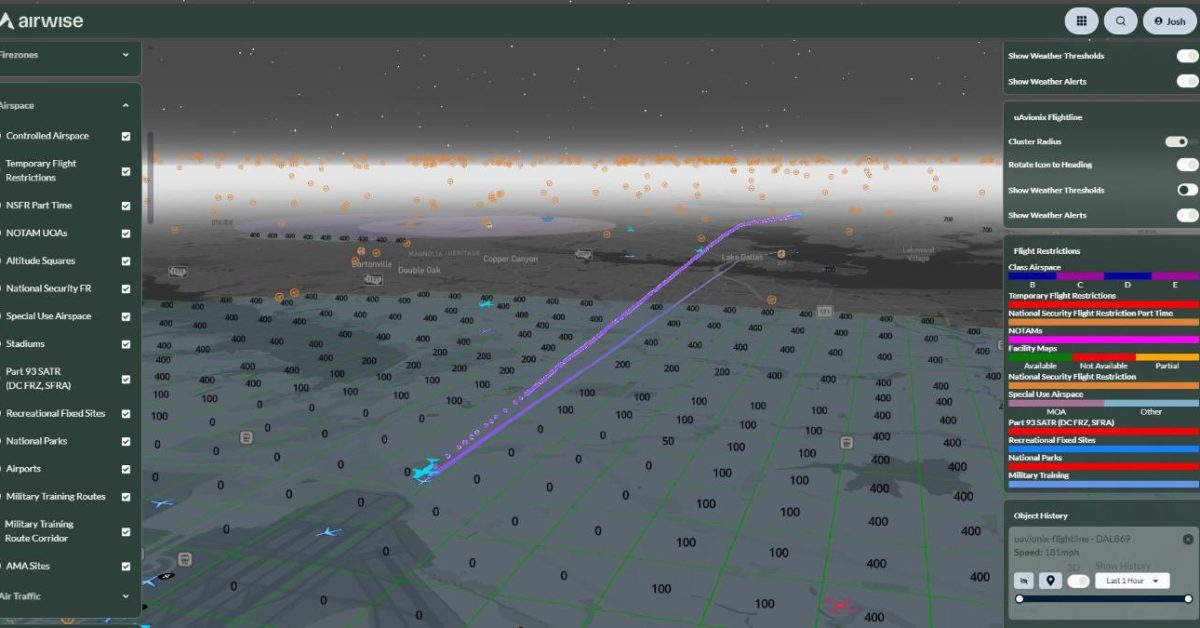
uAvionix and Airwise Solutions Integrate Real-Time Aircraft Tracking into Drone Platform
uAvionix and Airwise Solutions have partnered to enhance drone operations by integrating uAvionix's FlightLine surveillance service into the Airwise drone platform. This collaboration aims to improve safety in shared airspace by providing real-time visibility of cooperative aircraft, which is crucial for Beyond Visual Line of Sight (BVLOS) operations. The integration of FlightLine into Airwise's enterprise platform allows drone operators to access reliable airspace traffic data without the need for additional infrastructure. This development is significant as it supports safer and more scalable drone operations, particularly in complex environments where situational awareness is essential. As the demand for BVLOS operations grows, the partnership is expected to facilitate the deployment of Uncrewed Traffic Management (UTM) capabilities more efficiently. No further timeline was disclosed at the time of publication.
News
New 5G-Based System Enables Real-Time Drone Tracking Using Existing Infrastructure
The United States is testing an innovative method to detect drones by utilizing its existing 5G networks. Lockheed Martin, along with its partners, showcased this technology near Miami in July, demonstrating how commercial wireless infrastructure can effectively support drone detection in busy environments. The system, named NetSense Airspace Awareness-as-a-Service, analyzes radio-frequency disturbances to identify and track unmanned aircraft. This development is significant as it provides airports, hospitals, power plants, and government facilities with an additional layer of airspace protection. The technology not only helps monitor drone activity around sensitive locations but also leverages existing cellular networks, making large-scale deployment more feasible for infrastructure operators. The collaboration of Verizon, ODC, NVIDIA, and Keysight Technologies highlights the potential of integrating various commercial technologies to enhance drone detection capabilities. Looking ahead, the open architecture of the NetSense system allows for future expansions as new technologies emerge. During the Miami demonstration, the system successfully detected a drone and maintained tracking custody, underscoring its effectiveness as the prevalence of drones in populated areas continues to rise. No further timeline was disclosed at the time of publication.
Innovation
New Lightweight AI Framework Enhances Real-Time Robotic Grasping with 6D Pose Estimation
A new framework has been introduced for real-time 6D pose estimation in robotics, leveraging LightGlue for effective object detection and advanced geometric mapping techniques. This innovation aims to improve the efficiency and accuracy of robotic grasping tasks. The significance of this development lies in its potential to enhance robotic capabilities in various applications, making robots more adept at interacting with their environments. By utilizing a lightweight AI framework, the technology can operate in real-time, which is crucial for dynamic settings. Looking ahead, the industry will be watching how this framework is adopted in practical applications and its impact on the efficiency of robotic systems. No further timeline was disclosed at the time of publication.

Underwater Robot Monitors Diver Stress in Real Time Using Exhaled Bubbles
An innovative underwater robot has been developed to detect diver stress in real time by monitoring exhaled bubbles. This technology aims to enhance safety measures for divers, providing immediate feedback on their physiological state during underwater operations. The significance of this development lies in its potential to improve diver safety and operational efficiency. By accurately assessing stress levels, the robot can alert support teams to potential emergencies, thereby reducing risks associated with diving activities. Looking ahead, the focus will be on further refining the robot's capabilities and integrating it into existing diving protocols. No further timeline was disclosed at the time of publication.
AI and Robotics
Digua Robot Unveils Open Source X-Lens for Real-Time Depth Estimation with 40 Million Parameters
Digua Robot has introduced the X-Lens depth estimation model, which features 40 million parameters, significantly fewer than traditional models. This innovative solution can process mixed inputs from both fisheye and pinhole cameras, producing dense depth maps with real-world scale. On the Digua Xuri S600 chip, it achieves over 20 FPS with six-camera input and 41 FPS with a single fisheye camera. The importance of X-Lens lies in its ability to provide absolute depth measurements, unlike many existing models that only offer relative depth. This capability is crucial for robotic applications, enabling precise interactions with objects in the environment. By translating each pixel into a light ray direction, X-Lens overcomes the challenges posed by camera distortion, allowing for accurate depth estimation across different camera types. Looking ahead, the adaptability of X-Lens to various camera inputs without requiring extensive model adjustments is noteworthy. This flexibility could lead to broader applications in robotics and automation. No further timeline was disclosed at the time of publication.
Depth Estimation Computer Vision Robotics AI Camera Technology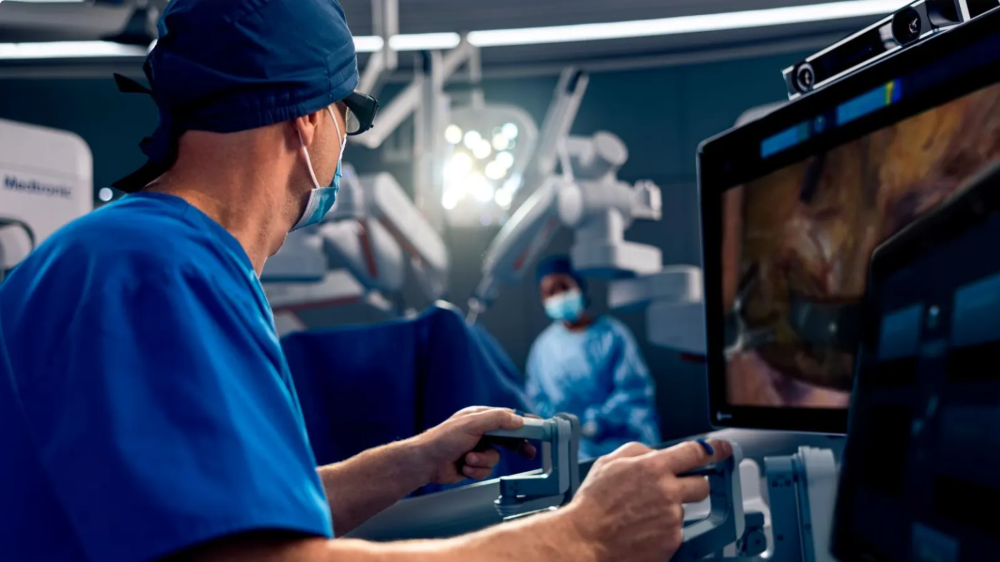
Medtronic Unveils Real-Time AI Platform for Hugo Surgical Robots to Rival Da Vinci
On July 21, Medtronic announced the development of a real-time AI computing platform, the Touch Surgery assistance platform, for its Hugo surgical robot. This platform integrates NVIDIA's computing infrastructure and runs Medtronic's FDA-approved AI application, Instrument Exit Point (IEP), which alerts surgeons when instruments are at risk of going out of view during procedures. This advancement is significant as it redefines safety boundaries in surgical procedures, allowing for enhanced real-time monitoring and decision-making. Medtronic's Chief Technology Officer, Jim Pecher, emphasized that real-time AI represents a fundamental evolution in surgical support, shifting from merely assisting surgeons to enabling smarter, faster actions that have a greater impact. Looking ahead, Medtronic plans to showcase the Touch Surgery platform at the upcoming robotic surgery conference in Florida. While IEP currently offers basic functionality, the company aims to expand its capabilities into laparoscopic surgery and integrate additional AI applications, marking a pivotal step towards cognitive assistance in surgical robotics.
Surgical Robots AI in Healthcare Robotic Surgery Medical Technology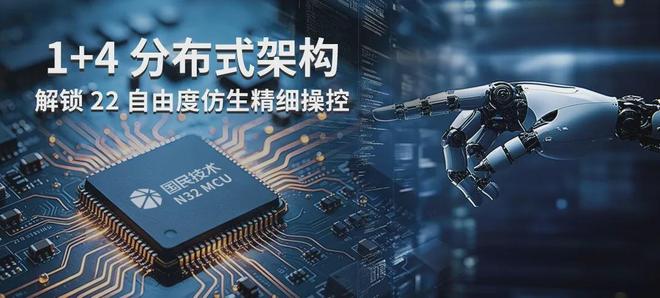
Addressing Space, Real-Time, and Reliability Challenges in Robotic Hands Development
The bionic dexterous hand is becoming a key growth area in the robotics industry, with significant advancements expected by 2026. Currently, dexterous hands account for 17%-30% of the total material costs of robotic systems, and funding in this sector is projected to exceed 25 billion yuan in the first half of 2026, with annual sales potentially reaching 70,000 units. This shift signifies a departure from mere conceptual discussions to tangible orders and performance realization. The recent World Artificial Intelligence Conference (WAIC) in Shanghai showcased various exhibitors demonstrating high-degree-of-freedom dexterous hands capable of intricate tasks, highlighting the industry's common challenges in precision actuators. Developers face three critical hurdles: achieving 22 degrees of freedom or more for fine movements while integrating miniature motors, sensors, and wiring in a compact palm, all while balancing space constraints, real-time synchronization, and long-term reliability. The solution lies in innovative control chip architecture. National Technology has introduced a 1+4 distributed MCU architecture designed for 22-degree-of-freedom dexterous hands, optimizing performance through layered control. This system utilizes a main control chip and four node chips for individual fingers, enhancing computational power, real-time response, and compact design, thereby addressing the industry's pressing challenges.
Robotic Hands MCU Architecture Industrial Automation AI Robotics
Robbyant Launches LingBot-World 2.0 with Enhanced Real-Time World Generation Features
Robbyant, an embodied AI company under Ant Group, has released LingBot-World 2.0, an open-source interactive world model. This updated version supports hour-long real-time world generation, high-definition output, and enhanced interactive capabilities, marking a significant improvement over LingBot-World 1.0. The new model allows for continuous world generation sessions while maintaining visual quality and enabling real-time user interaction. It produces 720p video at 60 frames per second and is designed to generate, stream, and display content simultaneously, which reduces latency and enhances user engagement with the evolving environment. LingBot-World 2.0 features a dual-agent mechanism for dynamic interaction and supports multiple users in a shared virtual space. Additionally, Robbyant has open-sourced LingBot-Video, a video generation model aimed at robotics applications, which enhances efficiency and realism in AI-generated video for real-world robotic systems. No further timeline was disclosed at the time of publication.
Robot simulation AI models ai simulation Ant Group artificial intelligence embodied ai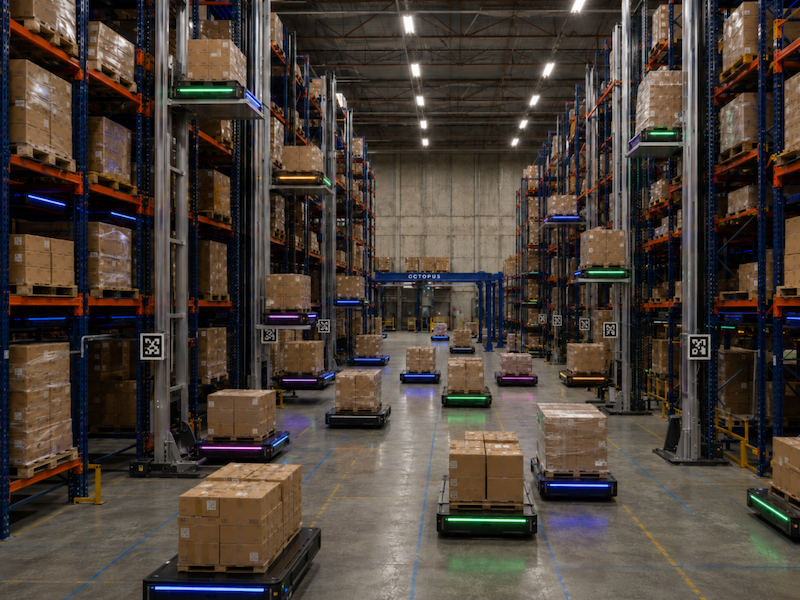
Real-Time Supply Chains Transform Industrial Real Estate and Inventory Management
Recent advancements in predictive analytics, robotics, and data-driven logistics are reshaping industrial real estate by reducing reliance on large inventories. Traditionally, warehouses were designed to manage uncertainty through storage, but the shift towards real-time coordination is changing this paradigm. As supply chains become more connected and visibility improves, the need for extensive inventory diminishes, leading to a redesign of facilities focused on efficient operations. This transformation is significant as it alters the fundamental structure of industrial real estate, moving away from storage-heavy models to those optimized for continuous movement. Just as the introduction of standardized shipping containers revolutionized logistics, the new design principles for automation and throughput will set long-lasting standards for future infrastructure. The choice of facilities that prioritize flow over storage will influence the development of buildings, vehicles, and logistics networks for years to come. Looking ahead, the role of intermediate facilities is evolving from inventory storage to dynamic transfer points, facilitating the movement of goods between transportation modes. As data accessibility increases and transportation systems become more coordinated, the industry must adapt to these changes. No further timeline was disclosed at the time of publication.
Features Logistics Supply chain automation autonomous logistics digital twins
World Humanoid Robot Games 2.0 Concludes in Beijing with Focus on Real-World Applications
The second edition of the World Humanoid Robot Games concluded at Beijing's Ice Ribbon, featuring 666 teams and 2,056 robots competing in 51 events. This year's focus shifted from merely achieving speed to demonstrating dexterity and autonomy in real-world scenarios. This evolution in the competition highlights the growing importance of practical applications for humanoid robots, moving beyond traditional speed tests. The emphasis on real-scenario work reflects industry trends toward developing robots capable of performing complex tasks in everyday environments. Looking ahead, the outcomes of these games may influence future designs and functionalities of humanoid robots. No further timeline was disclosed at the time of publication.

DPVR Integrates VR Technology for Real-Time Robot Control at Qingdao's 6S Store
DPVR has officially launched its VR technology at Qingdao's 6S experience store, allowing users to control robotic arms in real-time using the E4 VR headset. This innovative approach eliminates the need for complex programming, creating a direct action mapping channel between the operator and the robot. The integration of DPVR's RoboPilot platform with the E4 headset enables precise tracking of head and controller movements, facilitating efficient robotic operations such as movement and grasping. Additionally, RoboPilot collects data throughout the operation, contributing to AI model training and task validation, enhancing the learning process for the robots. As DPVR continues to expand its RoboPilot ecosystem, partnerships with various robotics companies are being established to create adaptable robotic systems. The 6S experience store exemplifies a new era of human-robot collaboration, where users can operate machines intuitively without extensive training or programming knowledge.
Virtual Reality Robotic Control AI Training Human-Robot Interaction
RL-100 Achieves 100 Percent Success in 1,000 Real-World Tasks with Advanced Robotics
The RL-100 has demonstrated its capability to train robots to achieve a 100 percent success rate across 1,000 real-world tasks. This achievement highlights the advancements in robotics technology, particularly in the integration of artificial intelligence and machine learning, which are crucial for enhancing operational efficiency. This development is significant as it showcases the potential for robots to perform complex tasks reliably, which is essential for industries relying on automation. The ability to execute tasks with such precision can lead to increased productivity and reduced operational costs, making it a game-changer in the robotics sector. Looking ahead, the focus will be on how the RL-100 can be further integrated into various applications, including industrial robots and service robots. The ongoing advancements in robotics, particularly in humanoid and collaborative robots, will be critical to watch as they evolve and adapt to new challenges in real-world environments. No further timeline was disclosed at the time of publication.
AI and Robotics
Doug Pagnutti Discusses Time Series Databases Enhancing Robotics and Automation
In Episode 254 of The Robot Report Podcast, Doug Pagnutti, a developer advocate at Tiger Data, elaborates on the role of time series databases, particularly TimescaleDB, in advancing industrial automation, robotics, and AI applications. He highlights the integration of these databases with various sensors and the management of data at scale, which is crucial for optimizing performance in both cloud and edge environments. This discussion is significant as it addresses the challenges faced by teams in managing time-series data infrastructure for Industrial Internet of Things (IIoT) deployments. Pagnutti's extensive background in oil and gas, manufacturing automation, and industrial software development positions him uniquely to bridge the operational technology and information technology gap, thereby enhancing the efficiency of automation engineers. Looking ahead, the conversation emphasizes the importance of time series databases in maintaining fast queries and performance as data volumes grow. No further timeline was disclosed at the time of publication.
6-Axis Artificial Intelligence Autonomous Mobile Robots (AMRs) Energy / Solar / Renewables News Opinion
Manufacturers Assess Automation ROI by Evaluating IT Reliability and Downtime Costs
Manufacturers typically calculate the return on investment (ROI) for automation by focusing on labor savings and increased throughput. However, a critical factor often overlooked is the cost associated with automation downtime, which can significantly impact overall profitability. This aspect of IT reliability is essential for determining the true financial benefits of robotic systems in smart manufacturing environments. Understanding the hidden costs of automation downtime is vital for manufacturers aiming to optimize their operations. When automation systems experience failures, the resulting downtime can negate the anticipated labor savings and throughput gains. This highlights the importance of investing in reliable IT infrastructure to ensure continuous operation and maximize the ROI of automation investments. Looking ahead, manufacturers should prioritize strategies that enhance IT reliability to mitigate downtime risks. No further timeline was disclosed at the time of publication, but ongoing assessments of automation systems will be crucial in refining ROI calculations and ensuring sustainable manufacturing practices in the future.
Enhancing Safety and Precision with Real-Time Force Feedback in Controllable Robots
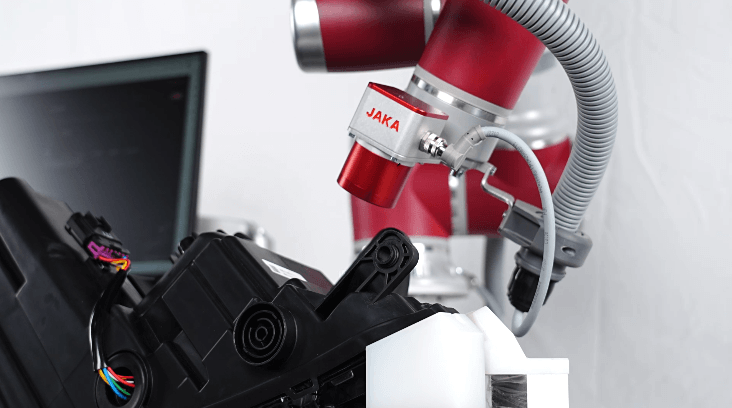
The manufacturing sector is undergoing a significant transformation with the rise of collaborative robots, or cobots, particularly through innovations from JAKA Robotics. The company’s controllable robots utilize real-time force feedback technology, enhancing safety and precision in various industrial applications. This technology continuously monitors the forces exerted during operations, allowing cobots to adapt to unexpected changes in their environment, such as obstacles or excessive force during assembly. By equipping their cobots with real-time force feedback, JAKA Robotics significantly improves workplace safety, enabling safe collaboration between human workers and machines. For instance, when a cobot detects a sudden force change or an object in its path, it can automatically slow down or stop, reducing the risk of accidents. This capability not only enhances safety but also allows human operators to focus on more strategic tasks by relieving them from repetitive, hazardous activities. The JAKA Zu3 cobot exemplifies this innovation, designed for high-precision tasks in confined spaces, with a payload capacity of 3 kg and a reach of 626 mm. Its integration with vision systems allows for non-destructive testing and precise measurements, crucial in industries like electronics manufacturing. As the demand for advanced cobots grows, JAKA Robotics is committed to enhancing operational efficiency while prioritizing worker safety. The integration of real-time force feedback is set to redefine automation standards, positioning companies to thrive in a competitive landscape by improving productivity and quality control.

MirrorMe Launches Viva Dexterous Hand for Real-Time Human-Robot Piano Duets
MirrorMe Technology has introduced its Viva dexterous robotic hand, capable of performing a real-time four-hand piano duet with a human player. This innovation utilizes the Cada music embodied foundation model, which translates musical intent into precise commands for fingering, touch, force, and timing, allowing for expressive performances beyond simple note playback. The significance of this development lies in its potential to enhance human-robot collaboration in creative fields, particularly music. With joint speeds exceeding 1,000 degrees per second and a peak fingertip force of 33 newtons, the Viva hand is engineered for complex musical expressions, making it a valuable tool for musicians and composers alike. Looking ahead, MirrorMe aims to further refine the capabilities of the Viva hand through ongoing performance strategy adjustments based on acoustic feedback. No further timeline was disclosed at the time of publication.
AI Physical AI China dexterous hand MirrorMe Robotics
Nanoscience Instruments Partners with BioNavis to Enhance MP-SPR Technology Solutions
Nanoscience Instruments has announced a new partnership with BioNavis, a Finnish leader in Multi-Parametric Surface Plasmon Resonance (MP-SPR) technology. This collaboration aims to leverage BioNavis's innovative technology to provide enhanced scientific instrumentation solutions across North America. The partnership is significant as it combines Nanoscience Instruments' extensive experience in scientific instrumentation with BioNavis's cutting-edge MP-SPR technology. This integration is expected to improve the capabilities of real-time binding kinetics analysis, which is crucial for various applications in biosensing and molecular interactions. Looking ahead, the collaboration is poised to advance the development of next-generation optical biosensors. No further timeline was disclosed at the time of publication.

NVIDIA Expands AI Solutions for Media and Streaming at IBC 2026
At the IBC 2026 conference in Amsterdam, NVIDIA announced significant enhancements to its NVIDIA AI for Media suite, aimed at revolutionizing live production and streaming workflows. The new offerings include GPU-accelerated software development kits, microservices, and tools designed to improve video authenticity, content localization, and augmented reality effects. This expansion is crucial as media companies increasingly adopt AI technologies to enhance their production capabilities without disrupting existing broadcast environments. The NVIDIA Synthetic Video Detector (SVD) microservice, which boasts an accuracy of 99.3% for text-to-video content, is being integrated into workflows by companies like Dalet and TwelveLabs to ensure content authenticity and compliance. Looking ahead, organizations can expect to leverage NVIDIA's advancements in real-time video analysis and human motion tracking. The integration of SVD into various platforms will enable broadcasters and streaming providers to enhance their content verification processes and improve audience engagement through innovative applications. No further timeline was disclosed at the time of publication.

ByteDance Prepares AI Model for Real-Time Spatial Video Generation Competing with Meta and Alphabet
ByteDance Ltd. is developing an AI model focused on real-time spatial video generation, positioning itself against major players like Meta Platforms Inc. and Alphabet Inc. This initiative highlights the growing competition in the AI sector, particularly in applications relevant to robotics and autonomous systems. The significance of ByteDance's efforts lies in its potential to enhance capabilities in robotics and autonomous systems, areas that are increasingly reliant on advanced AI technologies. By entering this competitive landscape, ByteDance aims to carve out a niche in a market that is rapidly evolving and attracting significant attention from industry leaders. Looking ahead, stakeholders should monitor ByteDance's progress in this AI model development, as it could influence trends in spatial video applications and their integration into robotics. No further timeline was disclosed at the time of publication.

Galbot Introduces RoboGesture for Enhanced Nonverbal Communication in Humanoid Robots
Beijing-based robotics firm Galbot has unveiled RoboGesture, a project aimed at improving real-time nonverbal communication in humanoid robots. Set to be presented at ECCV 2026 on September 10, RoboGesture offers an end-to-end framework that synthesizes natural co-speech gestures, addressing the disconnect often seen in humanoid interactions. This development is significant as it marks a shift from traditional gesture generation methods that often lead to awkward movements and self-collisions. Galbot's approach, which learns directly within the robot's kinematic action space, aims to enhance the social interaction capabilities of humanoids, particularly in applications like hospitality and live performances. Looking ahead, Galbot's RoboGesture could redefine how humanoid robots engage in social settings, potentially leading to more fluid and natural interactions. The company has also opened pre-orders for its bipedal ET1 humanoid, emphasizing the importance of real-time gesturing in various use cases. No further timeline was disclosed at the time of publication.
Galbot Research China
Real-Time Data Emerges as Essential Layer in Warehouse Automation
Recent insights from Oana Jinga, Co-Founder & Chief Commercial & Product Officer at Dexory, highlight the critical role of real-time data in warehouse automation. Despite advancements in technology, many warehouses still operate on outdated information, leading to inefficiencies in decision-making and operations. The next significant improvement in warehouse performance will stem from integrating accurate, continuously updated operational intelligence rather than merely increasing automation. The reliance on outdated data creates a disconnect between what warehouse systems perceive and the actual conditions on the floor. This gap can hinder the effectiveness of automated systems, which depend on accurate inputs to optimize operations. By enhancing data visibility, warehouse teams can make informed decisions, respond swiftly to changes, and better utilize resources, ultimately improving overall productivity. As supply chains face increasing pressures and fluctuating demands, the future of warehouse operations will hinge on the integration of automation with real-time data intelligence. This approach will enable warehouses to proactively address challenges, ensuring that decisions are based on the most accurate understanding of current conditions, thus enhancing operational resilience.
AI AMR and AGV Computing and Scanners IT in Logistics Magazine Features WMS & SCM Software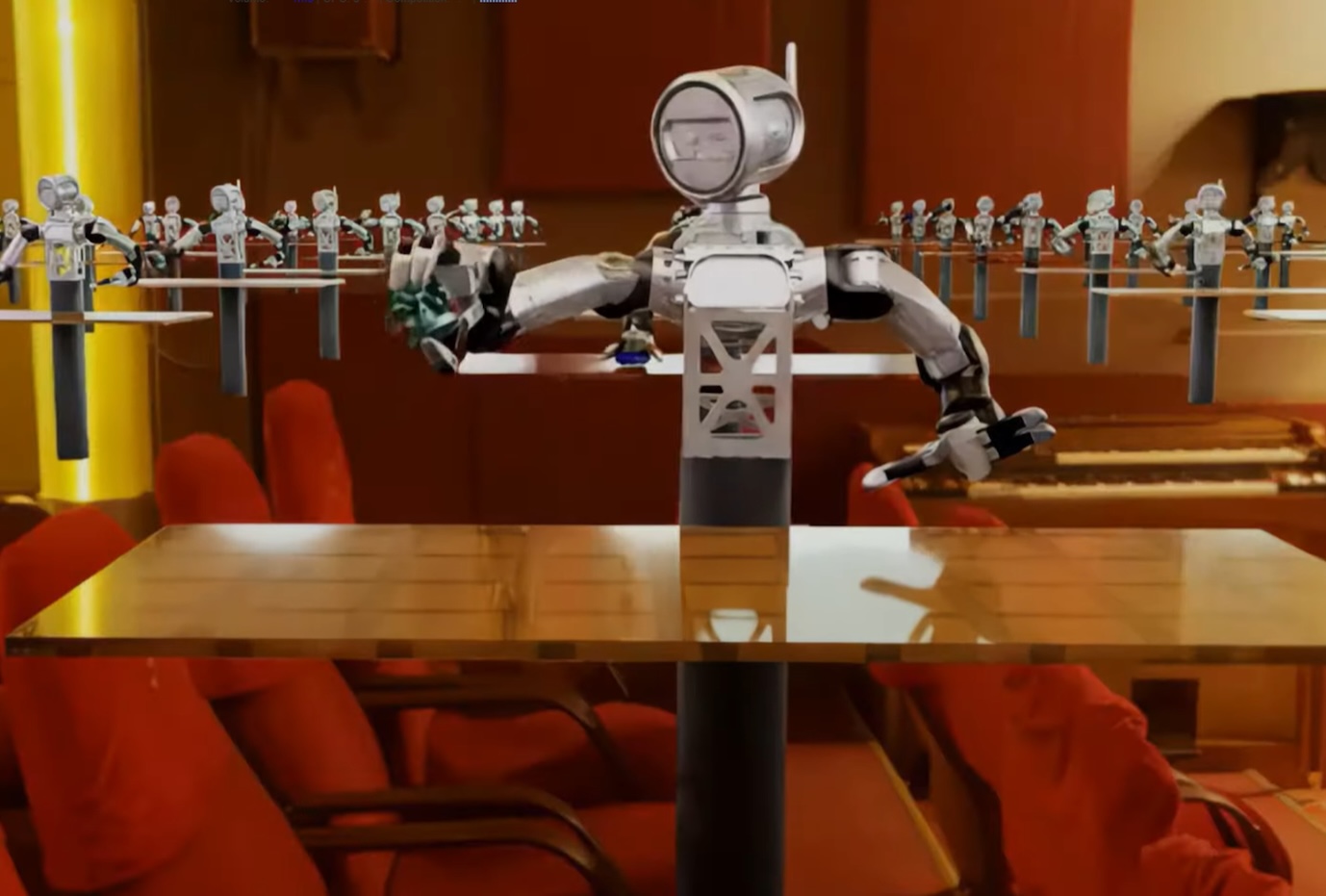
Enhancing Urban Traffic Management Efficiency with IoT-Aided Robotics and Graph Neural Networks
Recent advancements in IoT-aided robotics have shown significant potential for improving urban traffic management. By utilizing a multi-component attention graph convolutional neural network, these systems can enhance real-time traffic monitoring capabilities, leading to more efficient traffic flow and reduced congestion. This development is crucial as urban areas continue to face increasing traffic challenges. The integration of advanced robotics and IoT technologies can provide city planners and traffic management authorities with the tools needed to optimize traffic patterns and improve overall urban mobility. Looking ahead, the focus will be on the implementation of these technologies in real-world scenarios. Continued research and development in this area will be essential to fully realize the benefits of IoT-aided robotics in urban traffic systems. No further timeline was disclosed at the time of publication.
RESEARCH ARTICLE
DJI Announces Winners of Global AI Drone Challenge Focused on Real-Time Decision Making
DJI has revealed the winners of its DJI Enterprise Drone Onboard AI Challenge 2026, aimed at enhancing the capabilities of enterprise drones. The competition encourages the development of AI models that enable drones to make real-time decisions, addressing various applications such as crop counting, bridge inspections, and pollution detection. This initiative is significant as it seeks to reduce the time required for data processing after drone flights, allowing for immediate insights that can be crucial in sectors like agriculture and emergency response. By enabling AI models to operate onboard, DJI aims to streamline workflows and enhance the practical value of drone technology across multiple industries. Looking ahead, the focus will be on how these innovative AI solutions can be integrated into existing workflows. The success of projects like AgroCount AI, which automates crop counting, highlights the potential for edge AI to transform agricultural practices and other fields. No further timeline was disclosed at the time of publication.
News
BRINC Enhances LiveOps with Real-Time Wildfire and Smoke Tracking Features
BRINC has introduced two new map layers to its LiveOps platform, providing real-time wildfire and smoke tracking for public safety agencies. Launched on August 7, this feature allows users to access critical information without switching applications, streamlining operations during wildfire responses. The integration of fire detection and smoke condition data from the National Oceanic and Atmospheric Administration (NOAA) aims to enhance situational awareness for fire departments and emergency managers. By displaying this information directly on the existing drone operations map, BRINC facilitates quicker decision-making in challenging conditions, particularly when visibility is compromised. As wildfire response becomes increasingly complex, BRINC's initiative reflects a broader trend towards consolidating operational data. The company aims to transform LiveOps into a comprehensive operational tool, integrating various data sources to support over 1,000 public safety agencies and 20% of US SWAT teams. No further timeline was disclosed at the time of publication.
News
Tencent WorkBuddy V5.3.5 Introduces AI Collaboration in Office Documents
Tencent has launched WorkBuddy V5.3.5, integrating Tencent Docs to enhance AI collaboration in Office documents. This version supports local Office files and cloud documents, allowing users to box-select and edit with contextual multi-modal intelligence. The introduction of this feature is significant as it streamlines the editing process across various formats, including Word, Excel, PPT, and Markdown. By enabling real-time collaborative editing, Tencent aims to improve productivity and facilitate seamless teamwork in document creation and management. Looking ahead, it will be important to monitor how users adapt to these new collaborative features and whether they enhance overall efficiency in document workflows. No further timeline was disclosed at the time of publication.
Technology
JOUAV Demonstrates Real-Time Drone Mapping for Landslide Response in Chongqing
On July 17, JOUAV showcased its JOS-P200 drone system in Pengshui County, Chongqing, aiding emergency responders by providing a 3D map of a landslide area. The system delivered high-resolution imagery and a detailed model within an hour, allowing command centers to assess terrain and hazards before deploying personnel. This innovation is significant as it enhances safety and efficiency in disaster response, particularly in challenging environments where traditional access is limited. The JOS-P200's ability to produce real-time maps helps incident commanders make informed decisions regarding resource allocation and risk management. Looking ahead, JOUAV's technology could revolutionize emergency response strategies, especially in larger incidents where their CW-15 VTOL UAV can cover extensive areas quickly. No further timeline was disclosed at the time of publication.
Applications Asia Disaster Response Drone News Drone News Feeds Mapping
Retail Warehouses Must Embrace Real-Time Data to Avoid Operational Pitfalls
Retail warehouses face unprecedented challenges due to outdated data, leading to significant operational inefficiencies. With rising customer expectations and thin profit margins, fulfillment operations must be faster and more accurate. However, many retailers are unaware of the discrepancies between their warehouse management systems and actual inventory, resulting in costly errors. The impact of inaccurate inventory data is profound, contributing to a 6.5% loss in global retail sales due to inventory distortion. This issue is exacerbated by the reliance on stale data, which leads to poor decision-making and increased operational costs. Research indicates that 71% of shoppers are less likely to return after a negative fulfillment experience, highlighting the urgent need for improved visibility in warehouse operations. To address these challenges, retailers are turning to solutions like Dexory, which utilizes autonomous mobile robots to provide continuous inventory intelligence. This technology has demonstrated significant improvements in inventory accuracy and cost reduction, as seen in the case of Vente-unique.com. As the retail landscape evolves, the necessity for real-time data in warehouse operations becomes increasingly critical.
AMR and AGV Computing and Scanners eFulfilment IT in Logistics Storage & Racking Warehousing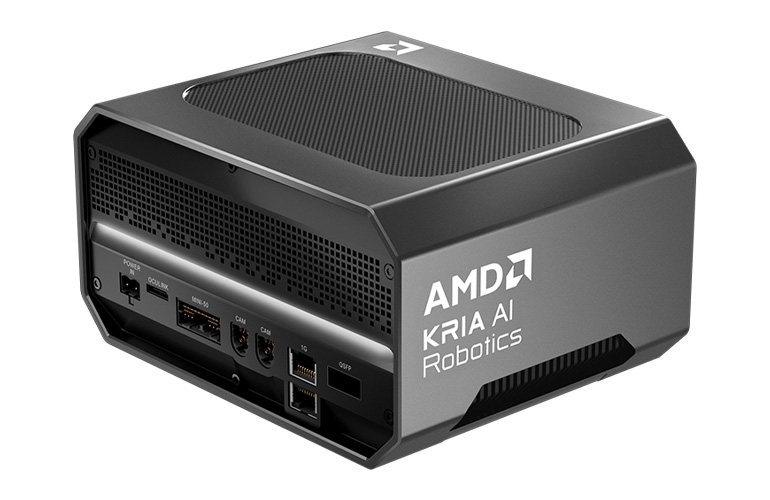
AMD Launches Kria Module and Ryzen AI Embedded X100 for Robotics Control
AMD has introduced the Kria module and Ryzen AI Embedded X100 series, aimed at enhancing real-time control and processing for robotics applications. The new platform promises deterministic performance with unified memory architecture, targeting both firm and hard real-time control through advanced optimizations. This development is significant as it positions AMD as a competitive alternative to NVIDIA in the robotics sector, particularly for physical AI applications. The unified CPU-GPU-NPU memory architecture is designed to reduce latency and improve efficiency in tasks such as perception and sensor fusion, which are critical for robotic operations. Looking ahead, AMD's offerings, including the open-source AMD Robotics Sophie Suite and a curated Robotics Partner Network, will be crucial for developers seeking scalable solutions for various robotic applications. No further timeline was disclosed at the time of publication.
Artificial Intelligence Controllers Microprocessors / SoC Microprocessors / SoCs Motion Control News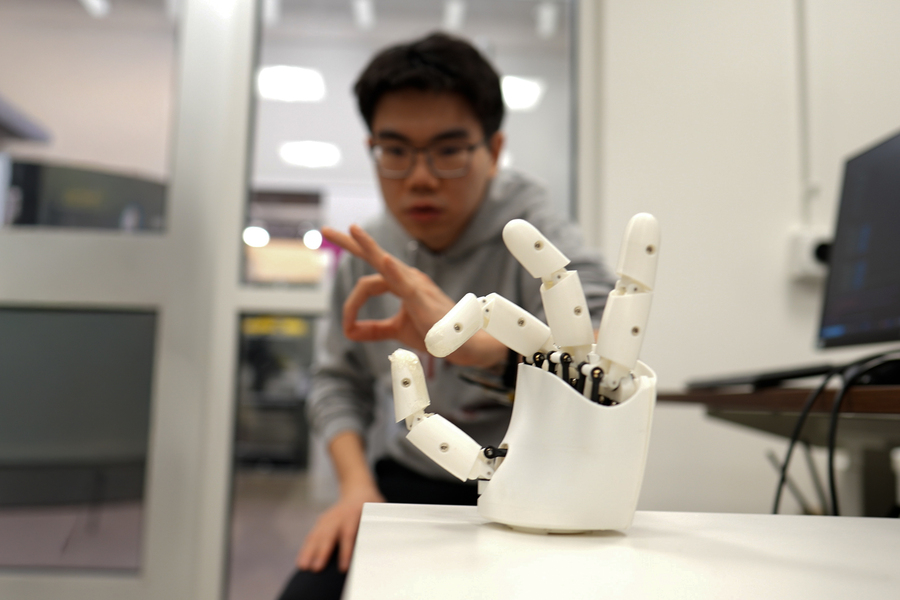
MIT Engineers Develop Ultrasound Wristband for Real-Time Robotic Hand Control
MIT engineers have created an innovative ultrasound wristband that allows wearers to control a robotic hand through their own movements. This wristband captures real-time images of the wrist's muscles and tendons, translating them into the positions of the fingers and palm using an AI algorithm. Demonstrations have shown that users can wirelessly manipulate a robotic hand to perform tasks like playing the piano or shooting a basketball. This technology is significant as it offers a new method for hand tracking in robotics and virtual reality, potentially replacing traditional techniques that rely on cameras or sensor-laden gloves. The wristband's ability to gather diverse hand motion data could lead to advancements in training humanoid robots for dexterous tasks, including surgical procedures. Xuanhe Zhao, a professor at MIT, emphasizes the immediate impact this work could have on both virtual environments and robotic dexterity. Looking ahead, the research team aims to expand their dataset of hand motions by collecting data from users with varying hand sizes and gestures. This could enhance the capabilities of humanoid robots and improve interactions in virtual settings. No further timeline was disclosed at the time of publication.

SpaceX's Starmind Targets AI Labs with $6.3 Billion Compute Contracts
SpaceX's Starmind is designed to provide wholesale AI compute services to businesses, particularly AI labs and cloud customers, rather than individual consumers. The service operates similarly to AWS, where users benefit from applications running on Starmind without direct subscriptions. The compute capacity of a single AI1 satellite is comparable to one NVIDIA GB300 rack, emphasizing its enterprise-grade capabilities. The significance of Starmind lies in its positioning as a potential fourth hyperscaler, joining the ranks of AWS, Microsoft Azure, and Google Cloud. The Reflection AI contract, valued at $150 million per month, exemplifies the enterprise-focused model, with total payments potentially reaching $6.3 billion through 2029. This contract highlights the growing demand for AI compute resources, particularly from AI-native startups and labs. Looking ahead, the focus will remain on securing additional enterprise contracts as Starmind expands its offerings. No consumer-facing products or subscriptions have been announced, and the current strategy is to cater to businesses with substantial AI workloads. No further timeline was disclosed at the time of publication.

SpaceX's Starmind Project: Supplier Strategy and Chip Manufacturing Plans for 2026
SpaceX's Starmind project, aimed at deploying up to 1 million AI satellites, was filed with the FCC on January 30, 2026. The initiative is designed to minimize reliance on external suppliers, with CEO Elon Musk stating that current chip production capabilities only meet 2% of the projected needs. The first satellite, AI1, is set for prototype launches in early 2027, featuring a 70-meter wingspan and a modular payload system that allows for interchangeable chips from various suppliers. The significance of Starmind lies in its ambitious supply chain strategy, which seeks to transition from external hardware suppliers to a fully integrated Musk-owned facility by 2028. The Gigasat manufacturing site in Bastrop, Texas, is expected to be operational by the end of 2027, with plans for high-volume production of the D3 chip, specifically designed for space applications. This approach aims to consolidate chip manufacturing processes under the Terafab joint venture, which has an estimated initial investment of $55 billion. Looking ahead, the next milestone for Starmind is the launch of AI1 prototypes in early 2027, while the full-scale chip production at Terafab is projected to ramp up significantly thereafter. However, analysts express skepticism regarding the feasibility of achieving Musk's ambitious compute goals, which may require substantial investment and time to establish the necessary manufacturing capabilities.
SpaceX Proposes 1 Million AI Satellites to Address Ground Data Center Constraints
On January 30, 2026, SpaceX filed with the FCC to launch up to 1 million AI compute satellites, positioning orbital data centers as a solution to the increasing demand for AI computing power. Ground data centers are facing significant challenges, with energy consumption projected to reach approximately 1,050 TWh in 2026, making them the fifth-largest electricity consumer globally. The demand for new data center capacity is outpacing the growth of power generation infrastructure, leading to a critical bottleneck in the grid system. The significance of this initiative lies in the structural constraints faced by ground data centers, including power delivery limitations, high water consumption, and local opposition to new projects. The Uptime Institute's 2026 outlook identifies power as the primary constraint on data center growth, with capacity clearing prices in the PJM grid skyrocketing to $329.17/MW, driven by data center expansion. Additionally, cooling requirements are becoming increasingly unsustainable, with facilities consuming vast amounts of water, further complicating their operational viability. Looking ahead, SpaceX's orbital AI compute initiative aims to circumvent these challenges by leveraging the advantages of space, such as continuous solar power and minimal local opposition. The first AI prototypes are expected to launch in early 2027, with operational deployments planned for 2028. No further timeline was disclosed at the time of publication.

Starmind's Orbital Compute vs. Terrestrial Data Centers: Analyzing Resource Advantages
Starmind's orbital compute technology presents a significant advantage over traditional ground-based data centers by eliminating constraints related to land, water, and grid permitting. While terrestrial data centers are currently cheaper and faster to construct, with U.S. data center spending reaching $85.3 billion in 2026, Starmind's approach focuses on addressing the growing resource limitations faced by hyperscale facilities. The significance of Starmind's technology lies in its ability to sidestep the increasing challenges of land and water usage. For instance, a 100 MW data center can consume approximately 530,000 gallons of water daily for cooling, while Starmind's AI1 utilizes deployable liquid radiators that require no water. This structural advantage could resonate with investors as the demand for AI computing continues to escalate, potentially leading to annual water withdrawals of up to 1.7 trillion gallons by 2027. Looking ahead, Starmind's next milestones include the launch of AI1 prototypes scheduled for early 2027. However, the technology's claims regarding cooling efficiency and operational reliability remain unverified until real flight data is available. As the industry evolves, the competition between orbital and terrestrial solutions will become increasingly relevant, particularly in the context of resource management and sustainability.
SpaceX's Starmind Faces Feasibility Challenges for 1 Million Satellite Deployment
On January 30, 2026, SpaceX submitted a request to the FCC to launch up to 1 million satellites as part of its Starmind orbital compute constellation. This ambitious plan is unprecedented, as the total number of satellites ever launched globally is in the low tens of thousands. The proposal seeks a waiver from standard deployment milestones, citing reliance on the Starship's full reusability for success. The significance of this request lies in the technical and logistical challenges it presents. Experts warn that low Earth orbit may not support the proposed number of active satellites without risking a debris cascade. SpaceX's own IPO prospectus acknowledges unresolved dependencies related to Starship's launch cadence and reusability, which are critical for the orbital AI compute strategy. Looking ahead, the timeline for achieving the necessary launch cadence and manufacturing capacity remains uncertain. SpaceX's Gigasat facility in Texas aims for volume production by late 2027, but this would require unprecedented output levels. No further timeline was disclosed at the time of publication, leaving the feasibility of the Starmind project in question.
GeoCue’s TrueView 641 Certified for Real-Time Robotics HERA Drone
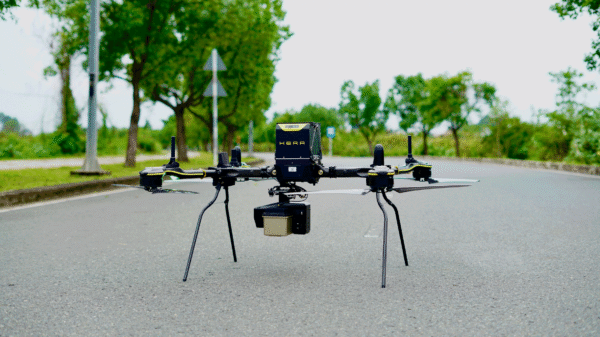
The companies say the integration gives customers a secure aerial mapping option that combines heavy-lift American-made drones with engineering-grade LiDAR. Huntsville, Ala.-based GeoCue has announced that its TrueView LiDAR payloads are now compatible with drones from Real-Time Robotics Inc., a pairing the companies say expands NDAA-compliant drone LiDAR options for customers in surveying, defense, public […] The post GeoCue’s TrueView 641 Certified for Real-Time Robotics HERA Drone appeared first on DRONELIFE.
Drone News Drone News Feeds Inspection LiDAR News Sensors
Building Resilient Fulfillment Networks with Robotics and Real-Time Logistics Data
Combining robotics and real-time data will positively impact supply chain management. As logistics becomes more complex, demanding, and international, these technological advances have come at the right time.
New color-changing tactile sensor gives robots a real-time sense of touch
Researchers have developed an innovative color-changing tactile sensor that enables machines to perceive and respond to their surroundings in real-time. This groundbreaking technology was unveiled in October 2023 and represents a significant advancement in the field of robotics and artificial intelligence. The sensor mimics the way humans and animals sense touch and texture, providing machines with the ability to "see" and interpret the materials they come into contact with. The motivation behind this development lies in enhancing the interaction between machines and their environment, allowing for more sophisticated and responsive robotic systems. By integrating this tactile sensor, robots can better understand the properties of objects, leading to improved performance in various applications, such as manufacturing, healthcare, and service industries. The process involves a combination of advanced materials and engineering techniques that allow the sensor to change color based on the pressure and texture of the surfaces it touches. This visual feedback not only aids in object recognition but also enhances the machine's ability to make informed decisions based on tactile information. As this technology continues to evolve, it holds the potential to revolutionize how machines interact with the world, paving the way for smarter, more adaptable robotic systems that can operate effectively in diverse environments.
AI and Robotics
New 6 mW Chip Helps Small Robots Build 3D Maps in Real Time
Gleanmer, a technology company specializing in autonomous navigation solutions, has developed an innovative system that integrates Gaussian-based mapping with specialized hardware. This advancement aims to significantly decrease memory and power requirements, enabling more efficient real-time navigation for autonomous vehicles. The new technology is expected to enhance the performance of self-driving systems, making them more viable for widespread use. The announcement comes as the industry continues to seek solutions that address the growing demands for energy efficiency and computational power in autonomous systems. Gleanmer's approach represents a promising step forward in the quest for sustainable and effective navigation technologies.
MIT’s 6 mW chip lets tiny drones see and map their surroundings in real time
Researchers at the Massachusetts Institute of Technology (MIT) have unveiled a groundbreaking low-power chip designed to enhance the capabilities of small drones and robots. This innovative technology, introduced in October 2023, aims to facilitate the construction of complex structures by enabling these machines to work collaboratively and autonomously. The development is driven by the need for more efficient and sustainable solutions in various fields, including construction and disaster response. By equipping drones and robots with this advanced chip, the team has demonstrated how these devices can communicate and coordinate their actions effectively, thereby significantly improving their operational efficiency. The research highlights the potential for such technology to revolutionize the way we approach tasks that require precision and teamwork in environments that are challenging for human workers.
Innovation
New radio frequency platform achieves 85% real-time signal accuracy under one watt
Australia-based technology company BrainChip has unveiled a new hardware platform aimed at enhancing the classification of radio frequency signals. This innovative development was announced recently, positioning BrainChip at the forefront of advancements in signal processing technology. The platform is expected to improve the efficiency and accuracy of radio frequency classification, which is crucial for various applications, including telecommunications and defense. By leveraging cutting-edge technology, BrainChip seeks to address the growing demand for sophisticated signal analysis tools in an increasingly complex technological landscape. The launch underscores the company's commitment to driving innovation and providing solutions that meet the evolving needs of the industry.
AI and Robotics Military
Brownfield Is the Real Test of Automation: How ForwardX Scaled 484 AMRs in a Live Auto OEM Factory Without Production Downtime
Over a year since its implementation, ForwardX's autonomous mobile robot (AMR) system is successfully expanding within Chery Automobile's manufacturing facility in Dalian, China, while maintaining uninterrupted production. This project has emerged as one of the largest brownfield AMR deployments in the automotive sector, showcasing the effectiveness of integrating advanced robotics into existing manufacturing processes. The deployment aims to enhance operational efficiency and streamline logistics within the facility, reflecting the growing trend of automation in the automotive industry.
RGPB‐Planner: A Real‐Time Gaussian Potential B‐Spline Trajectory Planner for Unmanned Aerial Vehicles in Complex Environments
A recent study published in the Journal of Field Robotics explores advancements in autonomous robotic systems designed for agricultural applications. Researchers from various institutions conducted the study to address the growing need for efficient farming solutions amid increasing global food demands. The findings, released in early October 2023, highlight innovative technologies that enhance the capabilities of robots in tasks such as planting, harvesting, and monitoring crops. The research was conducted in diverse agricultural settings, showcasing how these robotic systems can adapt to different environments and crop types. By integrating artificial intelligence and machine learning, the robots are able to optimize their performance, reducing labor costs and increasing productivity for farmers. This initiative stems from the urgent necessity to improve agricultural efficiency and sustainability in response to climate change and population growth. The study emphasizes that the implementation of these robotic systems could significantly transform traditional farming practices, making them more resilient and resource-efficient. The research team utilized a combination of field tests and simulations to demonstrate the effectiveness of the robotic technologies, providing a comprehensive analysis of their potential impact on the agricultural sector. As the industry continues to evolve, the insights from this study may pave the way for broader adoption of robotics in farming, ultimately contributing to food security and environmental sustainability.
RESEARCH ARTICLE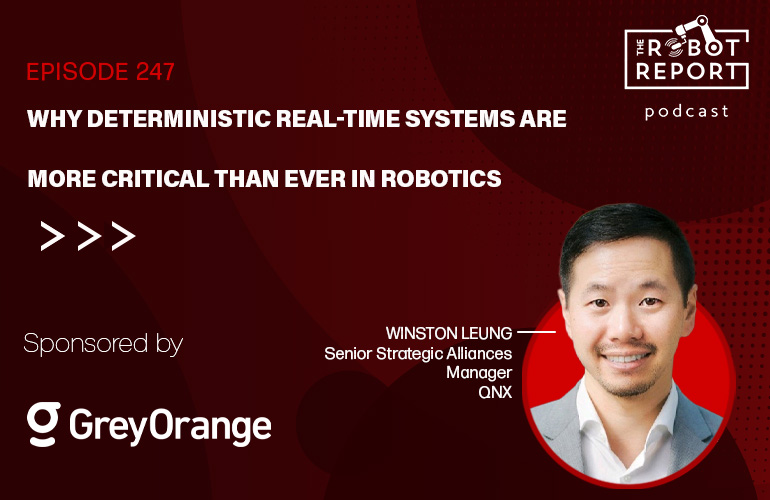
Why deterministic real-time systems are more critical than ever in robotics
Winston Leung recently highlighted the significance of QNX in the fields of robotics and artificial intelligence during a discussion centered on safety, innovation, and emerging industry trends. His insights underscore the increasing importance of deterministic real-time systems in robotics, particularly as the demand for reliable and efficient technology continues to grow. This conversation, featured in a post on The Robot Report, reflects the evolving landscape of robotics and the critical role that advanced operating systems play in ensuring both safety and performance in automated systems. As industries increasingly adopt AI-driven solutions, the need for robust and responsive systems like QNX becomes paramount to meet the challenges of modern robotics.
Artificial Intelligence Business Resources News Opinion Podcast Robots / Platforms
Startup helps retailers track their products in real-time
Cartesian, a technology company, has developed an innovative system for locating objects, leveraging technology originally invented at the Massachusetts Institute of Technology (MIT). This cutting-edge system has the potential to revolutionize various industries, including manufacturing, logistics, and robotics. By enhancing the accuracy and efficiency of object tracking, Cartesian aims to streamline operations and improve productivity across these sectors. The technology, which was first conceptualized at MIT, is now being adapted for practical applications in real-world settings. As industries increasingly rely on automation and precise tracking systems, Cartesian's advancements could play a crucial role in shaping the future of operational efficiency.
Research Startups Innovation and Entrepreneurship (I&E) Electrical engineering and computer science (EECS) Machine learning Wireless
Custom-trained AI locks laser onto mosquitoes, eliminates pests in real time
A computer vision and robotics enthusiast has unveiled an innovative AI-powered laser system designed to detect and identify objects with remarkable precision. This groundbreaking technology, which was introduced during a tech conference in San Francisco on October 15, 2023, aims to enhance automation and safety in various industries, including manufacturing and security. The motivation behind this development stems from the increasing demand for advanced automation solutions that can improve operational efficiency and reduce human error. By integrating artificial intelligence with laser detection, the system can analyze its surroundings in real-time, allowing for swift and accurate responses to potential hazards or operational needs. The creator demonstrated the system's capabilities through a series of live tests, showcasing its ability to recognize different objects and respond accordingly. This innovative approach not only promises to streamline processes but also addresses safety concerns by minimizing the risk of accidents in environments where precision is critical. As industries continue to evolve with technology, this AI-powered laser system represents a significant step forward in the quest for smarter, safer operational tools. The developer hopes that this invention will inspire further advancements in robotics and computer vision, ultimately leading to a more automated and secure future.

MOVENSYS to Showcase Real-Time Physical AI Execution Technology at Intel Edge Solution Summit 2026
MOVENSYS has been invited by Intel to showcase its innovative solutions at a prominent global event. The presentation will focus on addressing the latency gap that exists between artificial intelligence decision-making and robotic execution, utilizing a single Intel Core Ultra Series 3-based PC. This opportunity highlights MOVENSYS's commitment to advancing technology in the robotics sector, aiming to enhance the efficiency and responsiveness of AI-driven systems. The event is set to take place in the coming weeks, providing a platform for industry leaders to explore cutting-edge developments in AI and robotics.
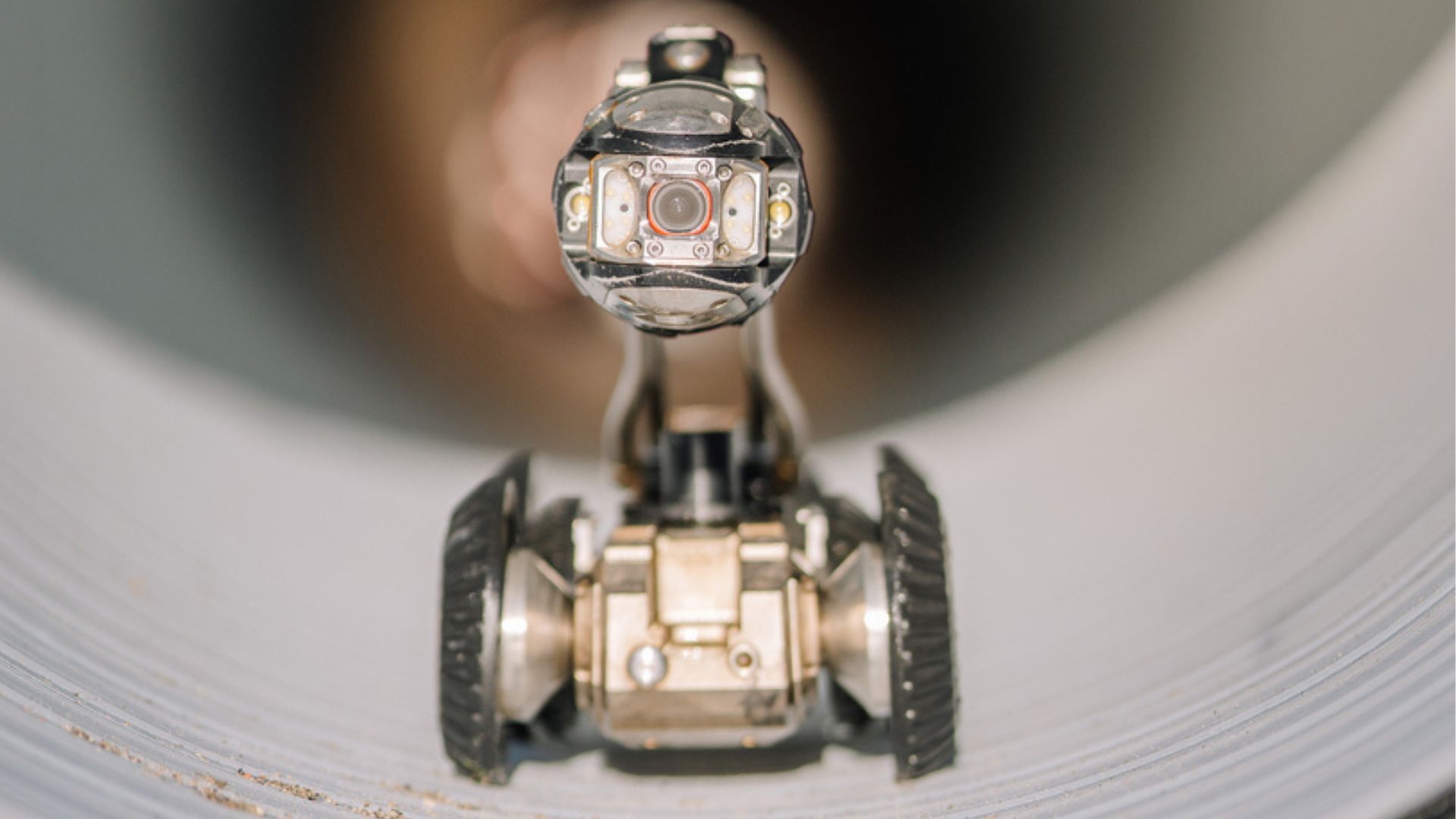
Design of a Multi‐Sensor Integrated Control System for Vehicle‐Mounted Tunnel Lining Inspection With Real‐Time Velocity and Posture Tracking
In June 2026, researchers published a comprehensive study in the Journal of Field Robotics, focusing on advancements in robotic technologies and their applications in various fields. The study highlights innovative methodologies that enhance the efficiency and effectiveness of robotic systems, particularly in challenging environments such as disaster response and exploration. The research team, comprised of experts in robotics and engineering, conducted extensive field tests to evaluate the performance of these advanced robotic systems. Their findings demonstrate significant improvements in navigation, autonomy, and adaptability, which are crucial for tasks that require precision and reliability. This study aims to address the growing demand for sophisticated robotic solutions in sectors like agriculture, search and rescue, and environmental monitoring. By showcasing the potential of these technologies, the researchers hope to inspire further development and investment in robotics, ultimately contributing to safer and more efficient operations in critical situations. The publication serves as a pivotal resource for industry professionals and academics alike, providing insights into the future of robotics and its role in addressing complex challenges faced by society.
RESEARCH ARTICLE
Video: This $42k humanoid robot from China blends real-time motion, vision, and smart control
Chinese robotics company LimX Dynamics has unveiled a full-size humanoid robot aimed at enhancing automation across various industries. The launch took place on October 15, 2023, at a technology expo in Shanghai, where the company showcased its latest advancements in robotics. This innovative robot is designed to perform tasks traditionally handled by humans, thereby increasing efficiency and productivity in workplaces. LimX Dynamics believes that the integration of such robots can significantly reduce labor costs and address workforce shortages in sectors like manufacturing and logistics. The development process involved extensive research and collaboration with industry experts to ensure the robot's capabilities meet the demands of modern enterprises.
Robotics needs a service framework.
RSF defines a common language for robot service capability, lifecycle operations, certification pathways, and service-provider networks.
Join the RobotToday community on LinkedIn
Daily robotics news, in-depth analysis, conference highlights, and discussions with professionals worldwide.







