Industry Briefing
A single destination for timely, editor-curated robotics news from around the world.

Hermeus Secures License from Pratt to Produce F100 Fighter Jet Engine
Hermeus has announced a licensing agreement with Pratt to produce engines for the F100-PW-229 powerplant. This move allows Hermeus to vertically integrate the production of its Quarterhorse drone, enhancing its manufacturing capabilities. The partnership is significant as it positions Hermeus as a second source for Pratt's F100 engines, which are critical for various military aircraft. This collaboration could lead to increased competition and innovation in the aerospace sector, particularly in engine manufacturing. Looking ahead, industry observers will be keen to see how this licensing agreement impacts Hermeus's production timelines and the overall supply chain for the F100 engine. No further timeline was disclosed at the time of publication.
Air Warfare AFA 2026 Air Force Anduril Boeing Defense Innovation Unit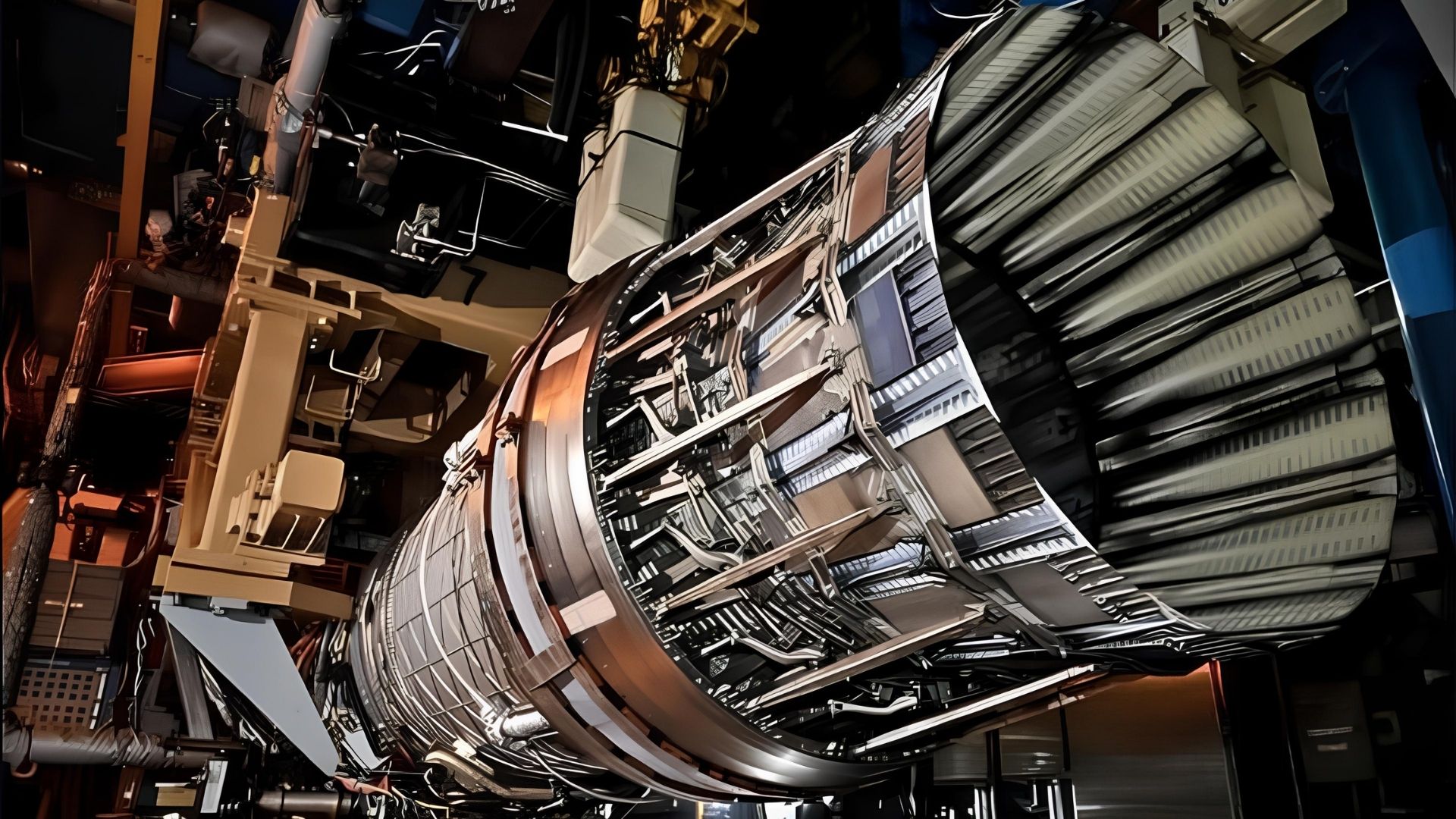
Hermeus Licensed by Pratt & Whitney to Manufacture F100-PW-229 Fighter Engines
Pratt & Whitney has granted aerospace startup Hermeus a license to produce F100-PW-229 turbofan engines, establishing a new U.S. production source for this widely utilized fighter engine. This agreement allows Hermeus to manufacture the F100 under Pratt & Whitney’s standards while employing its rapid-build manufacturing techniques, enhancing domestic engine capacity and bolstering the U.S. defense industrial base. The F100-PW-229, operational since 1992, has accumulated over 30 million flight hours and powers aircraft for 23 air forces. The agreement addresses Hermeus's need to integrate engine manufacturing closer to its Quarterhorse unmanned aircraft production, reducing reliance on external suppliers. CEO Zach Shore indicated that production levels will depend on customer demand, positioning Hermeus as a licensed manufacturer rather than a new engine developer. With the U.S. Air Force projecting peak demand for F100 engines to exceed 180 annually by fiscal year 2034, this partnership is timely. It aims to enhance manufacturing innovation and supply-chain resilience, providing Pratt & Whitney with additional capacity and reducing dependence on a single production source. No further timeline was disclosed at the time of publication.
Military
Pratt & Whitney Introduces BARB Robot for Jet Engine Assembly Efficiency
Pratt & Whitney has unveiled the Bearing Automation Robotic Builder (BARB) at its Middletown, Connecticut facility, aimed at enhancing jet engine assembly. This $20 million investment represents a significant step towards integrating automation into the assembly of the 1100G geared turbofan engines, which power various Airbus and Embraer aircraft. The introduction of BARB is crucial as it addresses the challenges of maintaining precision and error-free assembly in jet engines, a process traditionally reliant on human labor. The robot's ability to perform assembly tasks with an 80% reduction in 'touch time' highlights its potential to improve efficiency in a highly regulated environment where even minor errors can have serious consequences. Looking ahead, Pratt & Whitney plans to further integrate automation into both civilian and military engine production lines. As BARB continues to undergo testing and refinement, industry observers will be keen to see how this technology evolves and impacts the future of jet engine manufacturing.
Air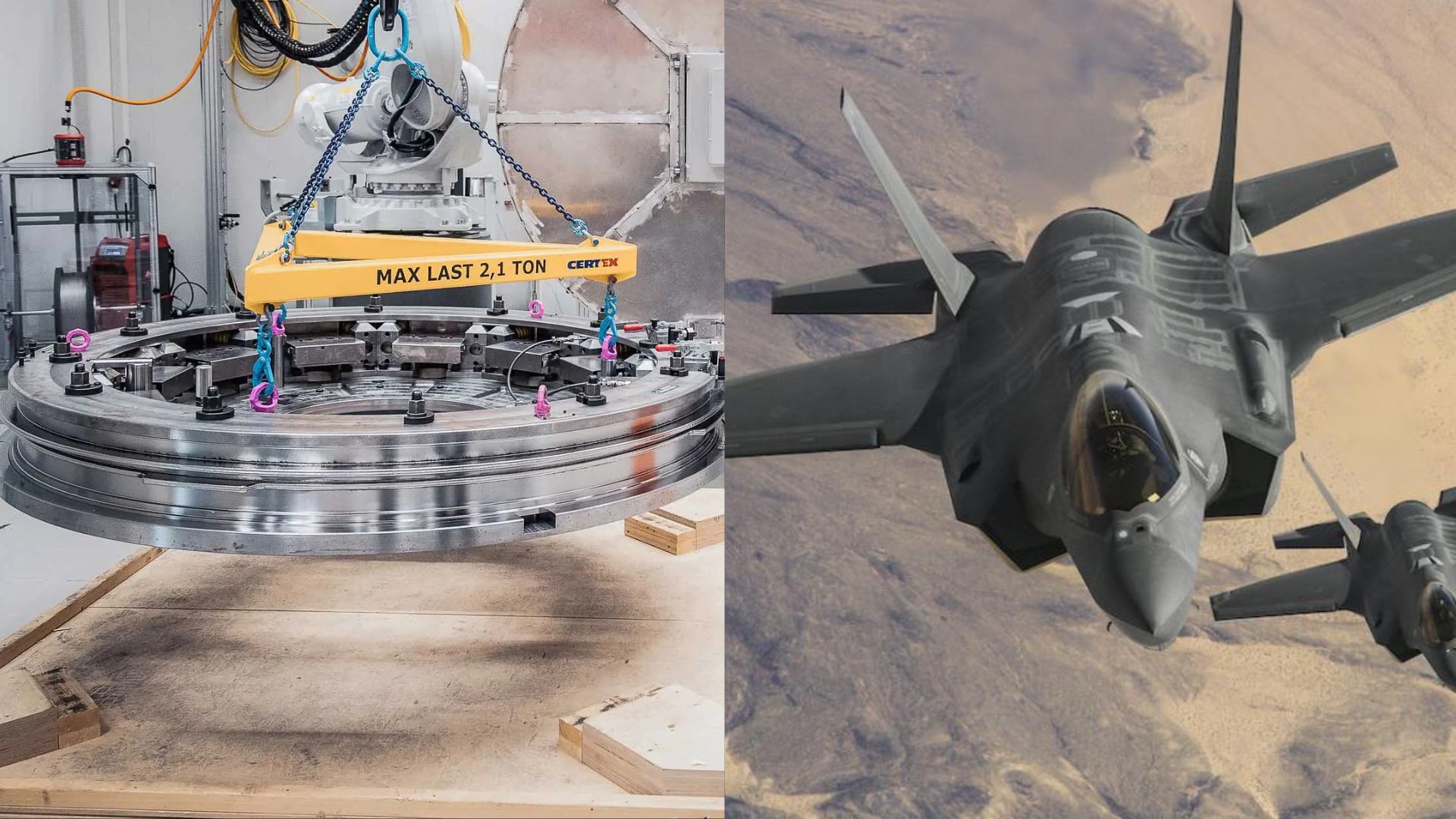
Pratt & Whitney and GKN Aerospace to Test 3D-Printed Engine Case for F-35 by 2028
RTX’s Pratt & Whitney has partnered with GKN Aerospace to develop a large additively manufactured structural component for the F135 fighter engine. The collaboration aims to certify this component by the end of 2028, following the production of a full-scale demonstrator in 2027. This initiative is significant as it represents a move towards integrating industrial-scale 3D printing into military propulsion systems. The focus is on creating a structural engine case that meets the performance standards of traditionally manufactured parts, which is crucial for the F-35 Lightning II's operational capabilities. Looking ahead, the project will provide valuable data on manufacturing quality and certification requirements, potentially transforming how larger structural components are produced in aerospace. No further timeline was disclosed at the time of publication.
Military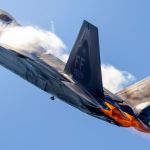
F-22 Raptor: Pratt & Whitney’s F119 engine crosses million flight hours milestone
Aerospace company Pratt and Whitney has announced a significant milestone, revealing that its F119 engine has officially surpassed one million flight hours. This achievement highlights the engine's reliability and performance, which has been integral to the success of the F-22 Raptor fighter jet since its introduction. The announcement was made on October 10, 2023, during a press conference at the company's headquarters in East Hartford, Connecticut. The F119 engine, known for its advanced technology and efficiency, has played a crucial role in enhancing the capabilities of the U.S. Air Force's fleet. The company attributes this milestone to ongoing innovations and rigorous maintenance protocols that ensure the engine's longevity and operational readiness. As Pratt and Whitney continues to support military aviation, this achievement underscores its commitment to providing high-quality aerospace solutions.
Military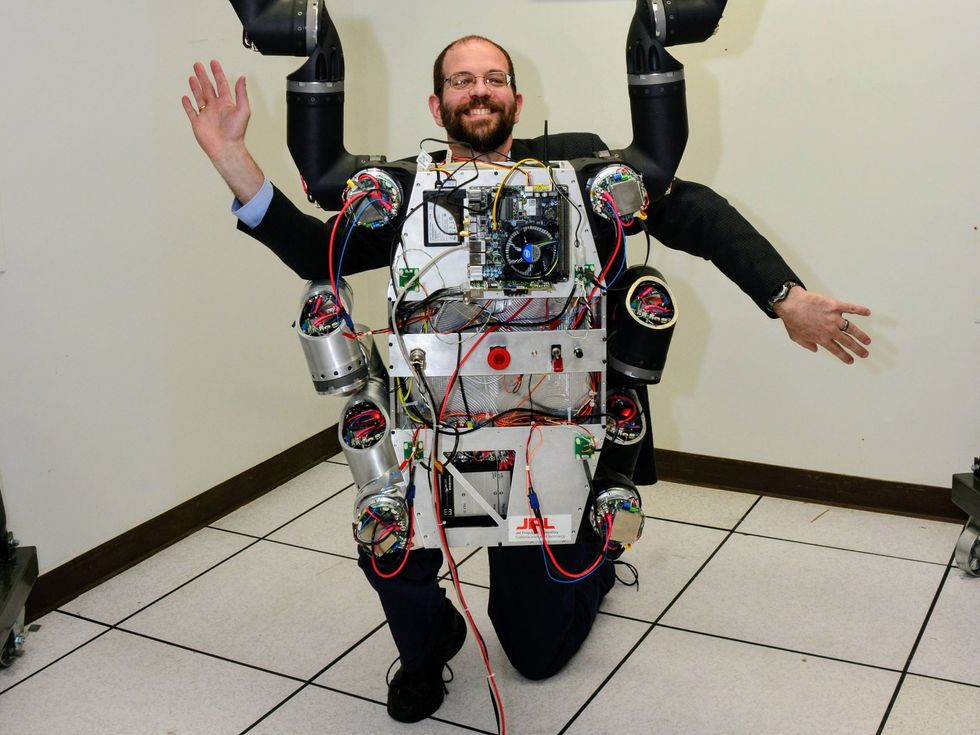
Gill Pratt Says Humanoid Robots’ Moment Is Finally Here
In 2012, the U.S. Defense Advanced Research Projects Agency (DARPA) launched the DARPA Robotics Challenge (DRC), a multimillion-dollar competition aimed at advancing disaster robotics. Gill Pratt, the architect of the DRC and now CEO of the Toyota Research Institute (TRI), envisioned the challenge as a catalyst for significant progress in robotics, similar to earlier DARPA initiatives that revolutionized driverless cars. A decade later, Pratt believes humanoid robots are on the brink of a transformative breakthrough, largely due to advancements in artificial intelligence (AI). Pratt notes that while the physical capabilities of humanoid robots have improved, the real change lies in their cognitive abilities. Recent AI developments allow robots to learn tasks through demonstration rather than programming, although data availability remains a challenge. He emphasizes the need for robots to develop deeper reasoning capabilities, beyond mere pattern recognition, to navigate complex real-world scenarios effectively. At TRI, Pratt's team is focusing on "care-receiving robots" to address societal issues like aging and loneliness. He highlights the importance of using robotics to enhance quality of life, particularly for the elderly. However, he cautions against the current hype surrounding humanoid robotics, warning that many advancements are still reliant on basic pattern-matching techniques. Pratt advocates for a balanced perspective to avoid potential disillusionment in the field, drawing parallels to the earlier challenges faced in automated driving.
Humanoid-robots Darpa Artificial-intelligence DrcRobotics needs a service framework.
RSF defines a common language for robot service capability, lifecycle operations, certification pathways, and service-provider networks.
Join the RobotToday community on LinkedIn
Daily robotics news, in-depth analysis, conference highlights, and discussions with professionals worldwide.