Industry Briefing
A single destination for timely, editor-curated robotics news from around the world.
Your Next AI Query May Travel Where the Power Is
Nvidia, in collaboration with InfraPartners, Prologis, and the Electric Power Research Institute (EPRI), is set to launch a pilot project later this year to construct approximately 25 micro data centers near utility substations across five U.S. states. This initiative aims to address the growing energy demands of the AI industry, which is projected to consume 9 to 17 percent of the country’s electricity generation by 2030. By strategically locating these small data centers, each with a capacity of 5 to 20 megawatts, the project seeks to enhance flexibility in power consumption and optimize the use of available electricity. The approach involves shifting computational workloads to different substations based on real-time power availability, thereby alleviating pressure on overloaded substations and maximizing overall energy efficiency. With U.S. grid operators typically utilizing only 53 percent of their generation capacity, this strategy could significantly increase the effective power supply for data centers. As AI workloads evolve, particularly in inference tasks that require less intensive computational resources compared to training, the micro data centers can dynamically route workloads to where power is most accessible. The project, termed “distributed inference,” is expected to begin construction by the end of 2026, with the goal of demonstrating a new model for data center operations that aligns with the increasing demand for energy-efficient solutions in the tech industry.
Ai-data-centers Nvidia Epri Power-generation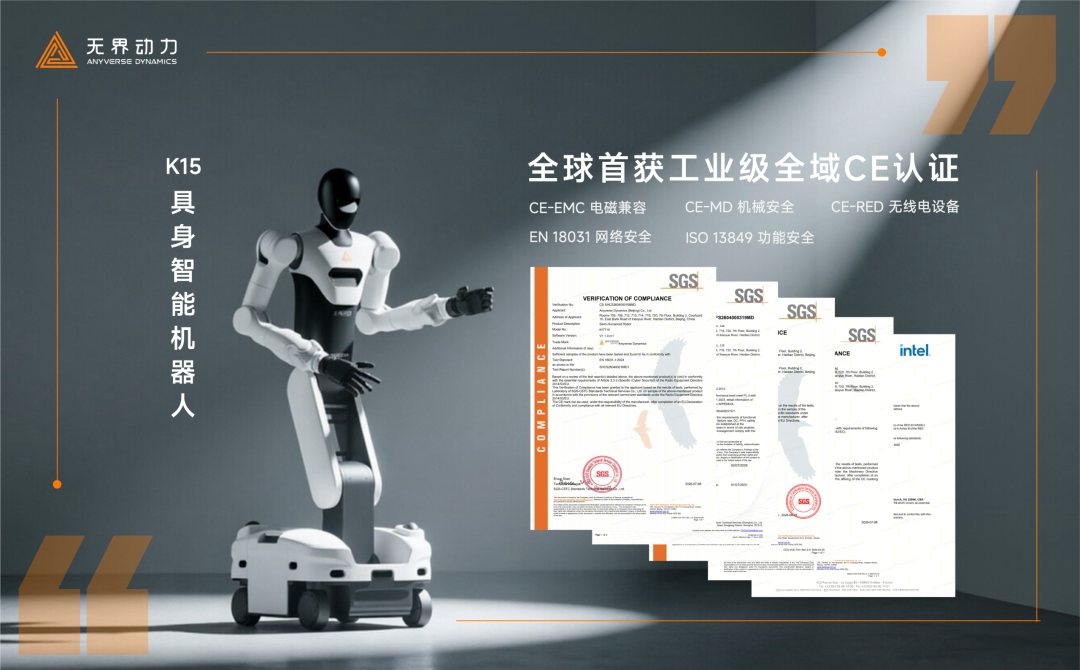
Unbounded Power Launches K15 Robot with Full CE Certification for Global Markets
On July 9, 2026, Unbounded Power announced that its second-generation K15 robot has achieved full industrial-grade CE certification, making it the world's first embodied intelligent robot to do so. The K15 has passed multiple EU standards, including CE-MD for machinery safety and EN ISO 13849 for functional safety, confirming its compliance with the highest global safety standards. This certification is significant as it allows the K15 to enter the European industrial manufacturing chain, enhancing its marketability in regions like the UK. The K15's compliance with stringent safety and electromagnetic compatibility standards ensures reliable operation in complex industrial environments, addressing potential risks associated with physical interactions and electromagnetic interference. With nearly $100 million in global orders now in the delivery phase, the first batch of K15 robots is being shipped to Europe. This marks a critical step in Unbounded Power's strategy to expand its global footprint and enhance the value chain of Chinese manufacturing, transitioning from hardware exports to integrated intelligent infrastructure solutions. No further timeline was disclosed at the time of publication.
Embodied Intelligence Industrial Robotics CE Certification Global Supply Chain Smart Manufacturing
Starmind's Satellite Technology Achieves 880 Billion Liters in Annual Water Savings
Starmind has announced that its satellite technology can save approximately 880 billion liters of cooling water annually at full scale. This figure is equivalent to the annual household water use of around 6.5 million Americans. The technology operates by utilizing a closed-loop liquid cooling system that eliminates the need for water during its operational life, contrasting sharply with traditional ground data centers that consume vast amounts of water for cooling. The significance of this achievement lies in the growing water consumption crisis faced by data centers, particularly as AI expansion drives demand. In 2025, U.S. data centers consumed nearly one trillion liters of water, highlighting the urgent need for sustainable solutions. Starmind's approach not only addresses direct water usage but also avoids indirect water consumption associated with electricity generation, marking a substantial shift in how computing can be conducted in a resource-efficient manner. Looking ahead, Starmind's deployment strategy includes a projected buildout of 100 GW of orbital compute per year, which could displace an additional 735 billion liters of ground water demand annually. The first tranche of 10,000 satellites is already operational, offsetting approximately 8.8 billion liters of water per year. No further timeline was disclosed at the time of publication.

SpaceX Unveils AI1 Satellite Specs for Starmind Constellation with Key Thermal Challenges
SpaceX has introduced the AI1 satellite, the inaugural component of its Starmind constellation, which stands 20 meters tall and has a wingspan of 70 meters. This orbital compute node is designed to deliver computing power equivalent to one NVIDIA GB300 server rack, utilizing a unique cooling system with deployable liquid radiators. The satellite's specifications were revealed during a presentation on June 8, 2026, ahead of SpaceX's IPO. The significance of the AI1 satellite lies in its role as a compute platform rather than a traditional satellite, focusing on running AI inference workloads. The satellite's cooling system, which is critical for its operation in the vacuum of space, is designed to reject heat through infrared radiation. However, independent engineers have raised concerns about the feasibility of the thermal and mass claims made by SpaceX, suggesting that the cooling requirements may exceed practical limits. Looking ahead, SpaceX plans to launch two AI1 prototypes in early 2027, with full-scale production expected to commence later that year at its Gigasat facility in Bastrop, Texas. The ongoing debate regarding the satellite's thermal management capabilities will be crucial to monitor as the project progresses, with no further timeline disclosed at the time of publication.
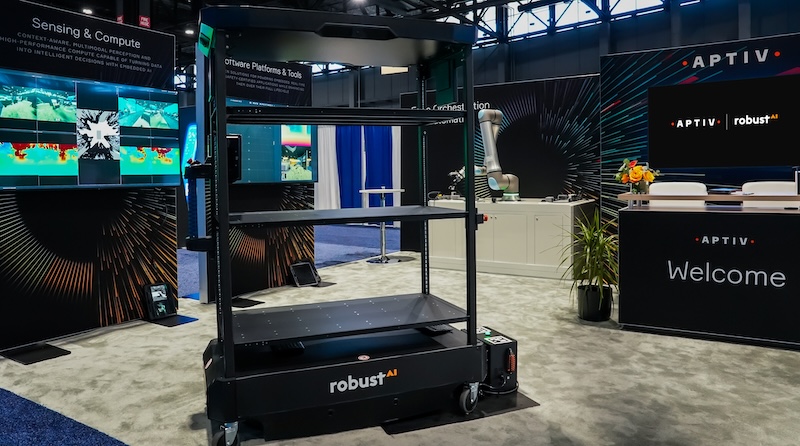
Robust.AI selects Aptiv’s AI-powered perception system for next-generation Carter warehouse robot
Aptiv, an industrial technology company, has announced that Robust.AI, a developer of AI-driven warehouse automation, has selected Aptiv’s intelligent perception solutions, including AI and Machine Learning based sensor fusion powered by the Aptiv Pulse sensor for its Gen 3 Carter collaborative mobile robot. This selection builds on the companies’ existing collaboration to combine Aptiv’s proven […]
Computing News Sensors AI perception amrs aptiv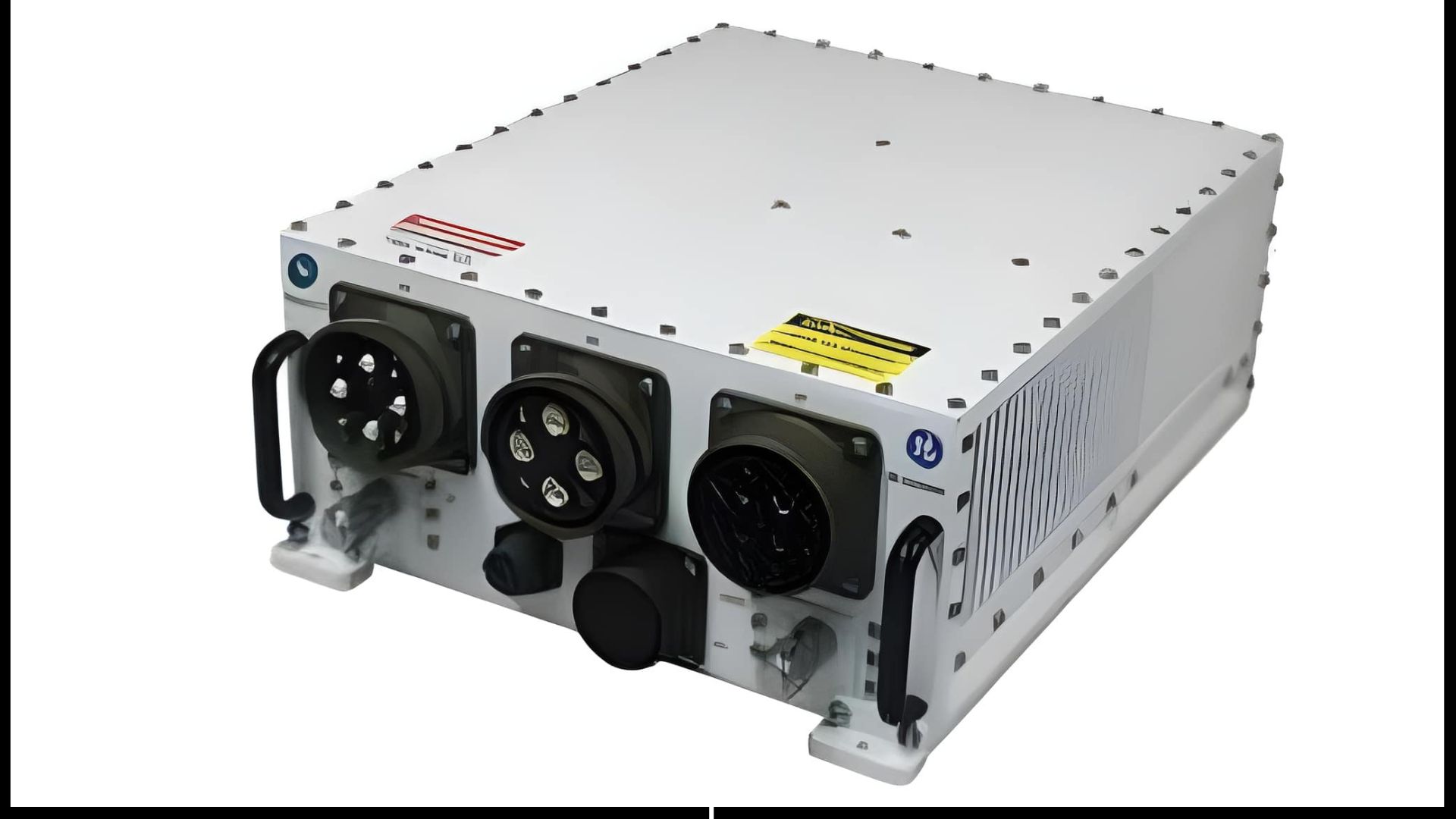
GE Aerospace qualifies 600-volt power systems for next-generation US Army vehicles
GE Aerospace has successfully qualified two high-voltage power electronics systems intended to enhance the capabilities of the U.S. Army. This significant development was announced recently, marking a crucial step in advancing military technology. The systems are designed to improve power management and efficiency for various applications within the Army's operations. By integrating these advanced power electronics, GE Aerospace aims to support the Army's mission to modernize its equipment and enhance operational readiness. The qualification process involved rigorous testing to ensure reliability and performance standards were met, demonstrating GE Aerospace's commitment to delivering innovative solutions for defense applications.
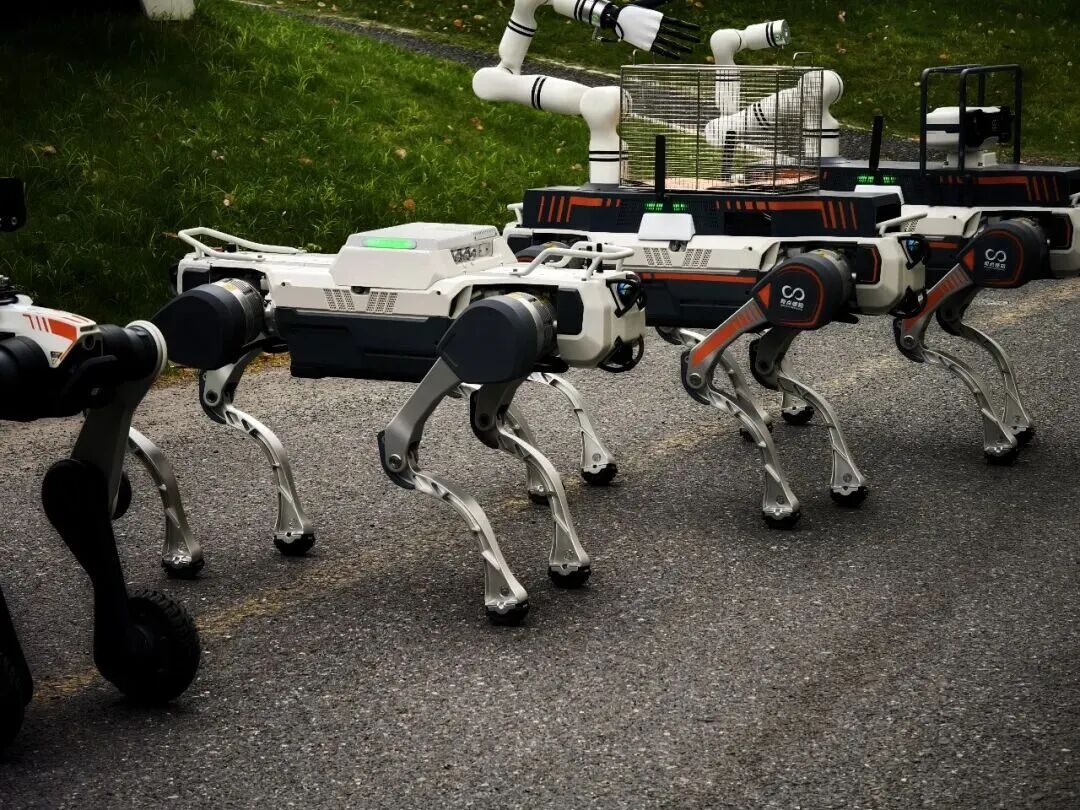
Nearly 10 Billion! The Largest Procurement of Embodied Robots in History! How is the 'National Team' Defining the Next Generation Power Grid?
The State Grid Corporation of China has announced a substantial investment of around 6.8 billion yuan aimed at acquiring 8,500 embodied intelligent devices by the year 2026. This initiative is centered on enhancing capabilities in power inspection, live working, emergency rescue, and logistics. The investment reflects a strategic shift towards embracing autonomous operations within the energy sector, signaling a commitment to modernizing infrastructure and improving operational efficiency. By integrating advanced technology, the State Grid Corporation aims to bolster its service delivery and response mechanisms in critical situations, ultimately enhancing the reliability of power supply across the nation.
Embodied Intelligence Power Grid Automation Robotics Procurement Energy Sector Innovation
China’s Alibaba unveils AI brains designed to power the next generation of robots
Alibaba, the Chinese technology giant, has unveiled its inaugural family of embodied AI models, marking a significant advancement in artificial intelligence technology. This launch, which took place recently, aims to enhance the interaction between humans and machines by integrating large language models with physical embodiments. The initiative is part of Alibaba's broader strategy to innovate and lead in the AI sector, responding to the growing demand for more intuitive and responsive AI systems. By leveraging its extensive data resources and expertise in machine learning, Alibaba seeks to revolutionize user experiences across various applications, from customer service to entertainment. The company plans to continue developing these models to further improve their capabilities and expand their use cases in the coming months.
AI and Robotics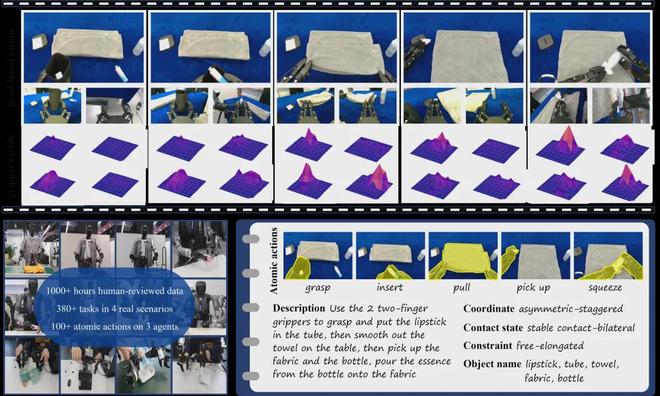
Release of VTouch: Empowering Next-Generation Embodied Training Environments and Model Evolution
On January 26, the National Local Co-Built Humanoid Robot Innovation Center unveiled VTouch, the world's first multimodal operation dataset. This groundbreaking dataset comprises over 60,000 minutes of cross-body vision-based tactile data, designed to improve robot decision-making and operational capabilities. By integrating visual and tactile information, VTouch aims to advance the field of robotics, offering researchers and developers a valuable resource for enhancing robotic interactions and functionality.
Multimodal Robotics Tactile Sensors Robot Training AI in Robotics
HYFIX Announces $15M Seed Round to Build American-Made Chips Powering the Next Generation of Drones and Robots
A new integrated chip developed in the United States is set to revolutionize drone technology by replacing the previously fragmented electronics systems with a single, secure platform. This advancement aims to enhance the reliability and efficiency of drone operations, addressing growing concerns over security vulnerabilities in existing systems. The integrated chip is expected to streamline the manufacturing process and reduce costs, making advanced drone technology more accessible. The initiative reflects a broader trend in the tech industry towards consolidation and improved security measures, particularly in the defense sector. As drone usage continues to expand across various applications, from military operations to commercial deliveries, the implementation of this innovative chip could significantly impact the future of aerial technology.
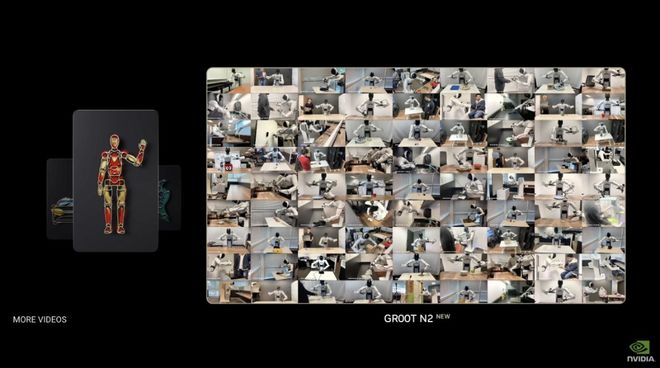
AGIBOT Showcases at GTC 2026, Deeply Empowering NVIDIA's Next-Generation Base Model
At the NVIDIA GTC 2026 conference, AGIBOT was highlighted as a key ecological partner, presenting its cutting-edge technology designed to enhance NVIDIA's latest base model. This partnership signifies AGIBOT's emergence as a prominent force in the global embodied intelligence sector, facilitating the widespread implementation of physical AI solutions. The collaboration underscores both companies' commitment to advancing AI technology and its applications across various industries.
Embodied Intelligence AI Technology Robotics NVIDIA Industrial Automation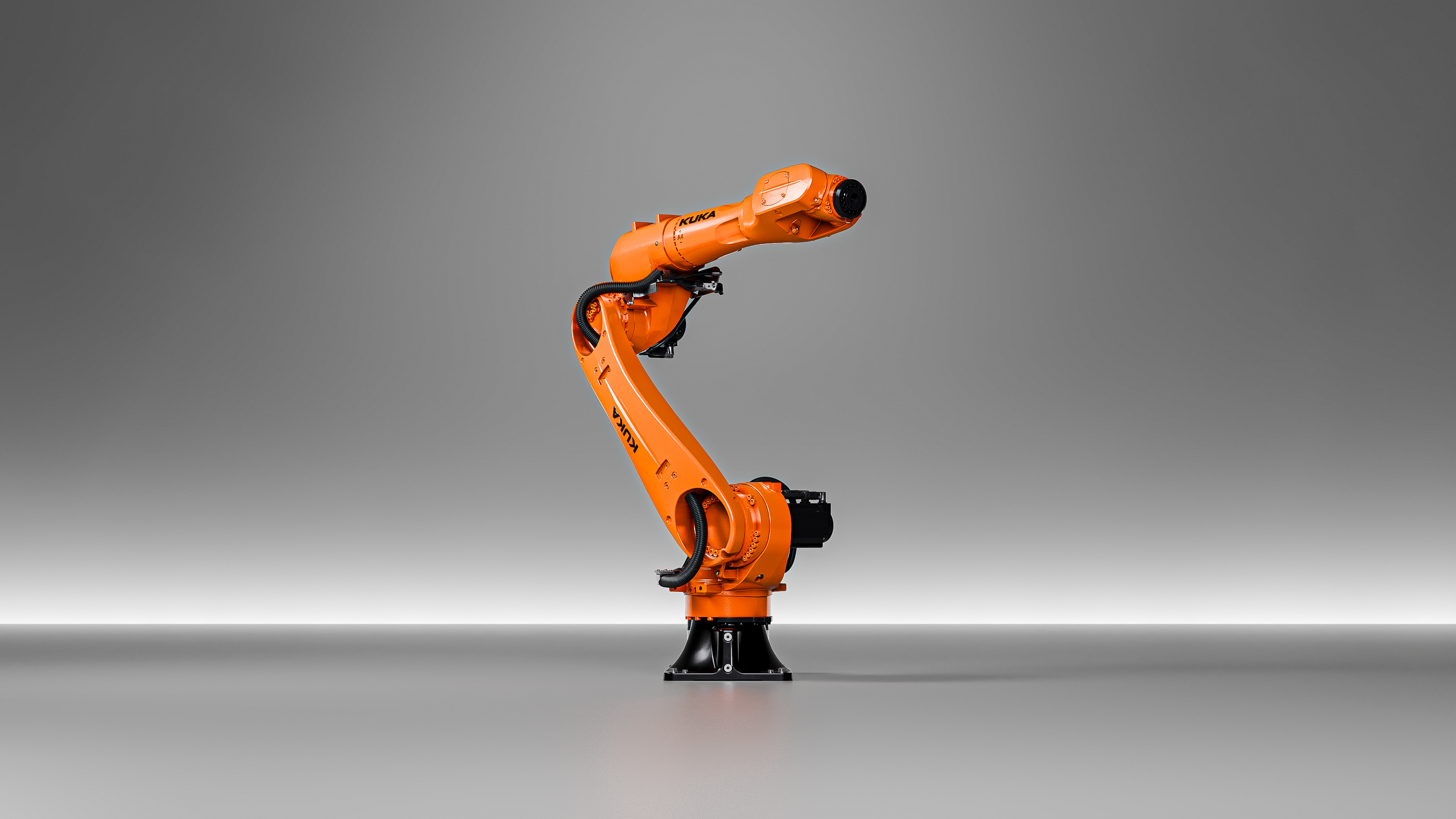
Two powerful all-rounders from KUKA: The new generation of the KR CYBERTECH family
KUKA has announced the expansion of its KR CYBERTECH portfolio with the introduction of new 25 kg and 35 kg payload variants, effectively bridging the gap in the medium payload class. This development enhances the company's offerings in industrial automation, providing users with flexible mounting options, a newly designed central hand, and improved performance for a wide range of applications. Alongside these new models, KUKA is launching the KR C5 slim controller, which, when paired with iiQKA.OS2 and the KUKA smartPLUG teach pendant, creates a comprehensive and future-ready automation solution. This initiative reflects KUKA's commitment to advancing automation technology and meeting the evolving needs of the industry.
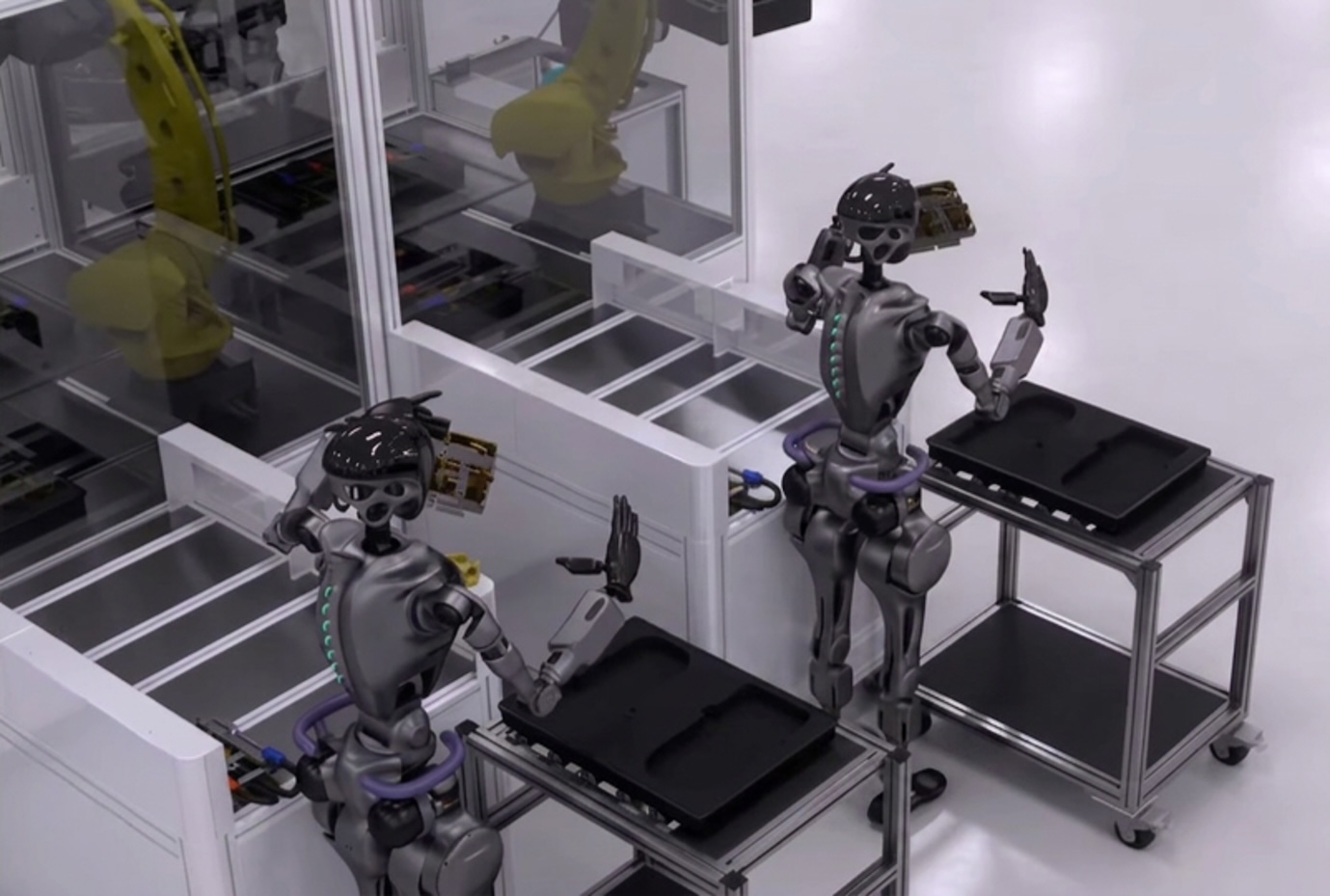
SpaceX Proposes 1 Million AI Satellites to Address Ground Data Center Constraints
On January 30, 2026, SpaceX filed with the FCC to launch up to 1 million AI compute satellites, positioning orbital data centers as a solution to the increasing demand for AI computing power. Ground data centers are facing significant challenges, with energy consumption projected to reach approximately 1,050 TWh in 2026, making them the fifth-largest electricity consumer globally. The demand for new data center capacity is outpacing the growth of power generation infrastructure, leading to a critical bottleneck in the grid system. The significance of this initiative lies in the structural constraints faced by ground data centers, including power delivery limitations, high water consumption, and local opposition to new projects. The Uptime Institute's 2026 outlook identifies power as the primary constraint on data center growth, with capacity clearing prices in the PJM grid skyrocketing to $329.17/MW, driven by data center expansion. Additionally, cooling requirements are becoming increasingly unsustainable, with facilities consuming vast amounts of water, further complicating their operational viability. Looking ahead, SpaceX's orbital AI compute initiative aims to circumvent these challenges by leveraging the advantages of space, such as continuous solar power and minimal local opposition. The first AI prototypes are expected to launch in early 2027, with operational deployments planned for 2028. No further timeline was disclosed at the time of publication.

ABB Robotics completes its AI-powered Visual SLAM AMR portfolio with new autonomous forklift
ABB Robotics completes its AI-powered Visual SLAM AMR portfolio with new autonomous forklift Visit http://go.abb/robotics for further information -The new Flexley Stack F712 extends ABB Robotics’ AI-powered Visual SLAM technology to autonomous forklifts, enabling pallet transport and high-density storage. -Customers can now deploy mixed fleets of Visual SLAM-powered tugs, movers and forklifts on a common navigation, fleet management and software platform. -Powered by ABB Robotics' AMR Studio, the portfolio enables up to 20% faster commissioning while ensuring seamless interoperability and safe, reliable operation. 07/07/26, 07:10 AM | Industrial Robotics, Mobile Robots | ABB Inc. ABB Robotics is expanding its Autonomous Mobile Robotics (AMR) portfolio with the launch of the Flexley® Stack F712, creating a complete interoperable ecosystem across all major Visual SLAM AMR types. Combining autonomous forklifts, tugs and movers on one platform, ABB Robotics enables customers to automate a broader range of material-handling and intralogistics processes. Offering market-leading accuracy, the F712 is designed for demanding material handling, end-of-line storage and warehouse operations across industries including automotive manufacturing, helping increase efficiency, flexibility and scalability. More Headlines A3's Automate 2026 Breaks Records as Demand for Robotics, AI and Automation Grows NVIDIA and Hugging Face Bring New Models and Frameworks to LeRobot for the Open Robotics Community Palladyne AI Executes $4.2 Million U.S. Air Force Contract to Advance Swarming Capabilities for Integrated Cross-Domain Operations UMA Unveils Its Vision for the Next Generation of Humanoid Robots Robbyant Unveils LingBot-Depth 2.0 and LingBot-Vision to Redefine Robotic Spatial Perception Articles Unleash AI Innovation: The Power of NVIDIA RTX PRO 6000 Blackwell Workstation Edition Fueled by PNY-Supplied GPUs Automate 2026 Q&A with DESTACO Automate 2026 Q&A with Roboteon Advances in Robots to See & Interpret within Warehouse Environments Building Resilient Fulfillment Networks with Robotics and Real-Time Logistics Data "Across intralogistics operations, businesses are being asked to process greater volumes in less time, while working with increasingly limited resources," said Marc Segura, President, ABB Robotics. "They are under pressure to move goods faster and with greater flexibility, while labour availability is becoming a critical constraint. As part of our journey to more autonomous and versatile robotics (AVRTM), we have combined advanced vision, mobility and intelligence in the Flexley Stack F712 forklift AMR, completing our scalable, AI-powered AMR portfolio." F712 is versatile, capable of handling multiple load types and sizes - including open and closed pallets, containers or racks- up to 2,000 kg and reaching heights of 8.5 meters. The Flexley Stack AMR F712 joins the Flexley Tug and Flexley Mover in ABB Robotics' growing Visual SLAM AMR portfolio. Applications include intralogistics tasks such as warehouse storage and retrieval, as well as line supply, end-of-line handling, body- and press-shop and drive-in and light buffer in the automotive and industries sector. Unlike conventional AMR forklifts on the market, F712 uses Visual SLAM to map and navigate its environment, eliminating the need for pre-installed infrastructure like markers or reflectors. The AI-enabled Visual SLAM supports the autonomous decisions required to operate in complex, dynamic warehouse operations with a market-leading positional accuracy of ±10 mm. Together with AMR Studio®, this shortens commissioning times by up to 20 percent and creates a versatile and reliable system that can adapt instantly when a warehouse or production floor layout changes. Certified to the latest ISO and ANSI safety standards, Flexley Stack F712 can safely operate at class-leading speeds of up to 1.7 m/s while loaded. F712 is fully integrated with AMR Studio and is VDA5050 compatible, enabling seamless integration with ABB Robotics' Visual SLAM AMRs and existing systems within a unified project. This makes it easy to manage complex projects and integrate different types of mobile robots. The no-code, drag-and-drop software suite supports rapid setup, fleet coordination, traffic management and real-time visualization, allowing ABB Robotics' tugs, movers and forklifts to operate together in the same layout for scalable turnkey automation projects. ABB Robotics as one of the world's leading robotics companies, is the only company with a comprehensive and integrated AI-powered portfolio covering robots, cobots and Autonomous Mobile Robots (AMRs), designed and orchestrated by our value-creating software. We help companies of all sizes and sectors - from automotive to electronics and logistics - to outperform by becoming more resilient, flexible and efficient. ABB Robotics is at the forefront of developing and commercializing a new generation of Autonomous Versatile Robotics
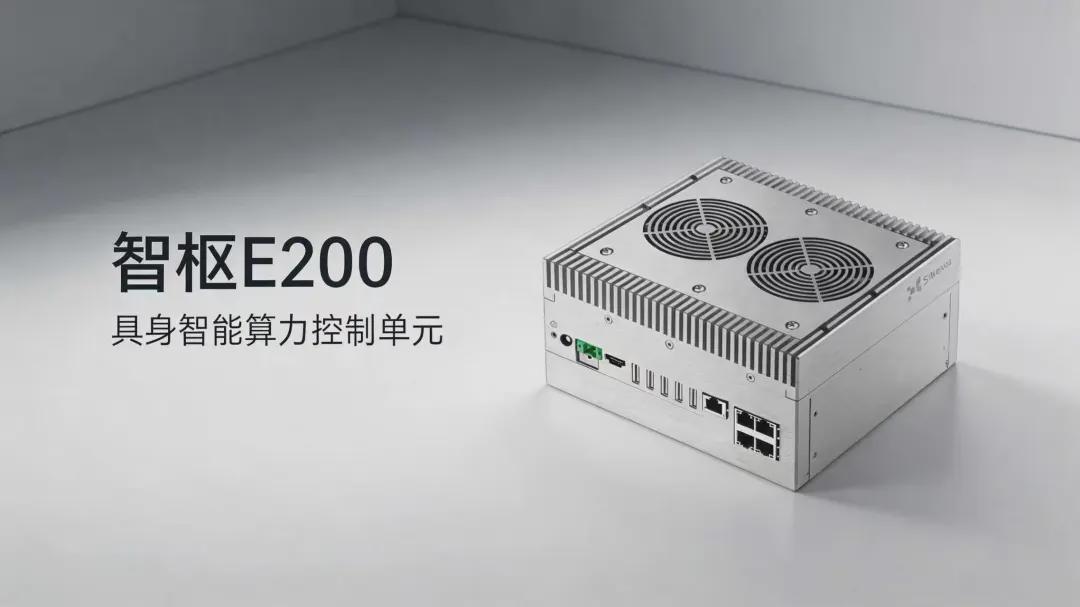
"Building a Brain for Robots: How Chip Bridge Semiconductor Positions Itself in the Foundation of Embodied Intelligent Computing Power"
Chip Bridge Semiconductor is making significant strides in the development of advanced computing technology aimed at enhancing robotic intelligence. The company is focused on creating a new generation of chips designed to serve as the foundational brain for robots, enabling them to process information and respond to their environments more effectively. This initiative comes at a time when the demand for embodied intelligent computing is rapidly increasing, driven by advancements in artificial intelligence and automation. Located in Silicon Valley, Chip Bridge Semiconductor is leveraging cutting-edge research and development to innovate in this competitive field. The company aims to address the growing need for robots that can operate autonomously in various settings, from manufacturing to healthcare. By integrating sophisticated algorithms with powerful semiconductor technology, Chip Bridge is positioning itself as a leader in the robotics sector. The motivation behind this initiative is to create robots that not only perform tasks but also learn and adapt to new challenges, thereby improving efficiency and productivity across industries. Through strategic partnerships and investments in research, Chip Bridge Semiconductor is working to refine its chip designs and enhance their capabilities, ensuring that they meet the evolving needs of the market. As the landscape of robotics continues to evolve, Chip Bridge Semiconductor’s efforts could play a crucial role in shaping the future of intelligent machines, making them more capable and versatile in their applications.
Robotics Automation AI
Alibaba unveils HappyHorse 1.1 video generation model, launches global AI filmmaking competition
On Monday, Alibaba unveiled HappyHorse 1.1, the latest iteration of its video generation model, marking a significant upgrade from its predecessor, HappyHorse 1.0. This new version boasts enhancements in motion dynamics, subject consistency, prompt adherence, visual quality, and audio generation capabilities. In conjunction with this release, Alibaba announced the HorsePower AI Video Competition, collaborating with Huajing Entertainment Group to encourage innovation in video content creation. The competition aims to engage developers and creators in exploring the potential of the upgraded model, fostering creativity and technological advancement in the field of AI-generated video.
News Feed
indie Launches Edge AI SoC to Power Smarter Perception Systems for Automotive and Humanoids
indie, an automotive solutions innovator based in Aliso Viejo, CA, has announced the launch of its next-generation edge AI system-on-chip (SoC), the iND881, designed to enhance smart camera technology for automotive and robotic applications. Unveiled on June 10, 2026, the iND881 integrates an AI compute engine with indie’s advanced low-latency multi-camera image signal processor (ISP), providing an efficient solution for developers. The iND881 is engineered for low power consumption and real-time responsiveness, featuring a Neural Processing Unit (NPU), a versatile Digital Signal Processor (DSP), and a quad-core ARM Cortex-A53 CPU. This architecture is tailored for demanding edge perception tasks, making it particularly beneficial for advanced driver assistance systems, including driver and occupant monitoring and smart mirrors with blind-spot detection. In addition to automotive applications, the iND881 supports robotics and physical AI automation, facilitating accurate sensing and navigation for autonomous mobile robots. The device's capabilities include multi-channel video compression, high-dynamic-range ISP, and compatibility with various sensor modalities such as infrared and LiDAR, ensuring robust performance in complex environments. The iND881 is ASIL-B compliant and automotive qualified, currently available for sampling. It will be showcased at the upcoming AutoSens and InCabin USA 2026 events. Fred Jarrar, indie's senior vice president, emphasized that the launch not only expands their product portfolio but also positions indie as a comprehensive solutions provider in the edge AI market.
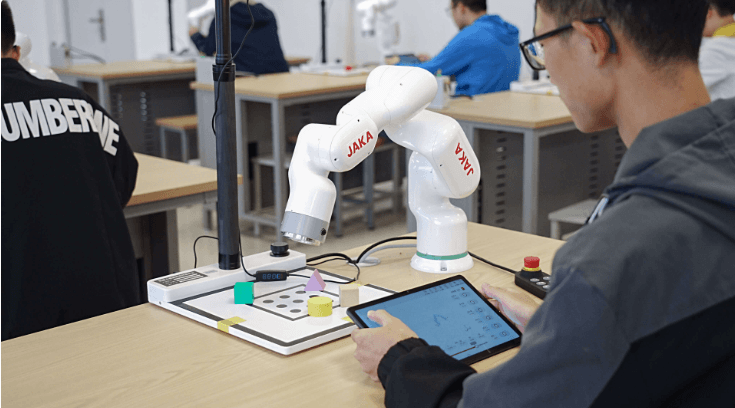
Industrial Automation and Robotics for Educators: Training the Next Generation
The rapid evolution of industrial automation and robotics is reshaping global manufacturing, leading to an increased need for a skilled workforce adept at managing advanced machinery. As educators strive to connect theoretical engineering principles with the practical demands of modern smart factories, there is a pressing requirement for classroom tools that reflect real-world equipment. By 2026, the integration of robotics into STEM curricula is expected to be crucial for fostering critical thinking and technical literacy among students. Educational programs are shifting towards "Embodied Intelligence," where learners engage with sophisticated technologies like industrial robot arms, enhancing their understanding of vision systems, sensor feedback, and machine learning. This hands-on experience equips students with essential skills in industrial safety, workflow optimization, and predictive maintenance, preparing them for careers as automation engineers and technicians. However, challenges persist, including the high costs and complexities associated with traditional industrial robots, which often require specialized facilities and safety measures. To address these issues, educational institutions are exploring "all-in-one" solutions that prioritize safety and usability while maintaining industrial-grade performance. JAKA Robotics is stepping up to meet these educational needs by providing tools that facilitate a safe learning environment. Their JAKA Academy offers a comprehensive training platform with courses ranging from basic operations to advanced software development. The versatile JAKA Zu and S series robots are designed for both research and classroom use, allowing students to engage in practical tasks and develop innovative AI-driven workflows. By incorporating JAKA's technology into educational settings, students are empowered to become the next generation of leaders in industrial automation.

The AI Server Challenge: Testing Power at Scale
Recent advancements in artificial intelligence (AI) are driving the need for specialized power test systems tailored for next-generation AI architectures. As the demand for faster GPUs and more efficient accelerators grows, the industry recognizes that traditional power testing methods may not suffice. This shift is particularly relevant as AI applications become increasingly complex and resource-intensive, necessitating a reevaluation of existing testing frameworks. The urgency for these purpose-built systems arises from the need to ensure that AI technologies can operate effectively and sustainably. With AI's rapid evolution, companies are seeking innovative solutions to optimize performance while managing energy consumption. The integration of advanced power testing will enable developers to better assess the efficiency and reliability of their AI systems, ultimately leading to more robust and scalable technologies. As the AI landscape continues to evolve, industry leaders are collaborating to design and implement these specialized power test systems, ensuring that they meet the unique demands of next-gen AI workloads. This proactive approach aims to enhance the overall performance and sustainability of AI solutions, paving the way for future breakthroughs in the field.

Why Thermal Metrology Must Evolve for Next-Generation Semiconductors
A recent analysis highlights the challenges posed by rising power density, 3D integration, and innovative materials in the field of semiconductor thermal management. As the industry faces heat flux projections exceeding 1,000 W/cm² for next-generation accelerators, thermal management has emerged as the primary constraint on semiconductor scaling, shifting the focus from traditional lithography techniques. This shift is driven by advancements in heterogeneous integration and AI-driven power density. The study also addresses the implications of extreme material properties on thermal design, particularly in nanoscale thin films where conventional bulk assumptions are inadequate. It emphasizes the importance of engineered ultra-high-conductivity materials, such as diamond and boron arsenide, and the challenges of devices operating above 200 °C in wide-band gap systems. Furthermore, the analysis reveals that thermal boundary resistance at bonded interfaces and dielectric stacks has become a critical factor in ensuring reliability. To mitigate these issues, the report advocates for a thermal-first design workflow, which integrates measured, scale-appropriate thermal properties early in the design cycle. This approach aims to calibrate models, reduce uncertainty, and prevent costly failures in advanced packaging and 3D architectures. The findings underscore the urgent need for advanced metrology to keep pace with the evolving demands of semiconductor technology. A free whitepaper detailing these insights is available for download.
Semiconductors Thermal-management Scaling Type-whitepaper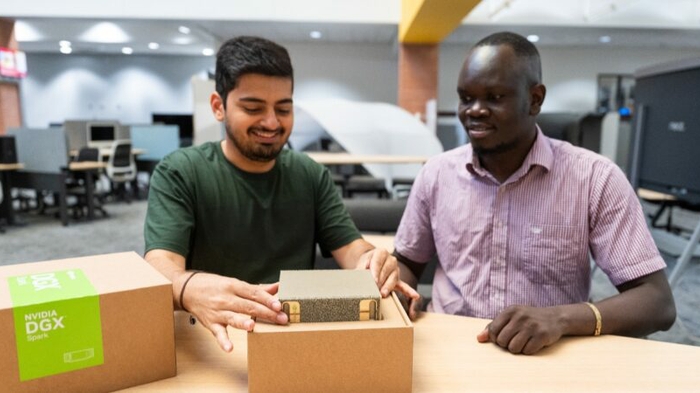
NVIDIA DGX Spark Powers Big Projects in Higher Education
The NVIDIA DGX Spark desktop supercomputer is revolutionizing artificial intelligence capabilities at leading institutions worldwide, making data-center-class AI accessible to researchers, faculty, and students. This advanced technology is being utilized in various settings, including academic laboratories and offices, enhancing the ability to conduct complex data analysis and AI research. Notably, a DGX Spark unit is operational at the IceCube Neutrino Observatory in the South Pole, showcasing its versatility and effectiveness in extreme environments. By integrating powerful computing resources directly into educational and research settings, NVIDIA aims to empower the next generation of innovators and scientists, facilitating groundbreaking discoveries and advancements in AI.
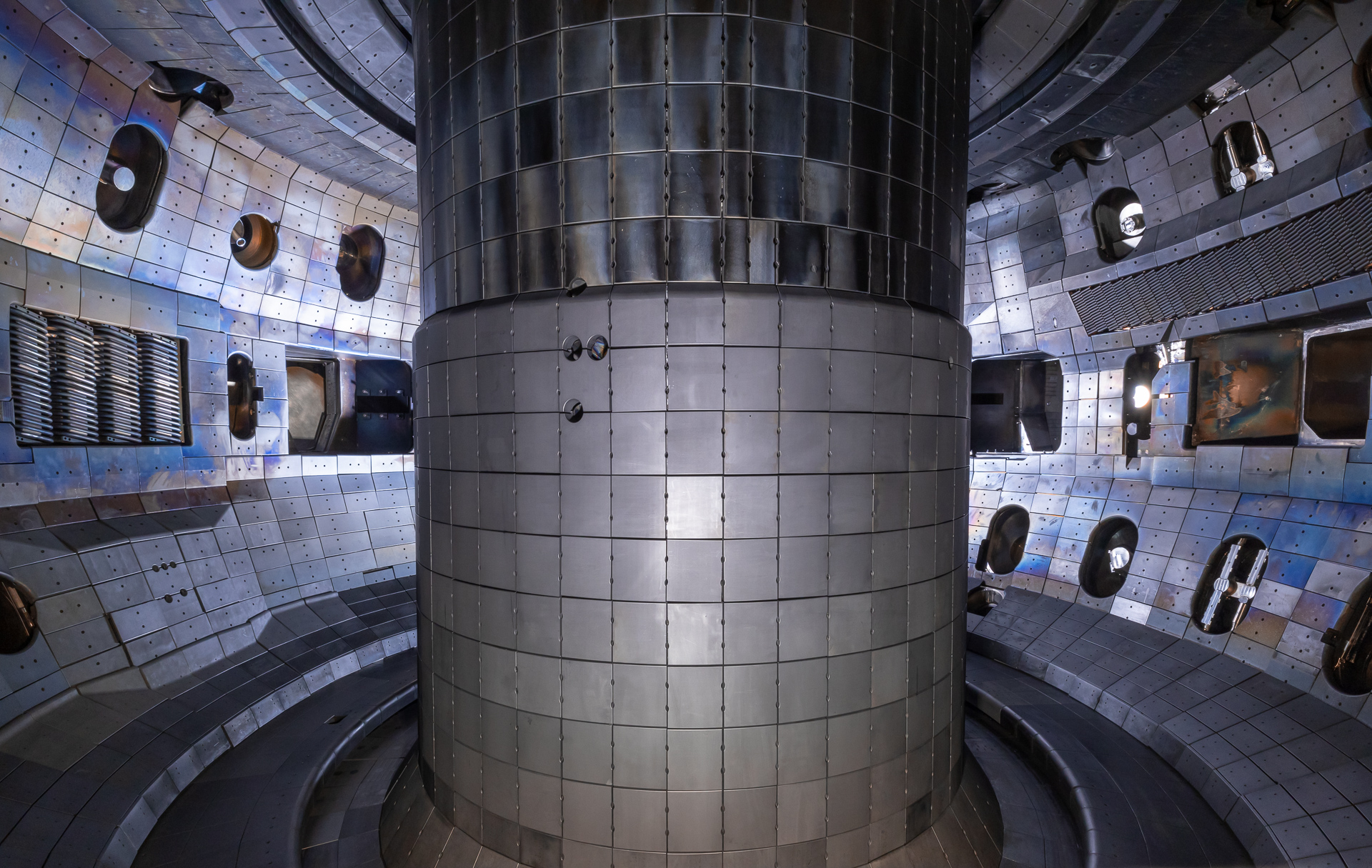
AI Meets Fusion: CMU, Princeton Join Forces to Pursue Clean, Abundant Power
Researchers from Carnegie Mellon University (CMU) and Princeton University are collaborating to explore nuclear fusion as a sustainable energy source, potentially transforming the future of energy production. This partnership aims to harness the power of fusion, which promises to be cleaner and safer compared to traditional nuclear fission methods currently used in reactors. The initiative comes at a time when the demand for reliable and environmentally friendly energy solutions is increasing. By combining their expertise and resources, CMU and Princeton hope to advance the development of fusion technology, paving the way for a new era of abundant energy. The collaboration underscores the growing interest in innovative approaches to energy generation, as scientists seek to address global energy challenges.
Research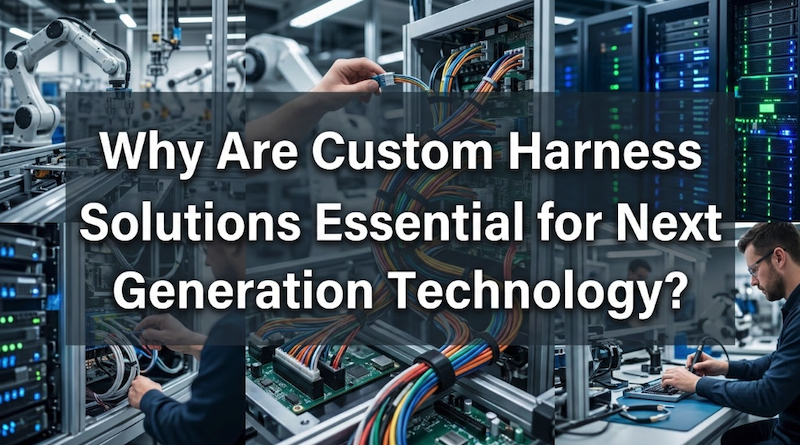
Why Are Custom Harness Solutions Essential for Next Generation Technology?
In the realm of hardware development, a recurring issue has emerged where wiring is often considered an afterthought. Engineers invest significant time and resources into creating advanced electric powertrains and high-density sensor arrays, ensuring that the mechanical and software components are meticulously designed. However, a common oversight occurs when the physical connections fail to fit within the designated space, leading to potential setbacks in the project timeline. This problem is particularly pronounced when relying on off-the-shelf components that may not be compatible with innovative designs. As the industry continues to evolve, addressing these wiring challenges is crucial for the successful integration of new technologies.
Engineering Technology aerospace Cable assembly Cable management Custom harness solutions
Improving the performance of high-power electronics
Researchers have discovered that applying a thin layer of diamond can significantly enhance the speed and energy efficiency of next-generation wireless devices. This innovative approach addresses the challenge of excessive heat generated during device operation, which has been a limiting factor in the performance of modern technology. The findings, which emerged from ongoing studies in advanced materials science, highlight the potential for diamond to serve as an effective thermal management solution. This breakthrough could pave the way for faster and more efficient wireless communication, ultimately benefiting consumers and industries reliant on high-performance devices.
Research Computer chips Electronics Carbon materials Nanoscience and nanotechnology Mobile devices
High-powered panel discussion: Why aren’t there more women in engineering?
Despite the common adage that "necessity is the mother of invention," women remain largely underrepresented in the field of engineering, a domain traditionally associated with innovation. This gender disparity persists globally, with historical and cultural factors contributing to the scarcity of female engineers. Efforts to address this imbalance are ongoing, as advocates highlight the importance of encouraging young women to pursue careers in engineering and related fields. By fostering an inclusive environment and promoting role models, the aim is to inspire the next generation of female innovators and change the narrative surrounding women in engineering.
Engineering Features automation news confidence gap diversity in engineering engineering careers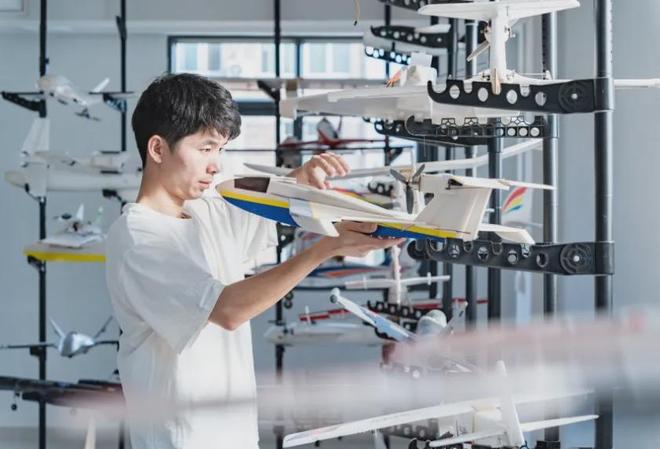
Incredible! A Self-Taught 95-Generation Youth Breaks World Record with Homemade Passenger Jet
Liu Xiangqiang, an aviation enthusiast from Jiangxi, has made headlines by successfully piloting his homemade jet-powered aircraft, setting a new world record for the smallest manned jet. This achievement comes 25 years after the previous record was established, marking a significant milestone in the realm of aviation. Liu, who is self-taught, transitioned from a hobbyist to a recognized innovator, capturing the interest of major media outlets and the Chinese aviation sector. His passion and dedication to aviation have not only led to personal success but have also highlighted the potential for innovation within the industry.
Aviation Innovation Homemade Aircraft Aerospace Engineering Youth Entrepreneurship
NVIDIA and ComfyUI Streamline Local AI Video Generation for Game Developers and Creators at GDC
At the Game Developers Conference (GDC) held this week in San Francisco, NVIDIA unveiled a series of updates aimed at enhancing the capabilities of game developers and artists. The company showcased how its RTX AI PCs are enabling the creation of cinematic worlds and iconic characters, significantly elevating the standard for immersive gaming experiences. This initiative reflects NVIDIA's commitment to pushing the boundaries of technology in the gaming industry, providing developers with advanced tools to craft more engaging and visually stunning content. The updates are expected to empower creators to leverage artificial intelligence in innovative ways, ultimately transforming the gaming landscape.

Semiconductor Innovations for the Next Generation of Robots
Texas Instruments (TI) has unveiled a new technology aimed at enhancing the performance of motors by integrating FETs, drivers, and current sensing into a single compact package. This innovation addresses the growing demand for high power density and precise control in motor applications, particularly in industries where space is at a premium. By reducing the size of the circuit board, TI's solution not only optimizes performance but also simplifies the design process for engineers. The announcement comes as part of TI's ongoing commitment to advancing motor control technology, reflecting the company's response to industry needs for more efficient and space-saving solutions. This development is expected to significantly impact various sectors, including automotive and industrial automation, where compact and efficient motor systems are crucial.
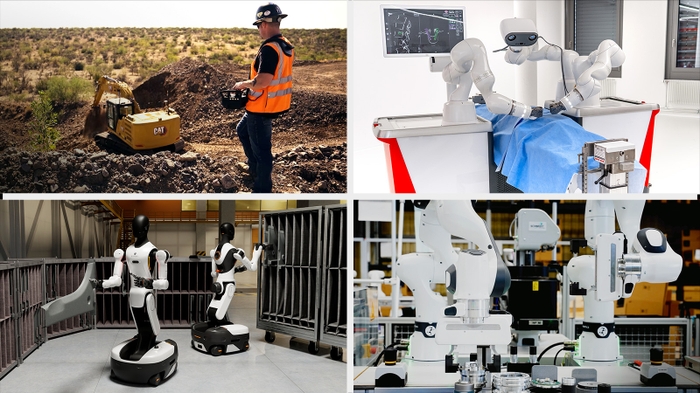
NVIDIA Releases New Physical AI Models as Global Partners Unveil Next-Generation Robots
NVIDIA has unveiled a suite of new open models, frameworks, and AI infrastructure aimed at advancing physical AI, along with a range of robots tailored for various industries, in a recent announcement. This initiative, made public today, showcases the company's commitment to enhancing AI capabilities across multiple sectors by collaborating with global partners. The introduction of these technologies is designed to facilitate the integration of AI into physical applications, addressing the growing demand for intelligent automation solutions. By leveraging cutting-edge AI frameworks and models, NVIDIA aims to empower businesses to innovate and improve operational efficiency. The launch reflects the company's strategic focus on expanding its influence in the AI landscape and supporting industries in their digital transformation efforts.

NVIDIA Kicks Off the Next Generation of AI With Rubin — Six New Chips, One Incredible AI Supercomputer
NVIDIA has officially launched the NVIDIA Rubin platform, marking a significant advancement in artificial intelligence technology. This new platform features six innovative chips that aim to create a powerful AI supercomputer capable of handling complex computations and tasks. The announcement was made today, highlighting NVIDIA's commitment to pushing the boundaries of AI capabilities. By integrating these cutting-edge chips, the company seeks to enhance performance and efficiency in AI applications, catering to the growing demand for advanced computing solutions across various industries. The launch of the Rubin platform positions NVIDIA at the forefront of the AI revolution, as it continues to develop technologies that shape the future of computing.

NVIDIA RTX Accelerates 4K AI Video Generation on PC With LTX-2 and ComfyUI Upgrades
In 2025, advancements in artificial intelligence on personal computers reached a significant milestone, with small language models (SLMs) achieving nearly double the accuracy compared to the previous year. This improvement has notably narrowed the performance gap between these PC-class models and larger, cloud-based language models (LLMs). The surge in AI development is attributed to enhanced developer tools and techniques that have emerged, enabling more efficient training and deployment of SLMs. As a result, users can now access more powerful AI capabilities directly on their PCs, marking a pivotal shift in the landscape of AI technology.
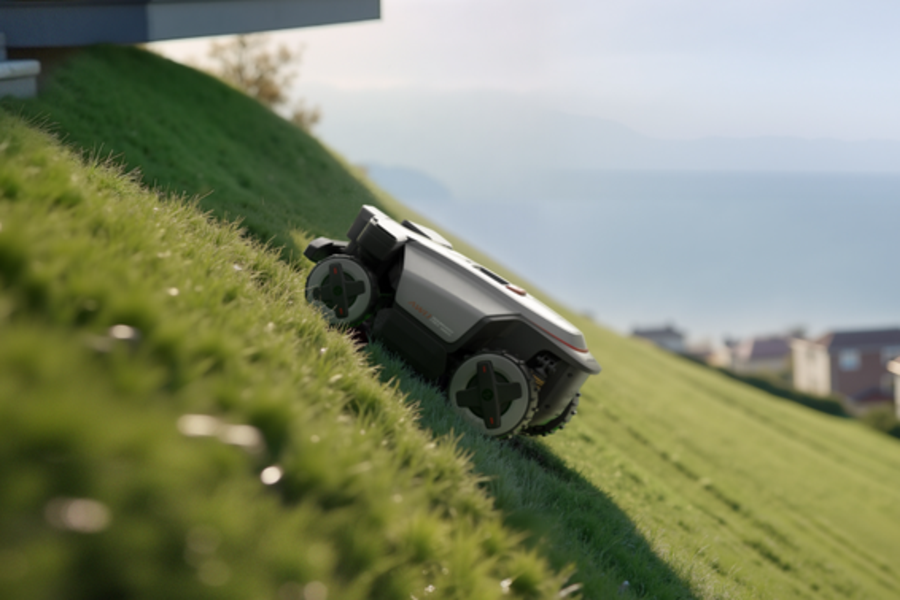
Roborock Expands Outdoor Portfolio with Next-Generation RockMow and RockNeo Series of lawnmowers for Every Lawn and Every Challenge
Roborock has introduced its latest innovation in lawn care with the launch of the RockMow and RockNeo Series of robotic lawnmowers. These advanced models feature AI-powered navigation and customizable options, allowing users to tailor their mowing experience to meet the specific needs of their lawns. Designed to handle a variety of terrains and challenges, the new lineup promises efficient mowing solutions suitable for lawns of all sizes. This release reflects Roborock's commitment to enhancing outdoor maintenance through technology, making lawn care more accessible and effective for homeowners.
Robotics Lawn Care Artificial Intelligence Home Automation Smart Technology
LG Energy to Supply Batteries for Google's Largest Solar and Storage Project
LG Energy has been confirmed to supply batteries for Google's largest solar and energy storage project, marking a significant expansion in energy infrastructure related to the rising power demands of AI data centers. This project, known as the Steel River Energy Center, is a collaboration between Google and Cypress Creek Energy in Arkansas. The initial phase of the project will feature 1.6 gigawatts (GW) of solar power generation capacity and approximately 2 gigawatt-hours (GWh) of battery storage, with plans to expand to 2.5 GW of solar and 2.9 GWh of storage by 2029. LG Energy is expected to provide its JF2 DC Link system, utilizing lithium iron phosphate battery technology, with the order valued at several hundred billion Korean won. As the demand for renewable energy solutions grows, this partnership highlights the increasing importance of energy storage systems in supporting sustainable infrastructure. No further timeline was disclosed at the time of publication.

Alibaba's Qwen AI Model to Enhance Apple Intelligence Across Multiple Platforms
Alibaba's Qwen AI model is set to be integrated into Apple Intelligence, enhancing user experiences in China across various Apple operating systems including iOS, iPadOS, macOS, and visionOS. This integration allows users to utilize Qwen's features such as text and image understanding and content generation without the need to switch between applications. The significance of this integration lies in its potential to streamline AI-powered interactions for Apple users in China, aligning with the growing trend of incorporating advanced AI capabilities into consumer technology. The announcement coincides with the Cyberspace Administration of China filing for seven on-device generative AI services for smartphones, highlighting the competitive landscape among major tech players like Huawei and OPPO. Looking ahead, the integration of Qwen into Apple Intelligence marks a notable development in the AI sector, particularly in the context of mobile technology. No further timeline was disclosed at the time of publication.
News Feed
Bosch Initiates 200 mm Silicon Carbide Chip Production at California Semiconductor Plant
Bosch has commenced sample production of silicon carbide (SiC) semiconductor chips at its facility in Roseville, California. This marks a significant advancement in the effort to revitalize power chip manufacturing within the United States. The company has also secured up to $225 million in funding from the U.S. Department of Commerce’s CHIPS Program Office to support its investment of up to $2 billion at the site. The Roseville plant is set to begin commercial production in 2026, making it Bosch's first semiconductor manufacturing site in the U.S. The facility will produce third-generation SiC chips on 200-millimeter wafers, aligning with the U.S. government's initiative to bolster domestic semiconductor manufacturing. Silicon carbide chips are increasingly vital for applications in electric vehicles, industrial equipment, and energy systems. Looking ahead, Bosch plans to invest up to $7.5 billion across its U.S. operations by 2031, enhancing manufacturing capacity and expanding its North American business. The Roseville site currently employs over 300 individuals and is committed to workforce development through local education partnerships, with plans to contribute more than $100,000 annually to community STEM programs starting in 2026.
Innovation
Performance per Watt: Key Metric for AI Infrastructure Efficiency and Profitability
Power constraints are critical for AI infrastructure, influencing revenue and profitability based on token generation within a fixed power budget. Performance per watt emerges as a vital metric, reflecting real-world results and shaping the scalability of AI factories in a power-limited environment. The NVIDIA Blackwell NVL72 platform exemplifies this metric, delivering the highest performance per watt and enabling organizations to maximize revenues while minimizing token costs. As AI models evolve, the need for architectural optimizations becomes essential, with the latest NVIDIA GB300 NVL72 achieving up to 25 times the performance per watt compared to previous generations. Looking ahead, NVIDIA's Vera Rubin platform aims to enhance energy efficiency further, while tools like DynoSim help teams optimize their performance. The ongoing improvements in software and the design of rack-scale systems highlight the importance of engineering rigor in managing the complexities of AI factory operations. No further timeline was disclosed at the time of publication.

Quantum Systems Group's Apex Recordhunter Drone Achieves 434 mph Speed Milestone
Quantum Systems Group, a German aerospace firm, has announced that its Apex Recordhunter experimental drone reached a remarkable speed of 434 miles per hour. This achievement, pending formal certification, could set a new world record for battery-powered unmanned aerial vehicles. The project emphasizes advancements in electric propulsion and aerodynamics, aiming to enhance military applications for future interceptor drones. The significance of this milestone lies in its potential to reshape aerial defense systems. As military conflicts increasingly utilize high-speed drones, the demand for agile interceptor systems has surged. Traditional surface-to-air missiles are often too expensive for engaging low-cost drones, prompting the development of dedicated UAVs that can effectively counter these threats. The technologies validated through the Apex Recordhunter program are expected to play a crucial role in the next generation of interceptor drones. Looking ahead, Quantum Systems Group plans to conduct further speed trials focused on operational military roles, including FPV platforms and specialized anti-aircraft interceptors. The rapid evolution of drone warfare necessitates breakthroughs in speed and maneuverability, making the Apex Recordhunter a pivotal testbed for future technologies. No further timeline was disclosed at the time of publication.
Military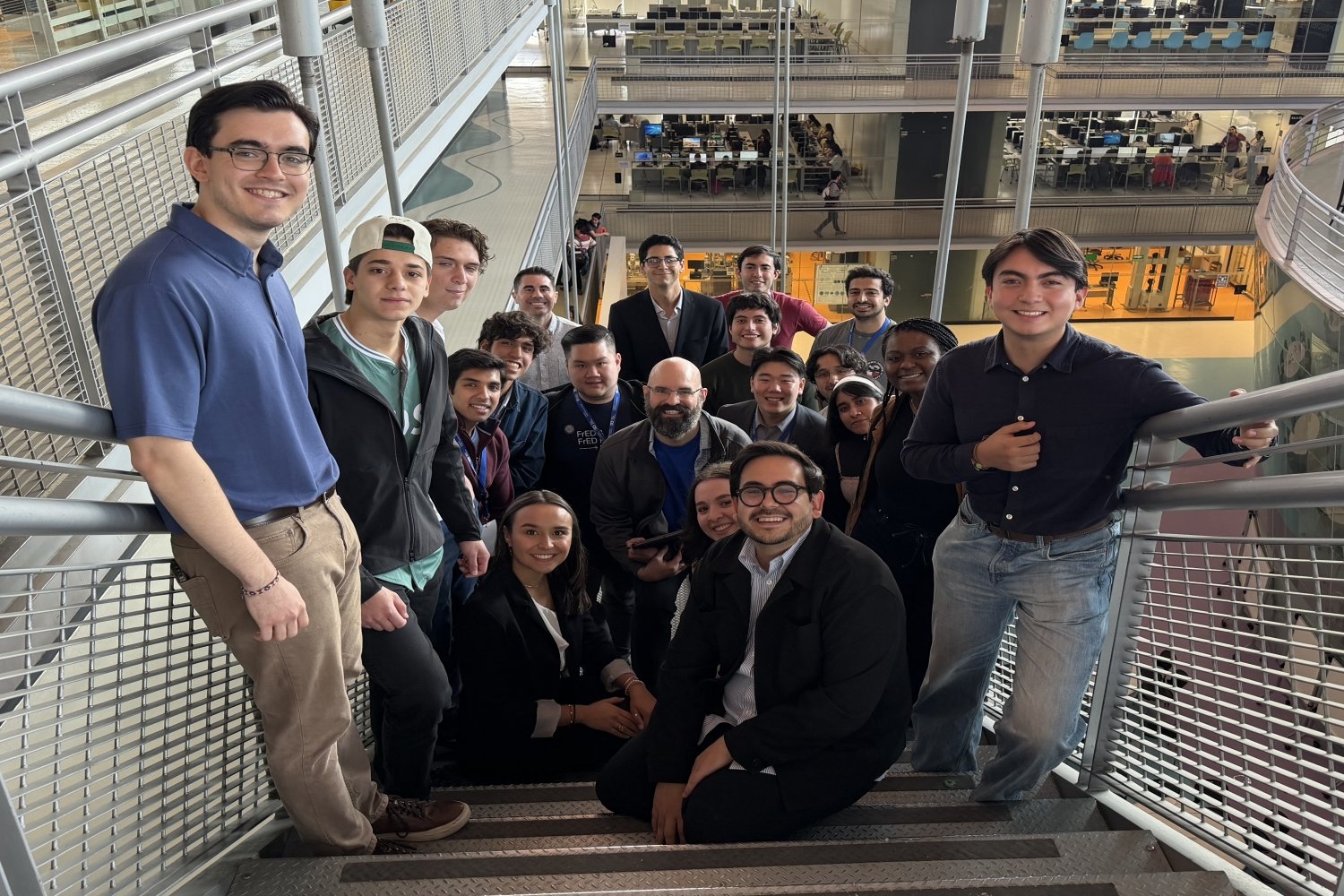
MIT-designed educational factory embraces modern manufacturing
The Massachusetts Institute of Technology (MIT) and Tecnológico de Monterrey (Tec de Monterrey) have announced plans to broaden the FrED (Frugal and Inclusive Education) curriculum to universities throughout Mexico. This initiative aims to enhance educational opportunities and promote innovative teaching methods in response to the growing demand for accessible and inclusive education. The collaboration is set to roll out in early 2024, with the goal of equipping students with practical skills and knowledge that address local challenges. By leveraging MIT's expertise in technology and Tec de Monterrey's strong presence in the region, the program seeks to foster a new generation of leaders capable of driving social change. The expansion is part of a larger effort to improve educational equity and empower students from diverse backgrounds, ultimately contributing to the development of a more inclusive society.
Classes and programs International initiatives 3-D printing Automation Collaboration Manufacturing
Palladyne AI Executes $4.2 Million U.S. Air Force Contract to Advance Swarming Capabilities for Integrated Cross-Domain Operations
Palladyne AI Executes $4.2 Million U.S. Air Force Contract to Advance Swarming Capabilities for Integrated Cross-Domain Operations Visit http://www.palladyneai.com for further information Palladyne AI’s SwarmOS™ platform to support satellite integration, marking a major expansion of its multi-domain autonomy and ISR capabilities across space, air, maritime, and land 07/07/26, 06:15 AM | Mobile Robots, Other Topics | Palladyne AI Corp. Palladyne AI Corp. (NASDAQ: PDYN and PDYNW) ("Palladyne AI"), a developer of artificial intelligence software for robotic platforms in the defense and commercial sectors, today announced that it has executed the previously announced contract awarded by the Air Force Research Laboratory (AFRL) to solve one of the most persistent challenges in modern defense operations—how to make different autonomous systems work together as one coordinated team. The "Hierarchical Adaptive Networked Game-Theoretic Integration of Multiple Echelons (HANGTIME)" contract will address this need. More Headlines A3's Automate 2026 Breaks Records as Demand for Robotics, AI and Automation Grows NVIDIA and Hugging Face Bring New Models and Frameworks to LeRobot for the Open Robotics Community ABB Robotics completes its AI-powered Visual SLAM AMR portfolio with new autonomous forklift UMA Unveils Its Vision for the Next Generation of Humanoid Robots Robbyant Unveils LingBot-Depth 2.0 and LingBot-Vision to Redefine Robotic Spatial Perception Articles Unleash AI Innovation: The Power of NVIDIA RTX PRO 6000 Blackwell Workstation Edition Fueled by PNY-Supplied GPUs Automate 2026 Q&A with DESTACO Automate 2026 Q&A with Roboteon Advances in Robots to See & Interpret within Warehouse Environments Building Resilient Fulfillment Networks with Robotics and Real-Time Logistics Data Today, drones, ships, and satellites often operate largely independently, limiting how quickly warfighters can see and respond to threats. HANGTIME will utilize Palladyne AI's patented SwarmOS™ software platform—the defense variant of the Palladyne™ Pilot embodied AI software—as the baseline technology to bridge that gap, connecting disparate systems so they can share intelligence, adapt to changing conditions, and act in sync across domains, including space, air, maritime, and land. By integrating satellites for the first time, this project also extends Palladyne AI's technology from the ground to orbit, enabling faster, more informed decision-making and coordinated mission execution, turning tactical commanders into strategic commanders by giving them more cross-domain intelligence, surveillance, and reconnaissance (ISR) capabilities than ever before. "Our collaboration with AFRL showcases what's next for autonomous operations," said Ben Wolff, President and CEO, Palladyne AI. "This isn't about replacing humans—it's about giving them sharper, faster insight. By connecting satellite, aerial, and ground systems using the patented SwarmOS embodied AI platform as a foundational technology, we're helping the warfighter make better decisions in real time and stay one step ahead on the battlefield." "The HANGTIME project is a breakthrough that unites high-altitude assets and situational unmanned systems into one coordinated sensor network—delivering a major advantage for the defense industry," said Dr. Denis Garagic, Chief Technology Officer, Palladyne AI. "For the first time, a single AI framework can coordinate assets across multiple domains, including satellites. That means these systems can now think and act together as a team, sharing what they see and learning as conditions change." "The HANGTIME effort represents a critical step in multi-domain autonomy for coordinated execution in challenging environments," said Caleb Williams, Program Manager, AFRL/RIEA. For more information on Palladyne AI and its patented collaborative autonomy software, including SwarmOS, please visit www.palladyneai.com. For more information about AFRL, please visit www.afrl.af.mil. About Palladyne AI Palladyne AI is a U.S.-based technology company developing patented embodied artificial intelligence, collaborative autonomy solutions, advanced avionics, autonomous systems, advanced UAV engineering services, and precision-manufactured components for defense and industrial markets. Palladyne AI delivers secure, American-developed and operated platforms designed to meet the stringent requirements of U.S. government and public-sector customers, including data sovereignty, security, and compliance. Palladyne AI's embodied AI is designed to operate in complex, contested, and high-risk environments, enabling distributed tasking, human-on-the-loop decision-making, degraded-communications resilience, and multi-domain coordination. Its platform-agnostic autonomy stack combines real-time sensor fusion, adaptive AI models, and edge-native orchestration—without vendor lock-in—to support autonomous and collaborative systems across air, ground, maritime, and industrial domains w

Japan Pioneered Humanoid Robots—Can It Now Catch China?
“In the future, the relationship between humans and robots will deepen, and the distinction between them will probably disappear.” This prediction, from one of the attendees at the recent Humanoids Summit in Tokyo, might have been unremarkable had it not come directly from an android that was first introduced to the world 20 years ago. Geminoid HI-6 is the sixth-generation of a robot originally designed in 2006. The mechanical twin of Osaka University professor Hiroshi Ishiguro, Geminoid HI-6 is now equipped with a large language model trained on Ishiguro’s own writings and interviews. It has advanced conversational skills and can even have a chat with its creator, an eerie spectacle. But at the Humanoids Summit, Geminoid was one of the few humanoid robots from Japan, the country that pioneered the form factor.While the event in Tokyo only had about 40 robots on display, Chinese systems outnumbered Japanese by roughly three to one. Some Japanese robotics firms were even using Chinese robots in their own technology demonstrations, something that would have been unthinkable in the recent past—one Japanese engineer described the situation as “sad.” The conference was a stark reminder of how Japan has ceded its early lead in humanoid robot development to overseas competitors, and the challenge it now faces to secure a place in an ecosystem increasingly dominated by general-purpose robots powered by AI. Twenty-five years ago, Japan was turning out groundbreaking humanoids that were showstopping in their abilities, but they were not commercialized as practical machines in any meaningful way. Heavily influenced by science fiction and lacking practical applications, they were mostly expensive technology demonstrations that were eventually mothballed. What Japan retains, however, is robotics design and know-how, which it must leverage to be a key player in the rapidly evolving humanoid ecosystem. Learning to Walk—Then Standing StillTo anyone who has seen recent videos of Chinese humanoids doing kung-fu and synchronized acrobatics, as well as half-marathon races, China’s remarkable progress in the field is nothing new. At the Humanoids Summit, Toyota showed a video of its latest basketball-playing robot, and Honda exhibited its latest robot hand, but the full-scale humanoids on the floor were mostly Chinese–the kid-size K1 machines from Booster Robotics of Beijing were dancing to Michael Jackson tunes. The full-scale G1 humanoid from Unitree Robotics of Hangzhou was also doing demos. “You cannot sell these bipedal systems in Japan for safety and compliance reasons,” says Shuichi Nagao, a frequent visitor to China as CTO of Omakase Robotics, a division of Zeals, a Japanese humanoid robot developer. Omakase was exhibiting a G1 modified with an external PC controller, a dextrous hand, a suction-cup manipulator and a sensor “hat” with an extra speaker, mic and camera. “In China, the government is pushing humanoid development. They didn’t have an industry 20 years ago. The people pushing it are young, in their 20s and 30s. It’s a really different mentality out there,” says Nagao. “Big players in Japan are still looking for use cases for humanoids. In China, they’re already doing mass production and reducing the cost, so other countries can’t compete with them anymore.”Another Japanese company showing off G1 bots was summit sponsor GMO AI & Robotics, a subsidiary of Japanese internet company GMO. It’s using the robots in partnership with Japan Airlines to load and unload cargo containers at Tokyo’s Haneda airport. The cargo project is a trial—like many other humanoid experiments—but the fact that Chinese machines have penetrated so far into Japan’s ecosystem upends a long history. In 1973, scientists at Waseda University in Tokyo built WABOT-1, considered the first full-scale humanoid robot and capable of slow bipedal locomotion, grasping objects and simple communication. It inspired Honda’s groundbreaking Asimo humanoid, but it was never commercialized. Asimo was eventually retired in 2022, the year ChatGPT was released. Two years later, Unitree’s G1 went on sale for US $16,000. China’s High Torque Technology Co. showed off its Mini Pi biped, customized with an anime-inspired head, at Humanoids Summit in Tokyo. The regular version is priced at $3,500. Tim HornyakSupply and DemandJapan’s development of humanoids happened before practical applications or widespread demand were in place, but bad timing is only part of the story—Japan also has a history of developing technologies that might appeal to domestic consumers but not necessarily those overseas. For example, decades after they first appeared, its highly engineered, multifunction toilets have only recently found a following abroad. Japan’s humanoid prowess was partly built on the back of its legendary industrial automation, yet even that stronghold has eroded. Ani Kelkar, a partner from McKinsey & Company in Boston who produces analytical reports about the robotics industry, told the summit audience that while Japan occupied the top spot in the world in manufacturing robot density (the number of multipurpose industrial robots in operation per 10,000 employees) from at least 1994 to 2009, it then slipped to second in 2014, third in 2019 and fifth in 2024. In that year, South Korea was at the top of the leaderboard with a robot density of 1,220 compared to Japan’s 446. The International Federation of Robotics estimates China now has the most operational industrial robots in the world, with around 2 million total units, approximately 4.5 times more than Japan. “The annual installation numbers are impressive too: 54 percent of all robots installed worldwide in 2024 were deployed in China,” the IFR said in a release in April 2026. “I think the loss of Japanese leadership is more to do with the rise of China as a manufacturing powerhouse including for sectors that Japan had high export levels,” Kelkar said in an email interview. “The recovery has not yet happened as Japan ‘missed’ the rapid acceleration in AI for robotics and is now playing catchup.”How Japan Can Adapt Kelkar believes Japan has a US $100 billion opportunity in general-purpose robotics, which are machines that can perform a wide variety of tasks, and it cannot rely on the slower-growing industrial robot market, which is centered on factory machines that do one simple and predictable task like welding car parts. He points to a McKinsey white paper suggesting that while Japan has much of the hardware and technology experience needed to support general purpose robot development, it must change its strategy to capture more share in AI, software, data collection and robotics platforms.Tetsuya Ogata is a professor of engineering and director of the Institute for AI and Robotics at Waseda University, the birthplace of humanoids in Japan. He briefed the summit on how a nonprofit he chairs, the AI Robot Association (AIRoA), is working with Toyota and other members to develop foundational technologies for collaborative use. For instance, AIRoA has collected some 80,000 hours of data on remote operation of mobile manipulators, and Ogata believes it’s the largest dataset of its kind. Using the data, it built and verified Vision-Language-Action (VLA) models, and it has also started data collection for dual-arm mobile manipulation. In an interview, Ogata acknowledged Japan’s struggle to find its place in the changing landscape. “The world of AI is inherently a game of scale,” says Ogata. “Therefore, Japan’s absolute prerequisite is to secure a competitive baseline of scale—in data, computing resources, and talent. Beyond that, what I consider most critical is a mindset shift: rather than trying to hoard scale within a single nation or company, we must grow stronger by collaborating with a diverse ecosystem of domestic and international players.” Specifically, this means creating a ‘collaborative domain’ to address data—the single biggest bottleneck—through industry-wide cooperation rather than data-siloing. By collectively nurturing a pre-competitive, shared data infrastructure and foundation model, individual companies can then compete on top of it with their own applications. “By offering this open ‘data ecosystem’ to the world, we can engage global players and establish a ‘third pole’ alongside the US and China,” says Ogata. “I believe this is how Japan can reclaim its global presence.”In 1999, Japan introduced the world’s first mobile internet services platform. But being first didn’t turn Japan into a smartphone manufacturing or design center—it’s now merely a supplier of parts to other countries who are leading the smartphone industry. If Japan can avoid a repeat of that experience and successfully deregulate, diversity, and commercialize its original humanoid dreams, it stands a better chance of influencing the direction of the industry and reaping billions in value. As automobiles and electronics were pillars of Japan’s industrial strategy in the last century, Japan could make humanoid robots one of its key value generators in the 21st century, an approach that would not only deliver economic benefits but give Japan greater clout in how the industry will evolve. Just like Japanese cars, electronics, and even toilets, Japanese humanoids could stand for craftsmanship and reliability. It’s a legacy that Japan can’t afford to give up.
Japan Robotics Humanoids Humanoid-robots
YPF Sociedad Anónima (YPF) to Collaborate With Tesla on Energy Storage Infrastructure and Fast-Charging Networks
YPF Sociedad Anónima, the Argentine national energy provider, has entered into a letter of intent with Tesla Inc. to collaborate on developing energy storage infrastructure and fast-charging networks. This partnership was announced on June 16, 2026, following a visit by YPF CEO Horacio Marin to Tesla's Gigafactory in Texas, where discussions focused on technological advancements and electric mobility. The collaboration aims to enhance YPF's capabilities in energy infrastructure development, aligning with the growing demand for electric vehicle support. In related news, YPF's stock has garnered positive attention from analysts, with UBS analyst Tasso Vasconcellos recently raising the target price from $45 to $48, while maintaining a Neutral rating. The overall market sentiment remains bullish, with three out of four analysts recommending a Buy, contributing to a median one-year target price of $57.38, indicating a potential upside of nearly 27%. YPF is recognized for its extensive operations in oil and gas, including exploration, production, and power generation, positioning itself as a significant player in the evolving energy landscape.

As AI Reshapes Global Energy Systems, Melbourne Leads Through Engineering Collaboration
As artificial intelligence (AI) rapidly expands, it is driving a significant increase in global electricity demand, presenting urgent challenges for energy systems. Melbourne, Australia, is positioning itself as a leader in addressing these issues, with a focus on the infrastructure necessary to support AI's growth. By 2035, data centers in Australia are expected to consume up to 11 percent of the nation's electricity, raising concerns about generation and system reliability. The University of Melbourne is at the forefront of this initiative, with interdisciplinary research aimed at developing energy systems that can meet the demands of AI. The Melbourne Energy Institute is exploring how various energy technologies interact, while facilities like the Smart Grid Lab allow for real-time simulations of power systems. This integrated approach is essential for designing resilient and efficient energy systems that can adapt to new patterns of demand. Victoria's advanced energy ecosystem, which includes renewable generation and battery storage, is crucial for balancing digital growth with sustainability. The collaboration between researchers, industry, and policymakers is vital for creating future energy systems that are affordable and resilient. Looking ahead, Melbourne will host the IEEE PES Generation Transmission and Distribution Asia 2027 Conference, bringing together global experts to address the evolving challenges in power systems. This event underscores Melbourne's commitment to fostering international collaboration and innovation in energy solutions, reinforcing its role as a key player in the global energy transition.
Artificial-intelligence Australia Energy-systems University-of-melbourne Ai-data-centers Power-grid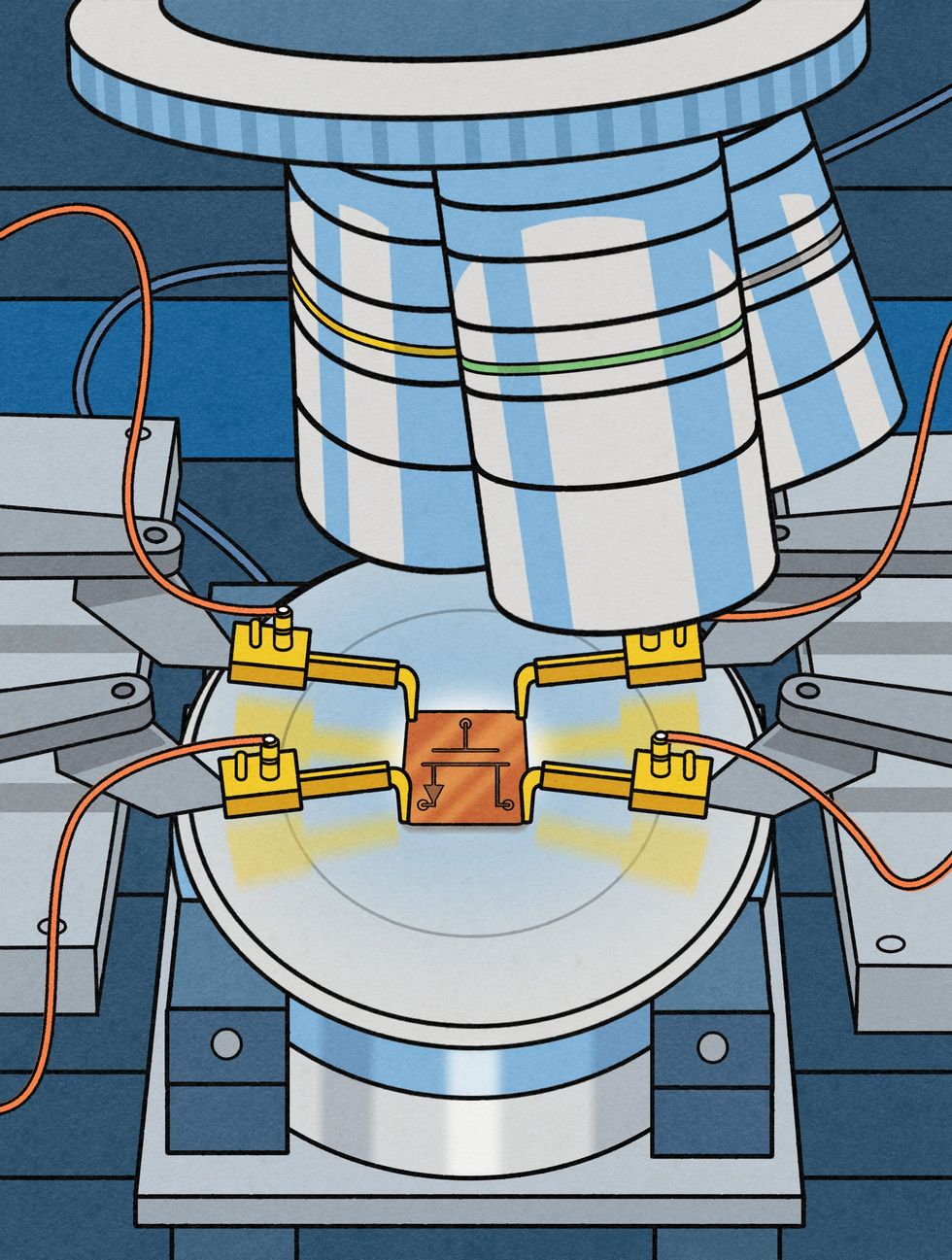
The Lab Mistake That Might Revolutionize Computing
Researchers have made a significant breakthrough in artificial intelligence technology by discovering a new way to create electronic components that mimic the behavior of biological neurons and synapses. This development, which occurred in a laboratory in 2024, could drastically reduce the energy consumption associated with AI applications. Currently, AI systems rely on powerful GPUs housed in data centers, consuming up to 1,000 watts each, which is comparable to household appliances. In contrast, the human brain operates at a fraction of that energy efficiency. The team, led by researchers Mario Lanza and Sebastian Pazos, stumbled upon this innovation while experimenting with metal-oxide-semiconductor field-effect transistors (MOSFETs). They found that by manipulating the bulk terminal of a MOSFET, they could replicate neuron-like behavior, producing sharp current spikes similar to those of biological neurons. This discovery not only allows for the creation of artificial neurons but also enables the development of artificial synapses, leading to a new type of neurosynaptic random-access memory (NSRAM). The implications of this technology are vast, as it could lead to brain-inspired microchips that are more energy-efficient than current GPUs, particularly for smaller-scale AI tasks. The researchers are now focused on refining their models and conducting further simulations to optimize performance. If successful, this innovation could pave the way for a new generation of AI systems that are both powerful and environmentally sustainable.
Neuromorphic-computing Cmos Mosfet Synapse
What lessons is Ideal learning to catch up with FSD V14?
The competitive landscape of the intelligent driving industry has undergone significant changes in recent years, shifting from hardware specifications to advanced model development. Companies are increasingly recognizing that merely having larger models is insufficient for achieving generational advantages; instead, the integration of models, data, computing power, and chips into a continuous iterative loop is becoming crucial. This realization has prompted many automakers to invest in in-house research and development. Tesla has established a comprehensive ecosystem that spans data collection, training infrastructure, and self-developed chips, while Chinese companies like Li Auto, Xpeng, and NIO are also deepening their technological foundations. Li Auto has introduced its self-developed Mach M100 chip in its L8 and L9 models, which it views as a significant advancement in AI technology. In a recent discussion with Li Auto's autonomous driving and chip leaders, they emphasized that the industry should focus on the practical problems these investments aim to solve rather than merely the existence of in-house development. They outlined their strategies to achieve performance comparable to Tesla's Full Self-Driving (FSD) system, highlighting the importance of safety, efficiency, and comfort in user experience. As the industry moves towards higher levels of autonomy, the integration of vision and language models is seen as essential for developing systems that can handle complex, unforeseen scenarios. The executives noted that achieving higher levels of autonomy (L3 and L4) requires models that can reason and think like humans, underscoring the growing significance of language in AI systems. Overall, the conversation revealed the industry's focus on enhancing AI capabilities through innovative chip design and data utilization, aiming for a future where autonomous driving technology can meet the challenges of real-world driving conditions.

Robust.AI chooses Aptiv PULSE sensor for Gen 3 Carter mobile robot
Robust.AI has selected Aptiv's PULSE sensor for its third-generation Carter mobile robot, enhancing the robot's ability to navigate safely around people. This collaboration leverages Aptiv's advanced sensor fusion technology, which integrates radar and vision systems powered by artificial intelligence. The integration aims to improve the operational safety and efficiency of the Carter robot in various environments. This development marks a significant step forward in the robotics industry, as it addresses the growing need for autonomous systems to operate safely in human-populated spaces.
Autonomous Mobile Robots (AMRs) Collaborative Robots Logistics Manufacturing Mobility / Navigation News
UCF-led virtual experience research accelerator achieves initial milestones for XR science
An international research consortium, spearheaded by the University of Central Florida (UCF), has unveiled two groundbreaking advancements in renewable energy technology. This announcement was made during a press conference held on October 15, 2023, at the UCF campus in Orlando. The consortium, which includes experts from various institutions across the globe, aims to address the urgent need for sustainable energy solutions in response to climate change and rising global energy demands. The first innovation involves a new type of solar panel that significantly increases energy conversion efficiency, making solar power more viable for widespread use. The second breakthrough focuses on an advanced energy storage system that allows for more efficient and reliable storage of renewable energy, addressing one of the key challenges in the transition to sustainable energy sources. These developments are expected to play a crucial role in reducing carbon emissions and promoting the use of clean energy. By leveraging cutting-edge research and collaboration among leading scientists and engineers, the consortium hopes to accelerate the adoption of renewable energy technologies worldwide. The project exemplifies a commitment to innovation and sustainability, aiming to contribute to a greener future for generations to come.
AI and Robotics
New chip could help tiny robots traverse complex environments
A team of researchers has developed an innovative method for creating 3D maps to enhance navigation systems, utilizing a combination of an efficient algorithm and specialized hardware. This advancement, which was announced in October 2023, aims to significantly reduce the memory and power requirements typically associated with 3D mapping technologies. By streamlining the mapping process, the researchers hope to improve the efficiency and accessibility of navigation tools, making them more practical for a variety of applications, including autonomous vehicles and mobile devices. The integration of dedicated hardware with the algorithm allows for rapid map generation, which could lead to faster and more reliable navigation solutions in real-world scenarios.
Research Computer science and technology Algorithms Artificial intelligence Machine learning Robotics
MIT affiliates win 2026 Hertz Foundation Fellowships
A new fellowship program has been launched to support doctoral students in applied sciences, engineering, and mathematics who are dedicated to addressing critical challenges in science and technology. This initiative aims to recognize and empower emerging researchers who are developing innovative solutions to pressing issues. The program is designed to enhance the educational and research opportunities for these students, providing them with the resources necessary to advance their work. By fostering a new generation of scientists and engineers, the fellowship seeks to contribute to the advancement of knowledge and technology, ultimately benefiting society as a whole. The initiative is expected to play a significant role in shaping the future of scientific research and technological development.
Awards, honors and fellowships Students Graduate, postdoctoral Alumni/ae Chemistry Mechanical engineering
Microsoft and NVIDIA unveil next-gen PCs capable of 1 petaflop performance.
Microsoft and NVIDIA have unveiled a next-generation PC equipped with the NVIDIA RTX Spark, boasting an impressive AI performance of up to 1 petaflop. This announcement was made recently as part of their ongoing collaboration to enhance computing power. The new system features significant optimizations for Windows, aiming to expand the ecosystem of local AI agents, applications, and games. This development reflects both companies' commitment to advancing AI technology and improving user experiences across various platforms.

Elmo Motion Control – The Titanium Line, Redefining Limits of Motion Control
Elmo Motion Control has unveiled its latest line of advanced Titanium servo drives, designed to enhance motion control solutions across various applications. This new generation of single-axis and multi-axis drives boasts high power density and exceptional performance, making them suitable for demanding industrial environments. The drives are equipped with cutting-edge multi-core processors that facilitate superior productivity and ensure functional safety. Set to revolutionize the industry, these compact drives can be operational within minutes, allowing for quick integration into existing systems. The Titanium line also features advanced networking capabilities and local intelligence, providing users with a streamlined and efficient control experience. This innovation aims to meet the growing demand for intelligent motion control solutions that prioritize both performance and safety in an increasingly automated world.
Robotics needs a service framework.
RSF defines a common language for robot service capability, lifecycle operations, certification pathways, and service-provider networks.