Industry Briefing
A single destination for timely, editor-curated robotics news from around the world.
Nearly 10 Billion! The Largest Procurement of Embodied Robots in History! How is the 'National Team' Defining the Next Generation Power Grid?
The State Grid Corporation of China has announced a substantial investment of around 6.8 billion yuan aimed at acquiring 8,500 embodied intelligent devices by the year 2026. This initiative is centered on enhancing capabilities in power inspection, live working, emergency rescue, and logistics. The investment reflects a strategic shift towards embracing autonomous operations within the energy sector, signaling a commitment to modernizing infrastructure and improving operational efficiency. By integrating advanced technology, the State Grid Corporation aims to bolster its service delivery and response mechanisms in critical situations, ultimately enhancing the reliability of power supply across the nation.
Embodied Intelligence Power Grid Automation Robotics Procurement Energy Sector Innovation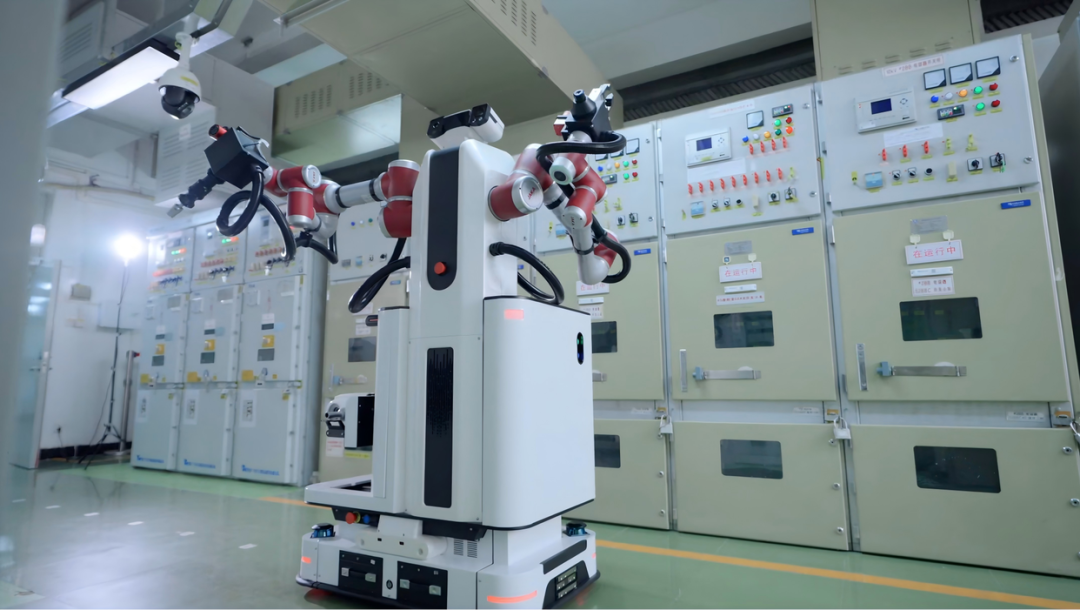
Behind the 6.8 Billion Power Grid Order: Are Humanoid Robots a Boon or a Bubble?
In April 2026, China's State Grid revealed an ambitious plan to acquire 8,500 intelligent devices, which will include 500 humanoid robots specifically designed for high-voltage operations. This initiative signifies a significant transition from previous pilot projects to a large-scale deployment of advanced technology in the energy sector. The move aims to enhance operational efficiency and safety in high-risk environments. However, it also raises critical questions regarding the technological specifications needed, the financial implications for the project, and the potential challenges suppliers may face in meeting these demands. As the State Grid embarks on this extensive procurement effort, the implications for the energy industry and the robotics market are expected to be profound.
Humanoid Robots Power Grid Automation Intelligent Devices Industrial Robotics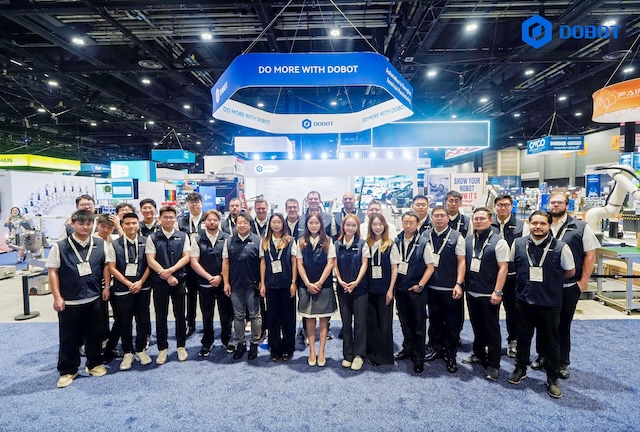
DOBOT Unveils Intelligent Automation Solutions at Automate 2026 to Enhance American Manufacturing
DOBOT showcased its latest intelligent automation solutions at Automate 2026, emphasizing the theme 'DO MORE WITH DOBOT.' The company highlighted how its collaborative robots and AI-powered technologies can enhance efficiency and flexibility in American manufacturing. Key demonstrations included solutions for various industries such as automotive and food & beverage, showcasing the integration of robotics in real-world applications. The significance of DOBOT's presentation lies in its commitment to strengthening American manufacturing through advanced automation. By demonstrating a comprehensive portfolio of application-driven solutions, DOBOT illustrated the potential of intelligent robotics to address industrial challenges and accelerate the transition to smart manufacturing. The showcased technologies aim to improve production processes across sectors, enhancing overall operational efficiency. Looking ahead, DOBOT's focus on integrated automation ecosystems and collaborative robotics indicates a trend towards more accessible and scalable solutions for manufacturers. The company's innovations, including humanoid robots and advanced programming capabilities, suggest a future where human-robot collaboration becomes increasingly seamless. No further timeline was disclosed at the time of publication.
DOBOT Automate 2026 collaborative robots industrial automation automation solutions humanoid robot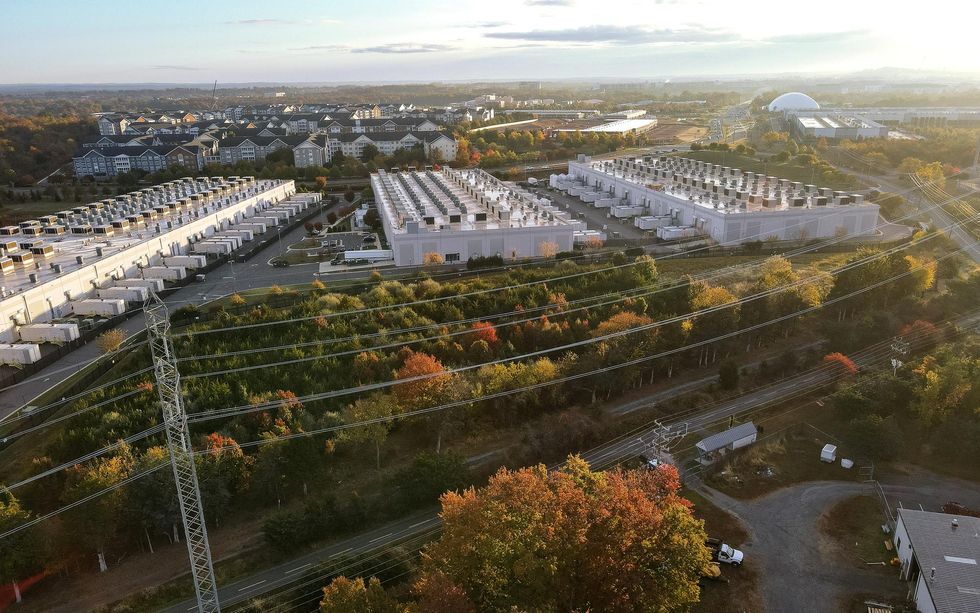
AI’s Volatile Power Use Quietly Tests Grid Limits
The rapid growth of artificial intelligence infrastructure is reshaping electricity demand dynamics, posing new challenges for grid operators. As data centers are projected to consume 3 to 4 percent of global electricity by the end of the decade, their energy consumption patterns are becoming increasingly unpredictable. Unlike traditional industrial loads, AI workloads can fluctuate dramatically within milliseconds, driven by synchronized computational tasks and varying user demands. This unpredictability complicates grid management, as it creates abrupt demand spikes that can stress local infrastructure, particularly in regions like Northern Virginia, known as "Data Center Alley," where data centers are concentrated. Utilities, including Dominion Energy, are adjusting their forecasts to account for this rapid growth, but existing regulatory frameworks often fail to address the complexities introduced by high-density compute clusters. These facilities not only require significant power but also generate unique challenges related to thermal management and power quality. As a result, grid operators are exploring new demand response mechanisms and flexible scheduling to mitigate the impact of these fluctuating loads. The Electric Reliability Council of Texas (ERCOT) has acknowledged the implications of large flexible loads for grid stability and planning. As AI infrastructure continues to expand, it is crucial for regulatory and operational frameworks to adapt, focusing not just on total energy consumption but also on the volatility and geographic concentration of demand. Understanding these new consumption patterns will be essential for maintaining grid resilience in the face of evolving energy needs.
Data-centers Artificial-intelligence Electrical-grid Demand-response
Fugro Secures EirGrid Framework to Power Up Ireland’s Offshore Grid Development
Fugro has secured a seven-year framework agreement with EirGrid, the state-owned operator responsible for electricity transmission in Ireland, to conduct comprehensive Geo-data surveys for the “Powering Up Offshore - South Coast” project. This initiative aims to establish offshore electricity substations and export cable routes that will connect future wind farms to the Irish national grid along the south coast of Ireland. The insights provided by Fugro's Geo-data will play a crucial role in determining the most effective routes and engineering designs, thereby minimizing project risks and ensuring the development is conducted safely, efficiently, and in an environmentally sustainable manner.
fugro eirgrid framework agreement offshore grid development ireland
33rd China International Power Equipment and Technology Exhibition to Take Place in December 2026
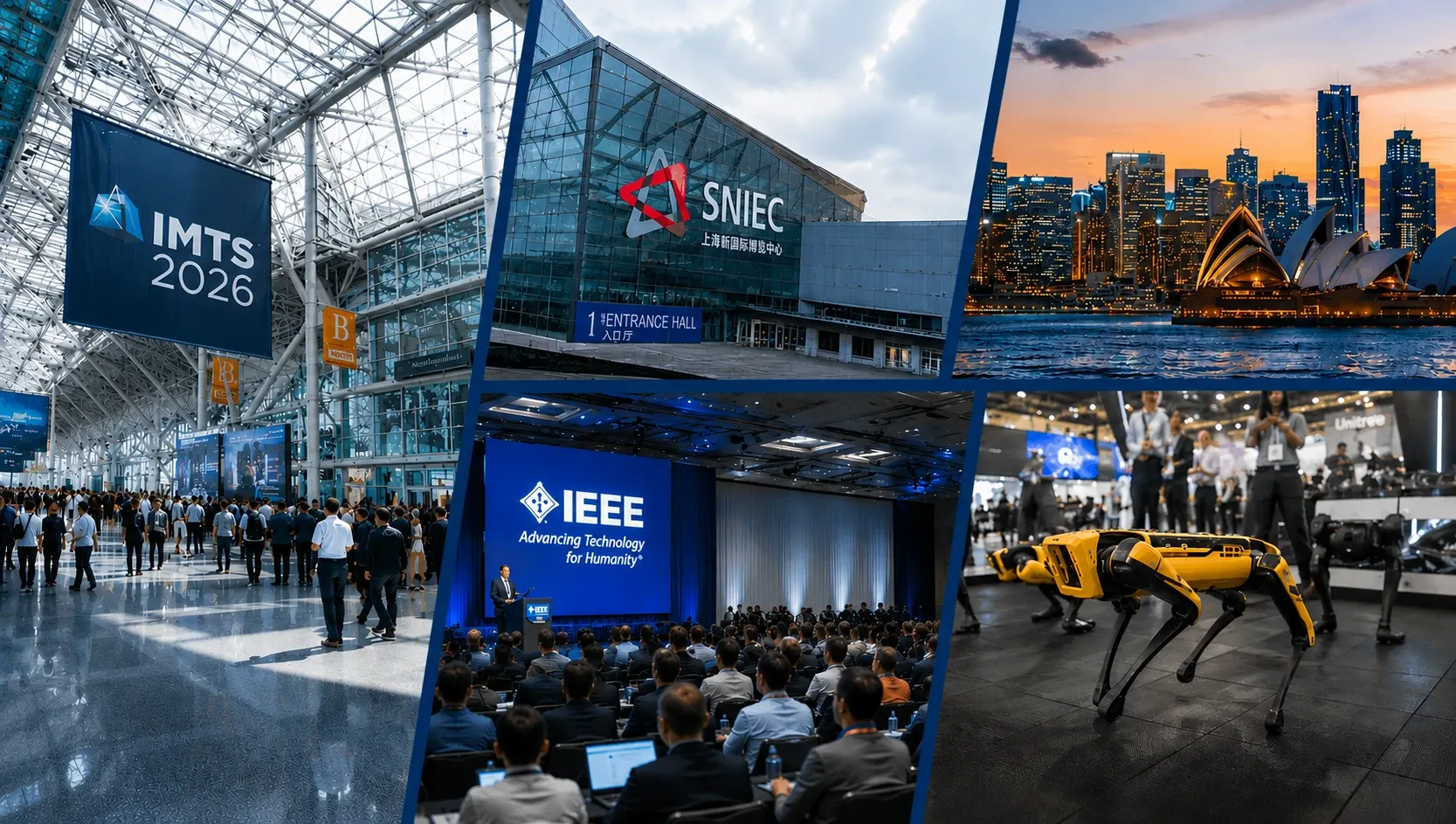
The 33rd China International Power Equipment and Technology Exhibition (EP Exhibition) will be held from December 3 to 5, 2026, at the Shanghai New International Expo Center. This year's exhibition will feature a historic expansion, introducing a new 'Smart Electricity' pavilion focused on virtual power plants, industrial microgrids, and zero-carbon parks. This significant event is expected to attract over 2,200 top domestic and international power equipment and technology suppliers, including well-known companies such as ABB and Shanghai Electric Group. The exhibition aims to enhance international participation, providing a platform for global energy transition and showcasing China's advancements in the power industry. As the EP Exhibition marks its 40th anniversary in 2026, it will continue to promote collaboration across various sectors, including energy storage, hydrogen energy, and AI-powered solutions. The event is poised to be a high-profile gathering that highlights the integration of digital technologies and clean energy in the power sector. No further timeline was disclosed at the time of publication.
Power Equipment Energy Transition Smart Electricity Exhibitions Renewable Energy
SpaceX Proposes 1 Million AI Satellites to Address Ground Data Center Constraints
On January 30, 2026, SpaceX filed with the FCC to launch up to 1 million AI compute satellites, positioning orbital data centers as a solution to the increasing demand for AI computing power. Ground data centers are facing significant challenges, with energy consumption projected to reach approximately 1,050 TWh in 2026, making them the fifth-largest electricity consumer globally. The demand for new data center capacity is outpacing the growth of power generation infrastructure, leading to a critical bottleneck in the grid system. The significance of this initiative lies in the structural constraints faced by ground data centers, including power delivery limitations, high water consumption, and local opposition to new projects. The Uptime Institute's 2026 outlook identifies power as the primary constraint on data center growth, with capacity clearing prices in the PJM grid skyrocketing to $329.17/MW, driven by data center expansion. Additionally, cooling requirements are becoming increasingly unsustainable, with facilities consuming vast amounts of water, further complicating their operational viability. Looking ahead, SpaceX's orbital AI compute initiative aims to circumvent these challenges by leveraging the advantages of space, such as continuous solar power and minimal local opposition. The first AI prototypes are expected to launch in early 2027, with operational deployments planned for 2028. No further timeline was disclosed at the time of publication.
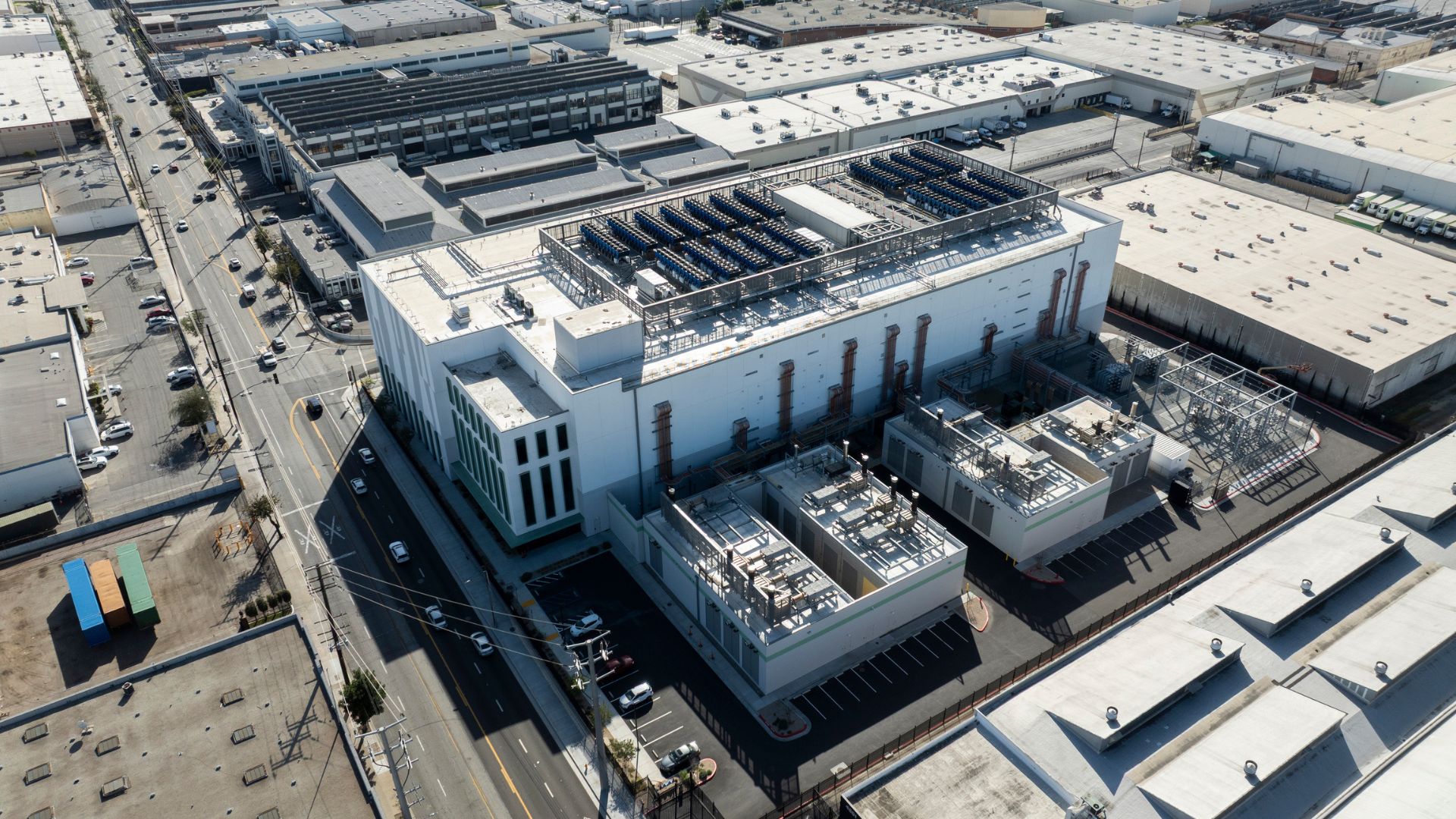
New tech keeps power grids stable as data centers put more strain on electricity
Researchers at Sandia National Laboratories have unveiled a groundbreaking software platform designed to enhance the management of distributed energy resources. This innovative tool aims to optimize the integration of renewable energy sources into existing power grids, addressing the growing demand for sustainable energy solutions. The announcement was made on October 10, 2023, during a technology showcase at the laboratory's facilities in Albuquerque, New Mexico. The motivation behind this development stems from the increasing need for efficient energy management systems that can accommodate the variable nature of renewable energy sources, such as solar and wind. By utilizing advanced algorithms and real-time data analytics, the platform enables utilities and energy providers to better predict energy supply and demand, ultimately leading to a more reliable and resilient power infrastructure. The software operates by aggregating data from various energy sources and employing machine learning techniques to enhance decision-making processes. This allows for improved coordination among energy producers, consumers, and grid operators, facilitating a smoother transition to a more sustainable energy landscape. As the world moves towards cleaner energy solutions, this platform represents a significant step forward in harnessing the potential of distributed energy resources.
AI and Robotics
China plans 8,500 AI robots for power grid operations with massive $1 billion push
China is significantly increasing the integration of robotics within its power grid infrastructure. This initiative, announced recently, aims to enhance efficiency and reliability in energy distribution across the nation. The move comes as part of China's broader strategy to modernize its energy sector and address growing demands for sustainable and smart energy solutions. The implementation of robotic technology is expected to streamline operations, reduce human error, and improve safety for workers in the field. By deploying advanced robotics, China seeks to optimize maintenance and monitoring processes, ensuring a more resilient power supply. This development is particularly crucial as the country strives to meet its ambitious energy goals while transitioning towards greener alternatives. The initiative is set to unfold over the coming years, with pilot projects already underway in various regions. These projects will serve as a testing ground for the effectiveness of robotics in real-world applications, ultimately shaping the future of energy management in China. As the nation invests heavily in innovation, the integration of robotics into the power grid represents a significant step towards a more automated and efficient energy landscape.
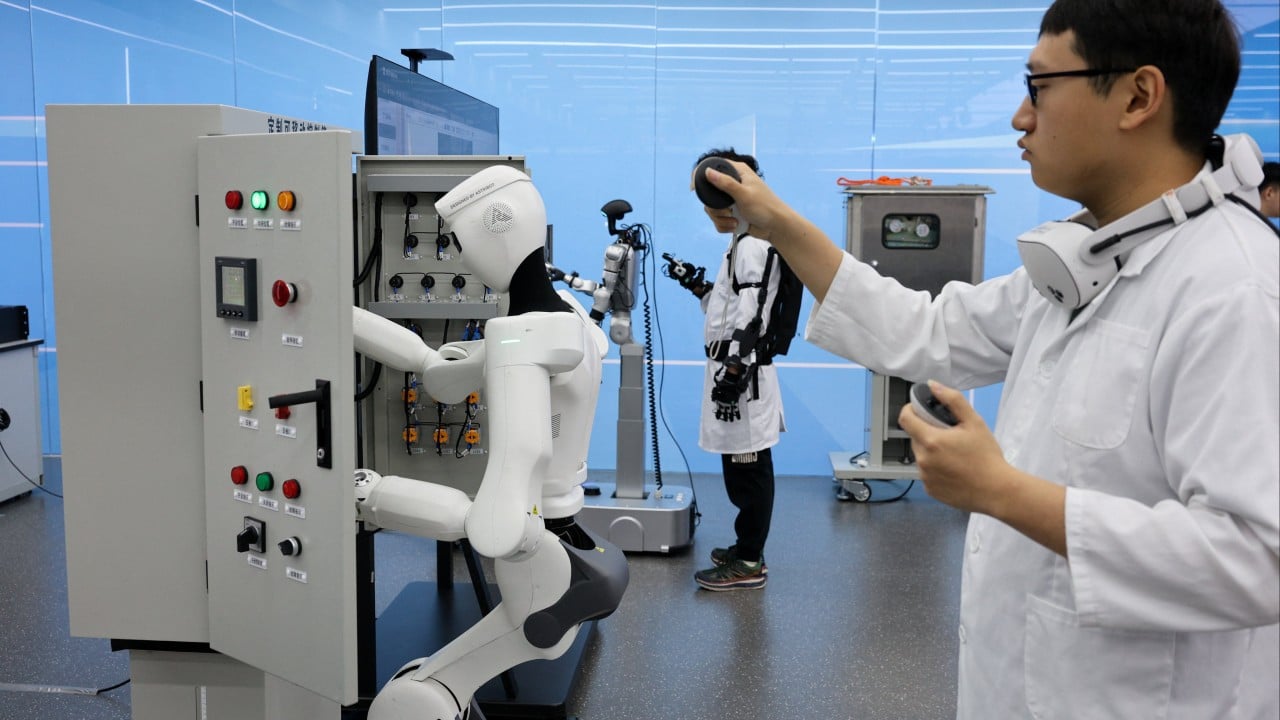
China plans to invest billions on a robot army to run its power grid
China's State Grid Corporation, the country's primary grid operator, is set to enhance its infrastructure operations through the deployment of thousands of AI-powered robots. This ambitious initiative, which involves an investment of 6.8 billion yuan (approximately US$1 billion), aims to utilize these robots for various tasks, including the inspection of remote substations and maintenance of ultra-high-voltage power lines. The move comes as part of a broader strategy to integrate advanced technology into critical infrastructure management, reflecting China's commitment to modernizing its energy sector and improving operational efficiency. The plan underscores the growing trend of leveraging artificial intelligence in industrial applications, positioning China at the forefront of technological innovation in energy management.

Starmind's Orbital Compute vs. Terrestrial Data Centers: Analyzing Resource Advantages
Starmind's orbital compute technology presents a significant advantage over traditional ground-based data centers by eliminating constraints related to land, water, and grid permitting. While terrestrial data centers are currently cheaper and faster to construct, with U.S. data center spending reaching $85.3 billion in 2026, Starmind's approach focuses on addressing the growing resource limitations faced by hyperscale facilities. The significance of Starmind's technology lies in its ability to sidestep the increasing challenges of land and water usage. For instance, a 100 MW data center can consume approximately 530,000 gallons of water daily for cooling, while Starmind's AI1 utilizes deployable liquid radiators that require no water. This structural advantage could resonate with investors as the demand for AI computing continues to escalate, potentially leading to annual water withdrawals of up to 1.7 trillion gallons by 2027. Looking ahead, Starmind's next milestones include the launch of AI1 prototypes scheduled for early 2027. However, the technology's claims regarding cooling efficiency and operational reliability remain unverified until real flight data is available. As the industry evolves, the competition between orbital and terrestrial solutions will become increasingly relevant, particularly in the context of resource management and sustainability.

SpaceX Unveils AI1 Satellite Specs for Starmind Constellation with Key Thermal Challenges
SpaceX has introduced the AI1 satellite, the inaugural component of its Starmind constellation, which stands 20 meters tall and has a wingspan of 70 meters. This orbital compute node is designed to deliver computing power equivalent to one NVIDIA GB300 server rack, utilizing a unique cooling system with deployable liquid radiators. The satellite's specifications were revealed during a presentation on June 8, 2026, ahead of SpaceX's IPO. The significance of the AI1 satellite lies in its role as a compute platform rather than a traditional satellite, focusing on running AI inference workloads. The satellite's cooling system, which is critical for its operation in the vacuum of space, is designed to reject heat through infrared radiation. However, independent engineers have raised concerns about the feasibility of the thermal and mass claims made by SpaceX, suggesting that the cooling requirements may exceed practical limits. Looking ahead, SpaceX plans to launch two AI1 prototypes in early 2027, with full-scale production expected to commence later that year at its Gigasat facility in Bastrop, Texas. The ongoing debate regarding the satellite's thermal management capabilities will be crucial to monitor as the project progresses, with no further timeline disclosed at the time of publication.
Automate 2026: Orbbec Brings AI-Powered Vision Solutions to Address Industrial Automation Challenges
Orbbec, a prominent player in robotics and 3D vision technology, is presenting its innovative 3D vision products and solutions aimed at enhancing industrial automation during the Automate 2026 event. The exhibition is taking place at Booth 14045 in the North Building. This showcase highlights Orbbec's commitment to advancing automation processes in various industries, reflecting the growing demand for efficient and intelligent manufacturing solutions. By leveraging cutting-edge technology, Orbbec aims to demonstrate how its products can streamline operations and improve productivity in the industrial sector.

Path Robotics Launches Rove, Bringing Mobility to Welding Automation Powered by Physical AI
Path Robotics has unveiled Rove™, a mobile robotic welding system that integrates its advanced Obsidian™ physical AI model with a quadruped robot, marking a significant advancement in welding automation. Announced on April 16, 2026, this innovative system allows for intelligent welding directly at the workpiece, rather than requiring the part to be moved to a fixed welding cell. This development comes at a crucial time as industries face skilled welder shortages and the challenges of large-scale fabrication environments, such as shipbuilding and heavy construction. Rove is designed to operate effectively in high-variability settings, overcoming the traditional limitations of legged robots in precision welding. Early adopter Saronic Technologies, a leader in autonomous maritime vessels, is set to evaluate Rove's capabilities in its shipbuilding operations in Franklin, Louisiana. John Morgan, Head of Manufacturing at Saronic, emphasized the importance of adaptable tooling in modernizing shipyard operations. The Rove system will be showcased at the Sea-Air-Space 2026 maritime expo in National Harbor, Maryland, from April 19 to 22, where attendees can witness its capabilities firsthand. Path Robotics aims to revolutionize manufacturing processes by combining artificial intelligence, machine learning, and computer vision to enhance production quality and efficiency. For more information, interested companies can visit Path Robotics' website.
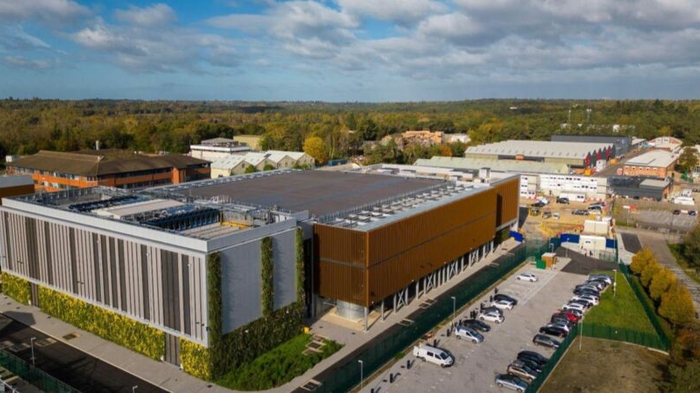
Blowing Off Steam: How Power-Flexible AI Factories Can Stabilize the Global Energy Grid
During the half-time break of the UEFA EURO 2020 round of 16 match between England and Germany, a significant number of viewers in the U.K. paused their viewing to prepare tea, resulting in a notable spike in electricity demand. National Grid reported that this collective action led to an increase of 2,000 megawatts in electricity usage as millions turned on their kettles simultaneously. This phenomenon highlights the cultural significance of tea in British society, particularly during major sporting events. The surge in demand was swiftly managed by the National Grid, showcasing their ability to adapt to sudden changes in energy consumption patterns.

Mission-Critical Automation: Ensuring Uninterrupted Operations Through Robust Power Management
Effective power management in facilities necessitates meticulous planning and the integration of various technologies and techniques for optimal oversight. This comprehensive approach involves assessing energy consumption patterns, implementing advanced monitoring systems, and utilizing energy-efficient solutions to enhance overall energy use. By employing strategies such as real-time data analytics and automated control systems, facilities can significantly reduce energy waste and improve operational efficiency. The focus on seamless power management is driven by the need to lower operational costs and minimize environmental impact, making it a critical consideration for businesses aiming to achieve sustainability goals. As organizations increasingly prioritize energy efficiency, the adoption of these innovative practices is expected to grow, leading to more sustainable and economically viable operations.
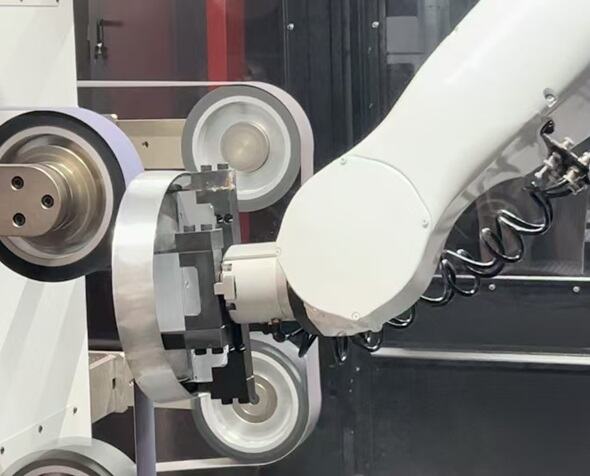
ROKAE Robotics Powers Automation Across 100+ Polishing Scenarios, Driving Innovation in Grinding Robots
ROKAE Robotics has unveiled a new range of high-performance grinding robots and innovative automation solutions, showcasing its expertise in core technologies. The launch, which occurred recently, highlights the company's significant market success across various sectors, including automotive, 3C electronics, metalworking, and general manufacturing. This strategic move aims to reinforce ROKAE's competitive advantage in the field of polishing automation, responding to the growing demand for efficient and advanced manufacturing processes. By integrating cutting-edge technology into their offerings, ROKAE Robotics is positioning itself as a leader in the automation industry, catering to the evolving needs of its diverse clientele.
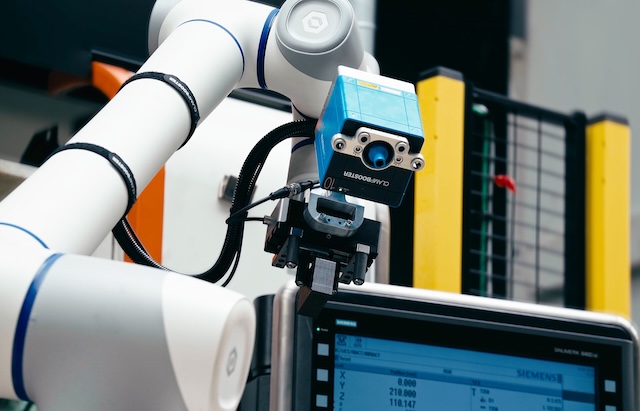
DOBOT and RiACT Power LHM’s CNC Machining with Scalable, Smart Automation
LHM has enhanced its production capabilities by integrating DOBOT collaborative robots with RiACT’s universal operating system, enabling round-the-clock manufacturing operations. This strategic move aims to optimize efficiency and streamline workflows, allowing the facility to operate continuously without interruptions. The implementation of this advanced technology is part of LHM's commitment to innovation and meeting increasing demand in the market. By leveraging the capabilities of DOBOT robots, the company can improve productivity while maintaining flexibility in its manufacturing processes. The collaboration signifies a significant advancement in automation, reflecting the growing trend of integrating smart technologies in industrial settings.

SpaceX's Starmind Targets AI Labs with $6.3 Billion Compute Contracts
SpaceX's Starmind is designed to provide wholesale AI compute services to businesses, particularly AI labs and cloud customers, rather than individual consumers. The service operates similarly to AWS, where users benefit from applications running on Starmind without direct subscriptions. The compute capacity of a single AI1 satellite is comparable to one NVIDIA GB300 rack, emphasizing its enterprise-grade capabilities. The significance of Starmind lies in its positioning as a potential fourth hyperscaler, joining the ranks of AWS, Microsoft Azure, and Google Cloud. The Reflection AI contract, valued at $150 million per month, exemplifies the enterprise-focused model, with total payments potentially reaching $6.3 billion through 2029. This contract highlights the growing demand for AI compute resources, particularly from AI-native startups and labs. Looking ahead, the focus will remain on securing additional enterprise contracts as Starmind expands its offerings. No consumer-facing products or subscriptions have been announced, and the current strategy is to cater to businesses with substantial AI workloads. No further timeline was disclosed at the time of publication.

Starmind's Satellite Technology Achieves 880 Billion Liters in Annual Water Savings
Starmind has announced that its satellite technology can save approximately 880 billion liters of cooling water annually at full scale. This figure is equivalent to the annual household water use of around 6.5 million Americans. The technology operates by utilizing a closed-loop liquid cooling system that eliminates the need for water during its operational life, contrasting sharply with traditional ground data centers that consume vast amounts of water for cooling. The significance of this achievement lies in the growing water consumption crisis faced by data centers, particularly as AI expansion drives demand. In 2025, U.S. data centers consumed nearly one trillion liters of water, highlighting the urgent need for sustainable solutions. Starmind's approach not only addresses direct water usage but also avoids indirect water consumption associated with electricity generation, marking a substantial shift in how computing can be conducted in a resource-efficient manner. Looking ahead, Starmind's deployment strategy includes a projected buildout of 100 GW of orbital compute per year, which could displace an additional 735 billion liters of ground water demand annually. The first tranche of 10,000 satellites is already operational, offsetting approximately 8.8 billion liters of water per year. No further timeline was disclosed at the time of publication.
SpaceX's Starmind Faces Feasibility Challenges for 1 Million Satellite Deployment
On January 30, 2026, SpaceX submitted a request to the FCC to launch up to 1 million satellites as part of its Starmind orbital compute constellation. This ambitious plan is unprecedented, as the total number of satellites ever launched globally is in the low tens of thousands. The proposal seeks a waiver from standard deployment milestones, citing reliance on the Starship's full reusability for success. The significance of this request lies in the technical and logistical challenges it presents. Experts warn that low Earth orbit may not support the proposed number of active satellites without risking a debris cascade. SpaceX's own IPO prospectus acknowledges unresolved dependencies related to Starship's launch cadence and reusability, which are critical for the orbital AI compute strategy. Looking ahead, the timeline for achieving the necessary launch cadence and manufacturing capacity remains uncertain. SpaceX's Gigasat facility in Texas aims for volume production by late 2027, but this would require unprecedented output levels. No further timeline was disclosed at the time of publication, leaving the feasibility of the Starmind project in question.

Motion Control and Experimental Verification of a Continuum Aerial Manipulator for Power Grid Maintenance Operations
A recent study published in the Journal of Field Robotics highlights advancements in robotic technology aimed at improving agricultural efficiency. Researchers from various institutions collaborated to develop a new robotic system designed to automate the process of crop monitoring and management. This innovative system was tested in fields across California during the summer of 2023, demonstrating its potential to enhance productivity and reduce labor costs for farmers. The motivation behind this research stems from the increasing demand for sustainable agricultural practices and the need to address labor shortages in the farming sector. By integrating advanced sensors and artificial intelligence, the robotic system can analyze crop health, soil conditions, and environmental factors in real-time, providing farmers with actionable insights. The study outlines the methodology used in the field trials, including the deployment of multiple robotic units equipped with cutting-edge technology. These robots were programmed to navigate autonomously, collect data, and deliver precise recommendations for crop management. The findings indicate that the implementation of such robotic systems could lead to significant improvements in yield and resource efficiency. As the agricultural industry faces mounting challenges, this research underscores the importance of innovation in fostering sustainable practices and meeting the needs of a growing population. The successful trials pave the way for further development and potential commercialization of robotic solutions in agriculture, promising a transformative impact on the sector.
RESEARCH ARTICLE
Why Reliable Backup Power is Becoming Essential for Modern Robotics Systems
Modern robotics systems are revolutionizing various industries by enhancing efficiency, accuracy, and productivity. Organizations across sectors, including manufacturing and logistics, are increasingly relying on automated systems to ensure seamless operations around the clock. As businesses seek reliable backup power solutions for their robotics infrastructure, Nite & Day Power emerges as a key resource, offering specialized information on uninterruptible power systems. This shift towards automation and the need for dependable power sources highlight the growing importance of technology in maintaining operational continuity in today's fast-paced industrial environment.
Energy Robotics Technology automation news backup power industrial automation
Efficiency at Scale: NVIDIA, Energy Leaders Accelerating Power‑Flexible AI Factories to Fortify the Grid
At CERAWeek, often referred to as the "Davos of energy," industry leaders, policymakers, and technology innovators convened last week to explore the future of global energy solutions. Among the notable presentations, NVIDIA and Emerald AI introduced a groundbreaking approach that leverages artificial intelligence to enhance energy efficiency and sustainability. This initiative aims to address the pressing challenges of energy production and consumption in a rapidly changing world. By integrating advanced AI technologies, the companies seek to optimize energy systems, reduce waste, and promote cleaner energy alternatives, aligning with global efforts to combat climate change and transition to more sustainable practices. The discussions at CERAWeek highlight the critical role of collaboration among various stakeholders in shaping a resilient energy future.
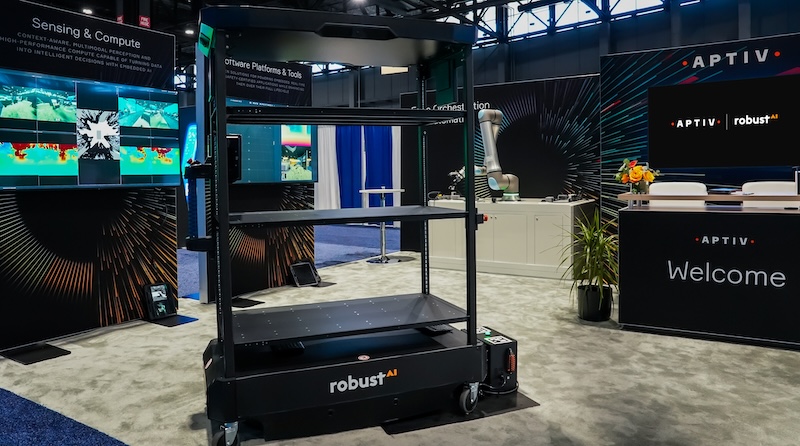
Robust.AI selects Aptiv’s AI-powered perception system for next-generation Carter warehouse robot
Aptiv, an industrial technology company, has announced that Robust.AI, a developer of AI-driven warehouse automation, has selected Aptiv’s intelligent perception solutions, including AI and Machine Learning based sensor fusion powered by the Aptiv Pulse sensor for its Gen 3 Carter collaborative mobile robot. This selection builds on the companies’ existing collaboration to combine Aptiv’s proven […]
Computing News Sensors AI perception amrs aptiv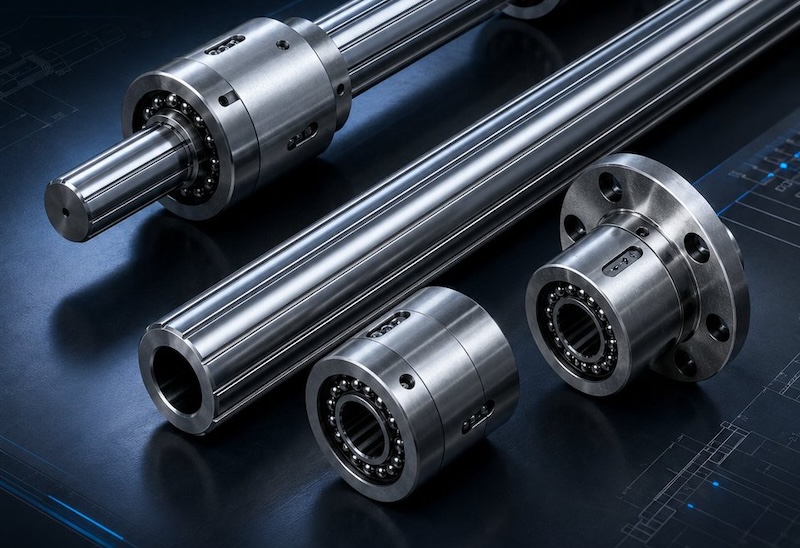
How JLCMC is Redefining Industrial Automation Solutions for Modern Factories
The manufacturing industry is undergoing significant transformation as companies strive to increase production efficiency, minimize waste, and adapt to market demands while keeping costs manageable. Central to this evolution is the rise of industrial automation, supported by various suppliers that play a crucial role behind the scenes. One such emerging player in this sector is JLCMC, an online store that is gaining recognition for its contributions to the automation landscape. As manufacturers navigate these challenges, the integration of advanced technologies and innovative solutions is becoming essential for sustained growth and competitiveness in a rapidly changing environment.
Automation Industry automation engineers cnc factory automation industrial automation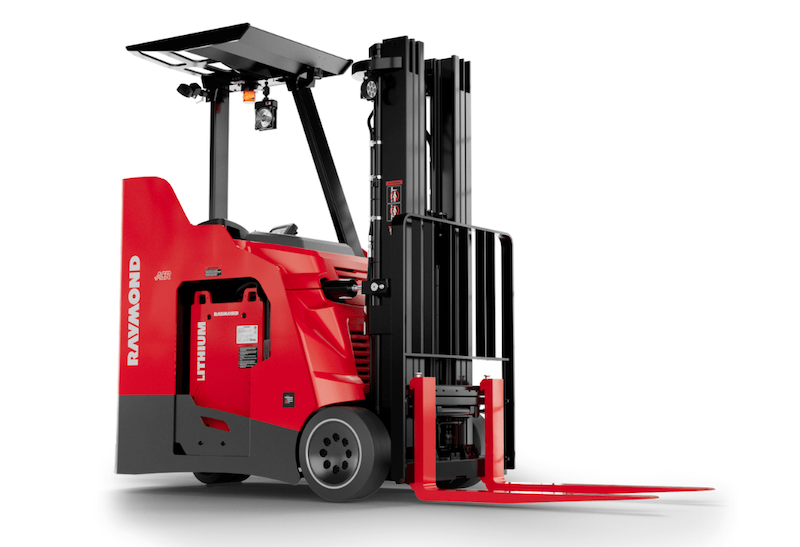
Raymond partners with Third Wave Automation to expand physical AI across lift truck fleets
Third Wave Automation has partnered with The Raymond Corporation, a subsidiary of Toyota Material Handling North America, to enhance AI-enabled physical automation capabilities in select automated Raymond lift trucks. This collaboration, which builds on years of joint development and operational insights since 2021, is supported by investments from Toyota Ventures. The initiative aims to improve efficiency and productivity in material handling operations, reflecting the growing trend towards automation in the industry. The integration of advanced AI technology into Raymond's lift trucks is expected to streamline processes and optimize performance in various operational settings.
Artificial Intelligence Material handling News AI-powered forklifts automation news autonomous forklifts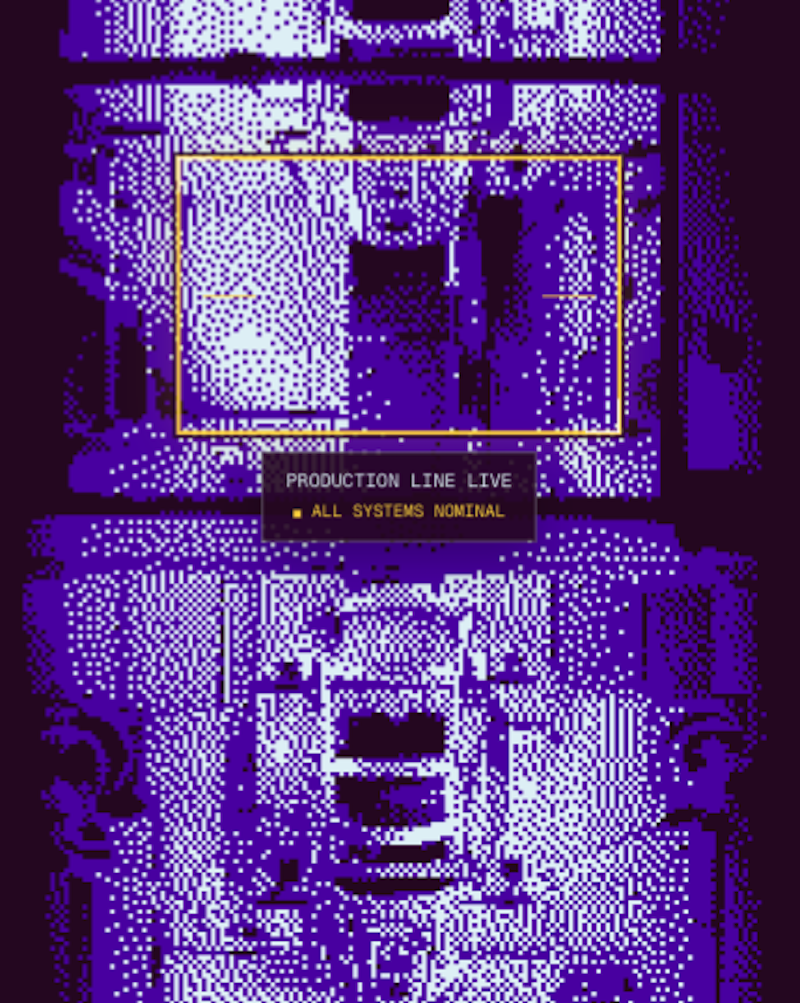
Mesoware raises $1.5 million funding to build AI-powered robots for manufacturing
Mesoware has secured $1.5 million in funding to advance its development of AI-powered robotics solutions aimed at automating manufacturing processes. The pre-seed funding round was spearheaded by Pillar VC. Joe Mattekatt, co-founder and CEO of Mesoware, emphasized the significance of this investment, stating that as hardware costs decrease and AI technology progresses, the primary challenge in robotics lies in integrating these advancements at scale. This funding will enable Mesoware to address that challenge and further its mission in the robotics industry.
Artificial Intelligence Industrial robots AI-powered robots automation news factory automation industrial robotics
Why Reliable Backup Power is Becoming Essential for Modern Robotics Systems
Modern robotics systems are revolutionizing various industries by enhancing efficiency, accuracy, and productivity. Organizations across manufacturing and logistics sectors are increasingly relying on automated systems to ensure continuous operations. In this context, businesses seeking reliable backup power solutions for their robotics infrastructure can access essential resources from Nite & Day Power, a company that specializes in uninterruptible power systems. This development underscores the growing importance of robust power solutions in supporting the seamless functioning of automated technologies.
Energy Robotics automation infrastructure automation news autonomous systems backup power
ABB Robotics completes its AI-powered Visual SLAM AMR portfolio with new autonomous forklift
ABB Robotics completes its AI-powered Visual SLAM AMR portfolio with new autonomous forklift Visit http://go.abb/robotics for further information -The new Flexley Stack F712 extends ABB Robotics’ AI-powered Visual SLAM technology to autonomous forklifts, enabling pallet transport and high-density storage. -Customers can now deploy mixed fleets of Visual SLAM-powered tugs, movers and forklifts on a common navigation, fleet management and software platform. -Powered by ABB Robotics' AMR Studio, the portfolio enables up to 20% faster commissioning while ensuring seamless interoperability and safe, reliable operation. 07/07/26, 07:10 AM | Industrial Robotics, Mobile Robots | ABB Inc. ABB Robotics is expanding its Autonomous Mobile Robotics (AMR) portfolio with the launch of the Flexley® Stack F712, creating a complete interoperable ecosystem across all major Visual SLAM AMR types. Combining autonomous forklifts, tugs and movers on one platform, ABB Robotics enables customers to automate a broader range of material-handling and intralogistics processes. Offering market-leading accuracy, the F712 is designed for demanding material handling, end-of-line storage and warehouse operations across industries including automotive manufacturing, helping increase efficiency, flexibility and scalability. More Headlines A3's Automate 2026 Breaks Records as Demand for Robotics, AI and Automation Grows NVIDIA and Hugging Face Bring New Models and Frameworks to LeRobot for the Open Robotics Community Palladyne AI Executes $4.2 Million U.S. Air Force Contract to Advance Swarming Capabilities for Integrated Cross-Domain Operations UMA Unveils Its Vision for the Next Generation of Humanoid Robots Robbyant Unveils LingBot-Depth 2.0 and LingBot-Vision to Redefine Robotic Spatial Perception Articles Unleash AI Innovation: The Power of NVIDIA RTX PRO 6000 Blackwell Workstation Edition Fueled by PNY-Supplied GPUs Automate 2026 Q&A with DESTACO Automate 2026 Q&A with Roboteon Advances in Robots to See & Interpret within Warehouse Environments Building Resilient Fulfillment Networks with Robotics and Real-Time Logistics Data "Across intralogistics operations, businesses are being asked to process greater volumes in less time, while working with increasingly limited resources," said Marc Segura, President, ABB Robotics. "They are under pressure to move goods faster and with greater flexibility, while labour availability is becoming a critical constraint. As part of our journey to more autonomous and versatile robotics (AVRTM), we have combined advanced vision, mobility and intelligence in the Flexley Stack F712 forklift AMR, completing our scalable, AI-powered AMR portfolio." F712 is versatile, capable of handling multiple load types and sizes - including open and closed pallets, containers or racks- up to 2,000 kg and reaching heights of 8.5 meters. The Flexley Stack AMR F712 joins the Flexley Tug and Flexley Mover in ABB Robotics' growing Visual SLAM AMR portfolio. Applications include intralogistics tasks such as warehouse storage and retrieval, as well as line supply, end-of-line handling, body- and press-shop and drive-in and light buffer in the automotive and industries sector. Unlike conventional AMR forklifts on the market, F712 uses Visual SLAM to map and navigate its environment, eliminating the need for pre-installed infrastructure like markers or reflectors. The AI-enabled Visual SLAM supports the autonomous decisions required to operate in complex, dynamic warehouse operations with a market-leading positional accuracy of ±10 mm. Together with AMR Studio®, this shortens commissioning times by up to 20 percent and creates a versatile and reliable system that can adapt instantly when a warehouse or production floor layout changes. Certified to the latest ISO and ANSI safety standards, Flexley Stack F712 can safely operate at class-leading speeds of up to 1.7 m/s while loaded. F712 is fully integrated with AMR Studio and is VDA5050 compatible, enabling seamless integration with ABB Robotics' Visual SLAM AMRs and existing systems within a unified project. This makes it easy to manage complex projects and integrate different types of mobile robots. The no-code, drag-and-drop software suite supports rapid setup, fleet coordination, traffic management and real-time visualization, allowing ABB Robotics' tugs, movers and forklifts to operate together in the same layout for scalable turnkey automation projects. ABB Robotics as one of the world's leading robotics companies, is the only company with a comprehensive and integrated AI-powered portfolio covering robots, cobots and Autonomous Mobile Robots (AMRs), designed and orchestrated by our value-creating software. We help companies of all sizes and sectors - from automotive to electronics and logistics - to outperform by becoming more resilient, flexible and efficient. ABB Robotics is at the forefront of developing and commercializing a new generation of Autonomous Versatile Robotics
Within a Year, ZhiJian Power Delivers 100 Robots to Production Lines at Record Speed
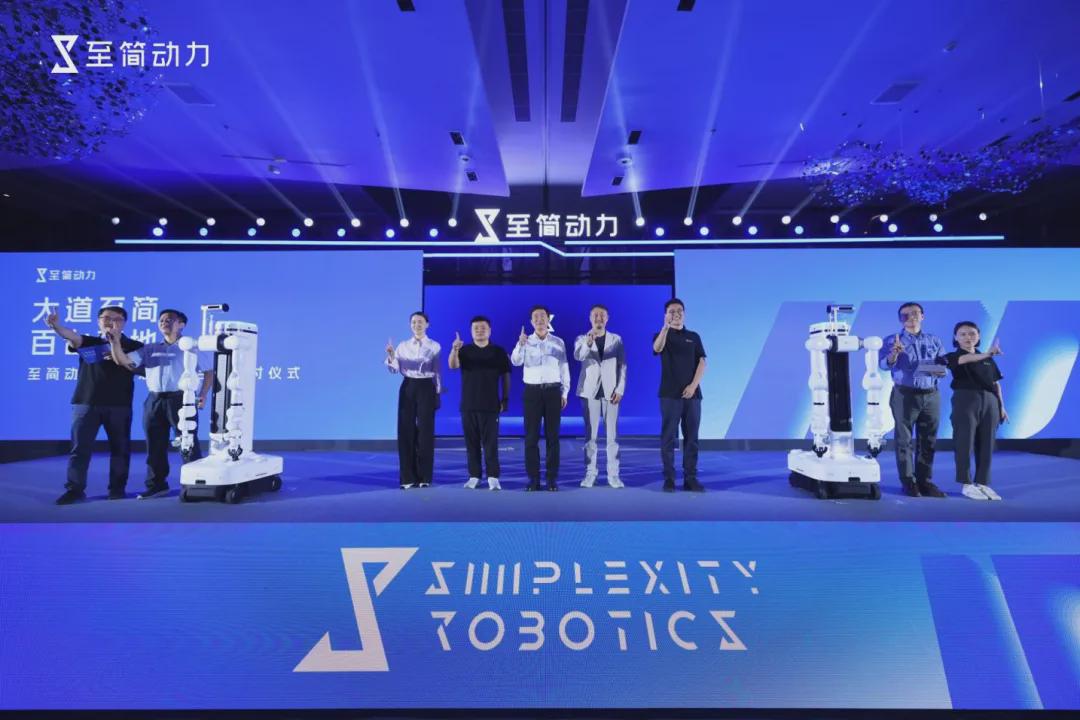
ZhiJian Power has made headlines by delivering its inaugural batch of 100 i7 Pro robots to a production line in Suzhou, marking a significant milestone as the fastest delivery in the robotics industry. The company, which was established in July 2025, has impressively moved from the technology validation phase to actual deployment in less than a year. This rapid transition highlights ZhiJian Power's innovative strategies and expertise in mass production, particularly within the realm of embodied intelligence. The successful delivery not only underscores the company's commitment to advancing automation but also positions it as a key player in the evolving landscape of robotics.
Embodied Intelligence Robotics Automation Mass Production CNC Systems
Digital twins, software maturity and other automation trends
Manufacturers are increasingly adopting AI-powered simulation technology and advanced robotics software, which are becoming more powerful and cost-effective. This shift is occurring as companies seek to enhance efficiency and productivity in their operations. The trend has gained momentum in recent months, reflecting a broader industry move towards automation and smart manufacturing solutions. By integrating these technologies, manufacturers aim to streamline processes, reduce costs, and improve overall performance. As a result, the landscape of manufacturing is evolving, with businesses leveraging innovative tools to remain competitive in a rapidly changing market.

Powerful X-class solar flare triggers radio blackouts across North America
On October 23, 2023, a significant solar event occurred as a coronal mass ejection (CME) was detected alongside an X1.1 solar flare. This powerful eruption originated from the Sun, releasing a substantial amount of plasma and magnetic field into space. Scientists and astronomers monitored the event closely, as CMEs can impact space weather and potentially disrupt satellite communications and power grids on Earth. The solar flare, categorized as X-class, indicates a high level of intensity, making it one of the more powerful flares observed in recent times. The implications of such solar activity are significant, prompting experts to analyze the data to predict any potential effects on Earth’s magnetosphere.
Stargazing
Tesla Optimus Battery Life & Runtime (2026): kWh, Hours & Power Source
Tesla's Optimus robot, powered by a 2.3 kWh battery, is designed to operate for approximately eight hours on a single charge. This innovative technology, which is set to be fully detailed in specifications for 2026, showcases advancements in runtime and power efficiency. The robot's self-charging capabilities further enhance its functionality, making it a significant development in the field of robotics. As Tesla continues to push the boundaries of automation, the Optimus robot represents a key step in the company's vision for integrating artificial intelligence into everyday tasks. The information regarding its performance and specifications is expected to be released in the coming years, reflecting Tesla's commitment to innovation and sustainability in technology.
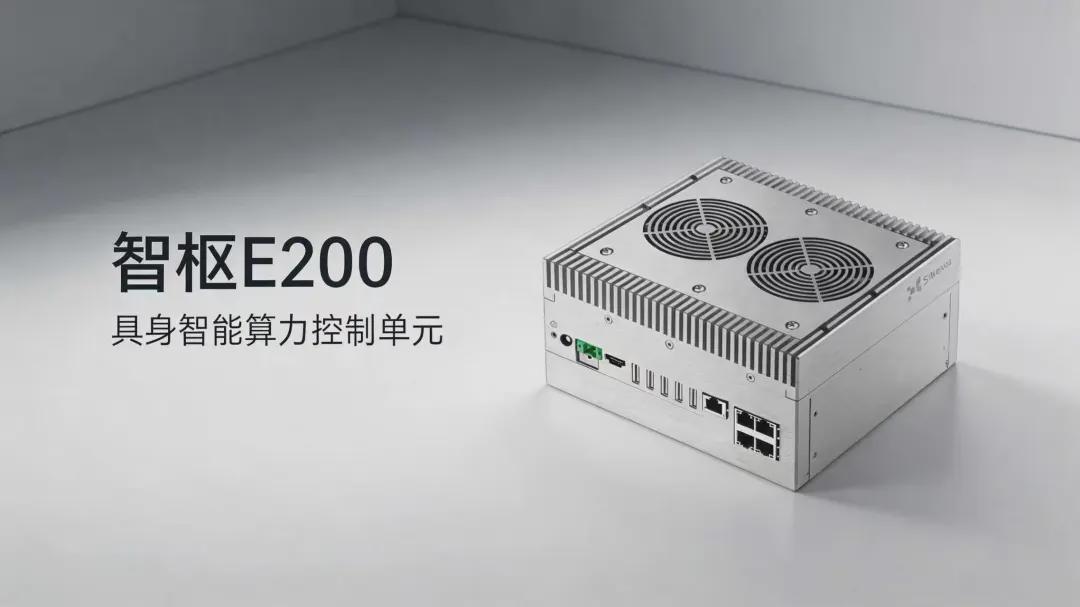
"Building a Brain for Robots: How Chip Bridge Semiconductor Positions Itself in the Foundation of Embodied Intelligent Computing Power"
Chip Bridge Semiconductor is making significant strides in the development of advanced computing technology aimed at enhancing robotic intelligence. The company is focused on creating a new generation of chips designed to serve as the foundational brain for robots, enabling them to process information and respond to their environments more effectively. This initiative comes at a time when the demand for embodied intelligent computing is rapidly increasing, driven by advancements in artificial intelligence and automation. Located in Silicon Valley, Chip Bridge Semiconductor is leveraging cutting-edge research and development to innovate in this competitive field. The company aims to address the growing need for robots that can operate autonomously in various settings, from manufacturing to healthcare. By integrating sophisticated algorithms with powerful semiconductor technology, Chip Bridge is positioning itself as a leader in the robotics sector. The motivation behind this initiative is to create robots that not only perform tasks but also learn and adapt to new challenges, thereby improving efficiency and productivity across industries. Through strategic partnerships and investments in research, Chip Bridge Semiconductor is working to refine its chip designs and enhance their capabilities, ensuring that they meet the evolving needs of the market. As the landscape of robotics continues to evolve, Chip Bridge Semiconductor’s efforts could play a crucial role in shaping the future of intelligent machines, making them more capable and versatile in their applications.
Robotics Automation AI
Inside HD Hyundai Electric’s AI power push
HD Hyundai Electric unveiled its new power distribution complex in Cheongju, North Chungcheong Province, during a media tour on Thursday. The facility represents a significant shift in the electricity sector, showcasing a sophisticated network of robotic arms and autonomous carriers that streamline operations. Observers noted the advanced control room, where workers monitored real-time energy data, highlighting the plant's focus on automation and efficiency. This development reflects the company's commitment to modernizing power distribution and adapting to the evolving energy landscape.
All News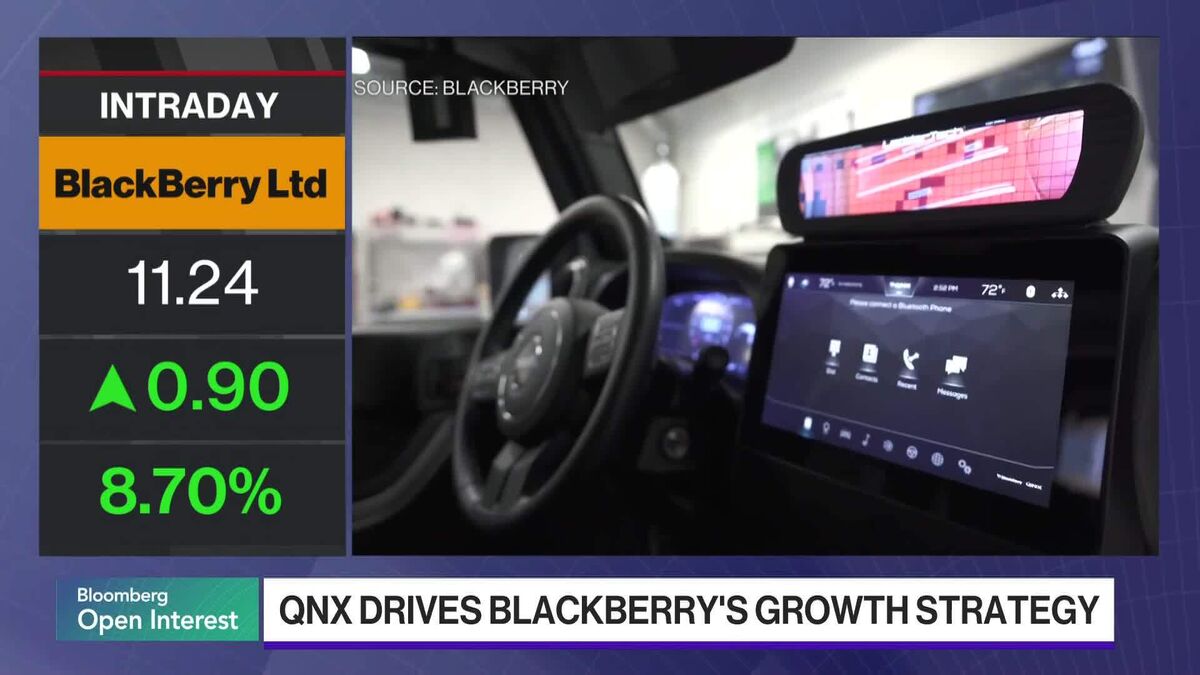
BlackBerry CEO Giamatteo Sees QNX Powering Growth
BlackBerry CEO John Giamatteo recently outlined the company's strategic shift towards becoming a leader in software and infrastructure, focusing primarily on its QNX operating system. During an interview with Bloomberg's Dani Burger and Alpine Saxon Woods Chief Market Strategist Sarah Hunt on "Bloomberg Open Interest," Giamatteo revealed that QNX now powers more than 275 million vehicles worldwide. He emphasized the system's expanding applications beyond automotive, noting its increasing use in robotics, medical devices, and industrial automation. This evolution reflects BlackBerry's commitment to diversifying its technology offerings and adapting to the growing demand for advanced software solutions across various industries.
NMS:NVDA TOR:BB
Sunrun Surges 26% on 16-Gigawatt Virtual Power Plant Deal With Tesla and Renew Home
Sunrun's stock surged by 26% to $16.17 on June 24, 2026, following the announcement of a significant partnership with Tesla and Renew Home to create a 16-gigawatt virtual power plant. This collaboration aims to address the increasing electricity demand from data centers and artificial intelligence workloads, which Goldman Sachs projects will reach 66 gigawatts by 2027. The partnership will leverage dispatchable capacity from home battery systems and smart devices, positioning Sunrun as a key player in the energy market without the need for new infrastructure. The initiative is particularly relevant in Virginia, where the partners already have over 300 megawatts ready for deployment, expected to grow to at least 500 megawatts by 2030. Sunrun CEO Mary Powell emphasized the urgency of modernizing the grid to meet contemporary energy needs, while Tesla's Colby Hastings highlighted the existing resources in American homes as part of the solution. Despite the positive market reaction, Sunrun's stock remains down 11% year-to-date, raising questions about the sustainability of this rally. Investors are advised to monitor the company's ability to secure firm contracts with hyperscalers and the execution of their capacity plans in the coming months, as these factors will be crucial for the company's future performance.

NatPower and Tesla Strike 25 GWh European Battery Storage Deal
NatPower has entered into a multi-year agreement with Tesla to supply and deploy over 25 gigawatt-hours of battery energy storage systems in European markets, with initial projects set for Italy and the United Kingdom. Announced on June 23, 2026, the partnership will see Tesla provide its Megapack technology, along with engineering, procurement, construction services, and energy trading optimization via its Autobidder platform. The projects, which will be owned and operated by NatPower, aim to streamline project development, financing, construction, and energy trading, facilitating large-scale battery deployment. The first phase includes five projects and is part of a larger initiative targeting over 100 GWh of storage capacity. NatPower anticipates that the full program could yield between $4 billion and $5 billion in construction value and generate over $15 billion in revenue over two decades. This agreement underscores the increasing significance of large-scale energy storage in Europe, driven by rising electricity demand, renewable energy integration, and the growth of data centers. As Europe seeks to enhance grid reliability and meet decarbonization goals, substantial storage additions will be necessary in the coming years. Tesla has established itself as a leading supplier of utility-scale battery systems, while NatPower continues to expand its role in energy infrastructure development. The storage assets from this agreement will provide essential grid balancing services and support electricity-intensive customers, including industrial facilities and data centers. NatPower CEO Fabrizio Zago emphasized the shift towards large-scale execution, while Tesla Energy Vice President Mike Snyder highlighted the integration of Tesla's capabilities to expedite battery deployments across Europe.

How FERC’s Large-Load Interconnection Actions Help Address Grid Stress, Improve Affordability
The Federal Energy Regulatory Commission (FERC) announced a significant decision today regarding large-load interconnections, which will notably affect the construction of AI factories and semiconductor fabrication facilities. This milestone aims to streamline the process for connecting these power-intensive operations to the grid, addressing the growing demand for energy as technology sectors expand. The decision comes at a crucial time when the U.S. is focusing on enhancing its infrastructure to support emerging industries. By simplifying the interconnection process, FERC seeks to facilitate the rapid development of these facilities, ultimately fostering innovation and economic growth in the technology sector.

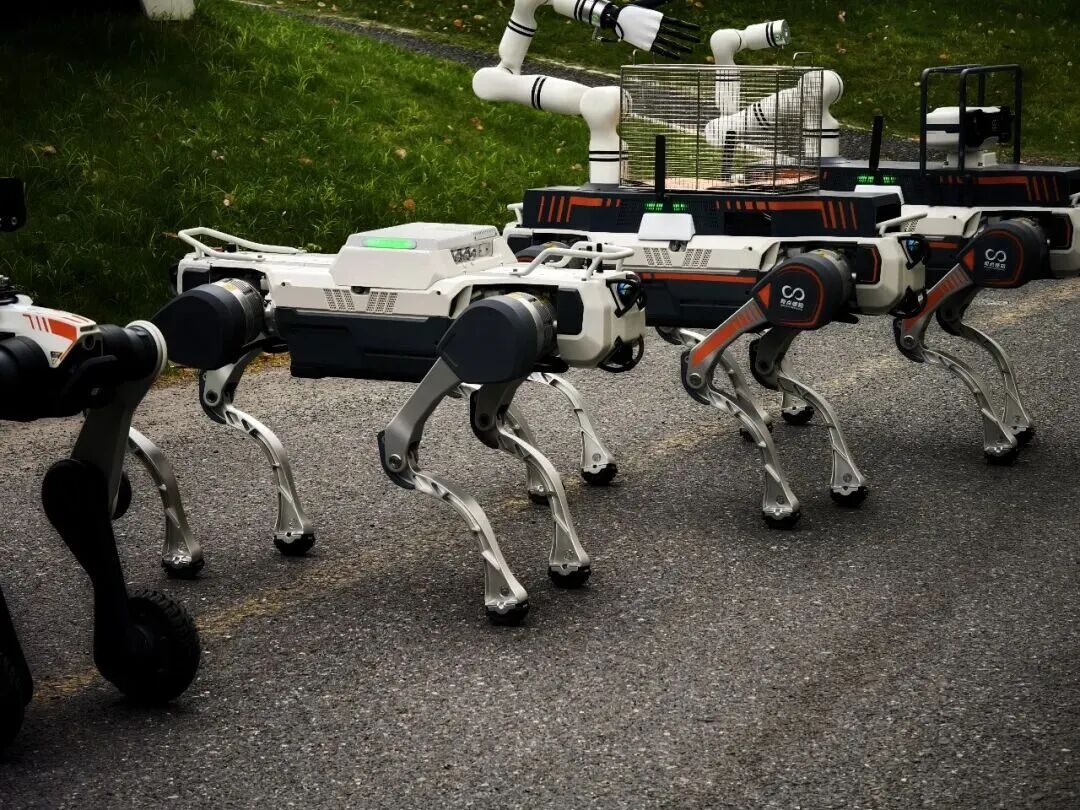
China’s robotic snakes slither across power lines to spot faults before failure
China has introduced robotic snakes to enhance the inspection of power lines, aiming to ensure a stable electricity supply across the nation. This innovative technology was rolled out recently as part of a broader initiative to improve infrastructure maintenance and reduce the risks associated with manual inspections. The deployment of these robotic devices is particularly significant given the increasing demand for reliable energy sources in the country. By utilizing advanced robotics, the initiative seeks to minimize human error and enhance safety for workers who traditionally perform these inspections. The robotic snakes are designed to navigate complex environments, allowing for thorough examinations of power lines that may be difficult for humans to access. This move reflects China's commitment to leveraging technology in its energy sector, ultimately contributing to a more resilient and efficient power grid.
AI and Robotics
indie Launches Edge AI SoC to Power Smarter Perception Systems for Automotive and Humanoids
indie, an automotive solutions innovator based in Aliso Viejo, CA, has announced the launch of its next-generation edge AI system-on-chip (SoC), the iND881, designed to enhance smart camera technology for automotive and robotic applications. Unveiled on June 10, 2026, the iND881 integrates an AI compute engine with indie’s advanced low-latency multi-camera image signal processor (ISP), providing an efficient solution for developers. The iND881 is engineered for low power consumption and real-time responsiveness, featuring a Neural Processing Unit (NPU), a versatile Digital Signal Processor (DSP), and a quad-core ARM Cortex-A53 CPU. This architecture is tailored for demanding edge perception tasks, making it particularly beneficial for advanced driver assistance systems, including driver and occupant monitoring and smart mirrors with blind-spot detection. In addition to automotive applications, the iND881 supports robotics and physical AI automation, facilitating accurate sensing and navigation for autonomous mobile robots. The device's capabilities include multi-channel video compression, high-dynamic-range ISP, and compatibility with various sensor modalities such as infrared and LiDAR, ensuring robust performance in complex environments. The iND881 is ASIL-B compliant and automotive qualified, currently available for sampling. It will be showcased at the upcoming AutoSens and InCabin USA 2026 events. Fred Jarrar, indie's senior vice president, emphasized that the launch not only expands their product portfolio but also positions indie as a comprehensive solutions provider in the edge AI market.
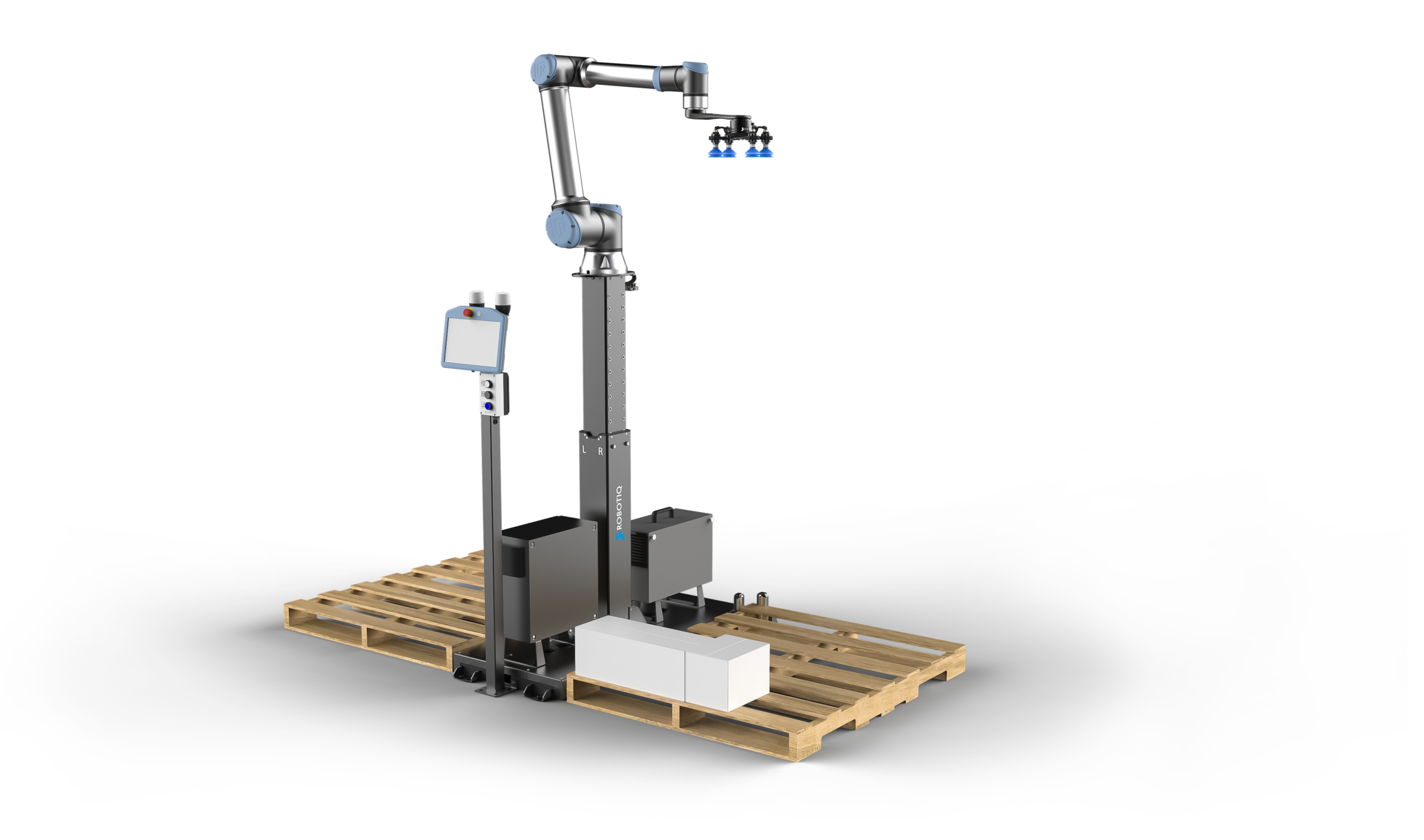
AI-powered platform for palletizing cells
Robotiq has launched an AI-powered platform called IQ, designed to enhance the efficiency of palletizing work cells. This innovative platform captures real-time conditions, connects all stakeholders involved, and guides each step of the process, ultimately establishing a clearly defined workflow for palletizing operations. The introduction of IQ aims to streamline automation in industrial settings, improving productivity and collaboration among teams.
Allgemein
Flex (FLEX) Expands Partnership with Teradyne Robotics for Intelligent Automation
Flex Ltd. has expanded its partnership with Teradyne Robotics to enhance intelligent automation in global manufacturing. This agreement, announced on April 22, 2026, allows Flex to utilize Teradyne’s automation technologies within its facilities while also producing essential robotics components for Teradyne’s solutions. The collaboration focuses on Teradyne’s brands, Universal Robots and Mobile Industrial Robots, with Flex integrating collaborative robots and autonomous mobile robots into its production lines. This partnership marks a significant evolution from their previous 20-year relationship in semiconductor test equipment, now venturing into robotics and physical AI. By merging Teradyne’s adaptive automation technologies with Flex’s advanced manufacturing capabilities, the two companies aim to assist manufacturers in managing increasing operational complexities. The integration of physical AI is intended to enhance consistency, throughput, and operational resilience across manufacturing facilities worldwide. Flex Ltd. is recognized as a diversified manufacturing partner with a growing emphasis on AI infrastructure, cloud computing, and power solutions. While the company shows promise as an investment, analysts suggest that other AI stocks may present greater potential for growth with lower risks.
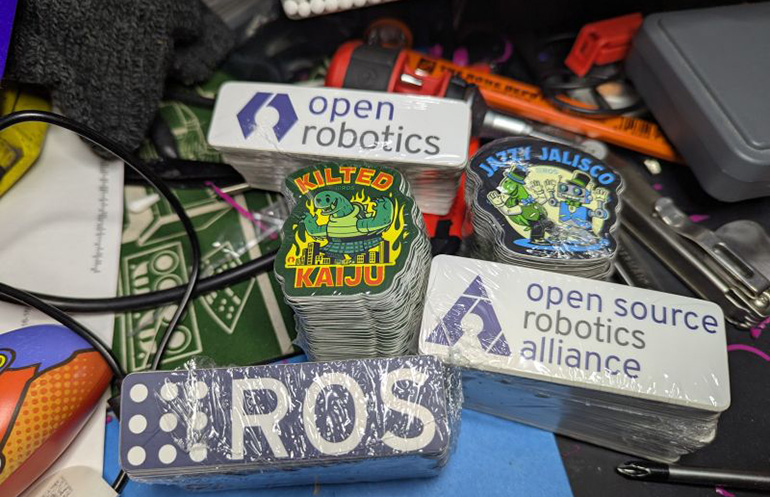
Robotics Summit keynote to present open foundation for AI-powered robots
Brian Gerkey, a prominent figure from Open Robotics, is set to deliver a keynote address at the upcoming Robotics Summit, where he will discuss the transformative impact of the open-source community on the development of robots and artificial intelligence. Scheduled to take place soon, this event aims to highlight the collaborative efforts that are driving innovation in AI-powered robotics. Gerkey's presentation will explore how open-source initiatives are laying the groundwork for advancements in robotic technology, emphasizing the importance of community-driven projects in shaping the future of automation. The summit serves as a platform for industry leaders and enthusiasts to engage with the latest trends and developments in robotics, underscoring the critical role of open-source collaboration in this rapidly evolving field.
Development Tools / SDKs / Libraries Events ROS / Open Source Solutions Open Robotics open source Open Source Robotics Alliance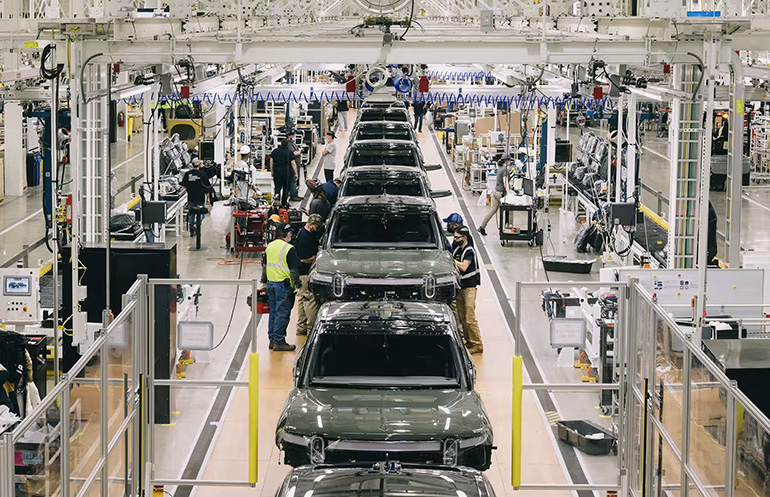
Mind Robotics raises $400M to scale AI-powered robots in manufacturing
Mind Robotics has achieved 'unicorn' status following a significant funding round, raising $400 million to enhance its development of AI-powered robots for the manufacturing sector. This milestone comes as the company partners with electric vehicle manufacturer Rivian to implement its innovative physical AI solutions. The investment will enable Mind Robotics to expand its operations and accelerate the integration of advanced robotics in manufacturing processes, addressing the growing demand for automation in the industry. This strategic collaboration and funding are pivotal for Mind Robotics as it aims to revolutionize manufacturing efficiency and productivity through cutting-edge technology.
Artificial Intelligence Artificial Intelligence / Cognition Automotive Industrial Robots Investments Manufacturing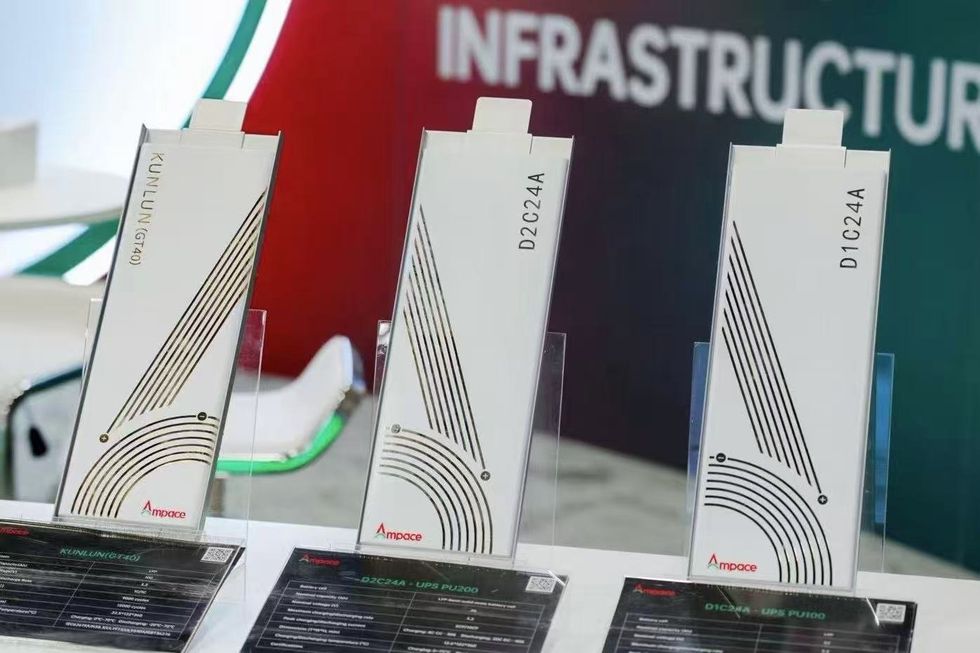
Neutralizing the Gigascale Problem: How to Solve the Physical Power Paradox of Extreme AI Training Loads
As the demand for AI workloads escalates, the data center industry is confronting significant challenges related to power stability. At Data Center World 2026 in Washington, D.C., Ampace and Eaton highlighted these issues during their session titled "Powering Giga-scale AI." They discussed how modern AI computing clusters, which rely on extensive GPU setups, create abrupt and high-frequency power fluctuations that can destabilize local grids. Traditional backup systems, such as diesel generators, struggle to respond to these rapid changes, leading to costly infrastructure oversizing. To address this "power paradox," Ampace is introducing its semi-solid-state battery technology, which acts as a high-speed stabilizer for power spikes, thereby enhancing the reliability of AI infrastructure. This innovation is designed to work in tandem with Eaton's advanced UPS systems, which prioritize rapid load responsiveness. By transforming energy storage from a passive backup into an active component, the collaboration aims to ensure continuous AI operations while minimizing the risk of grid stress. Ampace's approach not only enhances safety by reducing the risk of thermal runaway but also optimizes the total cost of ownership for AI data centers by allowing operators to right-size their infrastructure. As AI technology continues to evolve, Ampace is committed to developing solutions that align with future grid requirements and ensure the resilience of AI systems.
Batteries Power-electronics Data-centers Energy-storage Ai-infrastructure
Your Next AI Query May Travel Where the Power Is
Nvidia, in collaboration with InfraPartners, Prologis, and the Electric Power Research Institute (EPRI), is set to launch a pilot project later this year to construct approximately 25 micro data centers near utility substations across five U.S. states. This initiative aims to address the growing energy demands of the AI industry, which is projected to consume 9 to 17 percent of the country’s electricity generation by 2030. By strategically locating these small data centers, each with a capacity of 5 to 20 megawatts, the project seeks to enhance flexibility in power consumption and optimize the use of available electricity. The approach involves shifting computational workloads to different substations based on real-time power availability, thereby alleviating pressure on overloaded substations and maximizing overall energy efficiency. With U.S. grid operators typically utilizing only 53 percent of their generation capacity, this strategy could significantly increase the effective power supply for data centers. As AI workloads evolve, particularly in inference tasks that require less intensive computational resources compared to training, the micro data centers can dynamically route workloads to where power is most accessible. The project, termed “distributed inference,” is expected to begin construction by the end of 2026, with the goal of demonstrating a new model for data center operations that aligns with the increasing demand for energy-efficient solutions in the tech industry.
Ai-data-centers Nvidia Epri Power-generation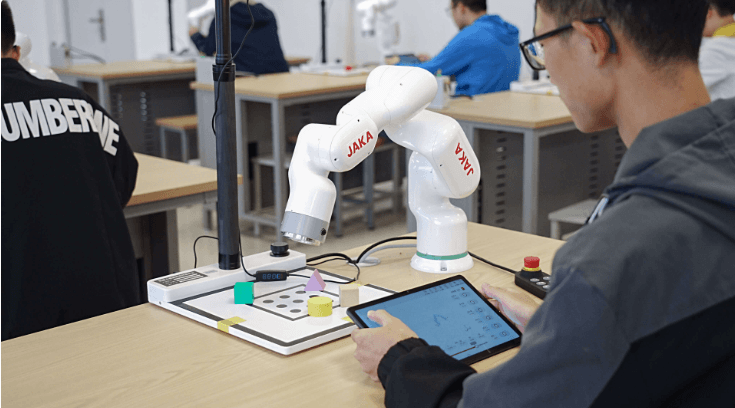
Industrial Automation and Robotics for Educators: Training the Next Generation
The rapid evolution of industrial automation and robotics is reshaping global manufacturing, leading to an increased need for a skilled workforce adept at managing advanced machinery. As educators strive to connect theoretical engineering principles with the practical demands of modern smart factories, there is a pressing requirement for classroom tools that reflect real-world equipment. By 2026, the integration of robotics into STEM curricula is expected to be crucial for fostering critical thinking and technical literacy among students. Educational programs are shifting towards "Embodied Intelligence," where learners engage with sophisticated technologies like industrial robot arms, enhancing their understanding of vision systems, sensor feedback, and machine learning. This hands-on experience equips students with essential skills in industrial safety, workflow optimization, and predictive maintenance, preparing them for careers as automation engineers and technicians. However, challenges persist, including the high costs and complexities associated with traditional industrial robots, which often require specialized facilities and safety measures. To address these issues, educational institutions are exploring "all-in-one" solutions that prioritize safety and usability while maintaining industrial-grade performance. JAKA Robotics is stepping up to meet these educational needs by providing tools that facilitate a safe learning environment. Their JAKA Academy offers a comprehensive training platform with courses ranging from basic operations to advanced software development. The versatile JAKA Zu and S series robots are designed for both research and classroom use, allowing students to engage in practical tasks and develop innovative AI-driven workflows. By incorporating JAKA's technology into educational settings, students are empowered to become the next generation of leaders in industrial automation.
Cognex releases fully integrated AI-powered vision system for robotics
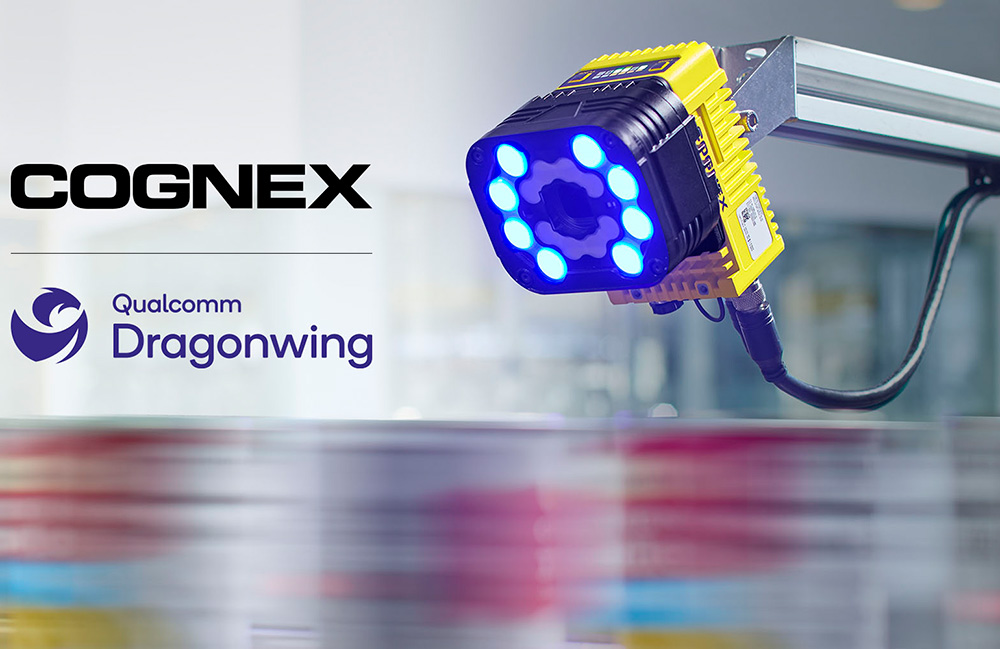
Cognex has launched a fully integrated AI-powered vision system designed specifically for robotics applications. This innovative system combines advanced artificial intelligence, edge AI, and rule-based vision tools with a high-performance embedded computing platform. The release aims to enhance the capabilities of robotic systems, enabling them to perform complex tasks with greater efficiency and accuracy. By leveraging cutting-edge technology, Cognex seeks to address the growing demand for intelligent automation solutions in various industries. The announcement marks a significant advancement in the field of robotics, positioning Cognex as a leader in AI-driven vision systems.
Artificial Intelligence Artificial Intelligence / Cognition Cameras / Imaging / Vision Design / Development News TechnologiesRobotics needs a service framework.
RSF defines a common language for robot service capability, lifecycle operations, certification pathways, and service-provider networks.