Industry Briefing
A single destination for timely, editor-curated robotics news from around the world.
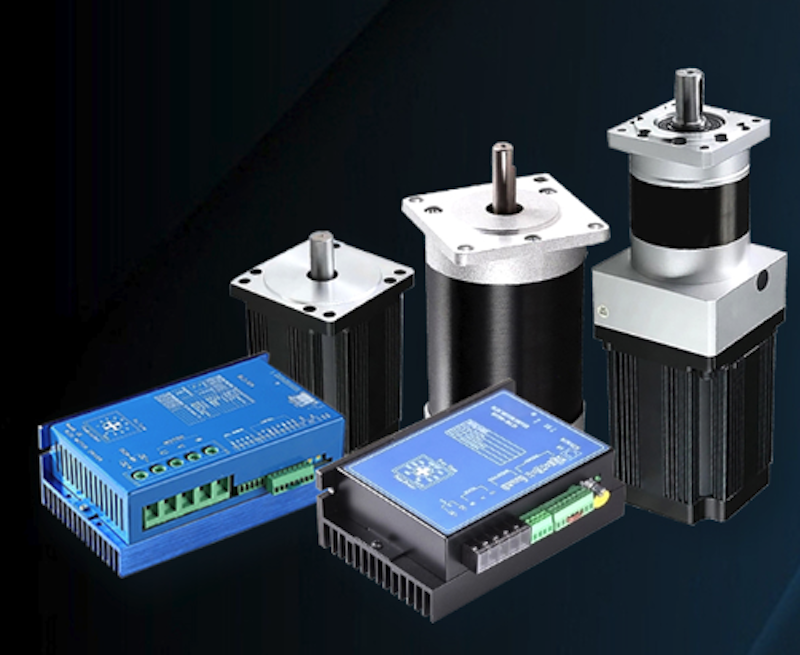
How Motor Controllers Influence Robot Accuracy and Energy Efficiency
As the robotics sector rapidly evolves, industries including manufacturing, healthcare, logistics, and agriculture are increasingly reliant on advanced motion control technologies. This surge in demand is largely driven by the need for precise and energy-efficient solutions to enhance operational efficiency. Central to many of these modern robotic systems are Brushless DC (BLDC) motors, which are celebrated for their high efficiency, reliability, and extended lifespan. However, the optimal performance of these motors is contingent upon effective control strategies and integration within robotic frameworks. As companies seek to leverage the advantages of BLDC motors, ongoing innovations in motion control technology are expected to further enhance the capabilities of robotic systems across various sectors.
Components Engineering amrs autonomous mobile robots BLDC motor controllers BLDC motors
Elemeno Health agrees strategic partnership with Swisslog Healthcare to drive efficiency in healthcare automation
Elemeno Health has formed a strategic partnership with Swisslog Healthcare to enhance automation solutions in hospitals throughout North America. This collaboration aims to integrate Elemeno's just-in-time microlearning platform with Swisslog's robotics and pharmacy automation systems, facilitating streamlined training for frontline staff. By enabling customer self-service capabilities, the partnership seeks to improve operational efficiency and support healthcare providers in delivering better patient care. The initiative underscores the growing importance of pharmacy automation in modern healthcare settings, as hospitals increasingly rely on advanced technology to optimize their services.
Health Logistics News allegro automated pharmacy systems automation news
Specialized Robots Enhance Efficiency in Solar Farm Construction and Maintenance
A rising number of robotics companies are developing specialized machines aimed at alleviating labor bottlenecks in solar farm construction and maintenance. These innovations are crucial as they address the unique challenges posed by solar farm terrains, optimizing both construction timelines and operational efficiency. The significance of these advancements lies in their potential to streamline processes and reduce reliance on manual labor, which can be both costly and time-consuming. By integrating specialized robots, companies can enhance productivity and improve safety standards on solar farms, making the sector more sustainable and economically viable. Looking ahead, the continued evolution of robotics in this field will be essential to meet the growing demand for renewable energy solutions. Stakeholders should monitor developments in robot capabilities and their impact on solar farm operations. No further timeline was disclosed at the time of publication.
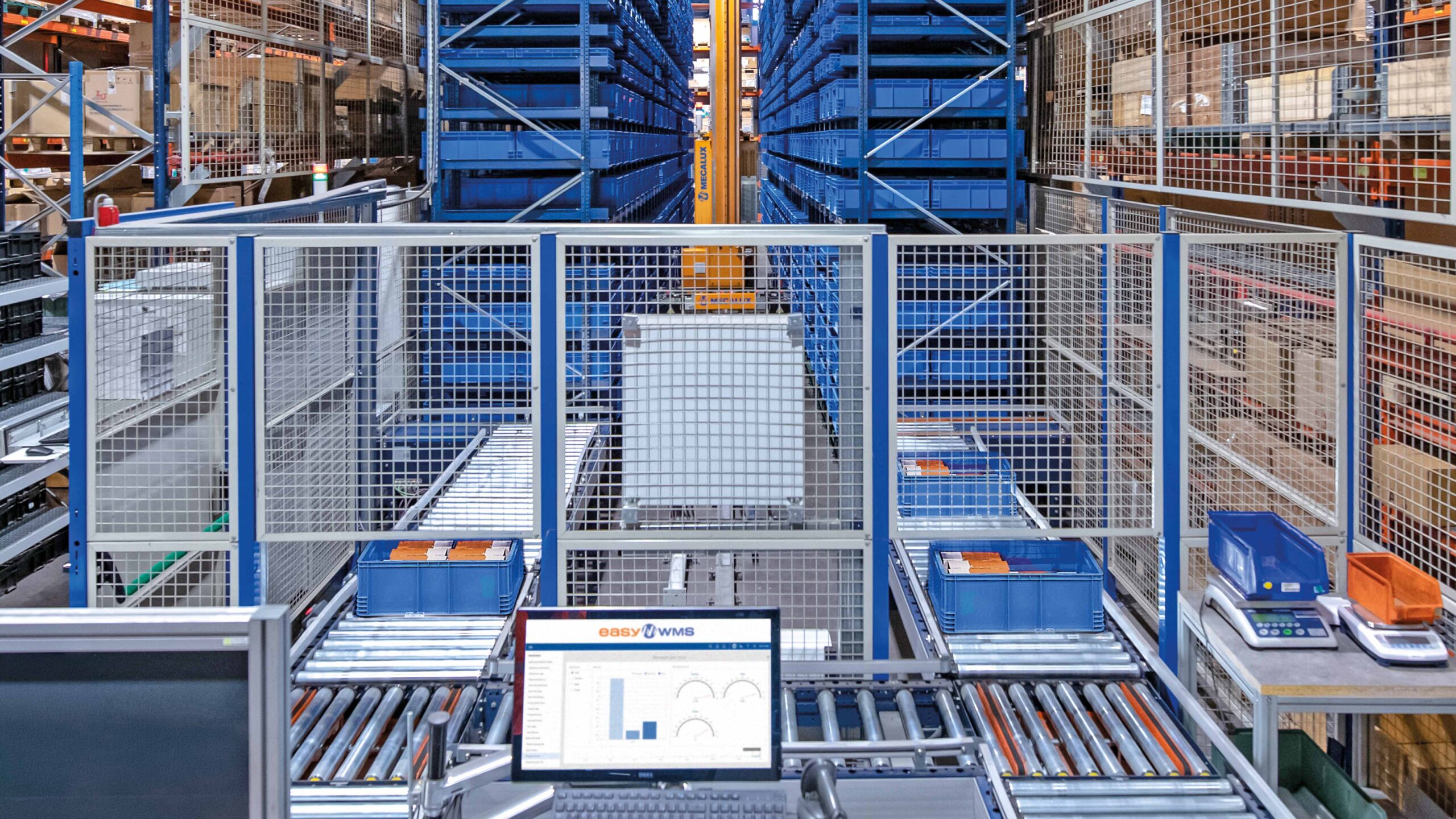
Automation Drives Cold Store Efficiency
Clavo Food Factory has enhanced its operational efficiency by increasing storage capacity and reducing operating times through the implementation of an automated logistics solution from Mecalux. This upgrade took place at the company's production facility in Tordesillas, Spain. Specializing in ready-to-eat chilled and frozen foods, Clavo Food Factory produces 14,000 tonnes annually, catering to over 42,000 restaurants globally. The automation initiative aims to streamline processes and improve overall productivity, reflecting the company's commitment to innovation in the food production industry.
AMR and AGV Automation Systems and Shuttles Cold Chain Logistics Magazine Features Materials Handling Storage & Racking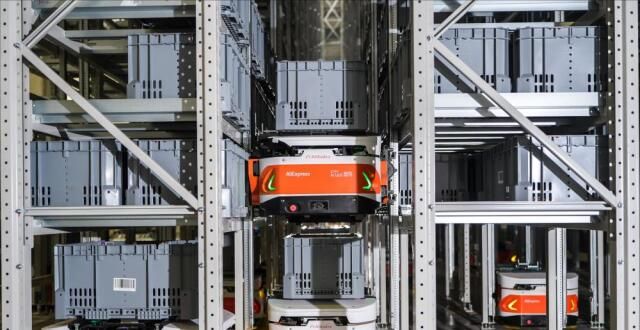
Cainiao Deploys ZeeBot Climbing Robot for Warehousing, 100% Efficiency Gain
Cainiao, the logistics arm of Alibaba, has introduced the ZeeBot climbing robot in its Dongguan warehouse, significantly enhancing operational efficiency. This deployment, which took place recently, has resulted in a remarkable 100% improvement in human productivity within the facility. The ZeeBot is designed to navigate vertical spaces, allowing it to transport goods more effectively and reduce the physical strain on human workers. By integrating this advanced technology, Cainiao aims to streamline its logistics processes and meet the growing demands of e-commerce. The initiative reflects the company's commitment to innovation and efficiency in the fast-paced logistics sector.
Robotics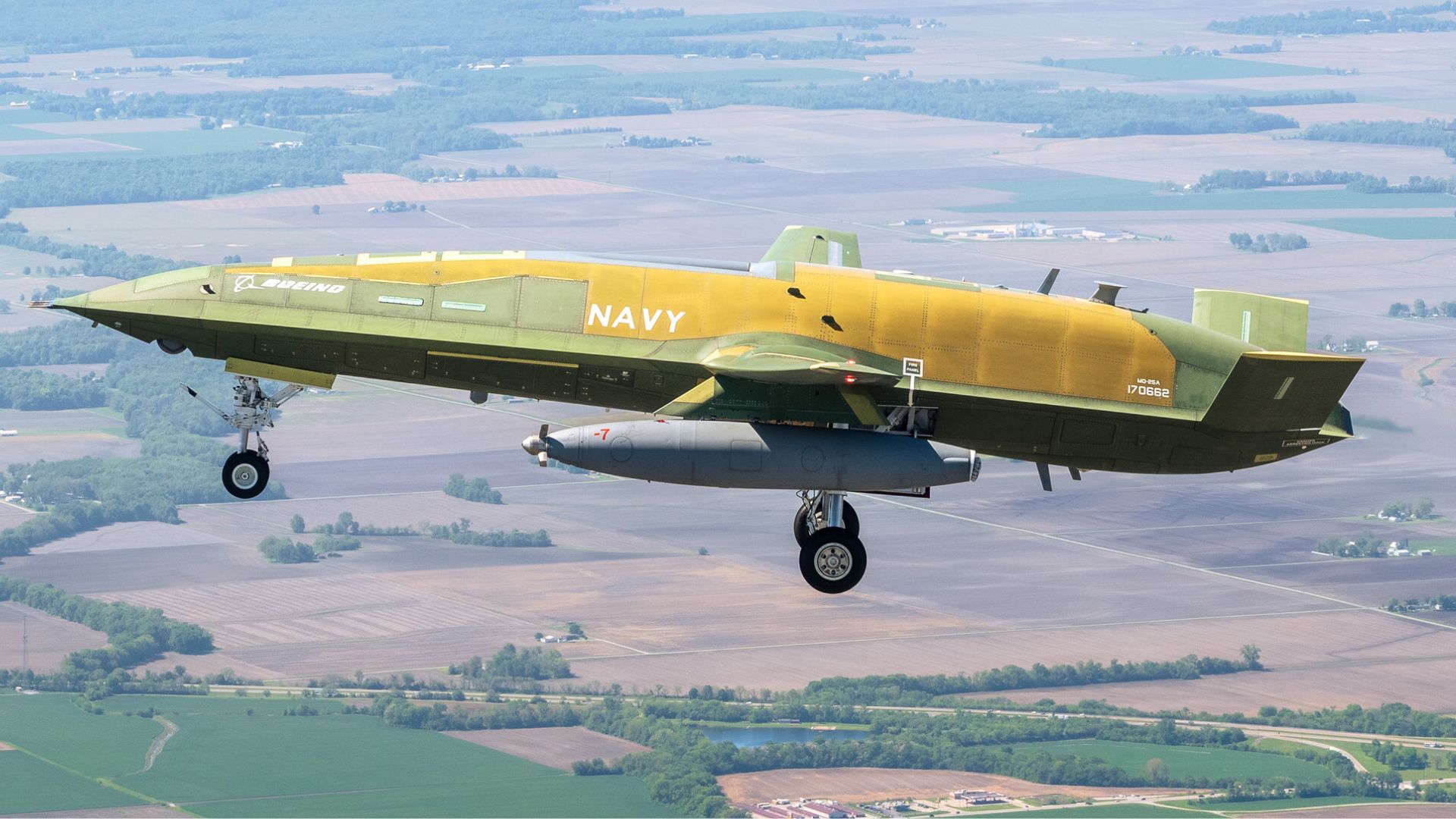
Video: US Navy tests MQ-25A refueling drone in first autonomous operational flight
Boeing and the U.S. Navy have advanced their efforts to integrate unmanned aircraft into military operations, marking a significant development in modern warfare technology. This collaboration was highlighted during a recent demonstration held at a naval base, where various unmanned systems showcased their capabilities in real-time scenarios. The event, which took place in October 2023, aimed to assess the effectiveness of these aircraft in enhancing operational efficiency and safety for naval forces. The integration of unmanned systems is driven by the Navy's need to improve reconnaissance, surveillance, and combat capabilities while reducing risks to personnel. By leveraging Boeing's expertise in aerospace technology, the Navy seeks to enhance its operational readiness and adaptability in increasingly complex combat environments. The demonstration illustrated how these unmanned aircraft can operate alongside manned missions, providing critical support and intelligence. As the military continues to explore innovative solutions, this partnership between Boeing and the U.S. Navy represents a pivotal step towards a future where unmanned systems play a central role in naval strategy and operations. The successful outcomes of this initiative could pave the way for broader adoption of unmanned technologies across various branches of the armed forces.
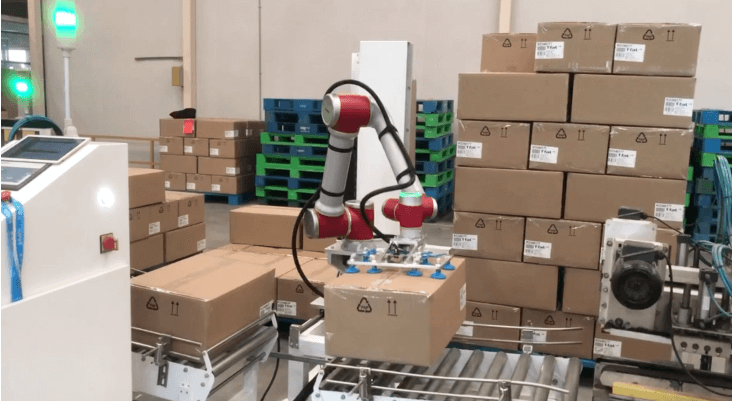
How Articulated Robots Enhance Efficiency in Complex Machine Tending Tasks
JAKA, a robotics company, is revolutionizing the machine tending process in factories by introducing advanced articulated robots designed to handle the repetitive and physically demanding tasks of loading and unloading parts from CNC mills and other machinery. This innovation is particularly timely as manufacturers seek to enhance operational efficiency and adapt to changing production needs. The articulated robots mimic human arm movements, allowing them to service multiple machines and navigate confined spaces with precision. JAKA's technology ensures that these robots maintain a high level of accuracy, achieving a precision of 0.2mm, which is crucial for delicate part handling. By eliminating fatigue, these robots provide consistent performance, maximizing machine utilization and minimizing idle time between cycles. Equipped with collaborative features, JAKA's robots can operate safely alongside human workers and valuable machinery, reducing the need for extensive safety barriers and enabling more efficient workcell layouts. The compact design of the Zu series robots allows for easy integration into existing factory setups, facilitating a smooth transition to automated processes. Moreover, JAKA's robots are designed for adaptability, enabling quick reprogramming for new production batches without significant downtime. This flexibility supports manufacturers in shifting towards high-mix, low-volume production, ultimately enhancing resilience and productivity in the manufacturing sector. By automating repetitive tasks, JAKA aims to free human workers to focus on more complex problem-solving, thereby improving overall operational efficiency.

Comau unveils MYMR, a scalable autonomous mobile robot family engineered to optimize intralogistics efficiency
Comau, a leader in automation solutions, has announced the launch of three new Autonomous Mobile Robots (AMRs) aimed at improving intralogistics and warehouse automation. This development comes as part of the company's ongoing efforts to enhance operational efficiency and reduce labor costs in the logistics sector. The introduction of these robots is set to take place in October 2023, with the deployment expected to revolutionize the way goods are transported within warehouses. By utilizing advanced navigation and AI technology, the AMRs will facilitate seamless movement of materials, allowing for increased productivity and safety in busy warehouse environments. This strategic move reflects Comau's commitment to innovation and its response to the growing demand for automated solutions in the supply chain industry.
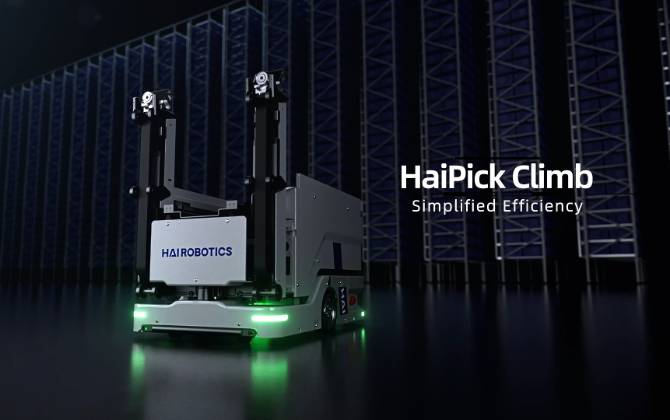
Hai Robotics Unveils HaiPick Climb: Revolutionizing Warehouse Automation With Simplified Efficiency
Hai Robotics has introduced the HaiPick Climb, an innovative robotic solution aimed at revolutionizing warehouse automation. This system is designed to streamline goods-to-person processes, making it easier for warehouses and distribution centers to implement automation. Launched recently, the HaiPick Climb can be retrofitted into existing facilities, significantly enhancing operational efficiency by increasing throughput and lowering costs. This advancement is expected to make automation more attainable for a broader spectrum of warehouses, addressing the growing demand for efficient logistics solutions in the industry.
Warehouse Automation Robotics Logistics Automated Storage and Retrieval Systems Supply Chain Management
Employee Handbook Translation Services Are No Longer Optional for Modern Workplaces
In an effort to enhance workplace communication and ensure compliance with safety standards, a mid-sized manufacturing company has updated its employee handbook to include translated versions for its multilingual workforce. The initiative, spearheaded by the HR manager, aims to clarify workplace expectations and policies, thereby fostering a more inclusive environment for all employees. Recognizing that automated translation tools often produce inaccuracies, the company prioritized the use of professional translation services to ensure that the wording in the handbooks is precise and accessible. This strategic move not only supports better understanding among employees but also reinforces the company's commitment to safety and compliance. The updated handbooks are expected to improve employee engagement by making essential information readily available in multiple languages. By maintaining consistency across teams, the company hopes to create a cohesive workplace culture that values clear communication and inclusivity. This proactive approach reflects a growing trend among businesses to address the needs of diverse workforces and enhance overall operational efficiency.
Business Technology automation news business communication compliance training construction workforce
ABB and Salzburg researchers patent AI system to cut energy use in industrial robots
Salzburg University of Applied Sciences has partnered with ABB’s Machine Automation Division, B&R, to enhance energy efficiency in industrial automation through the application of artificial intelligence. This collaboration is centered at the Josef Ressel Center for Intelligent and Secure Industrial Automation (JRZ ISIA), where the two entities aim to translate cutting-edge research into viable solutions for industrial drive systems. By leveraging AI technologies, the initiative seeks to optimize energy consumption and improve operational efficiency in manufacturing processes, addressing the growing demand for sustainable industrial practices.
Industrial robots News abb ai in manufacturing AI optimization automation news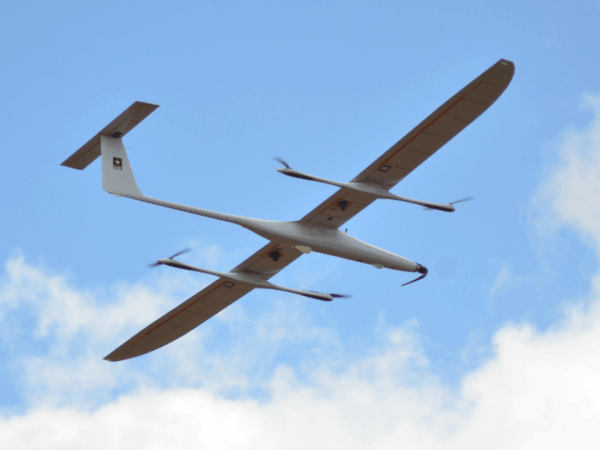
Kraus Hamdani Aerospace Demonstrates Wireless Power Beaming to K1000ULE at Shaw AFB
Kraus Hamdani Aerospace (KHA) and PowerLight Technologies successfully demonstrated their innovative wireless power beaming technology for the K1000ULE drone at Shaw Air Force Base. This event, hosted by the AFCENT Battle Lab, showcased the capability to sustain continuous intelligence, surveillance, and reconnaissance (ISR) operations without the need for ground recovery. The demonstration highlights the potential of laser-based power transmission to enhance operational efficiency for military applications, aligning with CENTCOM's focus on advancing operational energy innovation.
Defense Drone News Drone News Feeds Long Range News aerial surveillance
ROBOTS Secures Seed Funding for Integrated Control Platform Development with NTT Docomo and Incubate Fund
ROBOTS has announced the completion of a seed funding round through third-party allocation from Incubate Fund and NTT Docomo. The startup focuses on developing an integrated control platform for robots that become smarter through on-site operations. The funding will accelerate research and development of this platform and physical AI, particularly for implementation in the security sector. The significance of this development lies in addressing the severe labor shortages in the security industry, where high turnover rates and an aging workforce pose challenges. By integrating various robots and sensors into a cohesive system, ROBOTS aims to enhance operational efficiency and reduce the burden on security personnel. This approach allows for a flexible response to diverse on-site tasks, which is crucial given the unique demands of different environments. Looking ahead, ROBOTS plans to leverage insights gained from security applications to expand into other sectors such as equipment inspection and construction. CEO Koki Kawauchi emphasized the importance of robotics in addressing real-world challenges, aiming for a future where diverse robots work alongside humans seamlessly.

RevOps for Robotics OEMs Integrates AI Agents as New GTM Operating System
RevOps for robotics OEMs is evolving to unify sales, marketing, and customer success teams under a strategic framework. This integration aims to enhance customer attraction and retention, increase average order value (AOV), and maximize customer lifetime value (CLV), all while optimizing costs. Efficiency is paramount, making tech stack management a critical function of RevOps. The introduction of Go-to-Market (GTM) AI agents is transforming the tech stack, enabling improved predictive forecasting, market data analysis, and buyer intent tracking. These AI agents streamline lead routing, scheduling, and personalized outreach, allowing RevOps teams to focus on innovative strategies to drive revenue growth. The use of GTM AI APIs facilitates the development of core tech stack layers, enhancing the ability to analyze prospect interactions and identify effective sales tactics. As AI agents are integrated into intent layers, they monitor high buying intent signals and enrich prospect profiles by gathering data from various sources. This data is visualized as contact graphs, enabling targeted outreach. A practical example in the robotics OEM sector illustrates how these AI agents enhance operational efficiency and strategic decision-making, ultimately contributing to revenue preservation and growth.
AI agents Technology agentic ai ai agents artificial intelligence automation
KUKA Introduces LBR iisy on iiQKA.OS2 for Scalable Automation Solutions
KUKA has launched the LBR iisy, a collaborative robot designed for diverse applications in both industrial and hybrid environments. This robot combines industrial strength with user-friendly features, including integrated sensors and smooth hand-guiding, enhancing operational efficiency. The significance of the LBR iisy lies in its ability to adapt to evolving production needs, offering flexibility through its integration with iiQKA.OS2. This platform allows users to access simulation and virtual commissioning via iiQWorks.Sim, leveraging KUKA's established technology packages. Looking ahead, the LBR iisy is positioned to meet the demands of various collaborative workspaces and industrial settings. No further timeline was disclosed at the time of publication.
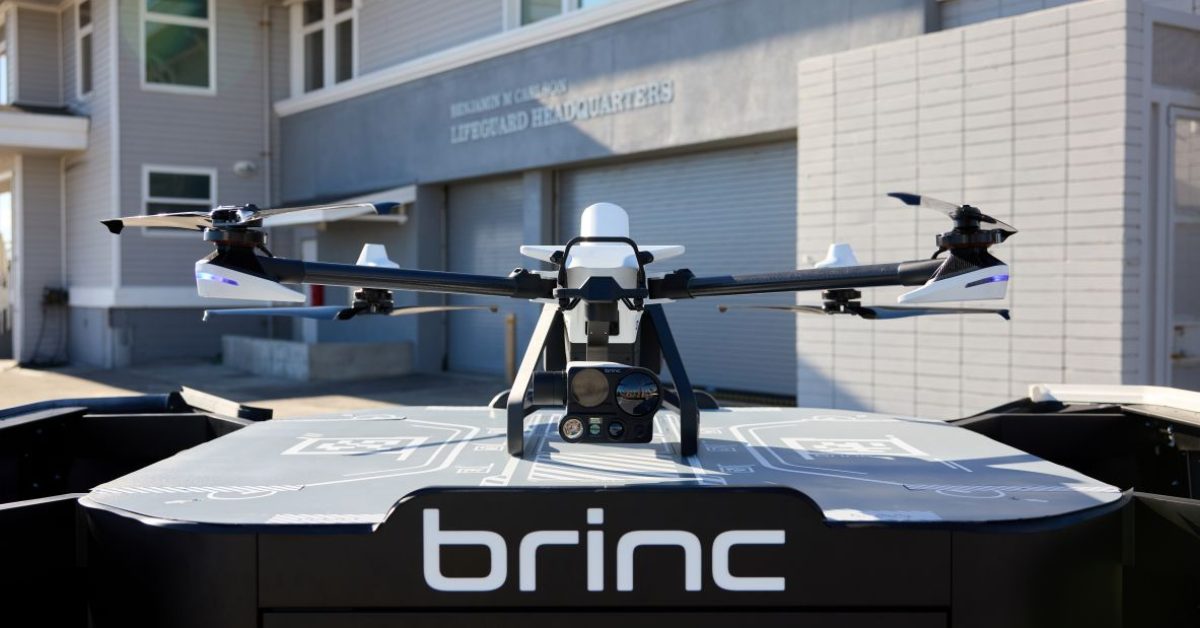
Motorola Solutions Leads $125 Million Funding for BRINC's Emergency Drone Expansion
BRINC, a Seattle-based public safety drone company, has raised $125 million in a funding round led by Motorola Solutions, bringing its total funding to over $250 million. This investment will enable BRINC to expand its manufacturing capabilities and product offerings, with the goal of deploying a 911 response drone at every police and fire station in the U.S. The significance of this funding lies in BRINC's ambition to enhance emergency response times across the nation. With approximately 80,000 police and fire stations in the U.S., the deployment of drones can provide crucial situational awareness before first responders arrive, potentially saving lives and improving operational efficiency. Looking ahead, BRINC plans to move into a new manufacturing facility by the end of the year, which is three times larger than its current site. The company has already seen a surge in demand for its drones, tripling its revenue in 2025 and signing significantly more contracts for 911 response drones compared to the previous year. No further timeline was disclosed at the time of publication.
News
Microsoft Recommends Deploying Windows Updates Within Three Days to Combat AI-Driven Threats
Microsoft has updated its guidance for deploying Windows updates, recommending that organizations implement updates within three days of release. This change is in response to the rapid exploitation of software vulnerabilities, which can now be targeted within hours due to advancements in AI technology. The new policy aims to enhance security and reduce the risk of attacks during the delay in applying patches. The increase in vulnerabilities, with 206 reported in June 2026 alone, highlights the urgency for IT departments to adapt their update processes. Microsoft encourages organizations to rethink their security strategies and implement new policies that facilitate quicker deployment of patches to all devices, thereby minimizing exposure to potential threats. To assist IT departments in managing this transition without increasing workload, Microsoft has proposed three key steps: automating update policies, utilizing cloud management tools, and implementing conditional access for non-compliant devices. These measures are designed to streamline the update process while maintaining operational efficiency and security integrity. No further timeline was disclosed at the time of publication.

ETCO Incorporated Launches New Electrical Connectors and Terminals for Robotics and Automation
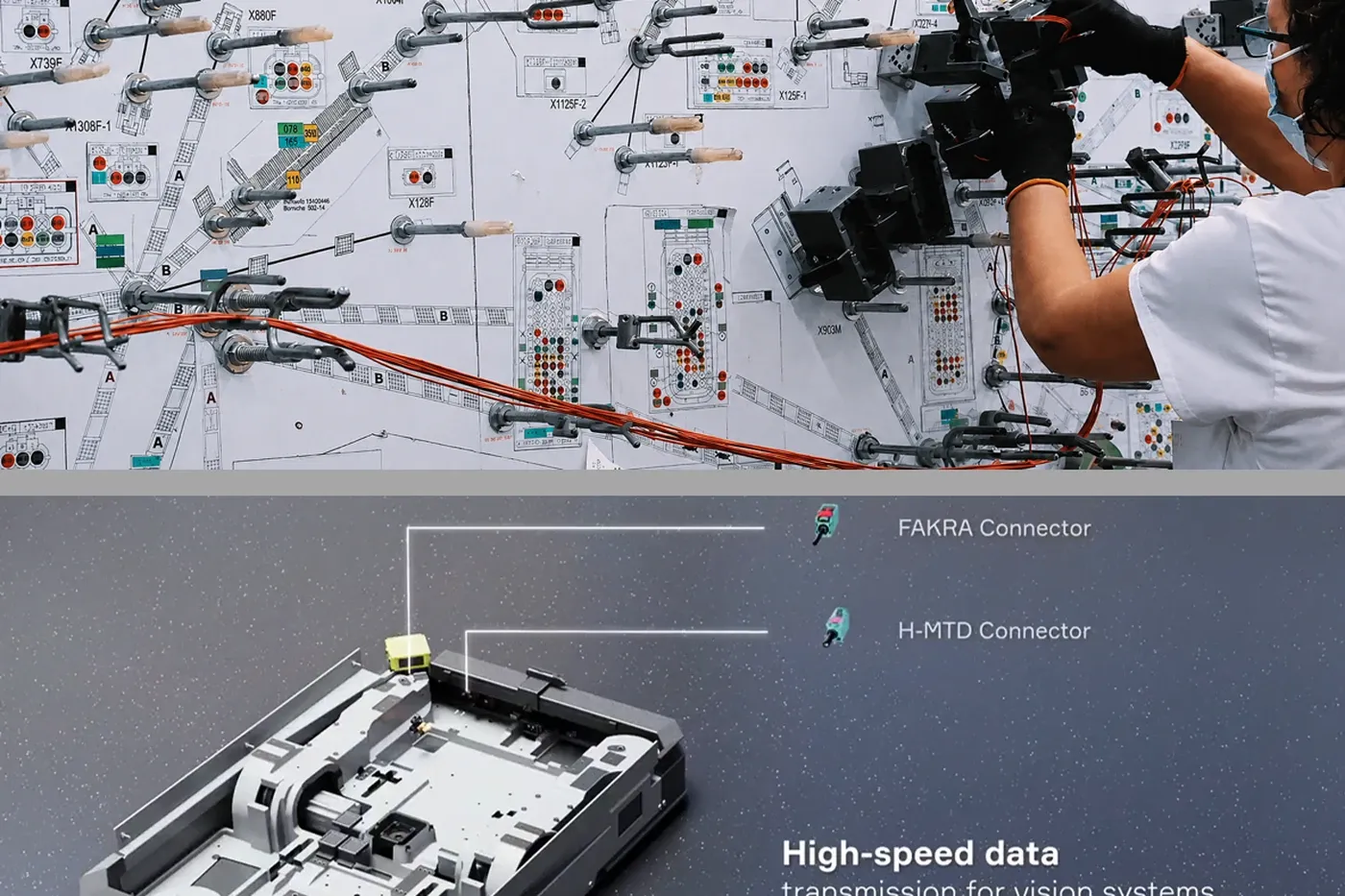
ETCO Incorporated has unveiled a new range of standard and custom electrical connectors and terminals designed specifically for automation systems and robotics. These products are engineered to endure intense operations, constant motion, and vibration, making them suitable for demanding applications. The introduction of these connectors and terminals is significant as they address the growing need for reliable electrical components in automation and robotics. With the increasing complexity of automated systems, the durability and performance of electrical connections are crucial for operational efficiency and safety. Looking ahead, industry stakeholders should monitor the adoption of ETCO's new products in various applications. The effectiveness of these connectors and terminals in real-world scenarios will be key to their success in the market. No further timeline was disclosed at the time of publication.
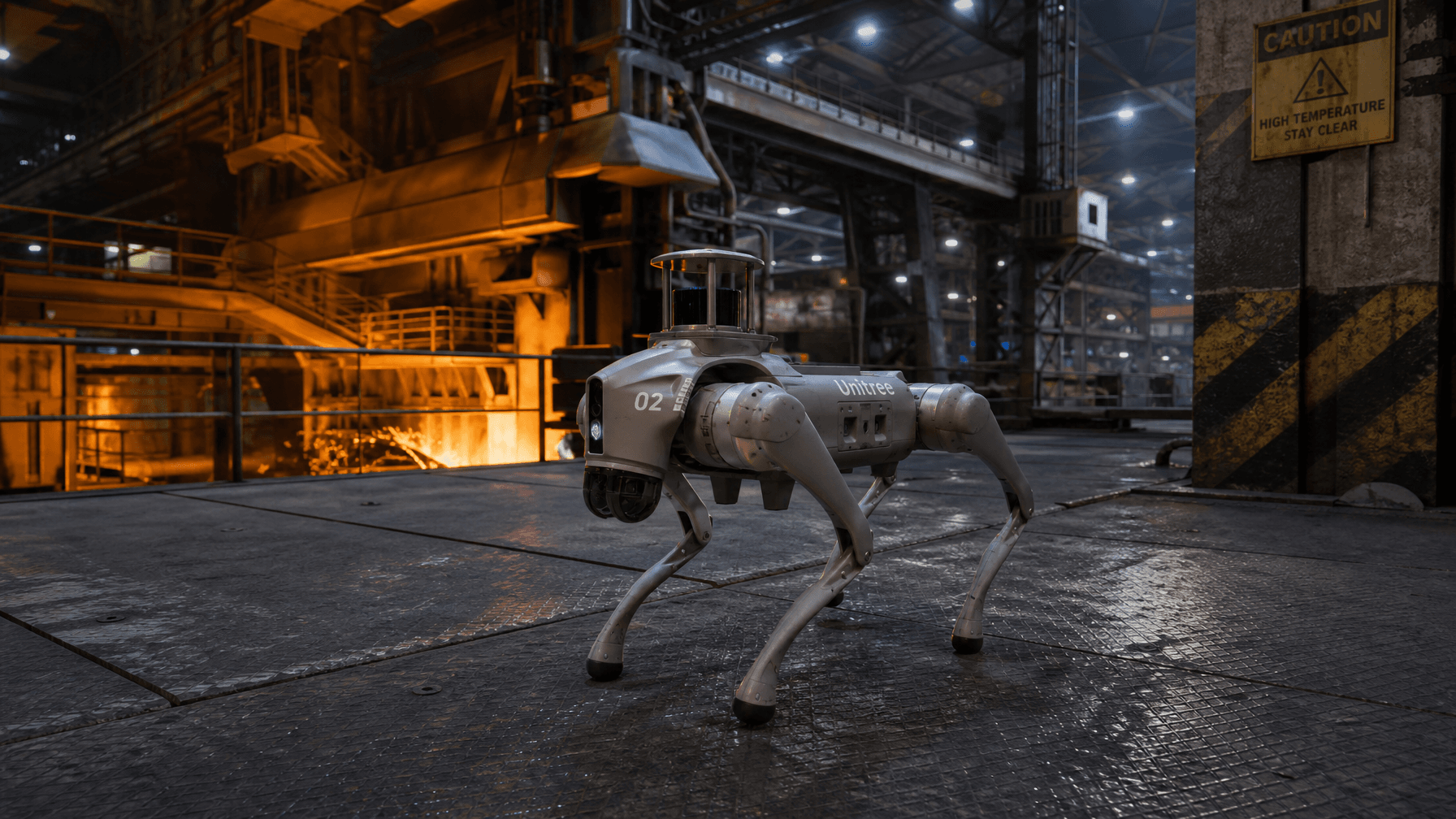
Unitree Robotics, Hunan Steel, and Looper Robotics Form Alliance for Steel Plant Inspections
Unitree Robotics has partnered with Hunan Steel and Looper Robotics to create a tripartite alliance aimed at deploying legged robots for inspections in steel plants. This collaboration signifies a notable entry of embodied AI technology into the heavy industry sector. The partnership is significant as it highlights the increasing integration of advanced robotics and AI in traditional industries such as steel manufacturing. By utilizing legged robots, the alliance aims to enhance inspection processes, improve safety, and increase operational efficiency within the steel plant environment. Looking ahead, the deployment of these legged robots could set a precedent for further advancements in industrial automation. No further timeline was disclosed at the time of publication.
Technology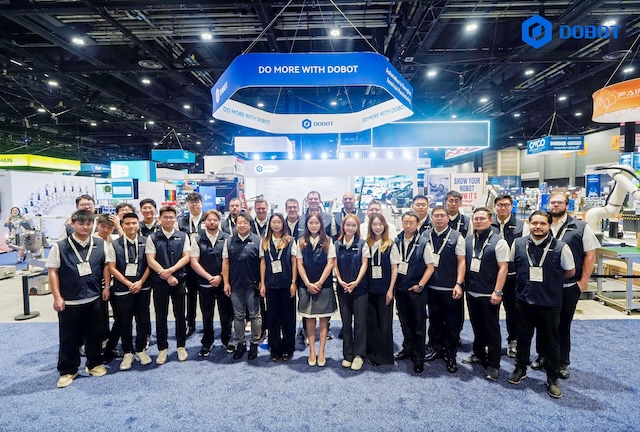
DOBOT Unveils Intelligent Automation Solutions at Automate 2026 to Enhance American Manufacturing
DOBOT showcased its latest intelligent automation solutions at Automate 2026, emphasizing the theme 'DO MORE WITH DOBOT.' The company highlighted how its collaborative robots and AI-powered technologies can enhance efficiency and flexibility in American manufacturing. Key demonstrations included solutions for various industries such as automotive and food & beverage, showcasing the integration of robotics in real-world applications. The significance of DOBOT's presentation lies in its commitment to strengthening American manufacturing through advanced automation. By demonstrating a comprehensive portfolio of application-driven solutions, DOBOT illustrated the potential of intelligent robotics to address industrial challenges and accelerate the transition to smart manufacturing. The showcased technologies aim to improve production processes across sectors, enhancing overall operational efficiency. Looking ahead, DOBOT's focus on integrated automation ecosystems and collaborative robotics indicates a trend towards more accessible and scalable solutions for manufacturers. The company's innovations, including humanoid robots and advanced programming capabilities, suggest a future where human-robot collaboration becomes increasingly seamless. No further timeline was disclosed at the time of publication.
DOBOT Automate 2026 collaborative robots industrial automation automation solutions humanoid robot
How Pick and Pack Fulfillment is Transforming Order Delivery in the Automation Age
The modern supply chain has undergone a significant transformation, with consumers now expecting two-day shipping as a standard. This shift necessitates a complete rethinking of traditional logistics practices, moving away from manual processes to technology-driven solutions. Companies face challenges in managing increased order volumes while maintaining accuracy, highlighting the need for advanced robotics and smart software in logistics. The implementation of intelligent pick and pack fulfillment workflows is crucial for warehouses to enhance efficiency. By analyzing order data in real time, these systems optimize item retrieval and minimize unnecessary movement within the facility. Techniques such as batch picking and zone picking streamline operations, allowing workers to compile orders more quickly, which leads to faster delivery times and improved customer satisfaction. The rise of autonomous mobile robots (AMRs) marks a significant change in warehouse operations. These robots have evolved from being a novelty to a necessity, utilizing advanced navigation technologies to operate safely in dynamic environments. As logistics providers continue to adopt these innovations, the focus will be on further enhancing operational efficiency and meeting the growing demands of consumers.
Automation Logistics Supply chain amrs autonomous mobile robots e-commerce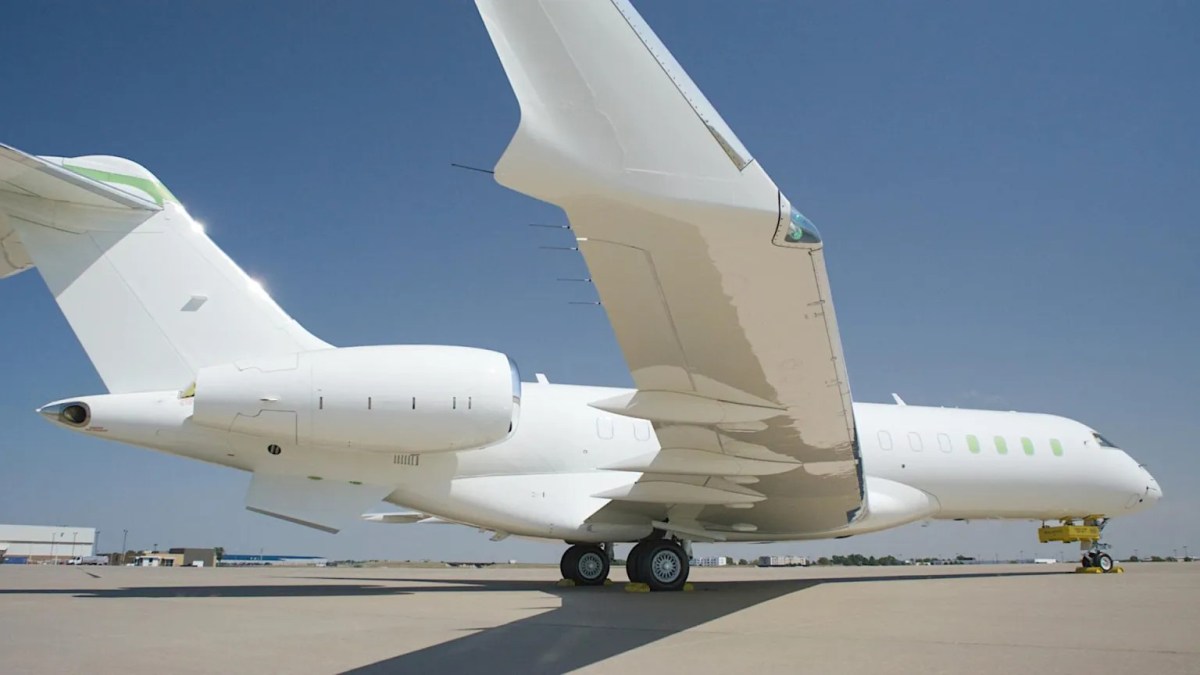
U.S. Army to Establish HADES Aircraft and Drone Battalion at Fort Hood
The U.S. Army has announced that its future fleet of ME-11B High Accuracy Detection and Exploitation System (HADES) aircraft will be stationed at Fort Hood, Texas. This initiative includes the formation of a unique operational drone battalion, aimed at consolidating aerial intelligence, surveillance, and reconnaissance (ISR) assets following the retirement of turboprop ISR planes last year. This development is significant as it marks a pivotal step in modernizing the Army's global aerial ISR capabilities. The relocation of the 116th Military Intelligence Brigade from Fort Gordon to Fort Hood is part of this strategy, enhancing the Army's ability to conduct multi-domain and large-scale combat operations. The ME-11B jets, converted from Bombardier Global 6500 business jets, are expected to improve operational efficiency with higher speed, altitude, and advanced sensor capabilities. Looking ahead, the Army anticipates the delivery of the first ME-11B prototype by the end of the year, with plans to acquire at least six production models. The HADES system is designed to extend the Army's intelligence-gathering reach significantly, utilizing long-range drones to enhance operational effectiveness while minimizing exposure to threats. No further timeline was disclosed at the time of publication.
Air Armies Drones Land Manned ISR News & Features
Mistral AI Introduces Robostral Navigate for Autonomous Robotic Navigation
Mistral AI has launched Robostral Navigate, the first AI model specifically designed for robotic navigation. This marks a significant shift for the French company, which has previously focused on large language models, as it ventures into Physical AI. The goal is to enable robots to understand natural language instructions, interpret their surroundings using a standard RGB camera, and plan routes without relying on complex sensor infrastructures. The introduction of Robostral Navigate is important as it simplifies the navigation process, traditionally reliant on multiple technologies like LiDAR and depth cameras, which are costly and complex to integrate. By utilizing only RGB images and natural language commands, Mistral AI's approach could significantly reduce costs for robot manufacturers. An RGB camera is much cheaper than industrial LiDAR sensors, making this technology more accessible. Robostral Navigate operates on a model with 8 billion parameters, balancing computational power and operational efficiency. This size allows for faster execution on embedded platforms with limited resources, crucial for timely navigation decisions. Mistral AI trained the model on nearly 400,000 trajectories across over 6,000 simulated environments, showcasing its potential for real-world applications. No further timeline was disclosed at the time of publication.
À la une IA Industrie Robotique AMR benchmark R2R-CE
The Importance of Nearshore Call Centers in Supporting Robotics and Automation
Robotics and automation are transforming various sectors, including manufacturing, healthcare, and logistics. While these technologies enhance efficiency and reduce costs, they still require human intervention for troubleshooting. Nearshore call centers have emerged as essential support systems, providing real-time assistance for complex technical issues that automated systems cannot resolve. As businesses increasingly adopt automation, the need for effective customer support becomes critical. Nearshore call centers offer a cost-effective solution, delivering high-quality support that enhances customer experience. These centers facilitate smoother communication and faster response times due to their proximity and cultural familiarity, ensuring that customers receive the personalized assistance they need when unexpected issues arise. Looking ahead, companies must balance operational efficiency with customer satisfaction. The role of nearshore call centers will continue to be vital in maintaining service standards, offering multilingual support, and ensuring that customers can easily access help. No further timeline was disclosed at the time of publication.
Business Communications artificial intelligence automation business automation contact centers
Optimus Robots to Construct Lunar Outpost by End of 2026 Under Musk's Plan
Elon Musk has announced that Tesla's Optimus humanoid robots will lead the construction of a lunar outpost by the end of 2026. SpaceX plans to launch essential construction materials, including modular living quarters and energy equipment, to the Moon using the Starship rocket. The deployment of robots aims to minimize human safety risks and efficiently handle repetitive heavy labor tasks. The rationale behind using robots instead of humans is to reduce complexity and enhance operational efficiency. According to Jim Cantrell, a member of the SpaceX founding team, robots only require sunlight and occasional maintenance, allowing them to work continuously. Upon arrival on the Moon, the Optimus robots will autonomously unload materials, prepare the lunar surface, and assemble prefabricated habitats while also extracting water ice for life support and fuel. Musk envisions the Moon as a testing ground for Mars colonization, with plans to send astronauts to the Moon within 2-3 years and establish a self-sustaining city by 2036. However, challenges remain, including the need for successful orbital refueling of the Starship and overcoming harsh lunar conditions. No further timeline was disclosed at the time of publication.
Humanoid Robots Space Exploration Lunar Colonization Construction Robotics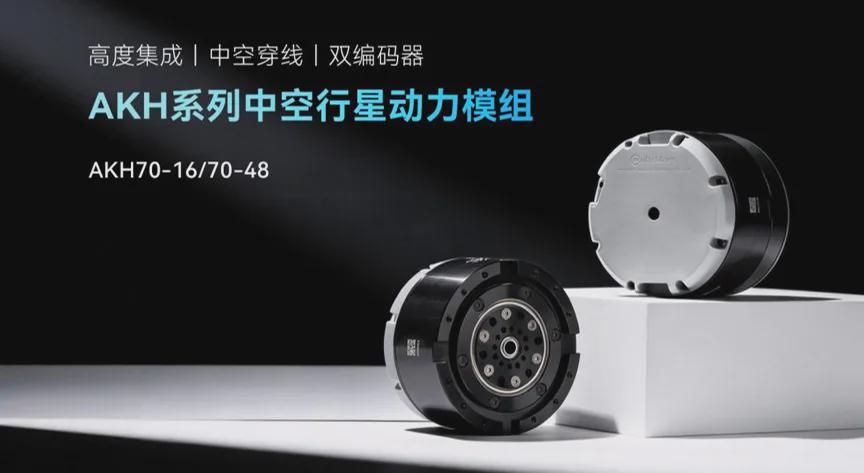
CubeMars Launches New Hollow Planetary Power Modules for Humanoid Robot Joints
In 2026, humanoid robots are approaching a critical point for industrial application. CubeMars has launched two specialized hollow planetary power modules, AKH70-16 and AKH70-48, which are crucial for enhancing flexibility and load capacity in robotic joints. These modules integrate brushless motors, planetary gear reducers, encoders, and driver boards, addressing common wiring issues with a 7mm hollow structure. The AKH70-16 focuses on lightweight applications, featuring a peak torque of 85Nm and a compact design, making it suitable for joints like the neck and elbow. In contrast, the AKH70-48 emphasizes high torque and stability, with a peak torque of 222Nm, ideal for heavy-load joints such as hips and knees. Both modules share advanced technologies, including dual encoder feedback and multi-mode control, which improve precision and operational efficiency. As the humanoid robot industry transitions from prototype development to commercial production, CubeMars's ability to control the entire manufacturing process positions it as a key player. The company’s self-developed capabilities ensure stable delivery and quality, addressing the challenges faced by robotic enterprises in scaling production and meeting market demands. No further timeline was disclosed at the time of publication.
Humanoid Robots Robotic Joints Power Modules Automation Technology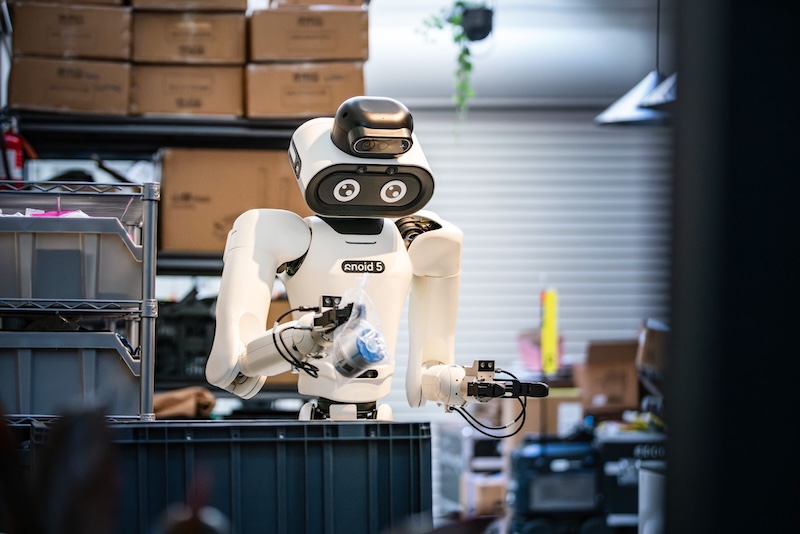
Robot.com Introduces R-noid Humanoid Robot for Challenging Labor Markets
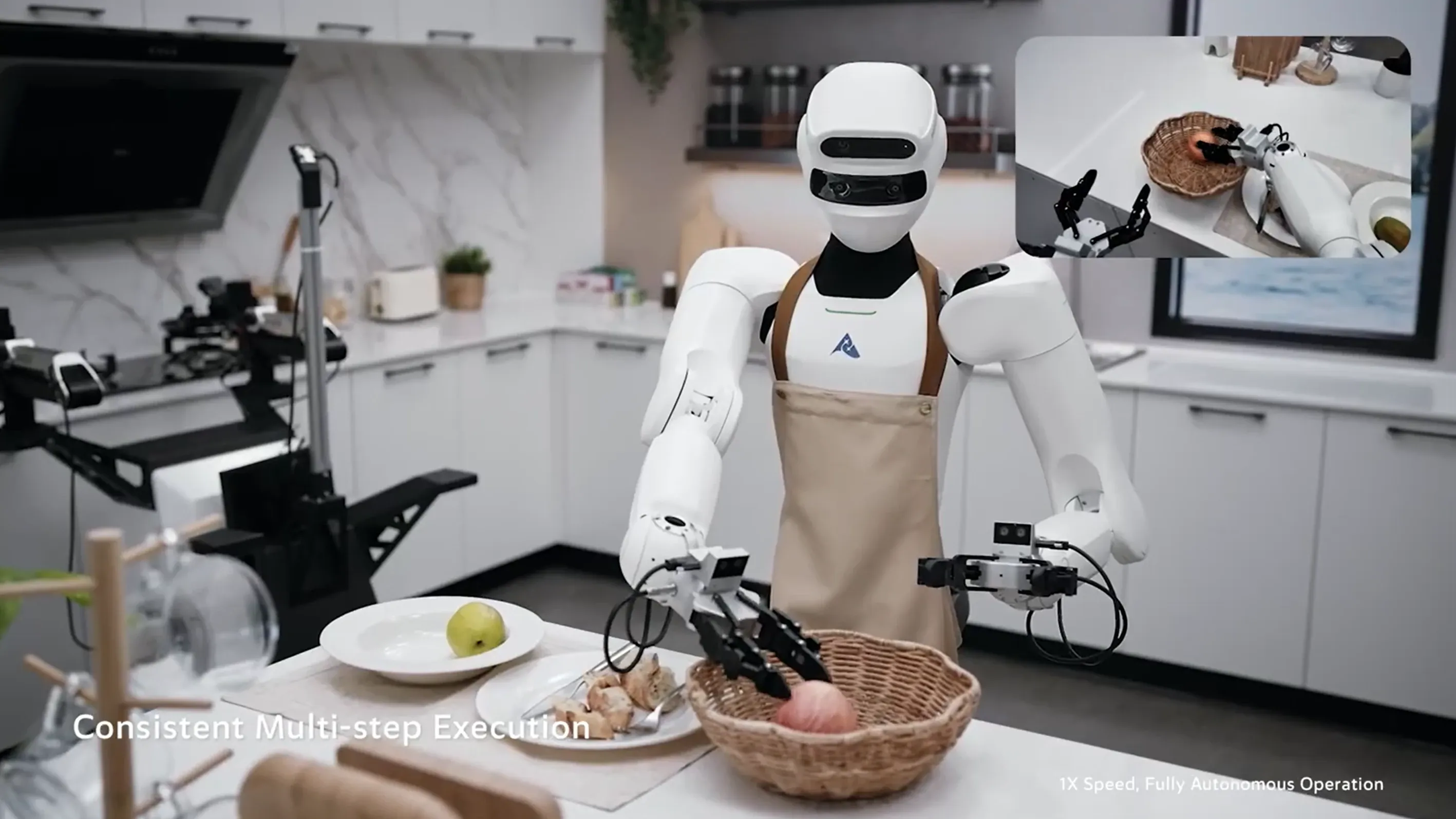
Robot.com has officially launched R-noid, a humanoid robot designed to tackle repetitive and hard-to-fill jobs across various industries. Deployed under a Robot-as-a-Service model, R-noid can achieve autonomous operation within eight to twelve weeks, addressing significant staffing challenges in sectors like healthcare and food services. The introduction of R-noid is crucial as industries face high turnover rates, with quick-service restaurants experiencing over 130 percent staff turnover and hotel operators reporting critical staffing gaps. R-noid aims to alleviate these issues by taking on roles that are difficult to staff, allowing human workers to focus on more skilled tasks. Looking ahead, Robot.com is collaborating with FieldAI to integrate advanced AI capabilities into R-noid, enhancing its operational efficiency in dynamic environments. No further timeline was disclosed at the time of publication.
Humanoids News automation fieldai formic hospitality automation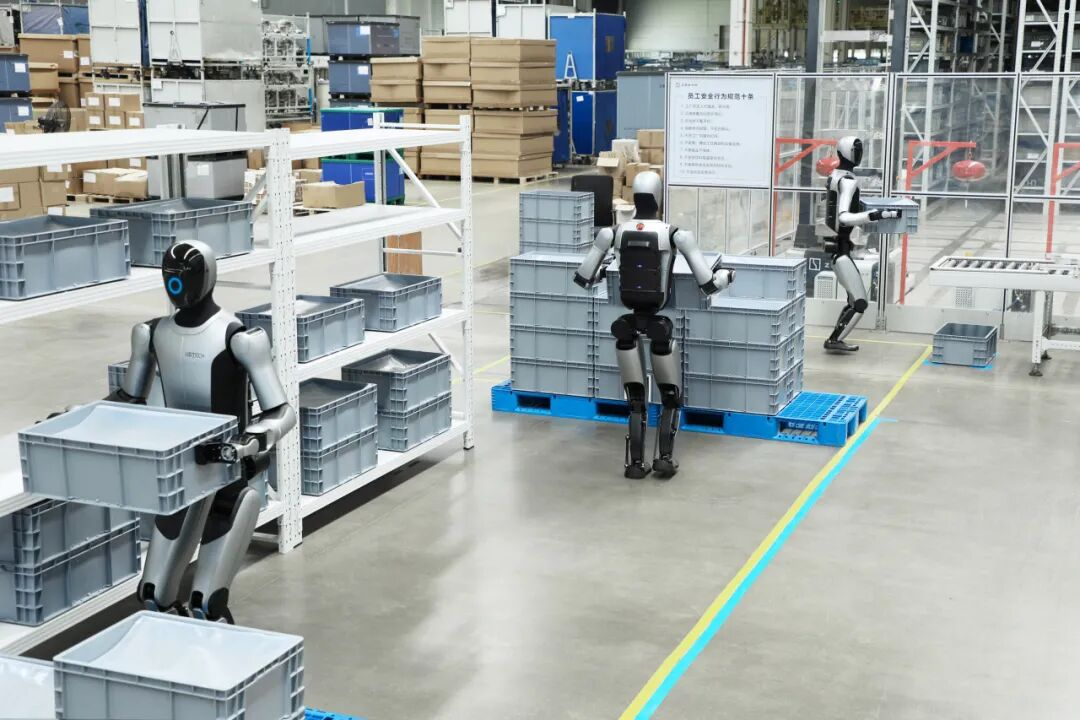
UBTECH and Hitachi Form Strategic Alliance to Develop Intelligent Solutions Across Various Sectors
UBTECH Robotics and Hitachi have announced a strategic partnership aimed at exploring intelligent solutions across multiple fields. This collaboration is expected to leverage both companies' strengths in robotics and AI technology to create innovative applications that can enhance operational efficiency and productivity. The partnership is significant as it combines UBTECH's expertise in humanoid robotics with Hitachi's extensive experience in industrial automation and data analytics. This synergy is likely to lead to advancements in intelligent manufacturing, smart cities, and other sectors, addressing the growing demand for automation and intelligent systems in various industries. Looking ahead, stakeholders should monitor the developments from this partnership, particularly in terms of product launches and technological advancements. No further timeline was disclosed at the time of publication.
US Naval Postgraduate School to Demonstrate Mobile 3D Printing for Spare Parts in RIMPAC 2026
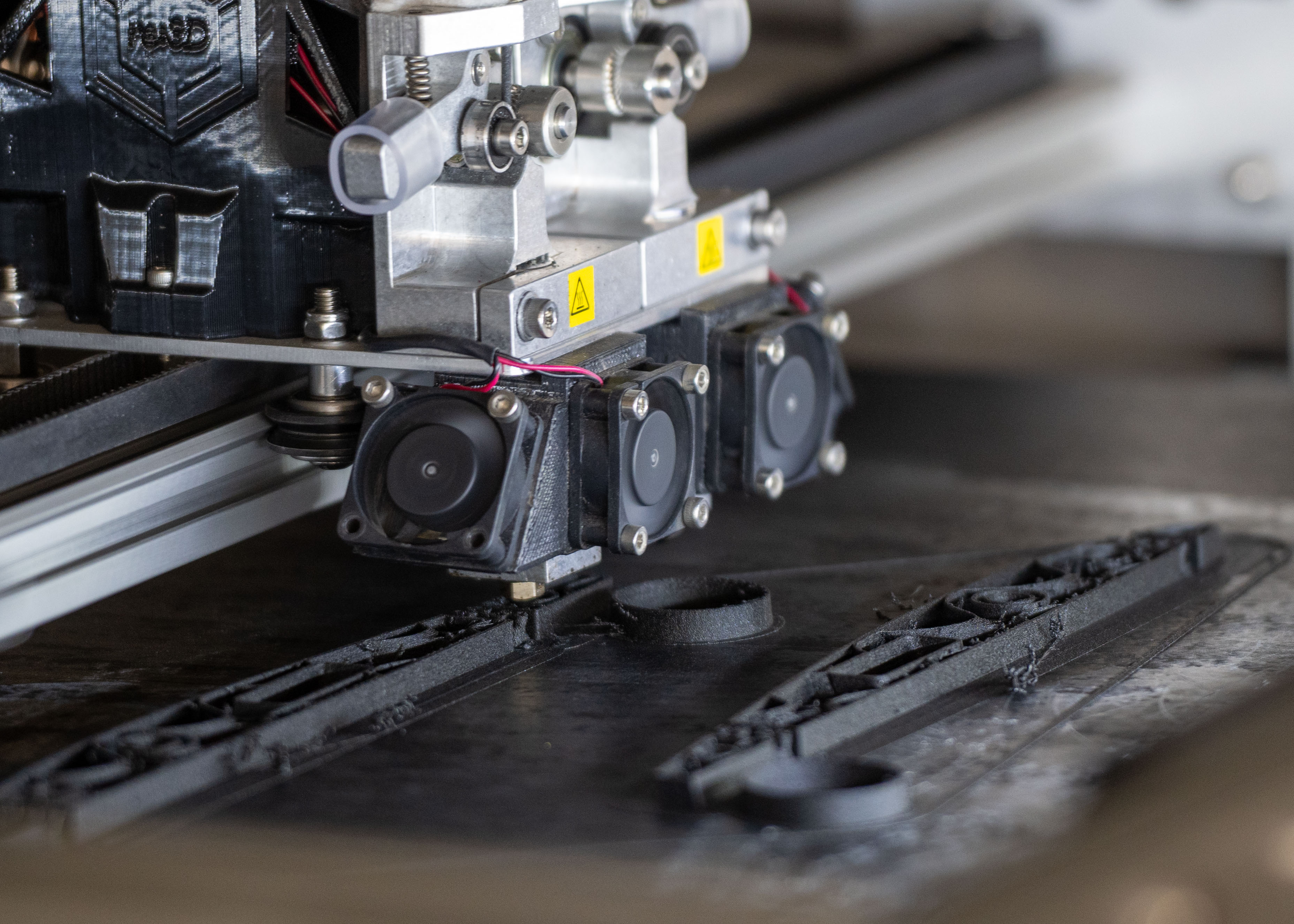
The US Naval Postgraduate School’s Consortium for Advanced Manufacturing Research and Education is set to showcase mobile 3D printing capabilities during the Rim of the Pacific 2026 exercise. This initiative will involve deploying advanced manufacturing systems on ships and locations throughout Hawaii to produce and distribute spare parts on demand, significantly reducing wait times for critical components. This mobile, distributed factory network aims to enhance operational efficiency by allowing ships to submit digital requests for spare parts while deployed. By leveraging specialized software, the nearest suitable machine or operator can be identified to either locate or 3D print the required part, which may then be delivered via unmanned drone. This capability is particularly crucial in combat scenarios where traditional supply chains may be disrupted. The RIMPAC 2026 exercise will involve 35 nations, 40 warships, 5 submarines, and over 25,000 personnel, providing a comprehensive platform to test this innovative supply chain solution. The focus will be on evaluating the entire network and delivery process rather than just individual 3D printing capabilities, marking a significant step in military logistics and operational readiness.
Innovation Military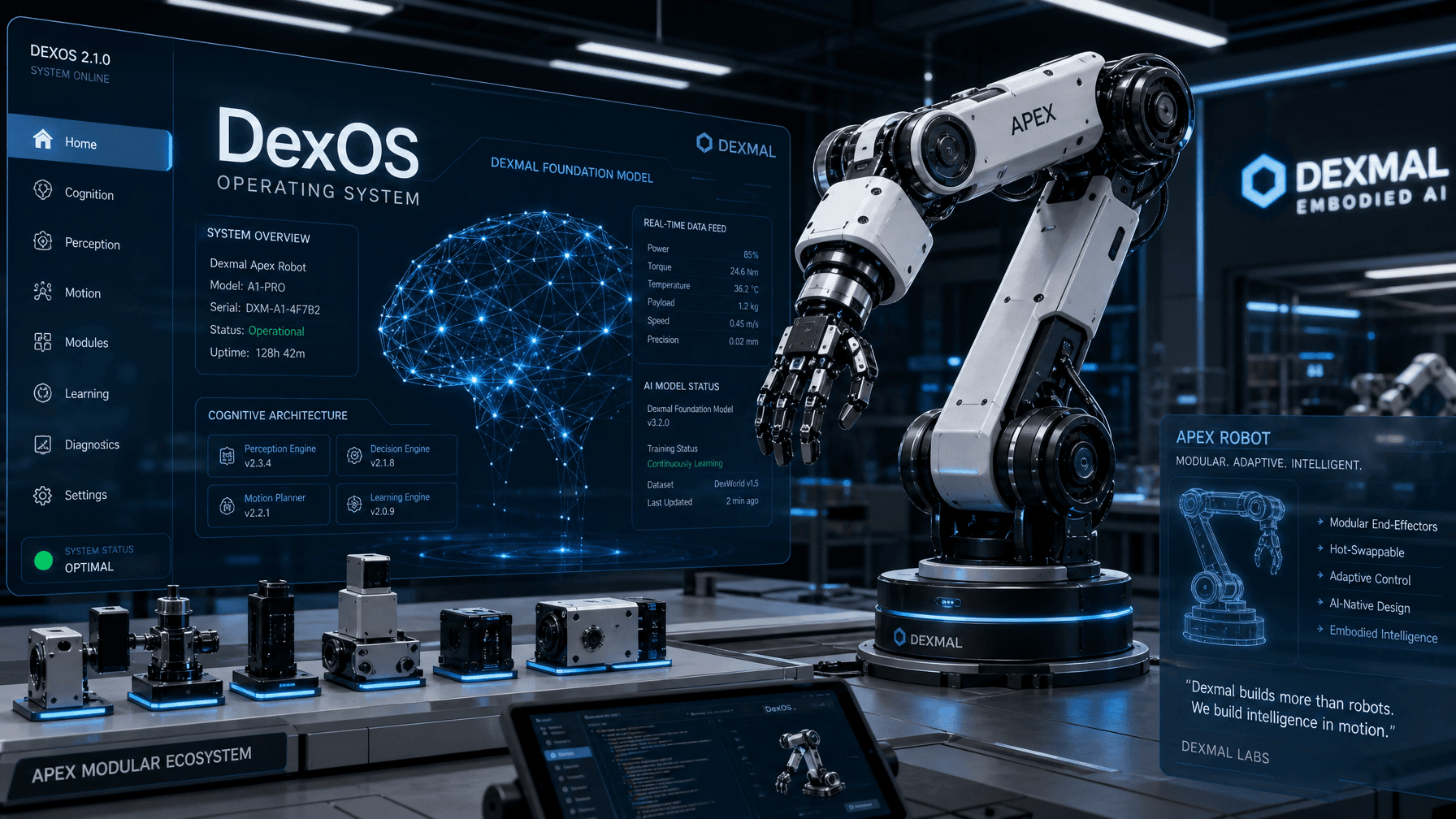
Dexmal Launches DM0.5 Model and DexOS to Enhance Embodied AI Productivity
Dexmal has introduced its DM0.5 foundation model, Apex universal robot, DexOS operating system, and MaaS platform, aiming to bridge the engineering gap between embodied AI models and practical productivity. This launch marks a significant step in the company's strategy to enhance the application of AI in real-world scenarios, with a focus on improving operational efficiency. The introduction of these products is crucial as they represent a comprehensive approach to integrating AI into various sectors. By addressing the final engineering challenges, Dexmal seeks to enable more seamless interactions between AI systems and physical environments, potentially transforming workflows across industries. The DM0.5 model is designed to optimize performance, while DexOS provides a robust operating framework for managing AI tasks. Looking ahead, Dexmal's three-stage strategy will be pivotal in determining the success of these innovations. The company has not disclosed specific timelines for the rollout of these products, but the focus on enhancing productivity through embodied AI suggests a proactive approach to market demands and technological advancements.
Technology
JD.com Launches First RoboBase Project to Enhance Robotics Ecosystem in Guangzhou
JD.com has initiated the construction of its first RoboBase in the Huangpu district of Guangzhou. This project is designed to establish a closed-loop robotics ecosystem, integrating various robotic technologies and applications to streamline operations. The timeline for completion and specific investment figures have not been disclosed at this time. The significance of the RoboBase project lies in its potential to enhance JD.com's logistics and operational efficiency through advanced robotics. By creating a dedicated facility for robotics development and deployment, JD.com aims to strengthen its competitive edge in the e-commerce sector, particularly in automating supply chain processes. Looking ahead, stakeholders will be monitoring the progress of the RoboBase project closely. The next milestones for the project, including operational launch dates or further investment announcements, have not been disclosed at the time of publication.
News Robotics China guangdong jd.com robotics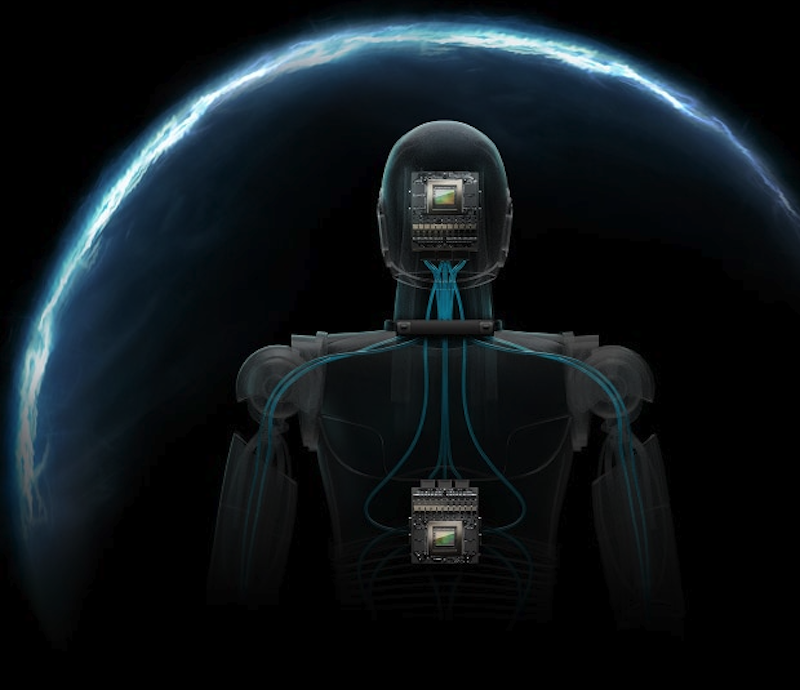
FORT Robotics Enhances AI Safety with Nvidia Halos at Automate Conference
FORT Robotics has joined the Nvidia Halos for Robotics ecosystem to enhance safety for autonomous robots. The company will showcase its agentic safety application, developed using the Nvidia Halos Outside-In Safety Blueprint, at the Automate conference in Chicago. This innovative solution utilizes external infrastructure sensors and visual AI agents to provide real-time, safety-certifiable functional safety, significantly improving operational efficiency in dynamic environments. The collaboration is significant as it addresses the limitations of traditional inside-out functional safety systems, which rely solely on onboard sensors. By integrating Nvidia's IGX Thor and Holoscan Sensor Bridge, FORT's solution allows robots to operate safely alongside human workers in high-efficiency modes. This adaptability is crucial for modern warehouses and factories, where environments are constantly changing, and safety frameworks must evolve to protect workers effectively. Looking ahead, FORT's integration with Nvidia Halos is expected to provide substantial value to customers in warehousing, manufacturing, and other automated sectors. The Outside-In Safety framework aims to prevent safety incidents in mixed human-robot environments, optimizing processes like inventory replenishment and product assembly. No further timeline was disclosed at the time of publication.
Artificial Intelligence Industry ai automation Autonomous robots fort robotics
Hippo Harvest Secures $30 Million Series C to Expand Robotic Greenhouse Operations in California
Hippo Harvest has successfully closed a $30 million Series C funding round, led by Cox Farms, the largest greenhouse operator in North America. This funding will facilitate the expansion of Hippo Harvest's operations with a new 30-acre facility in Hollister, California, which is currently undergoing permitting. The company specializes in producing USDA-certified organic greens using robotics and machine learning technologies, aiming to scale its production capabilities significantly. The significance of this funding lies in Hippo Harvest's commitment to enhancing its robotic growing systems, which will increase its growing capacity from one acre to a much larger scale. This expansion is expected to accelerate the commercialization of indoor-grown spinach, tapping into the growing demand for organic produce. The integration of advanced technology in their greenhouses positions Hippo Harvest to meet retail buyers' needs more effectively. Looking ahead, Hippo Harvest is poised to make substantial advancements in the indoor agriculture sector. The timeline for the completion of the new facility and the rollout of the next-generation growing system remains undisclosed, but the company is focused on leveraging this investment to enhance its market presence and operational efficiency in the coming years.
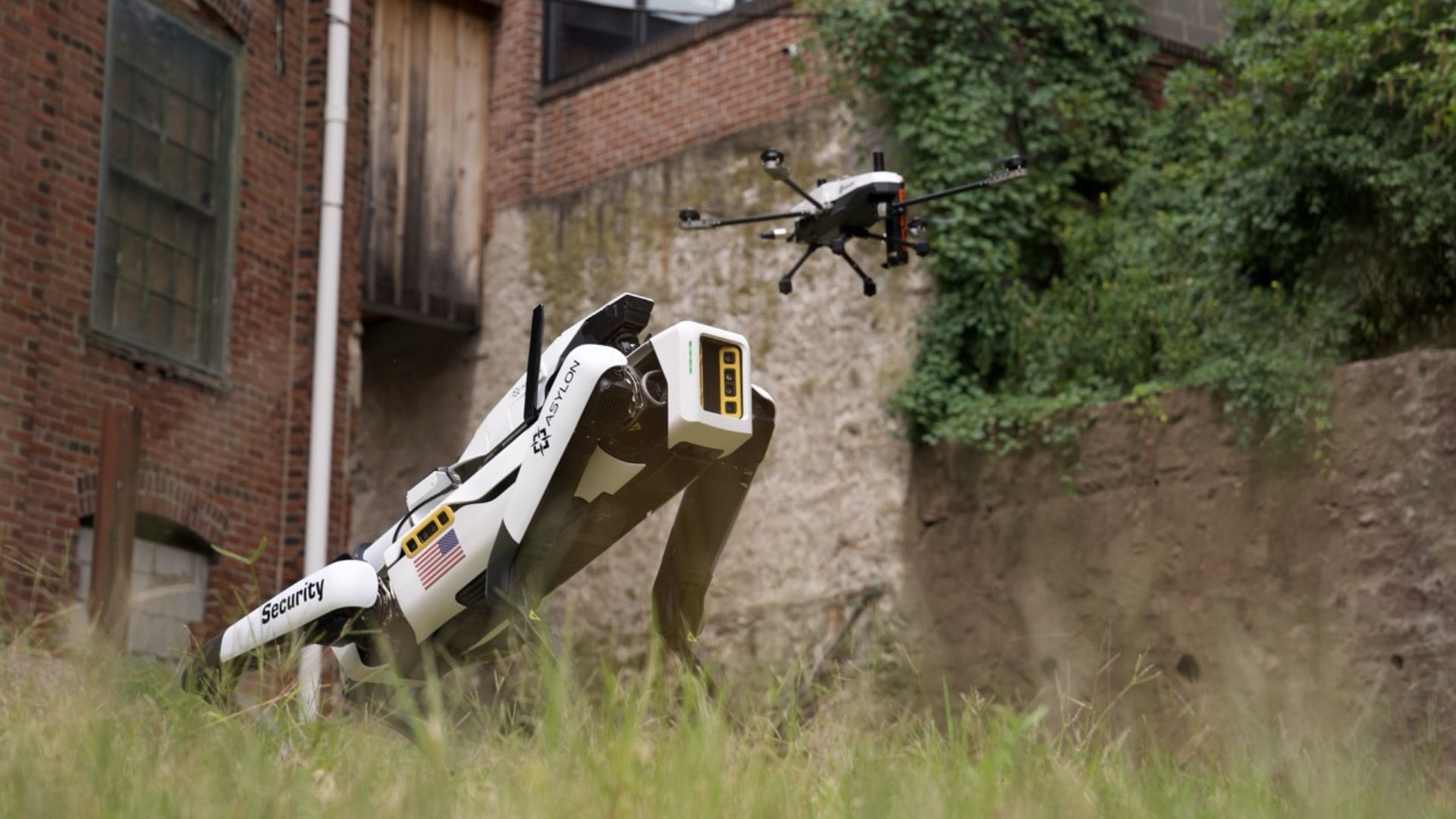
Asylon's MARIA System Enhances Aircraft Inspections for U.S. Air Force
Asylon has secured a Phase Three contract with the U.S. Air Force's Warner Robins Air Logistics Complex to deploy its Multi-modal Autonomous Robotics for Inspection of Aircraft (MARIA) system. This initiative aims to streamline aircraft inspections by integrating air and ground robotic platforms, significantly reducing the time for general visual inspections while enhancing consistency in maintenance tasks. The MARIA system combines Asylon's Guardian unmanned aircraft with the DroneDog Q-UGV, utilizing the Range autonomy software and DroneIQ command-and-control system for efficient inspection management. The significance of this deployment lies in its potential to transform aircraft maintenance operations. By automating inspections, the MARIA system not only improves inspection quality but also mitigates the risks associated with labor-intensive tasks. The integration of imagery, LiDAR data, and telemetry into a single platform allows maintenance personnel to make informed decisions quickly, thereby enhancing aircraft readiness without increasing manpower demands. This project marks a pivotal shift in how the Air Force approaches maintenance, leveraging autonomous technologies to optimize operational efficiency. Looking ahead, the success of the MARIA deployment at Warner Robins could lead to broader adoption of these technologies across military maintenance organizations. No further timeline was disclosed at the time of publication, but the ongoing collaboration between Asylon and the Air Force may pave the way for future advancements in defense sustainment operations, particularly in the realm of autonomous inspections and maintenance support.
Military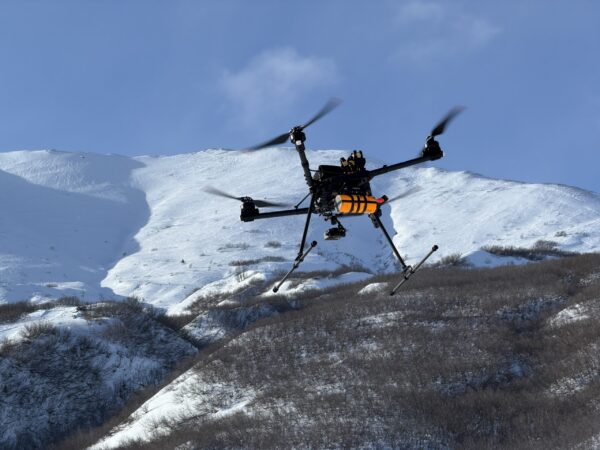
Drone Amplified Receives FAA Approval for MONTIS Avalanche Control Drone Operations
Drone Amplified, a Nebraska-based company, announced on July 8, 2026, that it has received regulatory approval from the Federal Aviation Administration (FAA) for its MONTIS drone, designed for avalanche control operations. This approval establishes a legal framework for the commercial deployment of the remote avalanche mitigation system across the United States, enhancing safety measures in avalanche-prone areas. The FAA's endorsement is significant as it allows Drone Amplified to offer its innovative technology to U.S. customers, potentially transforming avalanche management practices. The MONTIS drone is expected to improve response times and operational efficiency in avalanche control, addressing a critical need in mountainous regions where avalanches pose serious risks to safety and infrastructure. Looking ahead, the company aims to expand its market presence and operational capabilities following this regulatory milestone. No further timeline was disclosed at the time of publication, but stakeholders will be keen to see how quickly Drone Amplified can roll out its services and establish partnerships in the avalanche control sector.
Disaster Response dispatch Drone News Drone News Feeds Drones in the News Environmental Research
Siemens collaborates with Databricks and FFT to enhance production data with AI insights.
Siemens has unveiled a new edge-to-cloud integration in collaboration with Databricks, a leading Data and AI company, and its long-time automation partner, FFT Produktionssysteme. This innovative partnership aims to streamline the connection of production data directly to enterprise AI, eliminating the need for complex IoT middleware. By facilitating this direct integration, Siemens and its partners intend to empower industrial customers to transform their production data into actionable insights, thereby enhancing the scalability of industrial AI solutions on a global scale. This initiative underscores the growing importance of data-driven decision-making in the manufacturing sector, enabling companies to leverage advanced analytics for improved operational efficiency and competitiveness.
Artificial Intelligence Automation Industry News artificial intelligence cloud computing
Commercial UAV Expo Launches DRONERESPONDERS Training for Public Safety Applications
The Commercial UAV Expo has introduced a new two-day program management training course as part of its Public Safety Summit. This initiative focuses on various applications of drones in public safety, including their use as first responders, in fire services, crash-scene management, and shared-airspace operations. The course will also feature a two-part session discussing counter-UAS strategies learned from the 2026 FIFA World Cup. This new training program is significant as it addresses the growing integration of drones in emergency response and public safety sectors. By equipping program managers with specialized knowledge, the initiative aims to enhance operational efficiency and safety in critical situations. The inclusion of counter-UAS lessons from a major international event like the FIFA World Cup underscores the importance of preparedness in managing drone-related challenges. Looking ahead, the next milestone for the Public Safety Summit will be the execution of this training course, scheduled to take place soon. No further timeline was disclosed at the time of publication, but the program's launch indicates a proactive approach to improving drone operations in public safety contexts.

RoboDK Enhances Manufacturing with Digital Twin and OLP Software Features
RoboDK has introduced advanced features in its digital twin and offline programming (OLP) software, enabling manufacturers to simulate robotic cells virtually. This software allows users to model robots, tooling, and surrounding equipment, facilitating pre-installation testing of automation systems. Key functionalities include accurate robot simulation, calibration, and the ability to generate executable robot code seamlessly, thus reducing deployment time and costs. The significance of these features lies in their ability to streamline the programming and commissioning processes, which are often time-consuming in traditional setups. By utilizing digital twins, manufacturers can assess critical factors such as reachability, collision risks, and cycle times before physical implementation. This proactive approach minimizes uncertainties and enhances operational efficiency, making it a vital tool for modern manufacturing environments. Looking ahead, manufacturers should monitor the integration of CAD/CAM workflows with digital twin software, as this will further enhance the flexibility and usability of robotic programming. The ability to compare various robot models and specifications without vendor lock-in is crucial for optimizing production lines. No further timeline was disclosed at the time of publication.
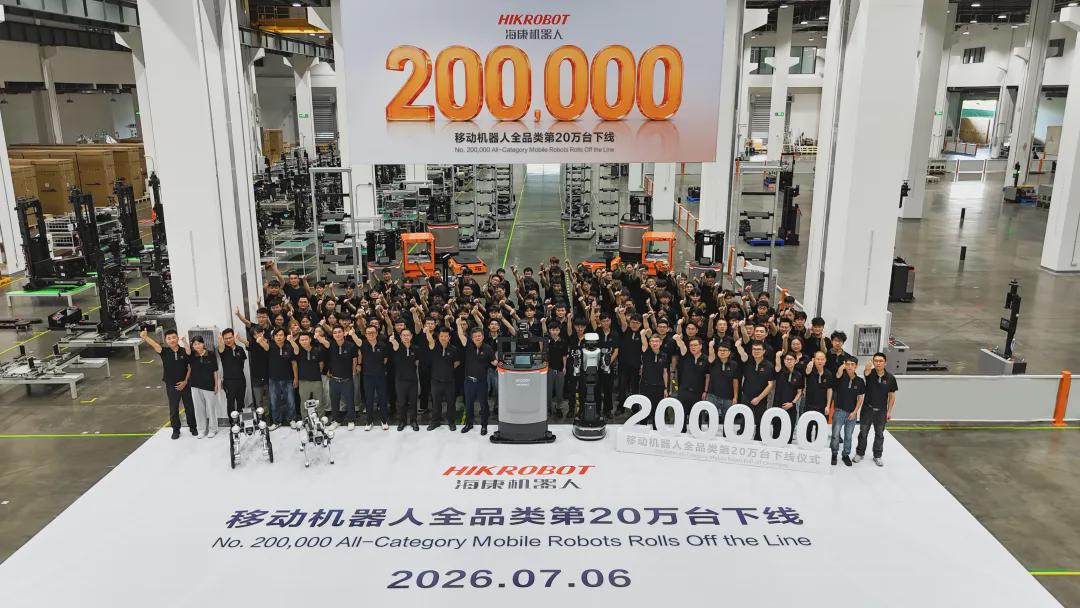
Hikvision Robotics Delivers More Than 200,000 Robots: A Shift Beyond Just Numbers
Hikvision Robotics has marked a significant achievement by delivering over 200,000 mobile robots since 2026, showcasing its rapid growth in manufacturing capabilities. This milestone underscores the company's proficiency in translating unique engineering solutions into standardized and scalable applications across various industries. The initiative aims to establish a comprehensive knowledge system that boosts operational efficiency in diverse industrial settings, reflecting Hikvision's commitment to innovation and adaptability in the evolving robotics market.
Mobile Robots Industrial Automation Engineering Solutions Manufacturing Technology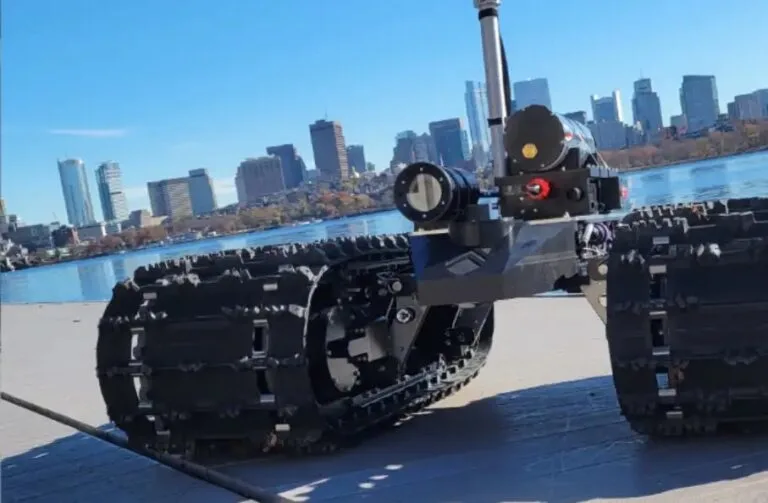
Santiago Company Develops Underwater Mine Clearance Robot, US Marine Corps Orders in Bulk
Greensea IQ has introduced the Bayonet 250, an innovative underwater robot specifically engineered for mine clearance in difficult environments. This robust device, weighing 450 pounds, is capable of operating at depths of up to 100 meters and can be deployed by just two personnel without the need for additional tools. The US Marine Corps has recognized its potential and has placed an order for multiple units, aiming to improve safety and operational efficiency during mine-clearing missions in the strategically significant Strait of Hormuz.
Underwater Robotics Mine Clearance Technology Defense Technology Marine Operations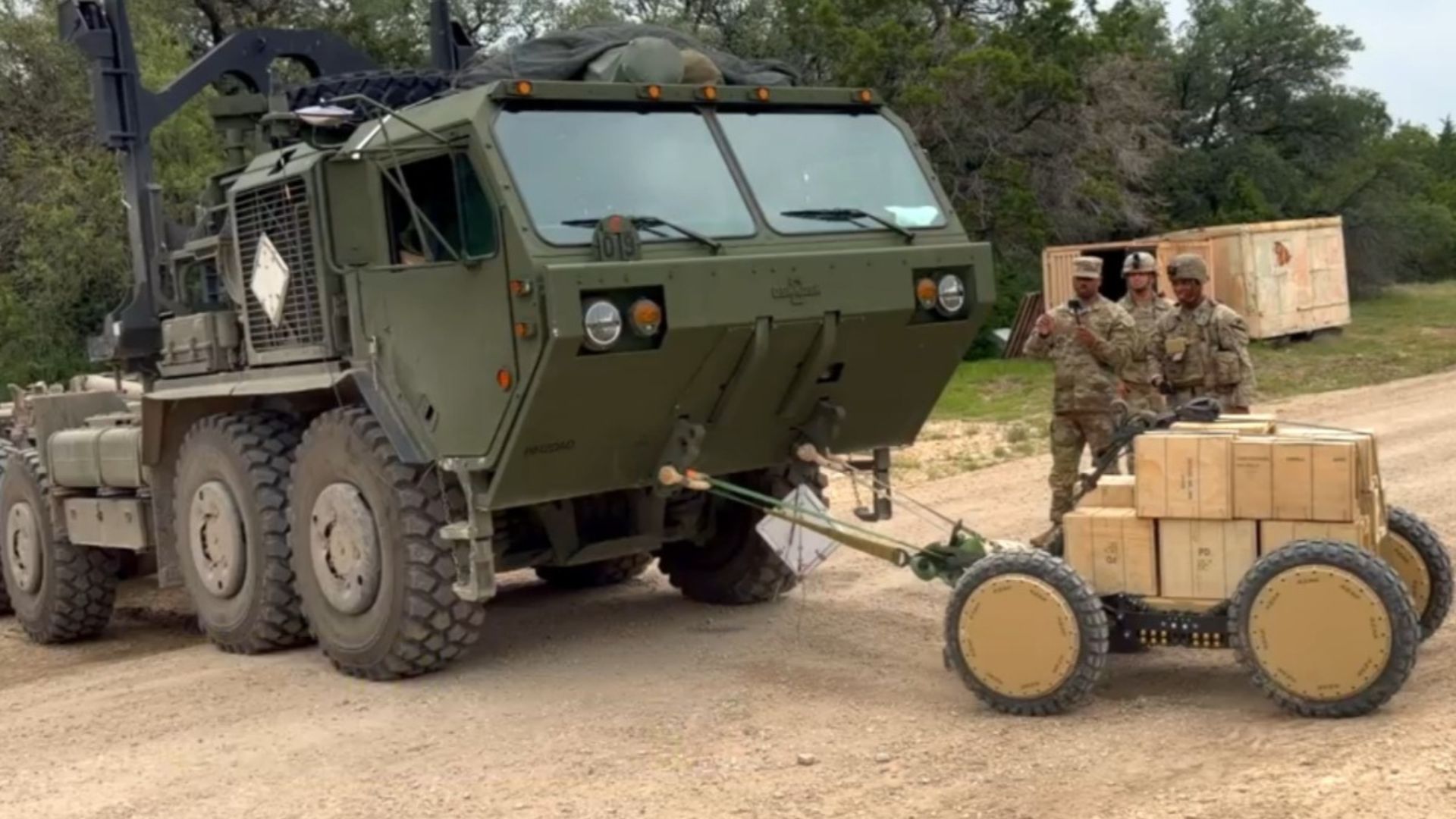
500-pound robot tows 53,000-pound US Army truck using in-wheel propulsion
In a remarkable display of technological prowess, the U.S. military showcased its latest advancements by successfully transporting an elephant across a battlefield using an innovative robotic system. This demonstration took place during a military exercise held at a training facility in California, aimed at testing the capabilities of new equipment designed for logistical support in combat scenarios. The operation was intended to highlight the potential for smaller, agile systems to assist in heavy lifting and transportation tasks, which could enhance operational efficiency in the field. By employing cutting-edge robotics, the military aims to reduce the physical burden on personnel and improve the speed of supply chain operations in challenging environments. The event drew attention from defense analysts and military officials, underscoring the evolving role of technology in modern warfare.
Military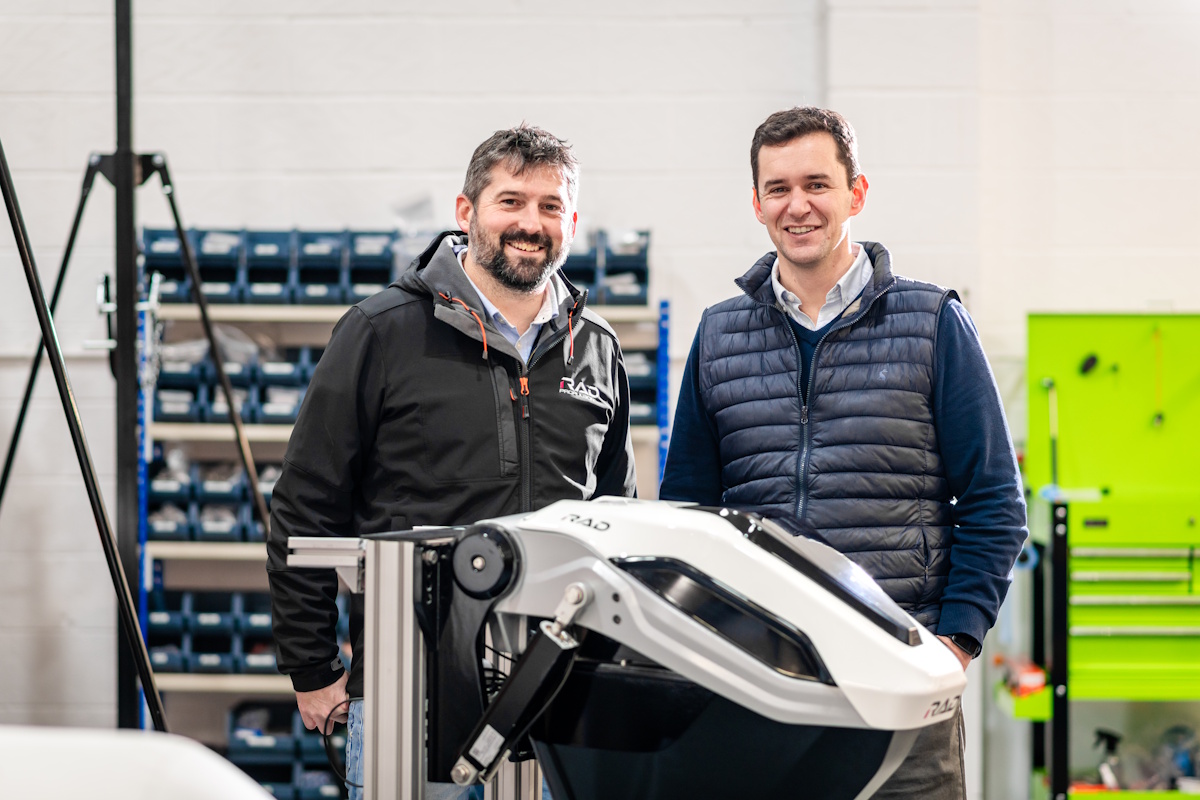
RAD Secures £4.4 Million Funding to Enhance Autonomous Marine Technology and Electric Propulsion Systems
RAD, a marine technology firm, has successfully raised £4.4 million in funding to accelerate the commercialization of its autonomous vessel technologies and expand its electric propulsion systems. This funding round, led by Mercia Ventures, comes after a year of significant product development and customer engagement, including the launch of the Axon open systems architecture for uncrewed vessels at the Combined Naval Event in May 2026. The funding is crucial as RAD aims to capitalize on the growing demand for flexible and scalable marine solutions in both defense and commercial sectors. The Axon architecture allows for rapid development and integration of uncrewed vessel capabilities, which is expected to enhance operational efficiency and reduce vendor lock-in for operators. With this investment, RAD is positioned to lead the electrification shift in marine technology, similar to trends seen in road transport. Looking ahead, RAD plans to utilize the funds for international expansion, including establishing a presence in the U.S. market, and further developing its electric propulsion systems and energy management technologies. The company is also focused on enhancing its engineering capabilities to meet the increasing demand from its diverse customer base. No further timeline was disclosed at the time of publication.
rad raise investment commercialisation autonomous marine technology propulsion systems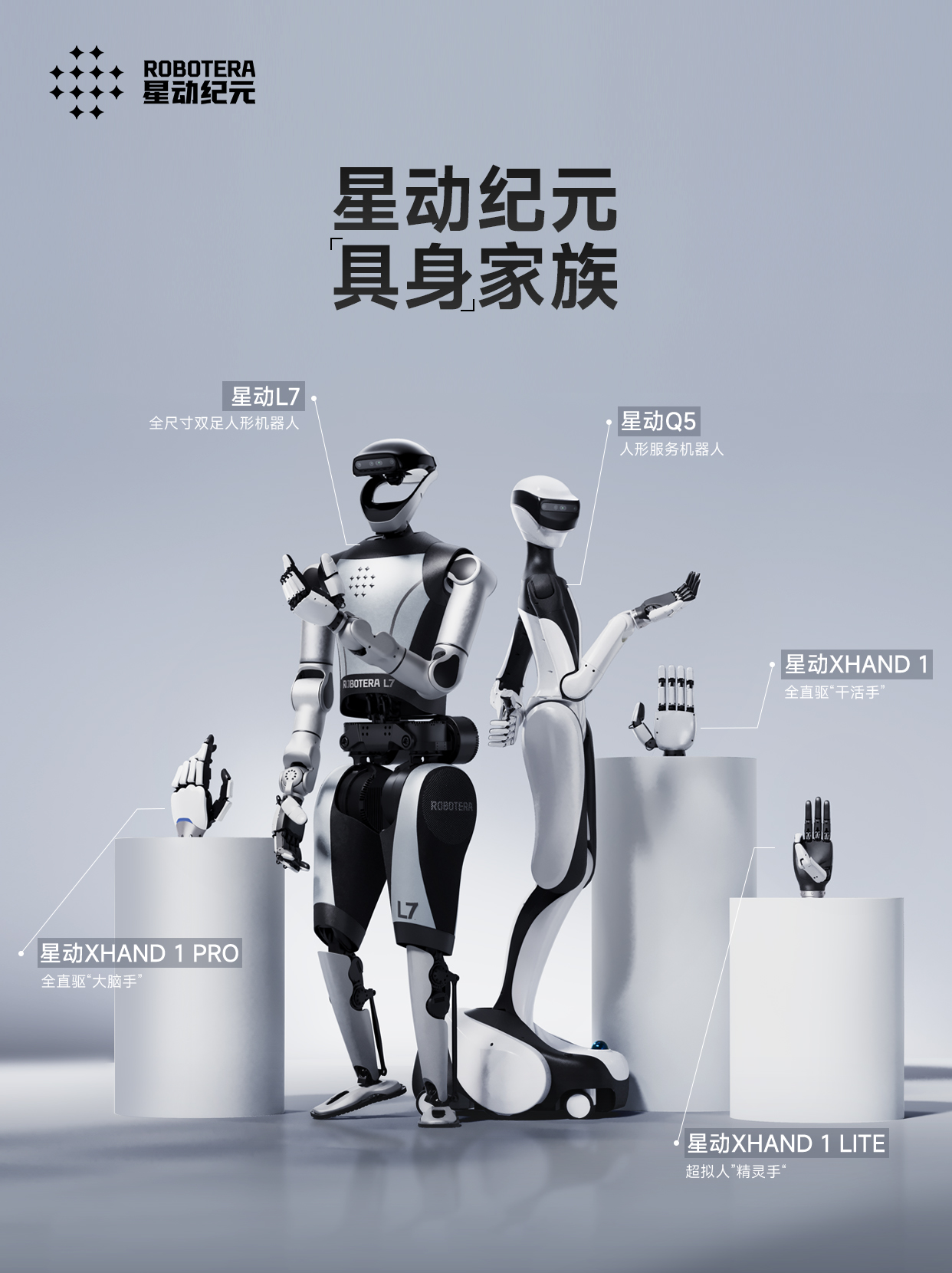
Xingdong Era Secures 2.5 Billion Yuan in Funding: State-Owned Enterprises Backing Intelligent Robotics
Xingdong Era has secured 2.5 billion yuan in funding over the past two months, with the investment primarily coming from state-owned enterprises and financial institutions. The company specializes in embodied intelligence, focusing on the development of advanced robotics solutions tailored for logistics and industrial applications. This significant financial backing will enable Xingdong Era to enhance its data-driven systems, ultimately aiming to improve operational efficiency across various sectors.
Embodied Intelligence Robotics Logistics Automation AI Data Systems
This humanoid robotics company is going public, but its CEO isn’t promising a robot in your home anytime soon
Agility Robotics, a humanoid robotics startup, is focusing on practical execution rather than pursuing lofty valuations like its competitors. The company has announced plans to go public through a Special Purpose Acquisition Company (SPAC), marking a significant step in its growth strategy. This decision comes as the robotics industry continues to evolve, with increasing interest in humanoid technology for various applications. By opting for a SPAC, Agility Robotics aims to secure the necessary capital to advance its innovations and expand its market presence. The move reflects a strategic shift towards sustainable development and operational efficiency in a rapidly changing landscape.
Robotics agility robotics Peggy Johnson SPAC
What is an AMR?
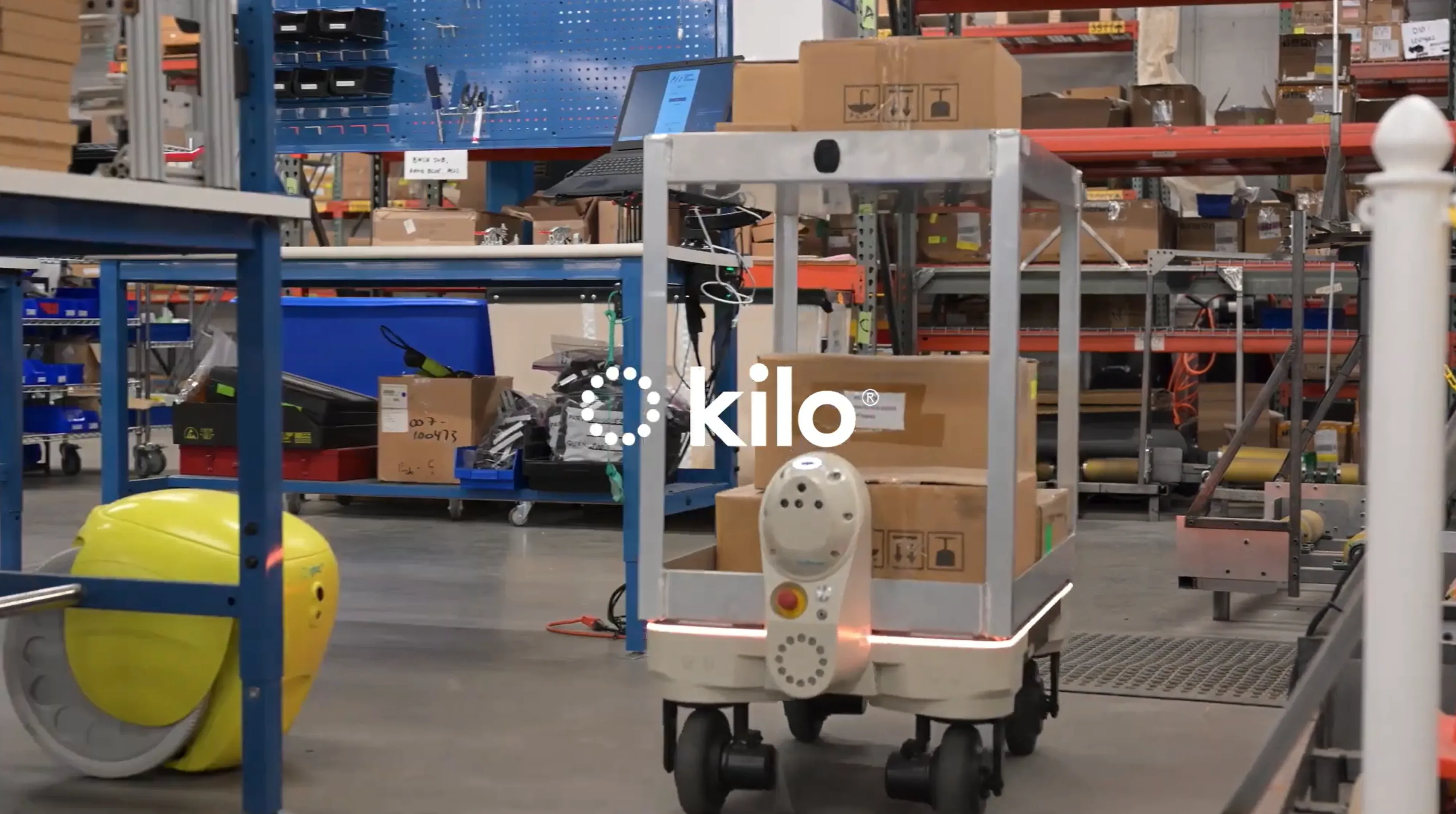
In recent years, the industrial sector has witnessed a significant shift with the increasing adoption of Autonomous Mobile Robots (AMRs) in factories and warehouses. Traditionally, industrial robots were confined to specific production cells and operated behind safety barriers. However, AMRs are now gaining prominence due to their ability to navigate autonomously and transport materials efficiently within facilities. This transition reflects a growing interest among manufacturers in leveraging advanced robotics technology to enhance operational efficiency and streamline logistics processes. As industries seek to optimize their workflows, the integration of AMRs is becoming a crucial component in modern manufacturing and warehousing strategies.
À la une IA Industrie Robotique AGV Amazon Proteus
Aerospace engineers cut composite curing time by almost 50% with 3960-FC material
The aerospace industry, having dedicated decades to enhancing aircraft by making them lighter, stronger, and more fuel-efficient, is now facing new challenges in sustainability. As of October 2023, industry leaders are increasingly focused on reducing carbon emissions and addressing environmental concerns. This shift comes in response to growing pressure from governments and consumers for greener aviation solutions. In a bid to meet these demands, companies are investing in innovative technologies, such as electric and hybrid propulsion systems, as well as sustainable aviation fuels. Major players in the sector are collaborating with research institutions and governments to accelerate the development of these advancements. The urgency of this transition is underscored by the aviation industry's significant contribution to global greenhouse gas emissions, prompting stakeholders to prioritize eco-friendly practices. As the sector navigates this transformation, it aims to balance operational efficiency with environmental responsibility, ensuring a sustainable future for air travel.
Science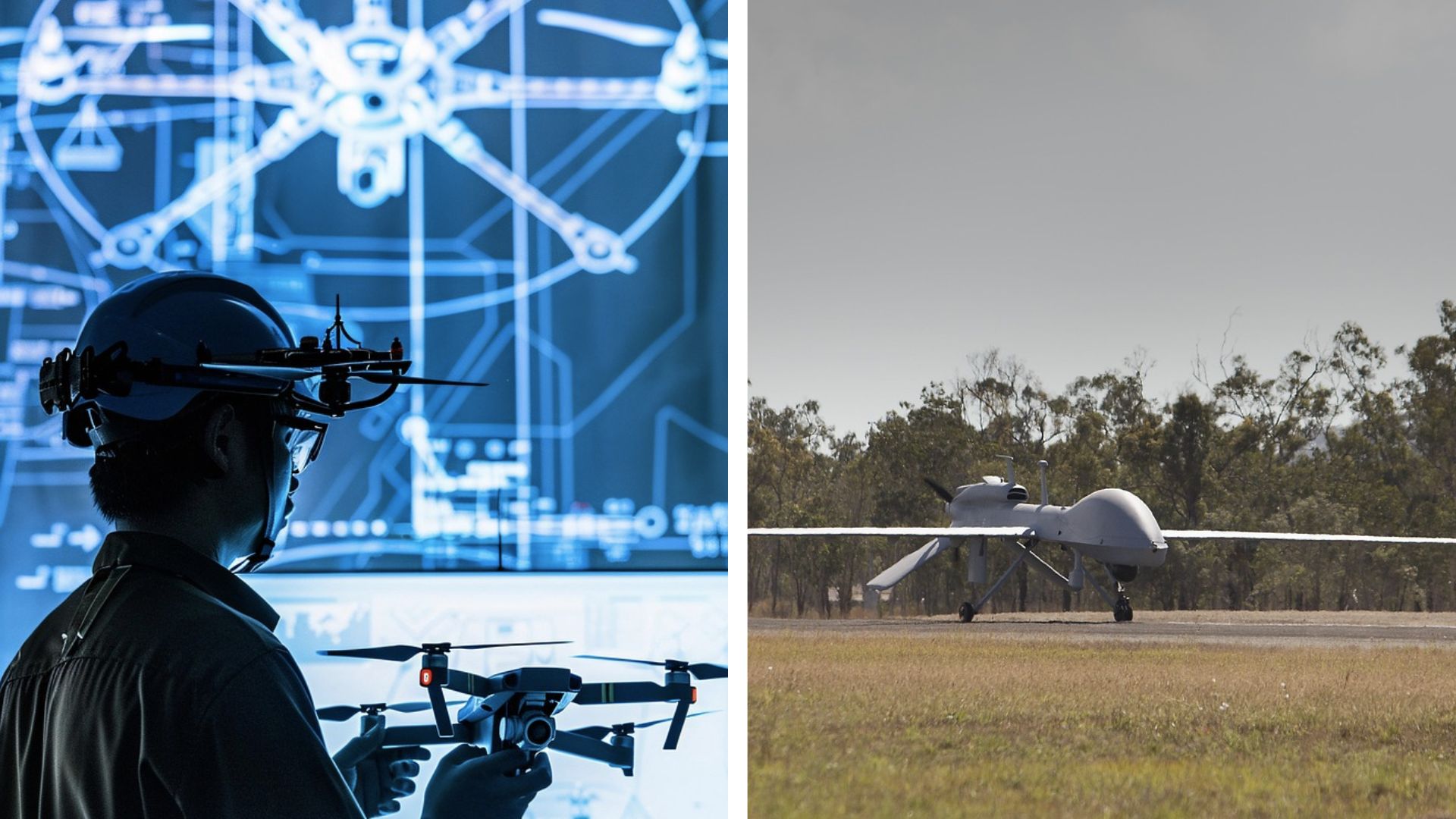
China unveils truck-mounted electromagnetic catapult that can launch attack drones
China has unveiled a groundbreaking unmanned warfare concept, highlighting its advancements in military technology. This significant development was presented during a recent defense exhibition held in Beijing, where various military innovations were on display. The unveiling aims to demonstrate China's commitment to enhancing its defense capabilities amid rising regional tensions and evolving security threats. The new unmanned system is designed to improve operational efficiency and effectiveness in combat scenarios, showcasing advanced artificial intelligence and autonomous functionalities. By investing in such technologies, China seeks to strengthen its position in the global military landscape and assert its strategic interests.
Military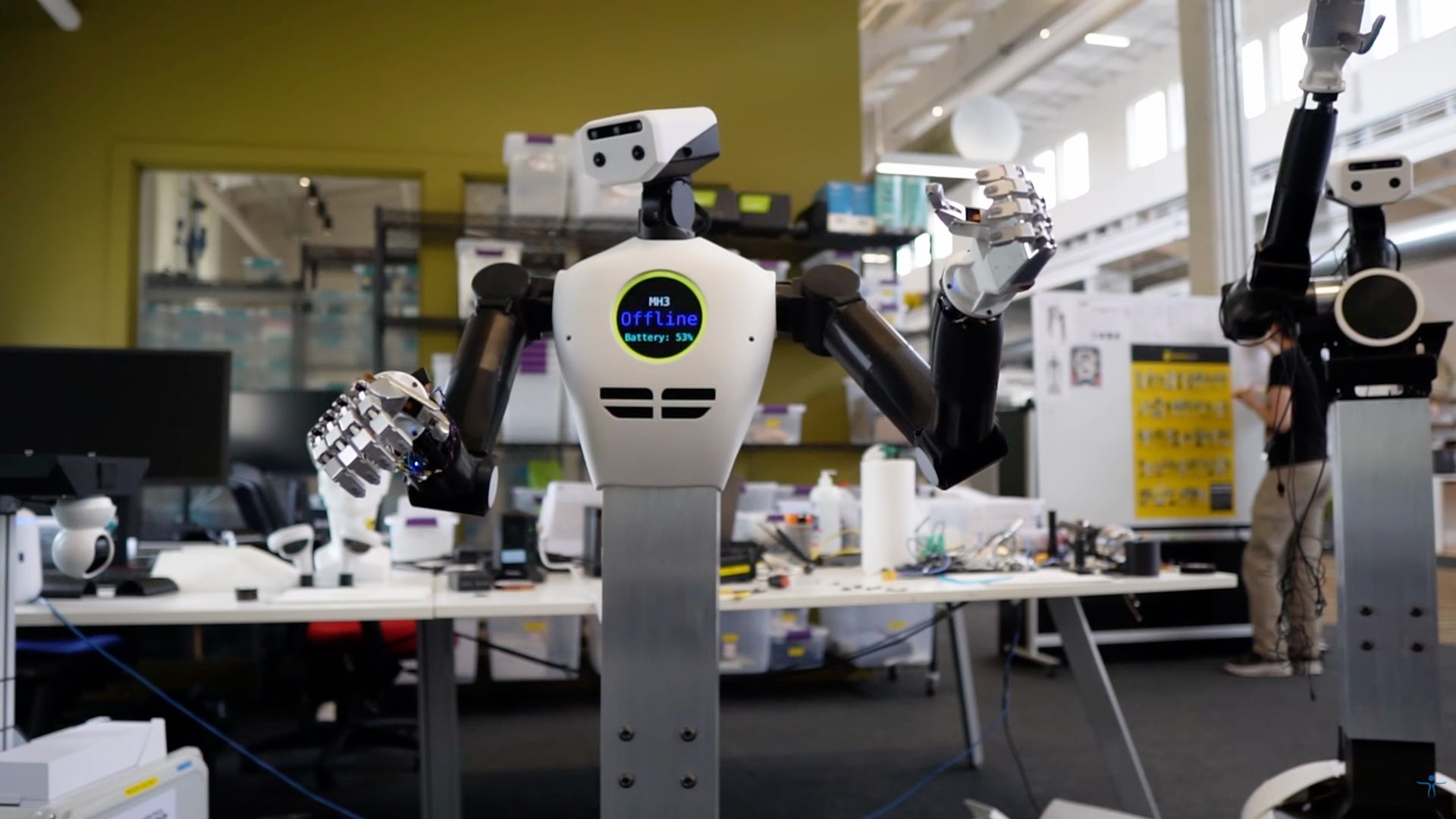
Canadian firm’s humanoid targets hazardous factory work with 2027 production plans
Mirsee Robotics, a Canadian company, is advancing its technological capabilities with the development of the MH3, its third-generation humanoid robot. This innovative project aims to automate physically demanding tasks across various industries, addressing labor shortages and enhancing operational efficiency. The MH3 is designed to perform a range of functions, making it a versatile solution for businesses seeking to streamline their workforce. The initiative reflects the growing trend of integrating robotics into everyday operations, driven by the need for increased productivity and safety in the workplace. As the project progresses, Mirsee Robotics is positioning itself at the forefront of the robotics industry, with plans to unveil the MH3 in the coming months.
AI and Robotics
The integration of artificial intelligence and physical robot technology promotes the entry of factory automation into a new era.
The integration of artificial intelligence with physical robotics is ushering in a transformative era for factory automation. This advancement is set to revolutionize manufacturing processes, enhancing efficiency and productivity across various industries. As companies increasingly adopt these technologies, the shift is expected to occur rapidly, with significant developments anticipated in the coming months. The push towards automation is driven by the need for improved operational efficiency, cost reduction, and the ability to meet growing consumer demands. By leveraging AI capabilities, robots can now perform complex tasks with greater precision and adaptability, allowing factories to streamline operations and reduce human error. This evolution in technology not only promises to reshape the manufacturing landscape but also raises questions about the future of the workforce and the skills required in an increasingly automated environment.
Robotics Automation AI
Pudu Robotics Brings Physical AI into Everyday Life at Davos Tech Summit's Robot City
Pudu Robotics is showcasing the practical applications of commercial service robots in various sectors, including retail, hospitality, and public spaces. The company has deployed its robots to enhance operational efficiency and customer service in these environments. By integrating advanced technology, Pudu Robotics aims to address the growing demand for automation and improve the overall experience for both businesses and consumers. This initiative highlights the increasing role of robotics in everyday operations, demonstrating their potential to create significant value in real-world scenarios.
Robotics needs a service framework.
RSF defines a common language for robot service capability, lifecycle operations, certification pathways, and service-provider networks.