Industry Briefing
A single destination for timely, editor-curated robotics news from around the world.
KPI Solutions™ Announces Partnership With Hai Robotics
KPI Solutions has formed a strategic partnership with Hai Robotics to improve warehouse operations through advanced automation and operational design. This collaboration, announced recently, seeks to optimize storage, retrieval, and fulfillment processes, with a particular focus on enhancing productivity in the food and beverage industry. By implementing these innovations, the partnership aims to reduce reliance on manual labor, ultimately streamlining operations and increasing efficiency in a sector that is increasingly turning to automation to meet growing demands.
Warehouse Automation Supply Chain Consulting Operational Design Logistics Food and Beverage Industry
Tesla Robotaxi Concerns Under Texas SB 2807
Texas has enacted Senate Bill 2807, which establishes stringent requirements for commercial autonomous vehicles, mandating Level 4 or 5 SAE automation. This legislation poses a significant challenge to Tesla's ambitions in the robotaxi sector, as the company currently lags behind competitors in the state. As of now, Tesla has only 42 authorized autonomous vehicles, while Waymo leads with 577 and AV Ride follows with 317. The new law requires clearly defined Operational Design Domains, which undermines Tesla's strategy for unrestricted robotaxi deployment. Official registration data highlights Tesla's struggles in the Texas autonomous vehicle market, raising concerns about its competitive position. The bill was passed by the 89th Texas Legislature and took effect on May 28, reflecting the state's commitment to regulating the rapidly evolving landscape of autonomous transportation.
TSLA:CA TSLA ZTSL:CA Michael McGrath
KPI Solutions™ Announces Partnership With Hai Robotics
KPI Solutions has formed a strategic partnership with Hai Robotics to improve warehouse operations by leveraging advanced automation and operational design. Announced recently, this collaboration is set to optimize storage, retrieval, and fulfillment processes, with a particular focus on the food and beverage industry. The initiative aims to boost productivity while decreasing the dependence on manual labor, addressing the growing demand for efficiency in logistics. By integrating innovative technologies, the partnership seeks to transform traditional warehouse practices and enhance overall operational effectiveness.
Warehouse Automation Supply Chain Consulting Logistics Automation Solutions Operational Efficiency
SpaceX's Starmind Project: Supplier Strategy and Chip Manufacturing Plans for 2026
SpaceX's Starmind project, aimed at deploying up to 1 million AI satellites, was filed with the FCC on January 30, 2026. The initiative is designed to minimize reliance on external suppliers, with CEO Elon Musk stating that current chip production capabilities only meet 2% of the projected needs. The first satellite, AI1, is set for prototype launches in early 2027, featuring a 70-meter wingspan and a modular payload system that allows for interchangeable chips from various suppliers. The significance of Starmind lies in its ambitious supply chain strategy, which seeks to transition from external hardware suppliers to a fully integrated Musk-owned facility by 2028. The Gigasat manufacturing site in Bastrop, Texas, is expected to be operational by the end of 2027, with plans for high-volume production of the D3 chip, specifically designed for space applications. This approach aims to consolidate chip manufacturing processes under the Terafab joint venture, which has an estimated initial investment of $55 billion. Looking ahead, the next milestone for Starmind is the launch of AI1 prototypes in early 2027, while the full-scale chip production at Terafab is projected to ramp up significantly thereafter. However, analysts express skepticism regarding the feasibility of achieving Musk's ambitious compute goals, which may require substantial investment and time to establish the necessary manufacturing capabilities.
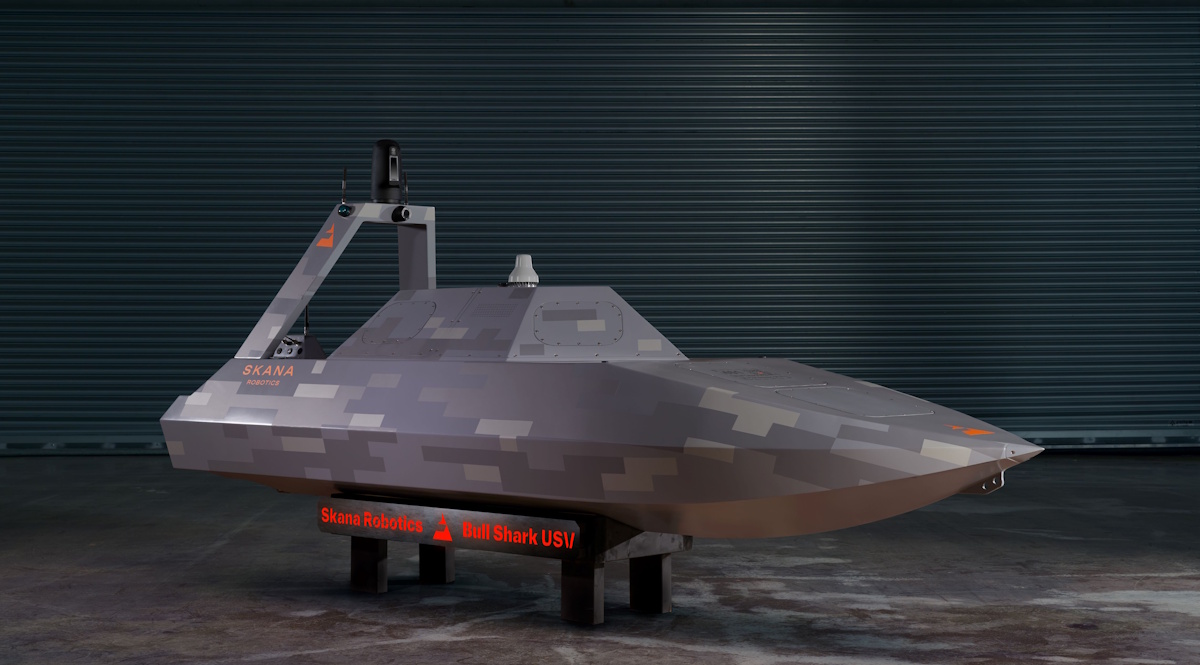
Skana Robotics Unveils Scalable Maritime Autonomy Designed for Operational Resilience
Skana Robotics, a defense technology firm established by veterans of naval special operations alongside robotics specialists, has unveiled its inaugural autonomous maritime systems: the Bull Shark, an Autonomous Surface Vessel, and the Stingray, an Autonomous Underwater Vessel. This launch marks a significant advancement toward software-defined, scalable naval assets that offer operational flexibility and are designed to collaborate with both manned and unmanned systems in distributed maritime operations. With initial orders already in place, Skana Robotics is poised to expand its deployment efforts in collaboration with operational partners across the globe.
skana robotics maritime autonomy auv uuv usv
SpaceX's Starmind Plans 1 Million AI Satellites Amid Collision Risks
SpaceX has announced its ambitious Starmind project, which aims to deploy 1 million AI satellites in orbits between 500 and 2,000 km. This initiative, confirmed by Elon Musk on June 23, 2026, follows a merger with xAI, valuing the combined entity at $1.25 trillion. The satellites will function as orbital data centers, processing AI workloads powered by solar arrays and linked by optical lasers. The significance of Starmind lies in its potential to add 100 gigawatts of AI compute capacity annually, contingent on the successful operation of the Starship launch system. However, the project raises concerns regarding space debris, as the current orbital environment is already congested, with a 20% increase in collision risk reported since 2024. The European Space Agency has highlighted that the density of debris in low Earth orbit is now comparable to that of active satellites, complicating the operational landscape for new entrants like Starmind. Looking ahead, the first operational orbital AI deployments are targeted for 2028, with test launches expected in early 2027. However, the project faces scrutiny regarding its impact on space debris, as even a 1% failure rate could significantly increase the number of uncontrollable objects in orbit, exacerbating existing risks. No further timeline was disclosed at the time of publication.

Starmind's Satellite Technology Achieves 880 Billion Liters in Annual Water Savings
Starmind has announced that its satellite technology can save approximately 880 billion liters of cooling water annually at full scale. This figure is equivalent to the annual household water use of around 6.5 million Americans. The technology operates by utilizing a closed-loop liquid cooling system that eliminates the need for water during its operational life, contrasting sharply with traditional ground data centers that consume vast amounts of water for cooling. The significance of this achievement lies in the growing water consumption crisis faced by data centers, particularly as AI expansion drives demand. In 2025, U.S. data centers consumed nearly one trillion liters of water, highlighting the urgent need for sustainable solutions. Starmind's approach not only addresses direct water usage but also avoids indirect water consumption associated with electricity generation, marking a substantial shift in how computing can be conducted in a resource-efficient manner. Looking ahead, Starmind's deployment strategy includes a projected buildout of 100 GW of orbital compute per year, which could displace an additional 735 billion liters of ground water demand annually. The first tranche of 10,000 satellites is already operational, offsetting approximately 8.8 billion liters of water per year. No further timeline was disclosed at the time of publication.

Omega Subsea Awards Contract to Kystdesign for 12 New ROV Systems
Omega Subsea has secured a significant contract with Norwegian ROV manufacturer Kystdesign for the production of 12 new remotely operated vehicles (ROVs), with deliveries set to commence in 2026. This agreement also includes an option for an additional 10 ROV systems, expected to be delivered in 2027 and 2028. Among the initial 12 ROVs, eight are earmarked to support various vessel and subsea operations for Solstad, while the remaining four will be allocated to undisclosed clients. This partnership highlights Omega Subsea's commitment to enhancing its operational capabilities in the subsea sector.
omega subsea contract kystdesign rov systems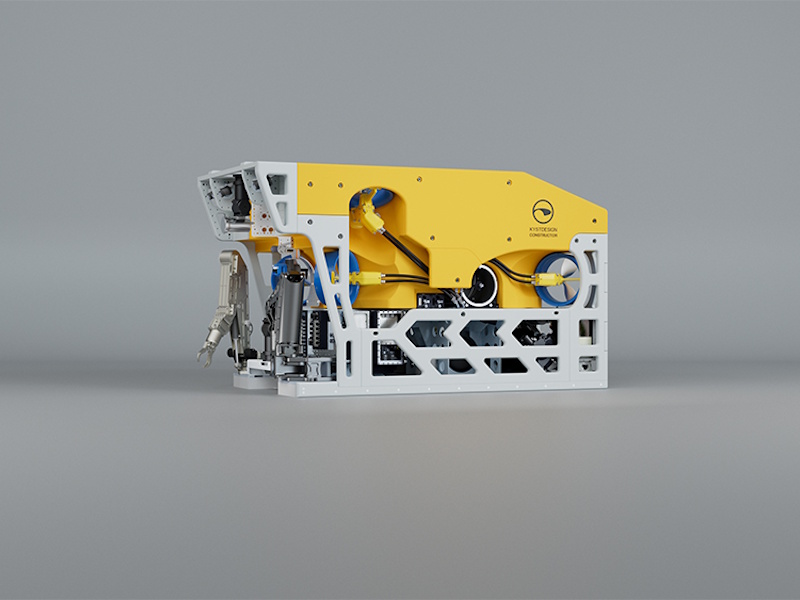
Kystdesign Secures Landmark Contract with a New International Client
Kystdesign has secured its largest contract to date with an undisclosed international client, marking a significant milestone for the company. The agreement, announced recently, involves the provision of four Work Class Remotely Operated Vehicles (ROVs), specifically the Constructor and Constructor Compact models. In addition to the ROVs, Kystdesign will supply Launch and Recovery Systems (LARS), Remote Operating Centres (ROC), as well as spare parts and additional equipment. These advanced ROV solutions are set to enhance the operational capabilities of two Construction Support Vessels (CSVs) within the client’s fleet. This contract underscores Kystdesign's growing presence in the international market and its commitment to delivering comprehensive solutions for marine operations.
kystdesign new contract
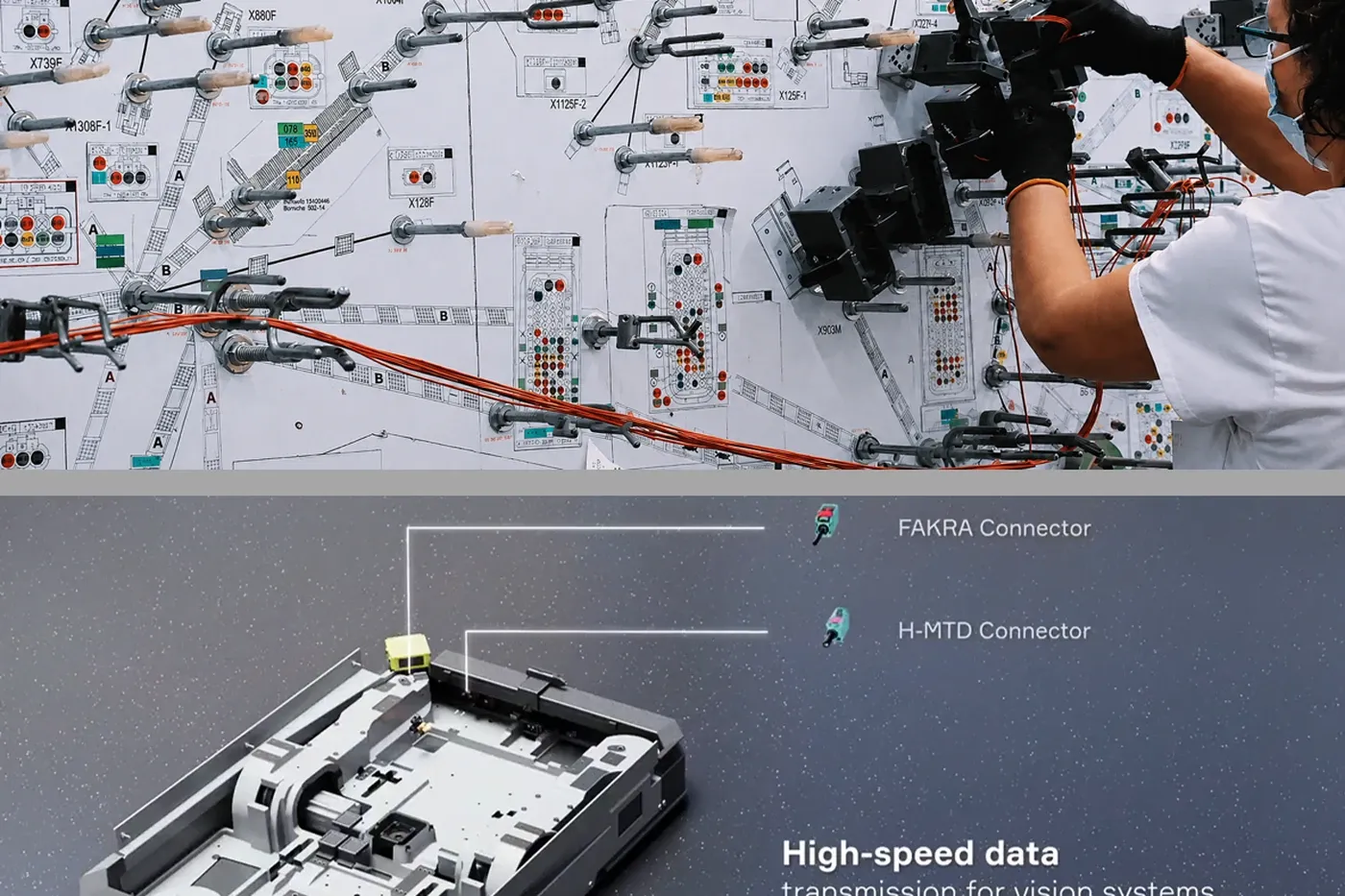
ETCO Incorporated Launches New Electrical Connectors and Terminals for Robotics and Automation
ETCO Incorporated has unveiled a new range of standard and custom electrical connectors and terminals designed specifically for automation systems and robotics. These products are engineered to endure intense operations, constant motion, and vibration, making them suitable for demanding applications. The introduction of these connectors and terminals is significant as they address the growing need for reliable electrical components in automation and robotics. With the increasing complexity of automated systems, the durability and performance of electrical connections are crucial for operational efficiency and safety. Looking ahead, industry stakeholders should monitor the adoption of ETCO's new products in various applications. The effectiveness of these connectors and terminals in real-world scenarios will be key to their success in the market. No further timeline was disclosed at the time of publication.
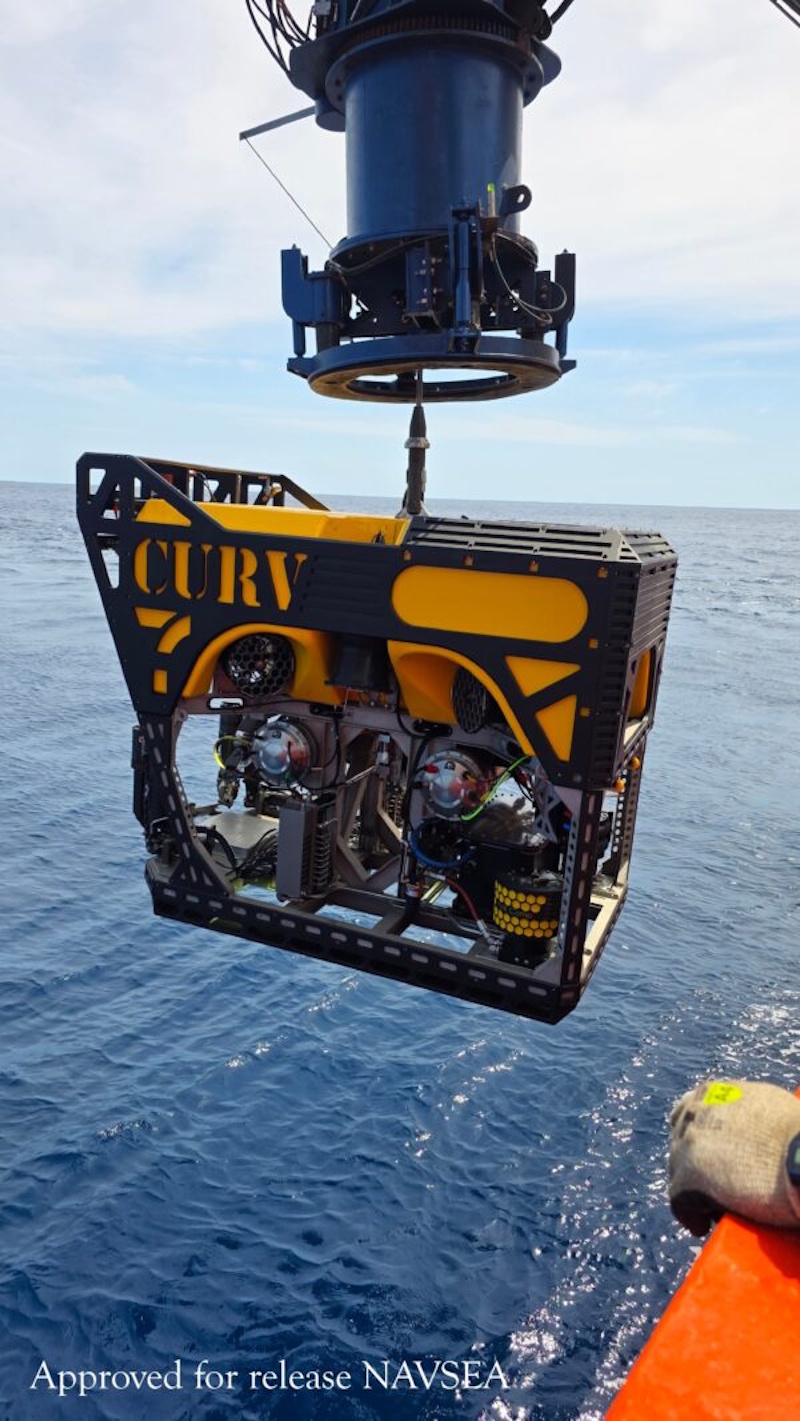
Phoenix International's CURV 7 ROV Successfully Completes Initial Mission for Navy SUPSALV
Phoenix International has announced the successful completion of the inaugural mission for its CURV 7 Remotely Operated Vehicle (ROV), developed for the Naval Sea Systems Command Supervisor of Salvage and Diving (SUPSALV). This mission highlights the advanced capabilities of the CURV 7, which is part of a long-standing family of ROV systems designed for deep-ocean operations. The CURV 7 system includes a range of components such as an electro-optic umbilical cable, a traction winch, and various support vans, providing a comprehensive solution for underwater interventions. Its six electric thrusters allow for precise maneuverability in all directions, making it suitable for complex underwater tasks. The successful mission underscores Phoenix's commitment to delivering reliable systems for the U.S. Navy. Looking ahead, additional testing is scheduled for later this year to further validate the CURV 7's capabilities and enhance its operational readiness. This milestone not only reflects years of engineering and collaboration with SUPSALV but also positions the CURV 7 as a critical asset for the Navy's underwater operations worldwide. No further timeline was disclosed at the time of publication.
phoenix international.curv 7 rov u.s. navy supsalv
Tesla's Optimus Robots to Support Starmind Satellite Production, Not Maintenance
Tesla's Optimus robots will not be used to repair Starmind satellites in orbit, as confirmed by recent statements from Elon Musk. Instead, these robots are intended to assist in the construction and operation of the Terafab chip manufacturing facility in Texas. The AI1 satellites, designed to disintegrate upon reentry, highlight the company's swap-and-replace strategy rather than traditional maintenance practices. This approach is significant as it reflects a broader trend in satellite management, where mass-produced satellites are replaced rather than repaired. The economics of servicing missions are prohibitive, with the cost of launching a replacement satellite being significantly lower than conducting a repair mission. This model aligns with SpaceX's operational history, where rapid replacement of satellites is more efficient than attempting to maintain them in orbit. Looking ahead, the focus will remain on the production capabilities of the Gigasat factory, which is expected to support the continuous replacement of satellites. No further timeline was disclosed at the time of publication, but the demand for rapid satellite turnover suggests a robust future for Optimus robots in terrestrial manufacturing rather than in-space servicing.

Multiway Robotics Unveils OT10 Omnidirectional Autonomous Pallet Truck, Winner of the 2026 French Design Award
Multiway Robotics has introduced the OT10 Omnidirectional Autonomous Pallet Truck, a cutting-edge solution aimed at enhancing intralogistics operations. Launched on June 5, 2026, the OT10 has been recognized with the prestigious 2026 French Design Award for its innovative design and engineering. This autonomous pallet truck features 360° omnidirectional movement, advanced 3D SLAM navigation, and compatibility with various pallet types, allowing businesses to optimize storage utilization and improve operational flexibility in warehouse and manufacturing settings. The OT10 is designed to navigate tight spaces, making it ideal for environments with narrow aisles, and can operate efficiently where traditional forklifts may struggle. Its infrastructure-free navigation technology enables quick deployment and adaptability to changing layouts, while its autonomous elevator integration facilitates seamless cross-floor material transport. Safety is a priority, with the OT10 equipped with a nine-layer safety protection system that includes obstacle detection and emergency stop functions, ensuring safe operation alongside personnel and equipment. By combining intelligent automation with user-centric design, the OT10 aims to streamline material handling processes, supporting businesses in their digital transformation and efficiency goals.

New 20-legged Argus robot redefines robotics with directionless movement design
Researchers at Duke University have unveiled an innovative robotic system that redefines conventional design principles in robotics. This groundbreaking development, announced on October 15, 2023, aims to enhance the adaptability and functionality of robots in various environments. Located in Durham, North Carolina, the team’s work is driven by the need for more versatile robots capable of performing complex tasks in unpredictable settings. The new system employs advanced algorithms and flexible materials, allowing robots to adjust their shapes and movements in real-time based on their surroundings. This adaptability is crucial for applications ranging from search and rescue missions to automated manufacturing processes, where conditions can change rapidly and unpredictably. By integrating insights from biology and engineering, the researchers have created a platform that not only improves the robots' operational efficiency but also reduces the need for extensive reprogramming when faced with new challenges. The implications of this technology extend beyond robotics, potentially influencing fields such as artificial intelligence and materials science. This innovative approach represents a significant step forward in robotic design, promising to enhance the capabilities of machines in both industrial and everyday applications. As the research progresses, the team at Duke University aims to collaborate with industry partners to bring these advancements to practical use, ultimately transforming how robots interact with the world around them.

Designing a Global MES/MOM Template that Plants can Actually Use
A new template has been developed to enhance operational efficiency within organizations, emphasizing the need for a balance between global consistency and localized network requirements. This initiative, which aims to streamline processes and improve communication, was introduced in response to the growing complexity of managing diverse operations across different regions. The rollout of the template is set to begin in early November 2023, with implementation expected to occur across various departments and teams worldwide. This strategic approach is designed to ensure that while global standards are maintained, local adaptations can be made to meet specific needs and challenges. By fostering this dual focus, organizations hope to enhance collaboration and drive better results in their operations.
Factory / Plant Maintenance
Remote Launch and Recovery of ROV in Operational Use with DeepOcean
Evotec has introduced Evotec CORE™ Remote, an innovative solution designed to automate the launch and recovery of remotely operated vehicles (ROVs) from shore. This advancement streamlines operations, allowing these processes to be conducted as a single, cohesive automated task. The launch of this technology marks a significant step forward in enhancing the efficiency and safety of marine operations, particularly in challenging environments. By enabling remote handling of ROVs, Evotec aims to reduce the need for extensive on-site personnel and equipment, ultimately lowering operational costs and minimizing risks associated with traditional methods. This development is expected to have a profound impact on industries reliant on underwater exploration and monitoring, providing a more effective means of conducting marine activities.
remote launch and recovery (rlars) rov deepocean evotec core™
Learn how to successfully design hospital logistics robots at the Robotics Summit
Experts from Rovex Technologies, SKA Robotics, and ST Engineering Aethon are set to engage in discussions about the design considerations for hospital robotics at the upcoming Robotics Summit. This event, aimed at enhancing the efficiency and effectiveness of logistics robots in healthcare settings, will take place soon, though the exact date has not been specified. The focus will be on addressing the unique challenges and requirements of designing robots that can operate seamlessly within hospital environments. By sharing their insights and experiences, these industry leaders aim to foster innovation and improve the integration of robotic solutions in medical facilities, ultimately enhancing patient care and operational efficiency.
Autonomous Mobile Robots (AMRs) Events Healthcare Robotics Markets / Industries Mobility / Navigation News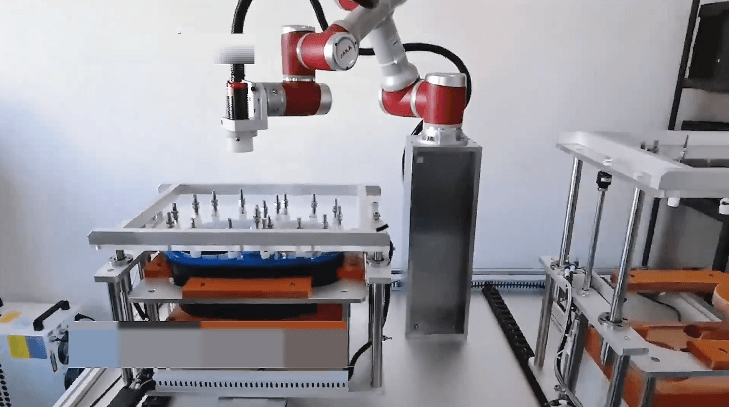
Designing Flexible Robotic Handling Systems for Irregular Product Shapes
In the evolving landscape of manufacturing, JAKA is addressing the significant challenge of efficiently handling irregular product shapes through advanced robotic systems. These systems, designed for flexibility and precision, can adapt to complex geometries and unconventional designs while maintaining high performance. By employing sophisticated control algorithms and modular components, JAKA's robotic handling solutions seamlessly accommodate variations in size, weight, and shape, ultimately enhancing production rates and reducing management costs. The JAKA Zu30, a key innovation, exemplifies the importance of precision and repeatability in industrial applications. Its ability to spray complex curves with accuracy ensures that products meet stringent quality standards, minimizing rework and scrap, which lowers operational costs. The adaptable end-effectors of the system enable secure manipulation of diverse items, reducing the risk of damage during handling. JAKA's robotic solutions are engineered for smooth integration into existing production lines, supporting various tasks from welding to packing without extensive retooling. This modular design allows manufacturers to quickly adapt to new product lines, responding efficiently to market demands while maintaining high quality. By replacing repetitive manual tasks, JAKA's systems not only optimize operational efficiency but also enhance product quality. The JAKA Zu30's precision control reduces human error in processes like painting and welding, facilitating scalable production that accommodates design changes. As manufacturers face the need for flexibility in an ever-changing market, JAKA's commitment to balancing adaptability, precision, and efficiency positions them as a leader in robotic handling solutions.

GMEX Robotics Advances Autonomous Hospital Logistics Platform to Enhance Safety, Efficiency and Operational Workflow
GMEX Robotics Corporation has announced a significant upgrade to its Hospital Logistics Robot, aimed at enhancing safety and efficiency in healthcare settings. This development, revealed on April 21, 2026, addresses ergonomic challenges faced by medical staff and patients, who often struggle with existing robots that require bending to retrieve items. The new design improves durability and usability, allowing for optimized delivery height and safer interactions in high-traffic hospital environments. The autonomous, battery-powered robot is equipped with advanced technologies, including artificial intelligence, multi-dimensional sensing, and real-time obstacle detection, facilitating seamless transport and handling of medical materials. To ensure security and accountability, the platform incorporates multi-layered verification protocols such as facial recognition and barcode scanning, restricting access to authorized personnel only. CEO Sam Lu emphasized the pressing need for intelligent automation solutions in healthcare, stating that the advancements in hospital logistics robotics are designed to alleviate operational strain and enhance clinical staff's focus on patient care. This upgrade is part of GMEX Robotics' broader strategy to expand its presence in the healthcare sector, supported by ongoing research and development efforts aimed at improving performance and usability across its technology stack.
The Future of Factory Robot Arm Design: Lightweight Materials and Modularity
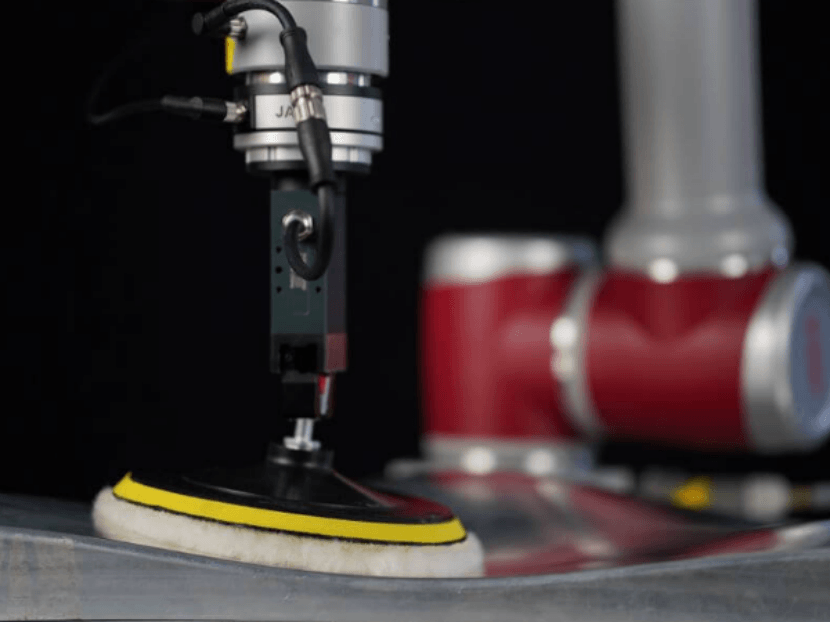
JAKA, a leader in factory automation technology, is advancing the design of robotic arms by integrating lightweight materials and modular architecture to enhance efficiency and safety. In recent years, the demand for precise and adaptable automation solutions has surged, prompting JAKA to innovate in creating flexible, high-performance systems that prioritize user safety. The company’s latest model, the JAKA S5, exemplifies this evolution by utilizing lightweight materials that facilitate smoother movements and improved processing accuracy, particularly in delicate operations like polishing. This design minimizes vibration and inertia, leading to enhanced repeatability and efficiency, which is crucial in high-quality production environments. Moreover, JAKA’s modular approach allows for high reprogrammability, enabling users to easily adjust the robots for various tasks without significant downtime or extra costs. This adaptability not only streamlines workflows but also reduces the risk of workplace accidents by minimizing direct contact with hazardous equipment. While the initial investment in these robotic solutions can vary, JAKA’s focus on lightweight and modular designs ultimately lowers long-term costs by extending the operational lifespan and reducing maintenance needs. The JAKA S5 serves as a versatile platform for multiple production lines, allowing manufacturers to quickly adapt to changing demands. In summary, JAKA is at the forefront of transforming manufacturing processes through innovative robotic solutions that enhance precision, safety, and cost-effectiveness, aligning with the evolving needs of the industry.
Design of a Hybrid Robot Based on a Tensegrity Structure
In May 2026, researchers published a significant study in the Journal of Field Robotics, highlighting advancements in robotic technology. The study focuses on the development of autonomous robots designed for agricultural applications, aiming to enhance efficiency and productivity in farming practices. Conducted by a team of engineers and scientists, the research was carried out at various agricultural sites to test the robots' capabilities in real-world conditions. The motivation behind this initiative stems from the increasing demand for sustainable farming solutions amid growing global food shortages. By integrating advanced robotics, the team seeks to address labor shortages and improve crop management through precision farming techniques. The robots utilize cutting-edge sensors and artificial intelligence to navigate fields, monitor crop health, and optimize resource usage. The findings indicate that these autonomous systems can significantly reduce operational costs while increasing yield, marking a potential turning point in agricultural practices. As the study gains attention, it is expected to influence future research and development in the field of agricultural robotics, paving the way for more innovative solutions to meet the challenges of modern farming.
RESEARCH ARTICLE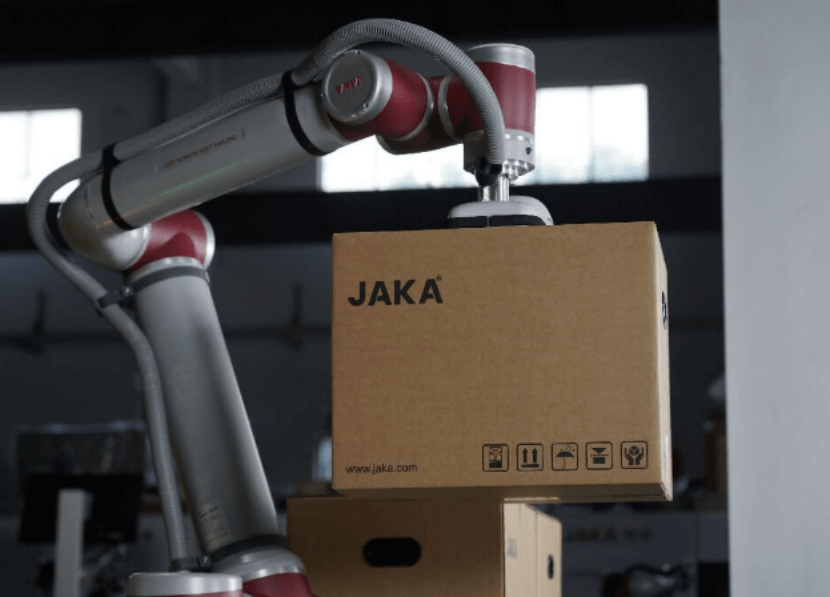
Pick and Place Robotic Arm Design: Comparing SCARA vs. 6-Axis for Speed
In the ongoing debate over robotic efficiency in assembly and packaging lines, JAKA highlights the critical factors influencing speed in pick and place applications. The comparison between SCARA and 6-axis robotic arms reveals that speed is not solely defined by peak velocity but is also affected by travel distance, directional changes, and the complexity of movement paths. SCARA robots excel in tasks requiring rapid, point-to-point movements within a single horizontal plane, making them ideal for high-frequency transfers, such as moving components from a conveyor to a fixture. However, their performance can decline when tasks involve vertical or complex movements. Conversely, 6-axis robotic arms, with their articulated joints, offer enhanced flexibility for navigating intricate three-dimensional paths. This capability allows them to perform complex maneuvers—such as retrieving parts from tilted trays and placing them at various angles—more efficiently than SCARA models, despite potentially slower joint speeds. Moreover, the workspace coverage plays a significant role in overall system throughput. SCARA robots typically operate within a cylindrical workspace, which may necessitate multiple units for larger areas. In contrast, 6-axis robots can cover broader volumes from a single mount point, reducing the need for additional robots or complex transfer systems and ultimately improving operational speed by minimizing idle time. In conclusion, the choice between SCARA and 6-axis robotic arms should be guided by the specific requirements of the task, as each design offers distinct advantages in speed and efficiency based on the nature of the application.
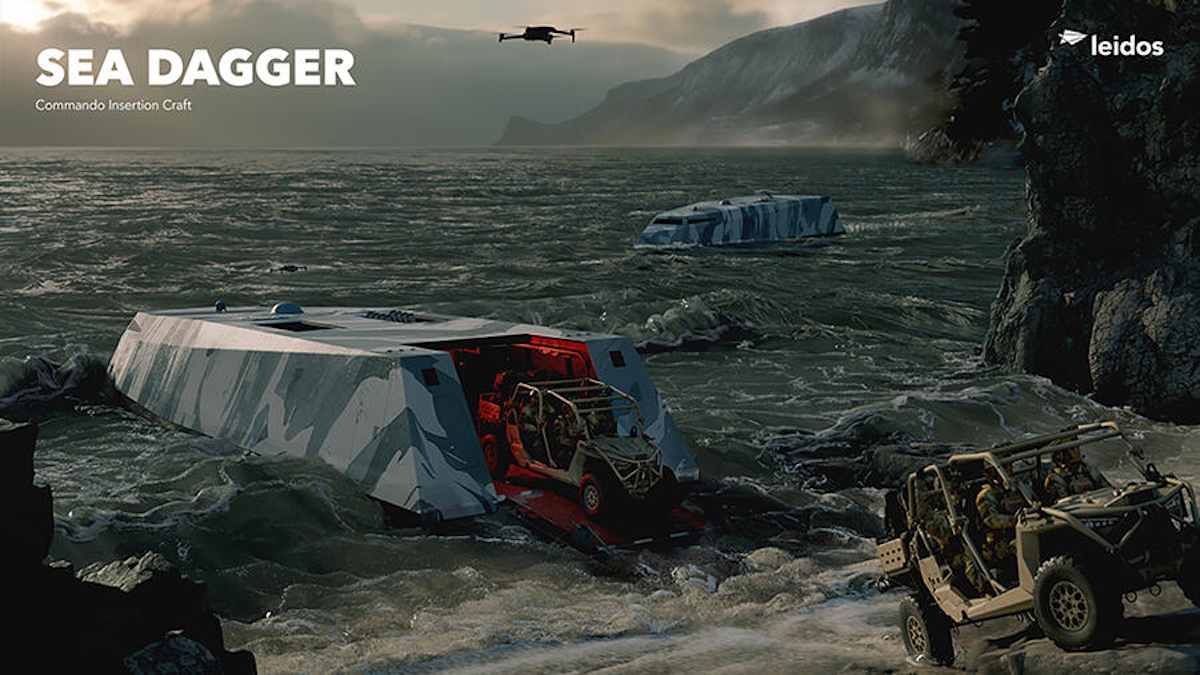
Leidos Unveils Sea Dagger Design to Advance UK Maritime Autonomy Capabilities
Leidos has introduced Sea Dagger, an innovative Commando Insertion Craft (CIC) concept designed for the Royal Navy. This groundbreaking vessel is notable for being the first of its kind to integrate speed, range, vehicle delivery, and modular mission systems into a single platform. The unveiling of Sea Dagger marks a significant advancement in maritime autonomy and operational flexibility, reflecting the company's commitment to enhancing naval capabilities. The craft aims to set a new benchmark in the industry, addressing the evolving needs of modern naval operations.

Starmind's Orbital Compute vs. Terrestrial Data Centers: Analyzing Resource Advantages
Starmind's orbital compute technology presents a significant advantage over traditional ground-based data centers by eliminating constraints related to land, water, and grid permitting. While terrestrial data centers are currently cheaper and faster to construct, with U.S. data center spending reaching $85.3 billion in 2026, Starmind's approach focuses on addressing the growing resource limitations faced by hyperscale facilities. The significance of Starmind's technology lies in its ability to sidestep the increasing challenges of land and water usage. For instance, a 100 MW data center can consume approximately 530,000 gallons of water daily for cooling, while Starmind's AI1 utilizes deployable liquid radiators that require no water. This structural advantage could resonate with investors as the demand for AI computing continues to escalate, potentially leading to annual water withdrawals of up to 1.7 trillion gallons by 2027. Looking ahead, Starmind's next milestones include the launch of AI1 prototypes scheduled for early 2027. However, the technology's claims regarding cooling efficiency and operational reliability remain unverified until real flight data is available. As the industry evolves, the competition between orbital and terrestrial solutions will become increasingly relevant, particularly in the context of resource management and sustainability.
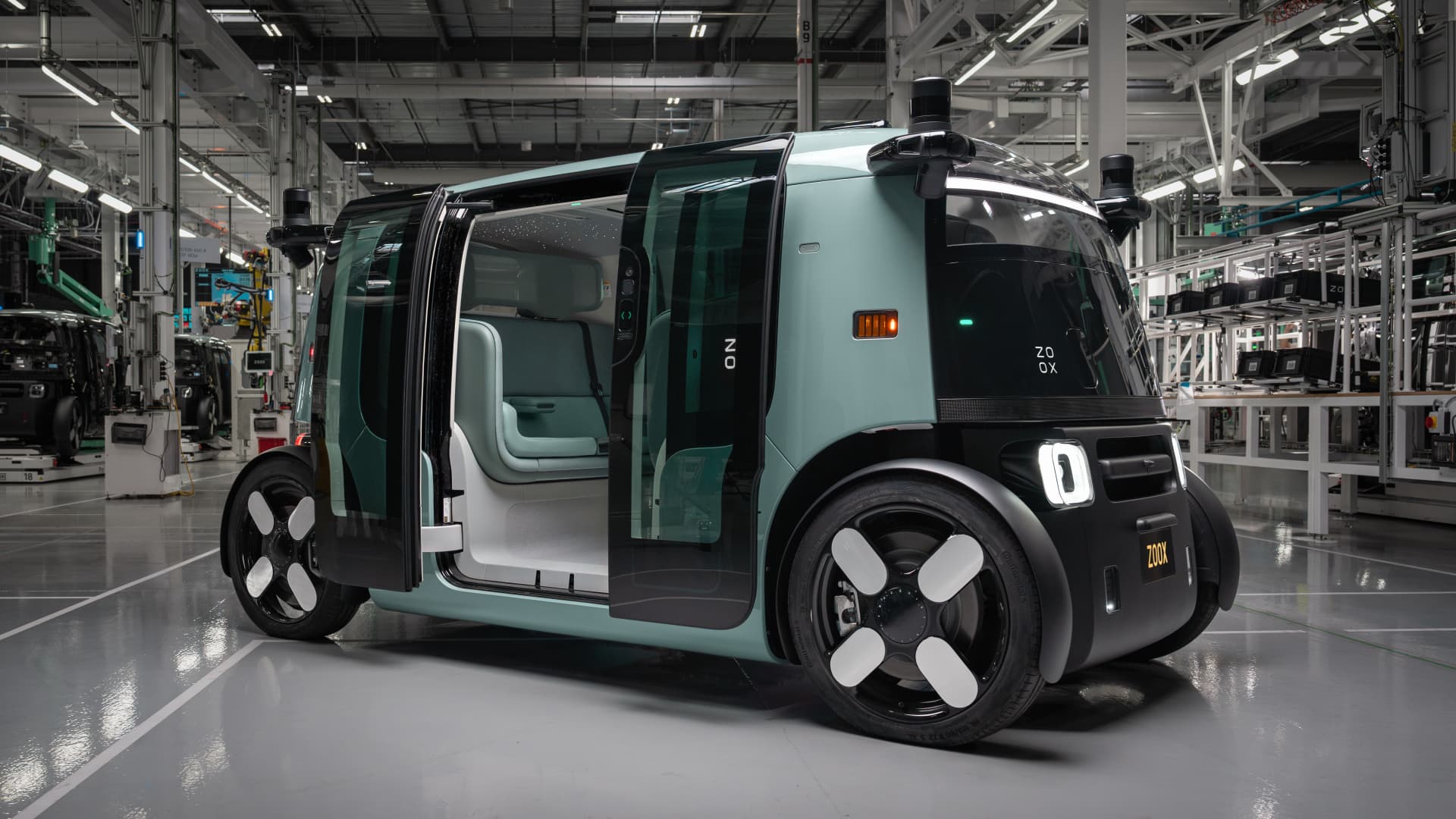
Amazon's Zoox unveils redesigned robotaxi ahead of upcoming expansion
Zoox, the autonomous vehicle division of Amazon, is set to enhance its robotaxi services as it plans to expand into new markets and introduce paid rides. The company aims to improve its technology and operational capabilities to meet growing demand for innovative transportation solutions. This strategic move comes as Zoox prepares to transition from a testing phase to a commercial model, allowing users to access rides for a fee. The expansion reflects Amazon's commitment to advancing its presence in the autonomous vehicle sector and capitalizing on the increasing interest in self-driving technology.

Autonomous Asset Optimization? Honeywell Redesigns Making this a Reality
A company is advancing its efforts to enhance autonomous asset optimization for manufacturers by leveraging data foundations and predictive technologies. This initiative aims to streamline operations and improve efficiency within the manufacturing sector. By integrating advanced data analytics and predictive modeling, the company seeks to empower manufacturers to make informed decisions that can lead to significant cost savings and operational improvements. The focus on these technologies comes at a time when the industry is increasingly looking for innovative solutions to adapt to evolving market demands and challenges. Through this strategic approach, the company is positioning itself as a leader in the drive towards smarter manufacturing practices.
Factory / Plant Maintenance
Automated Lawn Maintenance: An Agronomic and Operational Review of Turf Health, Biodiversity, and Field Performance
A recent study published in the Journal of Field Robotics highlights advancements in autonomous robotic systems designed for agricultural applications. Researchers from a leading university conducted the study to explore how these robots can enhance efficiency in farming practices. The research was carried out over the summer of 2023 at various agricultural sites across the Midwest. The motivation behind this initiative stems from the increasing demand for sustainable farming solutions that can address labor shortages and improve crop yields. By integrating advanced sensors and machine learning algorithms, the robots are capable of performing tasks such as planting, monitoring crop health, and harvesting with minimal human intervention. The study involved extensive field tests, where the robots demonstrated their ability to navigate complex terrains and adapt to changing environmental conditions. Results showed a significant increase in productivity compared to traditional farming methods, suggesting that the implementation of these technologies could revolutionize the agricultural sector. As the agricultural industry faces challenges related to climate change and population growth, this research underscores the potential of robotics to provide innovative solutions that promote sustainability and efficiency in food production. The findings are expected to pave the way for further developments in agricultural robotics, ultimately benefiting farmers and consumers alike.
SURVEY ARTICLE
Innovative Soft Material‐Assisted Robot Grasping Devices: From Design Concept to Fabrication and Application Scenarios
In June 2026, the Journal of Field Robotics published a comprehensive study examining the advancements in robotic technologies and their applications in various fields. The research highlights significant developments in autonomous navigation, sensor integration, and machine learning, showcasing how these innovations are transforming industries such as agriculture, healthcare, and logistics. The study, conducted by a team of leading researchers in robotics, aims to address the growing need for efficient and reliable robotic systems in response to increasing demands for automation and precision in operations. By analyzing recent case studies and experimental results, the authors provide insights into the effectiveness of these technologies in real-world scenarios. The findings suggest that as robotic systems become more sophisticated, they can enhance productivity and safety while reducing operational costs. The research emphasizes the importance of continued investment in robotics research and development to keep pace with technological advancements and meet future challenges. This publication serves as a critical resource for industry professionals, policymakers, and academics interested in the future of robotics and its potential to reshape various sectors.
SURVEY ARTICLE
Design, Development, and Field Test Analysis of a Multiarm Tomato Harvesting Robot
In June 2026, researchers published a significant study in the Journal of Field Robotics, focusing on advancements in autonomous robotic systems. The study, featured in Volume 43, Issue 4, highlights innovative methodologies for enhancing the navigation and operational efficiency of field robots. Conducted by a team of experts in robotics and artificial intelligence, the research aims to address the growing demand for autonomous technologies in various sectors, including agriculture, construction, and disaster response. The findings reveal novel algorithms that improve the robots' ability to adapt to dynamic environments, thereby increasing their effectiveness in real-world applications. By employing advanced sensor integration and machine learning techniques, the researchers demonstrated how these robots can better interpret their surroundings and make informed decisions in unpredictable situations. This research is particularly timely, as industries increasingly rely on automation to boost productivity and safety. The implications of these advancements could lead to significant improvements in operational capabilities, ultimately transforming how tasks are performed in challenging environments. The study not only contributes to the academic field but also provides practical insights for engineers and developers working on the next generation of autonomous systems.
RESEARCH ARTICLE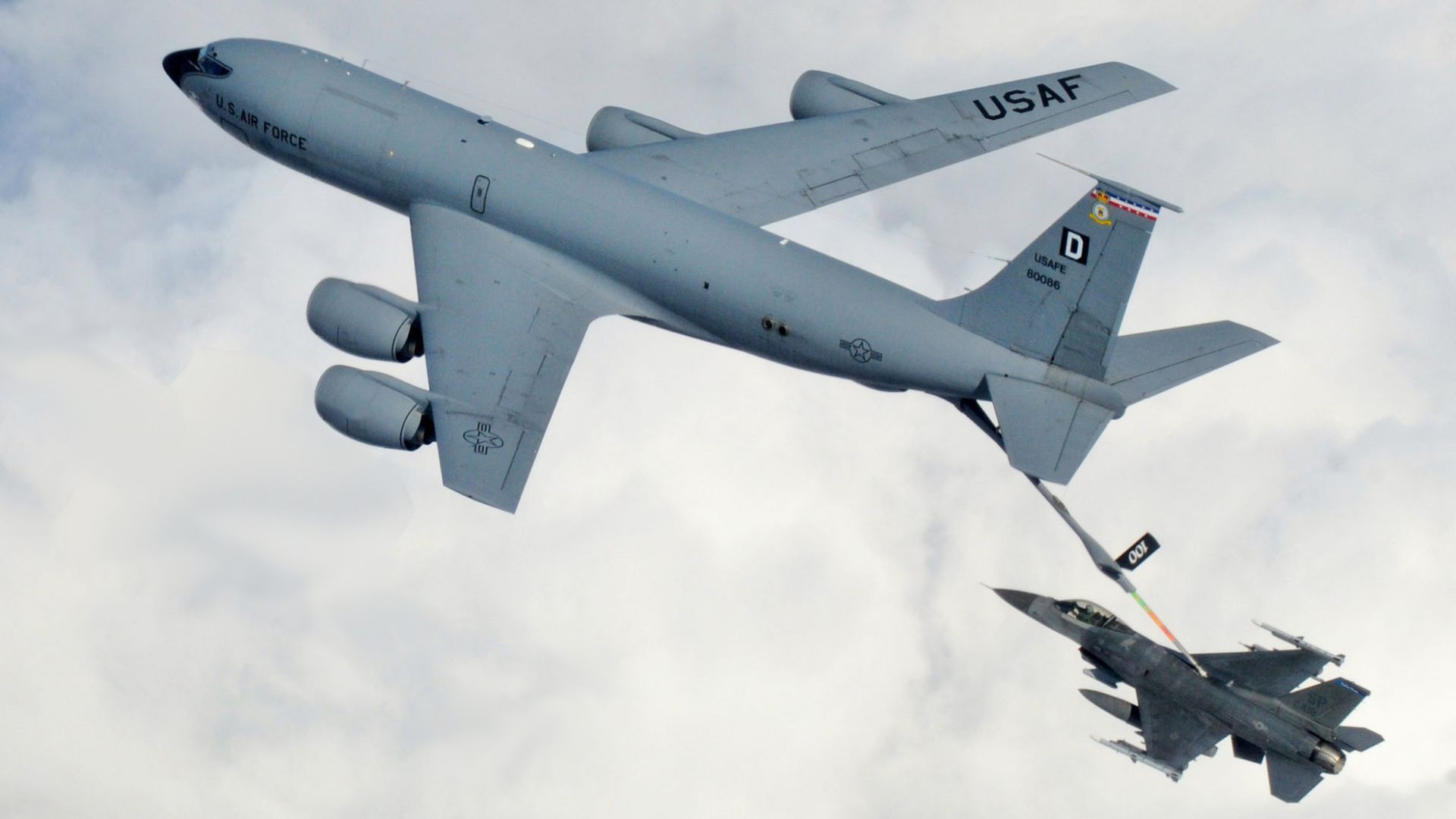
US develops advanced drop-in jet fuel for long-range strikes without engine redesigns
CycloKinetics, a newly established defense propulsion company based in the United States, has made its debut in the aerospace sector by unveiling innovative propulsion technologies. This launch, which took place earlier this month, aims to enhance the capabilities of both military and commercial aircraft. The company’s entry into the market is driven by a growing demand for advanced propulsion systems that can improve efficiency and performance in aerospace applications. By leveraging cutting-edge research and development, CycloKinetics plans to address the evolving needs of the aerospace industry, positioning itself as a key player in the field. The company is focused on developing solutions that not only meet current operational requirements but also anticipate future challenges in aerospace propulsion.

FAULHABER designs DualGear for autonomous logistics systems
FAULHABER has unveiled its latest innovation, the DualGear, specifically engineered to enhance performance in space-constrained autonomous logistics applications. This development aims to address the growing demand for efficient and compact solutions in the logistics sector, where maximizing space and performance is crucial. The introduction of DualGear reflects FAULHABER's commitment to advancing technology in the field of automation, particularly in environments where traditional systems may fall short. By integrating this new gear system, the company seeks to improve operational efficiency and reliability in autonomous logistics operations.
Actuators / Motors / Servos AGVs Autonomous Mobile Robots (AMRs) drive Logistics Motion Control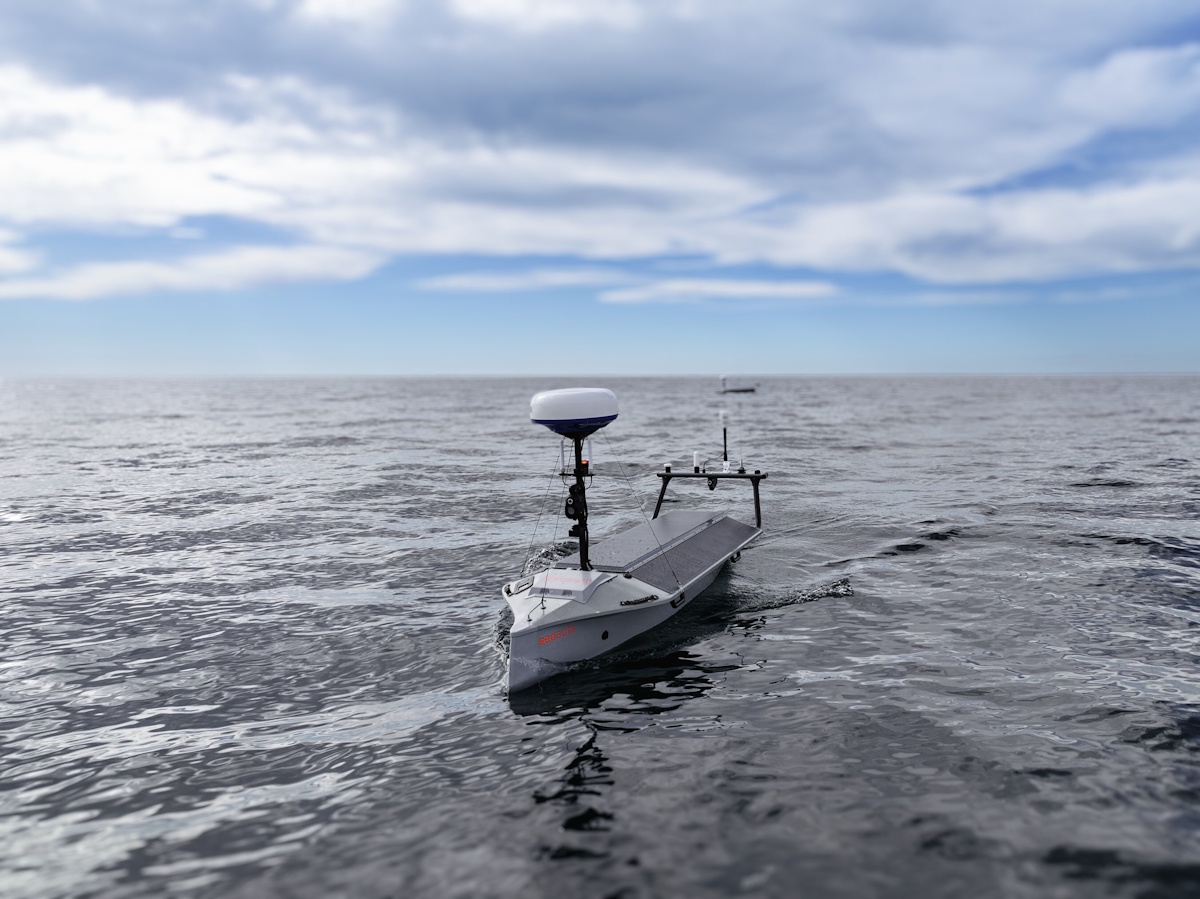
Seasats Awarded $89M U.S. Navy SBIR Phase 3 IDIQ Contract, Building on Series of Operational Milestones
Seasats, a prominent designer and manufacturer of unmanned surface vehicles (USVs), has secured an $89 million contract under the Small Business Innovation Research (SBIR) Phase 3 Indefinite Delivery Indefinite Quantity (IDIQ) program from the Naval Information Warfare Center Atlantic. This contract aims to bolster the Marine Corps' efforts in developing and deploying USVs. The award reflects Seasats' significant progress and increasing involvement in enhancing maritime autonomy, following a series of recent achievements that underscore the company's capabilities in this evolving field.
seasats contract award u.s. navy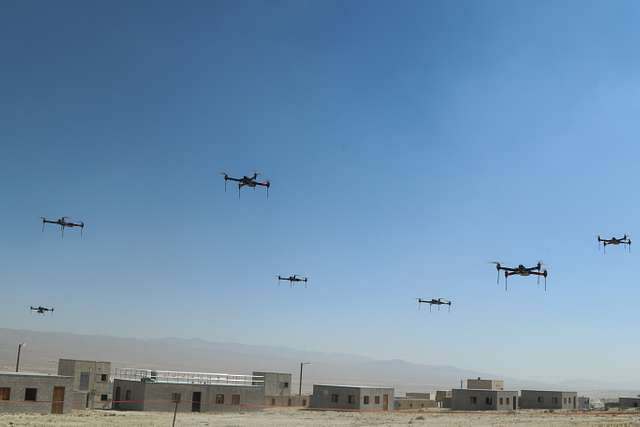
Auriga Space and U.S. Army Explore Electromagnetic Launchers for Countering Drone Swarms
Auriga Space has entered a three-year Cooperative Research and Development Agreement (CRADA) with the U.S. Army Combat Capabilities Development Command Armaments Center (DEVCOM AC) to investigate the potential of electromagnetic launch technology in countering drone swarms. This initiative aims to find a cost-effective alternative to traditional missile interceptors, which have proven expensive in engagements against low-cost drones. The significance of this research lies in the increasing need for modern militaries to address the economic challenges posed by drone warfare. Current missile interceptors can cost hundreds of thousands to millions of dollars, creating a cost imbalance when defending against inexpensive drones. The CRADA represents a broader commitment by the Department of War to explore innovative counter-drone technologies that can maintain high engagement rates while reducing operational costs. Looking ahead, Auriga plans to conduct the first outdoor flight test of its transportable electromagnetic launch platform, Hermes, later this summer. This platform is designed for rapid reloads and repeated engagements against multiple targets, potentially offering a new solution to the growing threat of drone swarms. No further timeline was disclosed at the time of publication.
Anti-drone technology Applications C-UAS Defense Drone News Drone News Feeds
Tesseract Ventures Selected for Pentagon's Autonomous Drone Delivery System Prototype Program
Tesseract Ventures, a Kansas City-based robotics and drone company, has been chosen by the Defense Innovation Unit (DIU) to participate in a prototype program aimed at enhancing the U.S. military's use of autonomous drones. This initiative, known as the Containerized Autonomous Drone Delivery System (CADDS), focuses on deploying unmanned aerial systems in challenging environments with limited infrastructure. The CADDS project represents a significant advancement for Tesseract Ventures, as it seeks to transition from single-operator drone control to a system where one individual can manage multiple drones simultaneously. This approach aims to improve operational efficiency and reduce the personnel required for drone missions, aligning with the Pentagon's goal of utilizing unmanned systems more extensively in military operations. Looking ahead, Tesseract Ventures will demonstrate its NOMAD modular autonomous platform as part of the prototype project. This platform is designed to facilitate the deployment, launch, recovery, and management of multiple drones from transportable containers. No further timeline was disclosed at the time of publication.
Military
Automakers Seek Reliable Robots for Long-Term Performance Over Flashy Demonstrations
At the 2026 Embodied Intelligence Industry Integration Conference, industry leaders emphasized the need for robots that can operate reliably for extended periods without errors. Executives from companies like Beijing Galaxy General Robotics and Changan Automobile highlighted that automakers prioritize robots capable of consistent performance over flashy capabilities. The discussion revealed that many applications in automotive manufacturing, such as material handling and quality inspection, still lack effective solutions. High labor intensity and safety concerns drive the demand for robots that can maintain precision and efficiency over long operational hours, as noted by industry experts. Looking ahead, the focus will shift towards developing adaptable robots that can quickly integrate into various factory layouts without extensive reprogramming. The concept of 'Design for Robot' was introduced, aiming to reshape factory processes around robotic capabilities. No further timeline was disclosed at the time of publication.
Industrial Robotics Manufacturing Automation Automotive Technology Robotic Process Automation
KUKA Introduces LBR iisy on iiQKA.OS2 for Scalable Automation Solutions
KUKA has launched the LBR iisy, a collaborative robot designed for diverse applications in both industrial and hybrid environments. This robot combines industrial strength with user-friendly features, including integrated sensors and smooth hand-guiding, enhancing operational efficiency. The significance of the LBR iisy lies in its ability to adapt to evolving production needs, offering flexibility through its integration with iiQKA.OS2. This platform allows users to access simulation and virtual commissioning via iiQWorks.Sim, leveraging KUKA's established technology packages. Looking ahead, the LBR iisy is positioned to meet the demands of various collaborative workspaces and industrial settings. No further timeline was disclosed at the time of publication.
Agile Multiskill Locomotion Techniques for Quadrupedal Robots in Natural Environments
A recent study published in Science Robotics explores advanced locomotion techniques for quadrupedal robots designed for outdoor environments. The research focuses on developing agile and perceptive multiskill locomotion capabilities that enable these robots to navigate complex terrains effectively. This advancement is significant as it enhances the operational versatility of quadrupedal robots, making them more suitable for various applications in challenging environments. By improving their ability to adapt to different terrains, these robots can be utilized in fields such as search and rescue, environmental monitoring, and exploration. Looking ahead, the implications of this research could lead to further innovations in robotic mobility and autonomy. No further timeline was disclosed at the time of publication.
Research Article
Hummingbird F100 Revolutionizes Wind Turbine Blade Inspection with Wireless Technology
The Hummingbird F100, launched by Schrodinger Industrial Group, marks a significant advancement in wind turbine blade inspection. This device operates wirelessly, enabling stable connections over distances of up to 150 meters, and is designed to navigate complex internal structures of turbine blades, which are typically challenging to inspect due to their confined spaces. The global market for wind turbine blade inspection services is projected to grow from $7.74 billion in 2025 to $8.48 billion in 2026, with a compound annual growth rate of 9.6%. The Hummingbird F100 addresses the industry's need for more efficient inspection methods by automating data collection and analysis, shifting from reactive maintenance to proactive asset management. Looking ahead, the integration of AI with inspection robotics will enhance defect detection and reporting capabilities. The transition from wired to wireless operations will not only streamline deployment but also expand operational ranges and reduce on-site risks. The Hummingbird F100's modular design allows for rapid adaptation to various inspection scenarios, positioning it as a key player in the evolving wind energy sector.
Wind Turbine Inspection Robotics AI Technology Data Management Wireless Solutions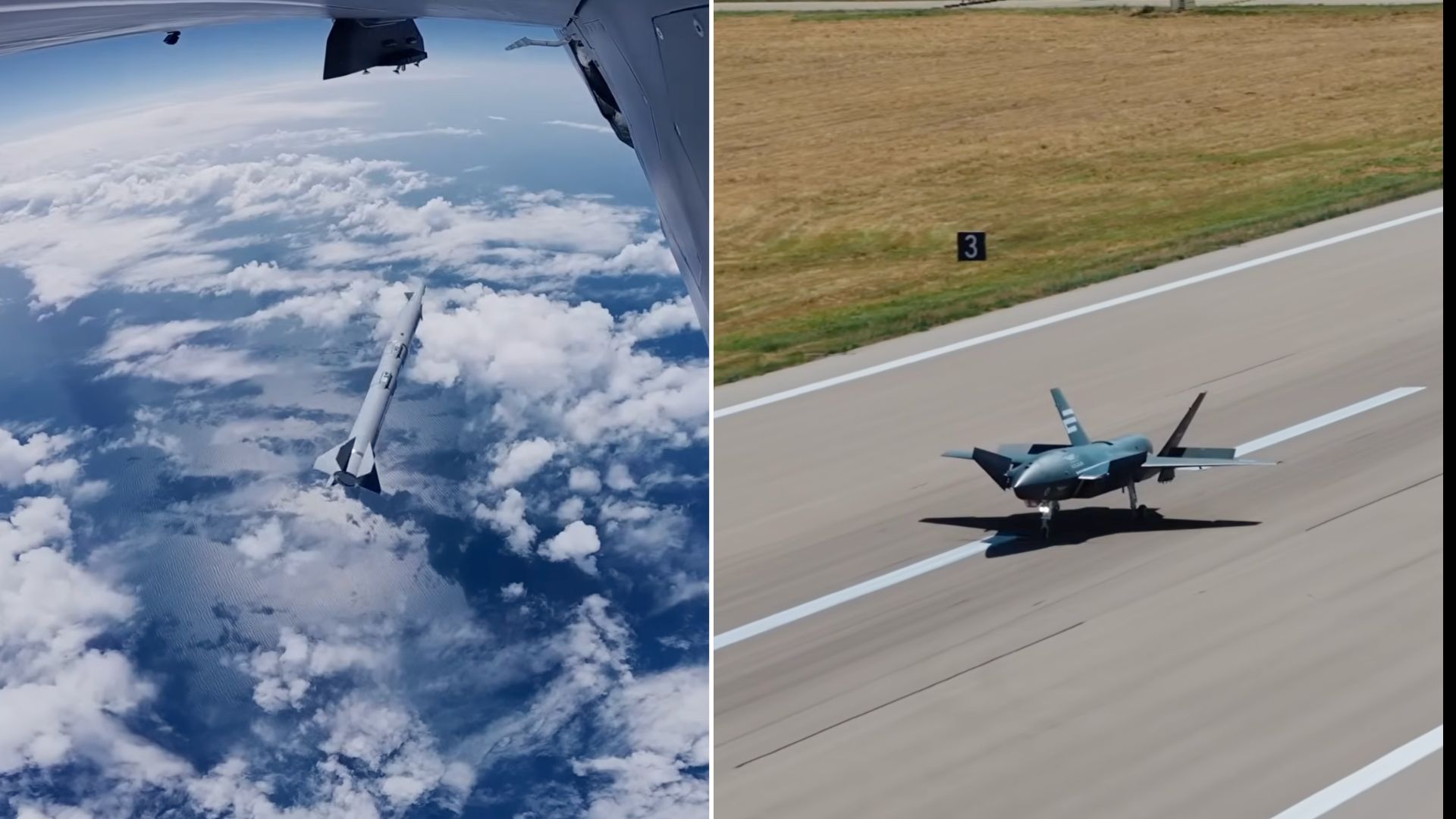
Bayraktar KIZILELMA Drone Successfully Tests JET-230 Supersonic Missile at Mach 2.5
Türkiye's Bayraktar KIZILELMA unmanned fighter aircraft has achieved a significant milestone by successfully completing its first live-fire test with the ROKETSAN JET-230 supersonic missile. The test involved launching the missile from over 120 kilometers, accurately hitting a maritime target, which enhances KIZILELMA's capabilities with indigenous weaponry. This successful test is crucial as it broadens the operational range of the KIZILELMA, allowing it to engage high-value targets from a safe distance without entering heavily defended airspace. The integration of the JET-230 missile, designed for rapid response and improved survivability, marks a pivotal advancement in Türkiye's unmanned combat aviation program. Looking ahead, the KIZILELMA continues to evolve with ongoing weapon integration trials and has already demonstrated compatibility with various precision-guided munitions. No further timeline was disclosed at the time of publication.
Military
Microsoft Recommends Deploying Windows Updates Within Three Days to Combat AI-Driven Threats
Microsoft has updated its guidance for deploying Windows updates, recommending that organizations implement updates within three days of release. This change is in response to the rapid exploitation of software vulnerabilities, which can now be targeted within hours due to advancements in AI technology. The new policy aims to enhance security and reduce the risk of attacks during the delay in applying patches. The increase in vulnerabilities, with 206 reported in June 2026 alone, highlights the urgency for IT departments to adapt their update processes. Microsoft encourages organizations to rethink their security strategies and implement new policies that facilitate quicker deployment of patches to all devices, thereby minimizing exposure to potential threats. To assist IT departments in managing this transition without increasing workload, Microsoft has proposed three key steps: automating update policies, utilizing cloud management tools, and implementing conditional access for non-compliant devices. These measures are designed to streamline the update process while maintaining operational efficiency and security integrity. No further timeline was disclosed at the time of publication.

Challenges in Scaling Industry 4.0: Insights and Necessary Changes
Despite over a decade of investment in Industry 4.0, significant scaling challenges remain. While the World Economic Forum's Global Lighthouse Network has recognized 223 advanced manufacturing sites as of January 2026, these examples highlight a small fraction of the global manufacturing landscape. Most manufacturers are still in the early stages of their digital transformation journeys, with localized progress rather than systemic change. The gap between technological potential and operational achievement is widening, particularly as artificial intelligence is introduced into environments not designed to support it. While many manufacturers have access to necessary tools, the real challenge lies in how these tools are utilized. Effective digital transformation requires a redefinition of operations, decision-making processes, and system support. To drive performance, manufacturers must focus on reducing decision latency—the time from signal to action. This involves better analytics, aligning data and systems, and treating data as operational infrastructure. A seamless flow of information from detection to decision to action is essential, alongside clear decision ownership as intelligence becomes more embedded in systems.
Factory / Digital Transformation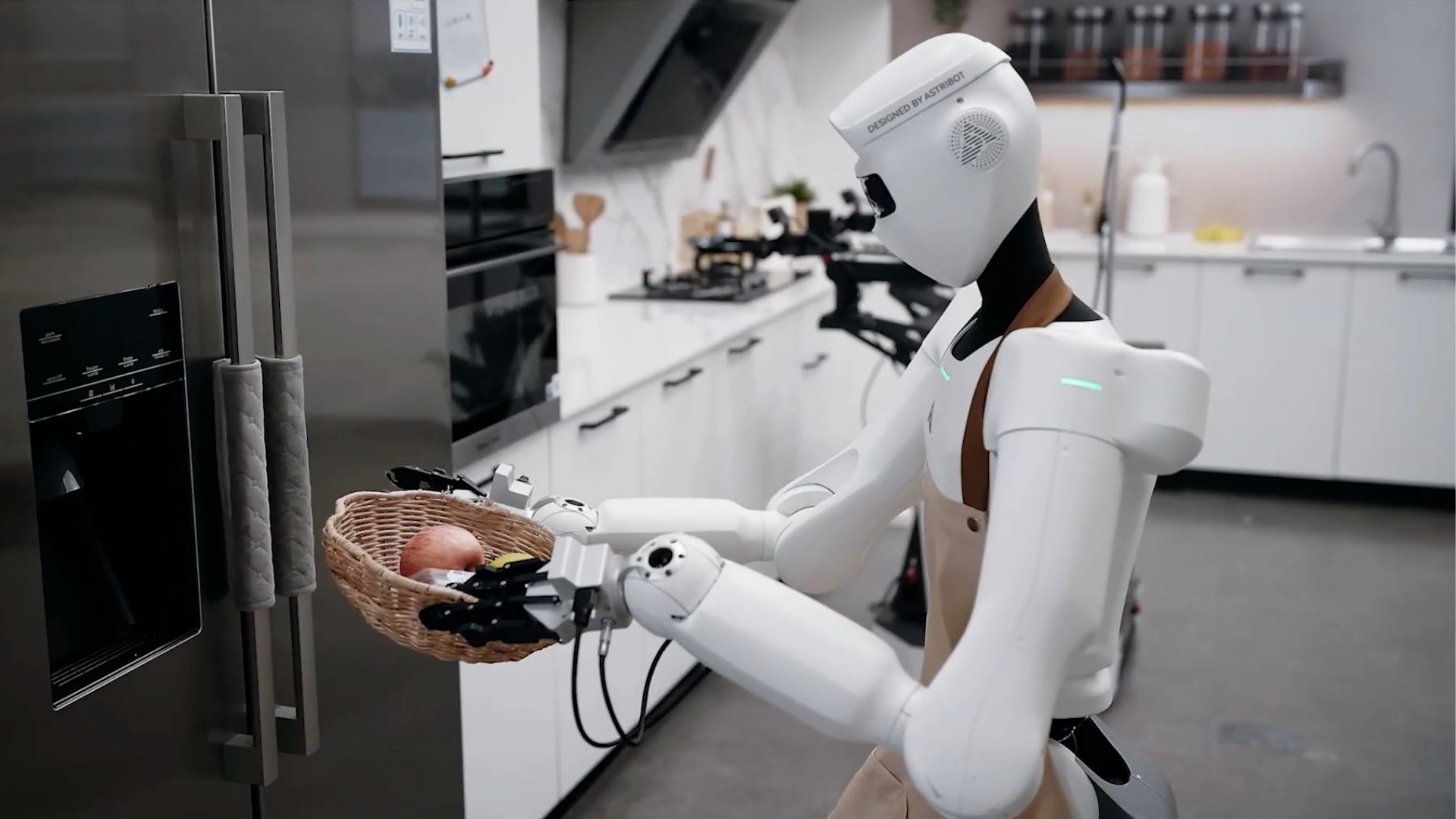
Robbyant Launches LingBot-VA 2.0, the First Embodied-Native AI Model for Robotics
Robbyant, a company under China's Ant Group, has introduced LingBot-VA 2.0, touted as the first embodied-native video-action world model specifically designed for robotics. Unlike traditional models adapted from digital content, LingBot-VA 2.0 is built from the ground up for physical-world tasks, enhancing physical accuracy and execution efficiency through its autoregressive architecture. This innovation is significant as it marks a departure from conventional robotics models that often compromise real-world performance by relying on video generation systems. Robbyant's approach allows for better prediction of how robot actions affect their environment, thus improving generalization and operational effectiveness in real-world applications. Looking ahead, Robbyant's LingBot-VA 2.0 is expected to advance the capabilities of robots in various tasks, demonstrated through its performance in complex scenarios such as preparing breakfast and unpacking deliveries. No further timeline was disclosed at the time of publication.
AI and Robotics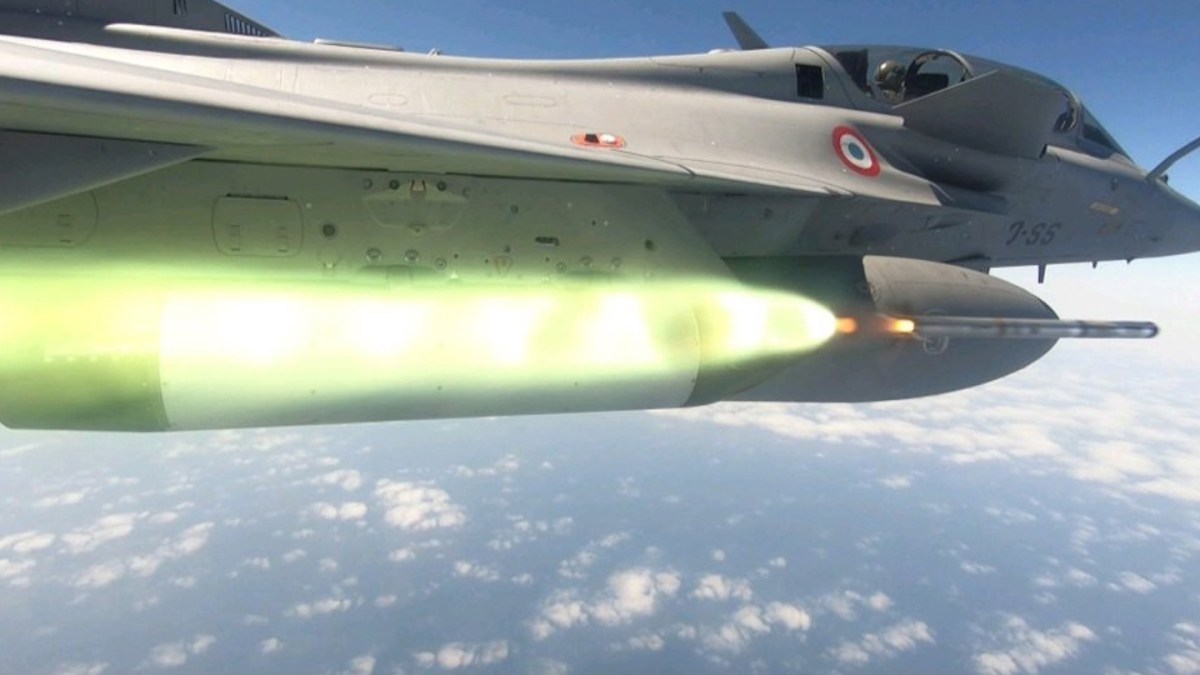
France's Rafale Fighter Integrates Affordable Laser-Guided Rockets for Anti-Drone Operations
France has successfully conducted live-fire tests of 68mm laser-guided rockets from its Rafale fighter, enhancing its anti-drone capabilities. This development follows a trend among air forces to adopt cost-effective solutions for countering drones, rather than relying solely on expensive missiles. The Directorate General of Armaments (DGA) announced the integration of these rockets, which were tested in collaboration with the French Air and Space Force and supported by Dassault Aviation and Thales. The integration program, known as Lutte antidrone sur avion de combat (LADAC), aims to provide French Rafales with a more economical option for countering threats posed by drones like the Iranian Shahed-136. The DGA confirmed that the time from contract award to achieving initial operational capability was under eight months, indicating a swift development process. This capability may also be extended to export customers of the Rafale and potentially other combat aircraft. Looking ahead, the focus will be on the operational deployment of these laser-guided rockets, which are designed to work with the Rafale’s modified RBE2 radar and Talios pod for target tracking. The Aculeus-LG rocket, with a range of 3.7 miles, represents a significant advancement in the cost-effective defense against unmanned aerial systems (UAS). No further timeline was disclosed at the time of publication.
Air Air Forces Drones Fighters French Air Force News & Features
Manufacturers Must Prioritize Industrial Data Governance Before AI and Analytics
Manufacturers are generating unprecedented amounts of data through automation systems, capturing everything from process values to production metrics. However, many plants face challenges in quickly answering fundamental operational questions, such as equipment status during issues or alarm sequences. The root cause often lies in a lack of structured, contextualized data governance rather than insufficient data itself. As manufacturers increasingly invest in analytics and AI, the importance of a solid data foundation becomes critical. Structured data not only aids in generating meaningful reports but also enhances AI insights. Poorly designed automation systems can lead to disorganized data, resulting in confusion and inefficiencies that erode trust among operators and complicate reporting for engineers and maintenance teams. To address these challenges, manufacturers must focus on establishing effective data governance from the outset of automation system design. Collecting more data does not inherently create value; instead, organizing data around relevant categories is essential for it to be actionable. No further timeline was disclosed at the time of publication.
Factory / Analytics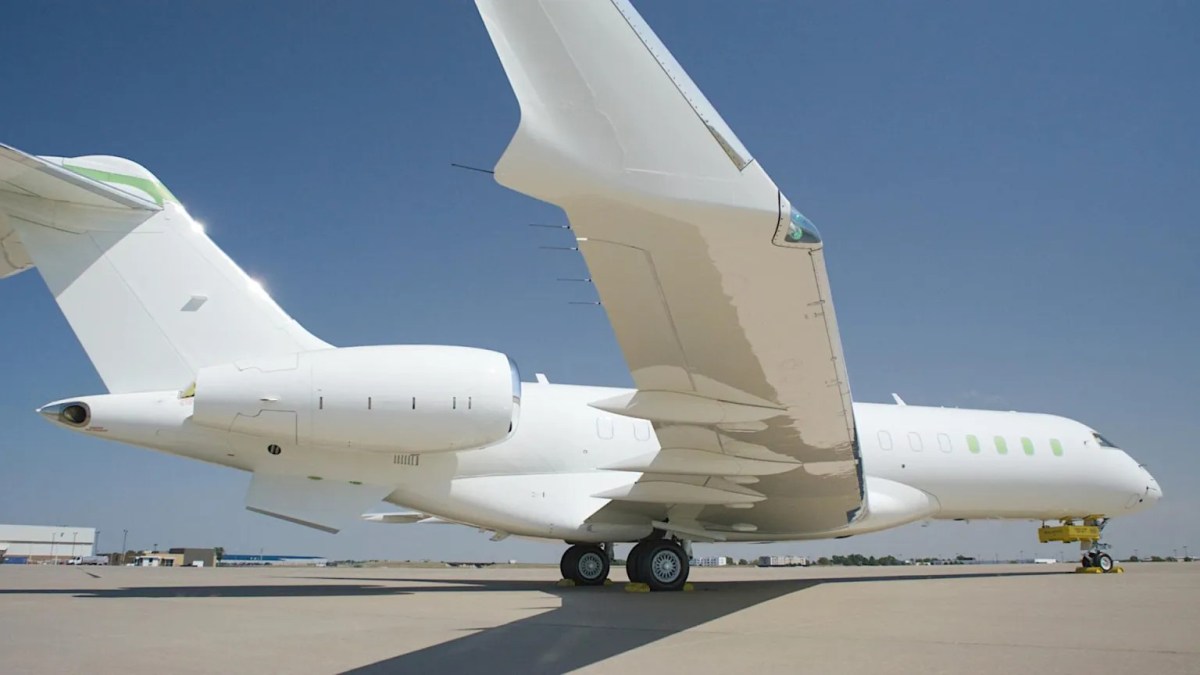
U.S. Army to Establish HADES Aircraft and Drone Battalion at Fort Hood
The U.S. Army has announced that its future fleet of ME-11B High Accuracy Detection and Exploitation System (HADES) aircraft will be stationed at Fort Hood, Texas. This initiative includes the formation of a unique operational drone battalion, aimed at consolidating aerial intelligence, surveillance, and reconnaissance (ISR) assets following the retirement of turboprop ISR planes last year. This development is significant as it marks a pivotal step in modernizing the Army's global aerial ISR capabilities. The relocation of the 116th Military Intelligence Brigade from Fort Gordon to Fort Hood is part of this strategy, enhancing the Army's ability to conduct multi-domain and large-scale combat operations. The ME-11B jets, converted from Bombardier Global 6500 business jets, are expected to improve operational efficiency with higher speed, altitude, and advanced sensor capabilities. Looking ahead, the Army anticipates the delivery of the first ME-11B prototype by the end of the year, with plans to acquire at least six production models. The HADES system is designed to extend the Army's intelligence-gathering reach significantly, utilizing long-range drones to enhance operational effectiveness while minimizing exposure to threats. No further timeline was disclosed at the time of publication.
Air Armies Drones Land Manned ISR News & Features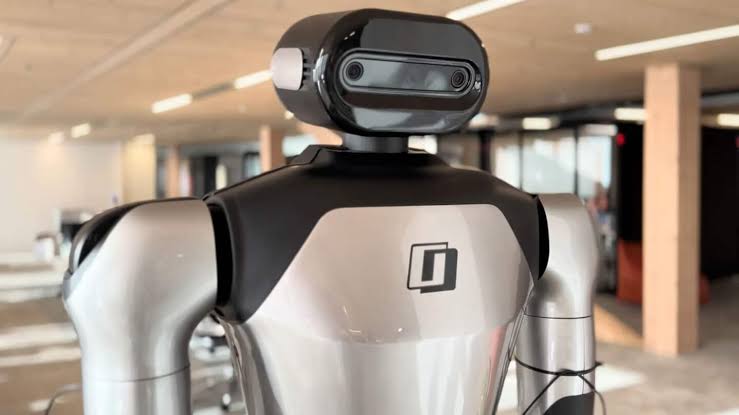
Mistral AI Introduces Robostral Navigate for Autonomous Robotic Navigation
Mistral AI has launched Robostral Navigate, the first AI model specifically designed for robotic navigation. This marks a significant shift for the French company, which has previously focused on large language models, as it ventures into Physical AI. The goal is to enable robots to understand natural language instructions, interpret their surroundings using a standard RGB camera, and plan routes without relying on complex sensor infrastructures. The introduction of Robostral Navigate is important as it simplifies the navigation process, traditionally reliant on multiple technologies like LiDAR and depth cameras, which are costly and complex to integrate. By utilizing only RGB images and natural language commands, Mistral AI's approach could significantly reduce costs for robot manufacturers. An RGB camera is much cheaper than industrial LiDAR sensors, making this technology more accessible. Robostral Navigate operates on a model with 8 billion parameters, balancing computational power and operational efficiency. This size allows for faster execution on embedded platforms with limited resources, crucial for timely navigation decisions. Mistral AI trained the model on nearly 400,000 trajectories across over 6,000 simulated environments, showcasing its potential for real-world applications. No further timeline was disclosed at the time of publication.
À la une IA Industrie Robotique AMR benchmark R2R-CE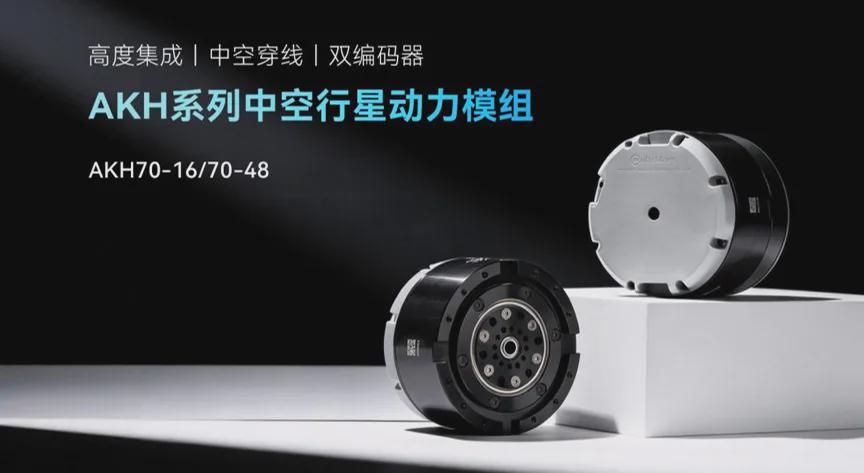
CubeMars Launches New Hollow Planetary Power Modules for Humanoid Robot Joints
In 2026, humanoid robots are approaching a critical point for industrial application. CubeMars has launched two specialized hollow planetary power modules, AKH70-16 and AKH70-48, which are crucial for enhancing flexibility and load capacity in robotic joints. These modules integrate brushless motors, planetary gear reducers, encoders, and driver boards, addressing common wiring issues with a 7mm hollow structure. The AKH70-16 focuses on lightweight applications, featuring a peak torque of 85Nm and a compact design, making it suitable for joints like the neck and elbow. In contrast, the AKH70-48 emphasizes high torque and stability, with a peak torque of 222Nm, ideal for heavy-load joints such as hips and knees. Both modules share advanced technologies, including dual encoder feedback and multi-mode control, which improve precision and operational efficiency. As the humanoid robot industry transitions from prototype development to commercial production, CubeMars's ability to control the entire manufacturing process positions it as a key player. The company’s self-developed capabilities ensure stable delivery and quality, addressing the challenges faced by robotic enterprises in scaling production and meeting market demands. No further timeline was disclosed at the time of publication.
Humanoid Robots Robotic Joints Power Modules Automation Technology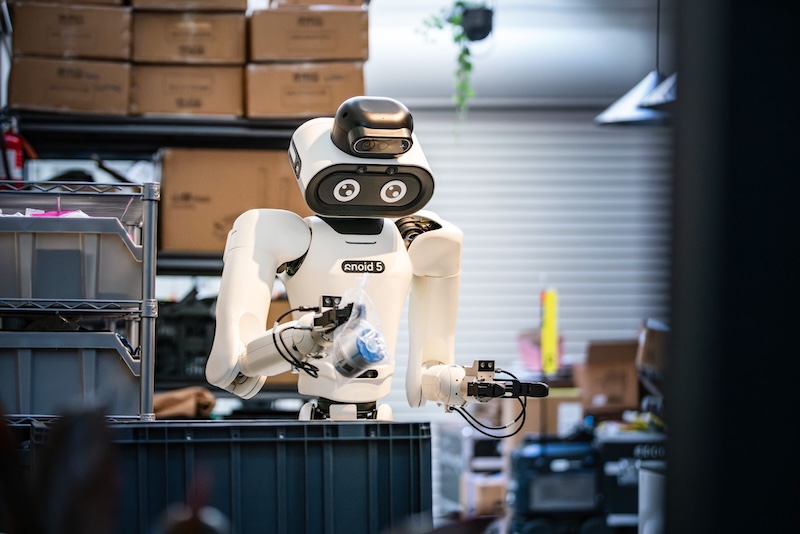
Robot.com Introduces R-noid Humanoid Robot for Challenging Labor Markets
Robot.com has officially launched R-noid, a humanoid robot designed to tackle repetitive and hard-to-fill jobs across various industries. Deployed under a Robot-as-a-Service model, R-noid can achieve autonomous operation within eight to twelve weeks, addressing significant staffing challenges in sectors like healthcare and food services. The introduction of R-noid is crucial as industries face high turnover rates, with quick-service restaurants experiencing over 130 percent staff turnover and hotel operators reporting critical staffing gaps. R-noid aims to alleviate these issues by taking on roles that are difficult to staff, allowing human workers to focus on more skilled tasks. Looking ahead, Robot.com is collaborating with FieldAI to integrate advanced AI capabilities into R-noid, enhancing its operational efficiency in dynamic environments. No further timeline was disclosed at the time of publication.
Humanoids News automation fieldai formic hospitality automation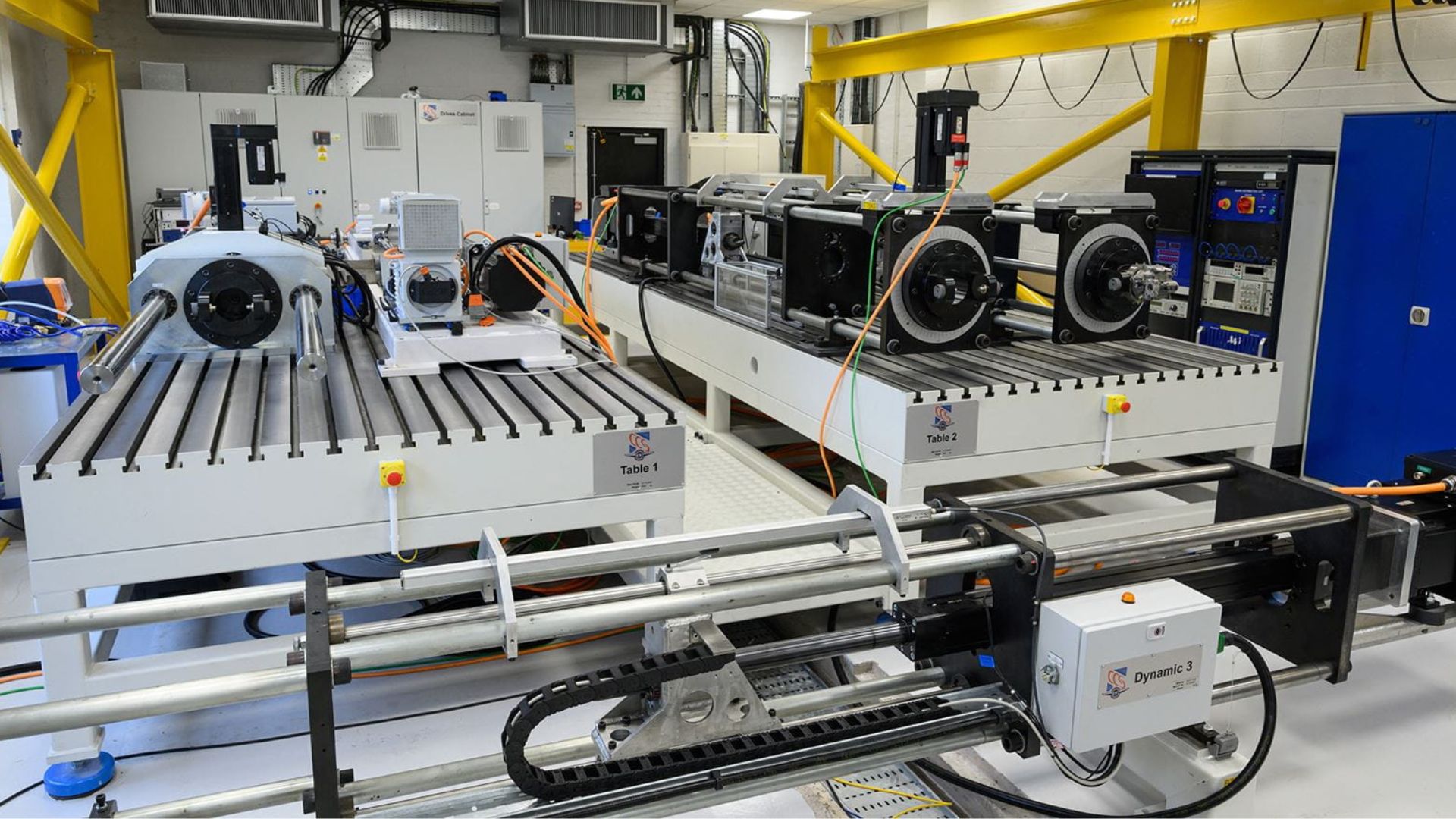
Collins Aerospace Launches U.K. Hub for Electric Thrust Reverser Development
Collins Aerospace has inaugurated a new engineering hub in Wolverhampton, U.K., aimed at accelerating the development of electric thrust reverser systems for next-gen aircraft. The Engineering Center of Excellence is now operational and features a modular test environment designed to simulate real-world conditions for evaluating aircraft components and systems, enhancing the design scalability for future applications. This initiative is significant as the aerospace industry shifts towards electric alternatives to hydraulic systems, which can reduce weight by 15% to 20% in nacelle actuation. The elecTRAS technology, which eliminates hydraulic interfaces, is expected to improve fuel efficiency and operational performance while simplifying maintenance. This aligns with the long-term electrification strategies of original equipment manufacturers (OEMs). Looking ahead, Collins Aerospace aims to streamline development by consolidating its elecTRAS systems engineering and nacelle actuation design teams at the new facility. The company’s technology is already in service on the Airbus A350 family, having logged over 15 million flight hours by 2025. No further timeline was disclosed at the time of publication.
Transportation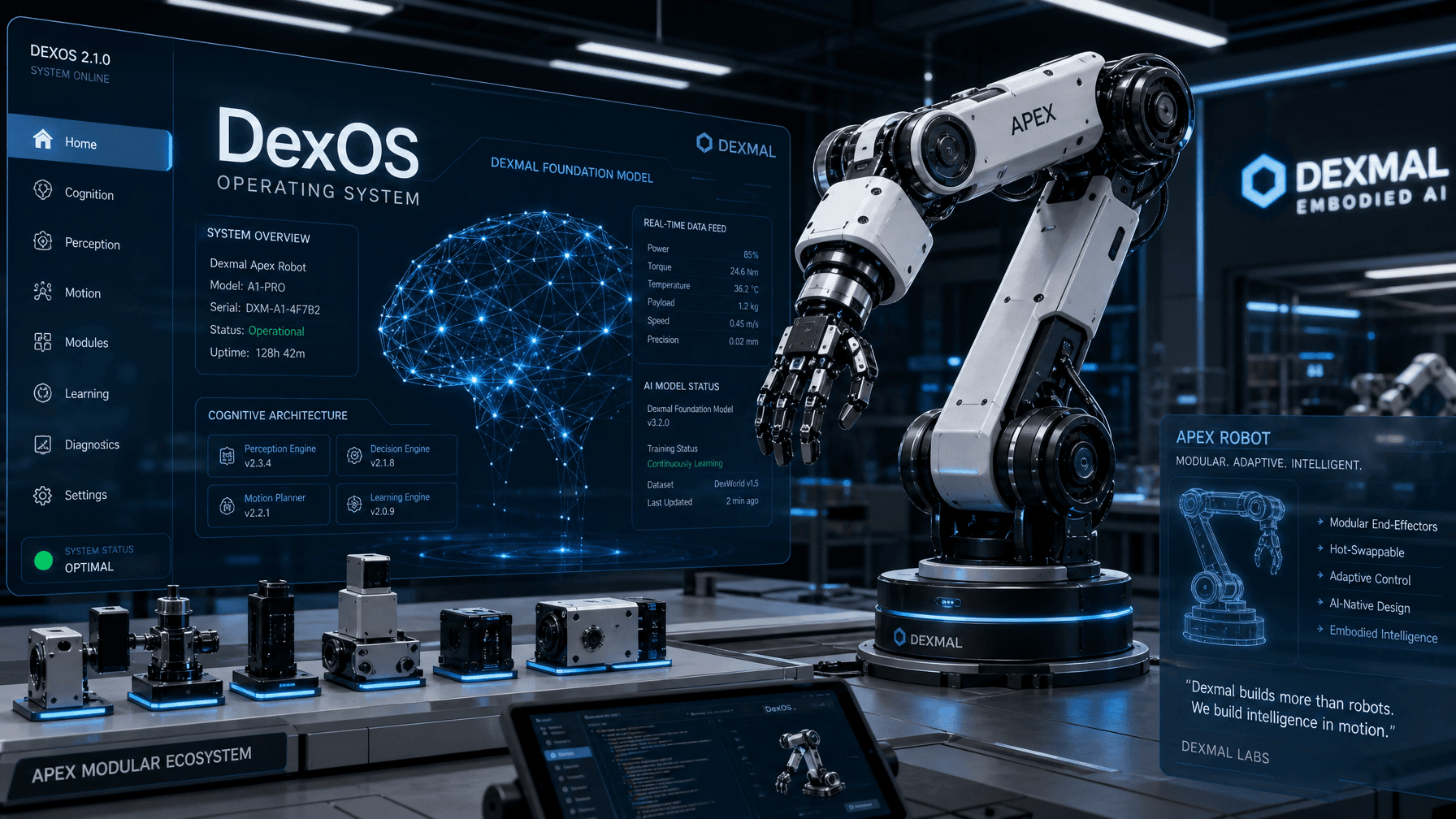
Dexmal Launches DM0.5 Model and DexOS to Enhance Embodied AI Productivity
Dexmal has introduced its DM0.5 foundation model, Apex universal robot, DexOS operating system, and MaaS platform, aiming to bridge the engineering gap between embodied AI models and practical productivity. This launch marks a significant step in the company's strategy to enhance the application of AI in real-world scenarios, with a focus on improving operational efficiency. The introduction of these products is crucial as they represent a comprehensive approach to integrating AI into various sectors. By addressing the final engineering challenges, Dexmal seeks to enable more seamless interactions between AI systems and physical environments, potentially transforming workflows across industries. The DM0.5 model is designed to optimize performance, while DexOS provides a robust operating framework for managing AI tasks. Looking ahead, Dexmal's three-stage strategy will be pivotal in determining the success of these innovations. The company has not disclosed specific timelines for the rollout of these products, but the focus on enhancing productivity through embodied AI suggests a proactive approach to market demands and technological advancements.
TechnologyRobotics needs a service framework.
RSF defines a common language for robot service capability, lifecycle operations, certification pathways, and service-provider networks.